
## Bird Displays: What They Mean
Spring and early summer are a riot of motion and color in backyards, hedgerows, and parks. If you’ve ever watched a robin puff up, a wren flick its tail like a tiny metronome, or a male cardinal sing while flashing its crest, you’ve witnessed bird displays in action. These behaviors are the language of courtship, territory, and pair bonding — and they can be ridiculously entertaining if you let them be.
Bird displays serve several purposes: attracting mates, advertising fitness, securing territory, and synchronizing breeding. Some are loud and showy; others are subtle and private. Either way, they tell you a lot about what a bird is thinking (in bird terms): “I’m available,” “I’m fit,” or “This is my patch, back off.”
### Visual Displays And Plumage Flashes
One of the most obvious categories of bird displays involves appearance and movement. Bright feathers, exaggerated postures, wing flicks, and tail fanning all fall here.
#### Feathers, Color, And The Flashy Factor
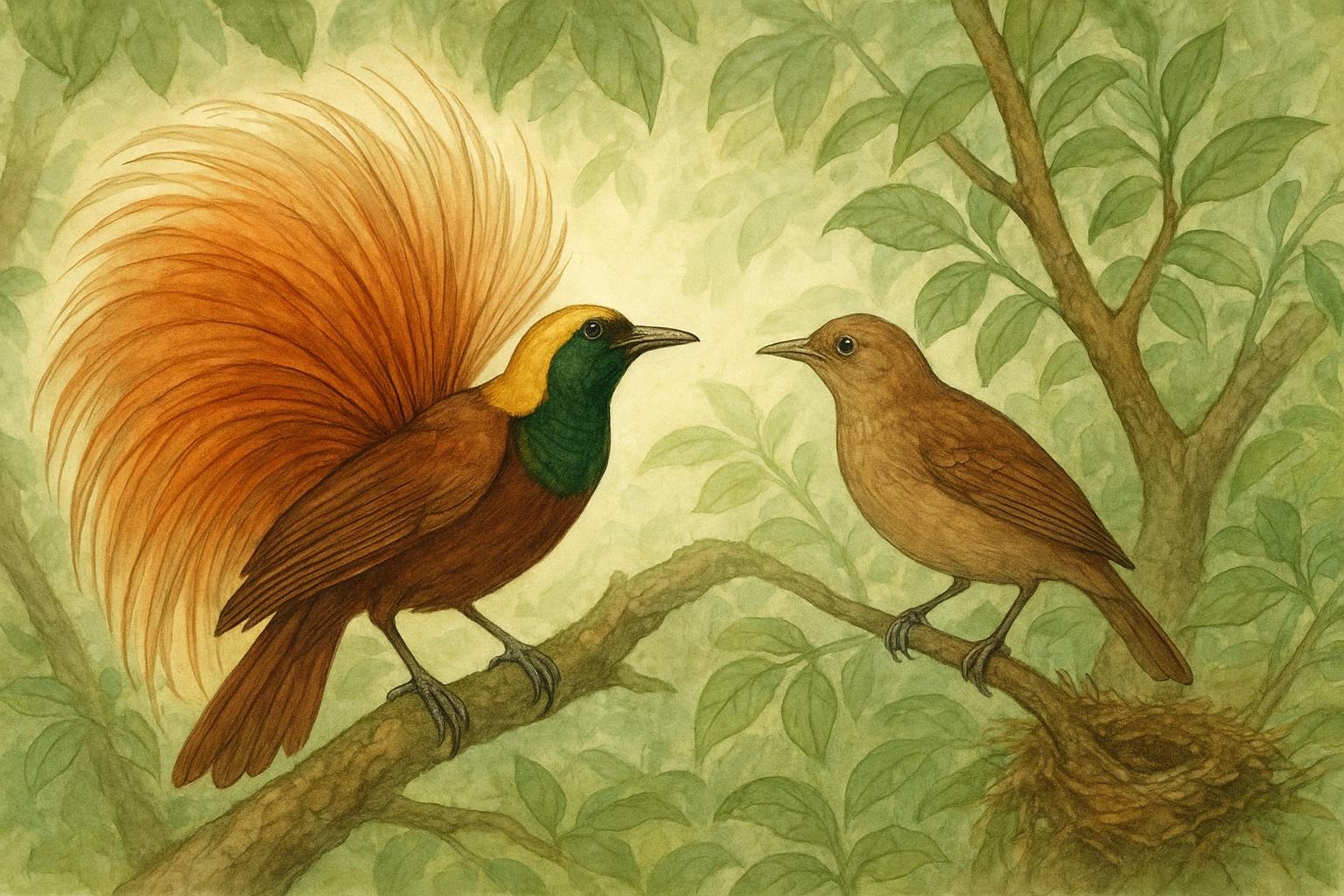
Males of many species have evolved bright plumage to catch a mate’s eye. A male attracts attention not just by color but by showing it off: spreading flank feathers, flashing secondary wing patches, or angling his body toward the sun to make hues gleam. This is classic sexual selection: the flashier the display, the more likely a female is to notice and evaluate fitness.
#### Dance, Posture, And Acrobatics
Some birds go beyond color and perform dances. Think of the complex hopping sequences of manakins or the bowing and sky-pointing of many sparrows and warblers. These choreographed routines test coordination and stamina — practical qualities in a potential mate.
### Vocalizations And Acoustic Displays
Bird displays aren’t only visual. Songs, calls, duets, and even silence can all be parts of the courtship repertoire.
#### Songs, Calls, And Duetting
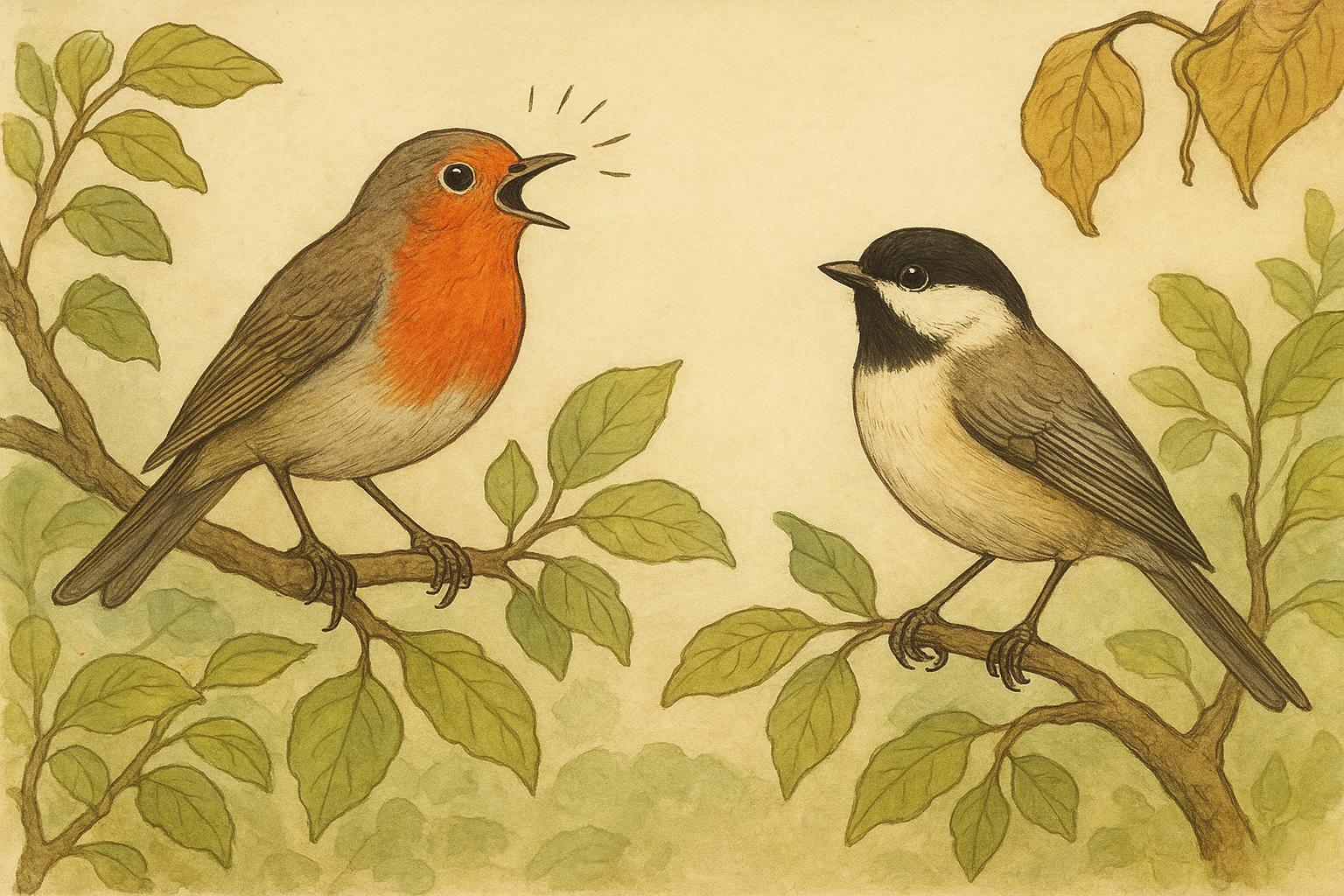
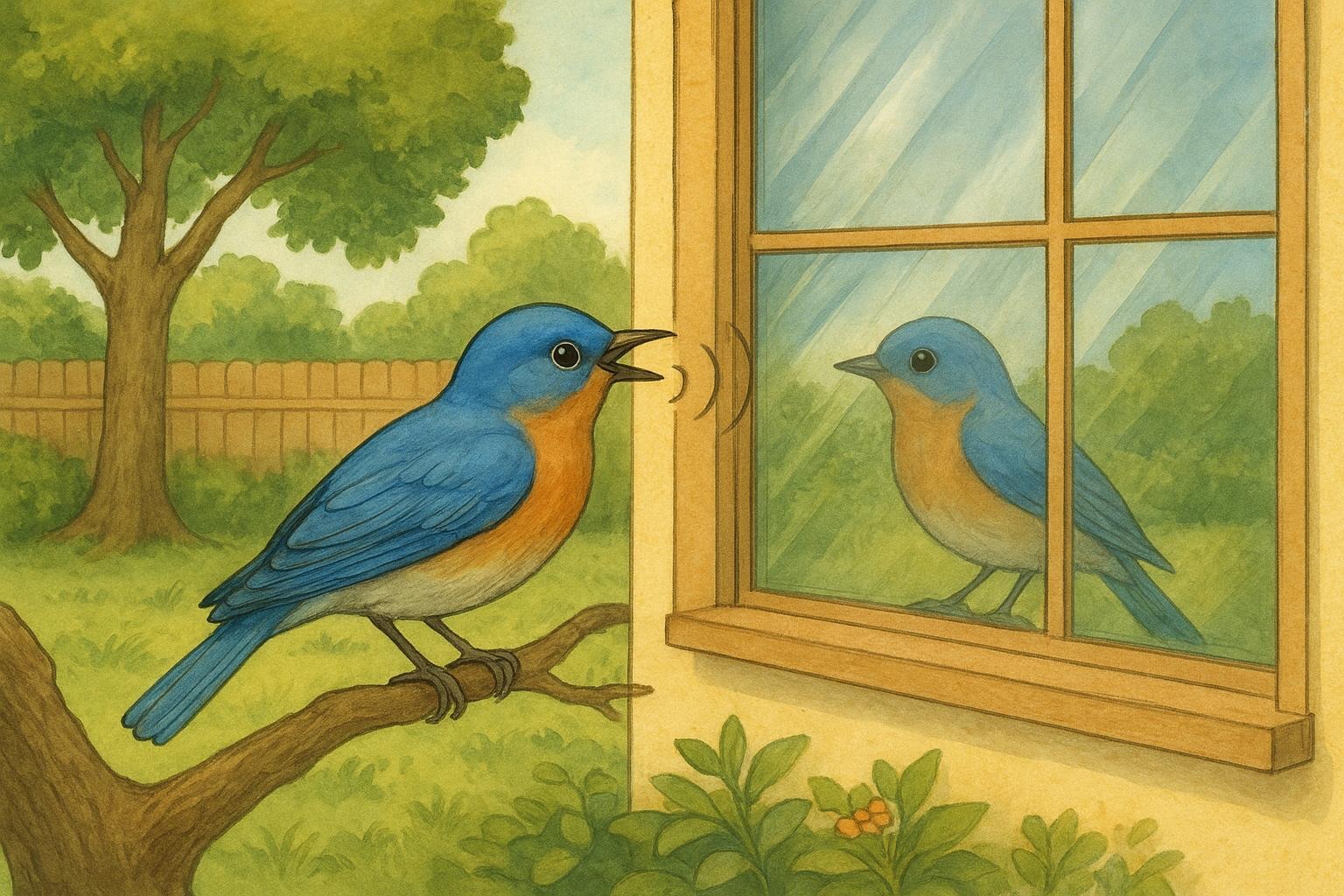
Males often use song to claim territory and attract mates. In species that duet, coordinated calling helps strengthen pair bonds and may signal territory occupancy. Vocal performance — variety, length, and frequency — can indicate a male’s age, health, and breeding readiness.
#### Mechanical Sounds And Nonvocal Signals
Some species use nonvocal sounds as part of their displays: the clacking of tail feathers, wing-rattling, or even objects manipulated as instruments. These mechanical sounds are as informative as any melody.
## How To Observe Bird Displays Ethically
Watching courtship is delightful, but it’s important to keep birds’ welfare in mind. Disturbing a pairing bird can cause nest abandonment or missed opportunities. Follow these friendly guidelines.
### Keep A Respectful Distance
Use binoculars or a spotting scope. Avoid approaching nests or displaying birds directly; let nature do its romantic work without an audience of two-legged paparazzi.
### Limit Time And Frequency
Repeated observation sessions from the same spot can still be stressful. Rotate viewing areas and keep visits brief. If you notice alarm calls or agitated behavior, back off.
#### Avoid Nest Interference
Do not touch nests or nest materials. Avoid placing cameras or gear too close for prolonged periods. Nest abandonment is more common than people realize, and it’s avoidable with simple restraint.
## Interpreting Common Bird Display Behaviors
Not every puffed chest or elaborate call is the same across species. Here are a few patterns to help decode what you’re seeing.
### Pair-Bonding Rituals
Mutual preening, synchronized hopping, and exchange of nesting materials are often signs that a pair is forming or strengthening a bond. These displays are typically low-risk and quiet.
### Territorial And Aggressive Displays
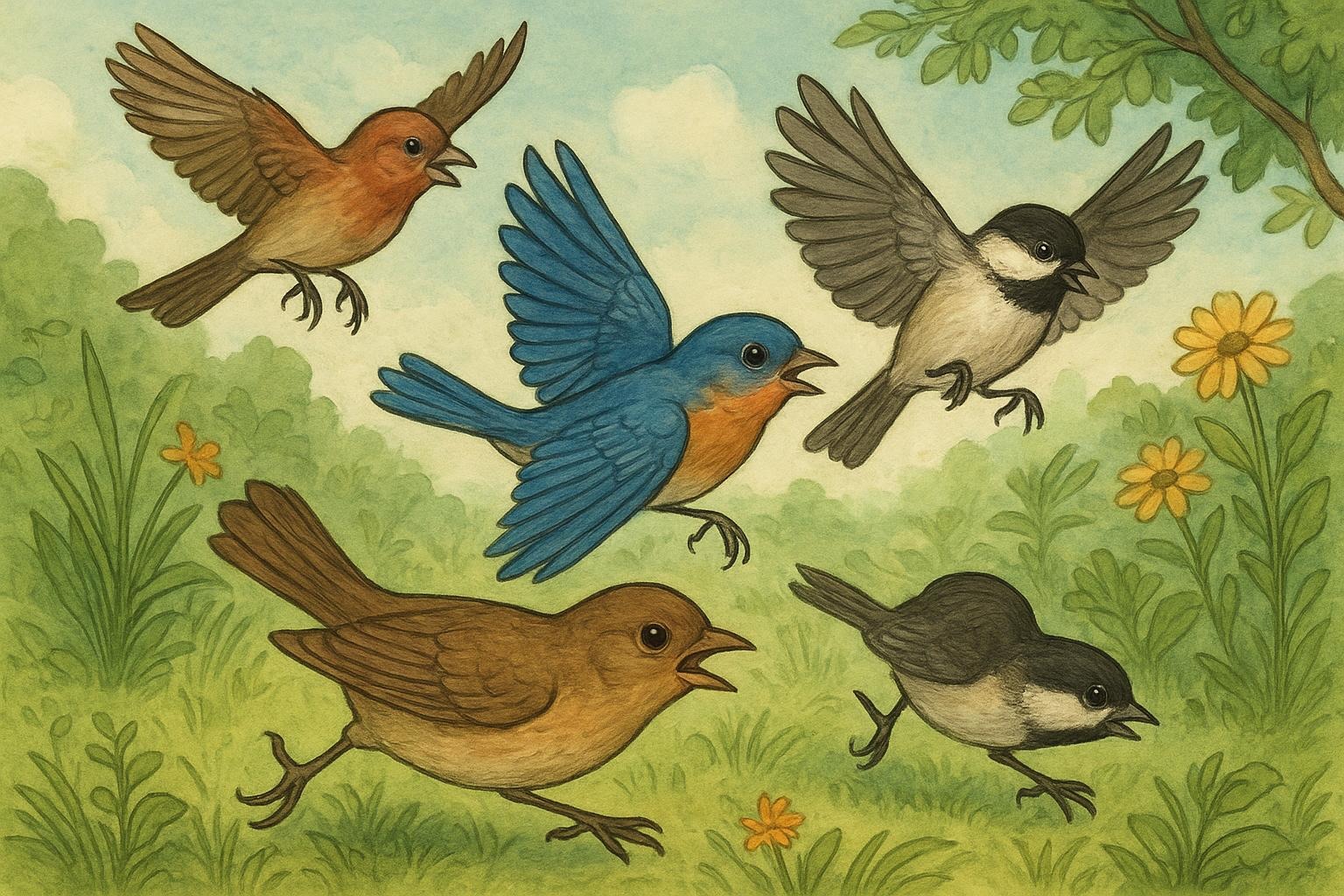
Chasing, aerial dives, and loud, repetitive song often signal territorial defense rather than courtship. Context matters; a male singing from a high perch at dawn is likely advertising, but the same song given in an aggressive posture toward an intruder is different.
### Courtship Feeding And Material Exchange
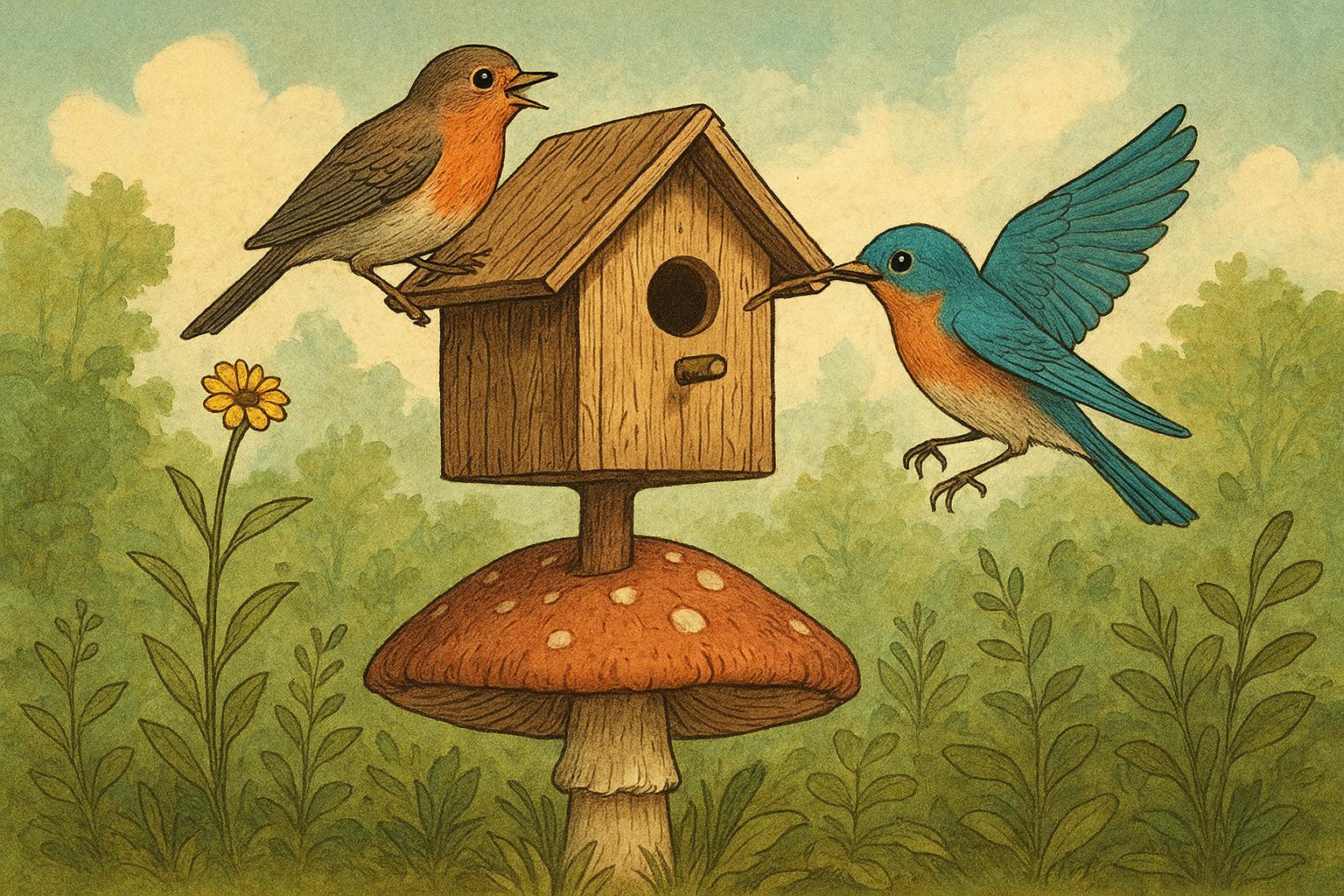
When a male offers food or nesting material to a female, it’s a direct demonstration of his ability to provide. This behavior frequently precedes nest-building and is a strong indicator that breeding is imminent.
## Simple Habitat Enhancements To Encourage Courtship (Remedy)
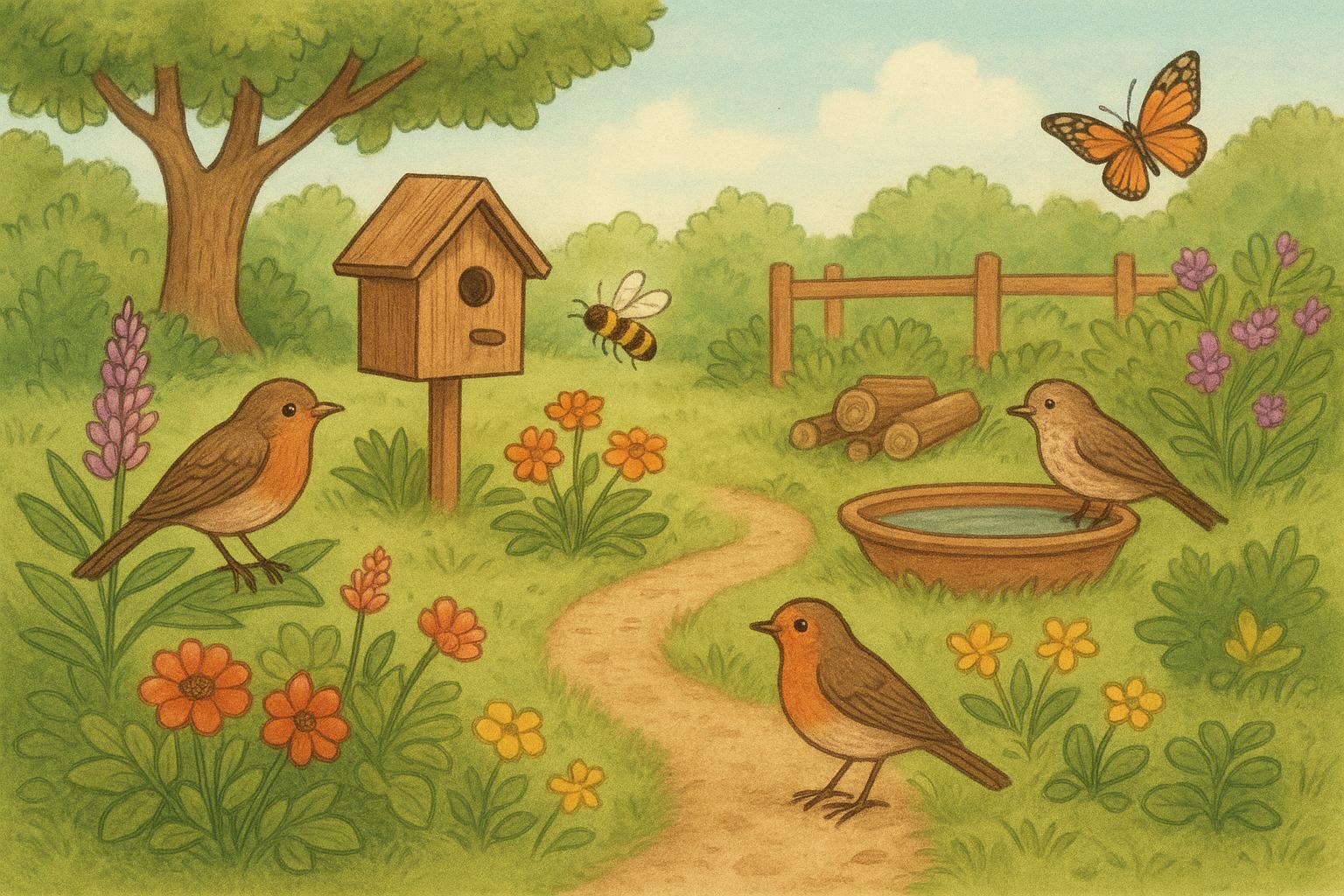
When homeowners want to support local birds during breeding season, a few evidence-based habitat tweaks can make an appreciable difference. The following remedy is presented in a formal, informative tone and includes materials and step-by-step instructions to create a bird-friendly nesting patch that encourages natural bird displays without encouraging human interference.
#### Materials And Required Items
– Native plants assortment (shrubs, flowering perennials, grasses)
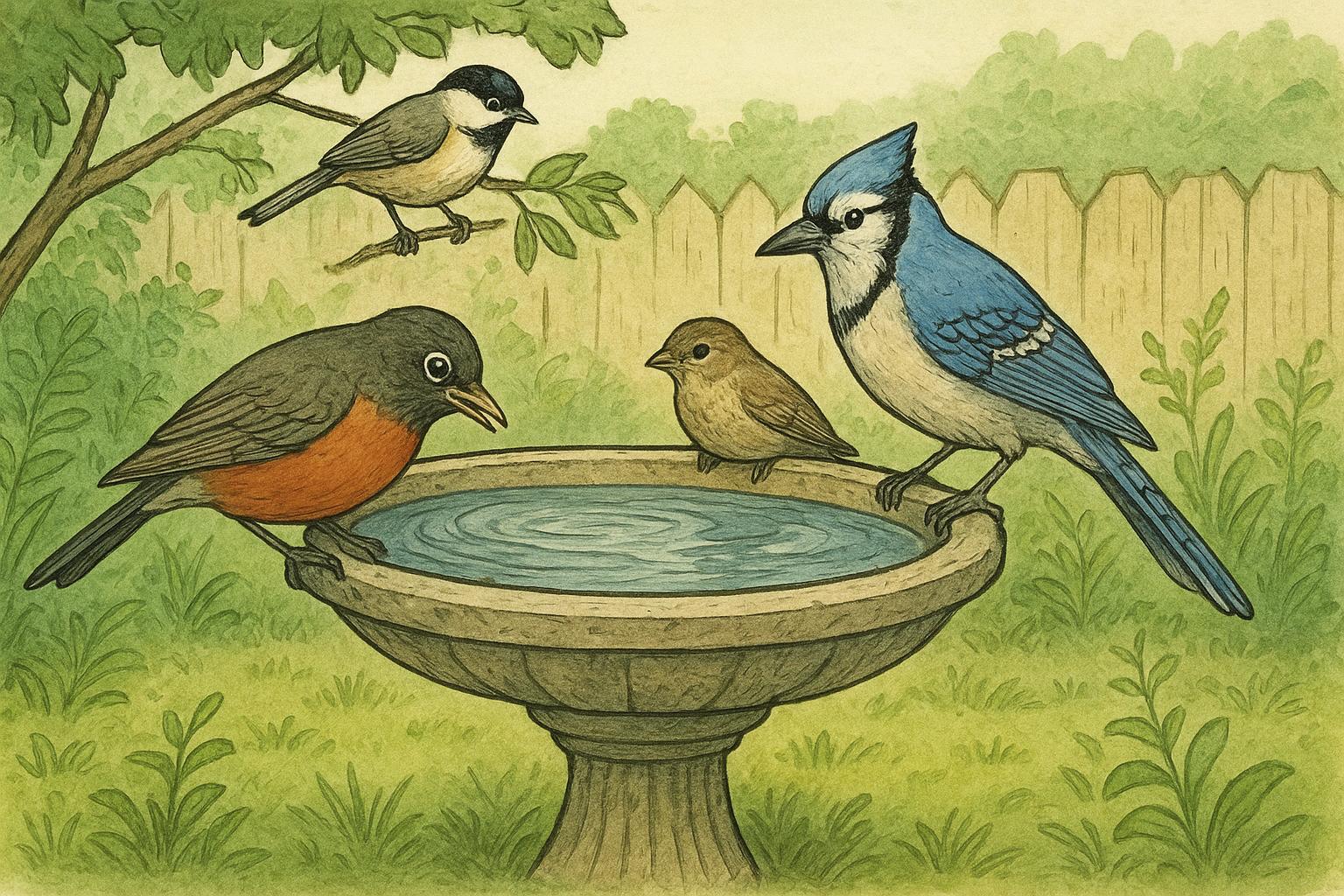
– A small water source (birdbath or shallow fountain)
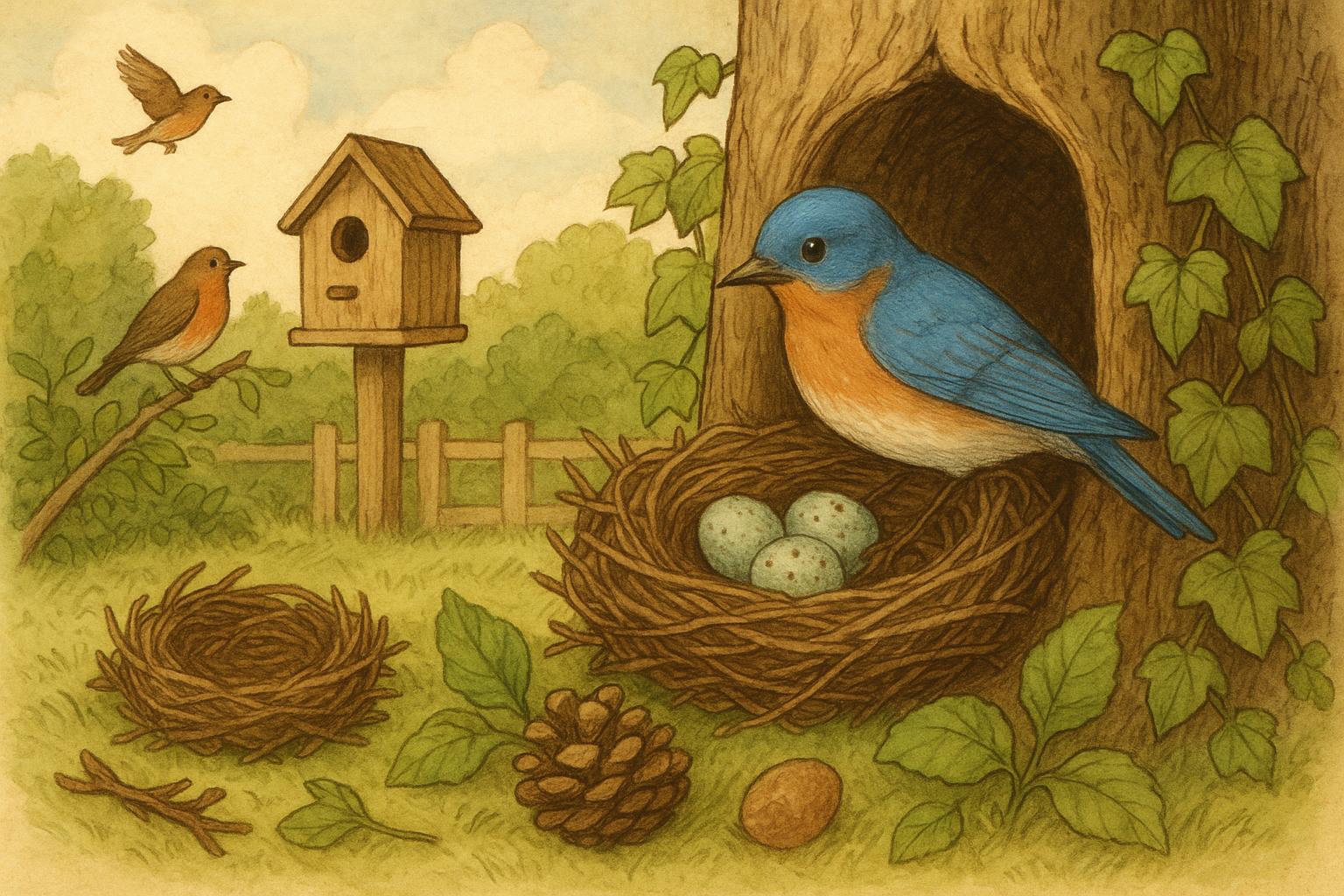
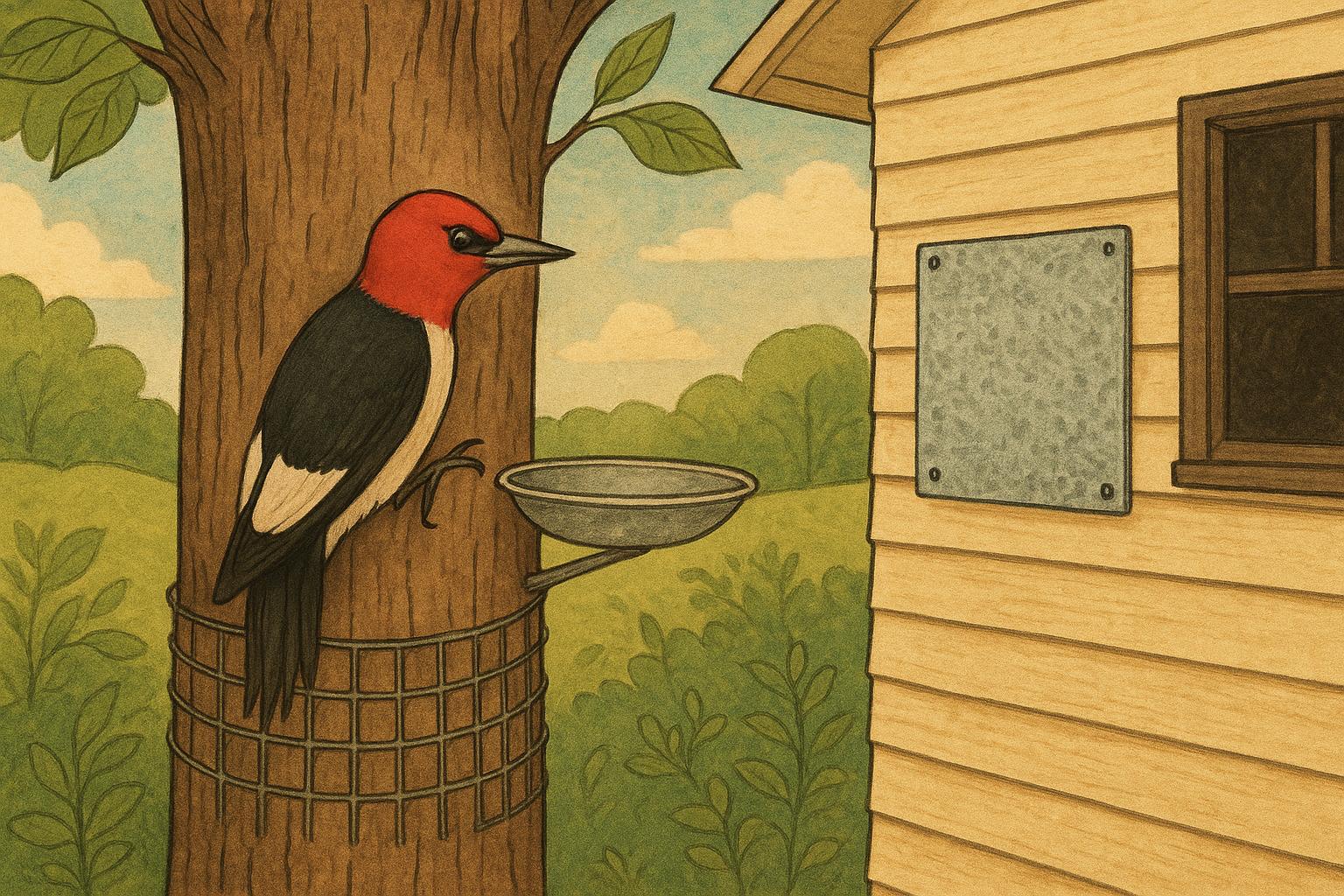
– Nesting material station (bowl with natural fibers like dry grass, pet fur, hair from brushings)
– Predator deterrents (baffle for pole-mounted feeders, cat-free zone signage)
– Brush pile materials (small branches, leaf litter)
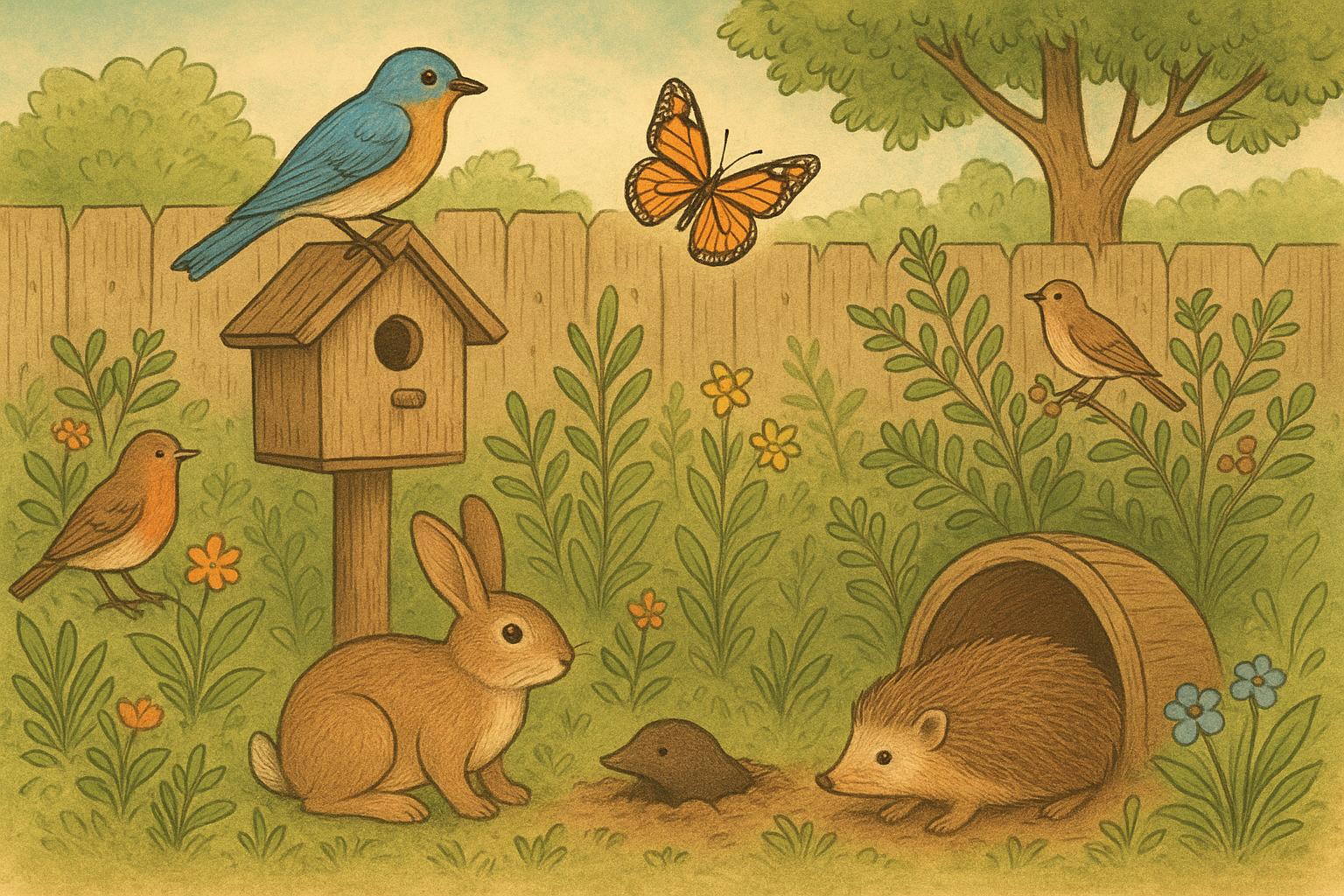
– Optional: a few species-appropriate nest boxes with predator guards
Step-By-Step Creation And Application
1. Site Selection and Planting
– Choose a location with a mix of sun and shade that adjoins existing cover if possible. Plant native shrubs and perennials in groups to provide shelter, insect food sources, and perching sites for display.
– Space plantings to create a layered structure: low groundcover, mid-height shrubs, and a few taller trees or poles for lookout perches.
2. Install Water Source
– Place a shallow birdbath or small fountain near the shrub layer but not too close to dense cover (which predators could use). Ensure the water feature has gentle movement and is shallow (1–2 inches) at the edge.
– Maintain clean water; change or filter regularly to avoid mosquito breeding and disease risks.
3. Provide Nesting Materials Ethically
– Offer natural, untreated fibers in an open bowl or mesh dispenser. Replace materials if they become soiled. Do not provide string, wool with long fibers, or synthetic threads that can entangle nestlings.
– Monitor from a distance; do not touch birds taking materials.
4. Create Safe Roosts And Brush Piles
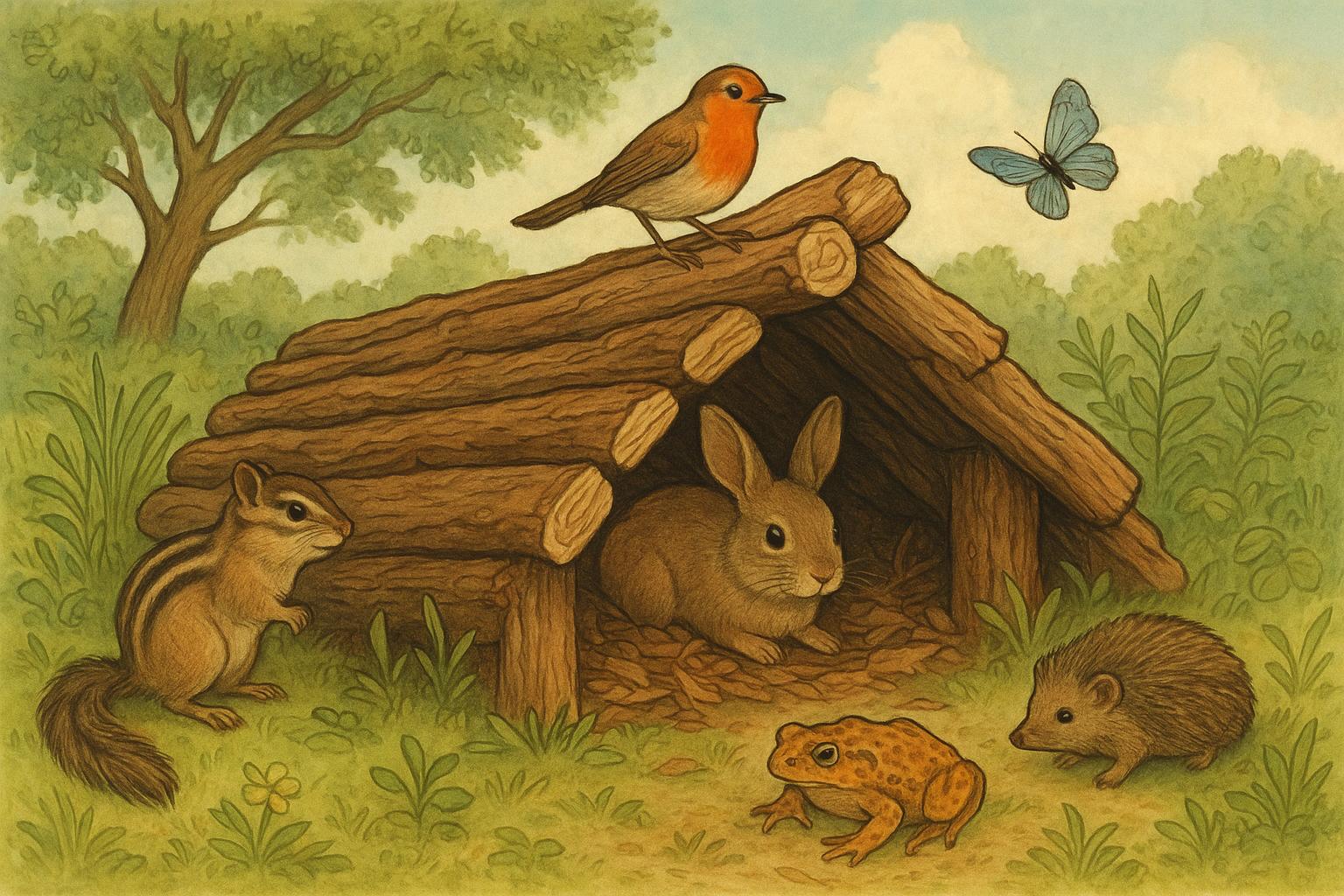
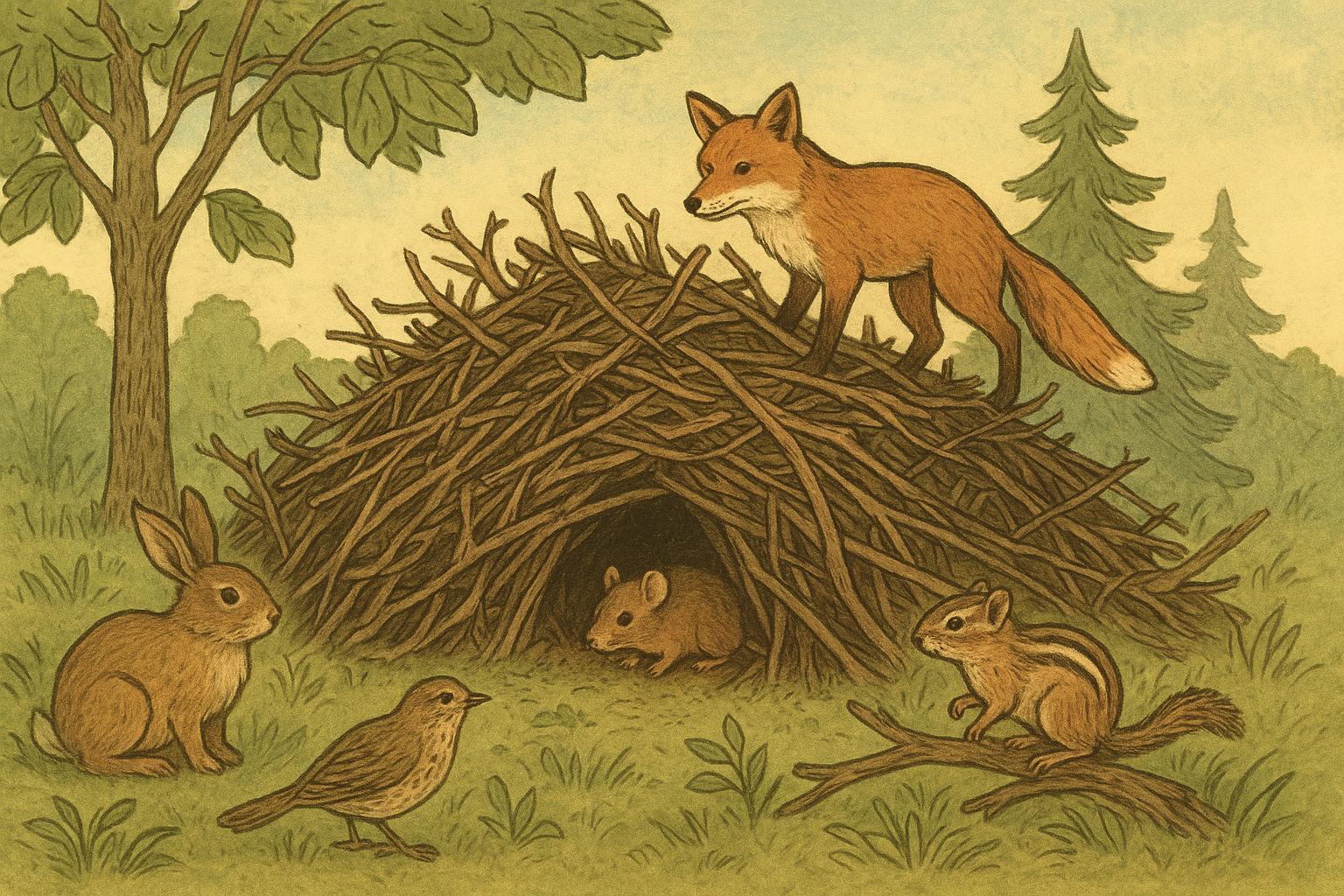
– Construct a brush pile at least 10–15 feet from high activity zones to serve as refuge. Use small branches and leaf litter; do not use treated wood or contaminated materials.
– Keep brush piles intermittent across the property to disperse shelter options and reduce predator concentration.
5. Install Nest Boxes If Appropriate
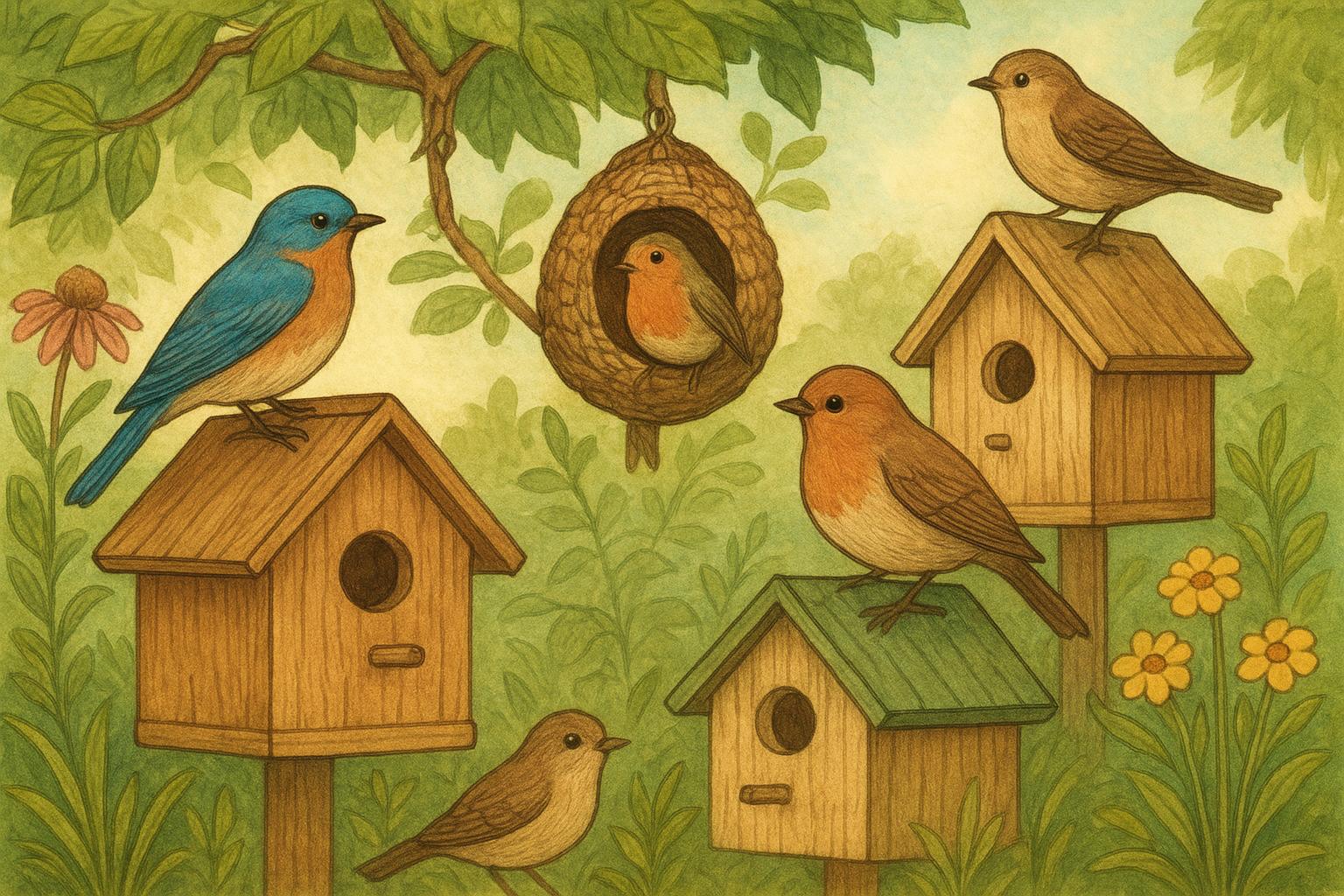
– Select species-specific boxes and mount them at recommended heights and orientations. Add predator guards and ensure boxes are securely fastened.
– Clean boxes annually in late winter, before occupancy, to reduce parasites. Avoid checking during active nesting.
6. Reduce Predation Risks
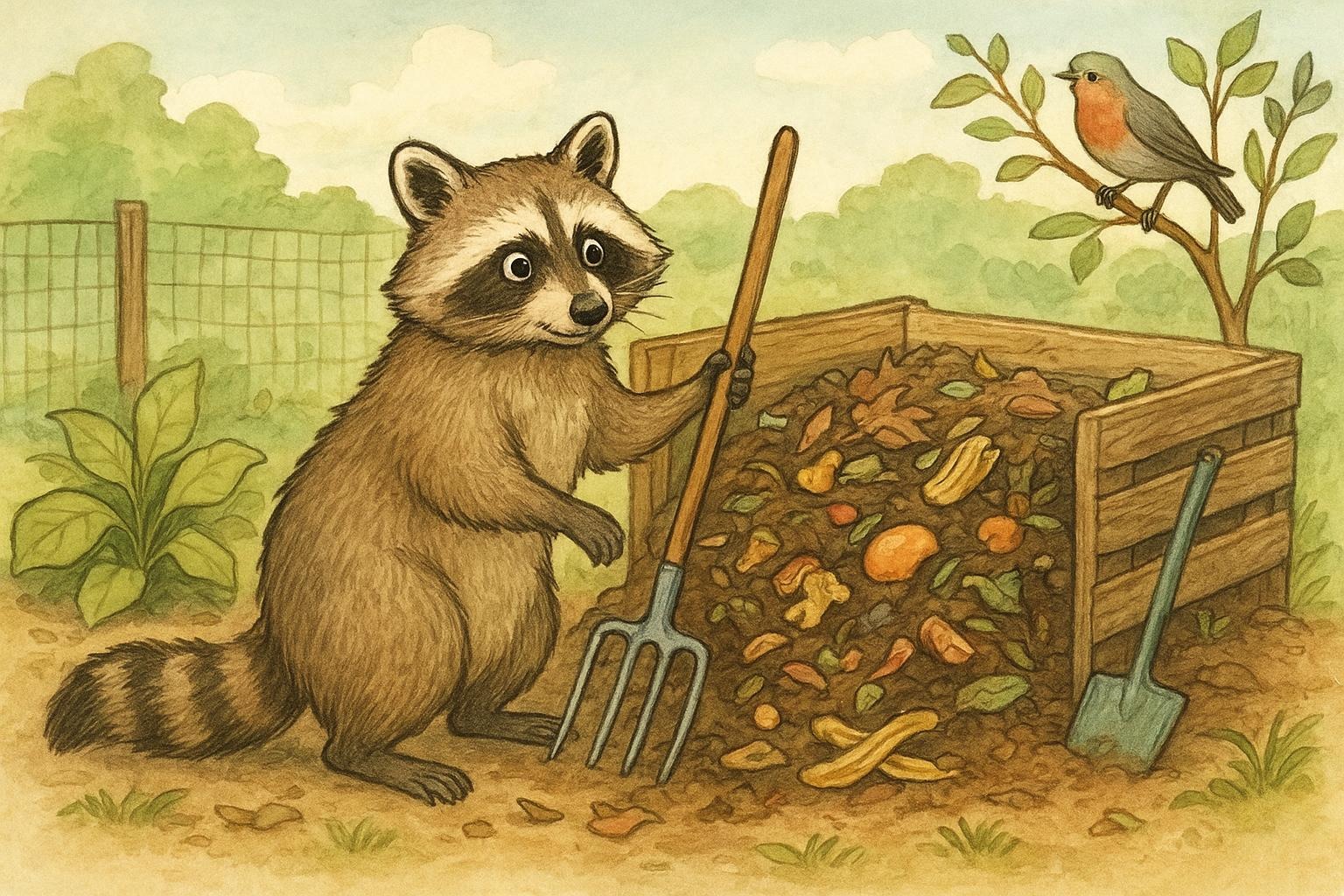
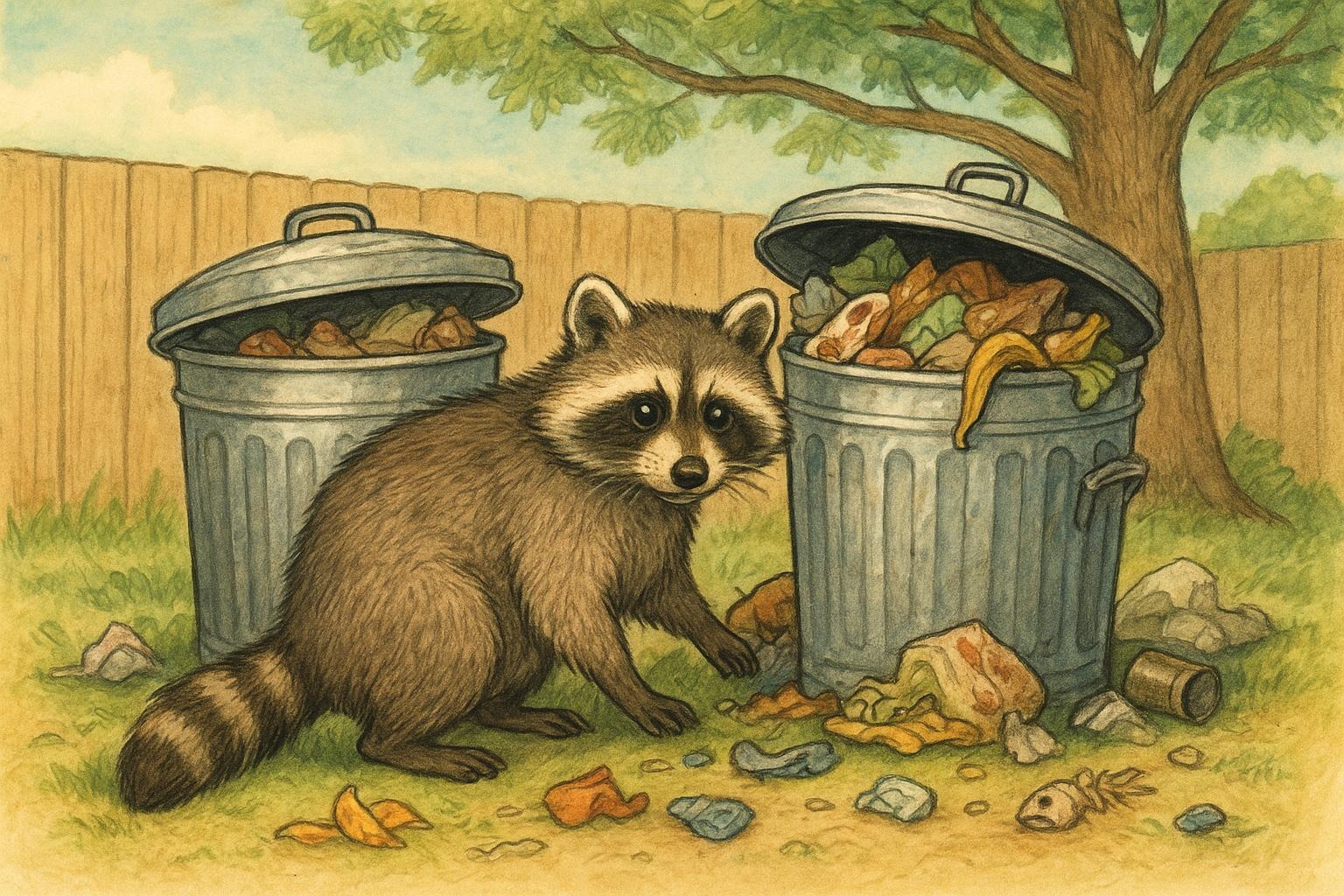
– Remove attractants for predators: secure pet food, close compost bins, and designate a cat-free area if possible.
– Install baffles on poles supporting feeders or nest boxes. Maintain at least 10–12 feet between feeders and cover where possible, so predators can’t ambush from perches close to nests.
7. Monitor And Adjust
– Observe from a distance using binoculars. Track usage of nest boxes and nesting material stations, and be prepared to move or modify elements if they appear to increase predator activity.
– Keep records of display behaviors and nesting success to inform future habitat improvements.
Note: All actions should be consistent with local wildlife regulations. Avoid interventions that could unintentionally harm birds, such as providing inappropriate nesting materials or excessive human contact.
## Examples From Backyard Species
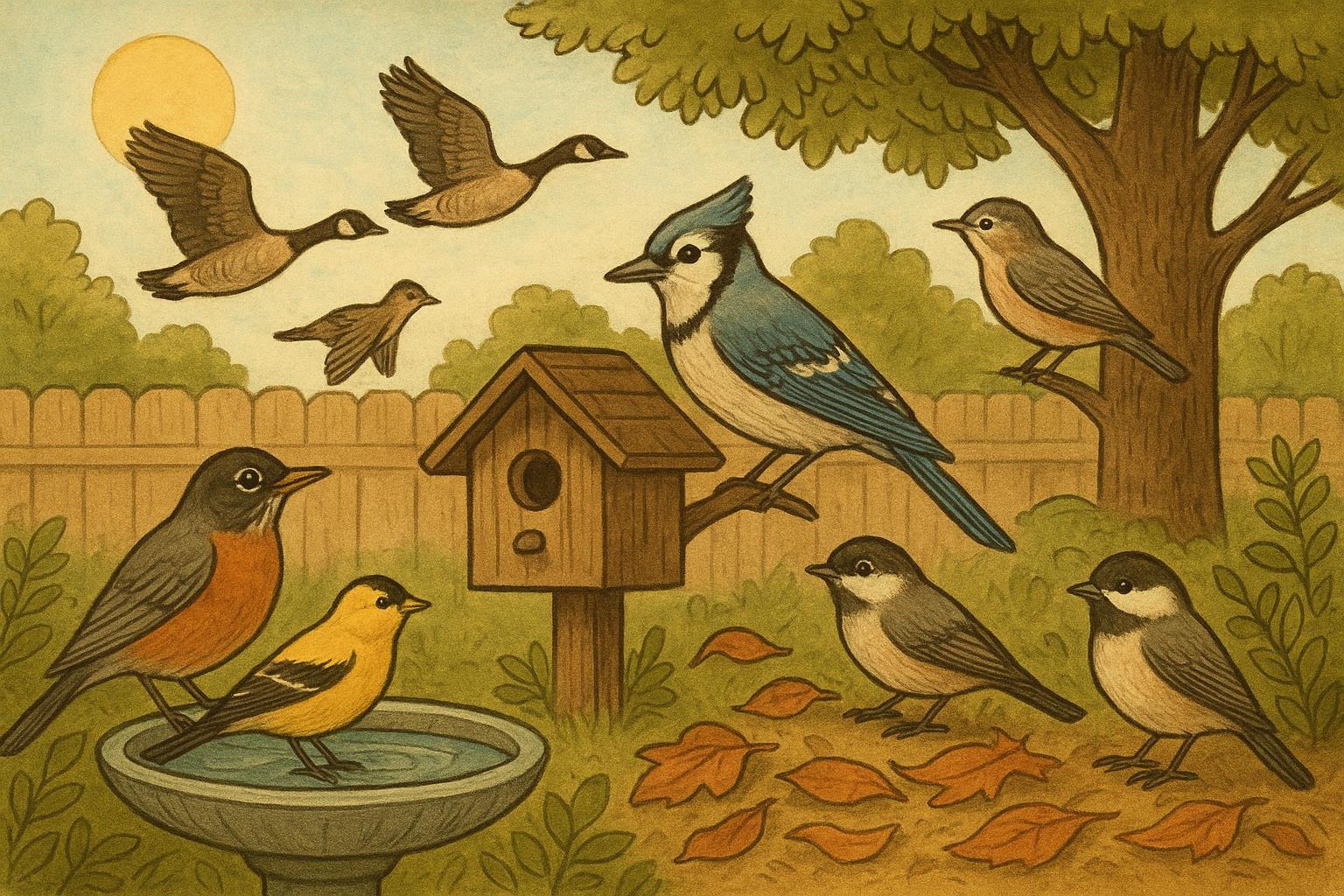
Watching local species helps connect the general patterns above with specific behaviors you’ll see in your yard.
### Sparrows And Warblers
These smaller songbirds often rely on hopping displays, wing flicks, and soft vocalizations. Look for rhythmic movements and male-female interactions near dense shrubs and low perches.
### Robins, Thrushes, And Flycatchers
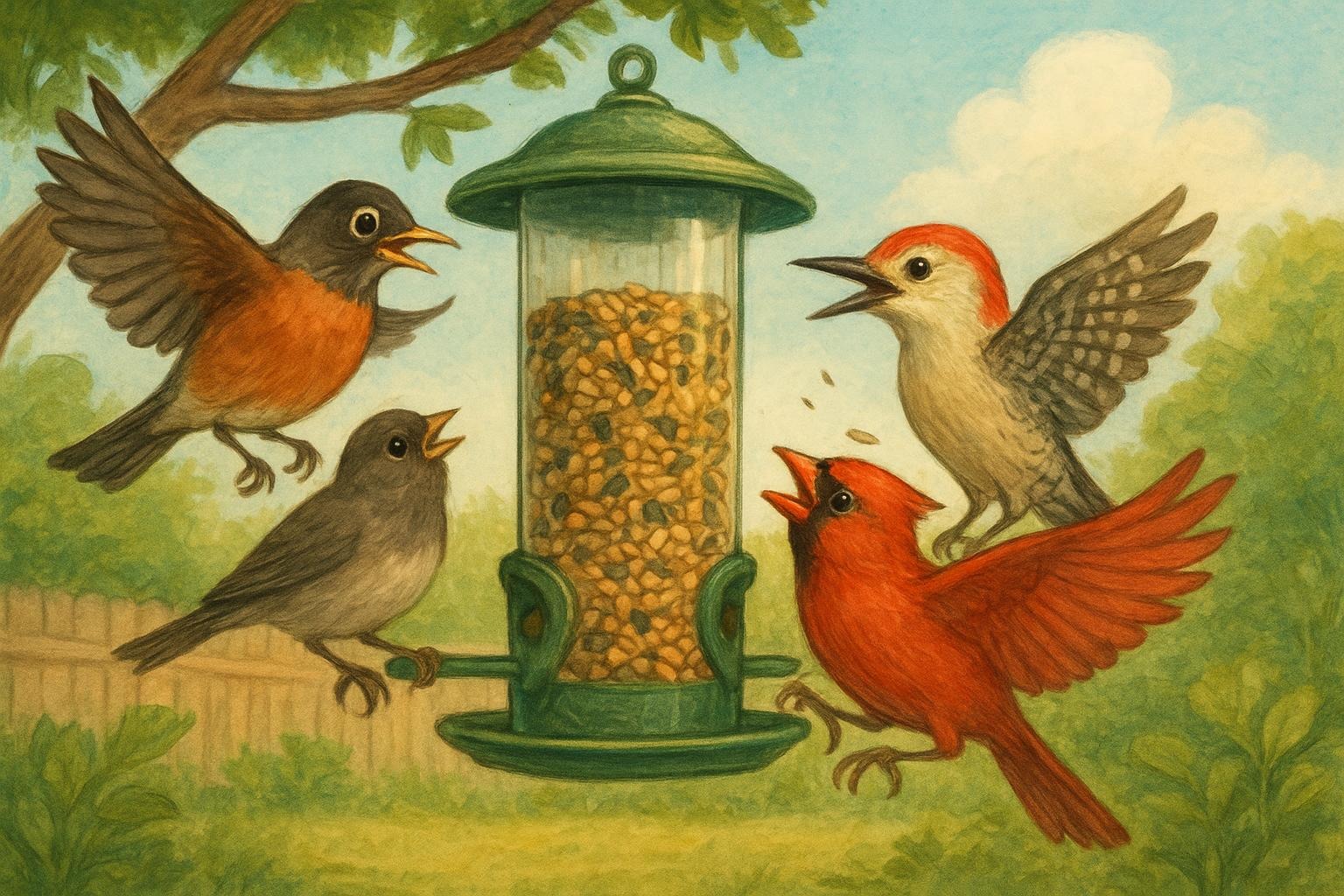
Robins and thrushes may use upright postures and low flight displays, while some flycatchers include aerial chases as part of courtship. Meal offerings to females are common here too.
### Cardinals, Finches, And Buntings
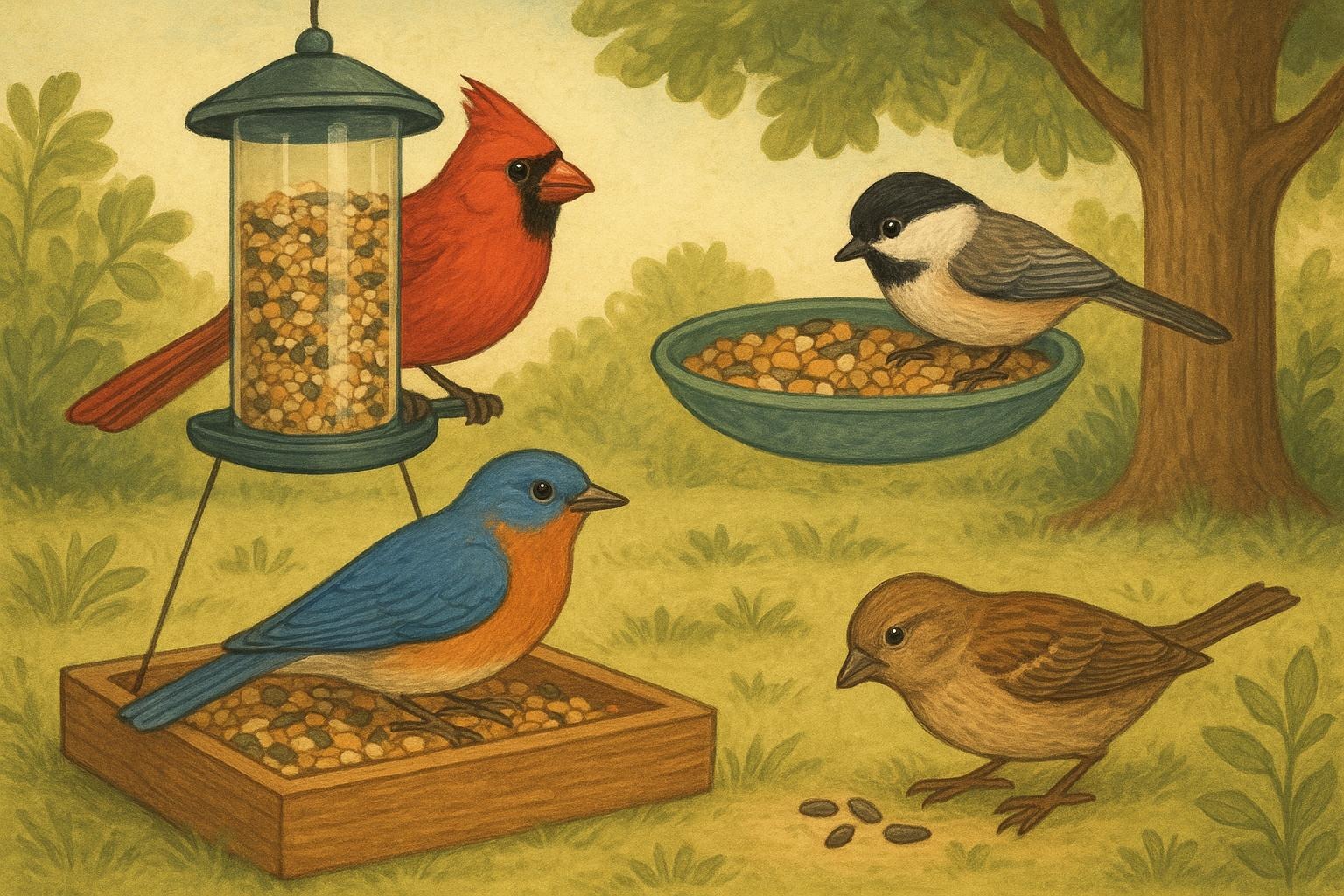
Brightly colored males use conspicuous perching and singing to advertise. Expect crest raises, tail flicks, and short, repeated songs. These bird displays are designed to be seen from a distance.
#### Keeping It Fun And Responsible
If you’re the kind of person who counts bird displays like points scored in a conversational sport, remember: your role is the appreciative audience, not the director. Let birds do what they do; enhance habitat, reduce hazards, and enjoy the show.
### When Displays Indicate Trouble
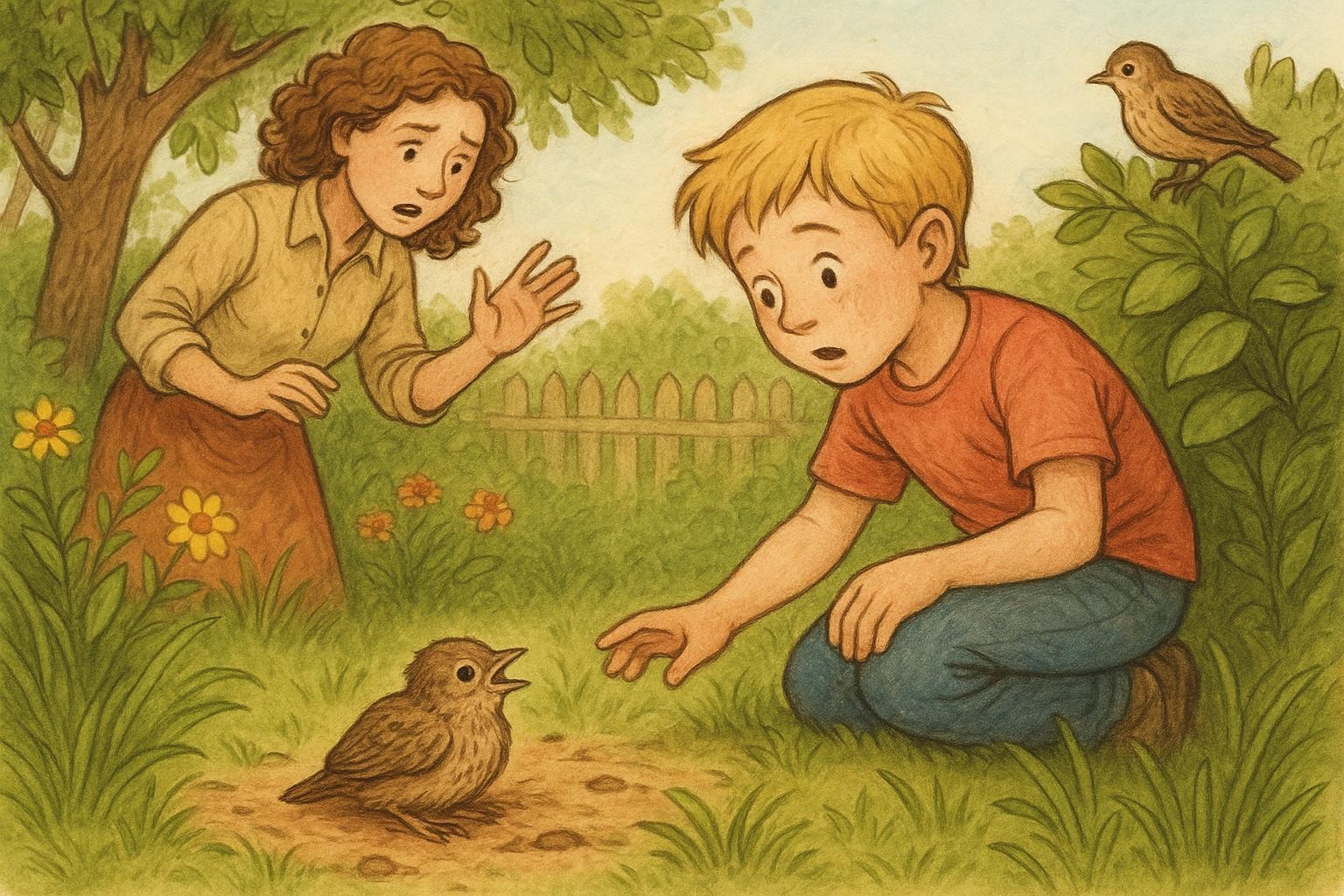
Occasionally, abnormal or persistent distress calls, repeated failed nest attempts, or visible injuries indicate a problem. In such cases, document observations (time, species, behavior) and contact a licensed wildlife rehabilitator or local conservation agency for guidance. Do not attempt to capture or treat wild birds without training.
## Resources For Further Learning
Field guides, local birding groups, and citizen science platforms are excellent next steps if you want to deepen your understanding. Watching bird displays is an accessible way to learn bird biology and feel connected to the natural seasons — with an excellent chance of being amused.


Leave a Reply