
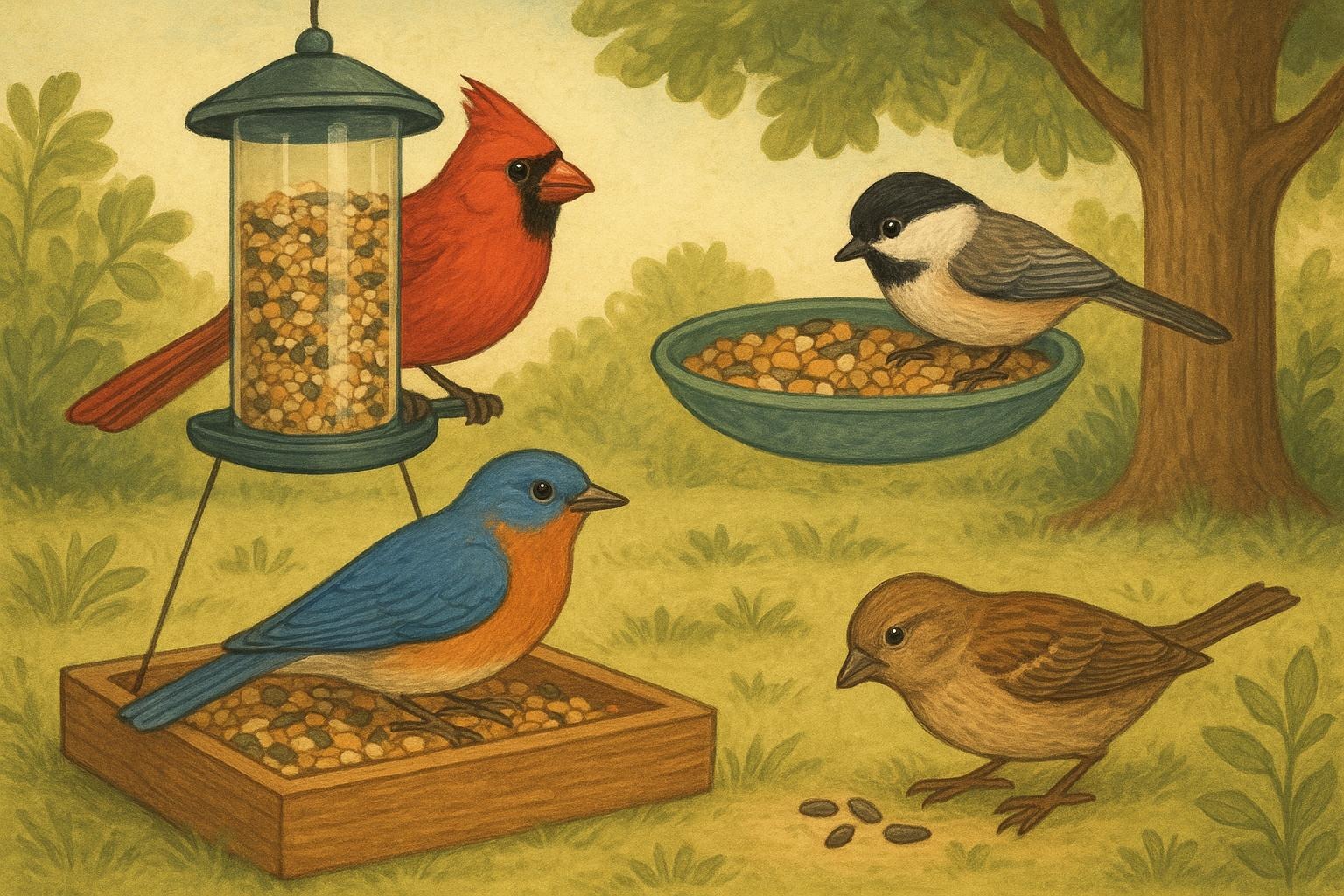
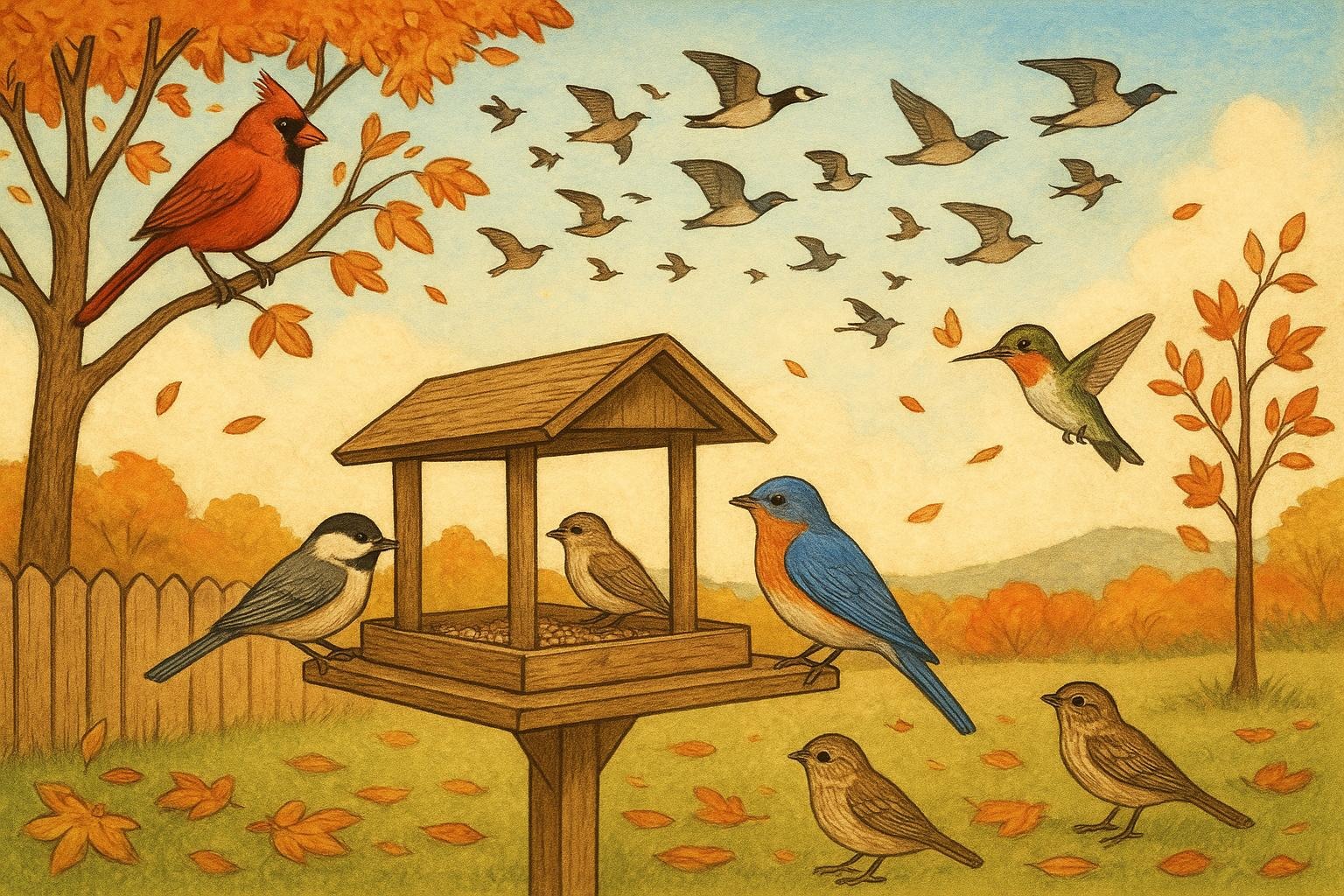
Welcome! If you enjoy a relaxing morning coffee accompanied by chirps and a bit of backyard theater, you’re in the right place. Attracting a variety of species comes down to three things: the right feeders, a little patience, and—crucially—the right bird seed. This relaxed guide walks you through who eats what, how to store and present food, common pitfalls, and two practical remedies for making your own high-energy treats and custom mixes.
## Best Bird Seed For Different Backyard Birds Practical Guide
### Finch Fancies (Small-Billed Connoisseurs)
Finches — think goldfinches, house finches, and siskins — have tiny bills built for small, oil-rich seeds. Nyjer (thistle) is the gold standard for attracting these little clowns: it’s tiny, high-energy, and disperses best in mesh tube feeders or sock feeders designed for finches. Black oil sunflower will get some finches too, but if you want a focused finch feeder, use straight nyjer.
Feed in small quantities and keep nyjer dry; it tends to spoil faster once damp. Rotate fresh supply often to keep finches coming back.
### Cardinal And Grosbeak Comforts
Cardinals and grosbeaks favor larger, hearty seeds. Their bill strength lets them crack open whole sunflower seeds with gusto. Black oil sunflower seed is often the most universally accepted option here because the shells are thin and the kernels are high in fat and protein, great for breeding and molting seasons.
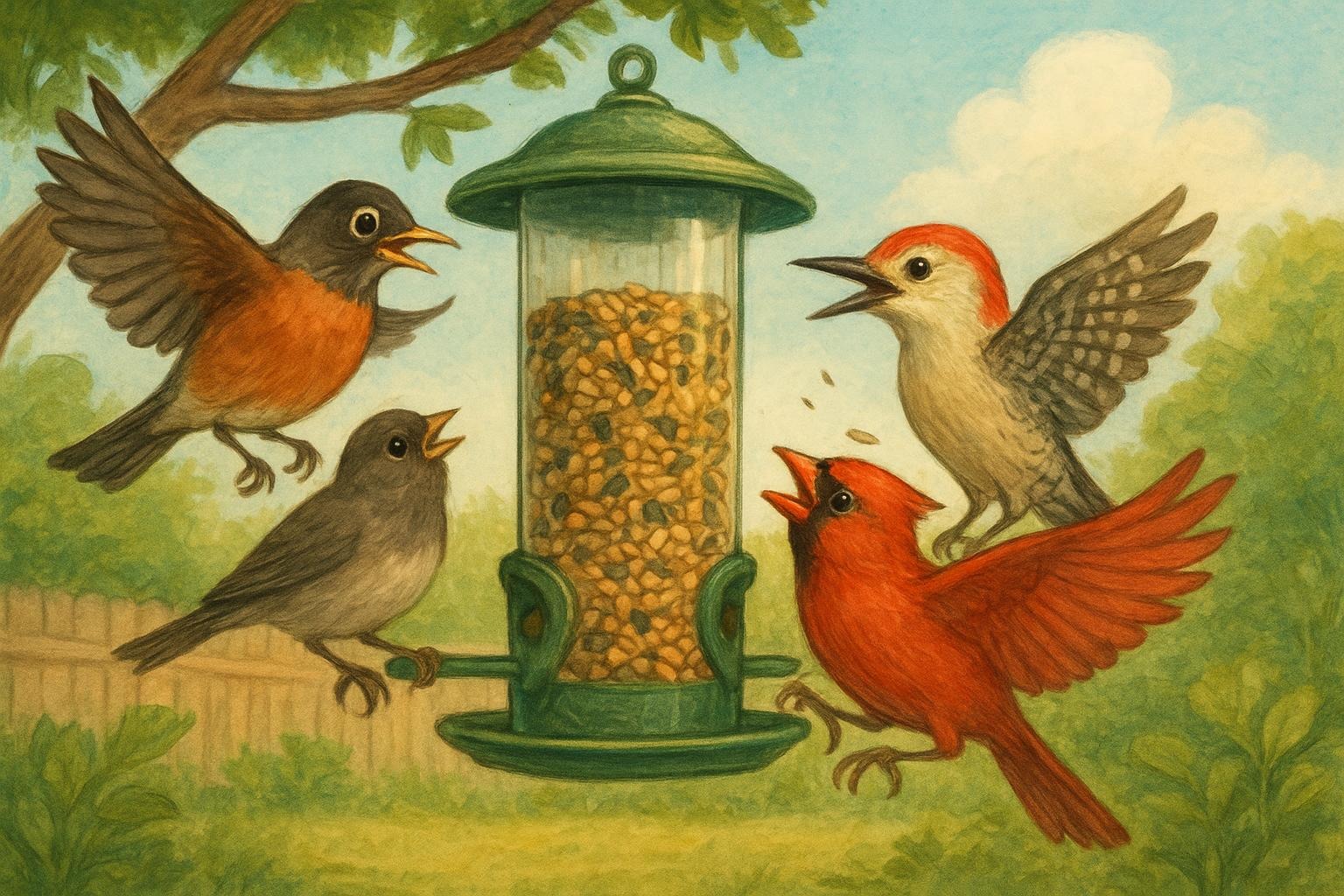
Offer these seeds in platform feeders, hopper feeders, or large tube feeders with perches sturdy enough for a cardinal’s confident stance.
### Chickadee And Nuthatch Favorites
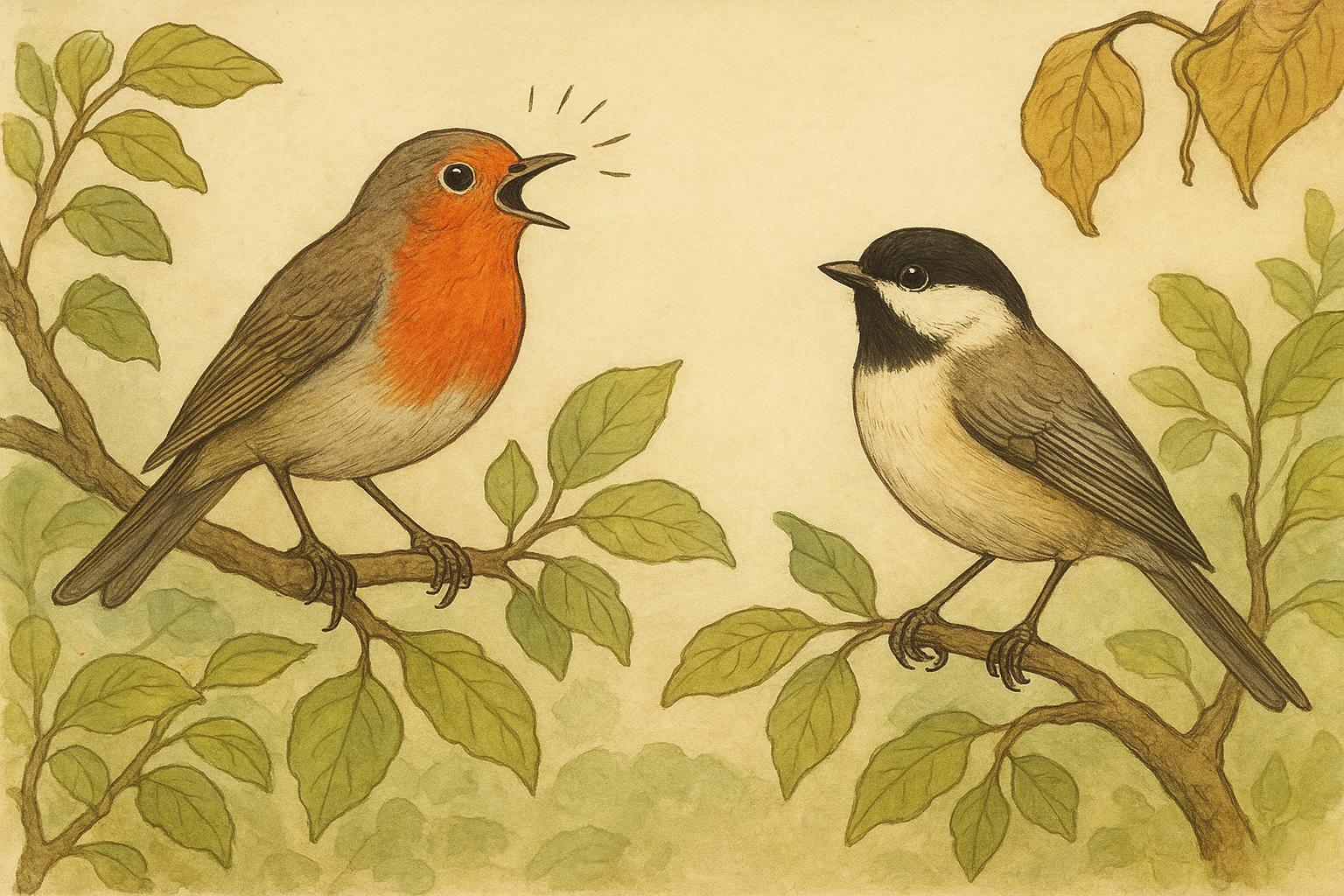
Chickadees and nuthatches are nimble and inquisitive. They gravitate toward suet, peanuts (shelled and unsalted), and sunflower kernels. These items supply vital fats and protein, especially during cold months when metabolic demand spikes.
Hanging peanut feeders or suet cages placed near tree trunks or branches will mimic their natural feeding behavior and increase comfort levels for these species.
### Sparrows, Doves, And Ground Feeders
House sparrows, mourning doves, juncos, and towhees tend to feed on the ground. Tray or platform feeders filled with millet, cracked corn, or proso millet attract these species without encouraging unwanted visitors to elevated feeders. Keep trays clean and clear of droppings to limit disease spread.
### Woodpeckers, Jays, And Bold Foragers
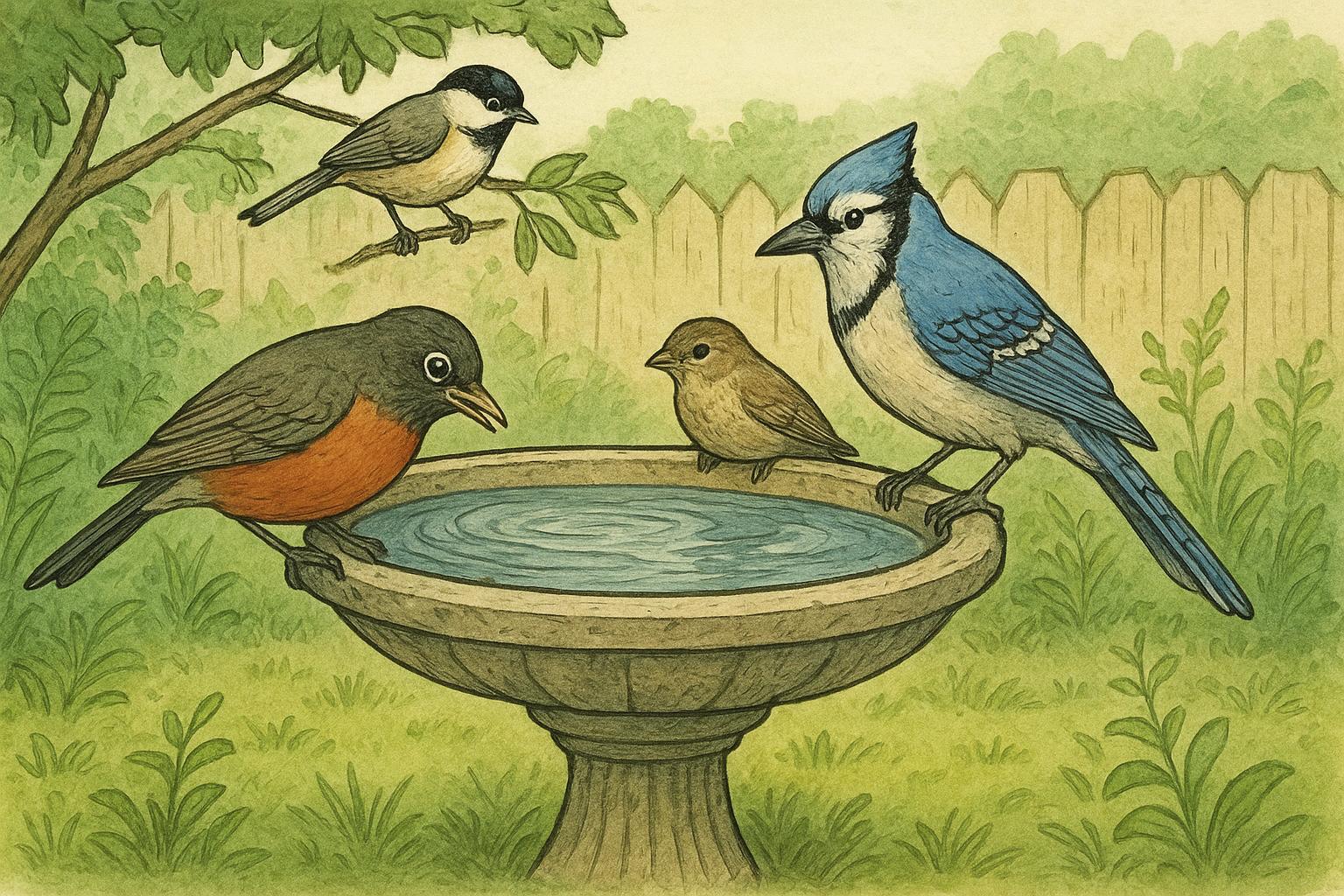
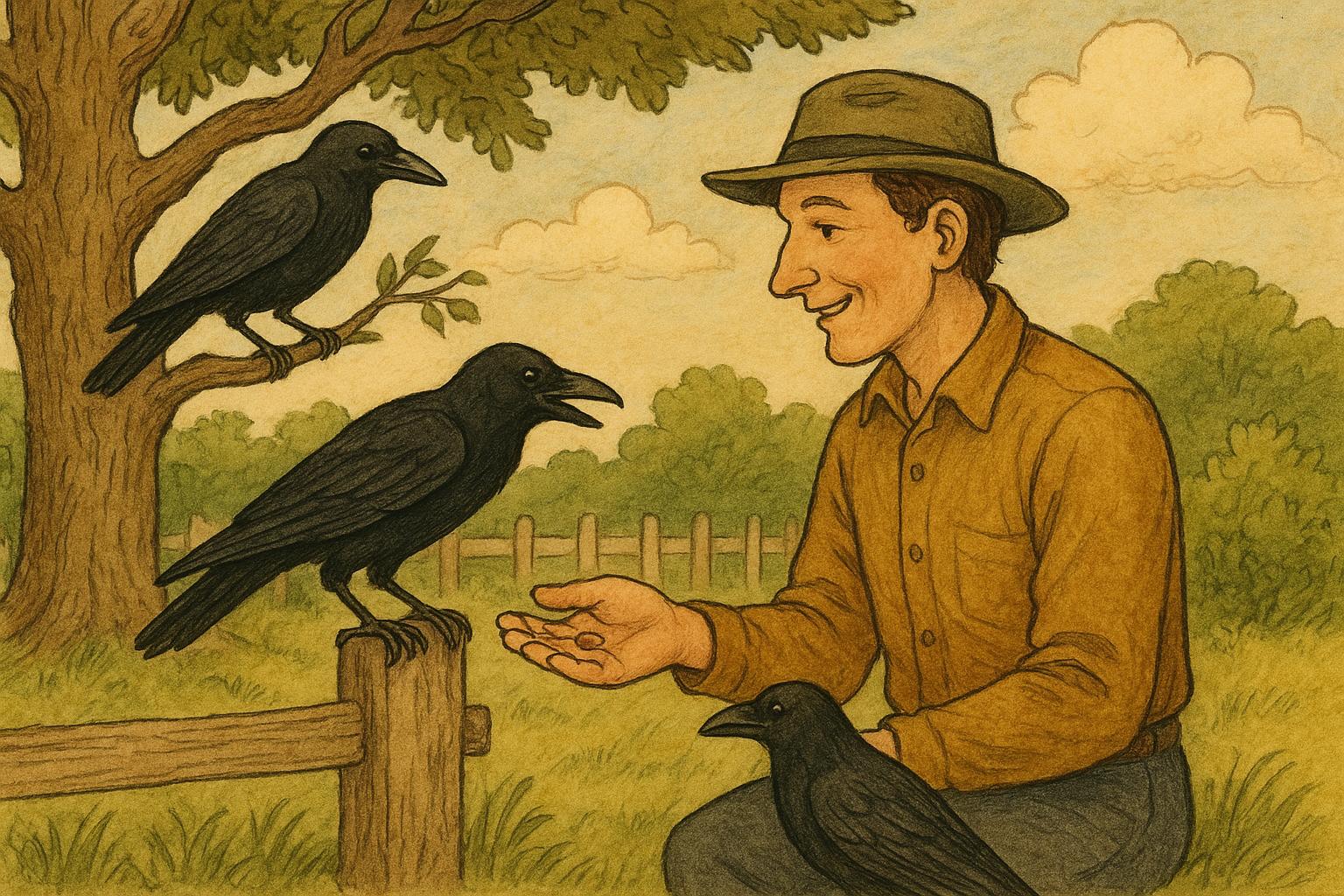
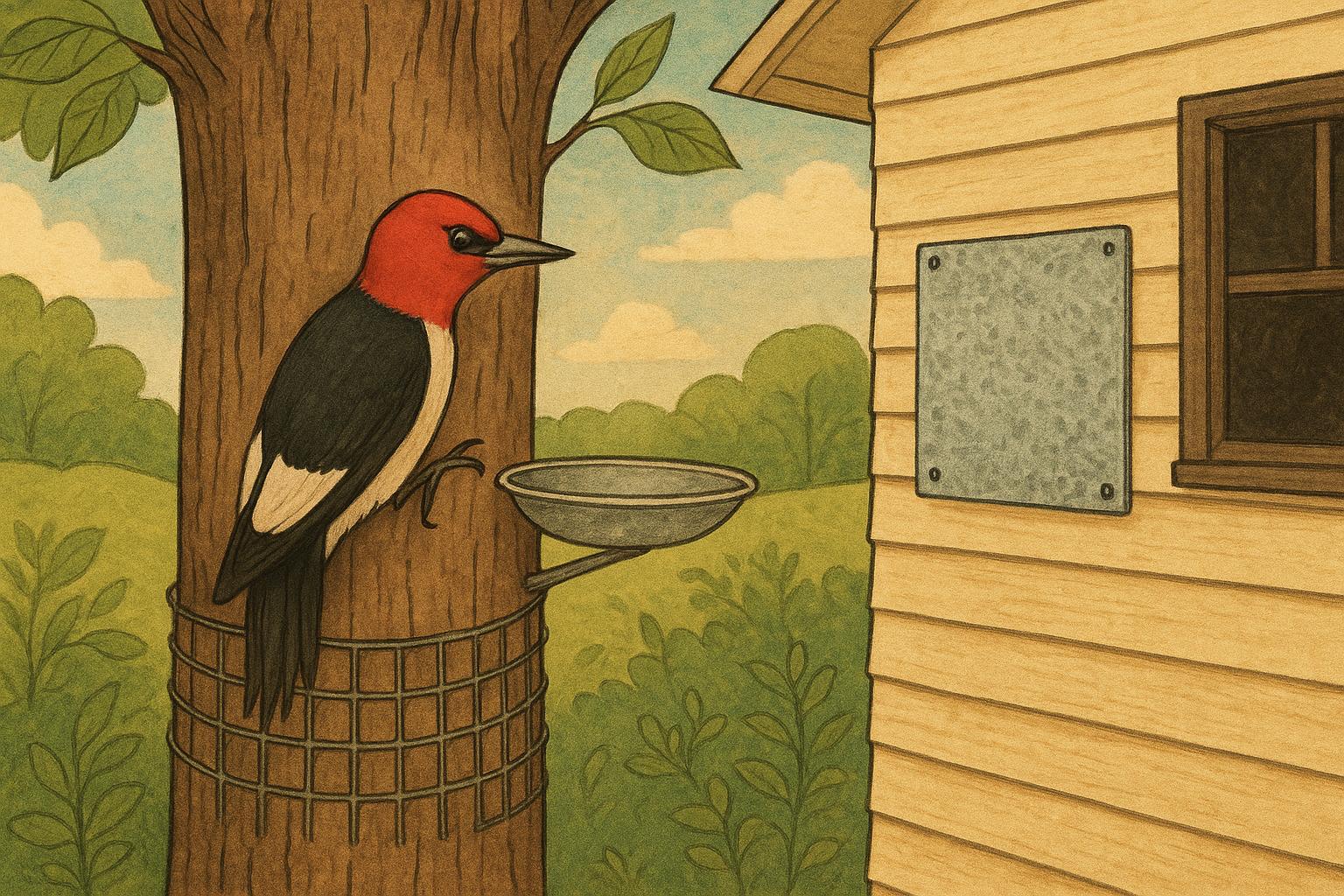
Woodpeckers prefer suet and peanut offerings; the large bills on jays and crows allow them to handle whole peanuts, corn, and large seeds. If you want to limit jay or crow dominance, use feeders designed for smaller birds or place larger food items in less accessible spots. Otherwise, enjoy the theatrical presence of these characters from a respectful distance.
### Hummingbirds And Nectar Alternatives
Hummingbirds aren’t seed-eaters, but if you’re trying to attract a wide yard crowd, remember they need sugar water (a 4:1 water-to-sugar solution). Clean feeders and regular solution changes are essential to prevent fermentation and mold. Place hummingbird feeders near flowering plants for best results.
## Choosing Quality Bird Seed And Feeder Tips
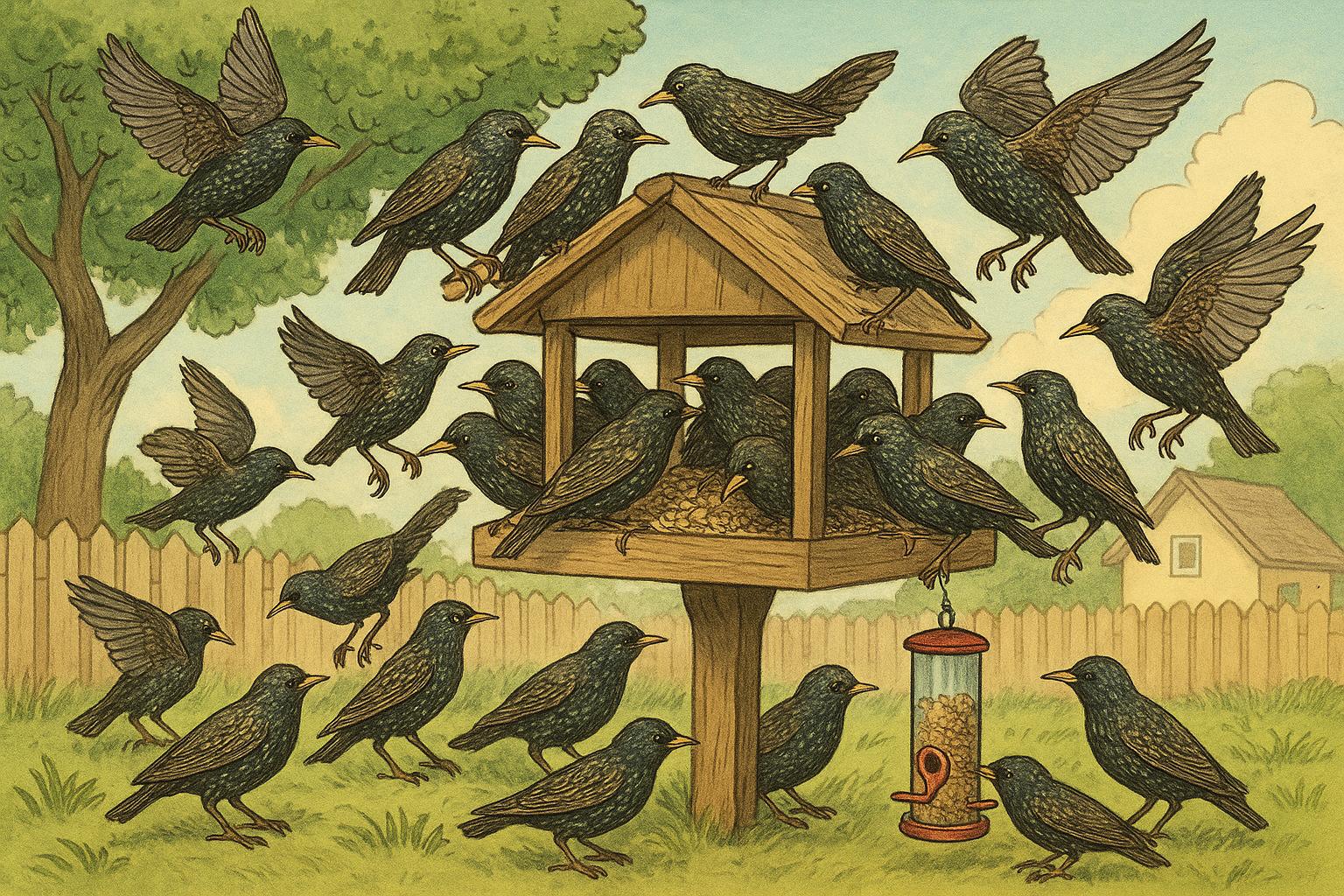
Start with fresh, clean seed from reputable suppliers. Inspect bags for signs of moisture, dust, or insect infestations. Avoid mixes with large amounts of filler seeds that many species ignore — those end up on the ground and invite pests. Black oil sunflower is a versatile, all-round staple; safflower can deter some unwanted birds like grackles and starlings; nyjer is essential for true finch enthusiasts.
Storing bird seed properly reduces spoilage—keep it in a cool, dry container with a tight lid. Rotate stock: older seed goes into less exposed feeders first so nothing goes stale.
#### Feeder Placement And Hygiene
– Place feeders near cover (trees or shrubs) but not so close that predators can hide. A good rule is within 10–20 feet of shelter for quick escapes.
– Clean feeders every 2 weeks with a mild bleach solution (1:9 bleach:water), rinse thoroughly, and allow to dry. In wet seasons or during disease outbreaks, increase cleaning frequency.
– If you notice mold, clumps, or foul smells, empty the feeder and sanitize — mold spores can be lethal to birds.
#### Seasonal Adjustments
Adjust offerings by season. Provide high-fat options (suet, peanuts, sunflower) in winter. In spring and summer, increase nuts and protein-rich foods for nesting and fledgling needs, and keep fresh water available year-round.
### Common Mistakes To Avoid
– Overfilling large feeders that sit uncared for — stale food equals sick birds.
– Using rotten or damp seed; it can carry fungi and bacteria.
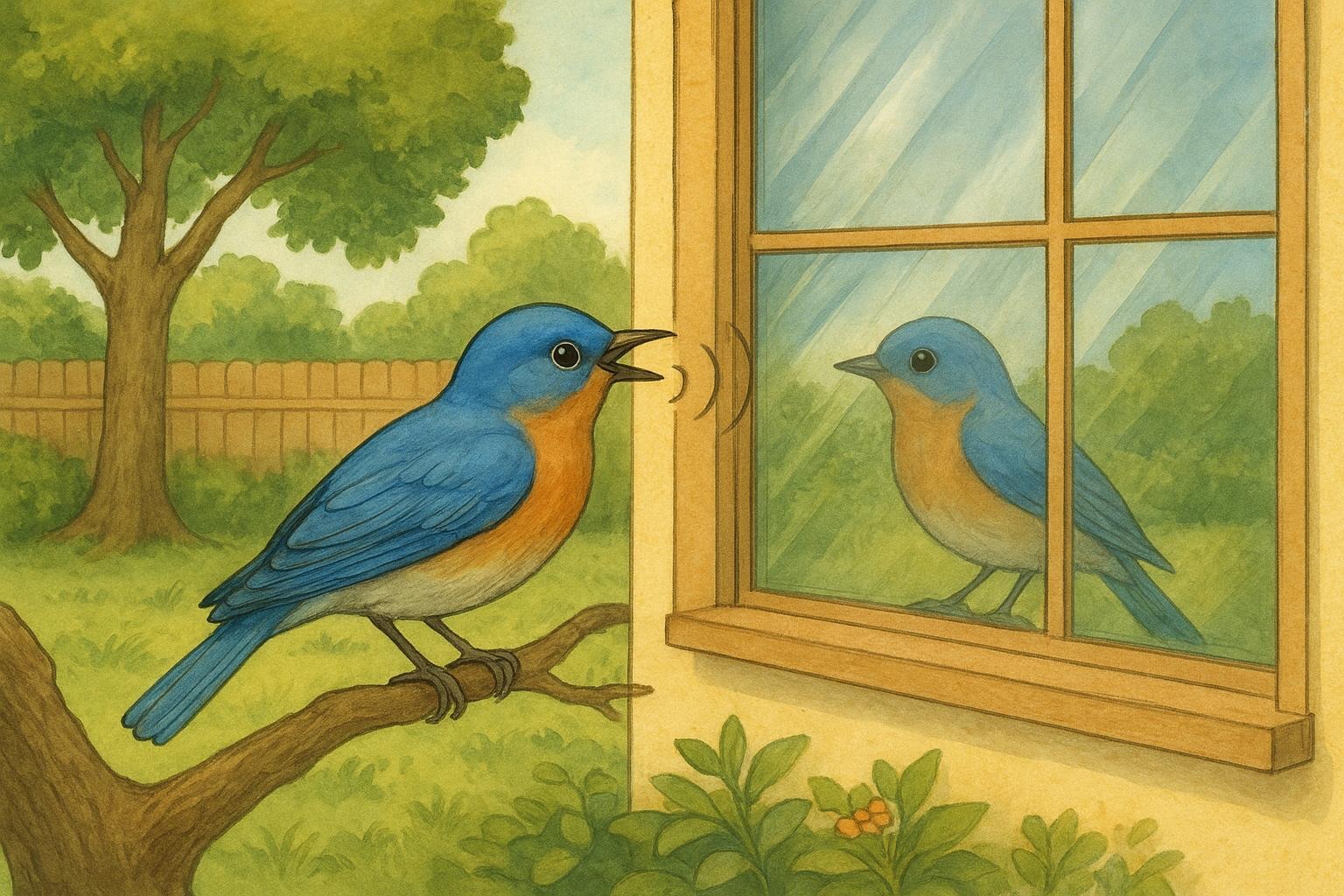
– Feeding too close to windows without deterrents; window strikes cause many fatalities.
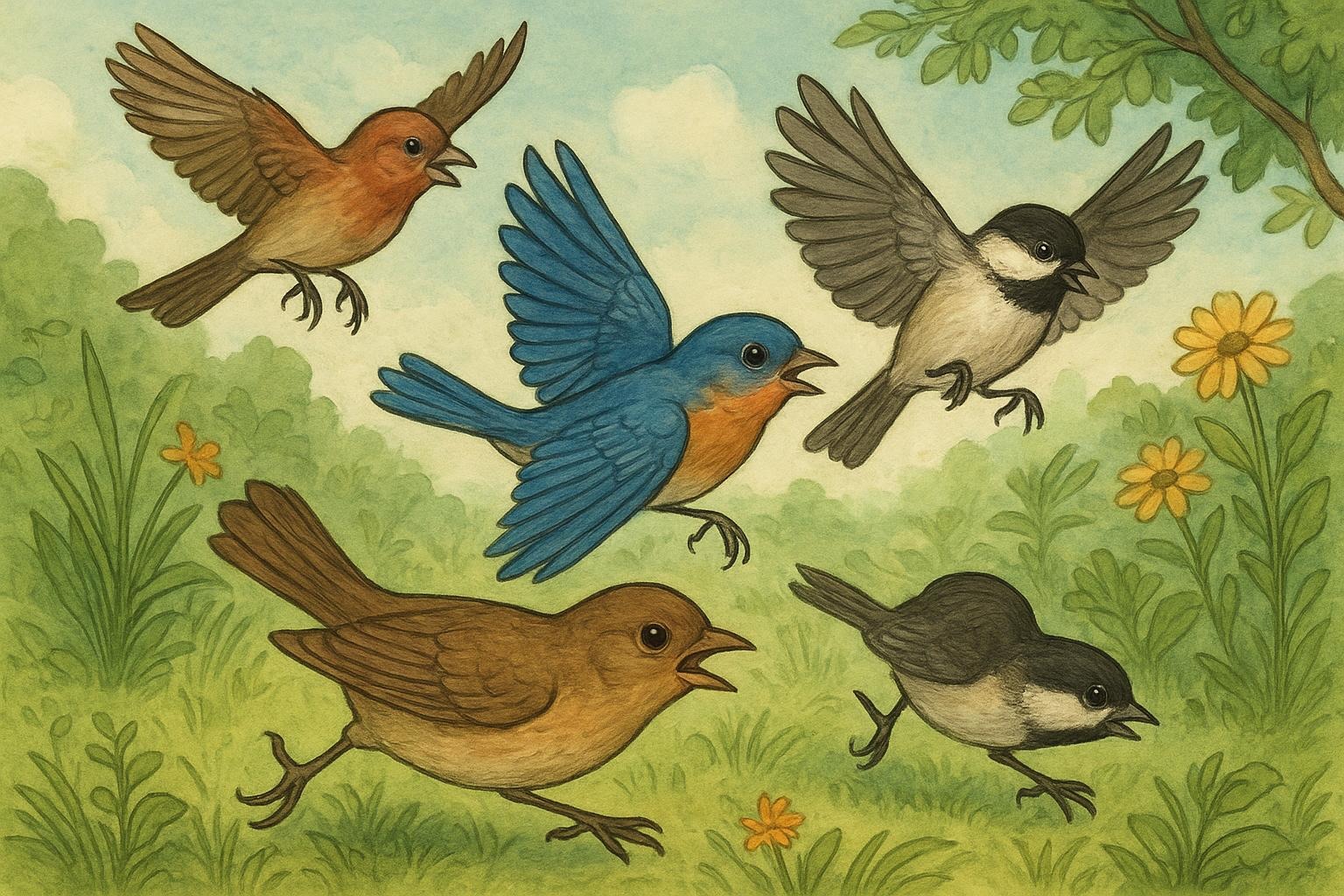
– Assuming one mix attracts everything; targeted offerings work far better.
## Remedy 1: DIY High-Energy Suet Cakes (Numbered)
When winter dips below comfy, birds need concentrated calories. Making suet cakes is practical and economical.
Ingredients / Materials:
1. 1 cup rendered beef suet or vegetable suet (for warmer climates use vegetable shortening)
2. 1/2 cup natural peanut butter (no salt, no sugar)
3. 1 cup quick oats
4. 1/2 cup cornmeal
5. 1/2 cup unsalted shelled peanuts or peanut pieces
6. 1/2 cup mixed seed (optional, for texture)
7. Silicone mold or small loaf pan
8. Spoon and mixing bowl
9. Suet cage or mesh bag for hanging
Preparation And Application (Formal Instructions):
1. Combine suet (or vegetable fat) and peanut butter in a heat-resistant bowl. Gently melt over a double boiler until the mixture is homogeneous. Maintain temperature below 120°C to avoid degrading fats and oils.
2. Remove from heat and stir in oats, cornmeal, nuts, and optional seeds until evenly distributed.
3. Spoon the warm mixture into silicone molds or a greased loaf pan, pressing to remove air pockets.
4. Allow cakes to cool at room temperature for one hour, then refrigerate for at least two hours to fully solidify.
5. Unmold and place in suet cages or wrap in biodegradable mesh for hanging. Position the suet near trees or sturdy branches about 4–6 feet above ground.
6. Monitor consumption; replace within 3–7 days if significantly melted or contaminated. In warmer weather substitute with vegetable shortening and replace more frequently to prevent rancidity.
Use gloves when handling peanut products if you have allergies, and source unsalted, plain nuts to avoid sodium-related health issues in birds.
## Remedy 2: Custom Seed Mix For Mixed Flocks (Numbered)
A tailored mix helps host a diverse flock while minimizing waste.
Ingredients / Materials:
1. 40% black oil sunflower
2. 20% shelled sunflower kernels
3. 15% millet (white proso)
4. 10% cracked corn
5. 10% safflower
6. 5% nyjer (if finches are a priority)
7. Airtight storage bin
8. Measuring cups and a mixing container
Preparation And Application (Formal Instructions):
1. Use clean measuring implements and a dry mixing container to prevent introduction of moisture.
2. Measure components precisely by volume according to desired ratios. Mix thoroughly by folding the components together to ensure an even distribution.
3. Store the finished mix in an airtight bin in a cool, dry location away from direct sunlight. Label with a date; rotate stock within 6–12 months depending on storage conditions.
4. Offer the mix in multiple feeder types: hopper for doves and sparrows, tube with small ports for finches (if nyjer included, keep that portion separate for specialized feeders), and platform or tray for ground-feeders.
5. Observe preferences over a 2–4 week period. Adjust ratios by increasing components consumed rapidly and reducing those left uneaten to minimize waste and spoilage.
Application notes: Pre-soak cracked corn for a few minutes if you notice it hardening in cold wet weather; this reduces potential choking hazards. Monitor feeders during migration windows to increase quantities if large numbers arrive.
### Attracting Specific Behavior
If you’re trying to encourage nesting or return visits, pair food offerings with native plants that supply natural insects and berries. Birds rely on a mix of seeds, insects, and fruits — feeders supplement, they don’t replace habitat.
Keep an observation notebook: date, time, species, and foods offered. Over a season you’ll develop a very personal understanding of what your yard’s clientele prefers — and who’s just passing through for a free meal.
End of guide.


Leave a Reply