
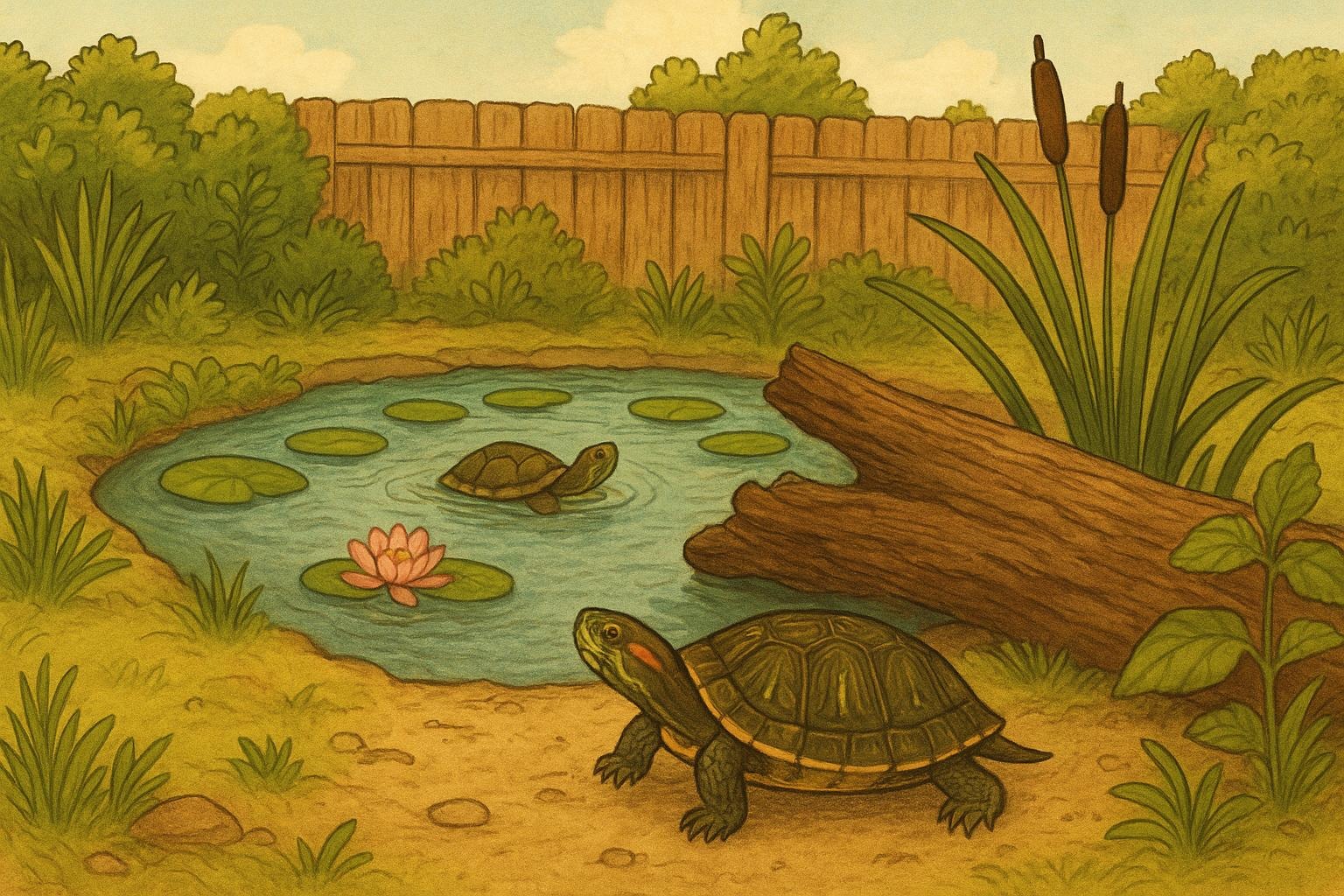
If you’ve ever watched a turtle inch its way onto a log and thought, “I could do better than that log,” you’re in the right place. Designing a safe, functional, and low-stress turtle habitat in a backyard pond or log setup is a rewarding mix of wildlife care and gardening therapy—plus the turtles approve (silently, and with great dignity).
## Turtle Habitat Basics For Backyards
Creating a proper turtle habitat means thinking like a turtle for a minute: water that’s clean but still natural, places to sunbathe, secure spots to retreat, and vegetation that supports the whole mini-ecosystem. Turtles are surprisingly particular about temperature and basking access, and they don’t appreciate sudden drop-offs or slippery edges. A well-planned turtle habitat balances the needs of the species you have (or expect to attract) with practical maintenance and safety for pets, kids, and neighbors.
### Water Quality And Depth Decisions
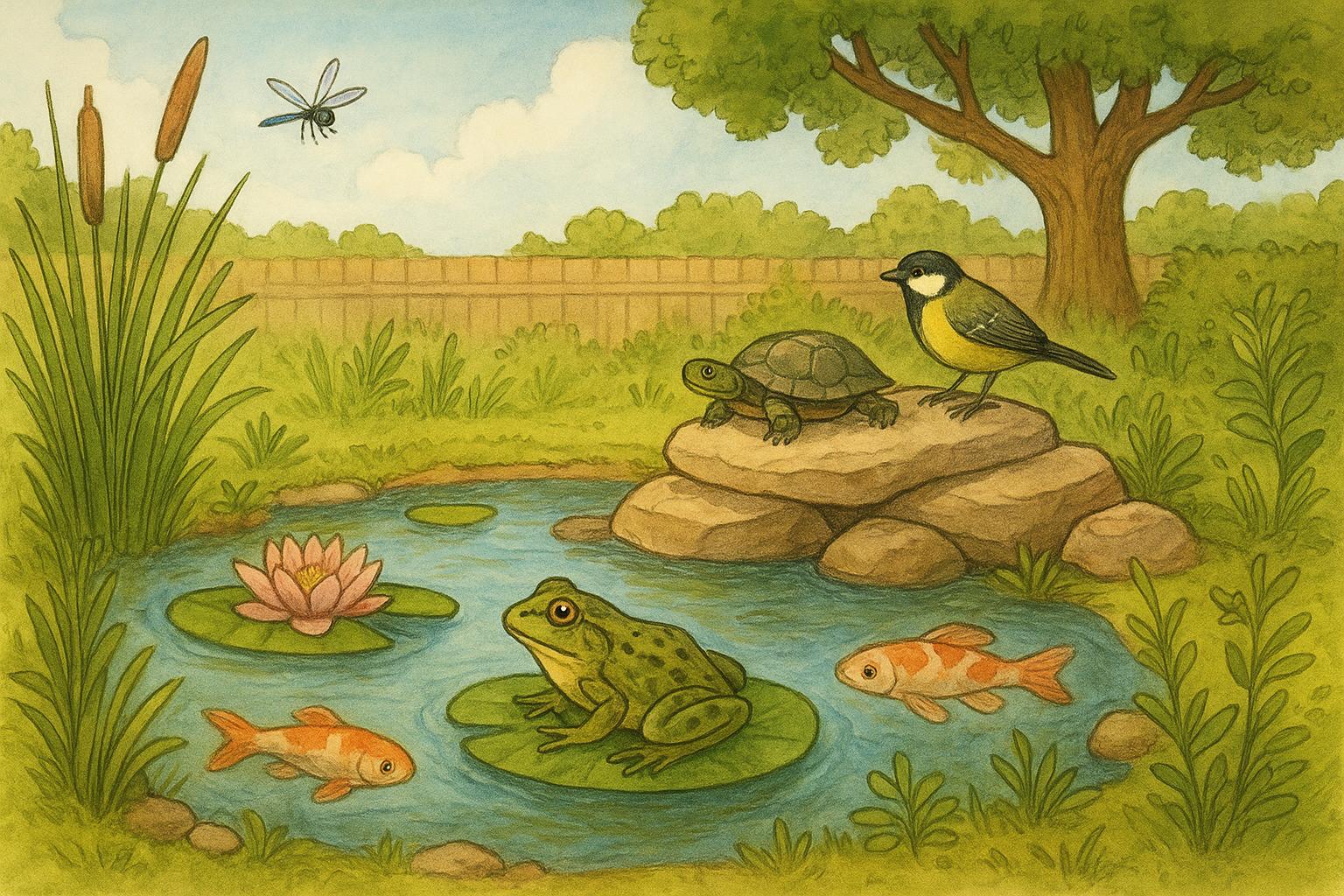
A reliable water source is the heart of any pond-based turtle habitat. Most pond turtles need a mix of shallow zones for foraging and deeper spots for cooler refuge. Depths between 2 and 3 feet are common for many semi-aquatic species, but include gradual slopes or shelves so hatchlings and smaller turtles can access the surface safely. Mechanical filtration helps, but plants and regular debris removal play huge roles in keeping ammonia and nitrite levels low.
### Basking, Logs, And Shelters
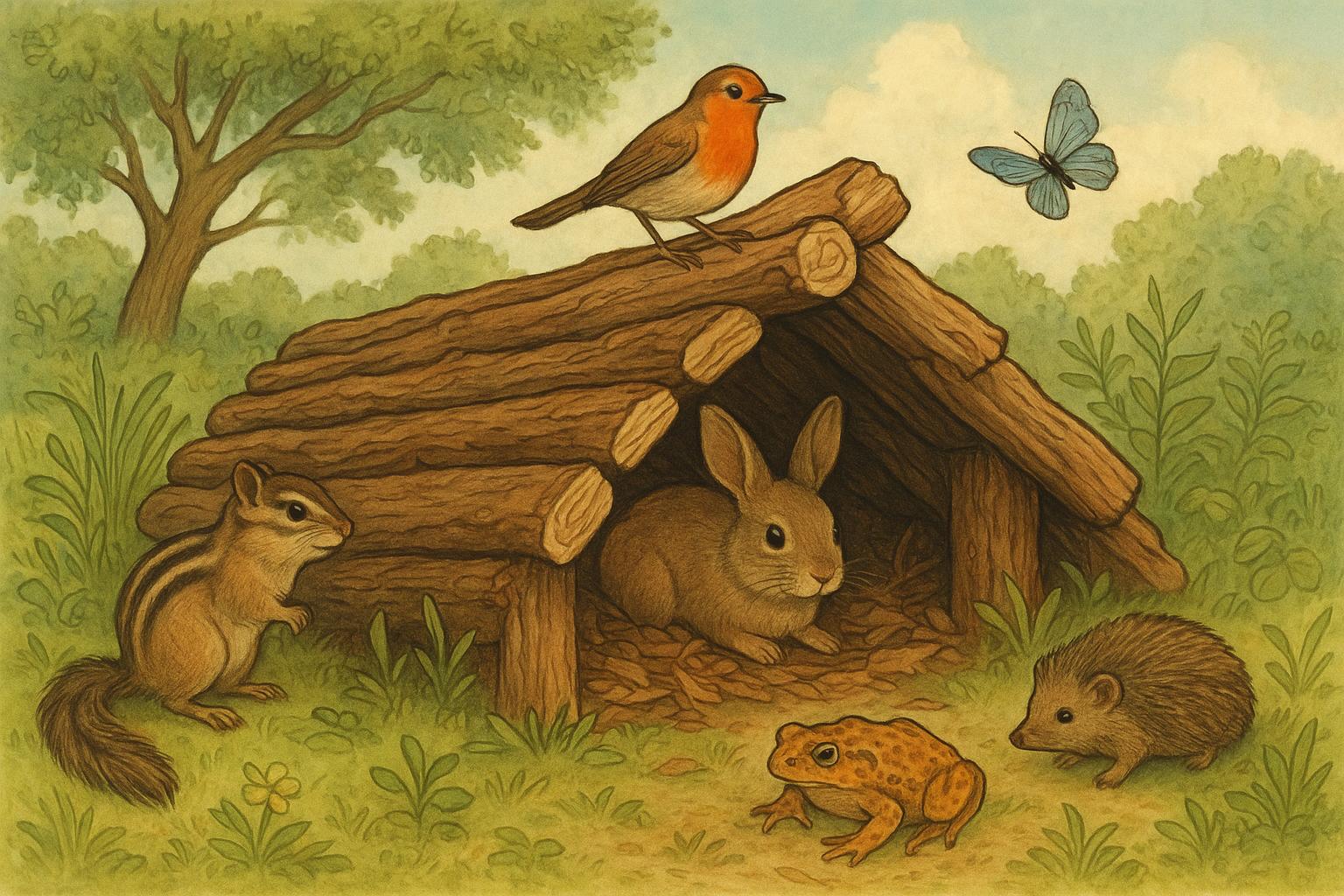
Turtles require UV exposure and a warm, dry place to raise their body temperature. Natural logs, flat rocks, or floating platforms give them options. Logs should be stable and rough enough for claws to grab. Provide several basking spots at different heights and orientations to the sun; turtles like choice. Also include secure submerged shelters—overturned pots, rock caves, or dense emergent vegetation—to reduce stress and shield them from predators.
### Predator-Proofing And Neighborhood Safety
Raccoons, herons, foxes, and even neighborhood dogs can make short work of an unprotected turtle habitat. Fencing that extends underground and canopy netting can reduce predation. Keep in mind that preventing turtles from leaving the yard is a two-way problem: low barriers let them wander into danger, while overly tall, slick walls can trap them. Aim for gently sloping, escape-friendly edges or ramps that guide turtles back into the pond.
## Remedy 1: Build A Wildlife-Friendly Pond
Materials
– Pond liner (EPDM or PVC) sized to pond dimensions
– Underlayment/felt for protection
– Submersible filter and pump sized to pond volume
– UV clarifier (optional for algae control)
– Rocks, gravel, and large flat stones
– Native aquatic plants (see planting section)
– Logs or floating platforms for basking
– Pond netting or predator mesh
– Optional: low-voltage lighting for nighttime safety
Creation And Application (Formal Instructions)
1. Site Selection: Choose a location with partial sun—about 4–6 hours of direct sunlight daily. Avoid planting directly under large trees to reduce litter in the pond and root damage to the liner.
2. Mark And Excavate: Outline the desired pond shape. Excavate following ledged shelves—one shelf at about 6–12 inches for marginal plants, then deeper areas down to 2–3 feet where appropriate for the species you intend to support.
3. Prepare Base: Remove sharp rocks and roots. Lay underlayment across the excavation to protect the liner from punctures.
4. Install Liner: Position the pond liner with adequate overlap. Smooth gently, allowing for natural folds. Leave enough excess to anchor around the edges.
5. Add Rocks And Shelves: Place large flat stones or concrete ledges on shelves to create basking platforms. Use a mixture of gravel and larger rocks in the shallow areas to anchor plants and provide foraging substrate.
6. Equipment Setup: Install the pump and filter per manufacturer instructions. Route tubing and electrical connections safely with a GFCI outlet. If using a UV clarifier, connect it inline for improved clarity.
7. Fill With Water: Dechlorinate tap water if needed. Fill slowly to let the liner settle. Adjust edging stones to create natural transitions from bank to pond.
8. Planting: Place marginal and submerged plants on shelves. Use planted pots for invasive-prone species to control spread.
9. Basking And Shelter Placement: Position logs and flat stones so they are stable and reachable from water. Provide at least two basking sites and one submerged shelter per 10–15 square feet of pond surface.
10. Predator Mitigation: Install low-profile netting over the pond during the first few weeks to teach predators that the pond is not an easy food source. Use buried apron fencing where raccoon predation is frequent.
11. Start-Up And Monitoring: Run filtration continuously for the first several weeks, check water parameters weekly (ammonia, nitrite, nitrate), and observe turtles’ behavior to confirm they are using both the water and basking sites.
## Remedy 2: Create Stable Basking Logs And Shelters
Materials
– Untreated hardwood logs or recycled cedar timbers
– Stainless steel or galvanized rebar/stakes
– Marine-grade rope or chains (if anchoring floating logs)
– Drill and large-diameter screws or lag bolts
– Non-toxic pond-safe sealant (optional)
– Heavy rocks for stabilization
– Overturned clay pots or preformed turtle caves (optional)
Creation And Application (Formal Instructions)
1. Log Selection: Choose hardwood logs free of rot and chemical treatment. Cedar is naturally rot-resistant and works well. Select logs with a diameter large enough to support a turtle’s weight without rolling.
2. Prepare Mounting Points: Drill drainage holes in logs if they will be semi-submerged. Mark points where rebar or stakes will secure the log to the pond bottom or bank.
3. Secure In Place: Drive rebar through the log or place stakes to prevent movement. For floating platforms, anchor with rope or chain to fixed points so the platform can rise and fall slightly with water level changes without drifting.
4. Create Gentle Access Ramps: Add flat stones or lay sloped planks from the water’s edge up onto the log to allow easy climbing. Roughen any smooth surfaces so turtles can gain traction.
5. Add Shelters: Secure overturned clay pots or rock caves near basking sites, partially buried or stabilized with heavy rocks to prevent tipping. Ensure entrances are large enough for the resident species and that interiors remain dry at least part of the time.
6. Monitor Stability And Wear: Inspect anchoring and surfaces monthly, especially after storms. Replace or re-secure nodes showing rot or loosening.
7. Hygiene And Maintenance: Clean basking logs annually by scrubbing with a stiff brush and thoroughly rinsing; avoid bleach or harsh chemicals. Replace heavily decayed logs promptly to avoid predator access points.
### Planting For A Healthy Ecosystem
Plants are not just decoration; they filter nutrients, provide oxygen, and create prey and refuge for invertebrates that are part of a balanced turtle habitat. Favor native species such as water lilies (for shade), pickerelweed, and soft-stemmed rushes. Marginals like sedges and cattails (with caution, because they spread) help stabilize banks. Avoid ornamental plants that are invasive in your region.
### Seasonal Care And Winter Prep
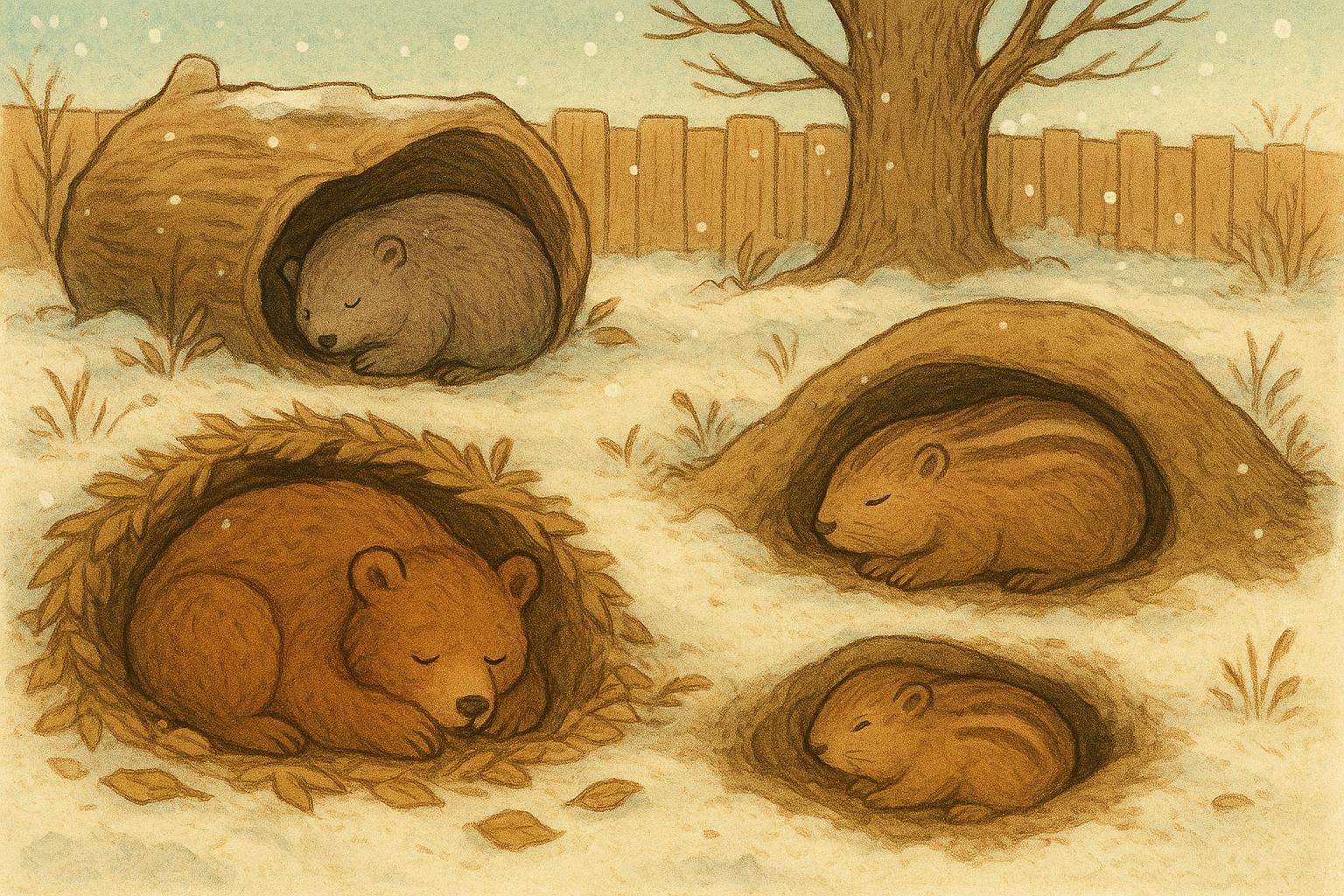
Turtles have seasonal rhythms. Some hibernate in mud at pond bottoms; others brumate in sheltered spots. If your pond freezes, ensure there is an ice-free opening by using a floating de-icer or aerator in a safe, shallow area. Reduce feeding as temperatures drop and consult local wildlife guidance to determine whether intervention is necessary. If you temporarily relocate turtles for major renovations, follow legal requirements—many regions protect native turtles and moving them can be illegal.
#### Monitoring Checklist For Ongoing Health
– Water clarity and smell: check weekly.
– Basking site stability: check monthly.
– Predator signs (tracks, disturbed areas): inspect after dusk and dawn.
– Plant health and invasive spread: review seasonally.
– Equipment operation (pump, filter): verify monthly.
Wildlife-friendly planning is part science, part craftsmanship, and part good neighbor diplomacy. A well-constructed turtle habitat encourages local biodiversity and gives you front-row seats to quiet, slow-motion drama—turtles sunning, dragonflies patrolling, and the occasional raccoon plot that always ends with better security next season.







































Leave a Reply