
If you’ve ever flicked on a porch light and watched a masked bandit tiptoe past your petunias, welcome to the club. Backyard raccoon encounters are equal parts fascinating and frustrating. With a few clear signs and a calm plan, you can tell friend from foe—and deal with them humanely when needed.
## Raccoon Identification Secrets That Shock Your Backyard
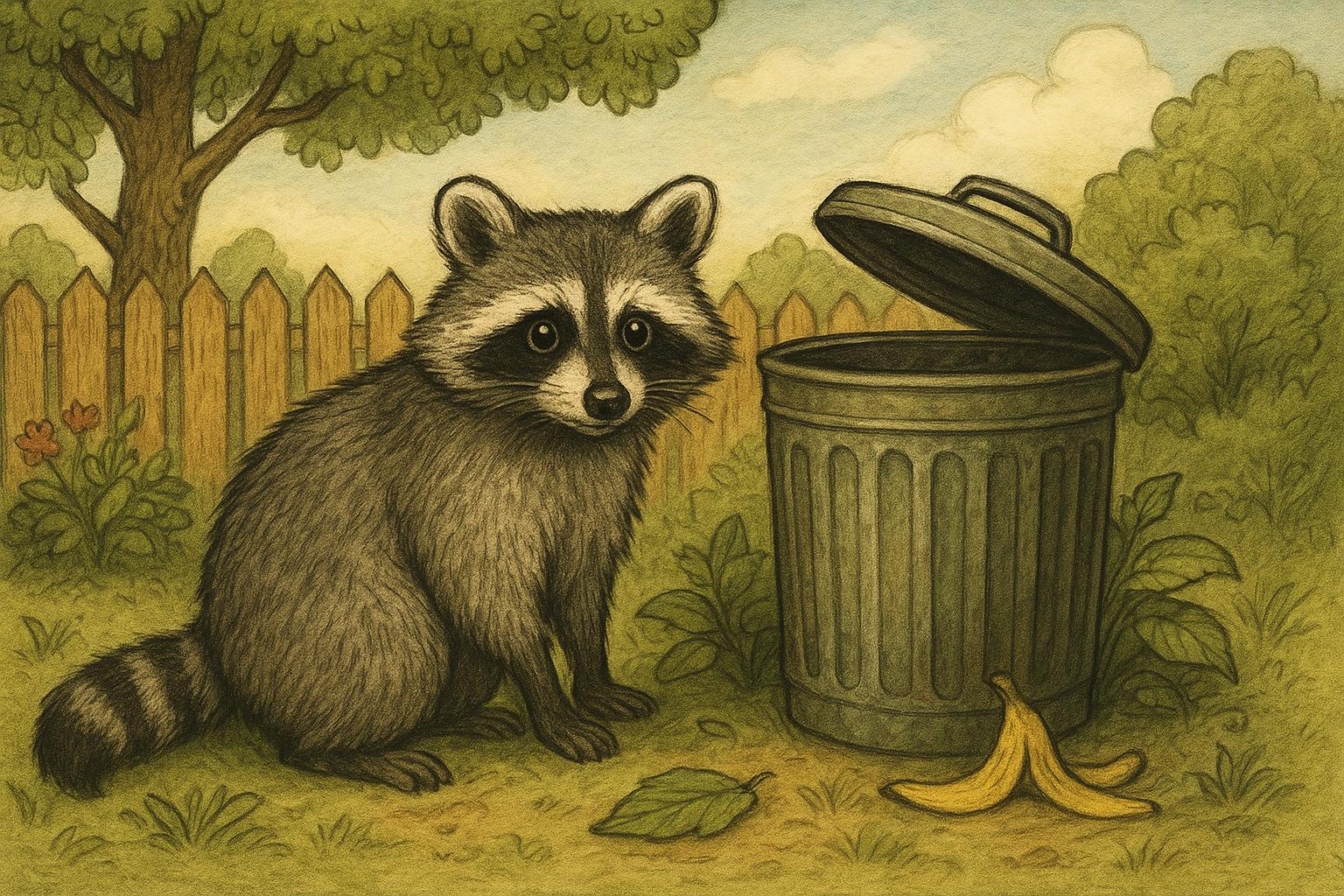
When it comes to raccoon identification, the mask is the giveaway: that dark eye band set against a pale face is hard to miss. But relying on the mask alone leads to mistakes. True raccoon identification blends looks, tracks, behavior, and the little clues they leave behind. Once you know what to scan for, these critters go from mysterious to obvious.
### Distinctive Physical Traits
Raccoons are medium-sized mammals, roughly the size of a housecat to a small dog. Key markers:
– The facial mask: A black, bandit-like mask framed by white or gray fur.
– The tail: Bushy with 3–7 alternating light and dark rings.
– Paws: Highly dexterous forepaws with five long fingers that look almost like tiny human hands.
– Fur color: Usually grayish-brown but can range from nearly black to albino in rare cases.
– Size and weight: Adults typically weigh 8–20 pounds, with males larger than females in many populations.
These physical features combined make raccoon identification straightforward in daylight. At night, the silhouette and distinctive tail ringing often tell the tale.
### Tracks, Droppings, And Other Ground Clues
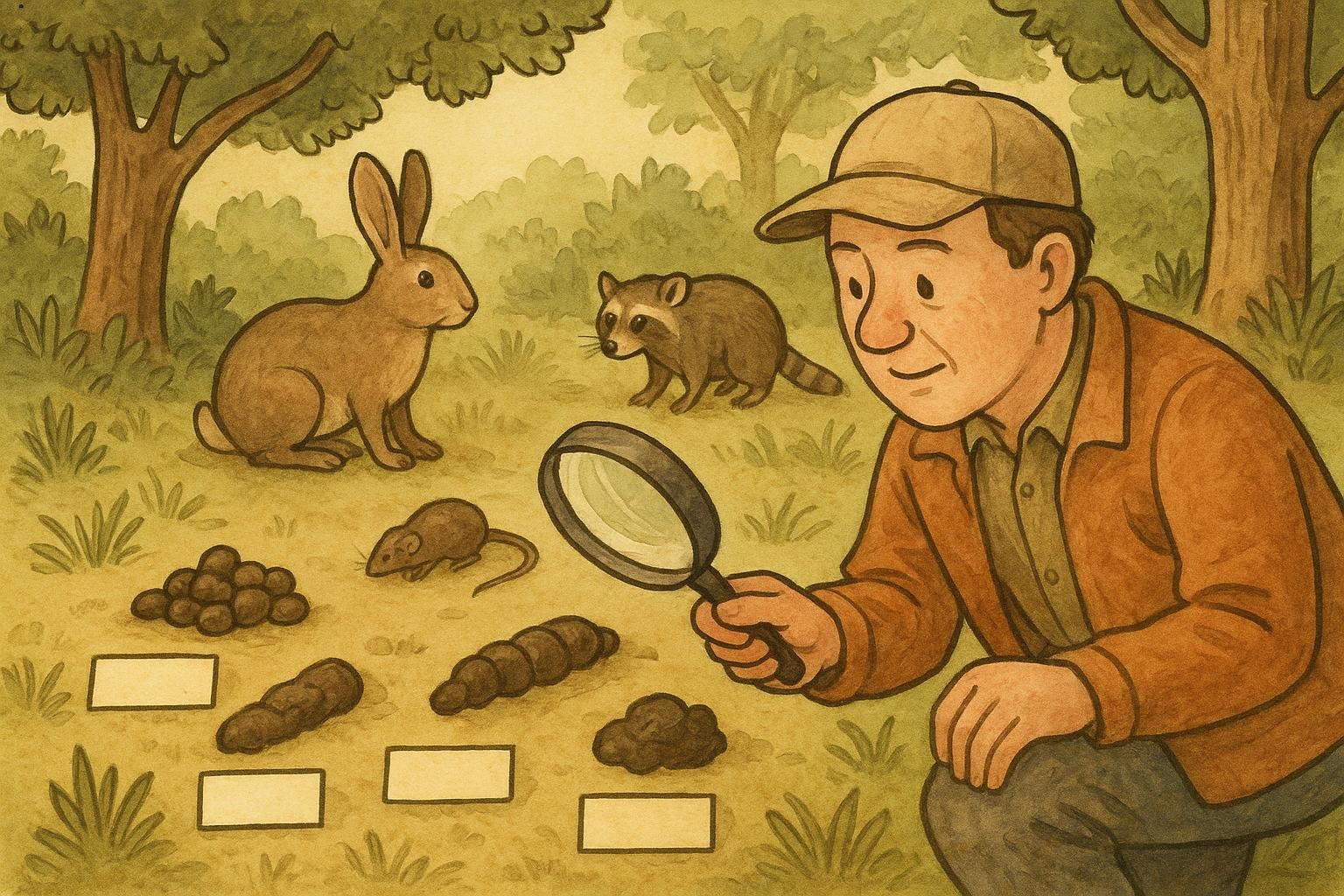
Tracks are a goldmine for raccoon identification. Their hind footprints often show five long toes and can resemble a small human footprint. Foreprints are smaller but still fingered. Typical clues include:
– A walking pattern where hind feet step into forefoot prints (they’re deceptively neat).
– Toe marks often visible on soft soil or mud.
– Droppings: tubular, sometimes containing seeds, berries, or insect parts; often left near feeding spots or den entrances.
– Rub marks: greasy fur stains along fences or beams where raccoons have rubbed to leave scent.
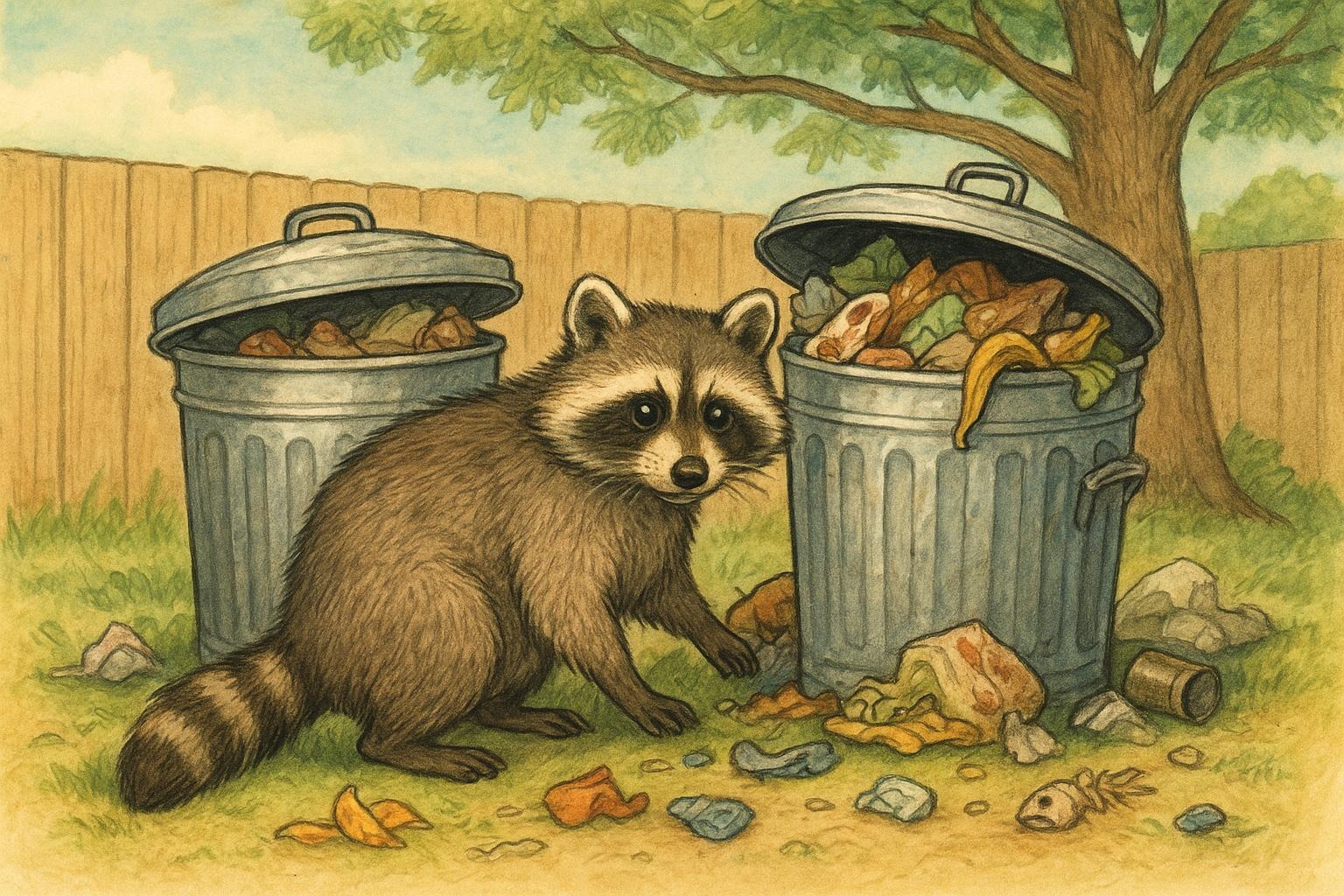
A trail of toppled trash or scattered pet food near dusk or dawn is another telltale sign.
### Behavior, Voice, And Timing
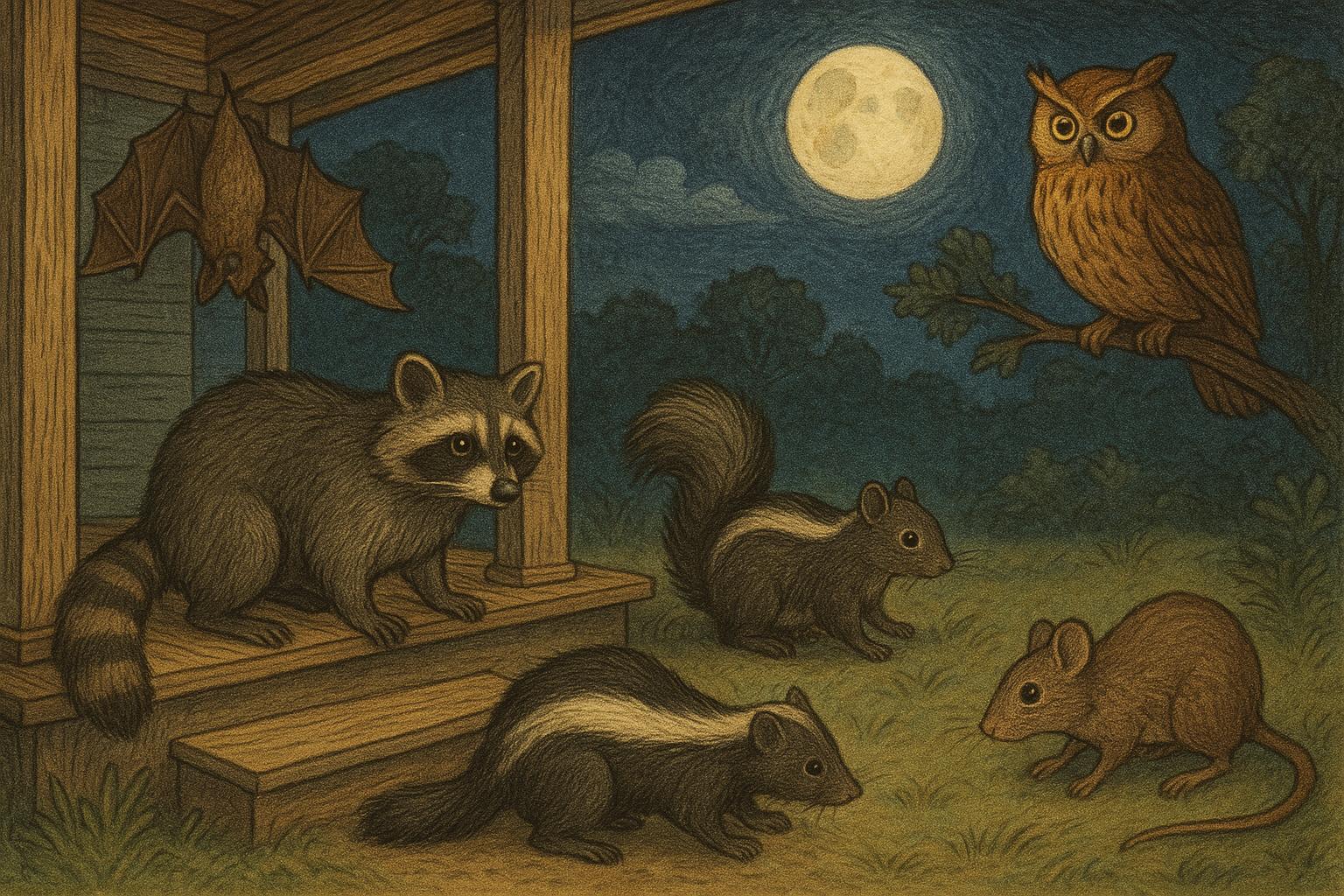
Raccoons are nocturnal scavengers with surprisingly complex behaviors. Watch for:
– Nighttime foraging along fence lines, in garbage, or near water features.
– Clever problem solving—opening latches, unlatching bins, climbing smooth surfaces.
– Vocalizations: chittering, purring, growls, and occasional screams. A very sick raccoon will vocalize oddly, so avoid close contact.
– Social structure: mothers with kits in spring and summer; sometimes small groups will forage together.
Observing when and how they move helps with raccoon identification and informs appropriate responses.
### Den Sites And Home Intrusions
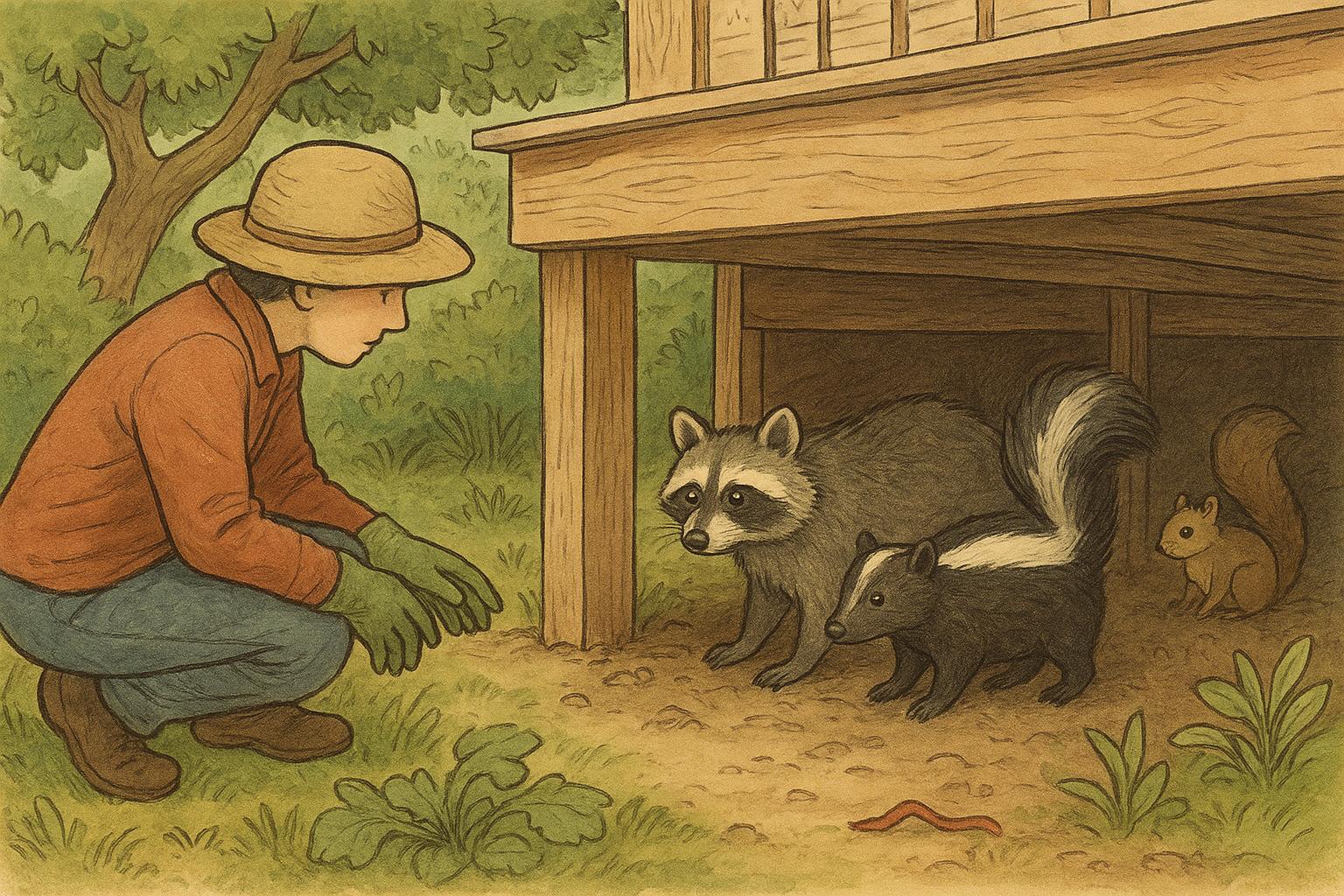
Raccoons will den in attics, chimneys, under decks, hollow trees, and sometimes inside cars. Signs of denning include:
– Noisy movement at night in walls or attics.
– Loose insulation, shredded materials, or nesting composed of leaves and fabric.
– Grease marks and paw prints around entry points.
If you suspect a den inside the structure of your home, approach the problem carefully—disturbing a den with kits present can lead to mothers becoming defensive or relocating to harder-to-access areas.
### When Identification Is Tricky
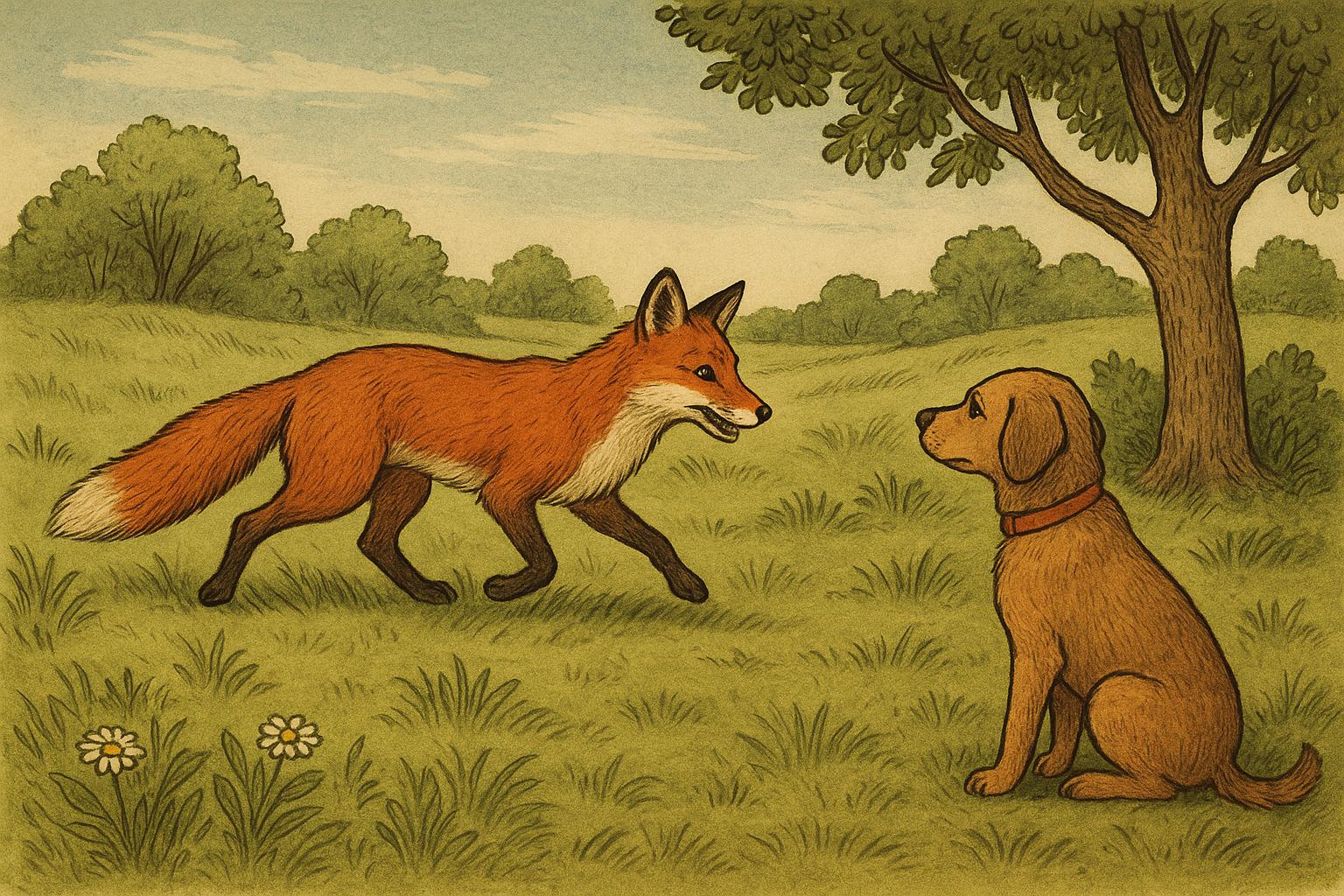
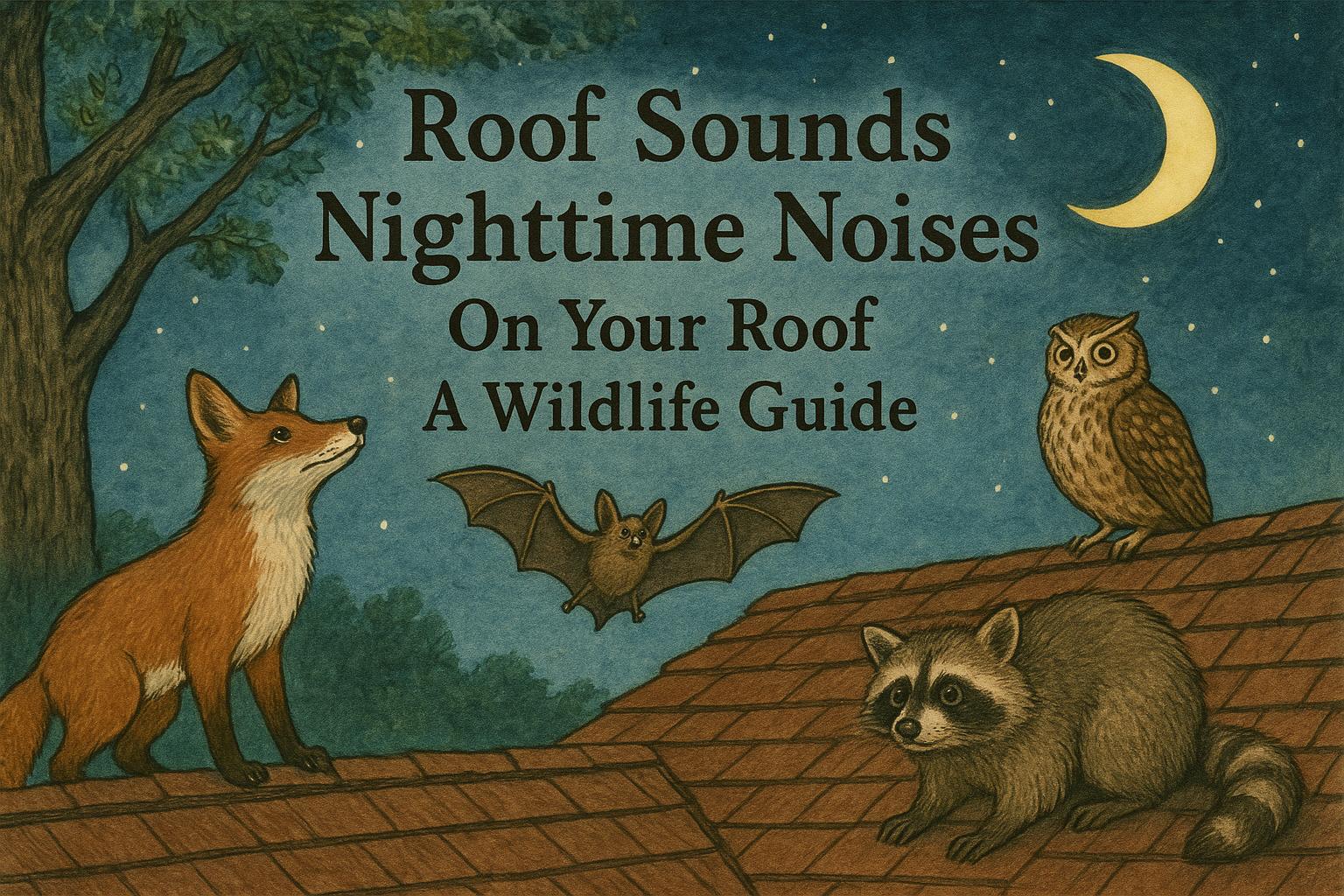
Not every nighttime visitor is a raccoon. Opossums, feral cats, and foxes can cause similar damage. If you’re uncertain, toss up a motion-activated camera or take photos (from a safe distance) for later comparison. For field help, local wildlife rehabilitators or extension services can assist with positive ID.
## 2 Remedies: Humane Exclusion And Natural Repellents
When the backyard antics cross the line into property damage or health risk, take action. The following remedies are humane, practical, and supported by common wildlife management practices. Read carefully and follow each step precisely.
### 1. Humane Exclusion And Proofing (Remedy 1)
Required Materials:
– Sturdy gloves and eye protection
– Ladder and flashlight
– 1/4-inch hardware cloth or galvanized mesh
– Exterior-grade screws and washers
– Sheet metal flashing (if sealing chimney tops)
– Wood or metal patching materials
– One-way exclusion door (commercially available) if necessary
– Caulk and weatherproof sealant
Step-by-Step Application:
1. Inspect: Perform a thorough daytime inspection to locate all potential entry points—eaves, vents, broken screens, chimney, roof gaps, and foundation openings.
2. Confirm Vacant Den: Before sealing, ensure no animals (especially young) occupy the space. Observe at dusk and dawn. If you hear animals at night, delay sealing and consult a wildlife professional.
3. Install One-Way Excluder (If Needed): If an animal is confirmed to be inside a structure and you must encourage exit, install a one-way exclusion door over the main entry point. This allows the raccoon to leave but not re-enter. Follow manufacturer instructions for secure attachment.
4. Seal Entry Points: Once vacated and confirmed over several nights, secure openings with 1/4-inch hardware cloth. Cut the mesh to overlap openings by several inches and use screws with washers to hold it tightly. Flashing should be applied to chimney tops or gaps in roofing materials.
5. Repair and Reinforce: Replace damaged vents or screens and reinforce rafters or soffits where gnawing occurred. Use caulk to seal small gaps and ensure ventilation remains adequate for attics.
6. Clean Up and Sanitize: Remove nesting materials wearing gloves and a mask. Sanitize affected areas with a commercial disinfectant to reduce disease risk.
7. Long-Term Maintenance: Regularly inspect the property each season for new vulnerabilities and correct them promptly.
Notes: Sealing a structure improperly can lead to animals dying inside or increasing confrontations. Legal protections for wildlife vary by region—contact local authorities if unsure.
### 2. Natural Repellents And Deterrent Strategies (Remedy 2)
Required Materials:
– Motion-activated lights and/or motion-activated sprinkler
– Heavy-duty raccoon-proof trash cans with secure locking lids
– Ammonia-soaked rags or commercially formulated predator urine (coyote or fox)
– Hardware to secure lids (bungee cords or locking mechanisms)
– Trimmed vegetation and removal of food attractants
Step-by-Step Application:
1. Remove Attractants: Secure garbage in raccoon-proof containers, pick up fallen fruit, and remove accessible pet food at night. Compost bins should be secured or removed if raccoons are persistent.
2. Install Deterrents: Mount motion-activated lights and/or sprinklers to startle nocturnal visitors. Position them to cover the most commonly used paths or garbage areas.
3. Apply Repellents: Place ammonia-soaked rags in perforated containers near problem spots (away from children and pets) or strategically place predator urine according to product instructions. Refresh ammonia rags every 48–72 hours to maintain potency.
4. Protect Structures: Trim tree branches away from roofs and reinforce fences. Close off crawlspaces with hardware cloth buried several inches into the soil to prevent digging.
5. Secure Lids: Use bungee cords or locking brackets to hold trash can lids firmly in place. Consider upgrading to wildlife-resistant cans designed to resist tipping and unlocking.
6. Monitor Effectiveness: Check areas nightly for several days to evaluate changes in raccoon activity. Rotate deterrents or increase intensity if animals habituate.
Notes: Repellents are more effective as part of an integrated approach and may require periodic reapplication. Avoid harmful chemicals or inhumane methods. If repellents fail, consult a professional wildlife control operator.
### Health And Safety Precautions
When dealing with wildlife, prioritize safety. Always assume wild animals can carry parasites and diseases such as roundworms or rabies. Avoid direct contact; use gloves and masks when handling nesting material or droppings. If you suspect an animal is rabid or behaving abnormally (diurnal activity, uncoordinated movements, aggression), contact local animal control immediately.
### When To Call A Professional
Some situations require expert intervention:
– A den within living spaces or inaccessible cavities
– Presence of young kits during breeding season
– Signs of illness or aggressive behavior
– Repeated, targeted damage despite deterrent efforts
Wildlife rehabilitators and licensed removal specialists have the tools and legal authority to handle complex cases humanely and safely.
If you want, I can include a printable quick ID checklist or a short guide tailored to your region’s raccoon activity patterns.











Leave a Reply