
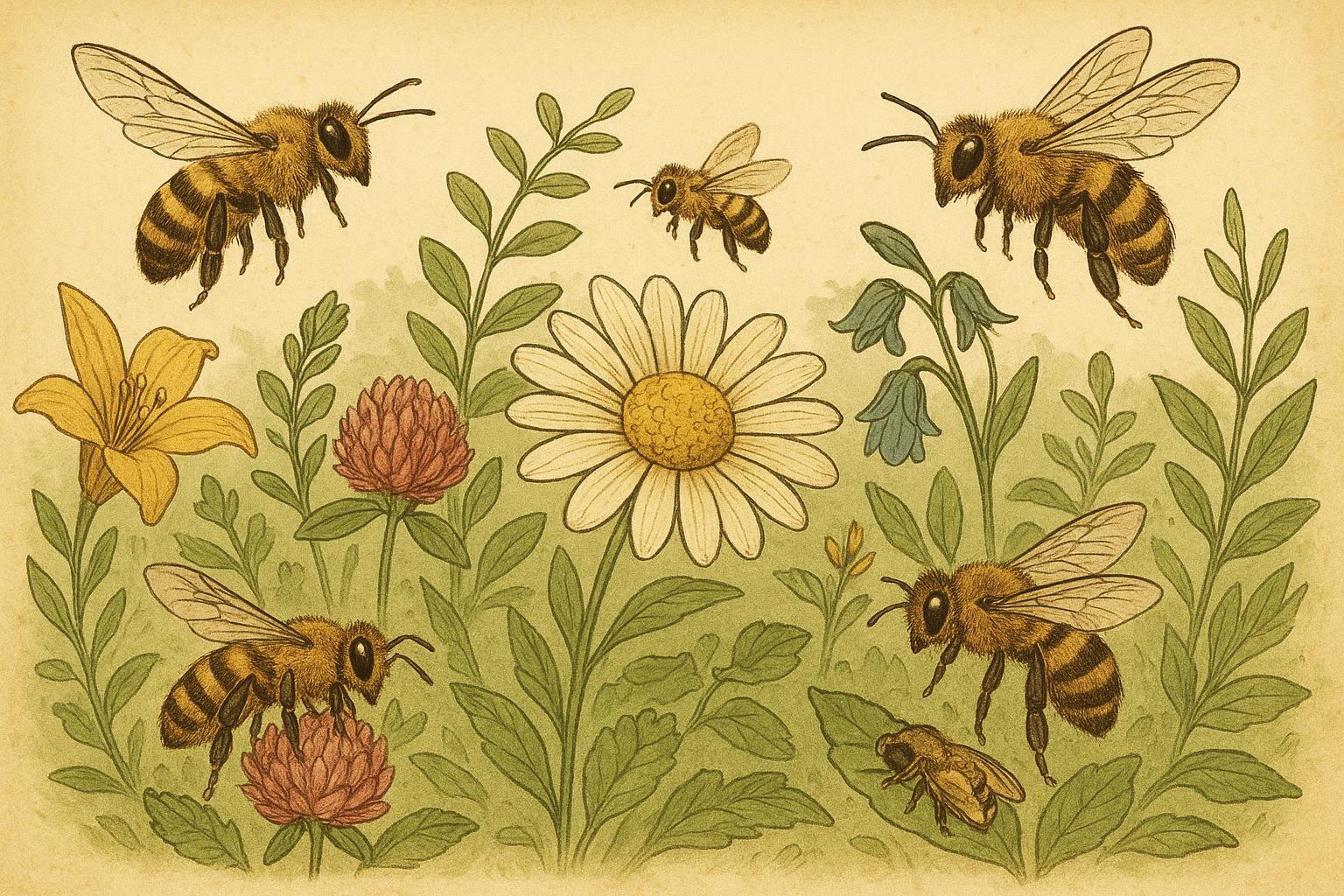
In a garden where mint hums and sunflowers murmur, tiny aviators stitch sunlight between petals. Learning to read their wingbeats and body maps becomes a language of kindness — and a practical skill for anyone who grows a pollinator paradise. Whether you’re greeted by a striped worker or a glinting solitary visitor, mastering bee identification helps you tailor habitat, support native species, and keep your garden buzzing with health.
## Bee Identification Basics For Gardeners
Bee identification is part art, part natural history. Focus on three approachable traits: size and shape, coloration and patterning, and the presence or absence of visible pollen-carrying structures. When you learn these, you’ll recognize broad groups such as bumble bees, honeybees, sweat bees, and carpenter bees without needing a microscope.
### Size And Shape Matter
Bumble bees are robust and round — think small, fuzzy torpedoes — while honeybees are sleeker with defined waists. Solitary bees (like mason and leafcutter bees) are often similar in size to honeybees but less social in their movements. Carpenter bees have a large, shiny abdomen that appears hairless compared with the fuzzy bumble bee.
#### Tips For Observing Size Safely
Watch from a few feet away to avoid disturbing them. Use a bench or low stool, keep movements slow, and let them forage uninterrupted. A garden camera or binoculars can help if you want repeatable views.
### Coloration, Hair, And Patterns
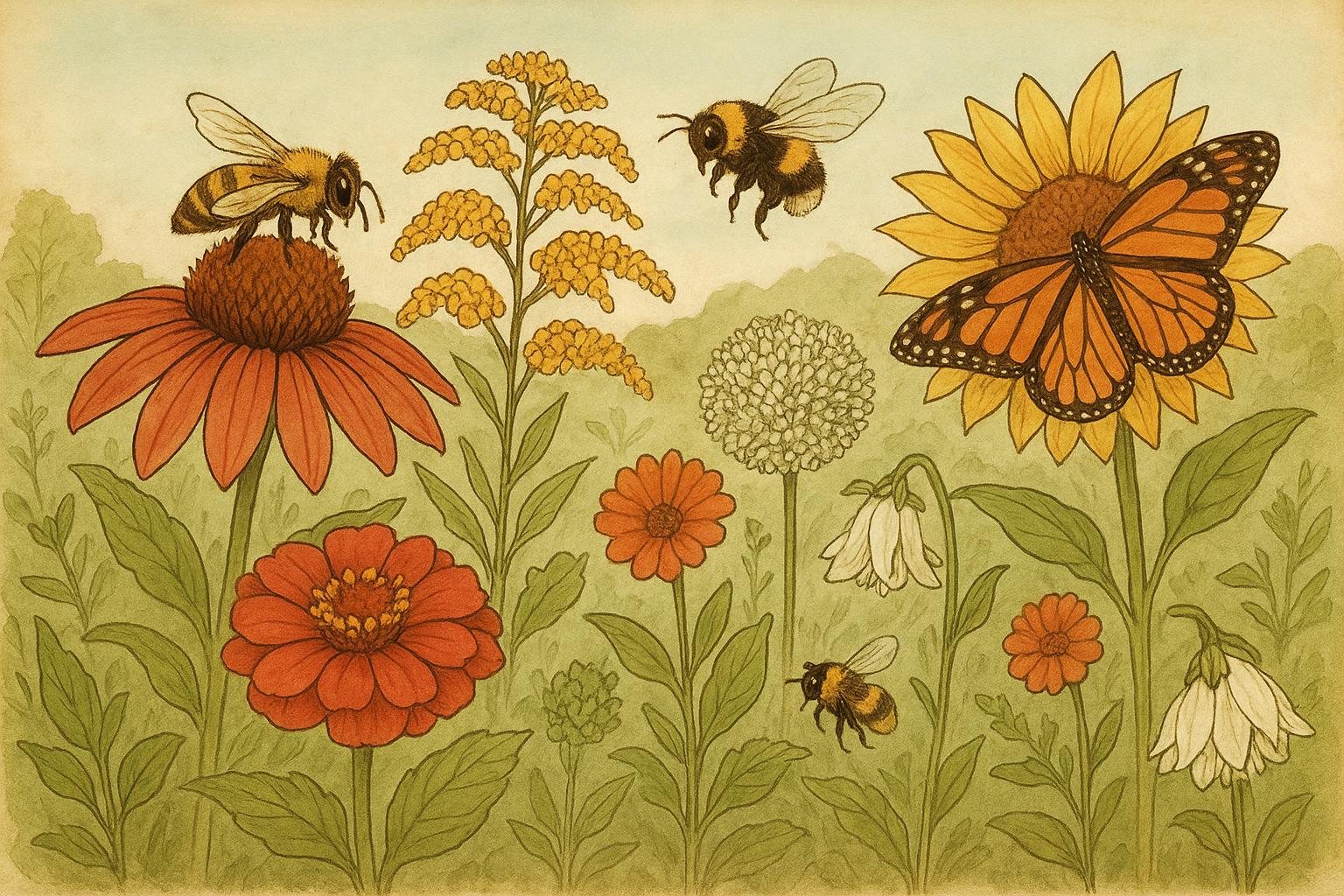
Hair density and patterns are major signals. Bumble bees often wear bands of yellow, white, and black. Sweat bees usually flash metallic greens or blues. Some solitary bees are dusky or uniformly brown. Pollen-carrying hairs (scopae) on the legs or underside distinguish species that transport pollen externally.
### Behavioral Clues
Bee identification can be refined by watching behavior: Does the bee hover or land? Is it burrowing in bare soil, visiting tubular flowers, or chewing leaf pieces? Social bees like honeybees return repeatedly to a hive and perform waggle-like dances; solitary bees nest alone, often in holes or stems.
## When To Use Tools And Field Guides
Field guides and apps can turn your impressions into confident ID calls. Use high-quality photographs, compare key traits, and cross-check with regional guides because appearance varies by season and location. Photograph from multiple angles: top, side, and head-on if possible.
### Recommended Tools For Accurate Identification
A hand lens (10x), a field guide with local coverage, and a camera with macro capability are the top essentials. A notebook to record dates, flowers visited, and behaviors is priceless for seasonal patterns.
#### Digital Resources And Citizen Science
Apps can suggest IDs, but be cautious; automated suggestions are helpful starting points, not final diagnoses. Submit clear photos to citizen science platforms to get expert confirmation and contribute to regional bee records.
## Habitat Clues And Nest Types
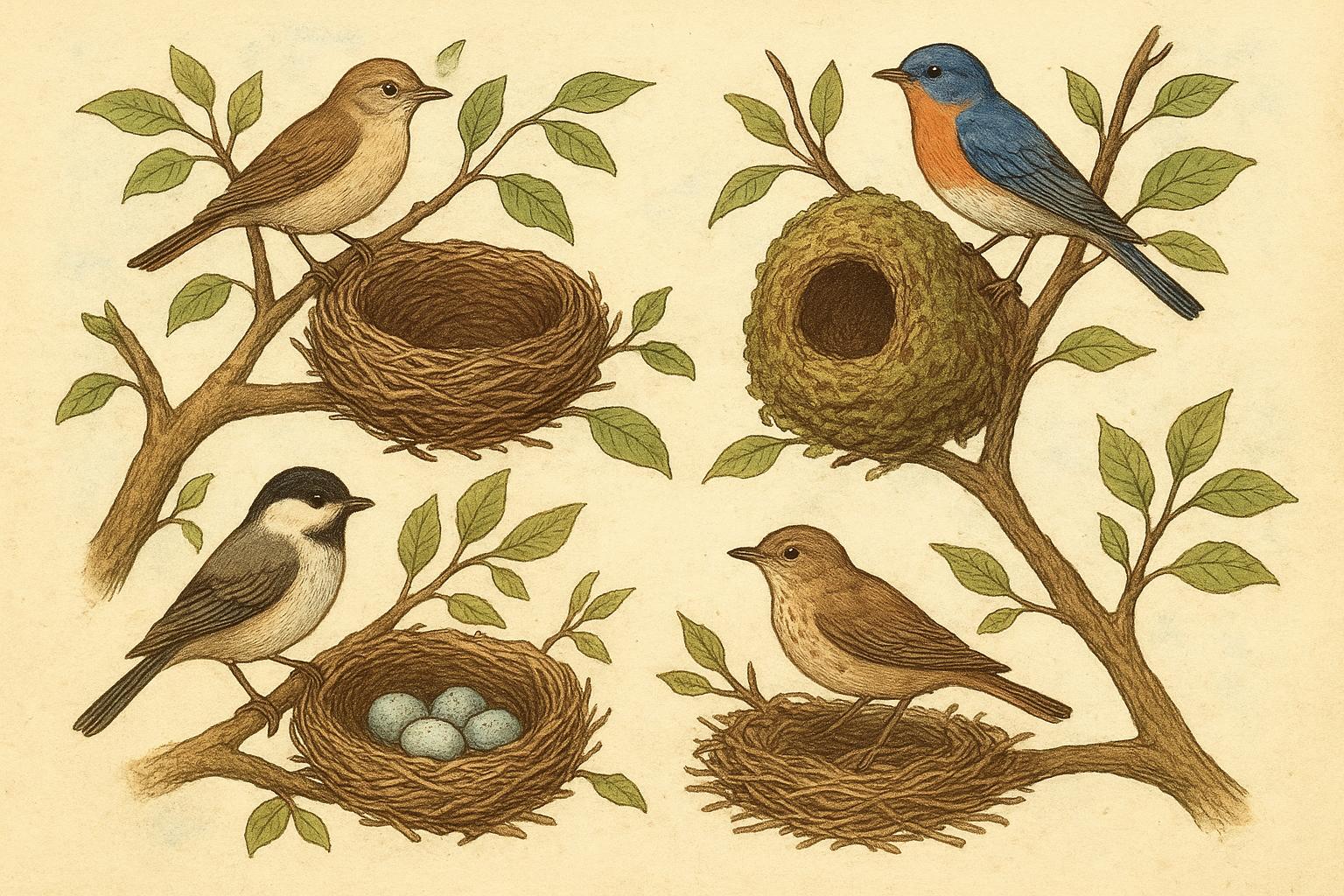
Nesting behavior is an often-overlooked key to bee identification. Ground-nesting bees excavate small tunnels in compacted bare soil. Cavity-nesters will occupy hollow stems, beetle borings, or nesting blocks. Carpenter bees create smooth, round tunnels in wood.
### Plant Associations
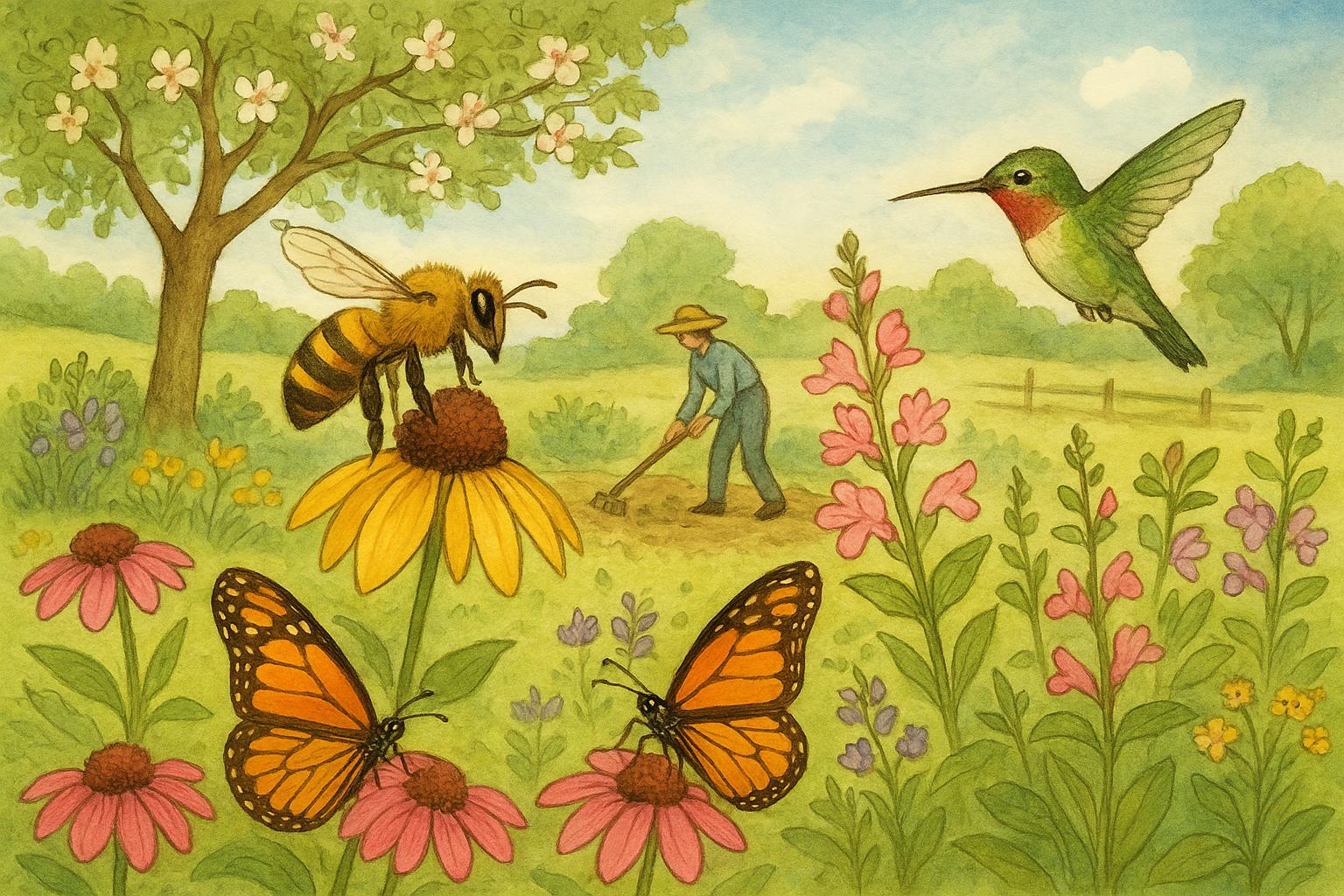
Some bees specialize on particular plant families. Mining bees may visit asters while squash bees focus on cucurbits. Observe which plants attract frequent visitors and note whether the bees seem specialized or generalist.
## Remedy 1: Making A Bee Water Station
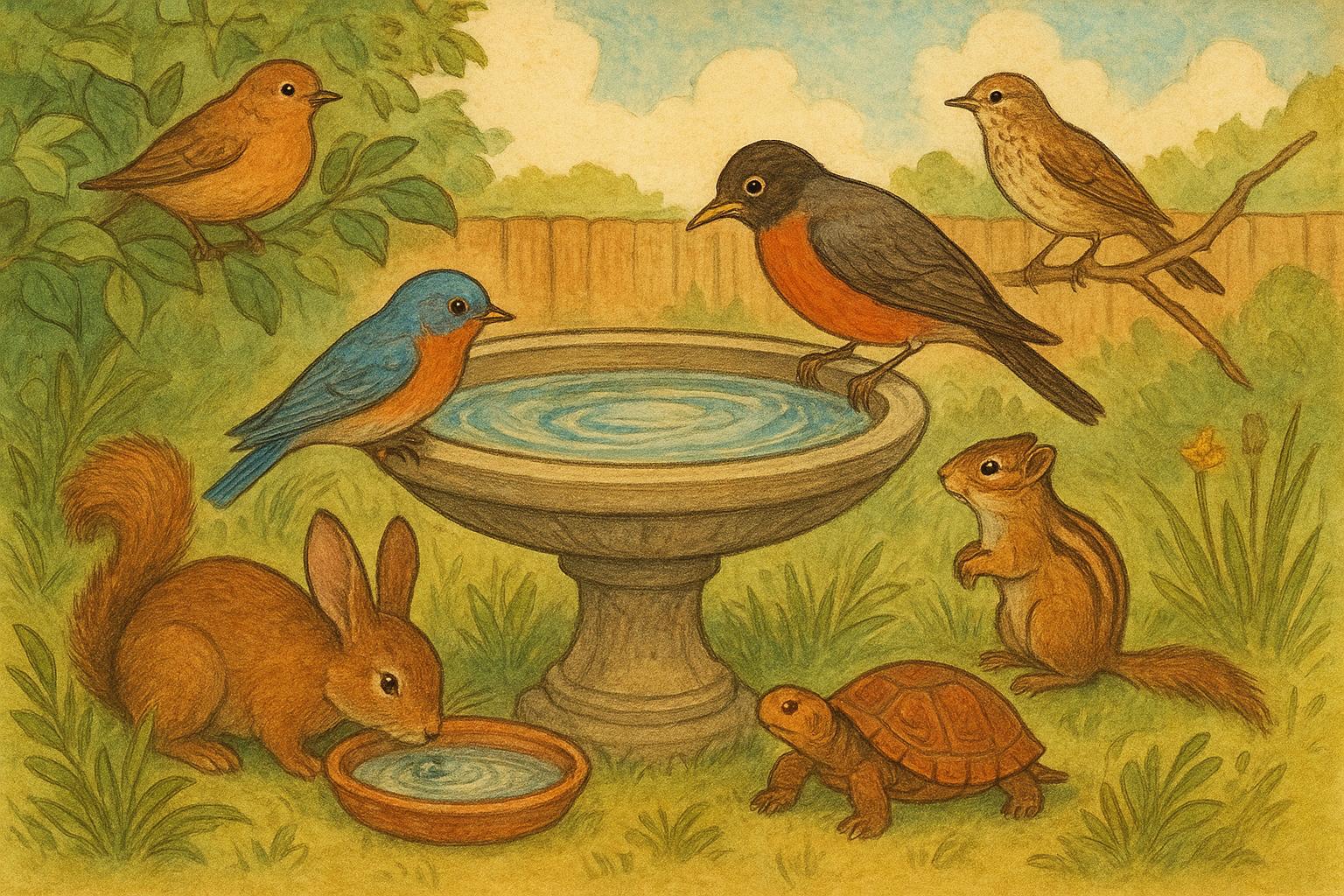
A simple, safe water source benefits many species without creating drowning hazards. This remedy is practical and requires modest materials.
Ingredients / Materials:
– Shallow dish or saucer (ceramic, stone, or sturdy plastic)
– Clean gravel, small pebbles, or wine cork halves
– Fresh, untreated water
– Optional: floating cork or twig pieces for extra perches
– Optional: shade source like a small tile or plant pot rim
Step-By-Step Creation And Application:
1. Choose a stable, level spot in the garden near but not in direct sunlight to avoid rapid heating.
2. Fill the shallow dish about half full with gravel or pebbles; these provide landing and perching points above water.
3. Add fresh, cool water slowly until it reaches the top of the stones but does not submerge them.
4. Place a few cork halves or twigs to create additional micro-perches for smaller species.
5. Position the station close to flowering plants and low enough for small bees to access easily.
6. Refresh water every 24–48 hours, and clean the dish weekly to prevent algae or mosquito breeding.
Be formal in maintenance: regular cleaning prevents disease transmission among pollinators and ensures the water remains a reliable resource.
## Remedy 2: Rescue Protocol For Stunned Or Chilled Bees
When spring mornings are cold or bees become soaked, a calm rescue can restore them to flight. This protocol is intended for common, non-venomous garden bees; avoid handling aggressive species or individuals that exhibit defensive behavior.
Ingredients / Materials:
– Small shallow container (e.g., jar lid)
– Dry paper towel or lint-free cloth
– Room-temperature sugar solution (1 tablespoon sugar to 4 tablespoons water) — optional and used only when a bee is weak and cannot forage
– A sunny, sheltered spot for recovery
Step-By-Step Creation And Application:
1. Approach slowly. If a bee is motionless on a bloom or path, gently cup a shallow container over it.
2. Using a dry paper towel, coax the bee into the container by gently tilting the surface beneath it; do not pinch or squeeze.
3. If the bee is chilled and slow to respond, place the container in a sunny, sheltered spot to warm for 10–30 minutes. Monitor until it regains mobility.
4. Only if the bee cannot fly after warming and appears weak, offer a tiny droplet of sugar solution at the edge of the container. Do not force feeding; allow the bee to sip voluntarily.
5. When the bee is active and climbs, set the container on a low flower or leaf in a sunny spot and open it so the bee can fly away when ready.
6. Record the event in your notebook including species if known or description, weather, and plant involved. This data assists your ongoing bee identification practice.
Follow these steps precisely and hygienically. Avoid prolonged handling and do not attempt rescues for stinging species unless you are experienced and protected.
## Monitoring And Long-Term Support
After you start identifying and assisting bees, track patterns. Which species arrive first in spring? Which plants attracted the most visitors? Over time, this information informs habitat adjustments: adding bare-earth patches for diggers, installing nesting tubes for cavity-nesters, or providing more of the preferred forage plants.
### Planting For Diversity
Plant a sequence of blooms from early spring to late fall. Emphasize native plants, as many bees have co-evolved with local flora. Include a mix of shapes and colors to accommodate differing tongue lengths and foraging strategies.
#### Avoiding Common Pitfalls
Do not over-prune or tidy away dead stems in late winter; many solitary bees nest in hollow stems and need that shelter. Use pesticides only as a last resort and always choose targeted, low-toxicity options in the evening when bees are less active.
## Building Confidence In Your Observations
Begin with broad categories; you don’t need species-level certainty to take beneficial action. Use comparison: is the bee fuzzy and slow (likely bumble), or slender with translucent wings and fast movements (possible sweat or mining bee)? Keep practicing, and your eye will sharpen. Periodic photo comparisons and expert feedback from local naturalist groups will accelerate learning.
Bee identification is a skill that deepens your connection to the garden. Each correct identification is a small promise: to plant with purpose, to offer water and shelter, and to understand the particular needs of the pollinators who share your space. Keep observing, keep recording, and let your garden become an open field guide — one gentle encounter at a time.






Leave a Reply