
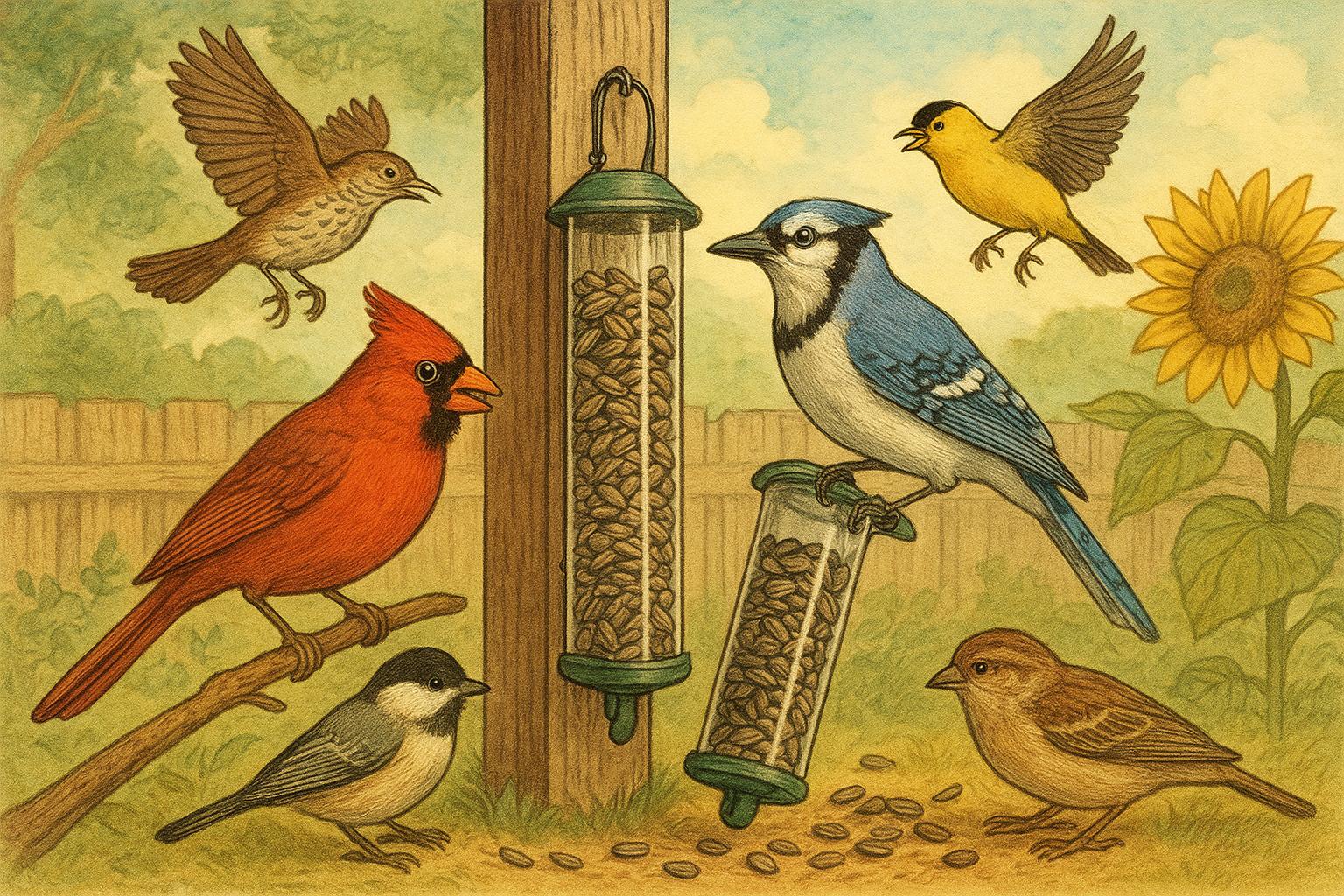
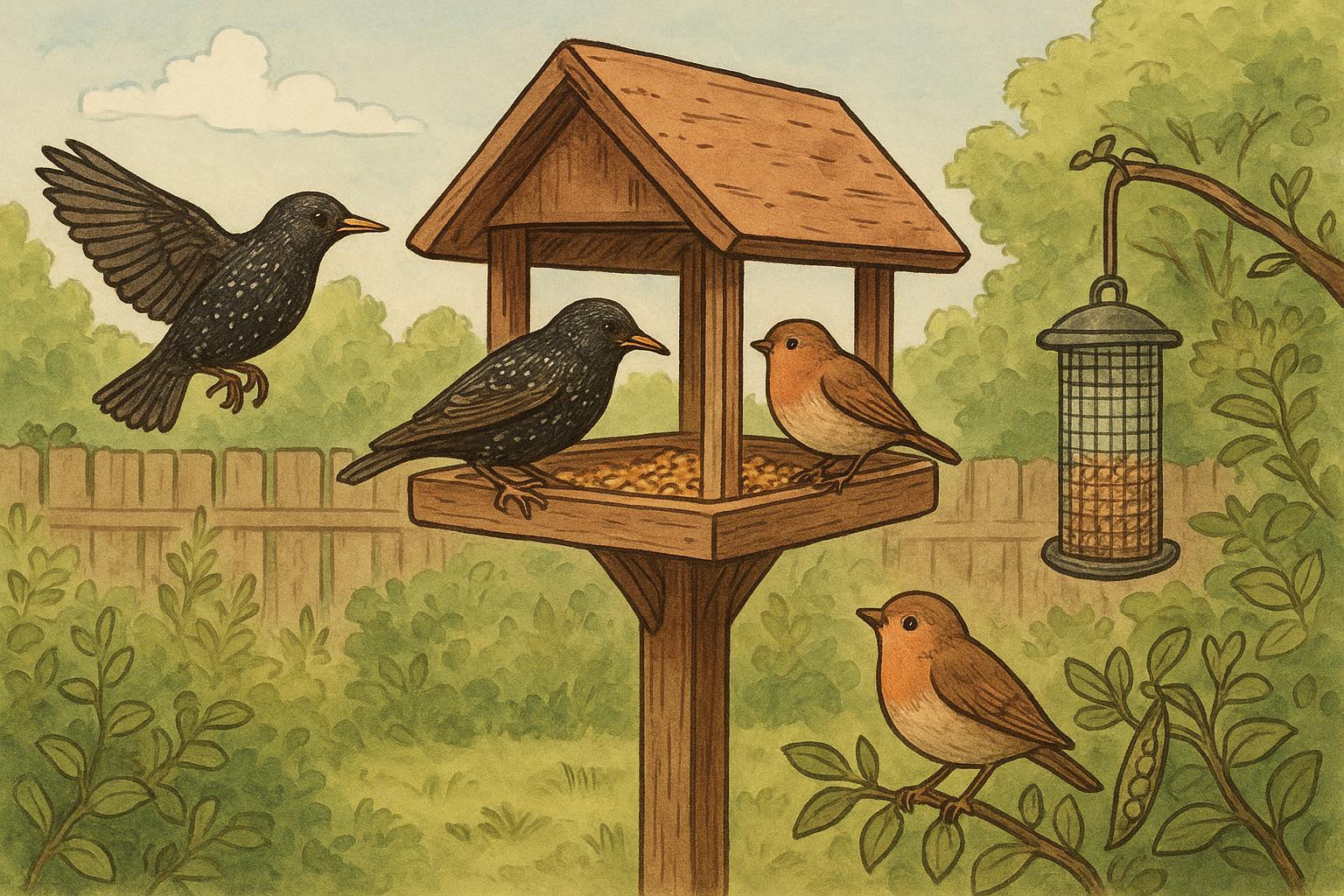
If you’ve ever watched a cardinal try to do aerobatics while holding on to a feeder, you know birds bring a little chaos in the best possible way. Lately, tube feeders packed with sunflower seeds have been the star of that backyard circus — drawing in a parade of chickadees, titmice, finches, and the occasional diva-like grackle. The sight is relaxing, the sound is cheerful, and yes, the squirrels are theatrically offended.
There’s something satisfying about a tidy plastic tube, evenly spaced perches, and the promise of tiny beaks working in unison. But the magic isn’t just in the feeder itself — it’s the choice of food. Proper sunflower seeds in a tube feeder act like a neon sign for local birds, and once the word gets out, you’ll have an audience every morning.
## Sunflower Seeds Tubes Spark A Backyard Bird Feeding Frenzy
Tube feeders offer an efficient, low-mess way to deliver seed, especially when filled with high-energy sunflower seeds. Their design favors small to medium songbirds and reduces waste by keeping seed elevated and dry. Pair that with the right seed, and your yard will feel like the VIP section at a bird buffet.
### Why Tube Feeders Are So Effective
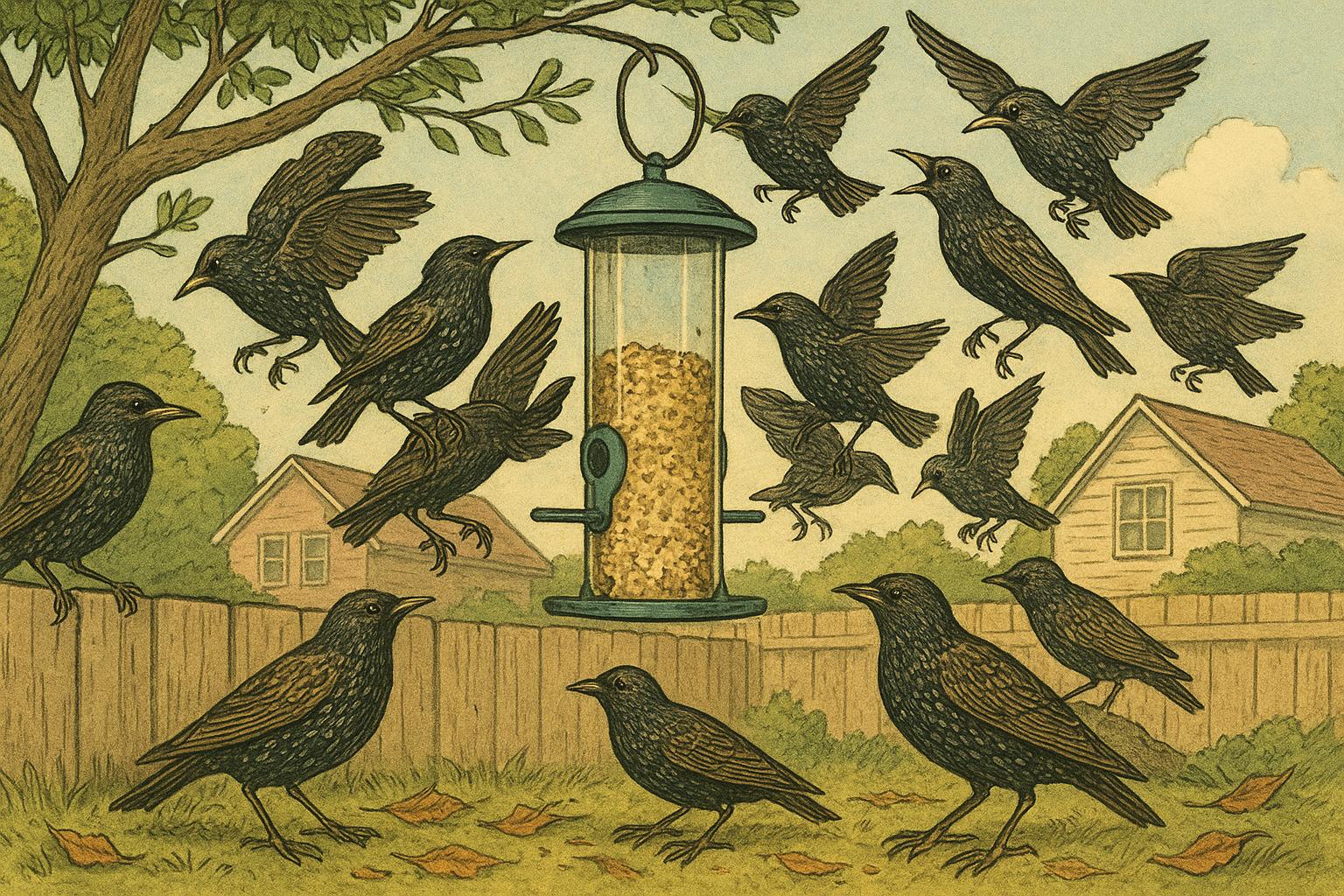
Tube feeders are graceful and simple. The clear body lets birds see their reward; multiple ports let several birds feed at once; and hanging the tube keeps seed off the ground where it attracts rodents or grows mold. When those ports are filled with sunflower seeds, the results are reliably dramatic: birds are drawn to the high-fat nutrition, and neighboring territories notice fast.
#### The Visual And Nutritional Appeal
Sunflower seeds stand out visually — dark, plump kernels that birds recognize immediately. They’re calorie-dense, which is especially important during migration or cold snaps. For many species, sunflower seeds (and especially black-oil varieties) are easier to open and digest than larger, tougher seeds. That combination of visibility and nourishment is a major reason tube feeders packed with sunflower seeds become so popular.
### Birds You’re Likely To See
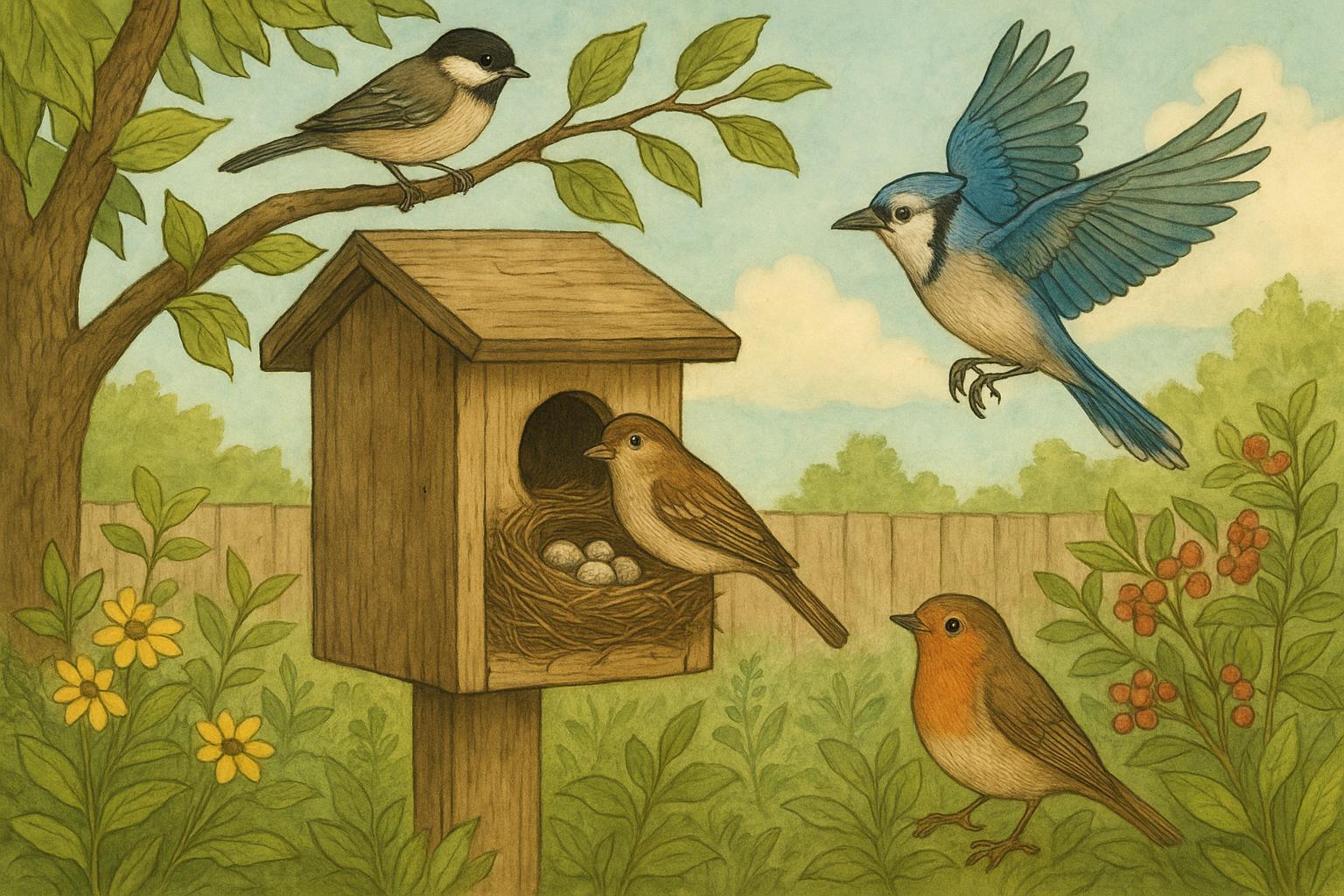
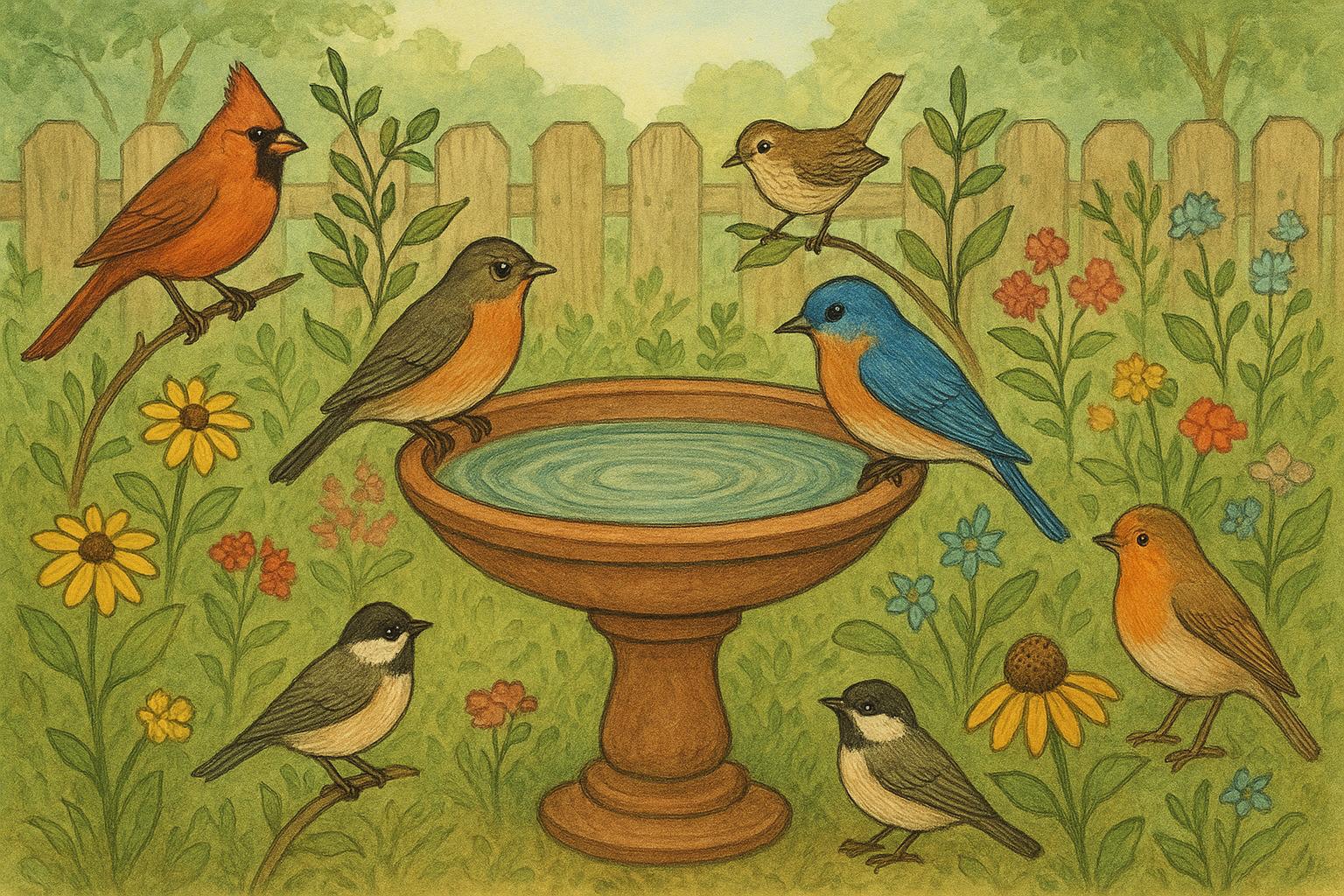
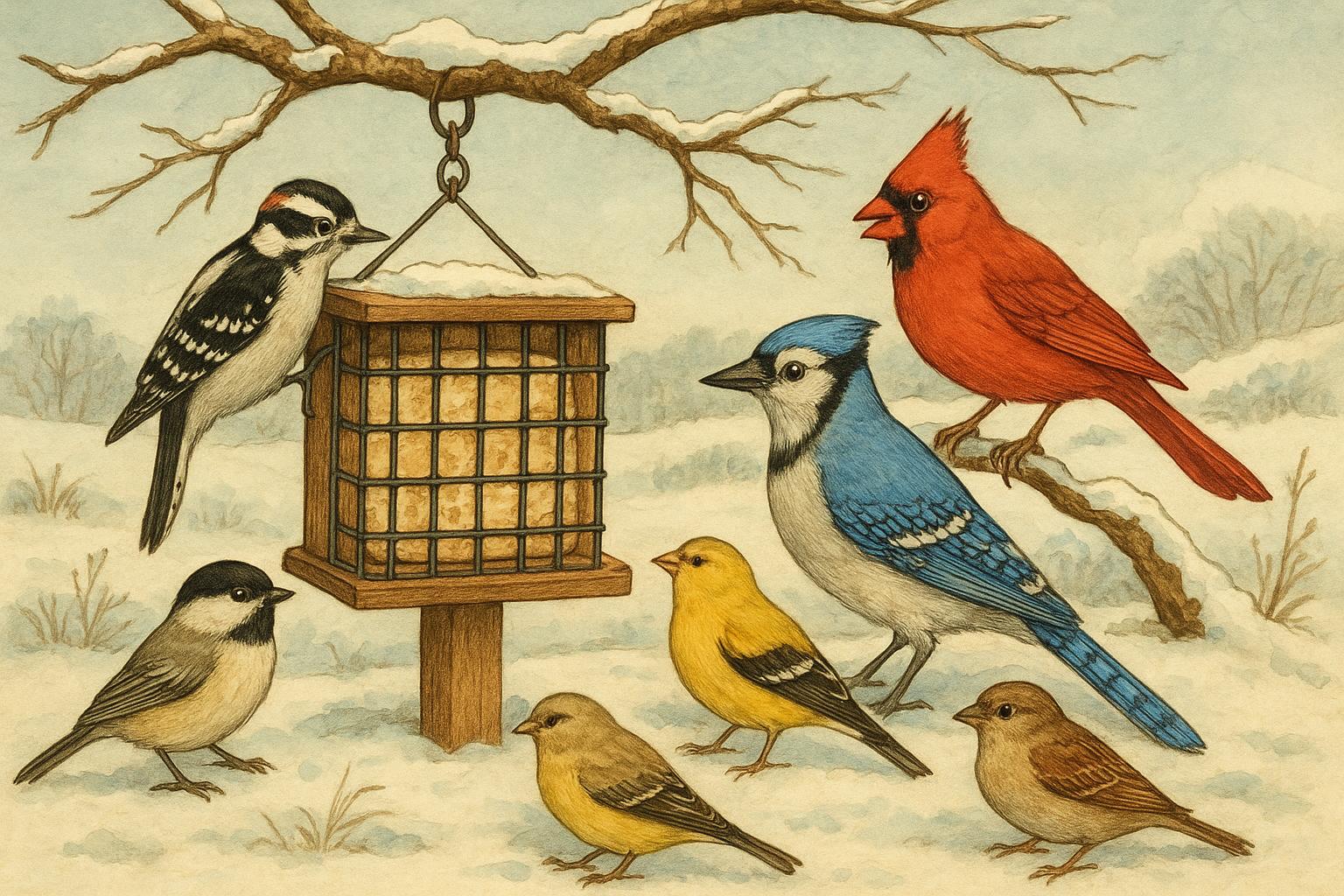
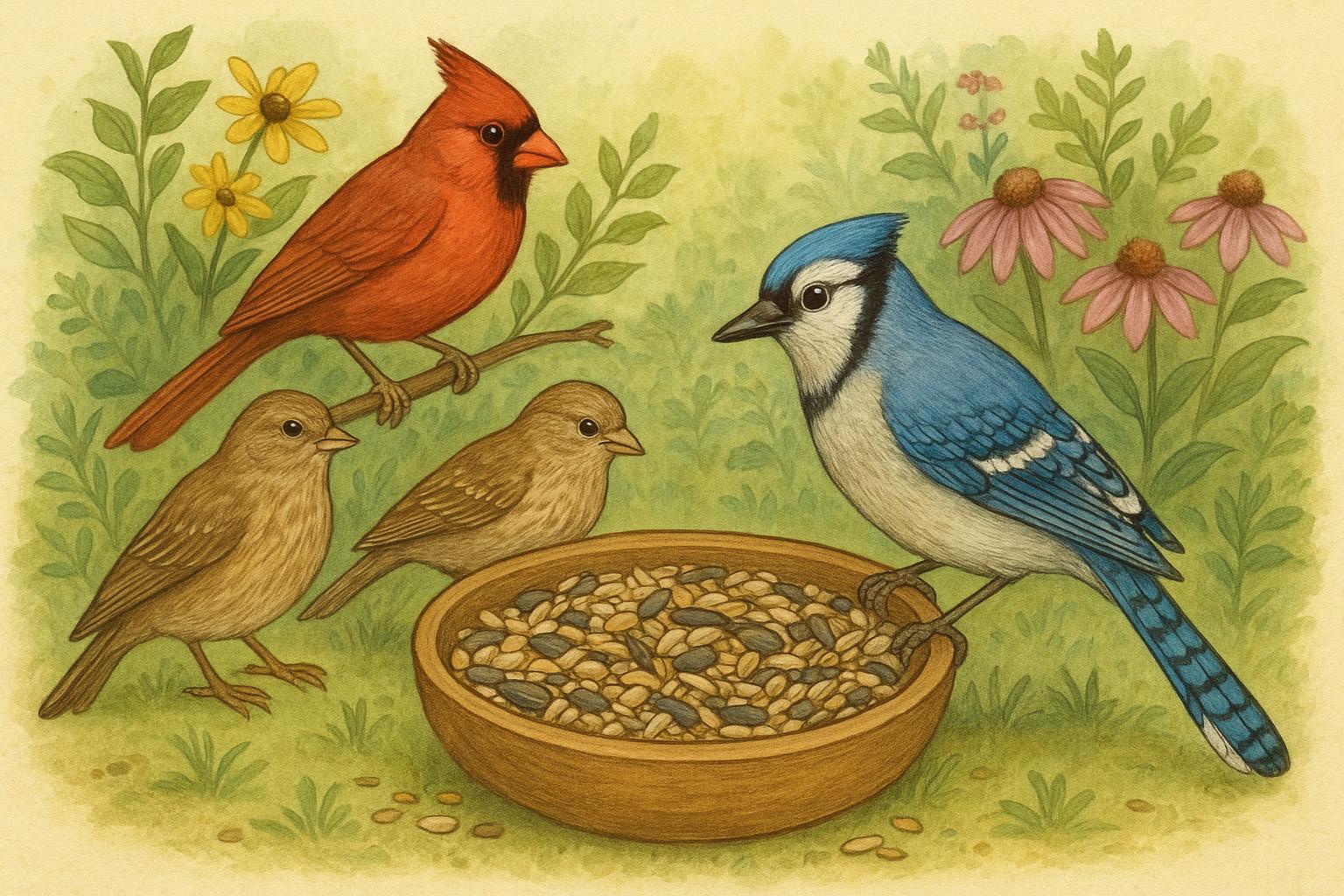
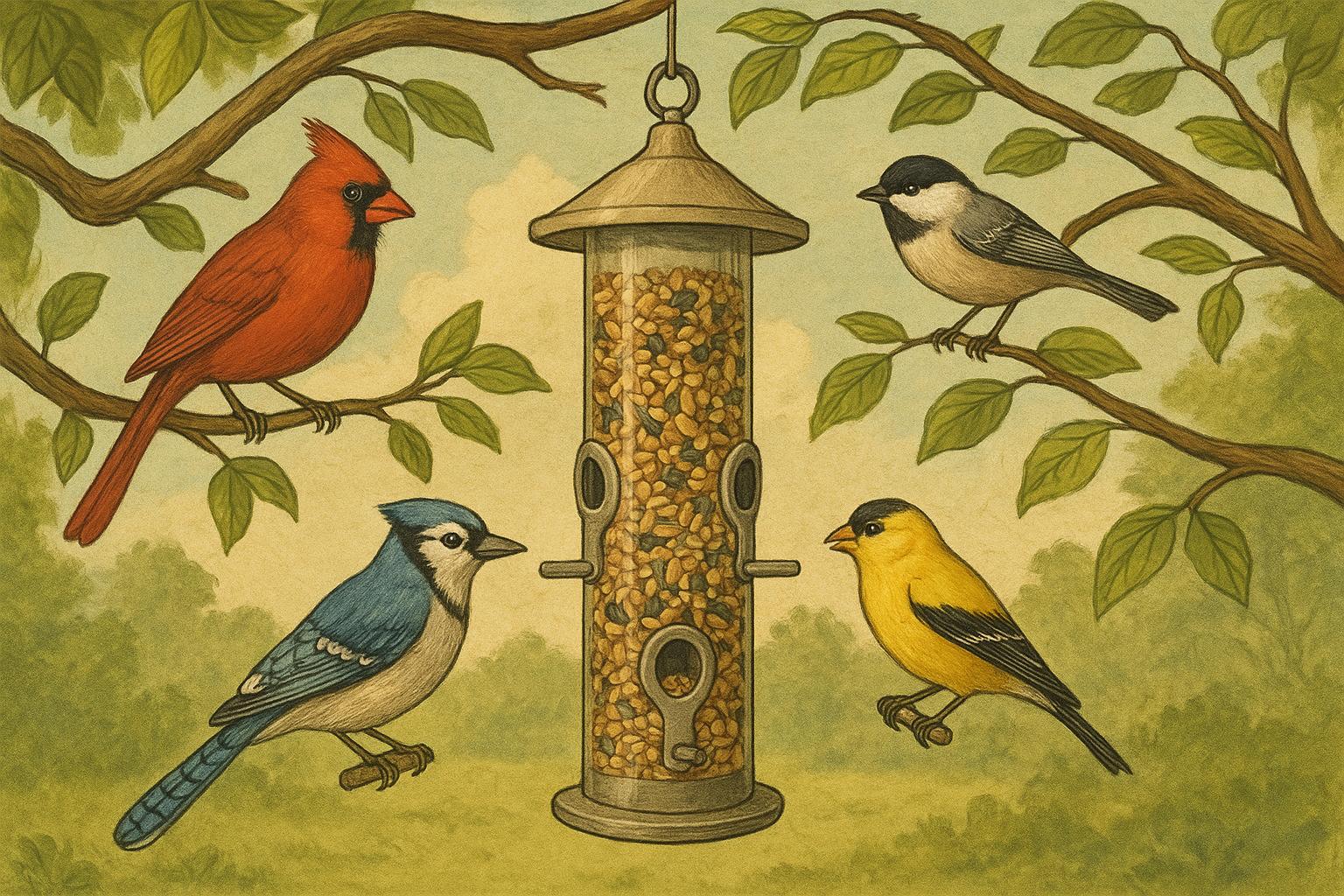
Expect chickadees, nuthatches, tufted titmice, house finches, and goldfinches to arrive first. Cardinals and grosbeaks will take notice too, provided there’s enough space on perches. Hummingbirds will not — they prefer sugar water — but the soundtrack of small birds will more than make up for it.
## Choose The Right Sunflower Seeds For Your Tube Feeder
Not all sunflower seeds are created equal when it comes to tube feeders. Black-oil sunflower seeds are generally the best choice: thinner shells, high oil content, and a size that fits nicely in feeding ports. Striped sunflower seeds are larger and messier, and sunflower hearts (hulled seeds) are premium but pricier — they reduce shell debris and are great if you have space for bigger species.
When shopping, aim for fresh seed (smell it: it should not smell rancid) and buy in manageable quantities to avoid spoilage. A damp, dated bag invites mold, which can harm birds. Store unopened seed in a cool, dry place, and once opened, consider an airtight container or a sealed bin to keep pests out.
## Remedy 1: Build A Sunflower Seeds Tube Feeder
If you want to create a reliable, bird-friendly tube feeder that’s optimized for sunflower seeds, follow this structured, practical plan. The instructions here are formal and precise to ensure good results and bird safety.
Materials:
– 1 clear polycarbonate or acrylic tube (length 12–18 inches; diameter 2–3 inches)
– 4–6 feeding ports with perches (metal or durable plastic)
– Top and bottom caps (secure-fit)
– Hanging hardware (s-hook or swivel and a sturdy cord)
– Drill and hole saw bits (if ports aren’t pre-cut)
– Fine mesh screen (optional, for drainage)
– Black-oil sunflower seeds (fresh)
Step-By-Step Creation And Application:
1. Inspect The Tube: Ensure the tube is free from cracks and is food-safe. Clean with a mild soap solution and rinse thoroughly.
2. Mark Port Locations: Space 4–6 ports evenly along the lower half of the tube, allowing room for multiple birds without crowding. Mark positions with a non-permanent marker.
3. Drill Ports: Using an appropriate-sized hole saw or drill bit, create entry holes for the feeding ports. Smooth any rough edges to prevent injury to birds.
4. Install Ports And Perches: Insert the feeding ports and affix perches according to manufacturer instructions. Ensure each port is level so sunflower seeds don’t spill unevenly.
5. Add Drainage: If the tube design lacks drainage, affix a small piece of fine mesh at the bottom cap or drill a tiny drainage hole — avoiding seed loss — to prevent water pooling and mold.
6. Seal And Hang: Attach the top and bottom caps securely, add the hanging hardware, and hang the feeder from a suitable branch or hook 5–6 feet above ground to limit predator approach.
7. Fill With Sunflower Seeds: Add fresh black-oil sunflower seeds but do not overfill; leave a small air gap at the top to reduce moisture contact and settling.
8. Monitor And Maintain: Check the feeder twice weekly for mold, clumping, or stale seed. Clean with a mild bleach solution (1 part bleach to 9 parts water), rinse well, and dry fully before refilling.
## Remedy 2: Squirrel-Proofing And Placement For Sunflower Seeds Tubes
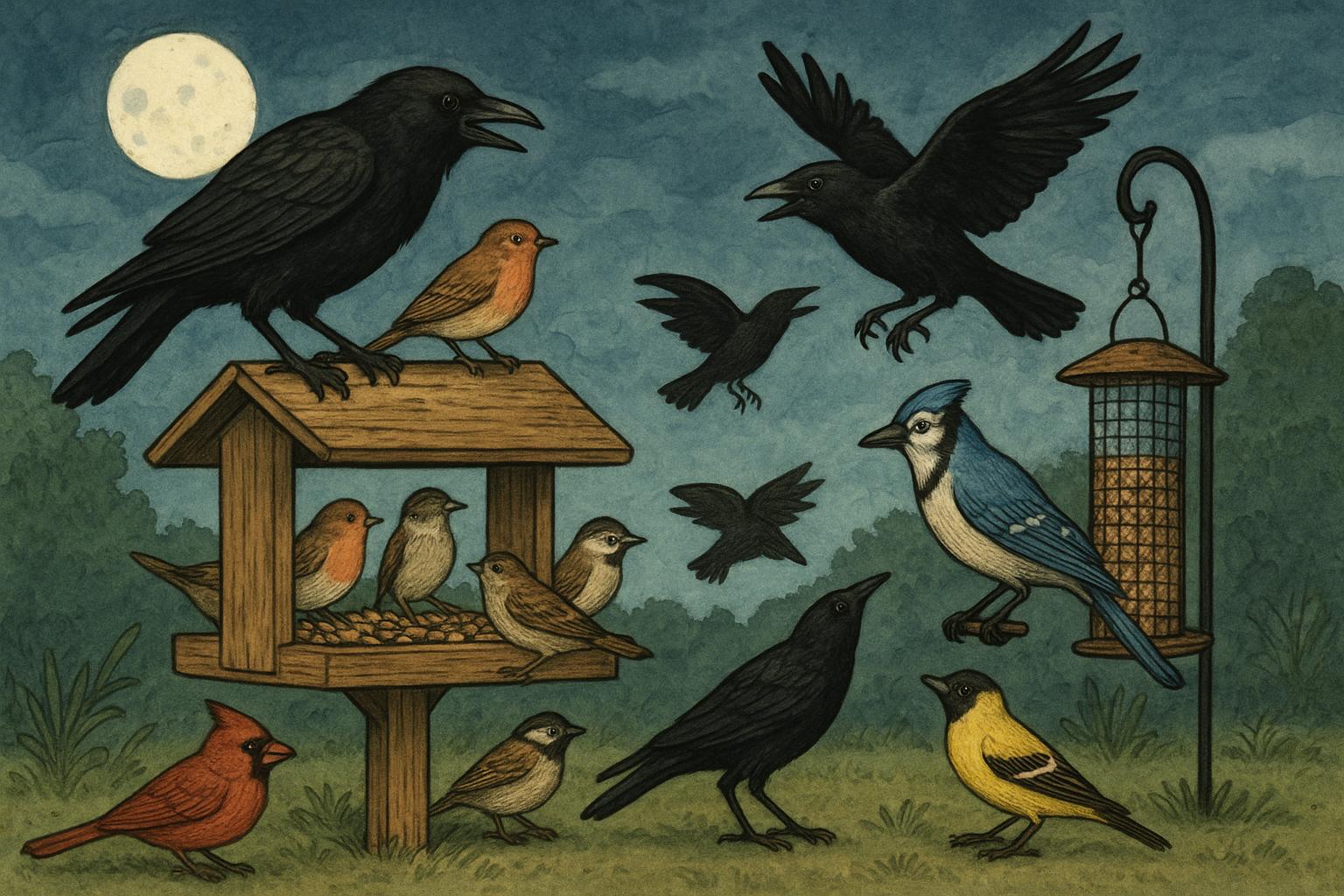
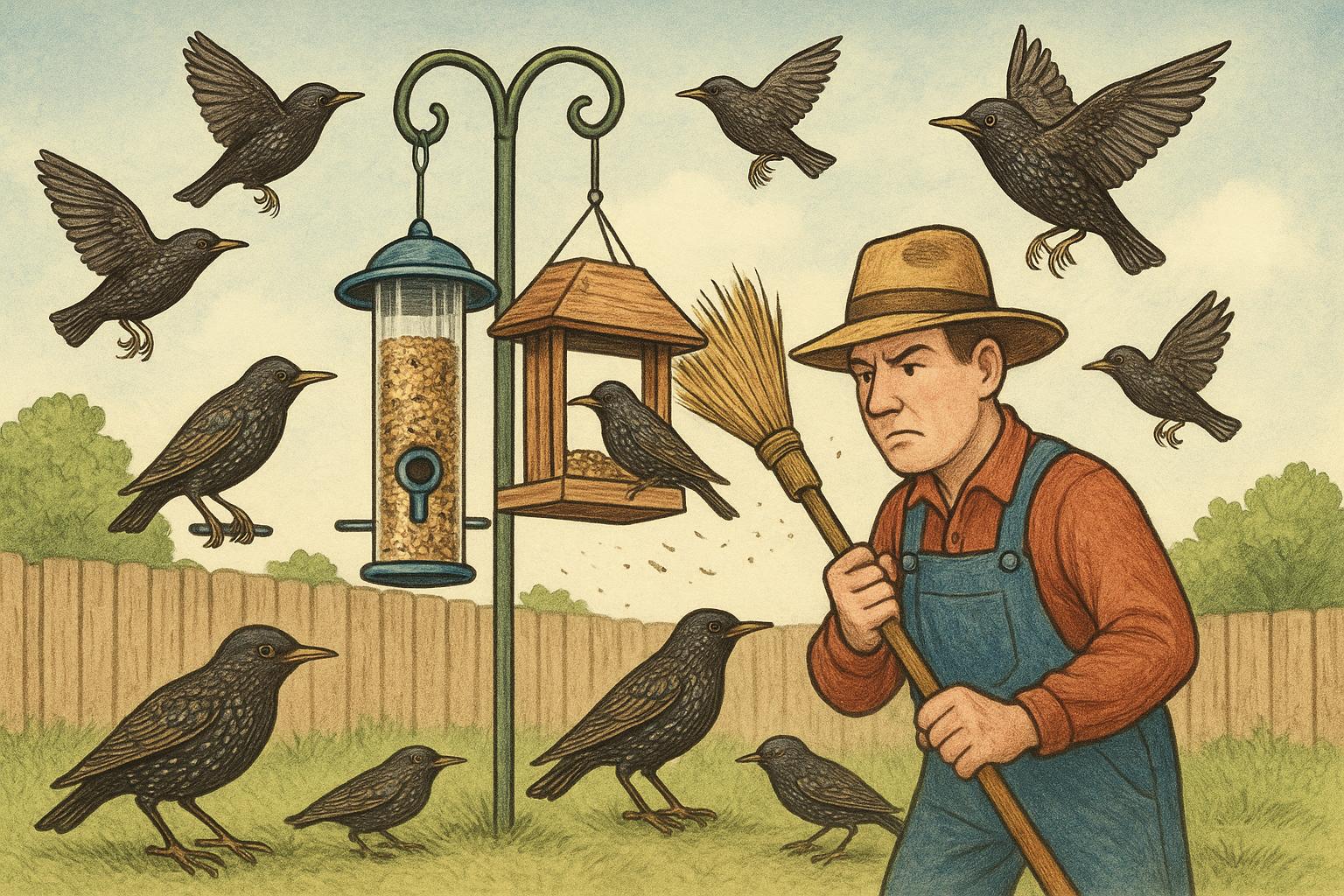
Squirrels and larger birds can ruin the party if the feeder isn’t secured and thoughtfully sited. This remedy focuses on formal placement strategy and deterrent measures that preserve access for desired species while minimizing nuisance visitors.
Materials:
– Baffle (pole-mounted or hanging, sized for tube)
– Sturdy metal pole or branch hook placed 6–8 feet from launching points
– Slinky or smooth pole sleeve (for pole-mounted feeders)
– Seed tray (optional, to reduce spillage)
– Fresh black-oil sunflower seeds
Step-By-Step Creation And Application:
1. Choose A Location: Select a site with some cover (near trees or shrubs) but not within jumping distance (at least 6–8 feet) of fences, roofs, or tree limbs that squirrels can use as launching pads.
2. Install Pole Or Hook: Mount a metal pole in the ground using a concrete base if needed for stability, or hang from a sturdy, isolated branch using a swivel to deter chewers.
3. Attach A Baffle: Fit a dome or cone baffle above or below the feeder depending on design. The baffle should prevent squirrels from gaining leverage up the pole or leaping down onto the feeder.
4. Apply Smooth Barriers: If using a pole, slip a smooth, slippery sleeve or Slinky around it; squirrels cannot grip the surface to climb.
5. Use Seed Management: Limit seed spills by periodically catching escaped sunflower seeds with a small tray under the feeder. Empty any fallen seed to avoid ground-feeding pigeons or rodents.
6. Adjust If Necessary: If squirrels persist, raise the feeder higher (to the recommended safety height) or relocate to a more isolated position. Avoid using sticky repellents that can trap or harm wildlife.
### Maintenance Tips To Keep The Frenzy Friendly
Routine maintenance keeps birds healthy and the spectacle ongoing. Rotate seed stock, clean ports monthly (or more during wet weather), and inspect perches for wear. If you notice moldy seed or a sudden drop in visitors, pause refilling until the issue is resolved — birds are sensitive to spoiled food.
#### Seasonal Considerations
During nesting season, consider the needs of fledglings and local laws about feeding. In winter, sunflower seeds are particularly valuable for energy; in summer, monitor for increased spoilage due to humidity and switch to smaller, more frequent fills.
### A Few Behavioral Notes And Friendly Etiquette
Once you feed, birds may come to rely on that resource, so try to maintain consistent availability, especially during cold snaps or migration. That said, feeding is optional and should complement, not replace, natural foraging. Keep feeders a place that welcomes diversity: a mix of sunflower seeds, nyjer, and occasional suet will attract a wider range of species and reduce competitive pressure.
Sprinkle in a pair of binoculars, a mug of coffee, and a comfortable seat, and your backyard will be transformed into a small nature theater that’s restorative and delightfully loud at dawn.


Leave a Reply