
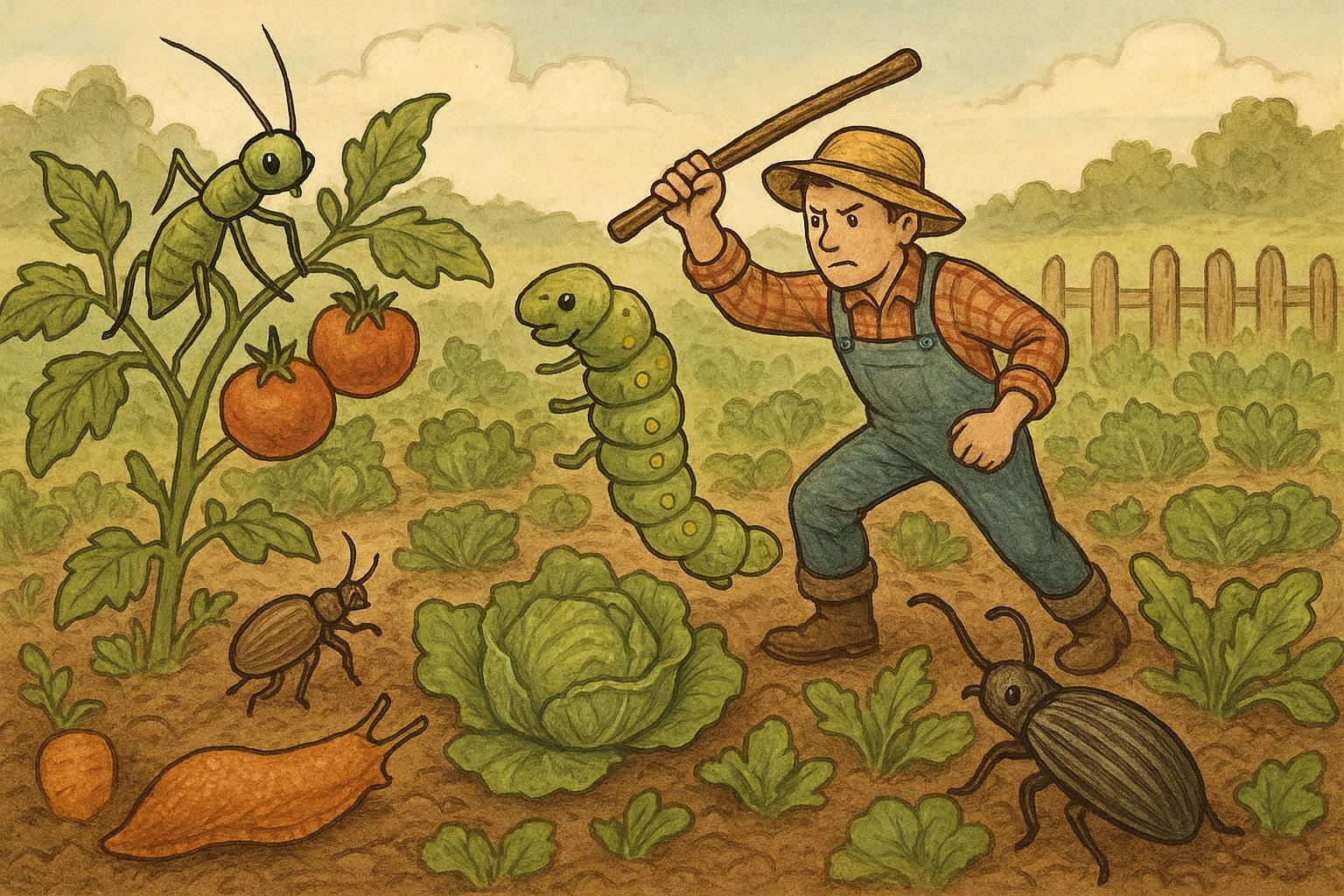
If you love the smell of soil and the thrill of harvesting a sun-warmed tomato, you probably also know the heartbreak when something nibbling around the leaves shows up uninvited. Good news: a few sensible habits, a handful of low-tech solutions, and a little patience will keep most of the troublemakers at bay. This guide walks through the usual suspects, practical prevention, and proven remedies to protect your beds without turning your yard into a chemical battlefield.
## Vegetable Garden Pests: Common Culprits
Vegetable garden pests come in all shapes and sizes — from sap-sipping aphids to ravenous caterpillars and sneaky beetles. Knowing who you’re dealing with is half the battle.
### Recognizing The Usual Suspects
– Aphids: Small, pear-shaped, often in clusters on new growth. They excrete sticky honeydew that can attract ants and mold.
– Caterpillars And Loopers: Chew holes in leaves; look for frass (tiny droppings) and ragged edges.
– Slugs And Snails: Leave slime trails and munch large holes in tender leaves, especially at night.
– Flea Beetles: Tiny, shiny, and able to jump; they pepper leaves with small shot-hole damage.
– Squash Bugs And Cucumber Beetles: Target cucurbits, can also vector diseases.
– Cutworms: Night feeders that can sever young seedlings at the soil line.
### How Damage Looks Different
Leaf curl and stunting often point to sap feeders or viral diseases spread by them, while skeletonized leaves usually indicate chewing pests. Regular scouting is critical: a few minutes every few days looking under leaves and near the soil will help you catch issues early before they escalate.
## How To Make Your Garden Less Attractive To Pests
Preventative measures are your best bet. Think of your garden as a neighborhood taxi — if it’s inviting, pests will stick around.
### Cultural Practices That Reduce Pest Pressure
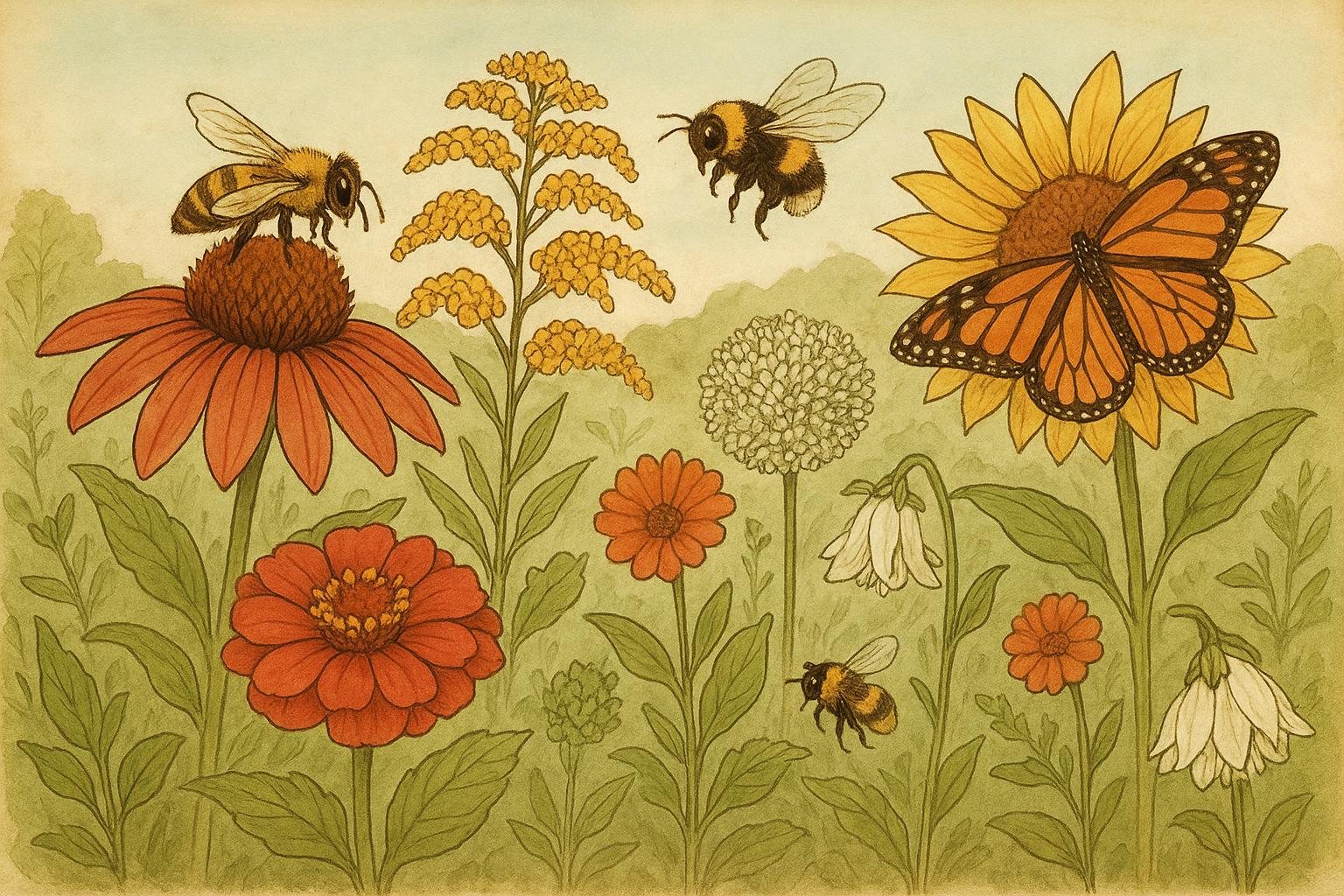
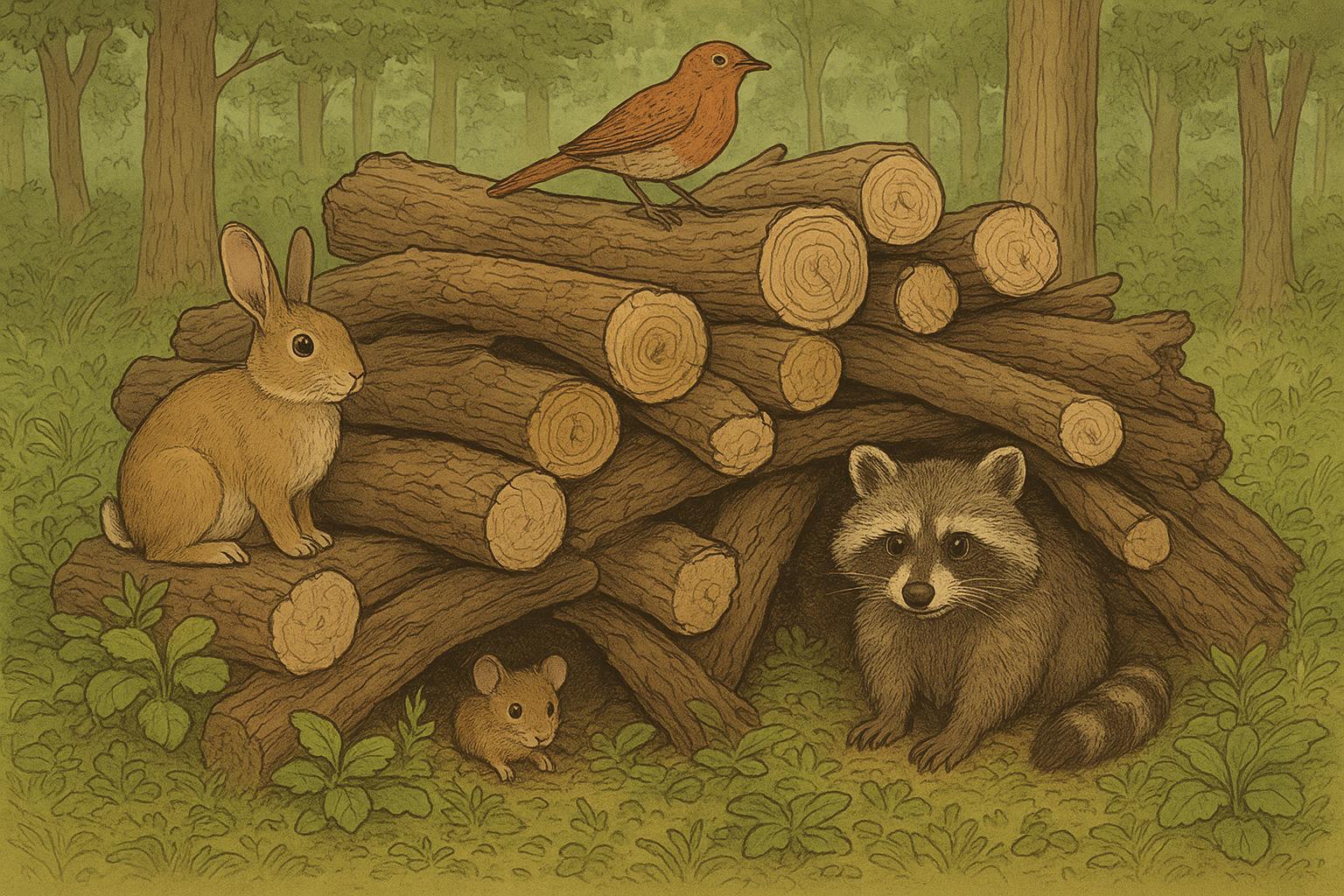
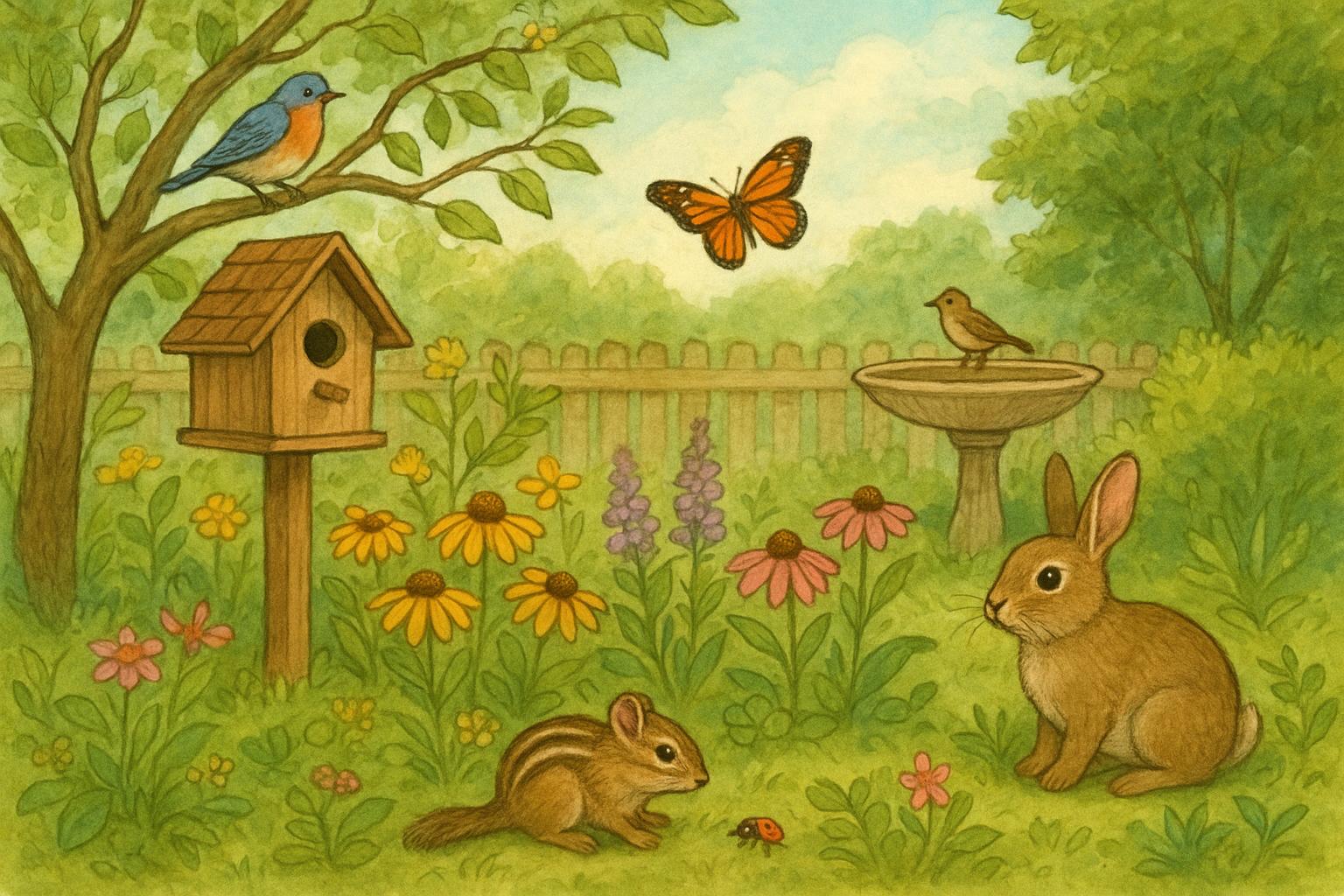
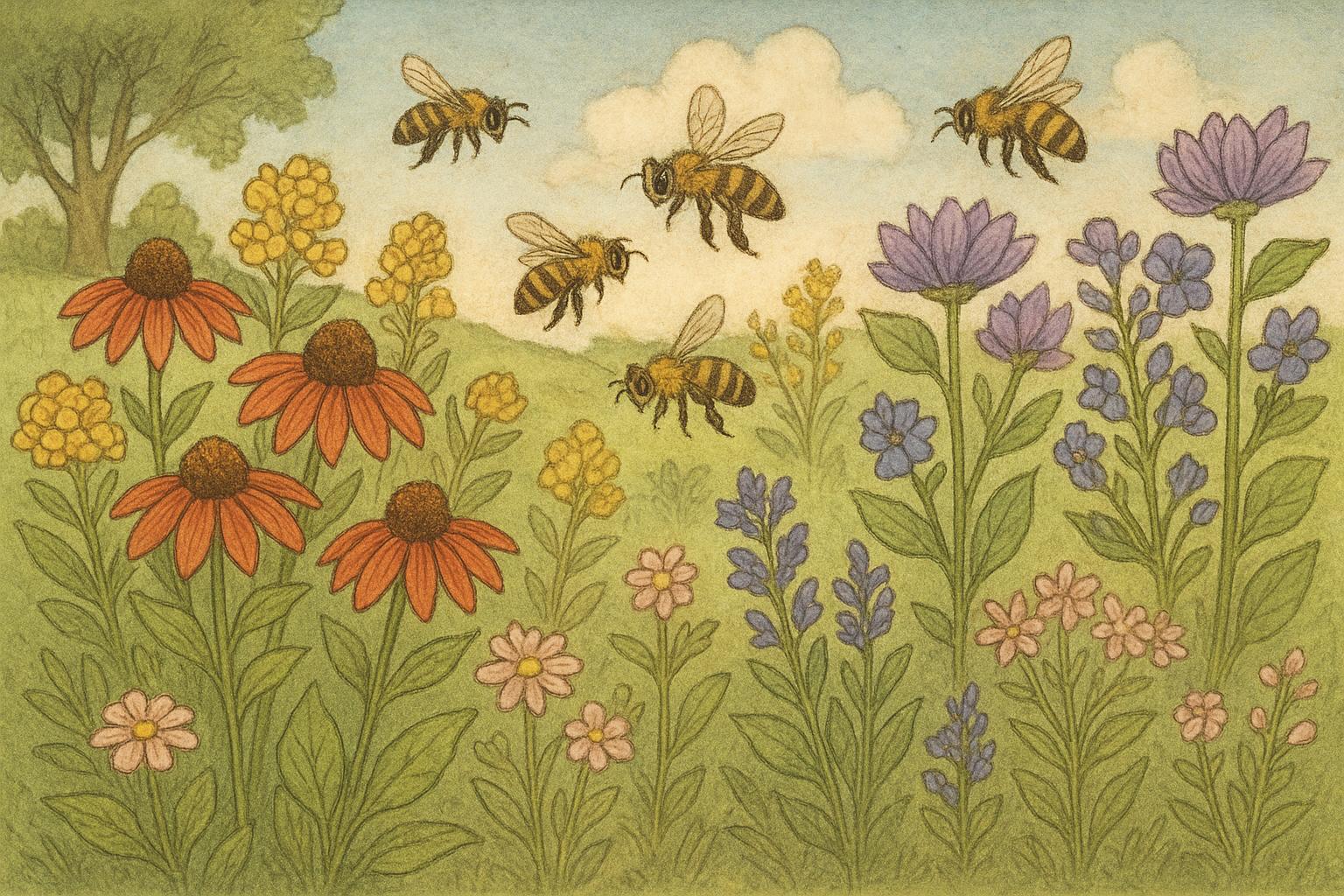
Rotate crops annually to disrupt pest life cycles. Choose resistant varieties when available. Keep beds tidy: remove decaying plant matter where pests overwinter, and avoid excessive nitrogen fertilization that promotes soft, tasty growth for hungry insects. Encourage beneficial predators like ladybugs, lacewings, and ground beetles by planting a diversity of flowers and providing small habitat features (a log, a bare patch of soil).
### Physical Barriers And Timing
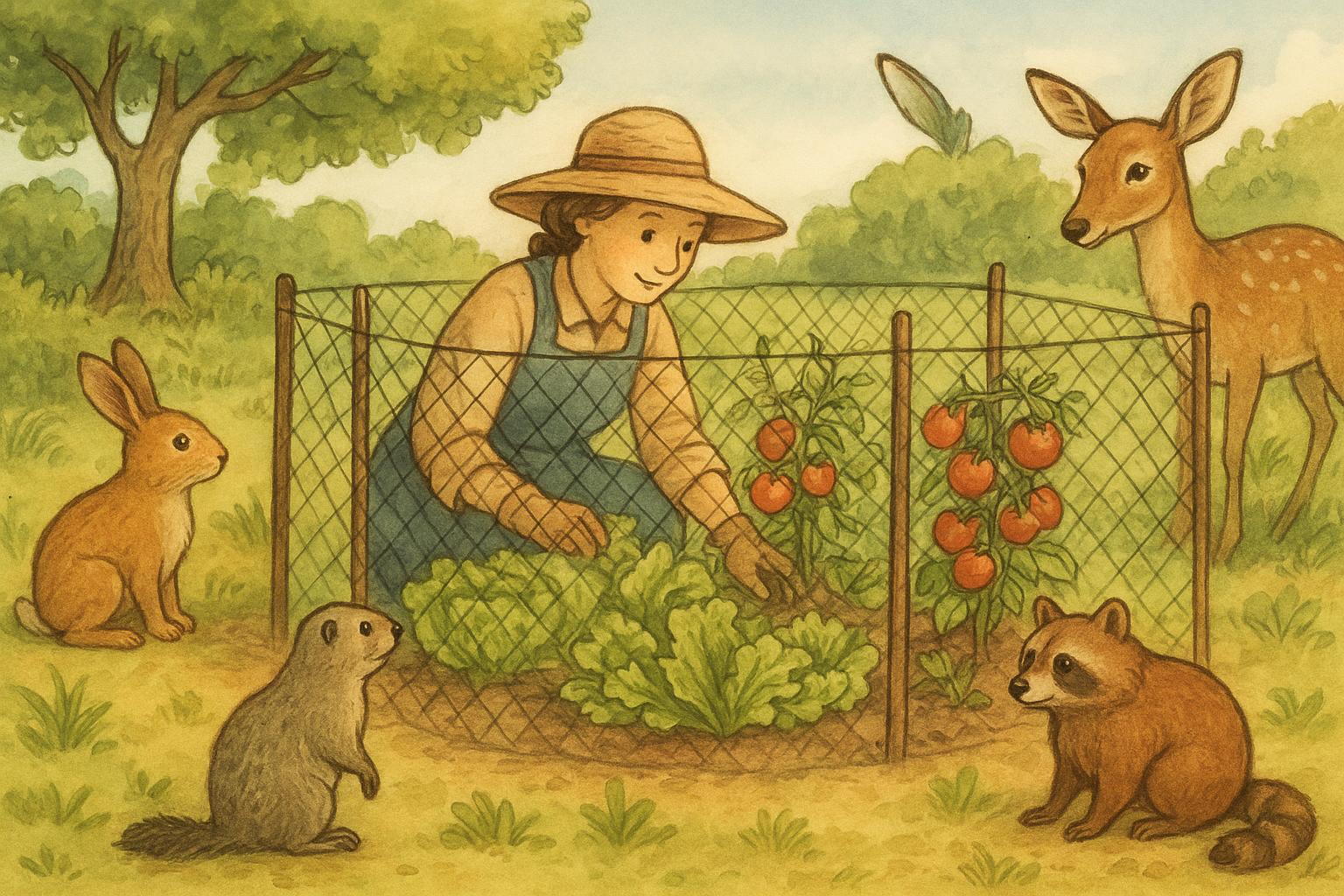
Floating row covers, cloches, and fine mesh can exclude many pests while allowing air and light through. For flea beetles or cabbage moths, covers placed at planting time are especially effective. Timing plantings to avoid peak pest periods — for instance, early spring or late summer sowings — also helps.
## ### Remedy 1: Homemade Insecticidal Soap (For Soft-Bodied Insects)
Ingredients/Materials:
– 1 liter (about 4 cups) of lukewarm water
– 1 tablespoon of pure liquid soap (castile or a biodegradable hand soap; avoid scents, degreasers, or antibacterial formulas)
– Spray bottle or garden sprayer
– Optional: 1 teaspoon vegetable oil as a spreader-sticker for better adhesion
Creation And Application (Formal Instructions):
1. Combine the lukewarm water and liquid soap in the spray bottle or sprayer. If using oil, add it to the mixture and shake gently to emulsify.
2. Test on a single leaf of a vulnerable plant and wait 24 hours. If no phytotoxicity (leaf burn or discoloration) occurs, proceed.
3. Spray thoroughly, covering the undersides of leaves where aphids and whiteflies congregate. Apply during the cooler parts of the day (early morning or late evening) to minimize risk to beneficial insects and to prevent leaf scorch.
4. Reapply every 5–7 days until populations are reduced. Avoid application in full sun or at temperatures above 85°F (29°C).
5. Store remaining solution for up to two weeks; shake before use.
Notes: This remedy suffocates soft-bodied insects and is minimally disruptive to many pollinators when used responsibly. Avoid spraying open flowers.
## ### Remedy 2: Diatomaceous Earth Barrier For Ground-Active Pests
Ingredients/Materials:
– Food-grade diatomaceous earth (DE)
– Small hand duster or shaker
– Gloves, mask (DE is a fine powder that can irritate lungs if inhaled)
– Dry weather (DE works when dry)
Creation And Application (Formal Instructions):
1. Wearing gloves and a mask, fill the duster or shaker with food-grade DE.
2. Apply a light, even dusting around the base of plants and along seedling rows to create a barrier. Focus on moist, shaded areas where slugs and snails travel.
3. After rain or heavy irrigation, reapply, as DE loses effectiveness when wet.
4. Monitor seedling mortality and reapply weekly during high-slug activity periods.
5. Store unused DE in a dry container to prevent clumping.
Notes: DE abrades and dehydrates soft-bodied pests. It is safe for use in edible gardens when applied correctly but avoid inhalation and wet climates.
## ### Remedy 3: Companion Planting And Trap Crops
Ingredients/Materials:
– Seeds or seedlings for companion plants (e.g., marigolds, nasturtiums, basil)
– Seeds for trap crops (e.g., radish, mustard, or nasturtium as a decoy)
– Garden layout plan and markers
Creation And Application (Formal Instructions):
1. Identify key crops and their most common pests. Select companion plants that repel or confuse these pests (e.g., strong-scented herbs that deter aphids).
2. Designate a small area near the main crop for trap crops that are more attractive to pests than your vegetables.
3. Plant companion species interspersed among main crops, and establish trap crops at the garden perimeter or in dedicated rows before main planting. For example, plant nasturtiums to lure aphids away from brassicas.
4. Monitor trap crops closely. When they accumulate pests, remove and destroy the infested plants or treat them with targeted controls to prevent pest spillover.
5. Maintain a diverse planting schedule annually to prevent pests from adapting to repeated patterns.
Notes: Companion planting and trap cropping are ecological strategies that reduce reliance on chemicals and support beneficial insects when combined with other IPM (Integrated Pest Management) tactics.
## Garden-Friendly Chemical Options And When To Use Them
Sometimes, cultural and physical controls are insufficient. In such cases, use the mildest effective product targeted to the pest. Bacillus thuringiensis (Bt) is effective against many caterpillars and is safe for pollinators when applied correctly. Spinosad can control a range of chewing larvae and thrips but should be used sparingly and only as directed. Always read labels and apply at recommended rates and timing to minimize non-target impacts.
#### Label Reading And Safety
Before applying any product—organic or synthetic—read the label thoroughly. Confirm crop safety, pre-harvest intervals, and protective equipment requirements. Record applications in a garden log to track effectiveness and limit repeated use that can harm beneficial populations.
## Monitoring, Timing, And Record-Keeping
A disciplined, observant gardener has a lower pest load. Keep a notebook: note dates of first sightings, weather patterns, and which controls were used. This helps you fine-tune strategies year to year. Install simple monitoring tools like yellow sticky cards for flying pests and beer traps for slugs, but don’t overdo it — traps should inform action, not be your action.
## When To Call In Professional Help
If infestations are sudden, severe, or involve regulated pests (or are beyond the scope of backyard remedies), consult your local extension service or a certified pest management professional. They can identify pests precisely and recommend appropriate, legal, and environmentally sound treatments.
A little vigilance, thoughtful planting, and the right remedy at the right time will go a long way toward keeping vegetable garden pests from stealing your harvests. With patience—and maybe a wrinkled grub or two relocated to the compost heap—you’ll be harvesting more and worrying less.







Leave a Reply