
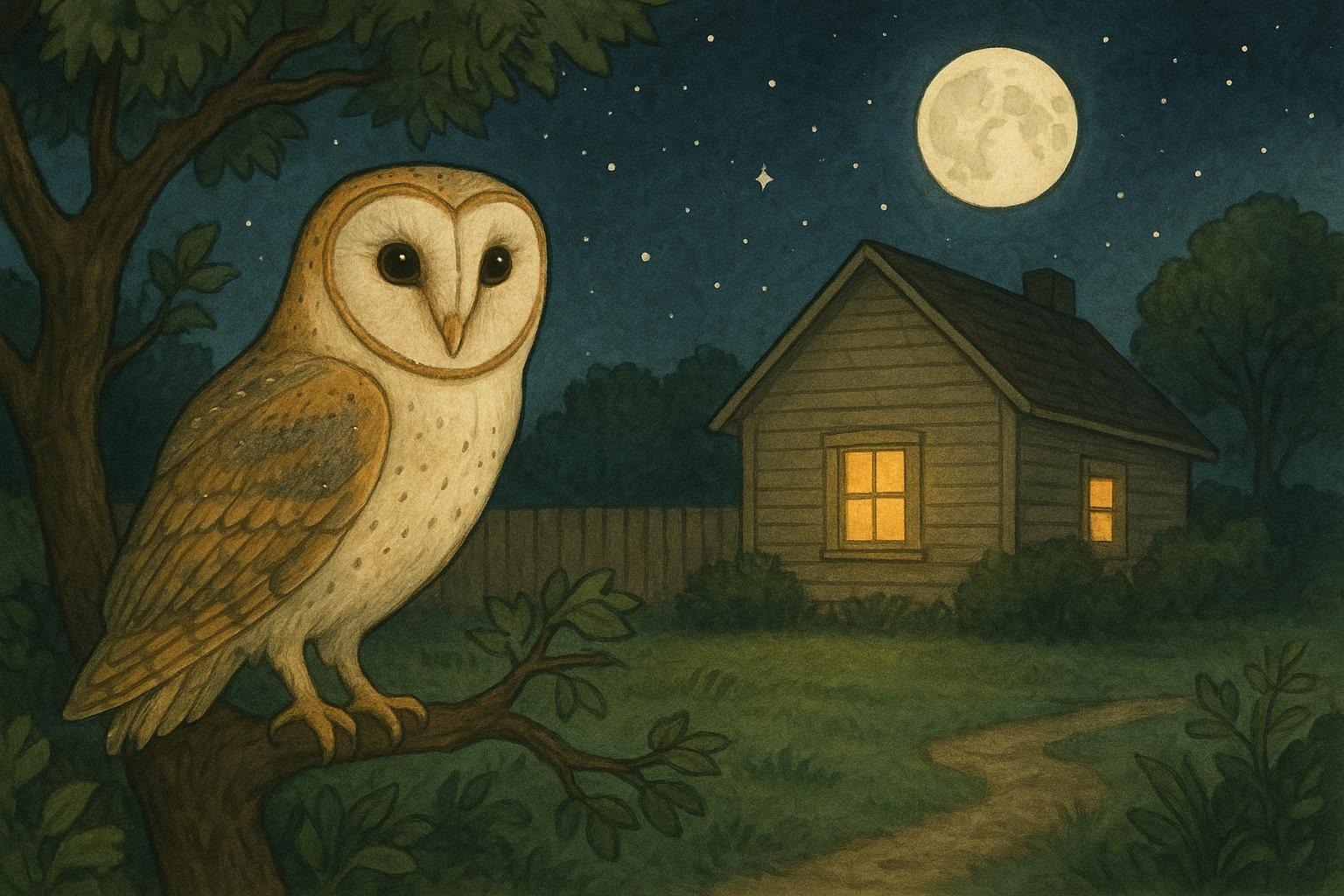
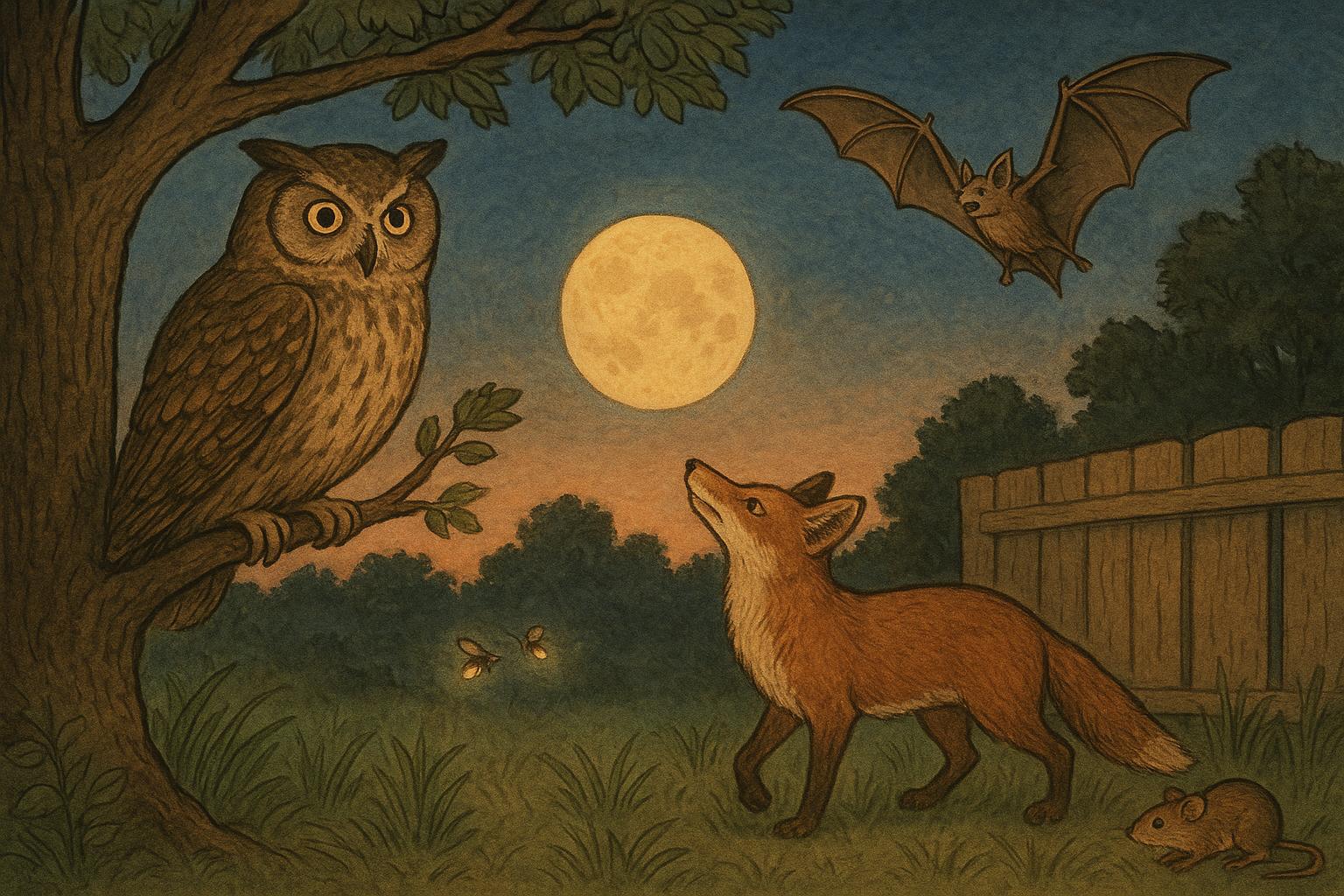
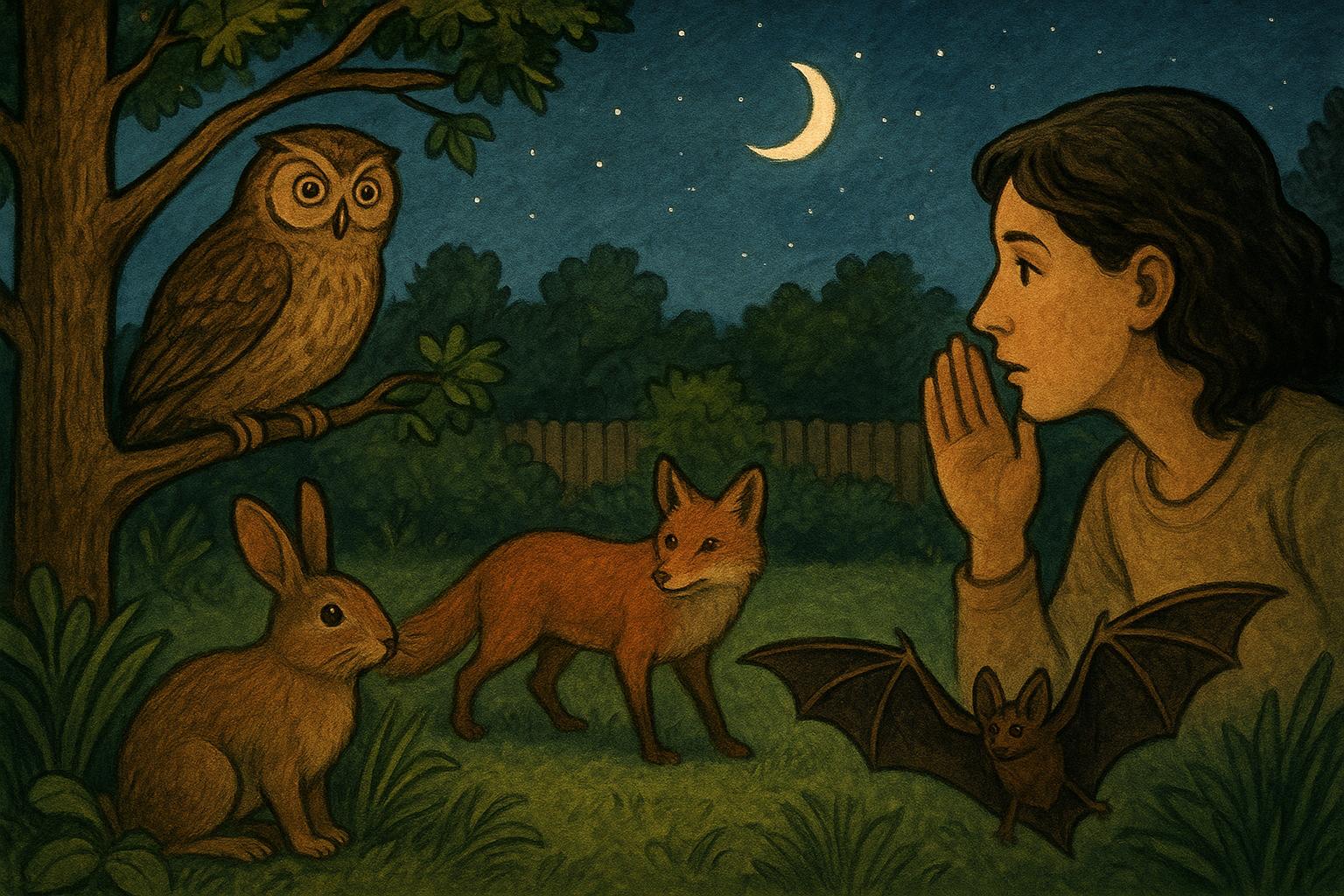
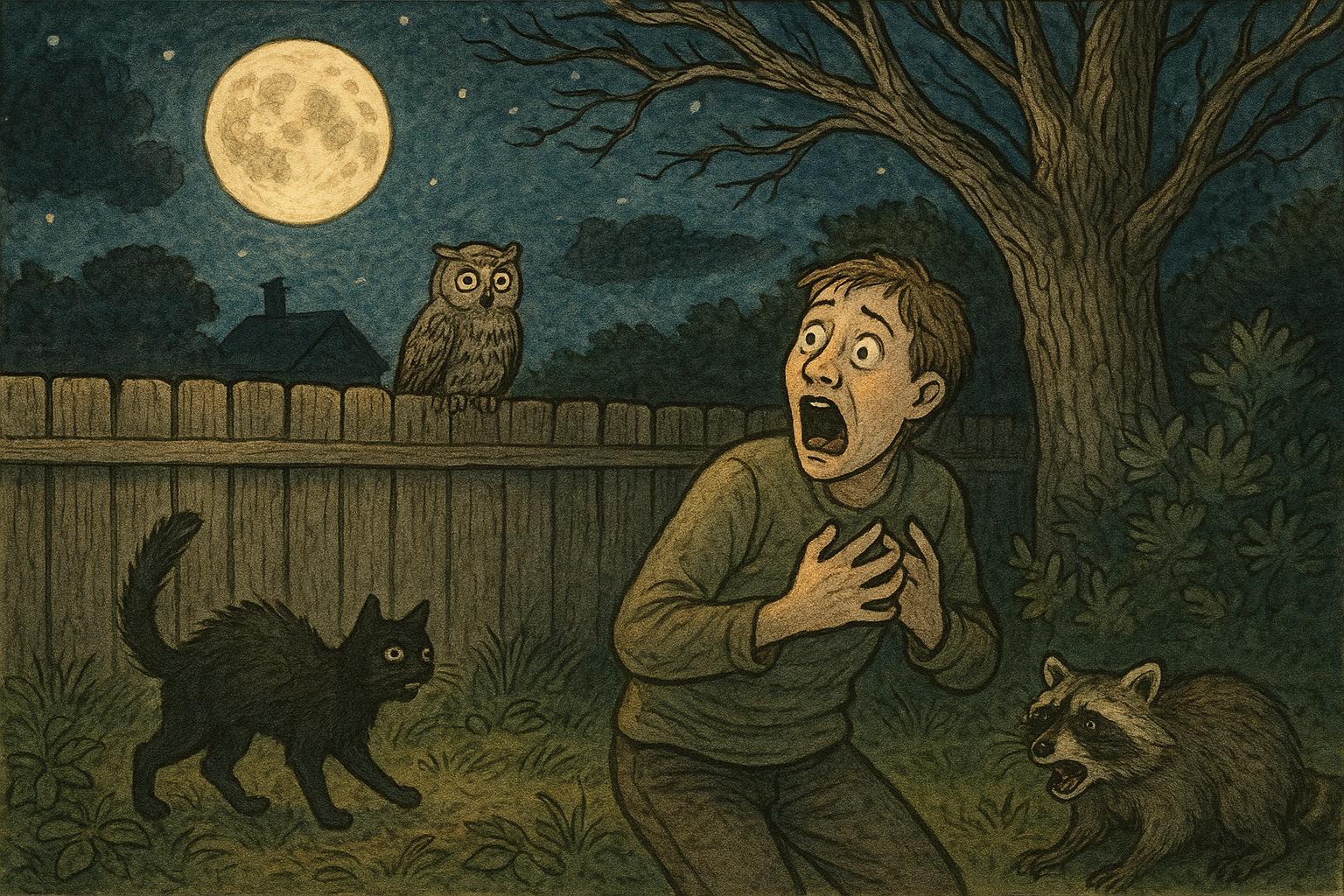
You step outside after dusk for a last-minute snack run to the compost and hear a soft, almost otherworldly swoop. The night holds its breath, and somewhere among the maples a pale heart-shaped face hovers into view. Your backyard just became part of someone else’s nightly commute — specifically, the nightly rounds of a patient, ghostly hunter: the barn owl.
## First Signs That A Barn Owl Has Chosen Your Yard
Most people think of owls as reclusive attic-dwellers, but the barn owl is a bit more of a suburban ghost — familiar, silent, and oddly theatrical. You may notice:
– Silent, low glides close to the ground as the owl hunts.
– Pellet deposits under perch sites — compact bundles of fur, bones and insect parts.
– Screeching, a long raspy call that’s more like a high, eerie “kee-woo” than the hoots of storybook owls.
– Sudden reductions in rodent activity (thank you, local natural pest control).
If you spot a pale body-quarter lit by porch light or find those neat little pellets under a favored tree, it’s a good bet a barn owl is using your property. Don’t worry — they’re mostly interested in voles and mice, not your porch plants or the mail carrier.
### Typical Behavior To Expect
Barn owls hunt low over fields and lawns and prefer open space with a scattering of perches. They are crepuscular and nocturnal, so they do most of their hunting at dusk and through the night. If your backyard has tall grass edges, stone walls, or even a compost pile, you’re offering the kind of hunting buffet these birds like.
### Why This Is Great News
Beyond the romantic thrill of a wild owl visiting, a barn owl in the neighborhood can dramatically reduce small rodent populations. They’re silent, efficient predators that can take pressure off chemical pest controls — which is a good thing for everyone, including the pollinators.
## 1. How To Install A Barn Owl Nest Box
If you’d like to encourage repeat visits, a properly built and placed nest box can make your yard a long-term owl address. Below you’ll find a formal, practical guide to creating and installing a safe nest box for barn owls.
### Materials Required
– Exterior-grade plywood (3/4 inch) — enough for sides, floor, and roof.
– Stainless steel screws and exterior wood glue.
– Galvanized metal flashing (for a weatherproof roof).
– 2–3 short length 2x4s (for mounting support or framing).
– Hinges and a hasp or latch for clean-out access.
– Non-toxic, roughened landing/entrance surface (e.g., exterior-grade sand mixed into paint or a small piece of coarse exterior mat).
– Tools: circular saw or handsaw, drill, screwdriver, measuring tape, level.
### Construction Steps
1. Cut panels to dimensions suitable for barn owl species: a common size is approximately 24 inches wide x 24 inches tall x 18 inches deep for the main box, with a 6–8 inch round entrance hole positioned in the upper third of the front panel.
2. Assemble the back, sides, floor and front using exterior wood glue and stainless screws. Ensure joints are tight and corners square. Avoid nails which can back out; screws are more secure long-term.
3. Create ventilation: drill several small holes near the top and bottom of the side panels to allow airflow, preventing moisture buildup.
4. Attach a hinged roof or rear access panel using stainless hinges; include a secure hasp or latch to keep predators out and allow you to clean/inspect (outside of the nesting season).
5. Install the metal flashing over the roof and seal edges with exterior-grade caulk to shed water. The roof should overhang slightly to protect the entrance from driving rain.
6. Soften interior landings: do not line the box with synthetic materials. Instead, roughen the entrance perch area so nestlings can grip. Add a 2–3 inch deep layer of clean, dry wood shavings if desired once the box is in place (only if you anticipate occupancy — don’t pre-fill with materials that could attract pests).
### Placement And Application
1. Mount the box on a pole or sturdy tree at least 10–20 feet above ground. Poles are often preferable to trees, as they reduce predator access.
2. Orient the entrance away from prevailing winds and toward an open hunting area like a meadow, field, or lawn edge. A southeast to southwest orientation often provides morning sun and storm protection.
3. Use a mounting bracket or 2×4 frame to secure the box, ensuring it is level and stable. For pole mounting, affix the box firmly to the pole using stainless hardware; wrap the pole with a smooth metal guard to deter climbing predators.
4. Maintain the box annually: inspect in late winter or early spring before breeding season, remove old nesting material if needed, and repair any weather damage. Keep the access panel locked to ensure safety.
Installation of a nest box is a long-term commitment. Do it thoughtfully and you could host generations of barn owls while providing a valuable ecological service.
## 2. How To Make Your Backyard Barn Owl-Friendly
Attracting a barn owl is about more than a box; it’s about habitat. The following steps outline practical, actionable habitat tweaks to make your yard appealing to these hunters.
### Required Materials
– Native grass plugs or seed mixes for meadow patches.
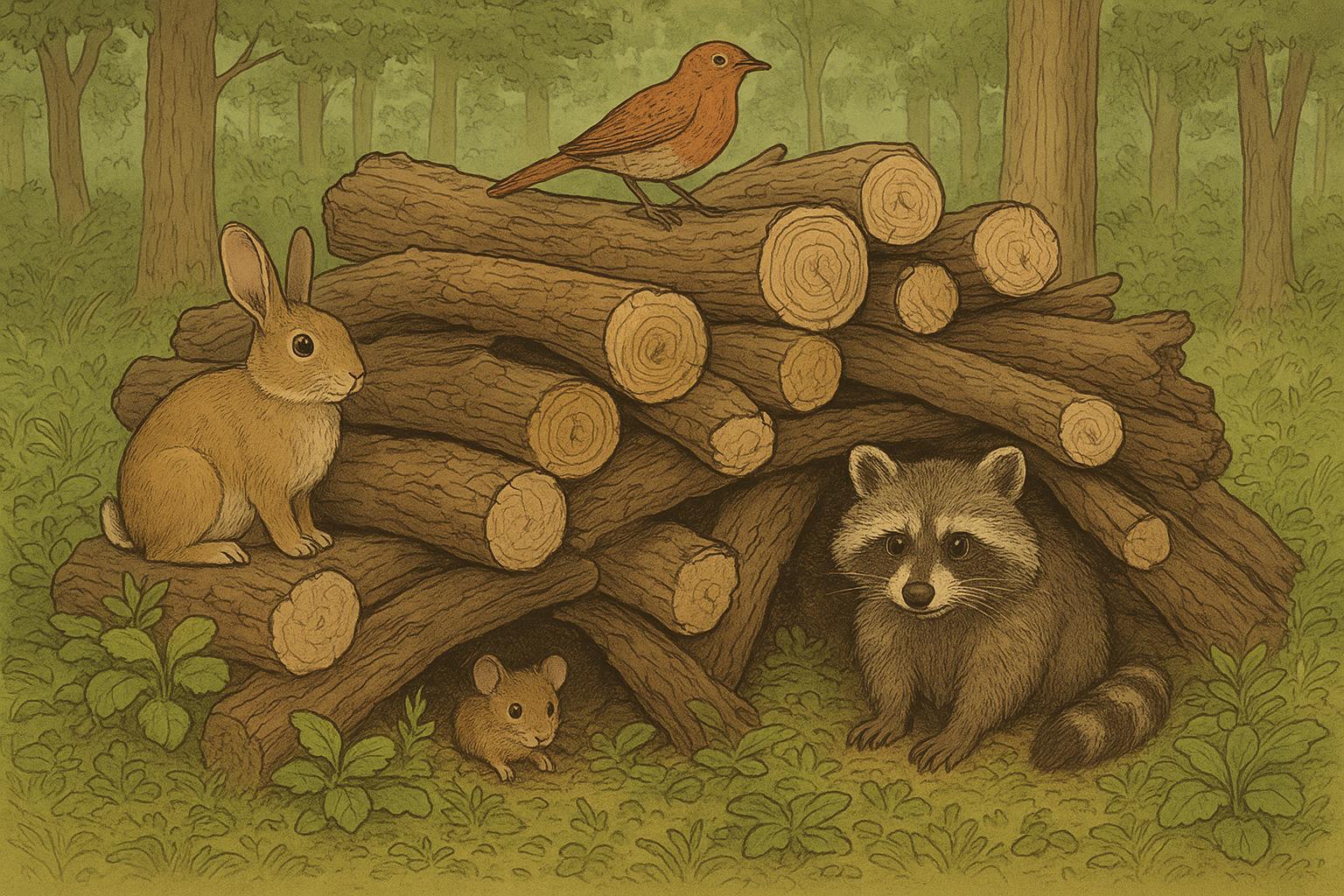
– Logs, brush piles, or stone edges for small mammal habitat (placed away from high human-traffic areas).
– Low-profile perches (tall posts or dead snags) installed at 6–12 feet.
– Outdoor-friendly signage for neighbors (optional) to explain your wildlife-friendly practices.
### Action Steps (Implementation)
1. Create hunting habitat: convert at least a small portion of lawn to a rough-grass or meadow patch. Plant native grasses and wildflowers in 10–30 foot strips along the yard edge to encourage voles and mice — the exact prey barn owls prefer.
2. Provide perches: install a few tall posts or retain dead snags where the owl can survey hunting ground. These should be isolated from dense tree cover to maintain open flight corridors.
3. Minimize rodent poisoning: avoid use of anticoagulant rodenticides. These poisons accumulate in wildlife and can indirectly kill barn owls that eat affected rodents.
4. Keep night lighting minimal: shielded, downward-facing lights reduce disturbance and improve hunting success for nocturnal predators like the barn owl.
5. Manage human activity: schedule yard work and late-night pet activities to reduce disturbance near known nesting/roosting spots, especially during breeding season (spring through late summer).
These habitat measures should be implemented in a way that balances human use and wildlife needs. Document your changes and monitor rodent activity and owl visits to adjust practices over time.
## Signs Of Stress Or Injury And When To Act
Owls can sometimes collide with vehicles, get entangled in netting, or be affected by rodenticides. If you find an injured bird, do not attempt to care for it without training.
### What To Do If You Find An Injured Barn Owl
– Do not feed or attempt to administer medication.
– Use thick gloves and a towel to gently cover and carry the bird to a well-ventilated box with air holes, placed in a quiet, dark place.
– Contact a licensed wildlife rehabilitator or local bird rescue immediately. Provide location, observed injuries, and any notes on exposure to chemicals or traps.
– If the bird is responsive but clearly impaired, minimize handling and transport only after speaking with a professional.
This approach reduces stress on the bird and increases its chances of recovery.
### Legal And Ethical Considerations
Barn owls are protected in many regions. Before modifying habitat or installing structures, check local regulations. Disturbing active nests is illegal in many areas and can harm breeding success. When in doubt, consult local wildlife agencies or a licensed rehabilitator for guidance.
#### Neighborly Considerations
If your new feathered tenant becomes a nightly talk-of-the-town, share the joy with neighbors and explain the measures you’re taking. Owls are generally tolerated well, but clear communication prevents misunderstandings about noise, droppings, or livestock interactions.
#### Watching Without Disturbing
Enjoy observing with binoculars from a respectful distance and avoid spotlighting or flash photography at night. Silent observation preserves natural behavior and keeps both you and the barn owl safer.
A barn owl turning your backyard into its own private hunting ground is a subtle, rewarding reminder that nature adapts to the spaces we create. With a bit of planning, careful construction, and thoughtful habitat management, you can be a welcome host — and if nothing else, you’ll have a great story for neighbors and a little extra rodent-control karma.

Leave a Reply