
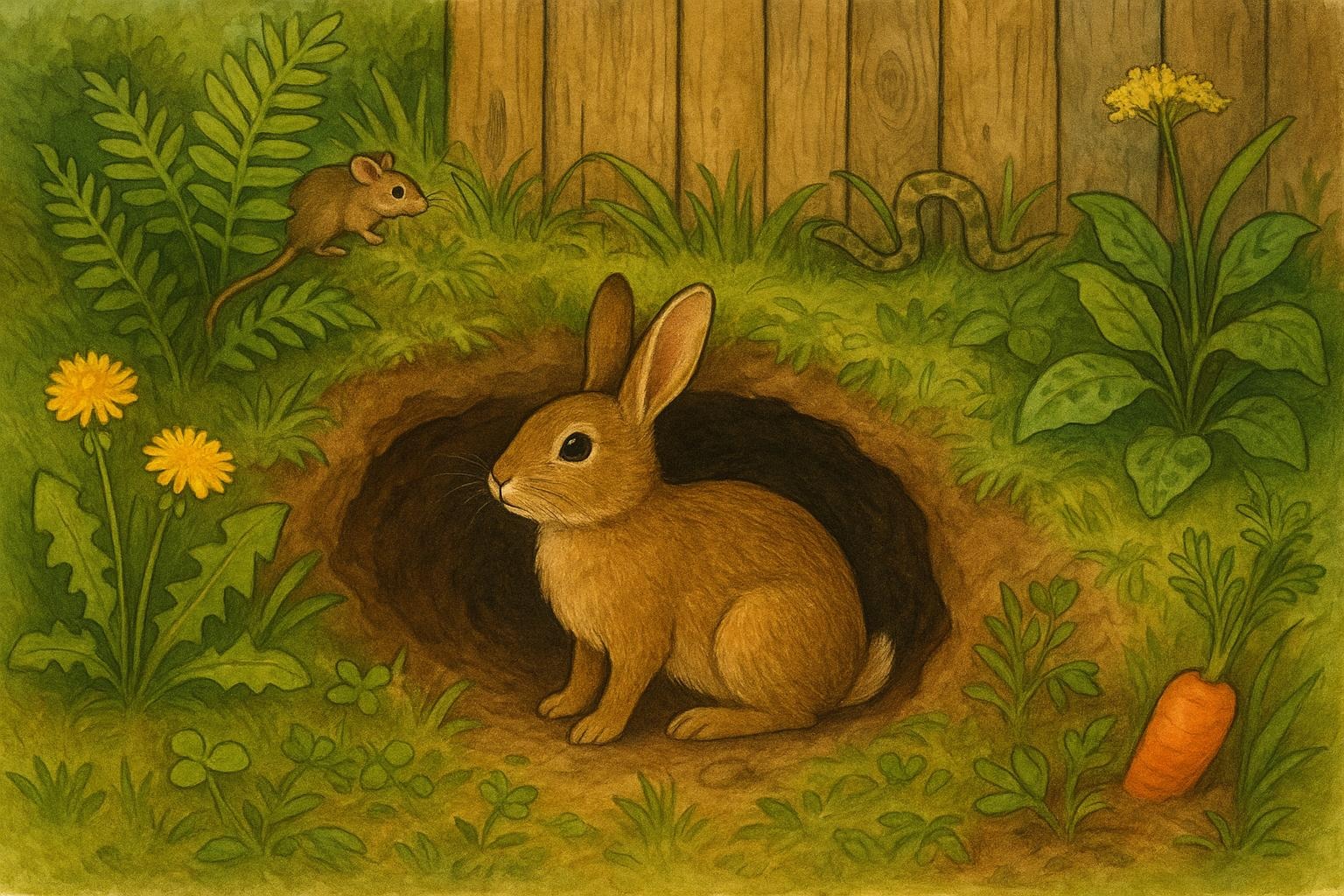
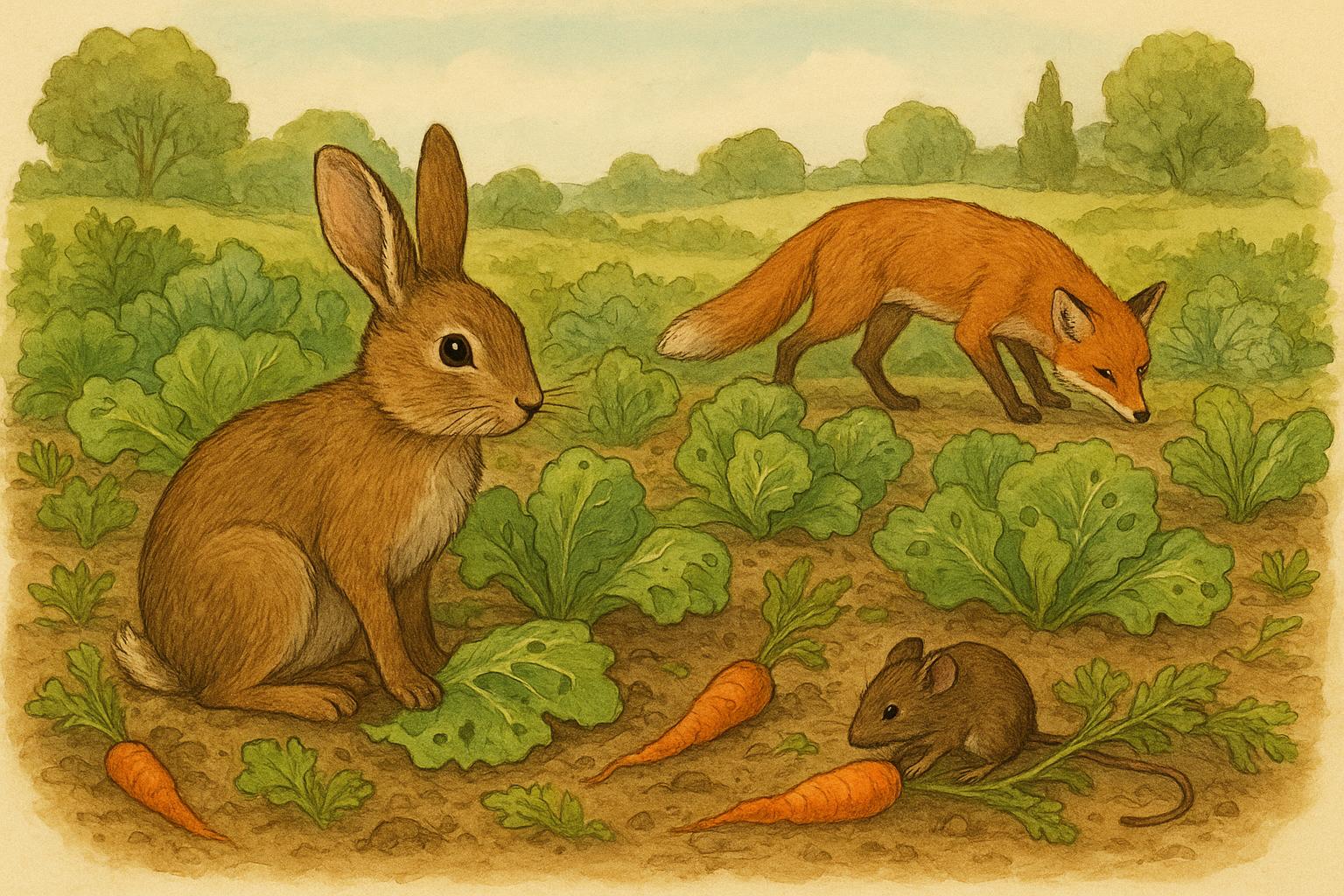
If you’ve ever wondered why your vegetable patch looks like a bouncy buffet overnight, you might be sharing your yard with uninvited tenants. Rabbits are stealthy, tidy-chewing, fluff-tailed gardeners who leave hints of their presence in the oddest places. This piece peeks into the surprising corners and layers of a typical backyard where a rabbit habitat [K1] could exist, how to spot it, and what to do if you want to cohabit—or politely evict—them.
## Shocking Rabbit Habitat Secrets Your Backyard Might Hide [K2]
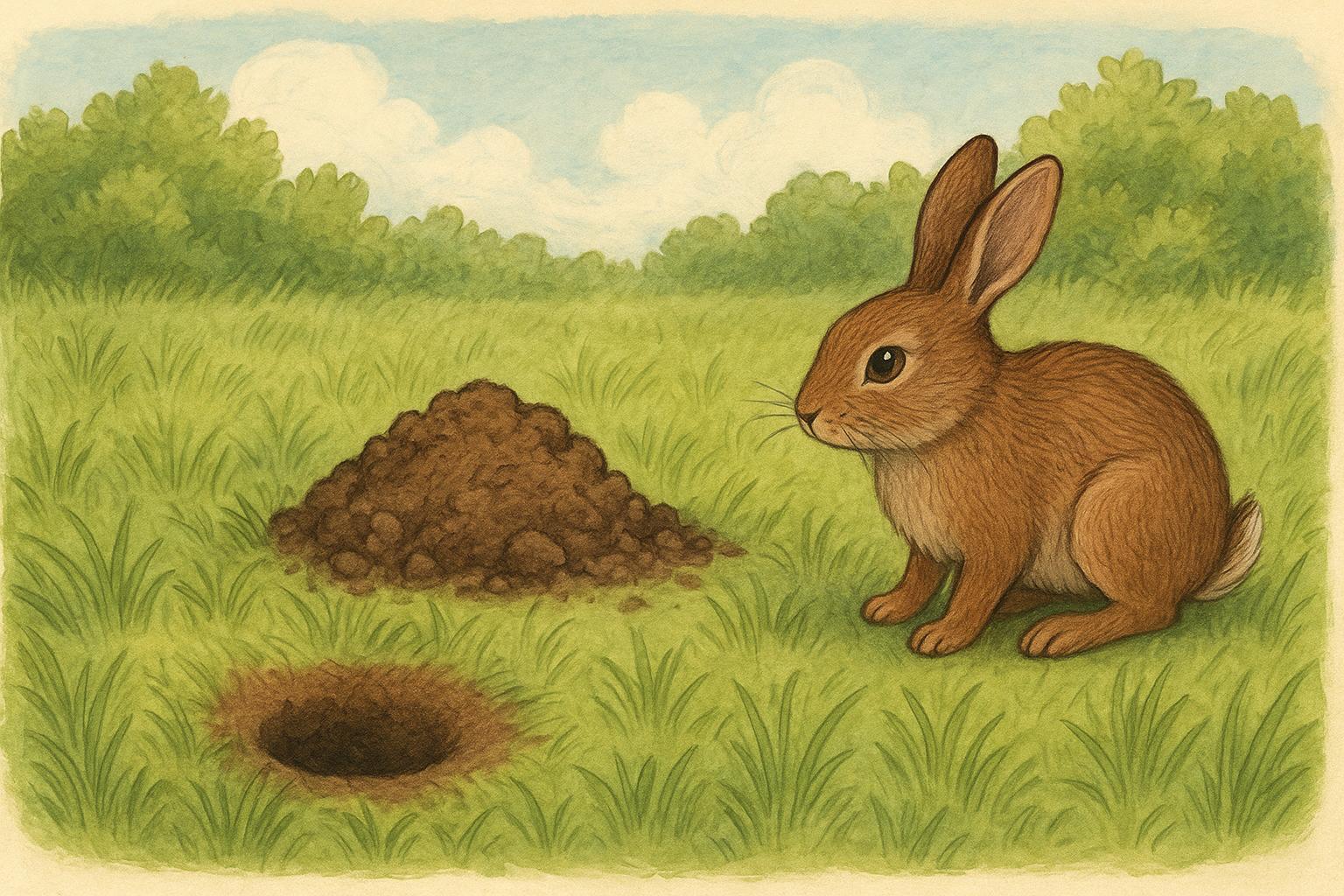
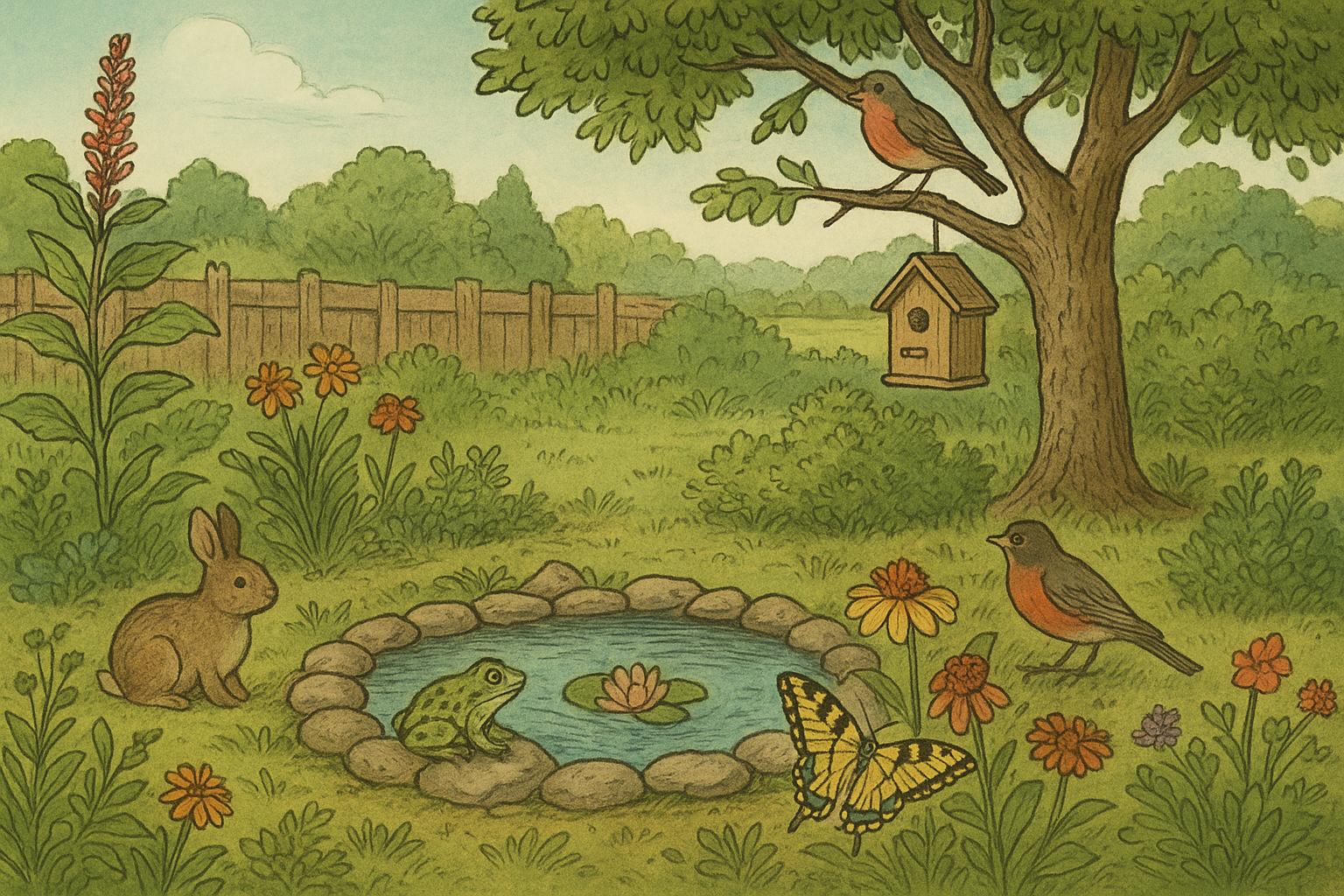
Rabbits are masters of blending into suburban landscapes. They don’t always live in big, obvious warrens. Often, their homes are cunningly tucked under hedges, in brush piles, or in clumps of tall grass. A rabbit habitat [K3] can be as discreet as a shallow depression under a shed or as elaborate as a series of burrows beneath a compost heap. Here are the surprising spots where they’re likely hiding and the telltale signs they leave behind.
### Common Hidden Locations Where Rabbits Set Up Shop
– Hedges And Shrubby Borders: Dense shrubs provide cover from predators and humans. Rabbits favor areas where they can dart in and out with minimal exposure.
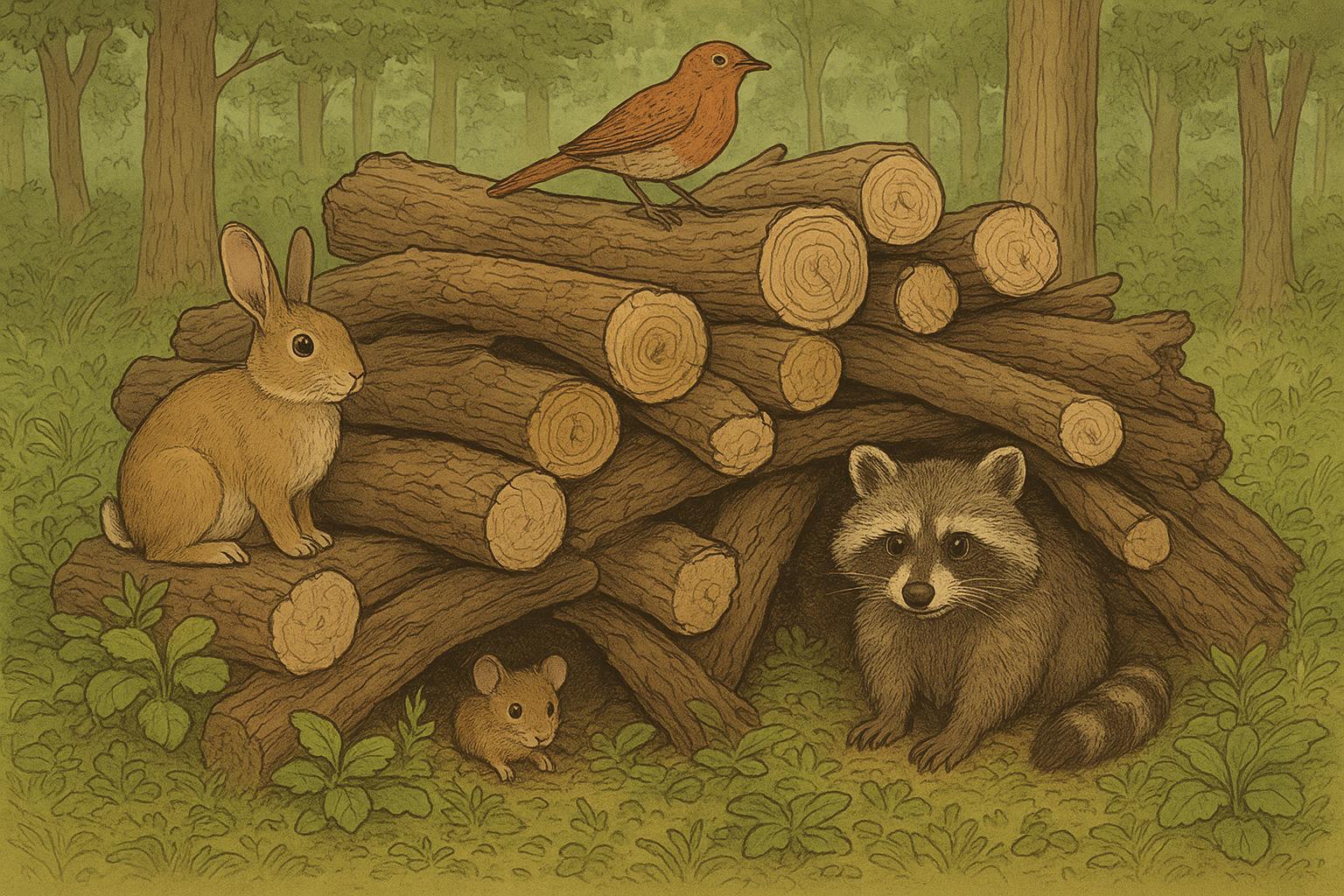
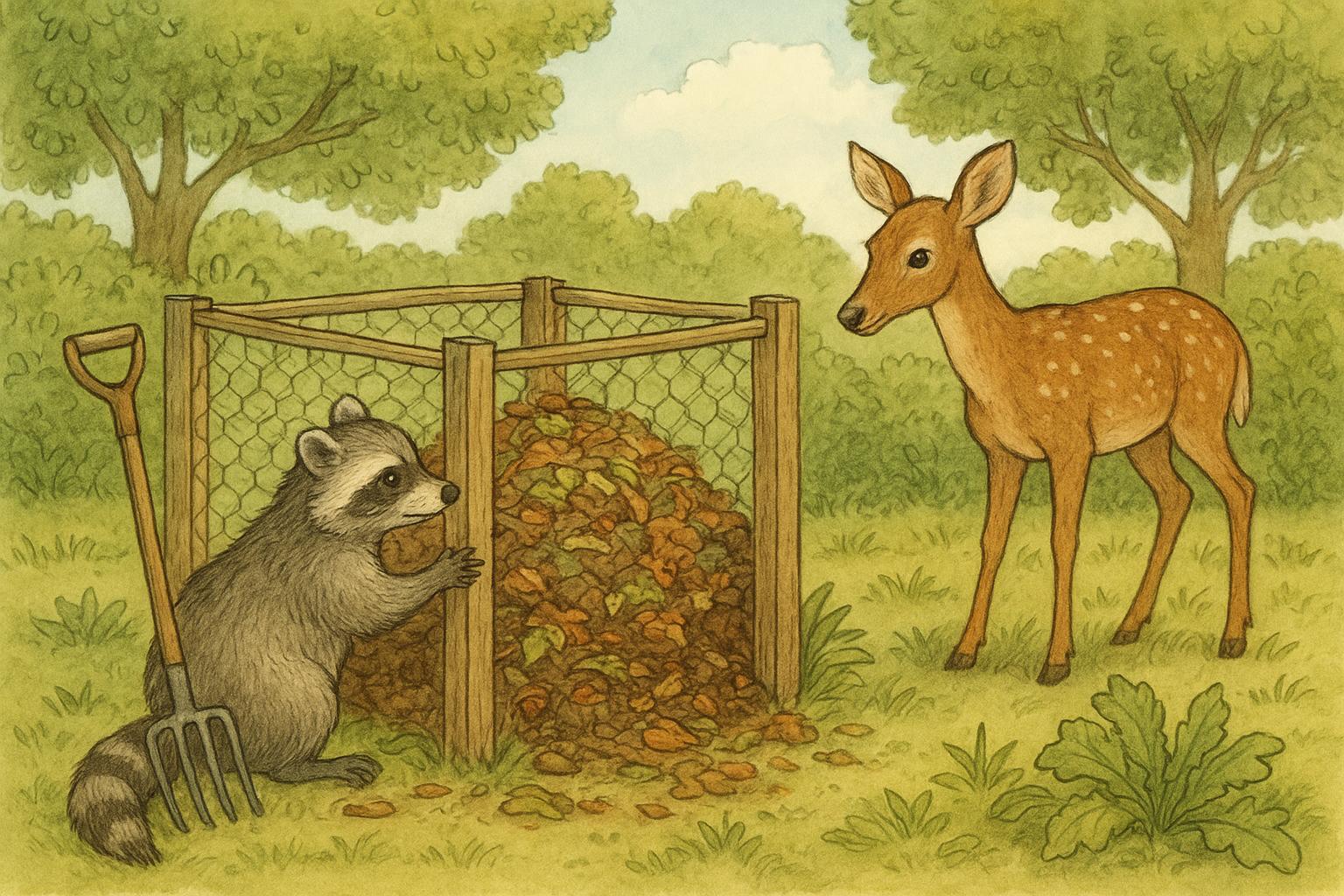
– Compost Piles And Woodpiles: Warmth, shelter, and nearby food—what’s not to like? These are sometimes the most unexpected rabbit hideouts.
– Under Decks, Sheds, And Garden Beds: Small gaps under structures mimic natural burrow entrances. If the soil is soft and undisturbed elsewhere, check these spots.
– Overgrown Corners And Unmown Patches: A seemingly neglected area can be a bunny condo. Tall grass gives them both camouflage and a pantry.
### How To Read The Signs—Tracks, Droppings, And Crypto-Gardening
Look for small round droppings resembling peas, a mosaic of nibbled stems at a 45-degree angle, and compact, shallow runways through the grass. You’ll also see “latrine” spots—clean areas where rabbits repeatedly deposit droppings. That mosaic nibbling is a dead giveaway that you have created buffet-style seating for a local rabbit habitat [K4].
#### Evidence That Suggests A Family Instead Of A Solo Explorer
– Multiple chewing heights on plants (indicates adults and juveniles).
– Several entry holes clustered together (possible communal den).
– Fresh droppings of varying sizes—indicating different ages.
## Why Rabbits Choose Your Yard: Beyond The Obvious
Rabbits are not just garden pests; they’re opportunists. Food availability tops their preference list—clover, garden greens, ornamental shrubs, and new vegetable shoots are fast food in their world. But they also want safety and easy travel routes to escape predators. Corridors of shrubs, fences, and even low tree branches give them paved pathways across your green space. These corridors can turn isolated bedding sites into a connected rabbit habitat [K5] spanning multiple yards in a neighborhood.
### The Unpleasant Surprises: Structural And Plant Damage
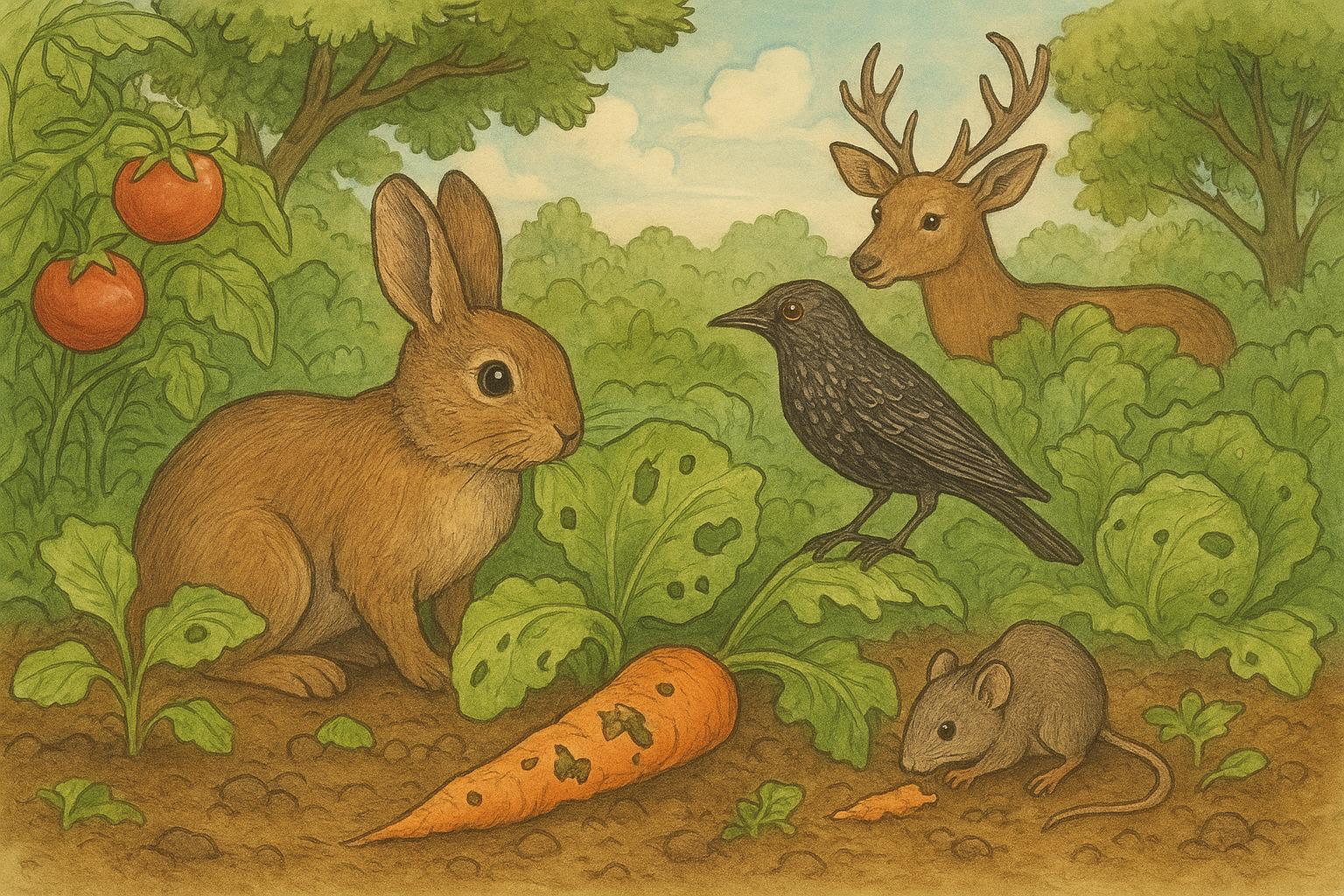
Rabbits gnaw bark on young trees, clip seedlings, and can girdle saplings at the base—damage that sometimes looks like mysterious plant death. They will use soft soil to fashion shallow nests, which can cause small but noticeable depressions. If your irrigation runs oddly dry or your mulch looks rearranged, you might have a rabbit workforce at play.
#### Predator Interaction And Indirect Effects
Having rabbits around can attract predators—hawks, foxes, coyotes, and neighborhood dogs—which changes how you should think about yard safety for children and pets. It also may increase disease vectors like ticks and fleas in moist, shaded rabbit bedding areas.
## How To Make Your Yard Less Attractive To Rabbits (Remedy 1) — Natural Repellent Spray
When you’d rather keep rabbits at a courteous distance, a repellant can be effective. The following remedy is formal and practical: a homemade natural rabbit repellent spray that discourages chewing without harming animals.
### Materials Required
– 1 gallon water
– 1 cup white vinegar
– 1/2 cup hot pepper sauce (or 2 tablespoons cayenne powder)
– 2 tablespoons liquid soap (non-detergent, biodegradable)
– Spray container (1 gallon or refillable pump sprayer)
– Protective gloves and eye protection
### Preparation And Application Steps
1. Wear gloves and eye protection during preparation to avoid irritation.
2. In a bucket, combine 1 gallon of water with 1 cup white vinegar.
3. Add 1/2 cup hot pepper sauce or, if using powder, dissolve 2 tablespoons of cayenne in a small amount of warm water before mixing.
4. Stir in 2 tablespoons of liquid soap—this helps the mixture cling to plant surfaces.
5. Pour the mixture into your spray container, label it clearly, and test on a small plant area to ensure no damage.
6. Apply in the early morning or late afternoon, covering stems and leaves that rabbits are nibbling. Avoid spraying flowering plants to protect pollinators.
7. Reapply after heavy rain or every 7–10 days, and more often in heavy rabbit pressure periods.
This remedy is non-lethal and reduces the attractiveness of a rabbit habitat [K6] by making plants taste unpleasant. It is important to reapply regularly; rabbits will eventually return if the deterrent wears off.
## How To Create A Rabbit-Friendly Refuge Away From High-Value Plants (Remedy 2) — Designated Habitat Diversion
If you prefer coexistence but want to protect prized plants, construct a small diversionary shelter to concentrate rabbits in a controlled area. This is a more formal habitat management method: provide a dedicated space with preferred forage to steer rabbits away from vegetables and ornamentals.
### Materials Required
– Chicken wire or small-mesh fencing (2–3 feet high)
– Wooden stakes and zip ties or staples
– Native grasses and clover seed mix
– Small brush pile or purposely stacked logs
– Seeding rake and water source (hose)
– Optional: half-buried overturned planter to mimic shelter
### Construction And Maintenance Steps
1. Choose a location at the edge of your property, away from vegetable beds and young trees.
2. Install chicken wire or small-mesh fencing in a rectangle or irregular shape about 2–3 feet high; secure with wooden stakes spaced every 3–4 feet. This fencing is primarily symbolic—keep it low and open at the top so rabbits can enter and exit but remain away from main garden areas.
3. Prepare the soil lightly and broadcast a native grass and clover seed mix to create an appealing forage area.
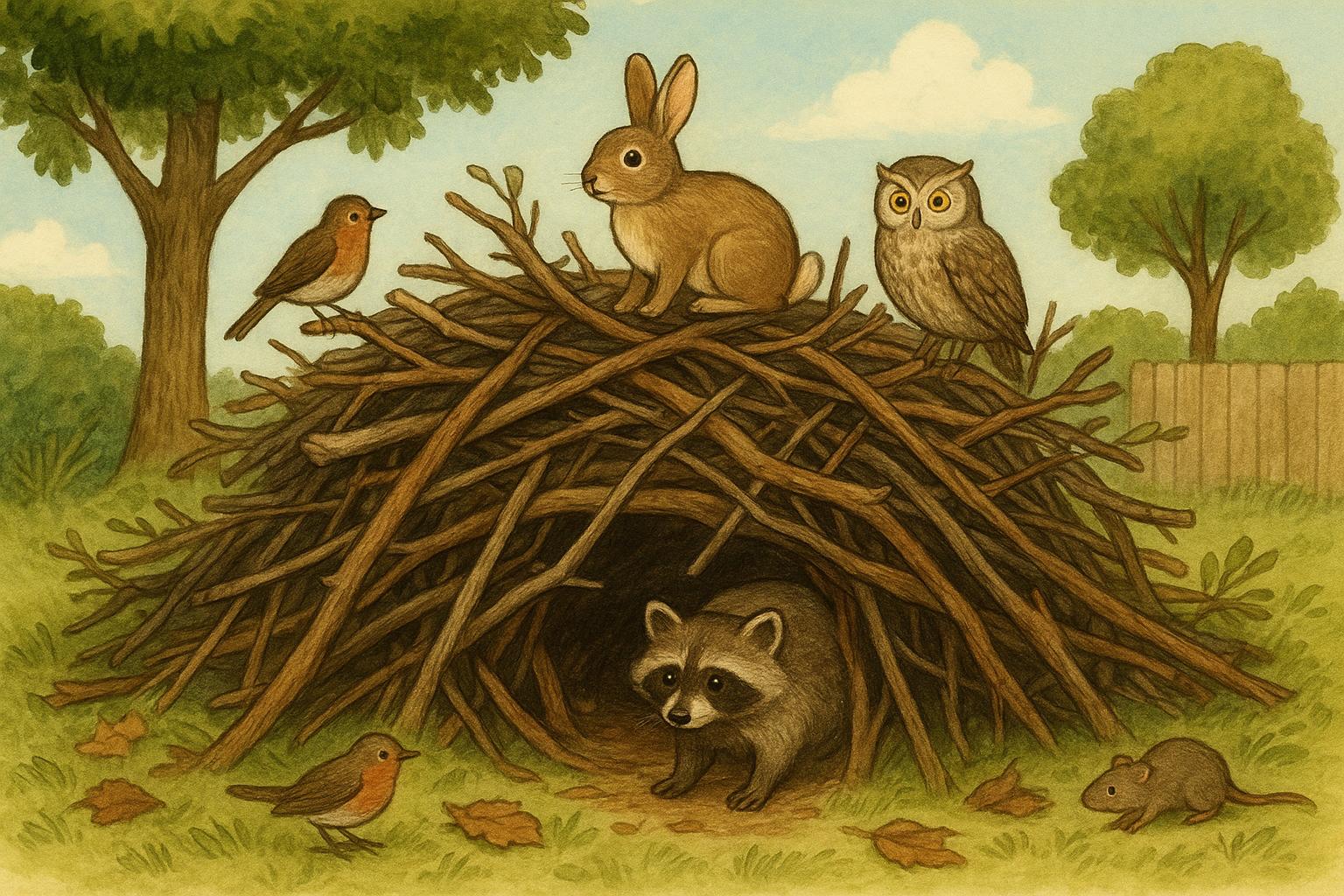
4. Create a small brush pile or stack logs in one corner to offer cover and nesting material. Alternatively, place an overturned large planter partially buried to provide a snug shelter area.
5. Provide a shallow watering dish and maintain the area with periodic reseeding and brush replacement to keep the diversion attractive.
6. Monitor and, if the diversion becomes a magnet for too many rabbits, reduce food availability and relocate the refuge slightly farther from valuable plantings.
By offering an alternative rabbit habitat [K7], you reduce pressure on desirable garden features in a humane and targeted way.
### When To Use Fencing And Physical Barriers Instead
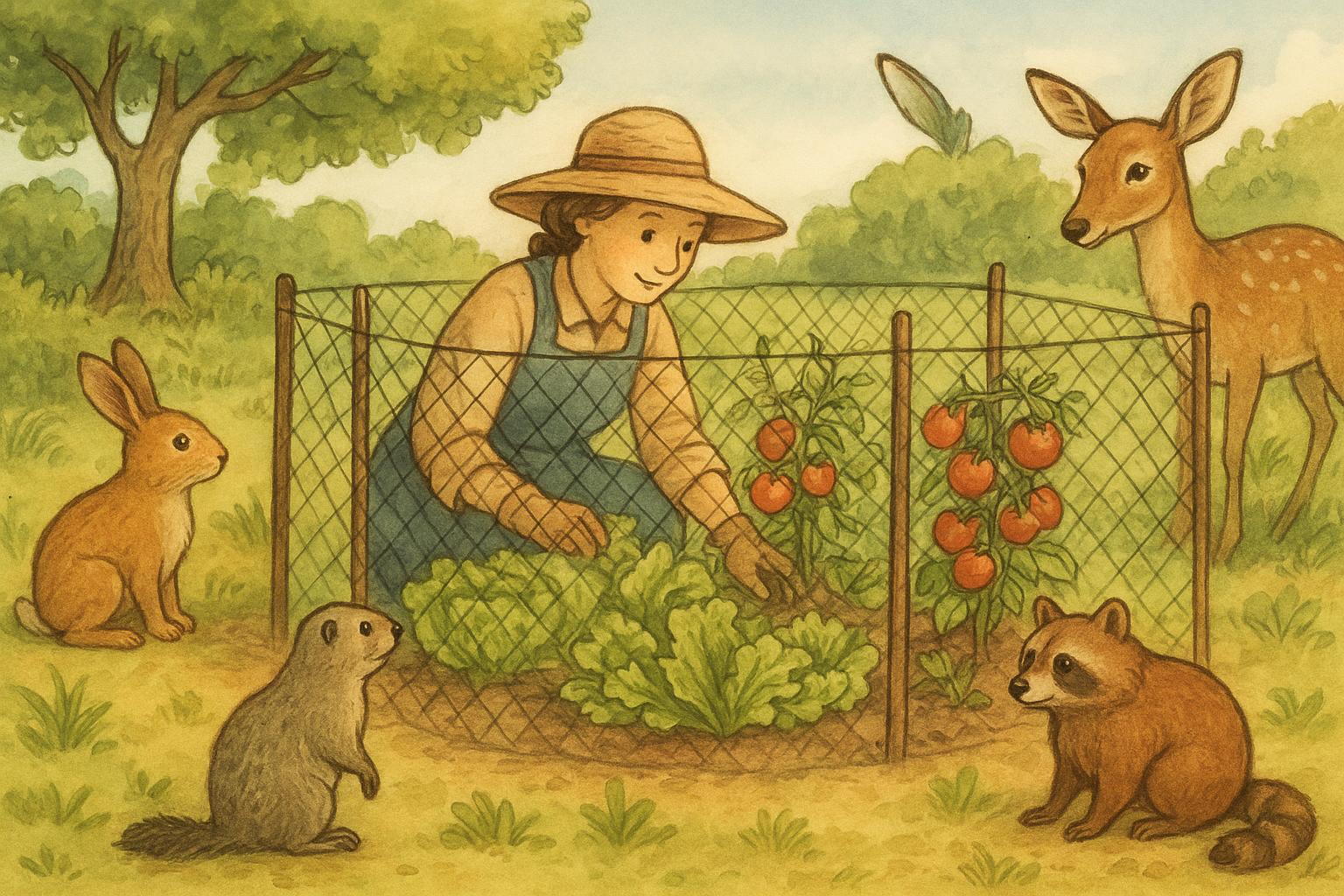
If deterrents and diversions fail and the rabbit habitat is established in a vegetable patch, consider installing more robust barriers. Use 2-foot-high fencing with the bottom buried 4–6 inches to prevent rabbits from burrowing under. For raised beds, use hardware cloth with 1-inch mesh under and around beds. These physical solutions are direct and effective for protecting specific areas without widespread habitat alteration.
#### Fencing Materials And Installation Tips
– Use galvanized wire or hardware cloth to prevent rusting.
– Secure tops to discourage predators entering the fenced area.
– Stagger fence posts and check tension regularly—rabbits exploit gaps.
### Legal And Ethical Considerations
Before undertaking any major habitat modification, check local wildlife regulations. In many places, rabbits are protected from inhumane treatment. The remedies described here are designed to be non-lethal and considerate of local ecosystems. If population control becomes necessary, consult local wildlife authorities or a licensed wildlife control professional.
## Signs You Should Call A Professional
If you notice an unusually dense rabbit population, signs of disease (lethargy, visible lesions), or if rabbits are bringing predators too close to family areas, it’s time to call in a pro. A wildlife removal specialist can assess whether active relocation, habitat modification, or other interventions are warranted and legal.
### Small Steps You Can Take Today
– Keep lawn and brush trimmed to reduce cover.
– Harvest ripe vegetables promptly and dispose of fallen fruit.
– Use the natural repellent spray from Remedy 1 on vulnerable plants.
– Establish the diversion refuge in Remedy 2 if you prefer to cohabit.
There—your backyard secrets are a little less shocking now, and armed with a bit of know-how (and maybe some pepper sauce), you can manage a rabbit habitat [K8] with style. If you want a printable checklist or a planting plan to deter rabbits while improving pollinator habitat, say the word—I’ll sketch one up without the chewing included. Lastly, if you spot a particularly bold rabbit staring you down from under a hedge, remember: it’s judging your pruning technique, not you. One more note—rabbits can be charming neighbors when managed thoughtfully, but vigilance keeps both your plants and the local wildlife healthier and happier; consider that while deciding whether to repel or redecorate their digs in your yard’s ecosystem that qualifies as a rabbit habitat [K9].


Leave a Reply