
If you’re curious about opossum facts because one of these marsupial Houdinis has been raiding your compost or napping under your shed, you’re in the right place. This relaxed backyard guide covers what to look for, why opossums matter to your yard, common misunderstandings, and practical, humane solutions.
## Essential Opossum Facts For Your Backyard Wildlife Guide
Opossums are often misunderstood neighbors. A few key opossum facts will help you recognize their behavior and role: they’re North America’s only marsupials, they have a prehensile tail useful for balance (not hanging by it like a cartoon), and they are generally solitary, nocturnal foragers.
### Quick Identification
#### Size And Appearance
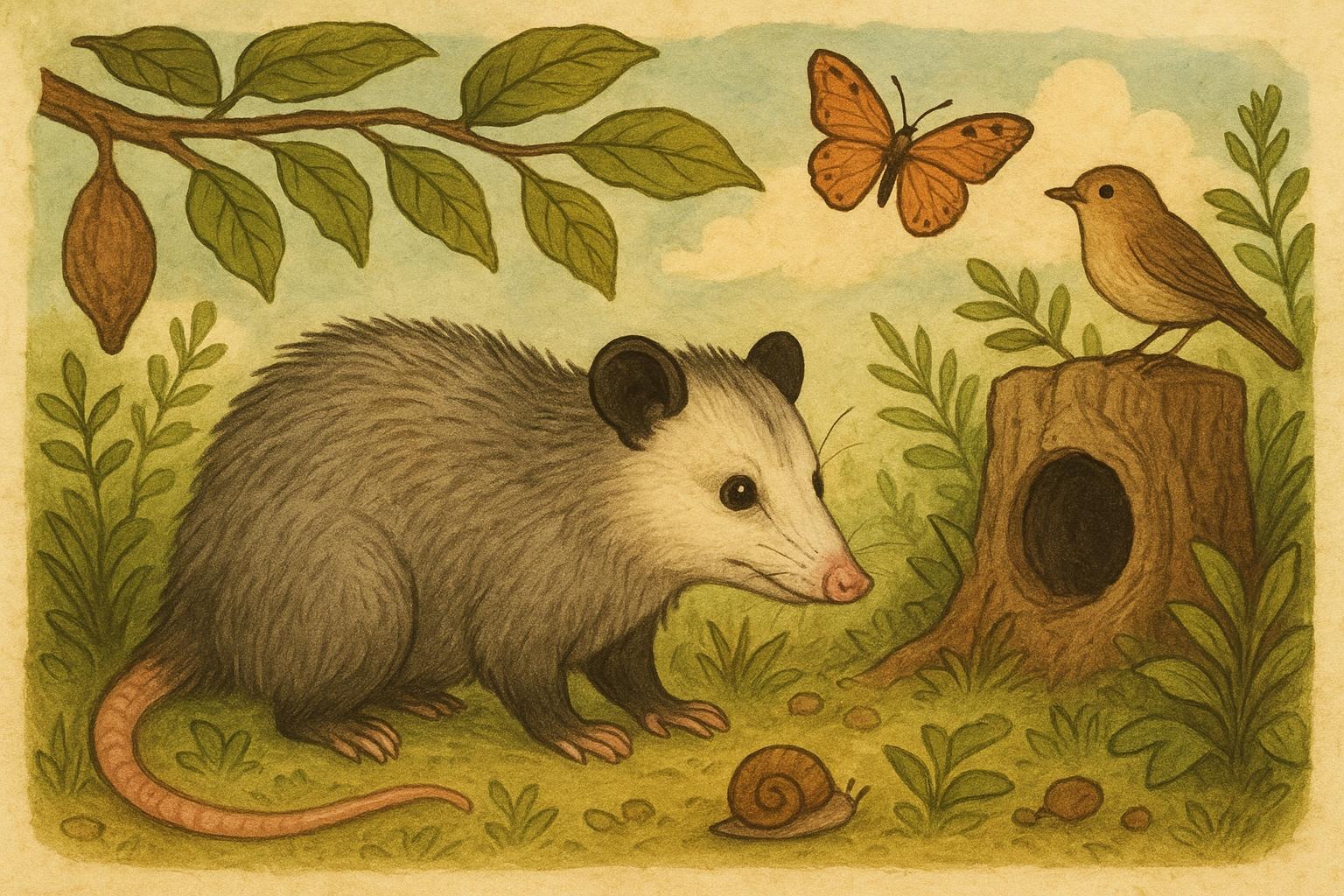
Adult opossums are roughly the size of a housecat but with a longer, pointy snout, white-faced coloring, and a scaly tail. Their fur ranges from gray to brown; the face is typically white with dark eyes that reflect at night. Young opossums are tiny and ride in the mother’s pouch or cling to her back once they’re old enough.
#### Gait And Sounds
They move slowly with a deliberate gait and can appear awkward on open ground. At night you might hear huffing, clicking, or a faint hissing if one feels threatened. Contrary to myth, the “playing dead” behavior—thanatosis—is a last-resort defense, not a dramatic performance on cue.
### Diet And Ecosystem Role
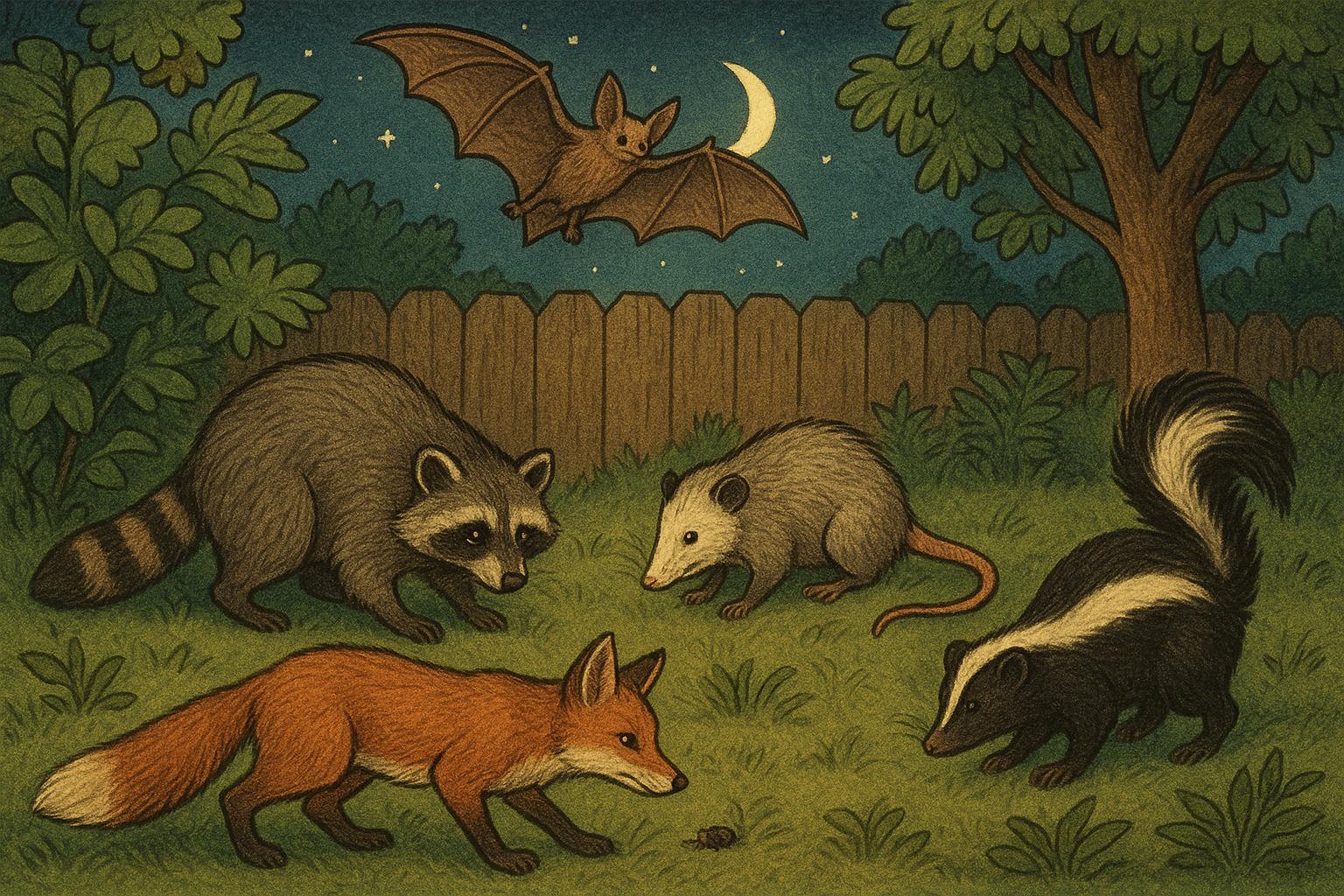
Opossums are omnivores and excellent clean-up crew members in a backyard ecosystem. They eat insects, slugs, small rodents, fruits, carrion, and yes, sometimes pet food left outdoors. Including some essential opossum facts here: their appetite for ticks is an ecological bonus—studies suggest an opossum can remove thousands of ticks from its fur each season, reducing local tick populations.
Because they scavenge, opossums help speed decomposition and limit disease spread by removing small carcasses. They’re not predators of concern for pets like cats and dogs, but they will defend themselves if cornered.
### Common Myths About Opossums
Myths make headlines: opossums are not rabies super-spreaders, aren’t aggressive by nature, and they won’t climb into attics as a first choice. Some opossum facts dispel long-standing fears: their body temperature is a bit lower than many mammals, making them less likely to sustain viruses like rabies. Also, they tend to avoid confrontation—flattening, hissing, or “playing possum” are all signs they’d prefer to be left alone.
### Opossum Facts On Safety And Disease
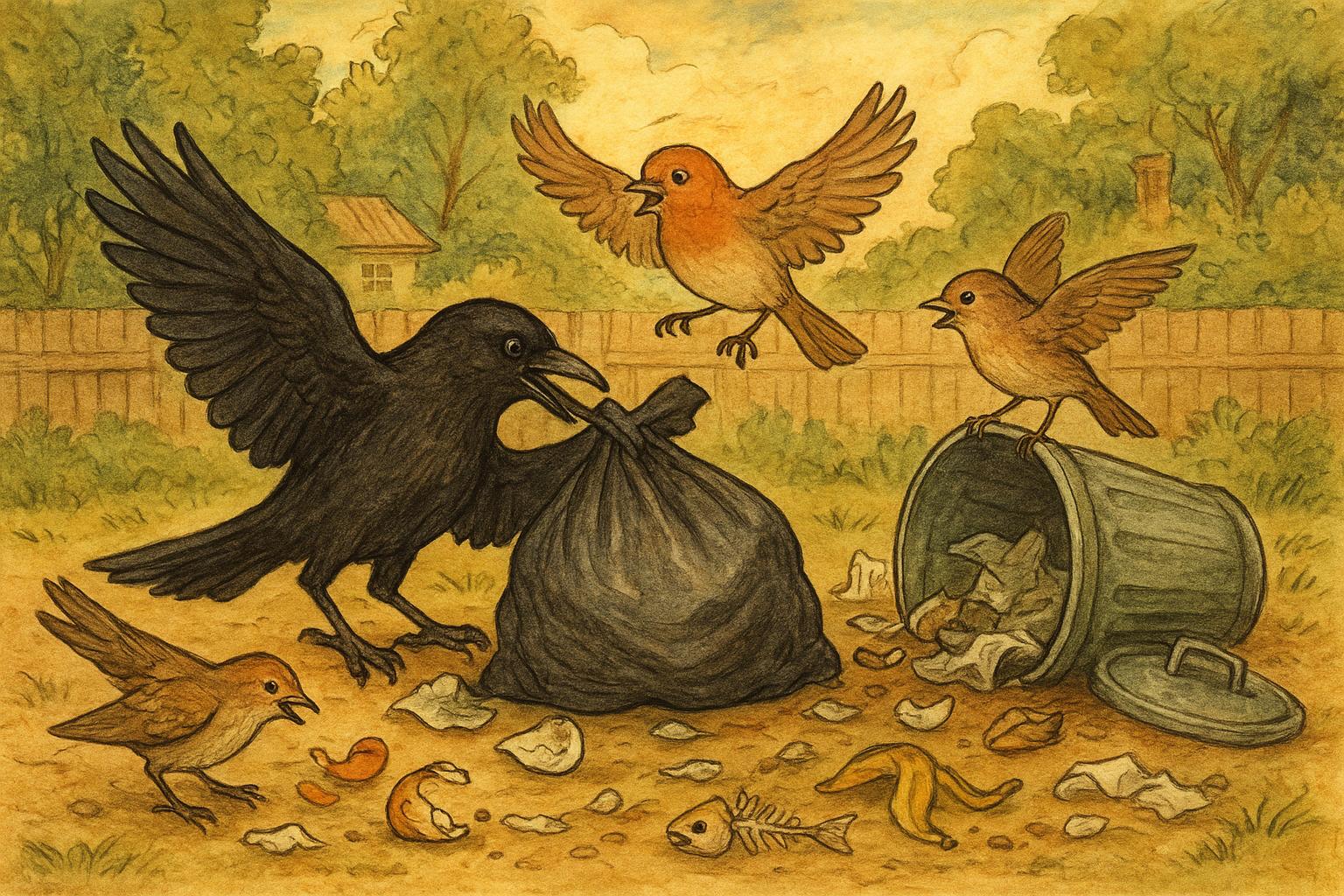
While opossums pose minimal risk to humans, standard precautions are sensible. Avoid direct handling—wild animals can bite or scratch when stressed. Keep pets vaccinated, remove attractants like accessible garbage and pet food, and seal entry points to buildings. If you find a sick or injured opossum, contact local wildlife rehabilitators or animal control. They can legally and safely triage and treat wildlife.
### Living With Opossums: Behavior Patterns To Expect
Opossums are nocturnal and solitary, so your encounters will typically be around dusk or after dark. They have small home ranges and are likely using your yard for foraging rather than nesting there permanently. If you see one during the day repeatedly or it appears disoriented, it may be ill and should be reported to wildlife professionals.
### Remedy 1: Humane Opossum-Proofing Your Yard
When you need to reduce opossum visits, use humane, non-lethal methods. Below are materials and a step-by-step plan for modifying your yard to make it less attractive, followed by tips for specific problem areas.
Required Materials
– Sturdy trash cans with lockable lids (or bungee cords for securing lids)
– Motion-activated lights or sprinklers
– Durable mesh or hardware cloth (1/2-inch mesh)
– Metal or wood to repair holes under sheds or decks
– Trash bags and gloves for sanitation
– Wildlife-friendly deterrent plants (optional: strong-smelling herbs)
Step-By-Step Creation And Application
1. Secure Food Sources: Store pet food indoors at night and use lockable trash cans. Clean up fallen fruit promptly. This reduces the primary attractant for most opossums.
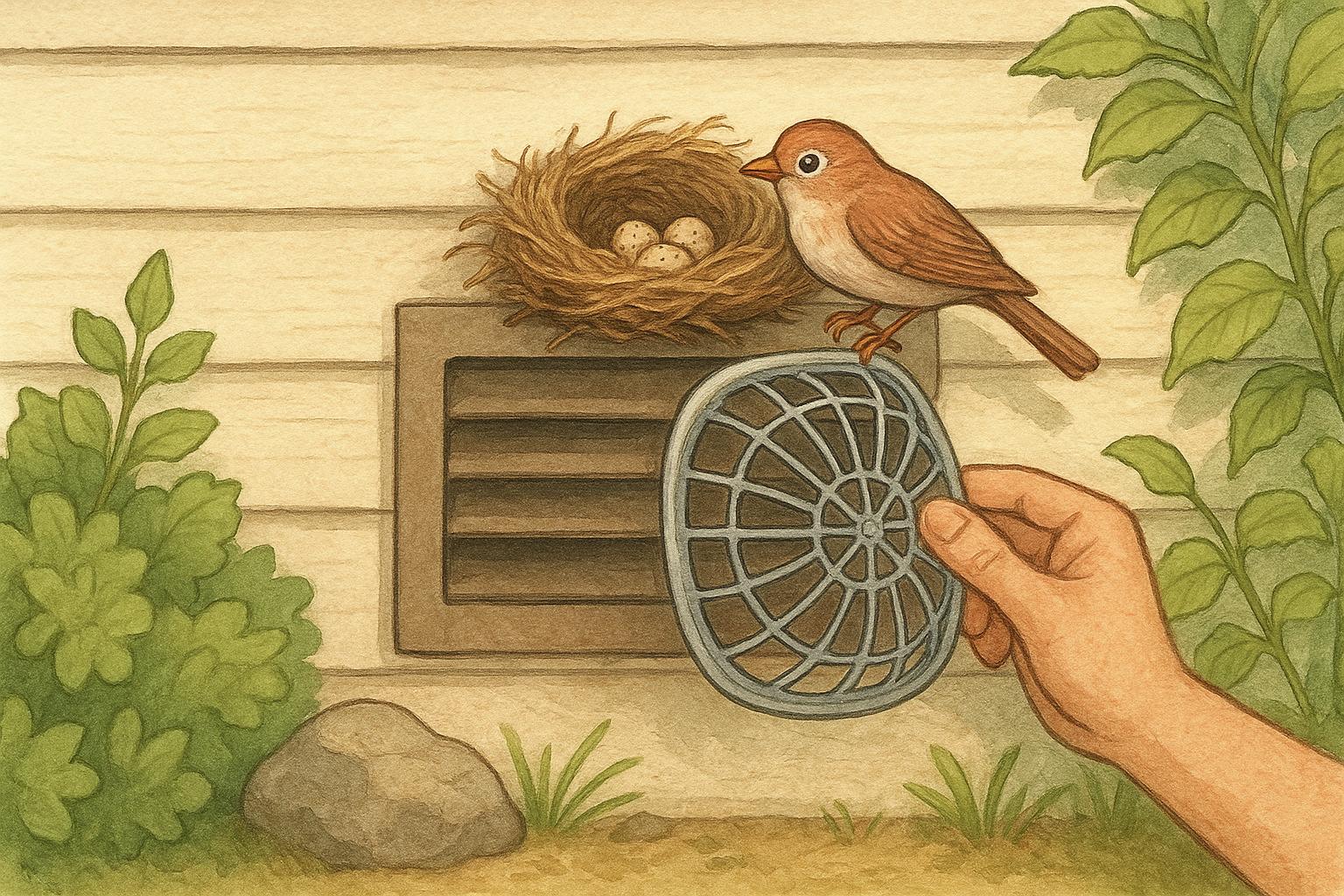
2. Seal Access Points: Inspect under decks, porches, and sheds. Use hardware cloth or wood framing to close gaps larger than four inches. Ensure vents and crawl spaces are screened to prevent denning.
3. Reduce Shelter Opportunities: Remove brush piles, thick ground cover, and unused wood stacks near structures. If you need wood piles, keep them elevated on pallets.
4. Install Deterrents: Place motion-activated lights or sprinklers near common entry spots. Opossums are nocturnal and prefer dark, quiet areas; sudden light or water encourages them to move on.
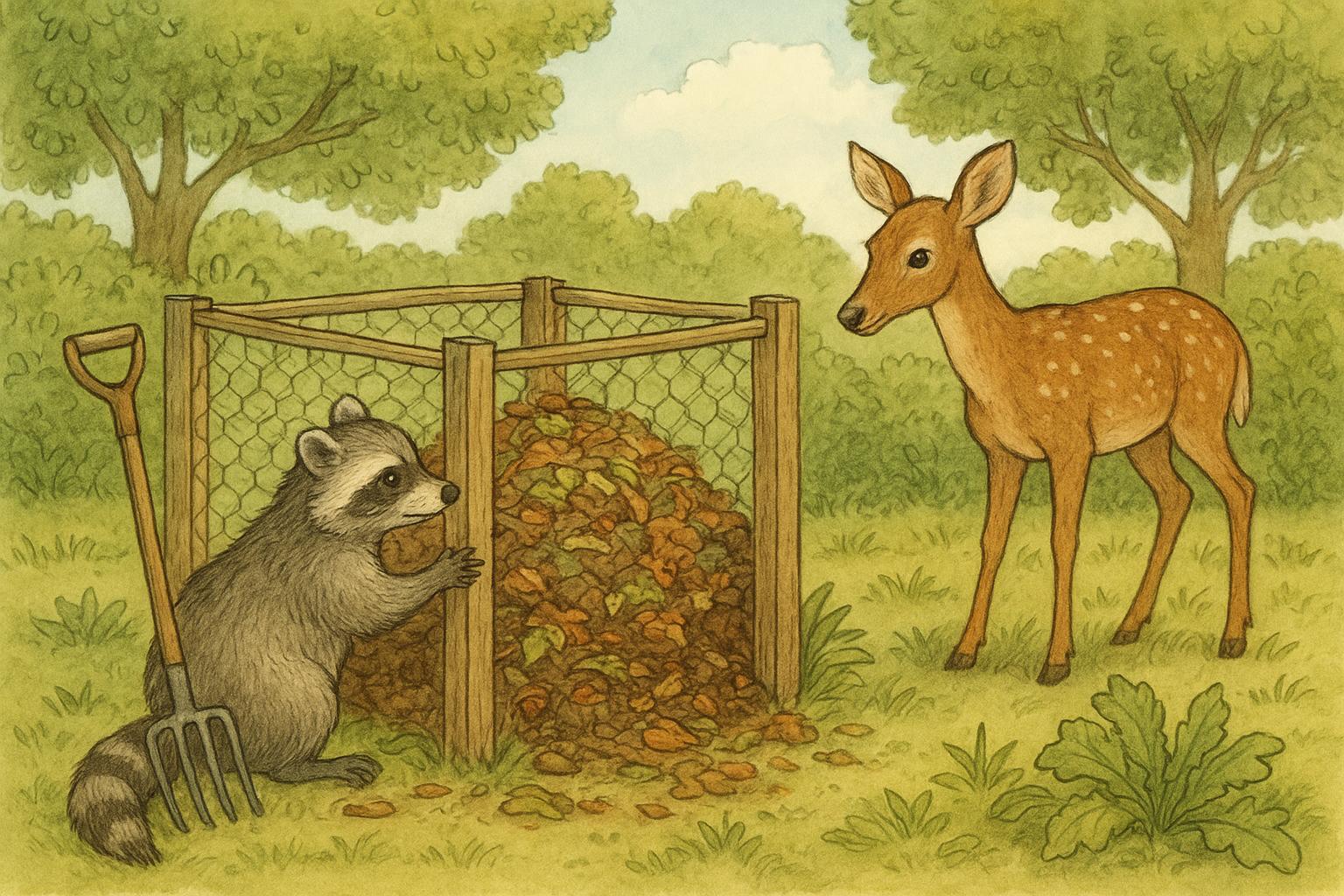
5. Compost Management: Use secure, enclosed compost bins rather than open piles. If compost is attracting pests, consider cold composting methods or adding a secure top.
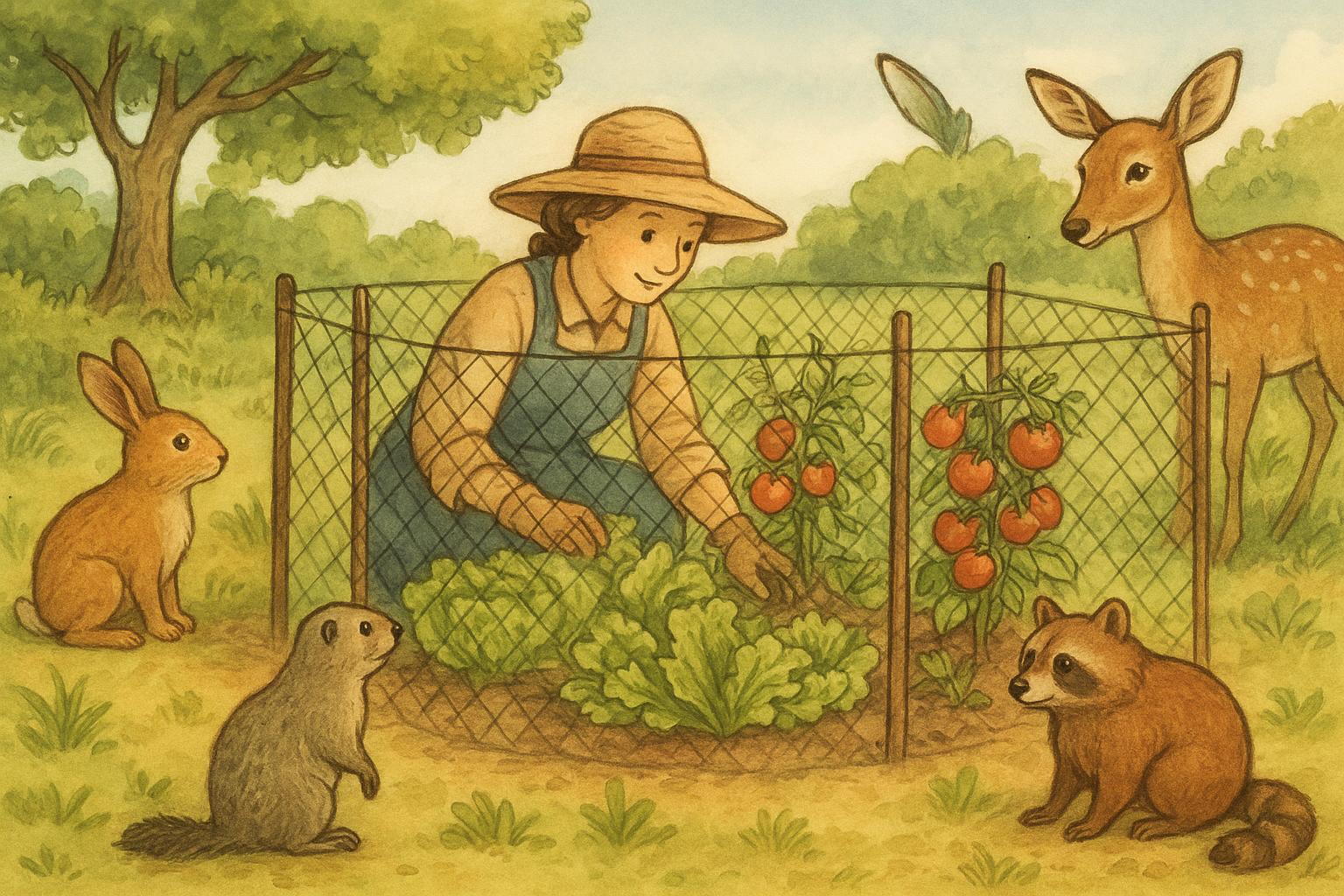
6. Garden Protection: If opossums target a garden, use raised beds with hardware cloth buried six inches below the soil line or lightweight fencing mounted about 2 feet high to deter entry while minimizing visual impact.
7. Monitor And Adjust: After implementing changes, monitor activity for a few weeks. If visits decline, maintain the measures; if not, reassess attractants or consult local wildlife experts.
Note: Do not use poisons or glue traps. These methods are inhumane and can harm non-target wildlife, pets, and children.
### Remedy 2: When An Opossum Is Injured Or Nesting In Structure
Required Materials
– Contact information for local wildlife rehabilitator or animal control
– Thick gloves and a towel (only for short-term safety while awaiting help)
– A temporary holding box with ventilation (cardboard or plastic with holes)
– Blankets for warmth
Step-By-Step Creation And Application
1. Assess From A Distance: Observe the animal without approaching. Determine if it is clearly injured or a juvenile separated from its mother.
2. Contact Professionals: Call your local wildlife rehabilitator or animal control. Provide clear information about location, behavior, and visible injuries.
3. Contain Safely If Advised: If instructed and safe to do so, use gloves and a towel to gently guide the animal into the holding box. This is only for situations where the professional directs immediate containment.
4. Keep The Animal Quiet And Warm: Place the box in a warm, dark, quiet area while awaiting pickup. Do not attempt to feed or give water unless instructed by a professional.
5. Follow Up: Provide rehabilitators with any information they request. If an opossum nested in a structure, wait until professionals confirm the young are orphaned before blocking access points—moving young without expertise can harm them.
### Respectful Yard Practices That Help Both You And Opossums
Encourage coexistence by understanding a few more opossum facts about their lifecycle: breeding peaks in spring and early summer; females may carry offspring in a pouch for about two months and then on their back. During these times, mothers can be protective; give them space and avoid disturbing known den sites.
Simple steps—securing food, sealing shelter access, and choosing humane deterrents—will usually resolve conflicts without harming wildlife. If you ever need to contact professionals, local wildlife centers and humane societies can provide region-specific advice and, when necessary, hands-on assistance.
Whether you call them opossums, possums (a common shorthand though technically for different marsupials elsewhere), or simply “that weird critter,” knowing a few opossum facts makes backyard encounters less alarming and more manageable. Treat them with basic precautions and respect, and you’ll likely keep both your property and the local wildlife safe and healthy.


Leave a Reply