
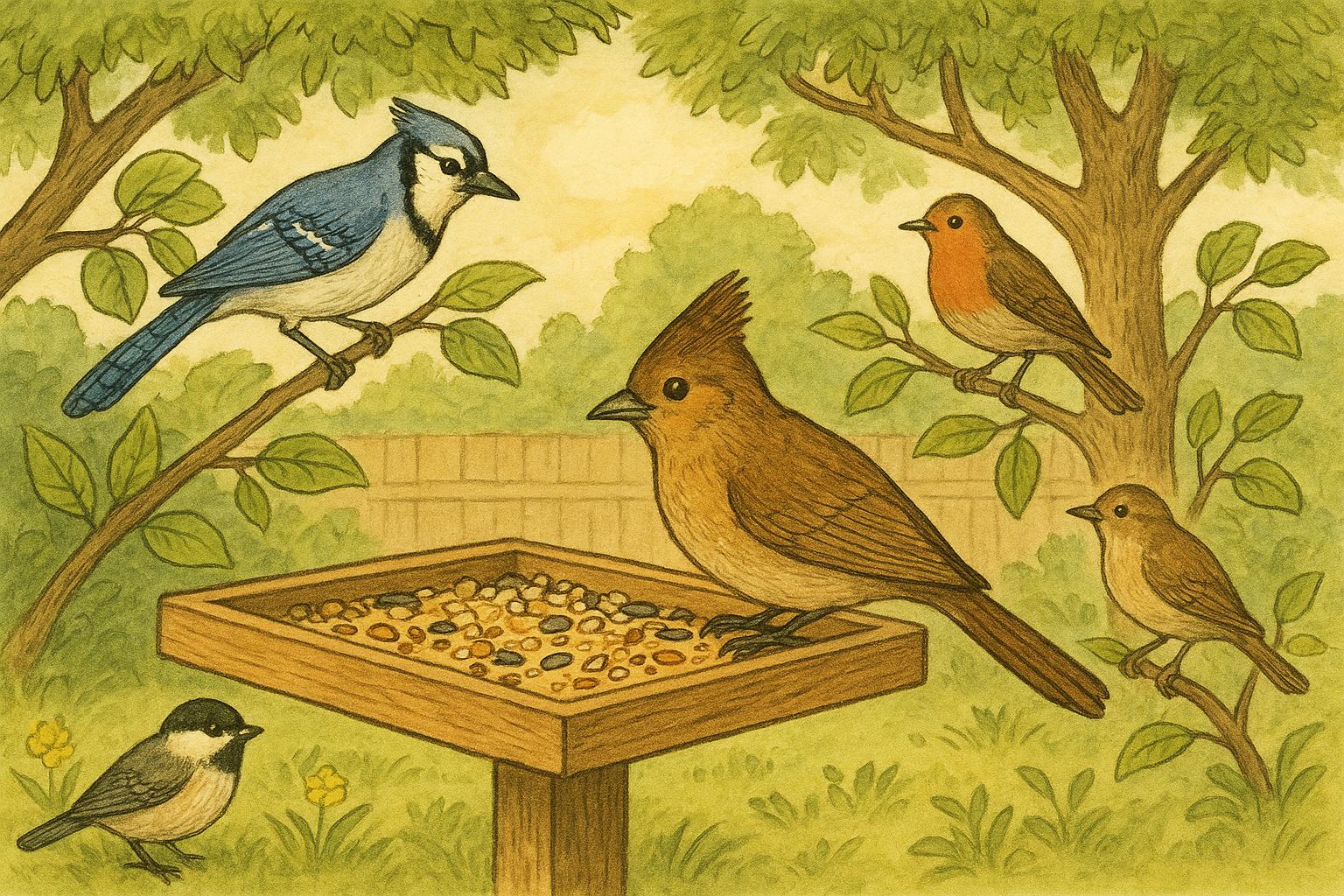
Nice to meet you and your backyard crowd. If you’ve got a flat surface where seeds, suet, or fruit land — and a ring of feathers or beady eyes awaiting each offering — you’re in the right place. This piece is all about practical, friendly advice for making the most of a feeding platform, from setup to critter diplomacy.
## Feeding Platform Basics
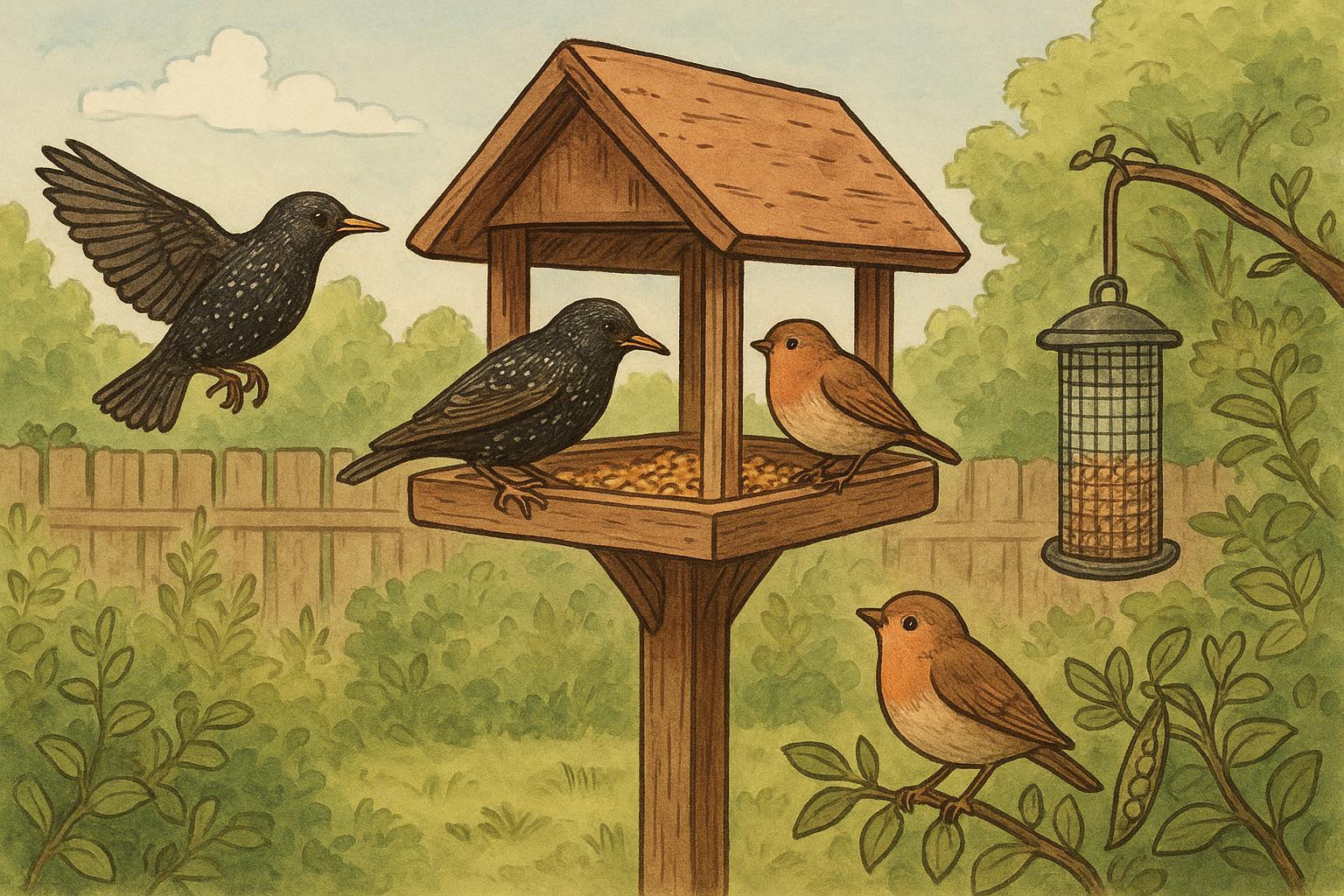
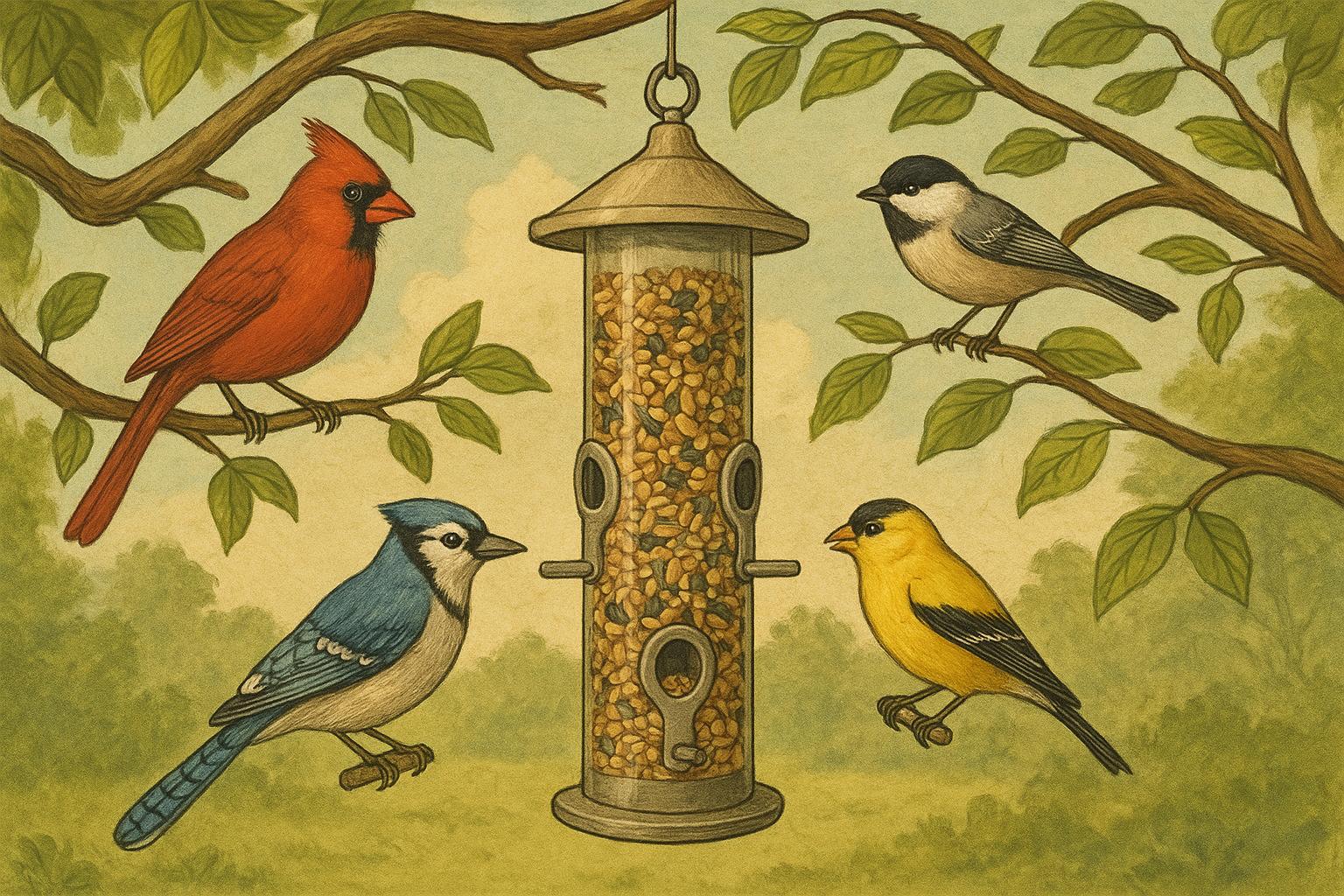
A feeding platform is a simple, open tray or shelf where birds can perch and eat. Unlike tube feeders or hopper feeders, these platforms accommodate larger seeds, mixed blends, fruit, and even mealworms. They’re excellent for ground-feeding species and for giving a clear view of who’s visiting—great for binoculars, cameras, and people who like to gossip about robins.
### Why Choose A Platform
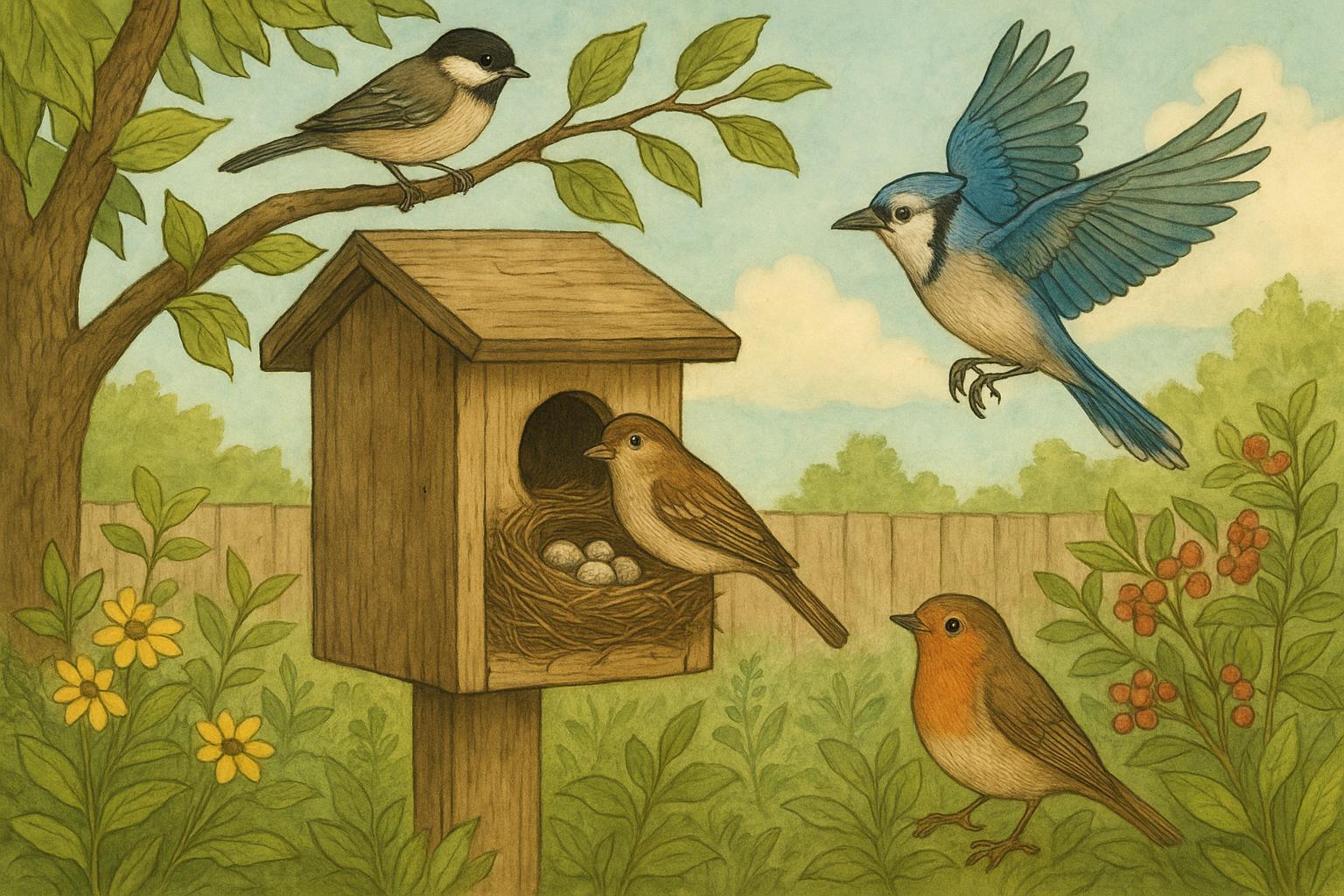
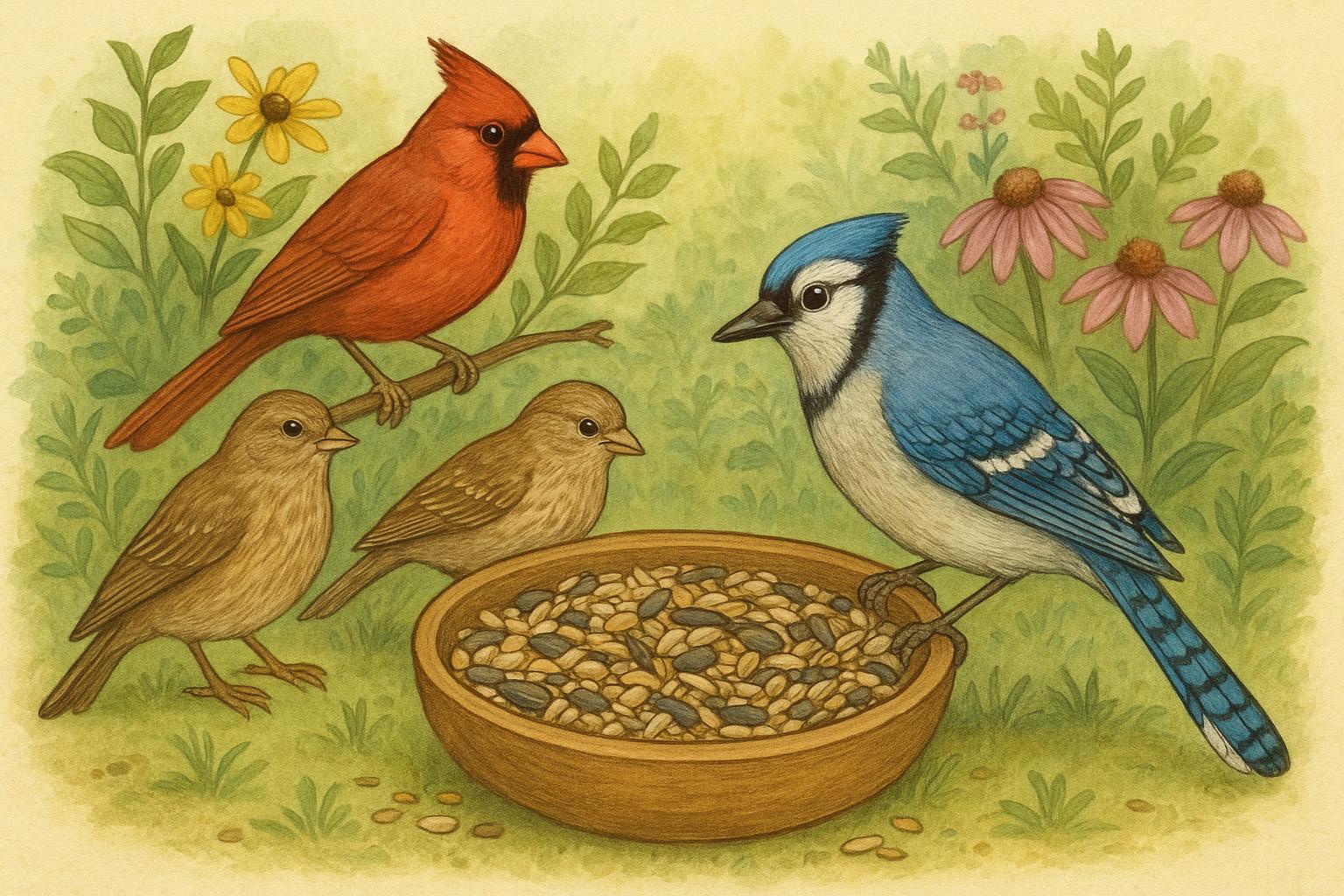
Platforms are inclusive: they invite doves, jays, cardinals, sparrows, and even ground feeders like towhees. They also allow for more varied diets (broken corn, sunflower chips, chopped fruit) and are easier to clean than some complicated feeders. If your goal is variety and easy maintenance, a feeding platform checks a lot of boxes.
### Best Placement Practices
Location matters. Put your feeding platform where birds feel safe but where you can also enjoy watching them. Ideally:
– Near cover (shrubs or low branches) so birds can dart to shelter.
– Far enough from predators’ hiding places (don’t put it right under a dense bush where a cat can lurk).
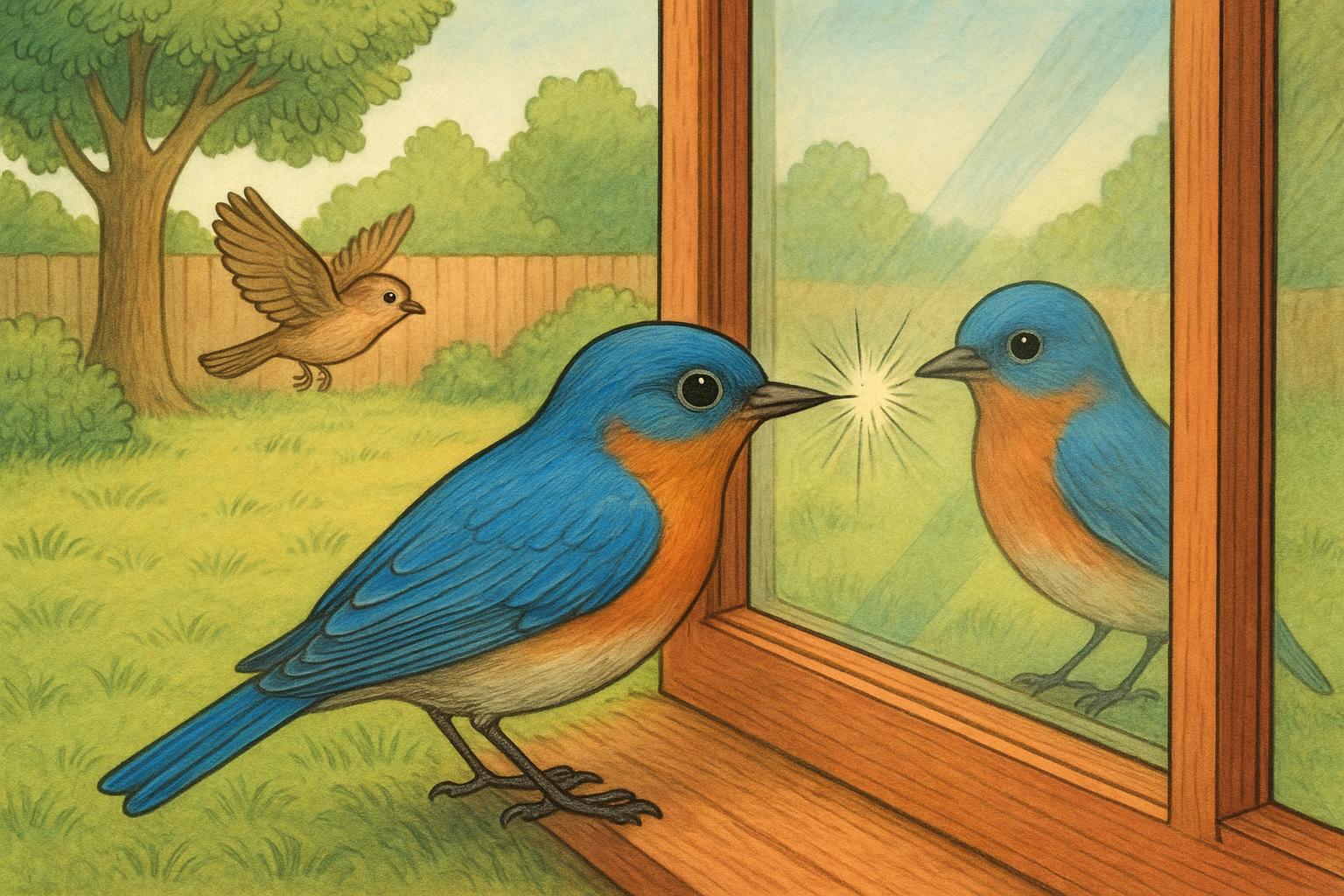
– Within sight from a window but at least 3–4 feet away to keep glass collisions less likely.
#### Height And Clearance
A feeding platform’s ideal height is flexible: 2–6 feet off the ground works for most backyard setups. If you’re attracting ground feeders, keep it lower. If you want to reduce cat access, higher is better. Ensure a clear flight path: birds need 12–18 inches of unobstructed space in front of the platform to land easily.
## Common Visitors And Food Choices
Different species prefer different things. Offer varied foods on a feeding platform to attract a wider range of birds:
– Black oil sunflower seeds for most songbirds.
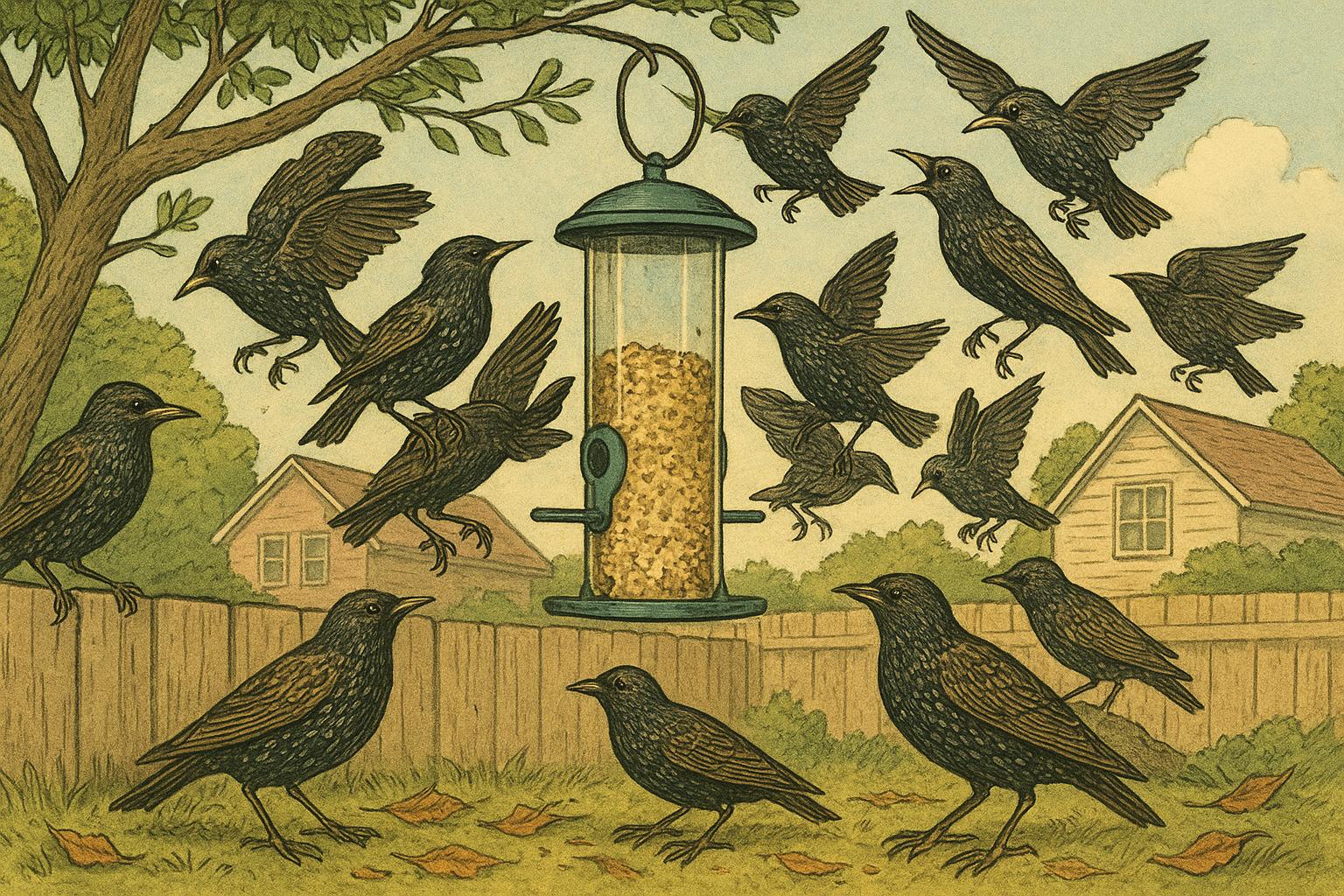
– Safflower for cardinals and house finches (and sometimes to deter starlings).
– Millet mixes for sparrows and ground-feeders.
– Fruit slices for thrushes and waxwings.
– Cracked corn for doves and jays.
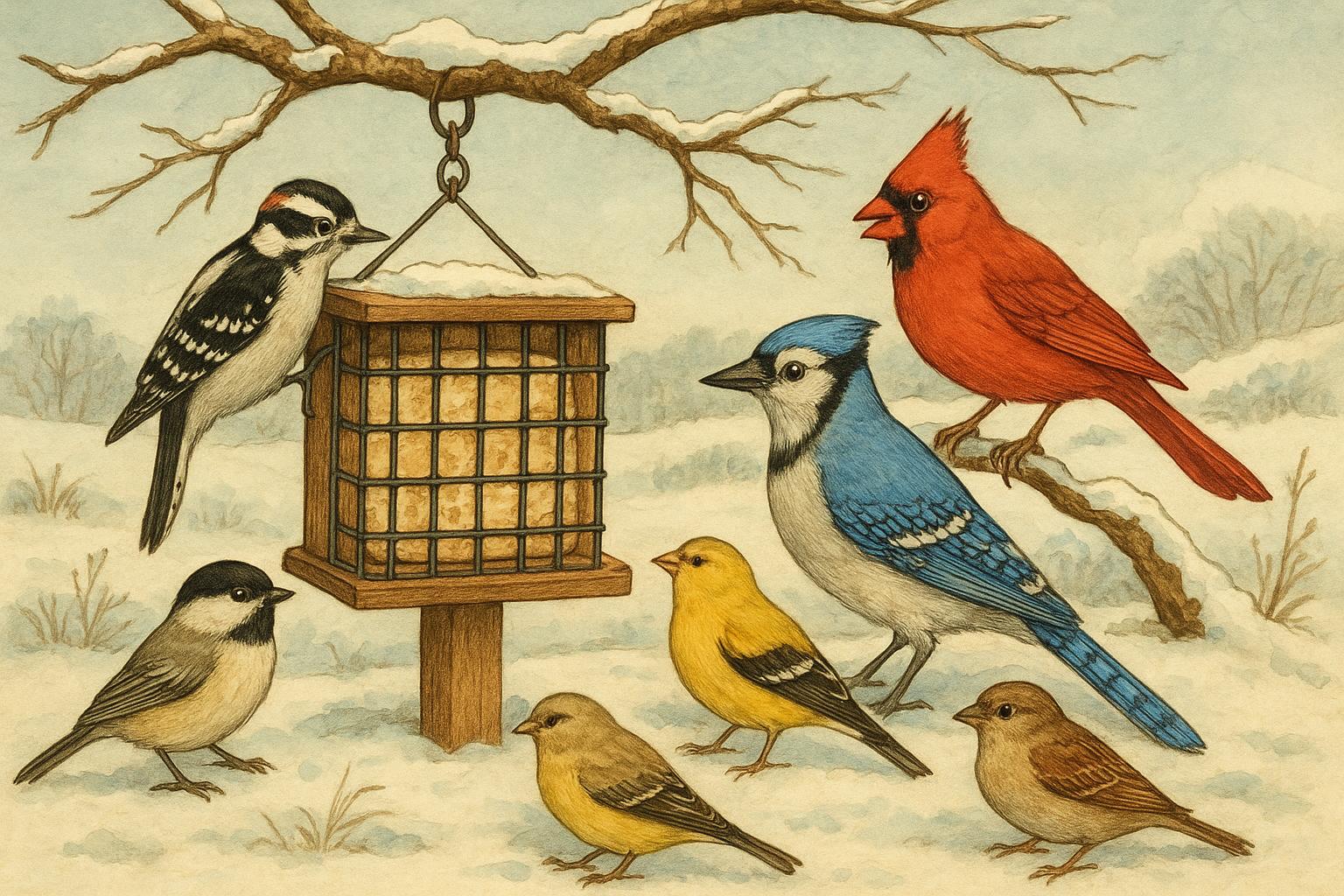
Keep foods fresh and monitor which items disappear fastest—your visitors will tell you what they prefer. Also rotate offerings seasonally: suet in winter, fruit in spring, and mealworms during nesting season.
### Predator Awareness
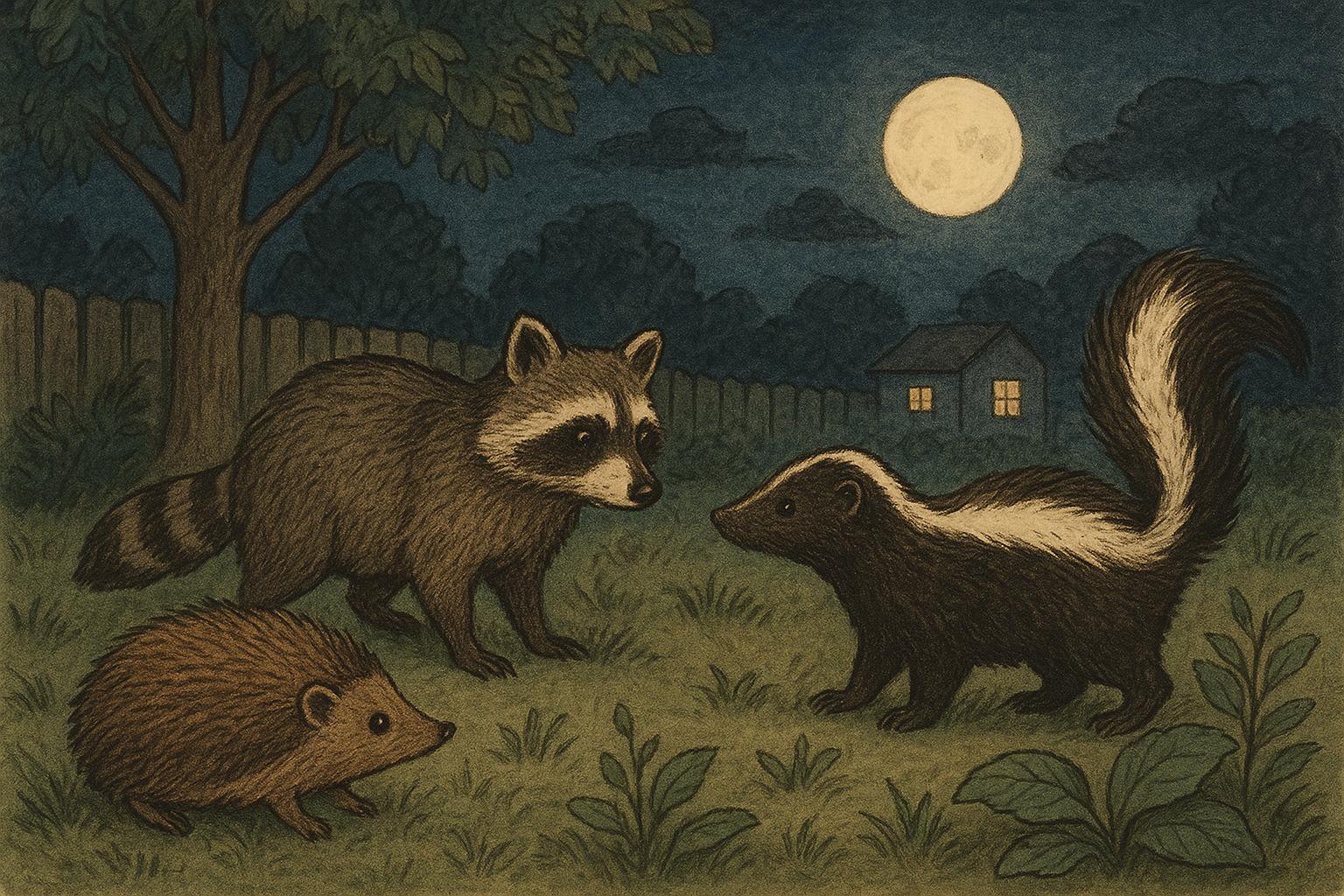
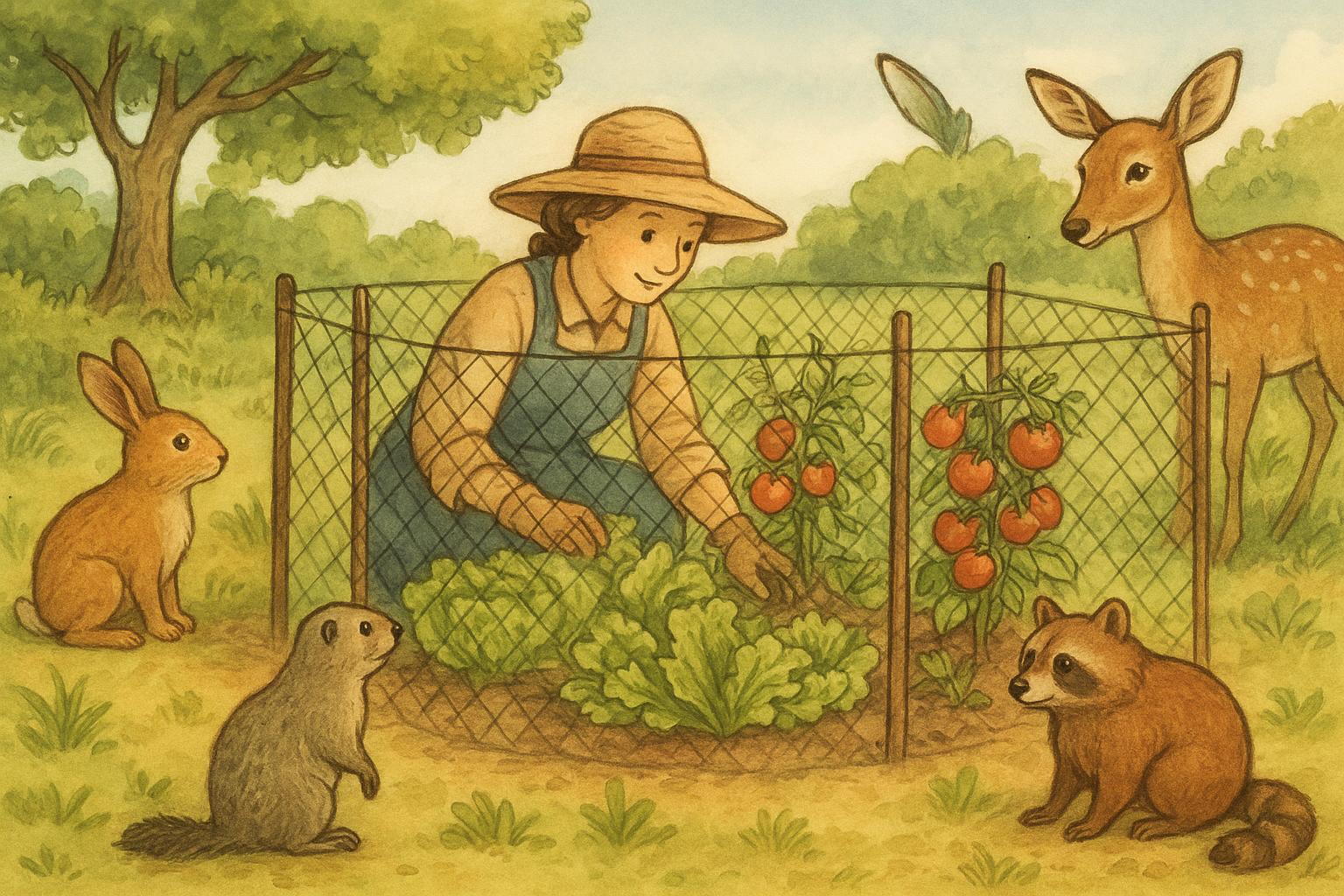
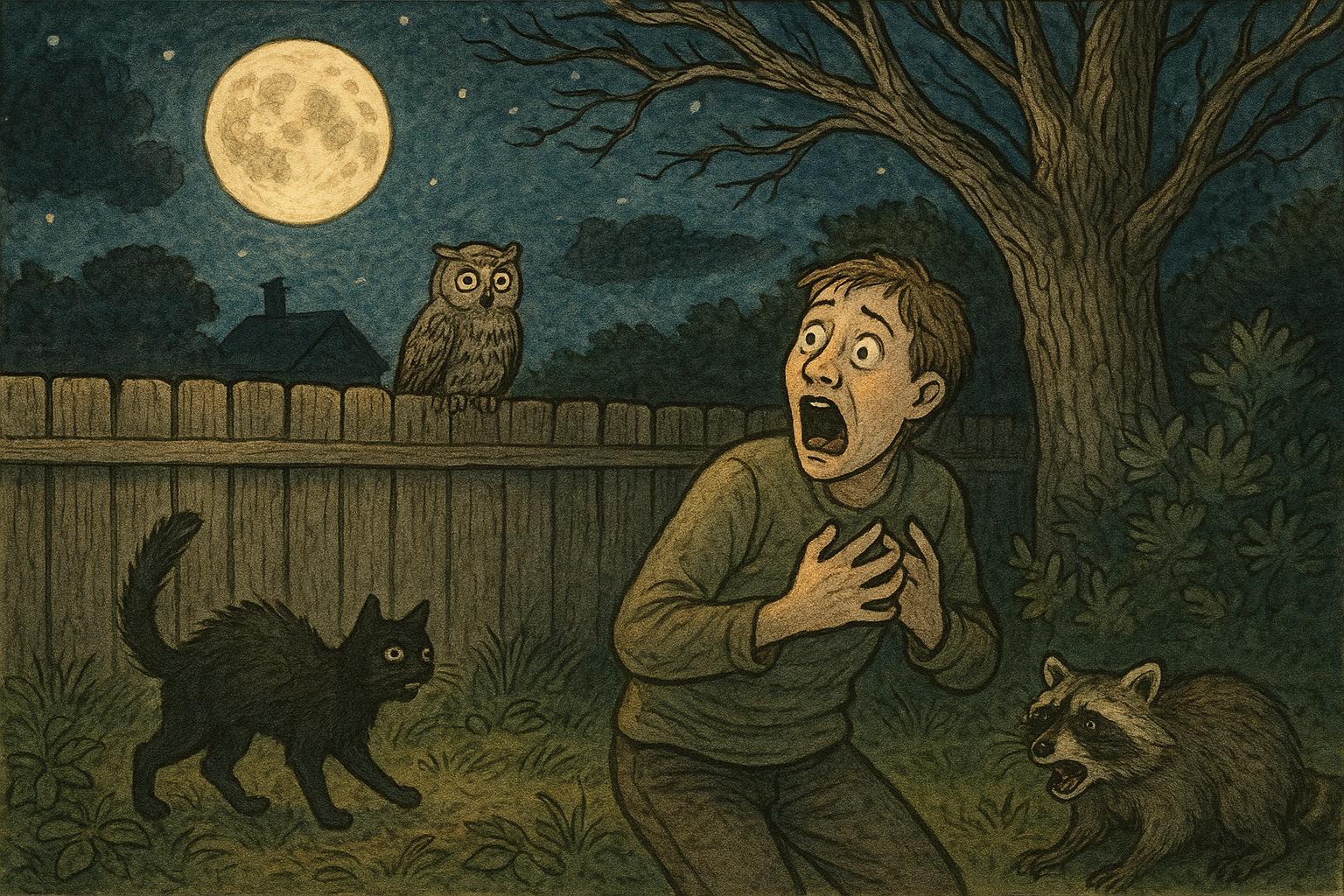
Feeding platforms can be more accessible to predators than enclosed feeders. Always monitor for cats, hawks, and raccoons. Place platforms where overhead cover is minimal for hawks, but nearby bushes provide quick escape options for small birds. Consider adding baffles or placing the platform on a pole rather than a tree limb to reduce mammal access.
## Maintenance And Hygiene Tips
A clean feeding platform keeps birds healthy. Accumulated moldy seed or droppings can spread disease.
#### Routine Cleaning Schedule
– Daily: Remove obvious moldy or wet seed.
– Weekly: Scrape tray and rinse with a diluted bleach solution (one part bleach to nine parts water), then rinse thoroughly and air dry.
– Monthly: Inspect for rust, splinters, and structural wear.
Use gloves and avoid breathing in dust when cleaning. Dispose of cleaning water away from birdbaths and vegetation.
## Remedy 1: Weatherproofing Your Feeding Platform
When rain and snow show up, soggy seed and slippery perches are the usual complaints. Here’s a formal, step-by-step solution to keep your platform functional and dry.
Materials Required
1. Small awning, wooden roof panel, or clear acrylic sheet (sized to cover platform).
2. Mounting brackets or adjustable hardware for attachment.
3. Waterproof silicone sealant or exterior wood sealant (if using wood).
4. Exterior screws or bolts appropriate for mounting surface.
5. Drill and screwdriver.
6. Measuring tape and pencil.
7. Optional: small drip edge or gutter strip.
Step-By-Step Creation And Application
1. Measure the platform width and depth to determine the size of your awning or cover.
2. Cut the acrylic or wood panel to size if needed, ensuring at least 3–4 inches of overhang on each side to divert water.
3. Apply exterior wood sealant to wooden panels (if using wood) and allow to dry per manufacturer instructions.
4. Position the cover above the platform at a slight forward tilt (about 5–10 degrees) to encourage runoff away from the feeding area.
5. Mark bracket positions on the mounting surface and pre-drill holes to prevent splitting.
6. Attach mounting brackets or hardware securely, then fix the cover to the brackets using screws or bolts.
7. Seal any exposed joints or screw heads with silicone sealant to prevent water ingress.
8. Test by running water over the cover to confirm runoff direction and make any adjustments.
This weatherproofing reduces spoilage, keeps birds drier, and extends the life of wooden platforms. If you live where snow builds up, design for easy snow removal and consider a steeper pitch on the cover.
## Remedy 2: Squirrel-Proofing Your Feeding Platform
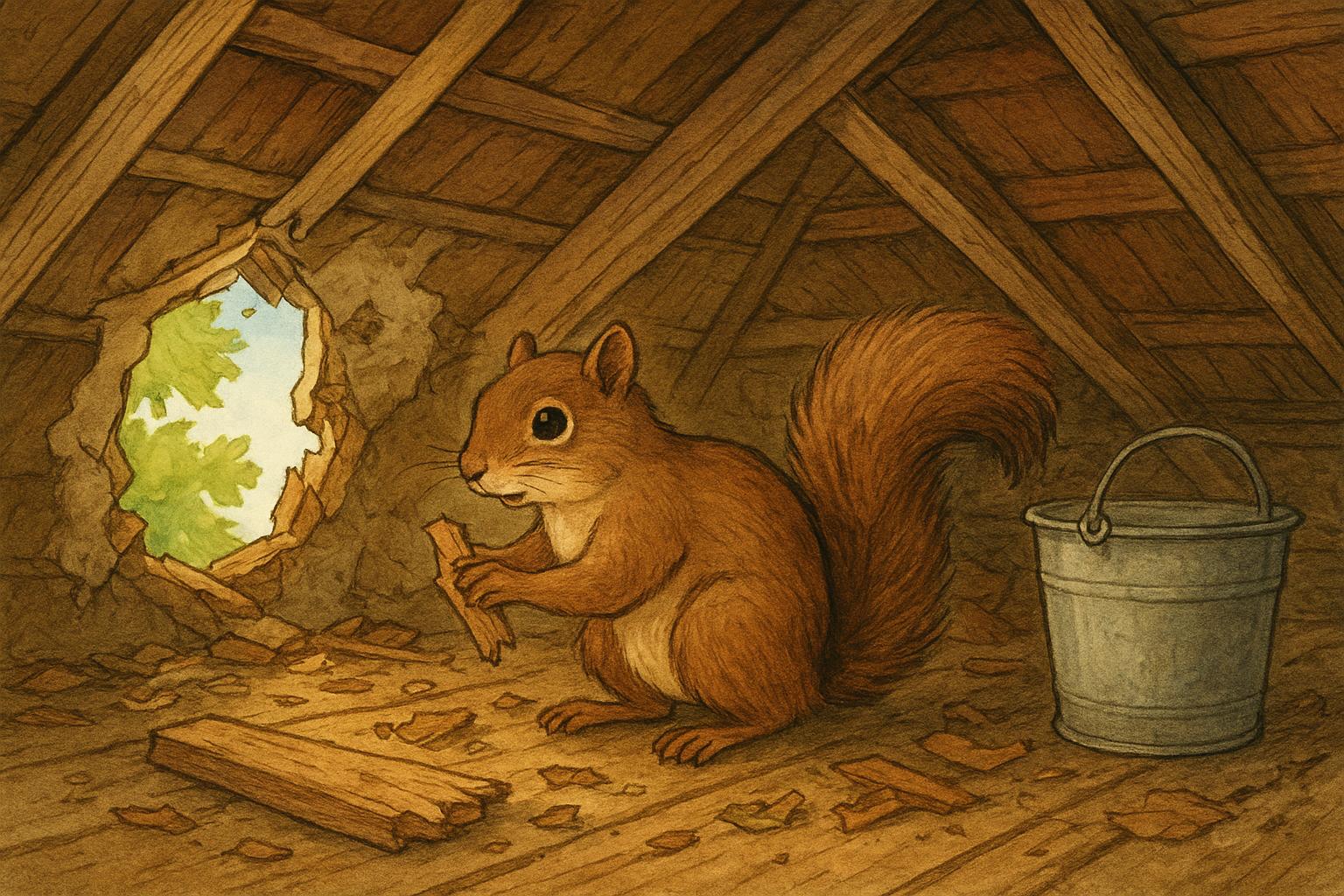
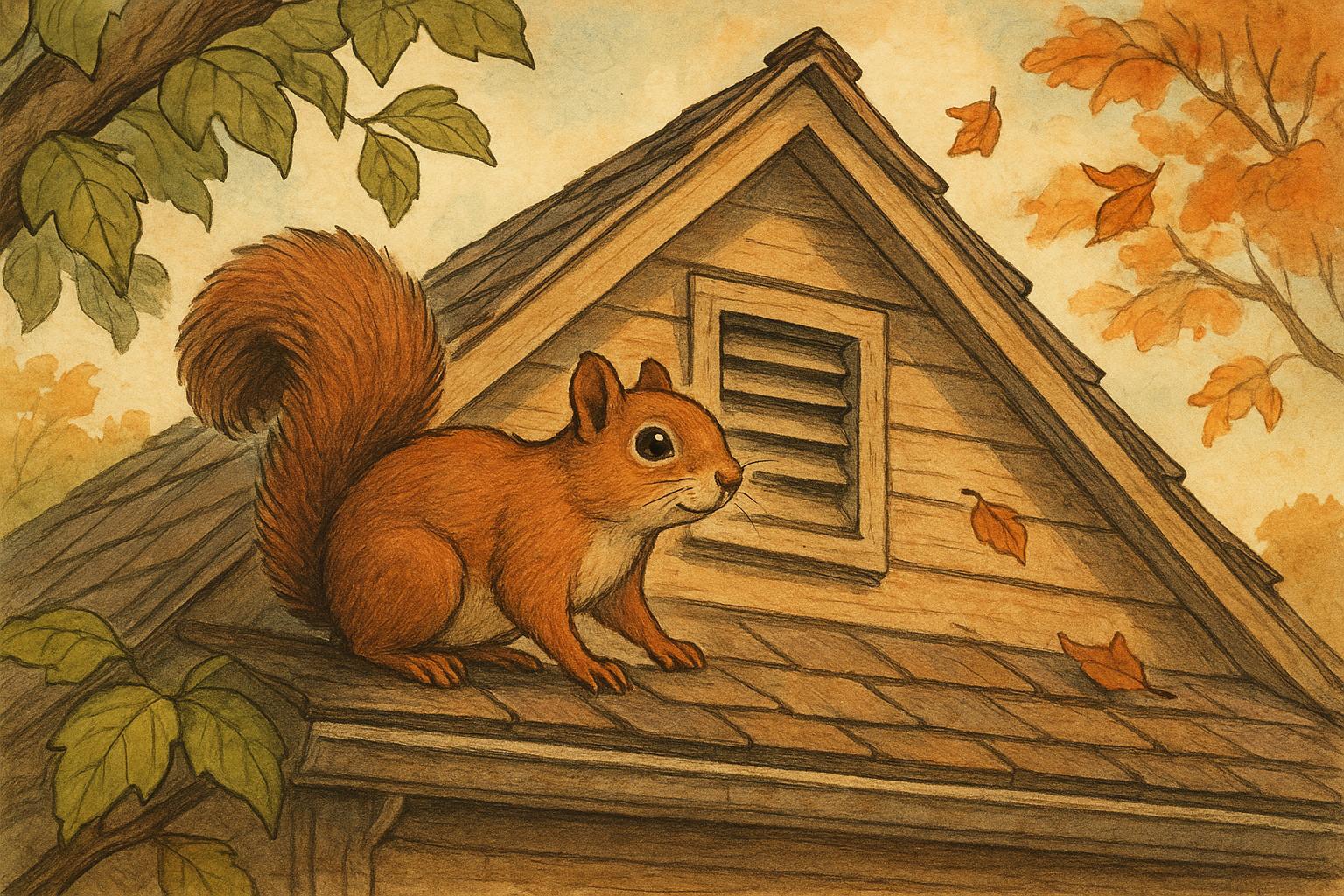
Squirrels can be voracious and inventive. Here’s a structured, formal plan to make your platform less irresistible to four-legged freeloaders.
Materials Required
1. Smooth metal pole (galvanized or painted steel) or sturdy PVC post.
2. Metal baffle (cone or cylindrical) sized to fit the pole.
3. Platform mounting hardware (U-bolts or metal brackets).
4. Optional: small cage (hardware cloth) to encase platform if necessary.
5. Tools: wrench, drill, and level.
Step-By-Step Creation And Application
1. Select a mounting pole at least 8 feet tall (to provide enough baffle space between ground and platform).
2. Install the pole into the ground using a concrete base or a securely set post-hole to prevent tipping.
3. Slide the metal baffle onto the pole, positioning it 2–3 feet below the planned platform height. The baffle should prevent a squirrel from reaching over it to climb onto the platform.
4. Mount the platform to the pole with U-bolts or brackets. Tighten securely and ensure the platform is level.
5. If squirrels leap from nearby trees or structures, consider placing the platform at least 10 feet horizontally from jump-off points.
6. For persistent squirrels, attach a small cage of hardware cloth around the platform perimeter, ensuring bird access through larger openings while blocking squirrel entry.
7. Routinely inspect and tighten fittings; replace any chewed or bent hardware promptly.
A properly placed baffle and robust mounting reduce squirrel success while keeping birds comfortable. Remember: humane exclusion is the goal—finding a balance so everyone in the yard gets fed (except the freeloading squirrels… mostly).
## Observing Behavior And Adjusting Feed
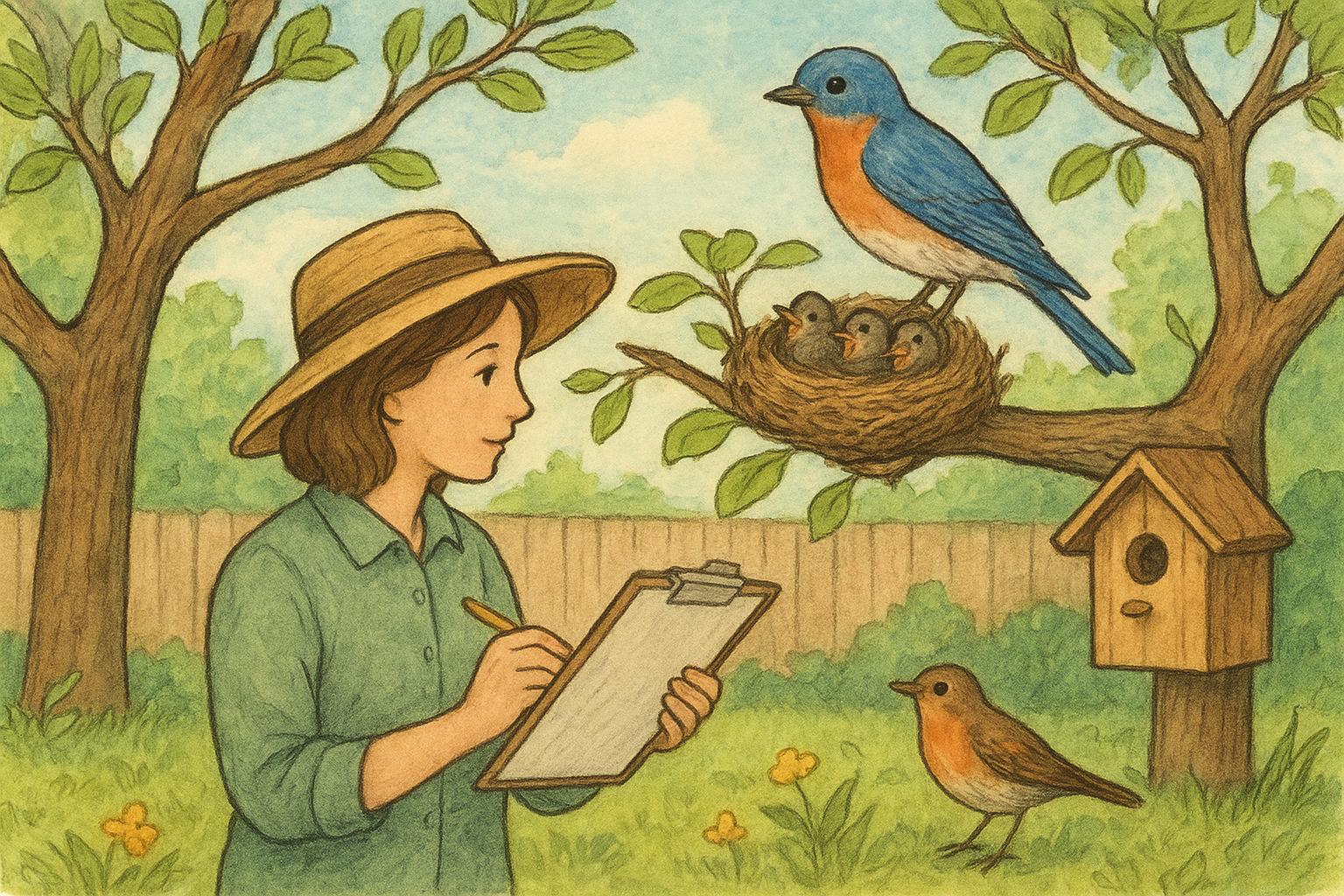
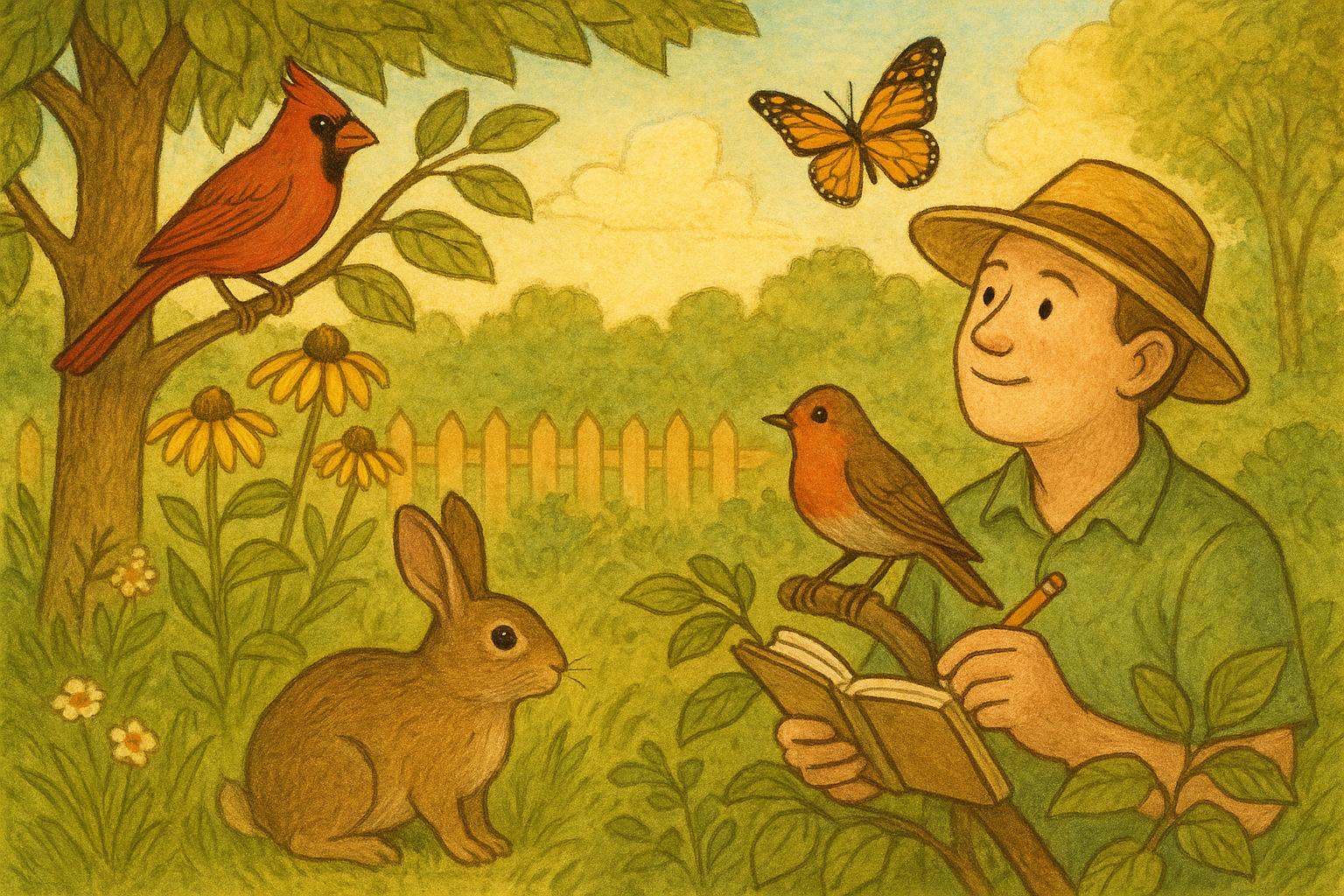
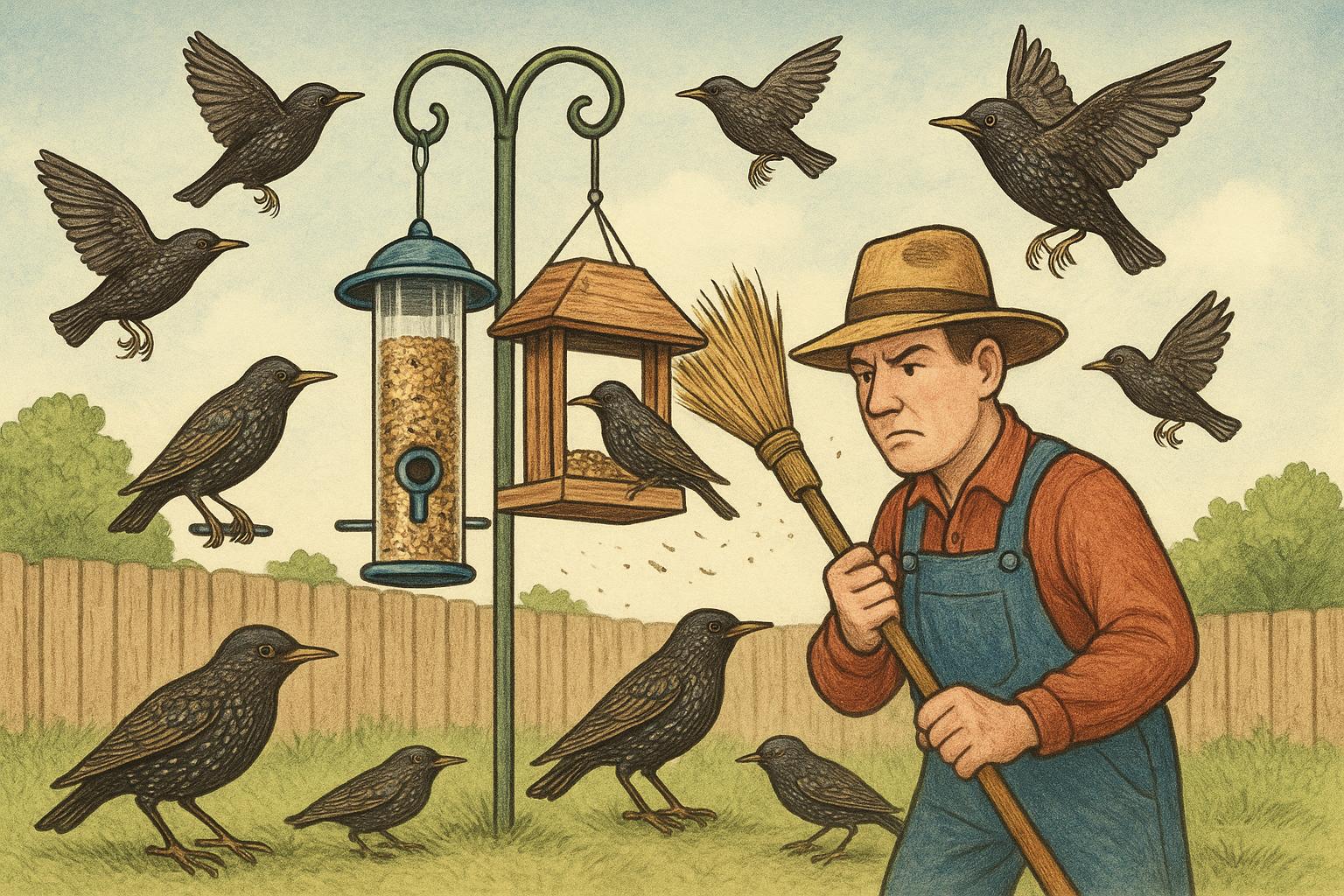
Once your platform is installed and protected, spend a few mornings with binoculars and a notebook. Observe visit times, which foods are favored, and any aggressive species dominating the tray. If a single species monopolizes food, try offering multiple small portions around the yard to spread the visitors and reduce bullying.
### Seasonal Adjustments
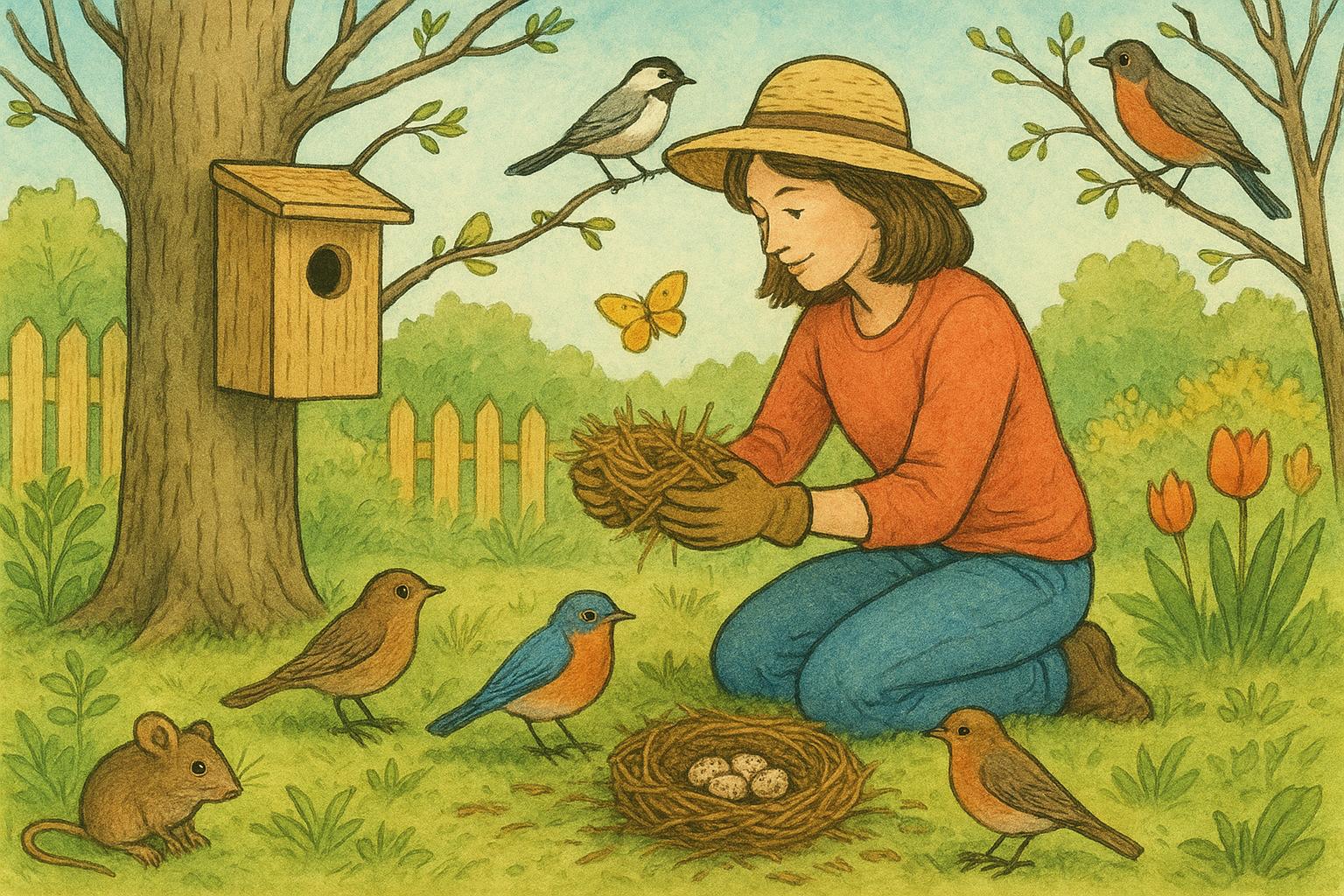
In winter, increase high-energy seeds and check for ice accumulation. In nesting season, avoid offering large amounts of mealworms that could unnaturally concentrate predators near nests. In fruiting season, rotate in fresh fruit and remove overripe leftovers to prevent mold.
#### Note On Seed Selection And Storage
Store seed in a cool, dry place in sealed containers; moisture invites mold and pests. Buy seed in amounts you’ll use within a month or two during high-use seasons to keep it fresh.
## Encouraging Natural Behavior
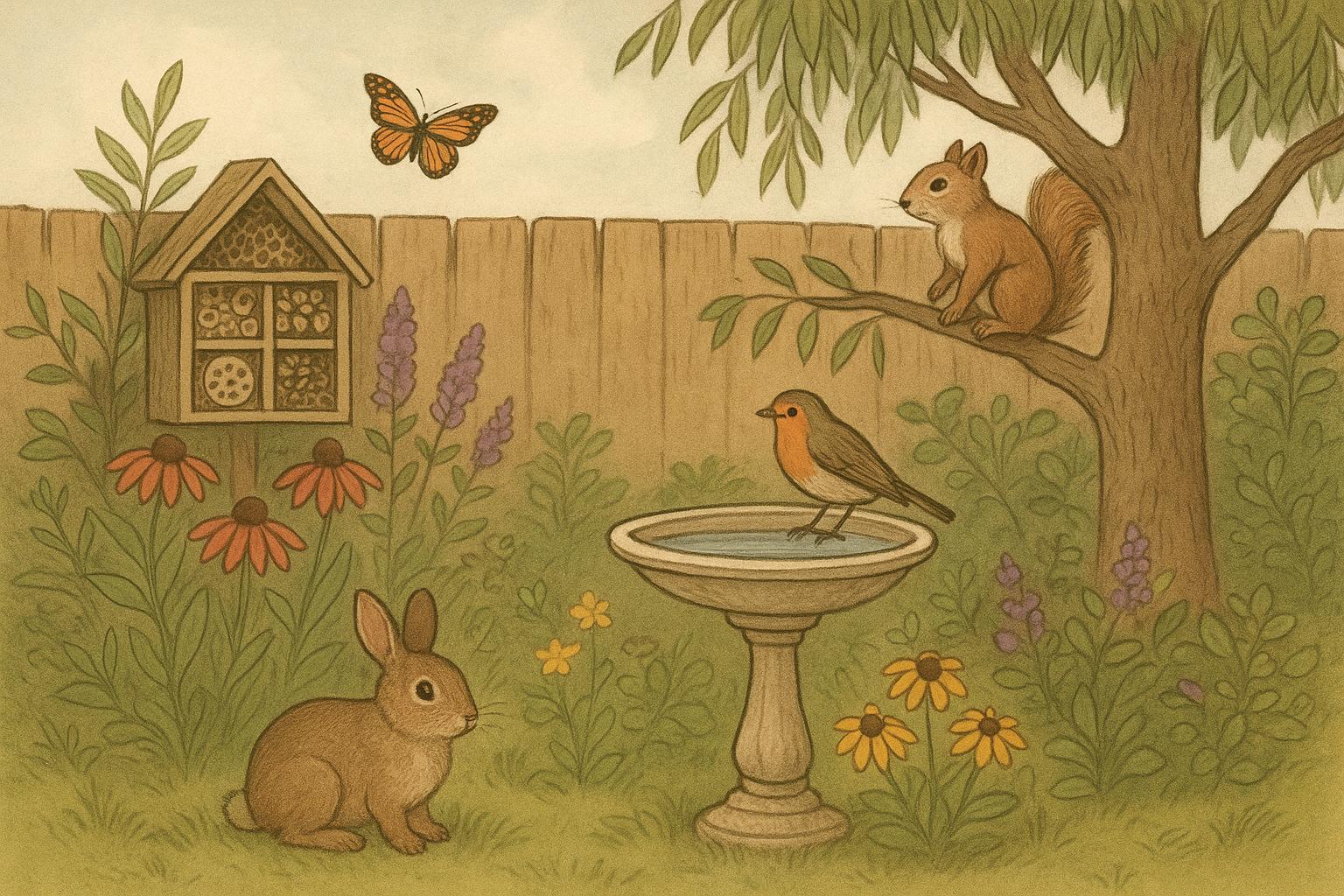
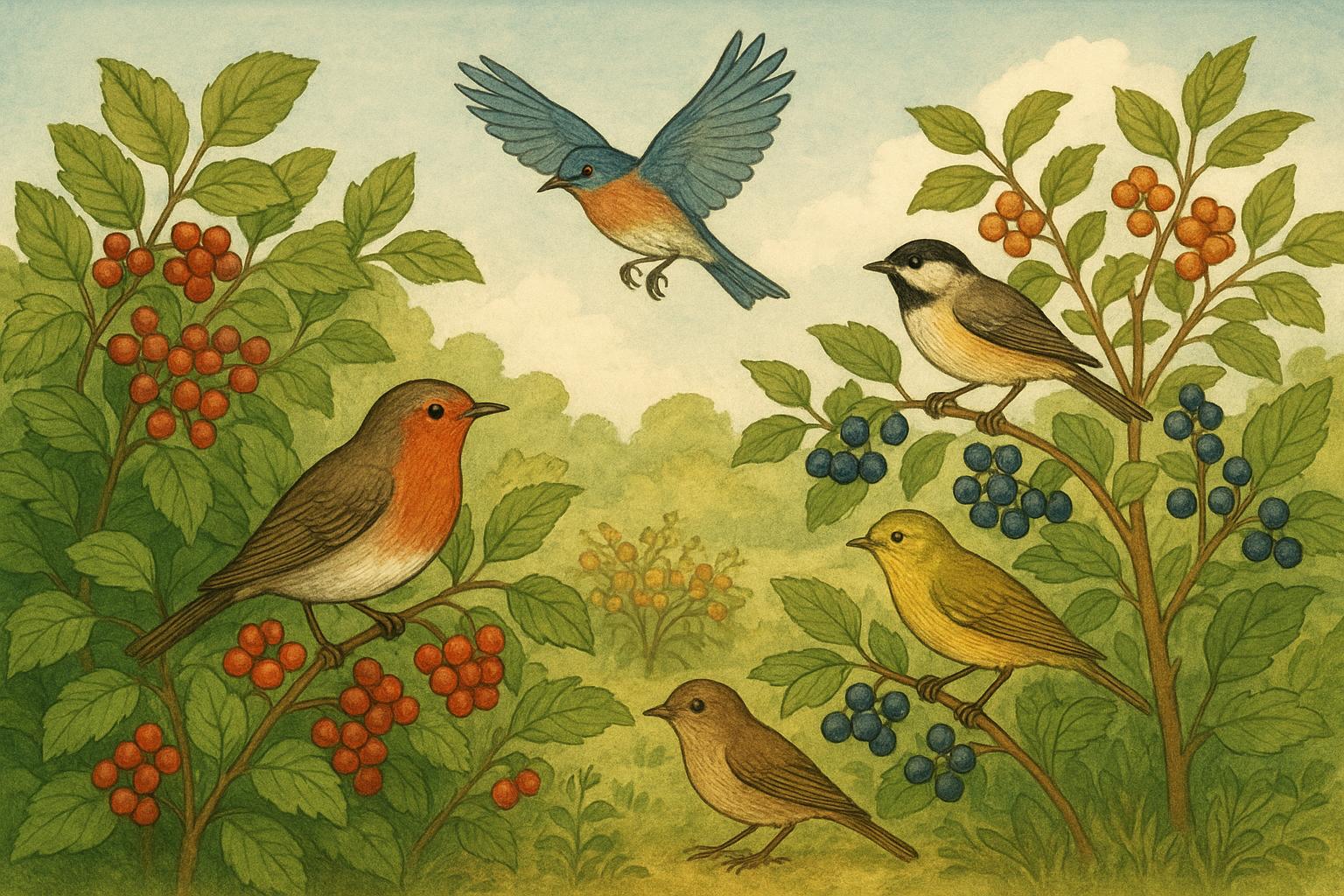
A feeding platform works best as a supplement to natural foraging. Create nearby native plantings that provide insects, berries, and shelter. Platform feeding should complement, not replace, habitat improvements.
### Camera Tips For The Curious
If you’re setting up a camera, position it at a slight angle to the platform to capture both landing and perching. Use a remote or motion trigger to avoid scaring birds. Remember to check local wildlife regulations if you plan to film more than casual backyard footage.
Now go forth, set up a thoughtful feeding platform, and enjoy the parade of beaks and feathers. If you want, I can help plan a platform layout for your yard—tell me about your space, the species you see, and any neighborhood squirrel legends you’d like to outwit.

Leave a Reply