

## Turtle Identification Secrets You Didn’t Know
If you’ve ever spotted a slow-moving shell in your yard and wondered if it’s a harmless sun-worshipper or a feisty snapper-in-disguise, you’re in the right place. Backyard wildlife can be surprisingly chatty if you know how to listen—and by listen, I mean look. Here, we’ll unpack backyard turtle identification with easy-to-remember signs, a few delightful oddities, and practical remedies for observing and helping turtles responsibly.
### Shell Shape Is Your First Clue
The carapace (top shell) and plastron (bottom shell) give away a lot. Aquatic turtles often have flatter, more streamlined carapaces for efficient swimming; box and tortoise-like species have domed shells that look like mini medieval helmets. Look at the shell profile from the side: low and sleek usually means waterfowl-acquaintance, high and rounded suggests land-orientation.
#### Scutes And Growth Rings
Scutes (the plates on the shell) show wear and patterning useful for turtle identification. Countless folks think rings equal age like tree rings—cute, but unreliable. Rings can hint at growth spurts and environment instead. Patterns, coloration, and any distinct scute shapes are more reliable for ID.
### Head And Face Markings Are Big Giveaways
Facial stripes, blotches, or a red patch behind the eye can nail an ID fast. Red-eared sliders—ubiquitous pond turtles—have that signature red slash behind each ear. Painted turtles show bright yellow stripes and an overall glossy look. Snapping turtles lack flashy colors but compensate with powerful jaws and a prehistoric attitude.
#### Eye And Jaw Clues
Look at the jaw line: a hooked, powerful beak usually equals a snapper. Eye color and stripes can separate species that otherwise look similar. When you’re practicing turtle identification, a clear photograph of the head from the side and top can be a gold mine.
### Behavior And Habitat Narrow The Field
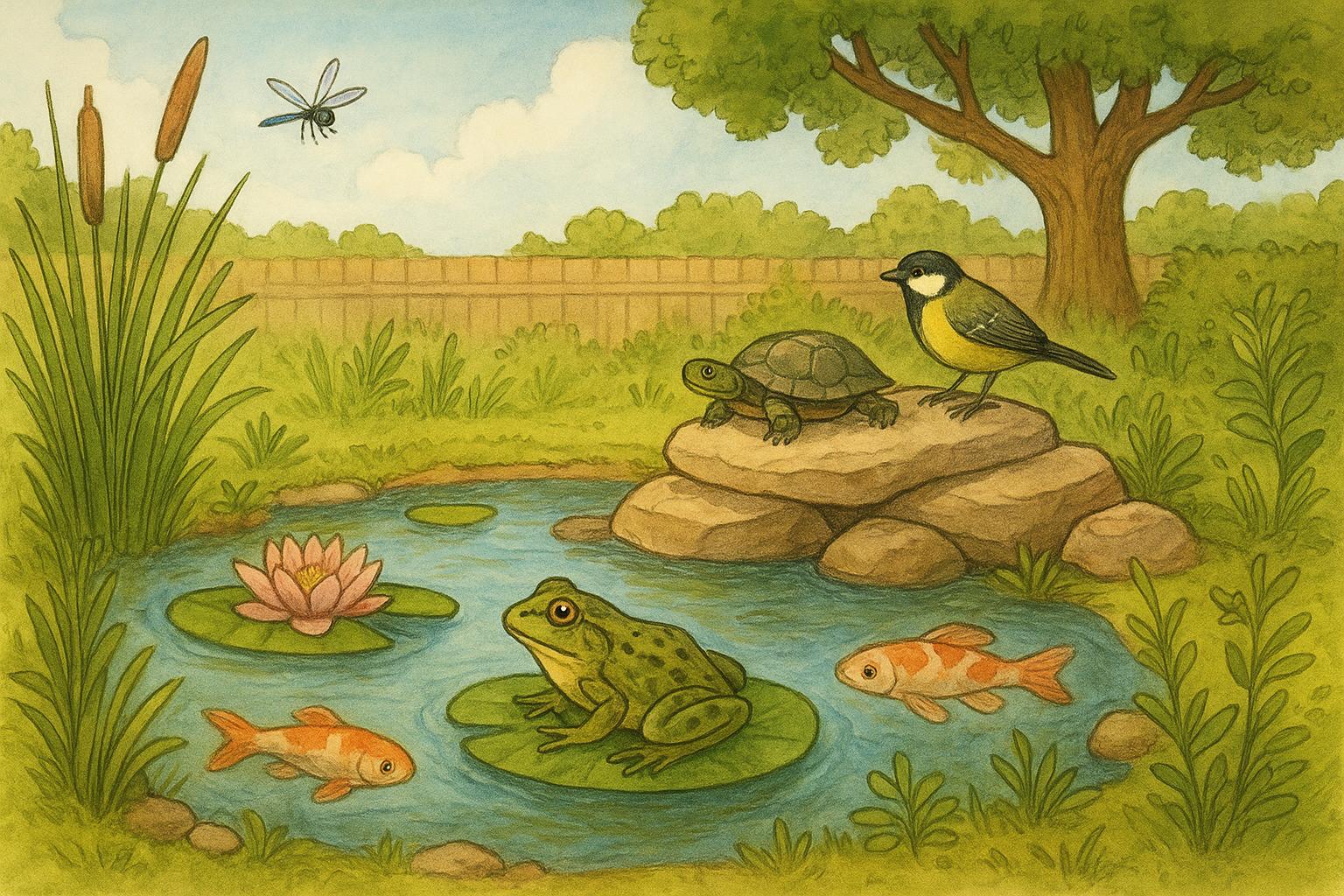
Where you find a turtle matters. Ponds and slow-moving waterways usually host sliders, painted turtles, cooters, and musk turtles. Upland grassy areas are where box turtles like to roam. Marshy edges and heavily vegetated banks can hide snapping turtles and mud turtles. Activity patterns—basking on logs vs. hiding under leaf litter—help confirm species.
#### Claw Length And Basking Style
Males of many aquatic species have longer front claws used during courtship. If you see a turtle on a log with long foreclaws and a slender tail, you may be looking at a male. Turtle identification benefits from noticing these subtle sexual dimorphisms.
### Shell Damage, Algae, And Health Indicators
Algae on a shell doesn’t necessarily mean neglect; many turtles sport green bling after months in hospitable ponds. But cracked scutes, soft spots, or an unusually light shell may indicate illness, malnutrition, or soft-shell disease. If you suspect a health issue, detailed photographs and a consult with a wildlife rehabilitator are the responsible next steps.
### Common Backyard Species To Know
– Painted Turtle: Bright streaks on the neck, smooth shell, frequent basker.
– Red-Eared Slider: Distinct red ear patch, often in neighborhood ponds.
– Eastern Box Turtle: High-domed shell, hinged plastron for closing up tight.
– Snapping Turtle: Rugged carapace, long tail, fearsome jaw when provoked.
– Musk Turtle: Small, hydro-dweller, often secretive and nocturnal.
Mentioning these names while out in the yard improves your turtle identification game faster than memorizing Latin names over coffee.
## Remedy 1: Build A Turtle-Friendly Observation Station
If you want to see turtles clearly without stressing them (and without getting bit), build a low-impact observation station. This section is formal and prescriptive—follow the materials and steps carefully to protect both you and the animals.
### Materials Required
– Shallow, sturdy folding stool or low bench
– Camera with zoom lens or smartphone with good digital zoom
– Binoculars (optional, 6–8x)
– Notebook and waterproof pen
– Small mirror or reflector (for angling light gently)
– Latex gloves (for handling if absolutely necessary)
– Field guide or printed ID cheat sheet
### Step-By-Step Construction And Use
1. Choose Location: Place your station at least 10–15 feet from common basking spots or shoreline. Distance reduces stress and prevents defensive behavior.
2. Set Up Seat: Position the stool low to the ground to keep your silhouette non-threatening. Ensure stable footing.
3. Arrange Optics: Set binoculars or camera on a tripod or steady surface. Use zoom to avoid approaching the turtle.
4. Use Angled Light Sparingly: If photographing, use the mirror/reflector to redirect ambient light from behind you to gently illuminate details without casting shadows over the turtle.
5. Record Observations: Note time, weather, exact location, and behaviors. Photograph multiple angles—shell profile, head, plastron, and close-ups of markings.
6. No Handling Unless Necessary: Only use gloves and handle turtles if they are injured or in immediate danger; otherwise, document and consult a rehabilitator.
## Remedy 2: Safe Relocation And Hydration Kit For Stranded Turtles
Occasionally you’ll find a turtle in danger—on a roadway, in a pool, or dehydrated during a heat wave. This second remedy is formal and focused on safety and legality. Only relocate turtles when human-made hazards are imminent and move them the minimal distance necessary back to suitable habitat.
### Materials Required
– Sturdy box or shallow plastic crate with ventilation
– Thick, non-slip towel or blanket
– Large container or cooler (if transporting multiple)
– Bottled water (room temp) and a shallow shallow dish
– Gloves (leather or sturdy nitrile)
– Soft-bristled brush (for gentle cleaning of debris)
– Phone number for local wildlife rehabilitator or state wildlife agency
### Step-By-Step Creation And Application
1. Assess Hazard: Determine whether the turtle is in immediate danger (traffic, unsecured pool). If not, observe first—sometimes turtles are on terrestrial migrations.
2. Prepare Container: Line the box with the towel to prevent sliding. Ensure ventilation holes are present and cover the container loosely to prevent escape while maintaining airflow.
3. Approach Calmly: Move slowly and speak softly. Wear gloves. For snapping turtles, use a long, sturdy container and keep hands away from the head.
4. Lift Properly: Support the turtle from both sides under the shell edges (not by the tail). Keep the shell horizontal.
5. Hydration: If the turtle appears dehydrated (sunken eyes, sticky mouth), offer lukewarm bottled water in a shallow dish. Do not pour water over the head; allow them to drink or soak briefly in shallow water if they can right themselves.
6. Transport Minimally: Move the turtle only to the nearest safe, suitable habitat (edge of the pond, dense vegetation near water for aquatic species; leaf-littered wooded area for box turtles). Avoid releasing in a different watershed.
7. Seek Professional Help: If the turtle shows obvious injury, persistent disorientation, or you are unsure of local regulations, contact a wildlife rehabilitator before further action.
### Legal And Ethical Notes
Many jurisdictions protect native turtles; relocation or keeping them can be illegal. When in doubt, consult local wildlife authorities. Ethics trump curiosity—turtles are slow but not dumb, and stress can be deadly.
### Quick Field ID Checklist
When you’re on patrol (in a friendly neighborhood way), mentally tick these boxes to speed up your turtle identification:
– Habitat: Pond, marsh, upland woods?
– Shell Shape: Flat or domed?
– Head Markings: Stripes, spot behind ear, plain?
– Claws/Tail: Long claws or long tail?
– Behavior: Basking on log, hiding under leaf litter, walking upright?
Use this checklist like a grocery list you keep in your head—short, functional, and oddly satisfying.
### When People Try To “Help” And Harm
People love baby turtles. That’s sweet until every yard gets a dozen tiny sliders stolen from a pond and abandoned in a tub. Don’t adopt wild turtles as pets. If you want a pet turtle, buy captive-bred species and be ready for long-term care. If you encounter a wild turtle problem (pool traps, road-crossings), use the safe relocation steps or call pros.
### Resources For Continued Learning
Field guides, local naturalist clubs, and wildlife agency resources will deepen your skill quickly. Photographing and sharing images with local herpetology groups also accelerates learning—plus, amateur herp-nerds are some of the most patient people on Earth.
If you want, bring me a description or a photo (politely, noninvasively taken) and I’ll help narrow down the species. No judgment if you’ve been calling every turtle “Shelly” for years—we’re all learning.
































Leave a Reply