
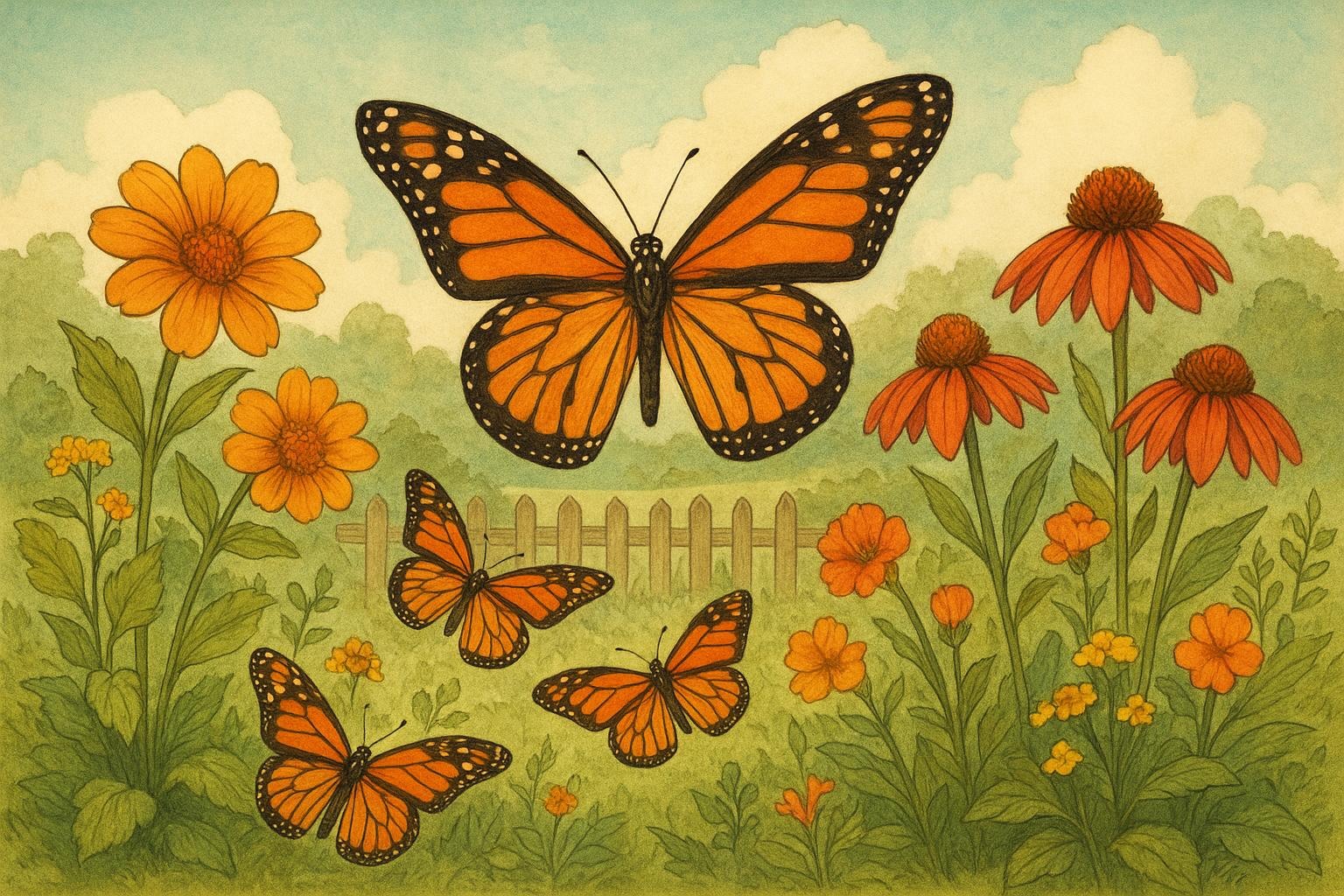
## Why The Monarch Butterfly Matters In Your Backyard
There’s something quietly magical about spotting a monarch butterfly drifting through your garden like a tiny, orange confetti float. These winged travelers are not just pretty ornaments; they’re pollinators, ecological indicators, and—if you’re lucky—neighbors who will return year after year. Invite them in, and you get theater, science, and a front-row seat to one of nature’s most dramatic migrations, all without leaving your backyard.
### The Life Cycle And Migration
The monarch butterfly follows a four-stage life cycle: egg, larva (caterpillar), pupa (chrysalis), and adult. Each stage has specific needs—eggs and caterpillars require milkweed, while adults nectar on a range of flowering plants. The remarkable multigenerational migration stretches thousands of miles; in North America, it’s a relay race played out over several generations. When you plant for monarchs, you’re literally providing the fuel and nursery for future migrators.
#### Caterpillars And Milkweed Relationships
Monarch caterpillars eat only milkweed. That’s right—they’re picky, and we love that about them. Milkweed contains cardiac glycosides that make the caterpillars and then the butterflies unpalatable to predators. Planting milkweed is the single most impactful thing you can do for monarchs in your garden.
## Creating A Monarch Butterfly Garden Oasis
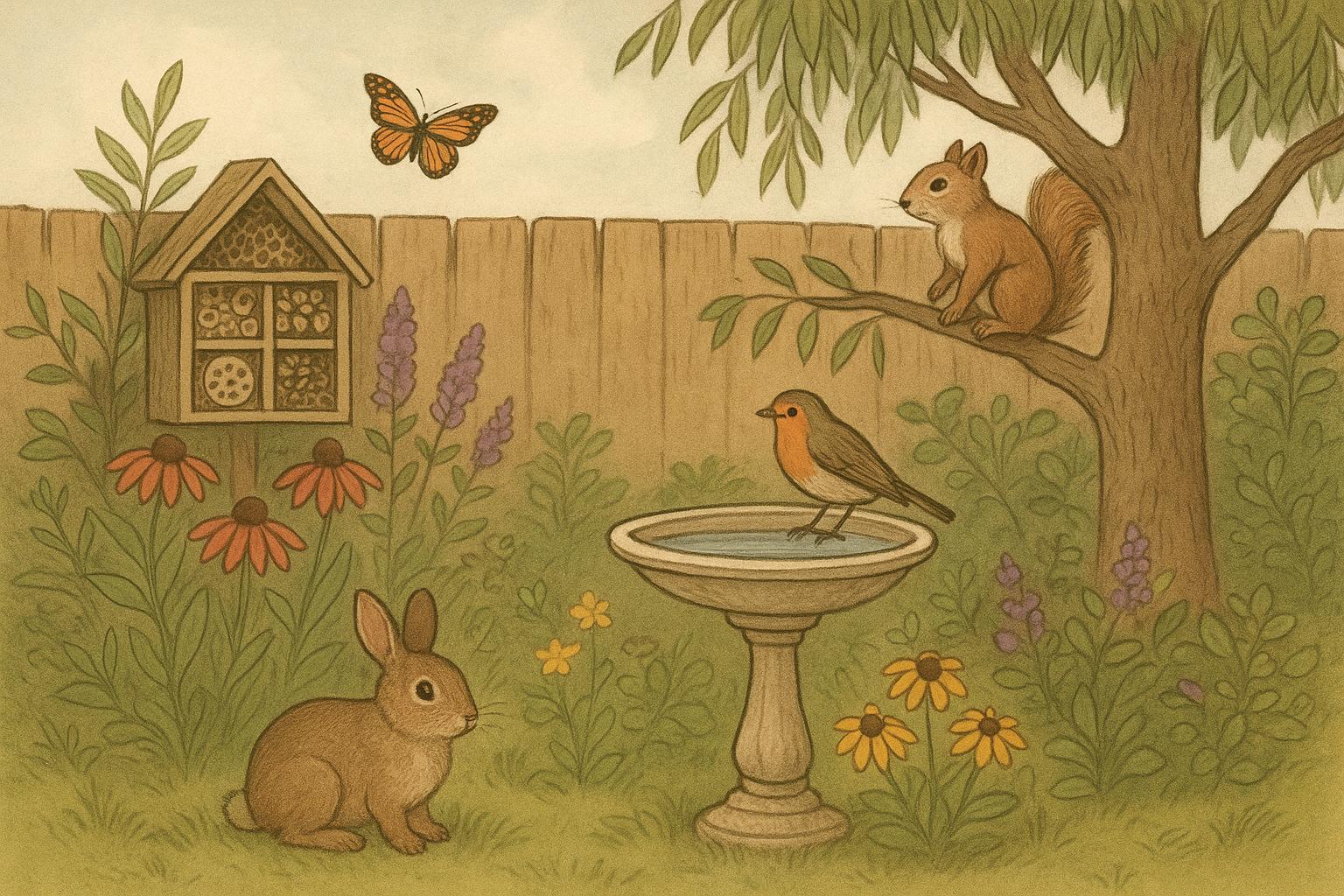
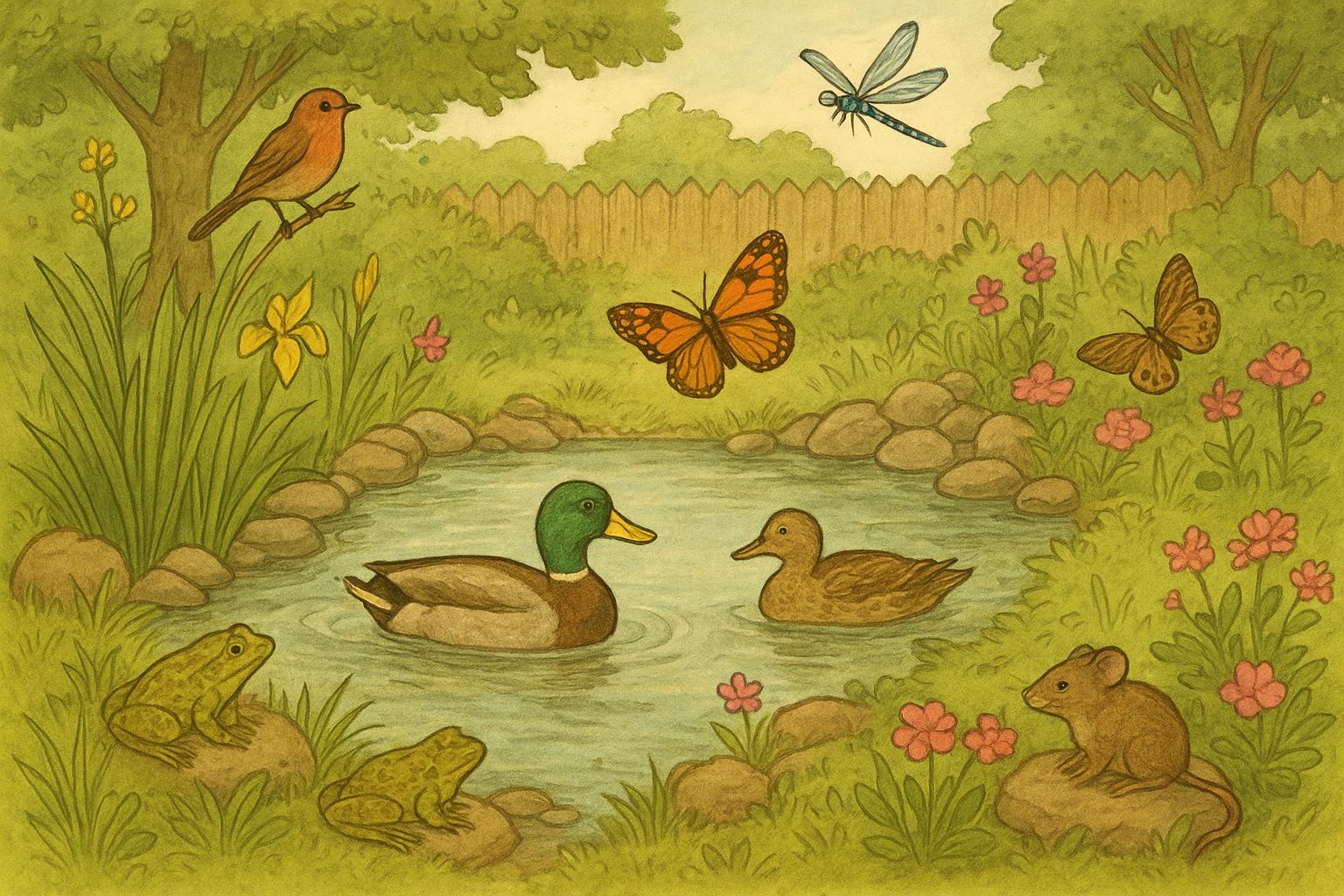
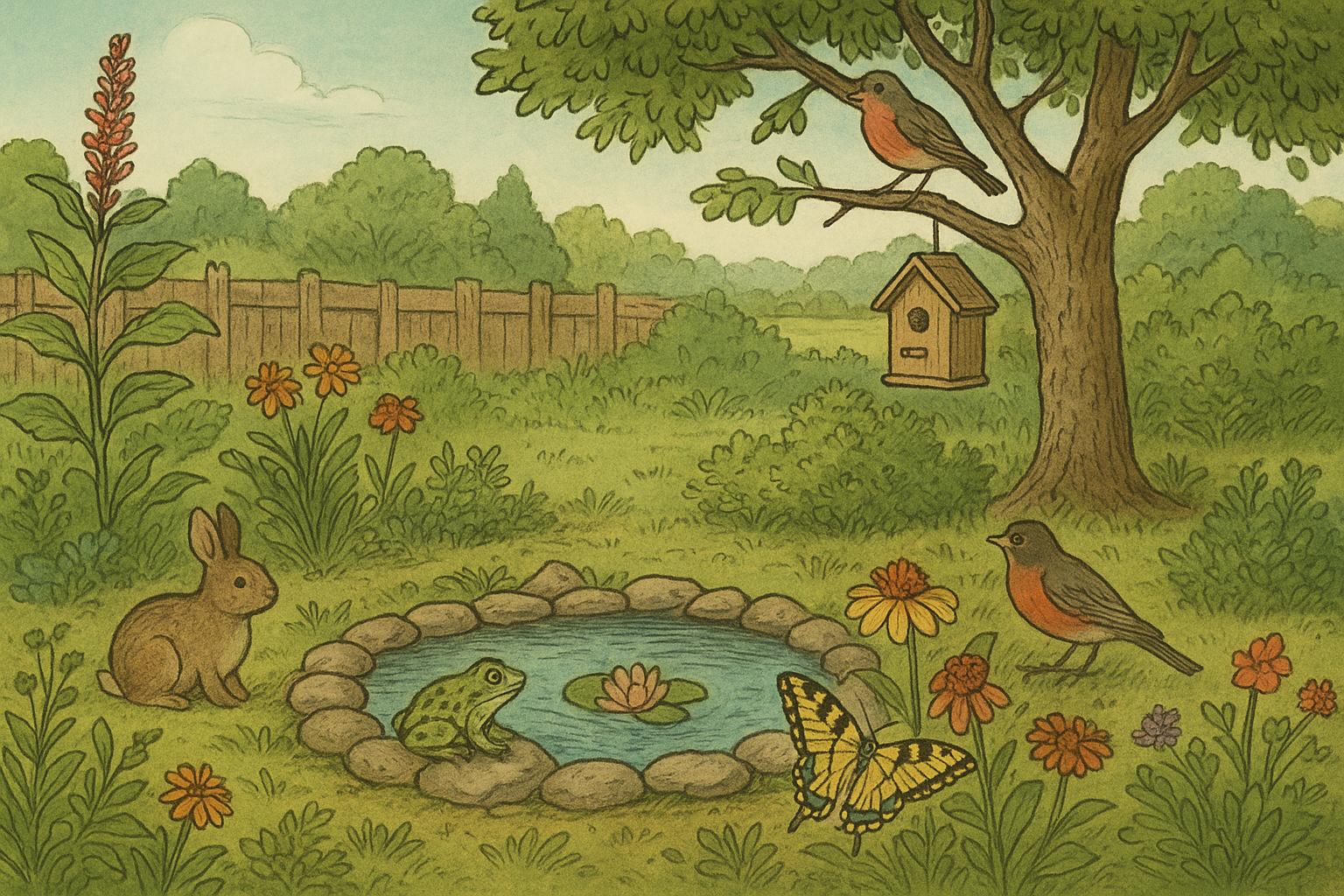
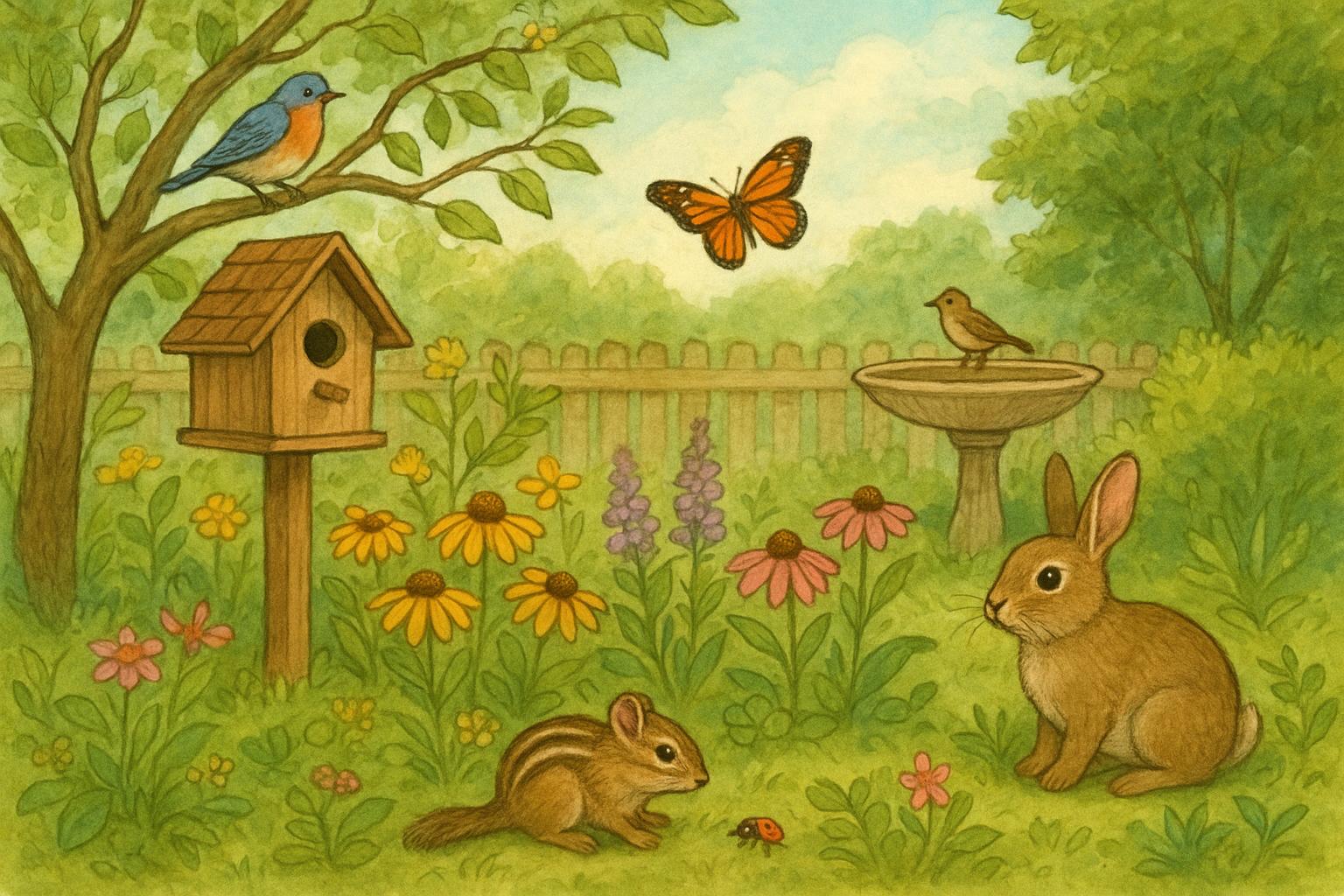
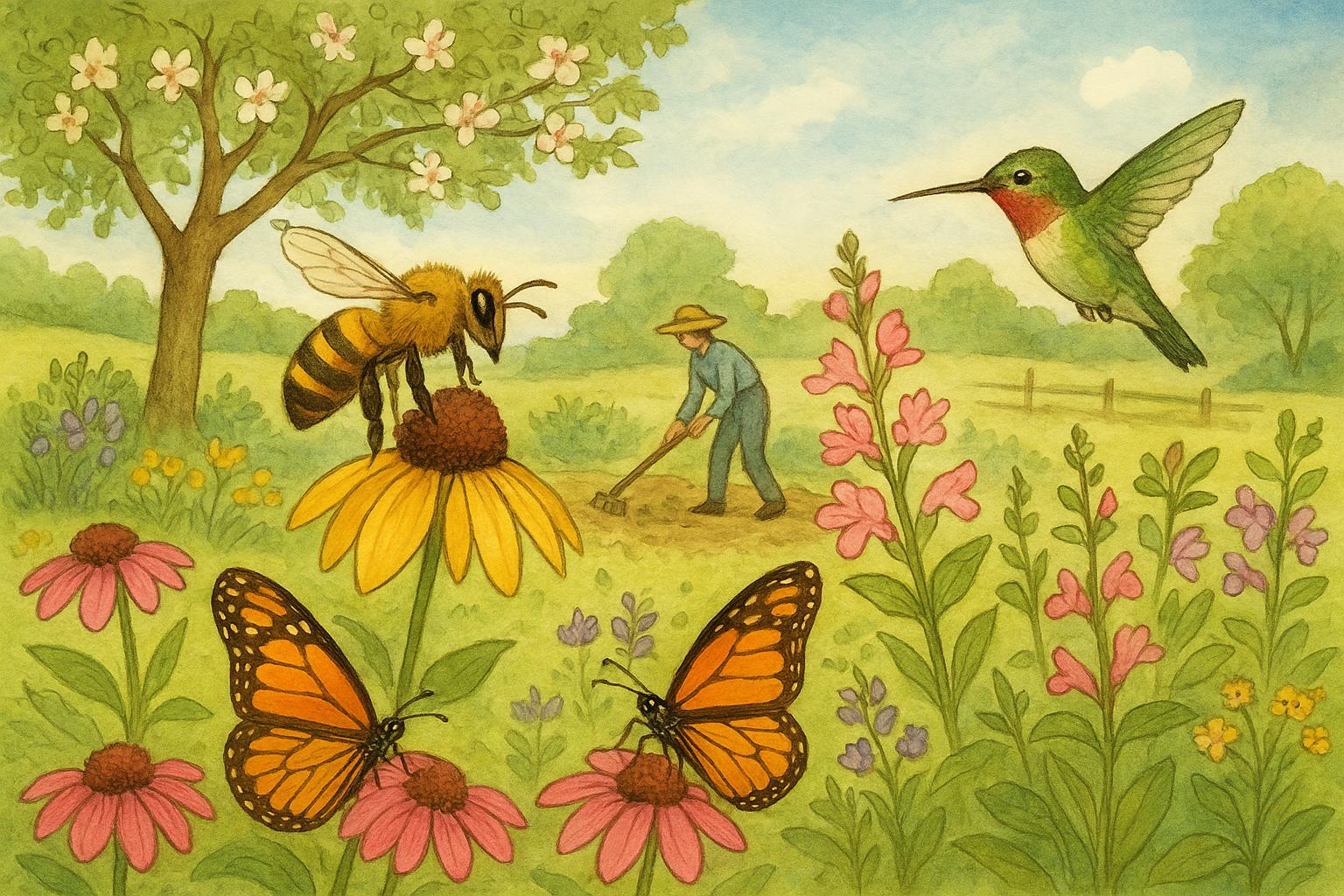
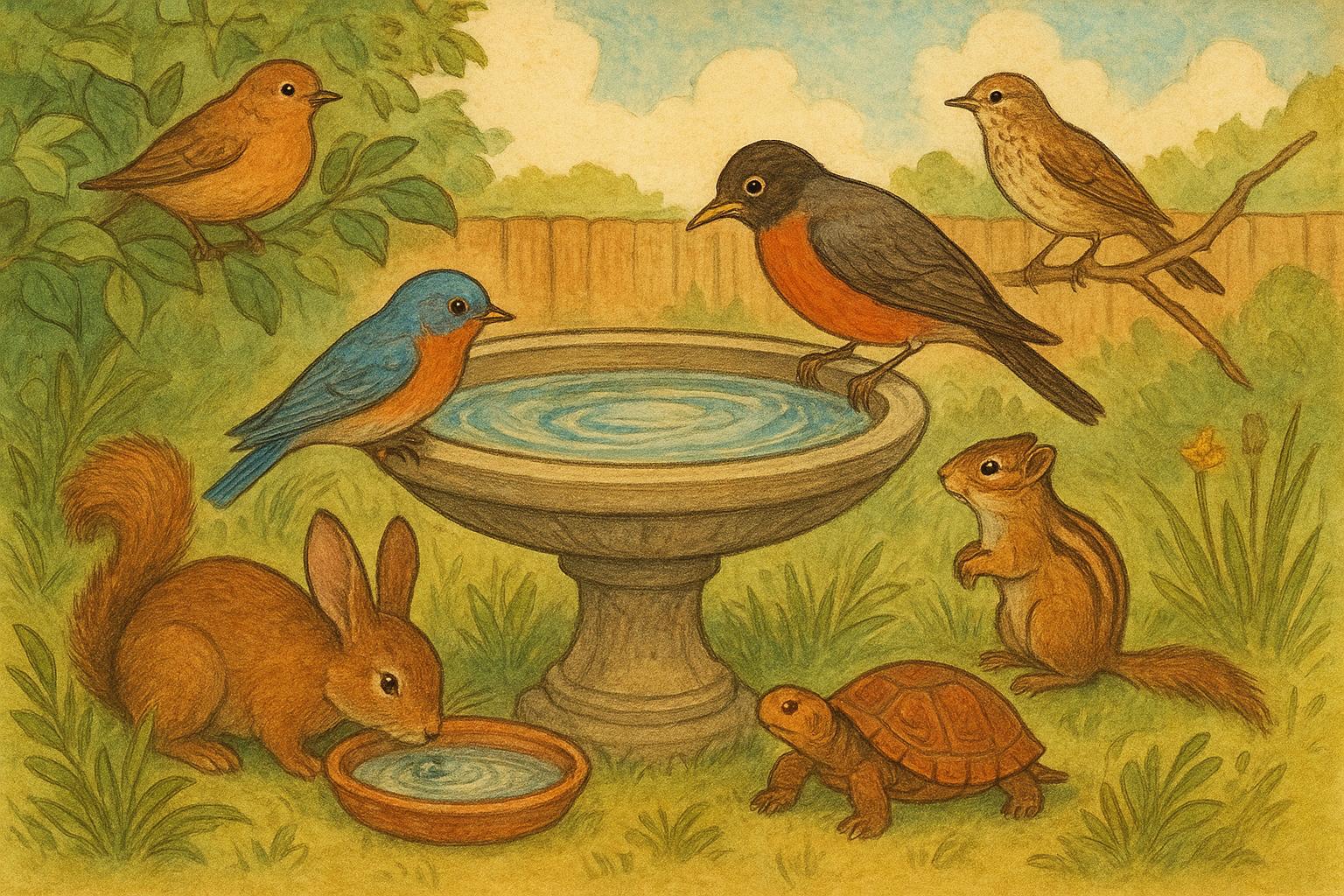
Turn your backyard into a welcoming stopover with a mix of host plants (milkweeds) and nectar sources that bloom at staggered times. Think layers: low-growing nectar flowers, mid-height blooms, and a few taller perennials to provide structure and shelter. Add a sunny patch for butterflies to bask, a shallow water source, and some windbreaks—trees or hedges—so the monarchs have calm days between flights.
### Choosing The Right Plants
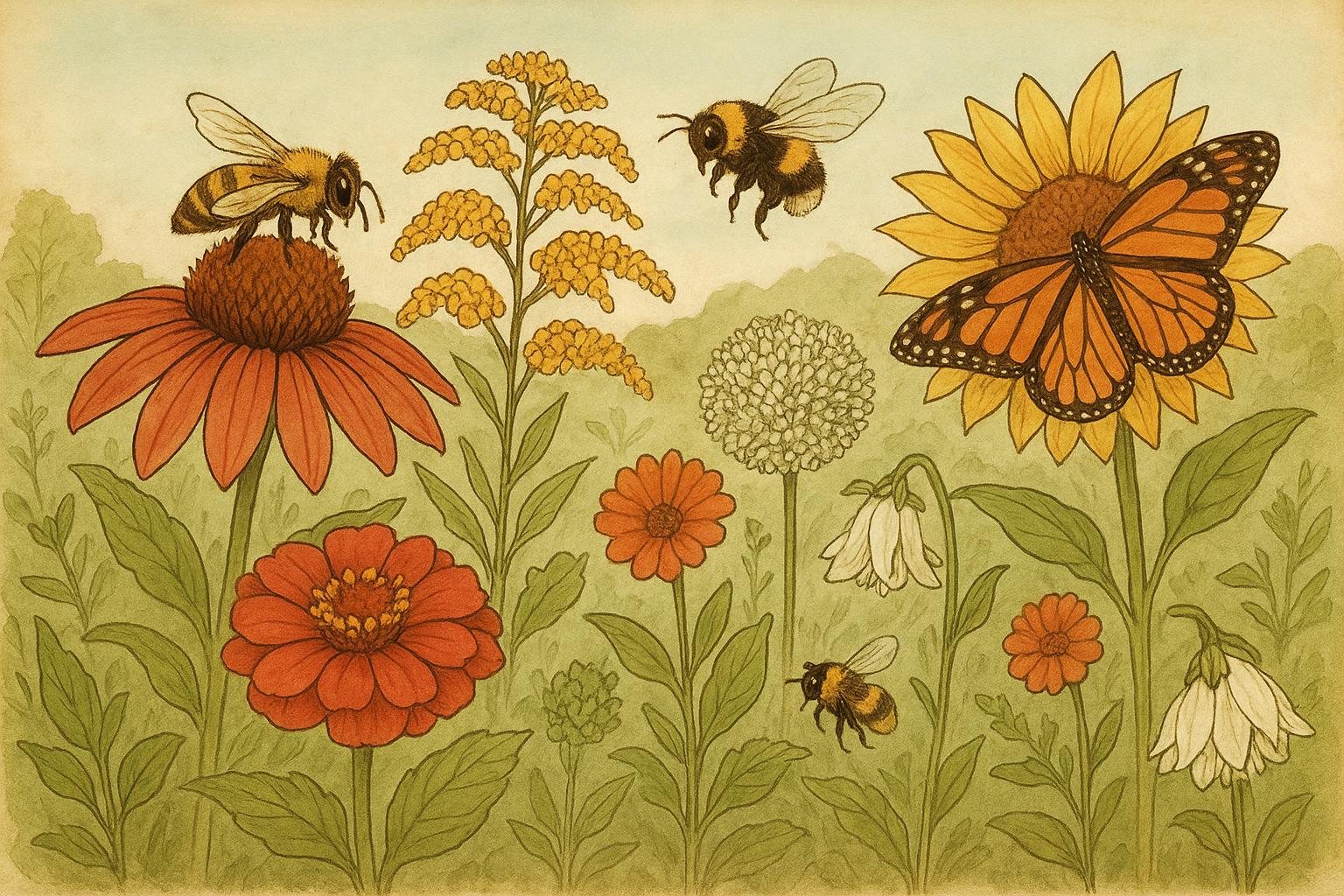
Aim for native species when possible; they co-evolved with local pollinators and are more likely to thrive without heroic interventions. Besides milkweed, plant asters, coneflowers, goldenrods, and salvias for late-season nectar. A variety of colors and flower shapes attracts different pollinators and helps support monarchs through their migration.
#### Native Milkweeds To Consider
– Asclepias tuberosa (Butterfly Weed): Bright orange, no milky sap, drought-tolerant.
– Asclepias syriaca (Common Milkweed): Hardy and abundant, but can spread.
– Asclepias incarnata (Swamp Milkweed): Loves moisture, great for wetter sites.
## Remedy 1: Planting A Monarch Butterfly Habitat
This is the hands-on, practical remedy: create a deliberate habitat designed to attract and support monarch butterfly populations. The following materials list and step-by-step instructions will guide you through planting and establishing a sustainable patch that benefits both monarchs and your garden’s overall biodiversity.
Materials / Ingredients:
1. Native milkweed seedlings or seeds (choose species suited to your region)
2. A selection of native nectar plants (at least 4–6 different species)
3. Compost or well-aged manure (for soil amendment)
4. Mulch (organic, shredded bark or leaf mulch)
5. Gardening tools: trowel, spade, watering can or hose with gentle nozzle
6. Plant labels and a notebook for monitoring
7. Optional: shallow water dish with stones or a small birdbath
8. Optional: mesh or row cover (for protecting young plants from pests)
Step-By-Step Creation And Application:
1. Site Selection: Choose a sunny location that gets at least six hours of direct sunlight daily. Ensure good drainage; most milkweeds prefer not to sit in waterlogged soil. Proximity to a sheltered area (hedge, fence, or small trees) reduces stress for resting butterflies.
2. Soil Preparation: Test soil pH if possible; most native milkweeds tolerate a range but prefer neutral to slightly acidic conditions. Amend heavy clay with compost to improve drainage and tilth. Turn the top 6–8 inches and mix in a 2–3 inch layer of compost.
3. Planting Milkweed: If using seedlings, plant them at the same depth they were in their pot. Space plants according to the species’ mature size—commonly 18–24 inches apart for smaller milkweeds, wider for larger species. If sowing seeds, scarify tougher seeds by nicking the seed coat or soaking them overnight, then plant shallowly and keep moist until germination.
4. Establishing Nectar Plants: Plant a diverse mix of early-, mid-, and late-season bloomers in clusters to create visual landing zones. Place taller perennials to the north or back of beds and shorter ones forward to avoid shading milkweed.
5. Mulching And Watering: Apply a 2–3 inch layer of mulch, keeping it a few inches away from stems to prevent rot. Water newly planted seedlings deeply twice weekly for the first month, tapering as they establish. Monitor soil moisture; milkweed is drought-tolerant once mature.
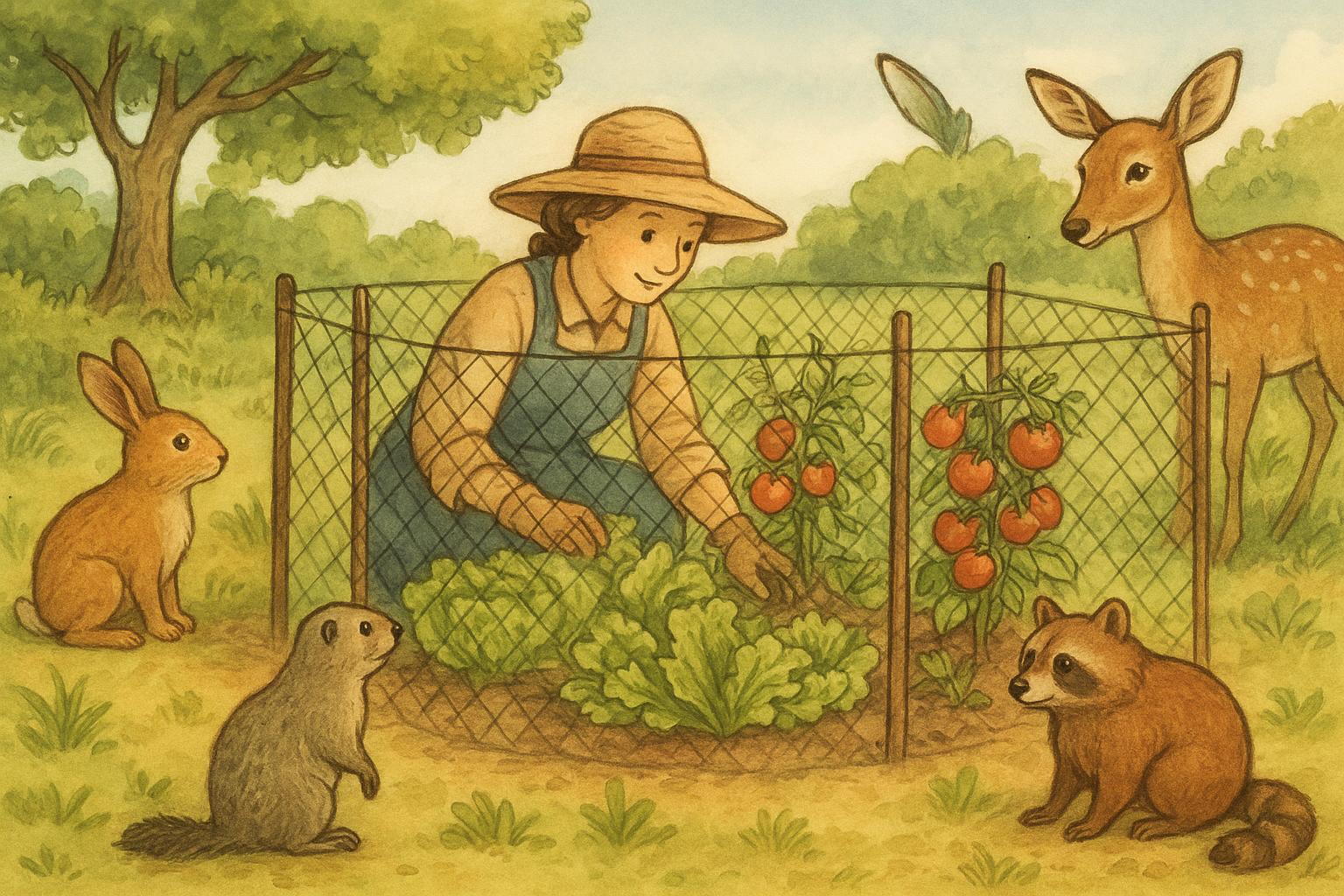
6. Pest Management And Protection: Monitor plants weekly for invasive pests. Hand-pick large beetles or caterpillar predators if necessary. Avoid broad-spectrum pesticides; use targeted, least-toxic controls only when absolutely necessary. If the area is prone to herbivore browsing, use temporary fencing or protective covers until plants are established.
7. Long-Term Maintenance: Deadhead some spent blooms to encourage continued flowering, but leave a portion of seed heads in the fall for birds and overwintering seeds. Divide clumping perennials every few years to rejuvenate growth. Keep a log of monarch sightings and caterpillar occurrences to assess habitat success.
8. Monitoring And Adaptation: Note which nectar plants get the most visits and which milkweed species attract egg-laying. Adapt your plant palette over subsequent seasons to favor what works best in your microclimate.
## Seasonal Care And Best Practices
In spring, do a clean-up but leave some leaf litter and non-invasive seedheads for overwintering beneficial insects. Avoid cutting back everything to bare stems; a layered habitat provides microclimates for eggs and chrysalides. In summer, keep an eye on milkweed foliar health; occasional mildew or aphid issues are manageable if caught early. Autumn is for replenishing nectar sources for migrating adults—late-blooming asters and goldenrod are essential.
### Pesticide Policy And Safety
Using pesticides is the fastest way to undo habitat gains. Many systemic insecticides (neonicotinoids) accumulate in plant tissue and can harm monarch caterpillars feeding on milkweed. If pest control is needed, opt for mechanical removal, biological controls, or spot treatments with the least-toxic options. Carefully read labels and avoid applying any insecticidal products when butterflies are active.
#### Creating A Winter Refuge
Some butterfly gardeners leave a small patch undisturbed through winter: tall grasses, seed heads, and a layer of mulch can shelter pupae and beneficial insects. If you live in an area where monarchs overwinter, preserve trees or shrubs that provide roosting sites. Document overwintering behavior if it occurs—citizen science observations help researchers.
## Hosting Butterflies And People
Let your garden be a gentle classroom. Add a bench, a small sign explaining that the milkweed supports monarchs, or a jar with laminated photos showing the life stages. Kids and neighbors love watching caterpillars grow into chrysalises and then emerge as winged butterflies—this is apocalypse-free drama that still captures imaginations.
### Citizen Science And Community Action
Participate in monarch monitoring programs and local habitat initiatives. Reporting sightings feeds data into research and conservation planning. If you’re part of a neighborhood or HOA, propose a native-plant swap or a small demonstration garden. Collective action scales far beyond any single backyard.
#### Troubleshooting Low Monarch Visits
If monarchs aren’t showing up, double-check a few basics: Is there milkweed planted? Are the nectar sources blooming when monarchs are migrating? Is your garden too sterile—mowed to the edge and chemically treated? Small changes—adding a few milkweed plants, reducing pesticide use, and increasing nectar diversity—often lead to measurable improvements within one season.
## Respectful Viewing And Ethical Gardening
When you see eggs or caterpillars, enjoy the spectacle but resist the urge to relocate them unless absolutely necessary (e.g., imminent destruction). Collecting eggs or pupae for educational purposes is acceptable in moderation, but always follow local regulations and ethical guidelines. The goal is a garden that supports wild monarch populations, not a display for mass collection.
Keep the tone light when sharing stories—“I had a caterpillar roommate” is fine—but be precise and formal when executing habitat-building steps. Your garden can be a tiny museum of monarch butterfly magic, where science, beauty, and a little bit of chaos coexist peacefully.






Leave a Reply