
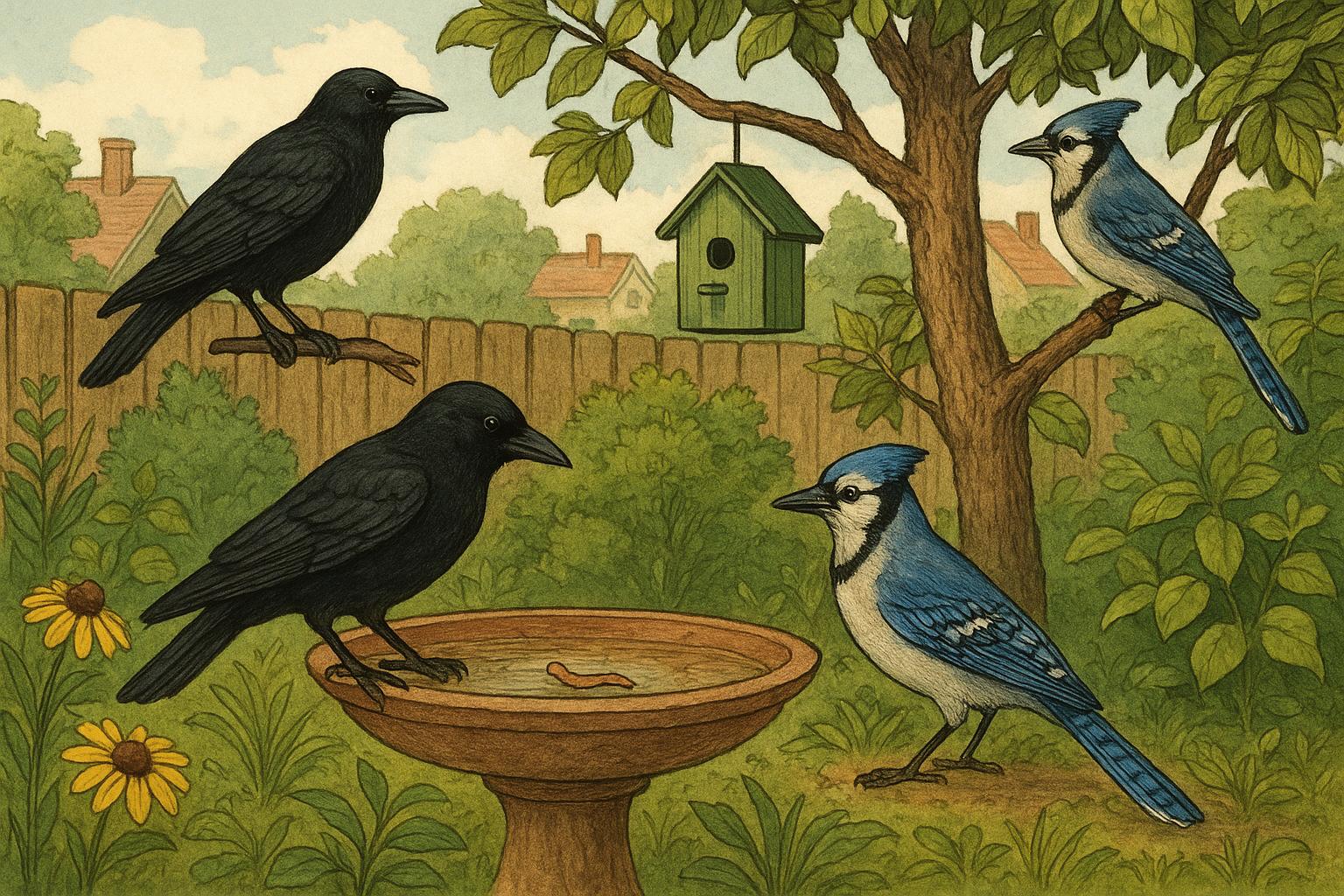
Nice to see you’re thinking about the clever, loud, and sometimes theatrical residents of the sky. Urban backyards can be tiny stages for crows and jays if you give a little thought to habitat, food, and safety. This guide is friendly, practical, and just the right amount of nerdy for backyard wildlife lovers—plus a few formal remedies to get you started.
## Crow Habitat In Urban Backyards For Crows And Jays
Crows and jays are adaptable, curious, and very good at telling you when they disapprove of your gardening choices. Creating a crow habitat in your urban yard doesn’t require acres of land or a PhD in ornithology. It does require thinking about food, water, roosting and nesting spots, and a landscape that balances cover with visibility. If you can offer predictable food, safe places to perch, and a touch of privacy, these birds will take notice—and maybe even repay the favor by picking off pests and entertaining your neighborhood.
### Understanding Crow And Jay Needs
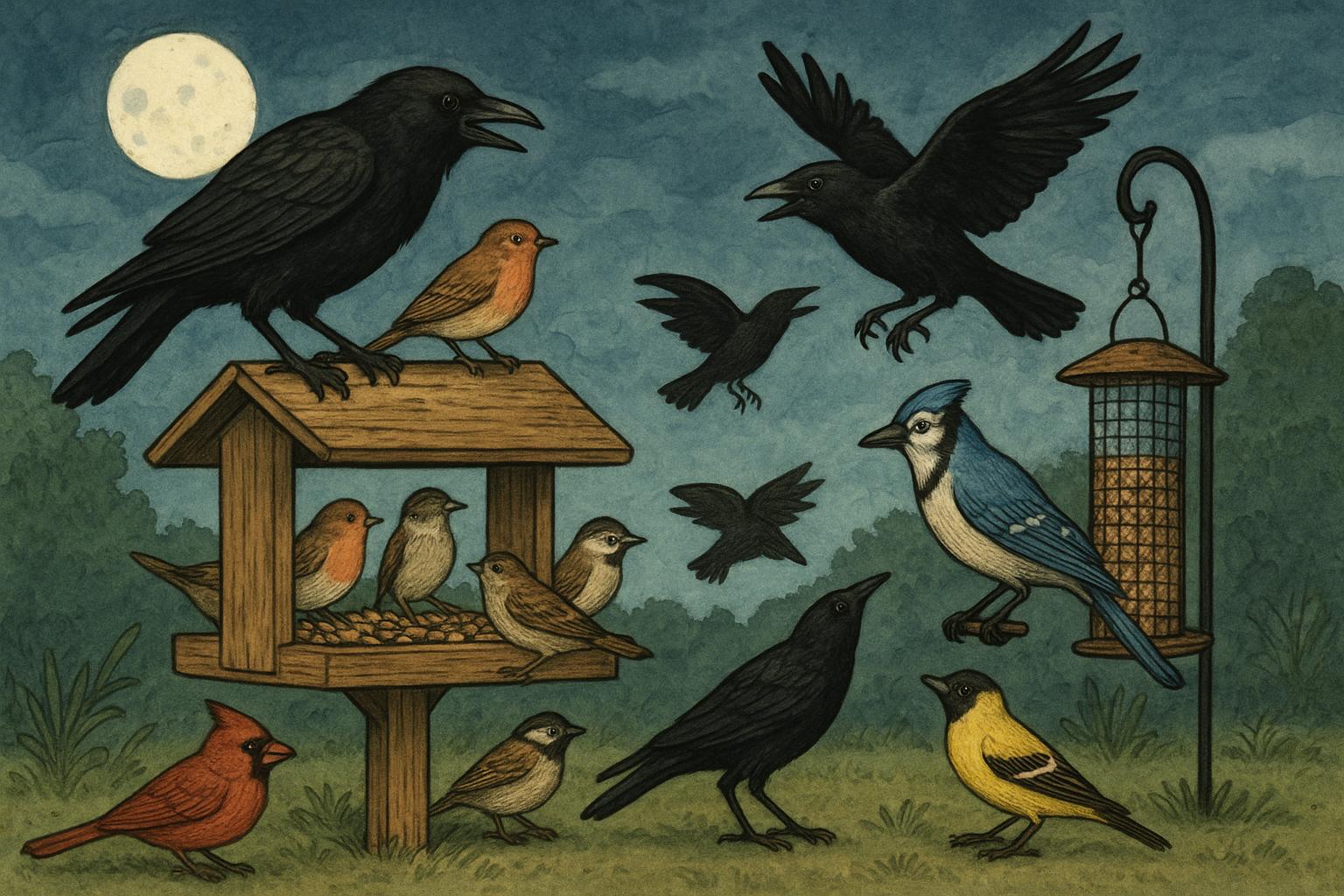
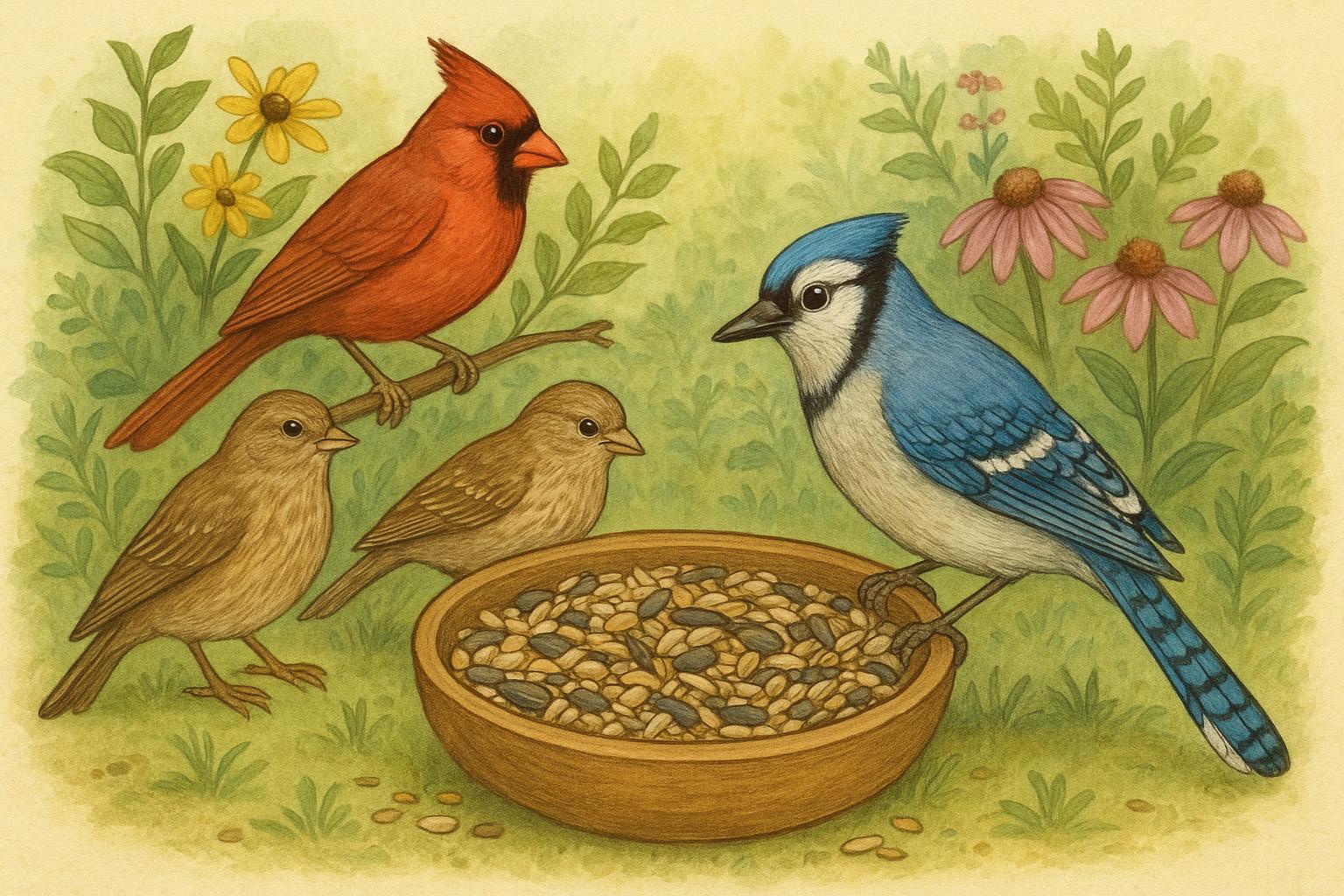
Crows are omnivores and opportunists; they’ll eat insects, small vertebrates, fruits, seeds, carrion, and yes, a tempting morsel of kitchen leftovers. Jays—especially blue jays in North America—prefer nuts, seeds, and fruit but will also raid eggs and young nestlings if the opportunity arises. Both species are intelligent, social, and prefer surroundings where they can see predators coming and communicate with a group.
#### Food Sources And Foraging Behavior
Crows often forage on the ground or in low vegetation, so lawns and open garden beds are prime real estate. Jays are more arboreal and love trees where they can stash acorns and other food items. Providing a mix of foraging opportunities supports both.
#### Shelter, Roosting And Nesting
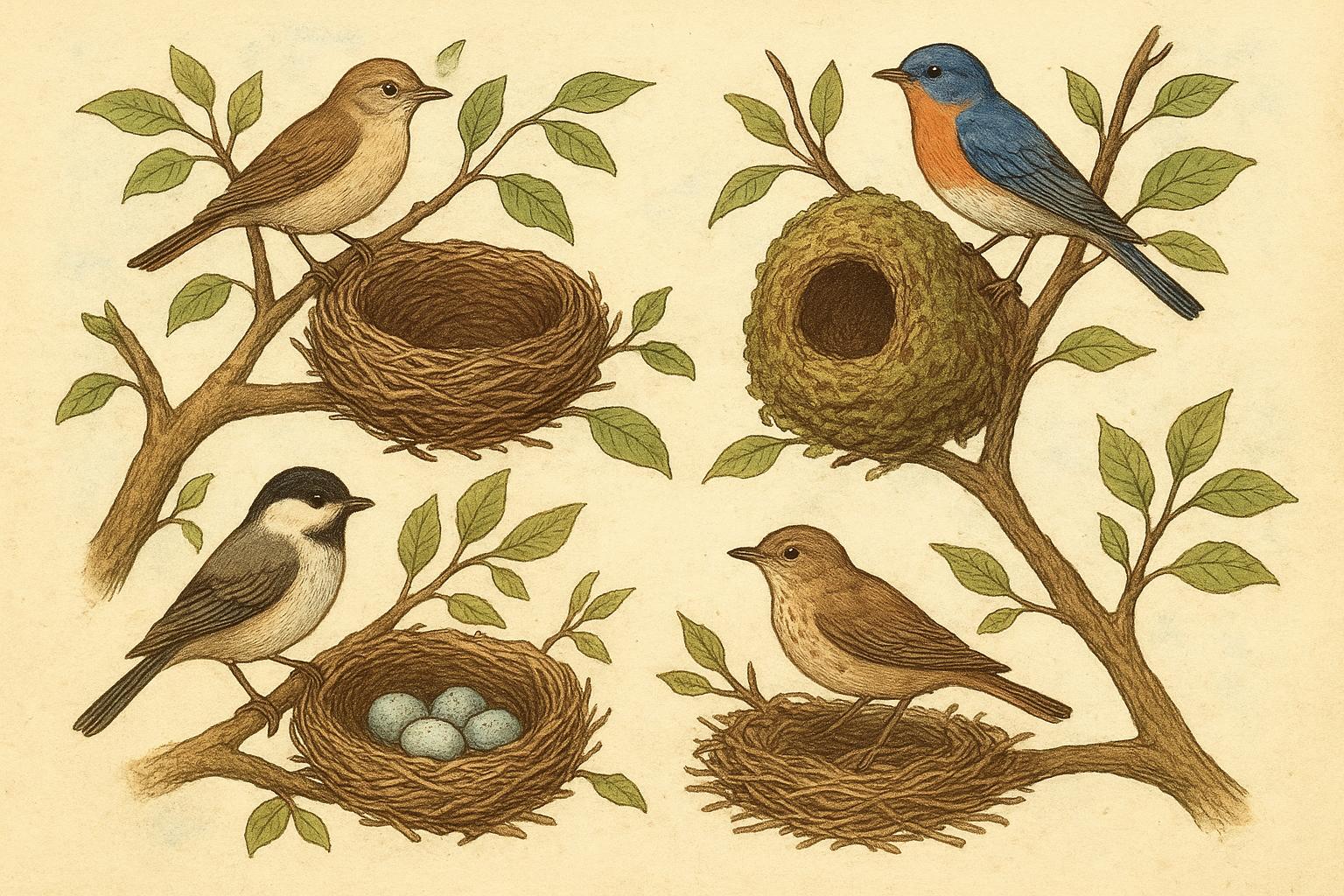
A robust crow habitat includes trees or tall shrubs for nesting and roosting. Crows prefer taller trees that provide a good vantage point; jays like dense cover where they can hide and cache food. In urban settings this might mean retaining a mature tree, planting a fast-growing native species, or creating layered shrubs.
### Design Principles For A Successful Crow Habitat
Think vertically and in layers: ground for foraging, mid-story for shelter, canopy for roosting. Diversity is key—multiple plant types, some open lawn or bare soil patches, and reliable water. Noise and human activity don’t deter crows as much as a complete lack of places to perch or safe nesting spots.
#### Water And Year-Round Needs
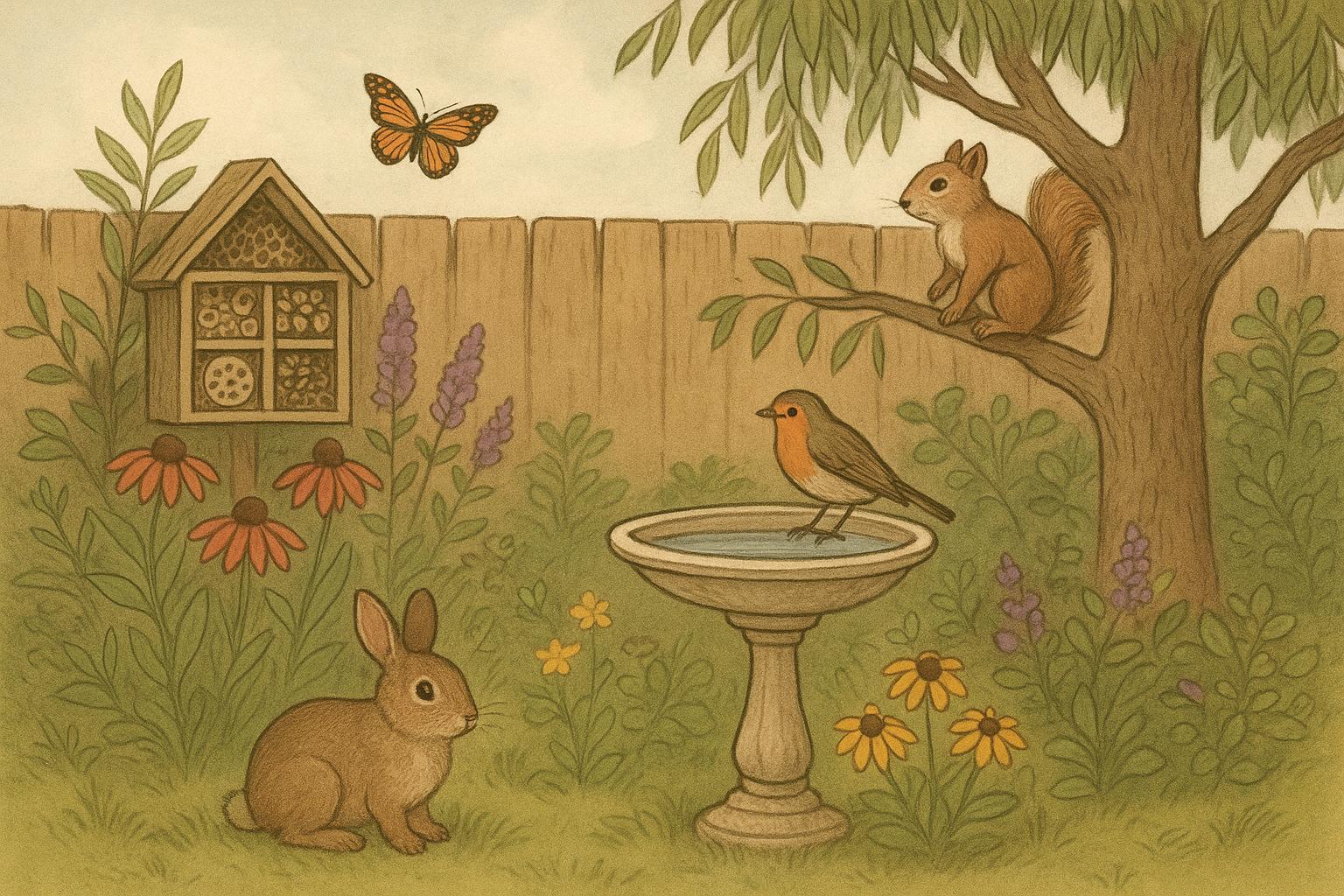
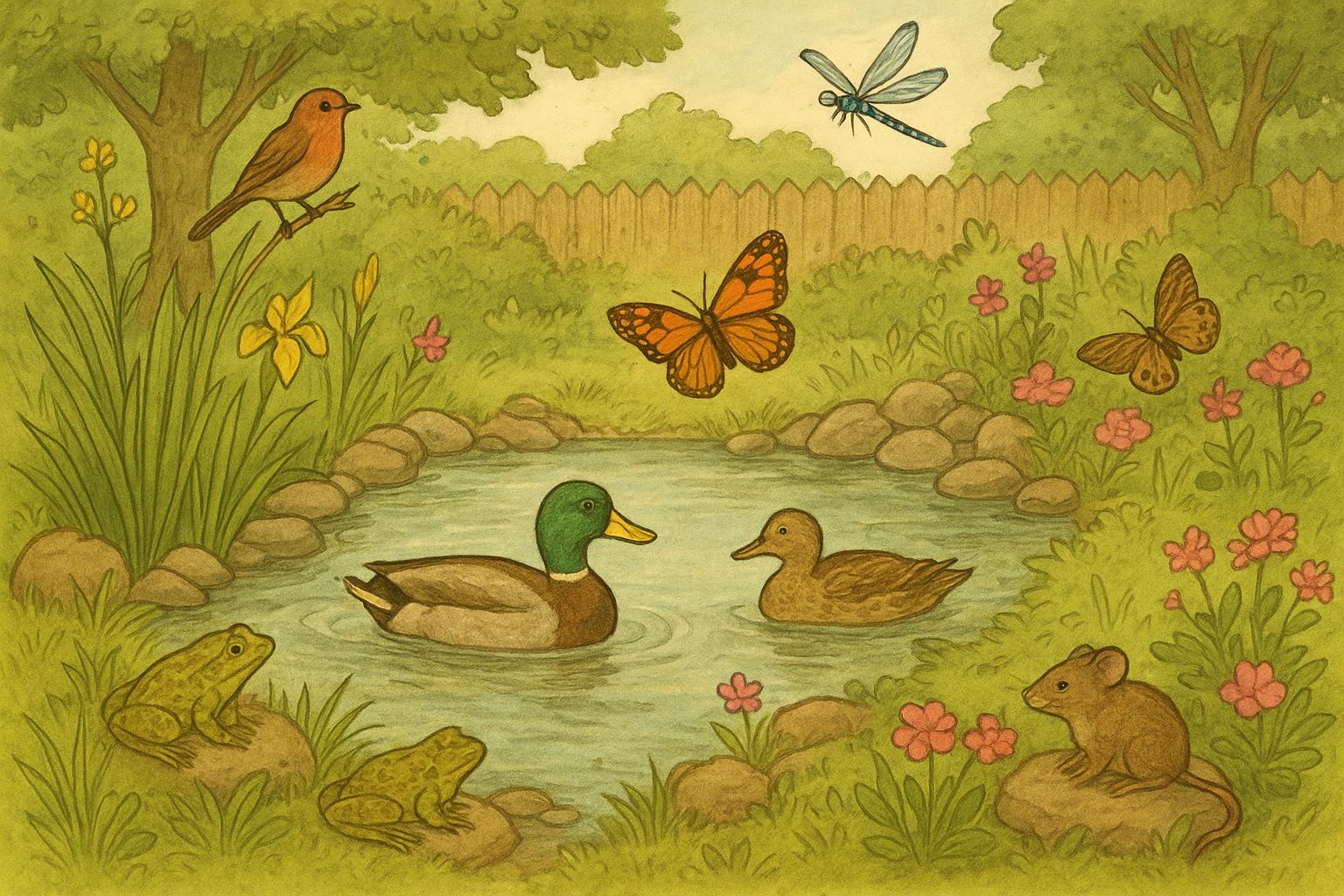
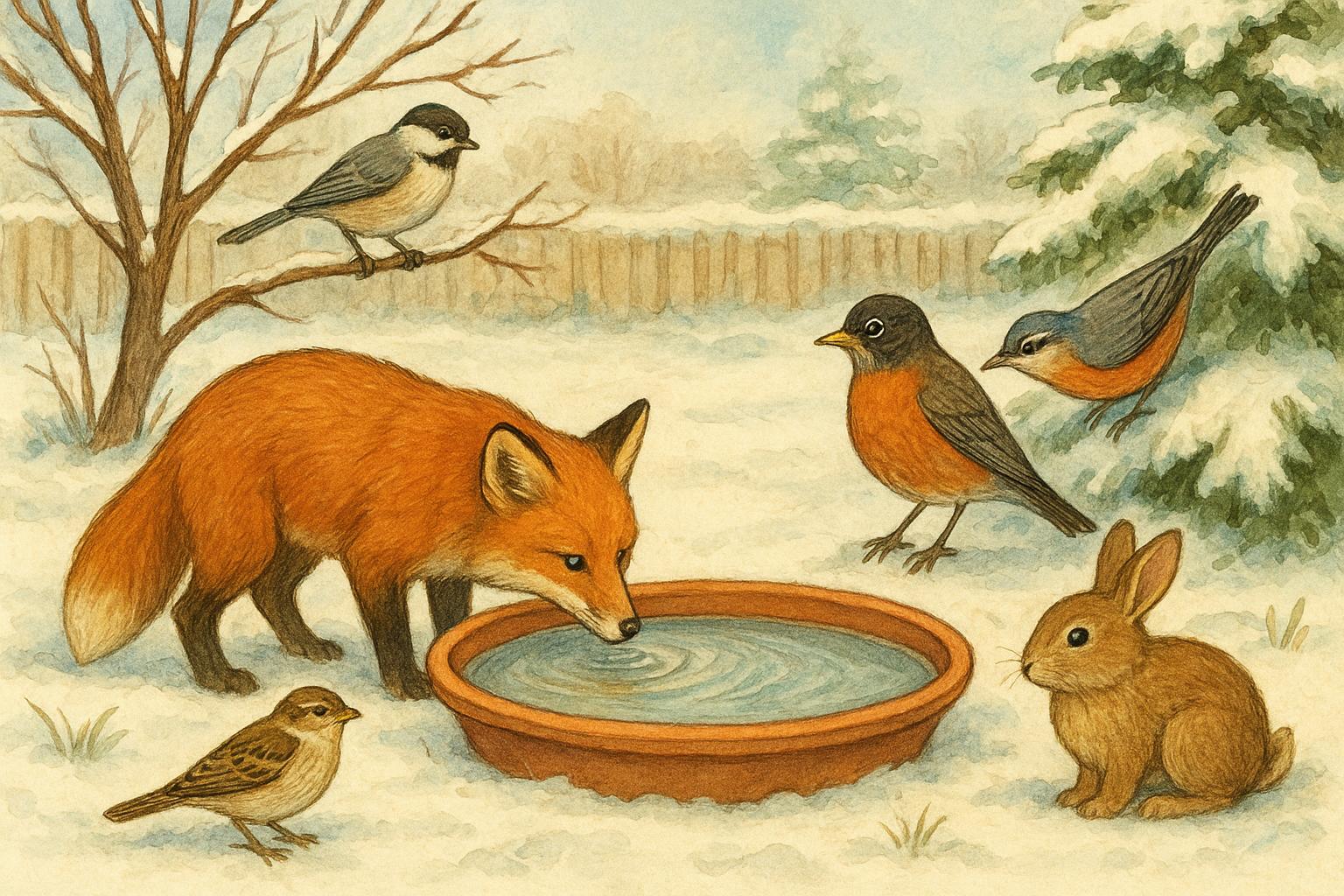
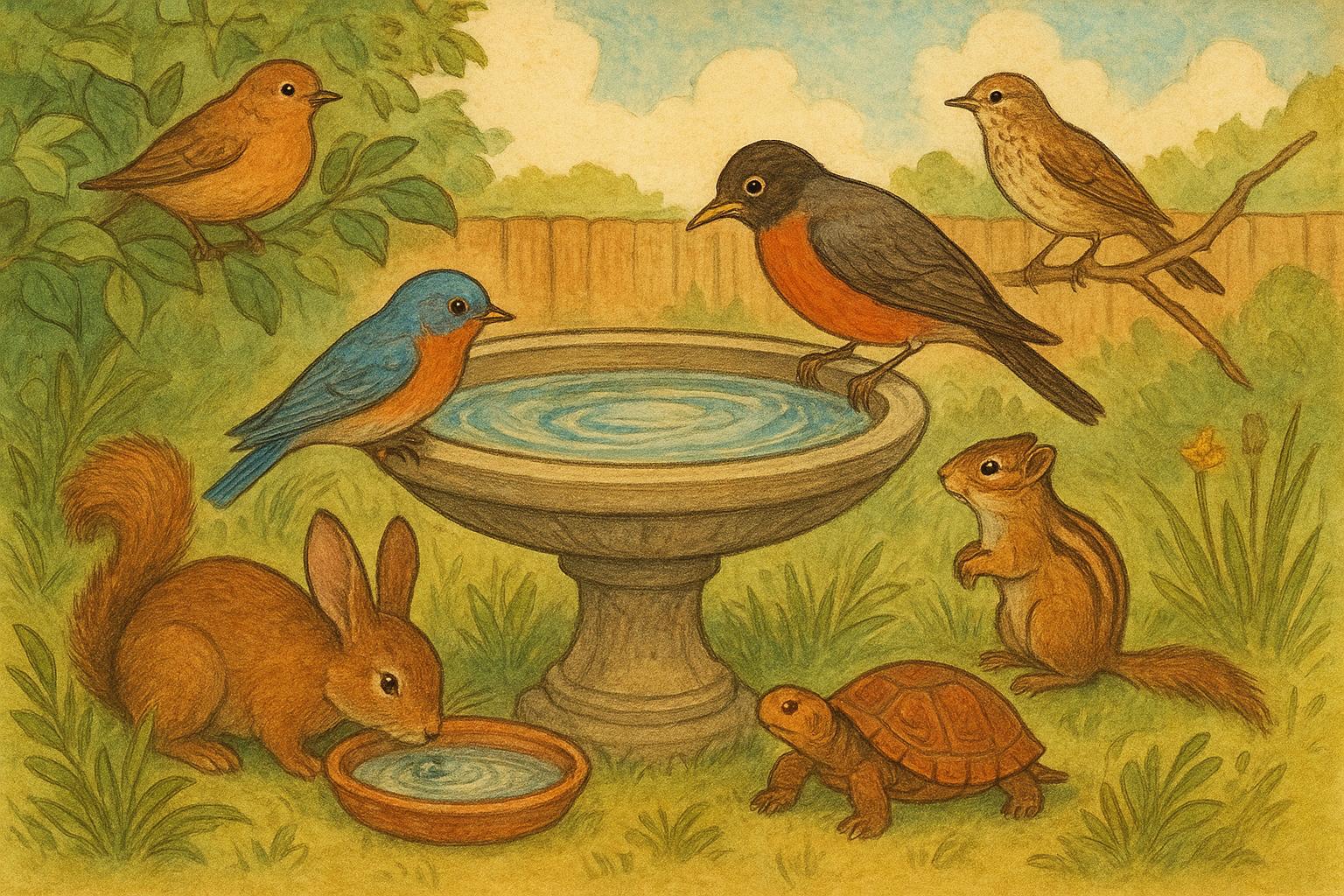
A shallow birdbath, a fountain, or a small pond will bring birds in for drinking and bathing. In winter, a heated birdbath or a regularly refreshed water source will keep them coming. Water placement near cover is best so birds can leave quickly if threatened.
## How To Create A Crow Habitat In Your Yard
If you want a practical step-by-step approach (with a few tools, materials, and straightforward steps), follow the remedy sections below. These are written in a formal, clear style so you can implement them without guesswork.
## Remedy 1: Build A Simple Crow Habitat Feeder And Shelter
Materials Required:
– Sturdy wooden platform (minimum 24″ x 24″)
– 2×4 posts or metal stakes for mounting
– Weatherproof screws or brackets
– Shallow feeder dishes or trays
– Small tarp or slatted roof material for weather protection
– Hardware cloth or mesh (optional, for drainage)
– Basic tools: drill, saw, measuring tape, level
Step-By-Step Creation:
1. Choose Location: Select a site that is visible from a high perch (tree or pole) and within 30–50 feet of cover such as shrubs or small trees. This balance gives crows visibility and a quick escape route.
2. Build Platform: Cut and assemble a wooden frame sized to your materials. Secure a plywood or slatted top for drainage. Reinforce corners with brackets.
3. Mount Platform: Fix the platform to a post or sturdy stake at least 6–8 feet off the ground, ensuring it is level. This height discourages ground predators while remaining accessible to larger birds.
4. Attach Roof: Install a simple slatted roof or tarp above the platform to keep food relatively dry. Allow for airflow to prevent mold.
5. Install Feed Trays: Place shallow trays for seeds, cracked corn, peanuts (unsalted, in-shell is best), or fruit. Crows favor varied diets, so rotate offerings.
6. Maintenance Regimen: Clean trays weekly to prevent spoilage and disease. Replace food daily or as needed; don’t overfill to discourage rodents.
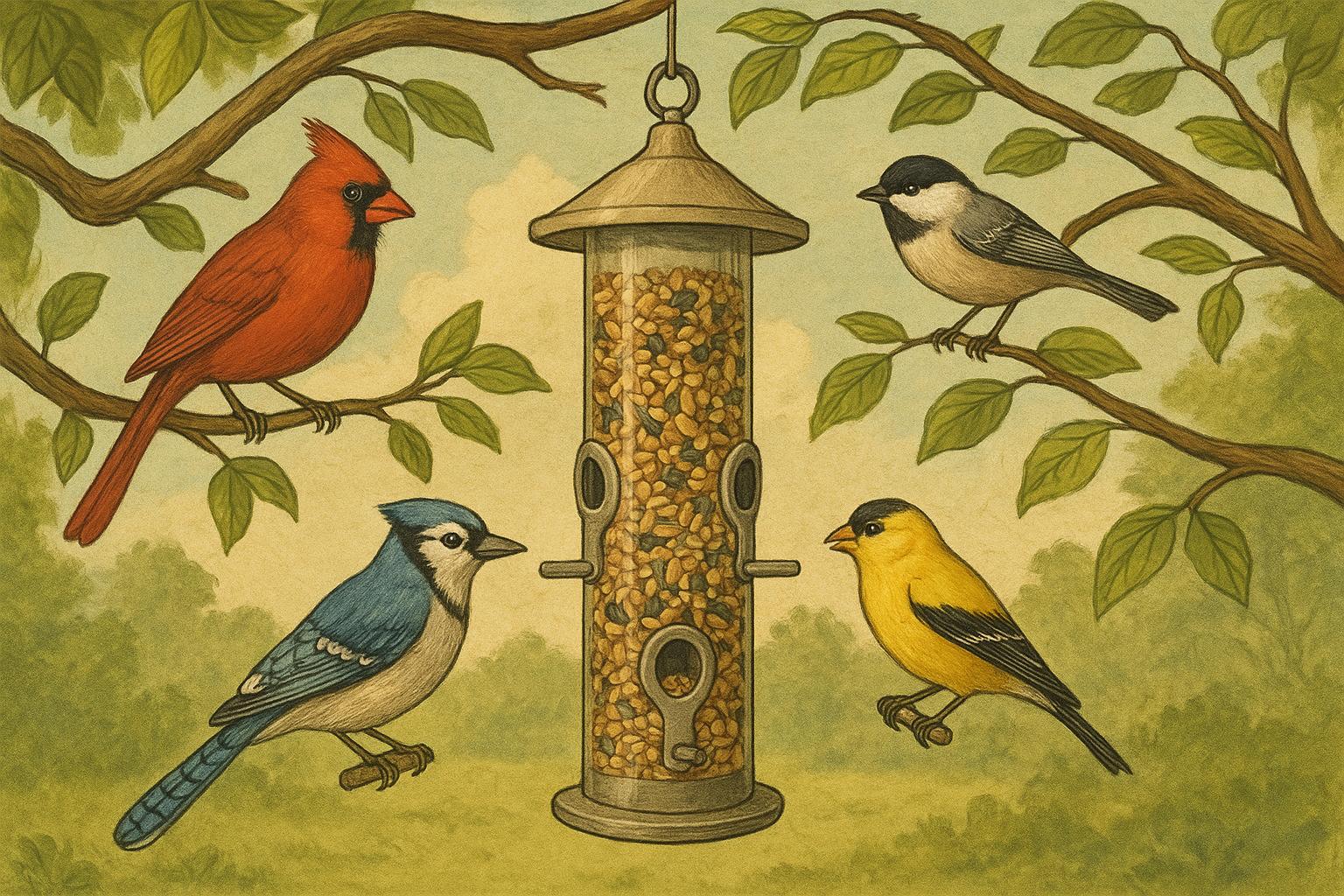
Application Notes: Position the feeder where it can be observed from a window for enjoyment and monitoring, but avoid placing it right next to high-traffic human areas. If jay presence is preferred, include nut offerings and place some food on elevated branches to cater to their arboreal habits.
## Remedy 2: Planting For A Year-Round Crow Habitat
Materials And Plants:
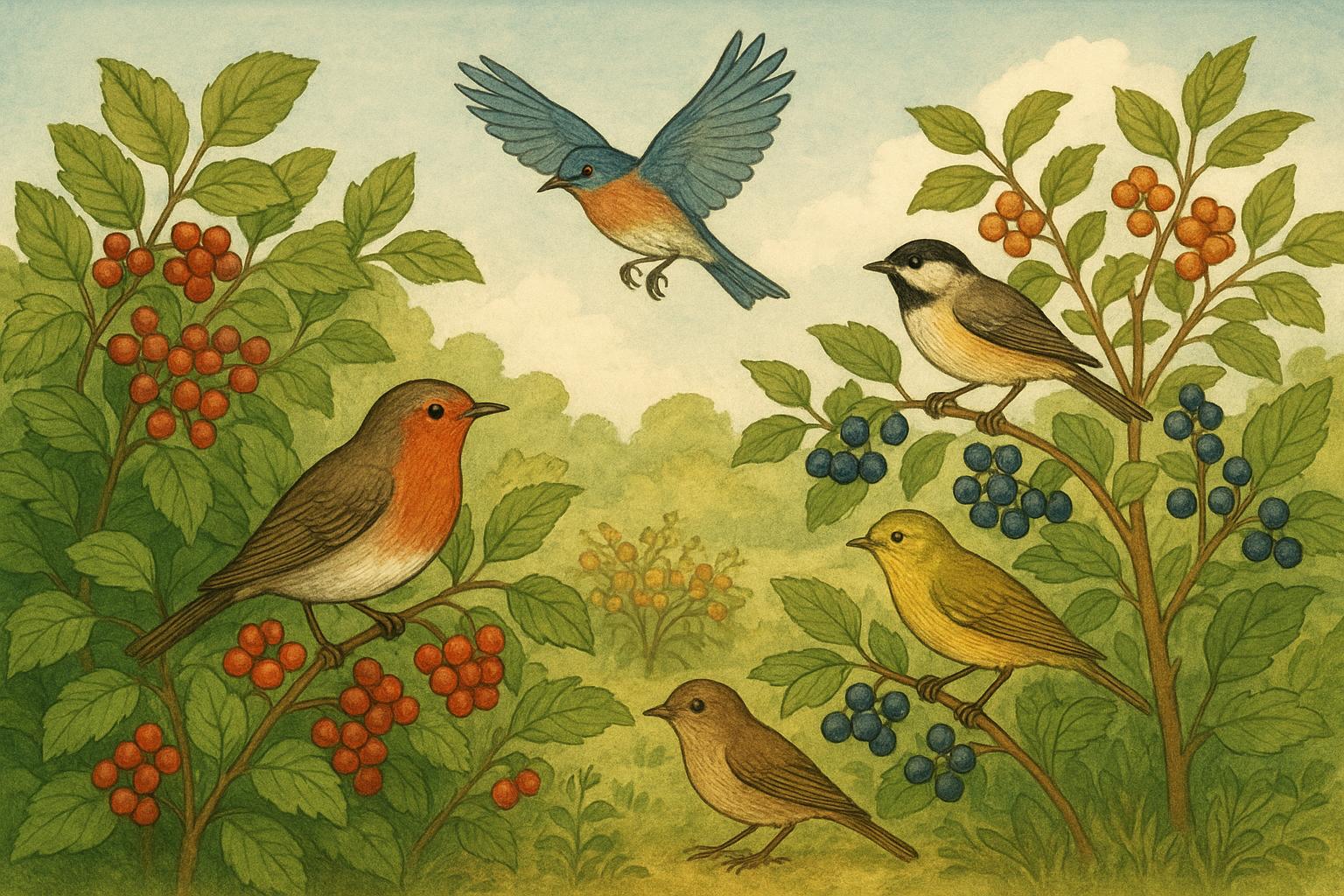
– Native fruiting trees (serviceberry, hawthorn, crabapple)
– Nut-bearing trees or shrubs where appropriate (oak, filbert)
– Dense shrubs for cover (dogwood, viburnum, elderberry)
– Ground-cover plants that attract insects (native grasses, clover)
– Mulch and compost for soil amendment
– Basic gardening tools: shovel, pruning shears, gloves
Step-By-Step Creation:
1. Assess Site Conditions: Map sunlight, soil, and space. Choose plants suited to your urban microclimate.
2. Prioritize Native Species: Select species native to your region that provide fruit, seeds, and insect habitat. Native plants support higher insect biomass, which in turn feeds birds.
3. Plant For Structure: Arrange plants in layers—canopy trees at the back, shrubs in the mid-layer, and groundcover in front. Leave some open ground for foraging.
4. Provide Nesting Material: Leave small twigs, leaves, and grass clippings in a sheltered spot; crows use these items for nest building. Avoid using chemically treated lawn debris.
5. Water And Mulch: Water new plantings regularly until established. Apply a 2–3 inch mulch layer to conserve moisture and suppress weeds.
6. Long-Term Care: Prune for health, remove invasive species, and avoid pesticides. Monitor fruiting cycles and add supplemental food in lean periods when natural resources are scarce.
### Managing Human-Bird Interactions
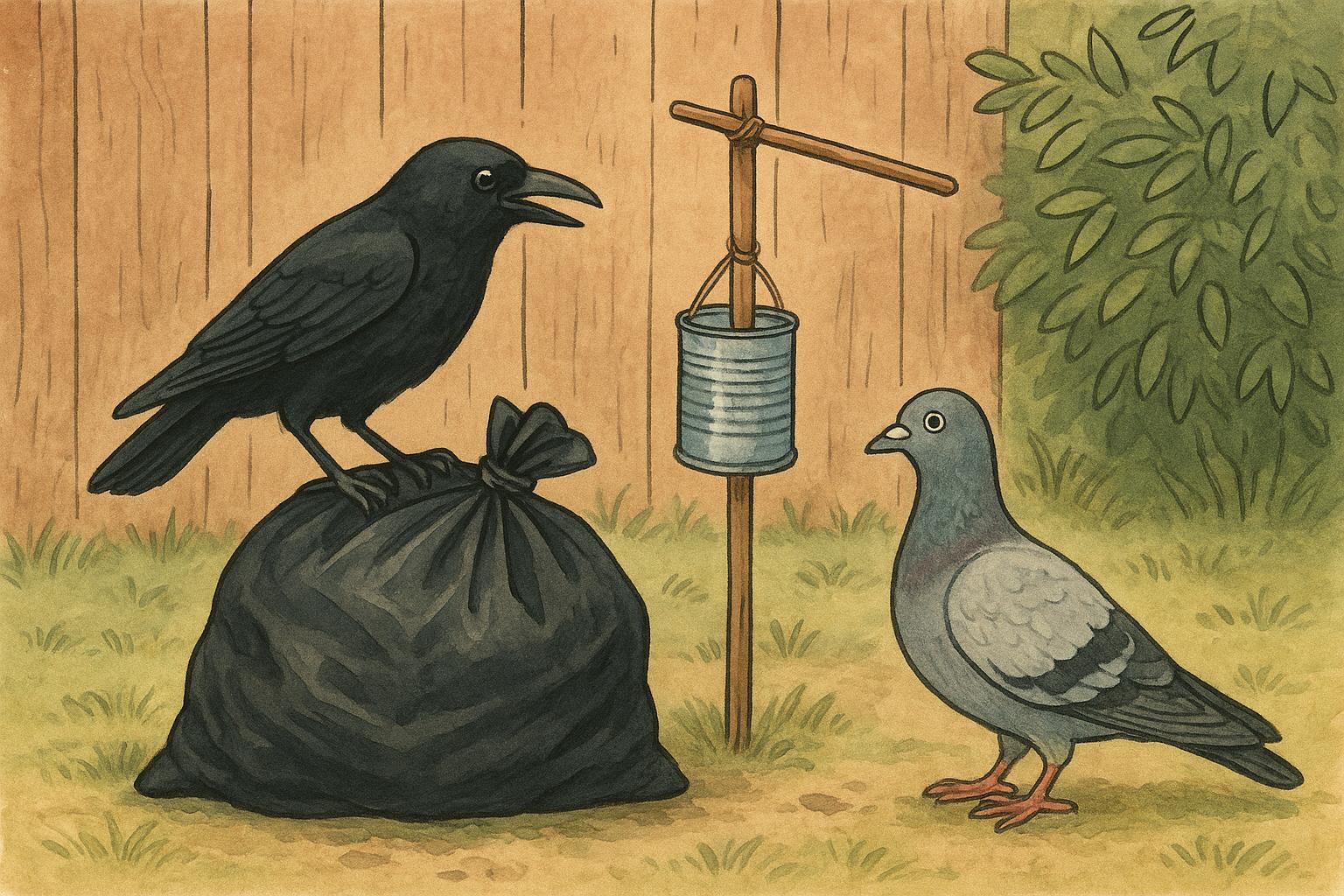
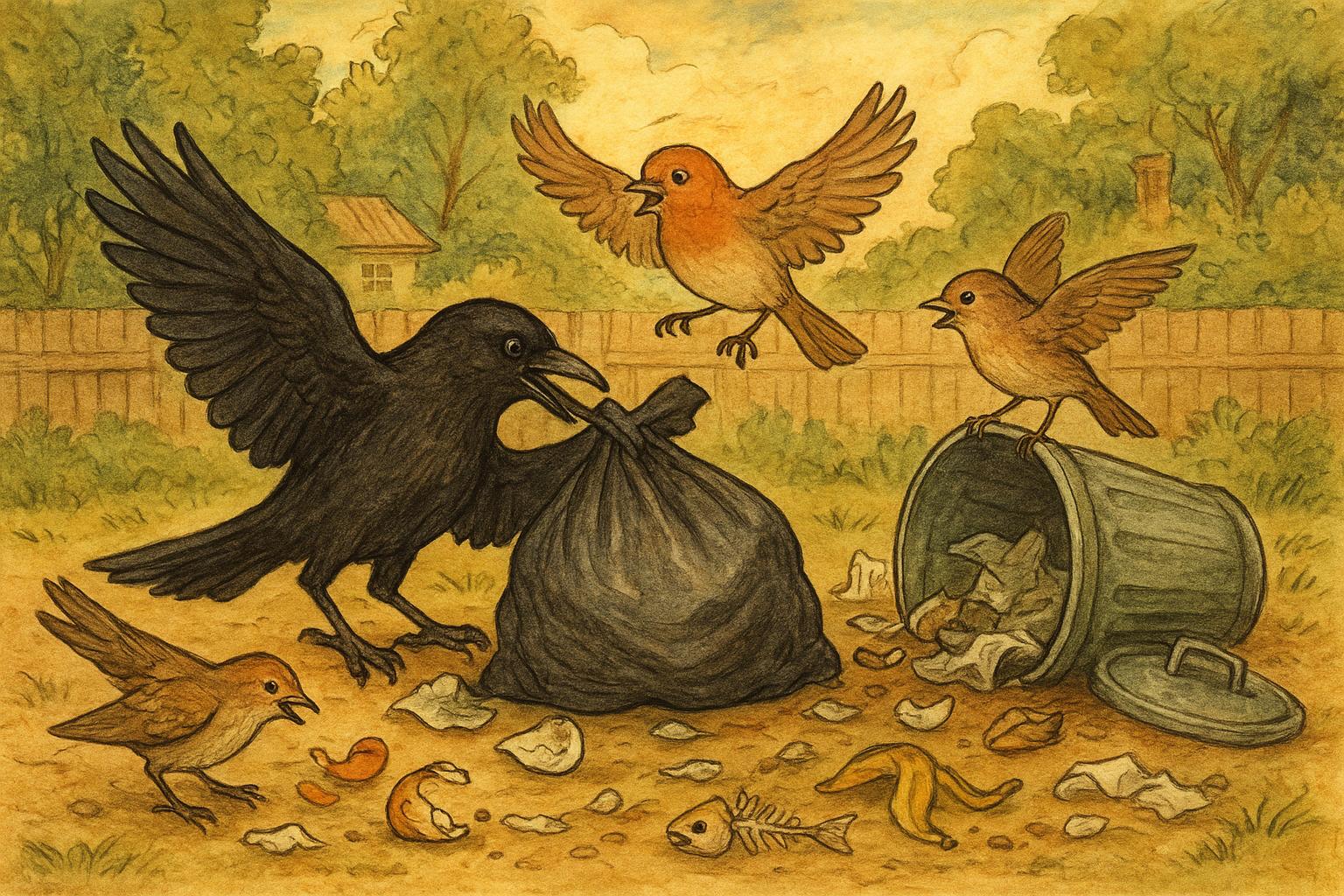
Crows are intelligent and will quickly learn routines. To coexist peacefully, be consistent with feeding schedules if you choose to feed. Avoid sudden large changes to the landscape that might destroy nests or disturb roosting sites. If you need to discourage specific behaviors (like scavenging in garbage), secure trash with latches and use wildlife-proof containers.
#### Addressing Common Problems
If crows become overly bold—raiding compost or getting too social—you can use non-lethal deterrents that preserve habitat while changing undesired behaviors. Examples include motion-activated sprinklers, covering compost during the day, and reducing food rewards by removing accessible scraps.
### Small Design Details That Make A Big Difference
– Perch Variety: Add dead branches or a tall, bare post for lookout perches. Crows appreciate a clear vantage point.
– Night Roost Safety: Large, dense tree canopies are preferred for communal roosting. Leaving one mature tree can have outsized benefits.
– Ground Foraging Spots: Maintain patches of bare or lightly vegetated soil where crows can probe for insects; avoid excessive mulching or groundcover that blocks access.
### Legal And Ethical Considerations
Feeding wildlife is regulated in some jurisdictions; check local ordinances before placing permanent feeders. Never feed processed human food/snacks that are nutritionally poor or harmful. Use unprocessed nuts, fruits, and whole grains if providing supplemental food.
A well-designed crow habitat can turn an ordinary urban backyard into a lively ecosystem—and a front-row seat to some of the most interesting bird behaviors out there. If you choose to implement any of the remedies above, follow the materials lists and step-by-step instructions carefully to create a safe, sustainable space for both crows and jays.

Leave a Reply