
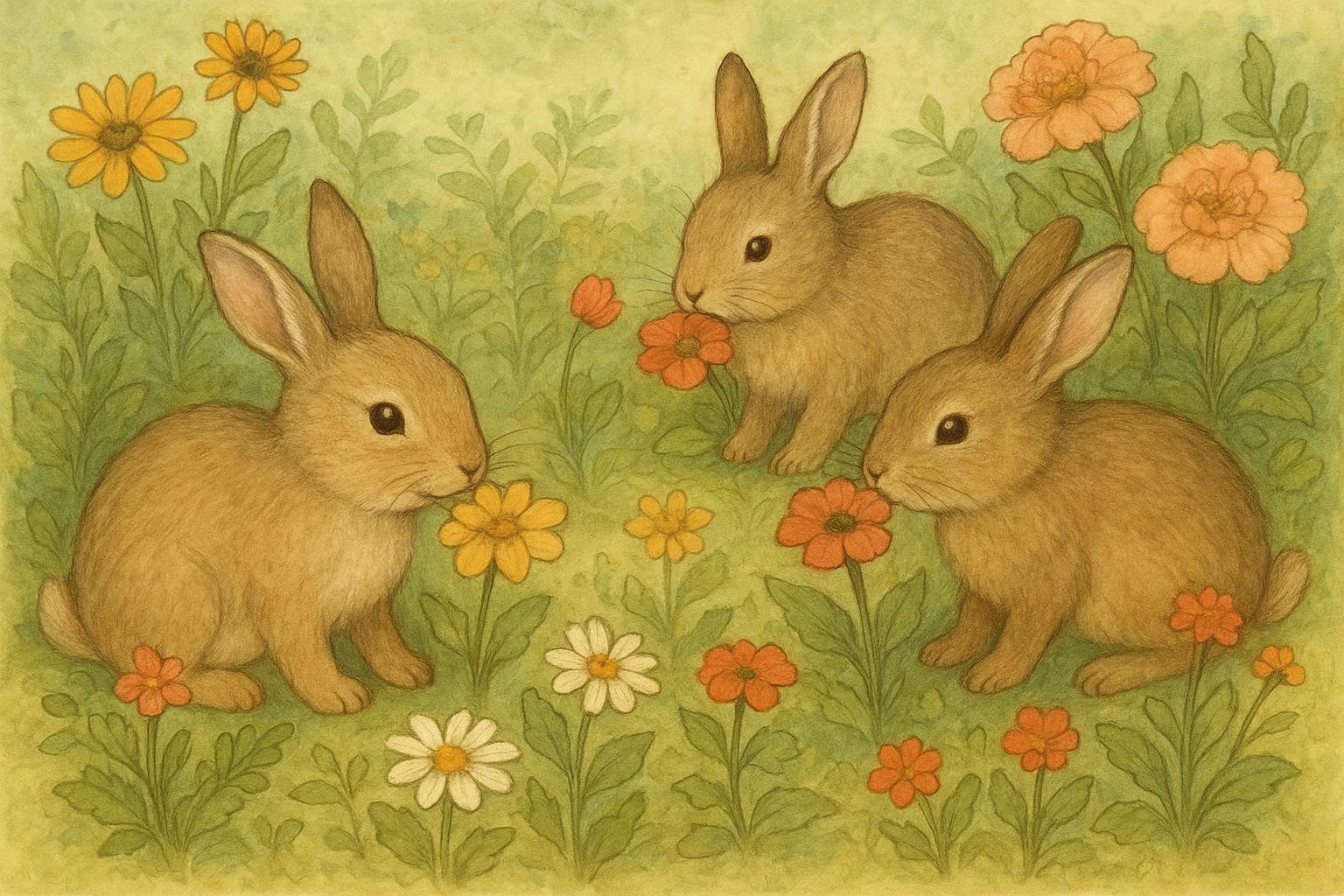
If your garden looks like a salad bar at dusk, you’re not alone. Many gardeners find themselves in a friendly feud with local wildlife, and few disputes are as common — or as adorably exasperating — as rabbits nibbling flowers. They’re cute, soft, and stubbornly determined to sample everything from tulips to young lettuce. The good news: you can protect your plants without becoming a cartoon villain.
## Rabbits Nibbling Flowers Gentle Solutions For Gardens
### Why Rabbits Find Gardens Irresistible
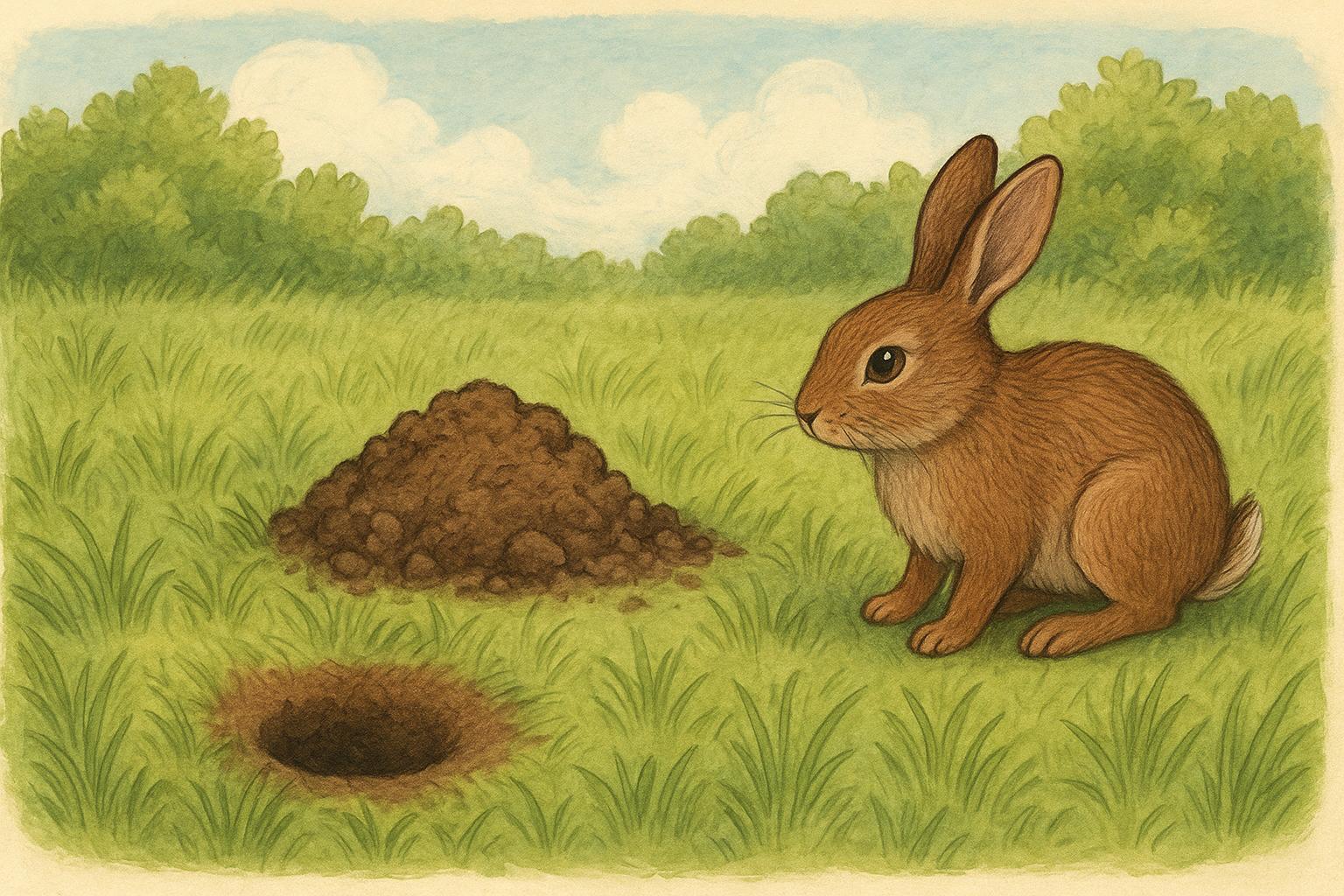
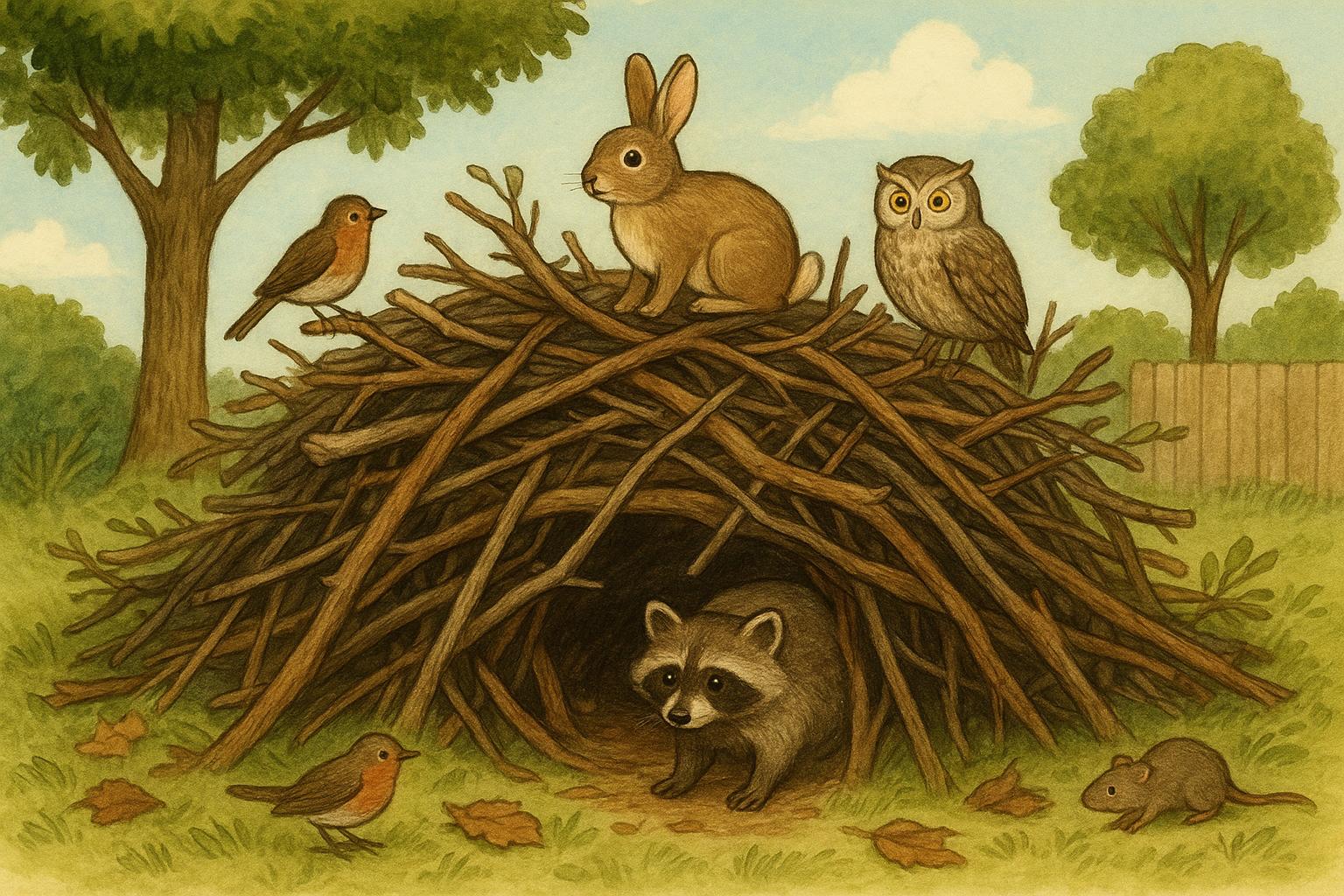
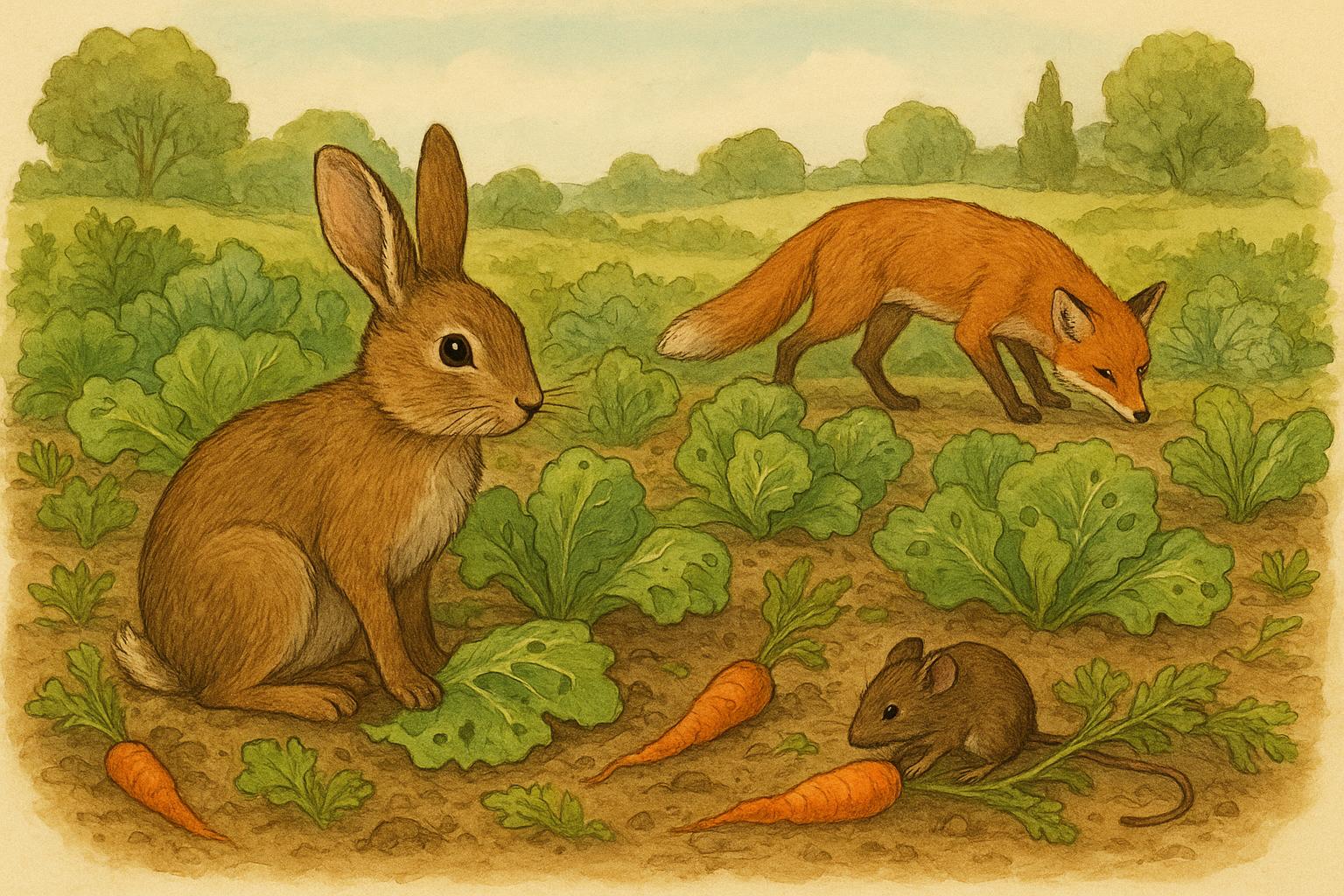
Rabbits are herbivores with a simple mission: eat the most tender, nutrient-rich parts of plants. Young shoots, flower buds, and soft foliage are prime targets. If your yard offers cover, a reliable water source, and a buffet of tasty plants, you’ll likely become a repeat stop for the local bunny brigade. Habitat features like brush piles, tall grass, or hedgerows encourage visits, and even small gaps in fences are invitations. The behavior is seasonal too — they’re especially active when spring growth produces tender new stems.
### Signs You Have Visitors
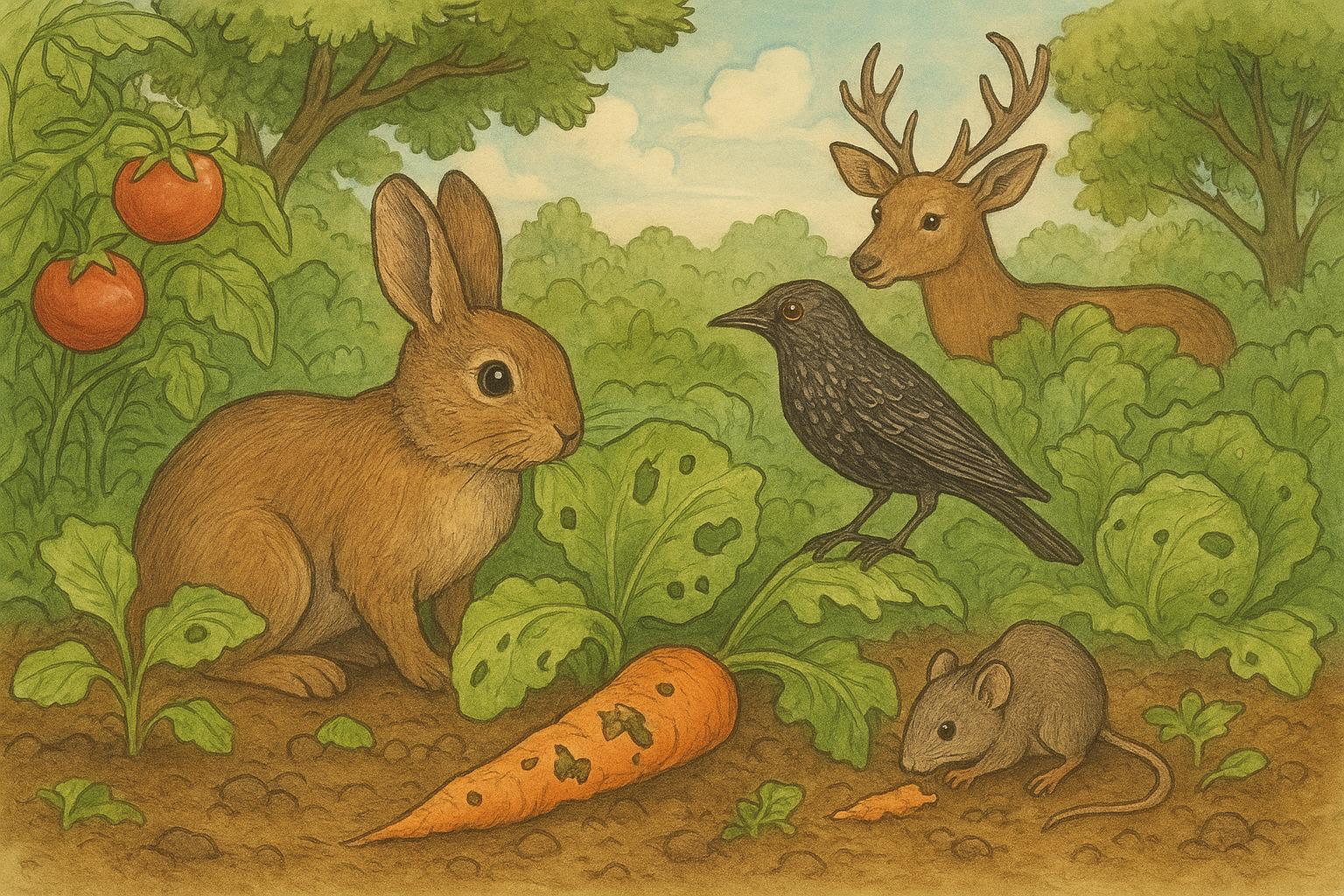
Common signs that rabbits nibbling flowers are frequenting your garden include clean-cut stems at ground level, missing flower heads, and chewed leaves with a neat, rounded bite pattern. Unlike rodents, rabbits leave minimal tracks on paved areas, but you might spot droppings — small, round pellets — and droves of nibbled plant tips concentrated near hedges or sheltered spots.
### How To Read Your Garden’s Layout
Look at where the damage clusters. Rabbits usually feed within 100 yards of their shelter, so plants closest to cover are most at risk. Soil compaction, plant spacing, and irrigation patterns can all influence which beds are the tastiest. Understanding this pattern makes remedy selection far more effective.
## 3 Gentle Remedies To Protect Plants
Below are three humane, practical, and proven approaches. Each remedy lists required materials and then gives a formal, step-by-step creation and application method. Choose one or combine them based on your garden’s layout and your tolerance for upkeep.
### Remedy 1: Homemade Natural Repellent Spray
Materials:
– 1 quart (1 L) water
– 1/4 cup liquid dish soap
– 1/4 cup apple cider vinegar
– 1/4 cup hot sauce or 2–3 minced hot peppers
– 1 spray bottle
– Gloves and eye protection for handling peppers and vinegar
Creation And Application:
1. Preparation: Put on gloves and eye protection. If using hot peppers, mince them finely and place in a small jar.
2. Mix: Combine water, dish soap, and apple cider vinegar in a mixing container. Add hot sauce or pour the minced peppers and juice into the mixture.
3. Steep: Allow the pepper-infused mixture to steep for at least 12 hours for maximum potency, then strain solids through a fine mesh to prevent clogging the spray nozzle.
4. Fill Bottle: Pour the strained solution into the spray bottle, label it clearly, and store it in a cool place away from children and pets.
5. Application Timing: Spray the repellent onto foliage and around the perimeter of at-risk beds early in the morning or late in the day when plants are dry. Avoid application during rain; reapply after heavy rain or every 7–14 days.
6. Safety Precautions: Do not spray on edible parts of vegetables you plan to harvest soon; rinse produce before eating. Test on a small plant area first to ensure no phytotoxic effects.
This repellent works by creating an unpleasant taste and scent without harming rabbits. It’s legal to use in home gardens and is reversible if you discontinue application.
### Remedy 2: Physical Barrier Fencing (For Beds And Young Plants)
Materials:
– 1/2-inch hardware cloth or welded wire mesh (24–36 inches high)
– T-posts, wooden stakes, or garden stakes
– Heavy-duty wire cutters
– Zip ties or galvanized staples
– Measuring tape and gloves
Creation And Application:
1. Measure: Determine the length of the bed or area requiring protection and measure the perimeter accurately.
2. Cut Mesh: Use wire cutters to cut the hardware cloth to the required length, keeping the height at least 24 inches for adult rabbits. In snowy areas, increase height to account for drift.
3. Install Support: Drive T-posts or wooden stakes into the ground at intervals of 4–6 feet around the protected area, ensuring they are deeply anchored.
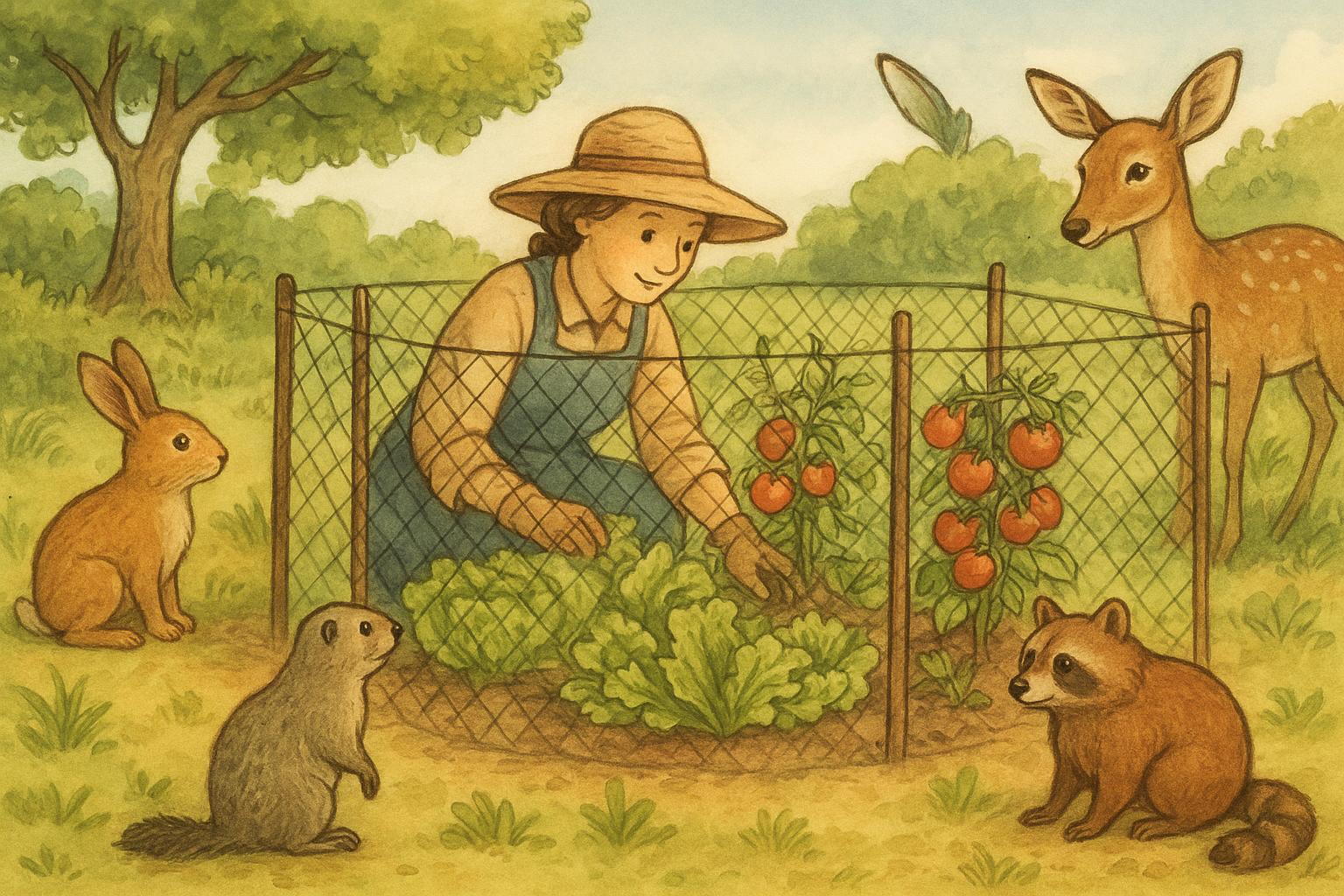
4. Attach Mesh: Secure the hardware cloth to the posts using zip ties or staples. Bury 3–4 inches of the mesh into the ground or bend the bottom outwards at a 90-degree angle (creating an apron) and pin it down to prevent rabbits from digging beneath.
5. Gate/Openings: Create small access openings for maintenance using hinged sections or removable clips for easy entry while maintaining security.
6. Inspect Regularly: Check the fence weekly for gaps, chew marks, or areas where vegetation is pressing through and repair immediately.
A properly installed physical barrier is the most reliable way to prevent rabbits nibbling flowers in specific beds. It is non-lethal, durable, and compatible with most garden setups.
### Remedy 3: Habitat Modification And Strategic Planting
Materials:
– Native, rabbit-resistant plant species (examples below)
– Mulch and ground cover materials
– Pruning tools and gloves
– Landscape fabric (optional)
Creation And Application:
1. Site Assessment: Walk the garden and mark areas providing shelter for rabbits — dense shrubs, brush piles, tall grass. Note the beds most affected by rabbits nibbling flowers.
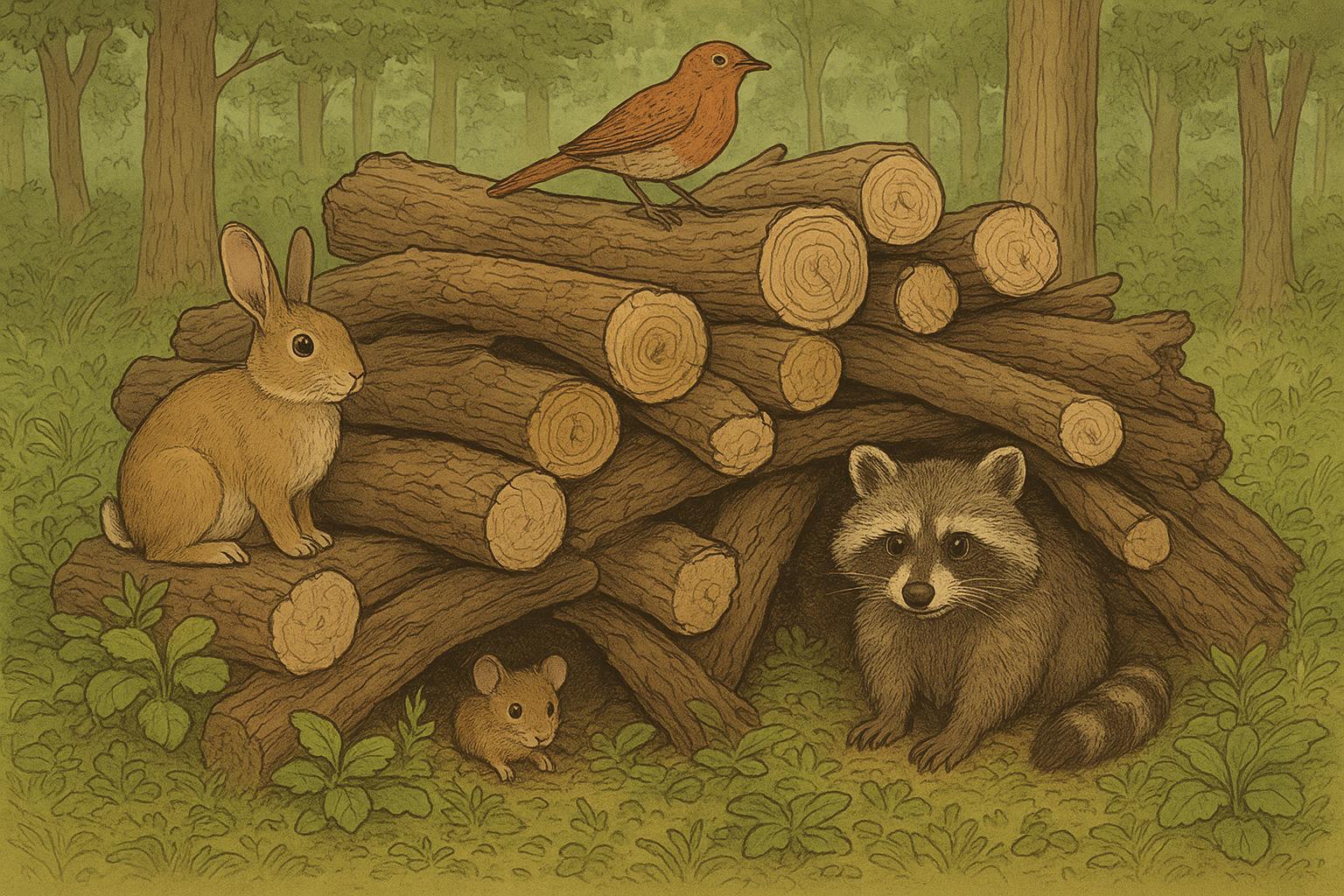
2. Reduce Cover: Remove brush piles, thin dense undergrowth, and keep grass mowed around garden beds. Store firewood elevated and away from garden borders.
3. Create Buffer Strips: Install gravel or low-maintenance mulch strips between hedgerows and beds to reduce cover continuity. Rabbits avoid open, crunchy surfaces.
4. Strategic Planting: Replace or flank vulnerable specimens with rabbit-resistant varieties such as lavender, marigold, allium, daffodil, catmint, and yarrow. Plant bulbs deeply and follow spacing recommendations to reduce attractiveness.
5. Mixed Planting: Use sacrificial plants (e.g., clover or lettuces placed at the perimeter) to draw rabbits away from prized flowers, rotating them seasonally.
6. Monitor And Adjust: Observe changes in rabbit activity after modifications. If rabbits shift feeding to new zones, reinforce those areas with physical barriers or repellents.
This integrated approach reduces the overall attractiveness of the property and, when combined with specific deterrents, significantly lowers damage without harming wildlife.
#### Tips For Choosing Rabbit-Resistant Plants
Select plants with strong scents, coarse or hairy foliage, or bulb defenses. Planting en masse increases the deterrent effect. Keep a small garden journal noting which species local rabbits avoid — regional differences exist.
### Quick Deterrents And Softer Touches
If you prefer low-effort methods, consider motion-activated sprinklers and temporary protective cloches for seedlings. Motion devices are effective because rabbits quickly learn to avoid startled areas. Cloches and row covers physically block access while young plants establish.
Materials For Motion Devices:
– Motion-activated sprinkler unit
– Garden hose connection
– Stakes or mounting hardware
Application:
1. Install the device aiming across vulnerable zones.
2. Test sensitivity and adjust range to avoid nuisance activation by wind.
3. Position to startle but not injure animals; ensure water pressure is appropriate.
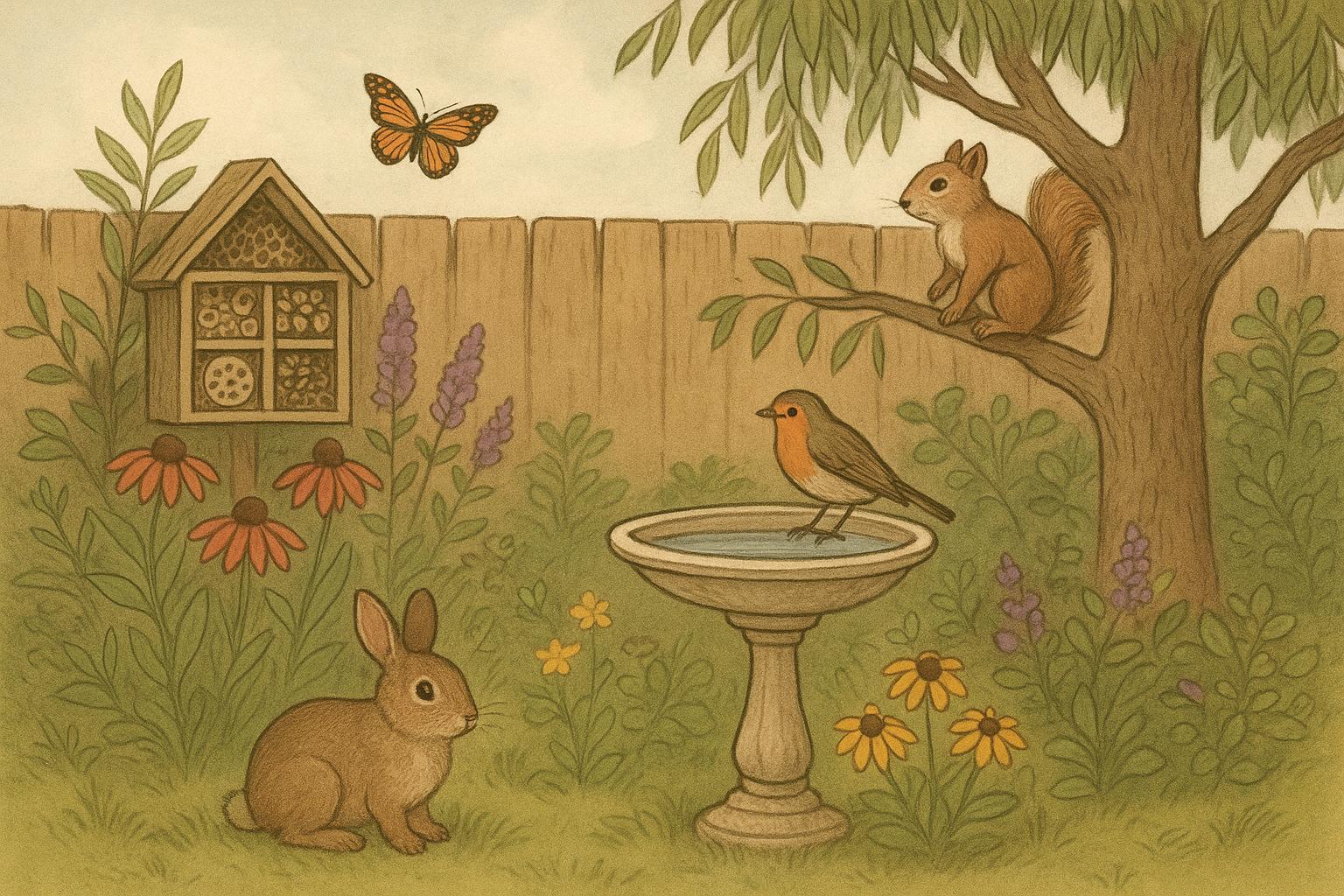
Using these layered defenses lets you create a garden that says, “Welcome, wildlife — but dine elsewhere.”



Leave a Reply