
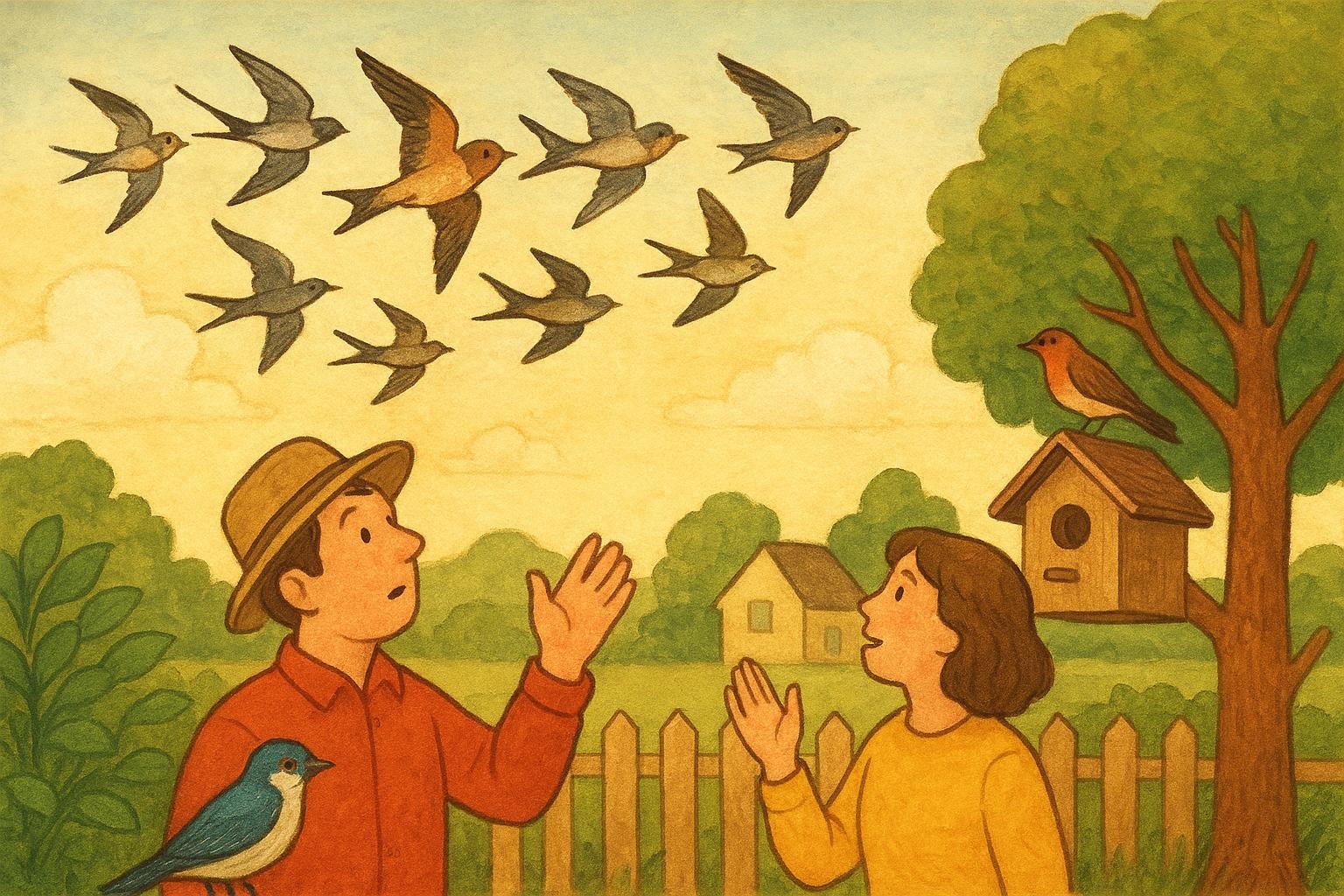
Welcome to the kind of backyard mystery you can solve with a pair of binoculars and a mug of tea. You might think the big, globe-trotting dramas of the natural world happen far away, but much of the action — the comings, the goings, the aerial refueling stations — happens right above your fence. Let’s lift the veil on what’s passing through and how you can be a better host to these winged travelers.
## Bird Migration: What To Expect Over Your Yard
If you’ve ever looked up and seen a scattered V, a lone thrush pushing through at dawn, or a sudden cloud of warblers that turns the treeline into a living confetti machine, you’ve witnessed bird migration in miniature. Migration is not a single event; it’s a seasonal relay of individuals and species moving between breeding and wintering grounds. In many neighborhoods, peak movement occurs during spring and fall, but local microclimates and stopover habitats can create earlier or later waves.
### Timing, Routes, And Night Flights
Many songbirds migrate at night to avoid predators, conserve energy in cooler air, and use stars for navigation. Daytime movements often involve raptors and large-bodied species. Weather — especially wind direction and atmospheric pressure — plays a huge role in whether birds fly or wait. A warm tailwind can turn the sky into an express lane, while headwinds and storms create temporary grounded flocks that rely on your yard as a rest stop.
#### Flyways And Local Highways
North America’s major flyways concentrate millions of birds along coastal plains and river corridors, but local topography makes individual backyards critical. Ridge lines, tree-filled streets, and even backyard gardens can funnel migrants into view. Understanding these local “highways” helps you anticipate which species might show up and when.
### Why Some Days Feel Like A Bird Party And Others Don’t
You’ll notice that migration can arrive in pulses. Before a front, birds often sit tight; after a front clears, whole waves move through. Daytime visibility, food availability, and competition all influence whether migrants stop to rest and refuel in suburban spaces or push on. If your yard has shelter, water, and food, you’re more likely to host overnight and daytime visitors.
## Spotting Migrants: Practical Tips For The Backyard Observer
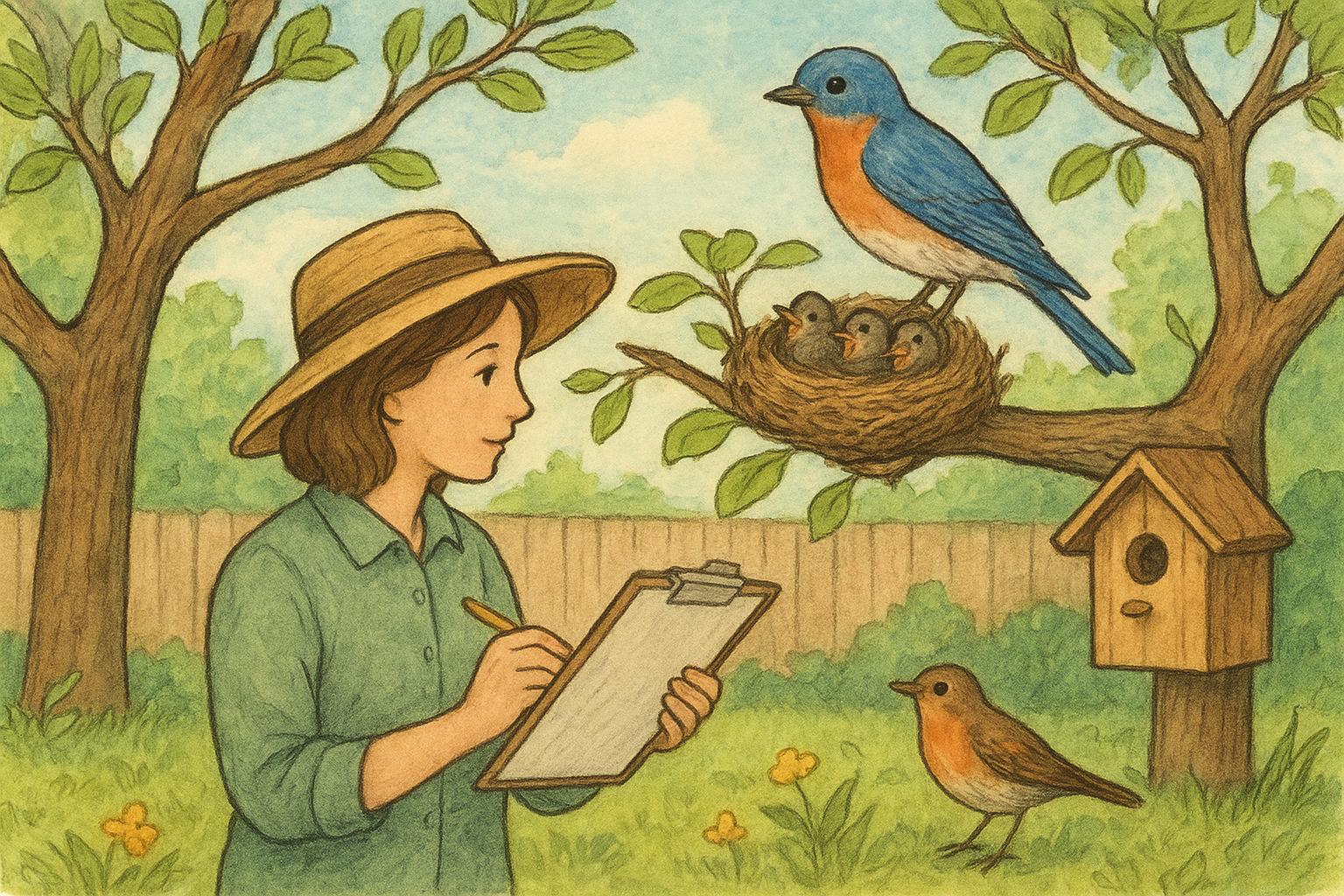
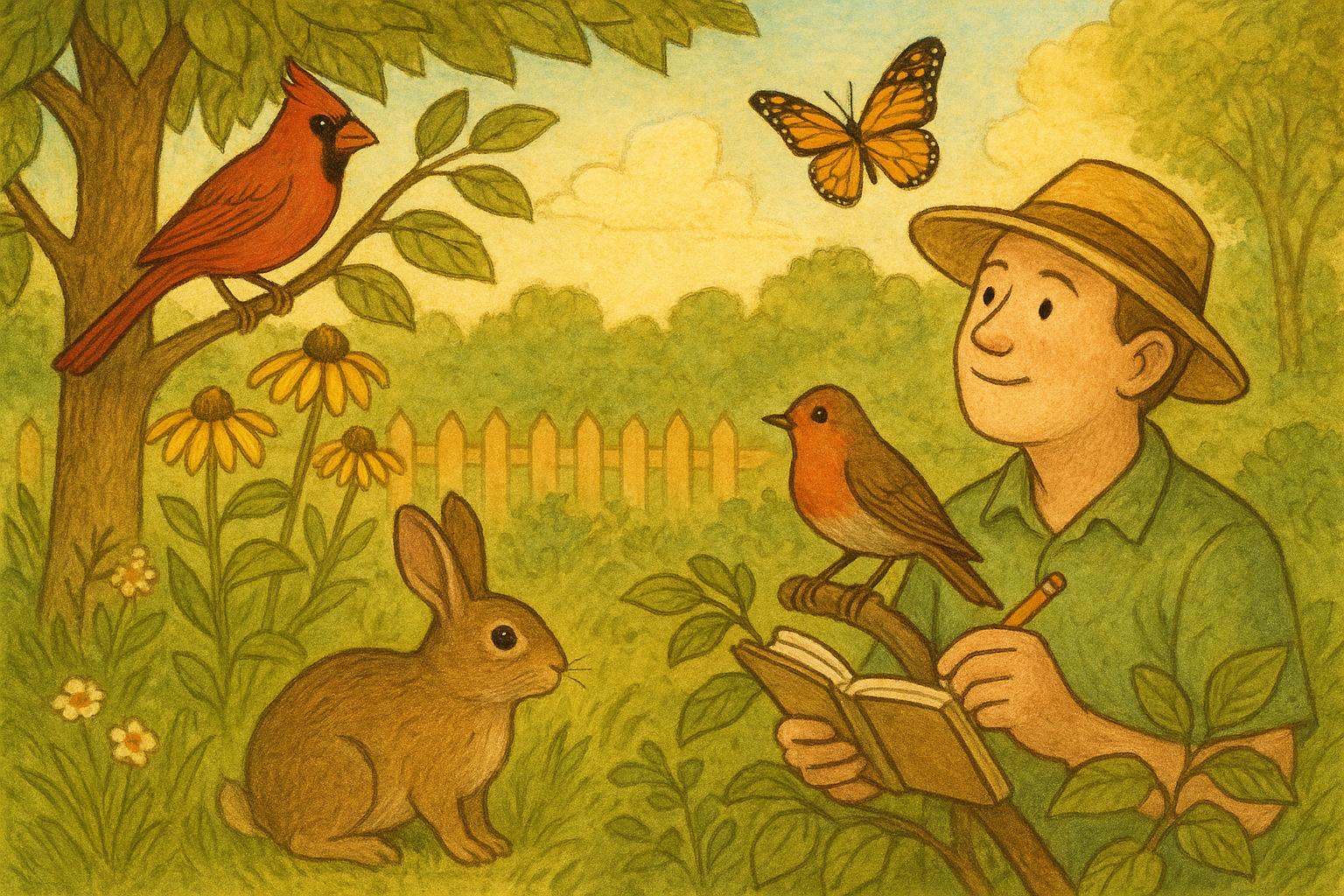
A little patience goes a long way. Bring binoculars, keep a notebook or phone for quick notes, and learn a few field marks — like eye rings, wingbars, or tail patterns — rather than trying to identify everything at first glance. Apps and local birding groups can help with confirmations and rare sightings.
### Listening Is As Useful As Looking
Many migrants are more often heard than seen. Learning a handful of songs and calls — especially those common to your region — will dramatically increase your detection rate. Dawn and dusk are especially rich listening windows.
#### Weather Checks Make Better Plans
Check wind direction and strength before morning and evening watch sessions. Tailwinds during migration windows often mean active movement; strong headwinds usually mean lots of birds grounded and foraging locally.
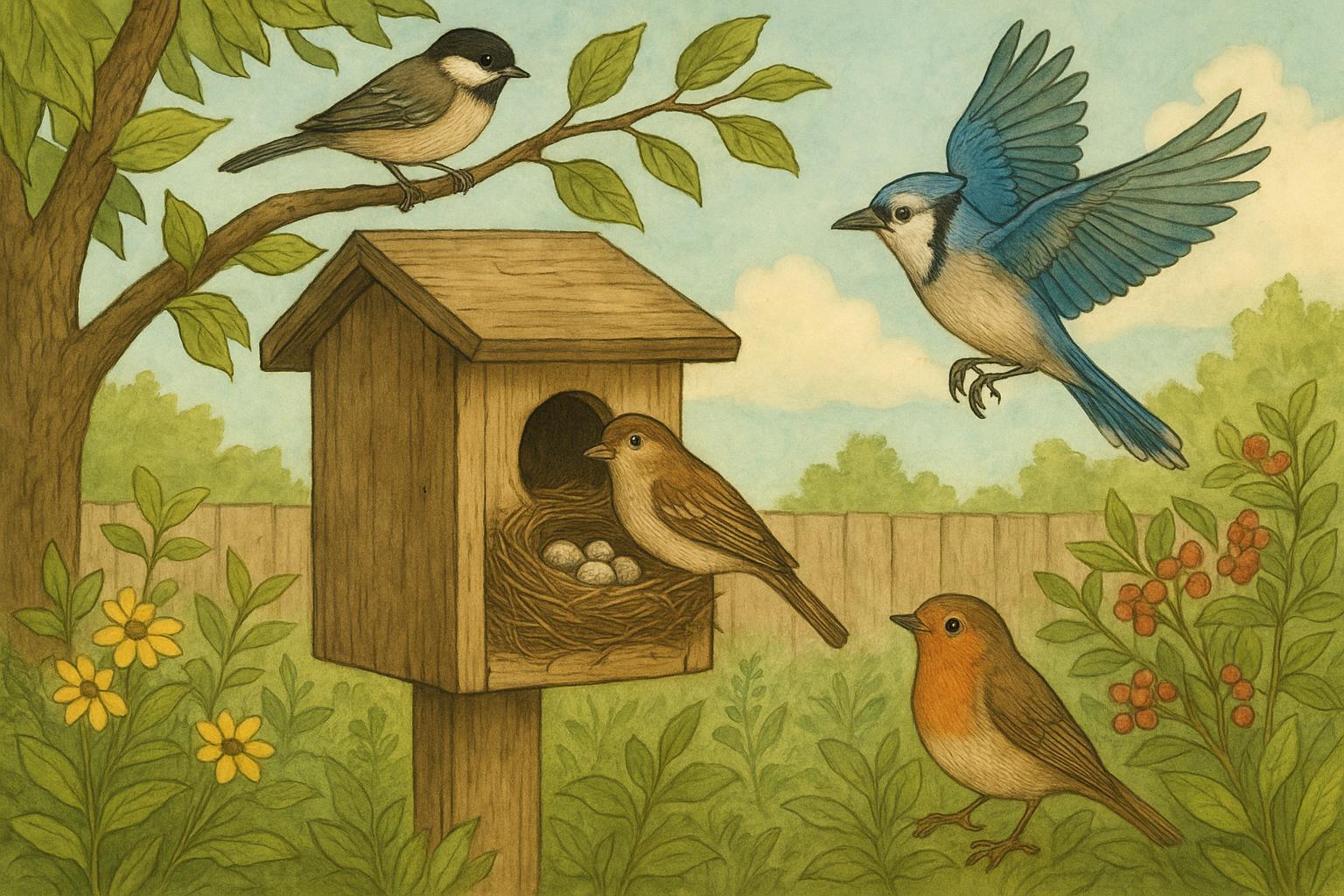
## Remedy 1: Set Up A Migrant-Friendly Feeding Station
(For those who want to actively help migrating birds)
Materials / Ingredients:
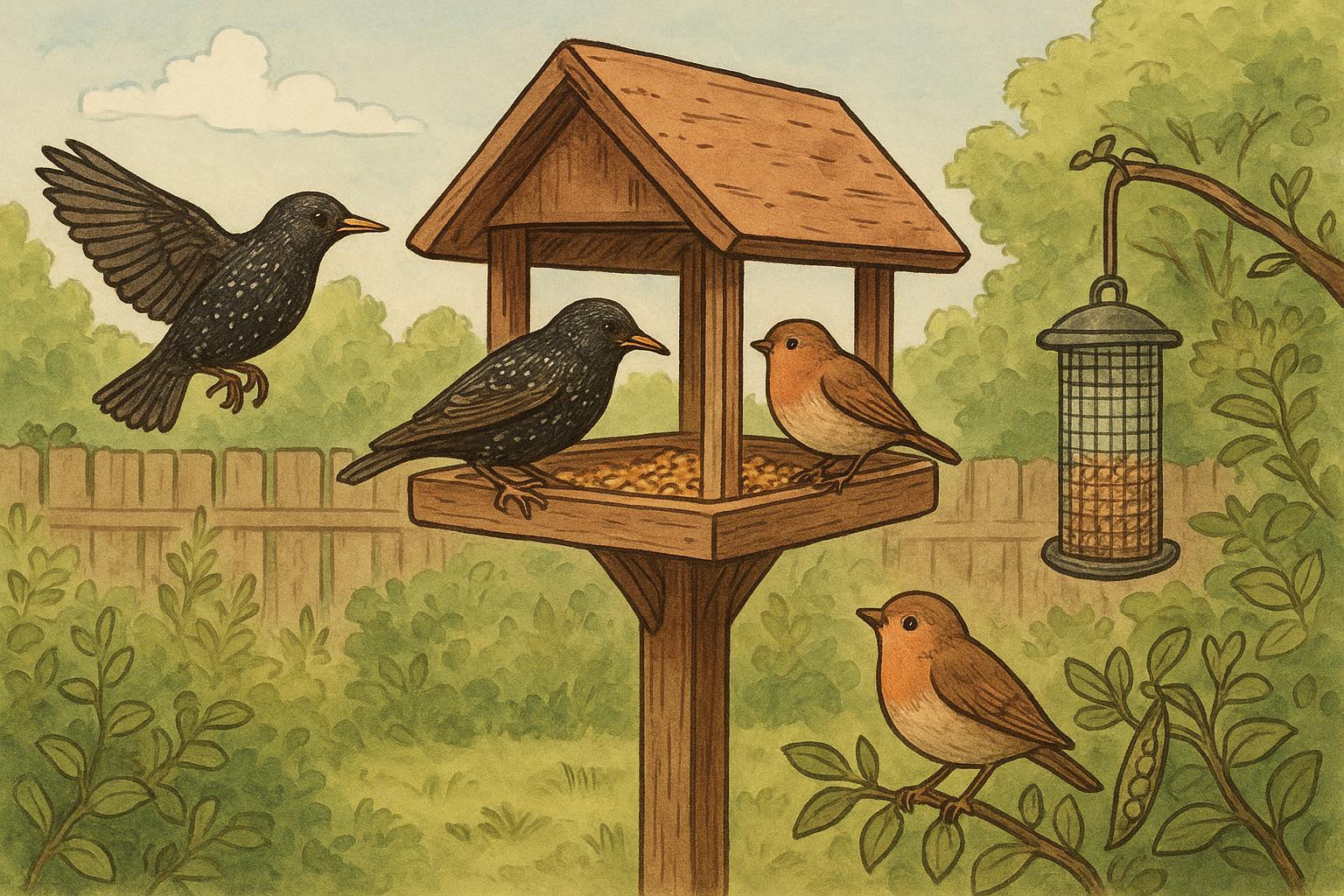
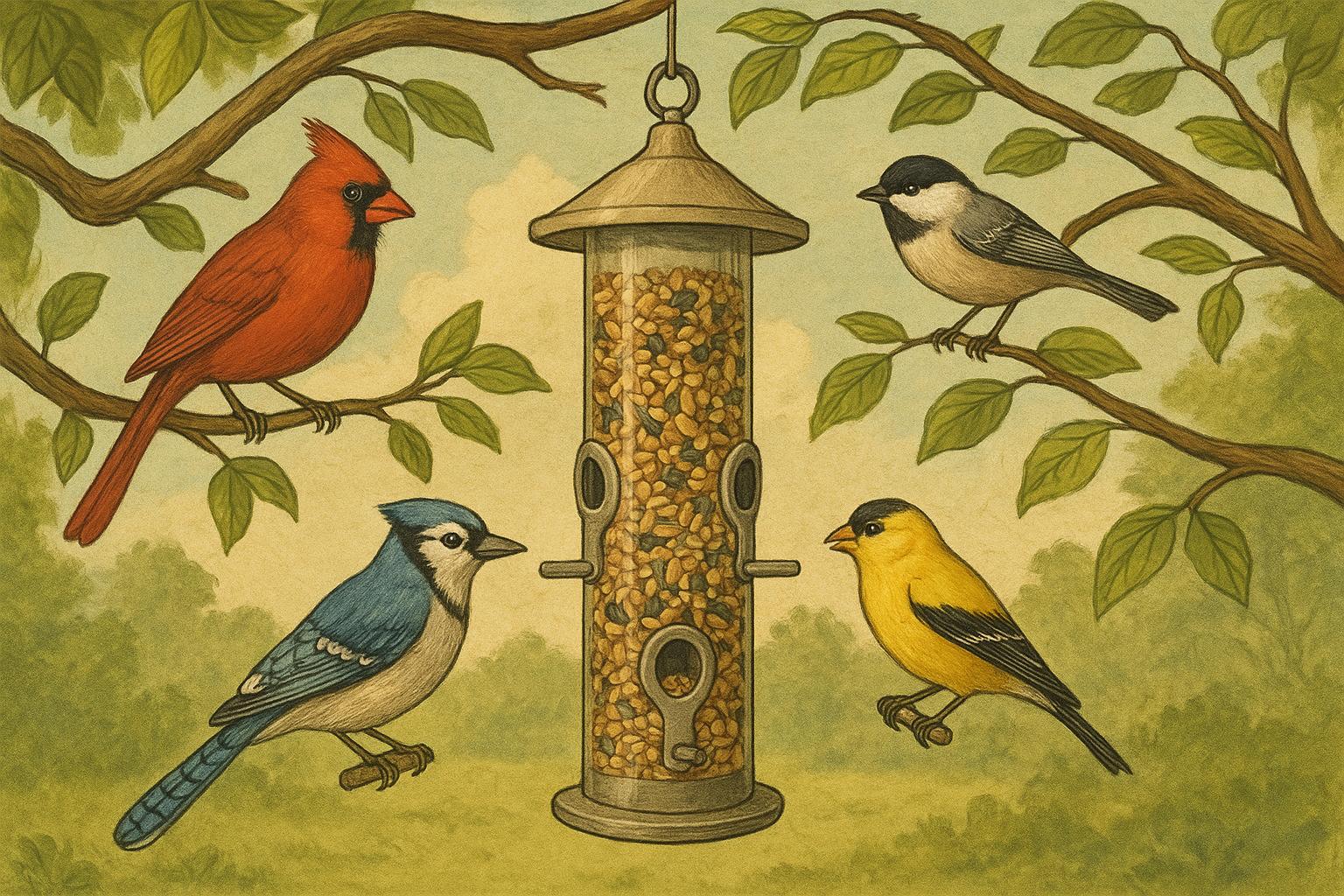
– A sturdy, sheltered bird feeder (tube, platform, or hopper)
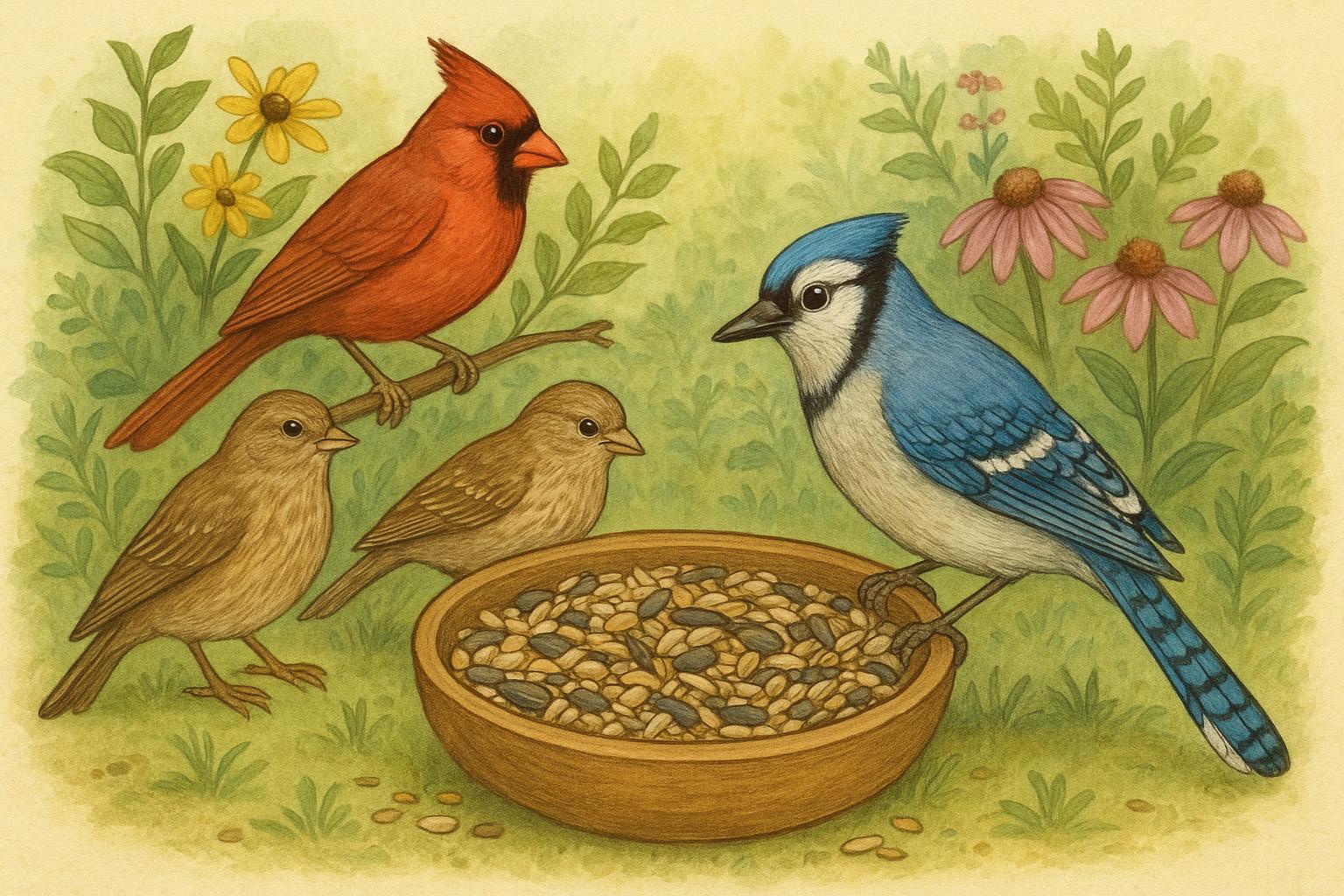
– Mixed seeds (black oil sunflower, millet), and a separate tray for mealworms or fruit if regionally appropriate
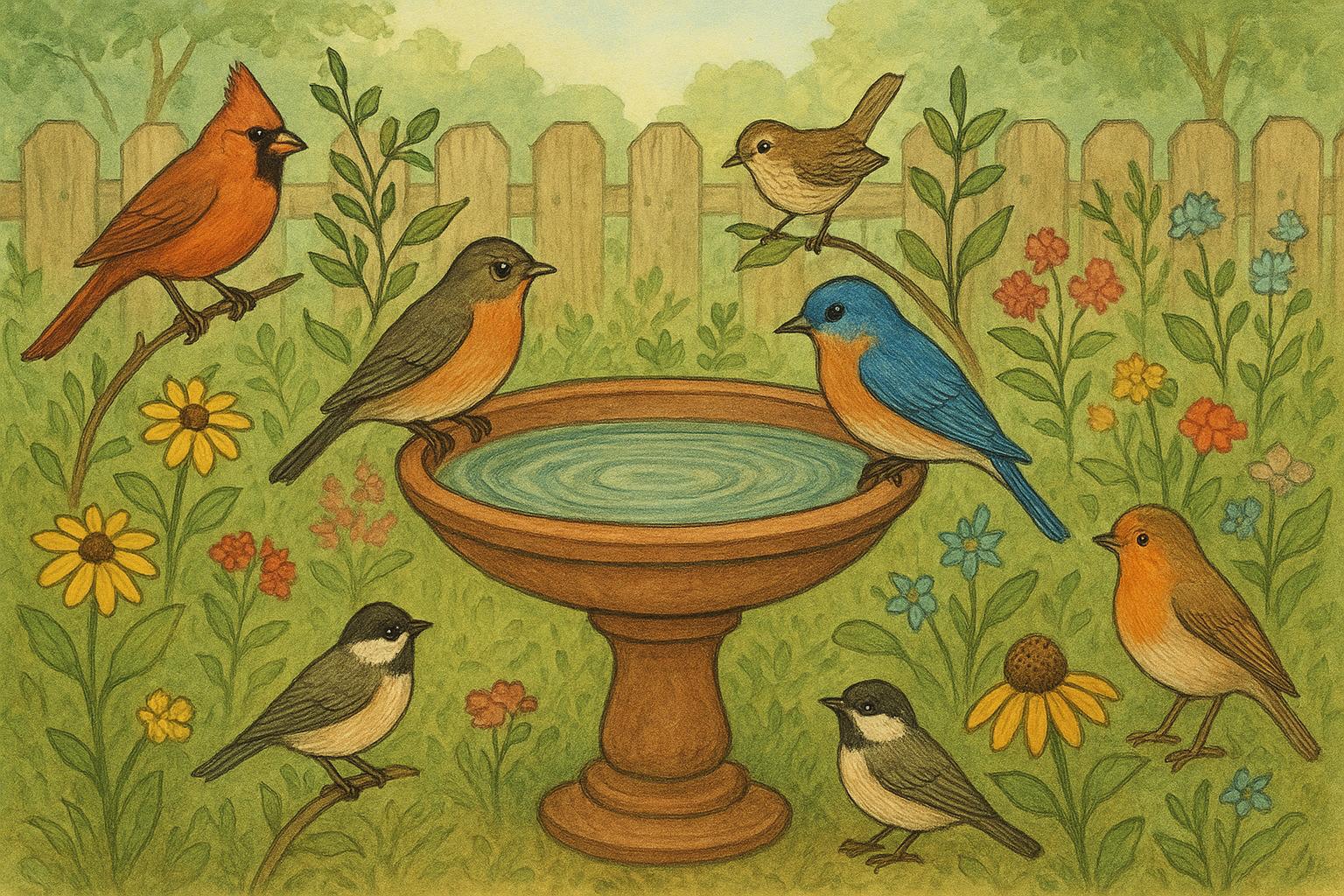
– Fresh water source: shallow birdbath or dripper
– Native shrubs or potted plants for cover
– Squirrel guard or baffle if squirrels are present
– Cleaning supplies: mild soap, water, scrub brush, gloves
Step-By-Step Creation And Application:
1. Site Selection: Choose a feeder location near cover (e.g., shrubs or a tree) but at least 3 feet away from windows to reduce collision risk. Ensure visibility for birds approaching and a quick escape route into vegetation.
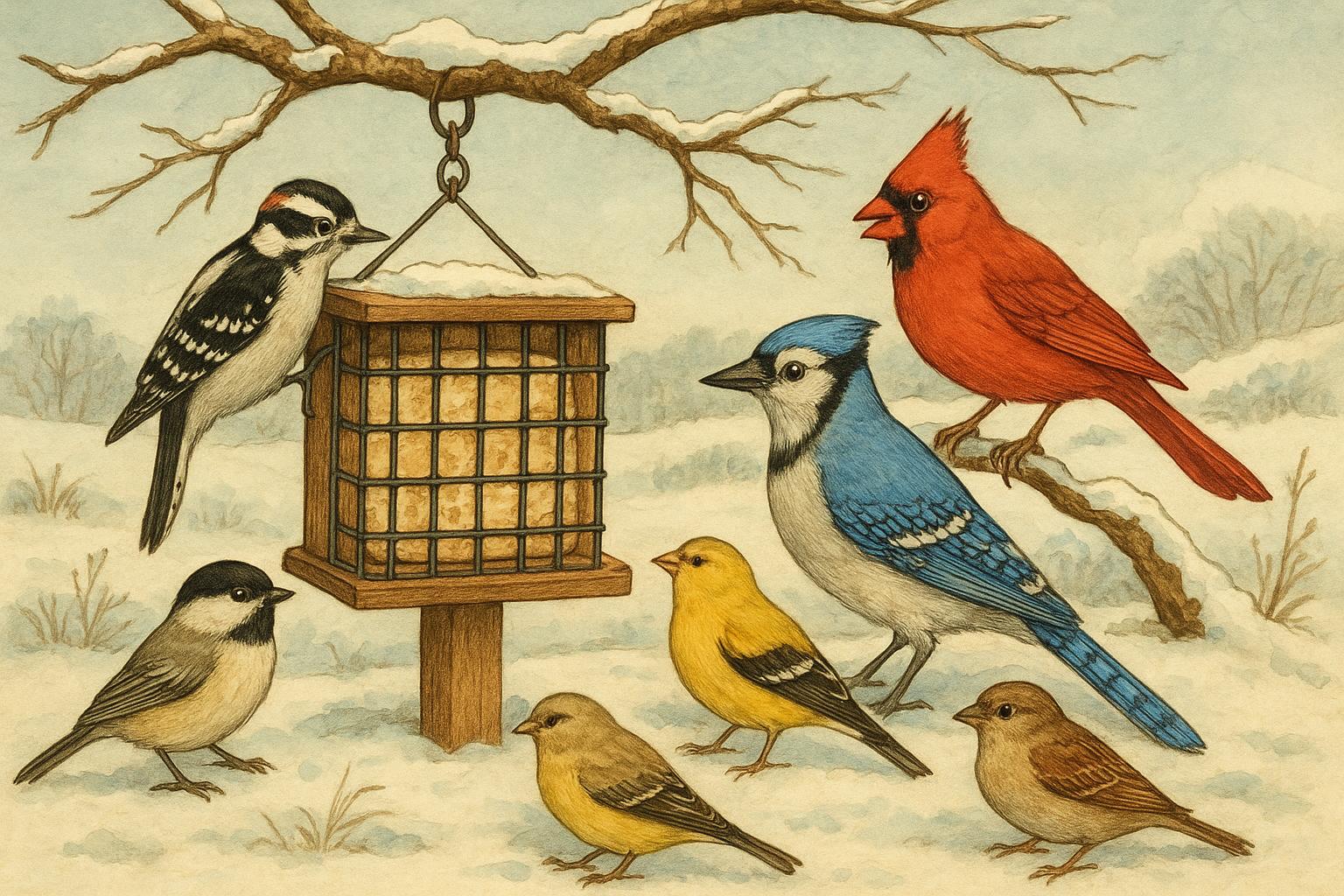
2. Feeder Choice: Install a variety of feeder types if space allows — tube feeders for finches and chickadees, platform or tray feeders for ground-feeding migrants, and suet or fat feeders for insect-eating species.
3. Food Preparation: Offer high-energy foods appropriate for migrating species in your region. Black oil sunflower seeds and suet are excellent general options. During spring and fall, supplemental insect protein (live or dried mealworms) can be especially beneficial for warblers and flycatchers.
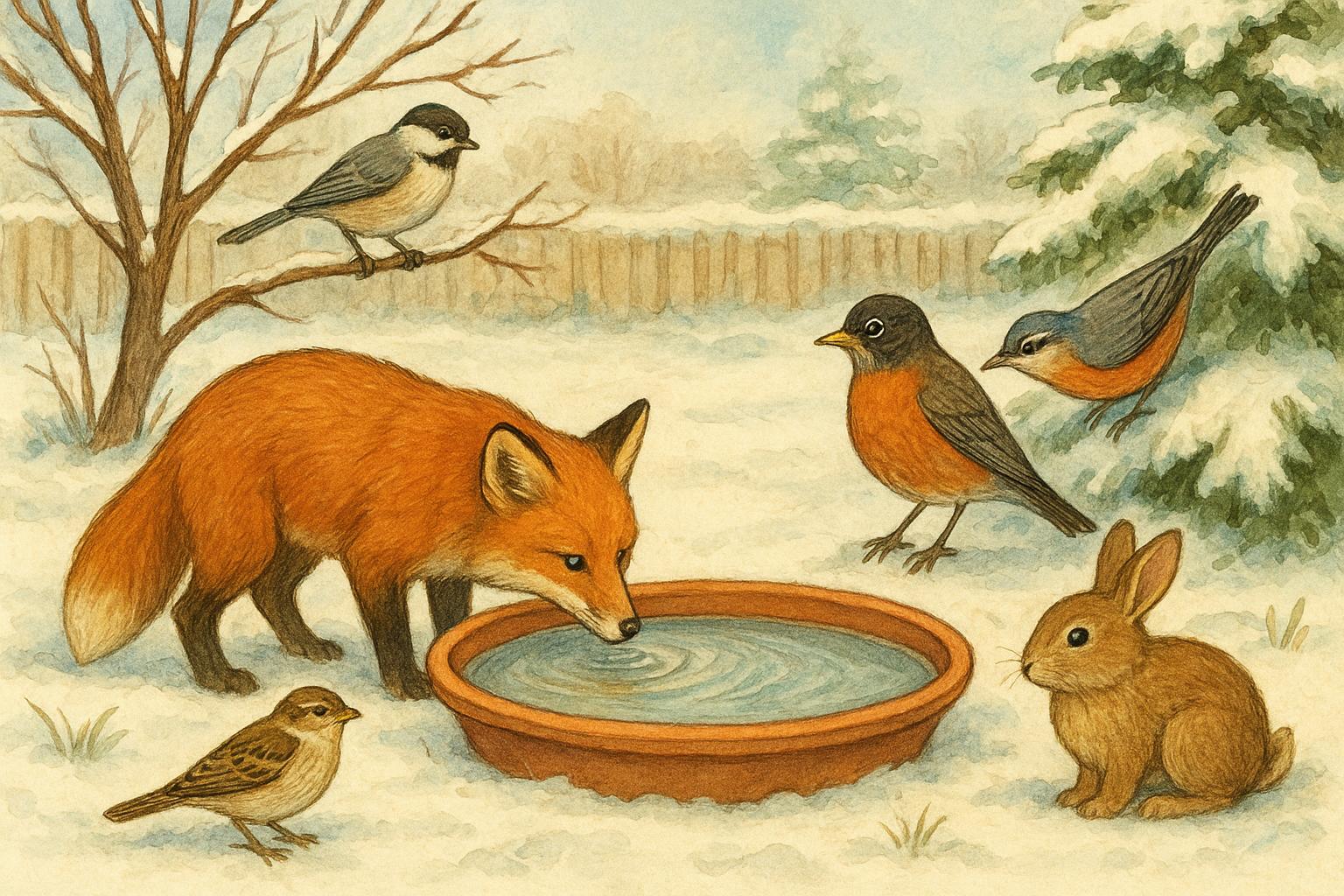
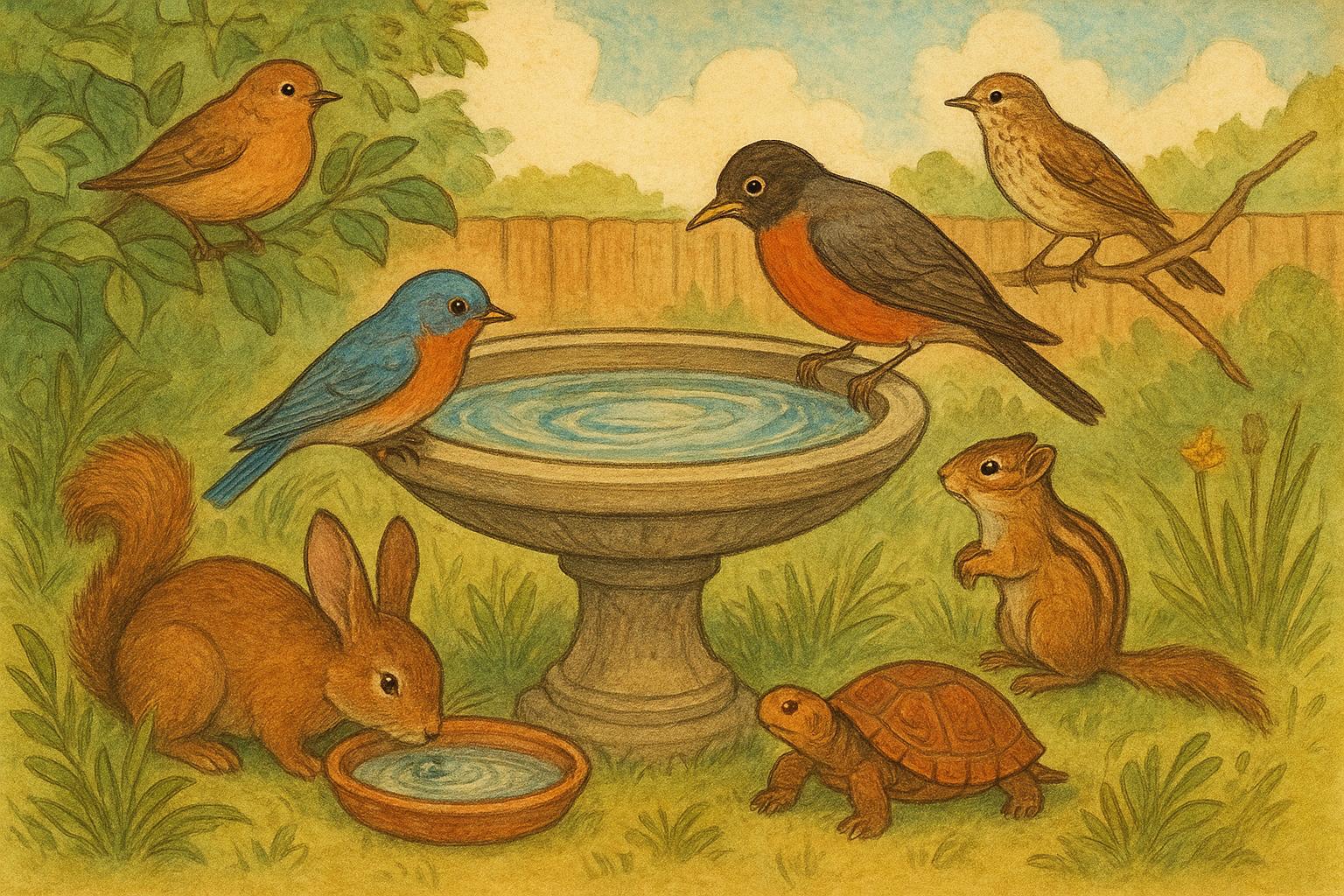
4. Water Provisioning: Provide a continuous water source. In colder climates, consider a heated birdbath. In warmer months, shallow baths with a dripper attract more birds. Clean and refill water every 2–3 days to prevent disease and mosquito breeding.
5. Maintenance: Clean feeders and baths at least every two weeks, more often in wet weather. Scrub surfaces with mild soap and water, rinse thoroughly, and allow to dry before refilling.
6. Monitoring: Keep a log of species and numbers to assess what’s working. Adjust food types and placement based on observations.
Be precise and consistent: clean water and reliable food during migration can mean the difference between a successful stopover and an exhausted bird continuing on.
## Remedy 2: Reduce Window Collisions And Light Pollution
(Practical steps to make your yard safer for nocturnal migrants)
Materials / Ingredients:
– Adhesive window decals or strings (non-reflective)
– External motion-sensor lighting or low-pressure sodium bulbs
– Blackout curtains or blinds
– Tape measure and ladder (for safe installation)
– Binoculars for assessing flight paths
Step-By-Step Creation And Application:
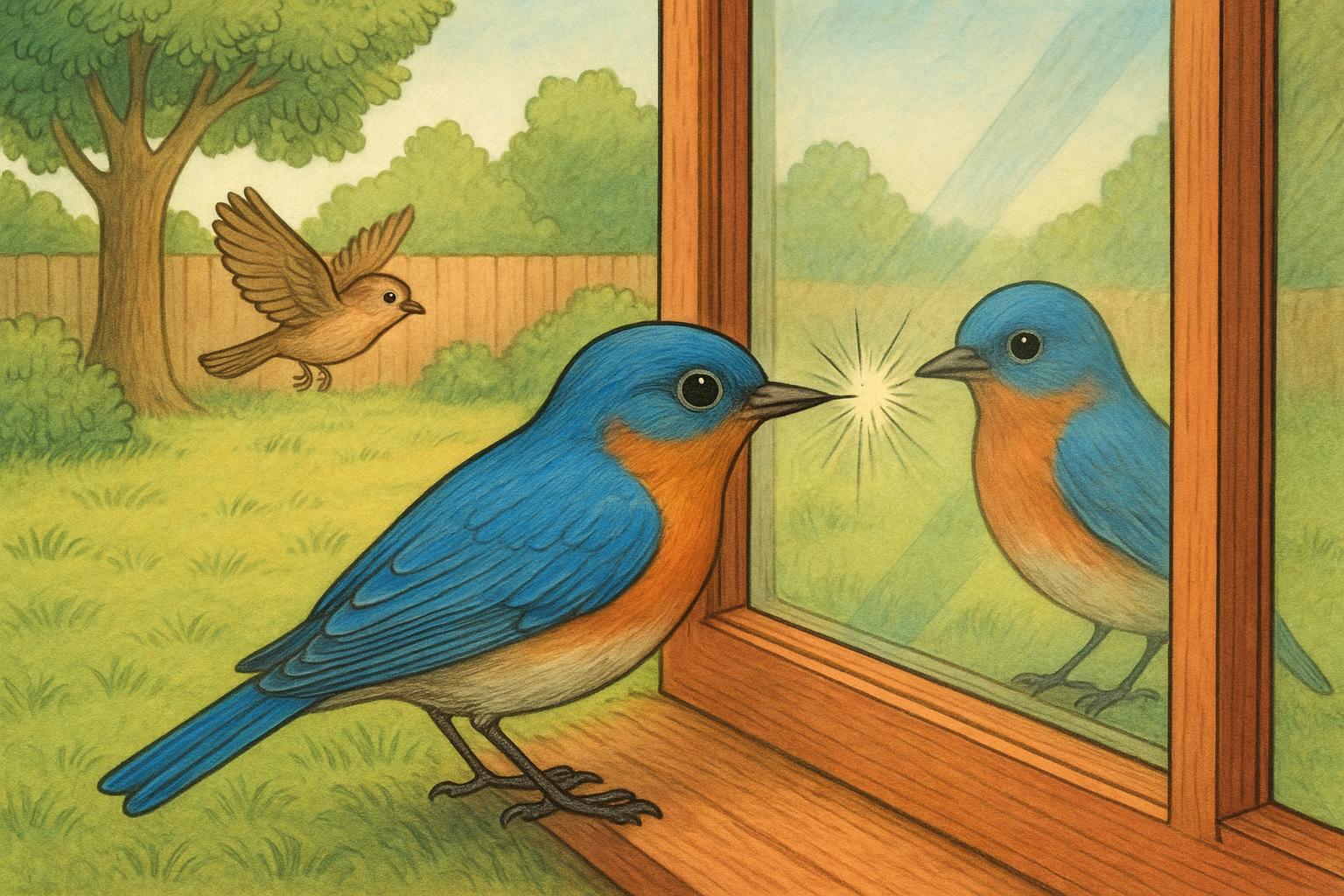
1. Assess Risk Areas: Identify high-collision windows by inspecting whether plants, feeders, or sky reflections are visible in glass from the interior. Note where nighttime lighting is brightest from both inside and outside the home.
2. Apply Window Treatments: Install decals or vertical strings spaced no more than 2–4 inches (5–10 cm) vertically or 4 inches (10 cm) horizontally apart. These create visual markers birds can perceive at flight speed. Ensure placements cover the entire pane rather than the top or bottom alone.
3. Manage Lighting: Replace exterior bright white lights with warmer, low-intensity options, and use shielding to direct light downward. Inside, draw curtains during peak migration nights and reduce unnecessary interior lighting.
4. Create Dark, Quiet Periods: Coordinate with household members to minimize nocturnal activity and lights during major migration peaks (typically late spring and early fall evenings). This reduces disorientation for nocturnally migrating species.
5. Monitor Effectiveness: Track collision incidents and adjust measures as needed. If collisions persist, increase decal density or add netting set at least a few feet away from the glass to reduce strike speed.
These steps are evidence-based and, when applied consistently, reduce mortality from collisions and disorientation.
### Habitat Enhancements That Help Without Going Overboard
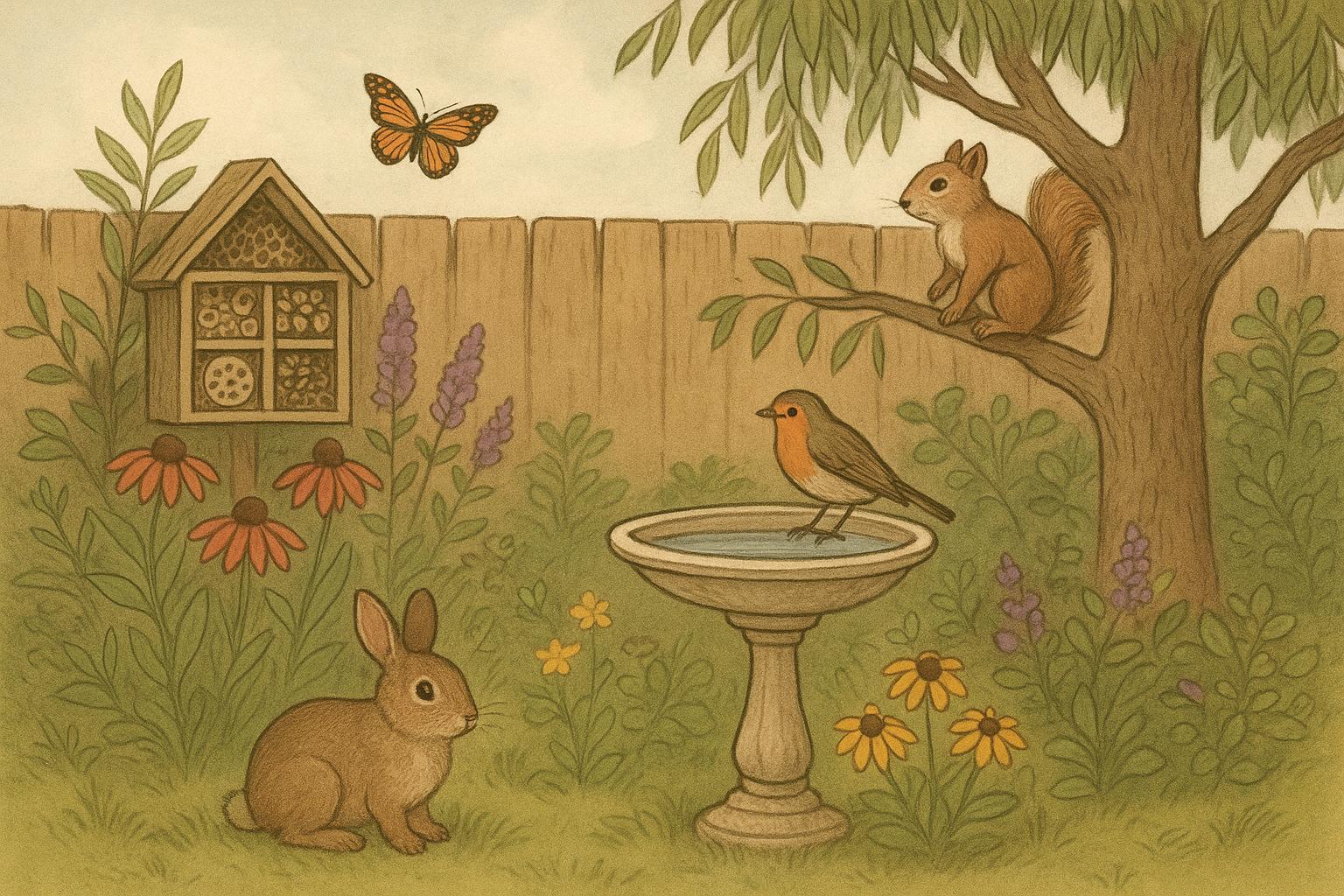
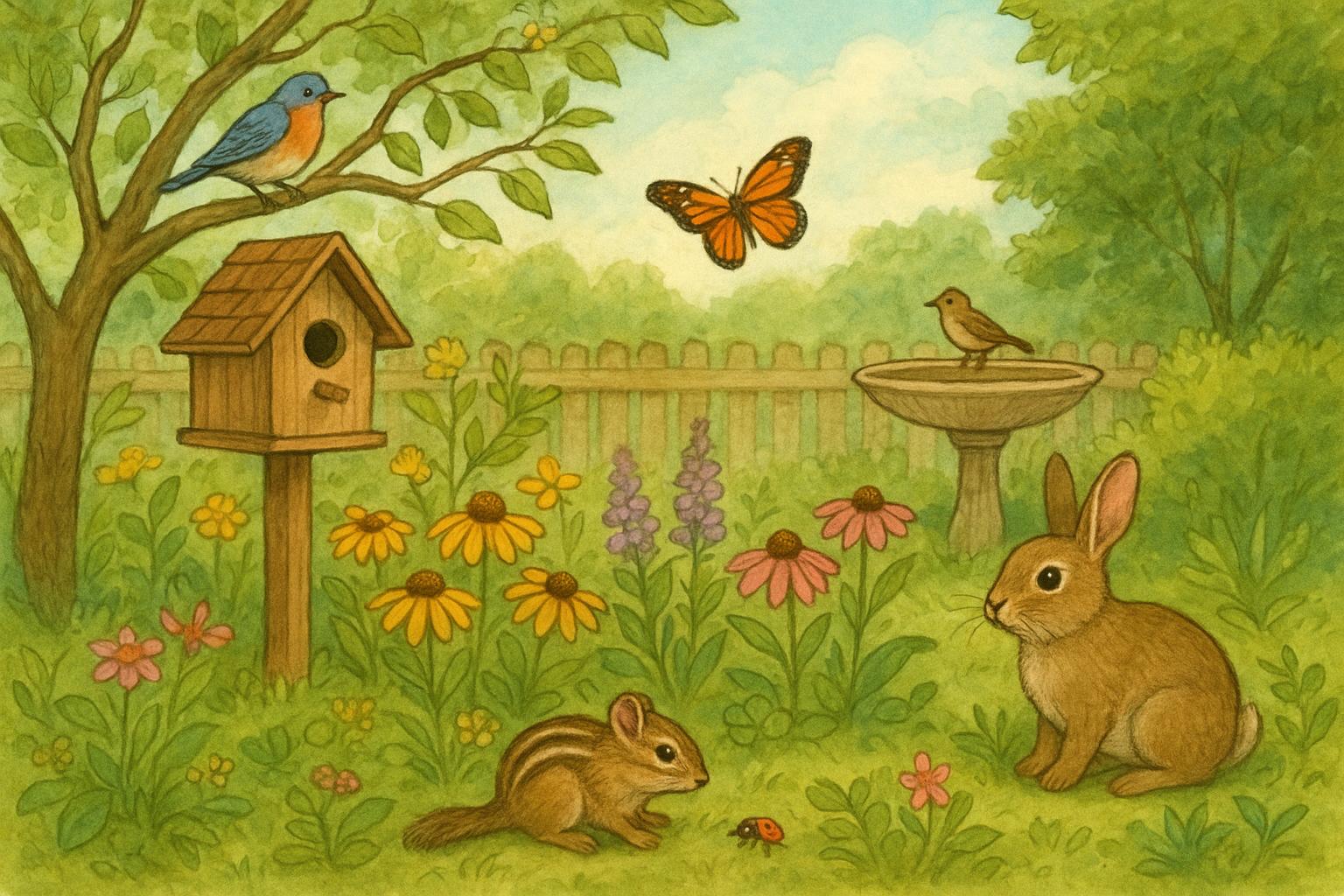
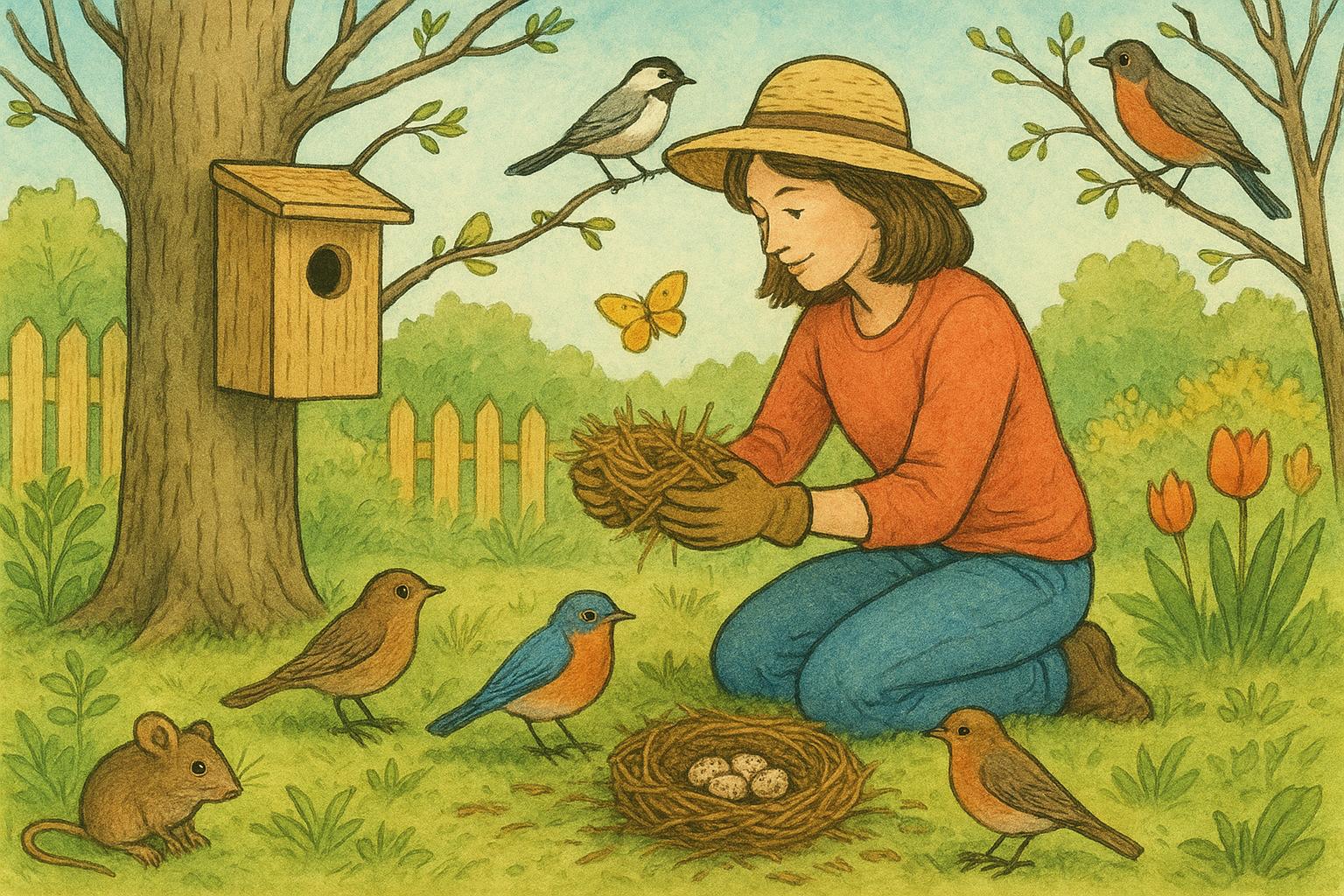
Planting native shrubs, leaving leaf litter in small areas, and minimizing pesticide use create richer stopover habitat. Even a patch of native wildflowers for insects can feed hundreds of migrating birds over a season. Keep shrubs trimmed to maintain visibility for predators; healthy, layered vegetation provides both safety and food.
#### A Note On Feeding Ethics And Disease Prevention
Feeders can be wonderful but must be managed responsibly. During outbreaks of avian diseases (e.g., salmonellosis, mycoplasma), temporarily suspend feeding if advised by local wildlife authorities. Always practice feeder hygiene to minimize disease transmission.
## Backyard Tools For Becoming A Better Migration Host
A few investments can up your backyard game: a good pair of binoculars, a field guide (digital or paper), a simple notebook or phone app for logging sightings, and a basic bird bath. Community science platforms welcome your observations, and reporting what you see contributes to larger-scale migration research.
### Join The Community And Share Records
Submitting sightings to community science projects helps track population trends and migration timing shifts. It’s also a great way to meet fellow local bird fans and learn the subtle patterns unique to your neighborhood.
#### Be Patient — And Keep Looking Up
Migration reveals itself in layers: first the ersatz scouts, then the main wave, and finally the stragglers. With a little time, habitat tweaks, and attention to weather, your yard can become both a theater and a refuge for migrating birds. Enjoy the show — it’s free, unpredictable, and often spectacular.



Leave a Reply