
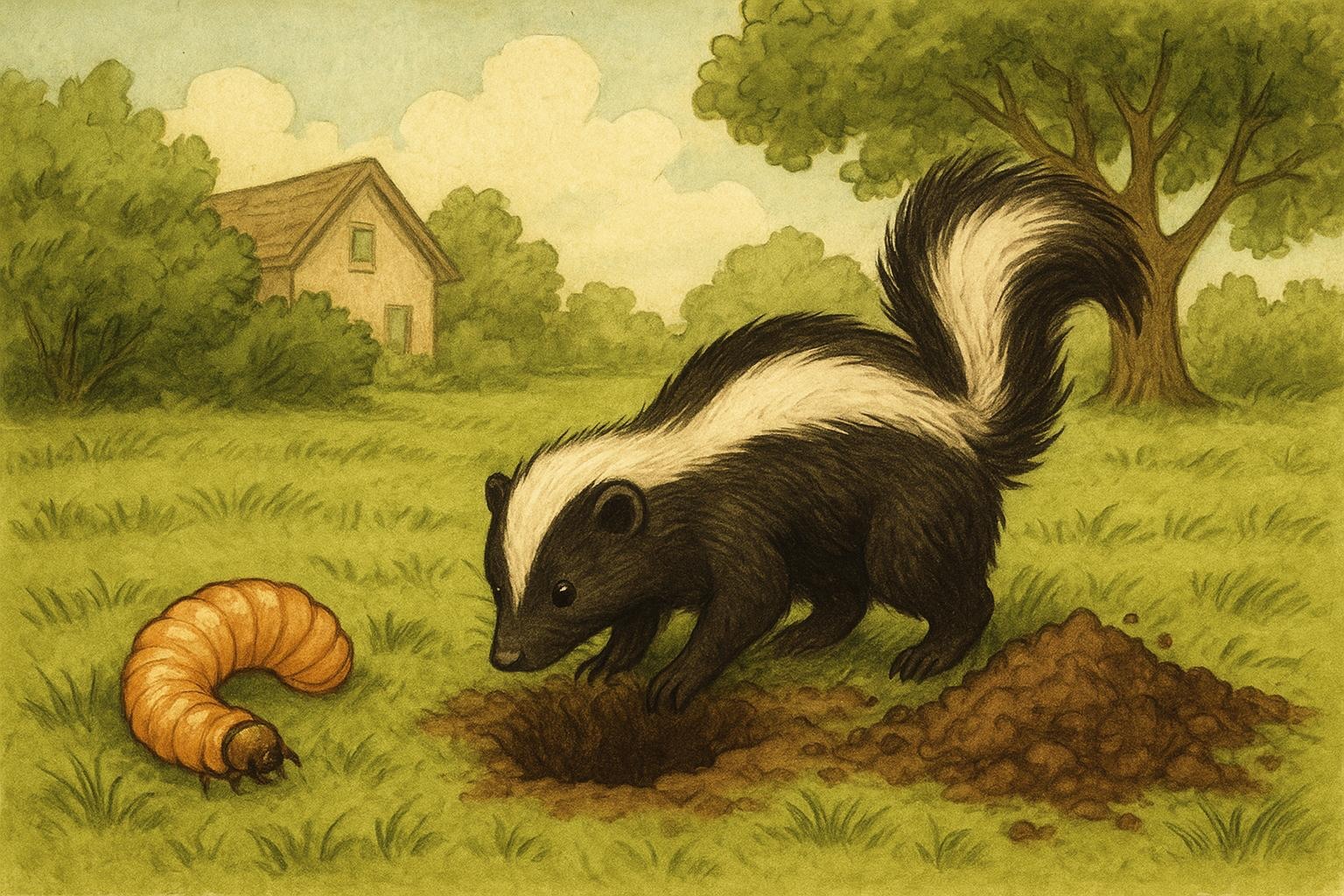
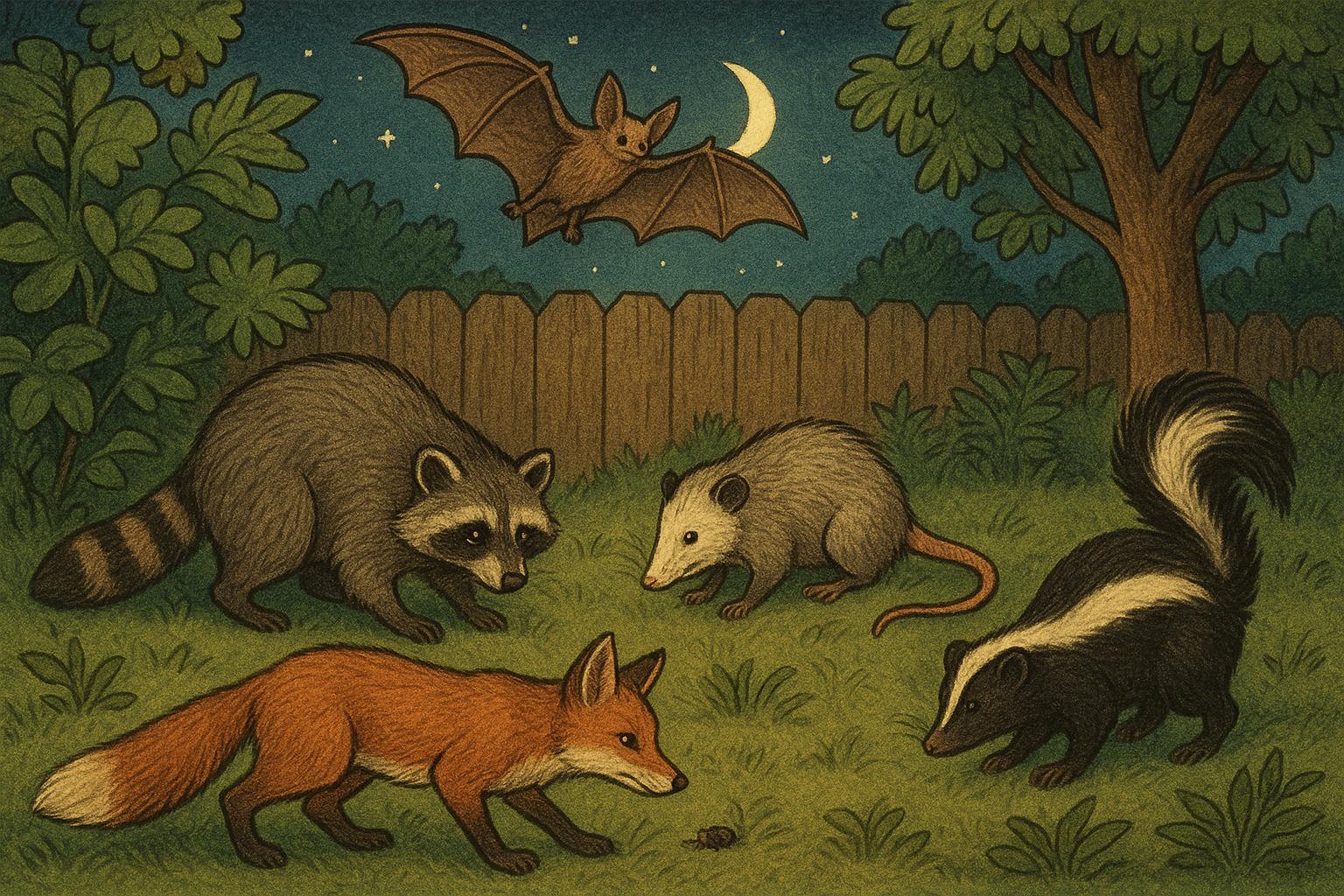
Nice to meet you, grass defender. If your lawn looks like someone’s been poking around with a garden fork at night, there’s a good chance you’re not dealing with mischievous raccoons but skunks rooting for dinner—often because of skunk grubs. Below you’ll find friendly, practical advice to identify the problem and several formally described, effective remedies to get your turf back to respectable green status.
## Skunk Grubs Solutions For Lawn Digging In Your Yard
### Why Skunks Dig And How Grubs Fit In
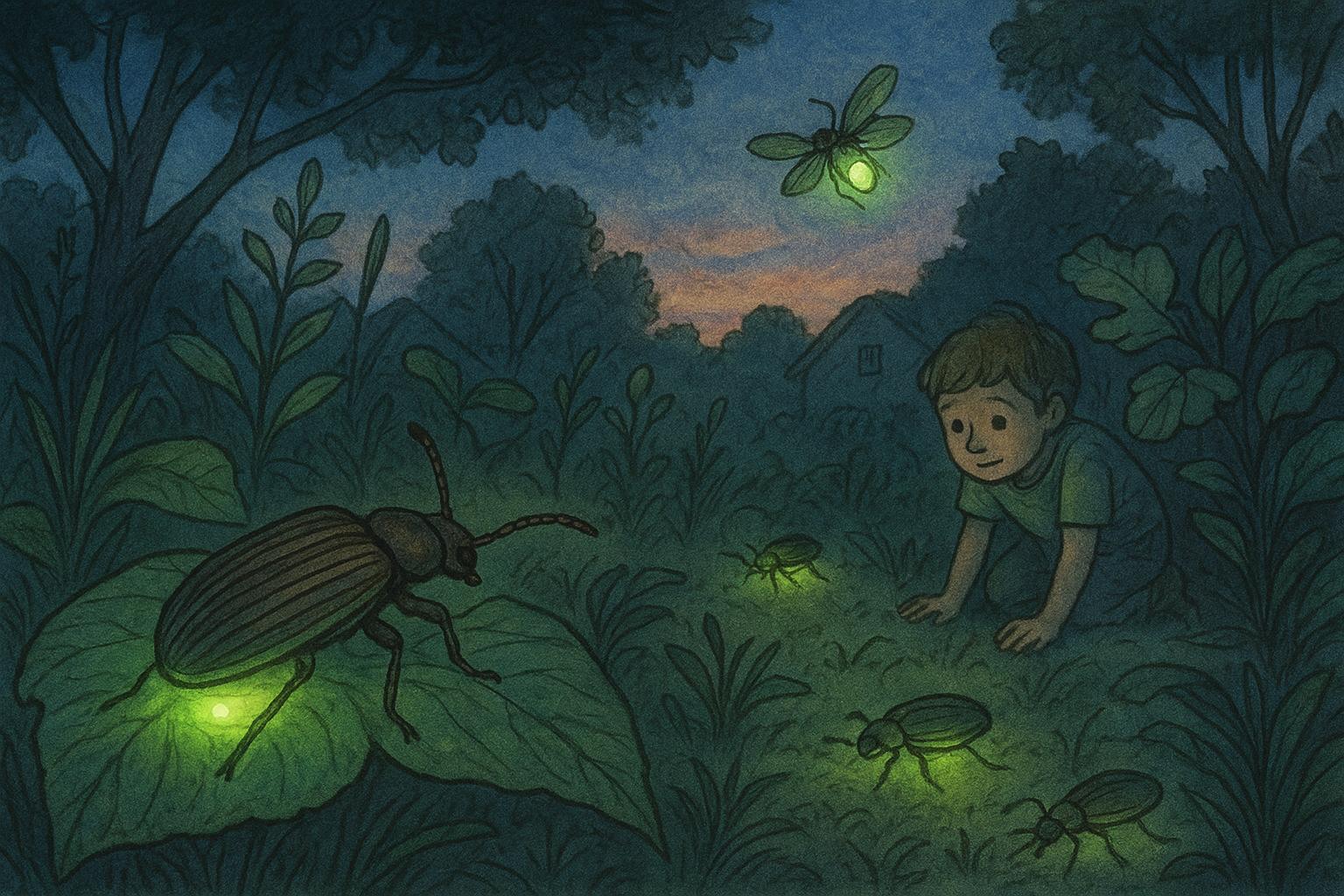
Skunks are opportunistic feeders with a finely tuned nose for protein-packed snacks. One of their favorite underground treats is lawn grubs—white, C-shaped larvae of beetles like june beetles and Japanese beetles. When grubs are present, skunks will systematically scratch and dig to unearth them, leaving shallow crescent-shaped holes or patches of torn turf. If you’ve got repeated digging in the same areas, skunk grubs are a likely suspect.
### How To Confirm It’s Grubs Causing The Digging
You don’t need a degree in entomology to check. Dig a small square of turf about 6–8 inches across and 3–4 inches deep where the skunk has been active. If you find several white grubs (about 1/2–1 1/2 inches long, curled into a C), you’ve found the reason for the nocturnal gardener visits.
– If you find fewer than five grubs per square foot, damage is often cosmetic; more than 10 per square foot indicates a significant infestation.
– Timing matters: grubs are most active for feeding in late summer through early fall and again in spring in some regions.
## Remedy 1: Treat The Grubs (Biological Controls)
When you remove the food source—the skunk grubs—you significantly reduce skunk digging. Biological treatments are effective, environmentally favorable, and targeted when applied correctly.
### Why Biological Controls Work
Beneficial nematodes and milky spore target grub larvae in the soil. Nematodes actively seek out grubs and infect them with bacteria, while milky spore (Paenibacillus popilliae) infects Japanese beetle larvae specifically, reducing populations over time. Both require correct application timing, soil moisture, and patience for the best results.
#### Materials Needed
– Beneficial nematodes (Heterorhabditis bacteriophora recommended for many grub species)
– Milky spore powder (optional, species-dependent)
– Hose-end sprayer or watering can with fine nozzle
– Soil thermometer (optional)
– Fine-mist sprayer or pump sprayer
– Protective gloves (for handling packaging)
– Water source
#### Step-By-Step Application
1. Read product labels thoroughly; strains, dosages, and shelf-life matter. Store nematodes refrigerated until use.
2. Apply in the evening or on an overcast day—UV light kills nematodes. Soil temperature should be between 55°F and 90°F for nematodes to be active.
3. For nematodes: mix the recommended amount in water as per the label, keeping the mixture moving (stir gently). Pour into a hose-end sprayer or watering can.
4. Saturate the target area uniformly to a depth of 2–4 inches. Aim for about 0.5–1 inch of water immediately after application to wash nematodes into the soil.
5. Keep the area moist for at least 48 hours after treatment to allow nematodes to find hosts.
6. For milky spore: apply granules per the product directions, lightly rake into the topsoil, and water thoroughly. Milky spore can take months to years to build up and works best where Japanese beetles are the main problem.
7. Reapply nematodes as recommended (often once in late summer and again in early fall for two seasons) to build control.
Notes: Chemical grub treatments (neonicotinoids, carbaryl) exist but use them with caution due to pollinator impacts. Biologicals are safer for beneficial insects and pets.
## Remedy 2: Deter Skunks And Protect Your Lawn (Physical And Behavioral Methods)
Even after treating grubs, you’ll want to make your lawn less attractive or accessible to skunks while populations decline.
### Materials Needed
– Hardware cloth or welded wire mesh (1/2–1 inch mesh)
– U-shaped lawn staples
– Motion-activated lights or sprinklers
– Castor oil-based lawn repellent (commercial)
– Ammonia or predator scent products (use cautiously)
– Garden gloves and a shovel
### Step-By-Step Application
1. Identify high-traffic digging spots. Place temporary wire mesh over these areas: cut a piece slightly larger than the damaged patch, lay it flat on the soil, and secure edges with lawn staples or bury the perimeter 3–4 inches deep so skunks can’t pull it up.
2. For larger areas, install a short buried barrier: trench 6–8 inches deep, anchor hardware cloth vertically, and backfill. This prevents skunks from nosing under.
3. Install motion-activated lights or sprinklers to make the area less appealing to nocturnal visitors. Periodic movement deters habitual digging.
4. Apply a castor oil-based repellent according to label directions to discourage digging in treated zones. Reapply after heavy rain.
5. Use ammonia-soaked rags sparingly in secure containers; the strong scent can deter skunks but also affects pets and neighbors—exercise caution and local ordinance awareness.
6. Remove other attractants: secure trash, pick up fallen fruit, and reduce insect-attracting outdoor lights that bring adult beetles.
Formal caution: Do not attempt to handle or relocate skunks yourself—use humane exclusion and deterrence, and contact wildlife professionals if trapping or removal seems necessary.
## Remedy 3: Repair Lawn And Ongoing Prevention
After grub control and deterrence, you’ll likely need to repair torn turf and plan for future prevention.
### Materials Needed
– Garden soil or topdressing mix
– Grass seed or sod plugs matching your lawn type
– Compost or starter fertilizer (slow-release)
– Rake, lawn roller (optional), hose or sprinkler
– Straw or seed cover fabric (optional)
#### Step-By-Step Repair
1. Trim jagged torn edges to create a neat patch area. Remove any debris and dead grub larvae.
2. If the soil is compacted or uneven, loosen it to a depth of 2–3 inches and incorporate a few inches of topsoil or compost.
3. Lay sod plugs for instant cover or spread seed evenly per label rates. Lightly firm the soil to ensure seed-to-soil contact.
4. Apply a starter fertilizer designed for new seed or sod and water gently but thoroughly. Keep the area consistently moist until the grass is established.
5. Protect seeded areas with light straw cover or seed cover fabric until seedlings are robust enough to withstand light traffic.
6. For long-term prevention, maintain healthy lawn practices: proper mowing height, adequate but not excessive irrigation, aeration, and balanced fertilization to discourage grub outbreaks.
### When To Call A Professional Or Wildlife Control
If skunks are persistent, appear injured, or show signs of rabies (odd daytime activity, uncoordinated movements), contact local animal control or a licensed wildlife rehabilitator. If grub populations remain high despite treatments, a licensed pest management professional can provide targeted options and soil diagnostics.
A few closing friendly reminders: skunks are part of the local ecosystem (and they do eat garden pests), but when they and skunk grubs team up against your lawn, practical, humane action will get your yard looking respectable again. If you’re ever unsure about chemical options or trapping laws in your area, lean on local extension services or certified pros for region-specific guidance.























Leave a Reply