
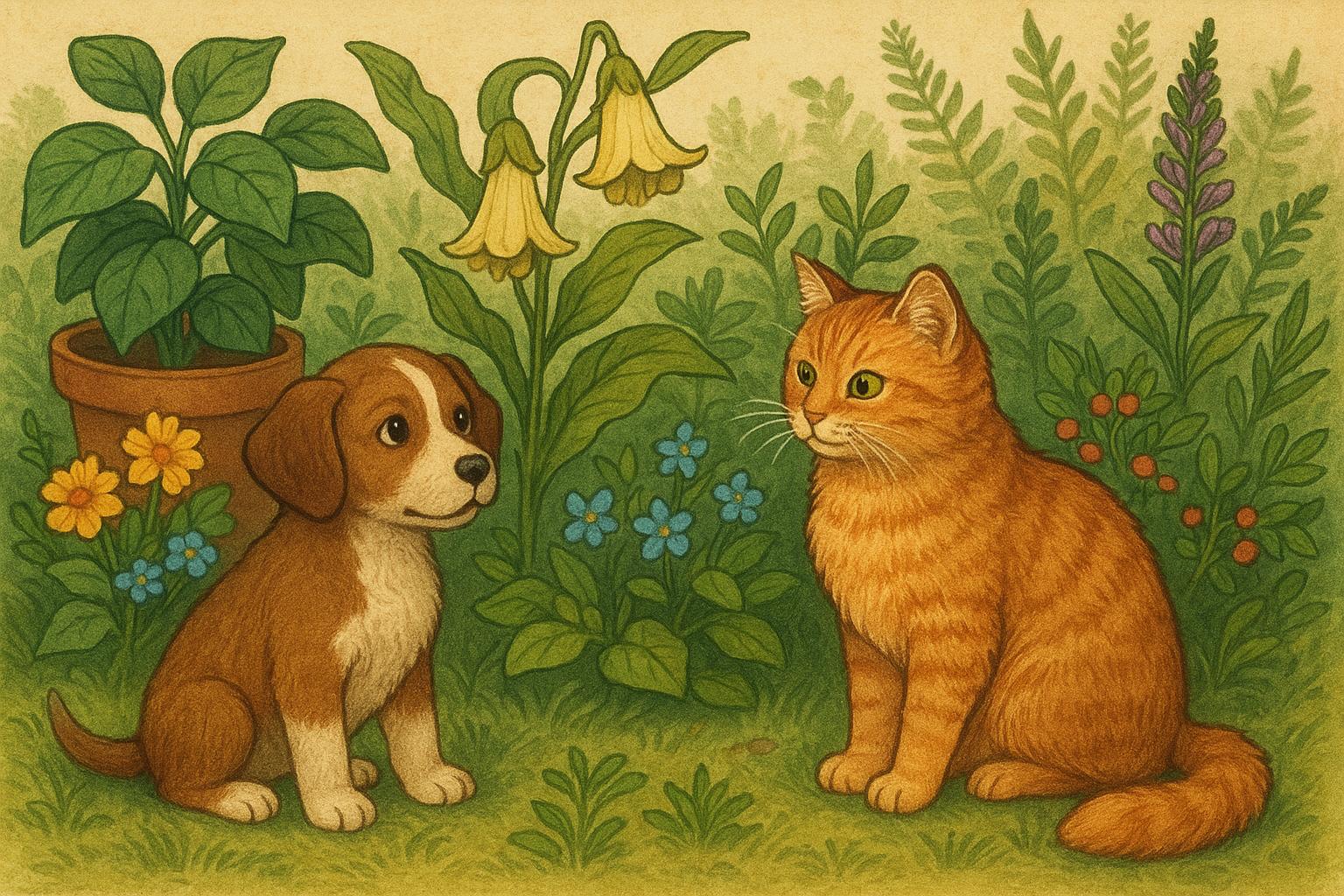
Prepare to be stunned: the quiet green corners of your yard can become a sensational stage for birds, bees and curious pets — if you pick the right specimens. These jaw-dropping choices flip the script on boring hedges and throw conventional garden rules out the window. You’ll find that “wildlife friendly plant selections” can be both showy and safe, turning your home landscape into a living drama that attracts pollinators, provides shelter for wildlife, and keeps pets out of harm’s way.
## Wildlife Friendly Plant Selections That Will Shock You
The phrase “wildlife friendly plant selections” is trending for a reason: gardeners are waking up to the idea that plants can do double duty — invite butterflies and songbirds while staying non-toxic for cats and dogs. Forget the bland monoculture of clipped lawn and invasive shrubs. These picks are loud, colorful, and irresistible to wildlife, yet far less likely to send you running to the vet.
### Shocking, But Safe: Top Picks For Pet Owners
Some choices will make your neighbors gasp. Choose native, nectar-rich species and pet-safe edibles to create a dramatic, wildlife-attracting tableau. Consider these plants that combine spectacle with safety:
– Echinacea (Coneflower) — huge blooms that feed bees and butterflies and are generally non-toxic to dogs and cats.
– Rudbeckia (Black-Eyed Susan) — sun-worshipping daisies that flood the yard with color and seeds for birds.
– Nasturtium — edible, peppery blooms that attract pollinators; the leaves and flowers are safe for pets in small amounts.
– Sunflower — towering, cheerful, and an avian buffet when seed heads mature.
– Catnip and Cat Grass (wheatgrass) — dramatic for cats and wildlife-friendly; catnip draws felines while grass provides a safe nibble spot.
– Bee Balm (Monarda) and Salvias — intense color and fragrance that lure pollinators; choose varieties known to be tolerated by pets.
These are not just pretty faces; as wildlife plants they provide nectar, pollen and seeds that keep the local ecosystem humming. When chosen and sited correctly, they’re dramatic landscape plants that also respect the safety of curious sniffers and grazers.
### Where The Drama Happens: Placement And Plant Combinations
The shock value of wildlife friendly plant selections comes from bold groupings and layered plantings. Create swaths of color rather than solitary specimens; mix tall bloomers in the back with shorter, sensory herbs in front. Arrange your landscape plants with pet behavior in mind: place cat-enticing greens like catnip and wheatgrass in accessible pots or raised beds, while putting taller nectar plants where pets can admire — but not trample — the scene.
## 2 DIY Remedies For Pet-Safe Wildlife Gardens
Below are two formal, step-by-step remedies for building striking outdoor features from the same roster of wildlife plants. Each remedy lists materials and clear application steps so you can implement safely and effectively.
### 1. Pet-Safe Cat And Dog Herb Planter (Remedy 1)
This planter gives pets a sanctioned “grazing” patch while offering scent and nectar that attracts small pollinators. It’s compact, dramatic, and easily maintained.
Materials
– One large, well-draining raised planter or ceramic trough (at least 18 inches long)
– Organic potting soil (2–3 bags as needed)
– Small rocks or gravel for drainage (1–2 bags)
– Seedlings or 4–6 small plants: catnip, wheatgrass, basil, thyme, nasturtium
– Mulch (bark-free or straw)
– Small decorative stones or edging to discourage digging
– Gloves and hand trowel
Steps
1. Select a sun-drenched spot with partial afternoon shade for sensitive herbs. Sun-loving nasturtiums and wheatgrass need at least 4–6 hours of sun.
2. Layer 1–2 inches of gravel in the bottom of the planter for drainage.
3. Fill the planter two-thirds full with organic potting soil.
4. Plant seedlings in groupings: place wheatgrass and catnip toward the front for easy access; situate basil and thyme centrally; tuck nasturtium at the edges so tendrils can spill over.
5. Fill gaps with soil, firm gently, and water thoroughly until excess drains.
6. Apply a thin mulch layer to conserve moisture but keep it away from stems to prevent rot.
7. Add decorative stones or a low barrier to discourage excessive digging.
8. Maintain by trimming overgrown stems, harvesting herbs for culinary use, and replanting any damaged seedlings.
Application Notes (Formal)
– Monitor pet interaction for 48–72 hours. Some pets will chew vigorously; control access if ingestion becomes excessive.
– Rotate planters seasonally to encourage fresh growth and reduce pest pressure.
– Avoid chemical fertilizers or pesticides in this planter; the whole point is a wildlife-friendly, pet-safe microhabitat.
### 2. Mini Pollinator Patch And Pet Buffer (Remedy 2)
This remedy builds a small, dramatic patch of landscape plants that invites pollinators, shelters small wildlife, and uses physical design to protect pets.
Materials
– Soil test kit
– Compost and aged manure for soil amendment
– Native perennial plugs: Echinacea, Rudbeckia, Salvia, Bee Balm (Monarda)
– Groundcover plugs: thyme or oregano (edible, low-growing)
– Mulch and decorative rock edging
– Low garden fence or ornamental chicken-wire barrier (6–12 inches high)
– Hand tools: shovel, rake, gloves
Steps
1. Test the soil and amend with compost to a depth of 8–12 inches; these landscape plants prefer fertile, well-draining soil.
2. Plan the layout in a curved, informal island to maximize visibility and pollinator access. Place taller Echinacea and Rudbeckia in the center, with Salvias and Bee Balm around them.
3. Plant perennials according to spacing guidelines (typically 12–18 inches apart) to allow dramatic swaths of color as they mature.
4. Install low fencing or wire edging around the patch perimeter. This barrier is decorative but prevents dogs from lunging and cats from immediately trampling seedlings.
5. Mulch lightly to conserve moisture and suppress weeds. Leave a small mulch-free ring around stems.
6. Water deeply at planting, then maintain with weekly deep watering during establishment (6–8 weeks). Reduce frequency after plants are established.
7. Observe wildlife activity and adjust plant density to increase nectar corridors or seed-bearing structures for birds.
Application Notes (Formal)
– Selecting native plants maximizes ecological benefit; these species often require less water and maintenance.
– The low fence is a practical, non-harmful way to train pets away from valuable plantings without punitive measures.
– Avoid broad-spectrum insecticides; they harm pollinators and defeat the purpose of wildlife friendly plant selections.
### Radical Tweaks To Amp The Shock Factor
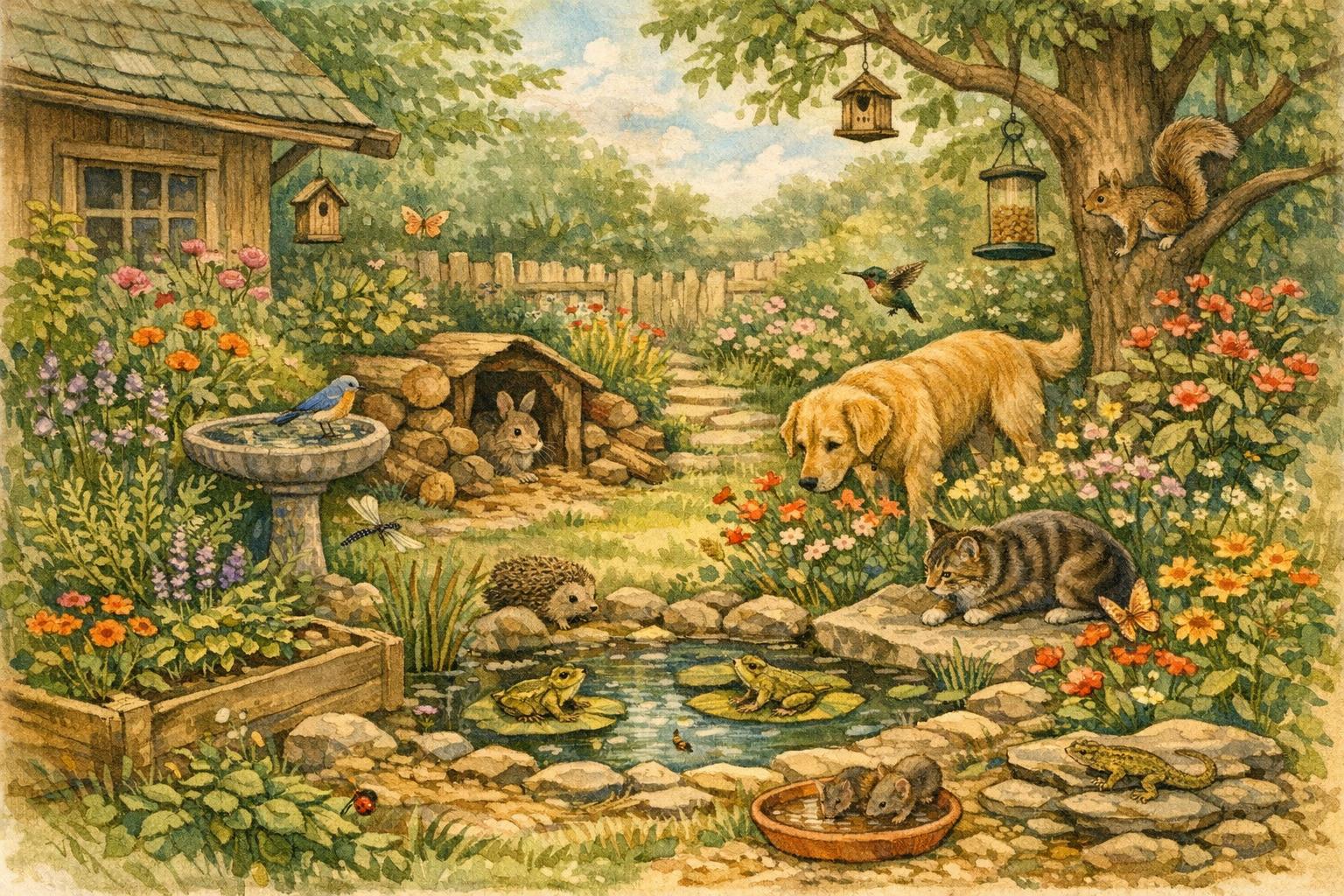
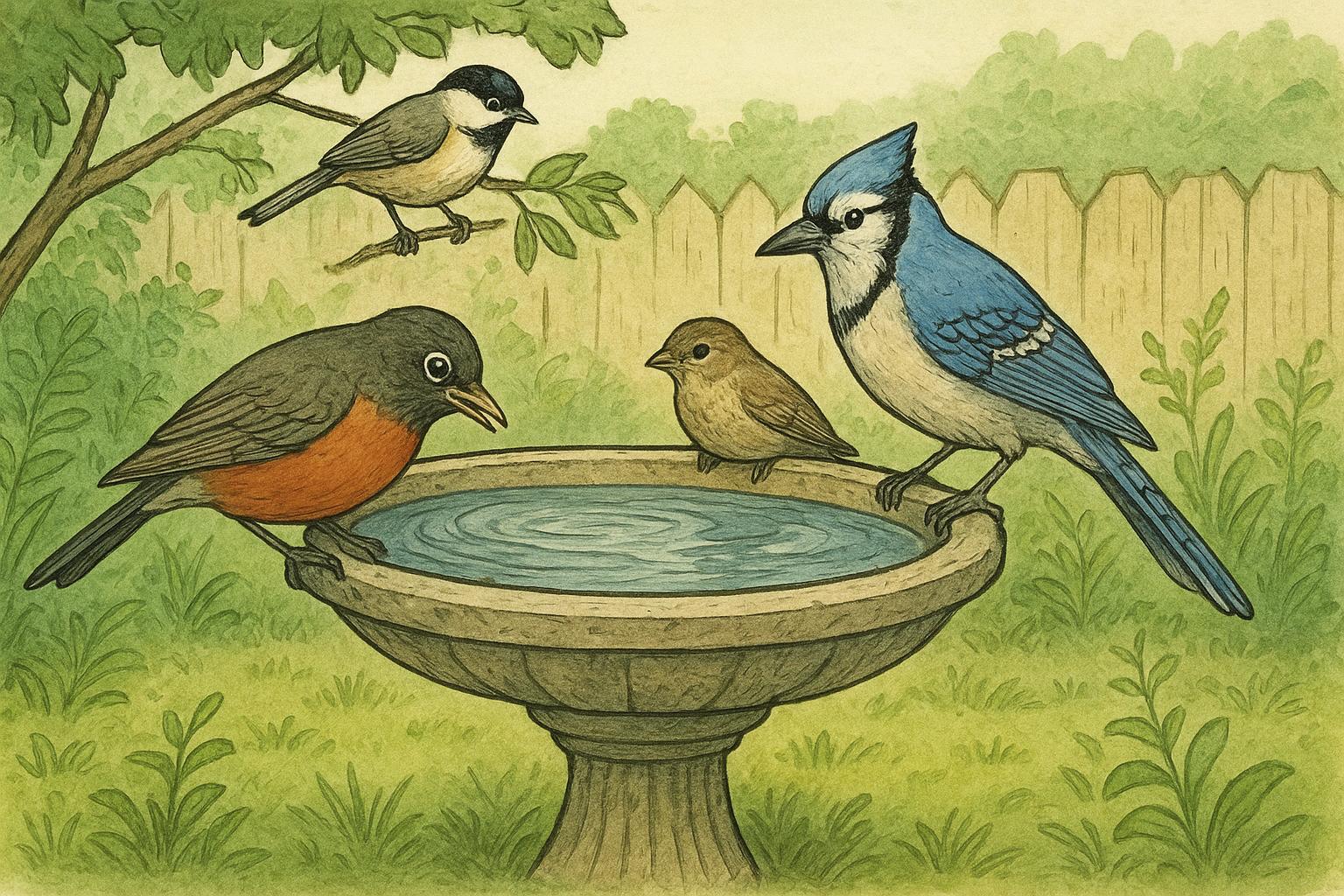
If you want theatrical, consider vertical columns of nasturtium weaving through trellises, or staggered sunflower heights for a living wall that sings with finches. Add a shallow birdbath or a motion-activated but gentle sprinkler to deter digging without scaring wildlife. These extras elevate your landscape plants from functional to festival-grade.
### Why This Works (And Why It’s Sensational)
These choices turn conventional suburban lawns into buzzing ecosystems. The high-contrast colors and layered textures are irresistible to pollinators and birds, while pet-safe herbs and grasses give dogs and cats an outlet for natural behaviors. In short, the dramatic visuals and ecological value of wildlife friendly plant selections will shock anyone who still thinks gardens are quiet, tidy, and sterile.
### Practical Warnings And Final Formal Tips
– Always cross-check specific plant varieties for toxicity; some species have toxic relatives. When in doubt, consult a veterinarian or a trusted plant toxicology resource.
– Introduce plants gradually so local wildlife and your pets can adapt. Rapid changes can provoke digging or overconsumption.
– If pets ingest a new plant and show signs of distress (vomiting, lethargy, drooling), stop access immediately and contact a veterinary professional.
Let your yard perform — responsibly. With the right wildlife plants and careful placement of landscape plants, your property becomes both a pet-safe haven and a show-stopping refuge for wild neighbors.





Leave a Reply