
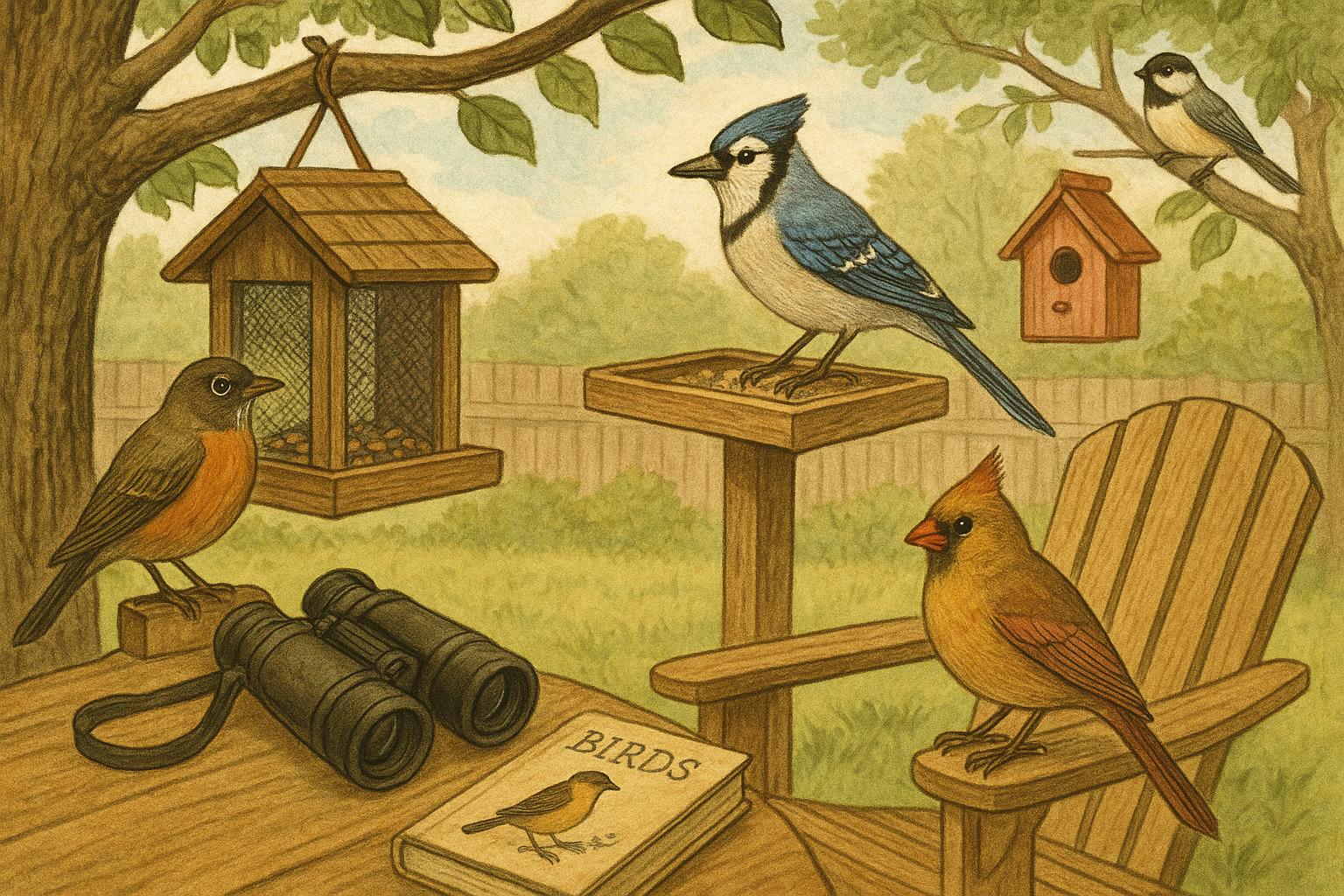
Welcome to a relaxed stroll through the little world outside your kitchen window. Whether you sip coffee with a pair of tits chirping nearby or you’re trying to coax a shy cardinal into view, this guide has the practical bits and friendly tips you need to make your yard a reliable, safe place for common visitors.
## Backyard Birding Essentials For Common Backyard Birds
Backyard birding is a joyful hobby that rewards patience, curiosity, and a few well-placed basics. To turn your yard into habitat rather than just scenery, think about food, water, shelter, and safety. Each of these elements is straightforward, and small changes often make a big difference. Backyard birding also benefits from observing seasonal patterns—what you offer in winter will differ from spring and summer needs.
### Feeders And Food: Matching Birds To Offerings
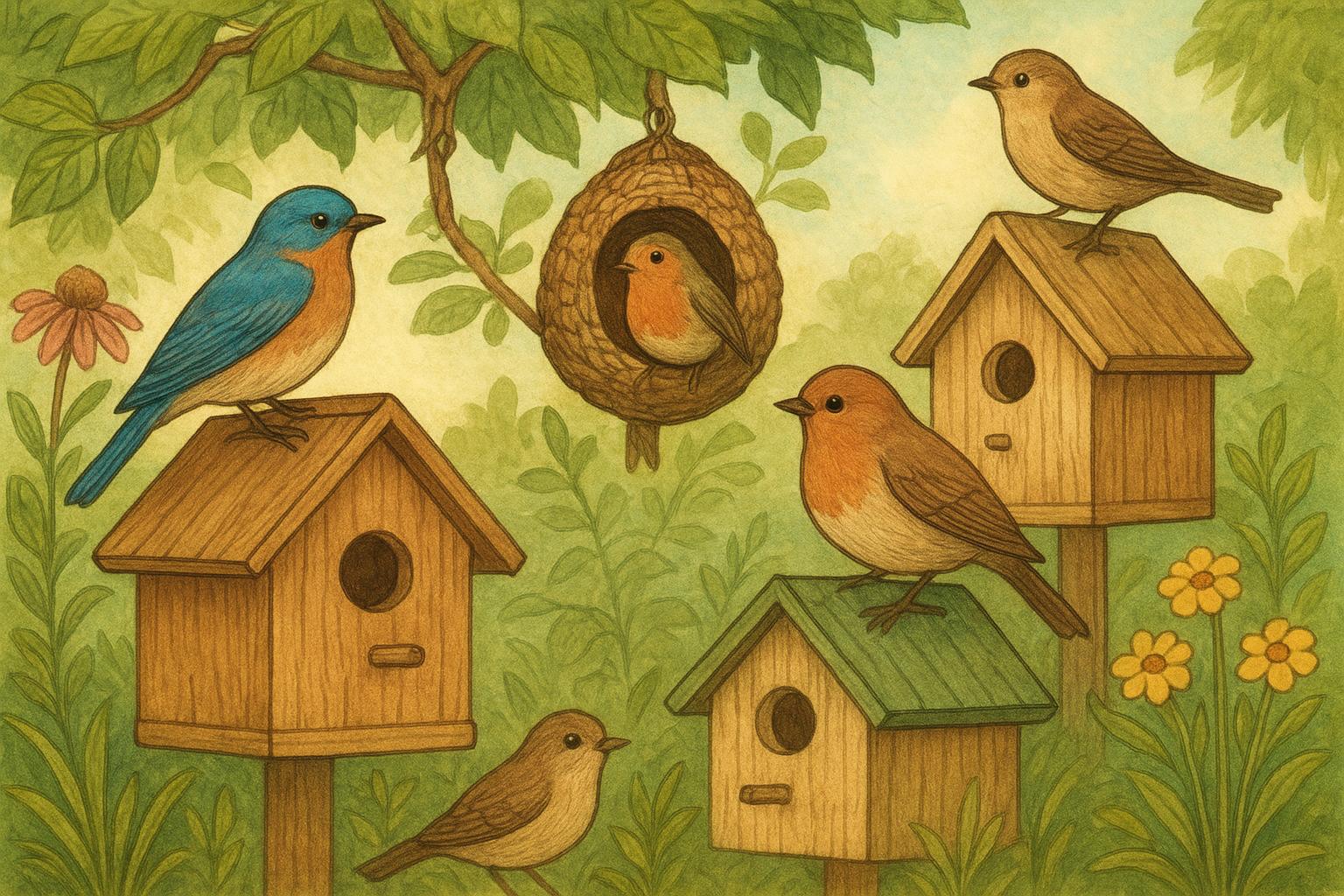
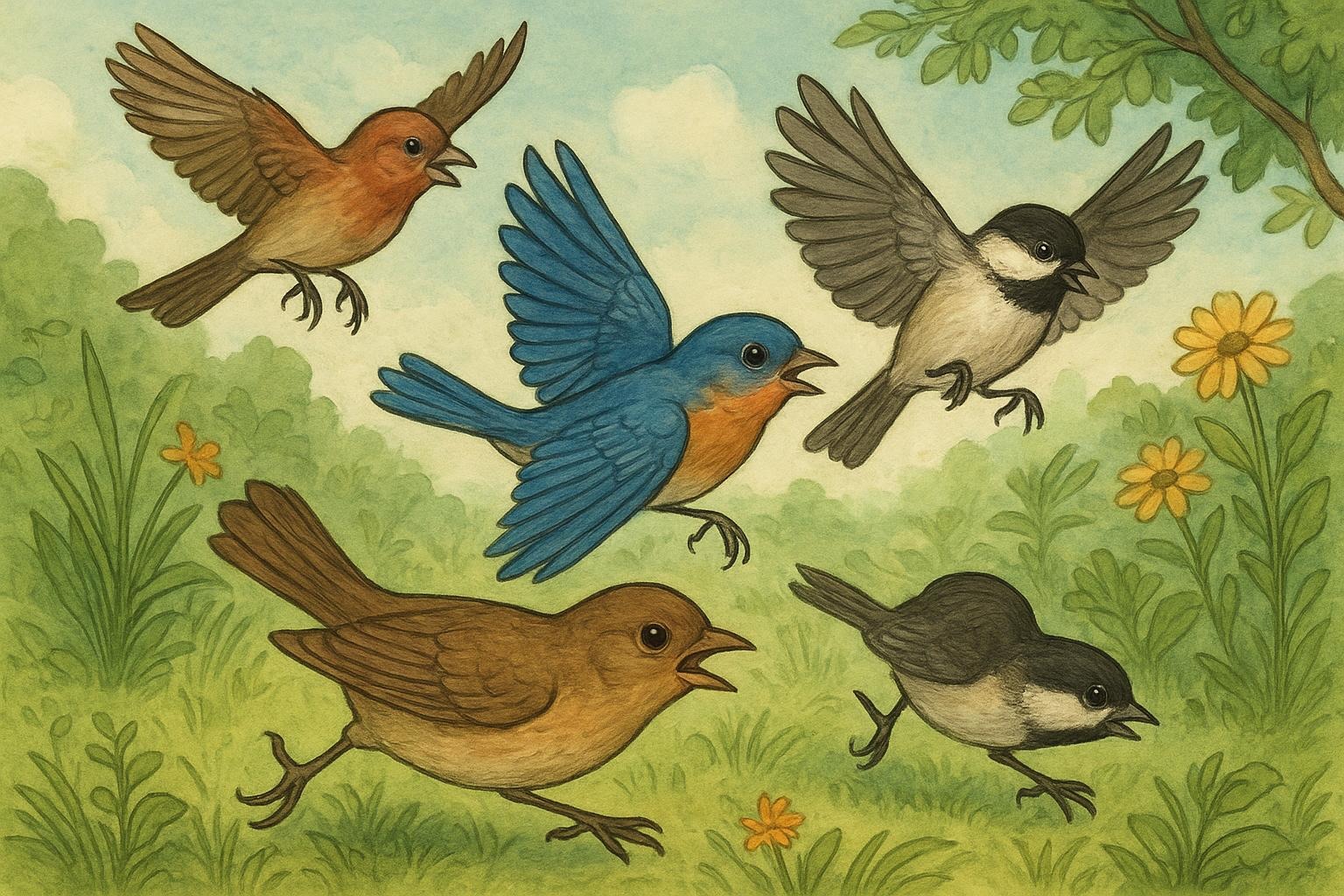
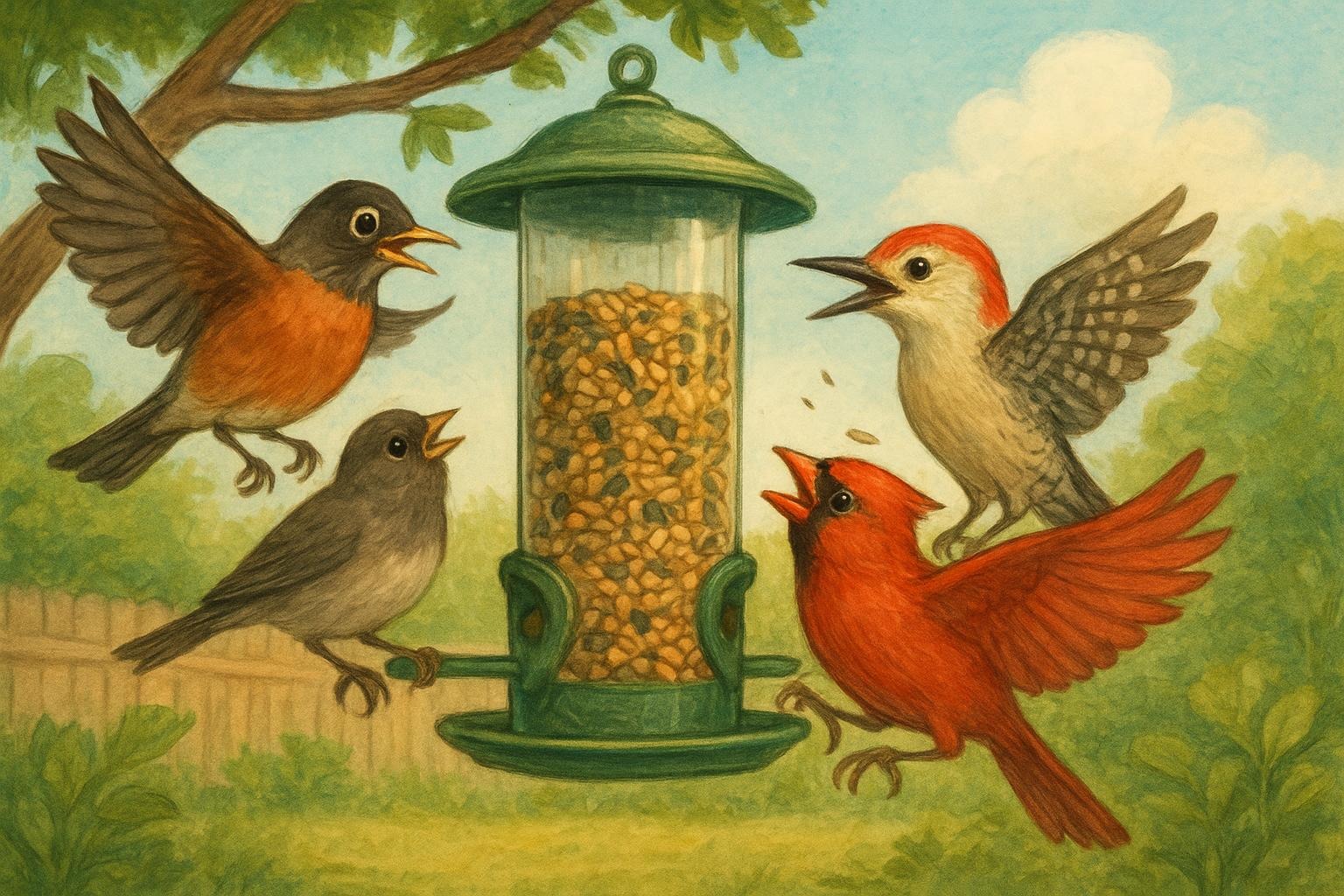
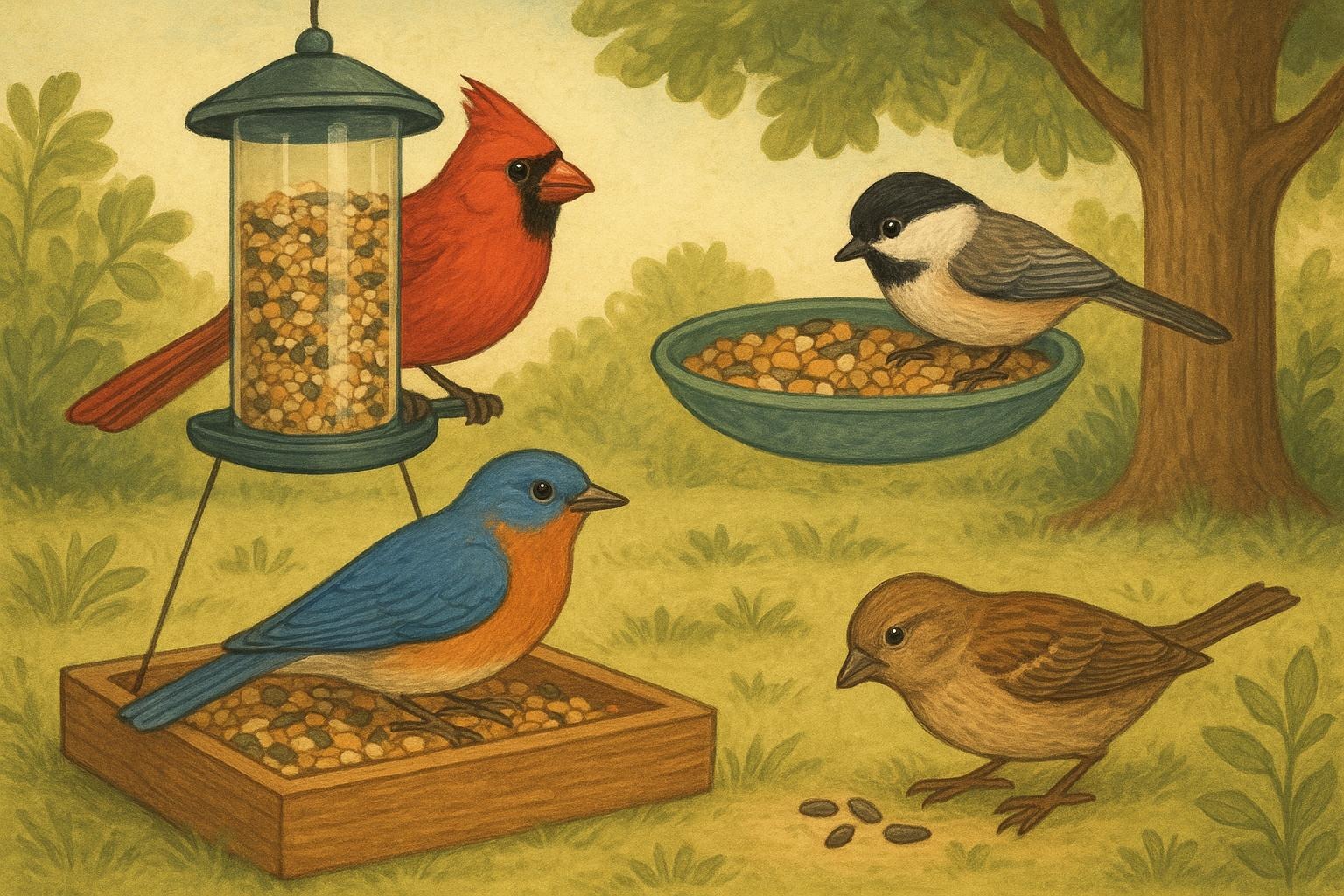
Different species have different preferences. A single feeder won’t suit everyone, so diversify wisely. Tube feeders filled with black-oil sunflower seed attract chickadees, finches, and nuthatches. Platform feeders are favorites of cardinals and jays. Nyjer (thistle) feeders are nearly irresistible to goldfinches. If you keep one universal tip in mind: quality food equals repeat customers.
For those concerned with clean feeding practices: rotate seed, keep feeders dry, and clean them regularly to reduce disease transmission. Use a diluted bleach solution (1 part bleach to 9 parts water), rinse thoroughly, and allow to dry before refilling. This reduces mold and bacterial growth that can harm birds.
#### Common Bird Preferences
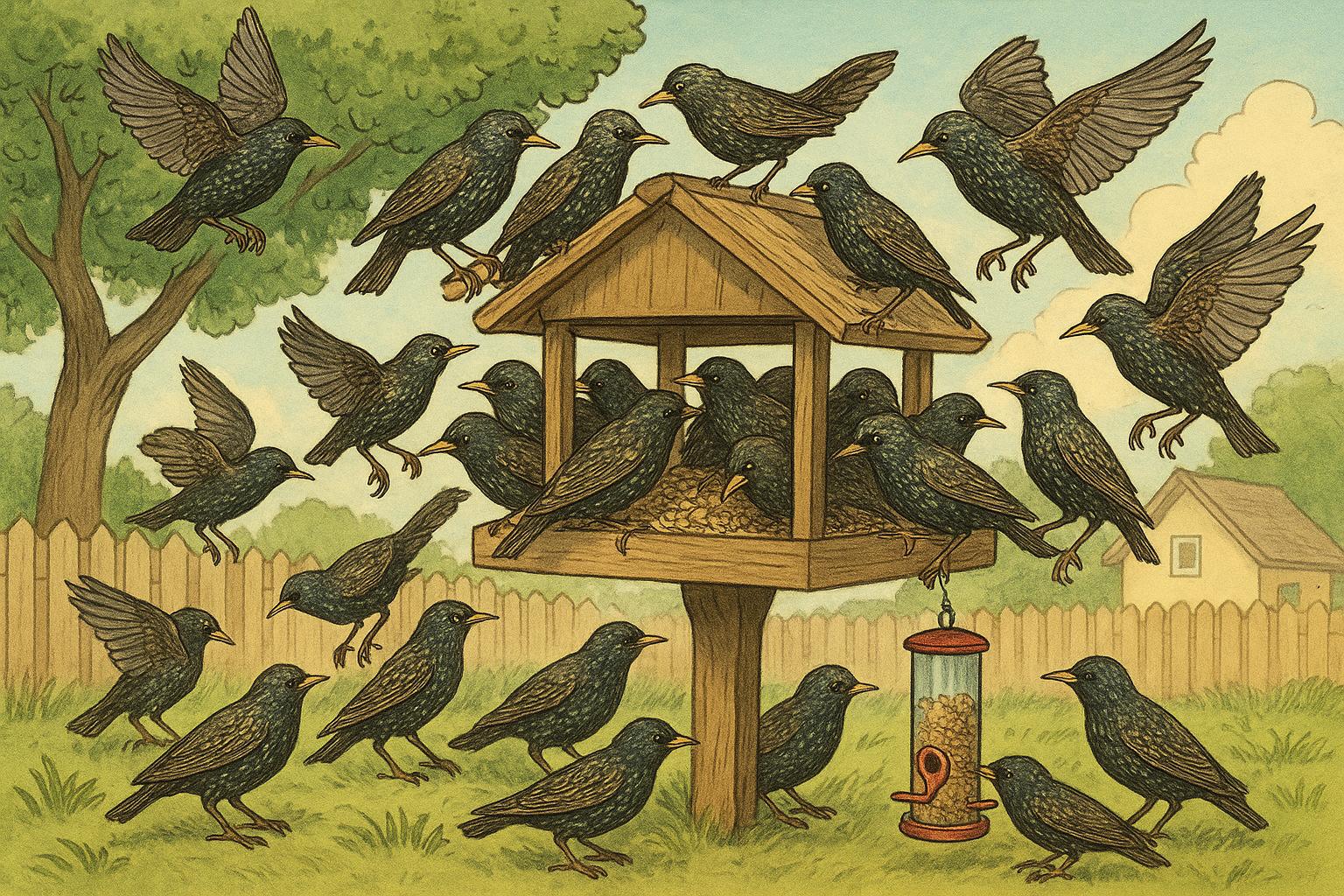
– House Sparrows and Starlings: opportunistic; often use platform feeders.
– Finches (House/Gold): nyjer and thistle; platform or mesh feeders.
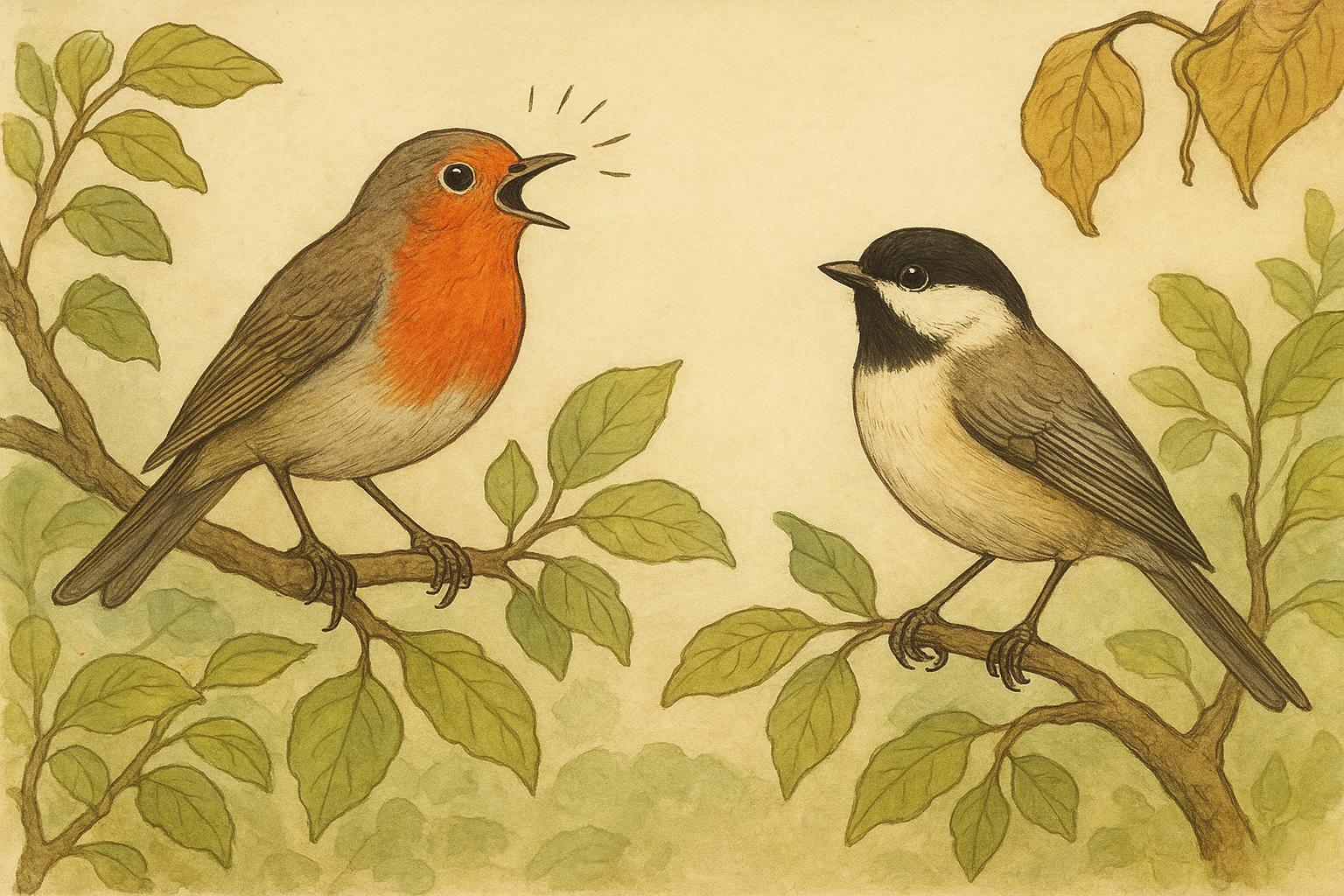
– Chickadees and Titmice: prefer tube feeders and suet.
– Cardinals: platform or large hopper feeders with sunflower seeds.
– Hummingbirds: nectar feeders (see remedy #2).
### Water, Shelter, And Native Plants
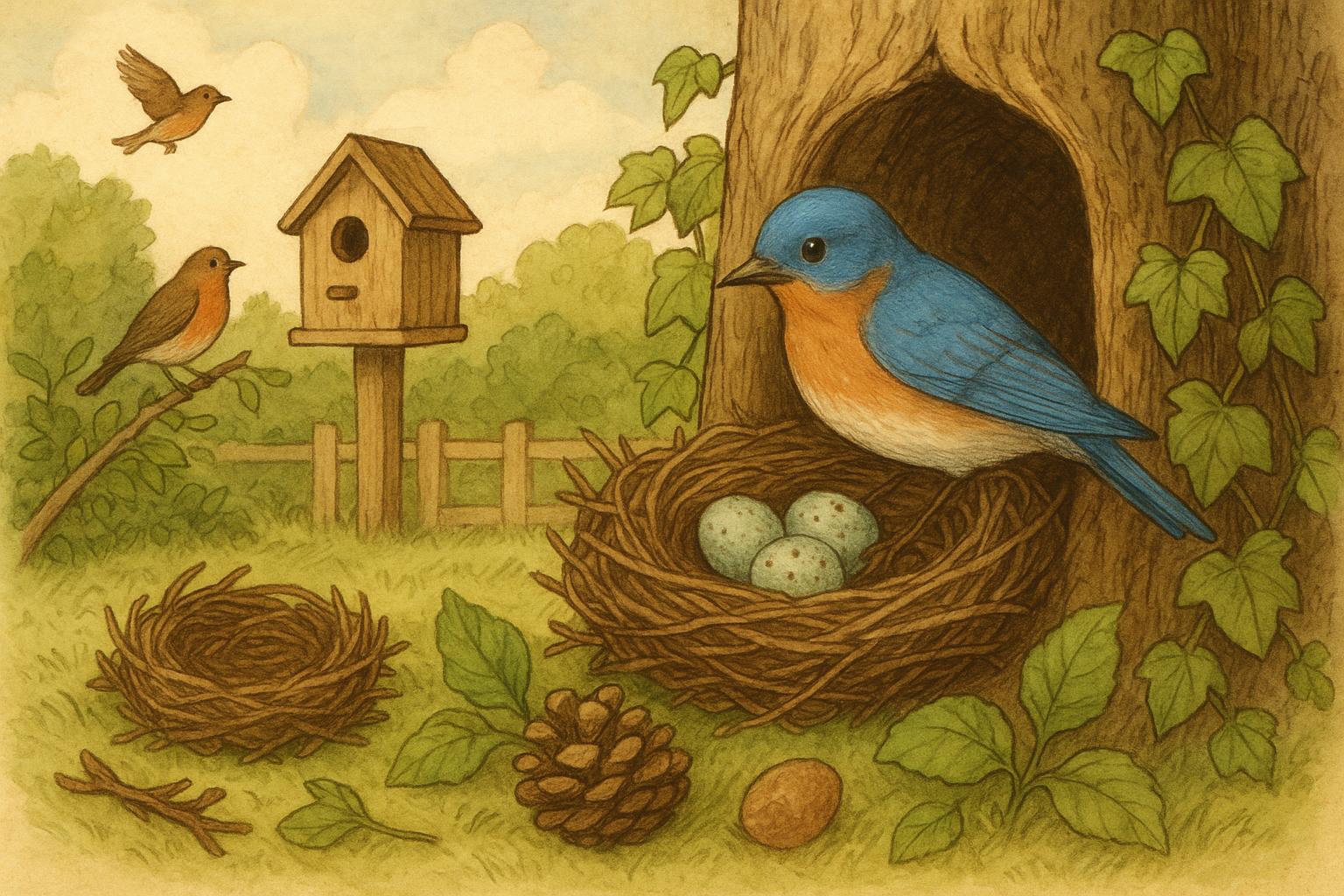
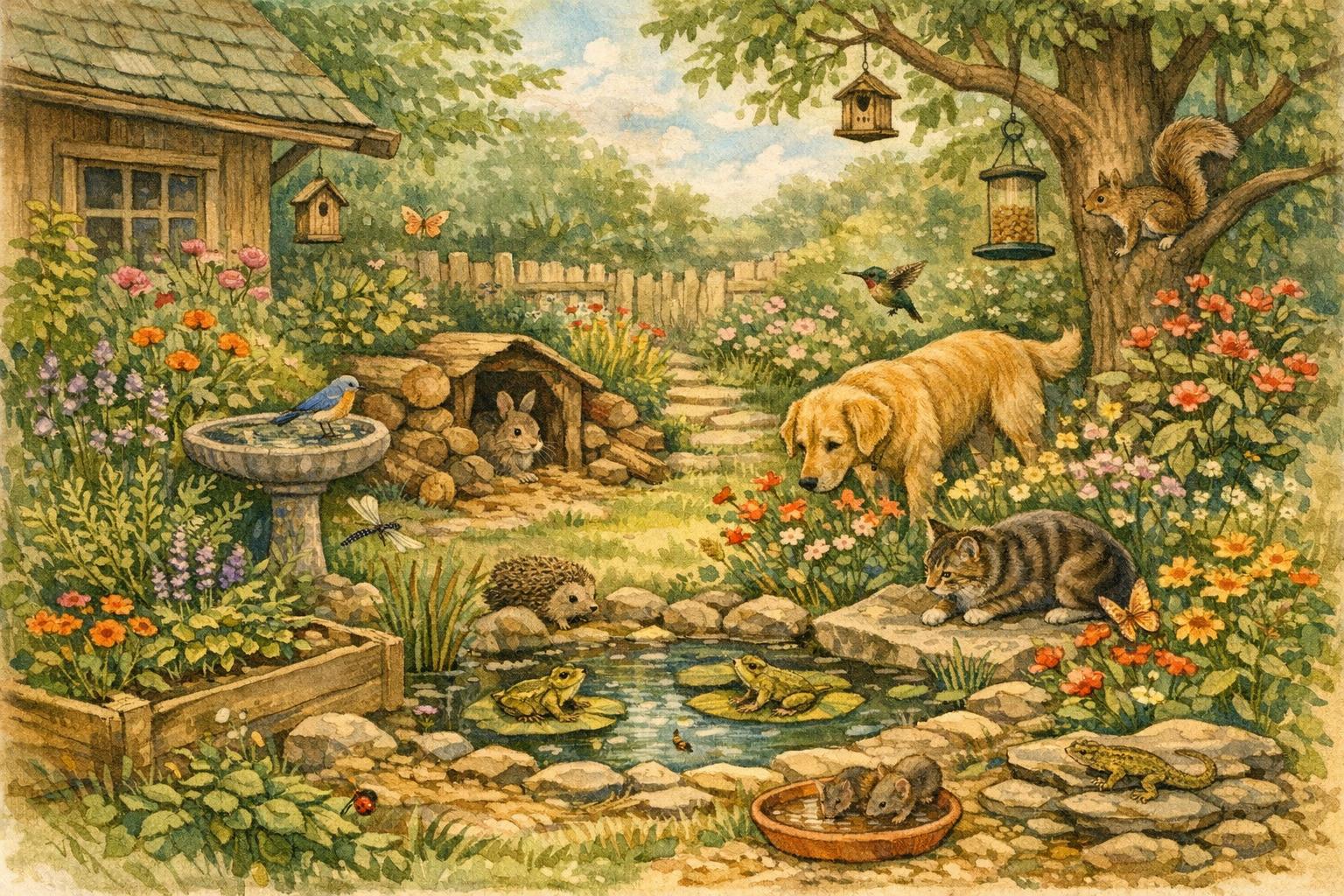
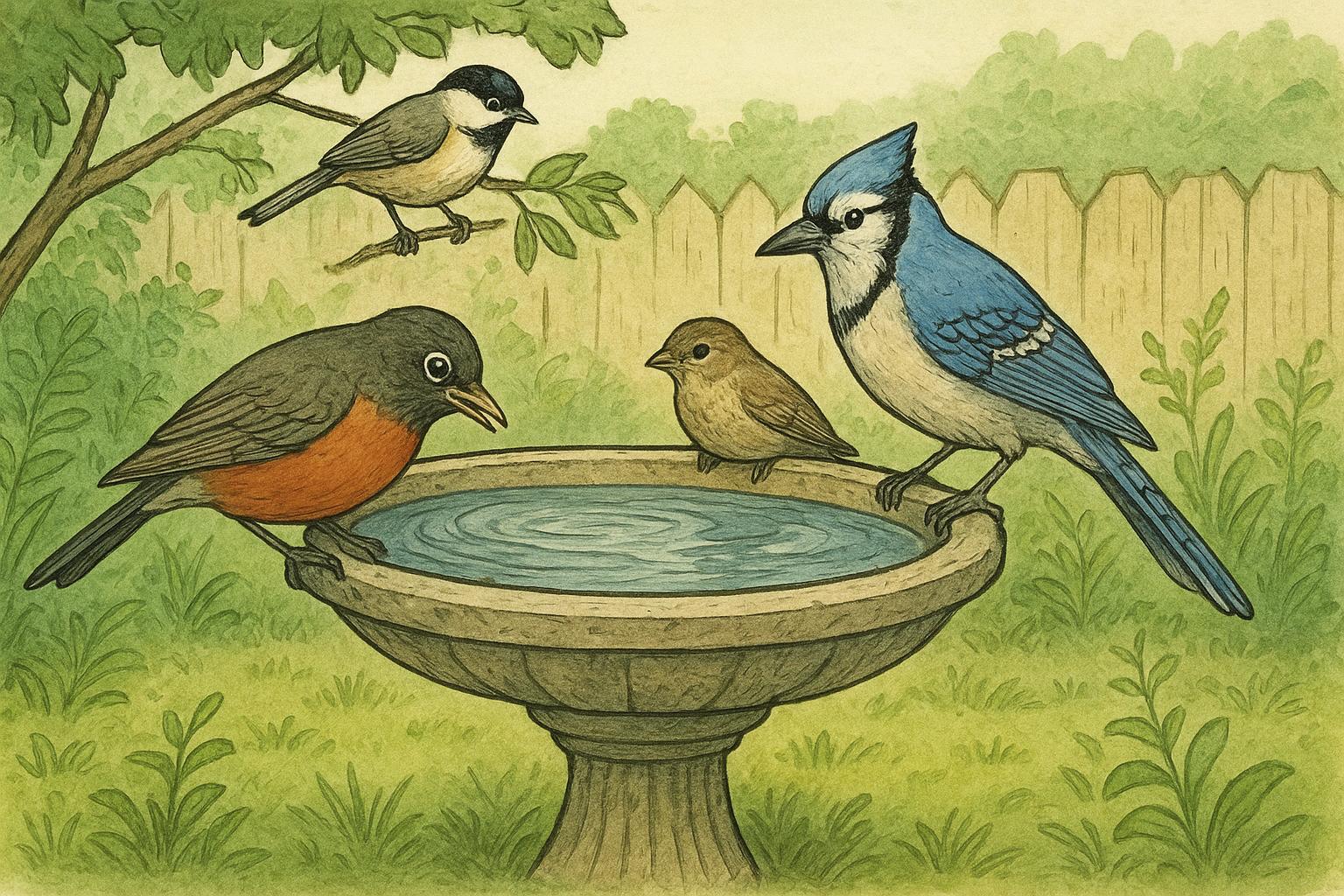
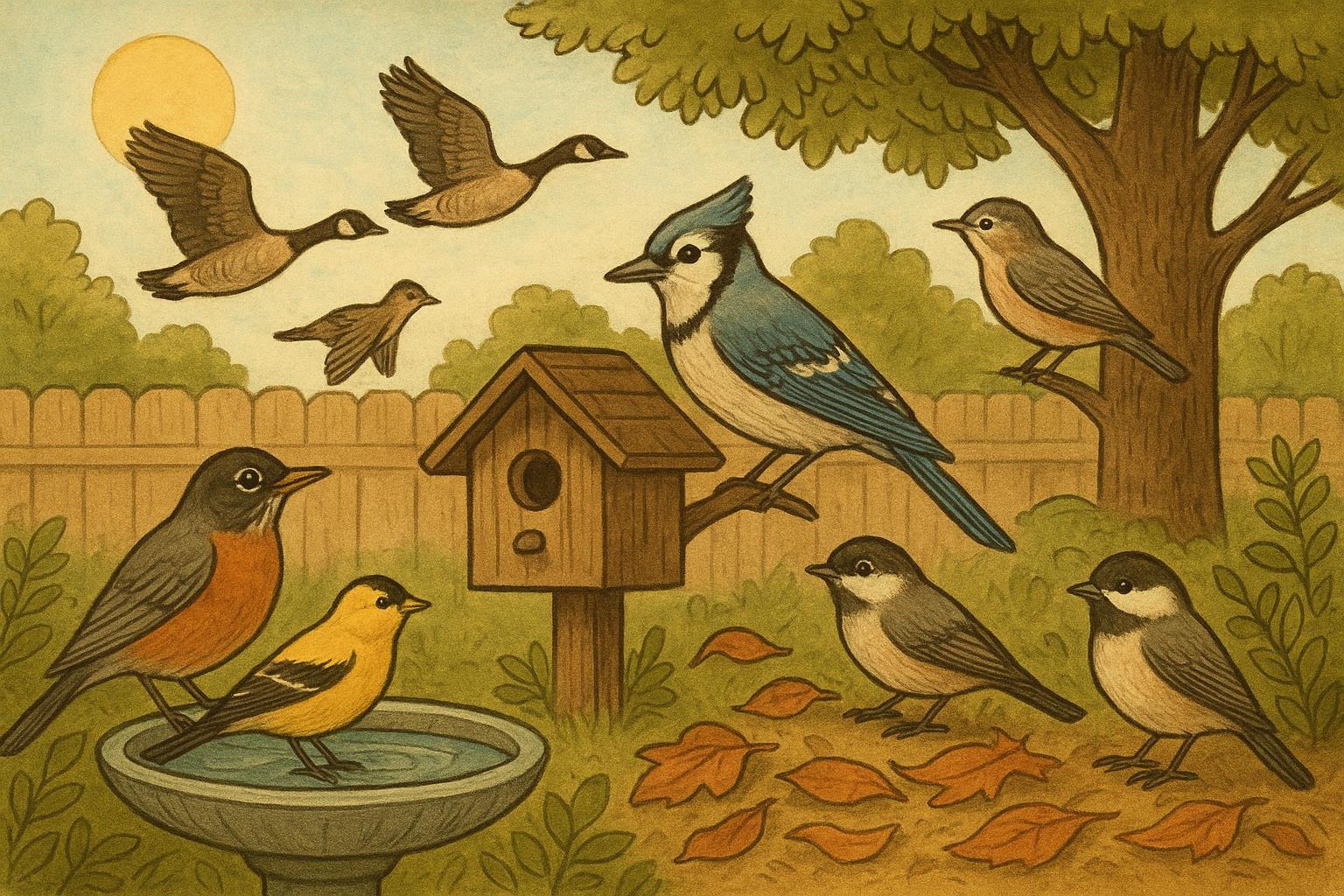
Birds need water for drinking and bathing. A shallow birdbath with a sloping edge and regular cleaning will bring frequent visitors. Add a dripper or mister for movement—birds notice running water first. Planting native shrubs and trees provides shelter and nesting sites; aim for layers (groundcover, shrubs, mid-story, canopy) to support a wider array of species.
Native plants also attract insects, which are vital for nestlings. If you want to foster successful breeding seasons, prioritize native species in your planting plan. Backyard birding done with native plants produces richer, more consistent bird life over time.
#### Creating Year-Round Habitat
– Winter: offer high-energy foods (suet, black-oil sunflower), provide sheltered perches.
– Spring: reduce disruptive pruning during nesting season, leave some seedheads for insects.
– Summer: provide shallow water and shaded perches.
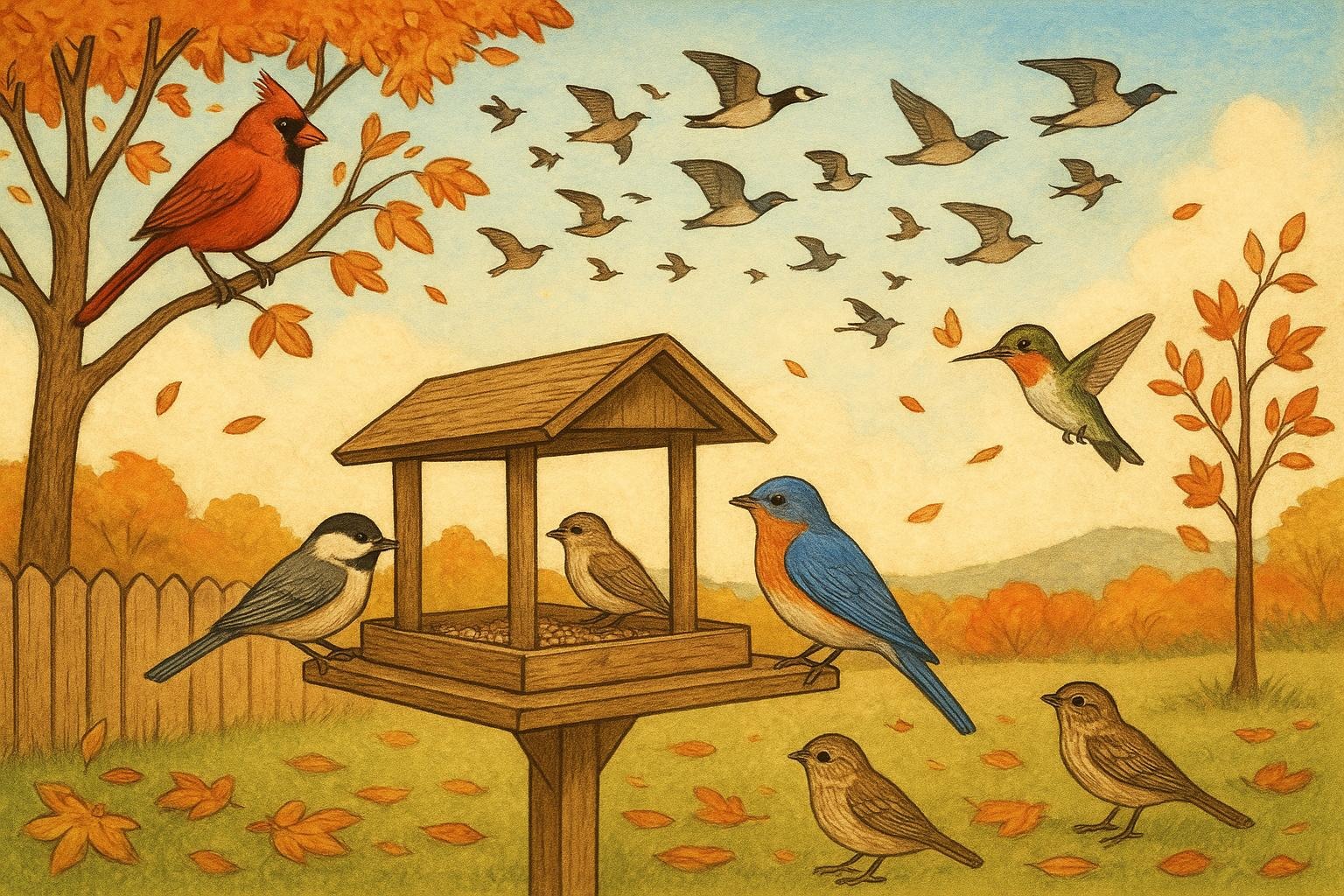
– Fall: increase cover and continue offering seeds as migrants pass through.
### Safety, Cleanliness, And Predation Management
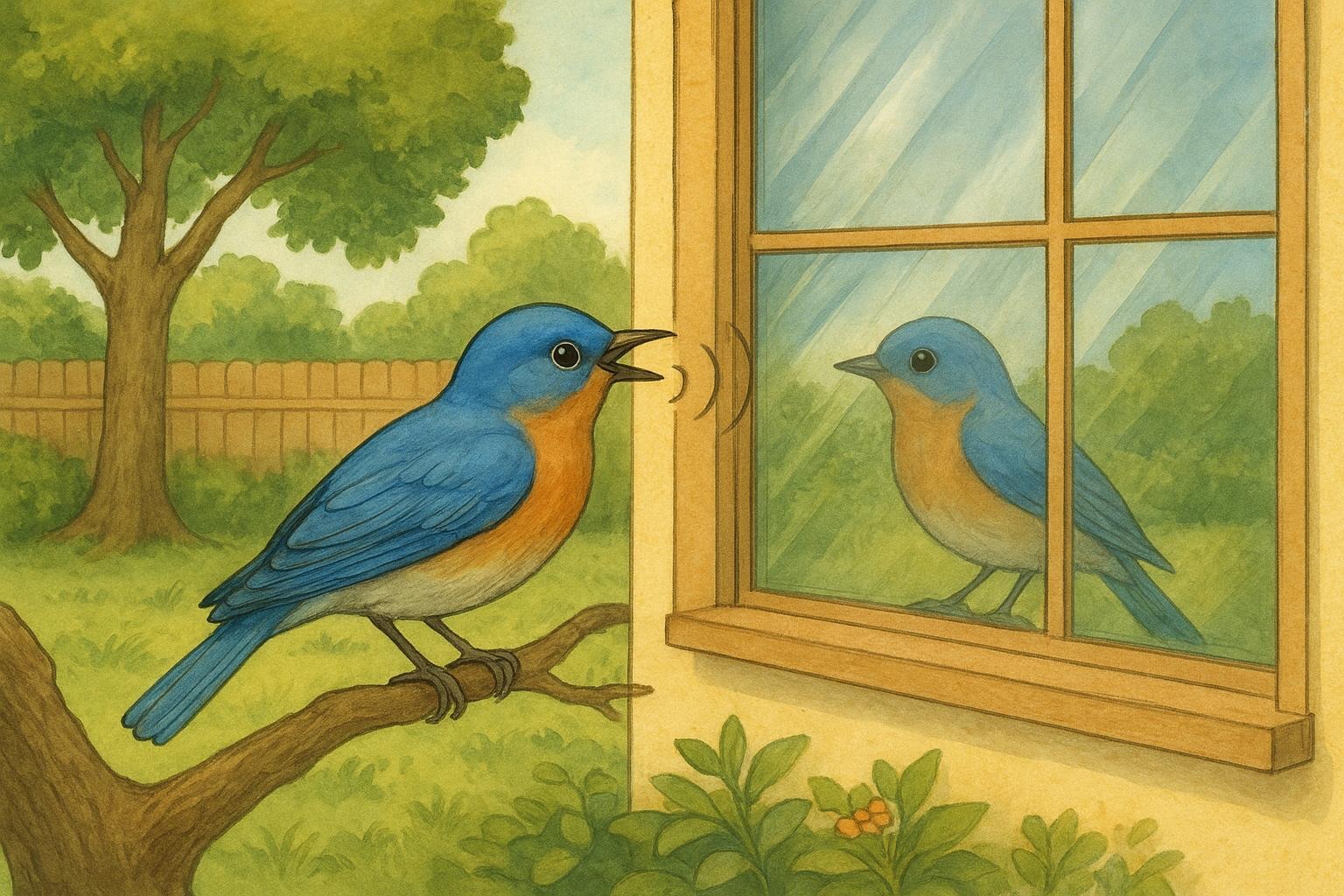
Good backyard birding includes keeping birds safe from hazards. Cats, windows, and contaminated feeders are major threats. Place feeders within sightlines but not too close to windows (to reduce collisions); use decals or other window strike deterrents if necessary. Keep feeders at least 10 feet from dense cover that cats can use for ambush, or place feeders within 4 feet of a wall or shrub so birds can’t gain flight speed for evasion—both are valid strategies depending on your yard layout.
When addressing predator issues, be methodical and evidence-based. Observe patterns, then adapt layout and timing. Clean feeding areas of spilled seed regularly, as accumulated seed attracts rodents and increases disease risk. If you want specific cleaning procedures, follow formal protocols for disinfecting feeders and baths: use the bleach dilution noted earlier, scrub accessible surfaces, rinse, and dry.
## 1. Homemade Suet Cakes For Woodpeckers And Nuthatches
When winter winds blow, suet is an efficient energy source that woodpeckers, nuthatches, and chickadees love. Making suet at home is economical and allows you to tailor ingredients to local bird preferences.
Materials
– 1 cup rendered beef suet (or high-quality vegetable shortening if avoiding animal products)
– 1 cup crunchy peanut butter (no salt, no sugar)
– 2 cups quick oats or cornmeal
– 1 cup black-oil sunflower seeds
– 1/2 cup shelled peanuts or chopped nuts (optional)
– Muffin tin or suet mold
– Wax paper or mesh suet cages for hanging
Step-by-Step Preparation (Formal Tone)
1. Sanitation: Ensure all utensils and surfaces are clean. Work in a clean area and use food-safe containers.
2. Melt Suet: Gently melt the rendered suet over low heat until fluid. If using vegetable shortening, follow the same procedure.
3. Combine Fats: Stir in the peanut butter until fully incorporated and homogeneous in texture.
4. Add Solids: Remove from heat and mix in oats (or cornmeal), sunflower seed, and optional nuts. Ensure even distribution of ingredients.
5. Mold: Spoon the mixture into a muffin tin or suet molds, pressing to eliminate air pockets. If you plan to use mesh cages, press the mixture into mold shapes that fit.
6. Chill: Refrigerate until solid, typically 2–4 hours. For a firmer texture in warm climates, freeze briefly.
7. Package and Hang: Wrap cakes in wax paper for short-term storage or place in an airtight container in the refrigerator. Hang in suet cages on sturdy hooks or platforms away from direct sun but within visible range of trees.
Application Tips
– Place suet 5–10 feet off the ground to reduce squirrel theft and limit cat access.
– Replace quickly if it becomes rancid or excessively wet. Discard any suet showing signs of mold.
– Rotate suet types seasonally: high-fat suet in winter, and more seed-heavy blends in spring and fall.
## 2. DIY Hummingbird Nectar
Hummingbirds are a delight, and their nectar is very simple to prepare. Commercial mixes add unnecessary dyes and preservatives; a homemade nectar is safe when prepared and changed regularly.
Required Materials
– Granulated white sugar
– Clean water (filtered if tap water is heavily chlorinated)
– Saucepan and stirring utensil
– Clean bottles or containers for storage
– Hummingbird feeder (clean and sanitized)
Step-by-Step Preparation (Formal Tone)
1. Measure: Combine four parts water to one part sugar by volume (e.g., 4 cups water to 1 cup sugar). Do not use honey, brown sugar, or artificial sweeteners.
2. Boil: Bring the water to a rolling boil and add the sugar, stirring until fully dissolved. Boiling is recommended to dissolve sugar completely and reduce microbial load.
3. Cool: Allow the solution to cool to room temperature.
4. Store: Transfer to a clean container and refrigerate if not using immediately.
5. Fill Feeder: Fill the hummingbird feeder and place it in a shaded area to slow fermentation and overheating.
6. Maintenance: Replace the nectar every 3–5 days in warm weather and weekly in cooler conditions. Clean feeder with the bleach solution (1:9) if visible residue or mold appears; rinse thoroughly before refilling.
Application Considerations
– Position the feeder where you can watch hummingbirds from a comfortable spot, but not where it’s exposed to full sun all day.
– If visiting numbers spike, put out multiple feeders to reduce crowding and aggressive behavior.
– Avoid red dyes; natural nectar is sufficient and healthier for birds.
### Observing And Learning: Tools That Help
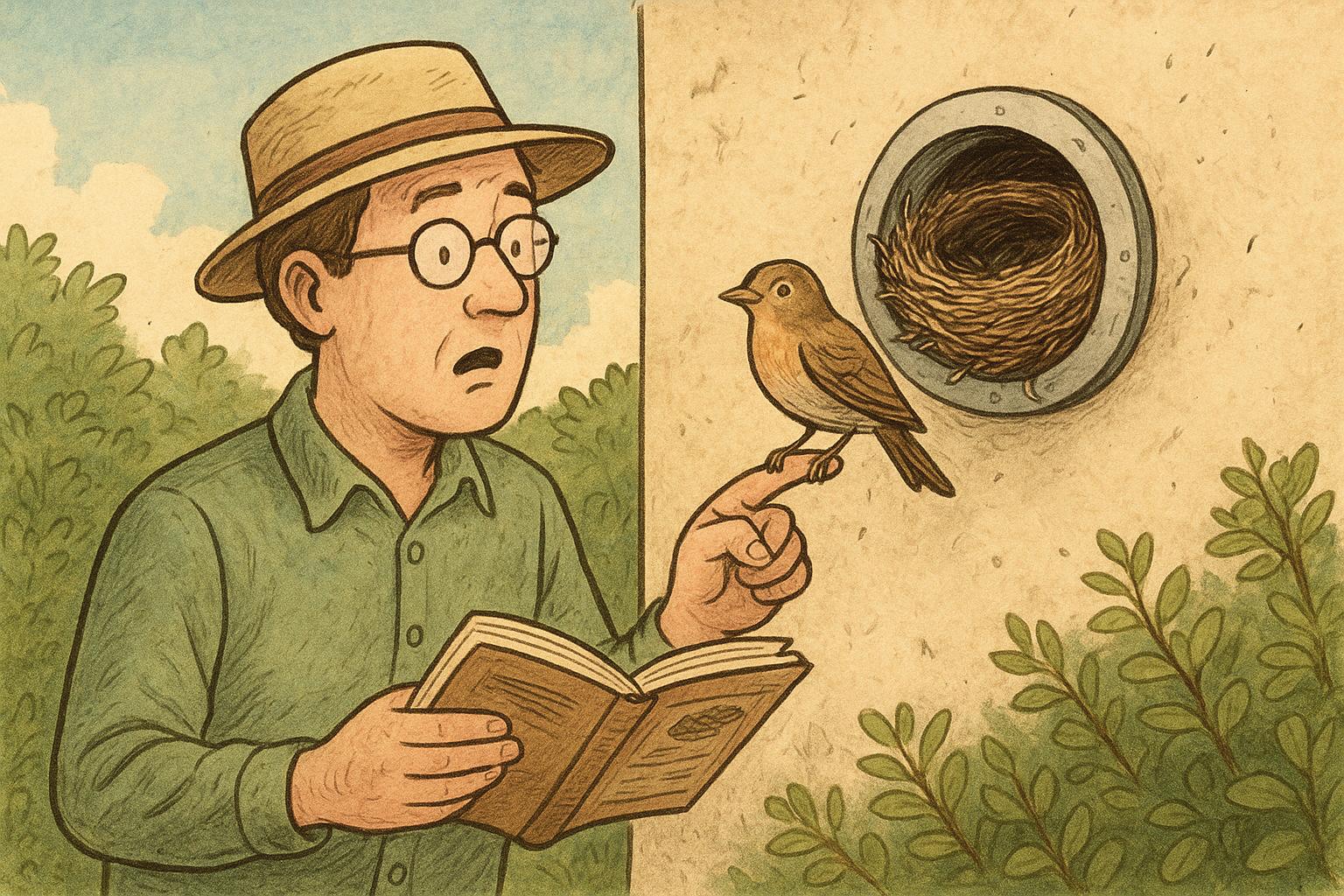
A pair of binoculars and a simple field guide — or a trustworthy app — will accelerate learning. Keep a small notebook or digital log of species, dates, and behaviors. Backyard birding rewards the curious recorder: you’ll notice migration timing, breeding activity, and population changes.
#### Ethical Notes For Responsible Birding
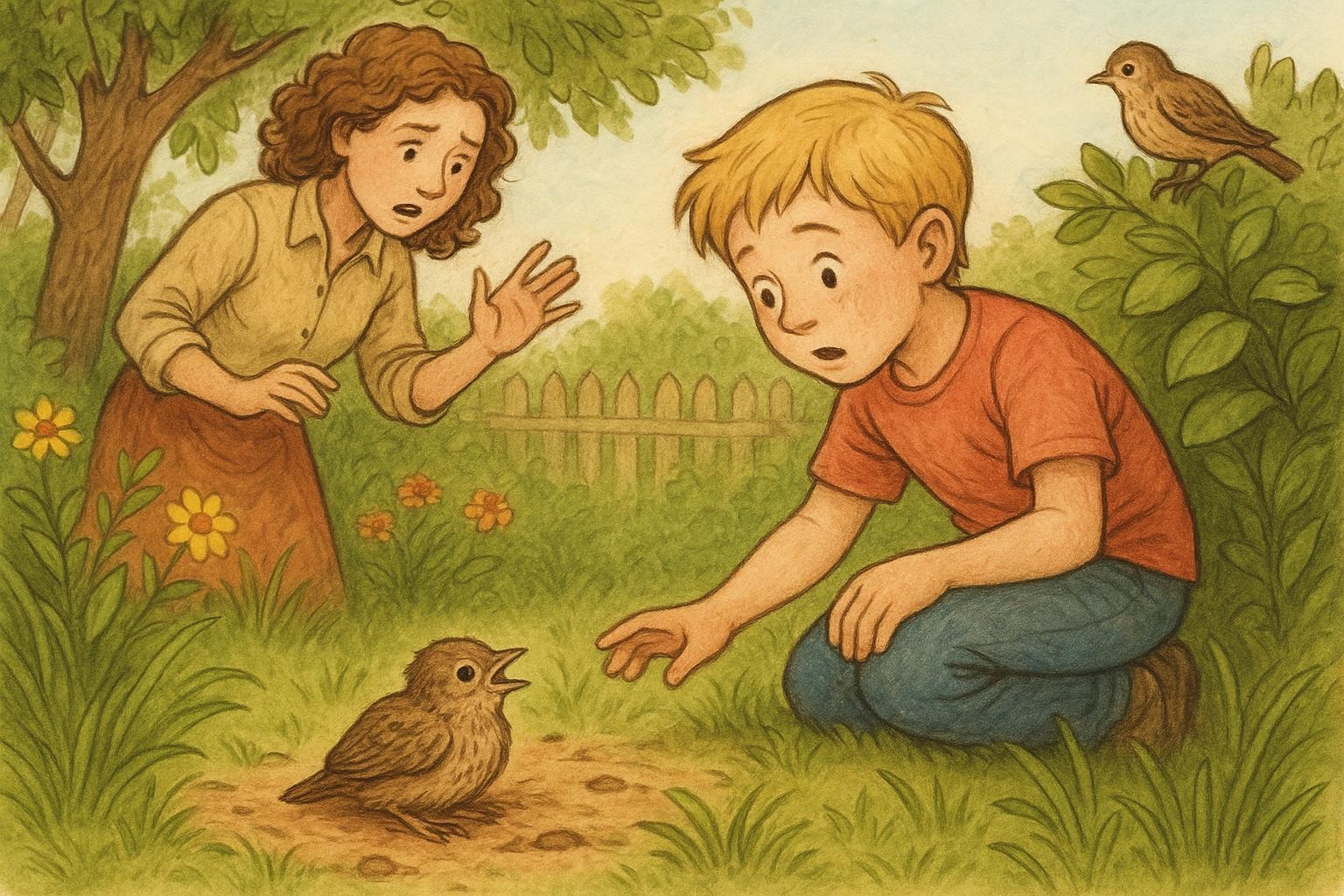
– Never deliberately disturb nests or handle wild birds.
– Keep pets supervised and reduce hazards like uncovered pools or exposed chemicals.
– Be patient and persistent; building a bird-friendly yard is a multi-season project.
With a few well-chosen feeders, safe water sources, and native plants, backyard birding becomes less about luck and more about welcome. Make small improvements one at a time, and enjoy the increasingly lively and diverse cast of feathered characters that appear outside your window.


Leave a Reply