
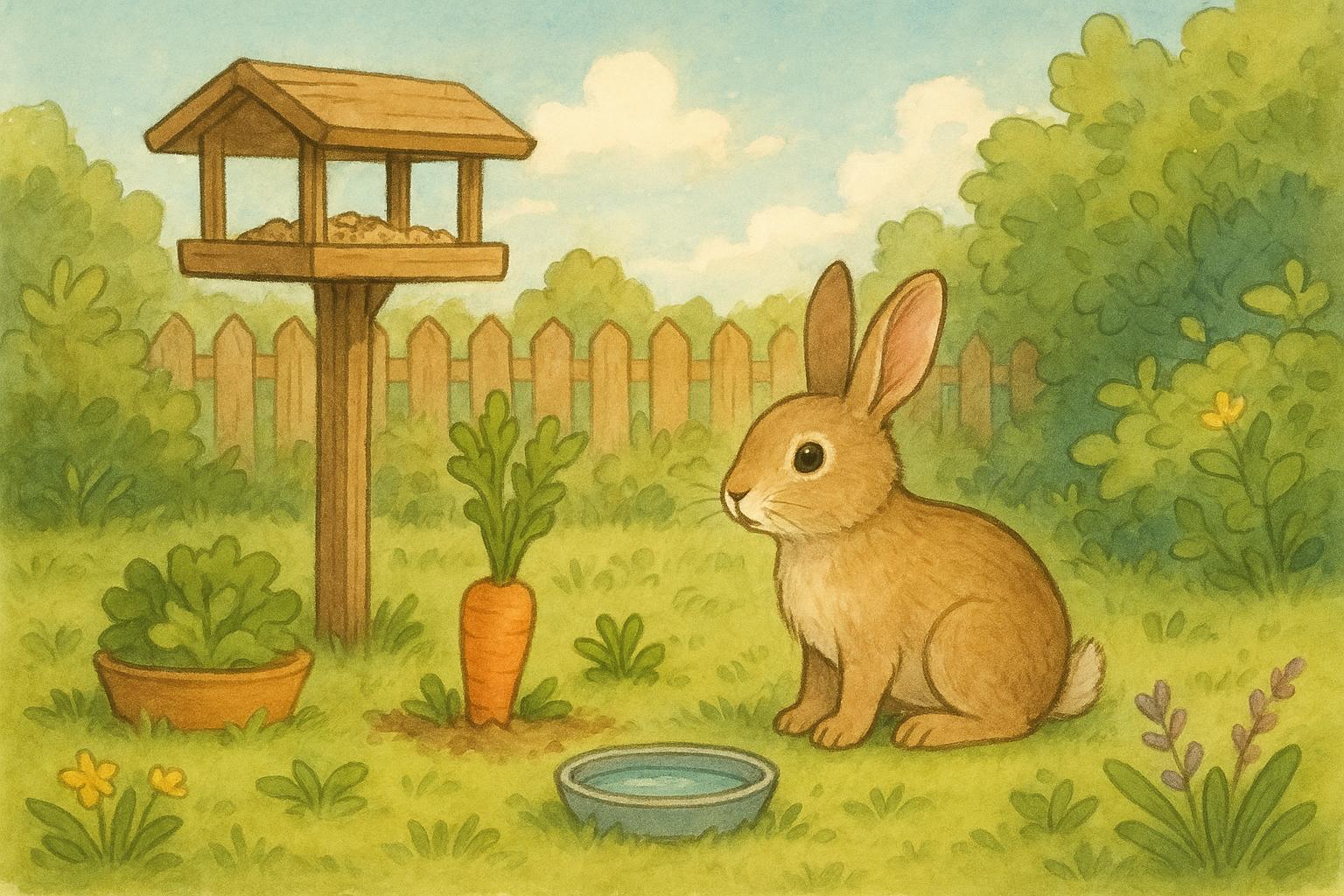
## Why Attracting Rabbits To The Backyard Is Beneficial
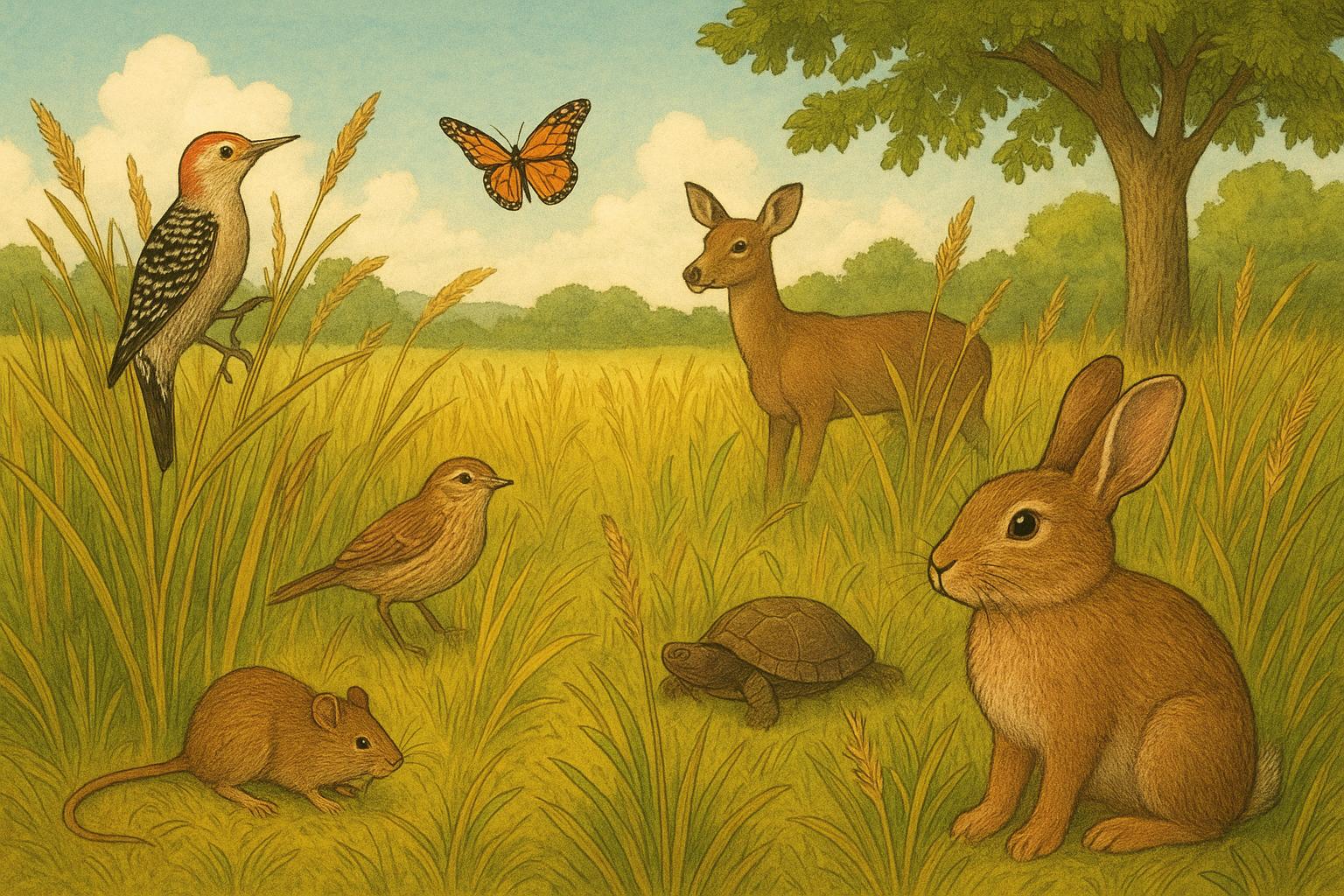
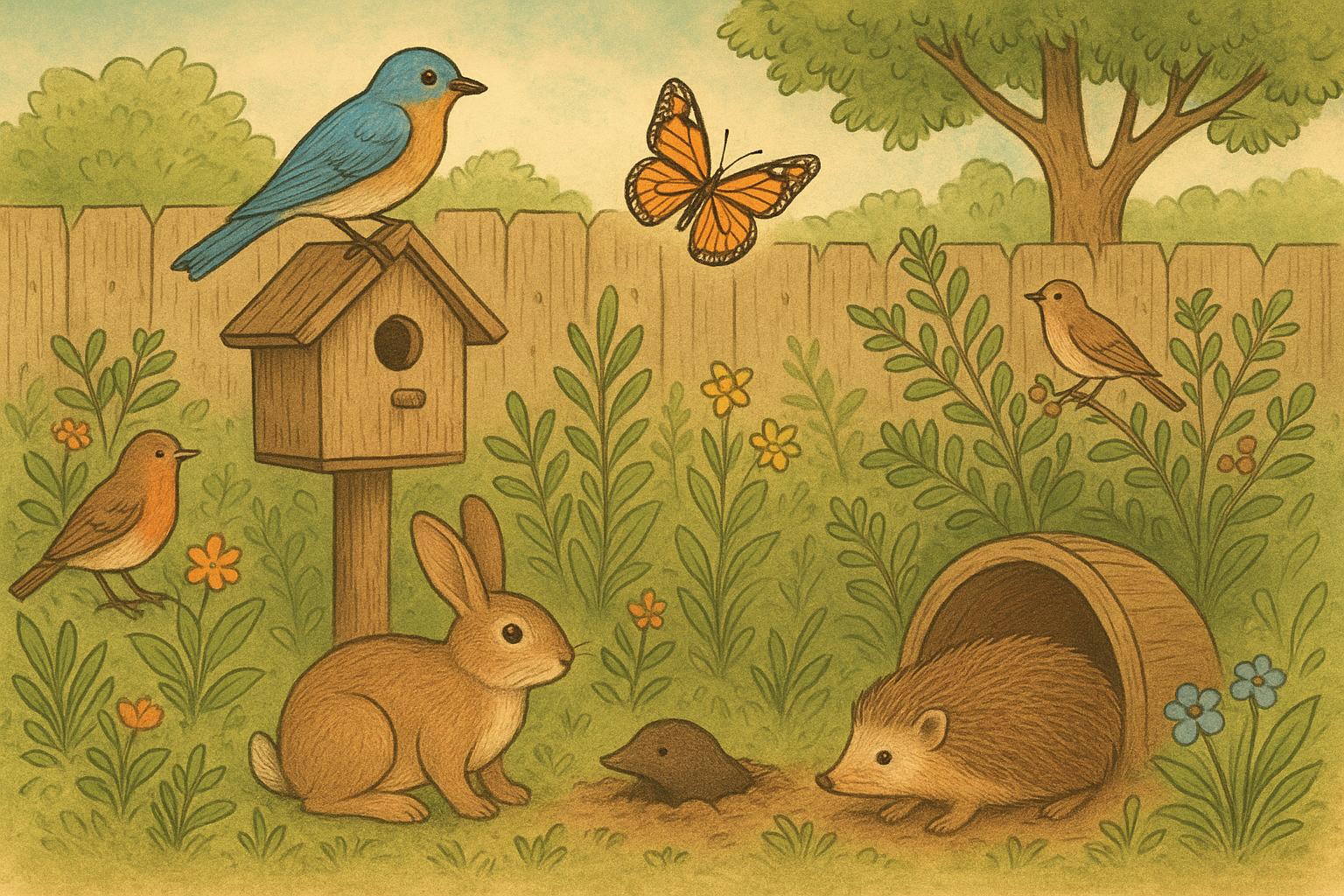
Attracting rabbits to the backyard can yield ecological, educational, and aesthetic benefits. Wild rabbits act as browsers that can contribute to plant diversity by trimming aggressive growth, and their presence provides opportunities for observation of natural behaviours without the intervention of captive animals. Homeowners who are deliberate about attractings rabbits to the backyard often note improved biodiversity, including increased visits by songbirds and small pollinators that utilize the same microhabitats. When implemented responsibly, efforts to attract rabbits to the backyard should prioritise the animals’ welfare and the safety of the household.
## Understanding Rabbit Behavior And Habitat Needs
Rabbits are crepuscular, most active at dawn and dusk, and they favour shelter that allows quick access to cover. Acceptable backyard habitat includes a combination of low vegetation, brush piles, and quiet undisturbed nesting areas. The objective of any plan to attract rabbits is to replicate these conditions while minimising risks from domestic dogs, vehicular traffic and predatory wildlife.
### Daily Activity Patterns And Social Habits
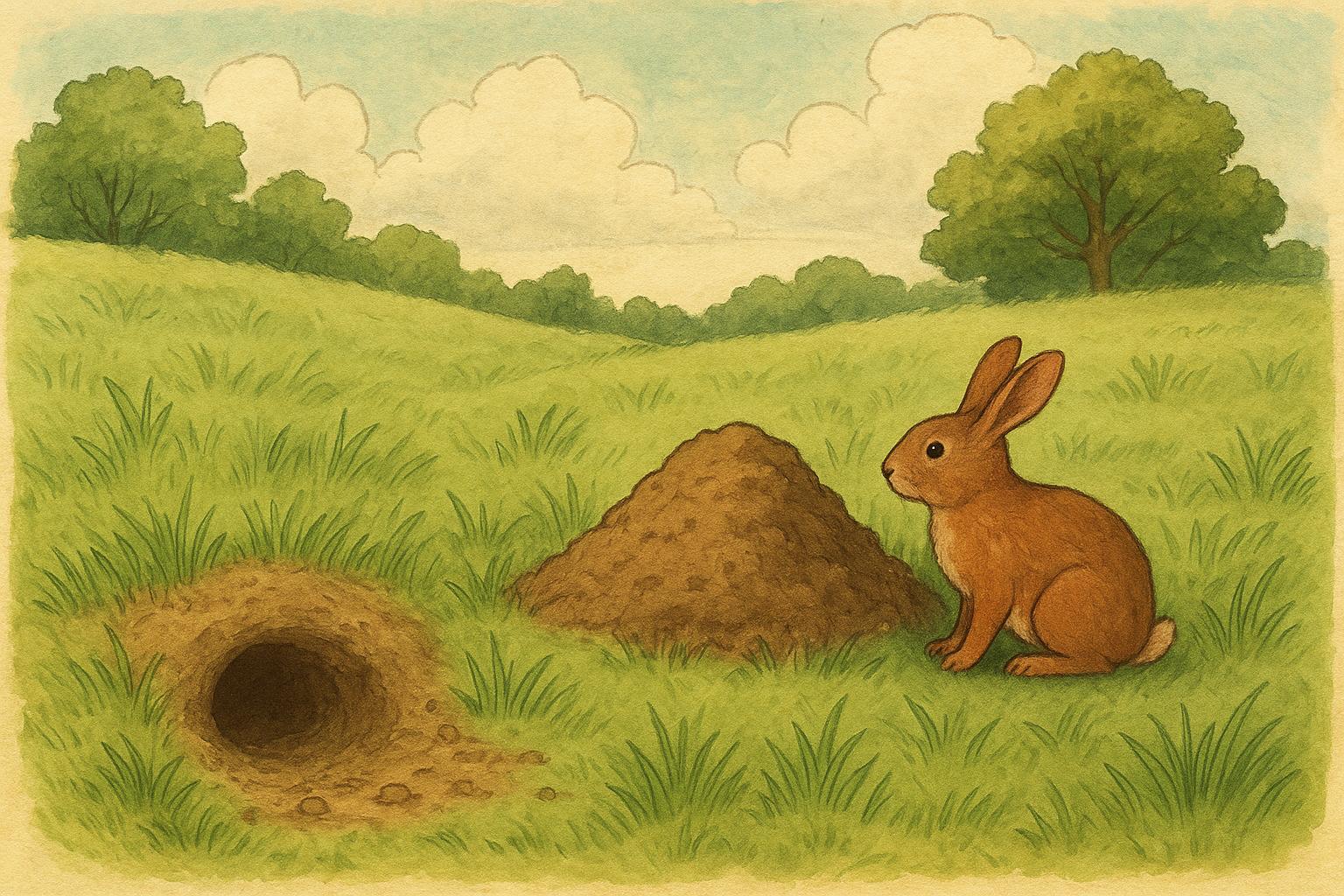
Wild rabbits are territorial to varying degrees but often tolerate neighbouring individuals when resources are abundant. Encouraging yard rabbits requires providing consistent resources such as safe food sources and cover. Observing patterns—where they feed, rest, and create forms (shallow depressions used for resting)—will inform placement of shelters and plantings designed to support populations without creating dependency.
### Predators, Risks, And Legal Considerations
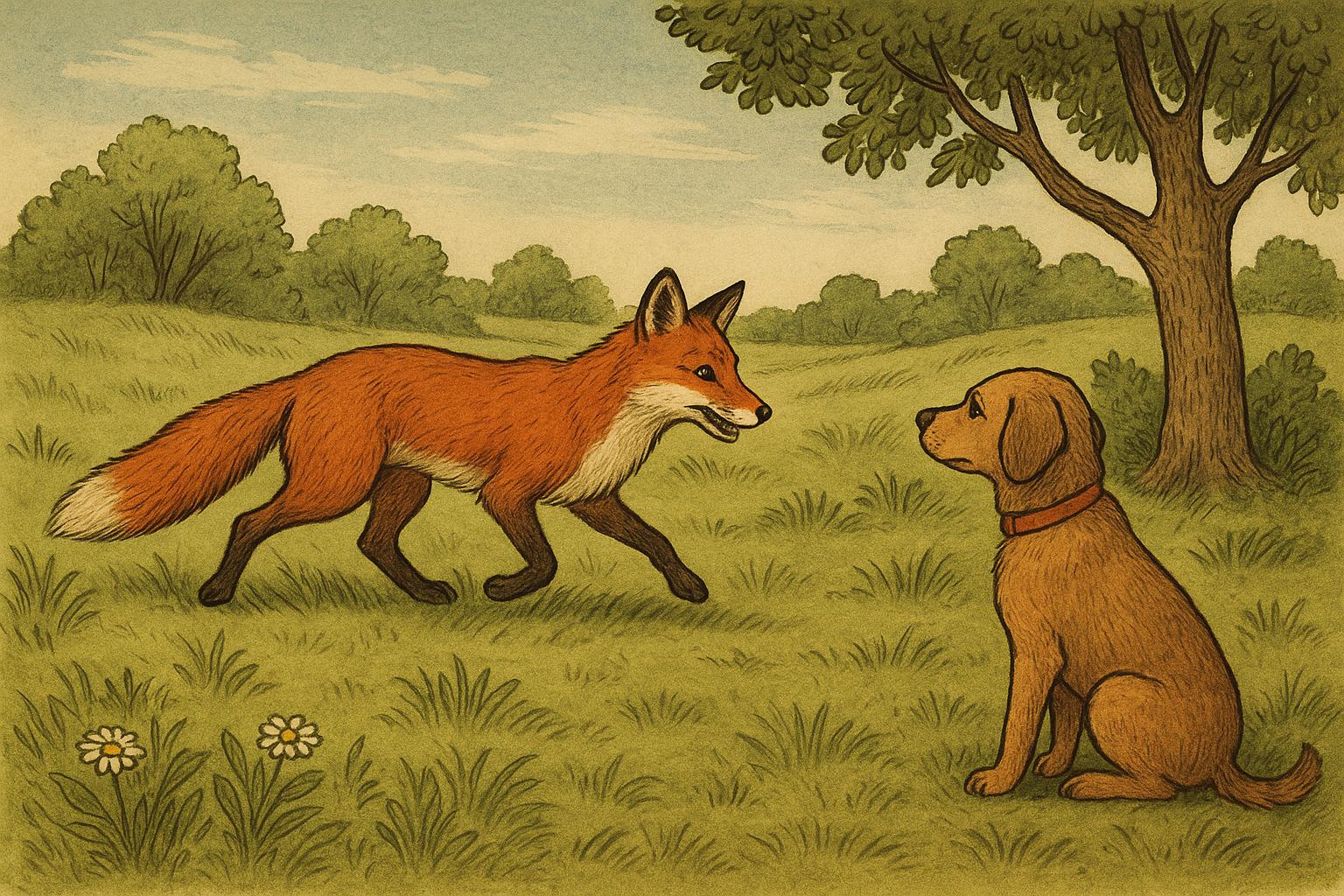
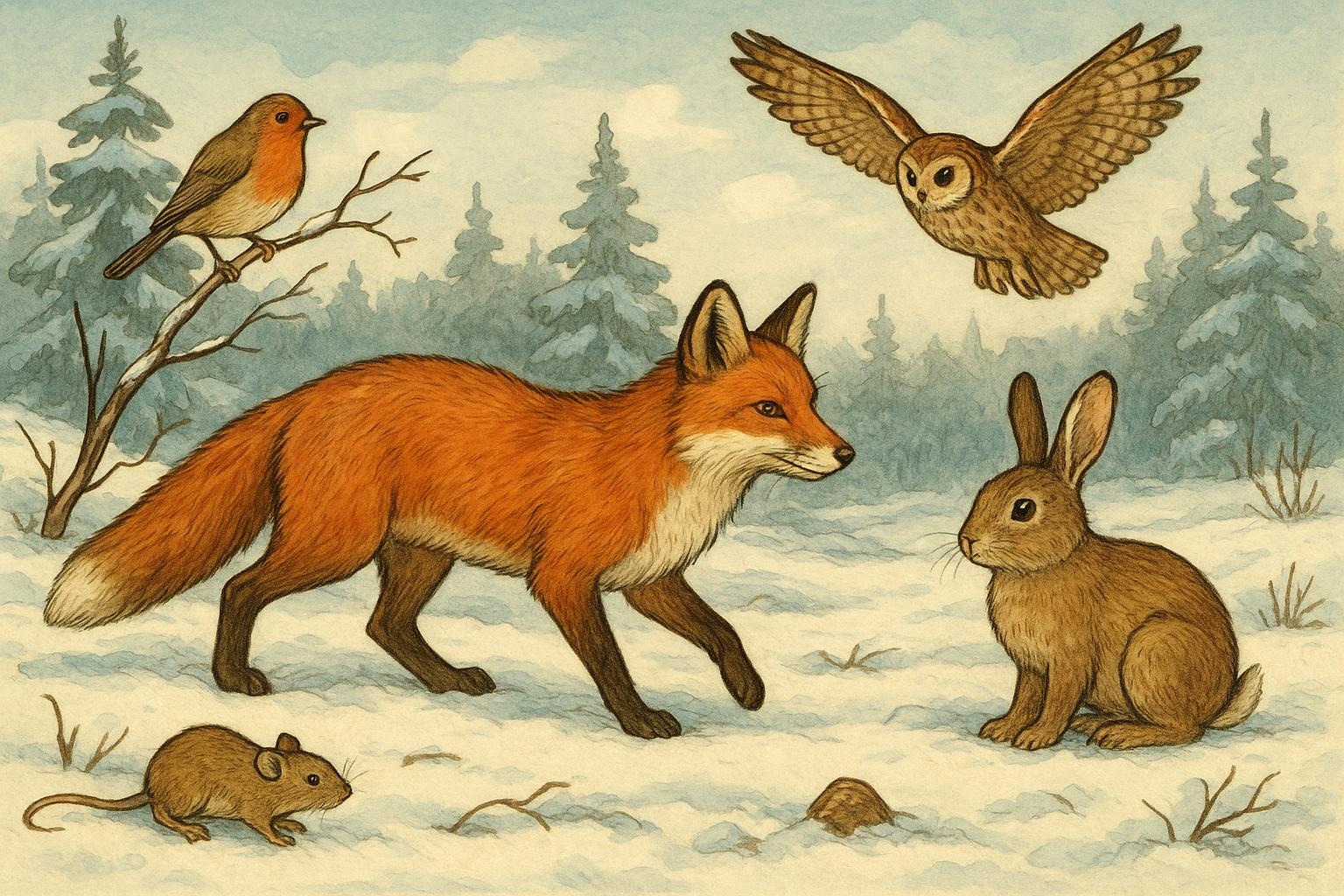
Before actively attracting rabbits to the backyard, confirm local regulations and consult wildlife rehabilitators if intervention becomes necessary. Common predators include foxes, coyotes, raptors, and domestic animals; therefore, creating secure escape routes and refuges is essential. Additionally, some municipalities restrict intentional feeding of wildlife; adherence to local statutes reduces legal risk and prevents human-wildlife conflict.
## 1. Constructing A Rabbit Shelter
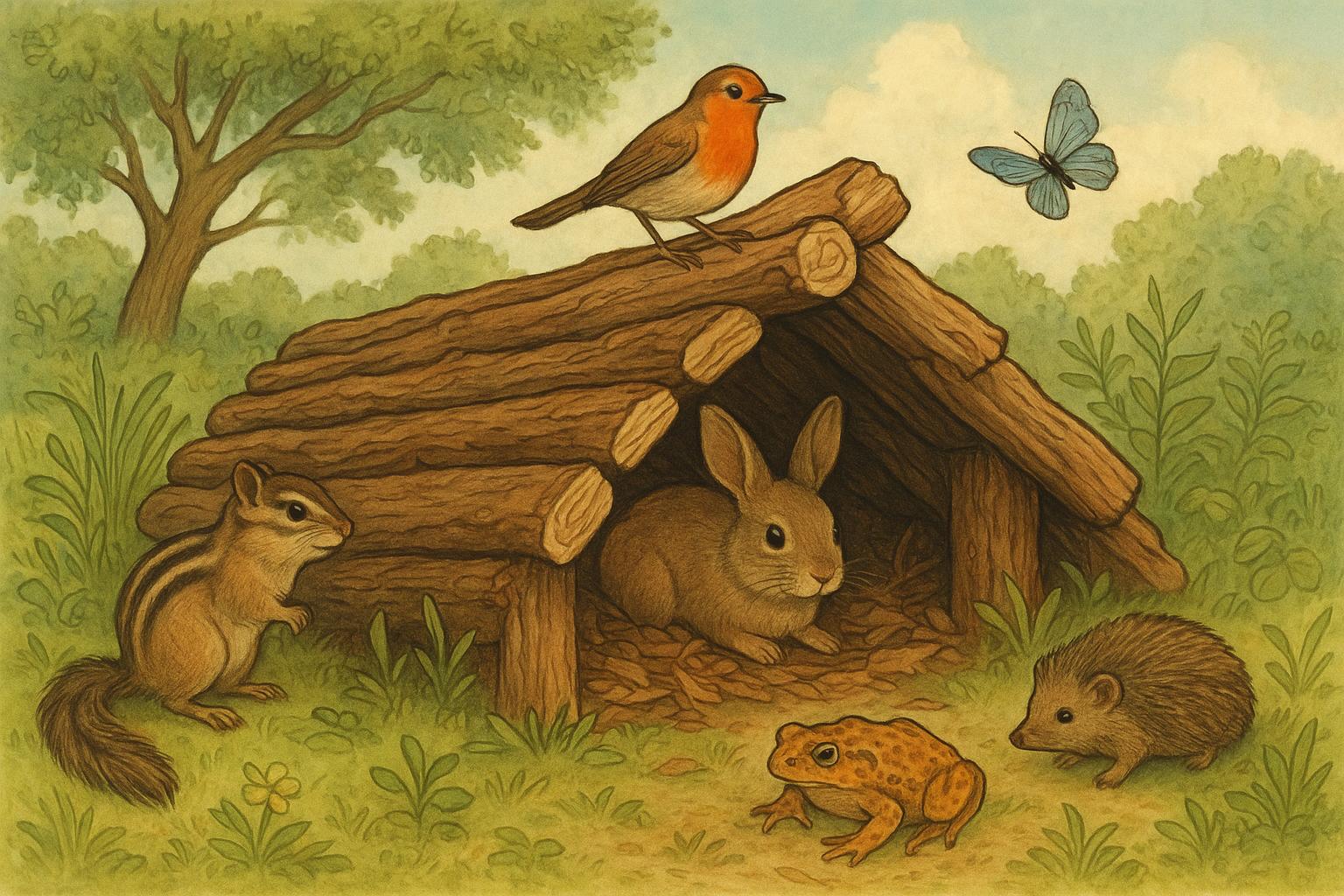
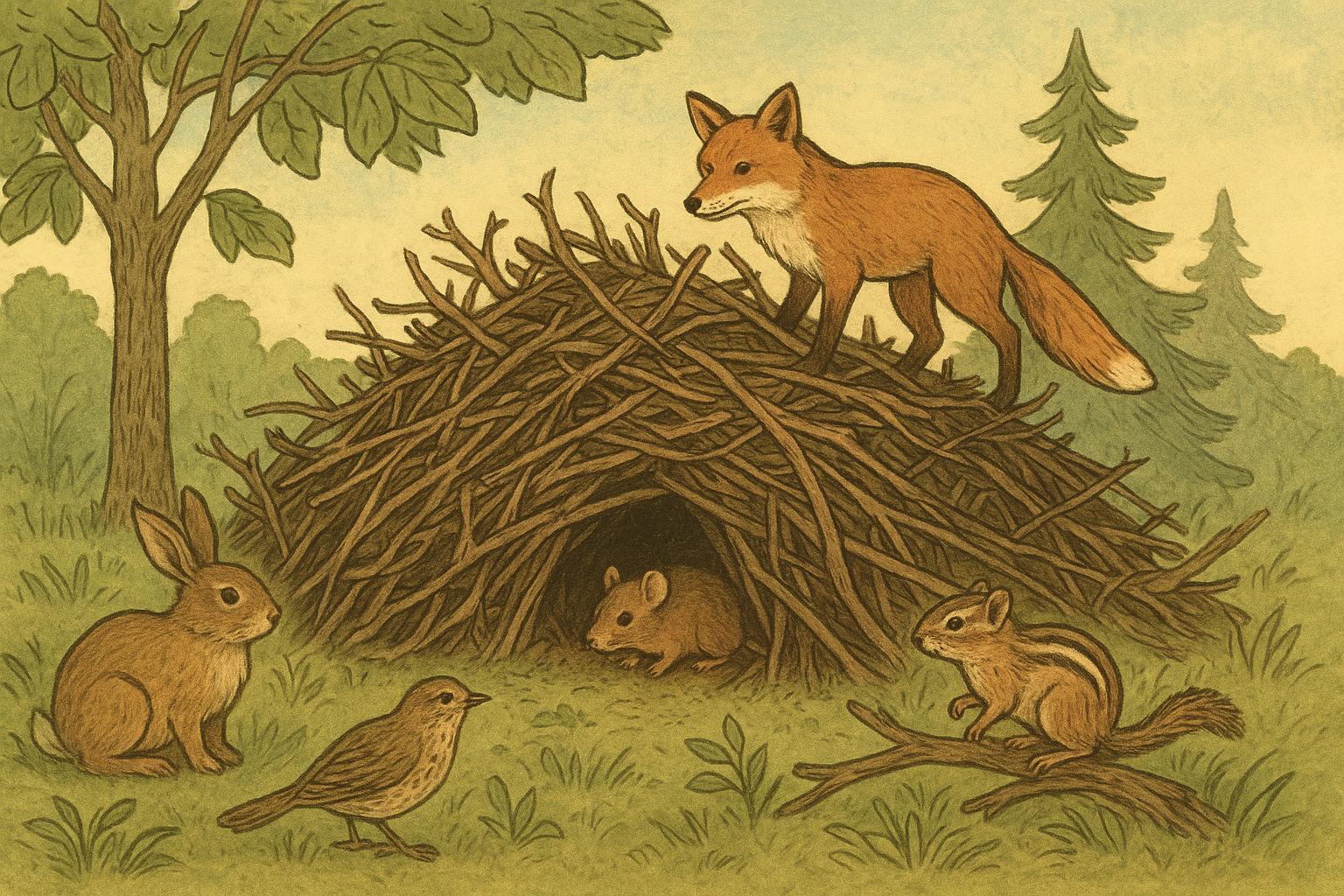
This remedy details the construction of a basic backyard shelter to provide cover and nesting opportunity for wild rabbits. The instructions follow formal, step-wise guidance intended for safe, long-term use.
### Materials Required
– Untreated wooden pallets (2–3) or untreated lumber
– Wire mesh (1/2 inch hardware cloth), approximately 3m x 0.6m
– Natural brush or dry leaf litter for bedding
– Galvanised staples and a staple gun or weather-resistant screws and a drill
– Shovel and hand tools
– Optional: small entrance tunnel (1–2 ft length of corrugated pipe)
### Creation And Application Steps
1. Site Selection: Choose a quiet, shaded corner of the garden that is adjacent to natural cover (hedges, shrubs) and away from high foot traffic. The site should allow rabbits unobstructed access to adjacent foraging areas.
2. Base Construction: Arrange pallets or construct a shallow frame using untreated lumber to form a base roughly 3 ft by 2 ft and 1 ft high. Elevation aids drainage and discourages ground moisture.
3. Enclosure Assembly: Attach wire mesh to three sides of the base, leaving one side partially open to allow entry. Secure the mesh so that it extends slightly below ground level and is bent outward to deter burrowing predators.
4. Roof And Ventilation: Create a loose roof using a pallet or slatted wood; ensure ventilation gaps and allow a light layer of brush for camouflage. Do not create a sealed environment; airflow reduces moisture accumulation.
5. Bedding Placement: Line the interior with dry leaf litter and a modest quantity of coarse hay. Replace bedding seasonally and after any contamination from droppings to reduce parasite load.
6. Installation Of Entrance Tunnel (Optional): Affix a short corrugated pipe to the entrance to provide a covered approach that reduces exposure to predators.
7. Maintenance: Inspect the shelter monthly for repair needs, replace wet bedding, and ensure that the mesh remains predator-resistant. Do not inhabit the shelter with domestic rabbits; this installation is for wild species only.
Constructing shelters in this manner encourages natural use without habituating rabbits to close human contact. The shelter acts as a safe retreat and increases the likelihood that yard rabbits will establish residency.
## 2. Establishing A Rabbit-Friendly Garden
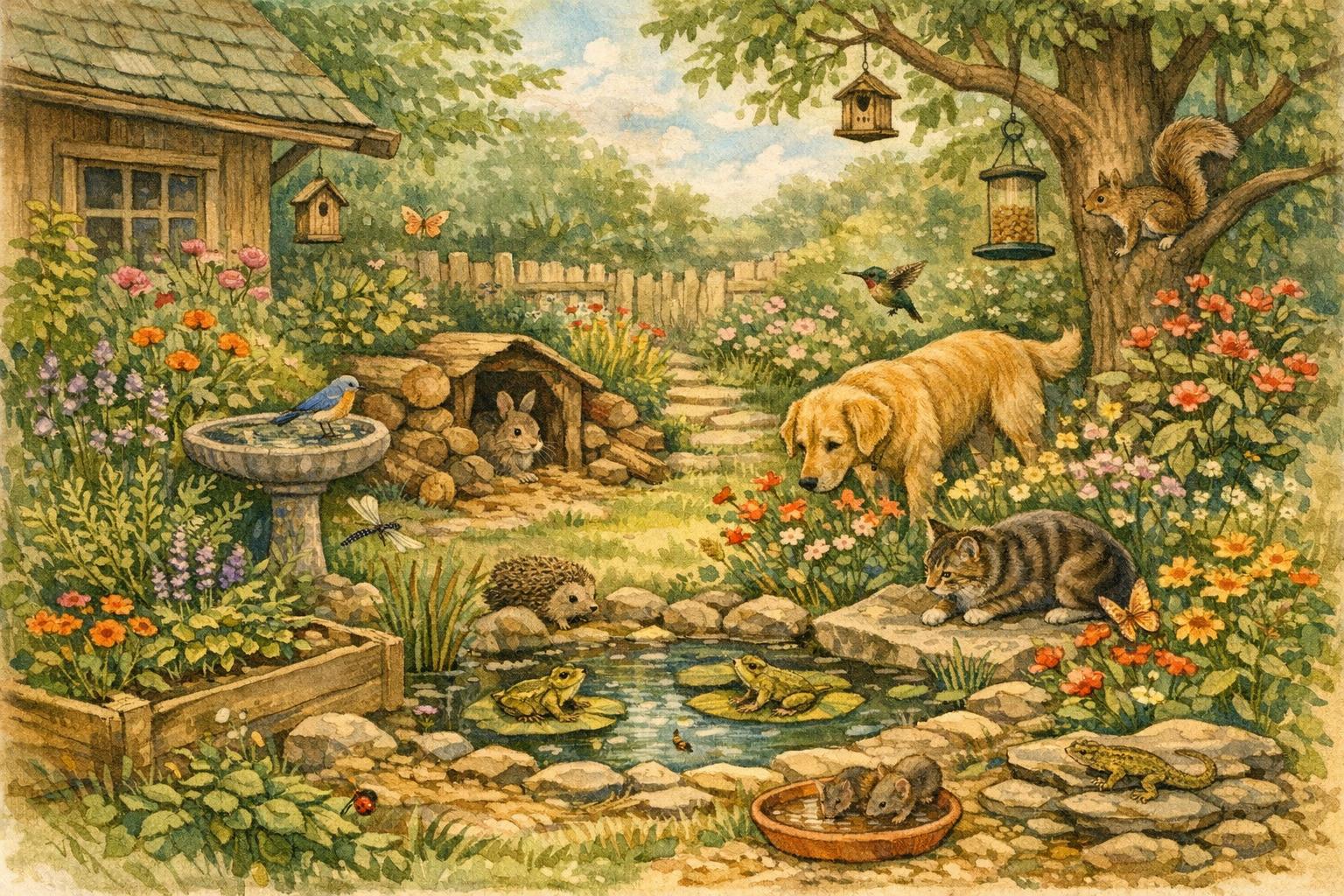
This remedy provides a structured approach to planting and landscape management to attract rabbits in a safe, sustainable fashion.
### Materials And Planting Requirements
– Selection of native grasses, clovers, and herbaceous plants
– Low-growing shrubs and groundcover species
– Mulch composed of leaf litter and wood chips
– Raised planting beds or protected patches (optional)
– Water source: shallow dish or small basin replenished frequently
### Step-By-Step Garden Preparation And Management
1. Plant Selection: Choose a variety of native grasses, clovers, and leafy herbs that provide forage through multiple seasons. Include species such as white clover, chickweed, dandelion (where legal and safe), and native sedges. Avoid toxic ornamentals.
2. Layering For Cover: Design the garden with layers—low groundcover for feeding, mid-height shrubs for concealment, and taller hedges at the perimeter for windbreak and additional cover.
3. Minimal Lawn Disturbance: Reduce mowing frequency in designated zones to maintain taller vegetation that rabbits prefer. Create “no-mow” corridors between cover and feeding areas to enable secure movement.
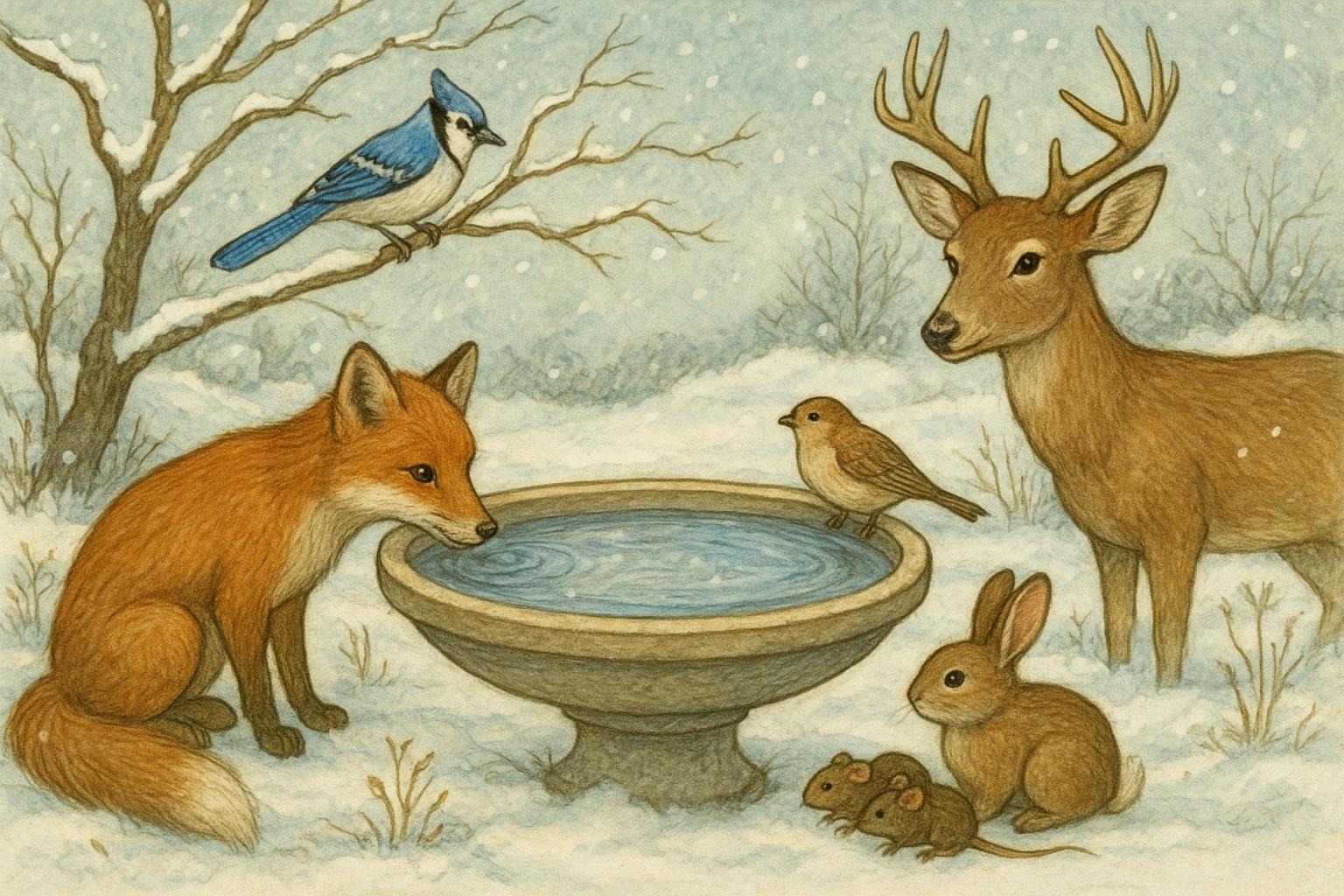
4. Water Provision: Offer a shallow water source maintained clean and replaced frequently to avoid mosquito breeding. Place the basin in a shaded area to reduce evaporation.
5. Seasonal Management: Allow a portion of the garden to remain undisturbed during the breeding season to provide secure nesting sites. Remove invasive plant species that may outcompete nutritious forage.
6. Preventative Measures: To avoid attracting predators, do not place shelters in exposed locations; maintain distance from compost piles that can attract predators or scavengers.
When establishing such gardens, the intention should be to create self-sustaining habitat rather than to engage in intentional hand-feeding. Proper plant selection and landscape design will naturally attract and support yard rabbits.
### Plant Selection To Attract Rabbits
Preferred plants vary regionally, but fast-growing grasses, legumes, and herbaceous greens are generally attractive. Planting patches of clover, plantain, and native grasses will encourage repeated visits. Avoid plants treated with pesticides and herbicides, as chemical exposure is a leading cause of morbidity in urban and suburban rabbit populations.
## Managing Human And Pet Interactions
Households must adopt practices that minimise stress and danger to rabbits. Domestic dogs and cats can unsettle or injure rabbits; supervision, secure fencing, and behavioural training for pets are necessary. If pets are allowed unsupervised access to the yard, create escape corridors and elevated refuges where rabbits can avoid confrontation.
### Non-Lethal Predator Deterrence
To protect small rabbits from predators, install low-profile fencing of hardware cloth buried several inches to prevent digging, topped with a modest overhang where necessary. Motion-activated lights and distant auditory deterrents may discourage nocturnal predators, but these should be used judiciously to avoid creating stressors for non-target wildlife.
#### Temporary Exclusion Techniques
When undertaking gardening activities or hosting events, employ temporary exclusion measures such as portable mesh barriers to prevent accidental trampling of nests or disturbance of resting animals. These are reversible and avoid long-term alteration of habitat.
## Monitoring Health And Population
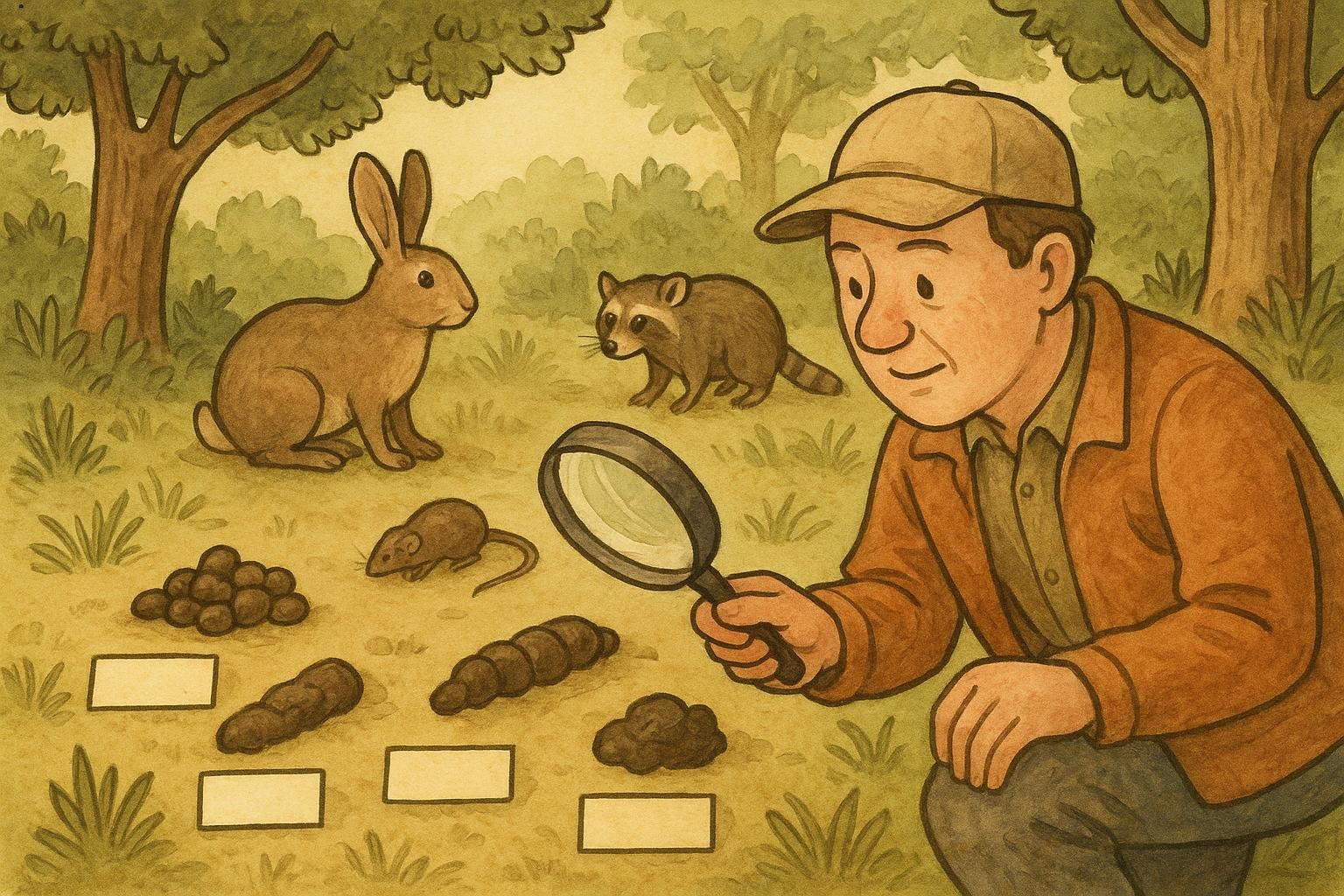
Regular observation permits early detection of disease, injury, or overpopulation. Familiarise yourself with signs of ill health—lethargy, uncoordinated movement, abnormal droppings, visible wounds, and matted fur. Do not attempt to capture or medicate wild rabbits; instead, contact a licensed wildlife rehabilitator or veterinarian with wildlife experience for assessment and treatment.
### When To Intervene
Intervention is warranted when an animal is obviously injured, orphaned, or in immediate danger. Otherwise, passive stewardship—providing habitat, minimising risks, and monitoring—is the preferred management strategy for attract rabbits efforts. If population growth becomes excessive and causes ecological or property damage, consult local wildlife authorities for humane management options.
## Ethical Considerations And Best Practices
Efforts to attract rabbits to the backyard must align with ethical wildlife stewardship. Do not habituate animals to direct human contact, refrain from consistent hand-feeding, and prioritise native vegetation over ornamental, non-native species. Responsible attractants improve the welfare of individual animals and the health of the broader urban ecosystem, ensuring that yard rabbits remain wild and resilient.
Keep documentation of your actions—plant lists, shelter locations, and observation logs—to refine techniques over time and to provide information to wildlife professionals if issues arise. The cumulative effect of small, well-informed interventions can create safe, attractive environments for rabbits and other wildlife while maintaining human safety and property integrity.








Leave a Reply