
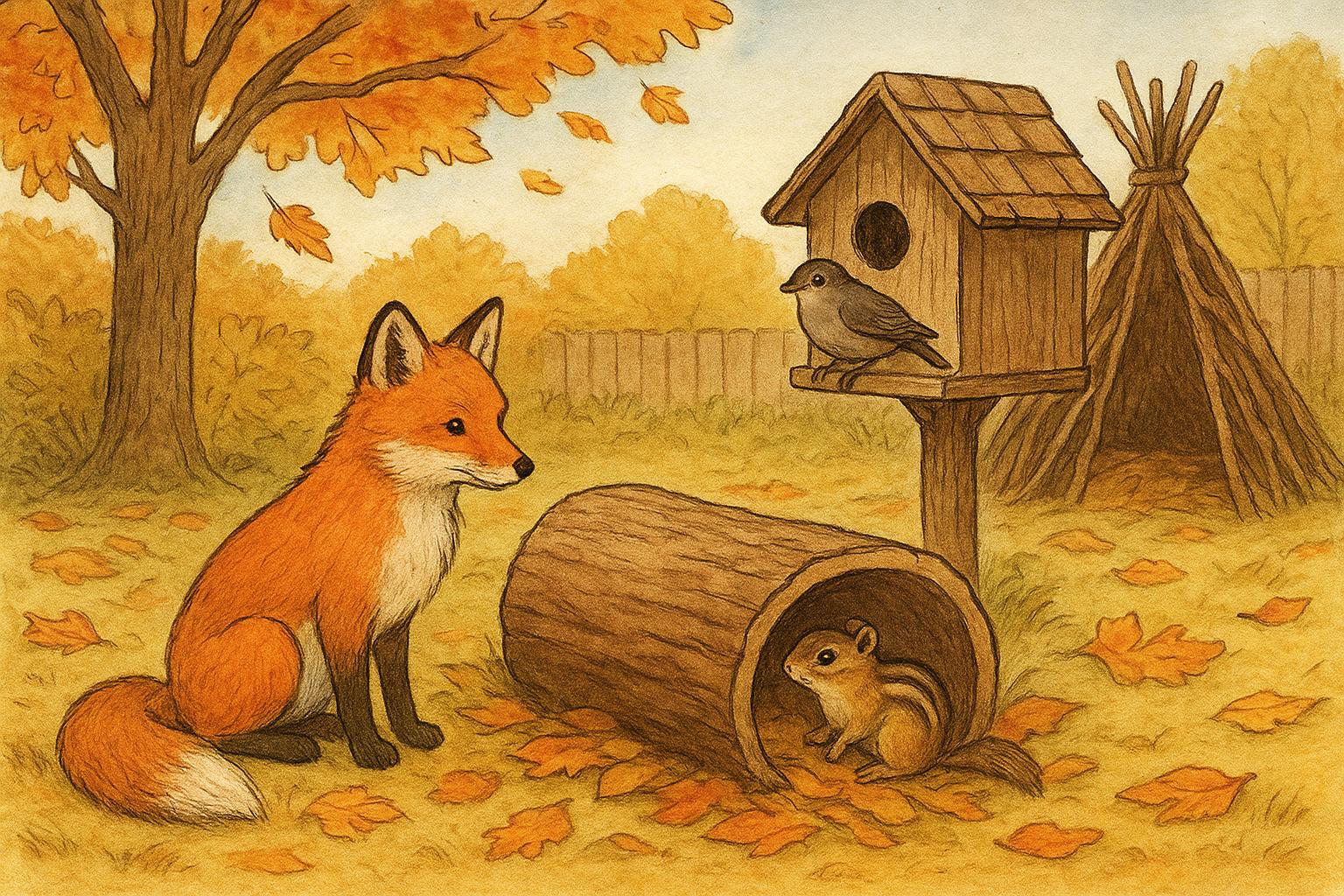
If you feed birds, you owe it to the rest of the neighborhood wildlife to think beyond seed. Autumn is when animals switch modes: they’re scouting for safe spots to sleep through storms, hide from predators, or raise late-season young. Practical, small-scale interventions help. Below are realistic ideas and construction tips you can use this season.
## Autumn Denning And Cold-Season Shelter Ideas For Backyard Wildlife That Actually Work
Start with the basics: shelter that keeps animals dry and reduces wind exposure. A good denning shelter is not glamorous. It’s layered, low to the ground, and built from local materials. Think of it as making a tiny, private room where critters can tuck in and save energy.
### Why Autumn Denning Matters
As temperatures fall and daylight shrinks, small mammals and reptiles alter their routines. Some species truly hunker down; others simply need thicker nests. Providing places for animals to den in your yard can prevent year-round stress and reduce road crossings when they search for shelter elsewhere.
### Simple Den Types That Work
Cavity boxes, brush piles, and tussocky grass clumps serve very different species. Tree cavities suit squirrels and some birds; rock or log piles work for toads and snakes; dense evergreen shrubs shelter overwintering butterflies and moths. You don’t need to install heavy gear. Even piling a few logs against a fence creates crevices. A basic denning shelter combines cavities and insulation.
#### Build A Brush Pile
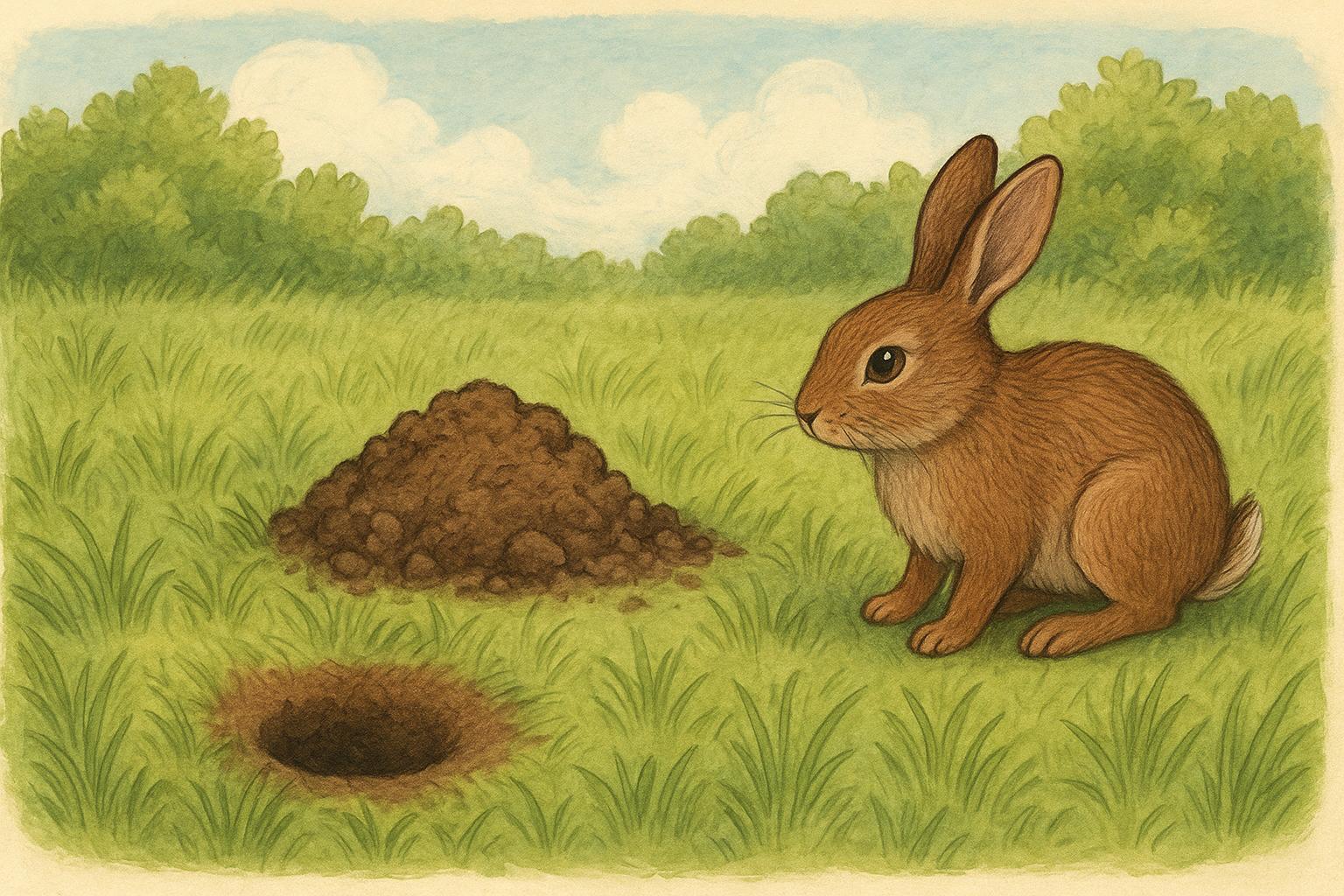
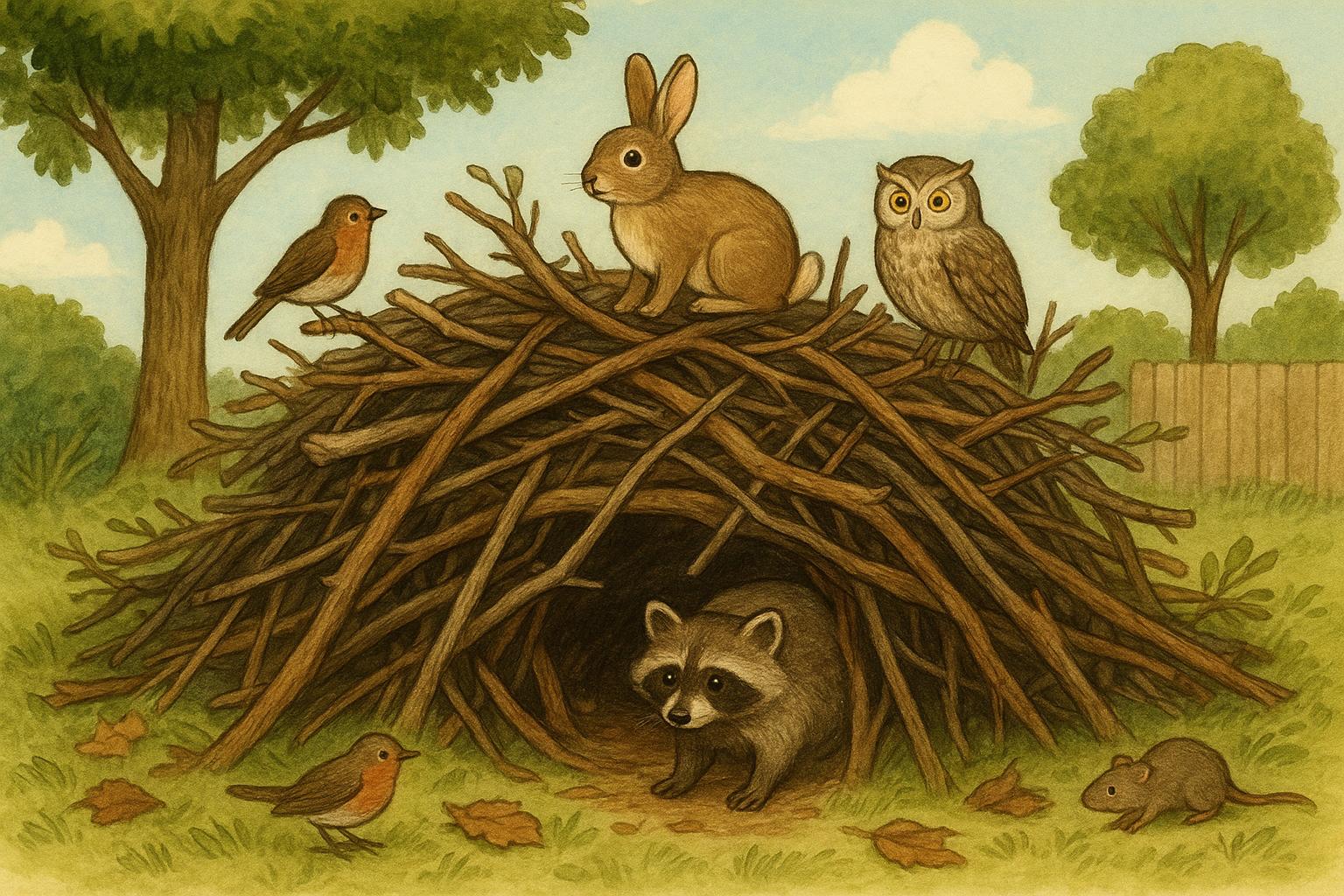
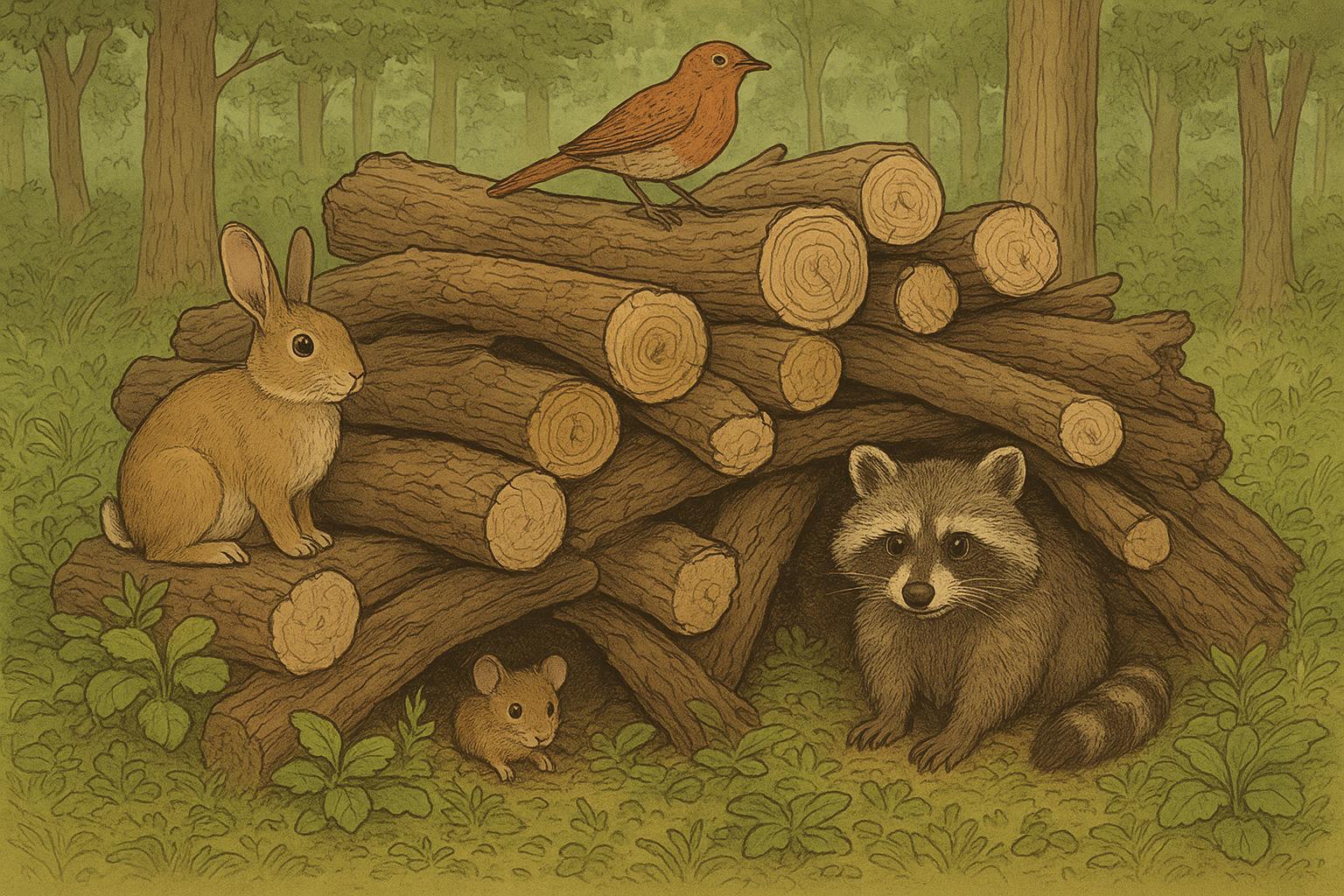
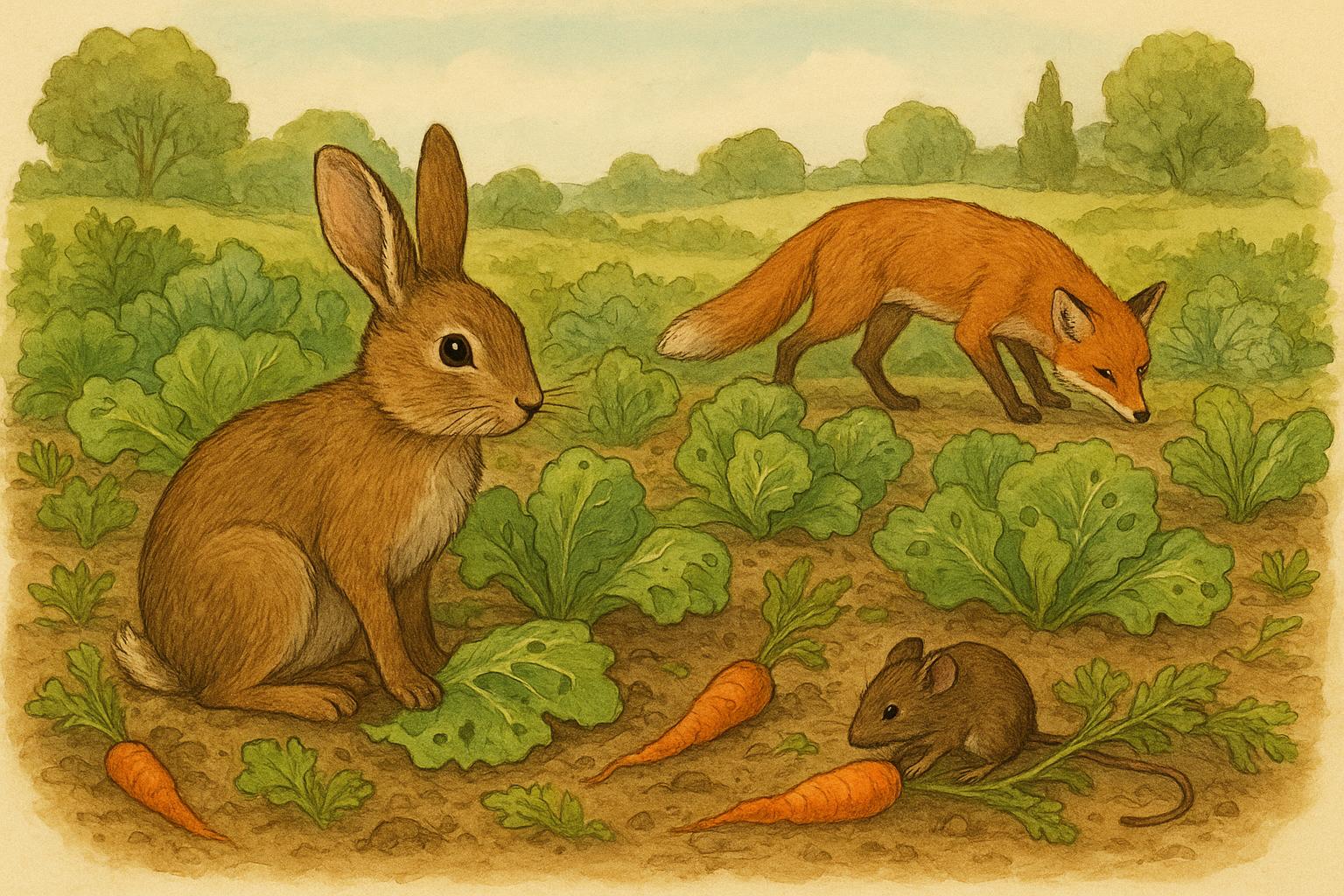
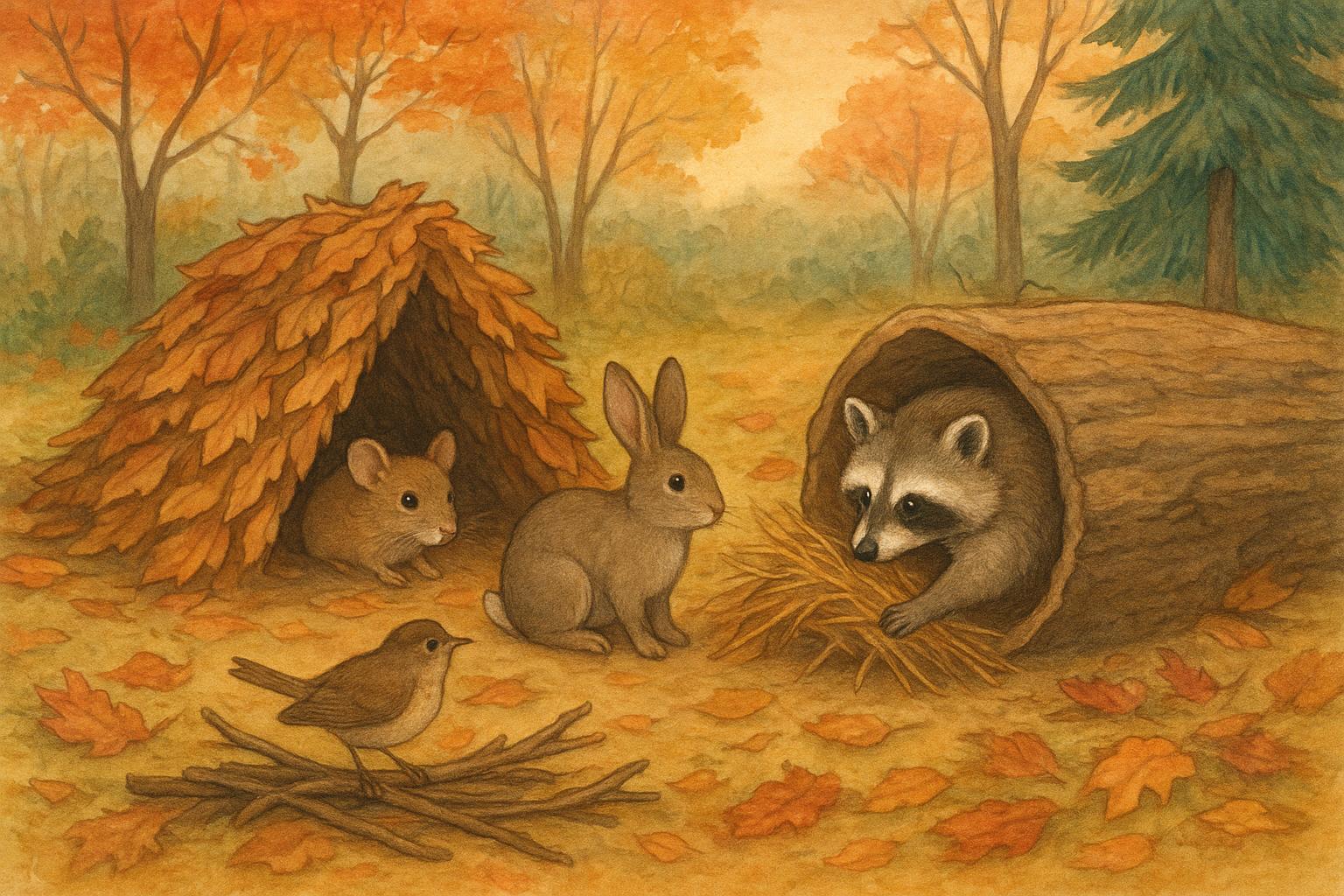
Pile branches and twigs in a corner away from the house. Aim for a base about four feet across and taper to the top. Cover with leaves in late fall. That pile attracts rabbits, voles, and overwintering insects. Don’t use treated wood or plastic. Keep it connected to the ground so small mammals can burrow under.
#### Make A Log And Rock Stack
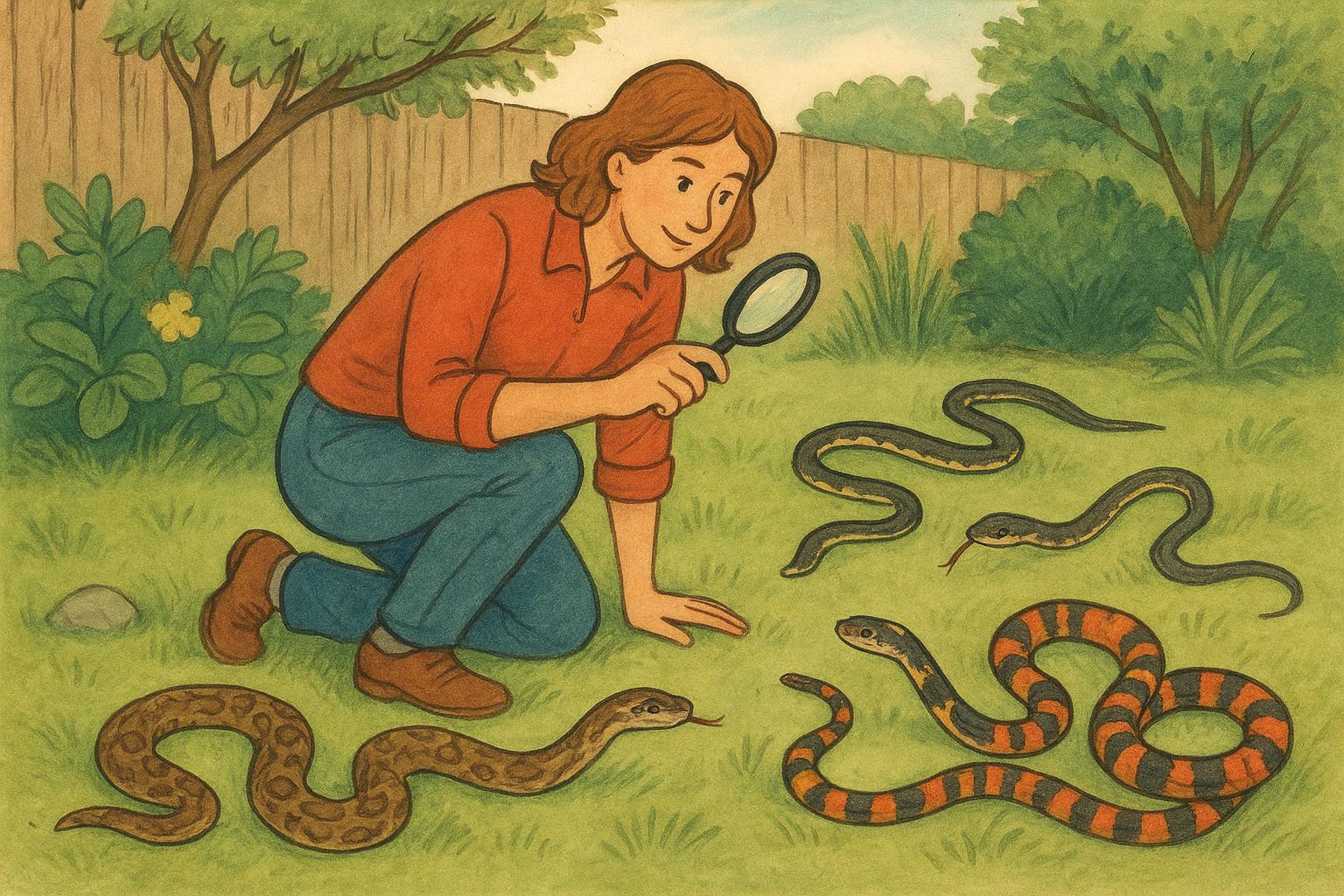
Layer logs with stones to form pockets. Keep some bark intact; it’s where insects hide. Add a shallow roof of flat stone or a plank to shed water. That simple stack becomes a den for amphibians, small snakes, and shrews. Place it near a water source if possible.
### Compost Heaps And Warm Microclimates
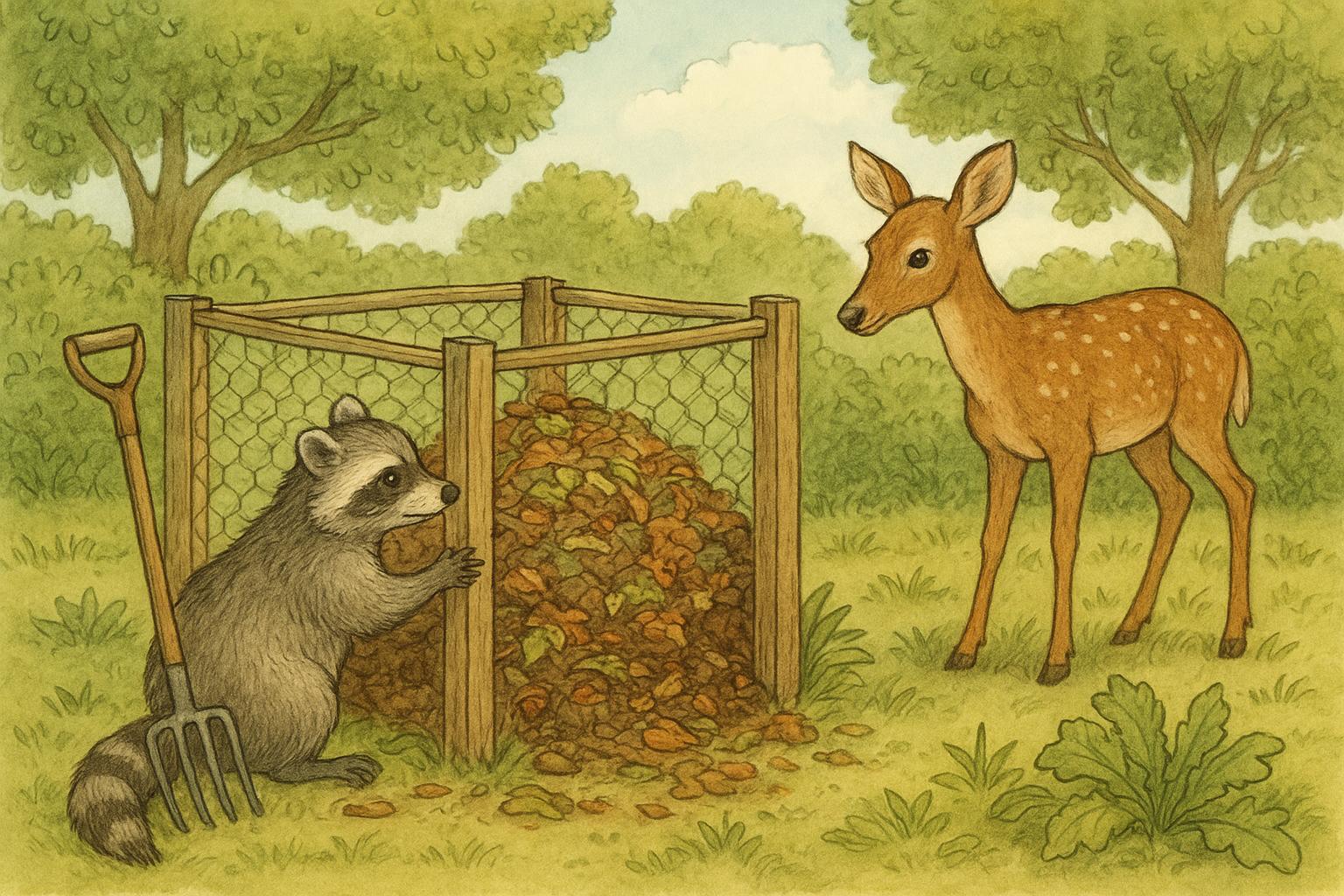
A compost heap, left to mature, generates heat and can shelter ground beetles, toads, and centipedes. If you have a compost bin or pile, leave one side slightly open so animals can slip in. Mark it for your kids so they don’t toss out a critter. This is one of the easiest backyard shelter ideas that doubles as soil building.
### Nest Boxes And Sheltered Perches
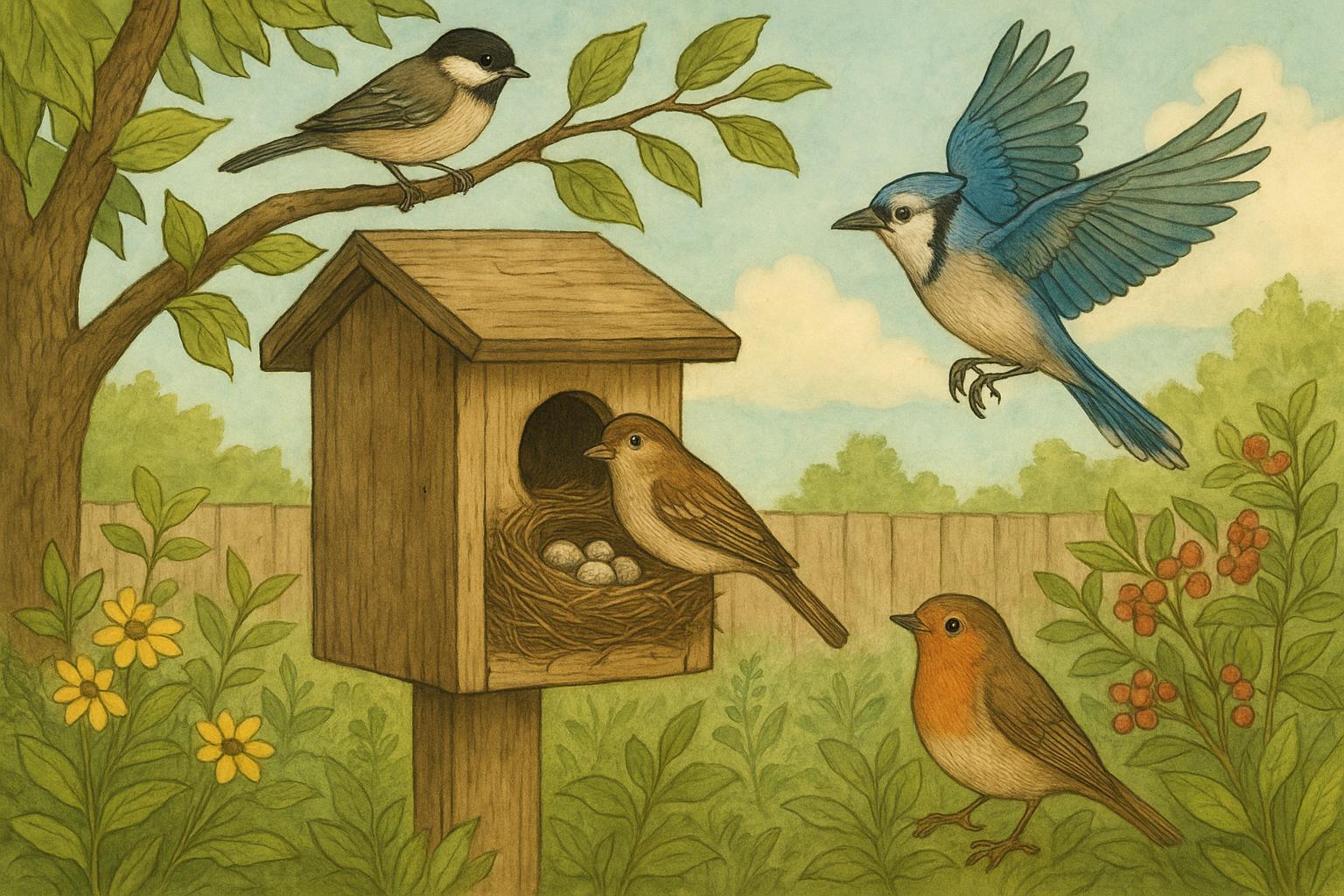
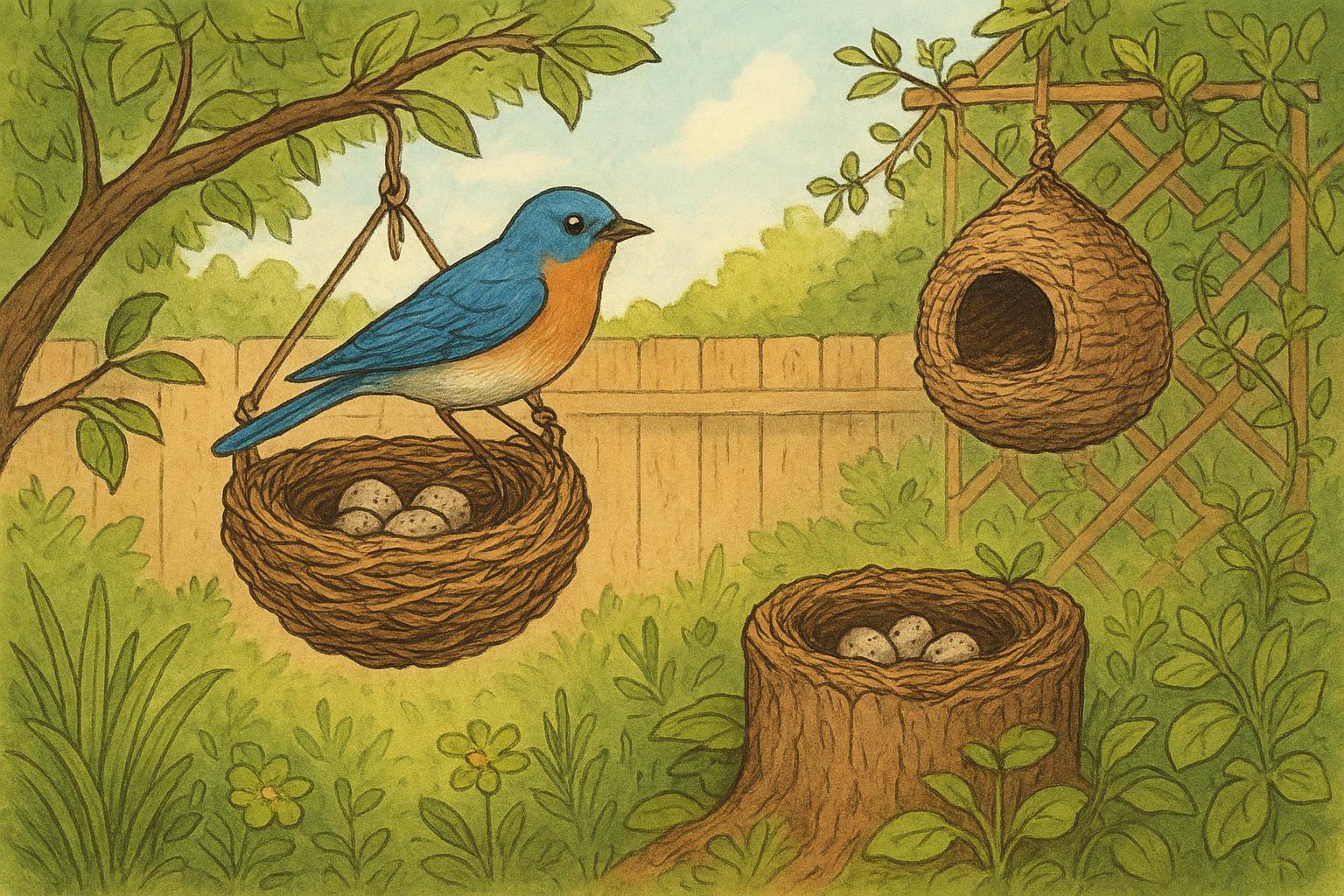
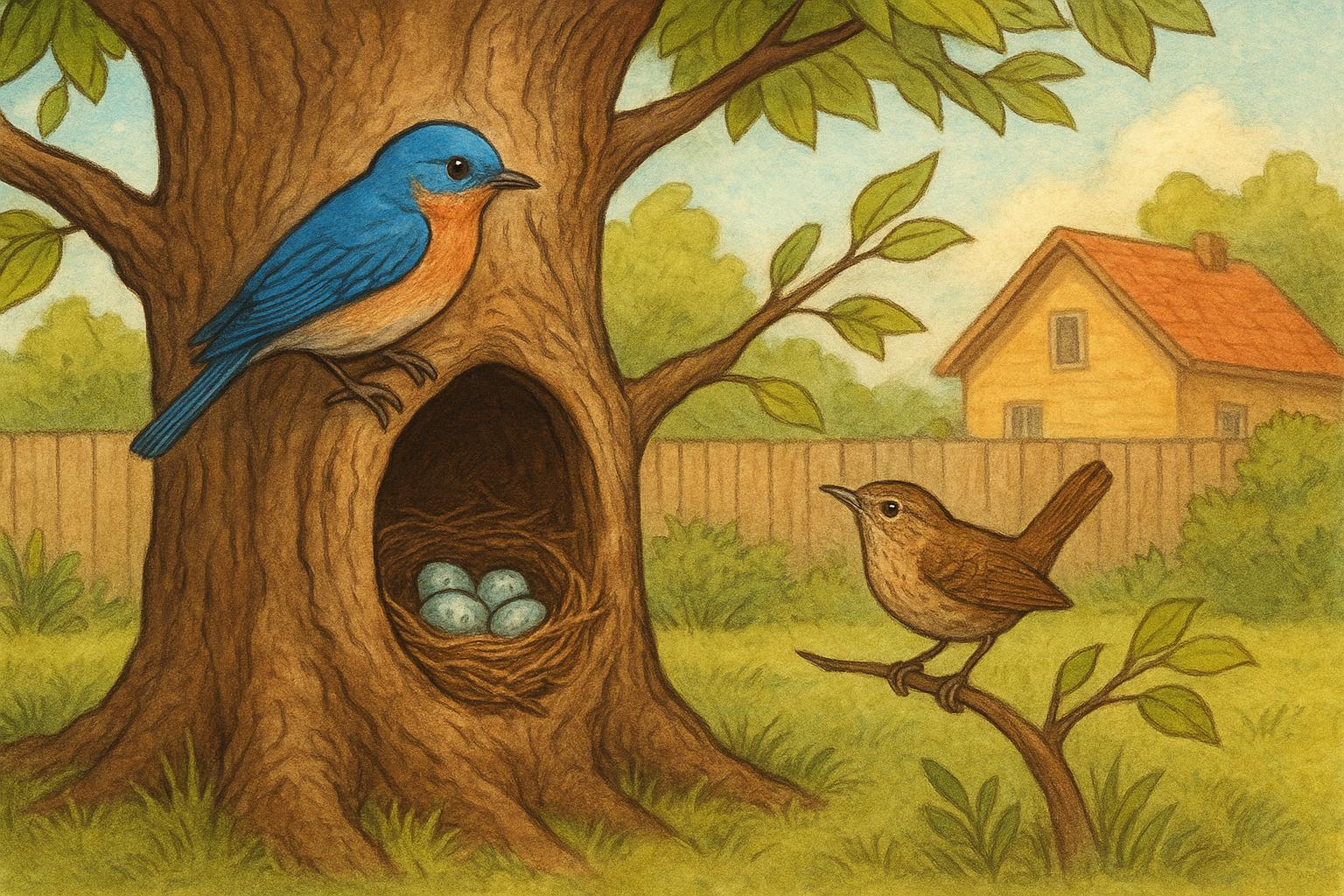
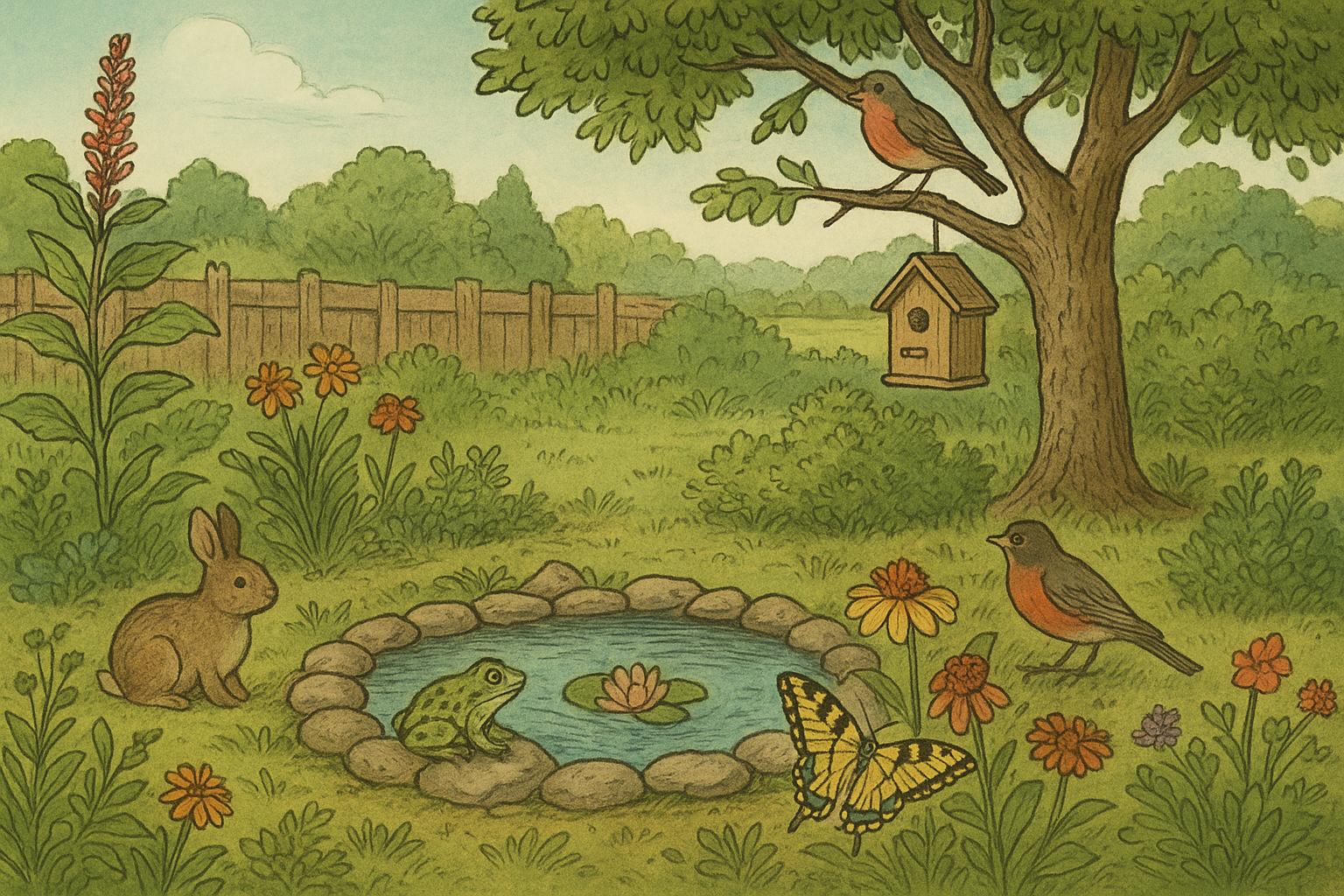
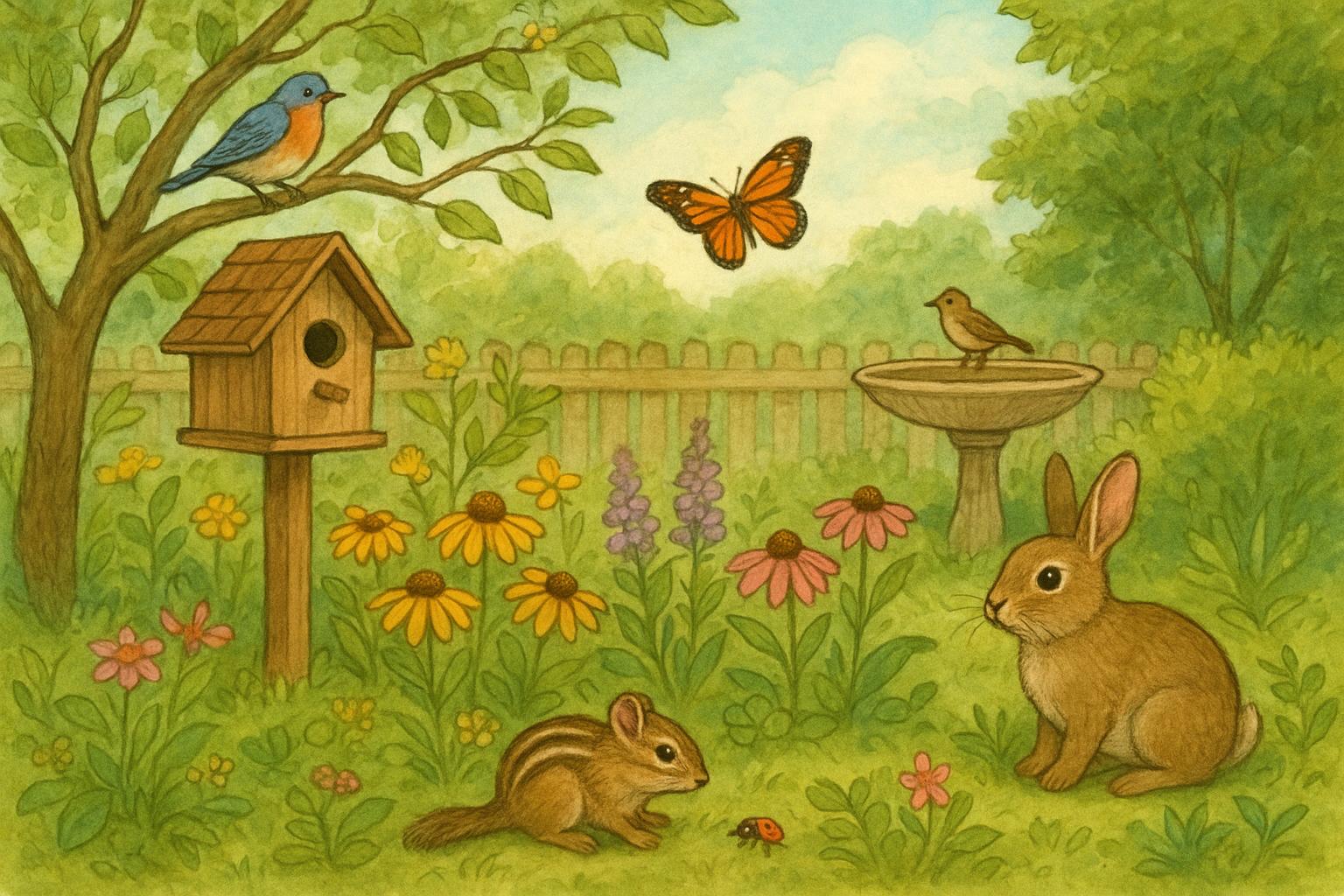
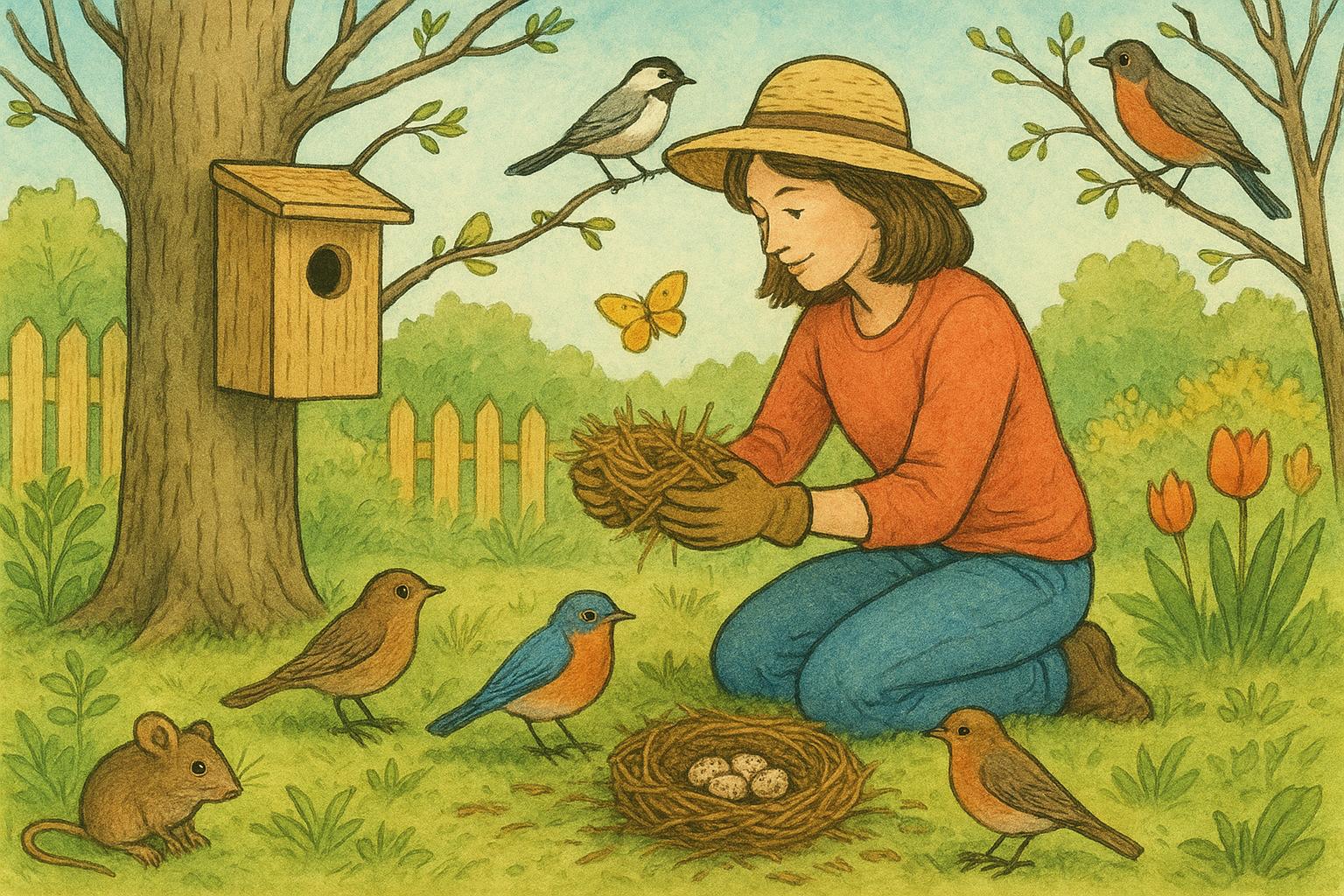
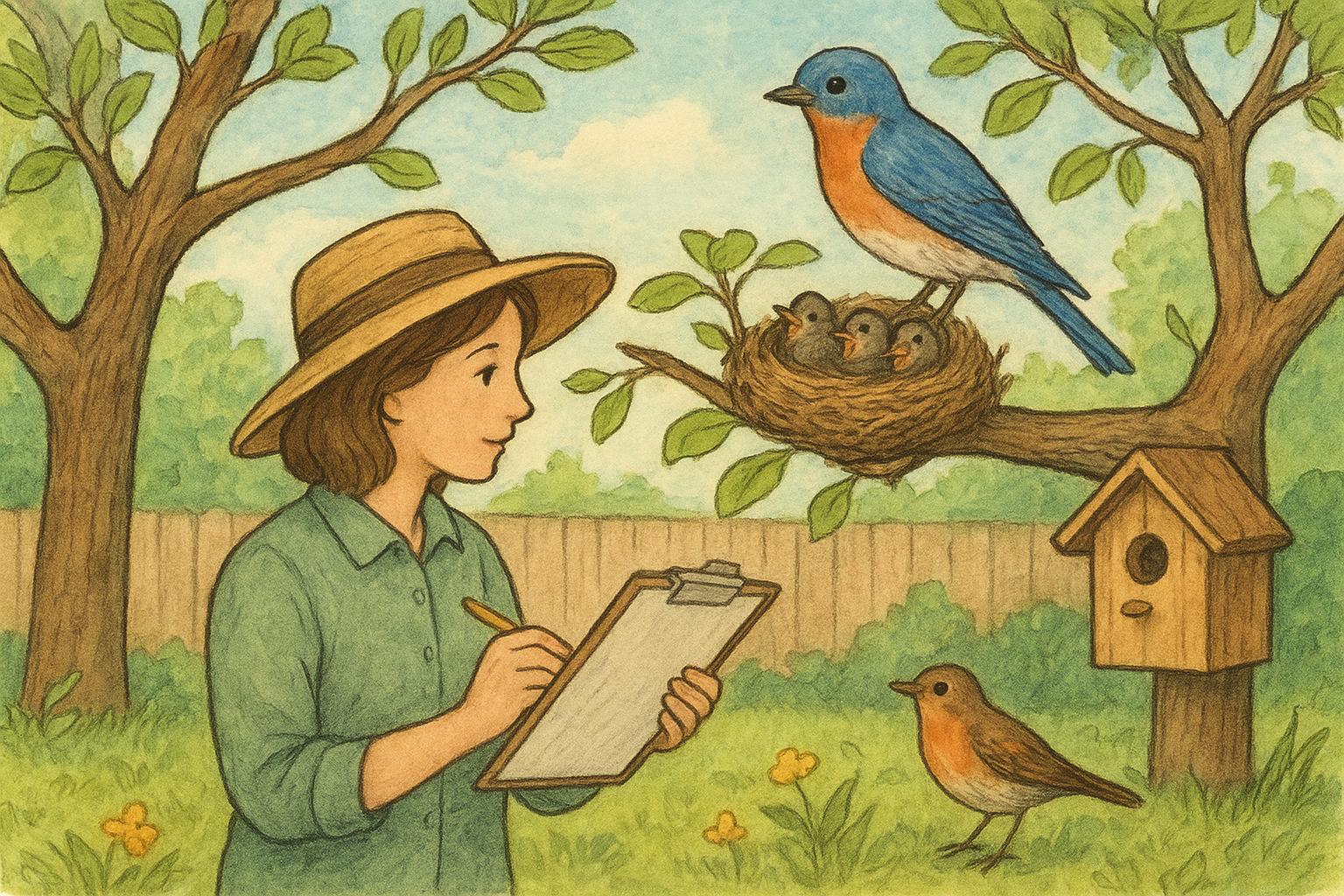
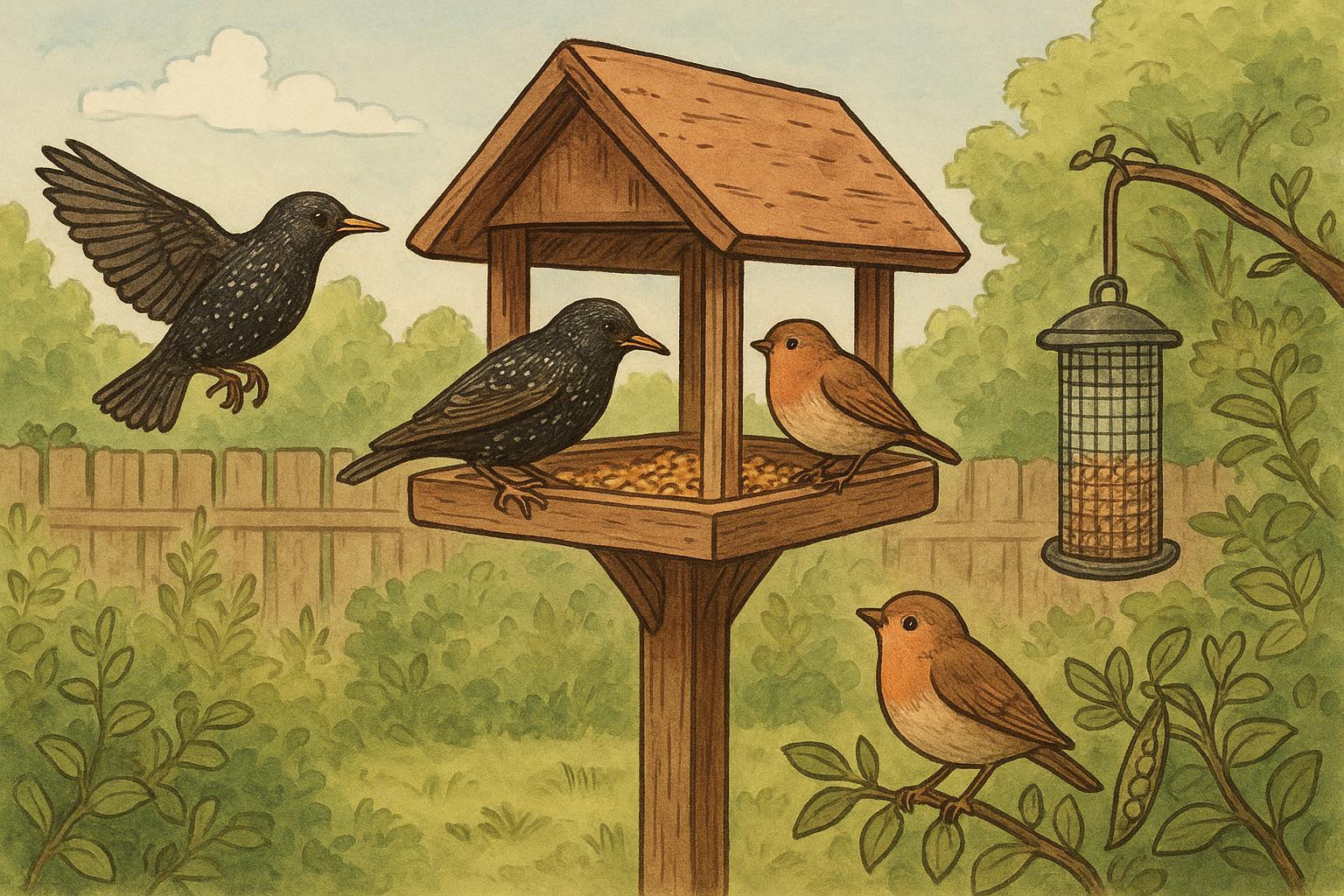
Install species-appropriate nest boxes for birds and bats. Position boxes off the ground and out of prevailing wind. Line bird boxes with a few inches of dry leaves or wood shavings; add extra in November if the box has a thick front and small opening. For bats, put boxes high and facing morning sun. Even a small platform with a roof gives robins a safer roost.
### Layering For Insulation
Insulation is the point. Dense grasses, leaf litter, and moss reduce convective heat loss. Plant native grasses and leave last-year seedheads intact until spring. When you rake leaves, pile some along the base of shrubs rather than bagging them. That practice creates sheltered tunnels and nesting material. This kind of layering is central to autumn denning and cold-season shelter ideas for backyard wildlife.
#### Use Straw — Not Hay
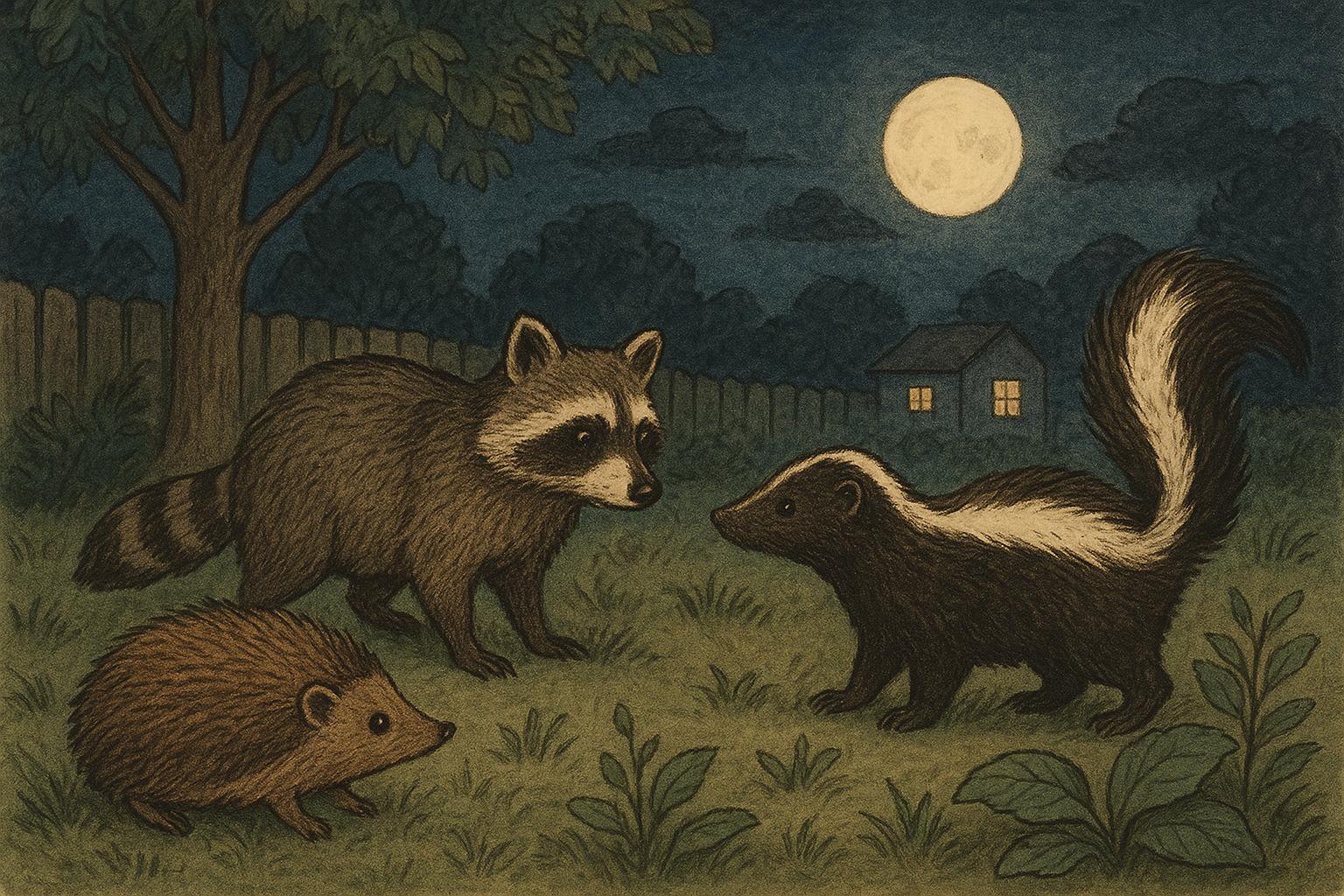
If you want to provide loose bedding, use clean straw. Hay molds faster. Straw bales propped against a shed make warm corners that hedgehogs and skunks can use. Check local guidelines; in some places feeding is regulated. Replace straw if it gets soaked.
### Landscaping Choices That Help
Choose hedges and native shrubs that keep their foliage in winter. Laurel, holly, and some viburnums provide year-round cover. Leave some brushy edges and don’t trim all growth to the ground. A dense hedge can function as a linear den, linking feeding areas to thicker cover. When planning plantings, think about where a denning shelter will form naturally.
### Water And Food During Cold Spells
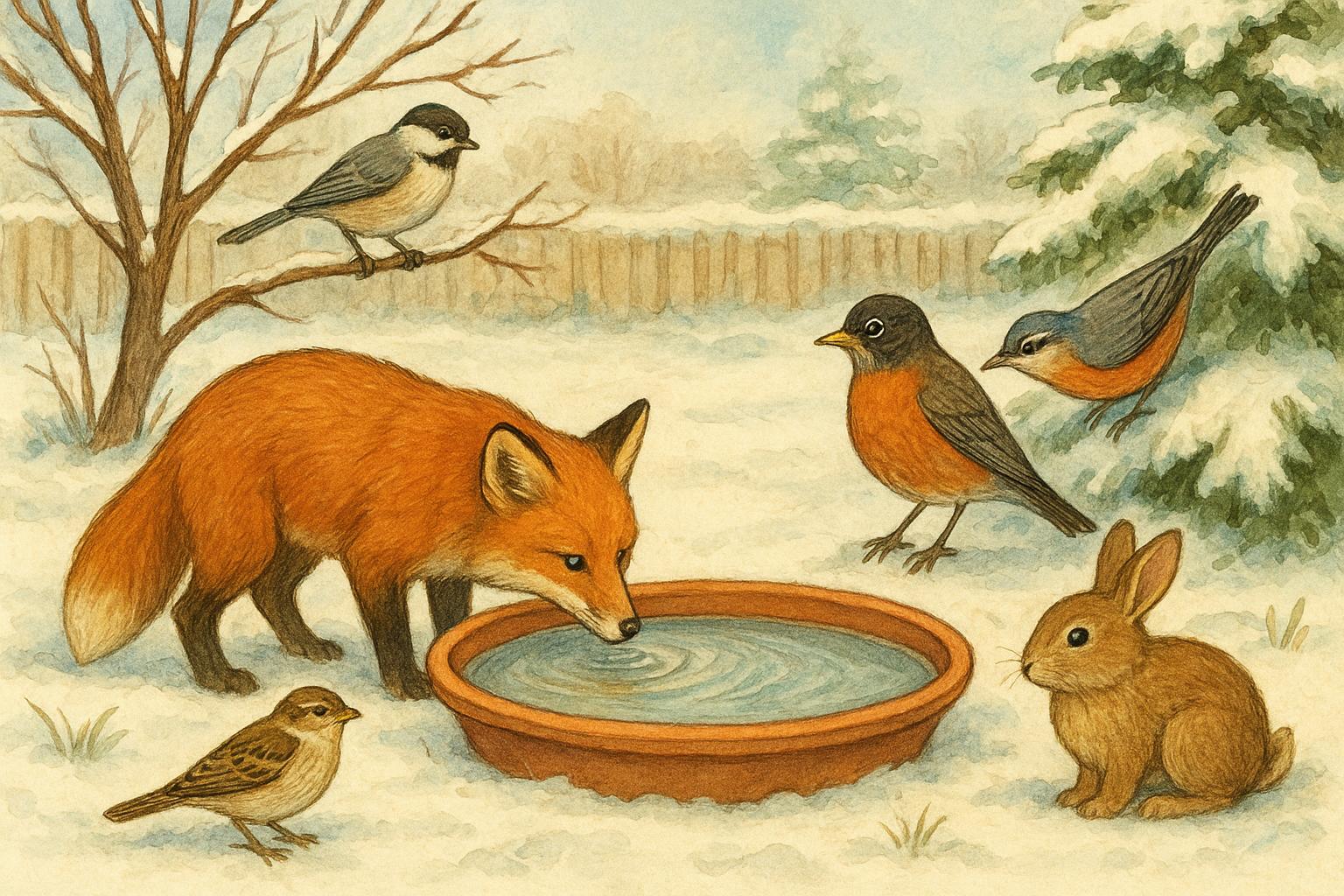
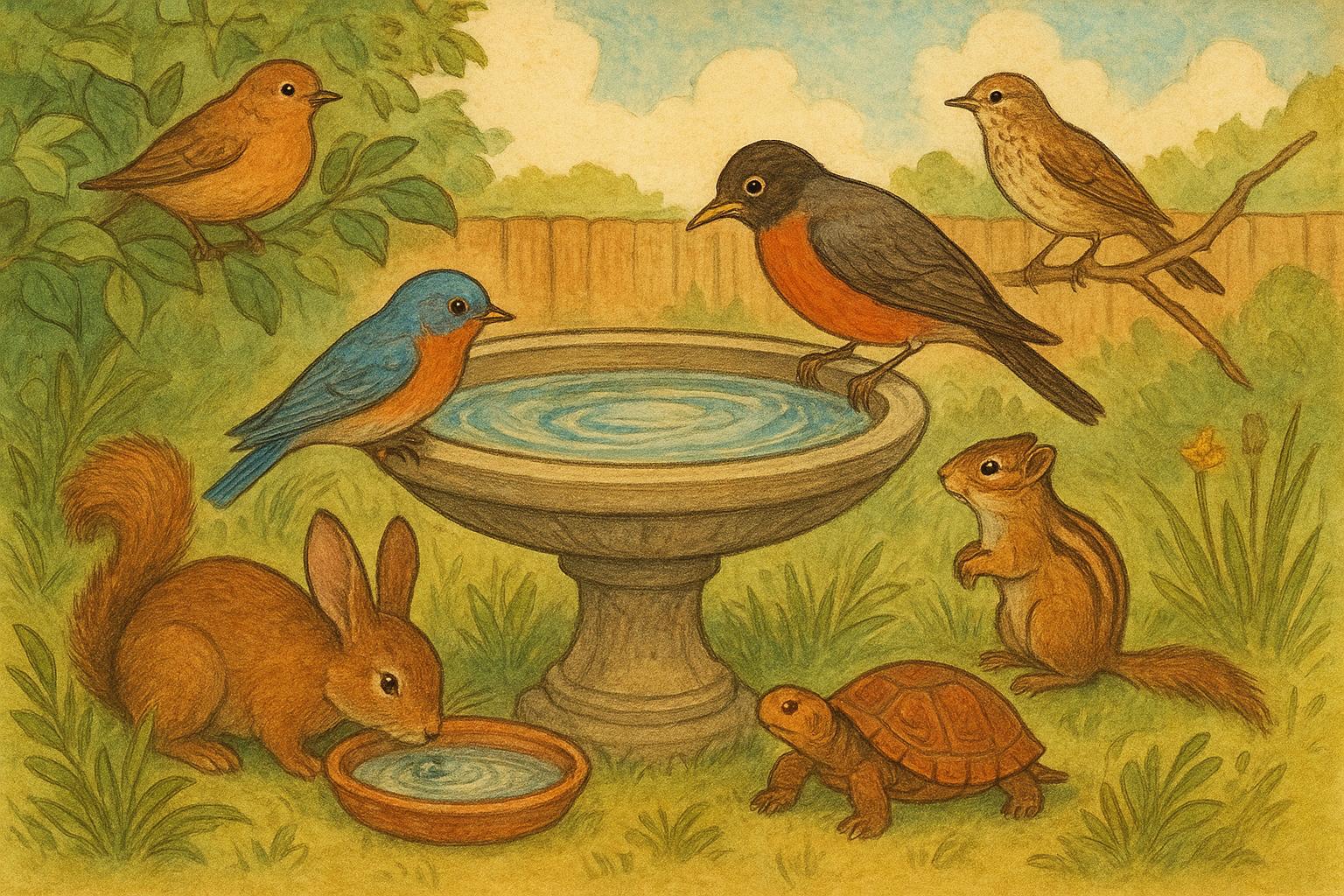
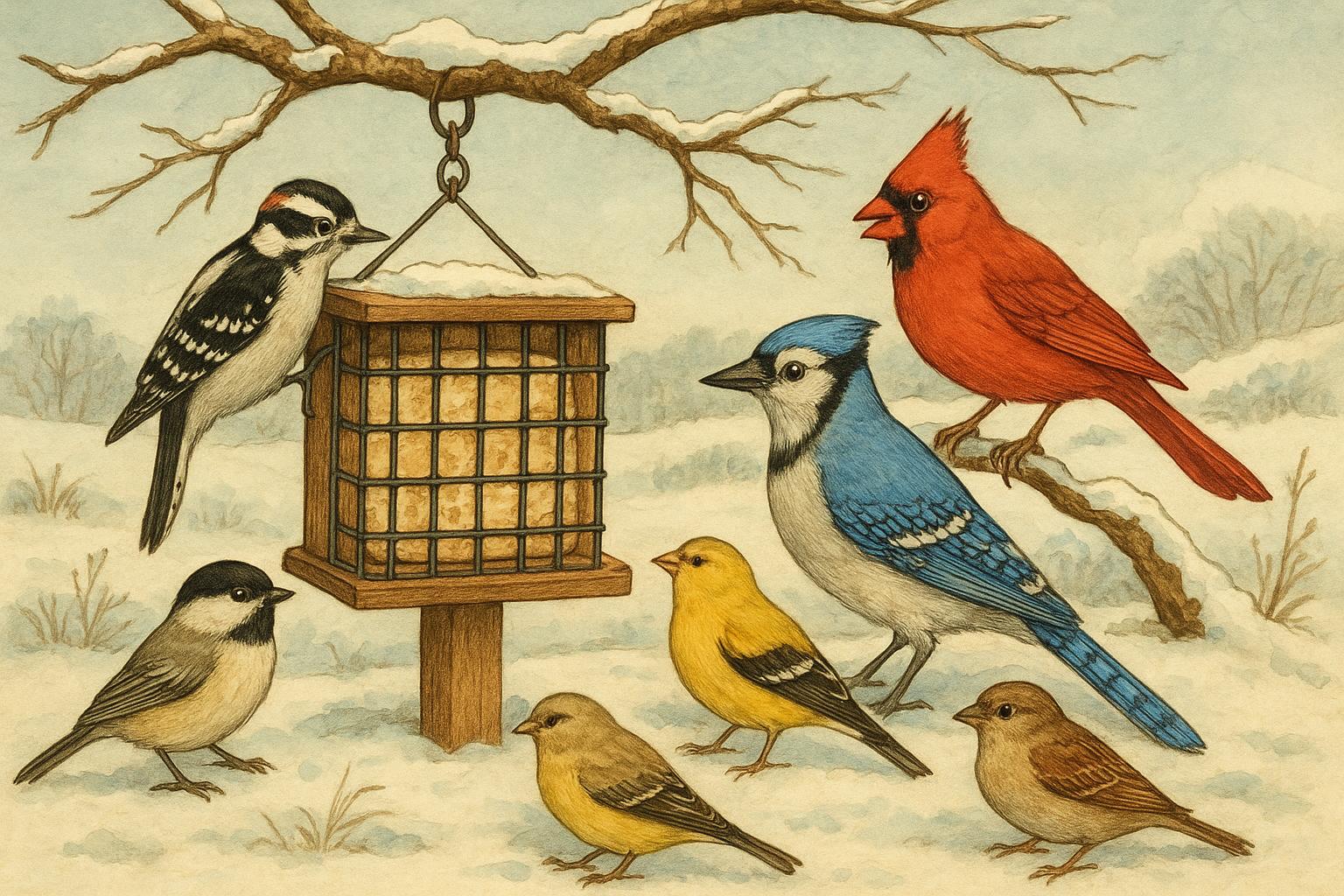
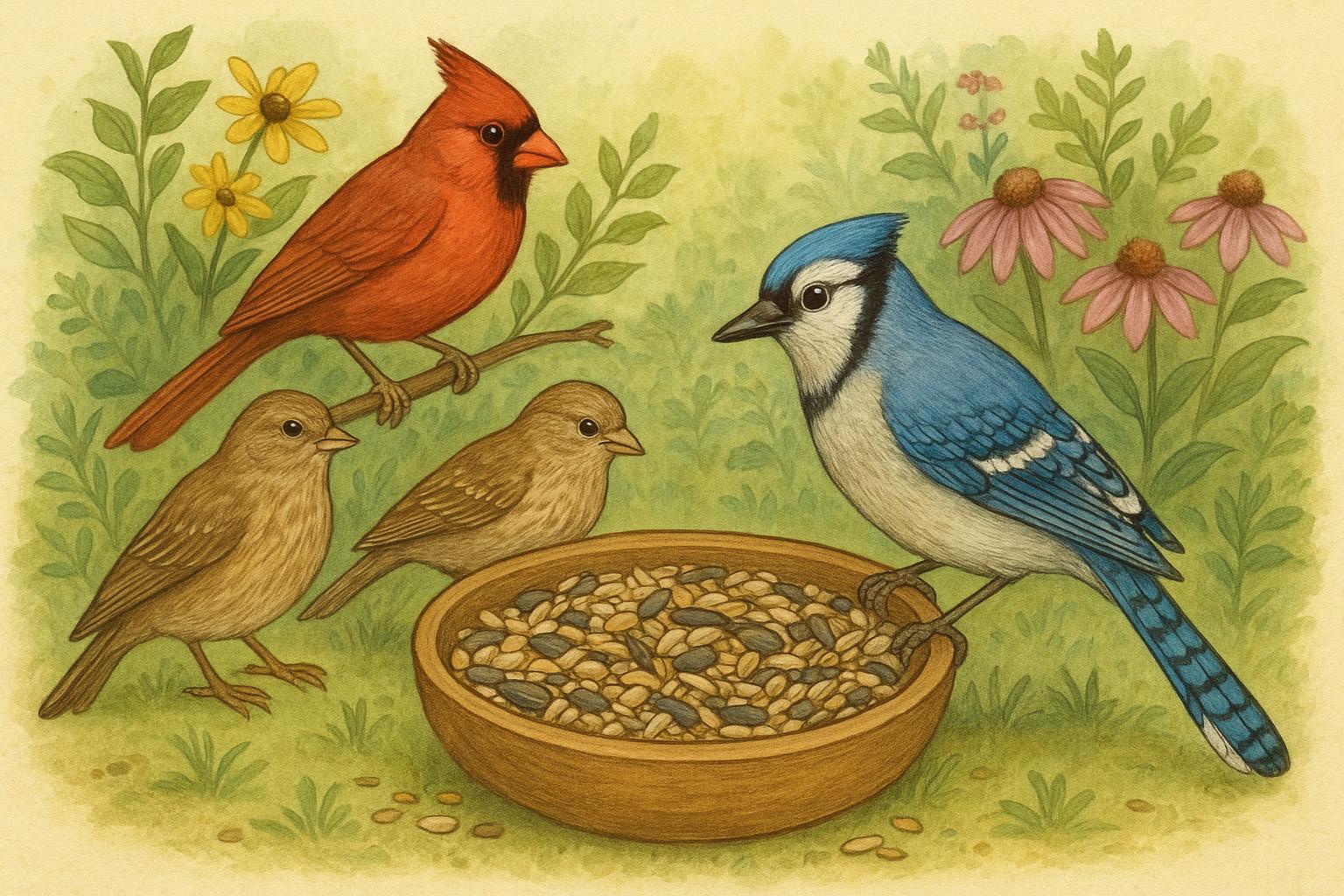
Water can freeze. Install a shallow bowl in a sunny spot; change it daily in cold weather. Offer high-energy foods—suet for birds, unsalted peanuts. Don’t overfeed; too much food concentrates animals and draws predators. Spread offerings in a few places so animals can move without exposing themselves.
### Human Structures Repurposed For Wildlife
An old shed or woodpile can be retrofitted. Leave a small gap at the base and block off larger openings to prevent predators from getting in. A stack of pallets leaned together makes a quick den wall. If you’re using salvaged materials, make sure nails and wire aren’t sticking out. These are practical backyard shelter ideas that reuse what you already have.
#### Bat And Bird Boxes: Placement Tips
Mount bat boxes facing east or southeast, at least twelve feet up. Put bird boxes under eaves or high in trees. Clean boxes only in late winter to avoid disturbing renters. Secure boxes so they don’t swing and let moisture in.
### Season-Specific Timing
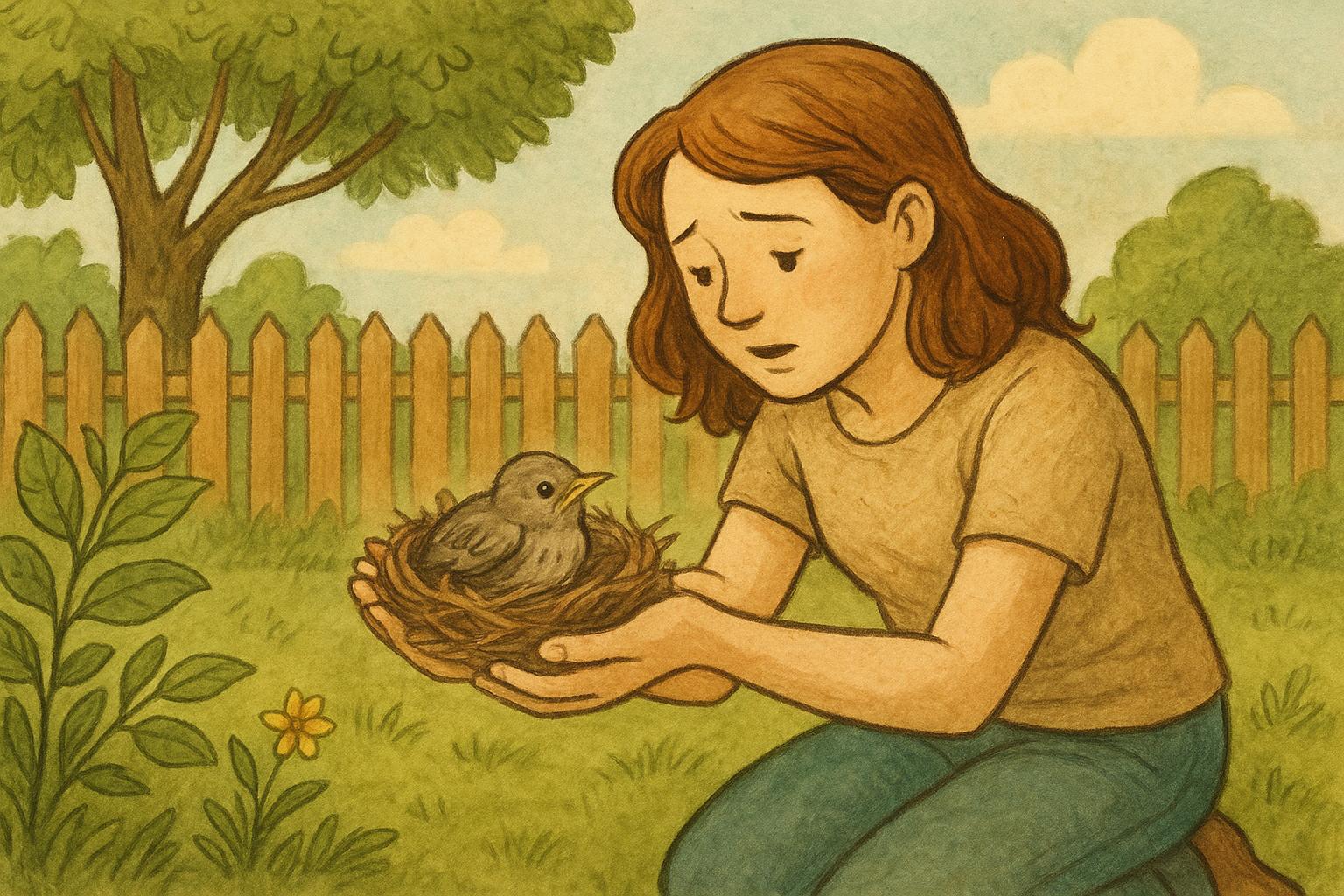
Install shelters by early autumn. Waiting until first snow makes it harder for animals to adapt. Check shelters occasionally, but don’t pry into occupied nests. If you find a youngster out of a nest, contact a licensed wildlife rehabilitator. Quick note: do not seal all your garden too tightly; wildlife needs escape routes. Planning ahead is what defines good autumn denning and cold-season shelter ideas for backyard wildlife.
### Safety And Predator Considerations
Avoid placing shelters near obvious predator perches like tall fences. Create cover nearby so small animals can slip away. Keep pets supervised at dusk. Use natural materials rather than plastics that trap and injure animals. And avoid gluing or stapling insulation that can be ingested.
#### Avoiding Invasive Species
Don’t bring in nonnative plant material to build shelters. Some ornamental grasses spread aggressively and can change the habitat. Stick with local native plants and fallen branches from your own property when possible.
### Monitoring And Learning
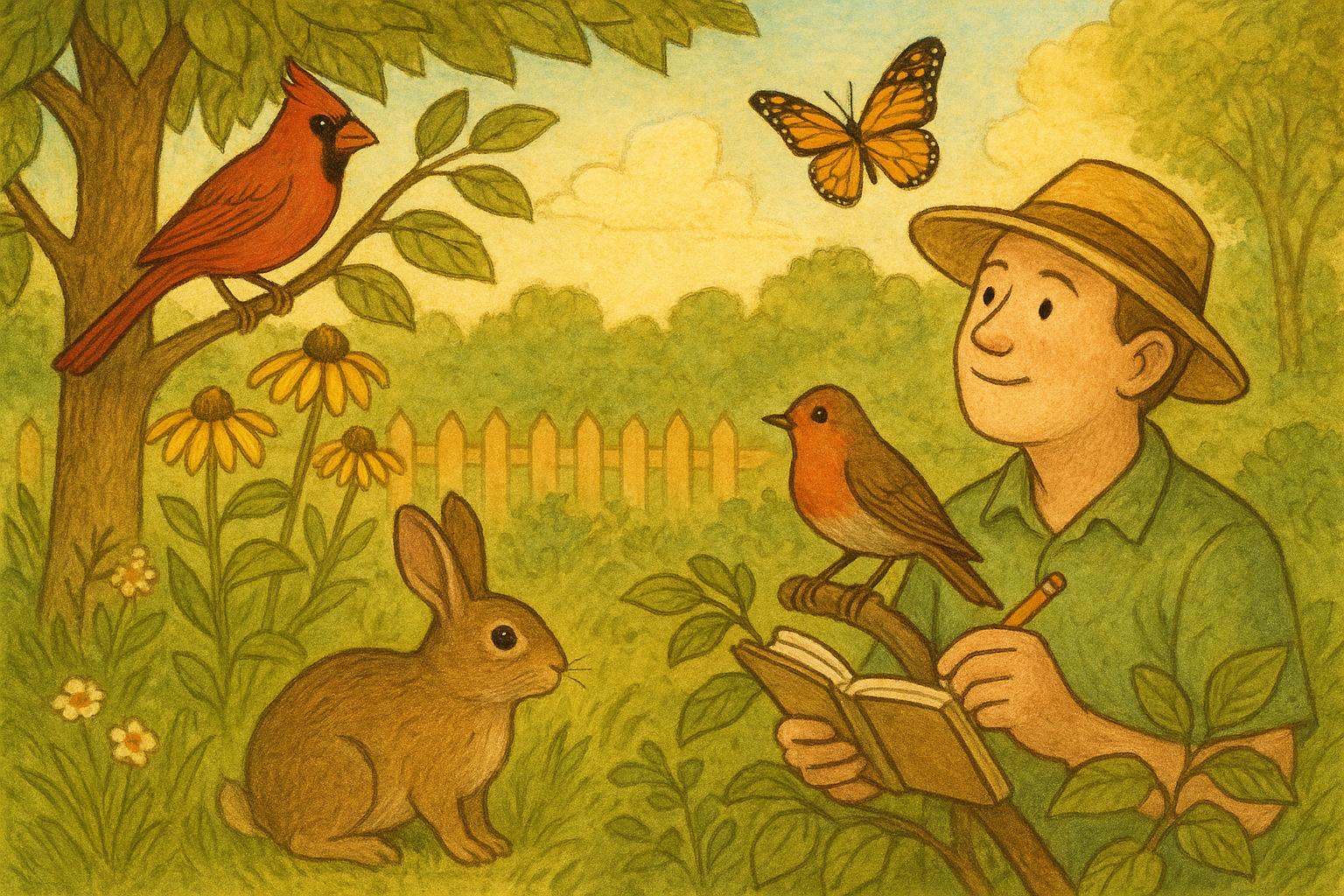
Put a camera on a motion setting if you want to see what uses your shelters, or just watch at dawn from a distance. Note which shelters attract which animals and adjust. Over two seasons, you’ll learn what matters: orientation, moisture control, and food nearby. These observations feed back into better autumn denning and cold-season shelter ideas for backyard wildlife.
### Common Mistakes To Avoid
Sealing shelters too tightly, using synthetic fillers, and placing shelters in full sun without shade are common errors. Also, don’t expect all species to use human-made boxes. Some prefer thick grass or brush piles. Patience matters. Test a mix of formal boxes and informal backyard shelter ideas to see what your local mix prefers.
### Materials To Keep On Hand
If you like weekend projects, collect:
– Clean straw bales
– Untreated wood logs and planks
– Native plant cuttings and leaf litter
– Stury wire mesh for vents
– Rough-cut planks for simple roofs
Store materials dry and make small repairs in late summer. When you have supplies, you can experiment with different autumn denning and cold-season shelter ideas for backyard wildlife without rushing.
### Legal And Neighborly Considerations
Check local ordinances about feeding and attracting wildlife. Let neighbors know what you’re doing and why; a tucked brush pile looks messy to some folks. If there’s concern, propose a tidy corner along a property line. That keeps everyone happy. Even a neighborly plan can include autumn denning and cold-season shelter ideas for backyard wildlife that are unobtrusive.
### Get A Small Project Underway
Pick one simple shelter, gather materials, and install it before the first freeze. Mark it on your calendar and check once a week. You’ll learn fast.


Leave a Reply