
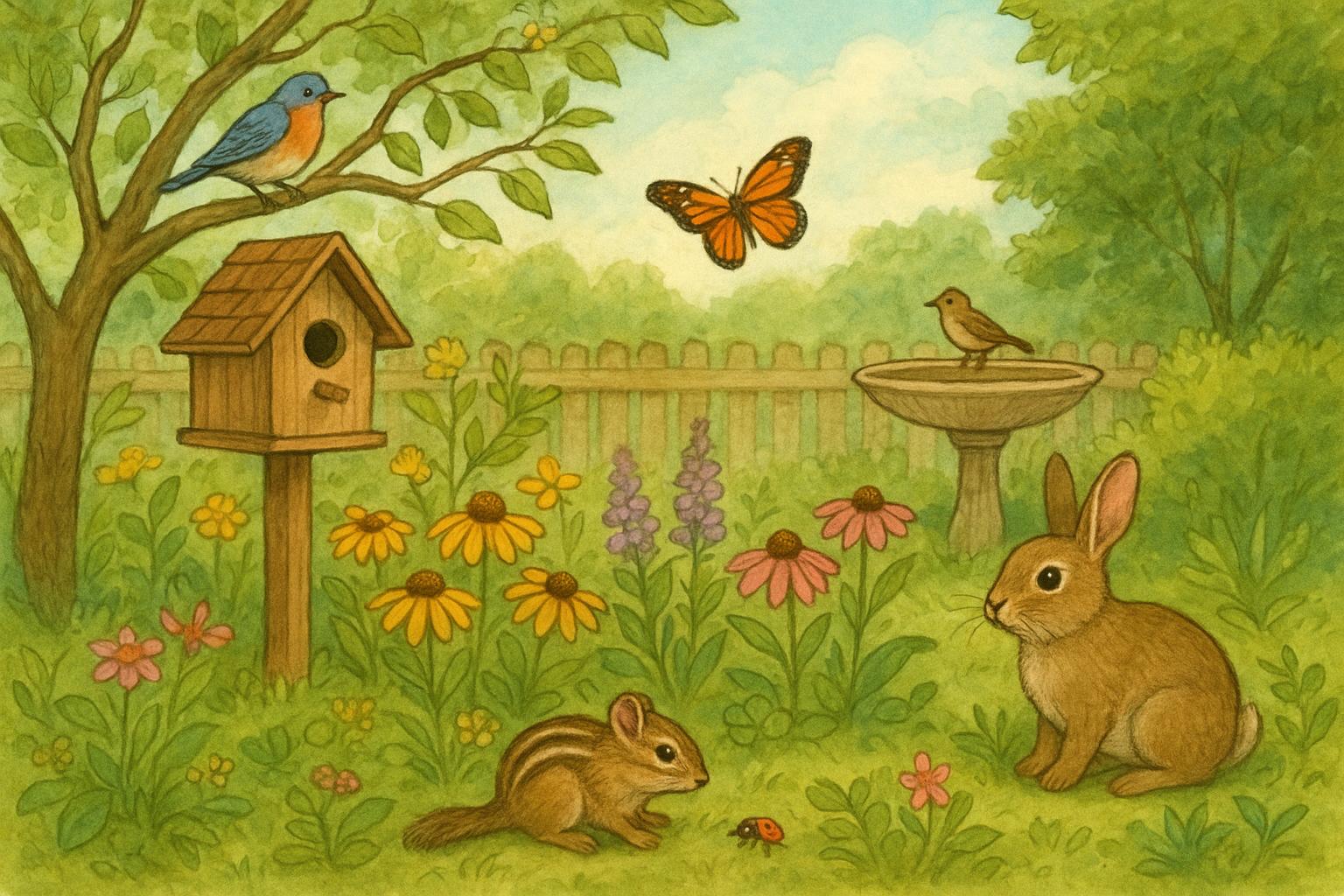
## Designing A Wildlife-Friendly Backyard To Support Birds And Pollinators
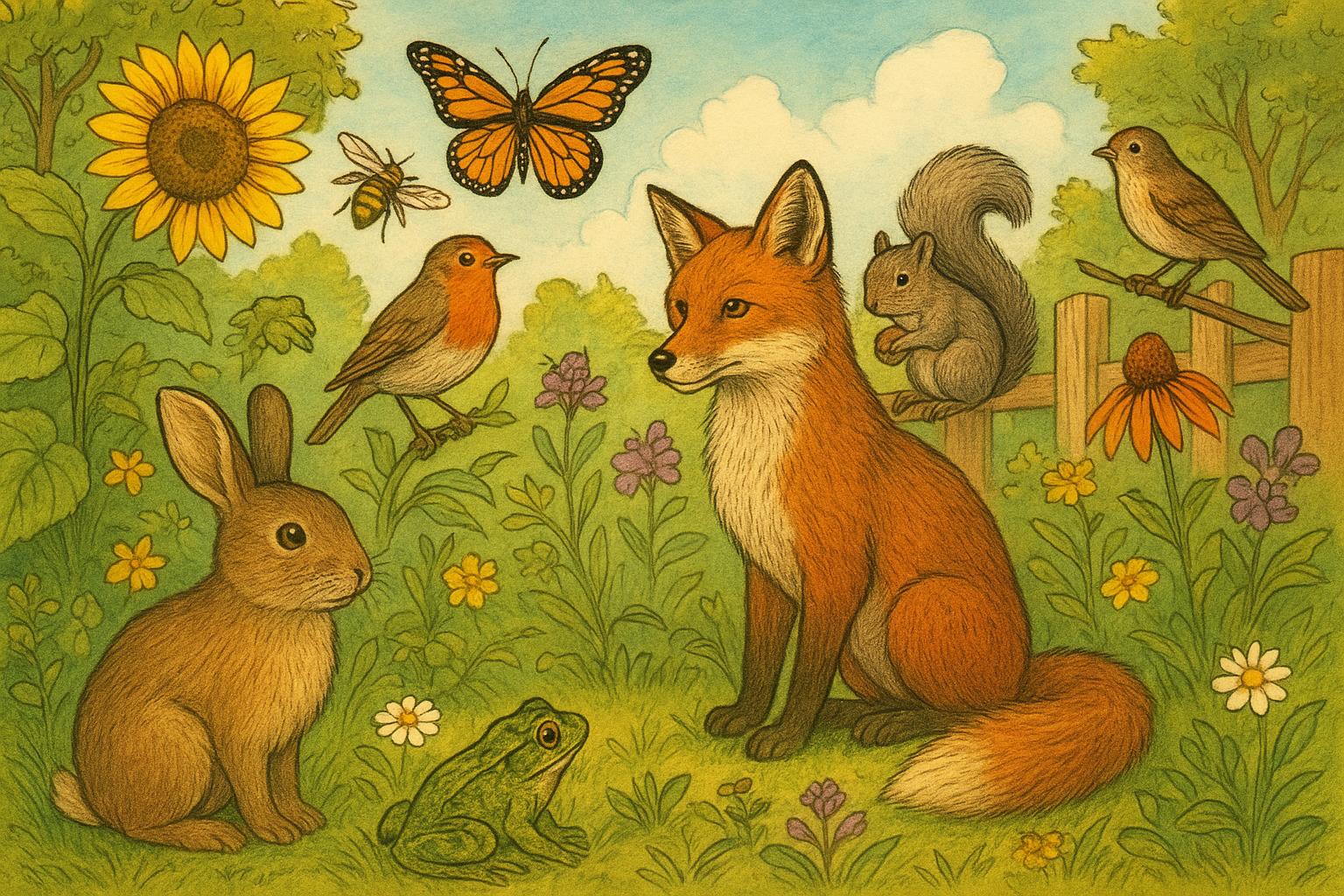
When designing a wildlife-friendly backyard you don’t have to clear everything out and start over. Think of it as adding pieces to a puzzle: water here, a clump of native flowers there, and a thicket against the fence. Small choices add up faster than you expect.
### Start With A Plan, Not Perfection
If you begin designing a wildlife-friendly backyard with a simple sketch — sunniest spots, wet corners, and wind exposure — you’ll avoid a lot of wasted effort. Note existing trees, drainage low spots, and where neighbors hang lights. Scale your ambitions to the space. A postage-stamp yard can still be a functioning wildlife yard if you prioritize the right elements.
#### Map Microhabitats
– Mark sunny patches for butterfly plants.
– Circle shady bases of trees for ferns and native groundcovers.
– Outline edges where a shrub hedge or brush pile can sit without creating a nuisance.
This isn’t a blueprint you must follow forever. It’s a guide for doing the most good in the smallest footprint.
### Plant Choices That Actually Work
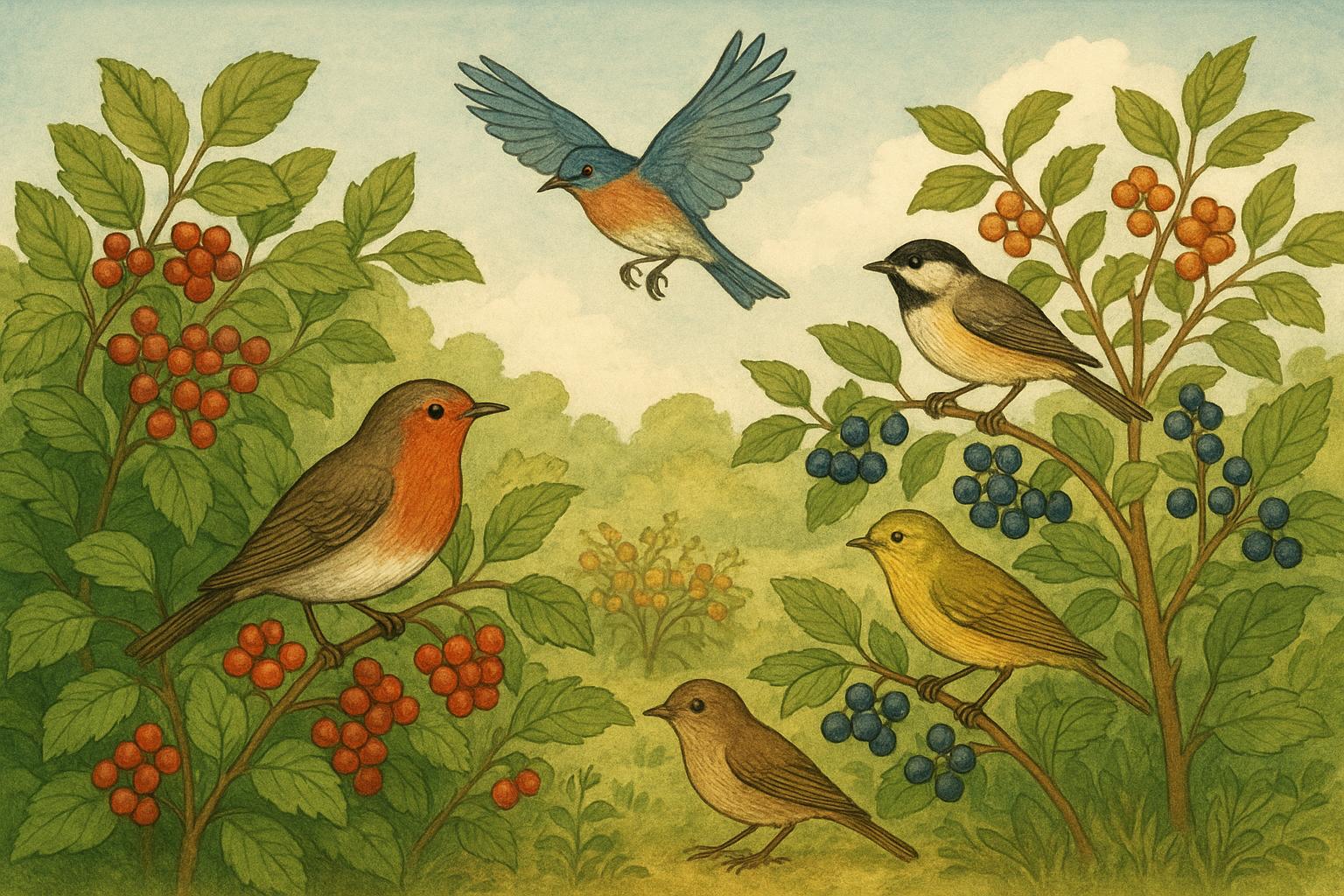
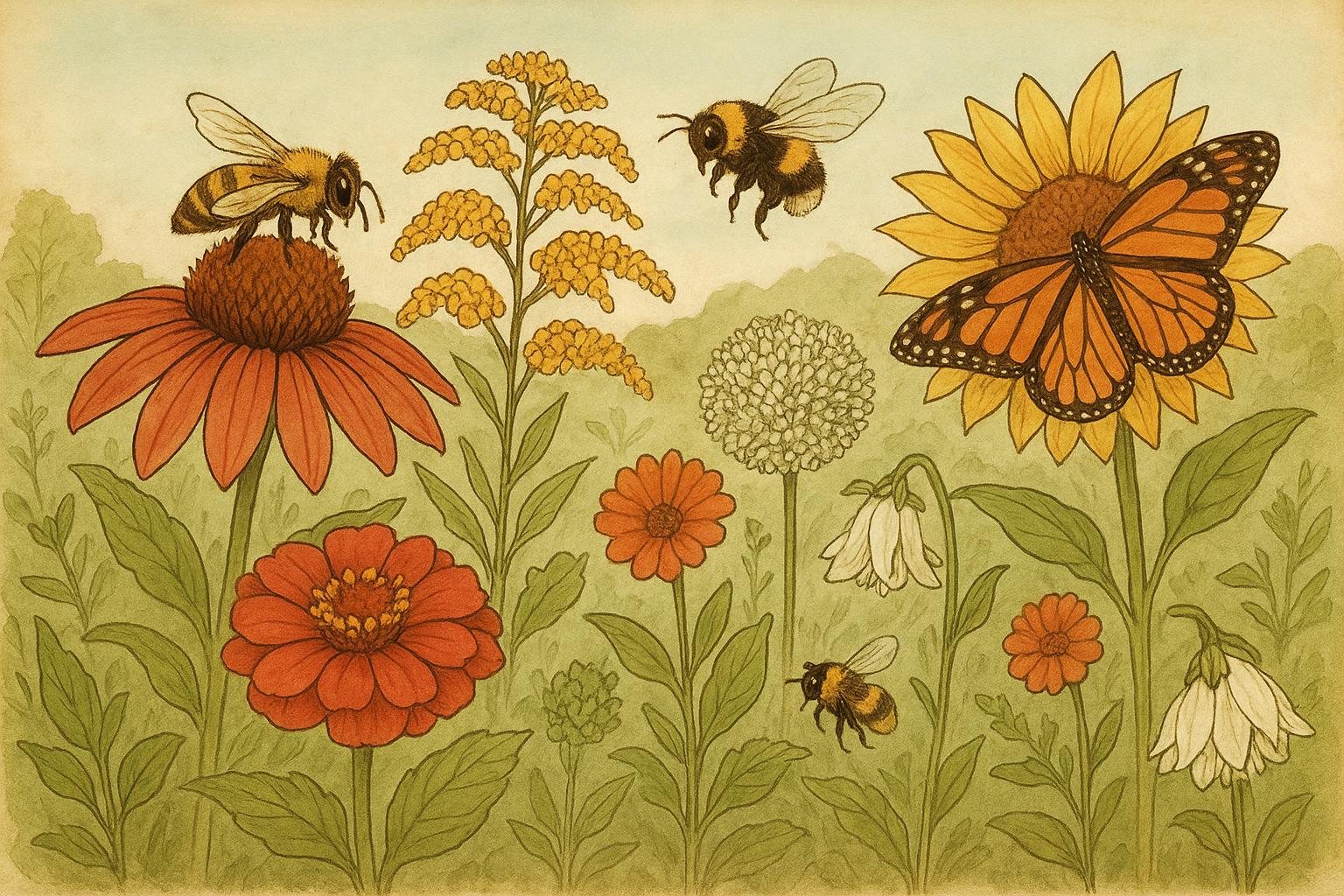
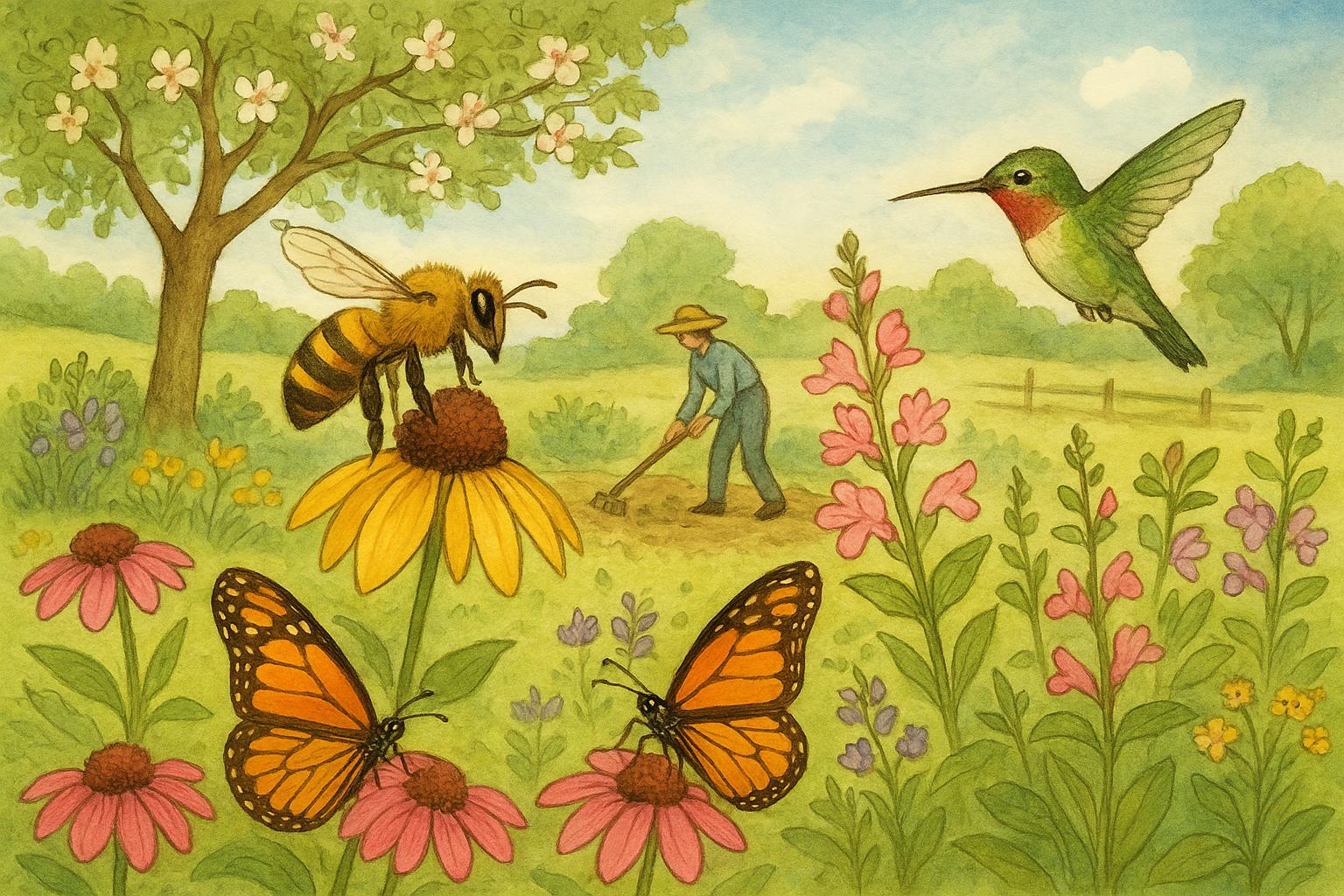
Native plants feed more insects and attract more birds than ornamental exotics. A backyard habitat anchored by a few reliably local species will outperform a complicated plan filled with trendy hybrids. Focus on host plants for caterpillars, nectar sources for pollinators, and berries or seeds for birds.
Examples that tend to perform well in many regions: native milkweeds, coneflowers, native grasses, serviceberry, and spicebush. If you’re unsure, ask a local native-plant group or extension office for three “do not fail” species in your area. Use those as the spine of the garden.
### Water: The Single Biggest Attraction
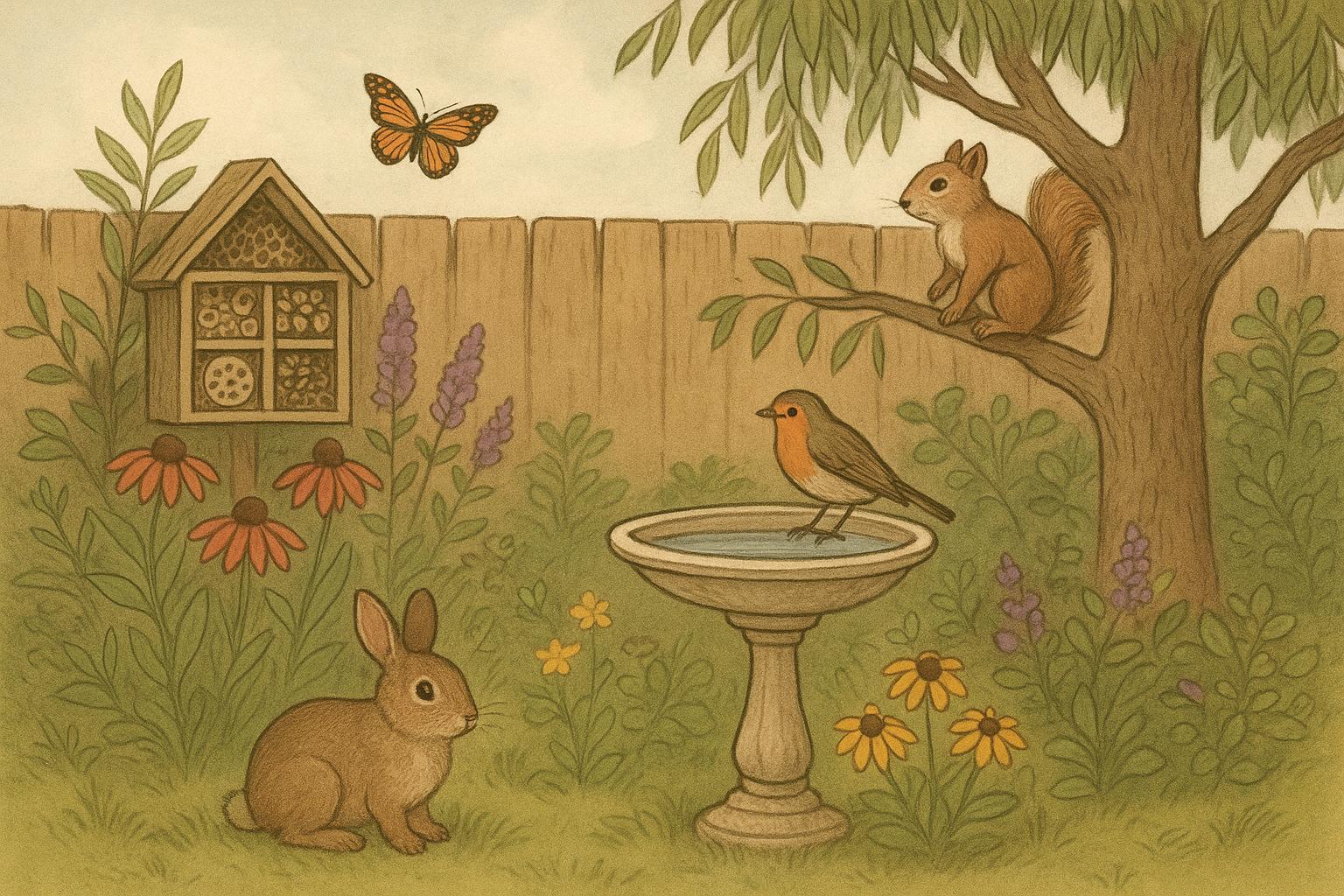
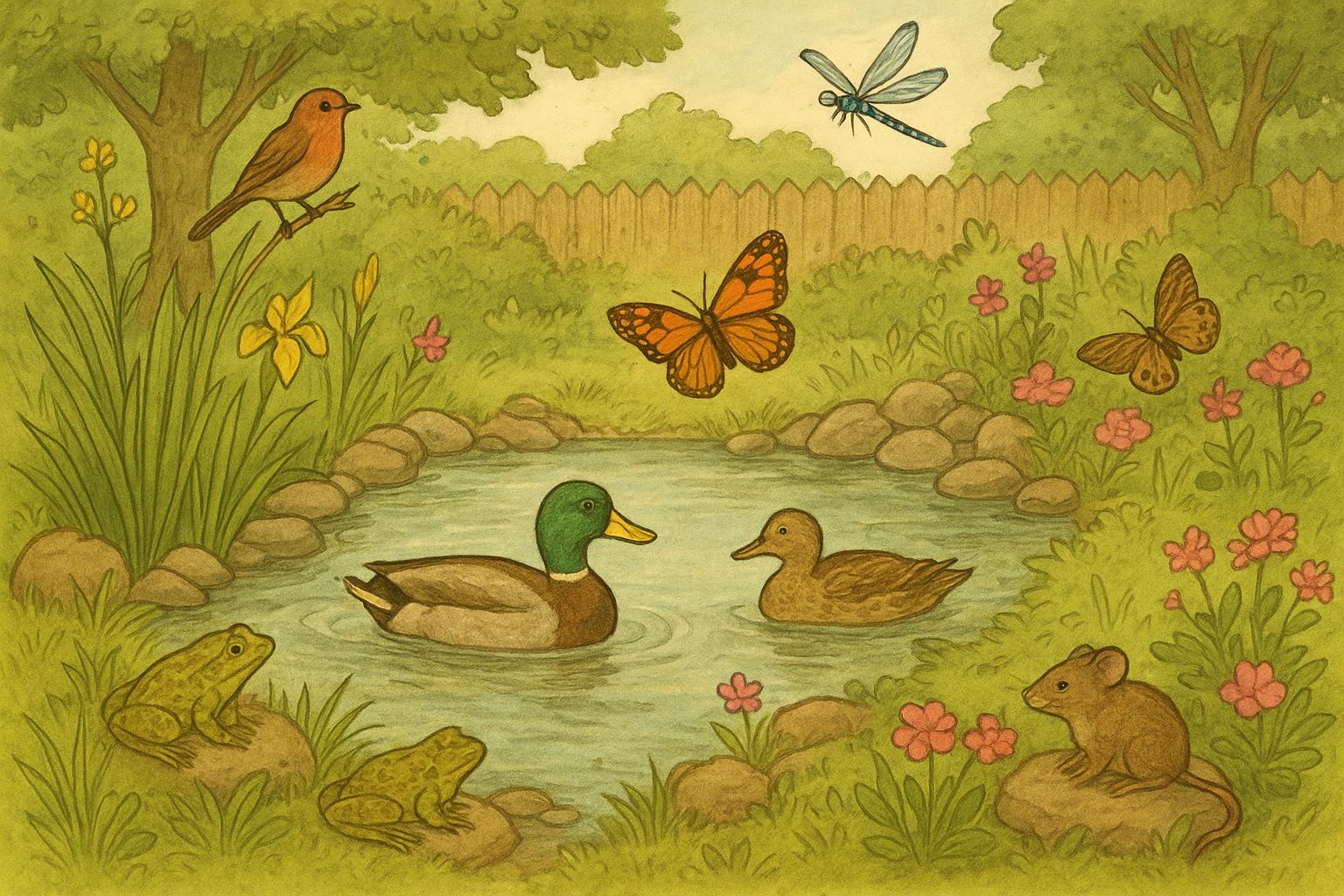
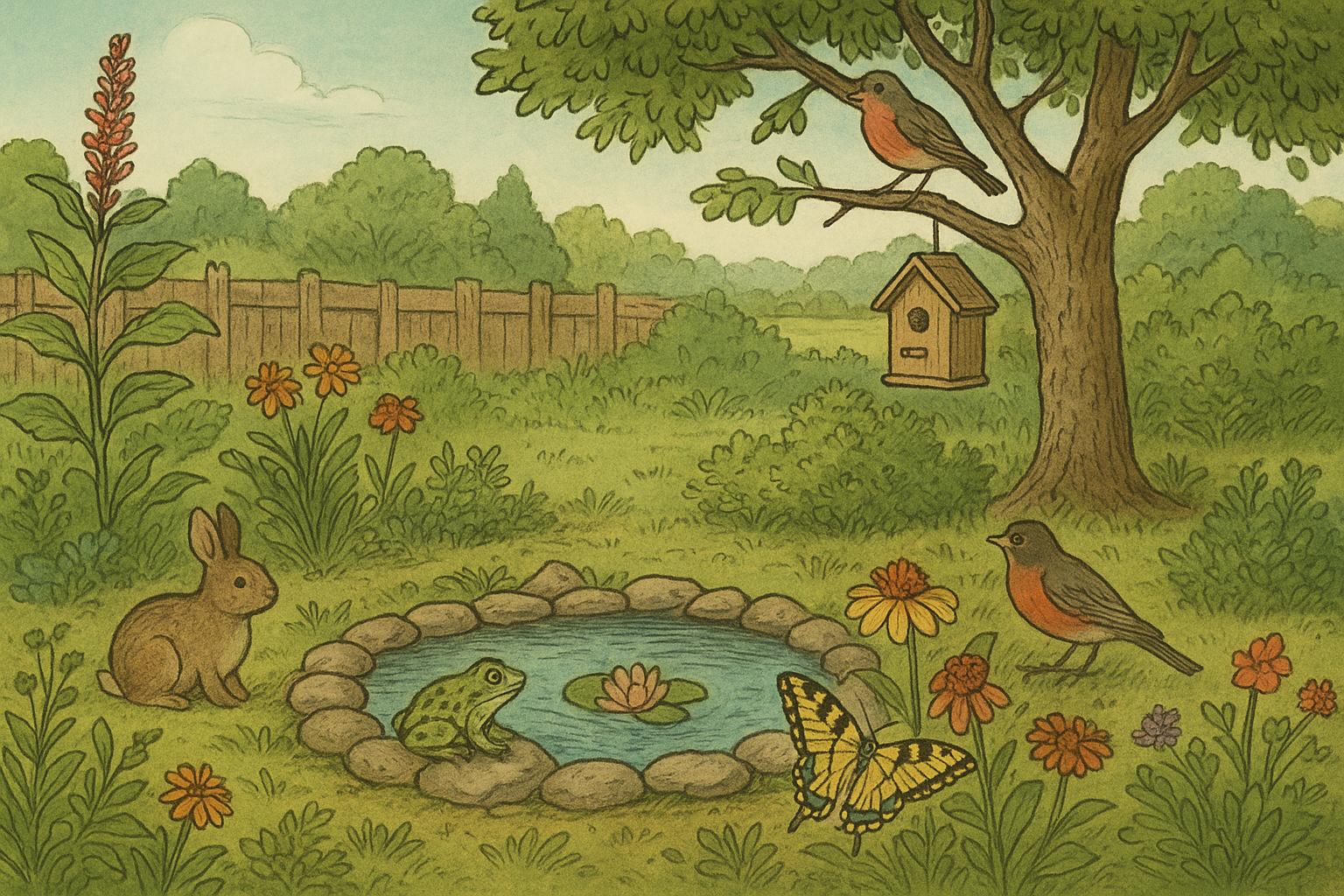
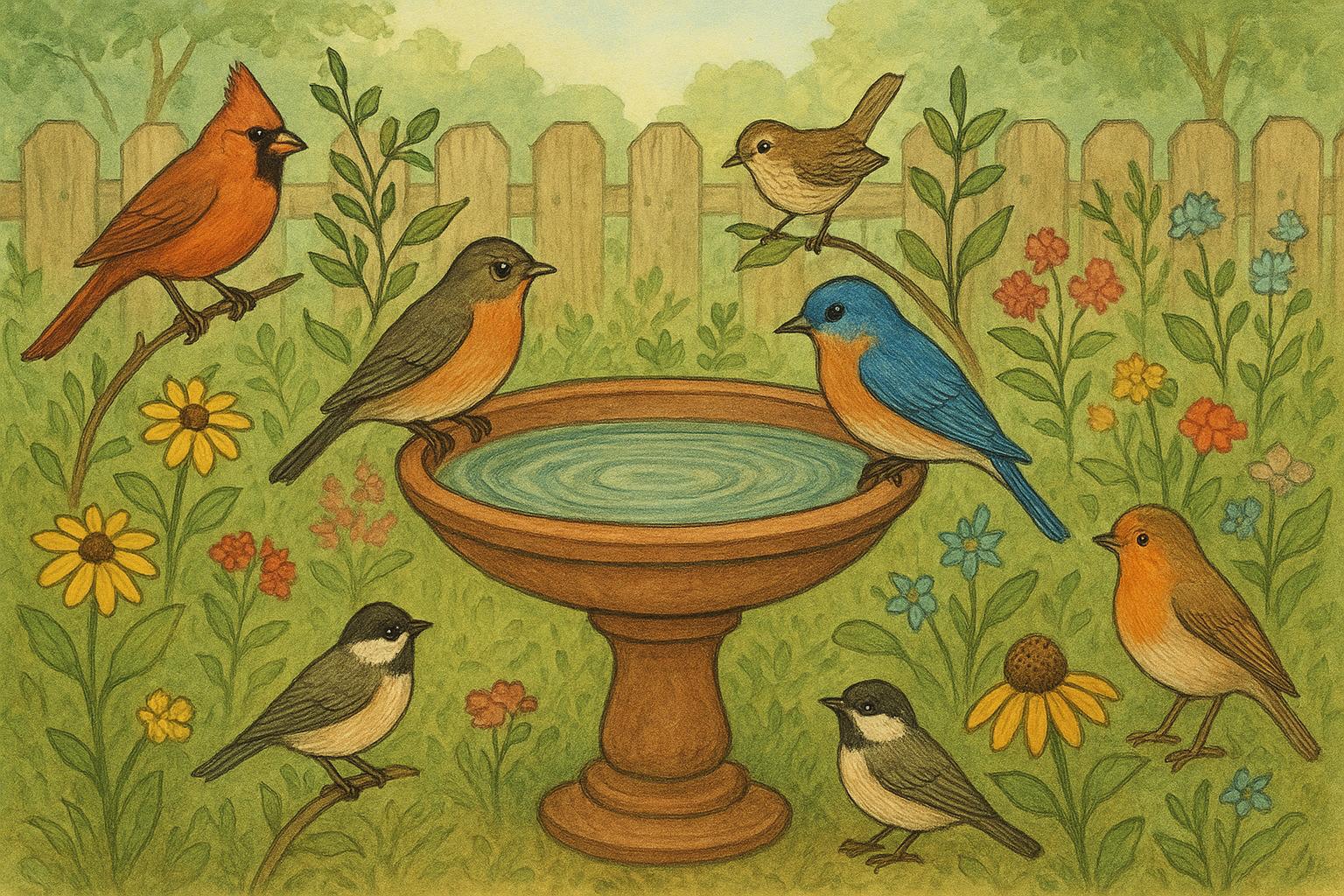
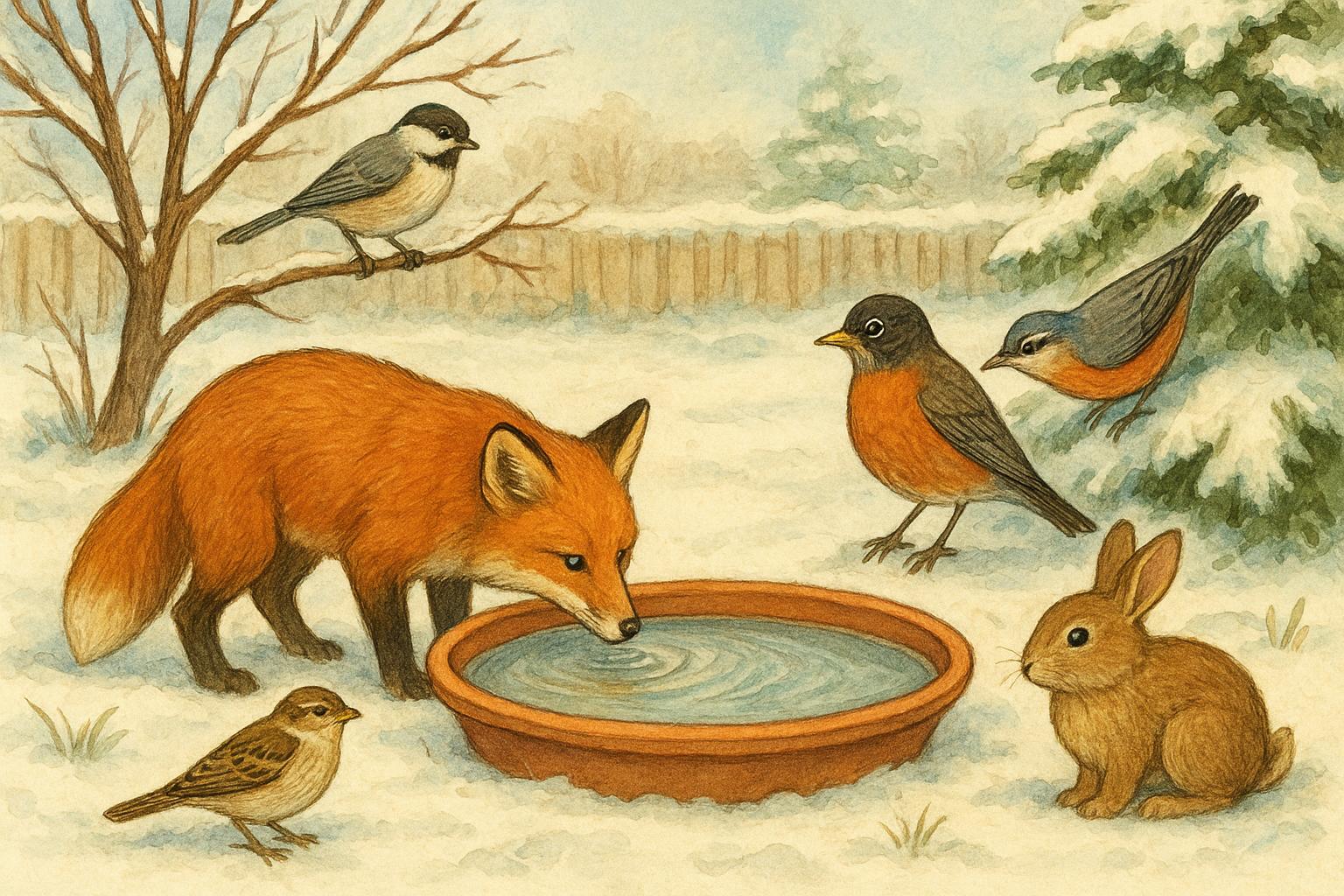
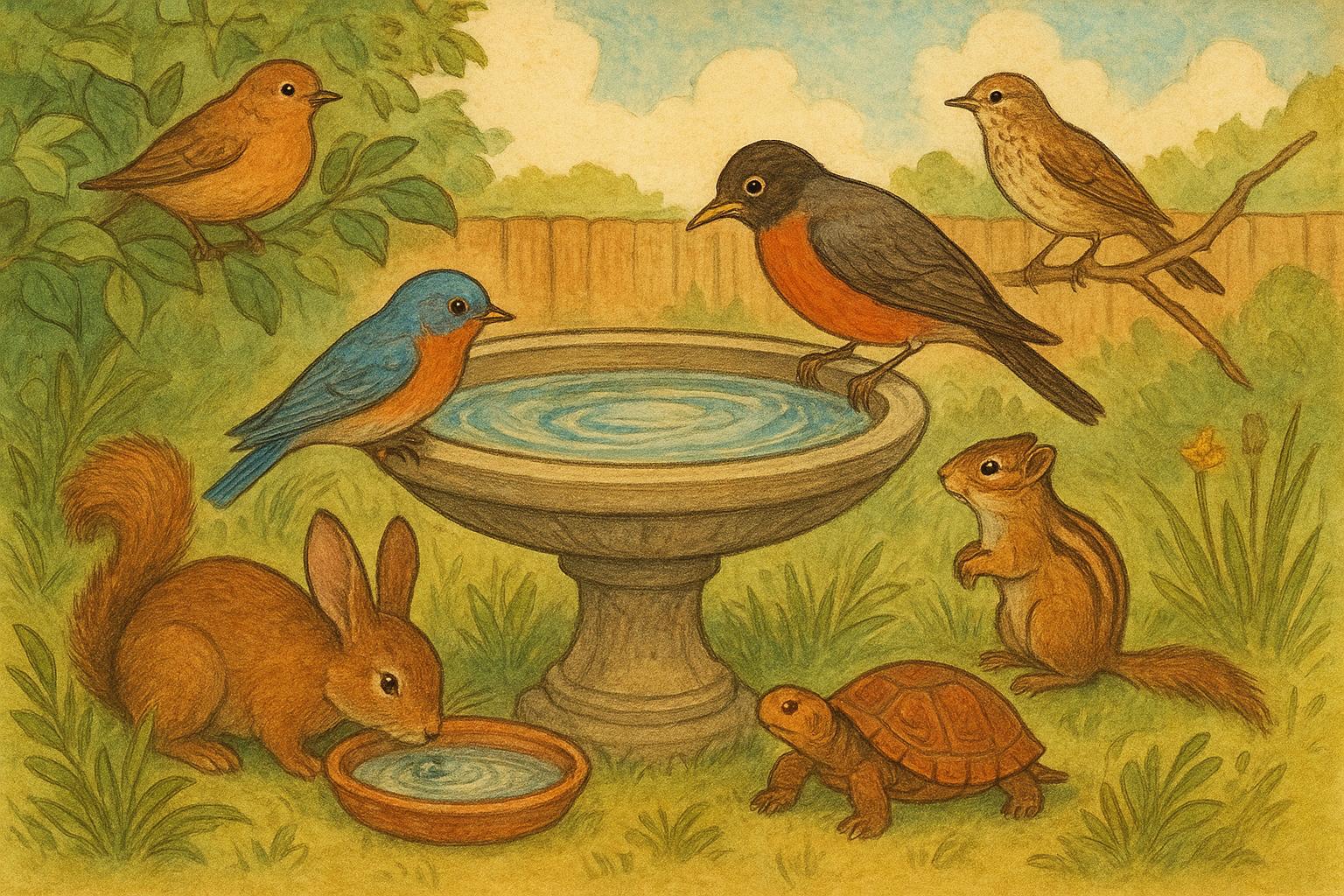
A shallow water source draws more activity than any single plant. A saucer, a small pond with sloping edges, or a dripper that makes a tiny splash will bring birds, bees, amphibians, and small mammals.
Designing a wildlife-friendly backyard around a modest water feature changes how animals use the space. Keep it clean, shallow in places so insects can escape, and add stones for perching. Even a recirculating fountain on a balcony becomes a wildlife yard if it offers regular water.
### Shelter, Nesting And Safe Places
Animals need more than food and water. They need cover to hide from predators, sheltered sites for nesting, and places to overwinter. A properly layered yard—tall trees, mid-story shrubs, low hedges, and ground litter—creates the complexity wildlife look for.
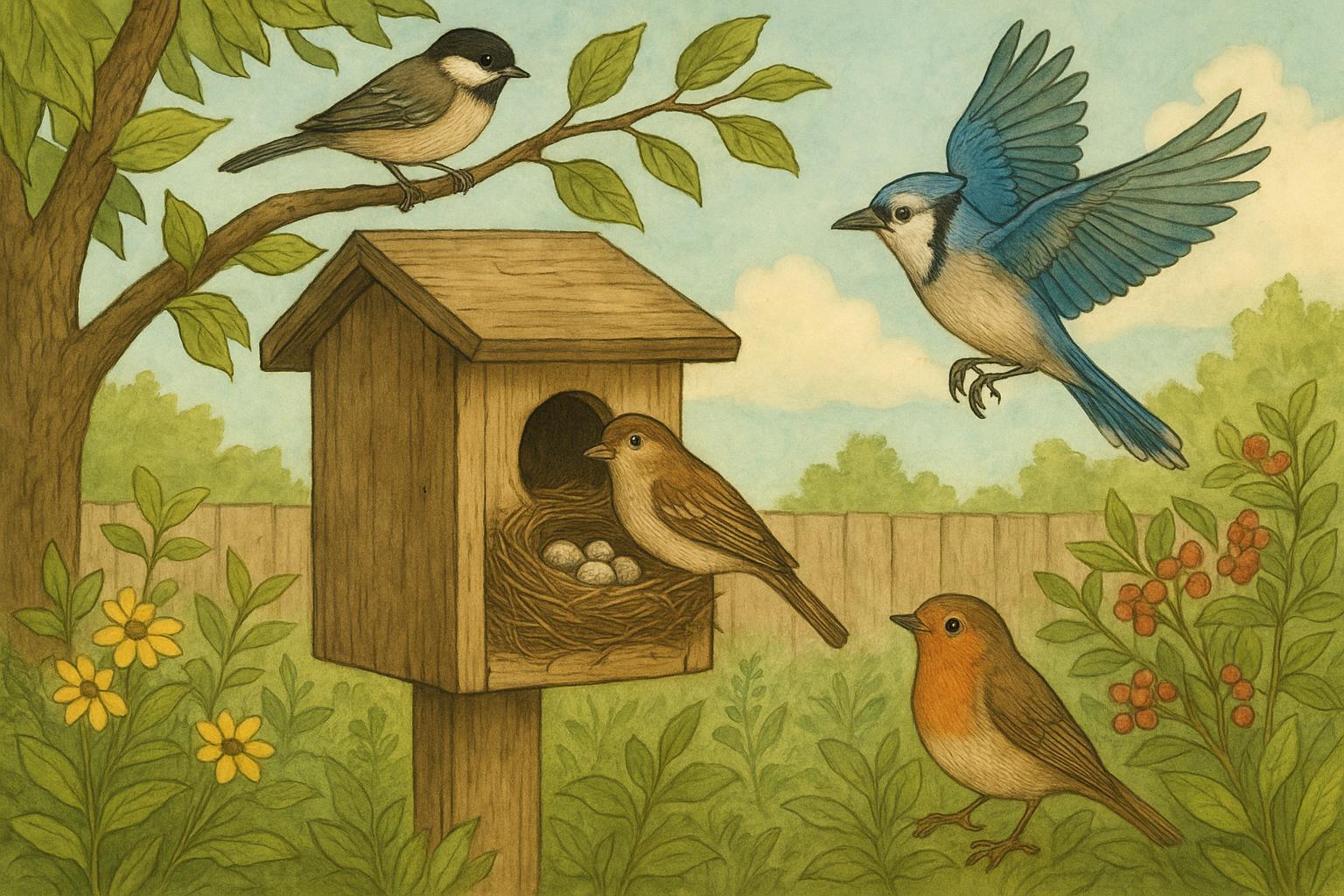
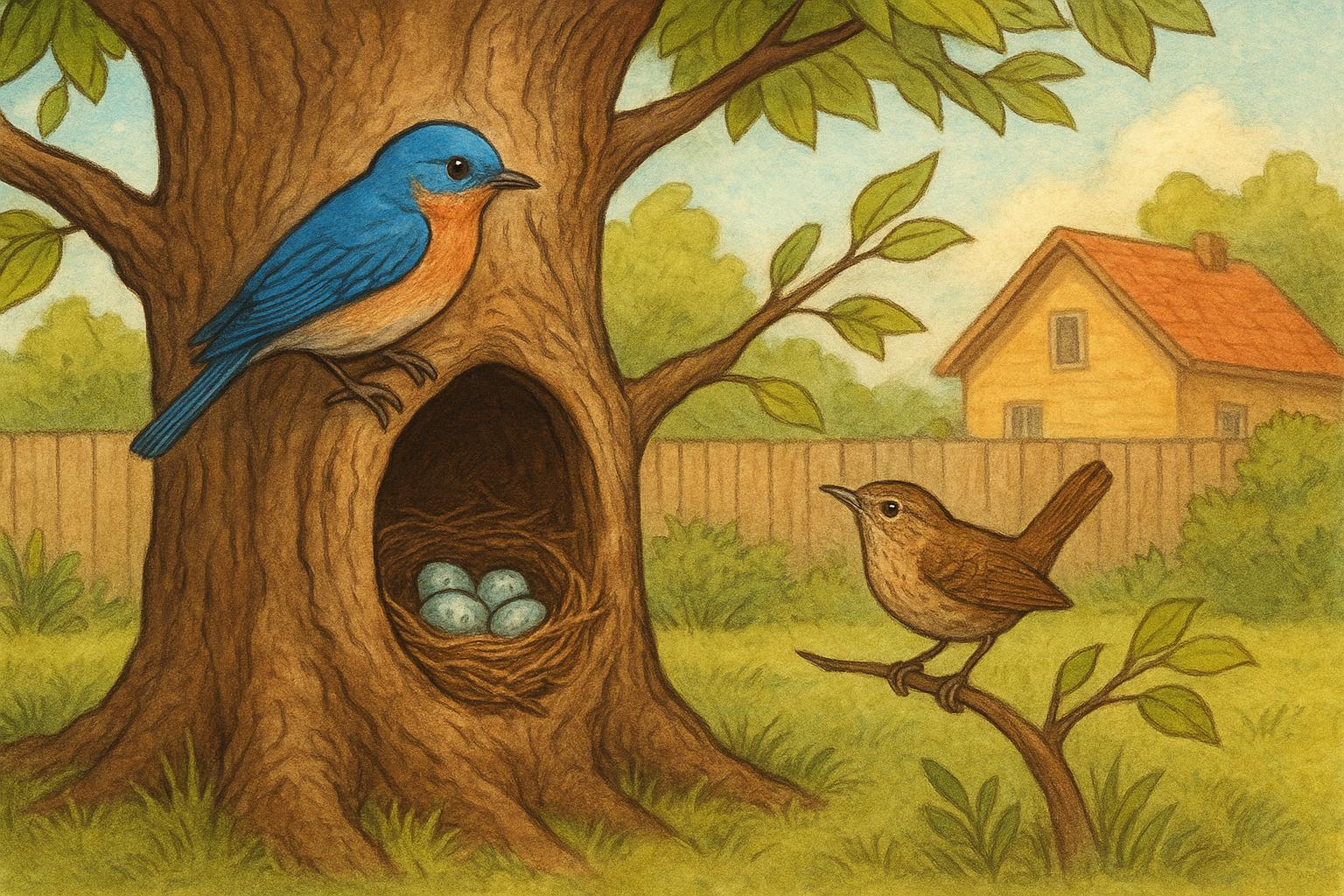
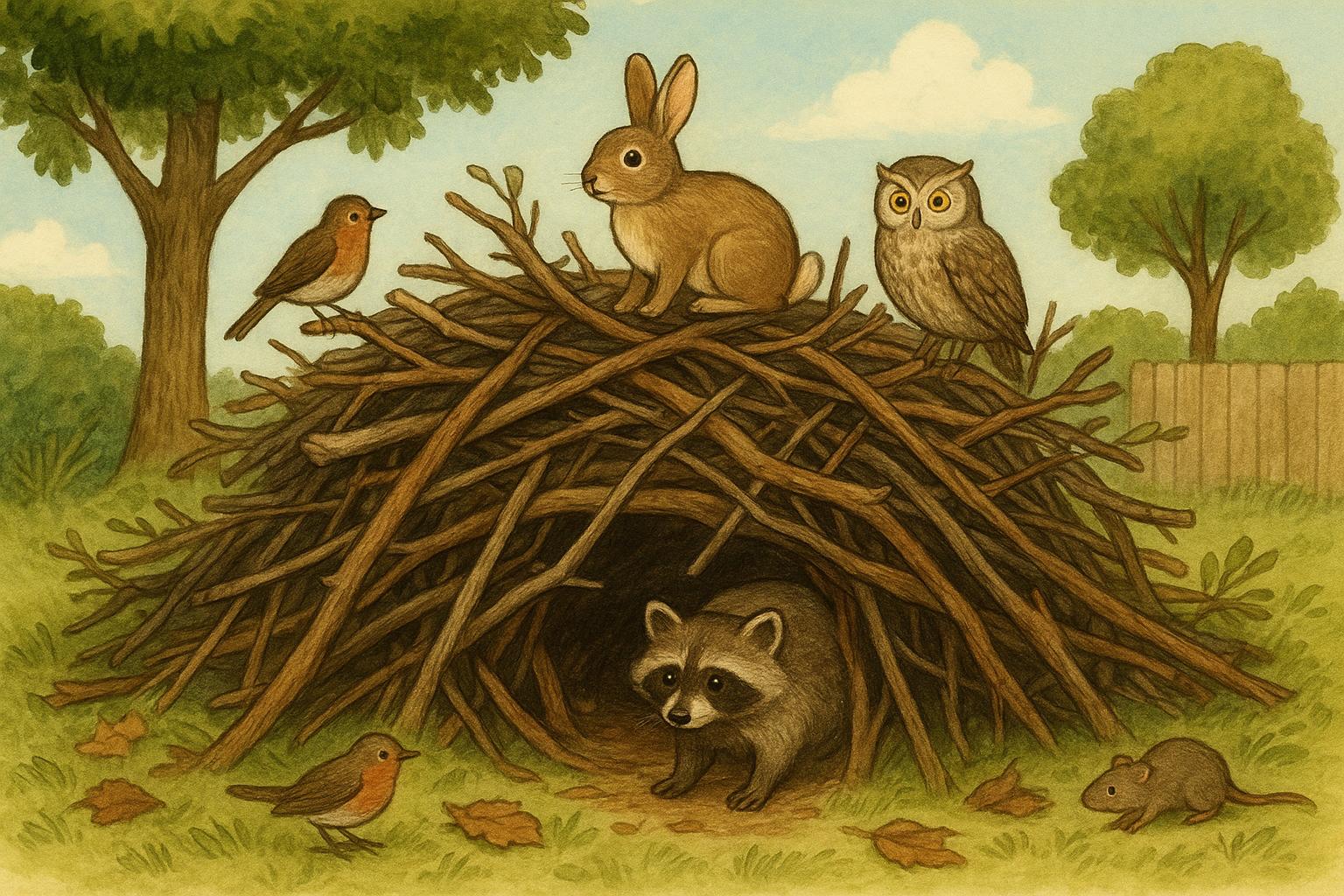
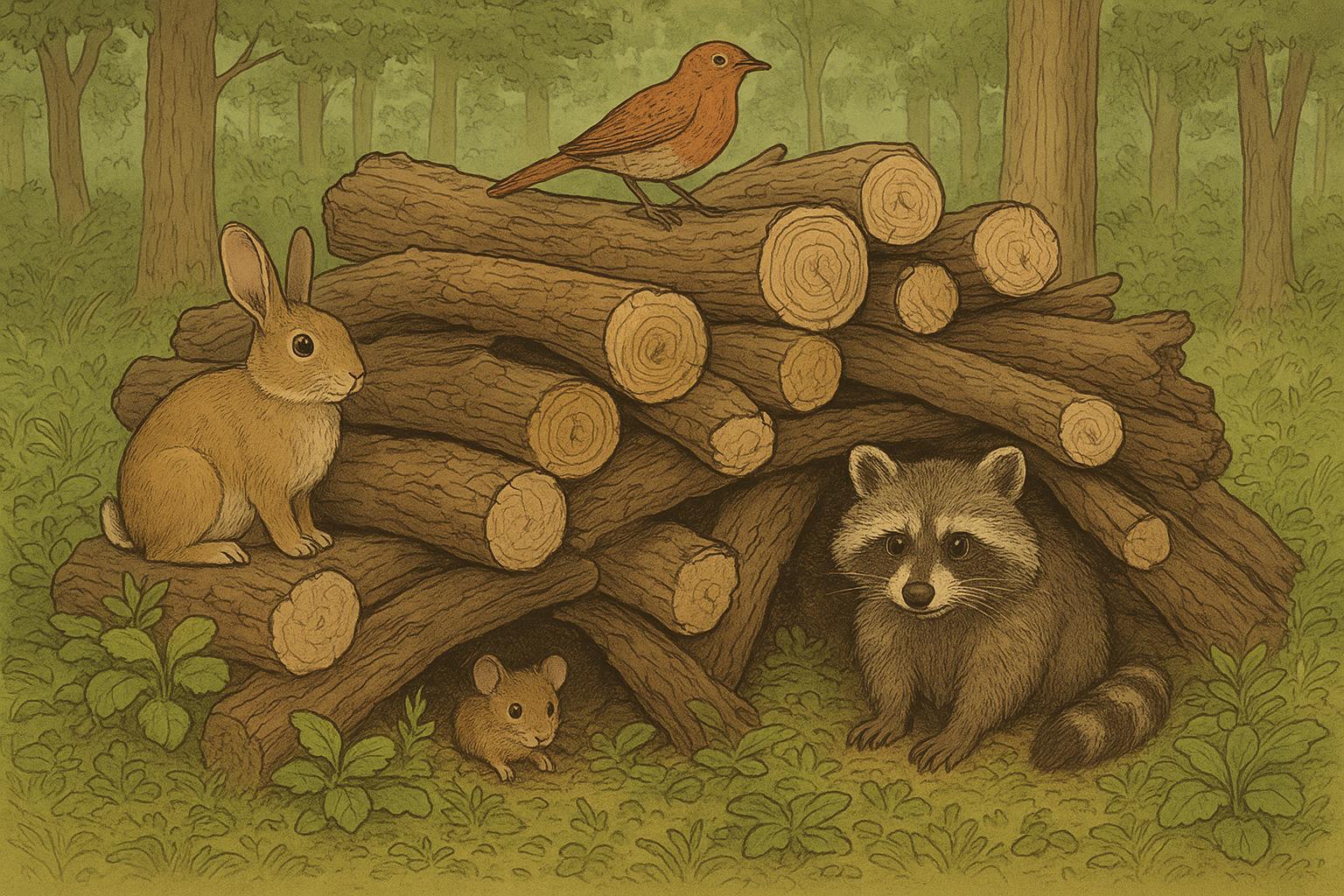
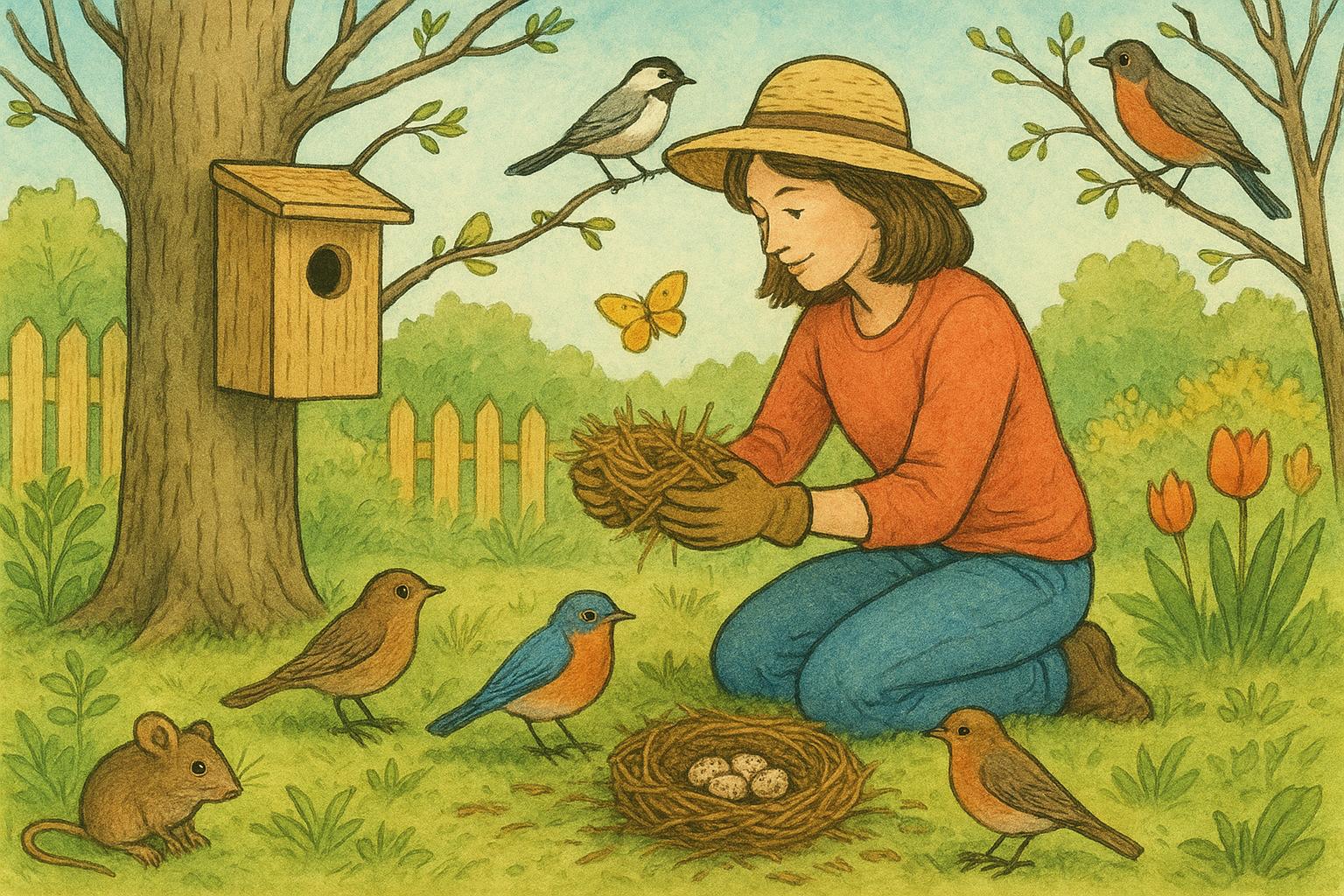
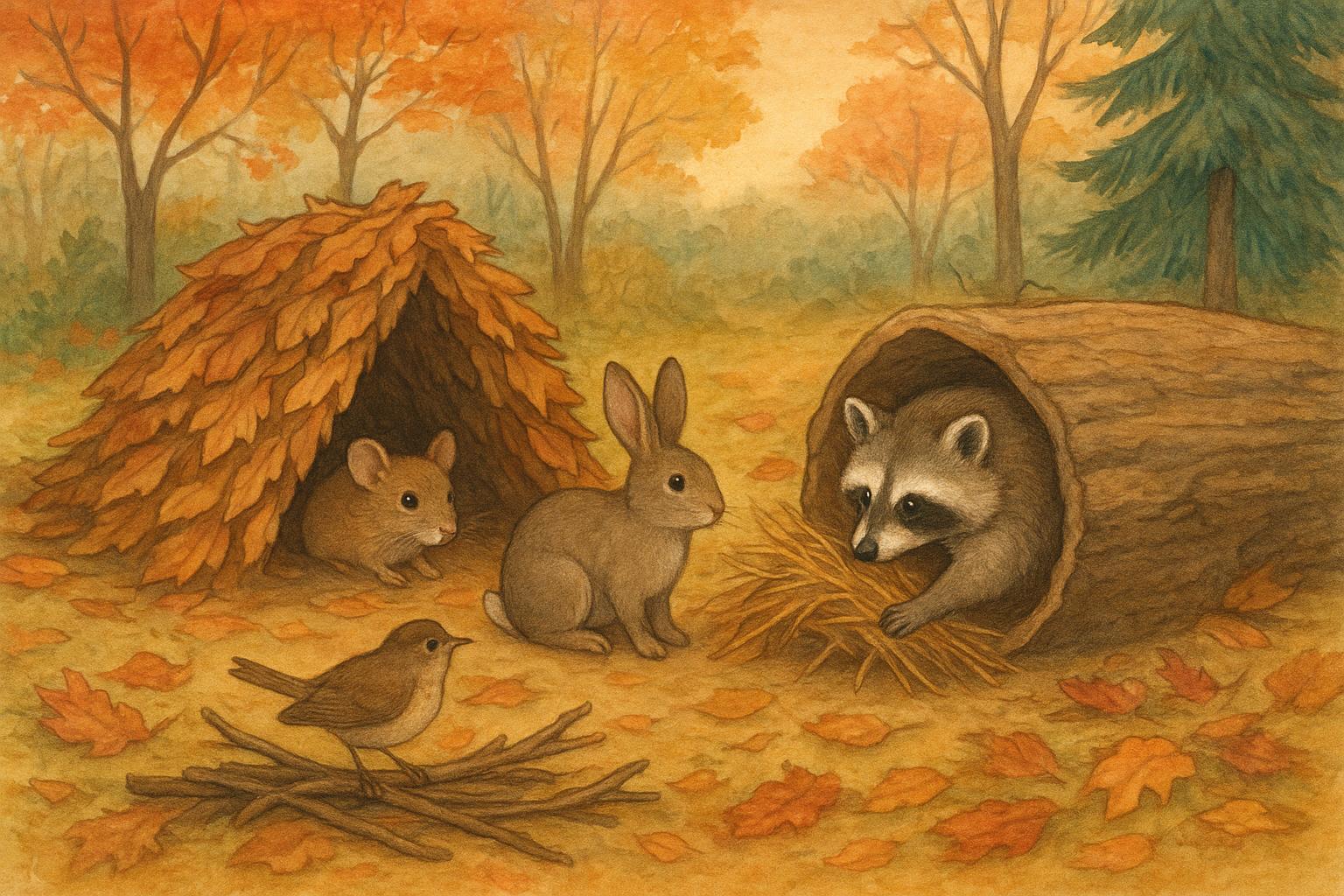
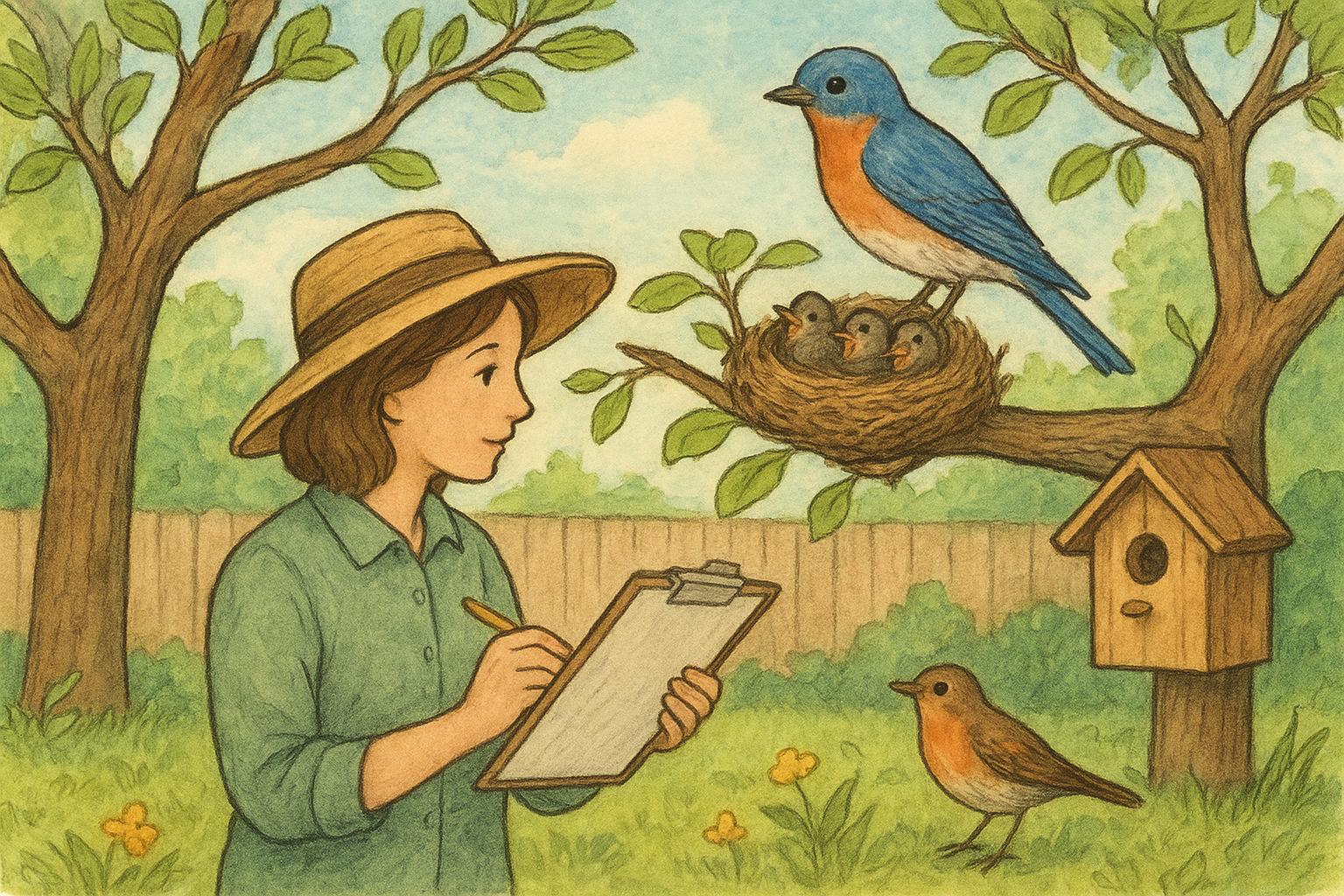
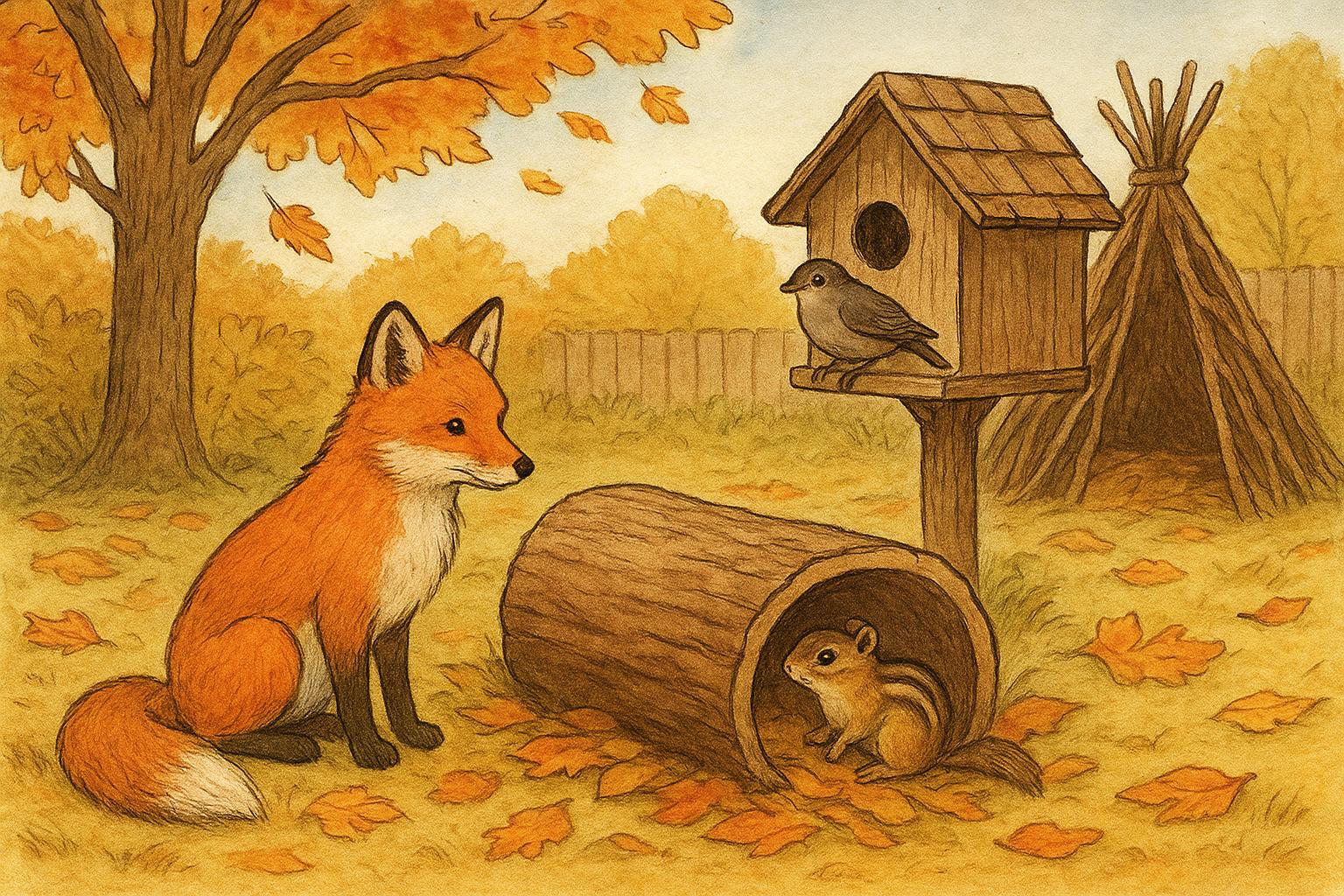
You don’t need to clear every stick. Leave some dead branches in a safe spot, maintain a small log pile, and install a few nest boxes targeted to species in your area. A brush pile tucked behind a shrub will be used far more often than an ornamental rock display.
#### Brush Piles, Deadwood And Nest Boxes
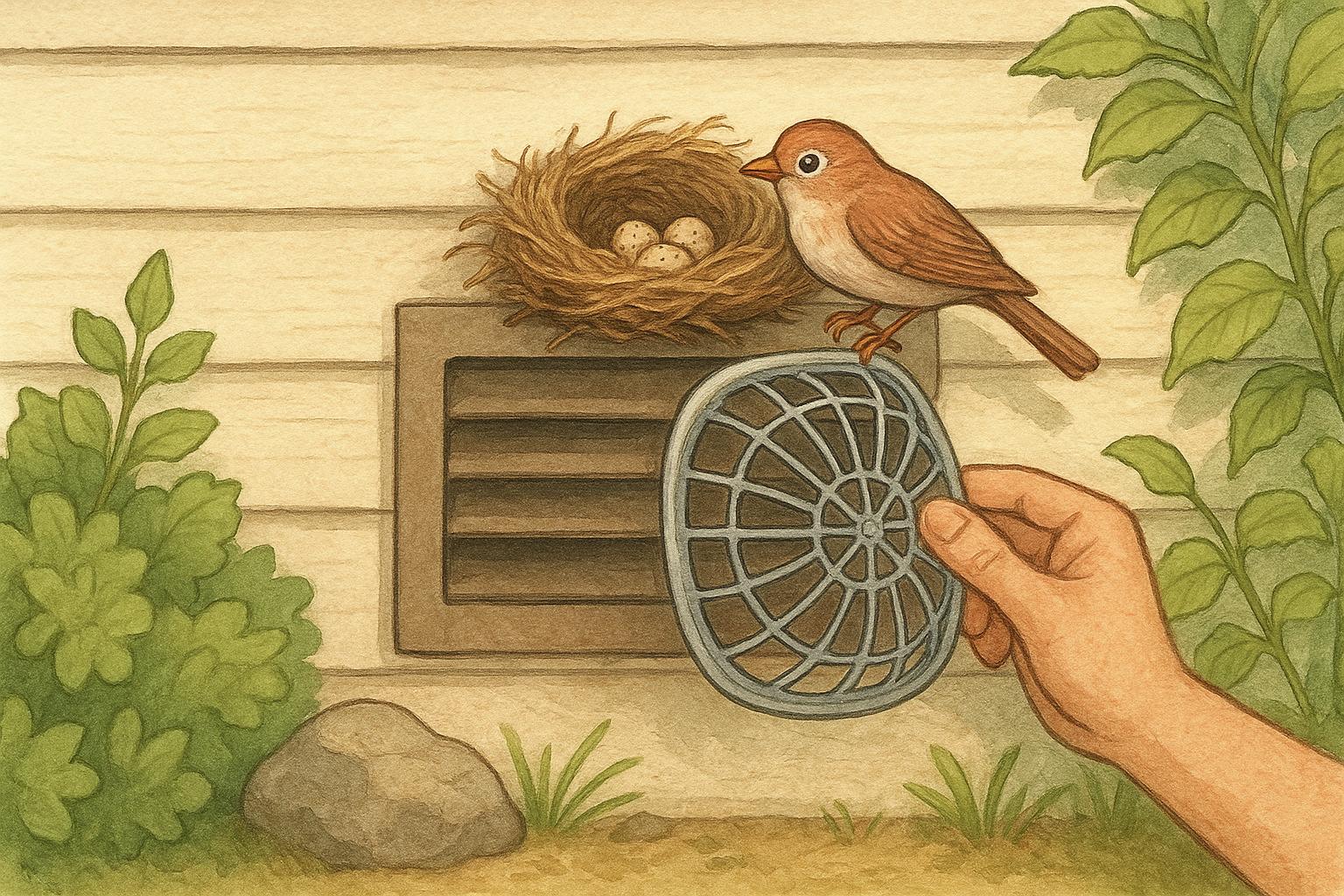
Stack logs so air circulates and the pile won’t rot into a mess right next to the house. Put nest boxes where they’re sheltered from prevailing wind and facing away from the noisiest streets. And tolerate a little leaf litter; it’s where caterpillars, spiders, and beetles live.
### Reduce Pesticides And Grow Host Plants
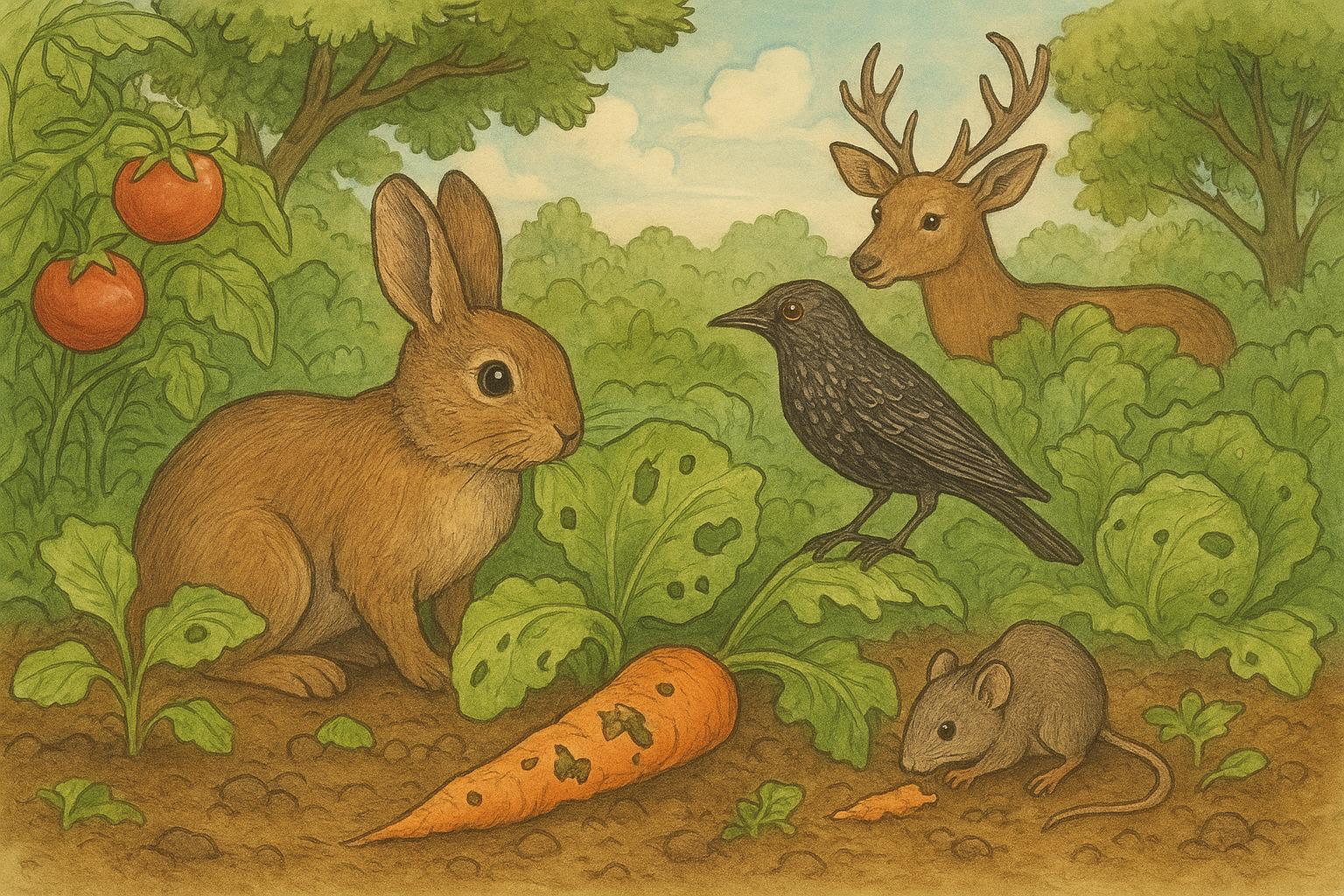
Pesticides kill the insects that make your garden useful. If you want warblers, orioles, and native bees, you must give up broad-spectrum sprays. That doesn’t mean letting pests run wild — it means switching to targeted approaches: hand-picking, insecticidal soaps only where necessary, and timing plantings so the most vulnerable stages aren’t exposed.
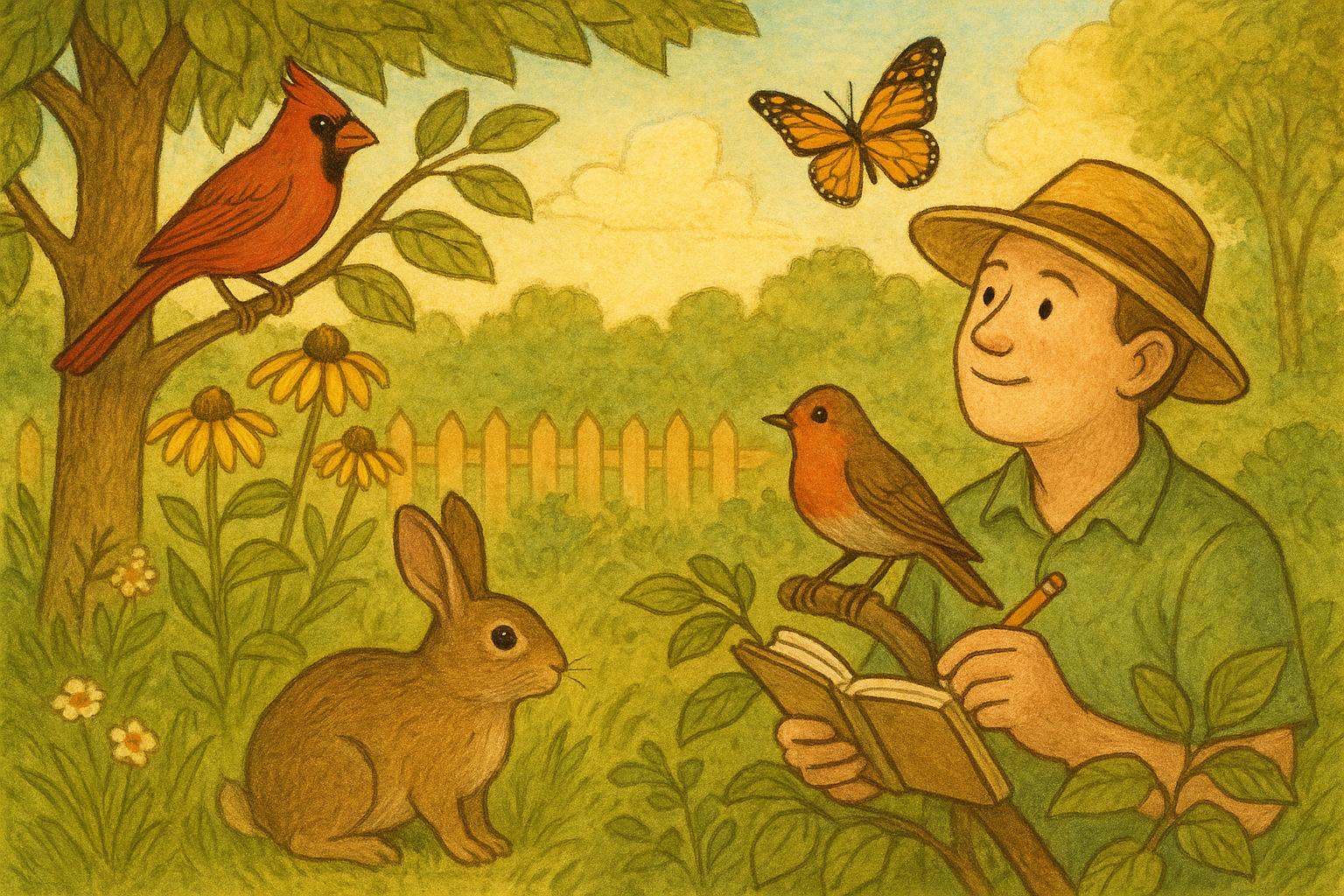
A working backyard habitat includes plants that feed larvae as well as adults. Milkweed for monarch caterpillars and willow for certain moths are practical, not theoretical, investments.
### Edges, Corridors And Neighborhood Thinking
Making a larger difference means thinking beyond your fence. A row of native hedgerow plants creates a corridor for movement. If neighbors join in—whether by swapping cuttings or agreeing to less lawn—the whole block becomes safer for wildlife. Invite a neighbor to a plant-swap or seed-share; many are willing once they see what a few shrubs can do for birds.
A small wildlife yard becomes part of a larger network when you allow floral and structural continuity. Even window boxes with native nectar plants help migrating pollinators cross fragmented green spaces.
### Practical Maintenance And Timing
Maintenance for a wildlife-focused plot is different. Prune selectively rather than shearing entire hedges. Cut back ornamental plants in late winter or early spring, leaving seed heads through winter if possible. Time cleanups so you’re not removing active nests or hibernating caterpillars.
If you’re designing a wildlife-friendly backyard on a budget, prioritize host plants and water. Plant plugs, not big specimens, and let the garden age into its role. Nature will fill in the edges.
### Lights, Cats And Human Habits
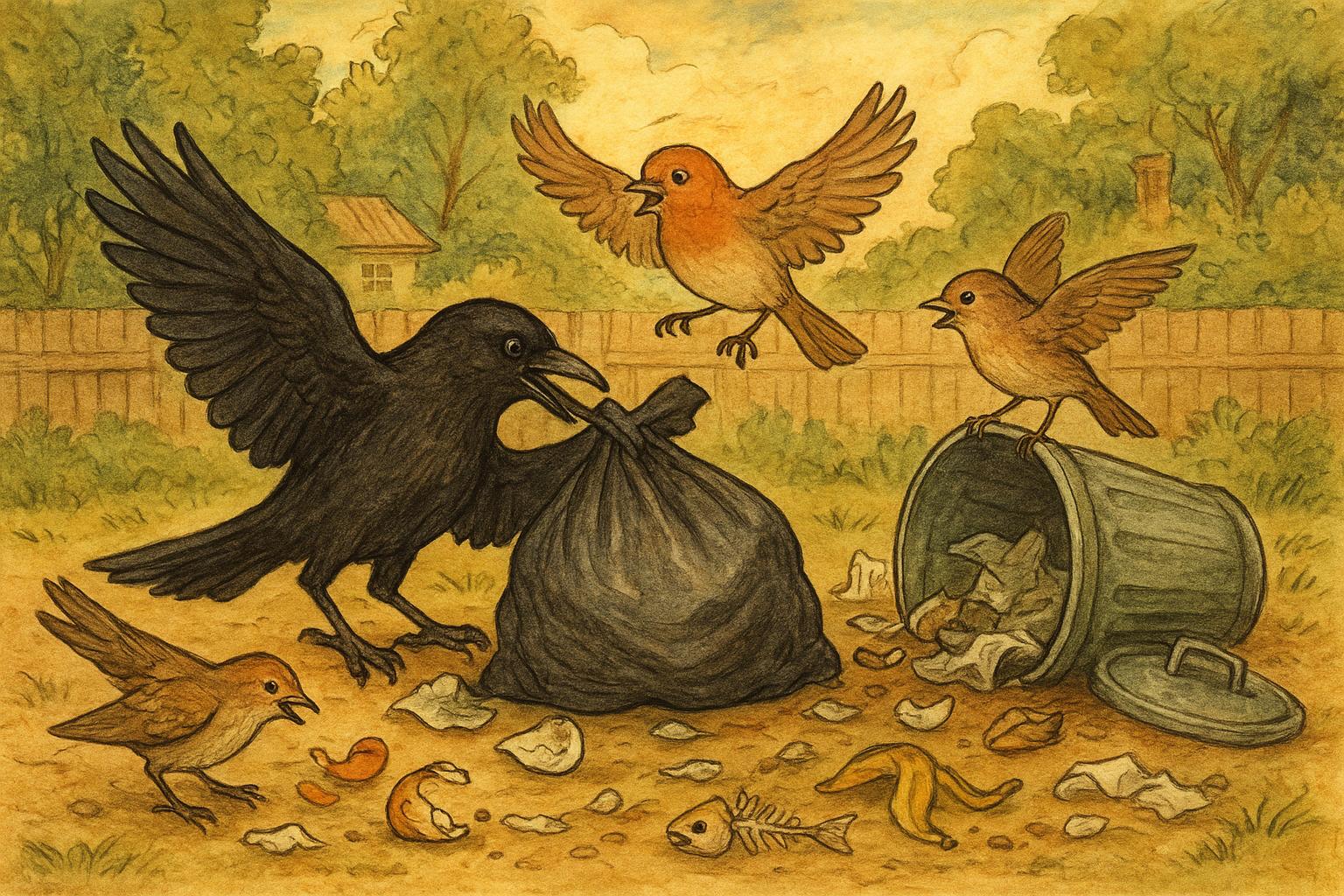
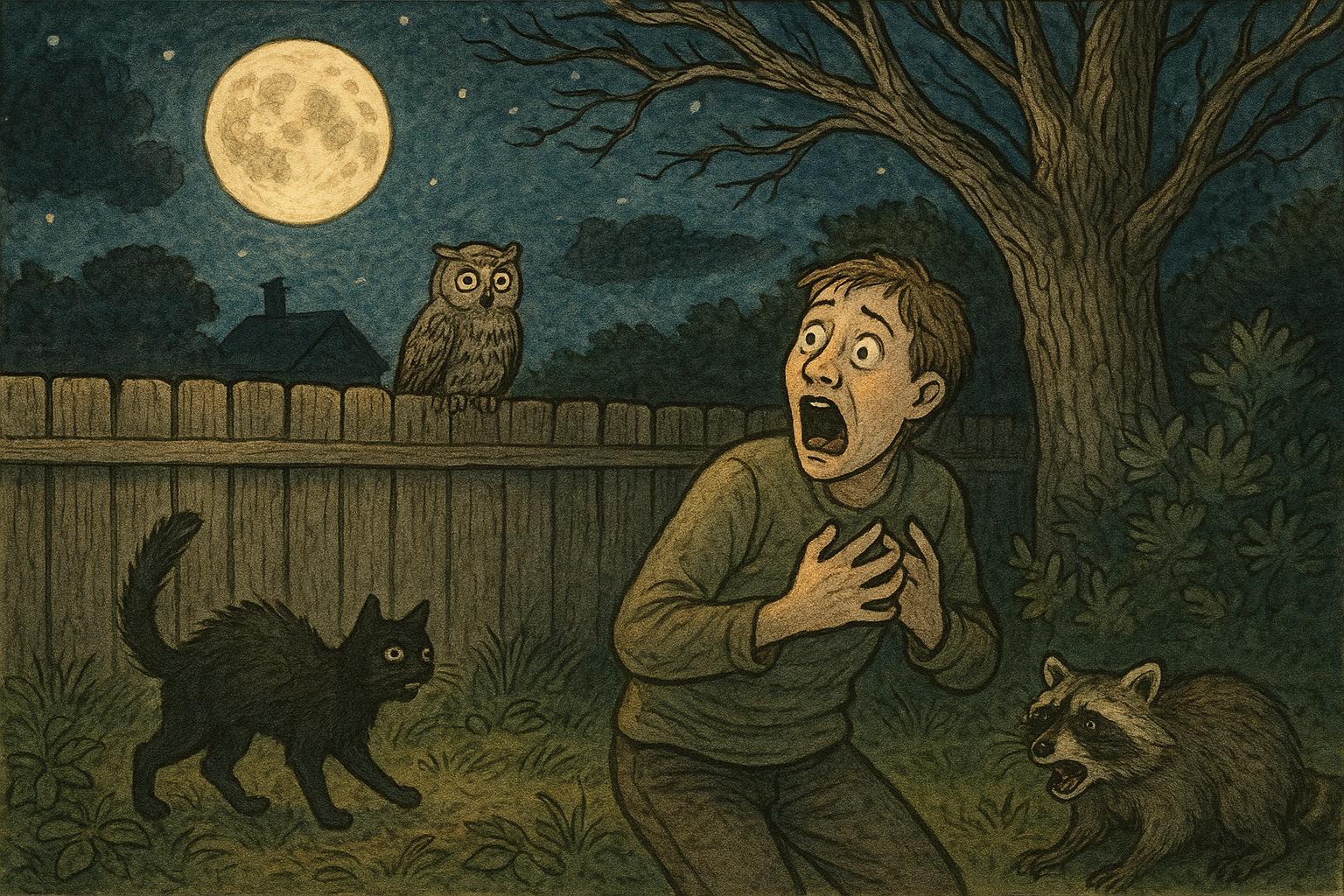
Bright nighttime lighting disorients moths and migratory birds. Replace motion-on fixtures and shield lights downward. Keep pet cats indoors or supervise them on a leash. A single cat can undo years of careful habitat-building.
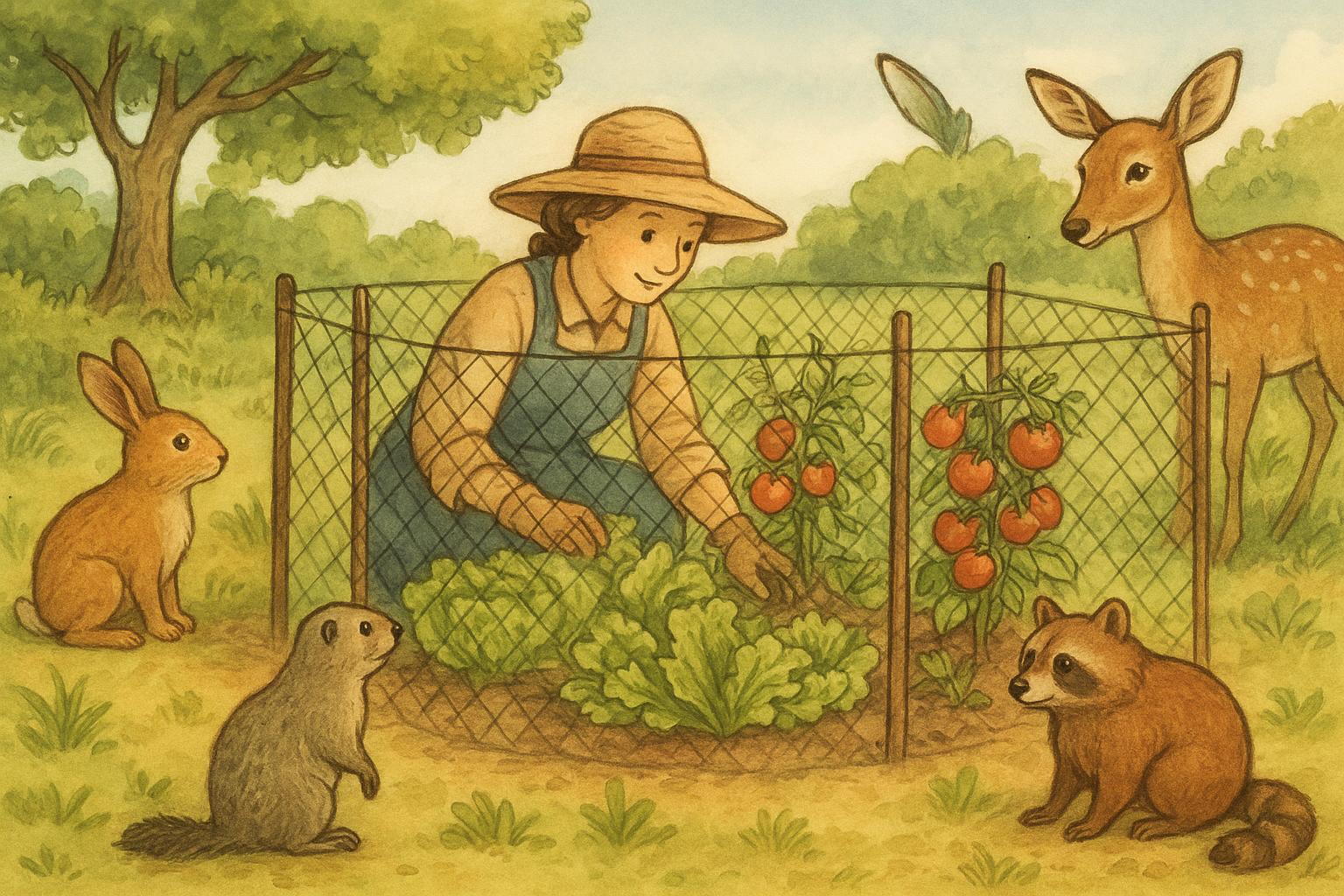
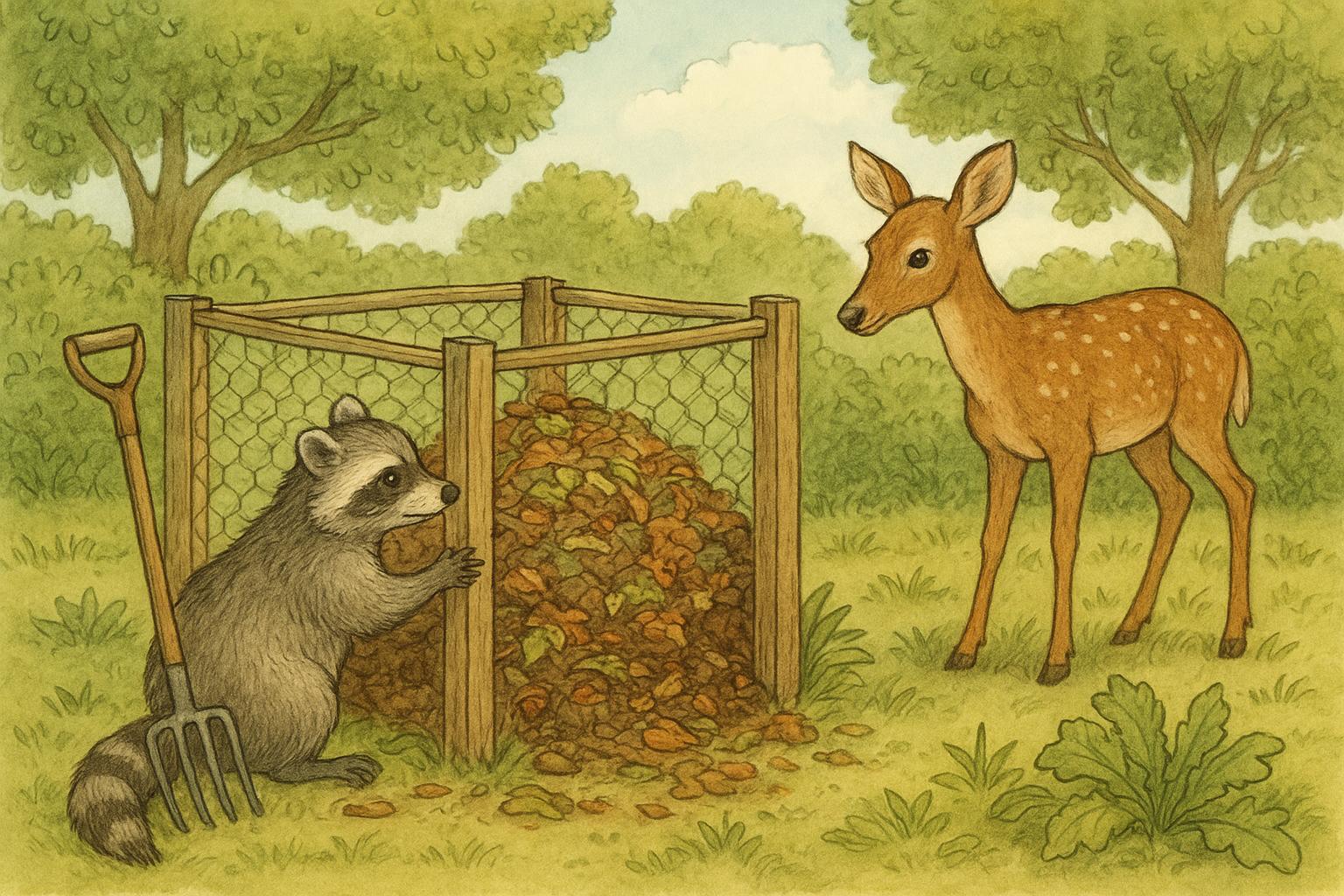
A good wildlife yard anticipates human behavior and adapts: discreet fencing, protected compost bins, and a place for tools so living spaces and animal spaces don’t conflict.
### Seasonal Layers Keep It Useful Year-Round
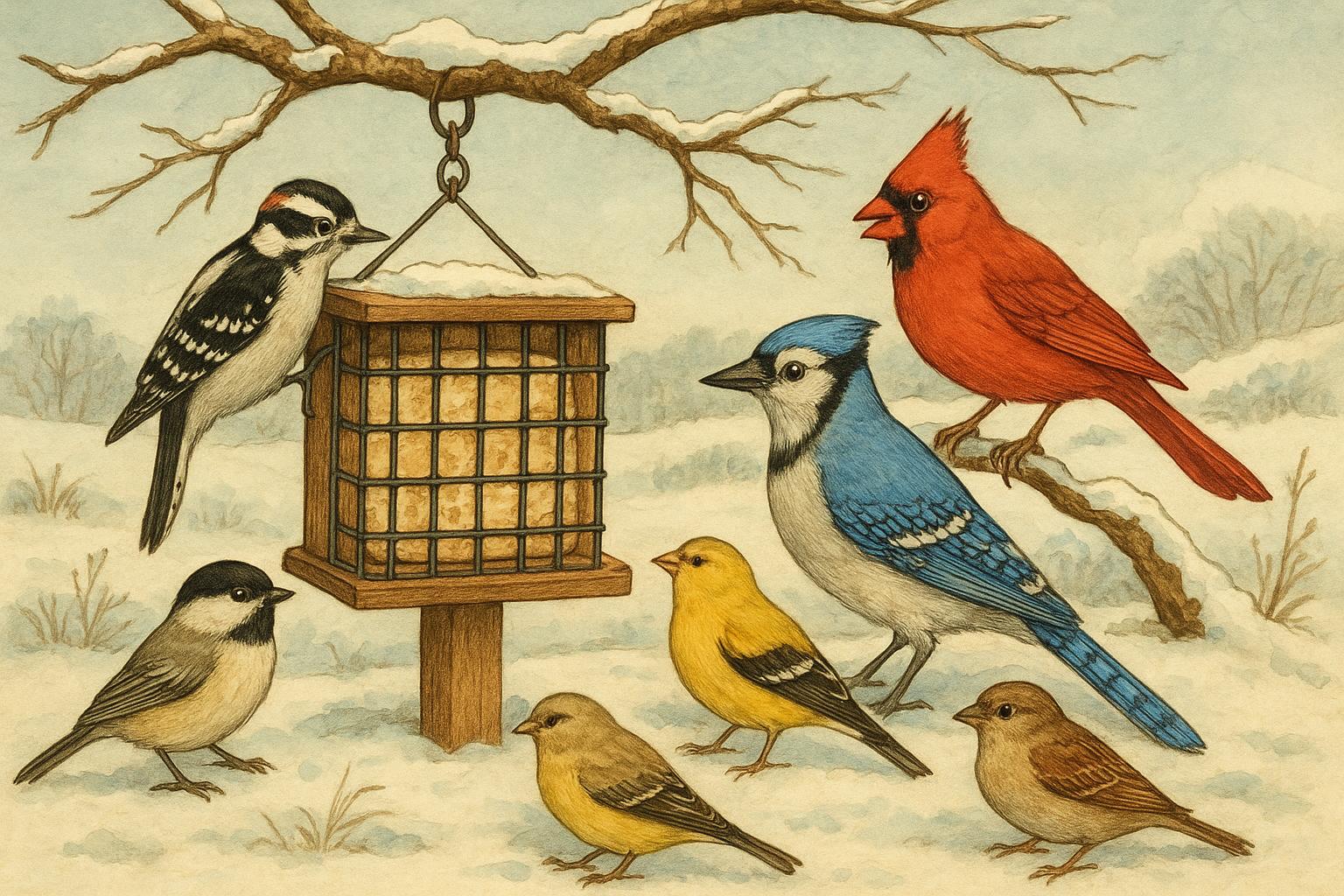
A backyard habitat that provides at least two different food types in each season will be used more consistently. Think early-blooming shrubs for bees in spring, summer nectar and fruit, and seed-producing perennials in fall and winter.
Designing a Wildlife-Friendly Backyard is not about replicating a wilderness. It’s about building resilience into a small patch: layered plants, water, tolerances for mess, and simple structures that reduce risk for animals. Start small, plant regularly, and adjust as the yard begins to tell you what it needs. Invite neighbors, try one new native each year, and watch the activity grow in ways you didn’t expect. The first robin or hummingbird that shows up will likely be enough motivation to keep going.
A few practical first steps: add a shallow birdbath, replace one lawn strip with native grasses, and leave a corner for brush. These moves convert typical turf into a backyard habitat with immediate benefits, and they don’t require a contractor or a big budget. If you want more species, connect the dots with plant diversity and water sources. You’ll be surprised how quickly a small space can become a lively wildlife yard for your street and the neigborhood.


Leave a Reply