
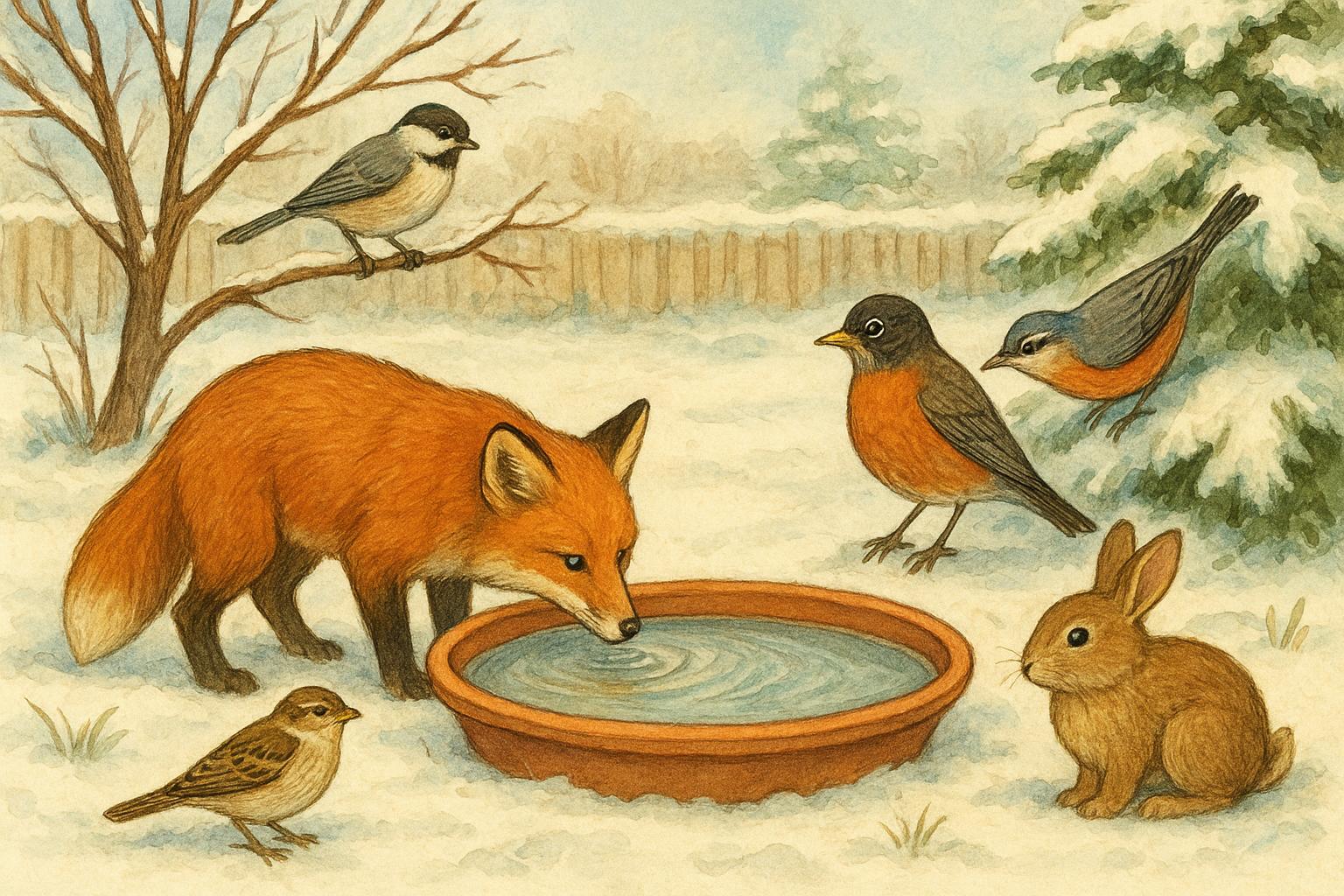
Start with one clear fact: birds and small mammals will use water if you give it to them, even in deep cold. They need it for digestion, for preening, and to dilute salt from road grit. If your backyard offers ice-free winter drinking water for backyard wildlife, you’ll see more visits and better survival through late winter.
## How To Provide Ice Free Winter Drinking Water For Backyard Wildlife
There are three sensible approaches: passive thermal mass, electric or heated devices, and smart placement that reduces freezing. Pick one or combine them.
A simple thermal-mass option is a deep, dark container. A 5-gallon plastic bucket painted dark on the outside holds heat better than a shallow saucer. Put it where it catches midday sun and the water will stay liquid longer. That’s not a permanent fix on subzero nights, but it buys time and reduces the workload of heaters.
Electric heated birdbaths or submersible de-icers are the obvious “no guesswork” solution. A small, thermostatically controlled de-icer (rated for outdoor use) will keep a basin liquid with very little electricity. Most low-watt models run on 15–50 watts; a single unit often costs pennies a day. If you use electricity, pick a device with an automatic thermostat so it only runs when needed.
## Choosing The Right Container And Placement
Size and color matter. Larger volumes of water freeze slower. A half-gallon dish will turn to ice in an evening when temps drop, but a 2–3 gallon basin can stay open for days in the same conditions. Dark-colored basins absorb more solar heat. Metal heats and cools quickly; plastic or ceramic keep temperatures steadier.
Place basins near cover. Birds like to drink where they can quickly escape to shrubs or a tree. Positioning one basin within 5–10 feet of dense evergreen cover increases use. Keep feeders and drinking basins near each other but not directly underneath perches to reduce droppings in the water.
## Practical Devices And Their Tradeoffs
Heated Birdbath With Thermostat: Reliable, low fuss. They plug into an outlet and keep a shallow pool open. Expect to pay more up front but less time topping up.
Submersible De-Icer: Works inside metal or plastic tubs. Stick it in a container with a bit of vertical edge so birds can hop in and out. Watch cords; route them safely and use outdoor-rated extension cords if needed.
Floating De-Icer: These sit on the surface and use a gentle heat to keep a hole from freezing over. They’re handy for larger ponds or stock tanks.
Solar-Powered Options: Solar heaters with battery backup can keep small bowls open during daytime and early evening. They’re less reliable during extended cloudy cold spells.
A caution: open flames and heat packs are not recommended. They’re hard to control and can burn wildlife or start a fire.
### When To Use Salt Or Chemicals
Do not use table salt or household ice melters in wildlife basins. Saltier water harms many birds and small mammals. Commercial algaecides or antifreeze are dangerous and unnecessary. If you need to temporarily melt surface ice, a tiny handful of room-temperature water poured over the ice can loosen it safely.
## Keeping Water Clean And Safe
Wildlife drinks from many different water sources around a yard. When you provide a dedicated basin, clean it weekly if temperatures are mild, and more often if there’s heavy use. Scrub with a stiff brush and refill with fresh water. Don’t use soaps or disinfectants; a good rinse is enough.
If you have a heated device, check it daily for cord damage and to make sure the thermostat is working. In severe storms, cover the basin to prevent large ice chunks or dirty runoff from filling it.
### Preventing Predation And Accidents
Low, open water is safest for birds and rodents, but make sure predators don’t use the basin as a trap. Keep areas around the water clear so prey have an escape route. Also avoid deep containers where small mammals could fall in and drown if the sides are too slick.
## Simple Winter Maintenance Routine
– Check water once in morning and once in late afternoon on very cold days.
– Remove any thin surface ice with a plastic spatula rather than metal—metal can scratch and harbor bacteria.
– Top up to maintain a respectable depth; 1–2 inches is fine for small songbirds, deeper for larger species.
– Reposition the basin every few weeks if you see little use; wildlife will tell you where they prefer to drink.
## Integrating Ice Free Water With Yard Design
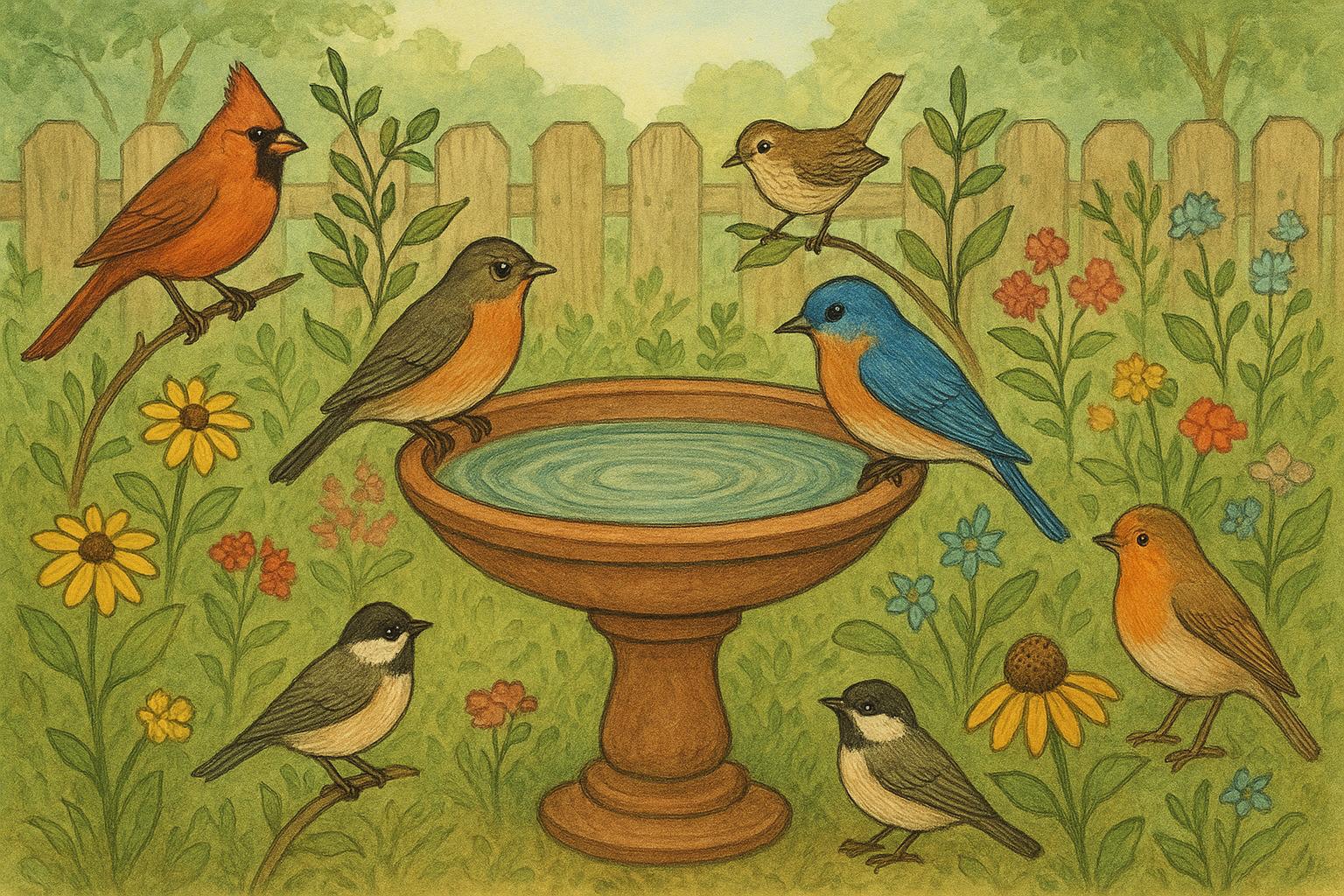
Think beyond a single bowl. A couple of small, staggered basins create micro water sources and reduce crowding. Use rocks or sticks in larger basins so small birds can perch while drinking. Native plantings can funnel birds toward those basins and provide cover.
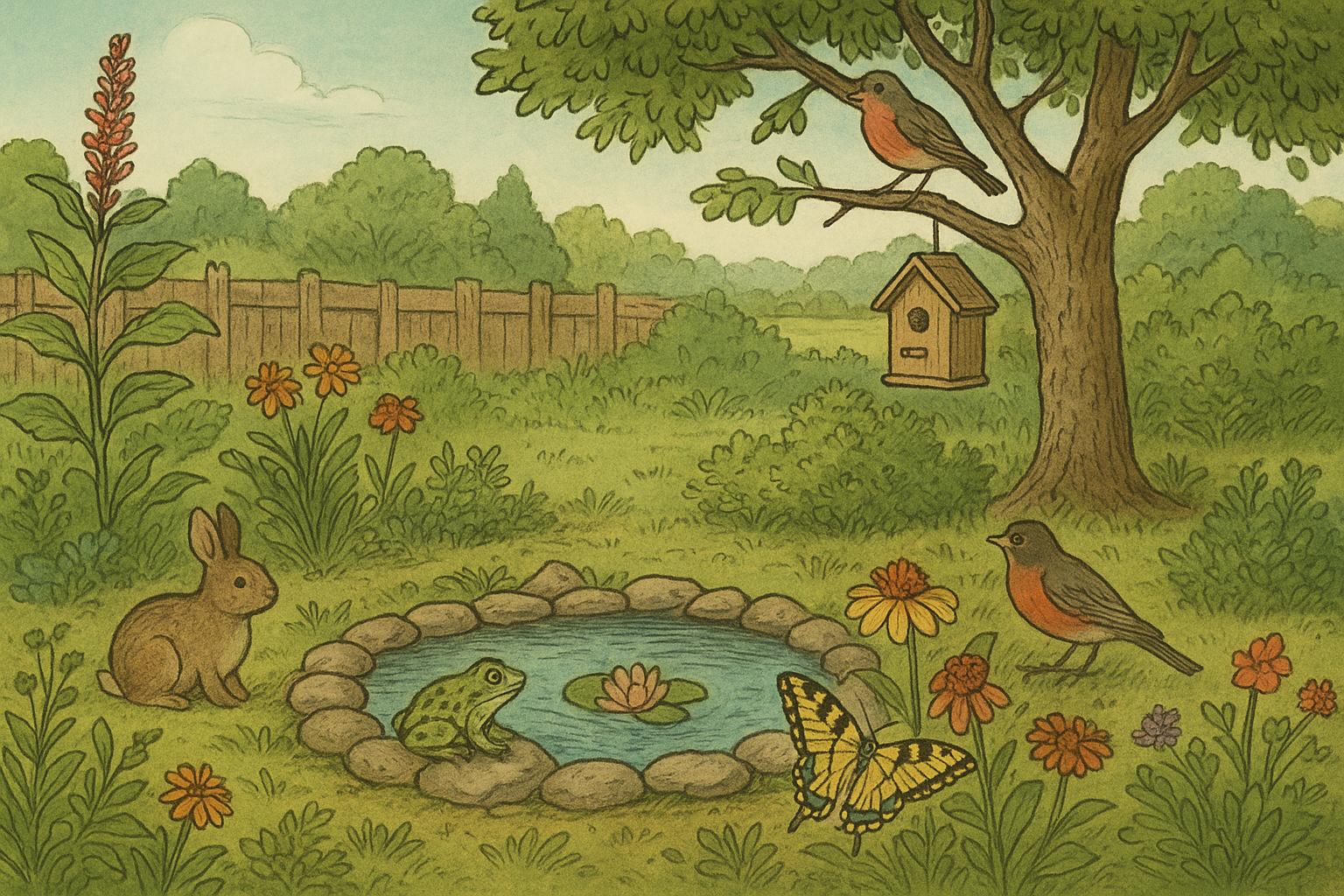
If you maintain a pond, add a floating de-icer or a bubbler near the edge. That keeps a consistent hole open and creates moving water that’s tempting to birds. Remember that different species favor different water depths and flow: robins like puddle-depth, while ducks prefer deeper areas.
## Troubleshooting Common Problems
If your heated unit keeps freezing, check the thermostat placement and the basin’s volume. Too little water, or a shallow dish, will defeat a de-icer. If algae or debris builds up fast, move the basin out of direct runoff and clean more frequently. If visits drop off, vary the location by a few yards; birds sometimes prefer a new sightline to spot predators.
Giving ice free winter drinking water for backyard wildlife doesn’t require fancy gear. A thoughtful container, smart placement, and modest heating will keep animals hydrated through rough months. Keep it simple, check it regularly, and you’ll notice more life stopping by for a drink during the coldest days—especially the ones that show up at dawn before the city plows are even active. Definately pays off.
























Leave a Reply