
## Spotting Winter-Active Wildlife Near Your House
You don’t have to trek into a forest to see animals working through the cold. Winter-active wildlife are already using yards, hedgerows, and backyard trees every day. They look different in winter: thinner fur lines, quieter footsteps, a different rhythm to feeding. Notice the small, bright movements in late afternoon and you’ll start to recognize who’s out there.
### Why Some Animals Stay Active
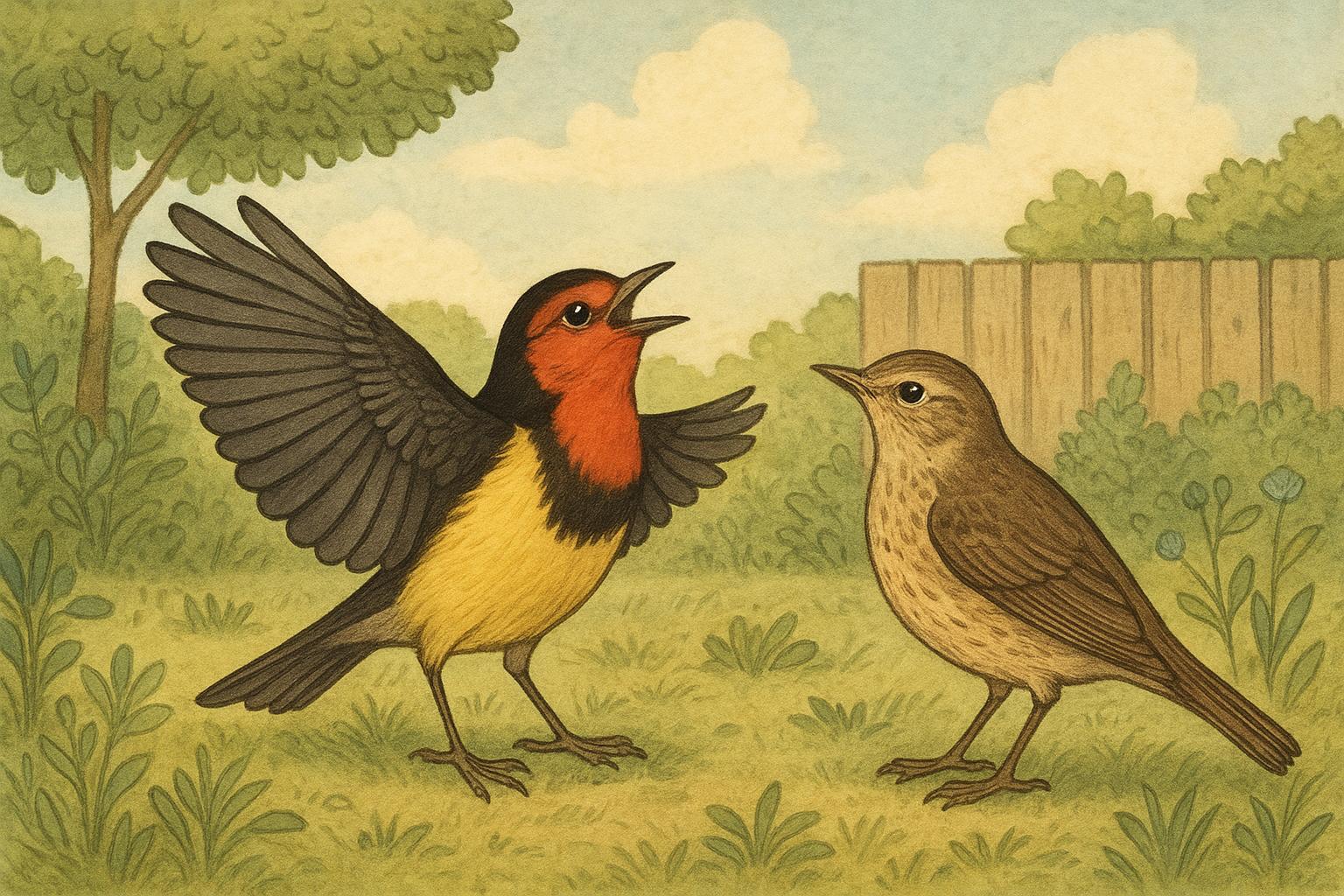
Not every animal drops into a deep sleep. Some lower their metabolism for short periods, others shift diets, and a few simply move less. Food availability and shelter options decide a lot. A squirrel with a cache of nuts can afford to dart around on mild days. A backyard robin that finds berries or suet at a feeder will hang around town instead of migrating.
#### Food, Shelters, And Temperature
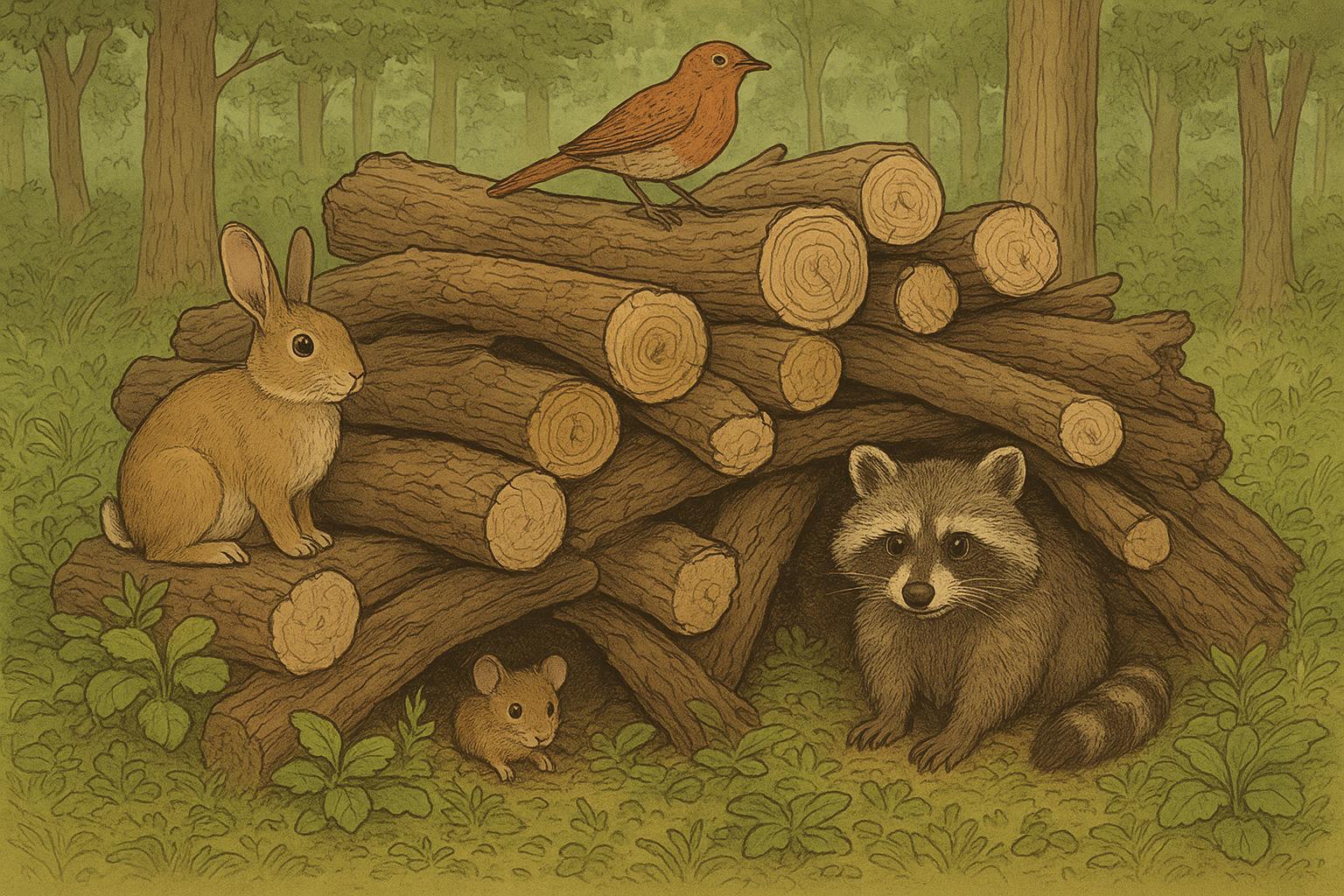
Food is the easiest thing to control in your yard. Water and sheltered spots are nearly as important. Small cavities in trees, dense evergreen shrubs, brush piles and rock crevices become microclimates where winter-active wildlife can hide out and warm up between foraging stints.
## Common Winter-Active Wildlife You Might See
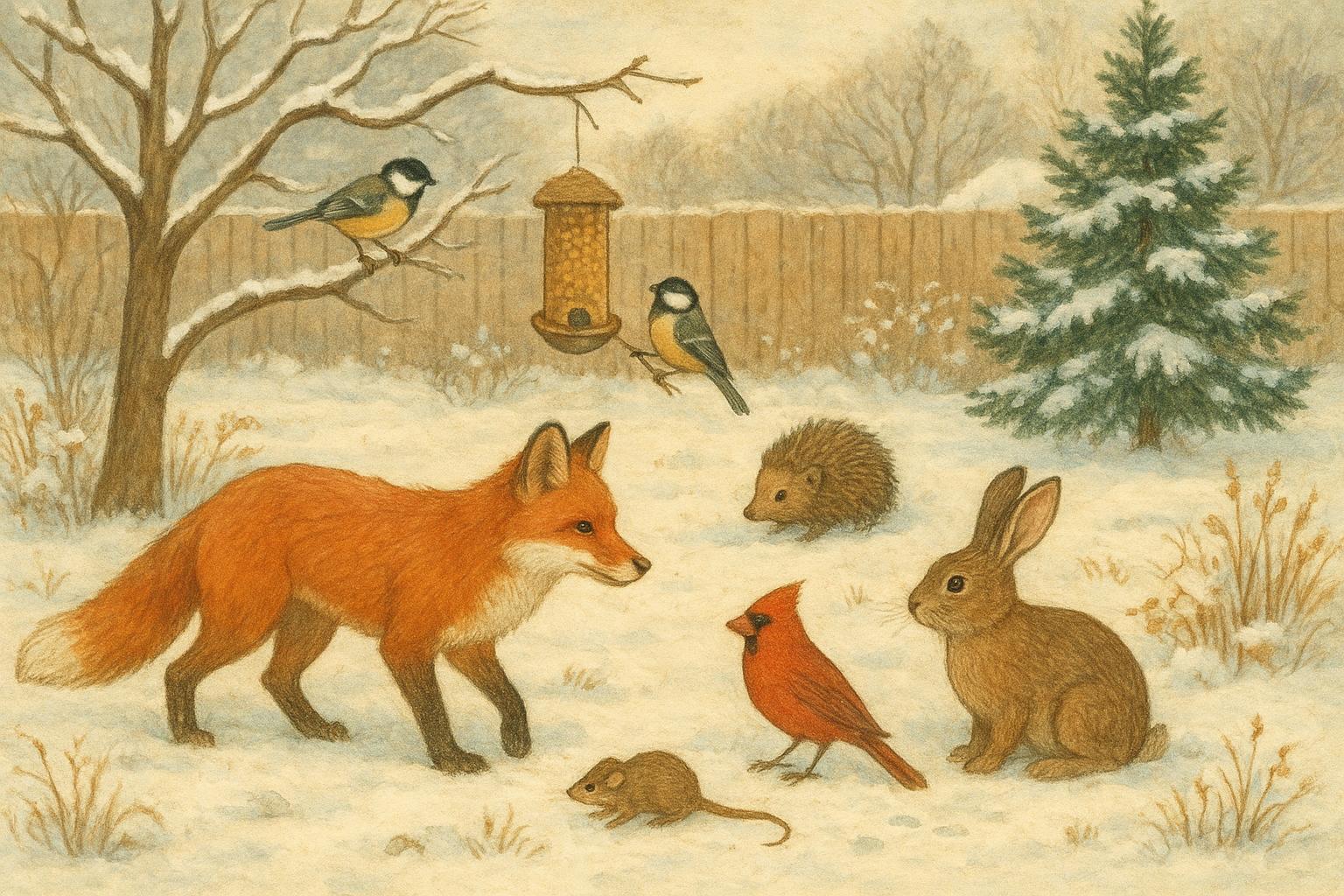
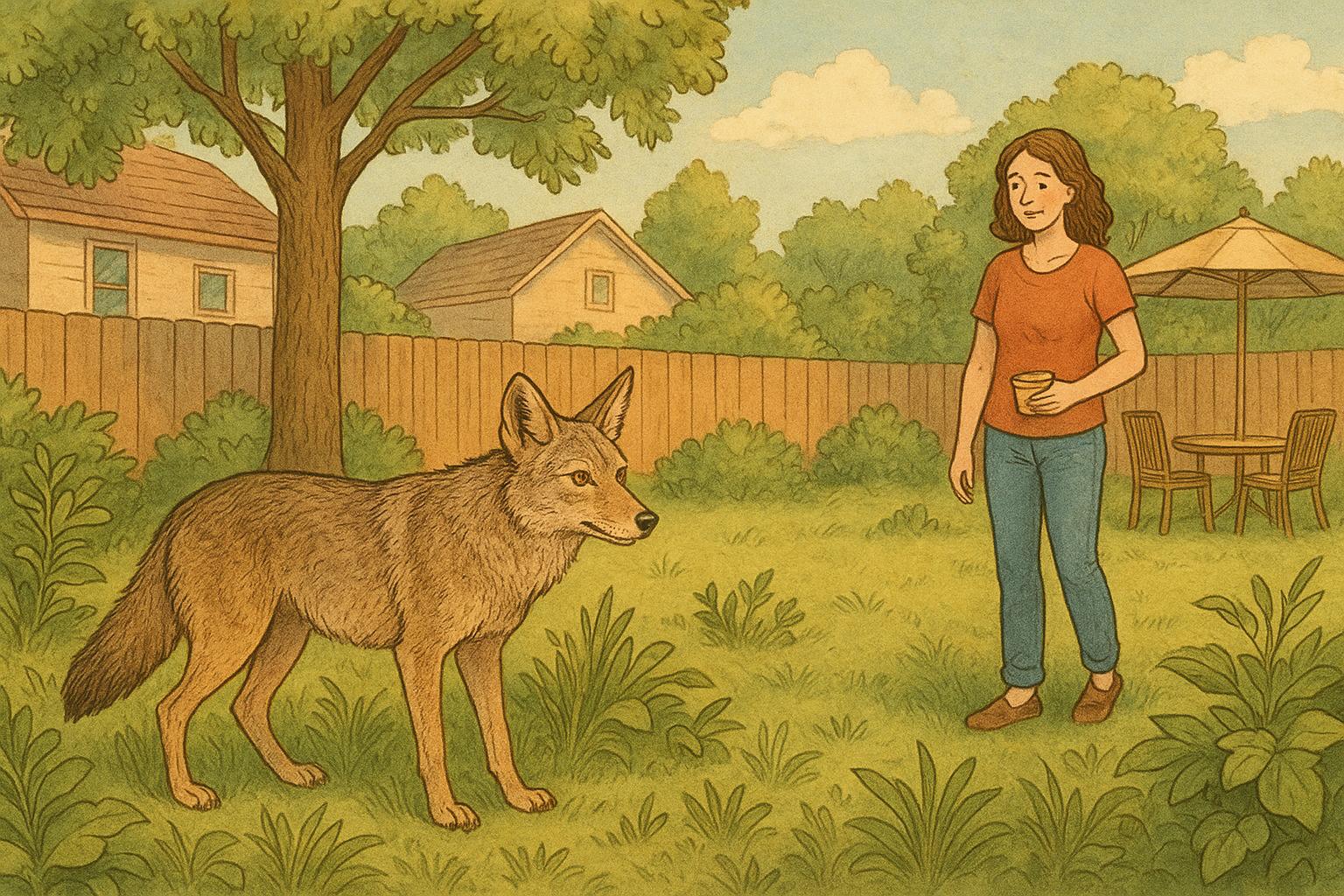
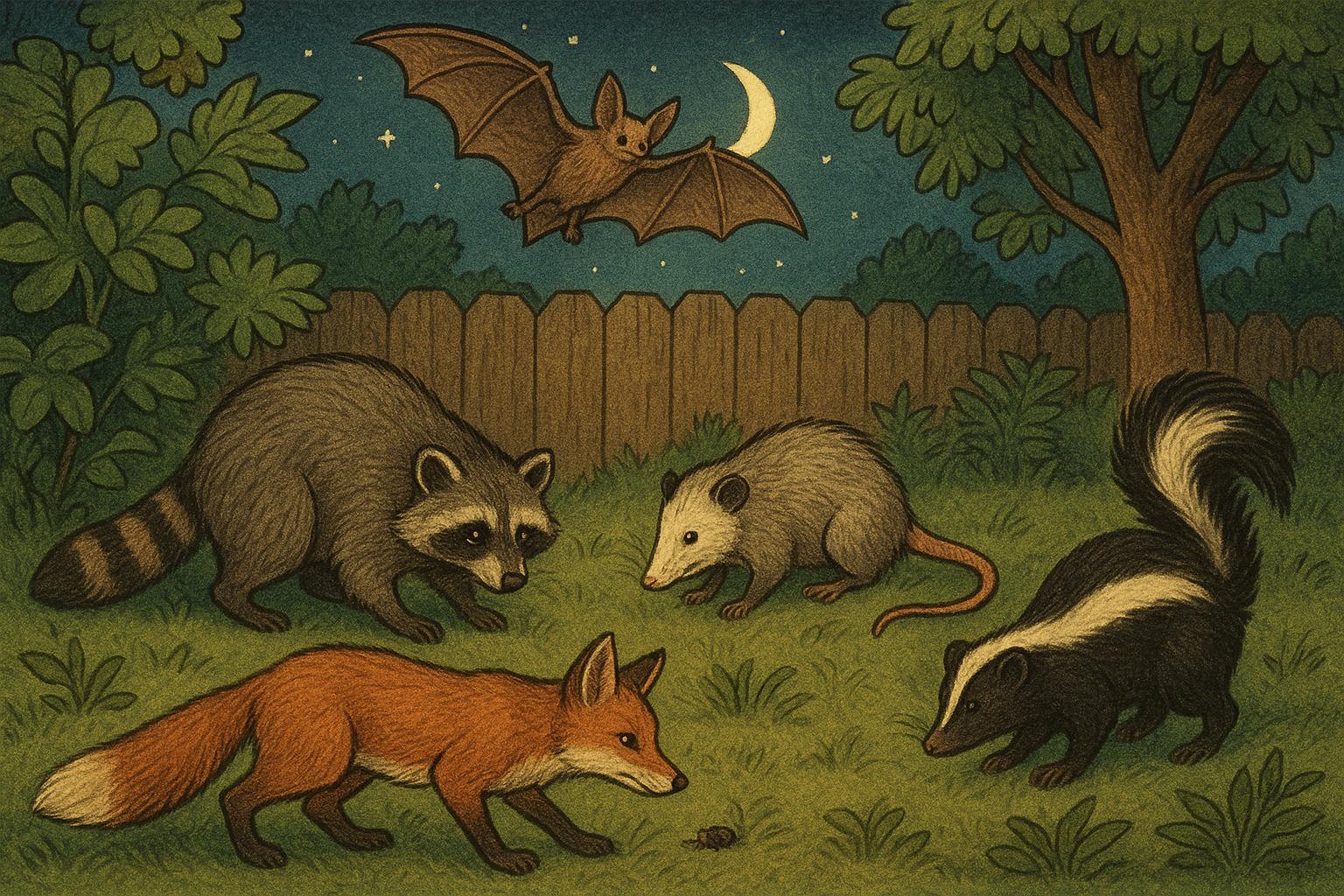
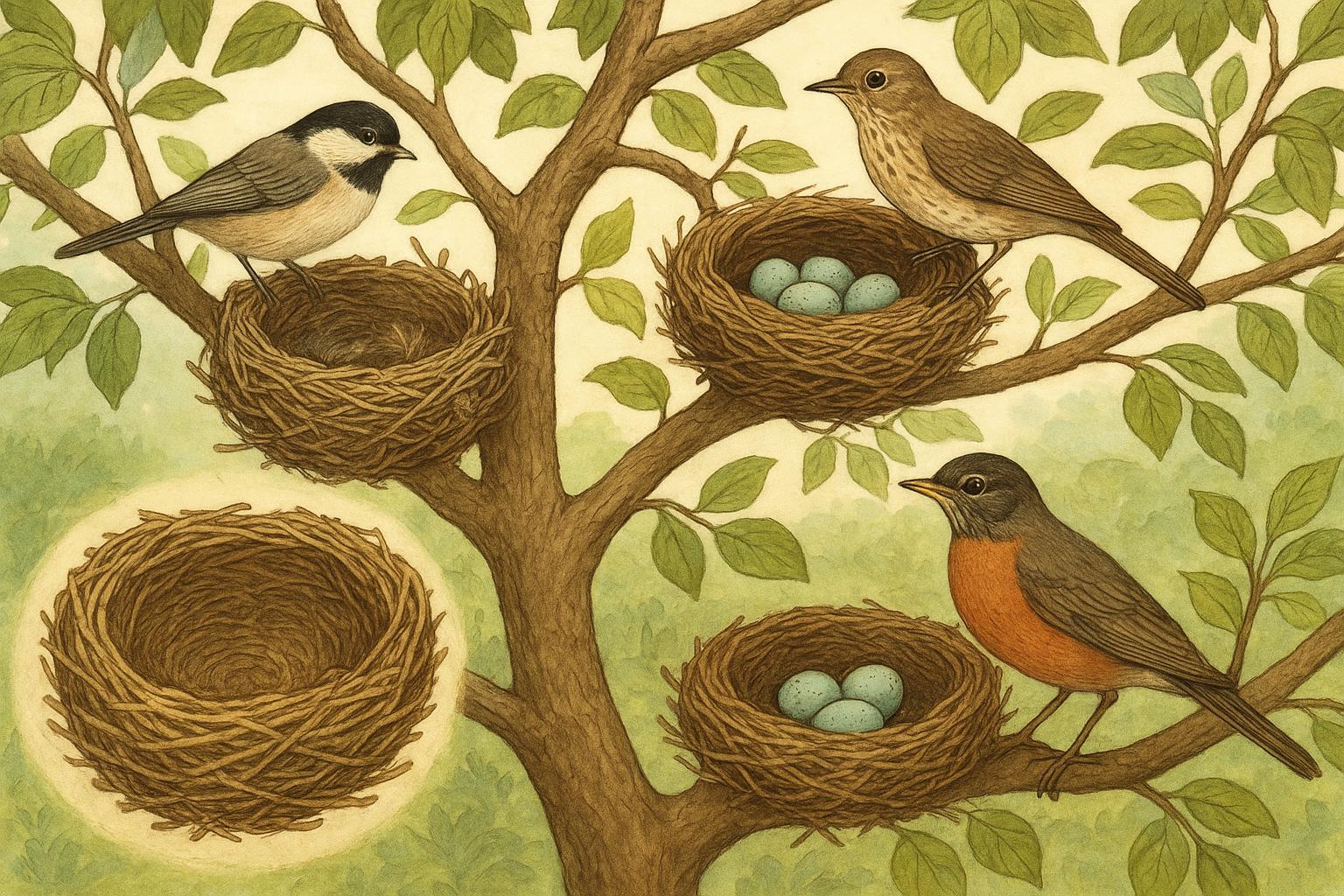
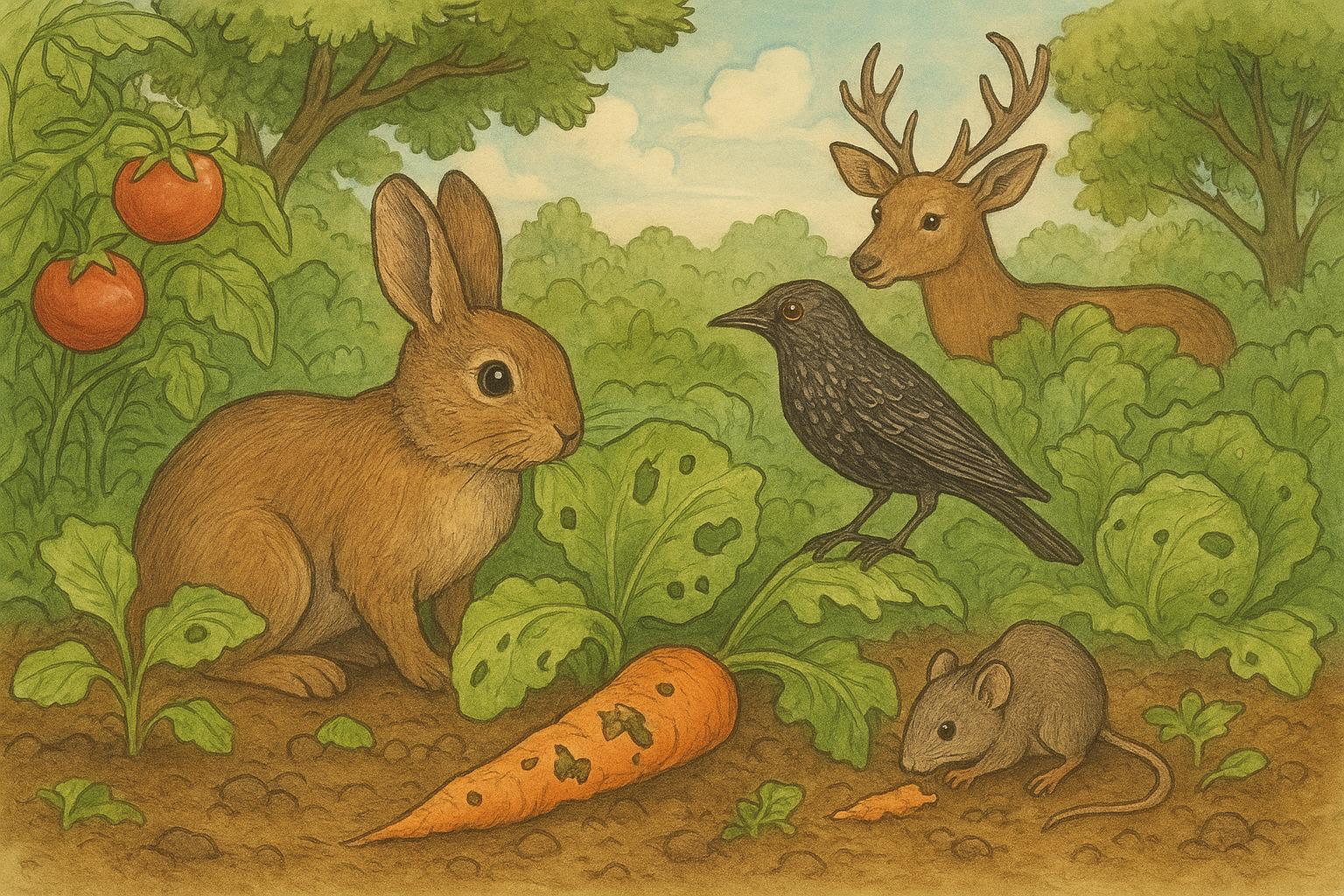
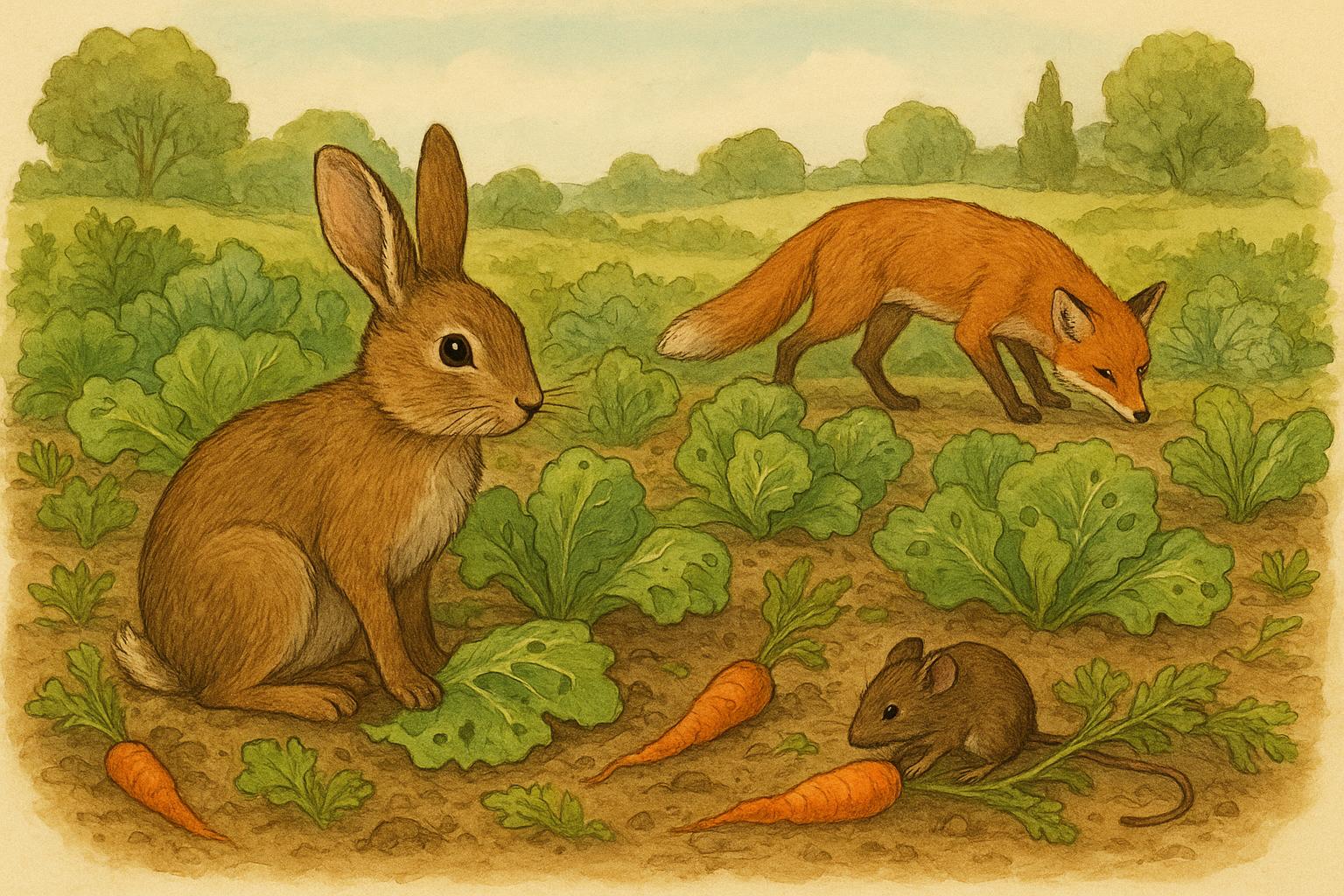
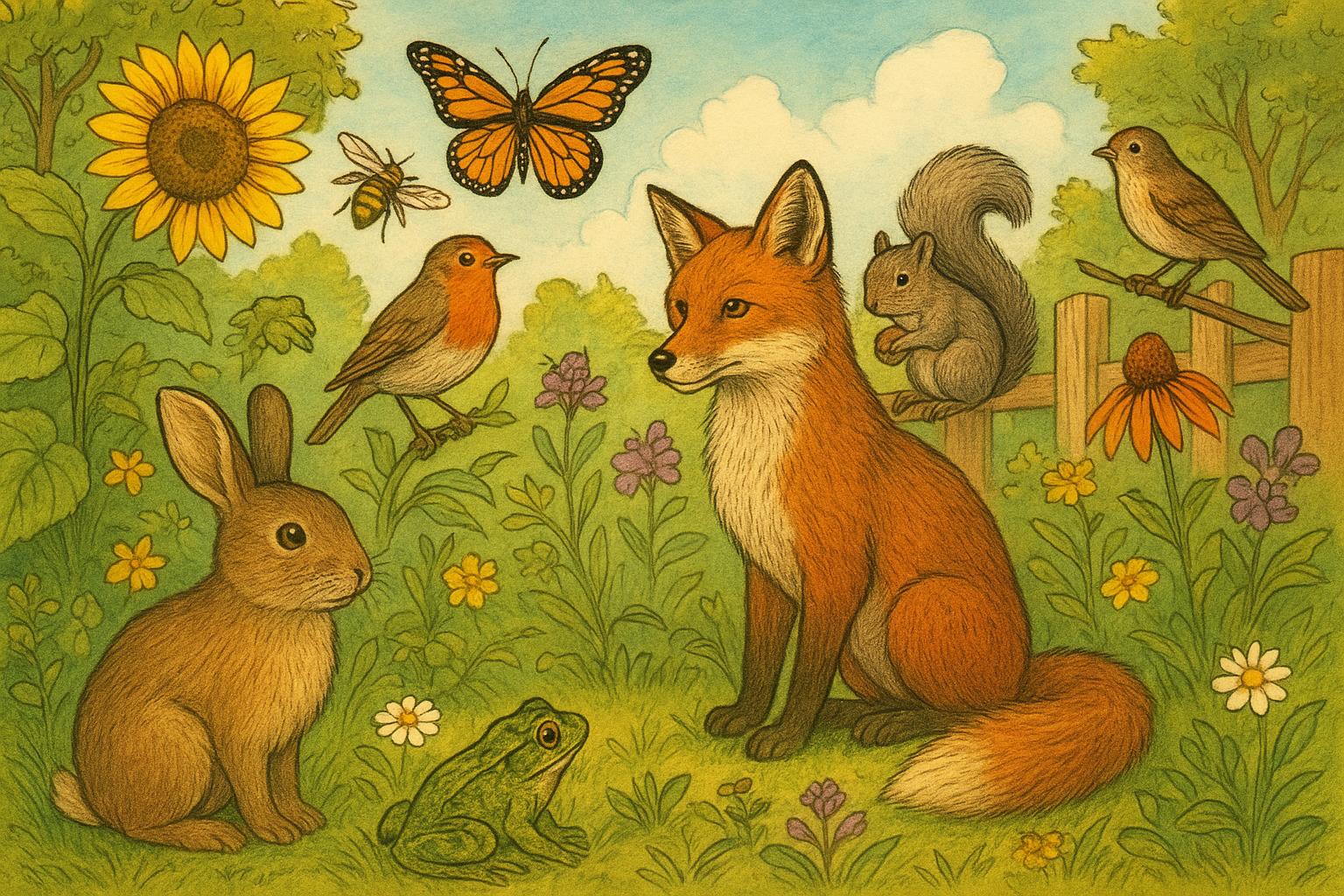
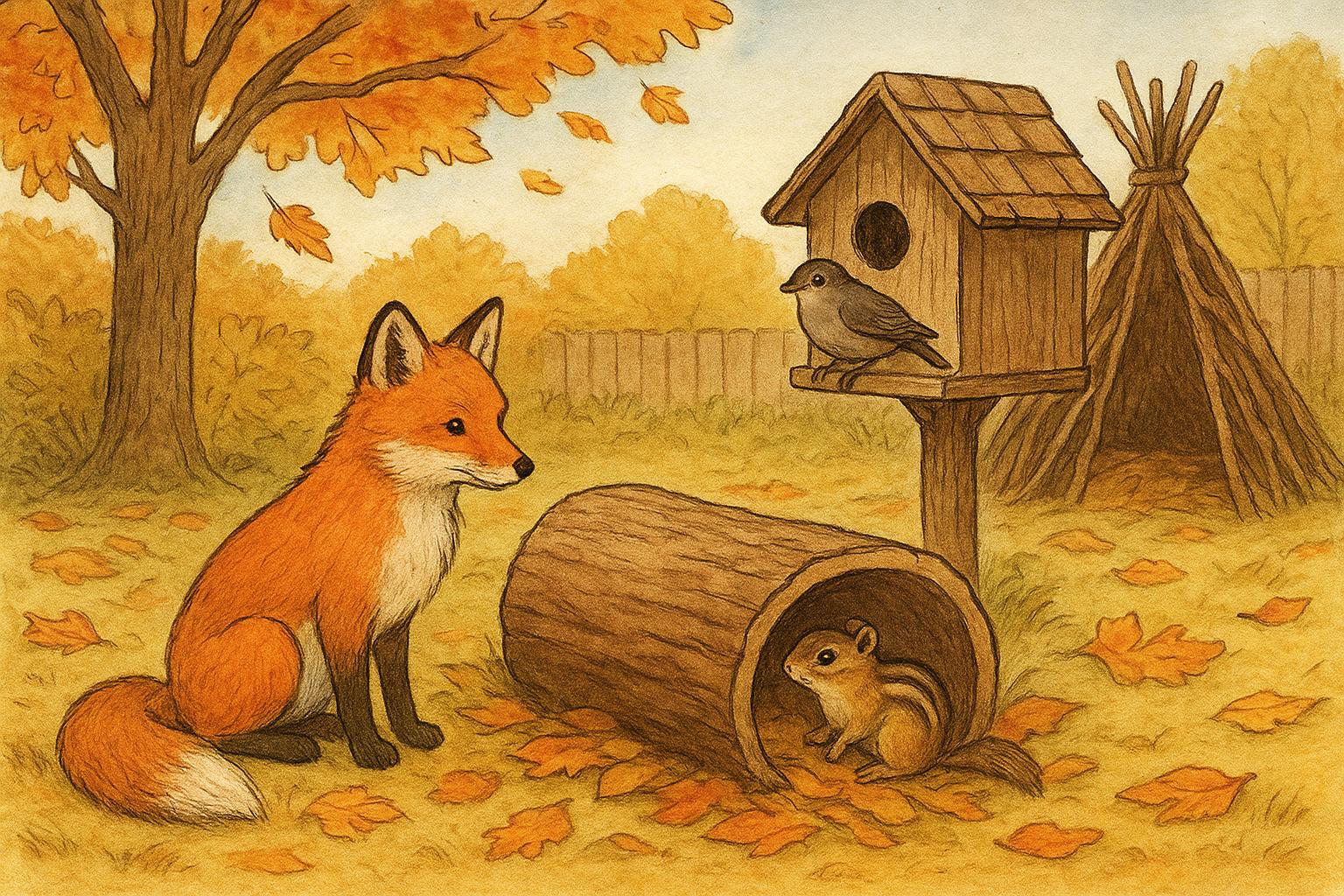
Expect a mix of birds and mammals. Chickadees, nuthatches, and woodpeckers hold territory at feeders. Juncos and some robins stick around if berries persist. Mammals like rabbits, deer, squirrels, and foxes move through yards looking for easy calories. Raccoons and opossums show up on mild nights. Even coyotes pass through suburban areas.
You’ll notice different behaviors than in summer. Birds fluff, then suddenly hop to a higher branch. Deer pick at the same low-hanging branches they did last spring. These are signs of winter wildlife adapting to scarcer resources.
### Birds That Visit Feeders
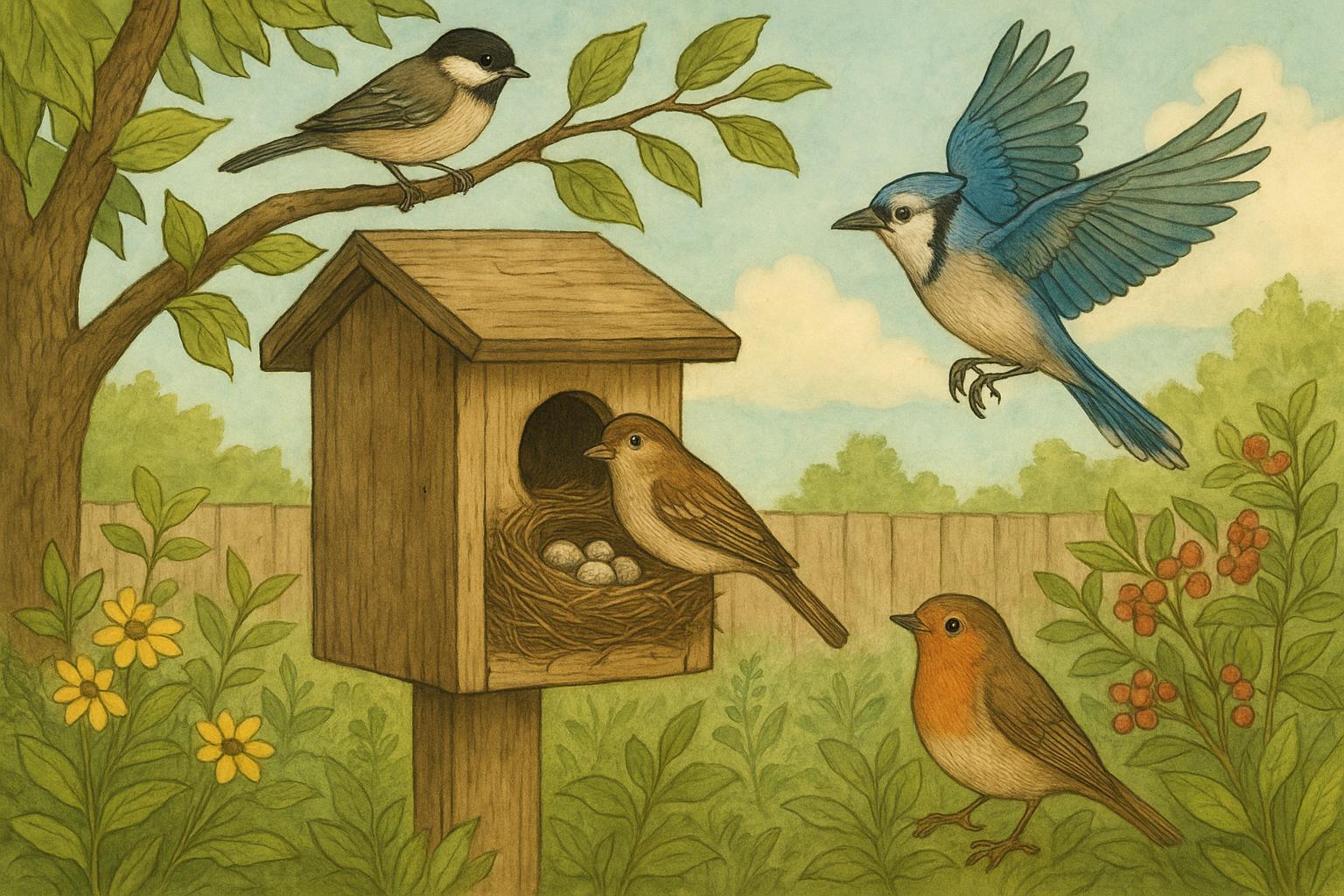
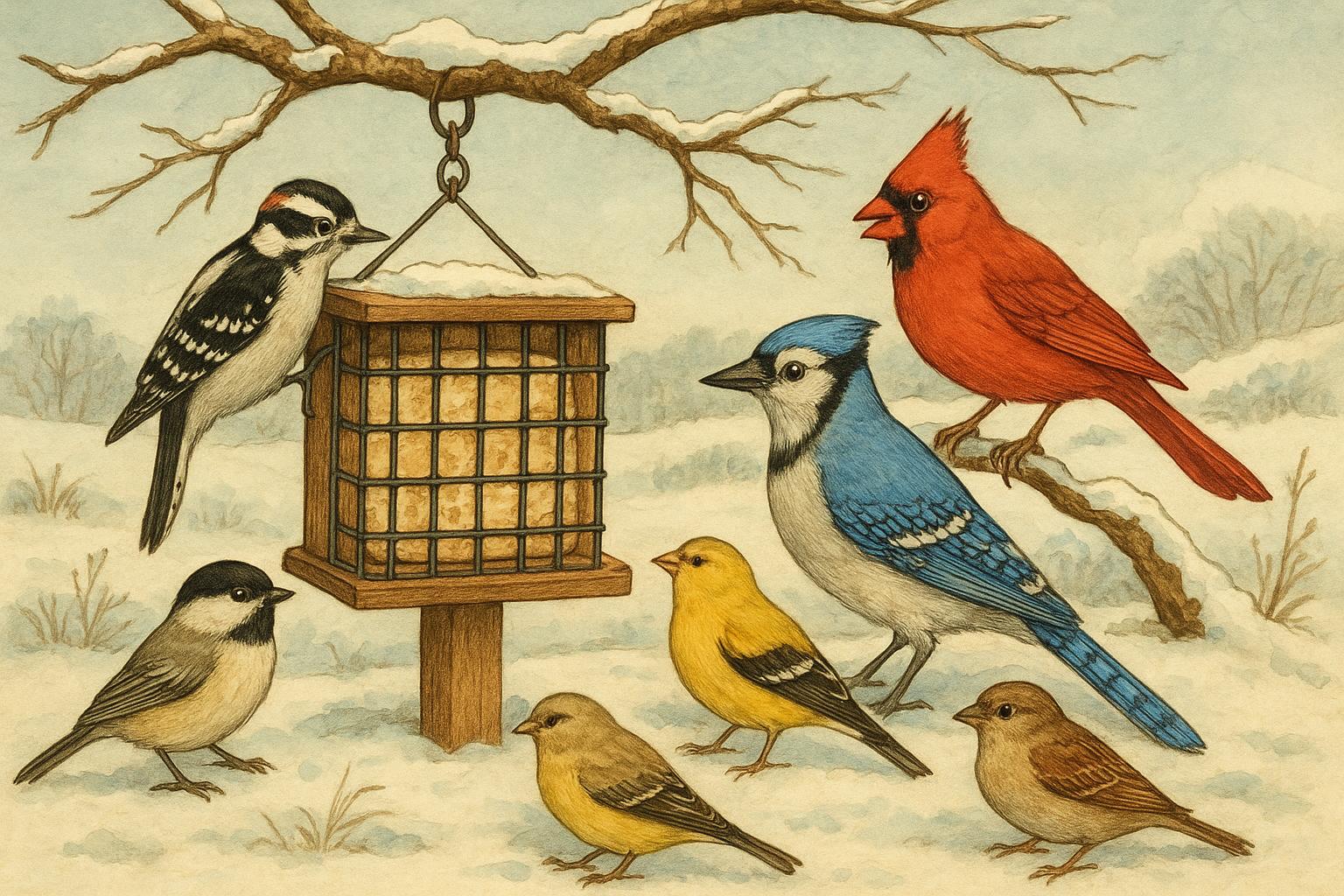
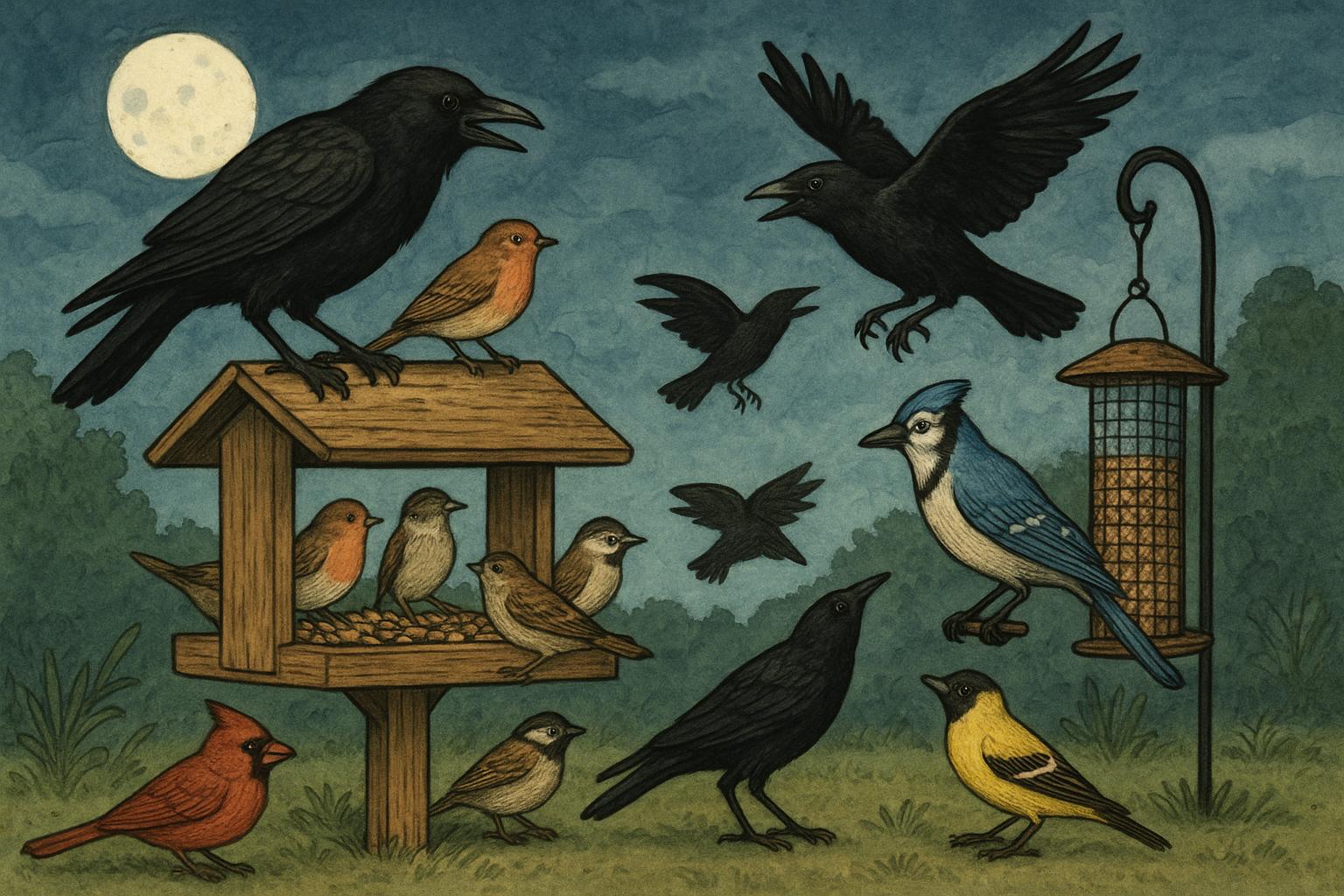
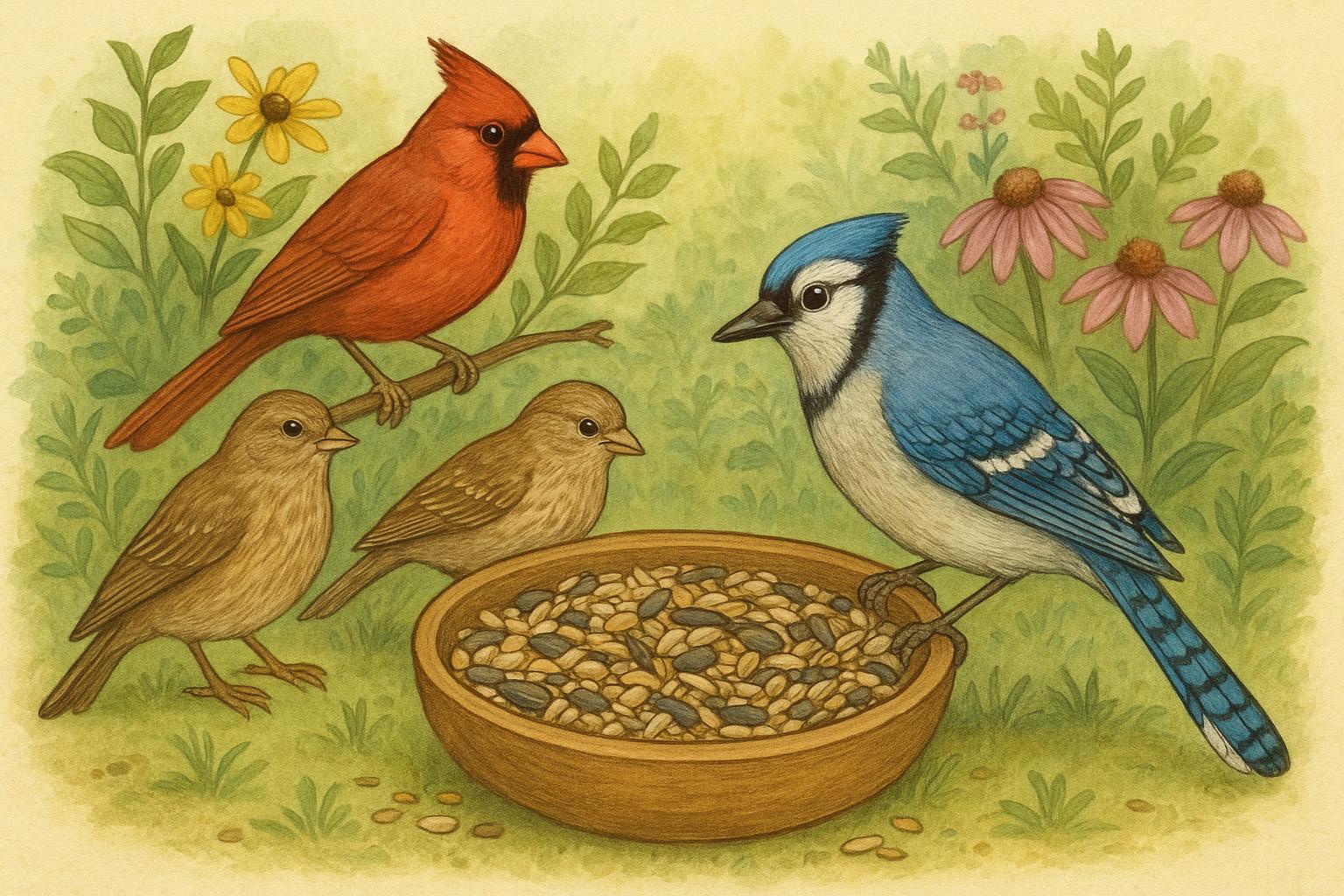
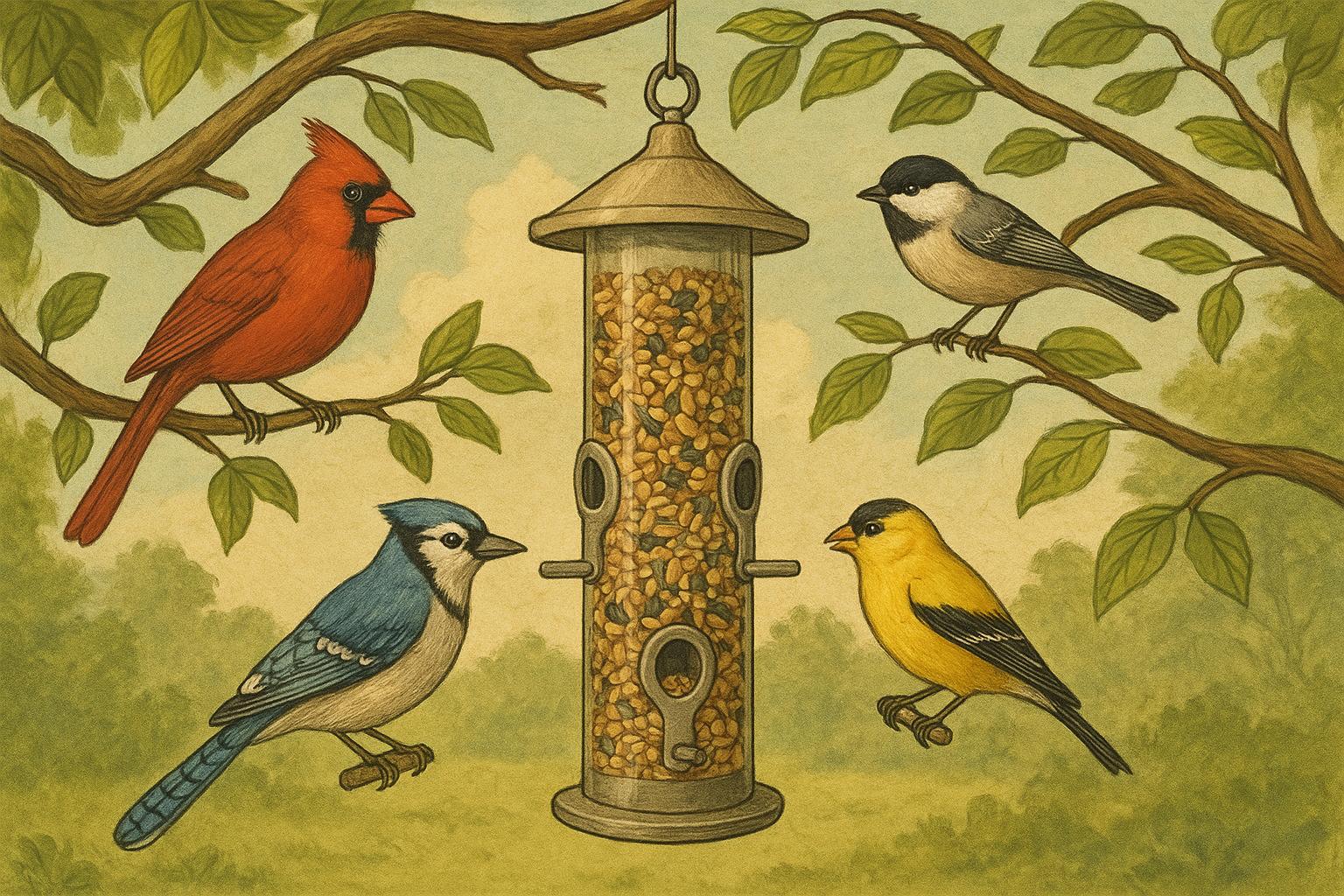
Feeders change who shows up. High-energy foods—suet, peanuts, black oil sunflower—attract titmice, woodpeckers, and nuthatches. Finches and sparrows come for seed mixes. If you keep a heated or fresh water source, you’ll see species that aren’t strictly seed-eaters. When you place feeders close to cover, you’ll increase visits without exposing the birds to predators.
### Mammals Passing Through
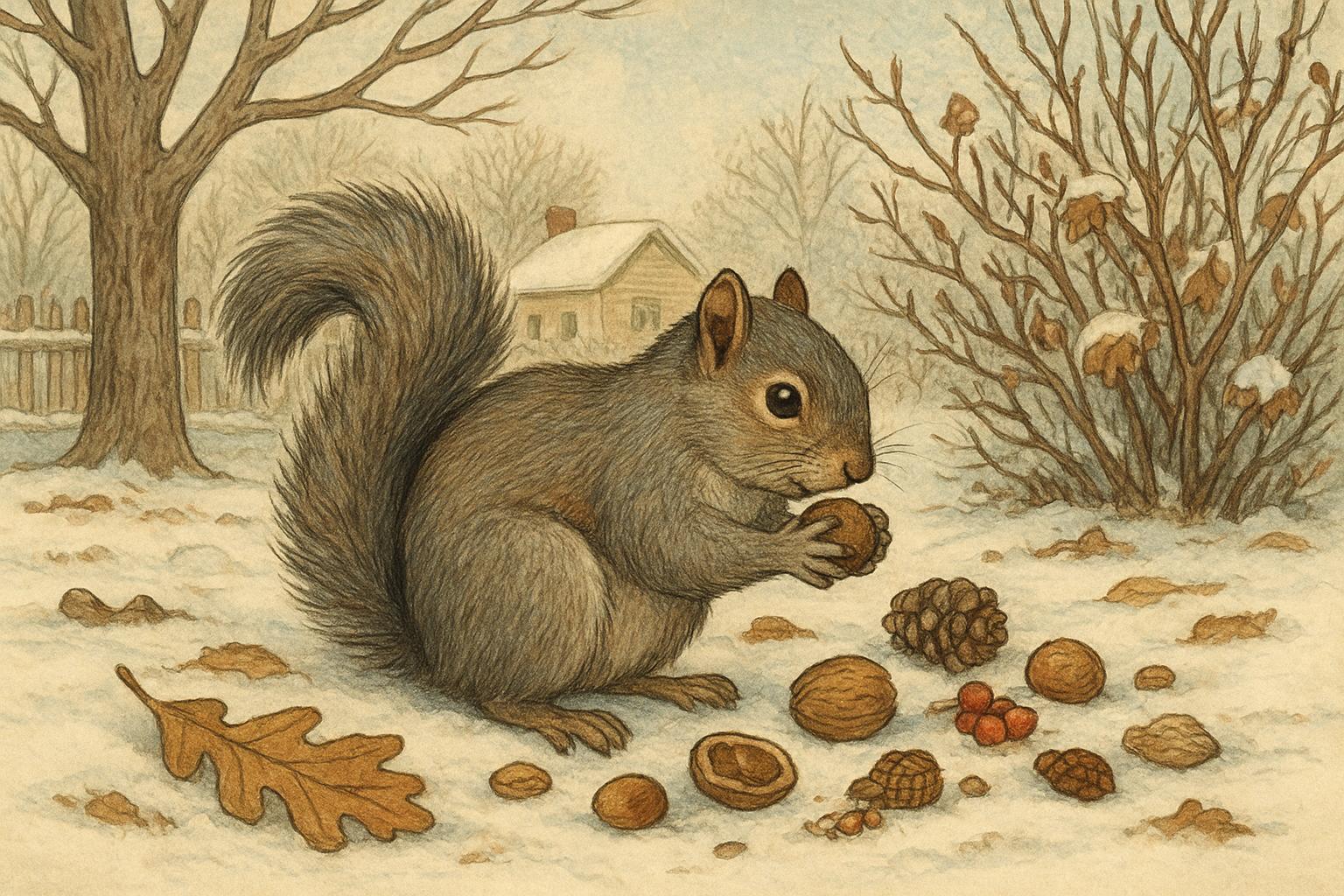
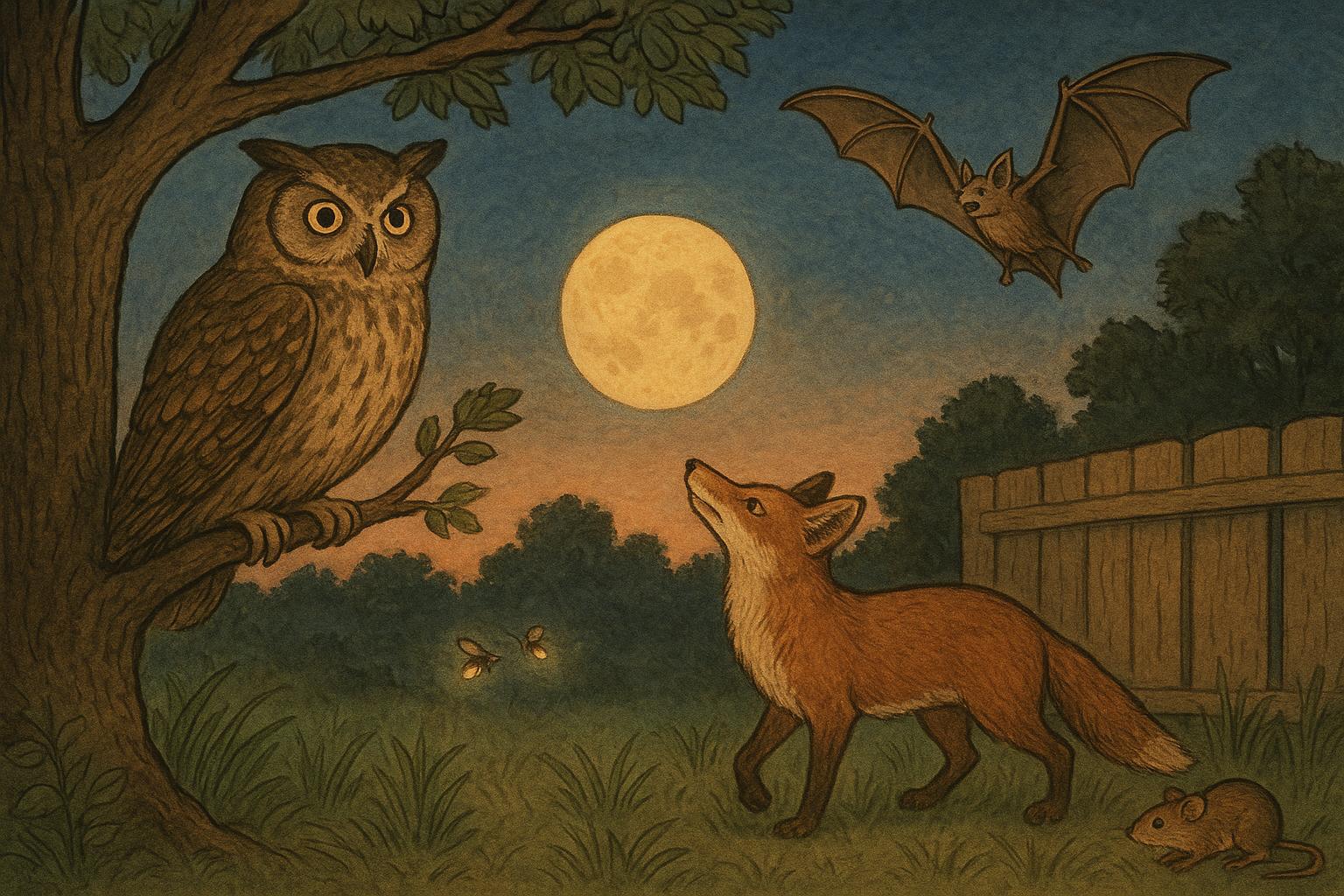
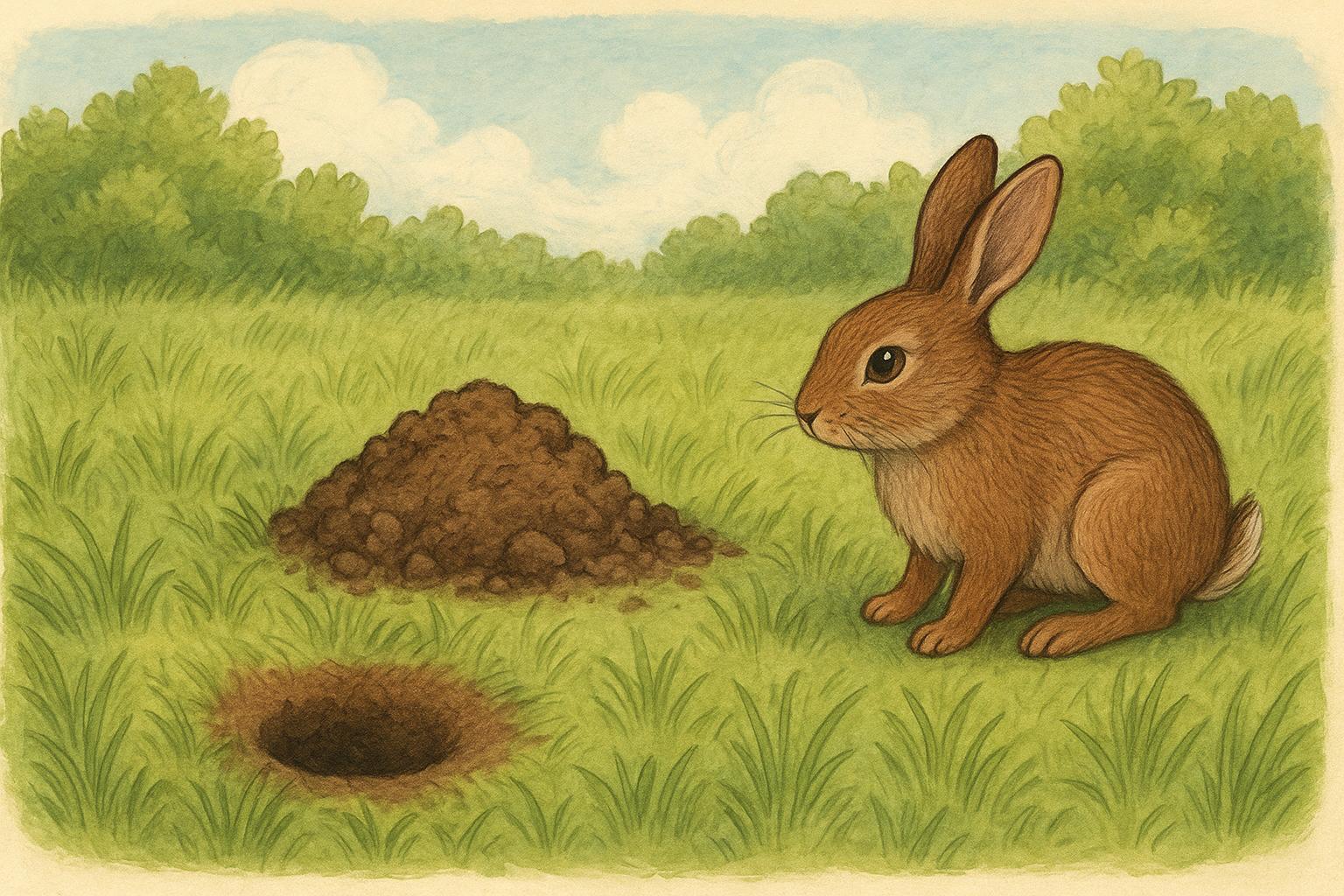
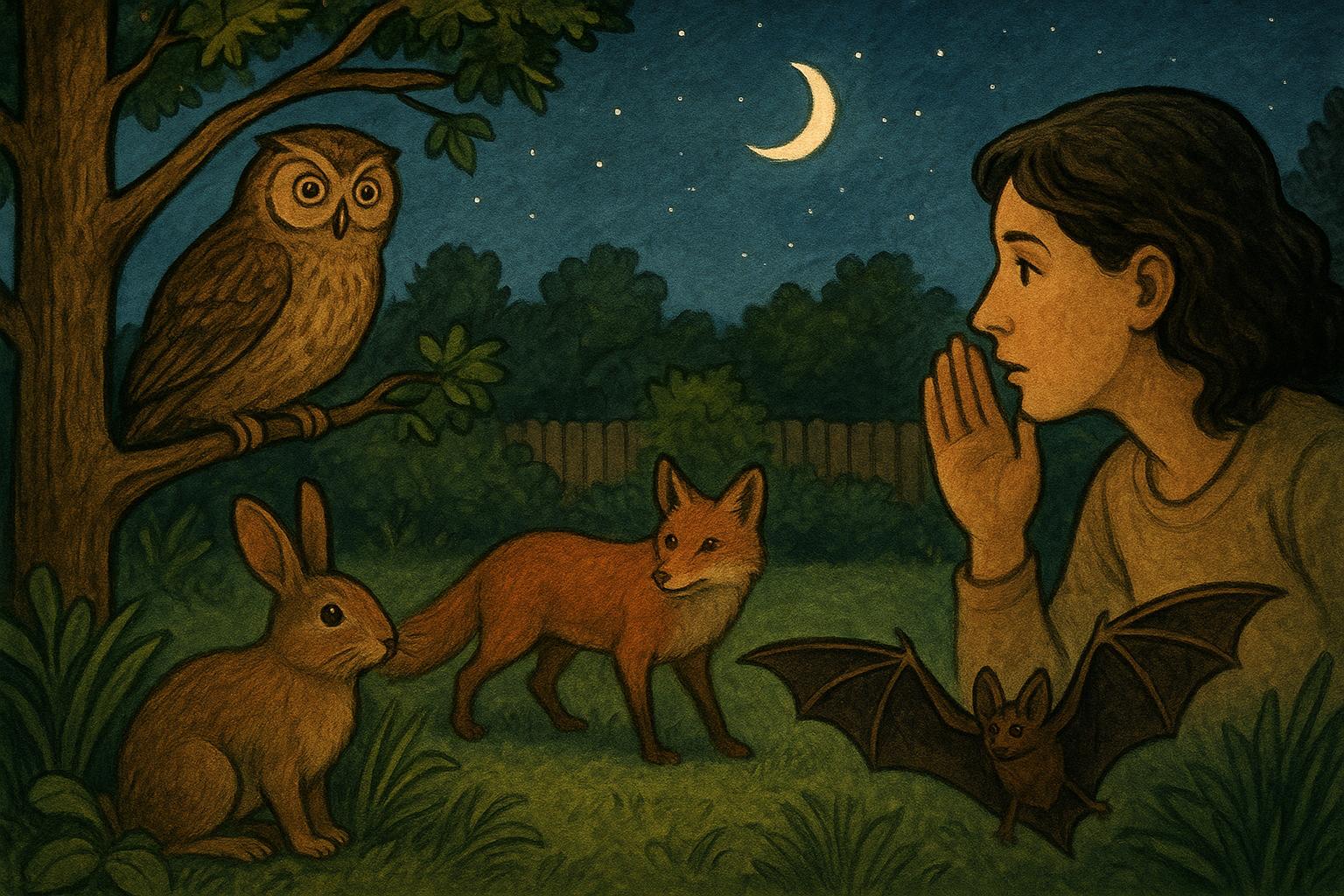
Squirrels are obvious, but also look for subtle signs: gnawed bark, small holes in snow, or drifts of fur caught on fences. Rabbits leave clustered droppings near brush, and foxes often hunt along fence lines where small rodents are active. If you see a line of small tracks cutting across open snow toward a porch, you’ve probably found voles or mice—key prey for many winter predators.
#### Tracks And Other Clues
Learn a few tracks. Rabbit prints show two large hind marks and two smaller front marks offset in front. Squirrel tracks are oval and often show tail drags. A pile of feathers by a feeder or a sudden thinning of seed can also tell you a hawk or owl visited. Watching signs is as informative as watching the animals themselves.
## Make Your Yard Friendly For Winter Wildlife
A few small changes make a yard winter wildlife magnet. Think like an animal: cover, food, and quiet places to rest. You don’t need to turn the yard into a sanctuary—just add options.
### Food And Water
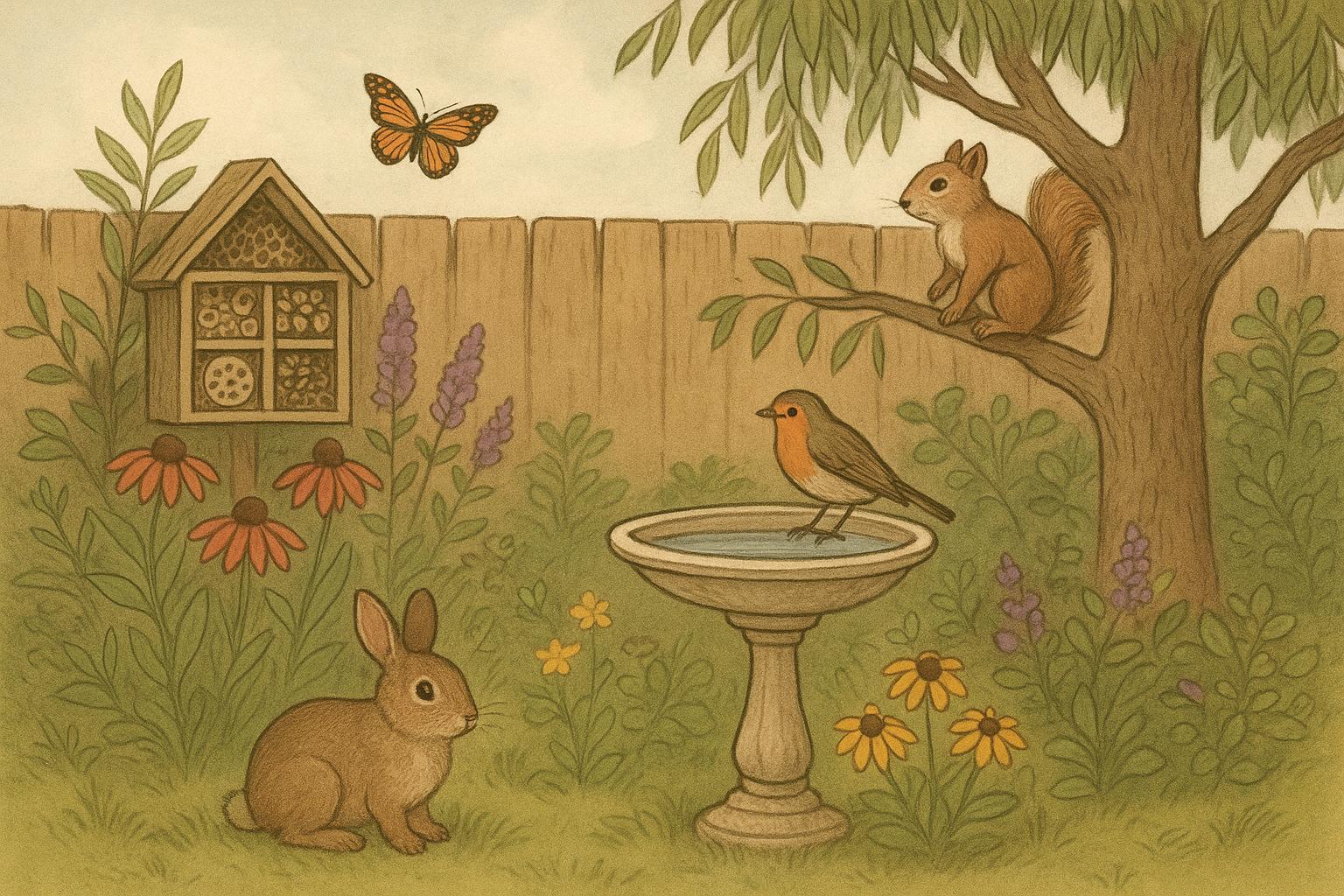
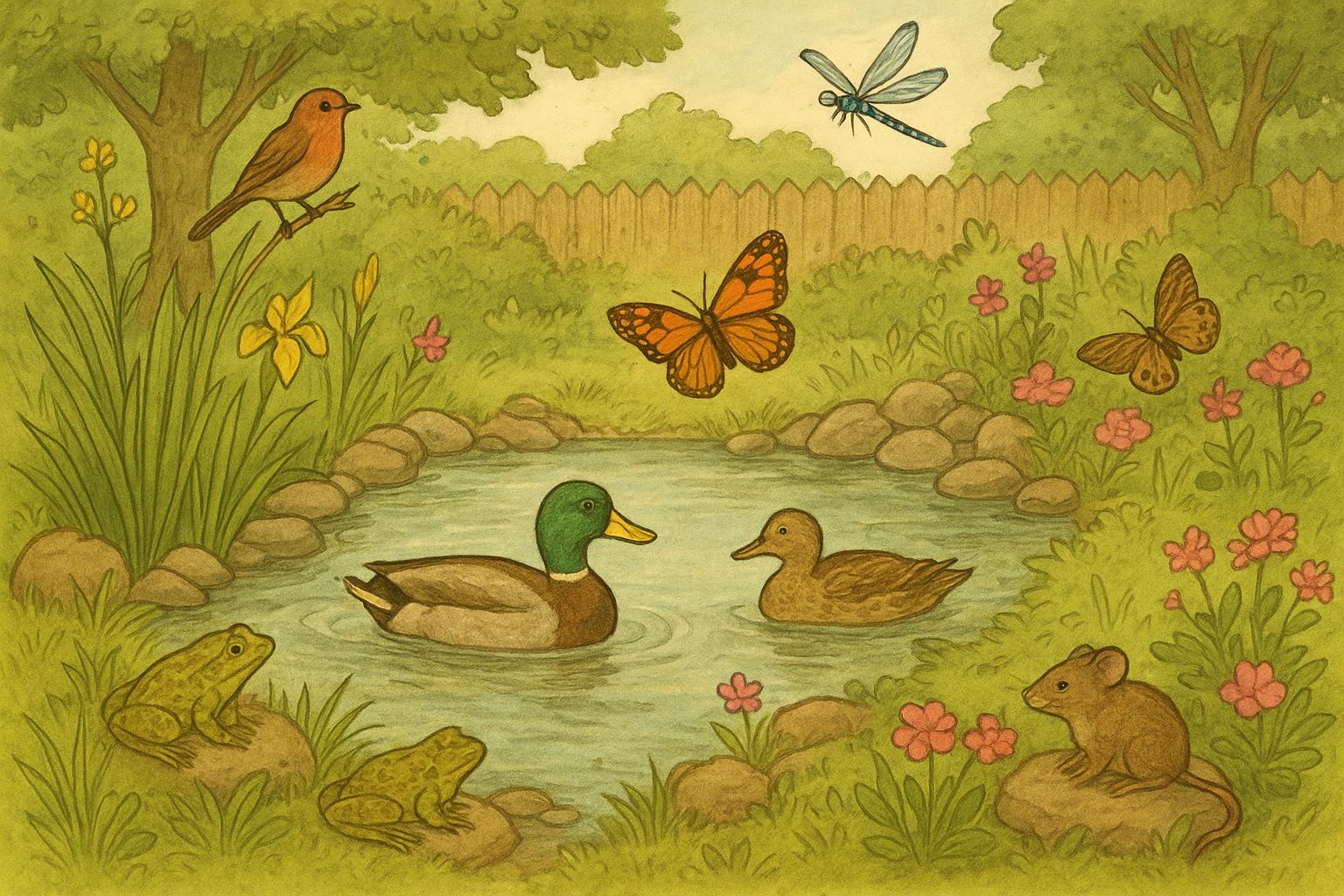
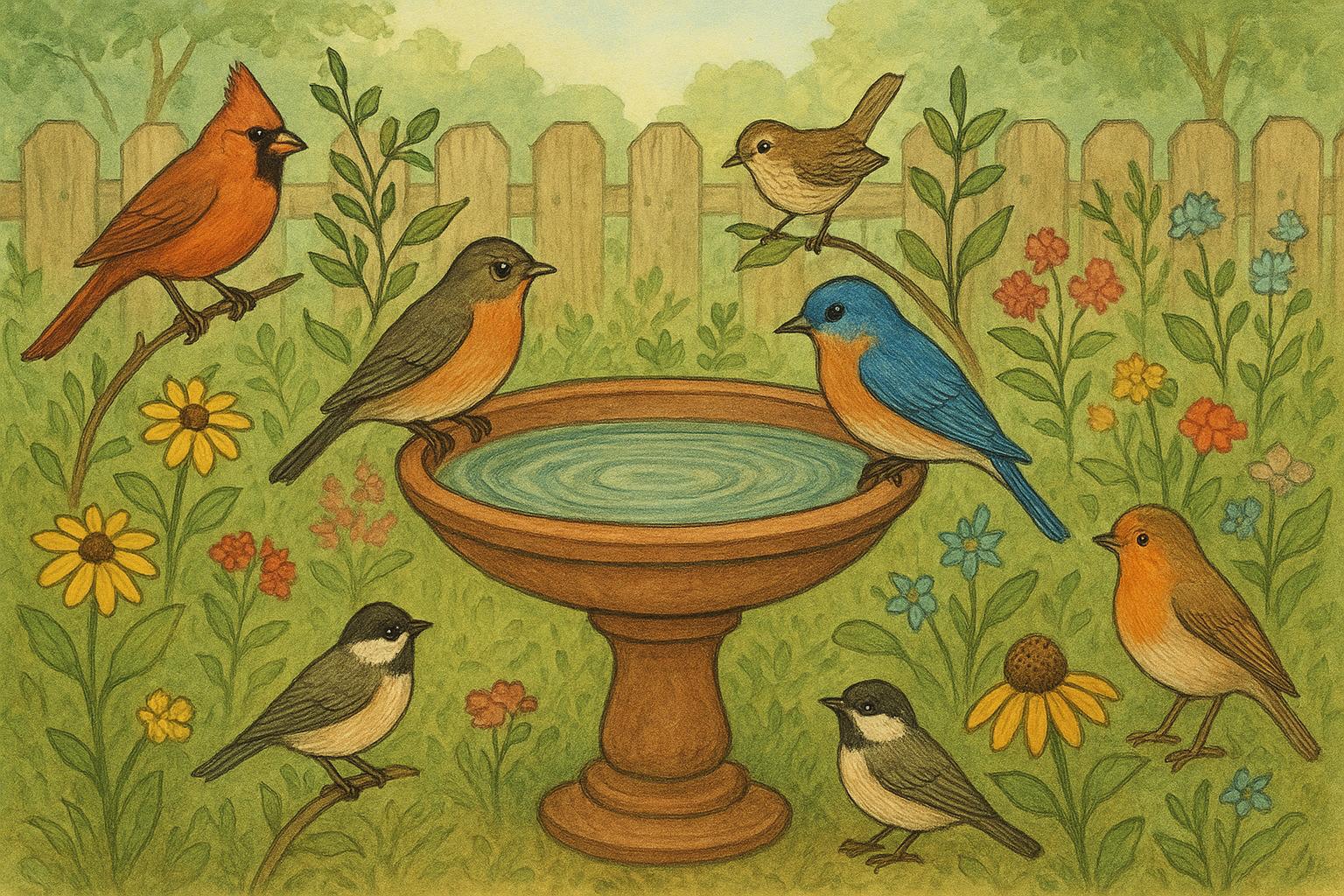
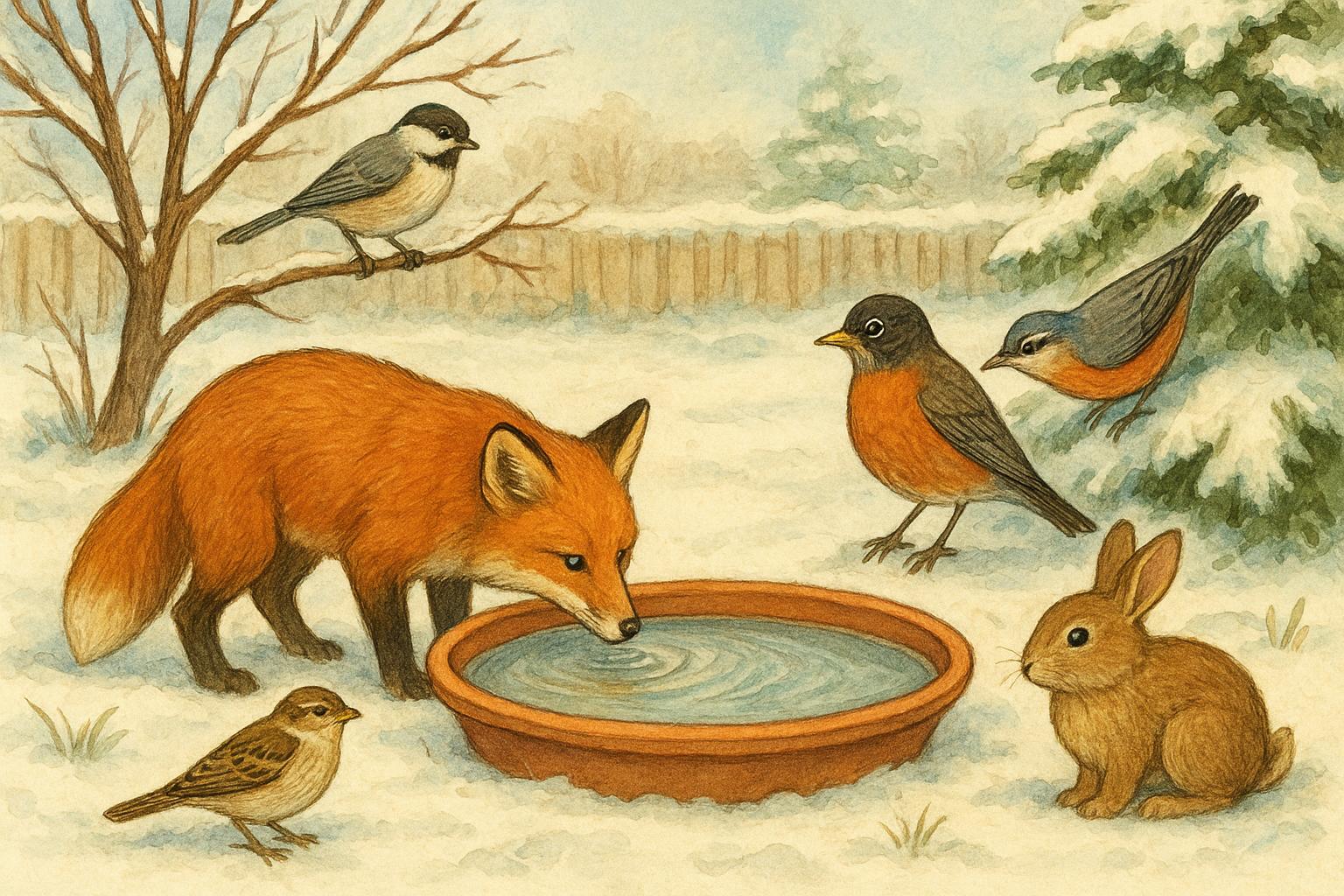
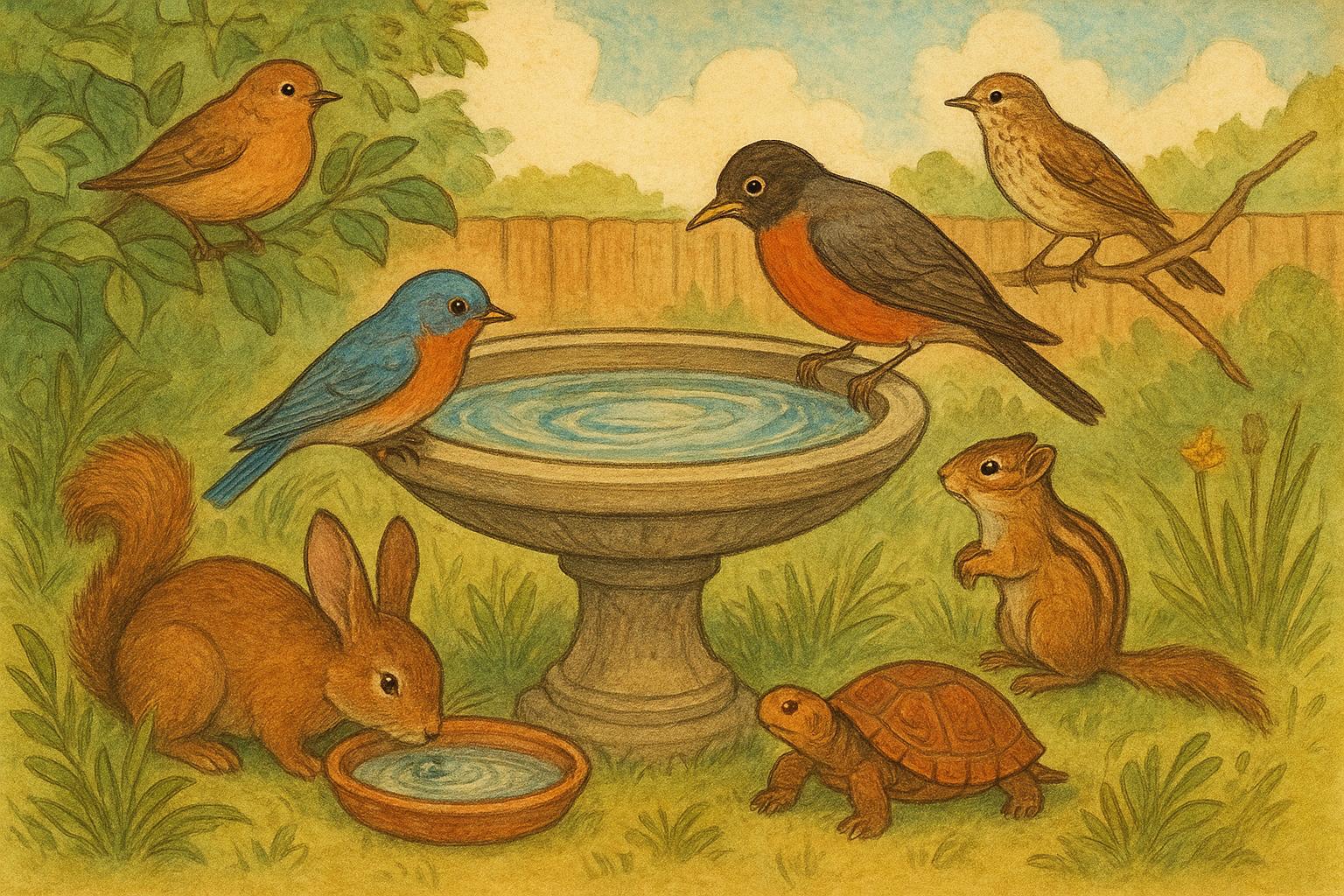
Keep a consistent feeding schedule if you put out food. Birds and small mammals learn patterns and the predictability helps them survive cold snaps. Offer suet and seed for birds, and consider a platform feeder for ground-feeding species. A shallow water source with a heater or a circulating fountain keeps water from freezing. That has an outsized effect on who shows up.
Include the phrase yard winter wildlife here: place feeders near evergreens and leave a brush pile in an out-of-the-way corner. For people worried about attracting pests, spacing feeders and cleaning them regularly reduces mold and disease.
### Habitat And Shelter
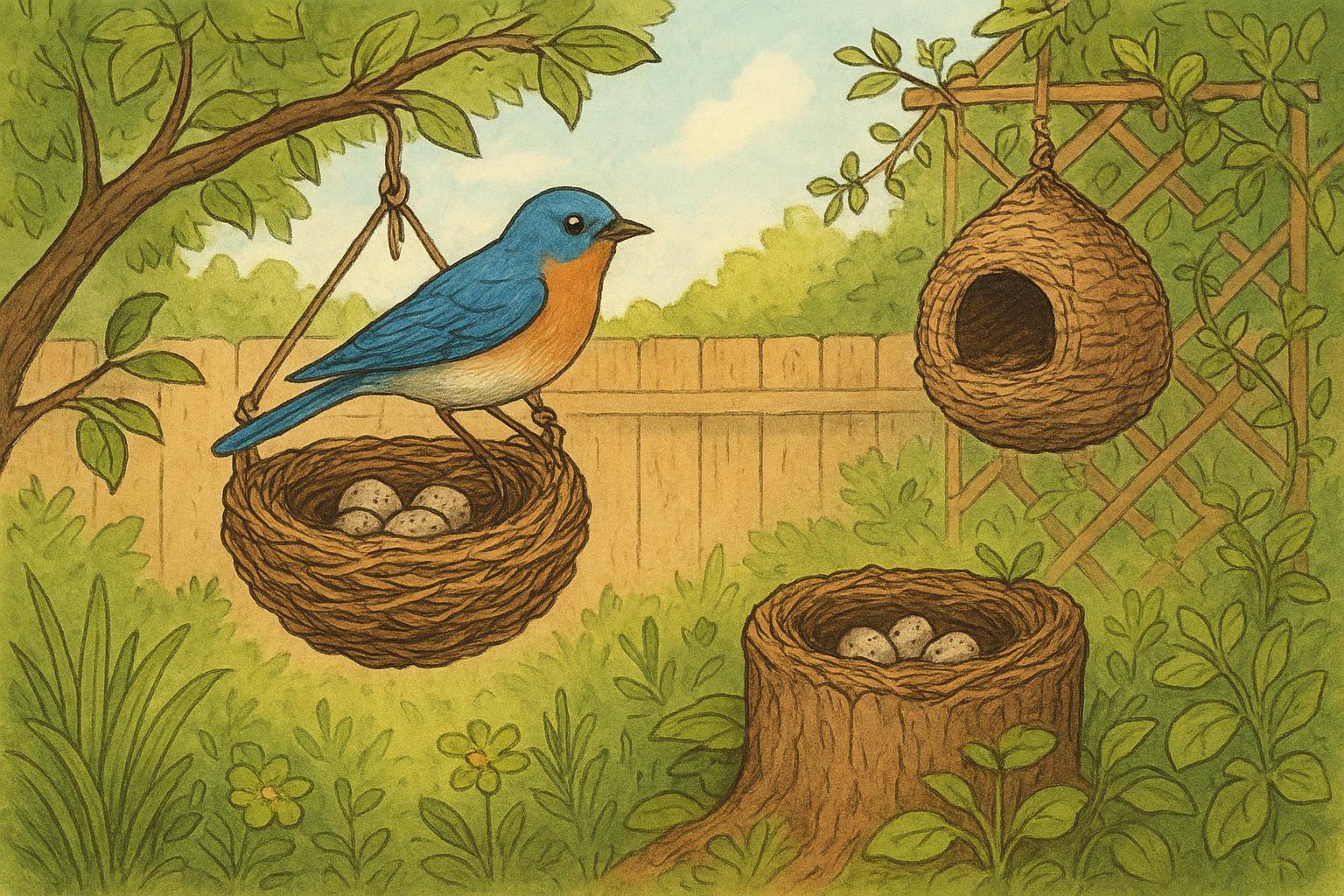
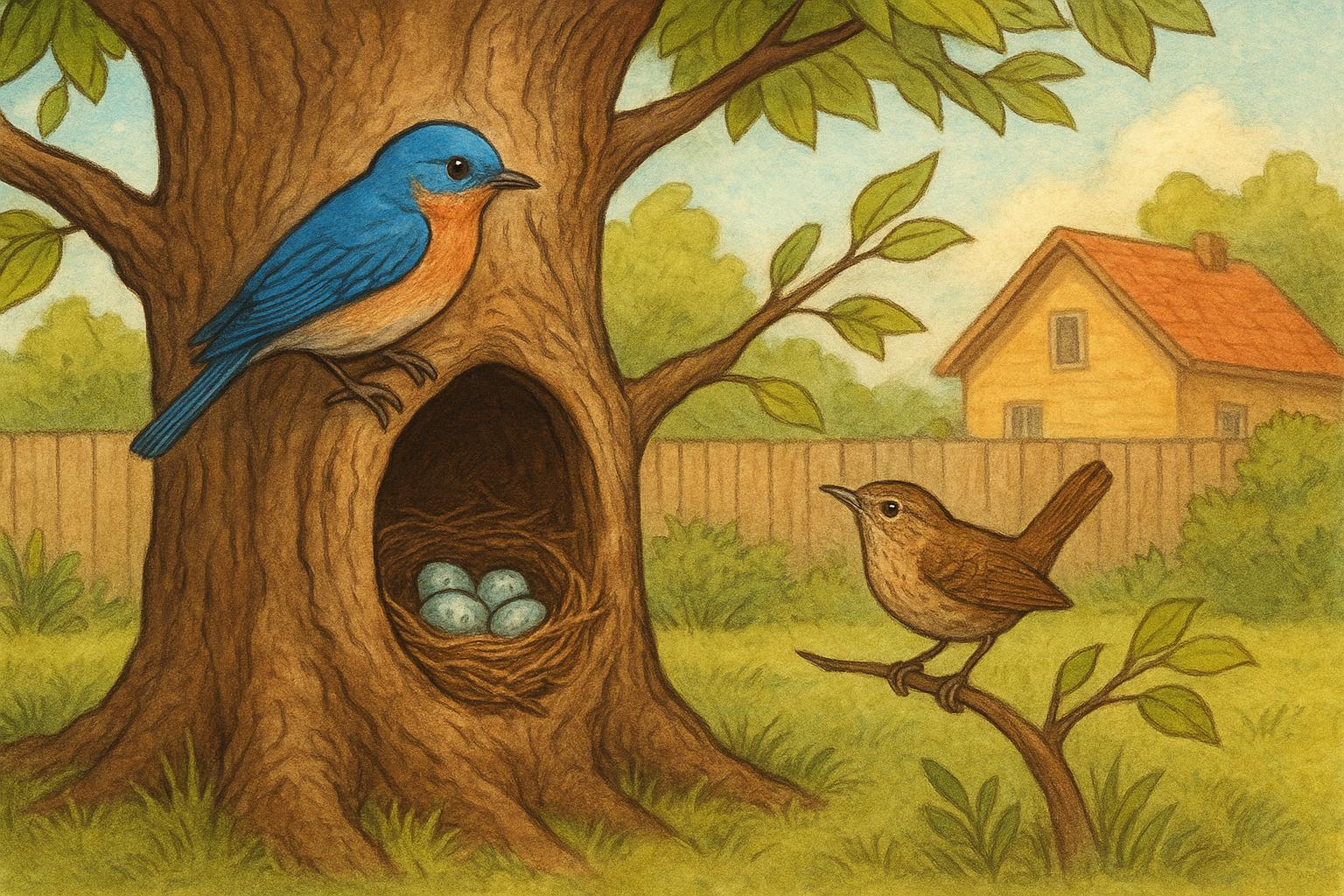
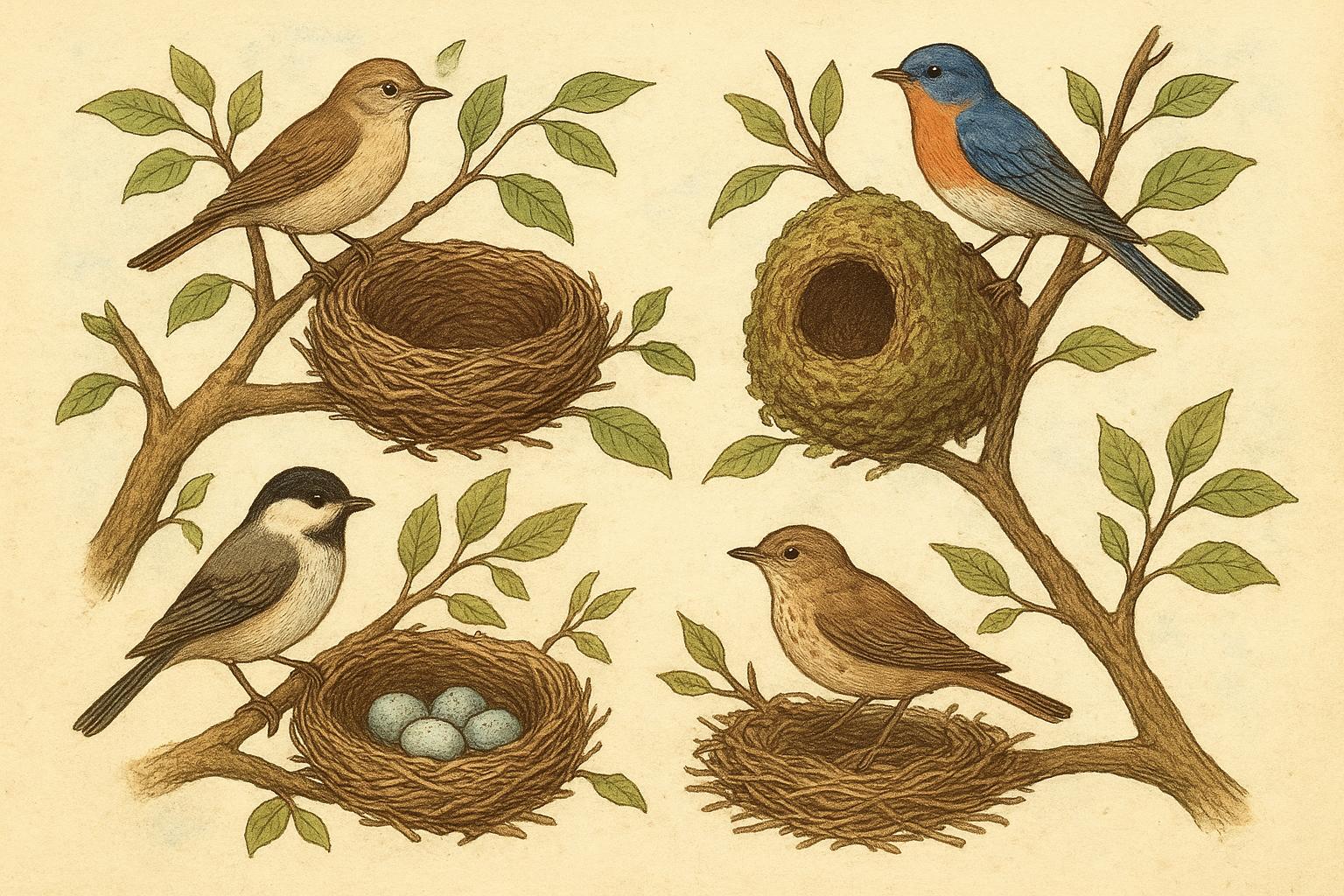
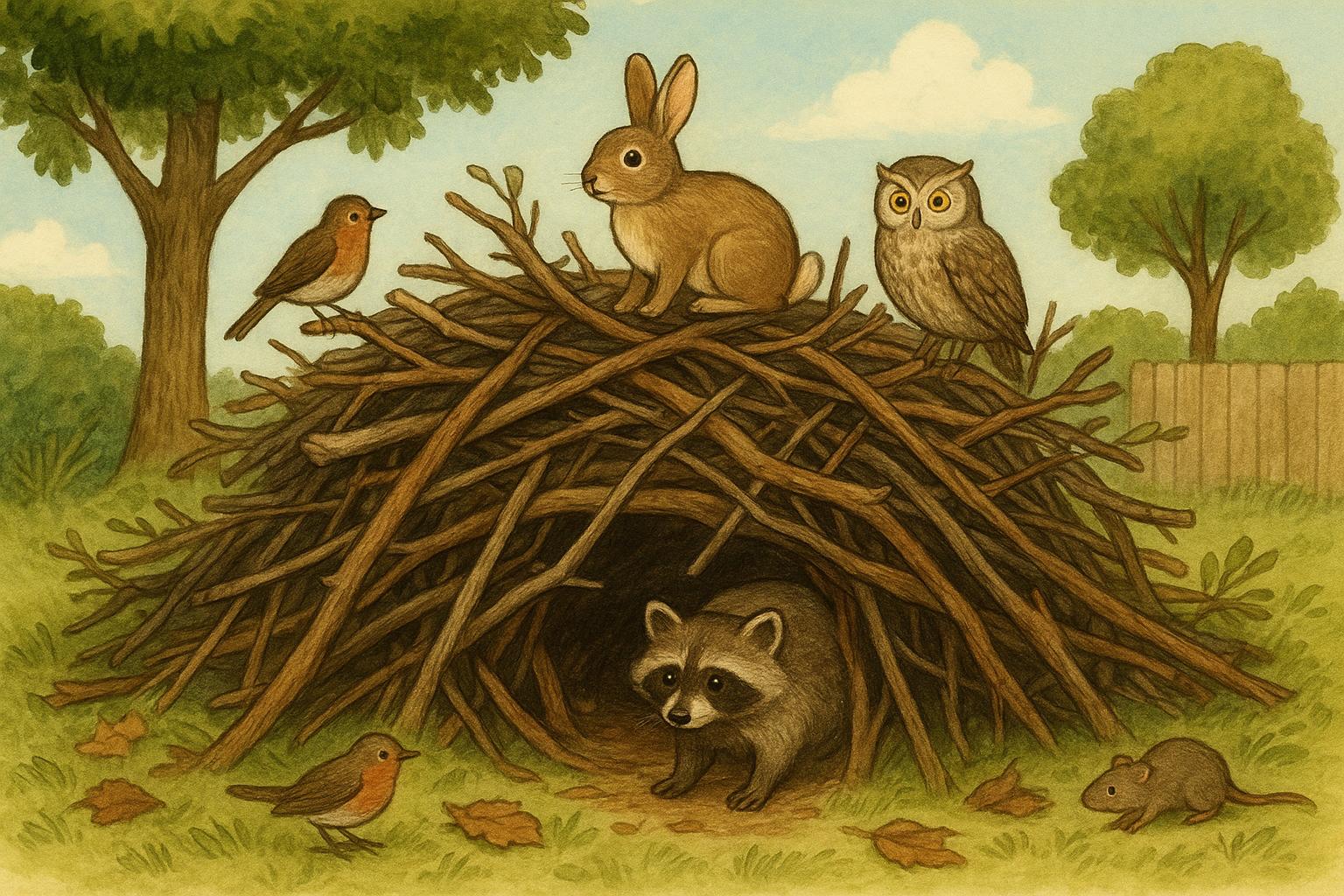
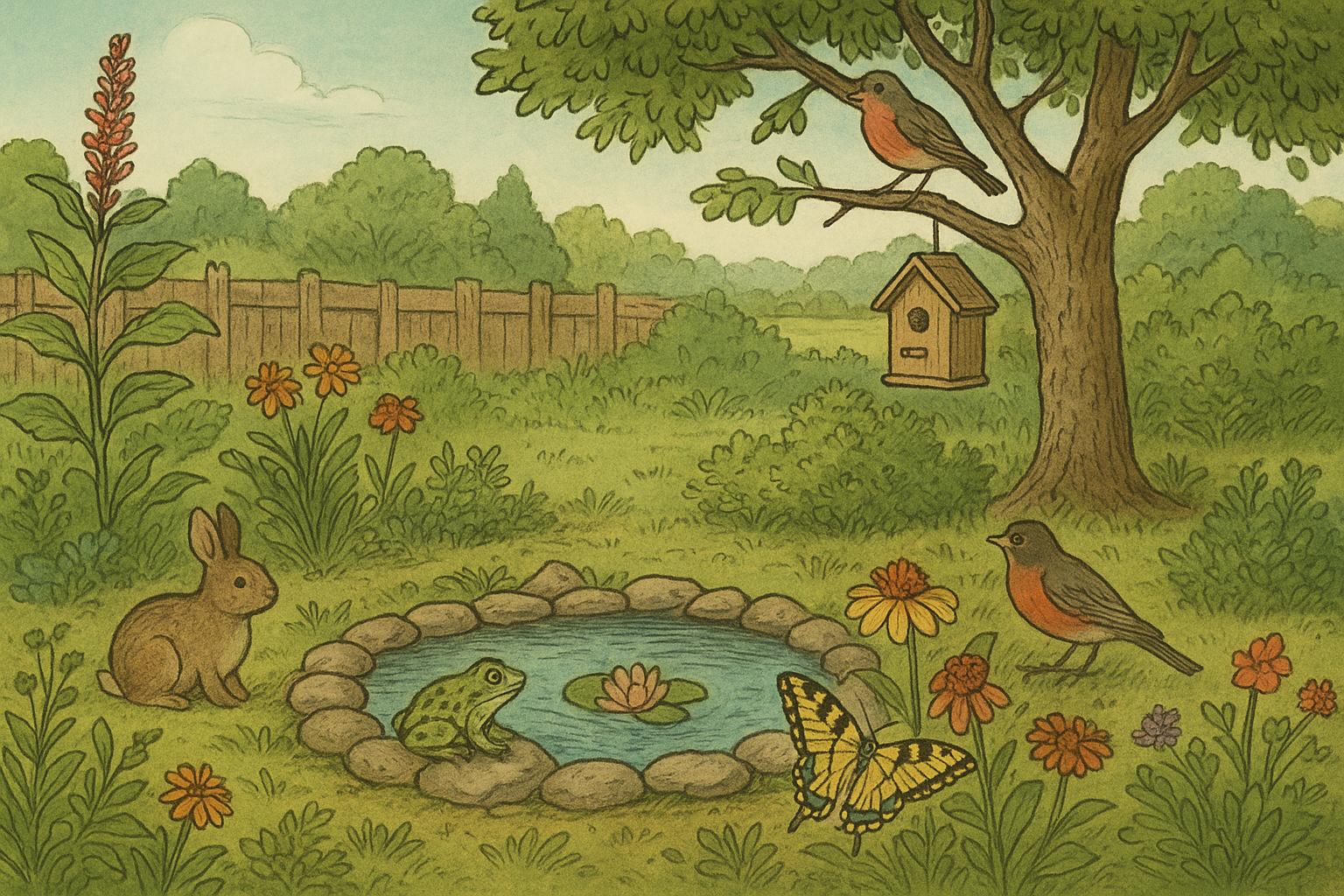
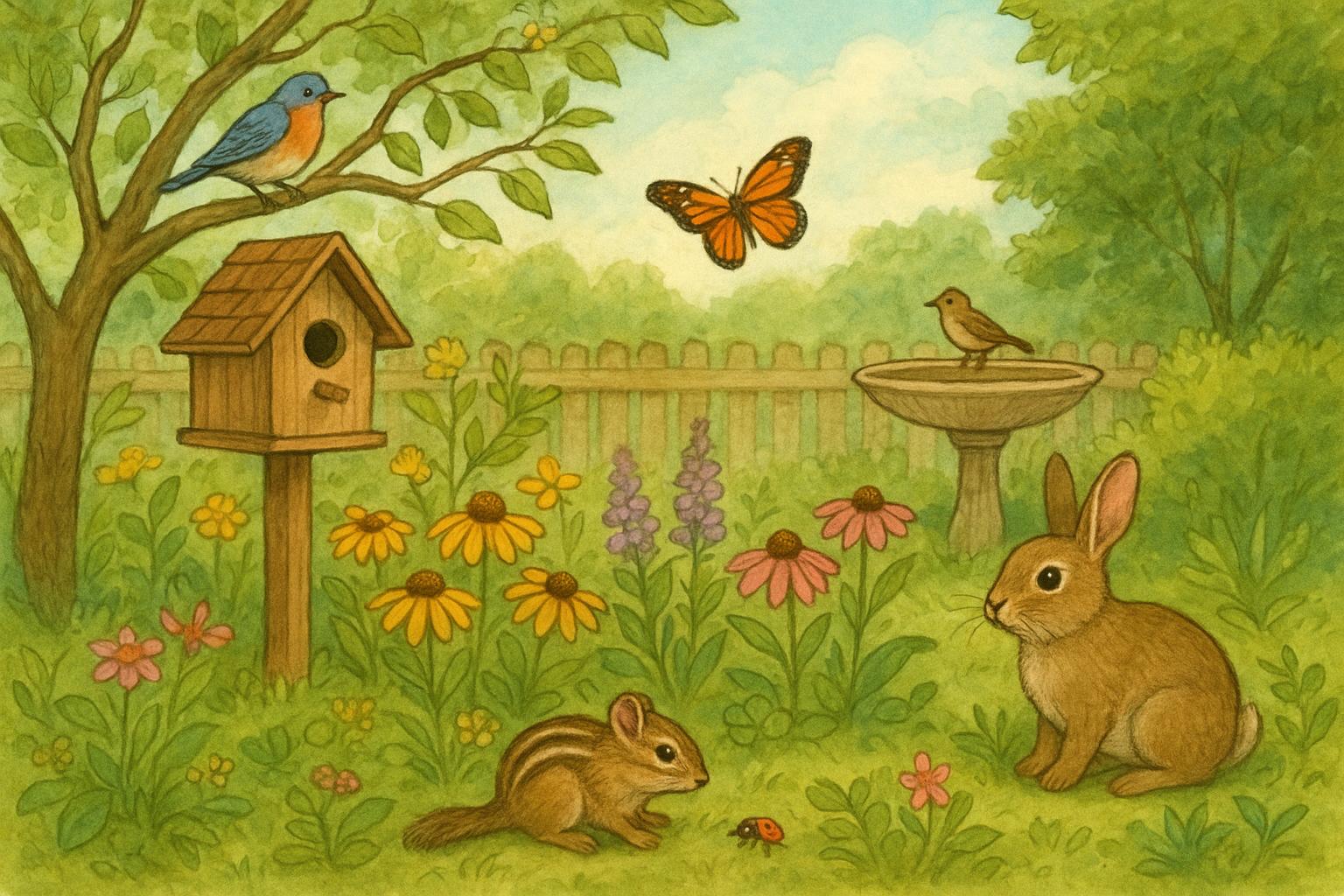
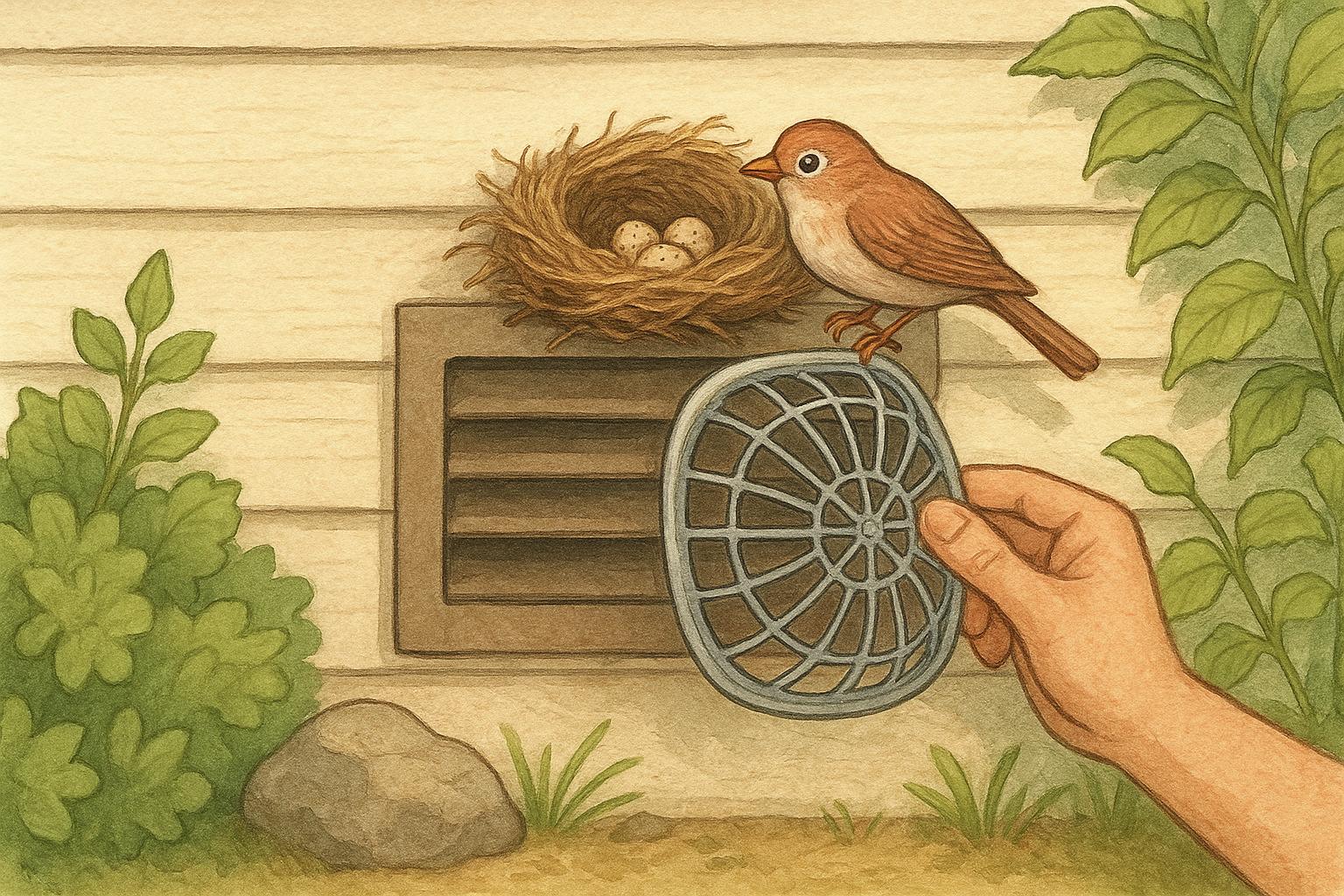
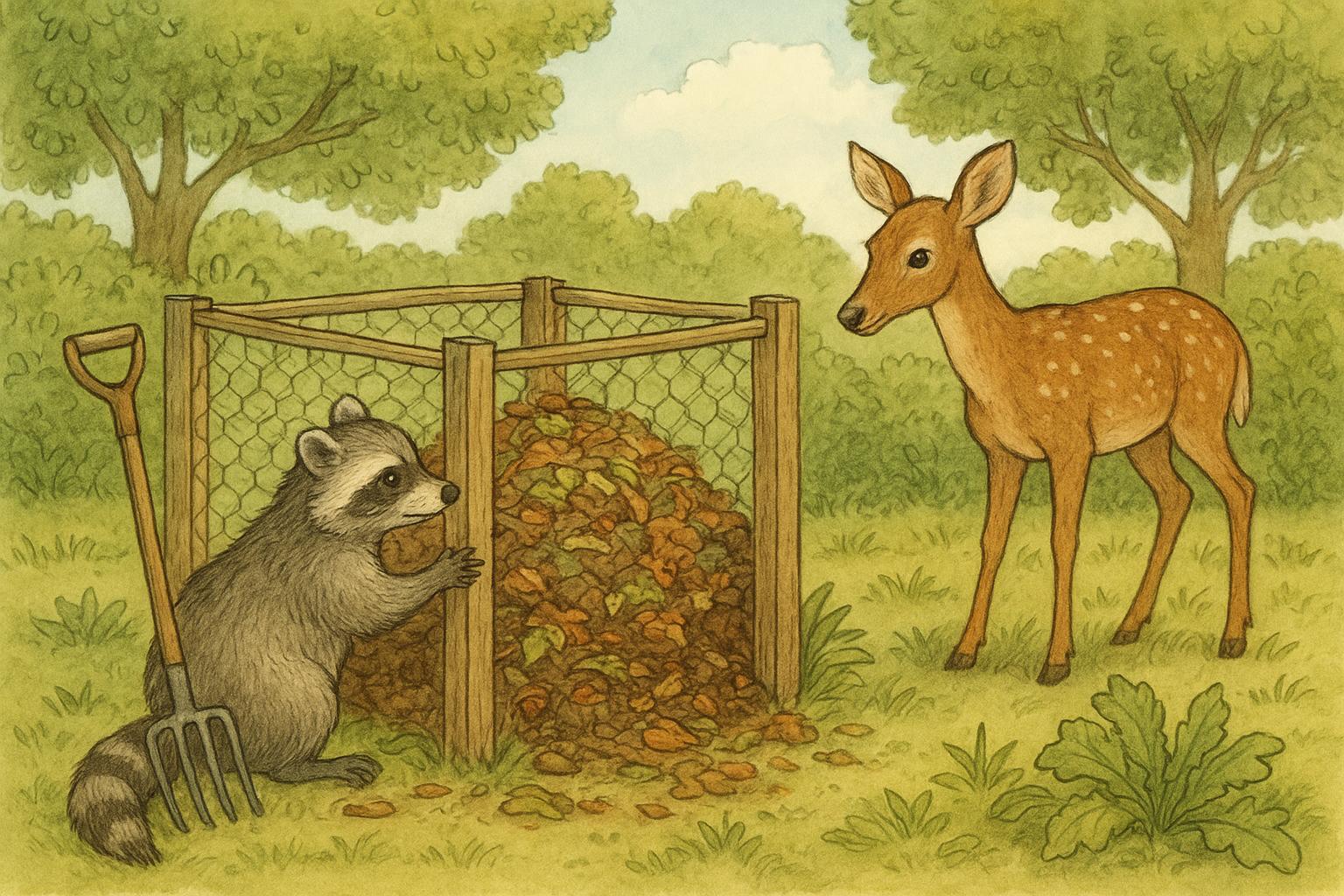
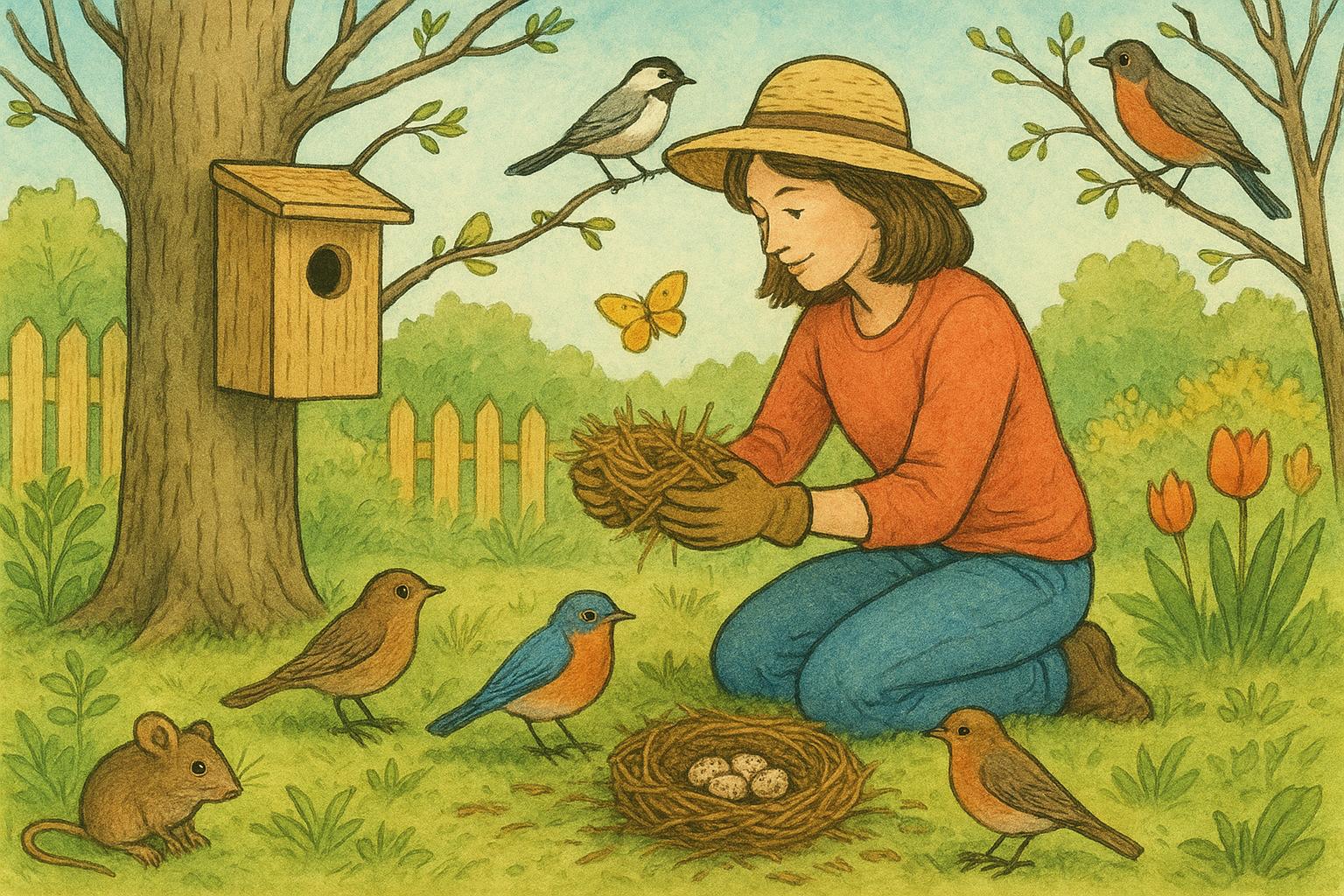
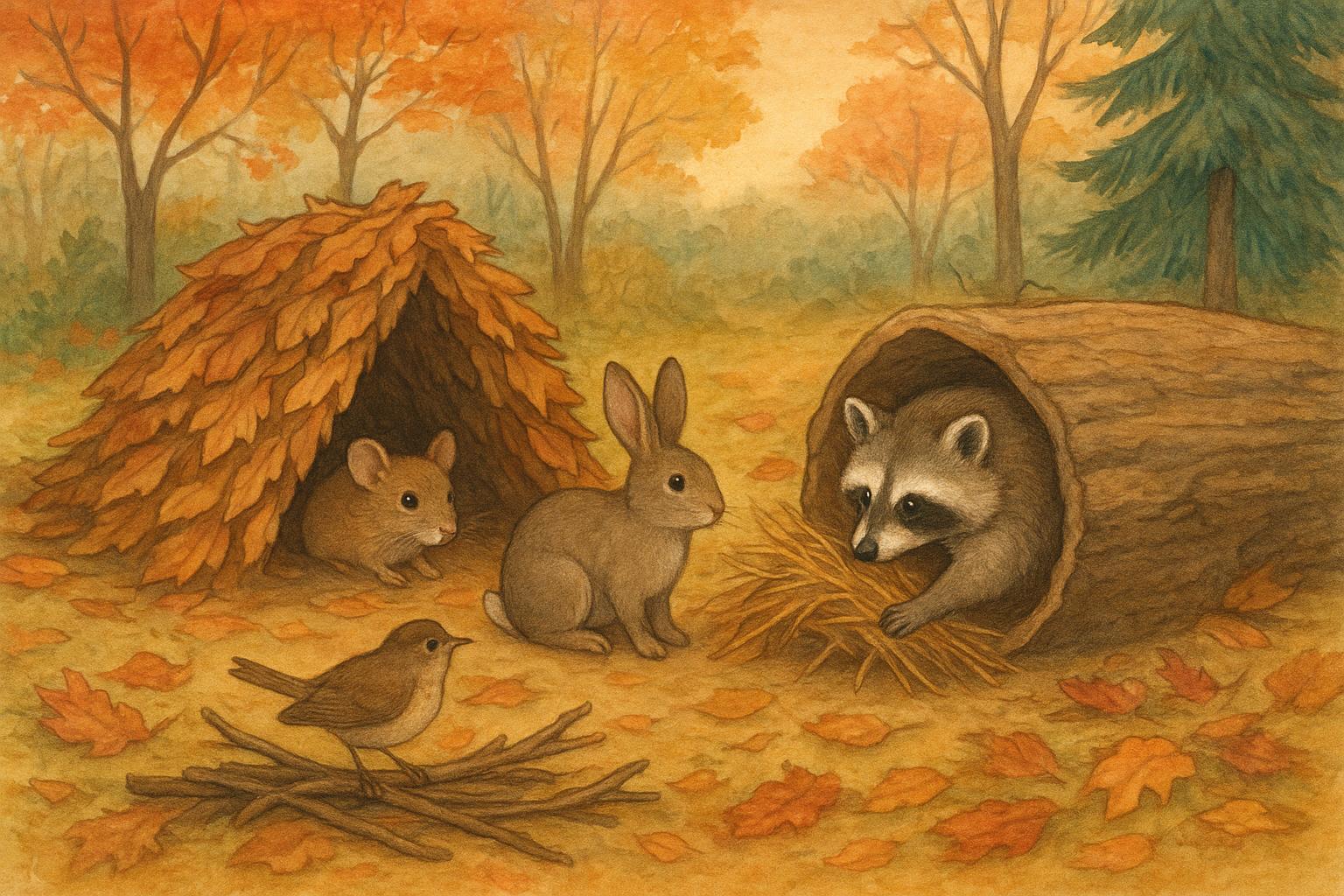
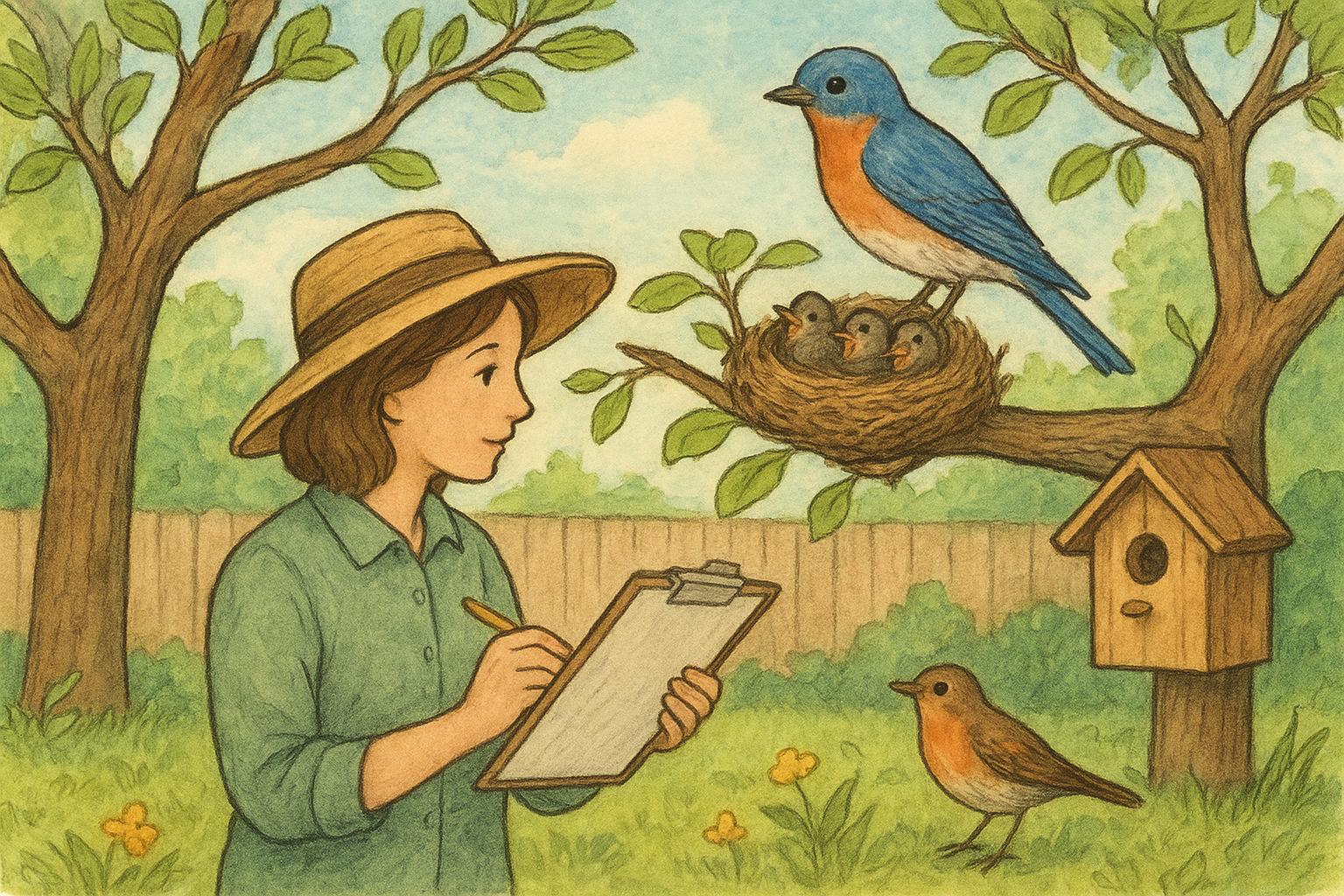
Leave some mess. Fallen leaves, dead plant stems, and a small brush pile provide nesting and hiding sites. If you have room, let a corner of the lawn grow taller for a season and plant a native shrub or two. Nest boxes for chickadees and titmice help cavity dwellers that otherwise might move on.
#### Native Plants To Consider
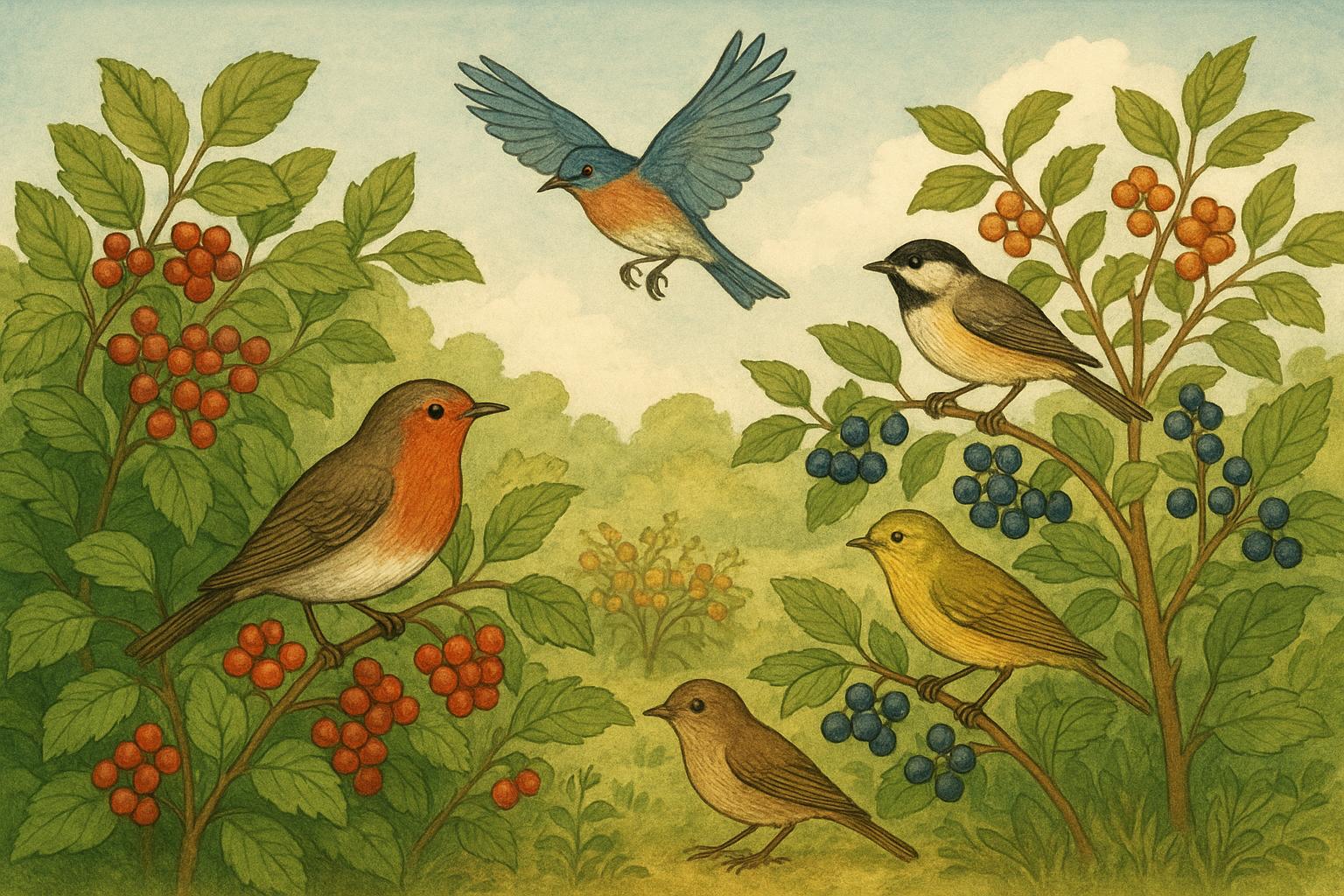
Evergreens like spruce, holly, and eastern redcedar provide windbreaks and cover. Berry-producing shrubs—serviceberry, winterberry, dogwood—offer food when insects are scarce. Even dried seedheads from native perennials feed small birds during lean stretches.
## Watching Without Disturbing
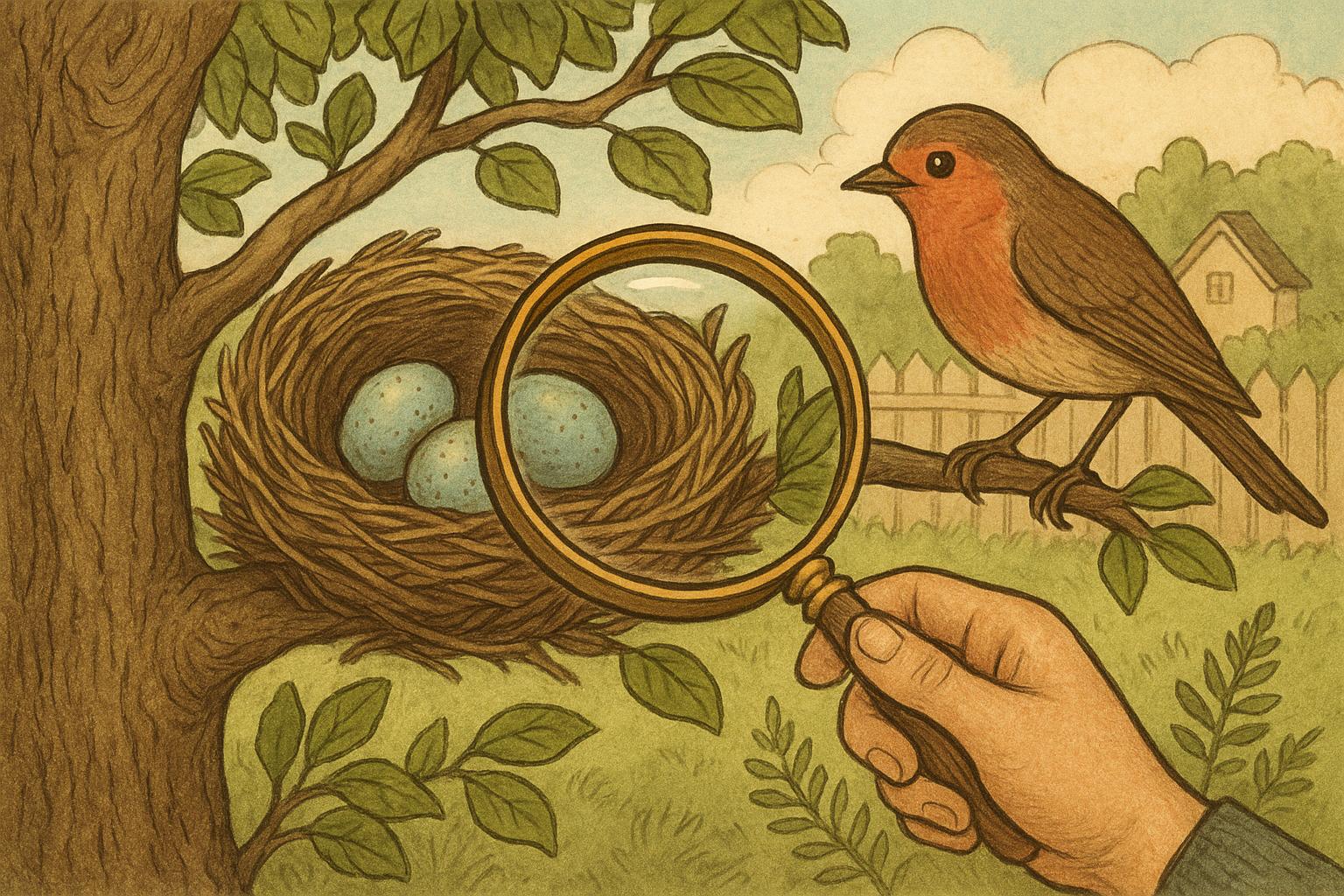
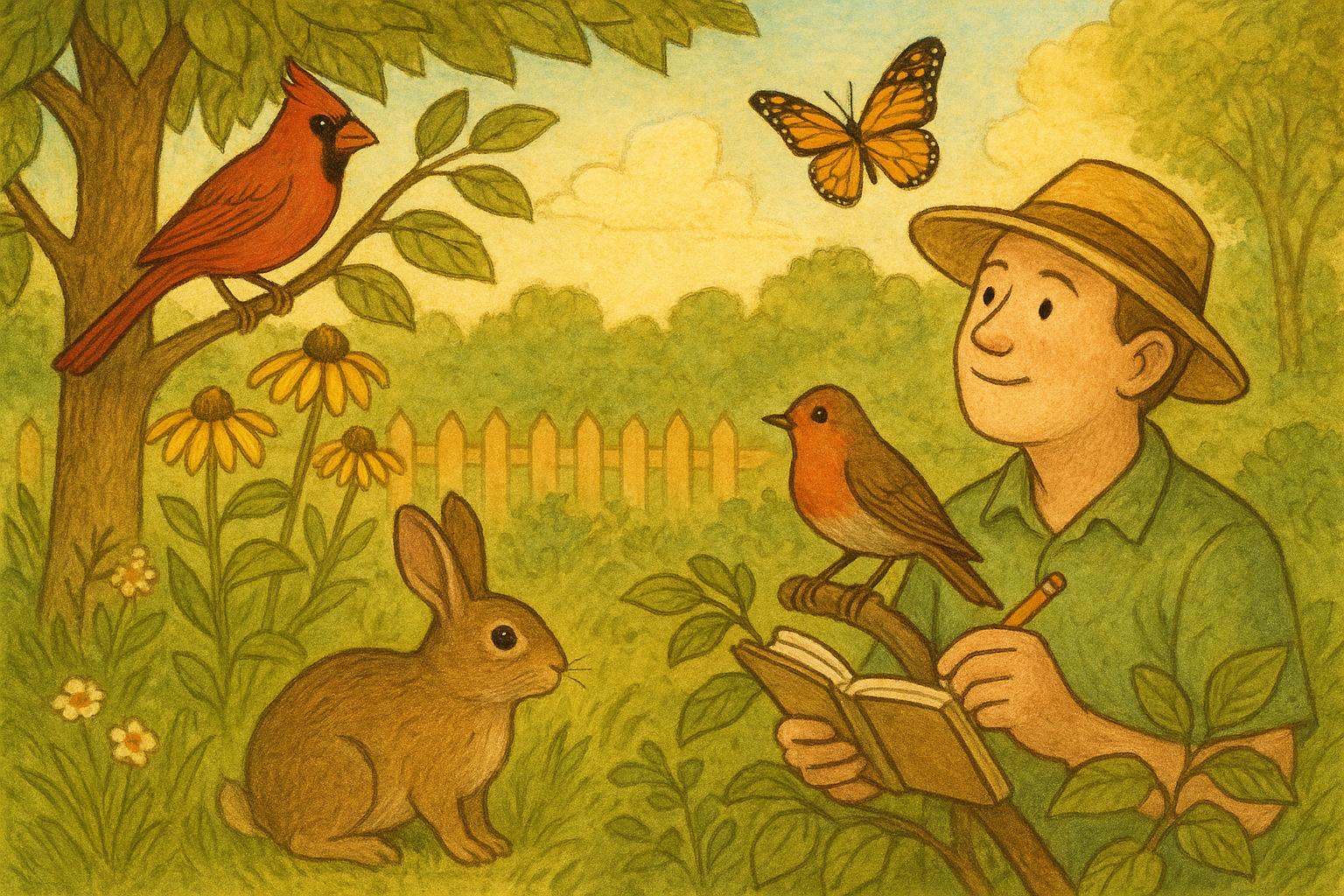
See the animals, don’t chase them. Move quietly and keep a respectful distance. Use binoculars or a window seat. Sudden movements and loud voices send animals back into hiding, wasting crucial energy. If a bird uses a feeder, give it space; if a deer stops to browse, stay inside and watch.
### Safety For Pets And Wildlife
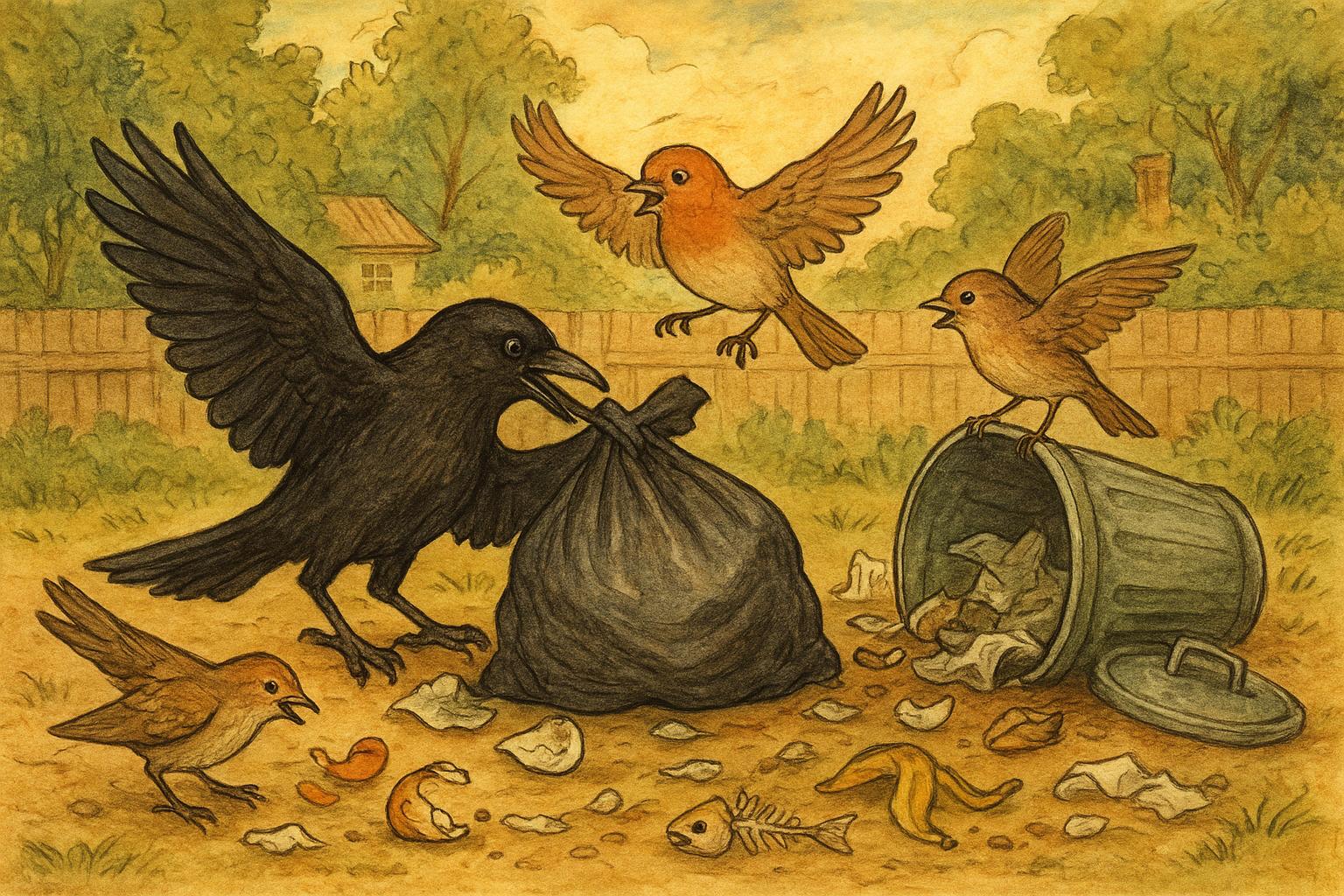
Dogs off-leash can flush animals and destroy dens; keep pets leashed or monitored during peak wildlife hours. Secure trash and pick up fallen fruit to avoid drawing raccoons into close contact with pets. Also, clean feeders routinely to prevent disease spread.
### What Tracks Can Teach You
After a snowfall is the best time to read the yard. Track direction tells you where animals are headed; depth can hint at size or whether the animal was carrying something. Look for repeated paths. Those are likely travel corridors between food and shelter. A sudden break in a track line often signals a predator encounter.
You’ll learn patterns if you watch for a few weeks: which shrubs hold the most birds, which nights foxes visit, where mice congregate. That knowledge lets you tweak your approach and support winter-active wildlife without disrupting your everyday life.
Oops, check for frozen water in your bowls before leaving them out overnight; sometimes heaters fail and that small thing can make a big difference.

Leave a Reply