
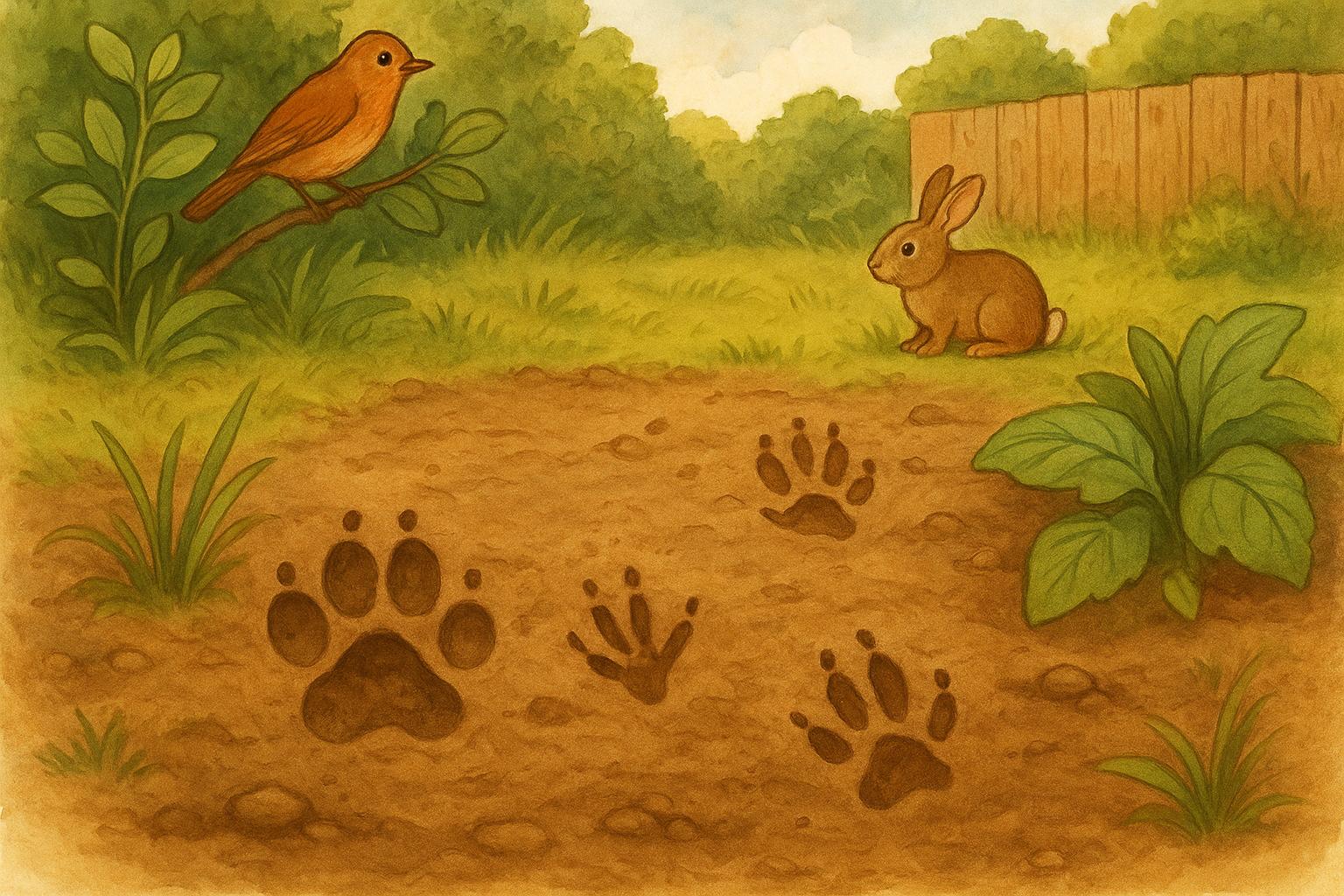
You step into the yard after a rain and there they are: neat depressions, smeared edges, a little tail trail cutting across the lawn. Mud keeps records. If you know how to read it, you can tell who visited, when, and sometimes why.
## Paw Prints In Mud: Reading Your Backyard Tracks
Mud is a good storyteller because it reacts to weight and motion. A heavy paw presses deep; a sliding foot drags mud forward. The phrase paw prints in mud describes more than cute evidence—it’s a set of clues. Look close and the story shifts from “something was here” to “this was a raccoon, last night, searching the compost.”
### How Mud Captures A Moment
Mud preserves detail in ways dry ground rarely does. Soft, water-saturated soil will show the pad shapes and claw marks. As the mud settles, the edges slump, softening crisp lines; that tells you time has passed. A print with a clear heel pad and visible claw tips is recent. One with a rim of dried mud and crumbly edges likely sat for hours.
Soil type matters. Clay holds edges sharp. Sandy loam collapses faster. If you know your yard’s soil, you get a better read on age and clarity.
### What To Look For First
Start with size, then pattern. Measure the longest dimension of the print with a ruler or a phone photo with a coin for scale. Note the number of toes, whether claws show, and how the pads look. Is there a center pad impression? Is the stride long or short? These basic notes narrow the field quickly.
## Common Backyard Tracks And What They Mean
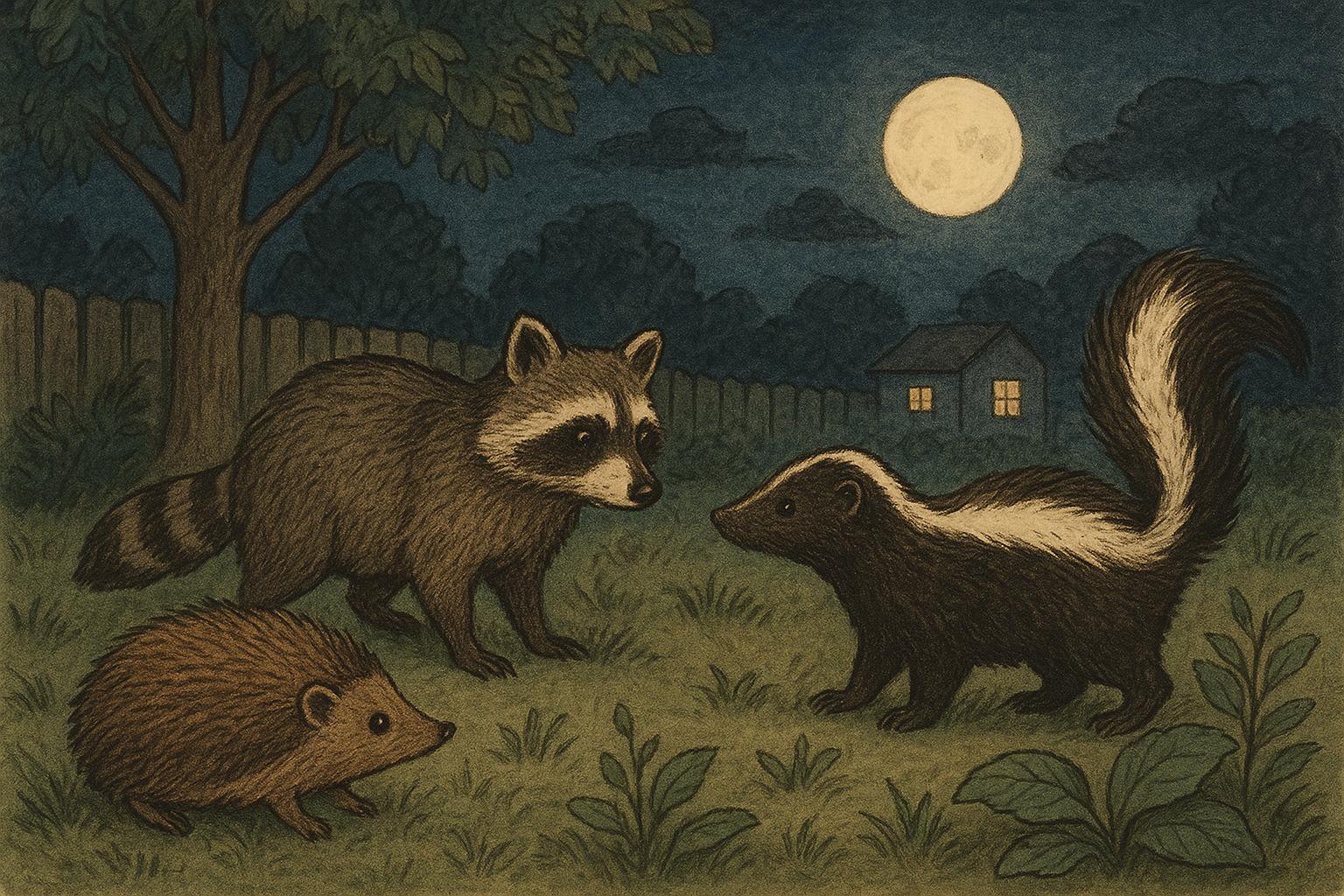
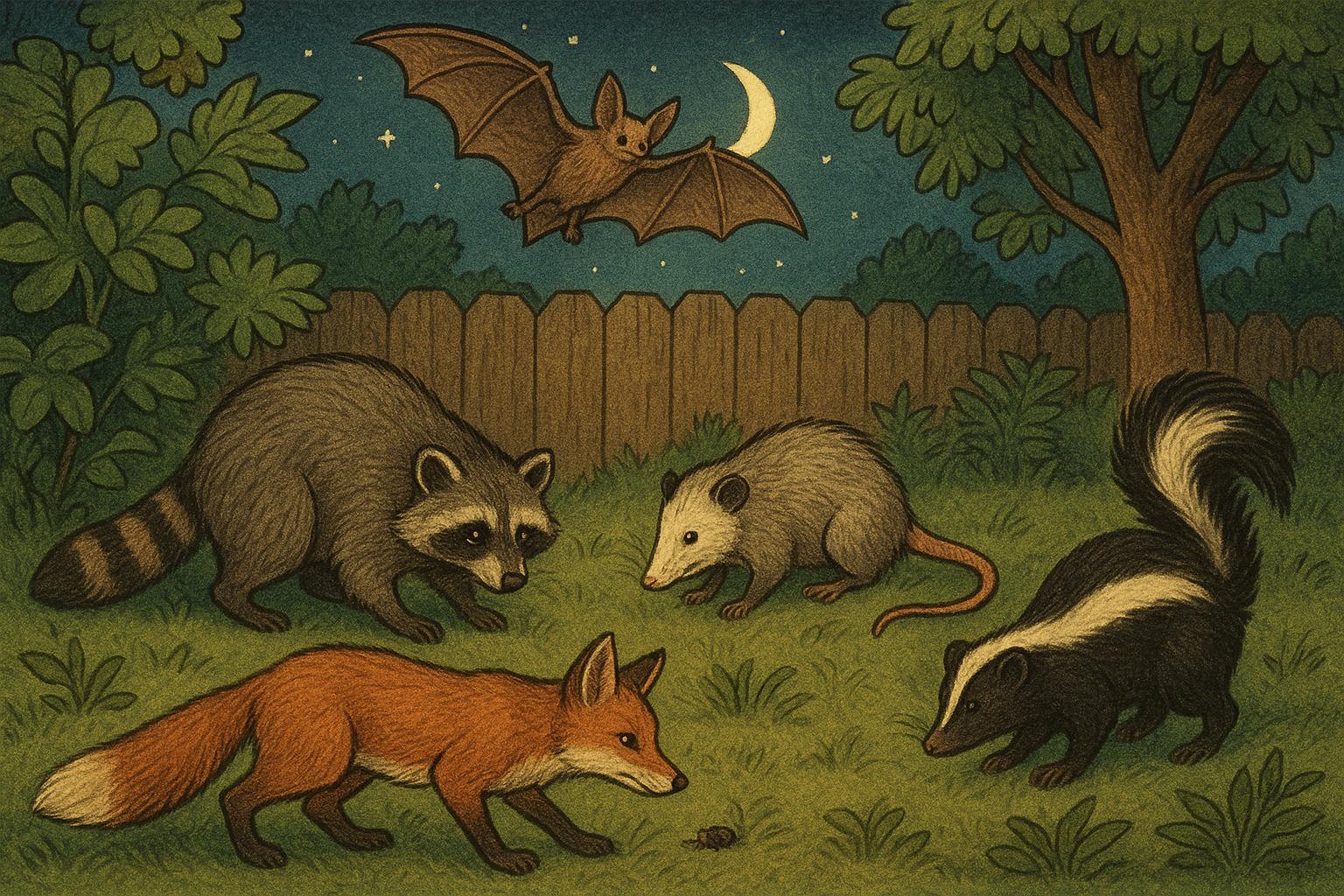
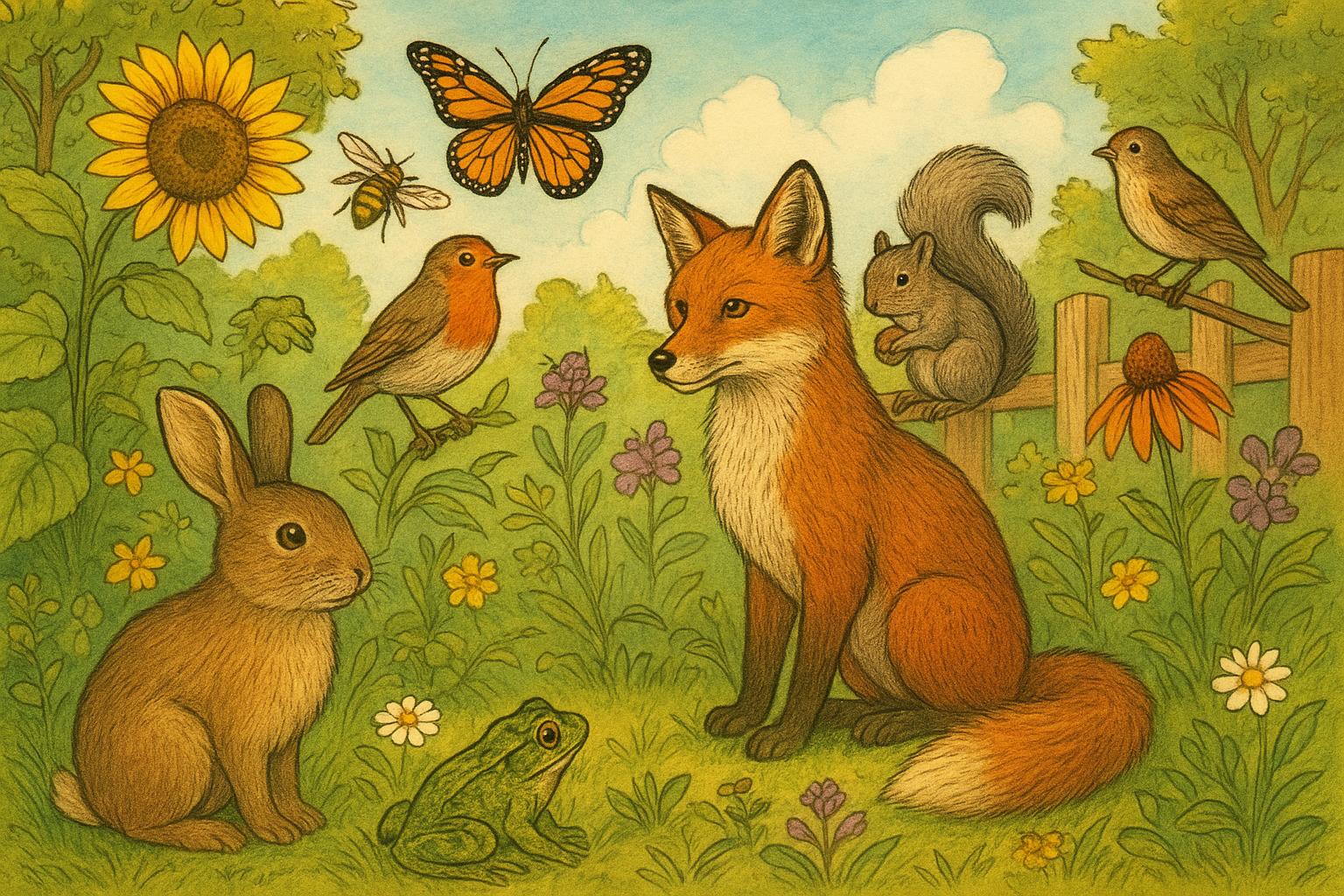
Your yard will rarely host exotic species. Most of what you’ll see are residents: dog, cat, raccoon, fox, squirrel, maybe a skunk or opossum. Each leaves distinct markers.
### Dog Versus Cat
Dogs tend to leave larger, rounder prints with clearly visible claws. The pads are less defined and more oval. Dogs often show the entire paw because they land heel-first. Cats place their toes more precisely; prints are more compact and have retractable claws, so you often don’t see claw marks. Cats also walk in a straight line, placing hind paws in the sockets left by the front paw, so a cat track lane looks neat and tidy.
If you see paired rows with light tail drag marks, you might be looking at a cat sneaking under a fence.
### Raccoon
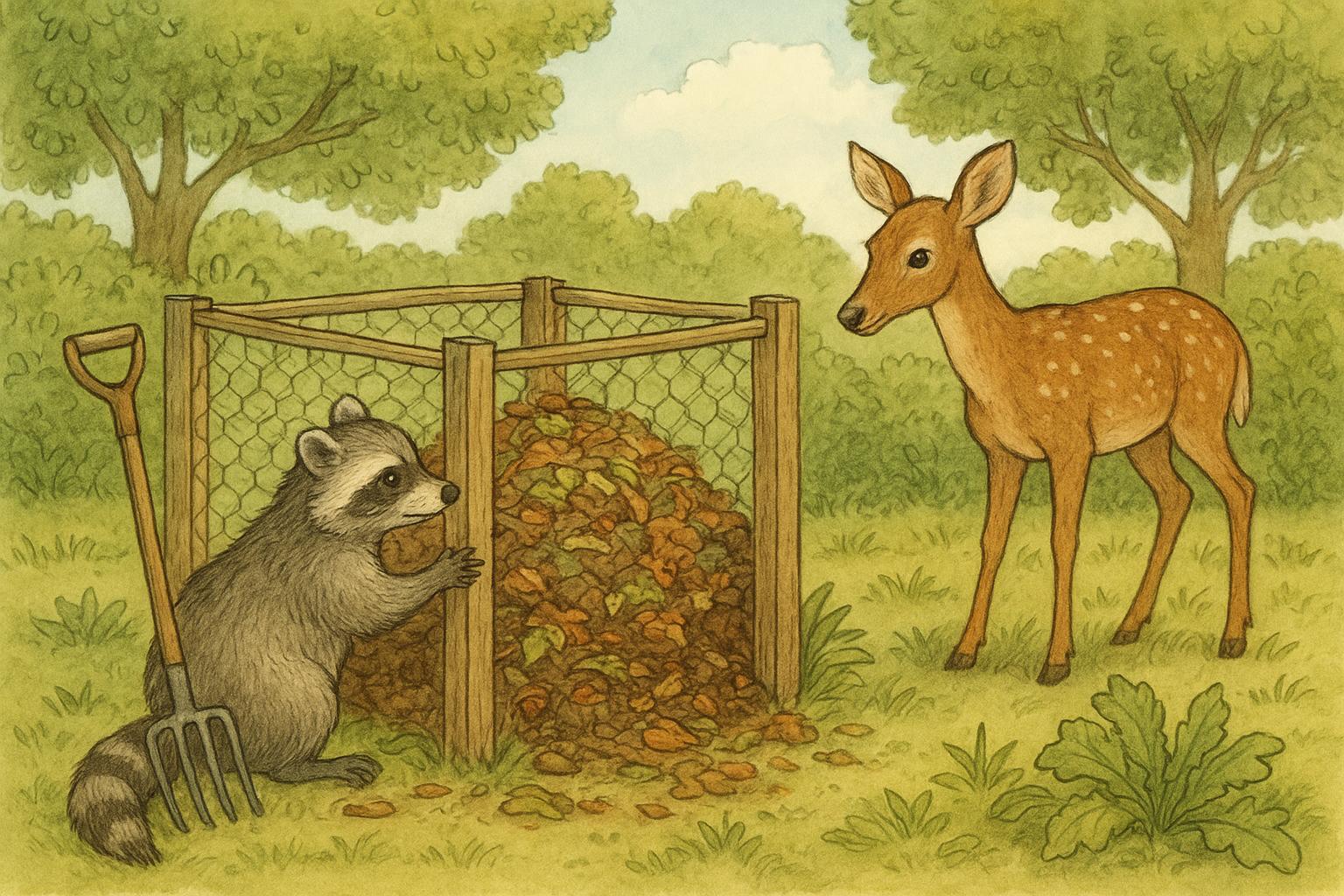
Raccoon prints are almost tiny human hands. Five long toes, clear separation, often splayed. In the mud they can look remarkably like little palms. Raccoons are partial walkers and often leave finger-smudged marks when they paw at food. Look near compost bins and trash cans. Raccoons often leave a distinct dragging mark when they back out of tight spaces.
### Fox And Coyote
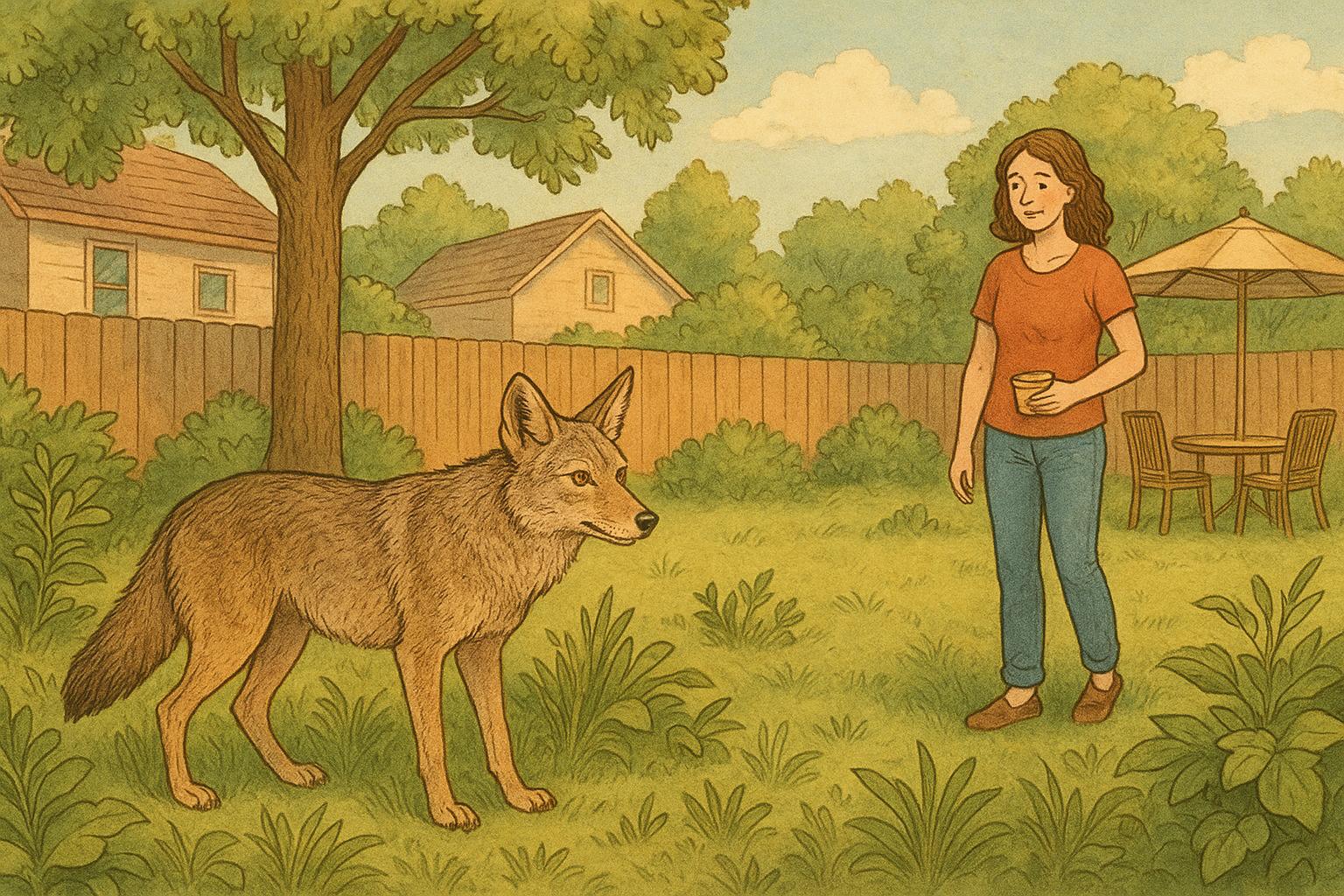
Fox prints resemble small dog tracks but are narrower and show a distinct triangular pad with two lobes in the rear. Claws are usually visible. Coyotes leave larger versions with more elongated toes and deeper pad impressions. The gait helps: foxes trott more lightly and sometimes curve their path. Coyotes leave a purposeful, straight-line pattern, similar to wolves but smaller.
### Squirrel And Rodents
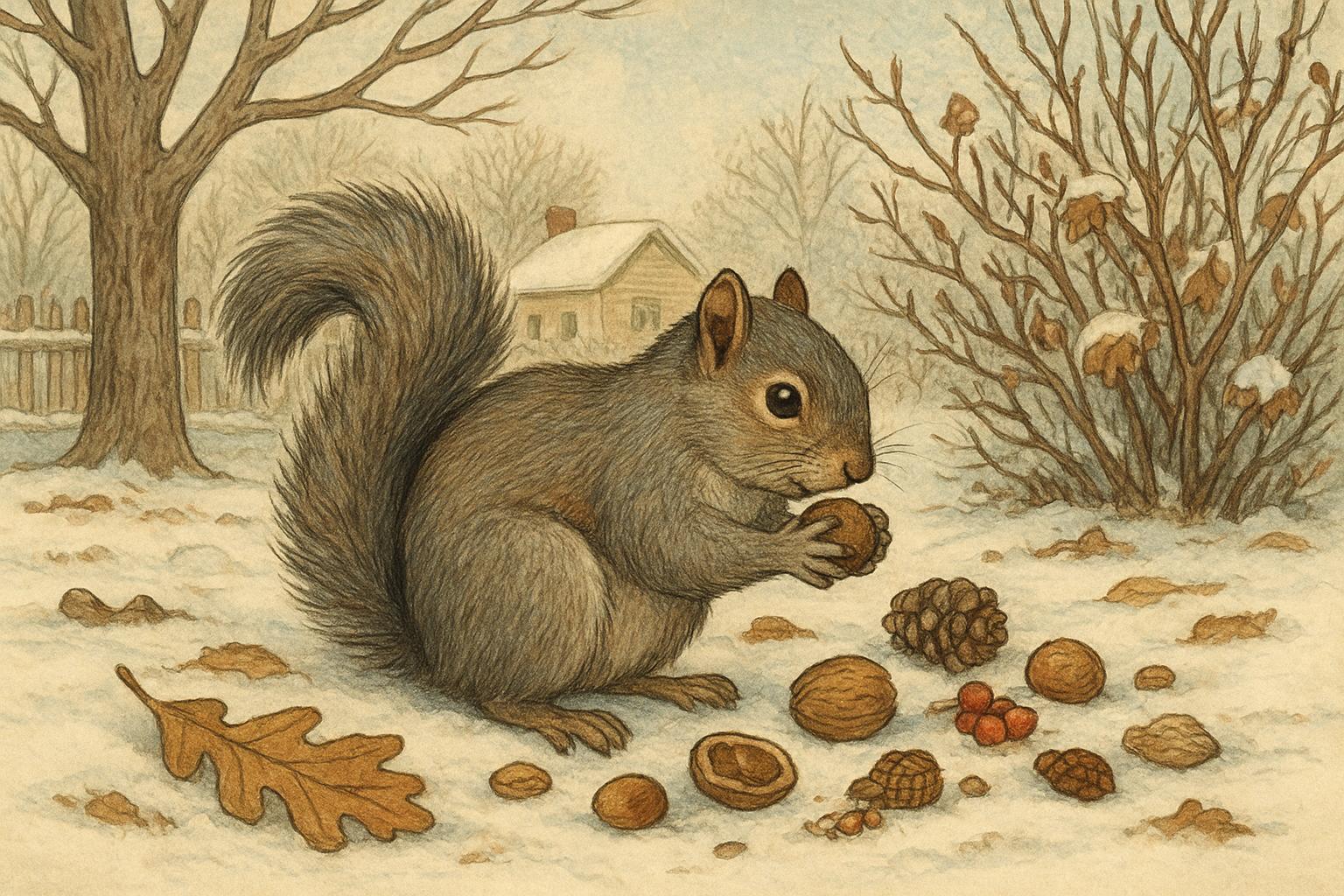
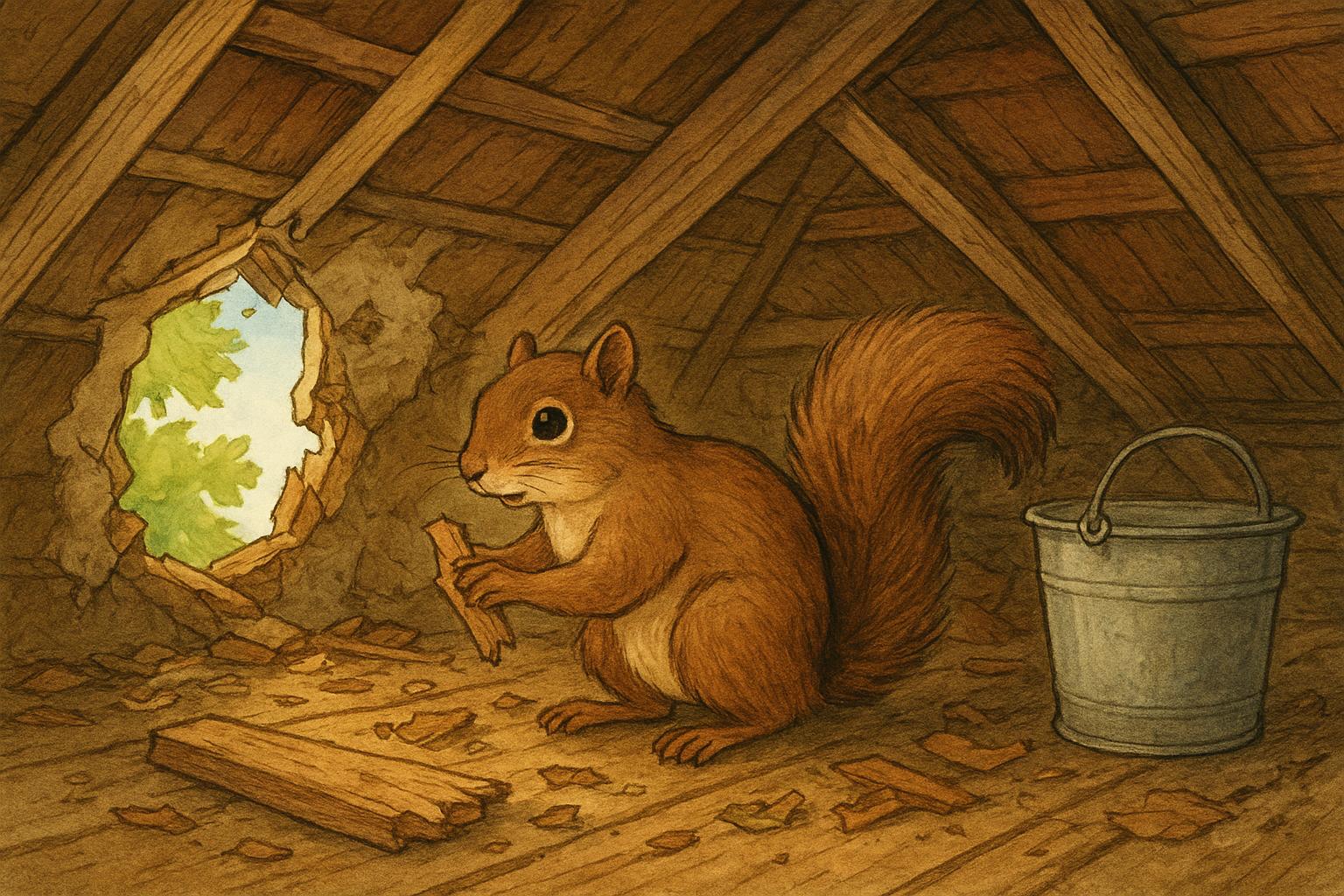
Squirrels show a four-front, five-hind toe arrangement if the mud catches both sets. You’ll often see two small rear prints offset from two tiny front prints because they spring with their hind legs. The tail might drag a faint line. Smaller rodents leave shallow, paired prints with a lot of activity centered near trees or seed sources.
### Skunk, Opossum, And Others
Skunks may look like small dog prints but with longer claw impressions. Opossums present a hand-like hind foot with an opposable toe—odd and unmistakable if visible. Opossums sometimes leave a distinct hole where they planted their hind foot, since they grasp when walking.
## Interpreting Track Patterns And Behavior
A single print tells you size. A pattern tells you behavior.
### Spacing And Stride
Stride length—distance between successive prints of the same foot—says whether the animal was walking, trotting, or running. Shorter strides indicate foraging or careful movement. Longer strides imply travel or fleeing. If you see a cluster of overlapping prints, the animal was likely feeding in one spot.
### Direction And Purpose
Look for related signs. Scraped soil, overturned leaves, or a chewed seed pod near paw prints hints at foraging. Scattered kibble will explain why dogs were sniffing around. A set of prints leading to and from a fence gate points to a route animals prefer. Multiple species prints in the same area can indicate interaction; for example, fox tracks near a chicken coop warrant immediate attention.
### Age Of Tracks
Aside from the mud drying behavior, look for insect activity or rain ripple distortions. Fresh paw prints in mud might still have glistening beads in the depression. Older ones often settle dust or show tiny cracks across them. If the prints have been partially filled with new rain, they’re older than the last shower.
## Tools And Simple Techniques
You don’t need sophisticated gear to study paw prints in mud. A few basic tools make observations accurate and repeatable.
### What To Carry
Bring a small ruler, a notebook, a camera or phone for photos, and a pen. A field guide or an app with track photos helps, but the essentials are measurement and documentation. If you plan to cast prints, keep plaster or dental stone in a small kit. Only cast if the print is fresh and you can do it quickly.
### Photographing For Scale
Always include something for scale: a coin, a stick, or even your glove. Take photos from a low angle to capture depth, and from above for pattern. If the print is fragile, work from the periphery to avoid collapsing the edges.
#### Casting Prints
Casting is useful when tracks are rare or on public land where you have permission. Mix plaster to pancake batter consistency, pour carefully, and wait until set. Don’t pour into prints that will be submerged by rising water or where the animal might return. Casts are permanent records; take notes with the cast about location and time.
## Seasonal And Weather Clues
Tracks tell different stories in different seasons.
### Rain And Freeze-Thaw
After rain, fresh prints are crisp. A warm day after rain will distort edges as the water drains from the impression. Freeze-thaw cycles can expand and break prints; if you see jagged edges and fissures, freezing likely occurred. Snow complicates things—paw prints in wet snow behave like mud but dry faster and can show delicate pad hair.
### Drought Conditions
When the ground is hard from drought, animals may use softer patches—near garden beds or drip lines—to travel. A muddy patch in a dry yard becomes a preferred pathway, and prints there will be more frequent and overlapping.
## Safety And Practical Responses
Not every track needs action. But some do.
### Assess Threats
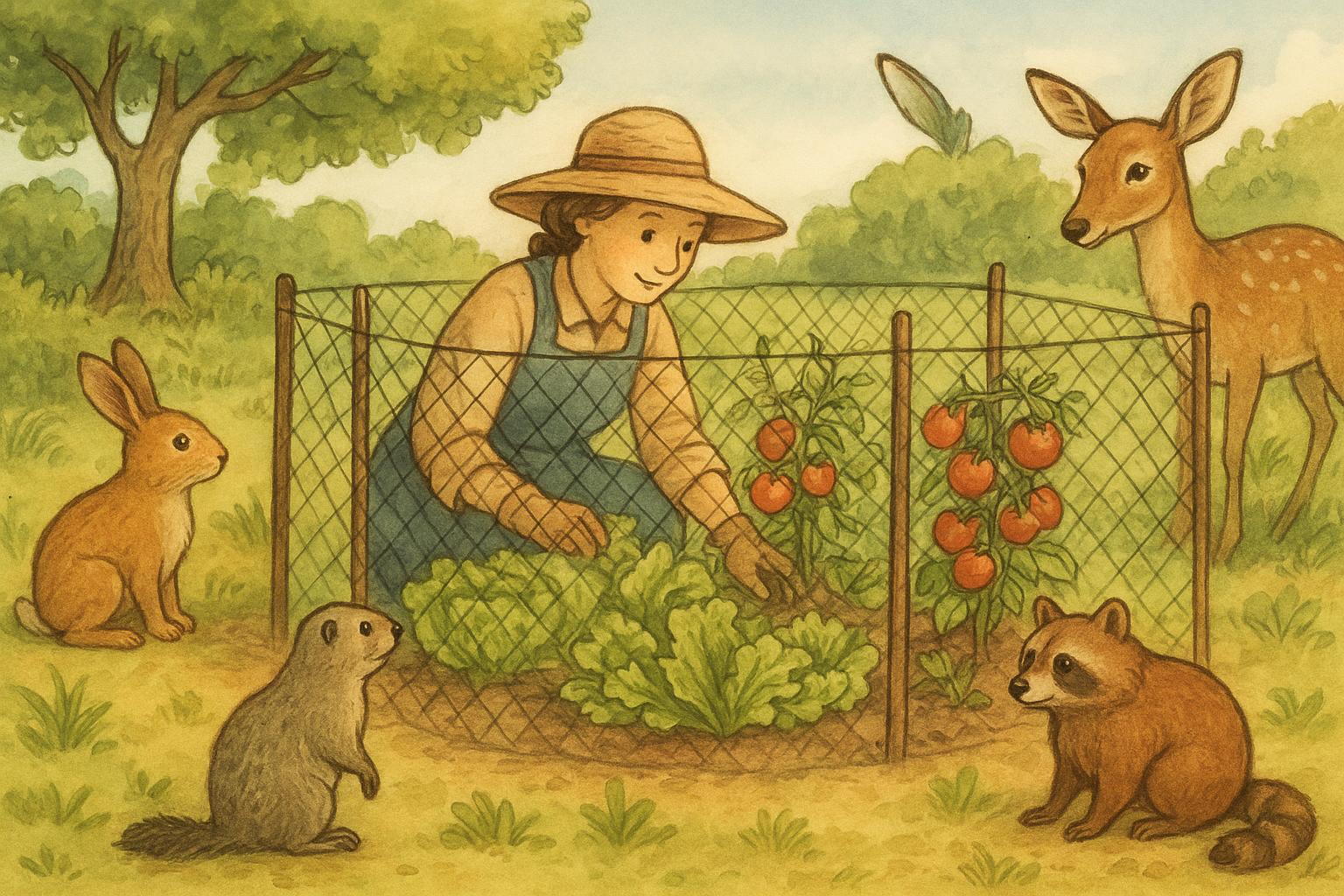
Tracks that indicate large predators—coyotes close to daytime play areas, repeated fox paths through chicken runs—need attention. Secure pet food, chicken coops, and compost. Motion-activated lights and fencing can be effective. If a child reports strange prints, check the area and consider local wildlife control if safety seems compromised.
### Humane Deterrence
Scare tactics work short-term. More durable solutions are habitat modification: remove brush piles, store trash securely, and limit attractants. For persistent animals, talk to neighbors; many urban wildlife problems are neighborhood-level issues.
## When To Call A Professional
If you find unusual prints—a large, aggressive predator or something nocturnal acting fearless around people—contact local animal control or a wildlife rehabilitator. They can identify risk and advise on trapping or relocation, which you should never attempt alone.
### Recording For Authorities
If you do call someone, have your measurements and photos ready. Note the time of day, number of tracks, and any behaviors observed. Clear documentation speeds up correct identification and response.
## Learning Over Time
Track reading gets easier with practice. Keep a small journal of prints you find and compare them to a field guide or app. Photograph the same areas through seasons. You’ll start noticing patterns: the raccoon that visits the shed every second night, the fox that skirts the property edge, the squirrel routes along the fence.
Walk the yard in different light. Early morning shadows make details pop. A flashlight at night sometimes reveals fresh prints you’d miss in daylight. Over time, those paw prints in mud stop being random marks and become a map of who shares your space—and what they’re up to.
A last tip: don’t assume every paw print is a problem. Most are curious neighbors and harmless. Keep observations practical, act when safety or property is at stake, and enjoy the small, messy records your yard writes across the seasons. You’ll notice subtle changes—a print pattern shifting, a new stride—and feel a quieter connection to the wild right outside your door. And yes, sometimes you’ll see tiny human-looking hands and think, briefly, that a child was here. Then you’ll remember it was a raccoon, with its clever, mittened feet. Definately good to know.

Leave a Reply