
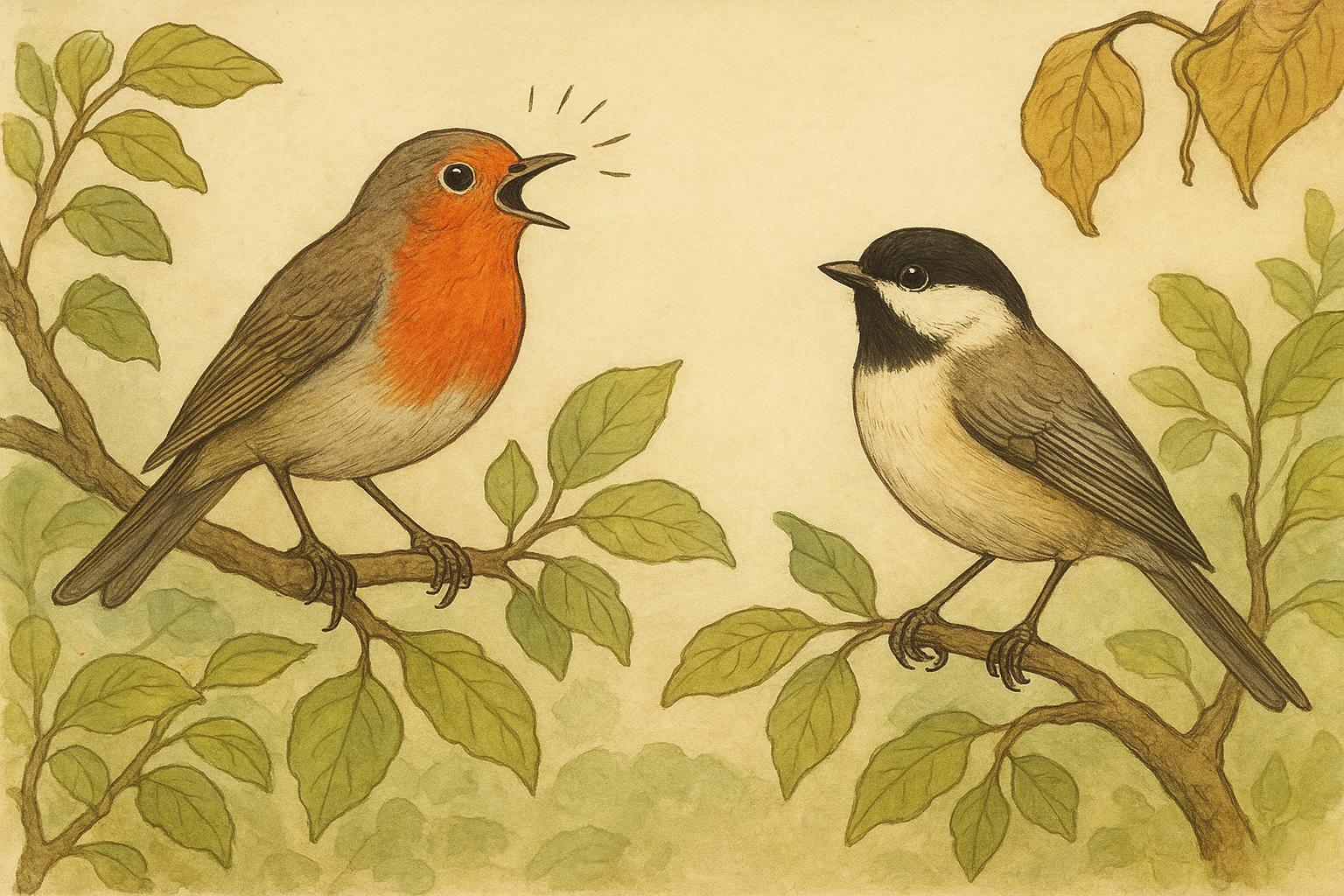
Welcome to your backyard classroom — binoculars optional, good ears mandatory. If you’ve ever frozen mid-step because the birds suddenly erupted into a chorus of “what’s-that?” this guide will help you tell an alarm call from ordinary bird chatter, without needing a degree in ornithology or a very patient neighbor.
## Alarm Call Versus Bird Calls A Formal Identification Guide
### Why Hearing Matters More Than Watching
Birds speak more with sound than with subtle facial expressions. Learning to recognize an alarm call is like getting an emergency broadcast: it tells you something out there is important. But not every sharp chirp means disaster. Distinguishing an alarm call from songs, contact calls, begging calls, or mimicry is the trick. Context — who’s calling, where they are looking, and what the rest of the flock is doing — is often as important as the sound itself.
### What An Alarm Call Is And Is Not
An alarm call is a short, high-priority vocalization used to warn conspecifics (and sometimes other species) of danger. It often triggers immediate behavioral changes: freezing, mobbing, fleeing, or stashing food. By contrast, songs tend to be longer, melodious, and used for territory or mate attraction; contact calls maintain flock cohesion. Begging calls are usually juvenile and repetitive. If the tone is urgent, clipped, and repeated, you’re probably hearing an alarm call.
#### Acoustic Characteristics To Listen For
– Repetition: Alarm calls are often repeated rapidly rather than extended long phrases.
– Pitch: Many alarm calls are higher-pitched and harsher, which can help them cut through environmental noise.
– Tempo: A faster tempo and abrupt endings are common.
– Bandwidth: Alarm calls can be broadband (noisy) rather than tonal — think rasp rather than flute.
### Reading Behavior And Body Language
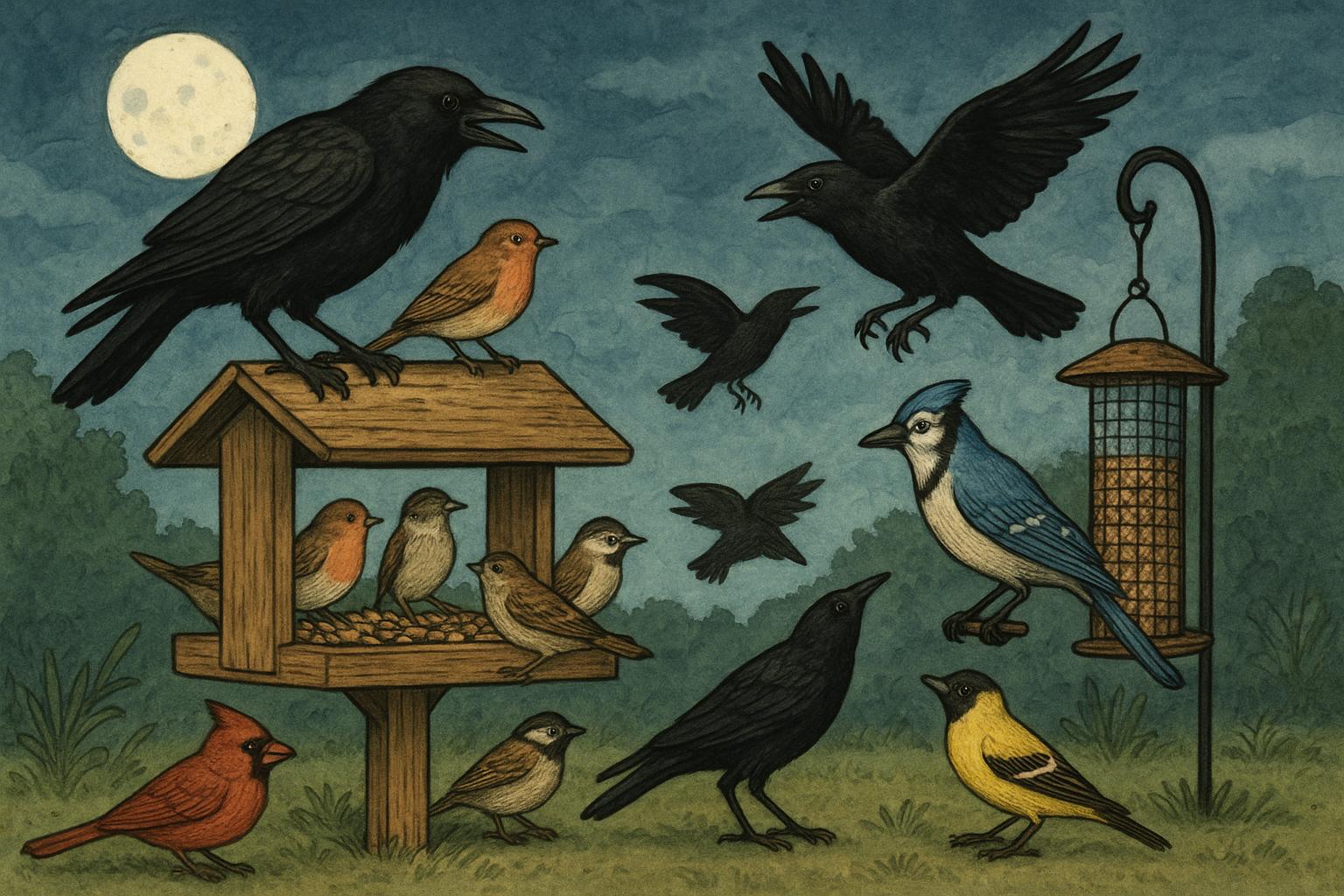
Never listen alone — watch. Birds giving alarm calls frequently adopt distinctive body language: necks extended, crest raised, wings spread, or they may point their bills upward in a look-up response. Mobbing behavior — several birds converging, vocalizing, and harrying a predator — is a clear cue that calls are alarm calls. Look for scanning, pointing, and synchronized calls across species.
### Species Examples That Love To Sound The Alarm
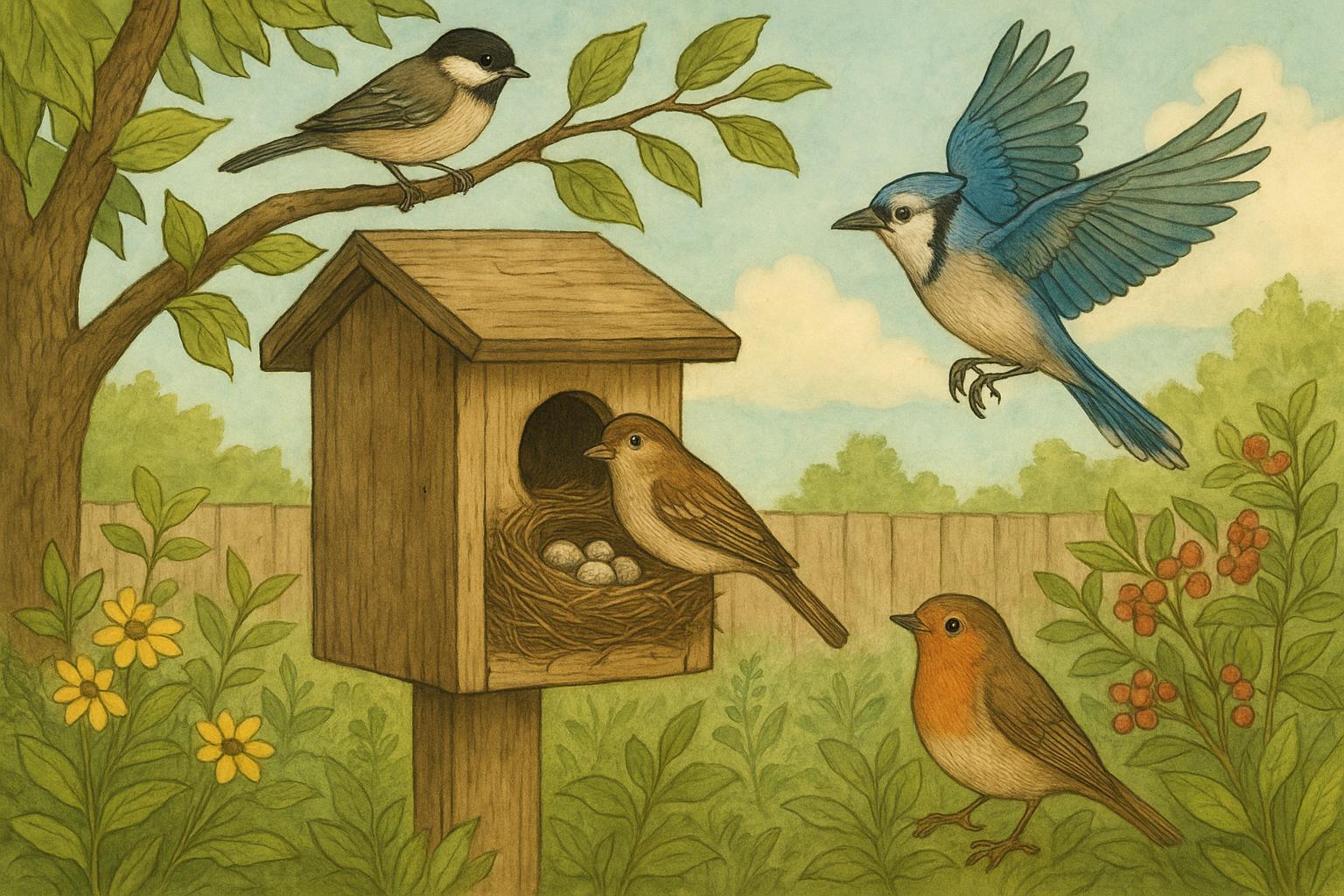
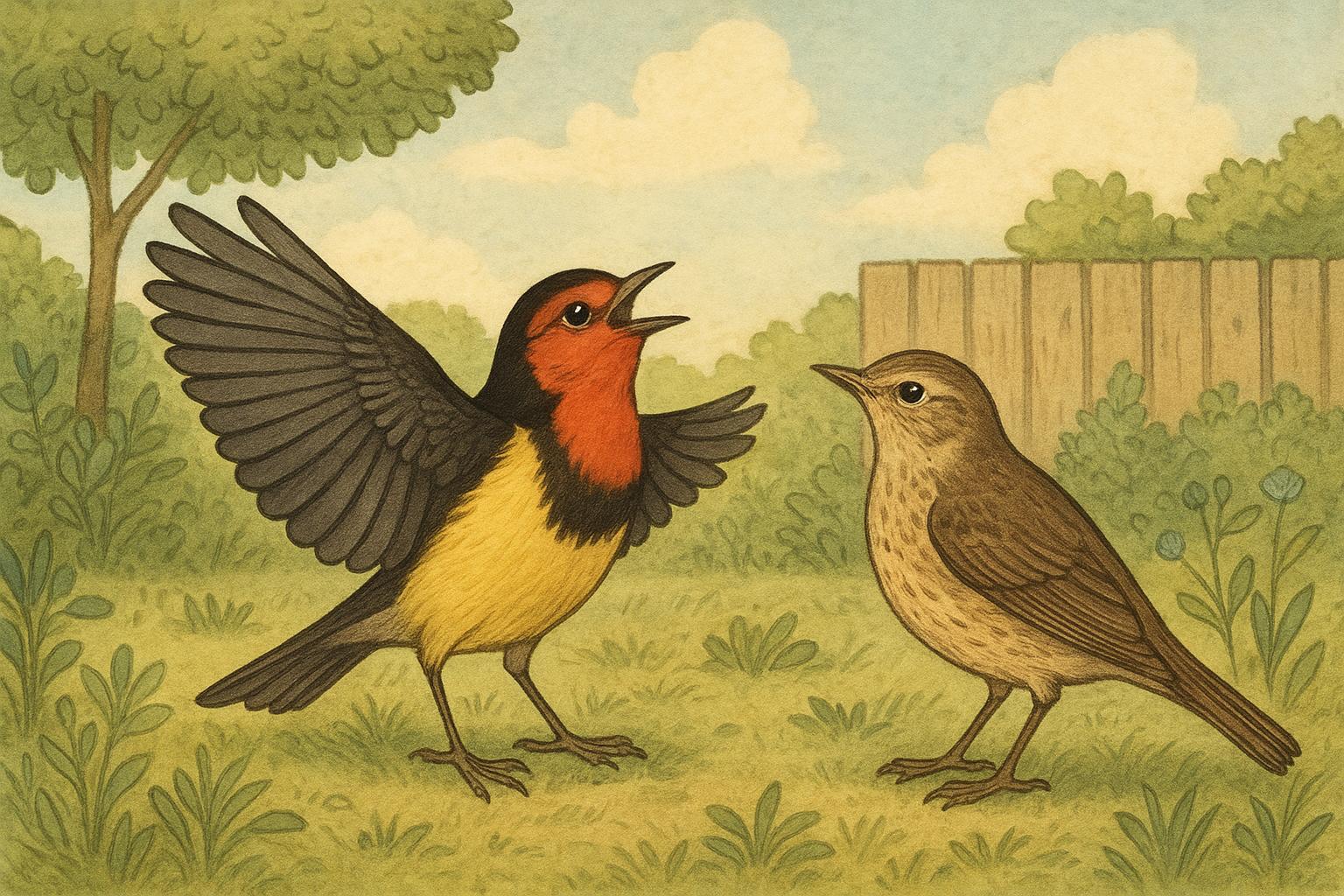
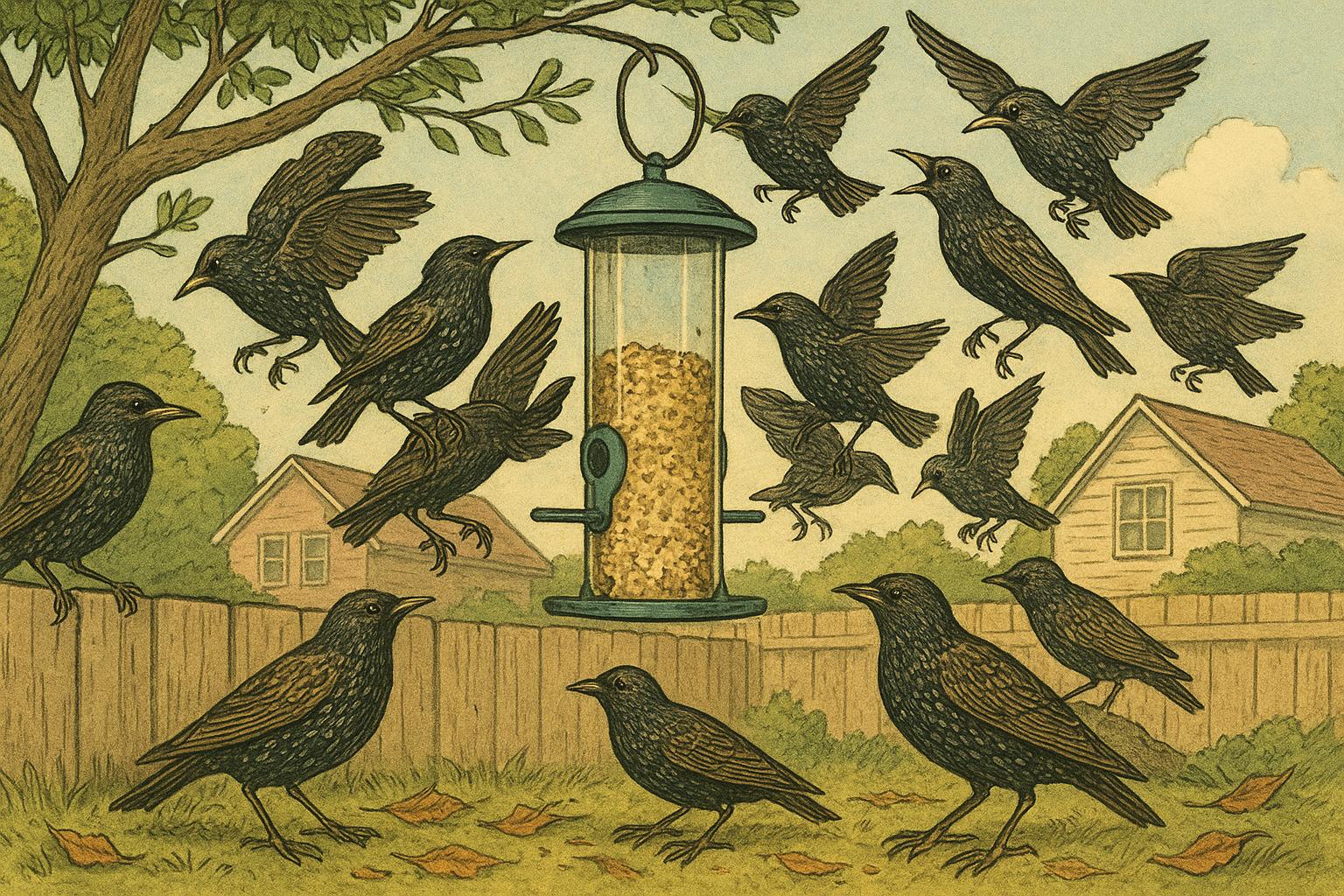
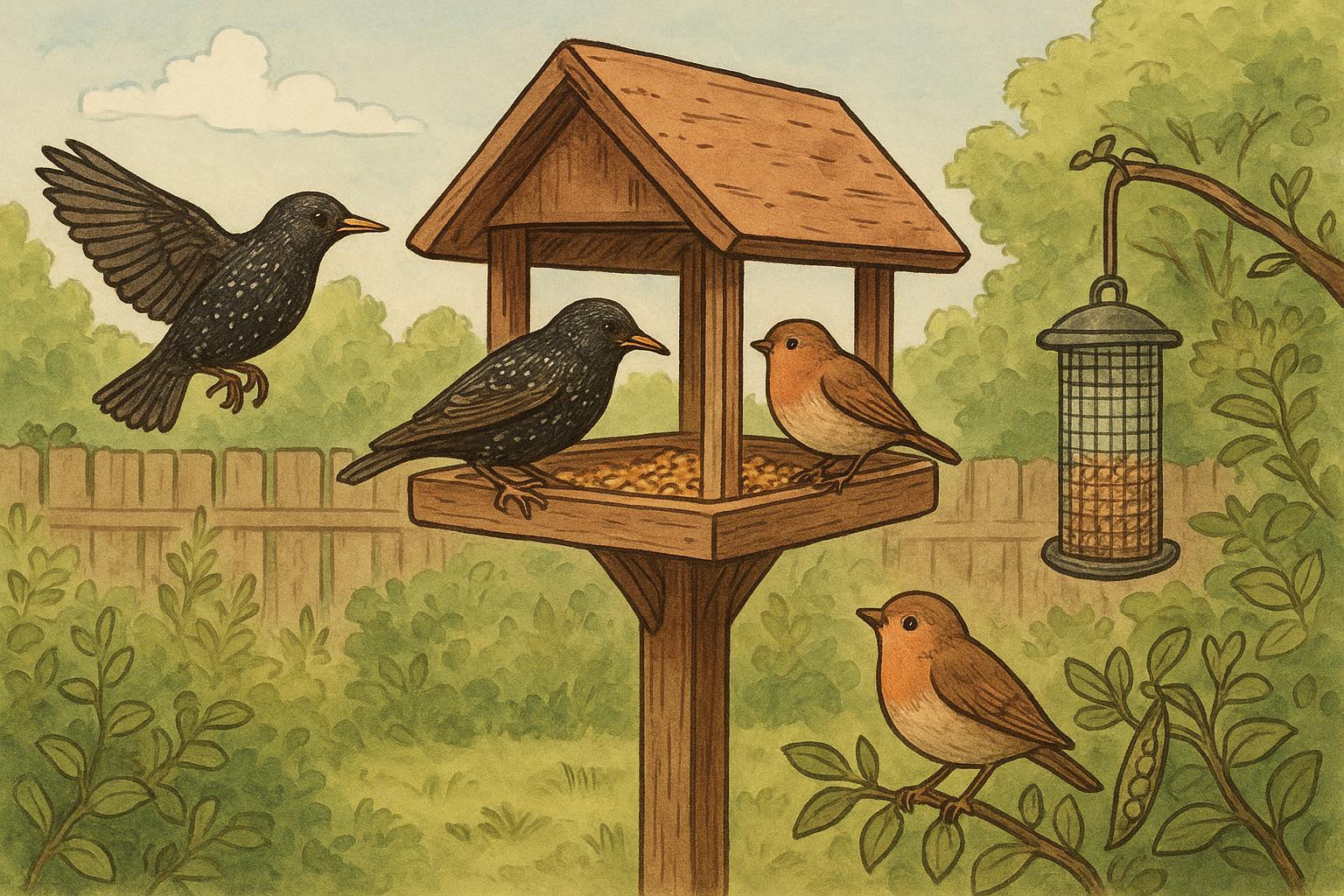
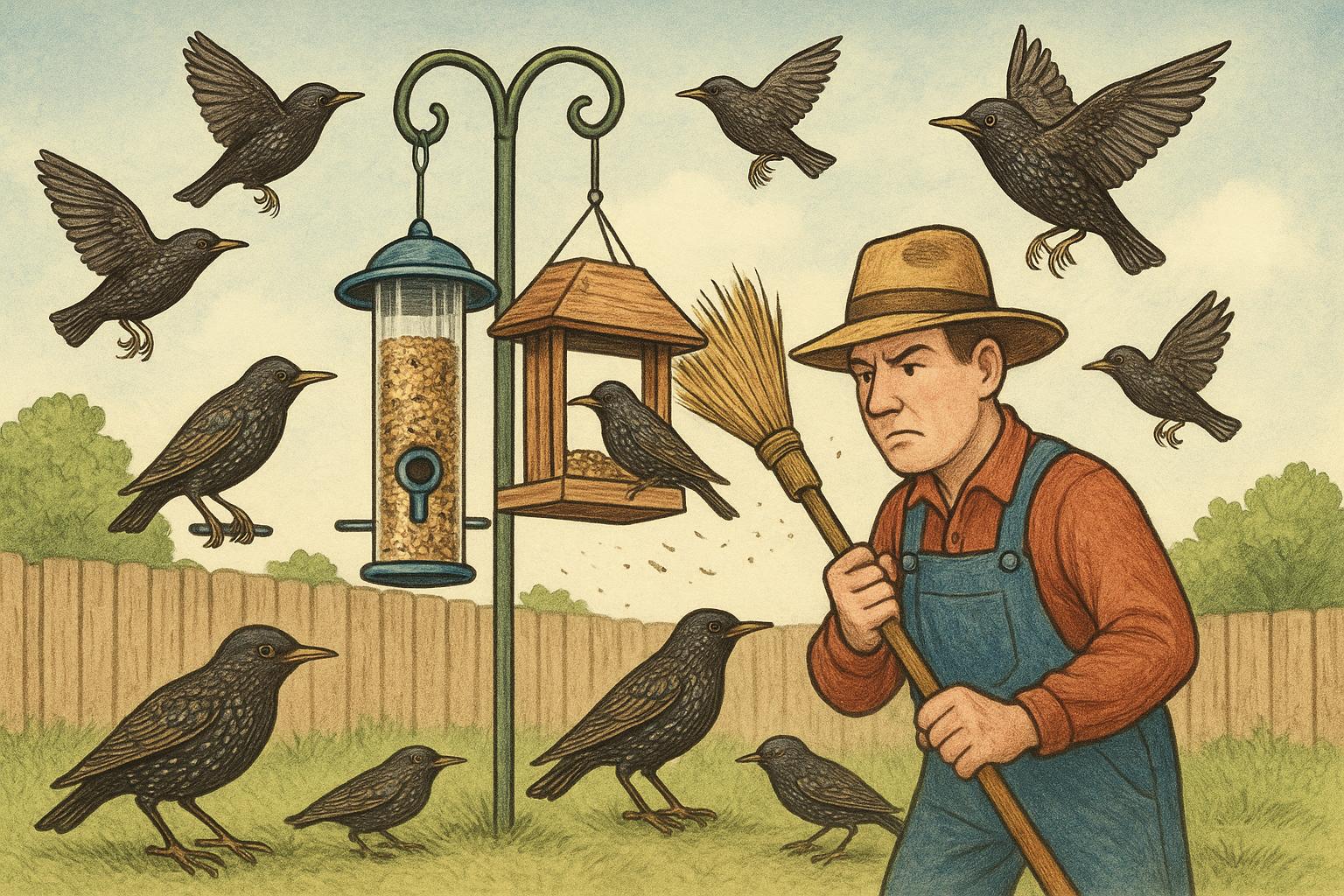
Different species have different alarm signatures. Chickadees and tits are famous for complex alarm calls that encode predator size. Starlings produce raucous, repetitive calls when startled. Robins give short, sharp squeaks. Learning a few local signatures will make it easier to interpret mixed-species choruses that often result in a neighborhood alert system.
### How To Use Spectrograms And Recordings (A Quick Field Guide)
A phone recording plus a spectrogram app is your friend. Alarm calls show up as short, dense clusters on a spectrogram. Compare recordings of known calls (many apps and online libraries exist) to your clip. Keeping a labeled folder of your backyard recordings will improve your identification skills faster than passive listening.
### Common Confusers: When An Alarm Call Isn’t One
– Startle Calls: Single, startled clicks or squawks are transient and don’t prompt sustained vigilance.
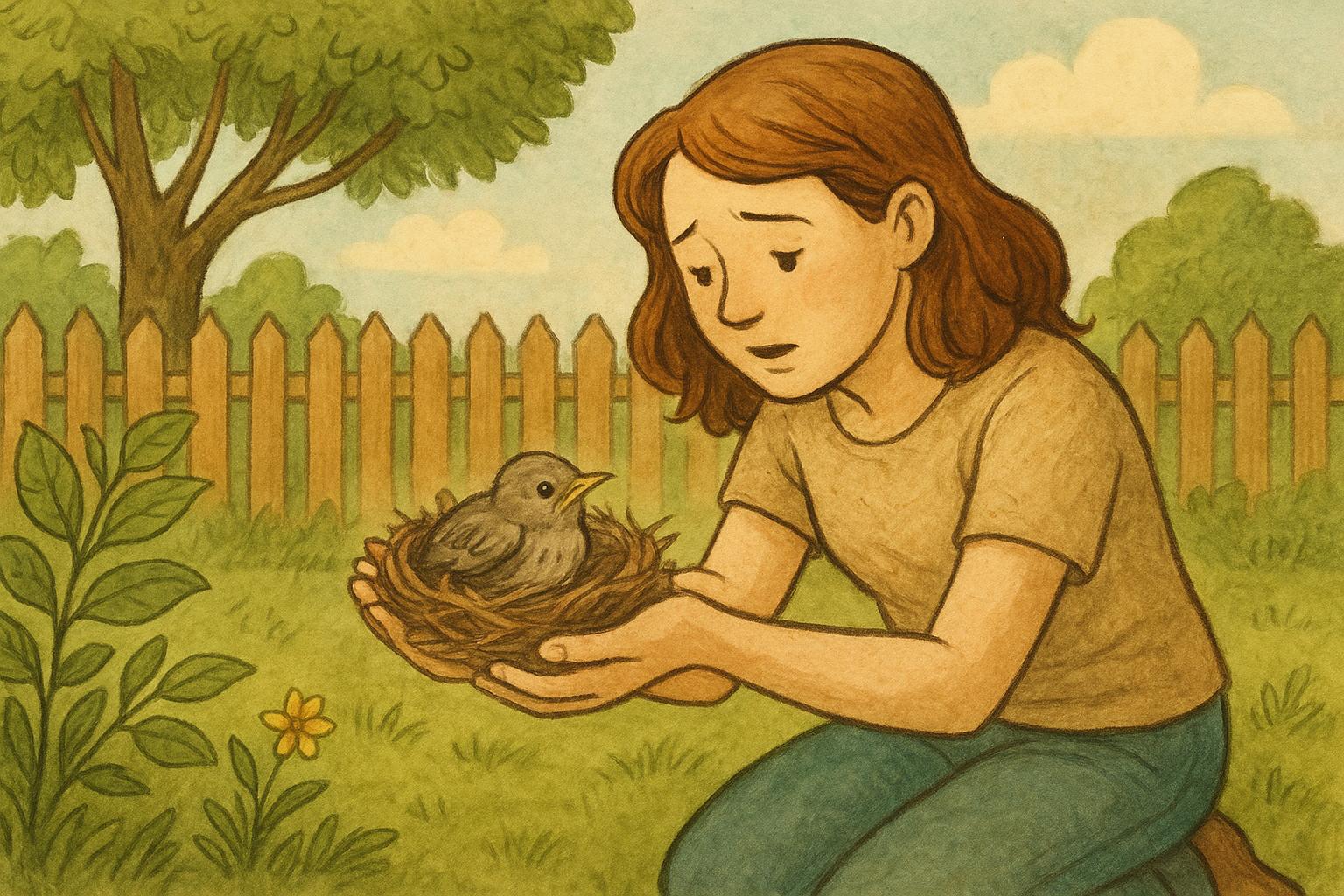
– Juvenile Begging: Repetitive, high-pitched begs near nests are directed at parents, not neighbors.
– Mimicry: Starlings and mockingbirds can mimic alarm calls, sometimes creating false alarms for less-experienced listeners.
– Territorial Songs: Aggressive, longer songs between males are about territory, not predators.
### Decoding The Message: What Different Alarm Calls Mean
Some alarm calls indicate immediate aerial danger (hawk overhead), others signal a terrestrial threat (cat, fox), and some are general disturbance calls. For example, a thin, high-pitched “seet” type sound often corresponds to aerial predator alerts, while harsh scolding is more likely aimed at something on the ground. If birds look up and freeze, think sky predator. If they mob and chatter, think something you can chase off.
### Practical Listening Tips For Confident Identification
– Note Direction: Who’s looking where? Scan the sky if calls prompt look-ups.
– Count Callers: Single callers may be cautious; many callers usually mean confirmed threat.
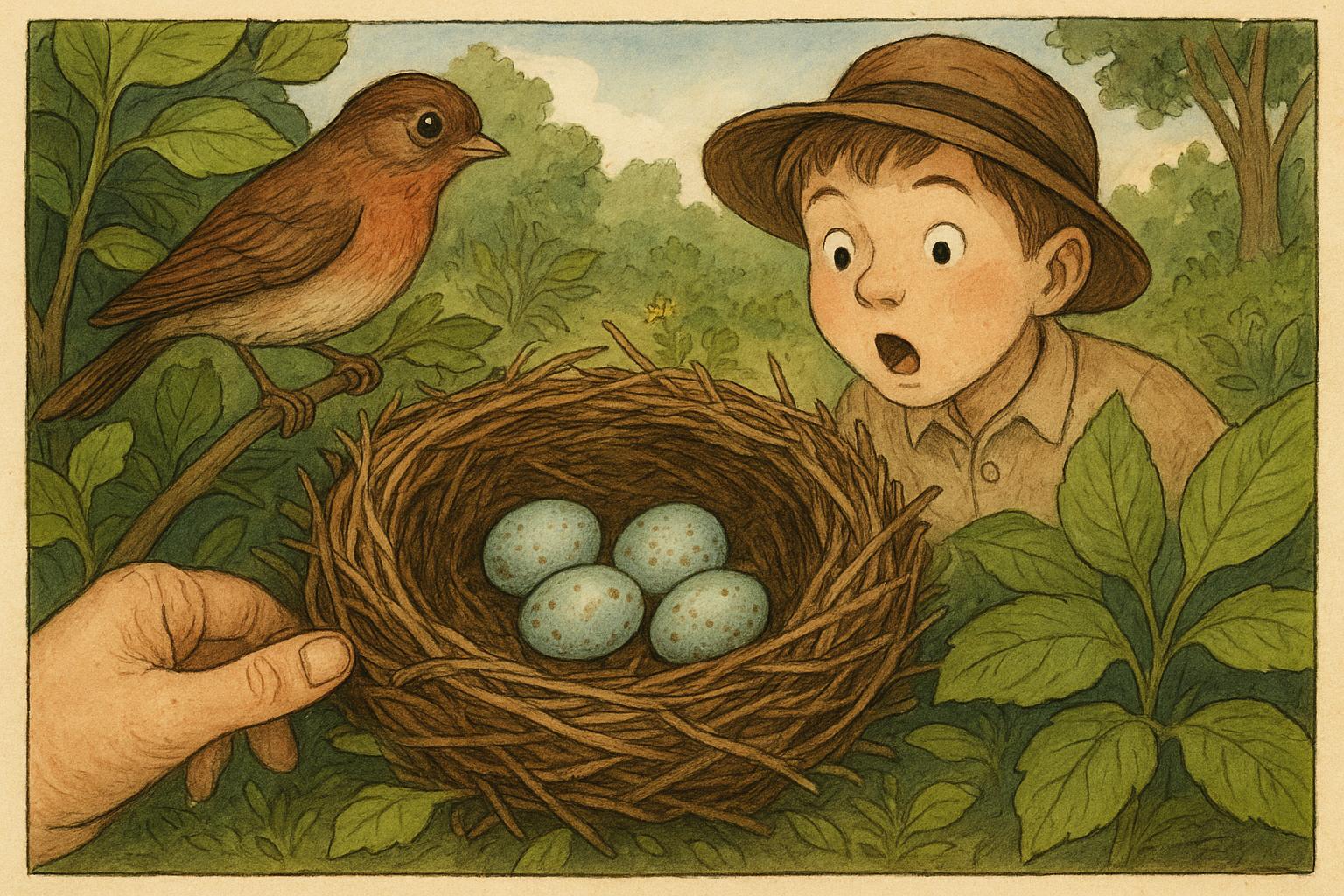
– Watch Timing: Alarm calls during nesting season require extra attention — predators are very motivated.
– Compare Intensity: Loud, sustained alarm calling generally signals a confirmed danger. Brief, intermittent notes may be exploratory.
#### Tools To Keep Handy
– Phone with recording app
– Basic field guide or app for local species
– Binoculars
– Notebook or voice memo for quick notes
## Remedy 1: Reduce Alarm Call Triggers And Protect Nesting Birds
Materials Required:
– Sturdy predator guards (for feeders and nest boxes)
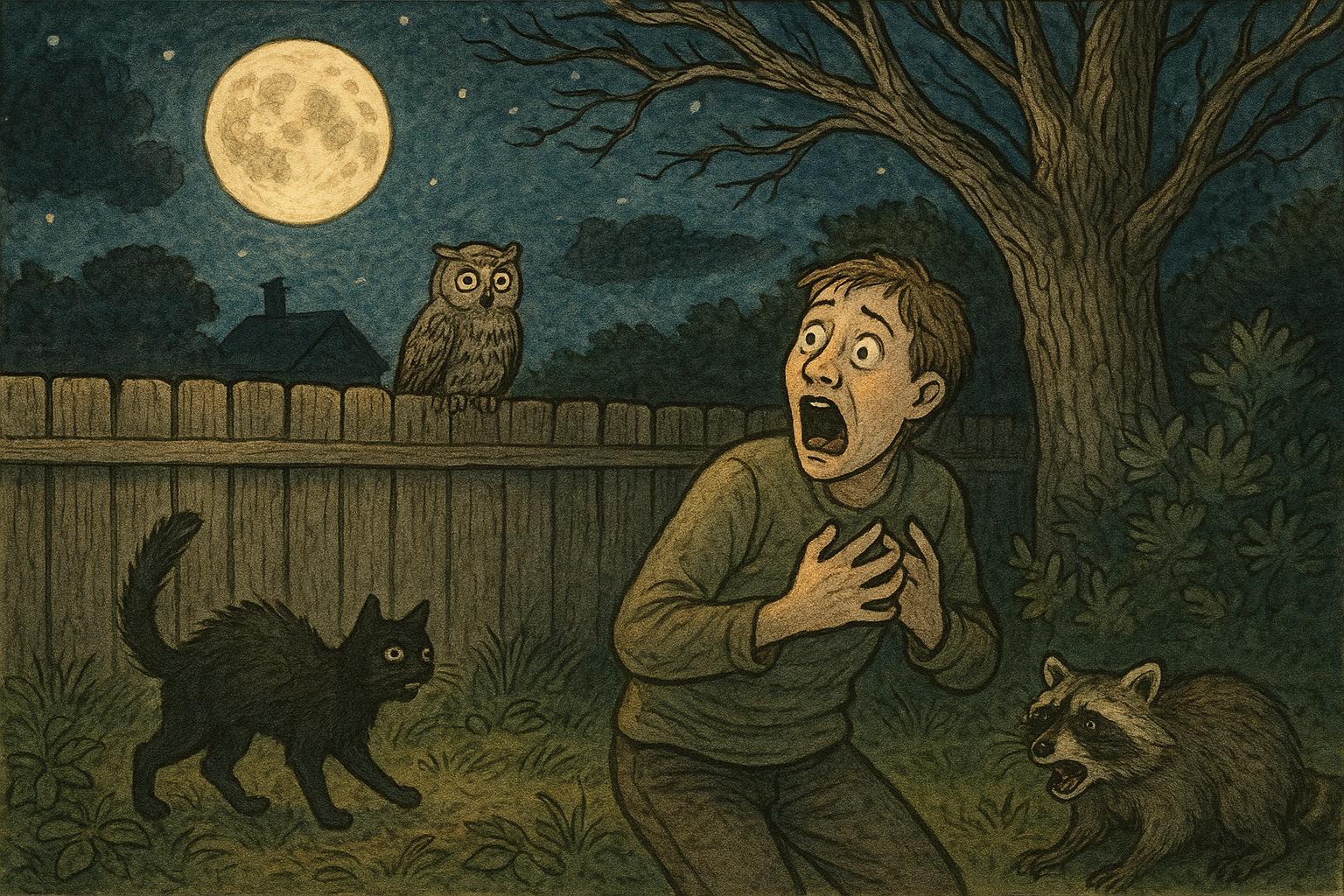
– Motion-detecting outdoor lights or reflective deterrents (optional, for nocturnal predators)
– Cat-safe supplies: leash or cat enclosure (Catio) plans or temporary fencing
– Native shrubs and dense cover plantings (small trees, thorny shrubs)
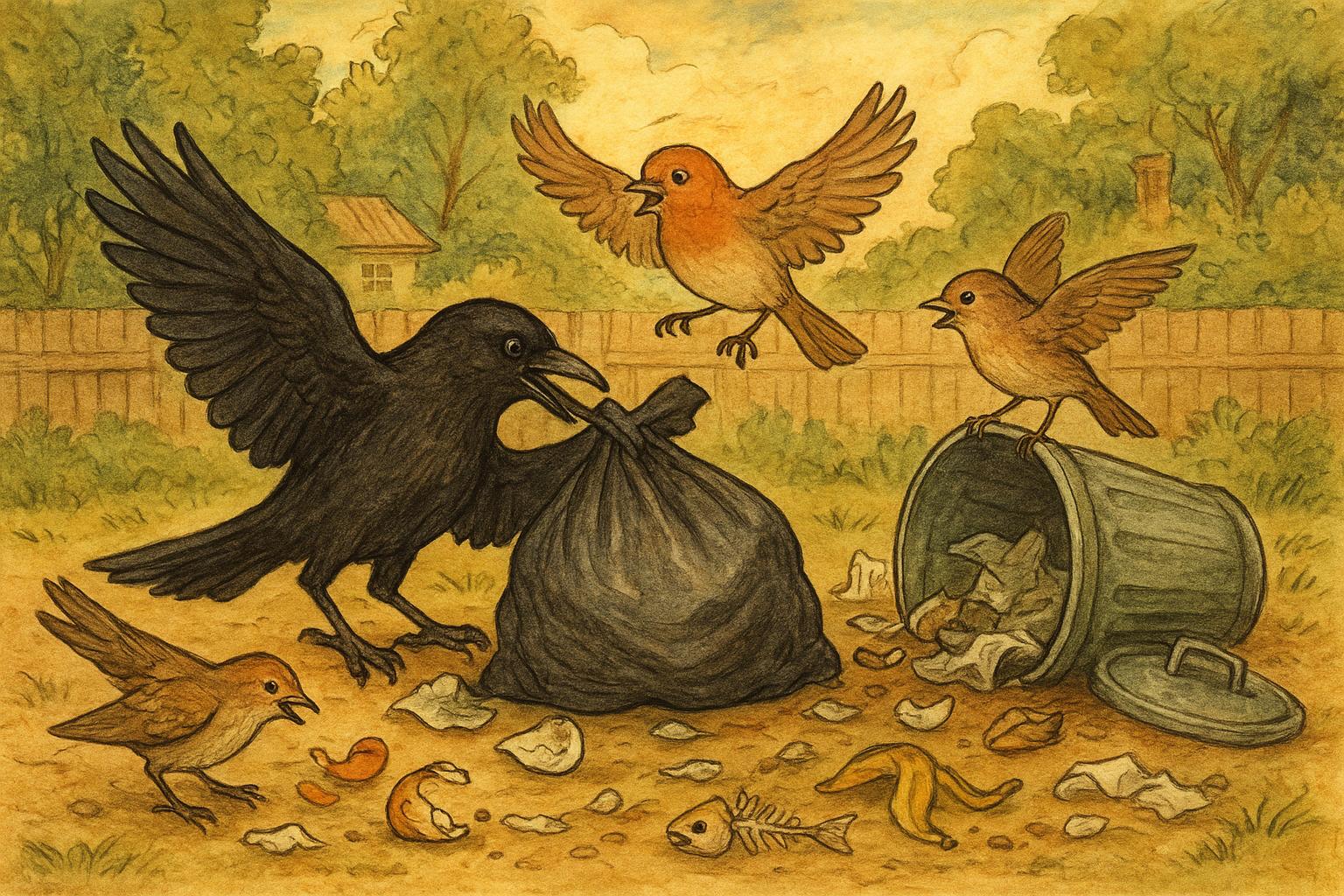
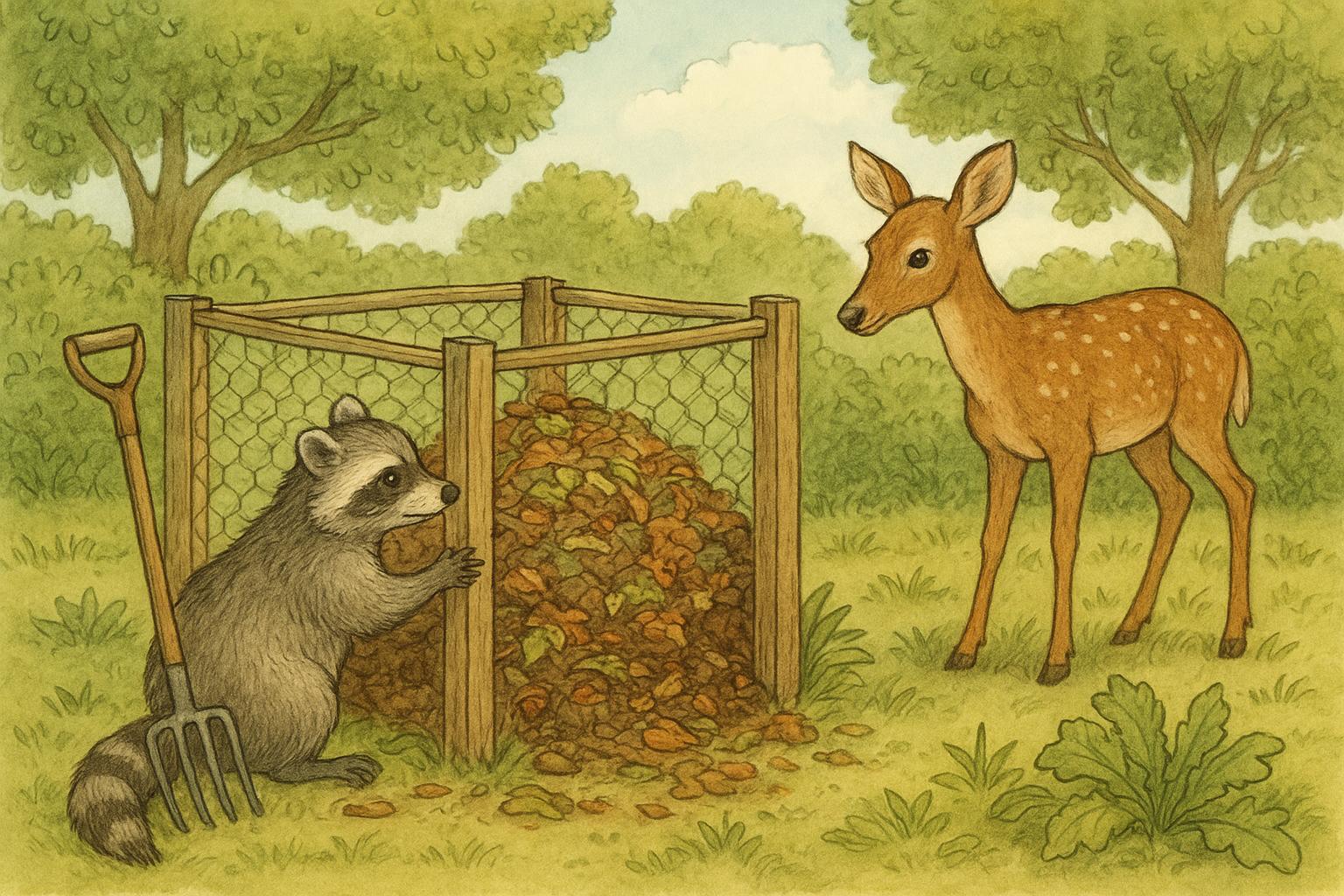
– Secure trash containers and removal schedule for pet food or compost
– Basic tools: drill, screws, zip ties, landscape fabric, mulch, stakes
When birds are repeatedly issuing alarm calls in your yard, the goal is to remove the underlying cues attracting predators and to make the area safer. Below is a formal, step-by-step application plan.
Step 1 — Assess And Record
– Create a simple incident log. Record date, time, species calling, direction of attention (ground or sky), and any predator sightings. Use recordings where possible.
Step 2 — Secure Food Sources
– Remove or secure outdoor pet food and compost that attract rodents, which in turn attract predators.
– Place feeders away from dense cover (minimum 10–12 feet) or ensure they are hung over open space so flying predators are more visible.
Step 3 — Install Predator Guards
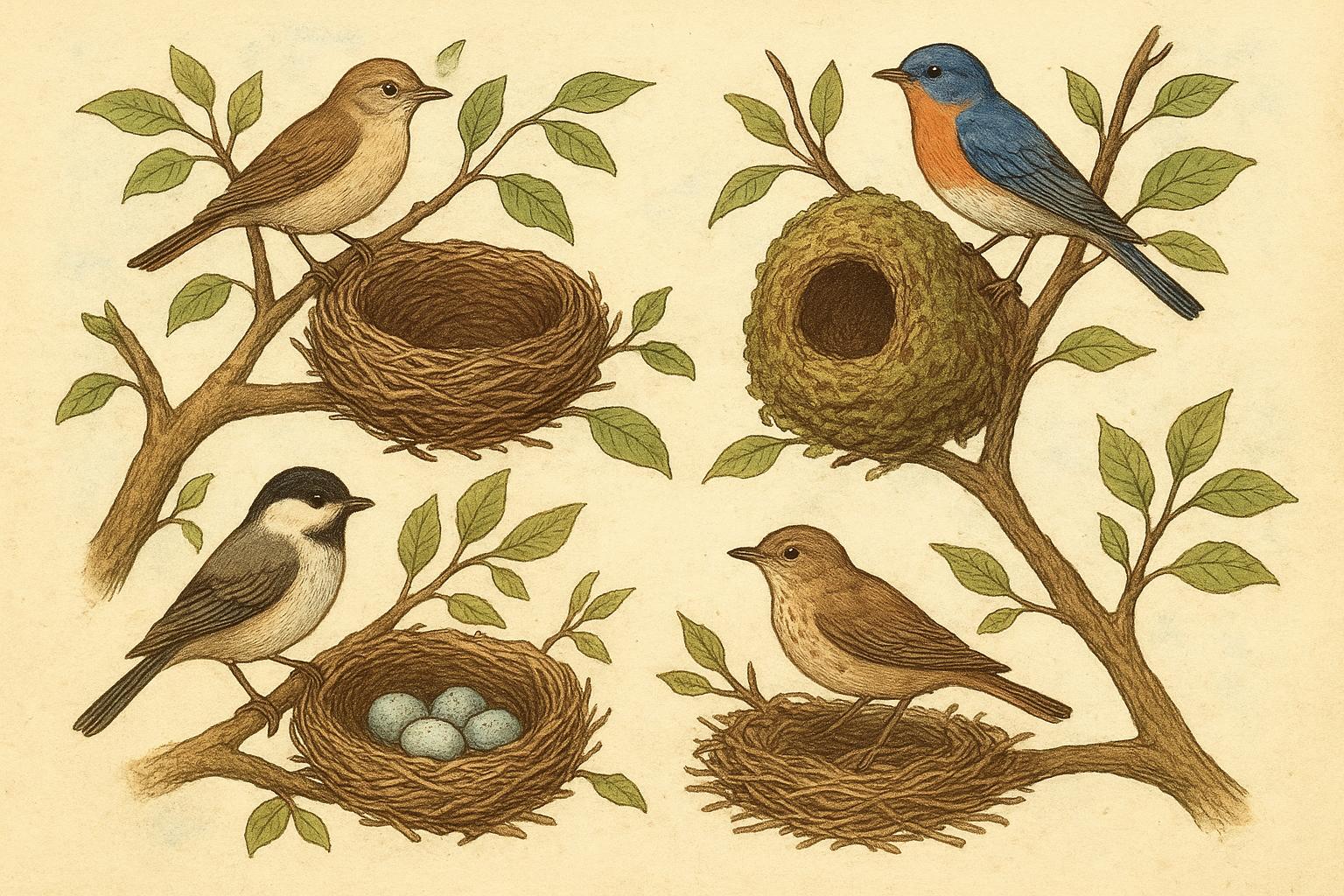
– Fit feeders and nest boxes with metal cones or predator baffles to prevent climbing predators.
– Ensure nest boxes have predator guards around the entrance and are mounted on smooth poles.
Step 4 — Manage Domestic Cats
– Keep cats indoors during dawn and dusk when birds are most active, or install a cat enclosure (Catio).
– For free-roaming cats on your property, set up motion-activated deterrents or humane barriers.
Step 5 — Provide Safe Escape And Cover
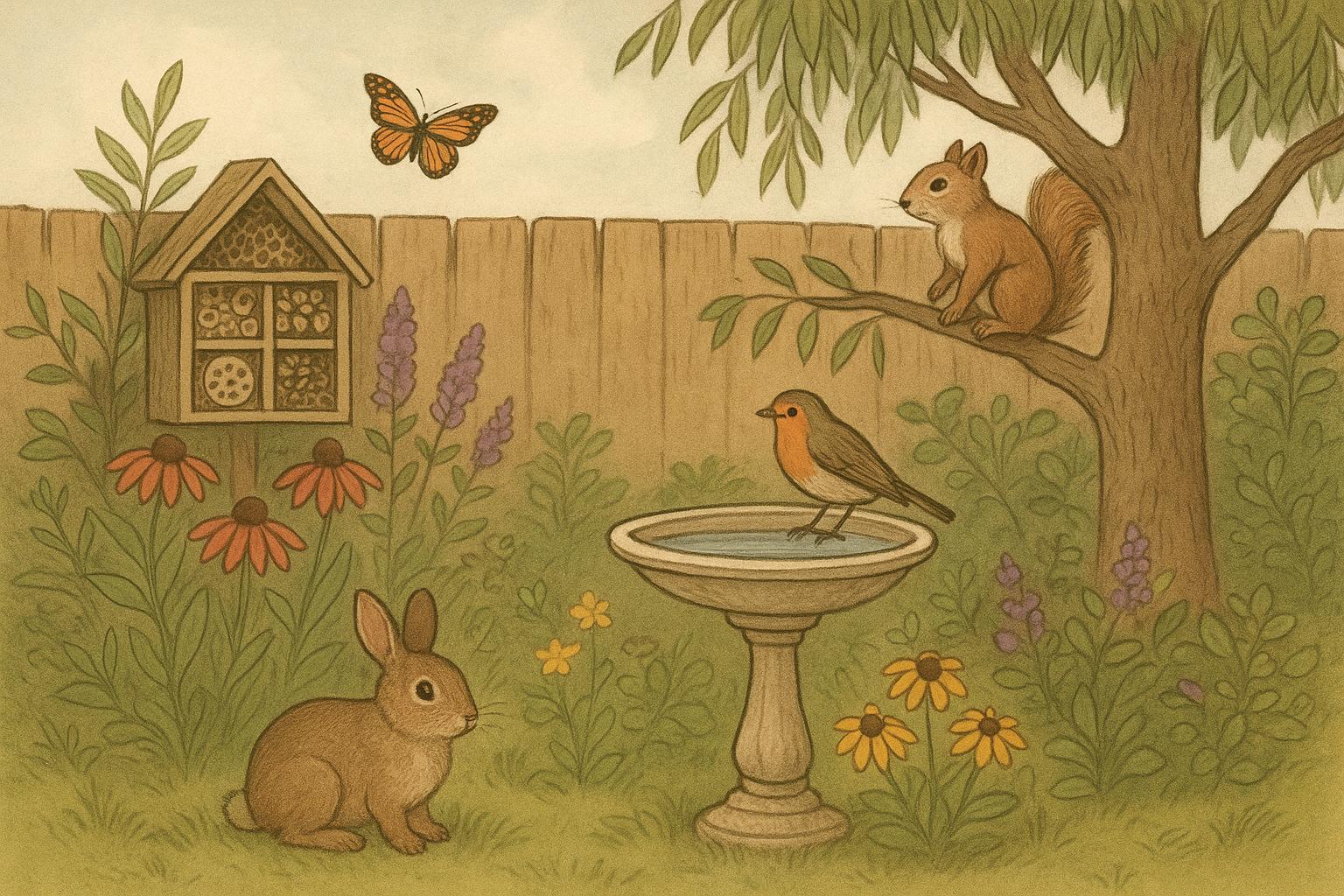
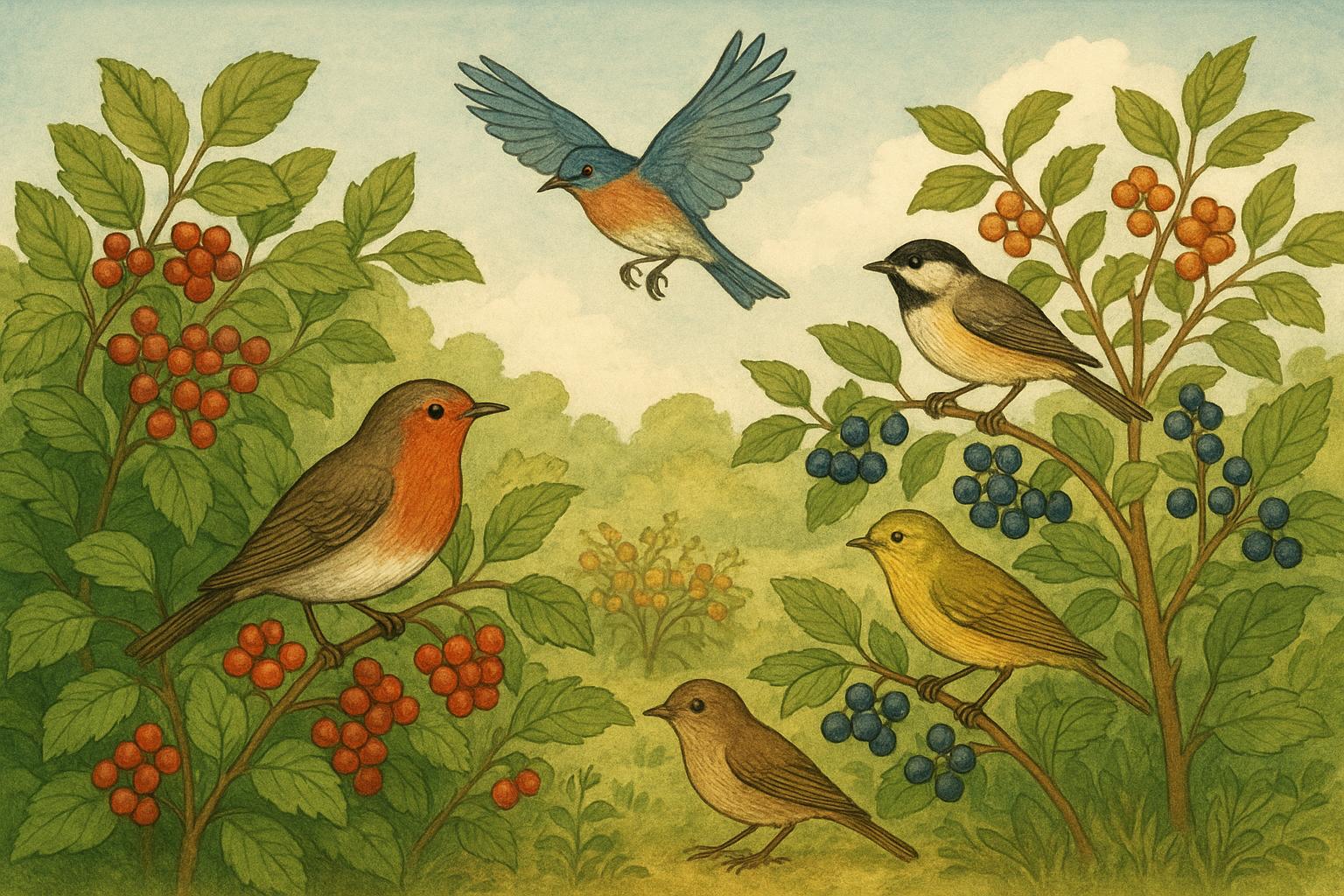
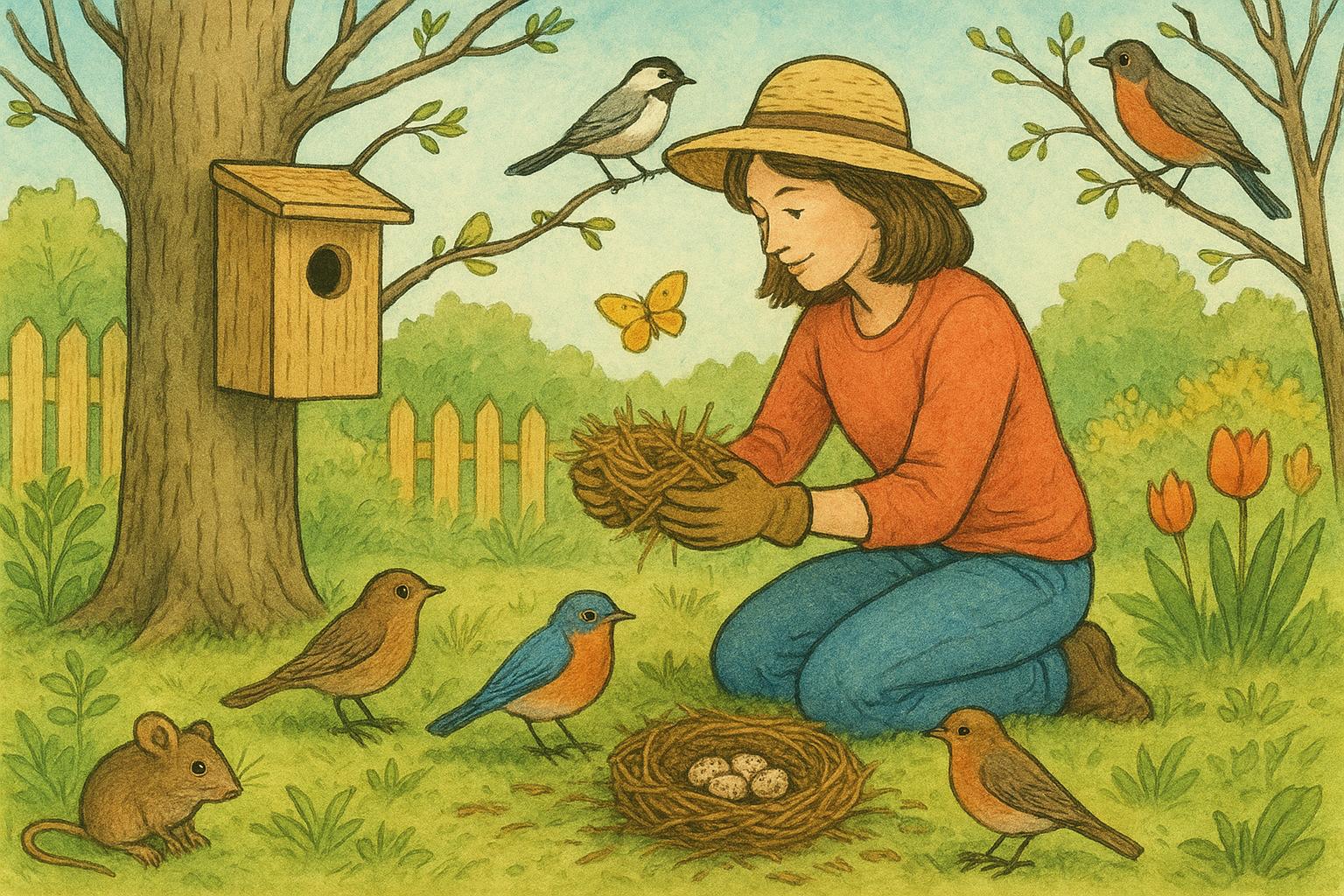
– Plant native shrubs and thorny species in layers to offer quick cover for small birds. Dense, low cover reduces vulnerability to aerial predators and offers secure sites for fledglings.
– Place perches strategically so birds can use lookout points that aren’t too close to predators’ hiding spots.
Step 6 — Reduce Nesting Disturbances
– Minimize pruning or yard work near known nests during breeding season.
– Temporarily restrict access to areas where repeated alarm calls and predator observations are logged.
Step 7 — Monitor, Adjust, And Educate
– Continue logging incidents. If a particular predator persists (e.g., recurring neighborhood cat), communicate with neighbors and local animal control for cooperative management.
– Share findings with local birding groups; citizen science reporting can help track predator trends.
Be precise in installation: fasteners should be corrosion-resistant; baffles should be sized appropriately for local species; plantings should favor native species to ensure birds actually use them. Safety and legal considerations: never trap or harm wildlife; consult local regulations before implementing deterrents that affect protected species.
### When To Call In Professionals
If alarm call activity corresponds with a persistent predator that is aggressive, or if an endangered species’ nest is disturbed, contact local wildlife rehabilitators, municipal animal control, or bird conservation organizations. They can offer species-specific guidance and may perform safe removals or deterrence under permit where needed.
### Practice Exercises To Sharpen Your Ear
Spend a week each morning and evening noting the types of calls you hear and applying the visual clues listed above. Record calls, look them up, and compare. You’ll get faster at distinguishing alarm calls from other vocalizations, and your yard will get quieter — in a good way.
Happy listening. May your ears be sharp, your neighbors uninterested in your bird chatter, and your backyard an honest refuge where alarm calls are for real emergencies only.



















Leave a Reply