
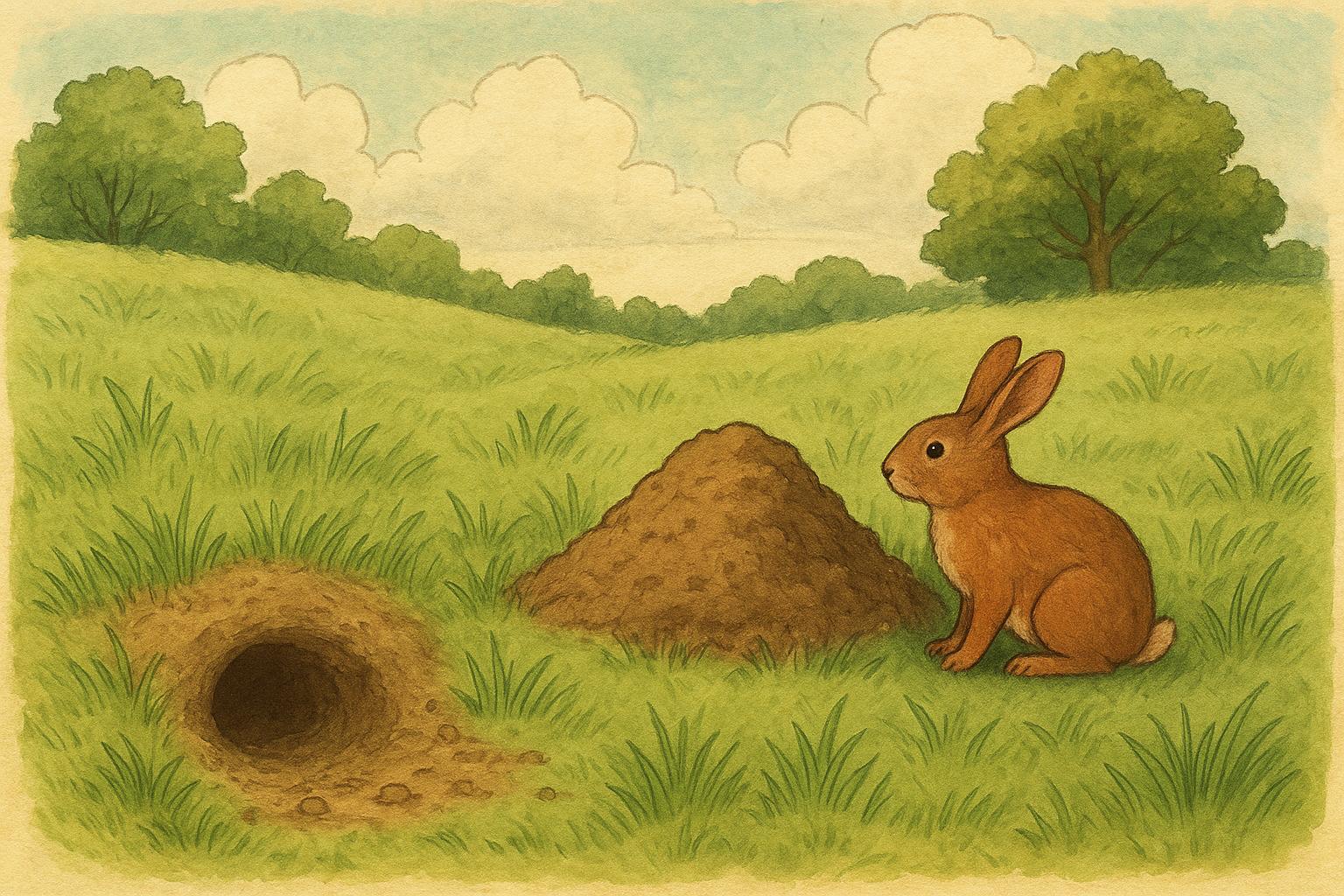
You step outside, trudge across the lawn, and — ouch — your toe nearly disappears into a mystery hole. Before you declare the yard an archaeological site, knowing the difference between a burrow and a mound will save you time, money, and dignity. The debate of burrow vs mound isn’t just semantics; it tells you who made the hole and what to do next.
## Burrow Vs Mound: The Quick Difference
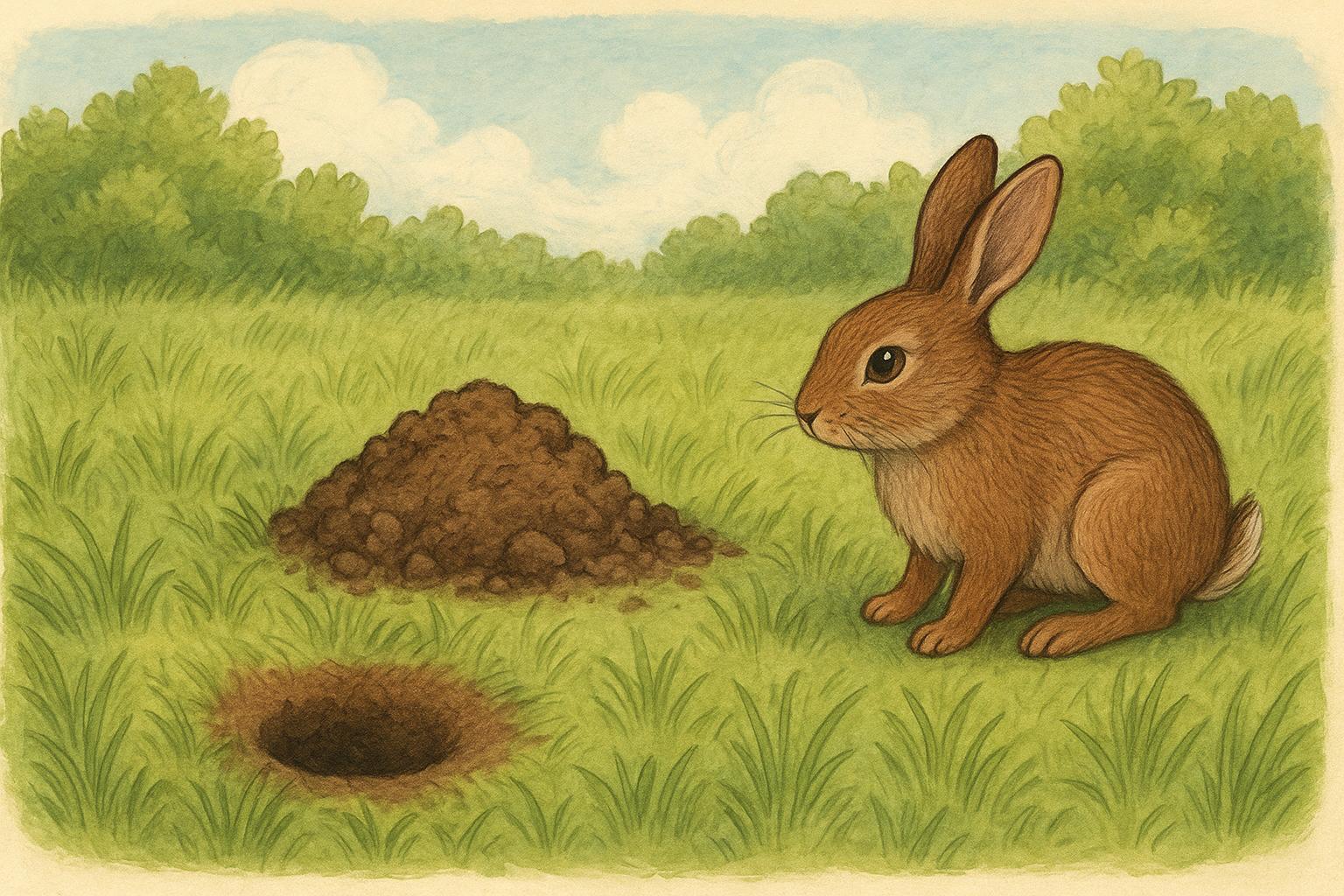
In the simplest terms, a burrow is an animal-made tunnel or entry point into the ground, often with loose soil pushed aside, while a mound is a piled-up heap of excavated soil — sometimes the same animal does both. Thinking about burrow vs mound helps you figure out whether you’re dealing with a tunneling critter (moles, ground squirrels) or a surface digger (skunks, armadillos), and whether the problem is active or old news.
### How To Identify A Burrow
Burrows tend to be lower to the ground and may look like neat, round entrances. Key clues:
– A distinct opening that leads downward — often oval or round, about the size of a golf ball up to several inches for larger animals.
– Smooth walls inside the entry when visible, because mammals compact the entry as they pass.
– Little to no piled soil around the mouth (the soil gets pushed deeper into tunnels or carried away).
– Trails or worn paths to the hole showing regular traffic.
If you can peer in safely with a flashlight, you might see a tunnel angling down. That’s a burrow.
### How To Identify A Mound
Mounds are obvious: they’re a pile of soil. But not all mounds are equal.
– Mole mounds (volcano-shaped) often have a crater and are formed when tunnel soil is pushed up through a break in the turf.
– Ant hills are smaller, granular, and often peppered with tiny openings.
– Gopher mounds are fan-shaped, with a crescent of loose soil and no visible entry in the center.
– Rodent or badger digs often have larger, irregular piles and scratch marks.
When deciding burrow vs mound, inspect the soil texture and placement: is it freshly heaved and loose (active mound), or compact and pushed into a tunnel (burrow activity)?
### Common Creators Of Burrows
Knowing the suspects helps identify the maker.
– Ground squirrels, gophers, and prairie dogs: large burrow systems, entrances often 2–4 inches across.
– Rabbits: smaller burrows, often under shrubs or rock piles.
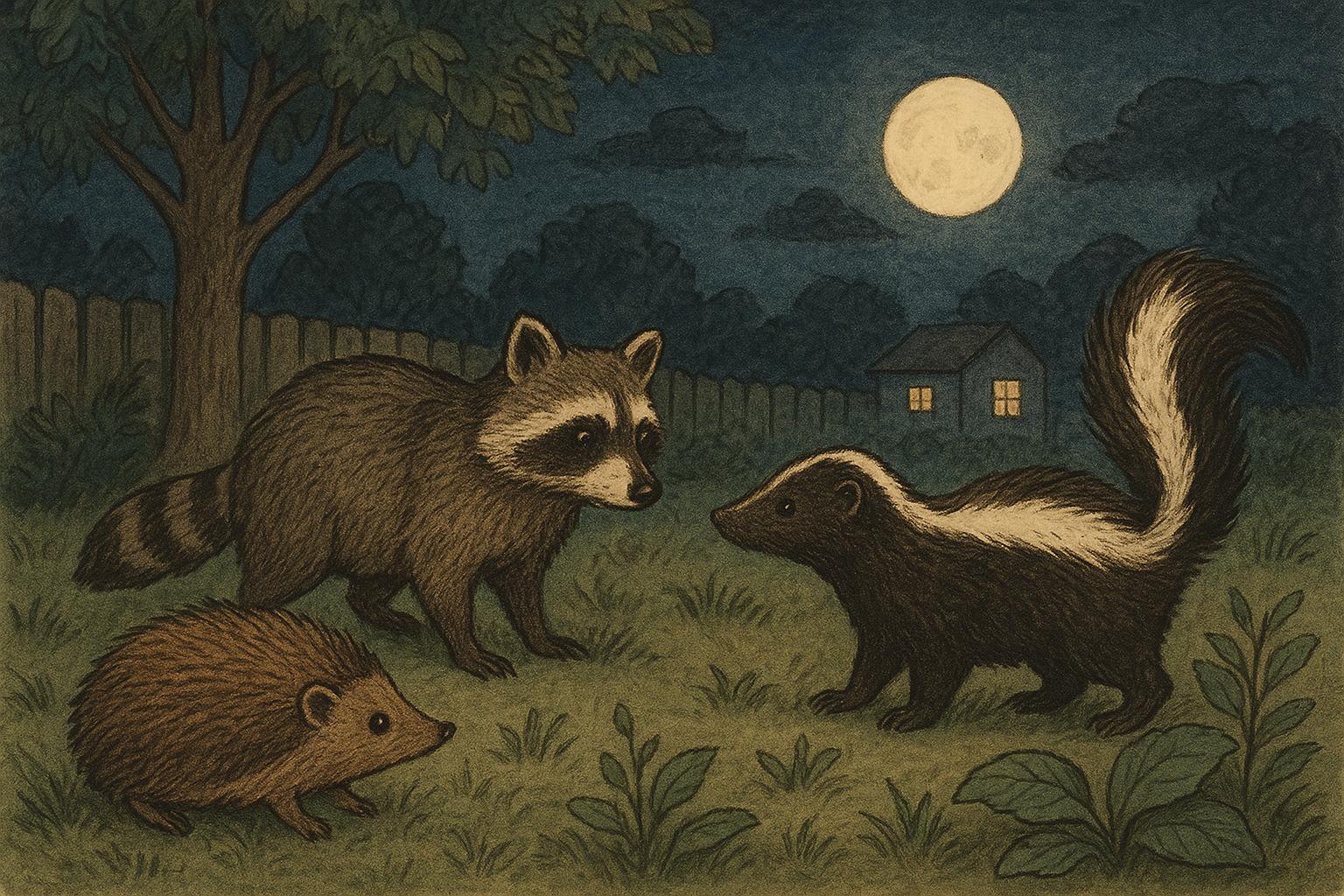
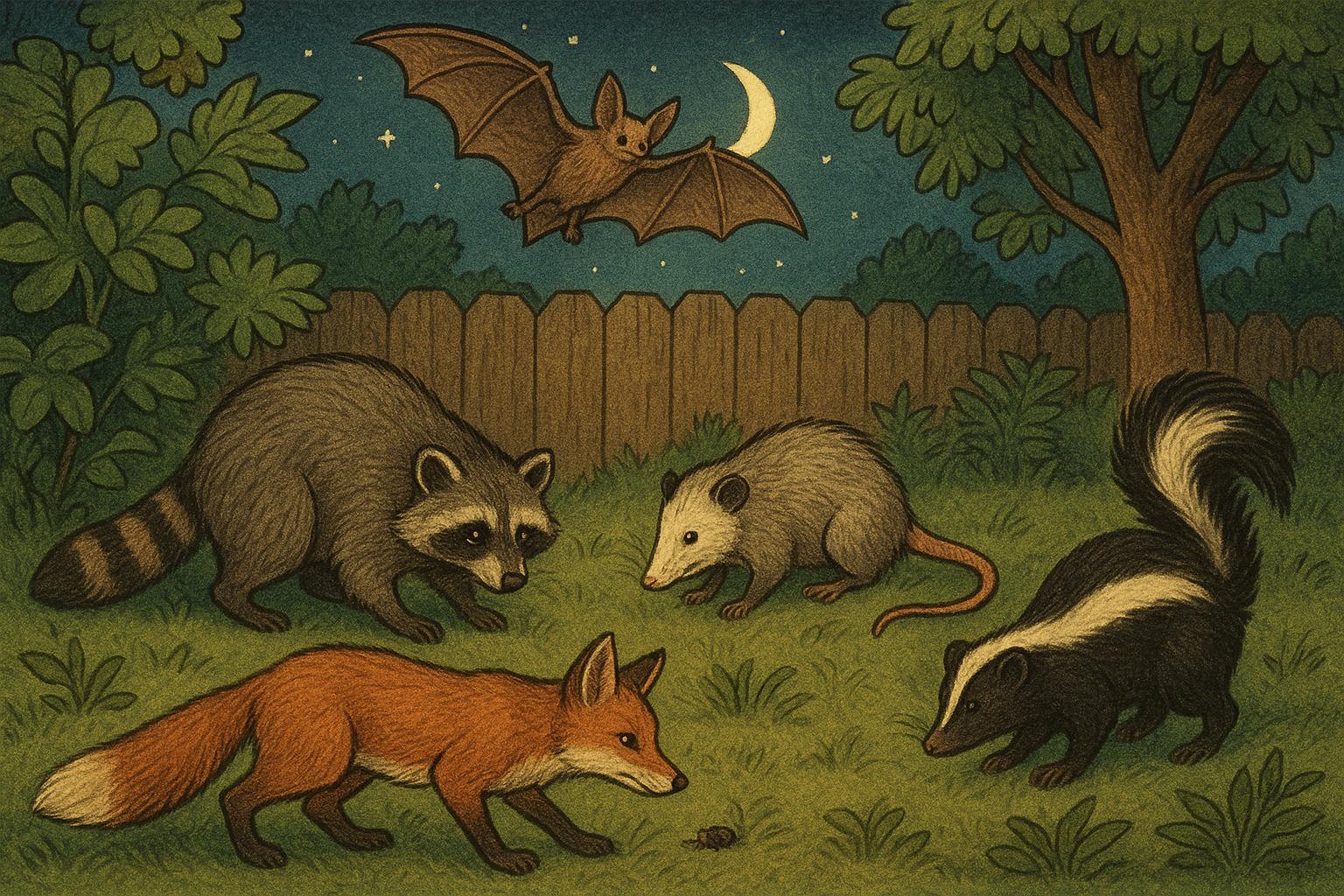
– Skunks and foxes: shallow dens, sometimes under porches or decks.
– Armadillos: single large holes with surrounding soil disturbance.
### Common Creators Of Mounds
Different animals leave different signatures.
– Moles: volcano-like molehills, often no visible entrance.
– Pocket gophers: crescent-shaped mounds with no top hole.
– Ants: small, granular hills with active movement.
– Earthworms and rain-induced wash: low, dispersed castings that can look like small mounds.
## Why It Matters For Your Lawn
Correctly distinguishing burrow vs mound is not just hobbyist trivia; it informs your response. A mole “mound” signals an underground tunneler that damages roots and thatch, which often requires different measures than a skunk “burrow” under a deck that could pose rabies risk. Misidentifying the issue can lead to ineffective fixes — and repeated exasperating trips outside in your slippers.
### How To Track Activity Without Becoming A Night Stakeout
Check for fresh soil (darker, moist) and recent animal tracks. Measure the entry size and note the pattern: linear tunnels suggest gophers or moles, scattered holes often point to digging for insects (skunks, raccoons). Take a photo and revisit after 24–48 hours — new work equals active critter.
## 2 Remedies: Repair And Prevent
Below are two formal, step-by-step remedies. The first focuses on repairing landscape damage and hiding attractants; the second is humane deterrence and targeted exclusion. Read each carefully and follow local wildlife laws — trapping or relocating wild animals is regulated in many areas.
### Remedy 1: Repair Collapsed Burrows And Fill Mounds
This remedy is about restoring lawn integrity and removing the immediate hazard of a hole.
#### Materials
– Garden shovel
– Topsoil or screened fill dirt
– Compost or lawn soil amendment
– Grass seed or sod patches (match species)
– Lawn roller or tamping tool (hand tamper)
– Water source and sprinkler or hose
– Gloves and kneepads
#### Steps
1. Inspect the site and identify whether the hole is active. If there is fresh soil or animal tracks, wait until activity subsides or combine with deterrence steps below.
2. For a burrow: collapse unstable tunnel segments by gently compacting loose soil near the entrance with the tamper to prevent re-collapse. Do not stuff material deep into an active tunnel — this can trap animals.
3. For a mound: rake loose soil into a wheelbarrow and redistribute evenly to low areas of the lawn. If the mound is from a gopher, remove the crescent pile and check for nearby tunnels.
4. Add a 1–2 inch layer of topsoil or screened fill to the repaired area, mixing with a small amount of compost to promote grass recovery.
5. Seed or lay sod over the filled patch. Lightly tamp the area to ensure soil-to-seed contact. For seed, follow packet rates and cover with a thin layer of straw if erosion is a concern.
6. Water gently but thoroughly daily (or as needed) for the first two weeks to encourage root establishment, then taper to regular lawn watering.
7. Monitor for new holes. If they reappear quickly, active wildlife may be present — proceed to Remedy 2.
### Remedy 2: Humane Deterrence For Burrowing And Mounding Animals
This remedy focuses on discouraging animals from returning using exclusion, habitat modification, and non-lethal deterrents.
#### Materials
– Heavy-gauge wire mesh (hardware cloth) or metal garden edging
– Shovel and posthole tool
– Natural predator urine (commercially sourced, e.g., coyote urine) — optional
– Motion-activated lights or sprinklers — optional
– Ornamental gravel or mulch for unattractive surfaces
– Plant roots or bulbs (to replace insect-rich plantings) — optional
– Protective gloves and safety goggles
#### Steps
1. Identify the target species using your earlier observations. Tailor exclusion size: gopher hardware cloth (1/4–1/2 inch), skunks and foxes need stronger barriers and buried edges.
2. For small-seeded areas or garden beds, install a buried barrier: dig a trench 12–18 inches deep around the perimeter, place hardware cloth vertically with mesh facing outward, and backfill. This discourages gophers and other tunnellers.
3. Protect vulnerable trees and shrubs with a cage of hardware cloth around the root zone, extending at least 12 inches below ground to prevent under-digging.
4. Use motion-activated lights or sprinklers near areas of repeated night digging. Sudden light or water discourages nocturnal diggers without harming them.
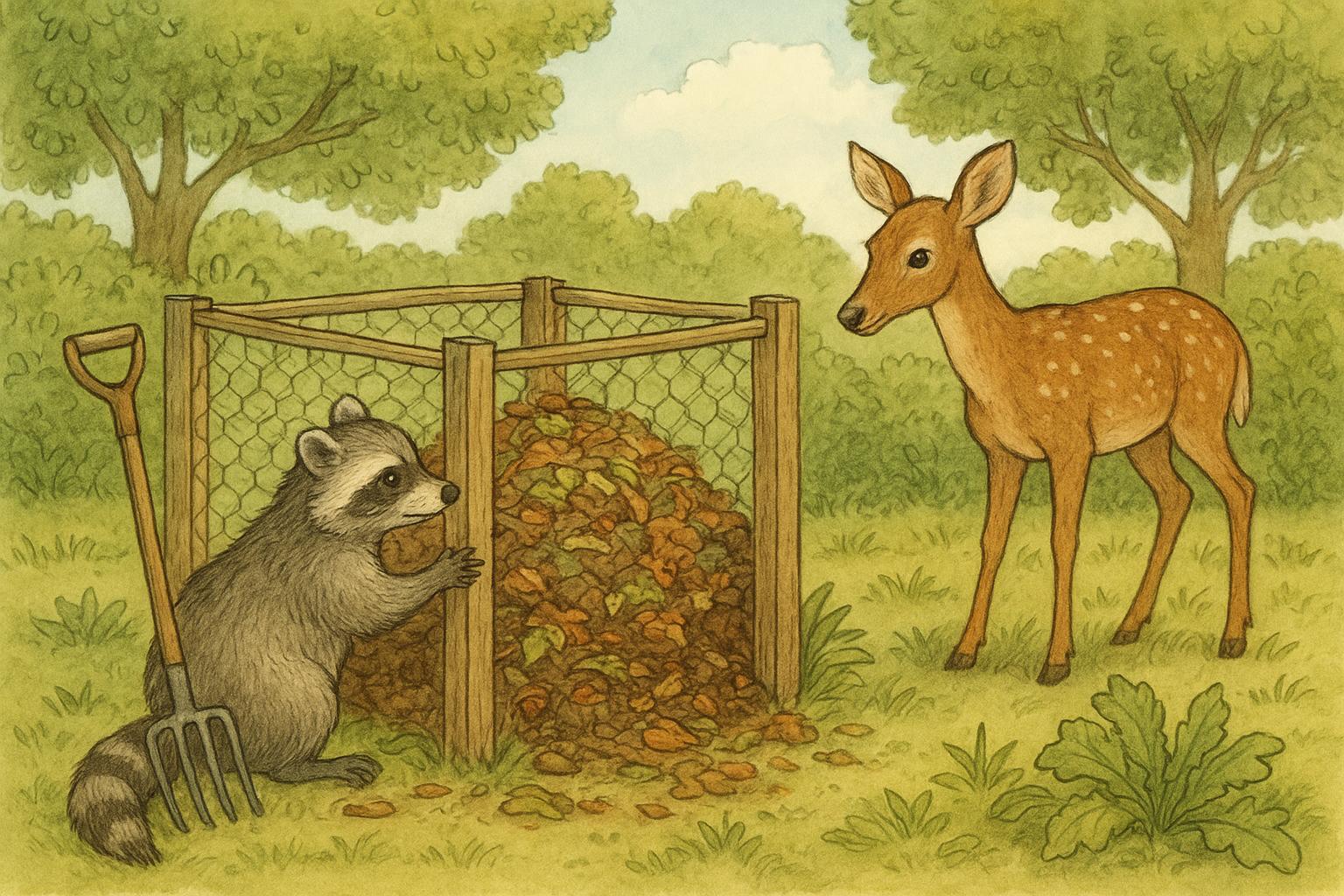
5. Reduce attractants: keep compost bins secured, pick up fallen fruit, reduce dense ground cover, and eliminate easy food sources like grubs (address grub issues through targeted pest control).
6. If using predator urine, apply per product instructions in a pattern around the problem area. Use sparingly and rotate products to maintain effectiveness.
7. Monitor and adjust: humane deterrents often require persistence. Check barriers regularly for breaches and repair promptly.
### When To Call A Professional
If you’ve tried repairs and humane deterrence and the burrows or mounds reappear rapidly, or if the animals are potentially dangerous (rabid mammals, large predators), contact a licensed wildlife control professional. They can legally trap, remove, or exclude animals and advise on habitat changes. For structural issues (burrows under foundations, decks, or septic systems), consult a pest control contractor or structural engineer; immediate intervention may be required.
### Quick Prevention Tips
– Aerate and overseed thin lawns; a dense lawn is less attractive to tunnellers searching for grubs.
– Regularly inspect and maintain sprinkler systems; pooled water attracts wildlife.
– Keep pet food, bird seed, and compost secured.
– Encourage natural predators by maintaining a diverse, balanced yard environment — owls and hawks will do some of the heavy lifting.
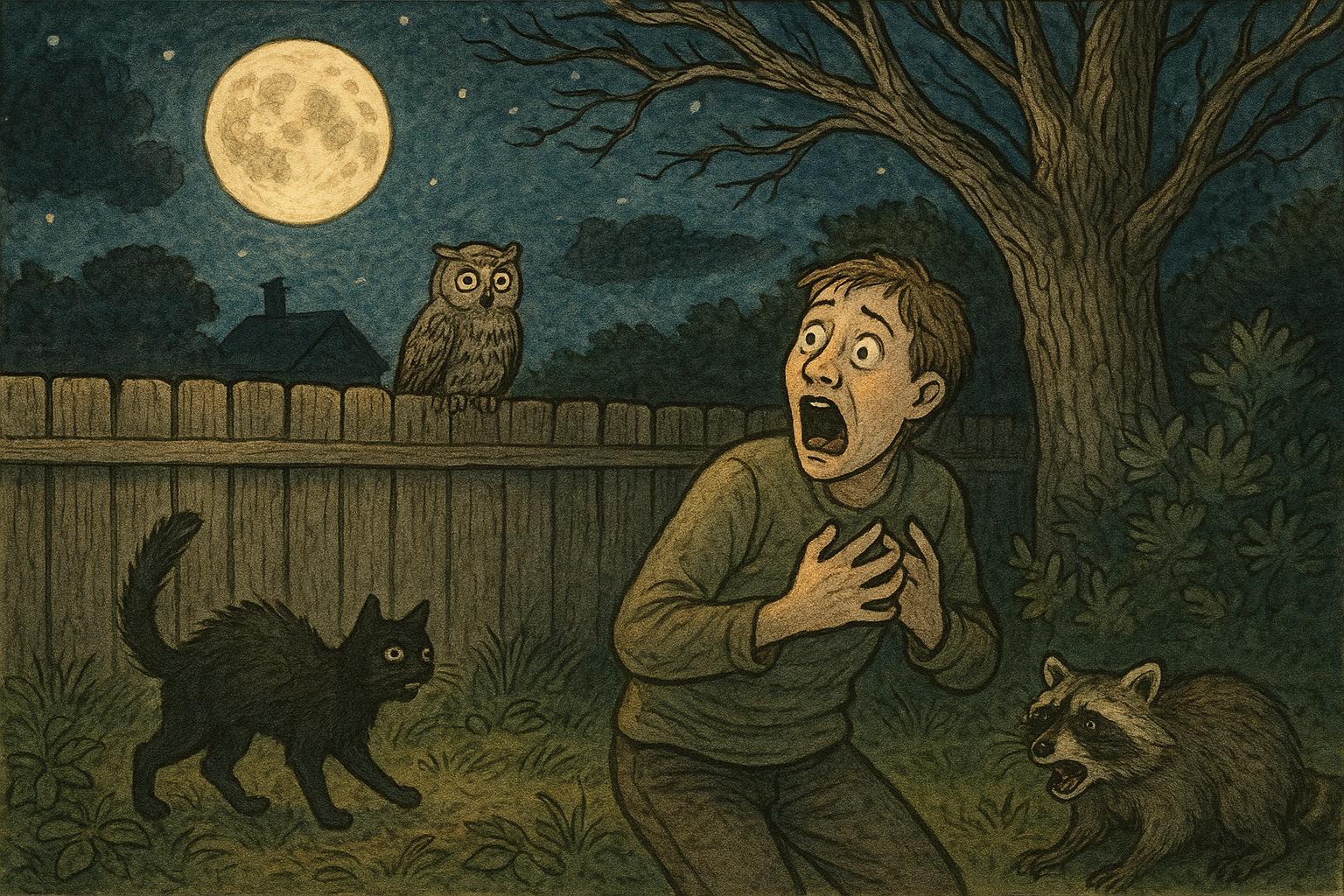
If you’re still stuck in the great burrow vs mound mystery, a photo and a description of hole size and recent activity are usually enough for pros or experienced neighbors to help ID the culprit. And remember: most lawn holes are solvable without drama — except for the dramatic gasps when you find one barefoot.






















Leave a Reply