
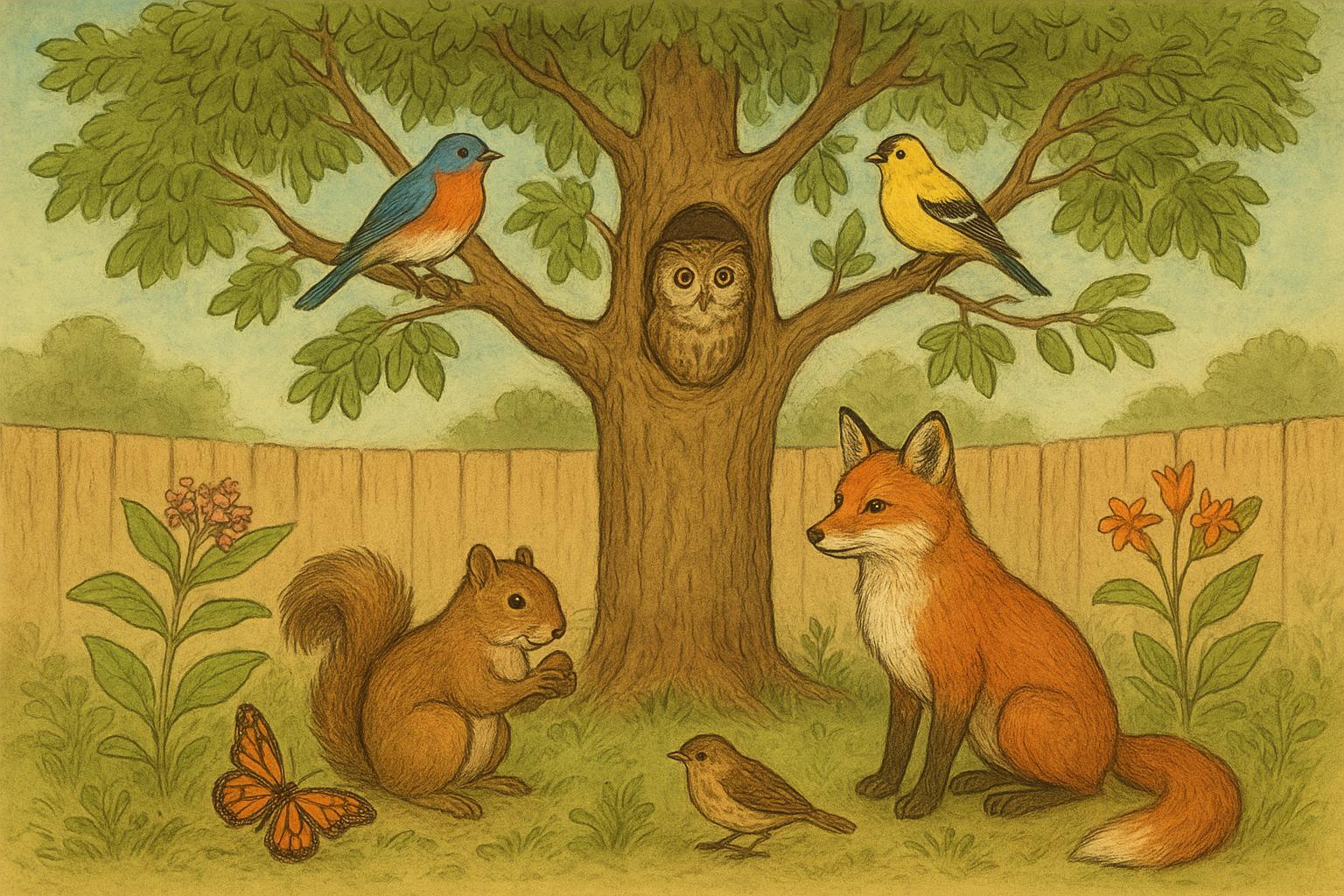
Trees hum like old radio stations to the wildlife that tunes into them: frequency of food, shelter, and microclimate. In a backyard that’s honest about helping, the right selection and care of trees can become a daily prescription for birds, pollinators, small mammals, and amphibians. This piece explores how to choose and use tree species as living remedies, and provides two practical, stepwise treatments you can apply to boost wildlife wellness where you live.
## Tree Species As Neighborhood Allies
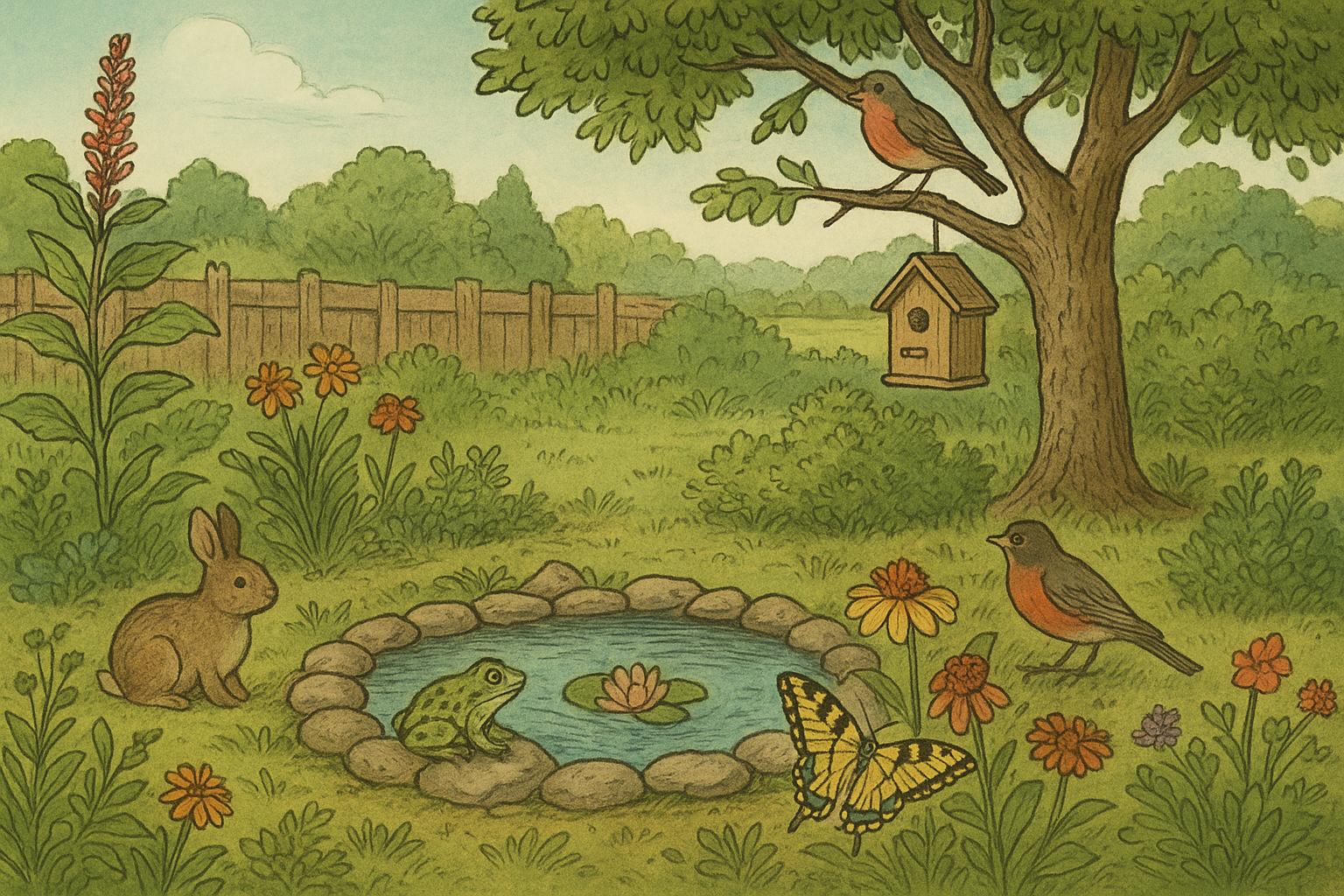
A single mature tree can be an ecosystem. Different tree species host different insect communities, flower and fruit at different times, and cast shade in unique patterns. When you think of planting for wildlife wellness, think of orchestration: multiple tree species working together can provide year-round food, seasonal shelter and safe travel corridors. That orchestration is what turns a yard into a habitat network rather than an empty plot with ornamental trophies.
### How Tree Species Support Local Fauna
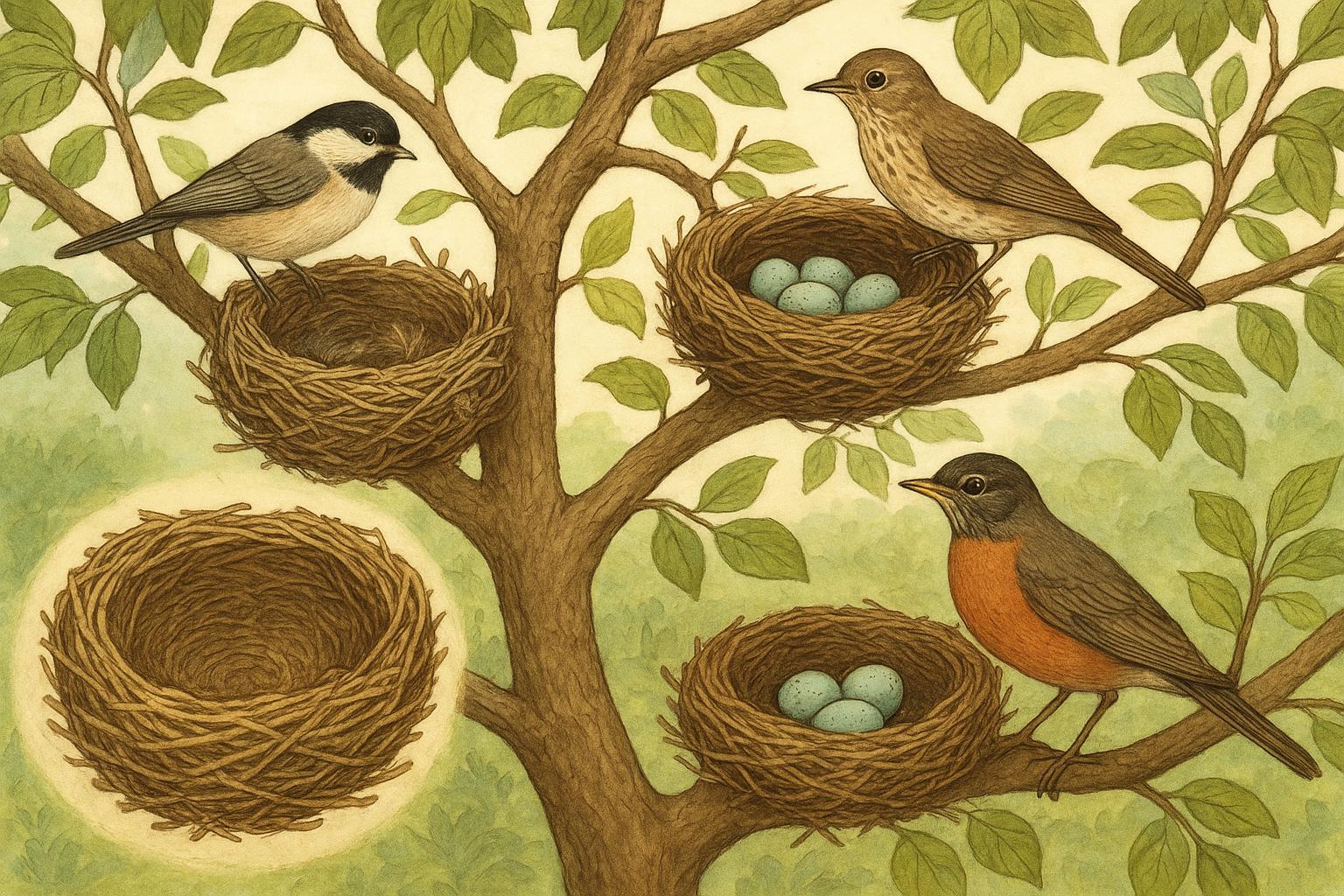
Trees are ecosystem engineers. Their roots stabilize soil and feed mycorrhizae, their leaves litter into nutrient-rich humus, and their branches shape the three-dimensional world where birds nest, mammals forage and invertebrates proliferate. Importantly, different tree species support different suites of arthropods and fungi; oaks, for instance, are famous for hosting hundreds of caterpillar species that are vital as bird food during nesting season. When you match tree biology to local wildlife lifecycles, you increase the density and diversity of visitors that use your yard for feeding and raising young.
#### Food And Forage
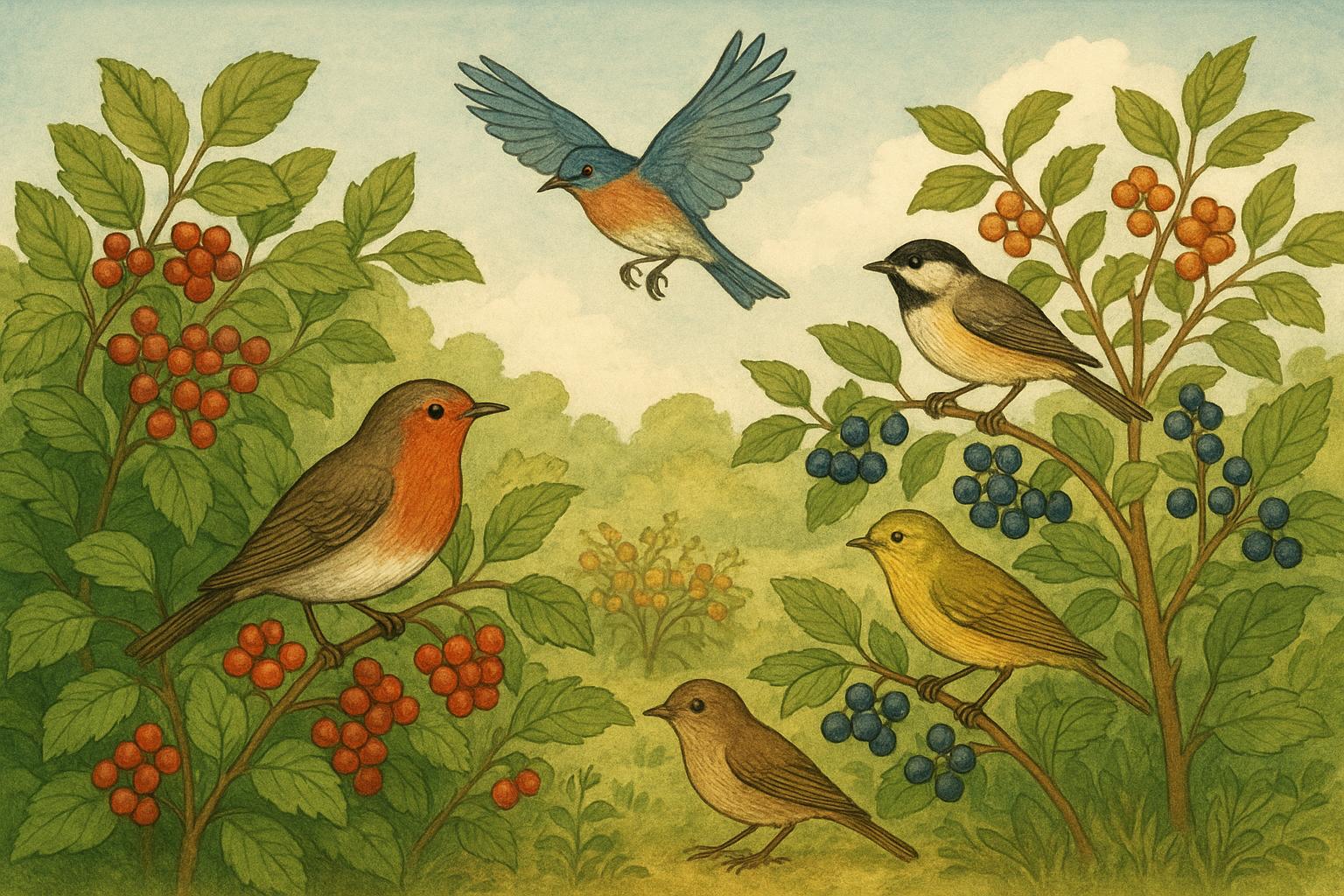
Fruit-bearing native tree species supply fresh sugars and fats for birds and mammals; nut-producing trees such as hickories and oaks offer caloric stores for overwintering species. Flowers from flowering trees feed bees, butterflies and hummingbirds. Even the timing of bloom or fruit ripening is crucial—staggered phenology across species smooths resource availability through lean times.
#### Shelter And Microclimate
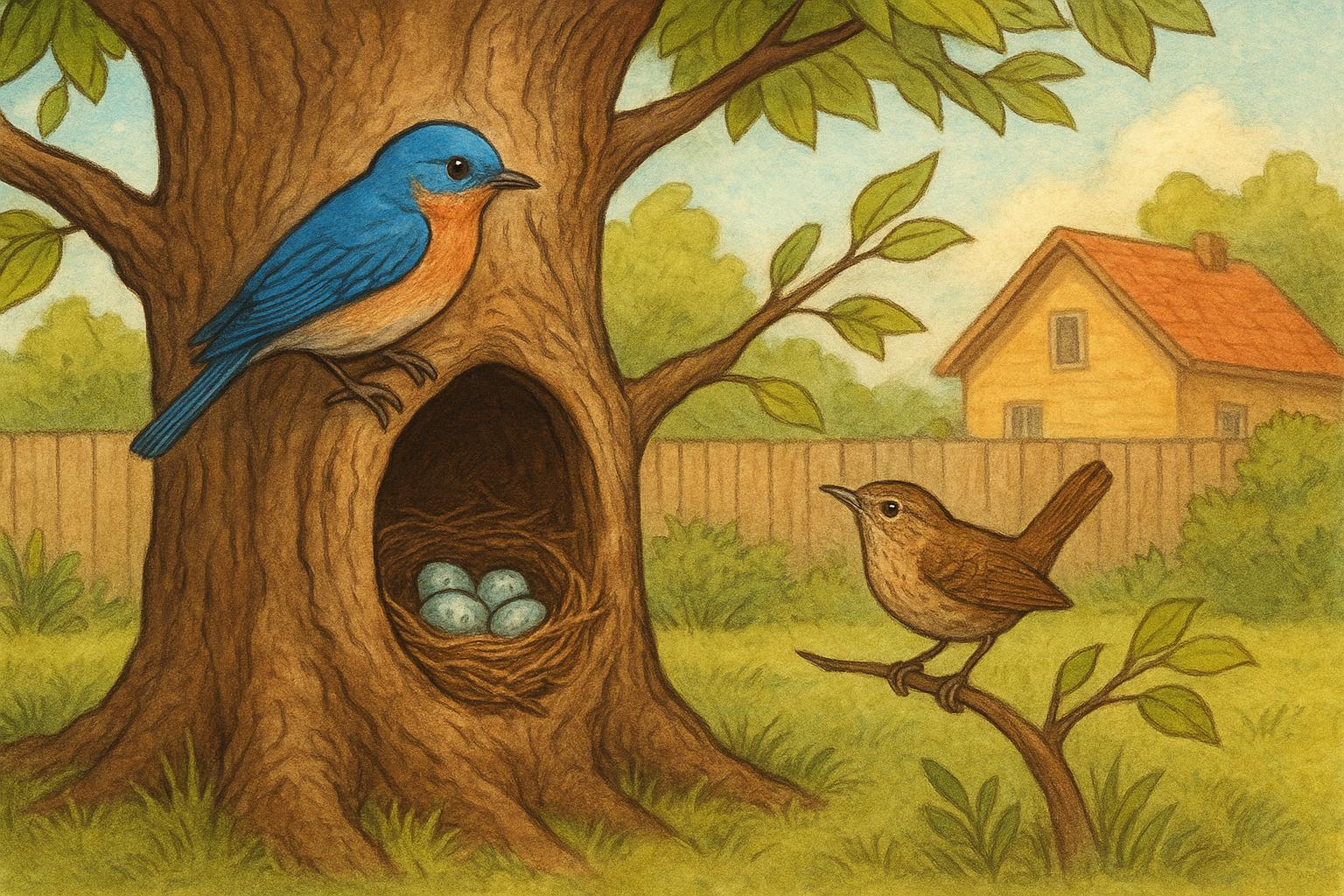
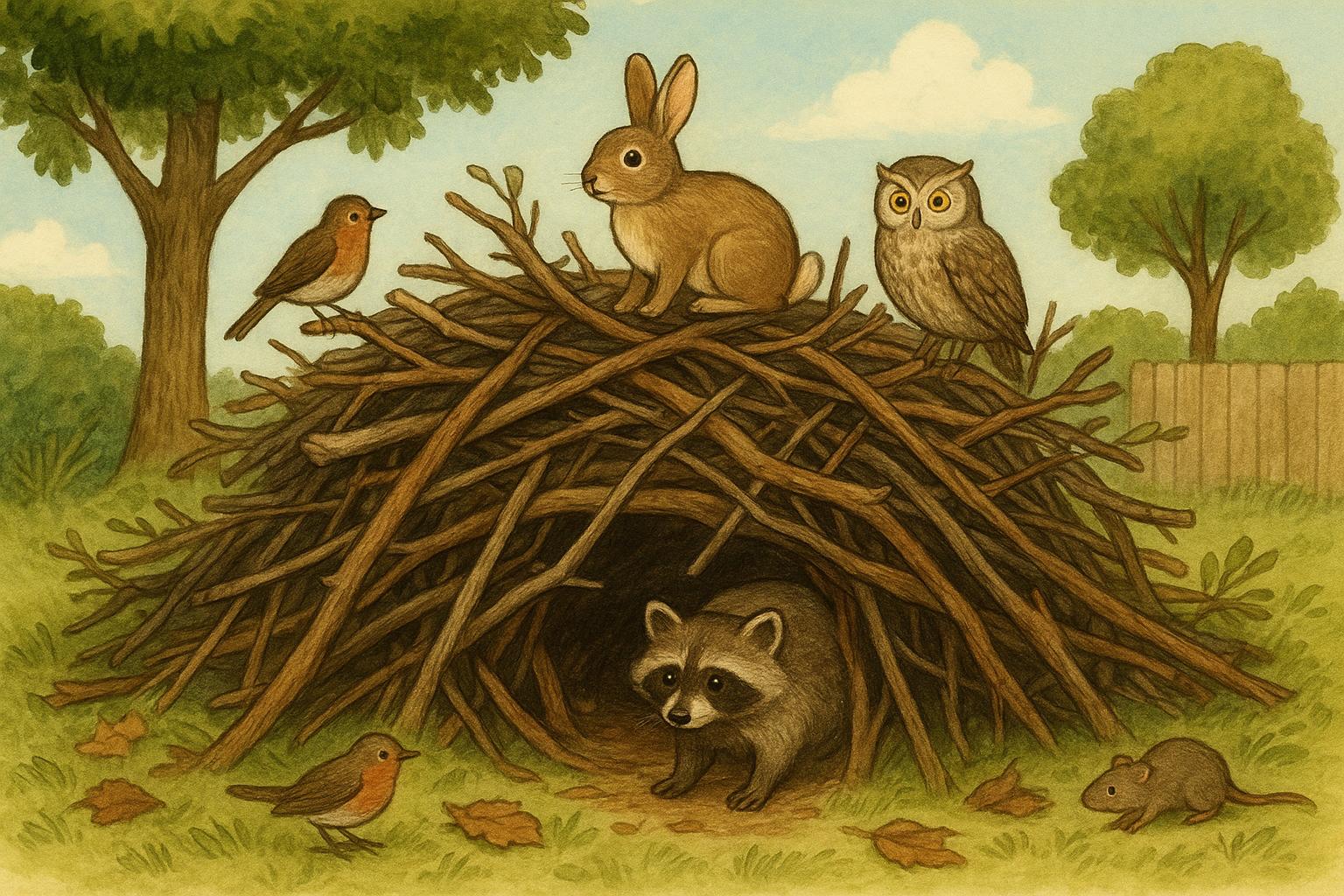
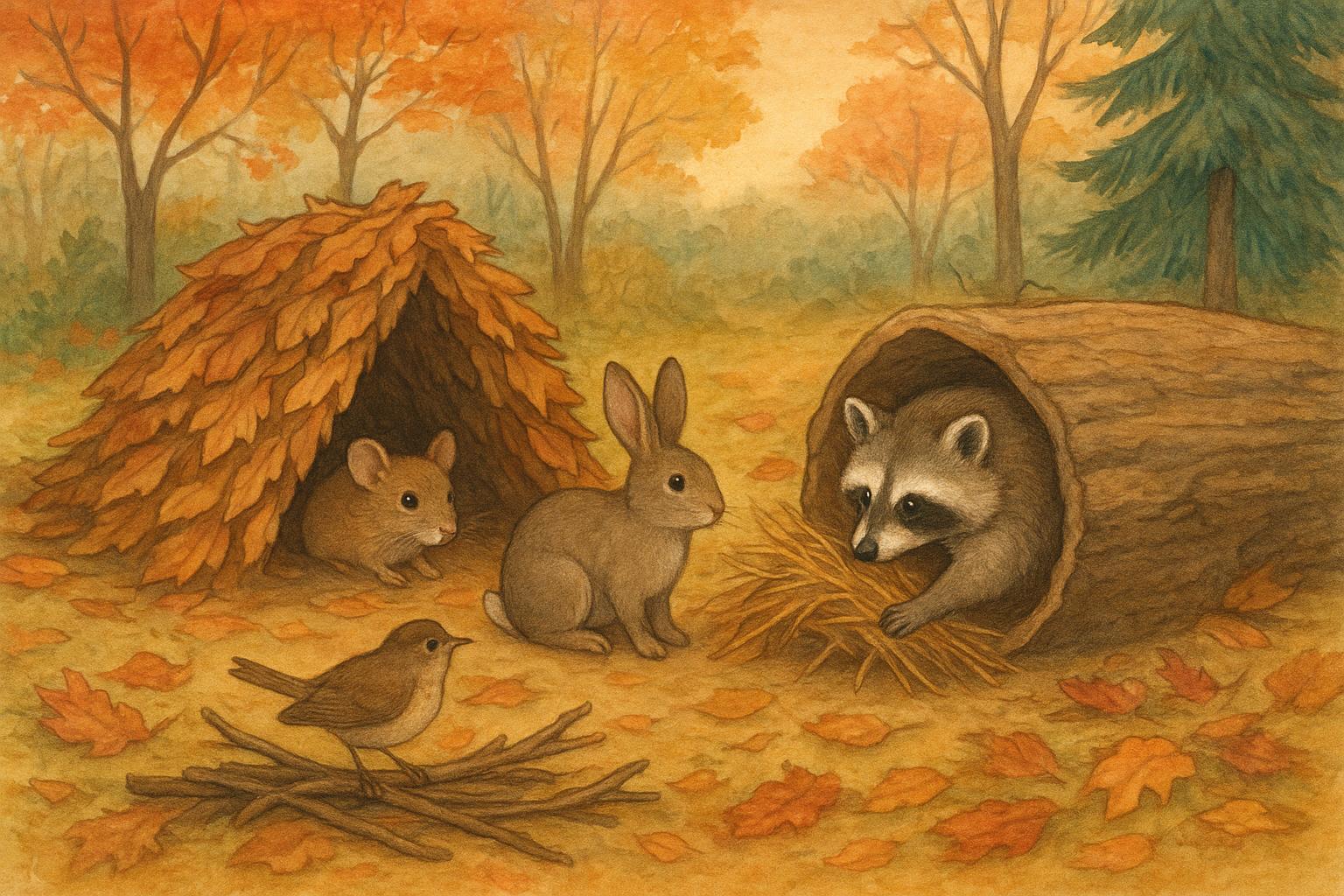
Evergreen trees act as winter shelters and windbreaks; broad-leafed canopies create cool summer refuges. Cavities in older trees are prime real estate for nesting birds and bats. The structural complexity that comes from mixing canopy, understory, and shrubs—often realized by selecting complementary tree species—supports more niches and reduces predation pressure for smaller animals.
#### Pollination And Insect Support
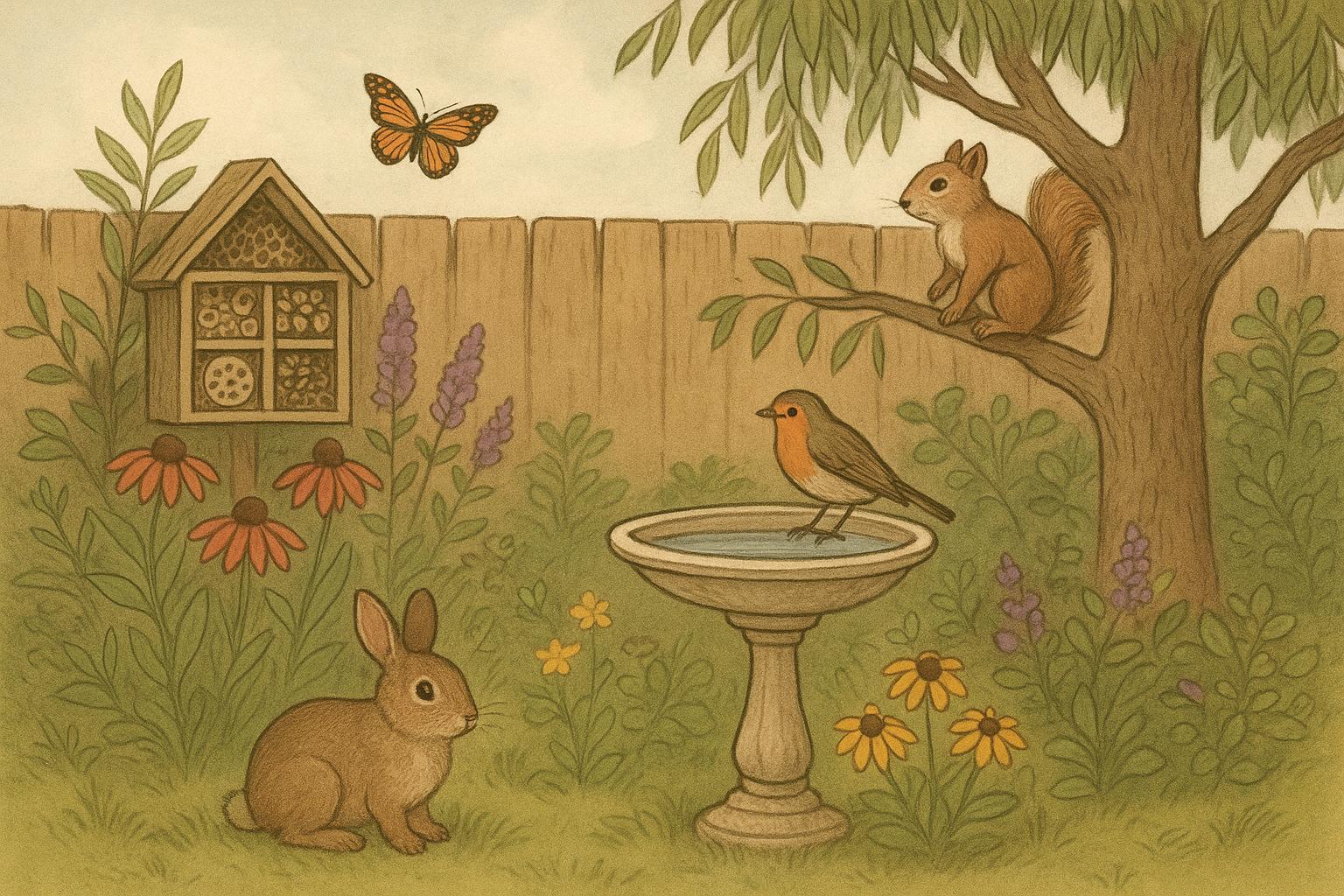
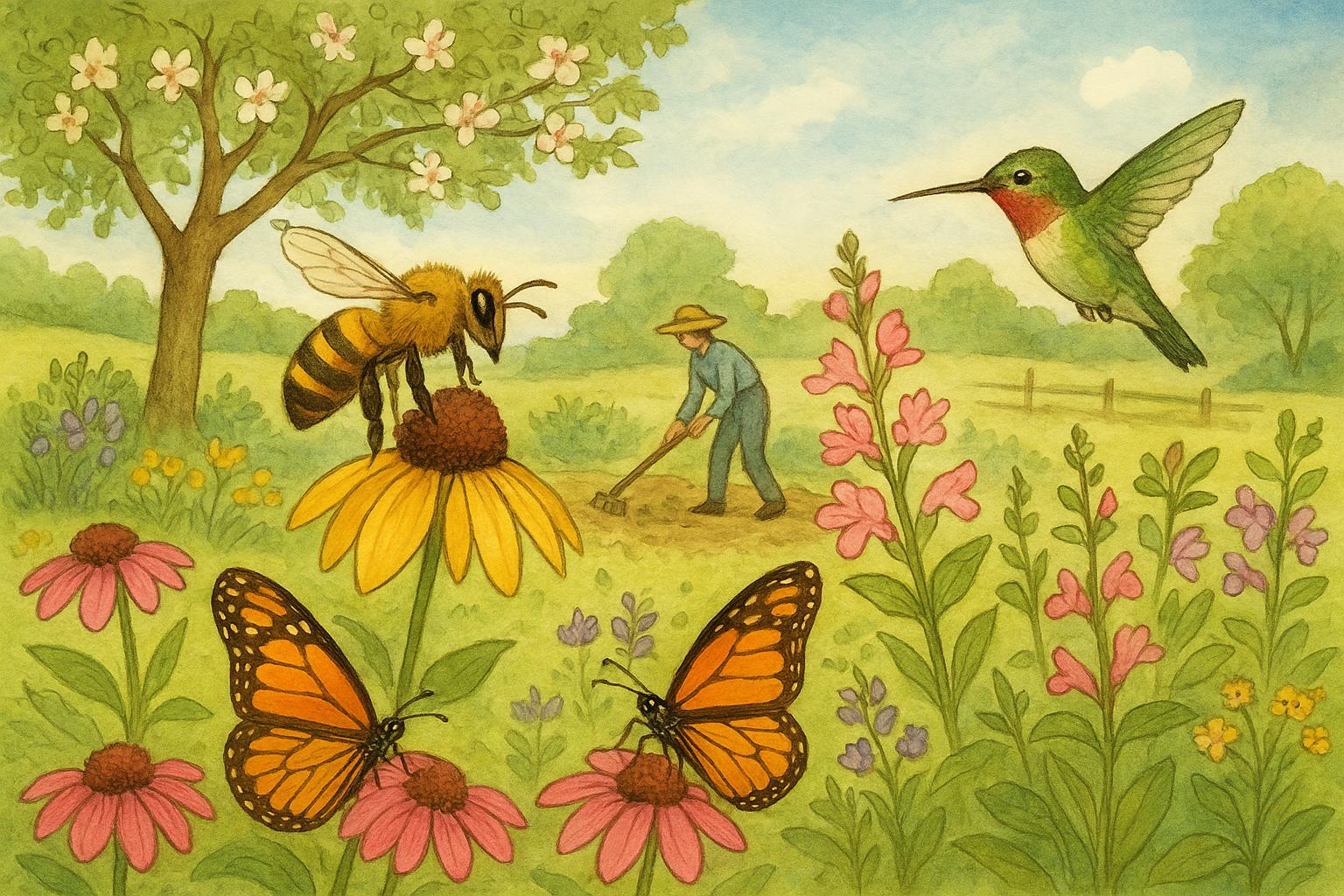
Many beneficial insects require specific host plants. Some native bees nest in soft, decaying wood or forage on certain floral morphologies. A backyard seeded with the proper combination of tree species becomes a supply hub for pollinators that, in turn, support your garden and broader landscape health.
### Selecting The Right Tree Species For Your Yard
Selecting trees requires matching species to site conditions and wildlife goals. First, prioritize native species because they coevolved with local fauna and generally host more insect and bird species than introduced alternatives. Second, match mature size to space: planting a large canopy species under overhead utility lines is a long-term error. Third, consider soil type, moisture, light and whether you can accommodate seasonal leaf litter—many wildlife benefits arrive with natural detritus.
#### Consider Native Over Ornamental
Ornamental cultivars may look tidy but can have reduced ecological value—some produce sterile flowers or lack the nectar and pollen that pollinators need. Choosing regionally appropriate native tree species magnifies habitat value. Contact a local extension service or native plant society for reliable species lists tailored to your ecoregion.
#### Size, Soil, And Water Match
A tree species that thrives in wet soil will wither in a dry terrace, and vice versa. Take a soil sample if unsure, observe how long puddles persist after rain, and map sun exposure through the seasons. These basics help ensure your plantings survive to maturity, which is when they begin delivering the full suite of wildlife benefits.
## Remedy 1: Native Sapling Shelter For Nesting And Shade
This practical remedy creates immediate shelter and long-term habitat by installing and protecting young native tree saplings in clustered plantings. It’s particularly effective for encouraging cavity-building mammals and nesting birds while establishing structural diversity.
Materials / Ingredients:
– Three to five native tree saplings (1–2 year-old, 3–6 ft tall); select species mix (e.g., one fruiting, one evergreen or semi-evergreen, one fast-growing shade species)
– Biodegradable tree shelter tubes or breath-able mesh guards
– Bamboo stakes (2–3 per sapling)
– Mycorrhizal inoculant (optional)
– Mulch (shredded leaves or wood chips)
– Watering can or hose with gentle spray
– Protective compost/soil blend (if planting holes need amending)
– Tree identification tags and GPS/plot map (optional)
Creation And Application (Step-By-Step):
1. Site Selection: Choose a location that reflects species needs: sun exposure, drainage, and proximity to other plants. Cluster saplings in a small guild pattern—staggered rather than in a straight line—to create immediate vertical complexity.
2. Prepare Holes: Dig holes twice as wide as the root ball and similar depth. Loosen surrounding soil to encourage root expansion. If soil is heavily compacted or nutrient-poor, mix in up to 25% compost; avoid over-fertilizing.
3. Apply Mycorrhizae: If using a mycorrhizal inoculant, apply directly to root zone per manufacturer directions to accelerate fungal partnerships that improve nutrient uptake.
4. Planting: Place sapling at original root depth, ensuring the root flare is at soil level. Backfill gently, tamping to avoid air pockets while not over-compressing.
5. Protective Support: Install bamboo stakes on either side of the sapling and attach shelter tubes or breathable mesh guards to protect tender stems from rodents, wind abrasion and herbivory. Ensure guards are anchored to prevent wind tipping.
6. Mulch and Watering: Apply a 2–3 inch ring of mulch around the base, keeping mulch away from direct stem contact to prevent rot. Water thoroughly at planting and maintain consistent moisture for the first two growing seasons; deep watering once per week is preferable to shallow daily sprays.
7. Monitor And Maintain: Remove guards after 2–3 years once the sapling trunk is woody and bark has toughened. Prune only to remove dead or crossing branches; avoid needless thinning that reduces cover for wildlife.
Application Notes: Use varieties that produce food or cover—fruiting species for birds, evergreens for winter shelter. This remedy prioritizes establishing small-scale habitat patches that connect to larger corridors, thereby increasing backyard wildlife wellness.
## Remedy 2: Pollinator Pond Edge Planting For Amphibians And Insects
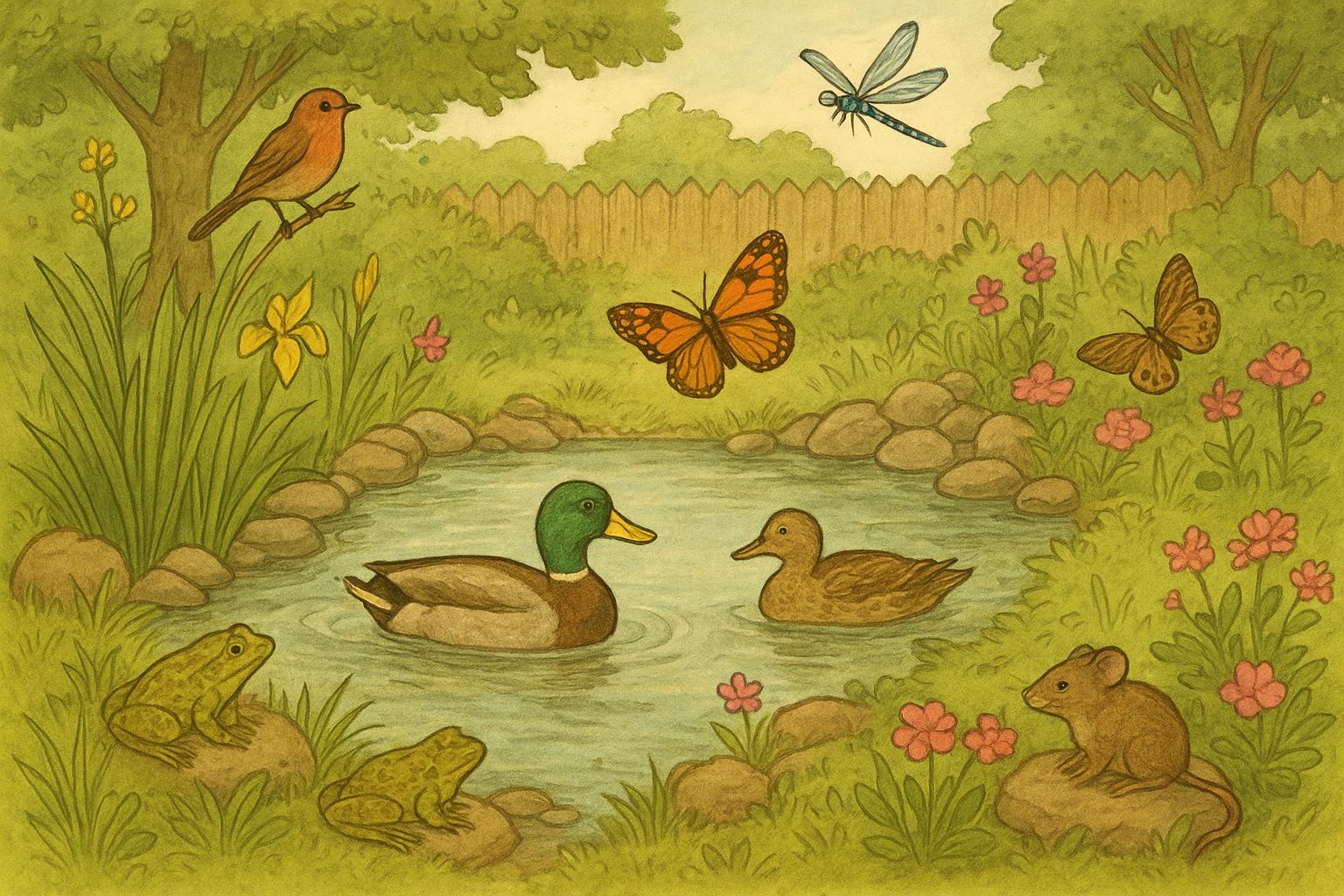
A shallow, planted pond edge combined with targeted tree species can create humid microhabitats, egg-laying sites for amphibians, and foraging habitat for dragonflies and pollinators. This is a remediation strategy when your yard’s existing pond or wet spot lacks vegetative structure.
Materials / Ingredients:
– Native pond-edge planting palette (rushes, sedges, low native shrubs and a small native tree species tolerant of moist soil)
– Pond liner or preformed pond if creating a new basin
– Shallow gravel and sand for bog shelves
– Hand tools: shovel, gloves, wheelbarrow
– Native seed mix or plugs for marginal plants
– Mulch-free compost (for initial soil amendment)
– Floating-cover plants (optional, e.g., native waterlilies)
– Mesh netting (optional, for temporary predator control)
Creation And Application (Step-By-Step):
1. Site Assessment: Identify existing wet areas or create a shallow pond site that receives partial sun. A south-facing edge warms faster in spring, benefiting amphibian development.
2. Excavation: Dig a basin with a shallow gradient to create a marshy shelf (6–12 inches deep) and a deeper center (18–24 inches) if fish are intended; for amphibian-focused ponds avoid predatory fish.
3. Liner And Base: Install pond liner per instructions, smoothing wrinkles and creating terraces or shelves. Add a layer of sand and gravel on shelves to anchor plants and provide microhabitats for invertebrates.
4. Plant Selection And Planting: Plant marginal native species on shelves and select a tree species tolerant of periodic waterlogging for the pond perimeter—species that root in moist soil but don’t require permanent inundation. Place trees at the edge where roots can access moist substrate without being submerged.
5. Establishment Watering: Water in marginal plants gently and maintain stable water levels during the first season to allow establishment. Avoid chlorinated tap water if possible; collected rainwater is preferable.
6. Predator Management: Use light mesh covers during tadpole stages only if invasive predators are an issue; otherwise allow natural predator-prey dynamics to stabilize.
7. Long-Term Care: Leave a buffer of native vegetation around the pond rather than manicured lawn to provide hiding cover and forage. Periodically replenish marginal plants and remove excessive algal blooms by reducing nutrient inputs upstream.
Application Notes: The addition of a pond edge planting increases structural diversity and moisture gradients, which benefits a wide range of species. Selecting complementary tree species for the pond margin ties upland and wetland habitats together, improving resilience and wildlife wellness.
### Maintenance And Seasonal Care
Once established, care is focused on low-intervention stewardship. Avoid broad-spectrum pesticides that harm insects and diminish food webs. In late winter to early spring, inspect trees for broken limbs and diseased wood; remove hazardous branches but retain standing deadwood where safe, as it provides cavity and insect habitat. Irrigate during prolonged droughts for young plantings and continue to monitor mulch depth and tree health.
### Monitoring Wildlife Wellness
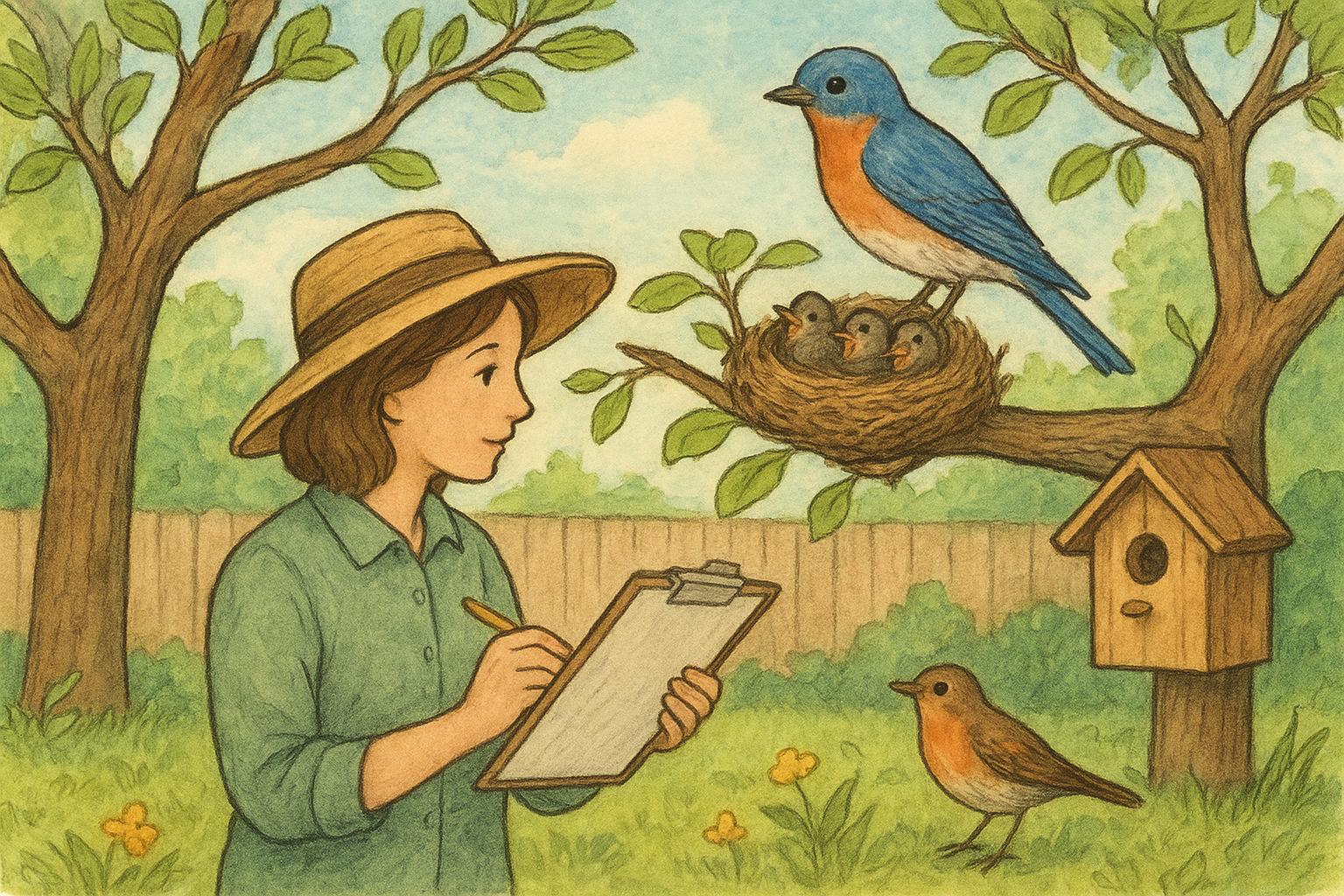
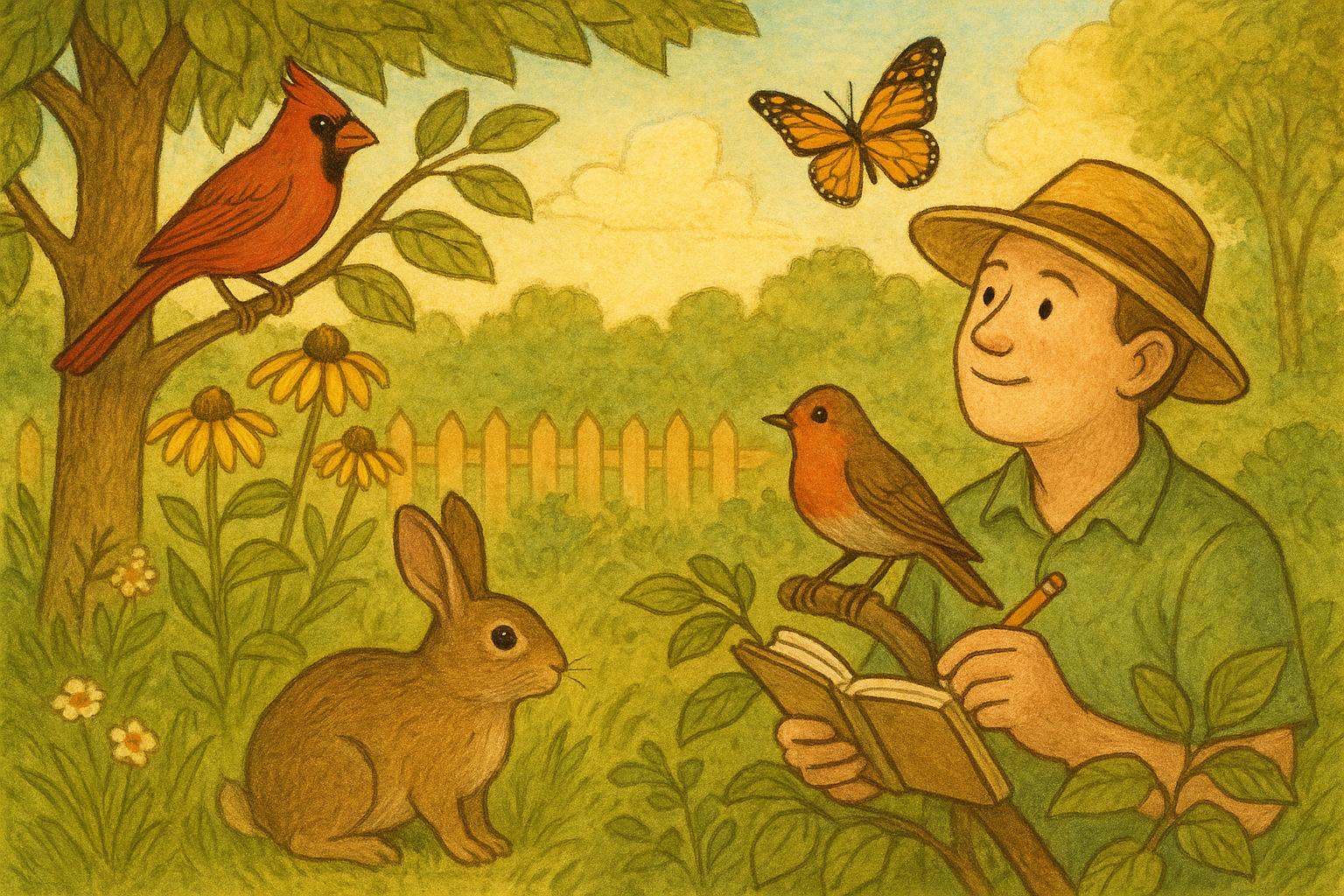
Keep a simple monitoring log: what species visit, nesting occurrences, and any disease or predation events observed. Regular, informal surveys—listening for dawn chorus in spring, recording frog calls at night, and noting seasonal fruit usage—provide valuable feedback that informs which tree species are most beneficial. Citizen science platforms can also help you contribute data while learning about regional wildlife responses to your plantings.




Leave a Reply