
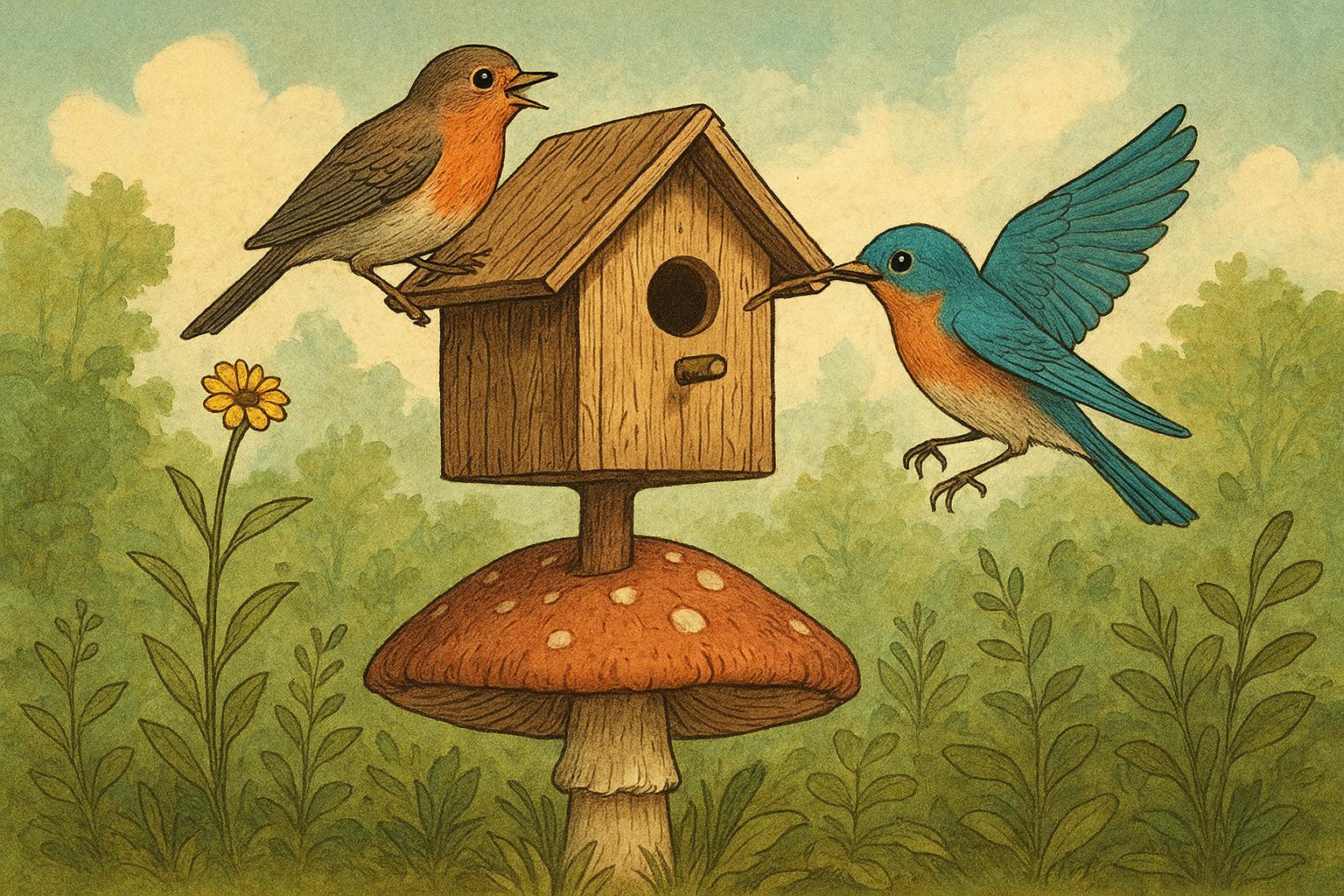
You love birds. You want nests. You’ve tried dangling a birdhouse from a maple branch and felt the universe shrug. Here’s the good news: tiny shifts in where and how you put that box up can make your yard the hottest real estate on the block for bluebirds, chickadees, wrens, and other feathered tenants. Expect a few surprises, a smidge of humor, and actionable fixes you can implement this weekend.
## Shocking Birdhouse Placement Tricks That Skyrocket Nesting
### Read The Neighborhood
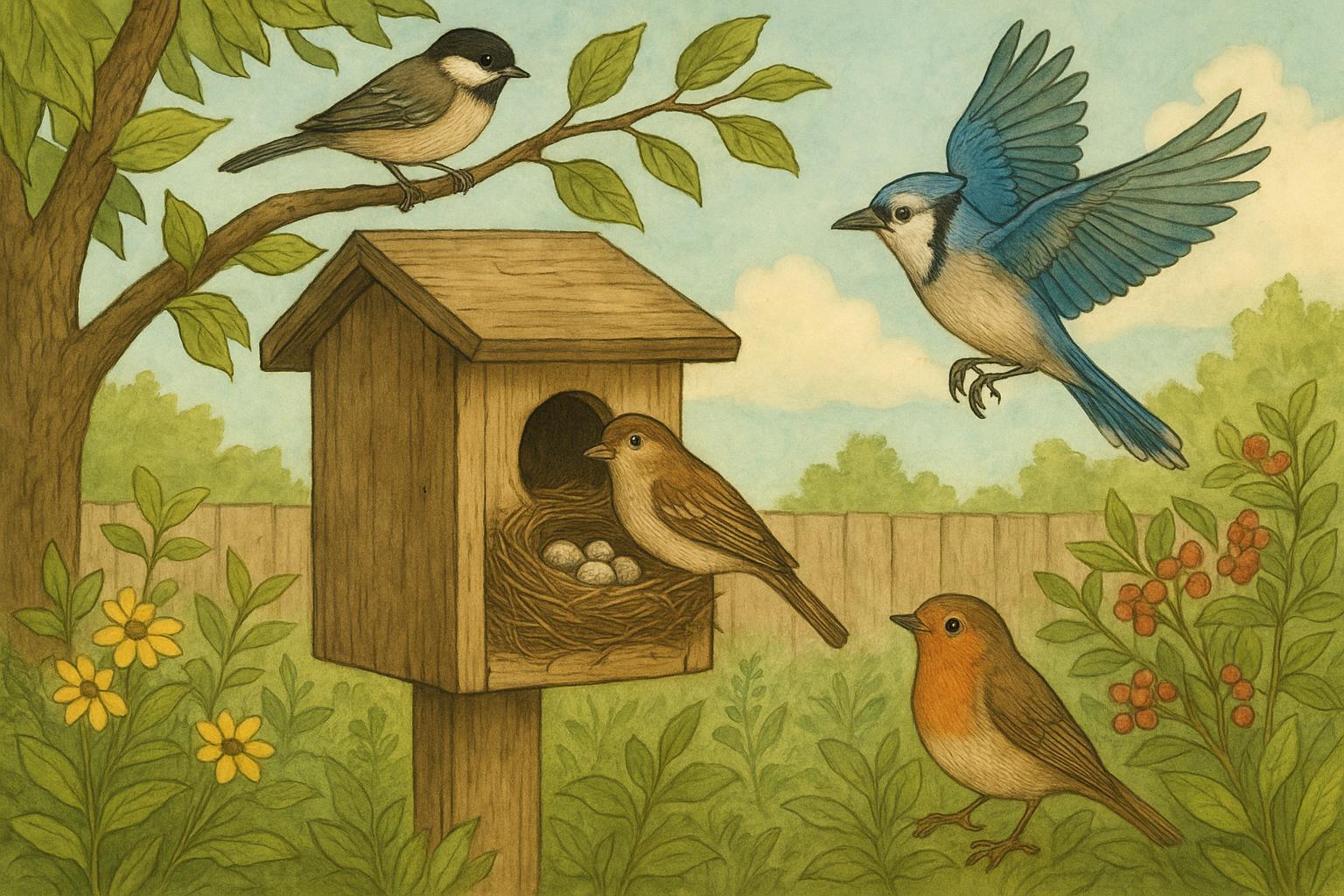
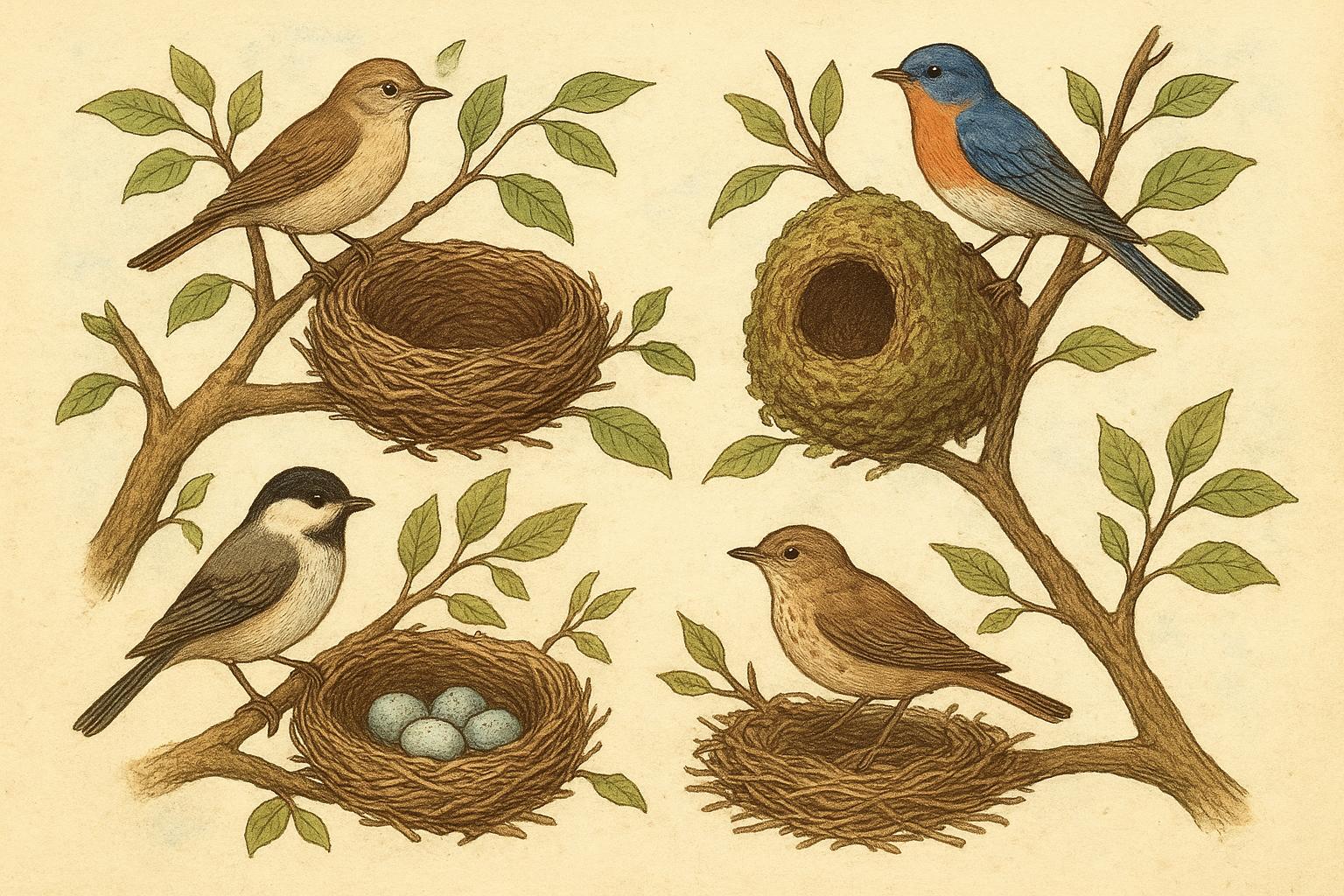
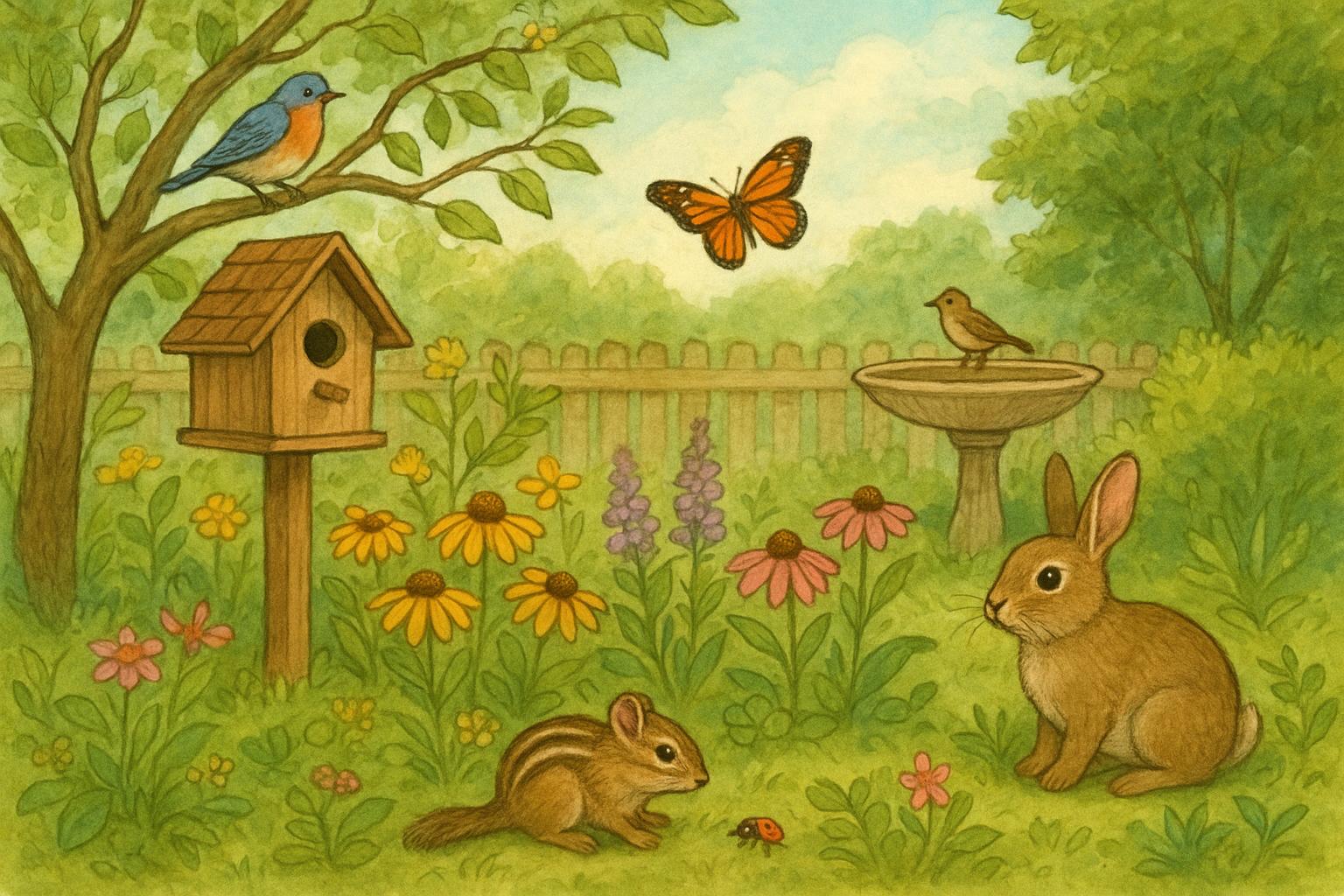
Birds are picky roommates. They don’t read magazines, but they do size up the scene: proximity to food sources, cover for fledglings, and whether the neighbor’s cat is practicing ambush tactics. Smart birdhouse placement respects those preferences. Place boxes near shrubs or trees for quick cover (but not so close predators can climb to the entrance). Think like an avian tenant: access to insects, native plants, and low human disturbance will always be attractive.
Good birdhouse placement also pays attention to predator paths and human traffic. If you’ve got a busy door or a noisy grill station, move the box. Birds prefer a predictable, quiet environment during nesting. If you want to go pro, map out nearby perches and feeding stations: a well-positioned house should be close enough to perches but far enough from high-traffic windows and cat corridors.
### Light, Wind, And Weather
Orientation matters. Most small cavity-nesting birds prefer an entrance facing away from prevailing winds and heavy afternoon sun. East or southeast-facing entrances get morning sun and avoid the hottest late-day heat; that reduces the risk of overheating chicks. Meanwhile, placing the box under a slight eave or partial canopy helps shield young from heavy rain and direct sun.
Elevation matters too. Different species have different height preferences: chickadees like 6–10 feet, bluebirds often 4–6 feet, and wrens may accept lower placements. But consistency is the real trick—pick a height within a species’ range and stick with it. Sudden changes from season to season confuse repeat breeders.
## Birdhouse Placement Tricks That Work
### Visual Cues And Camouflage
Birds react to silhouettes and openings, not paint colors. Natural, muted paint tones blend the box into the scene, making predators less likely to spot it. Avoid bright, glossy finishes near the entrance. Instead, use weather-resistant stains or earth tones and add natural cover like native vines or small shrubs—without blocking flight access. Proper camouflage combined with secure mounting boosts perceived safety and increases reuse.
### Sound And Disturbance Management
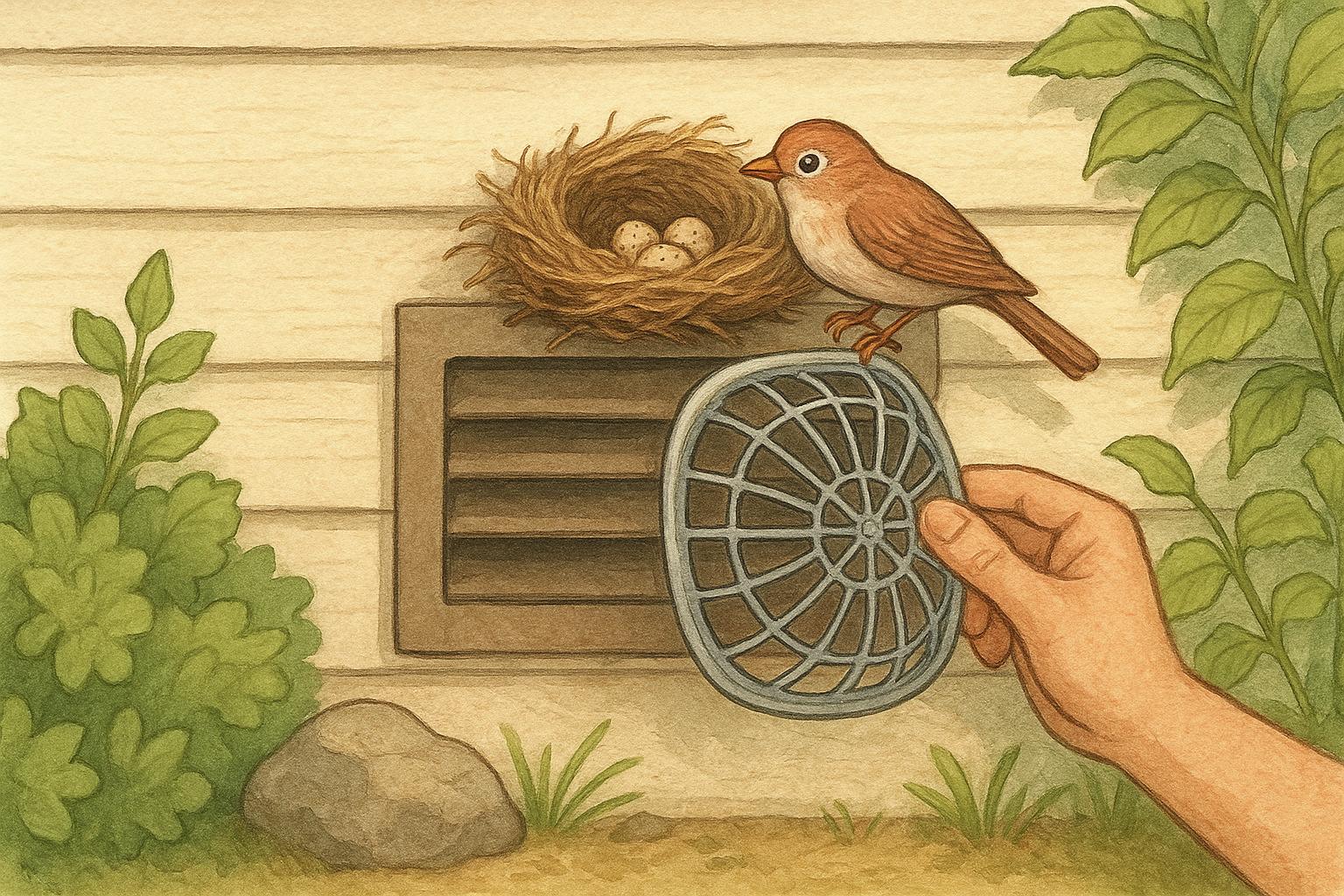
Noise can be a dealbreaker. If your birdhouse placement puts the box near HVAC units, busy streets, or frequently used patios, consider relocating it quietly during the off-season. Sound barriers—shrubs, fences, or a distant feeder line—can help, but the first remedy is distance. Less human activity equals more successful nesting seasons.
## 1. Remedy: Precision Mounting To Attract Songbirds
Materials:
– One appropriately sized wooden birdhouse (untreated, good ventilation)
– Galvanized mounting bracket or pole
– 4-inch predator guard (metal cone) for vertical poles or 12-inch baffle for hanger use
– Stainless steel screws and washers
– Drill with spade bit for entrance hole if building your own
– Weatherproof sealant (non-toxic)
– Tape measure, level, and ladder
Procedure:
1. Select Species Target: Confirm the species you want to attract and verify recommended entrance diameter and height. Use species-specific dimensions (e.g., 1 1/8″ for chickadees, 1 1/2″ for bluebirds).
2. Choose Location: Identify a quiet stretch of yard with nearby perches and food sources, avoiding immediate proximity to shrubs that predators could use for access. Aim for 4–10 feet above ground depending on species.
3. Prepare Mounting Hardware: Attach galvanized bracket or pole to location support. If using a post, ensure it is placed at least 3 feet from any climbable structure (fence, tree limb) to reduce predator access.
4. Install Predator Guard: Fit the 4-inch cone or baffle around the pole or hanger to prevent climbing predators. Ensure the guard is smooth and at least 18 inches below the box’s base.
5. Mount the Birdhouse: Secure the box to the bracket or pole using stainless steel screws and washers. Verify that the box is level and firmly attached. The entrance hole should be free of overhanging branches or direct rain paths.
6. Ventilation And Drainage: Drill small holes near the top of the sides for ventilation and in the floor for drainage if not pre-drilled. Seal exterior seams with non-toxic weatherproof sealant—do not seal ventilation/drainage holes.
7. Final Check: Confirm the entrance faces away from prevailing winds (east/southeast preferred) and that there is a clear flight path for approaching adults. Document the location for seasonal monitoring.
This remedy focuses on measurable, repeatable steps. Proper materials, secure mounting, and predator management are essential to improving occupancy rates with minimal disturbance to birds.
## 2. Remedy: Predator-Proofing And Camouflage To Increase Occupancy
Materials:
– Mesh guard (small-gauge wire) for predator tray or entrance reinforcement
– Metal entrance hole plate (optional) to prevent enlargement by predators
– Exterior-grade stain in earth tones
– Native shrub seedlings (optional, for creating cover)
– Cable ties or corrosion-resistant wiring
– Motion-activated deterrent lights (optional, low-lumen for nocturnal predators)
– Work gloves, pliers, and snips
Procedure:
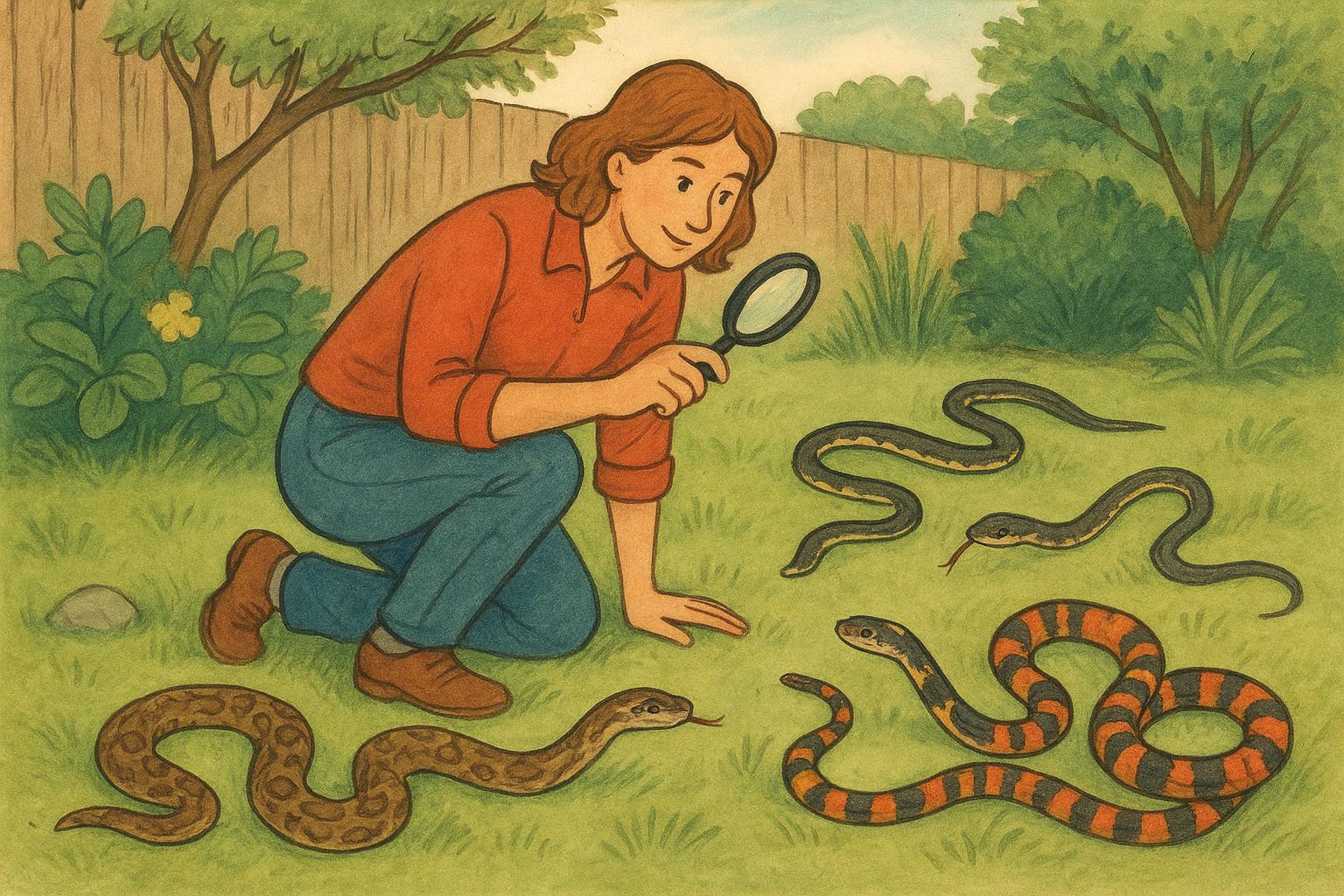
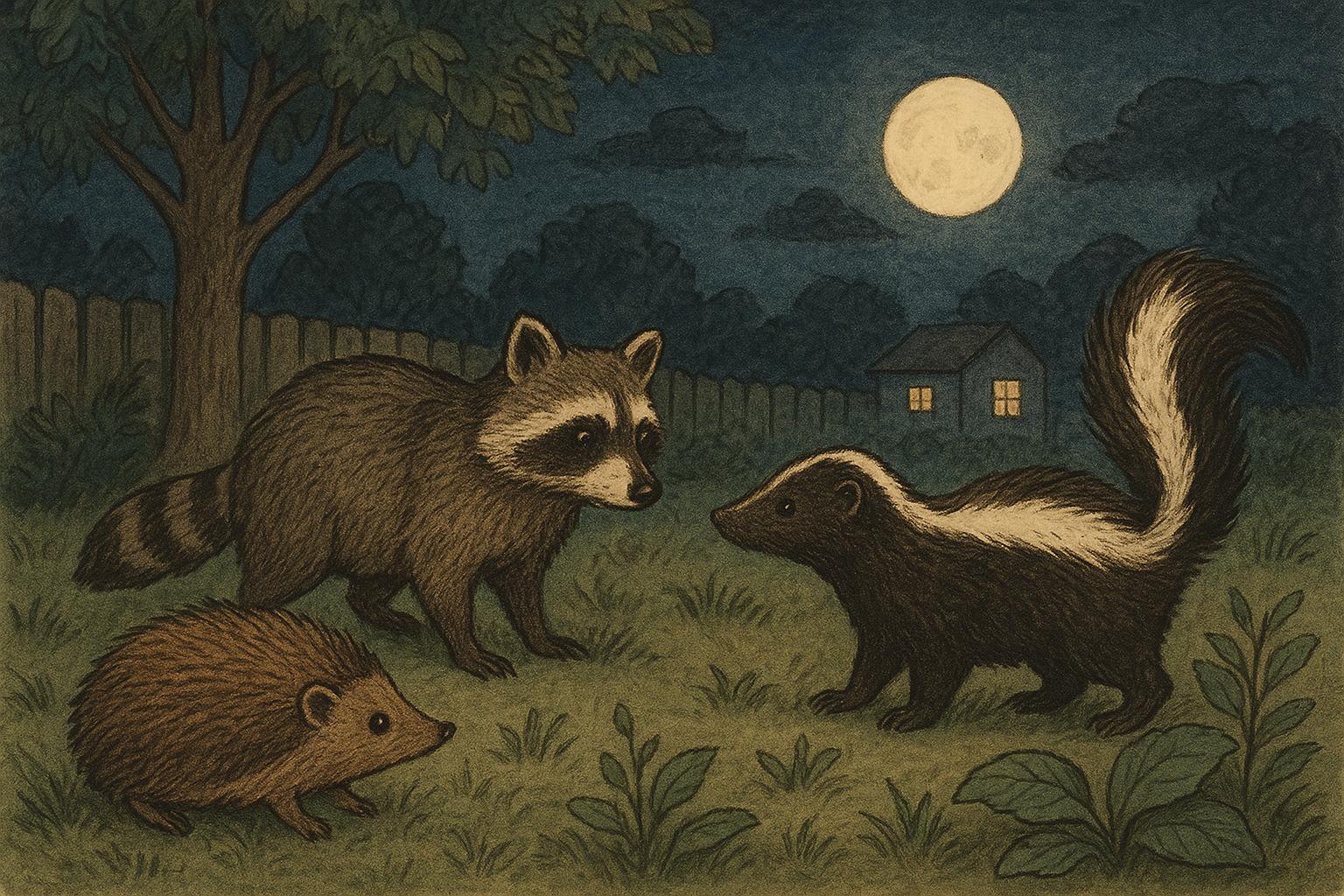
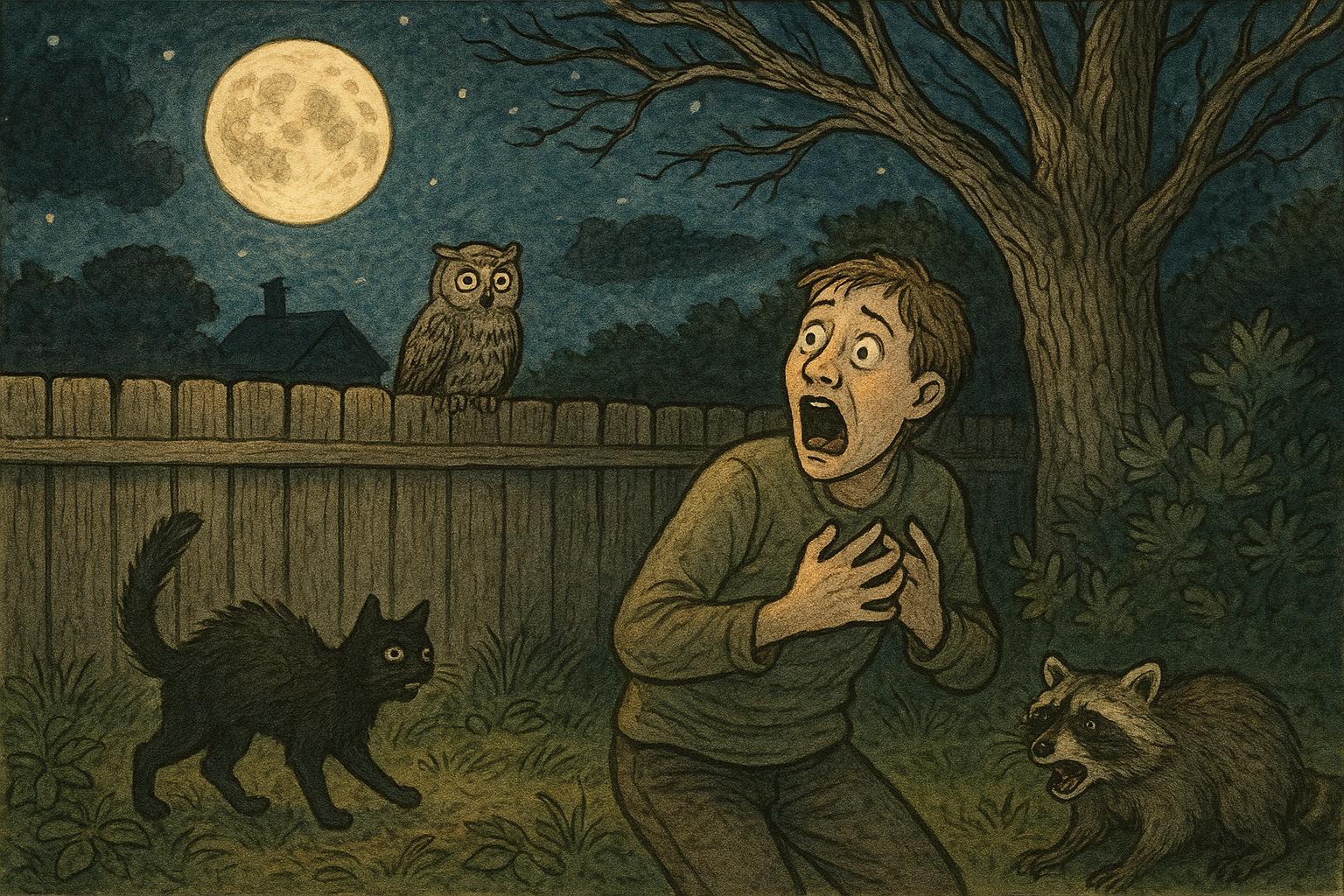
1. Assess Threats: Observe local predator activity for a week—identify raccoon, cat, and snake patterns. Note times and paths; this informs where to position predator guards.
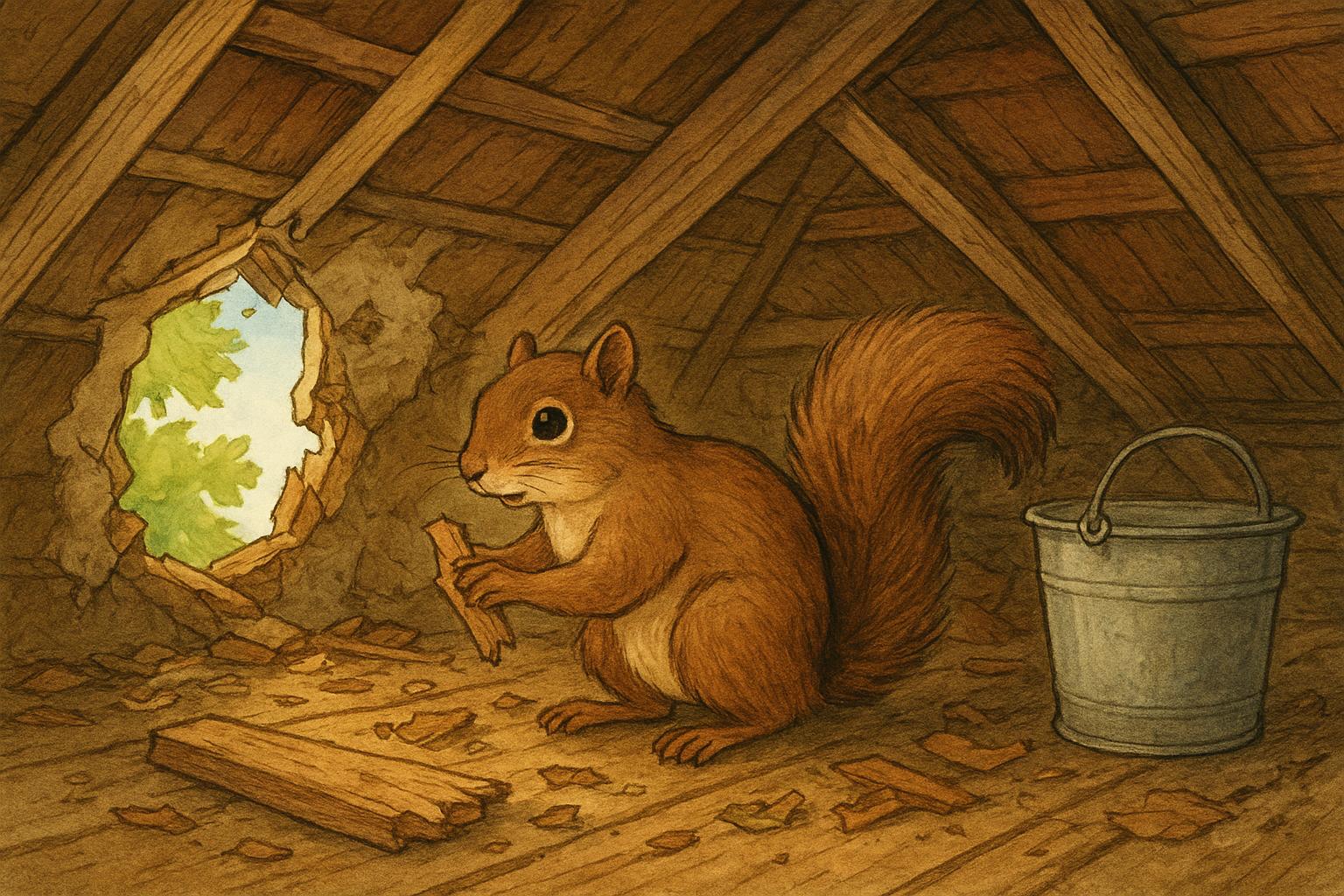
2. Reinforce Entrance: If squirrels or larger birds are a problem, affix a metal entrance plate around the hole to prevent chewing and widening. Use stainless hardware so it won’t rust.
3. Add Mesh Tray: Install a small mesh tray under the mounting area to prevent snakes from entering from below. Secure mesh tightly so there is no gap between the box and the support.
4. Apply Camouflage Stain: Lightly coat the box with exterior-grade earth-tone stain. Allow to dry thoroughly outdoors. Avoid painting the inside or the entrance rim.
5. Create Natural Cover: Plant a native shrub or place a low-growing bush 6–15 feet away to provide cover without giving predators easy access. Use local native species that attract insects and offer protection.
6. Install Deterrents If Needed: For persistent nocturnal predators, install motion-activated, low-lumen deterrent lights aimed away from the box (so chicks aren’t startled). Use sparingly—too much light disrupts nesting behavior.
7. Monitor and Adjust: After installation, check monthly during nesting season for signs of predation or use. Replace or upgrade guards as needed.
This remedy emphasizes physical barriers and subtle habitat modification. Predator-proofing should be robust but not intrusive; the goal is to increase perceived safety while keeping the environment natural.
### Legal And Ethical Considerations
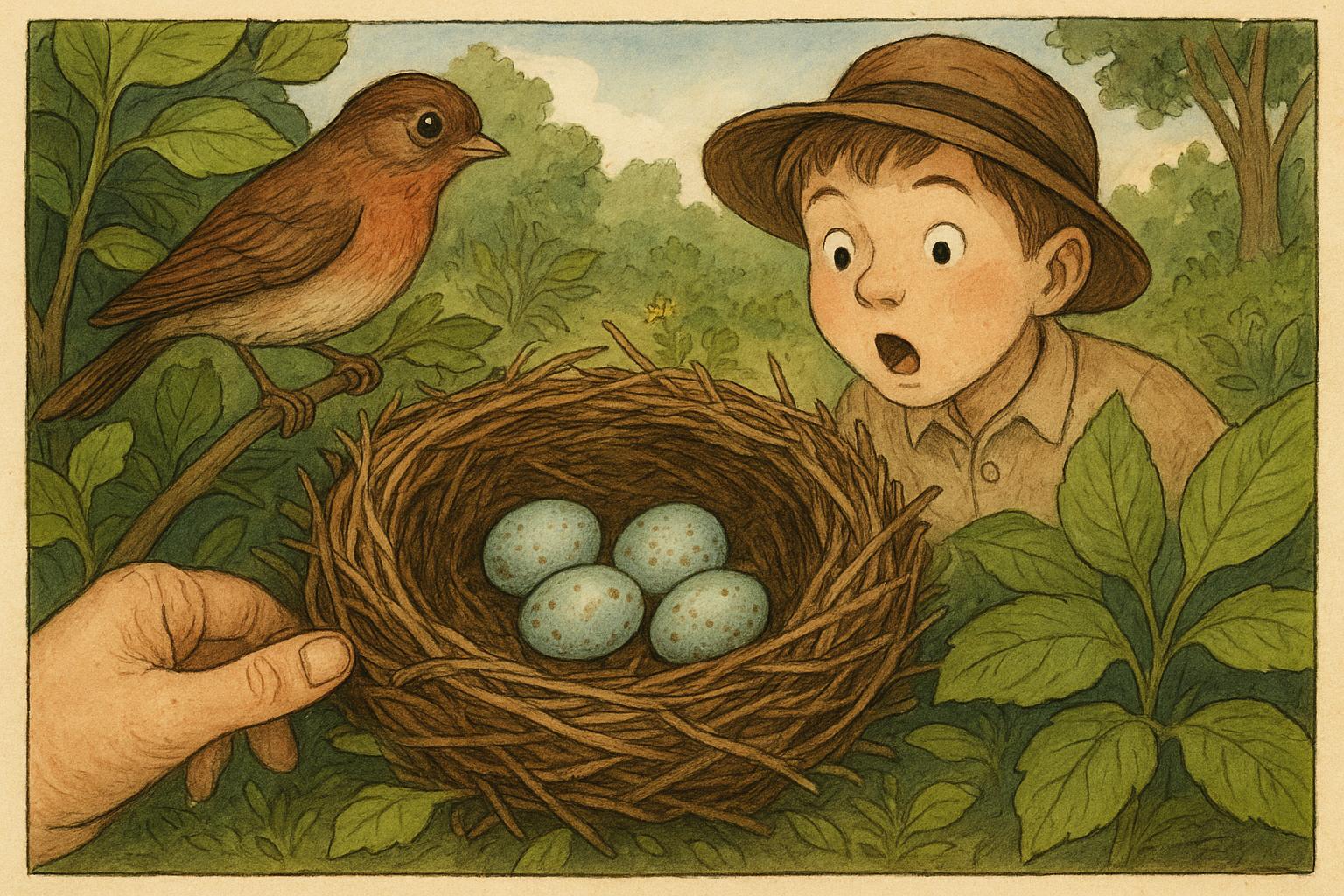
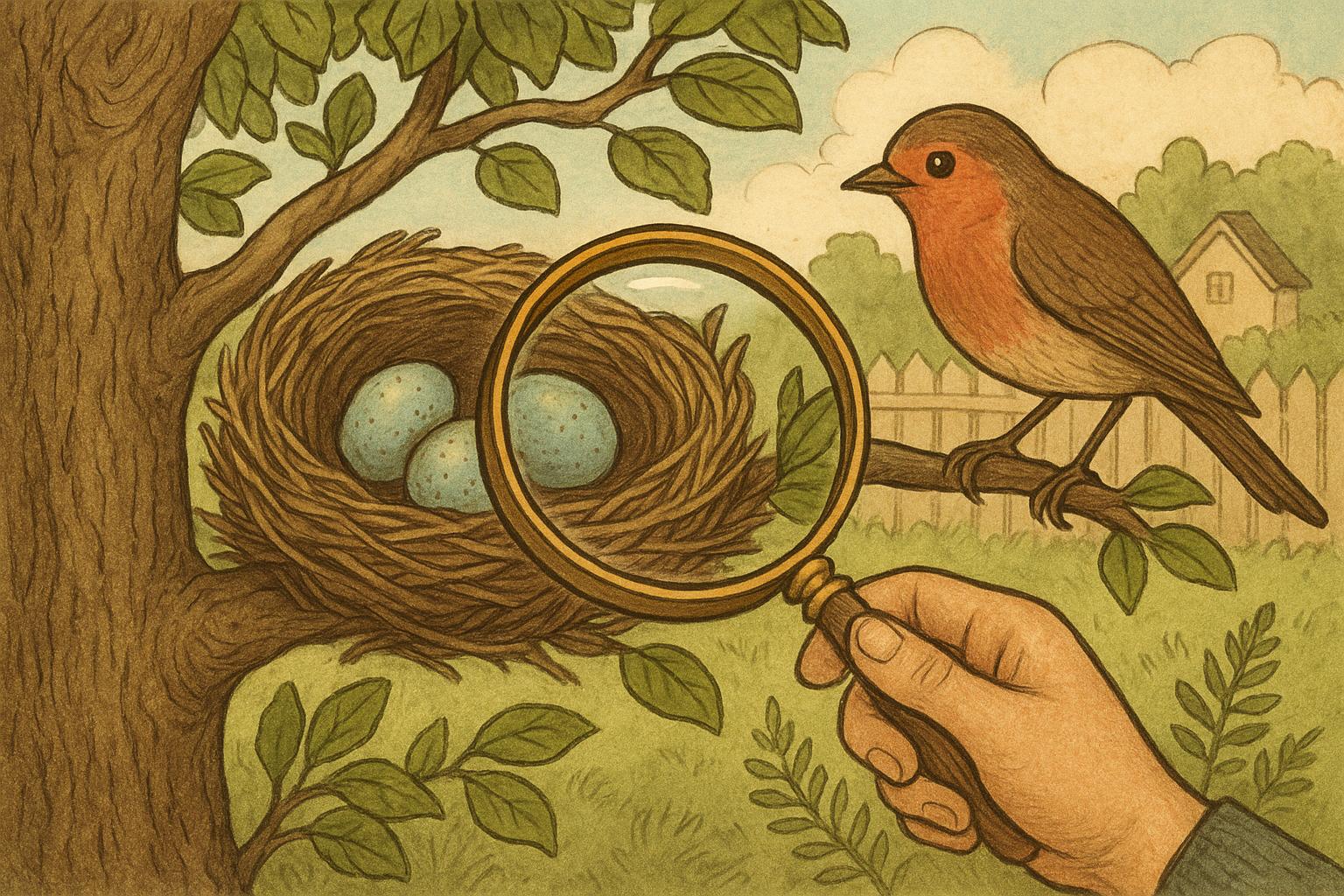
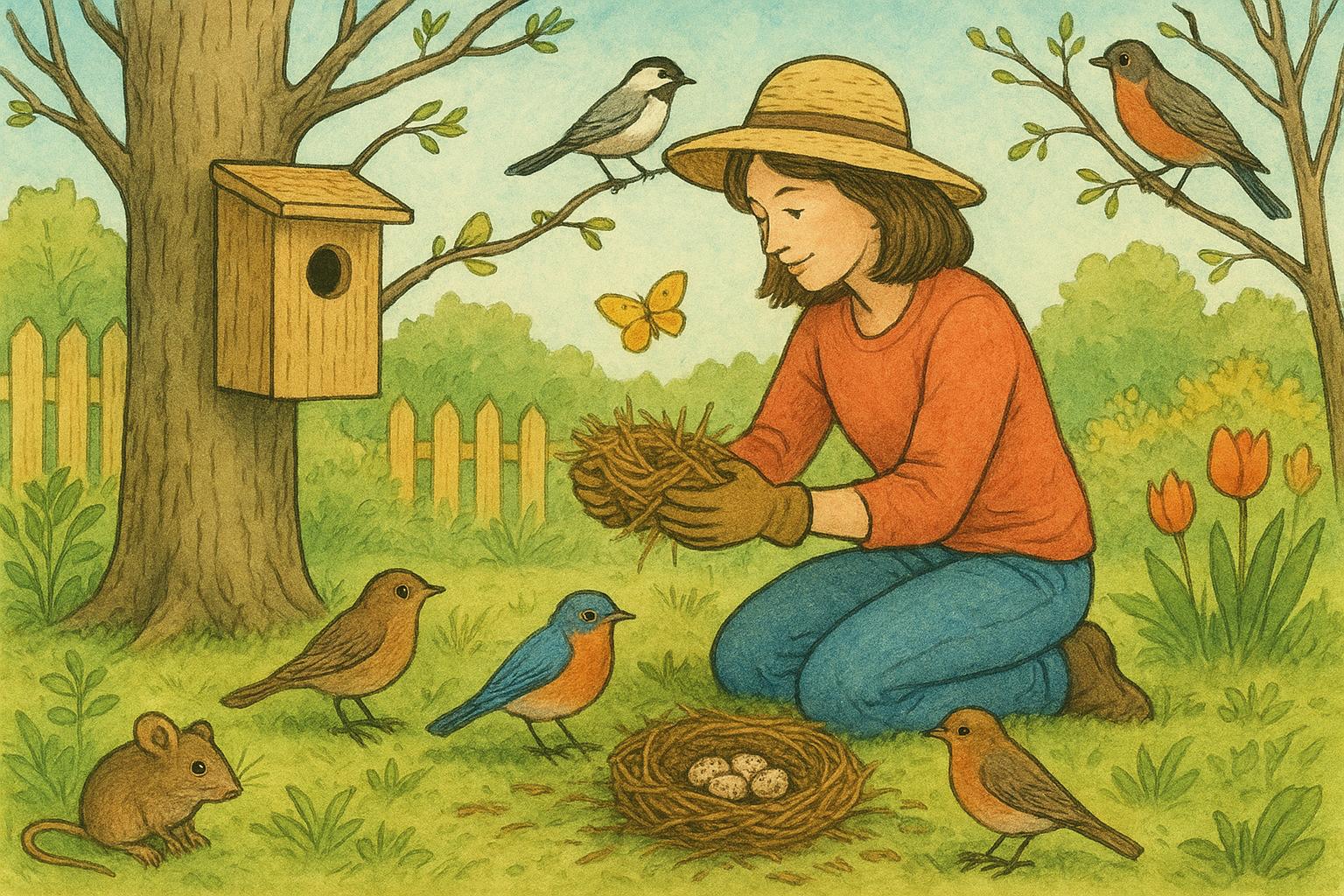
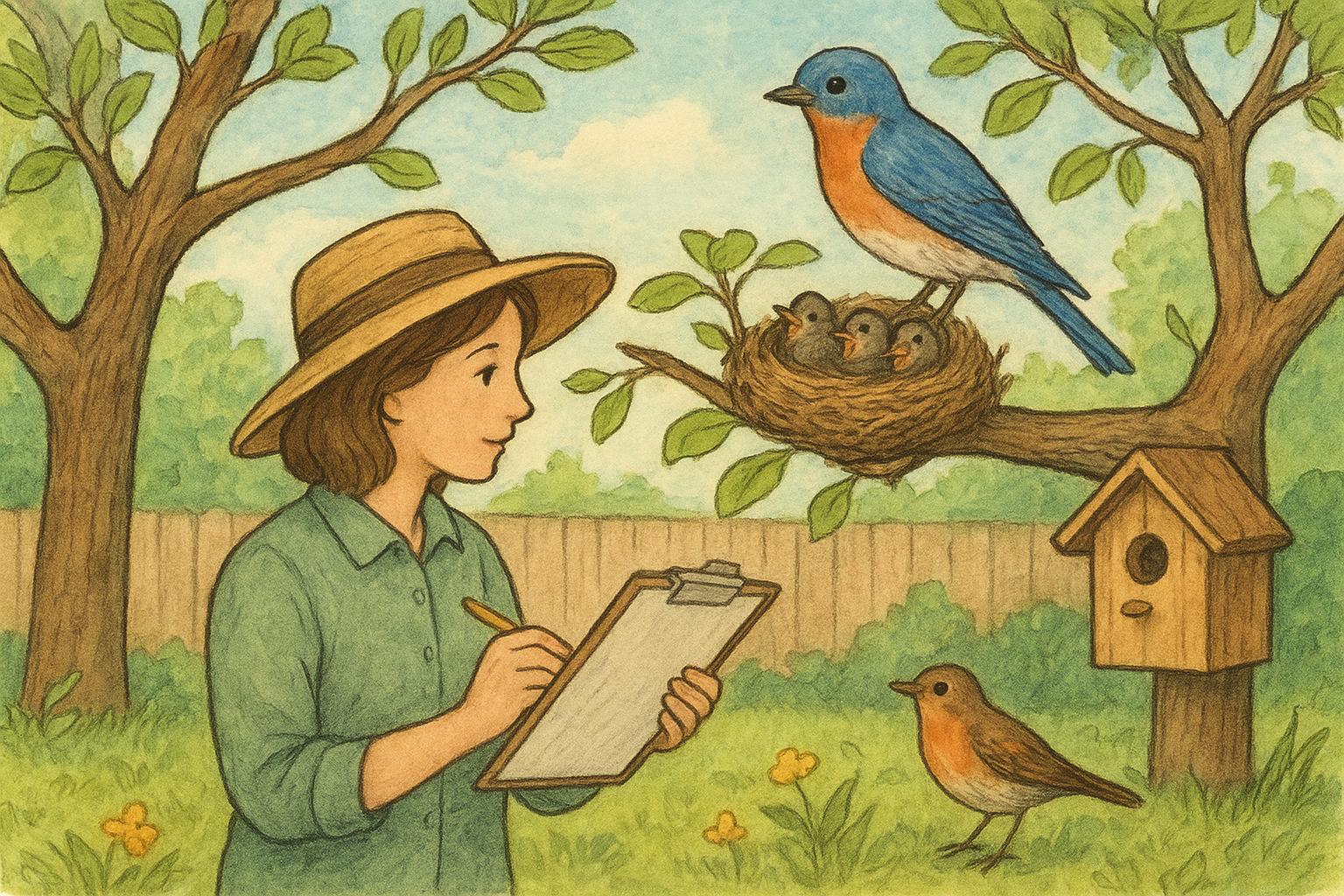
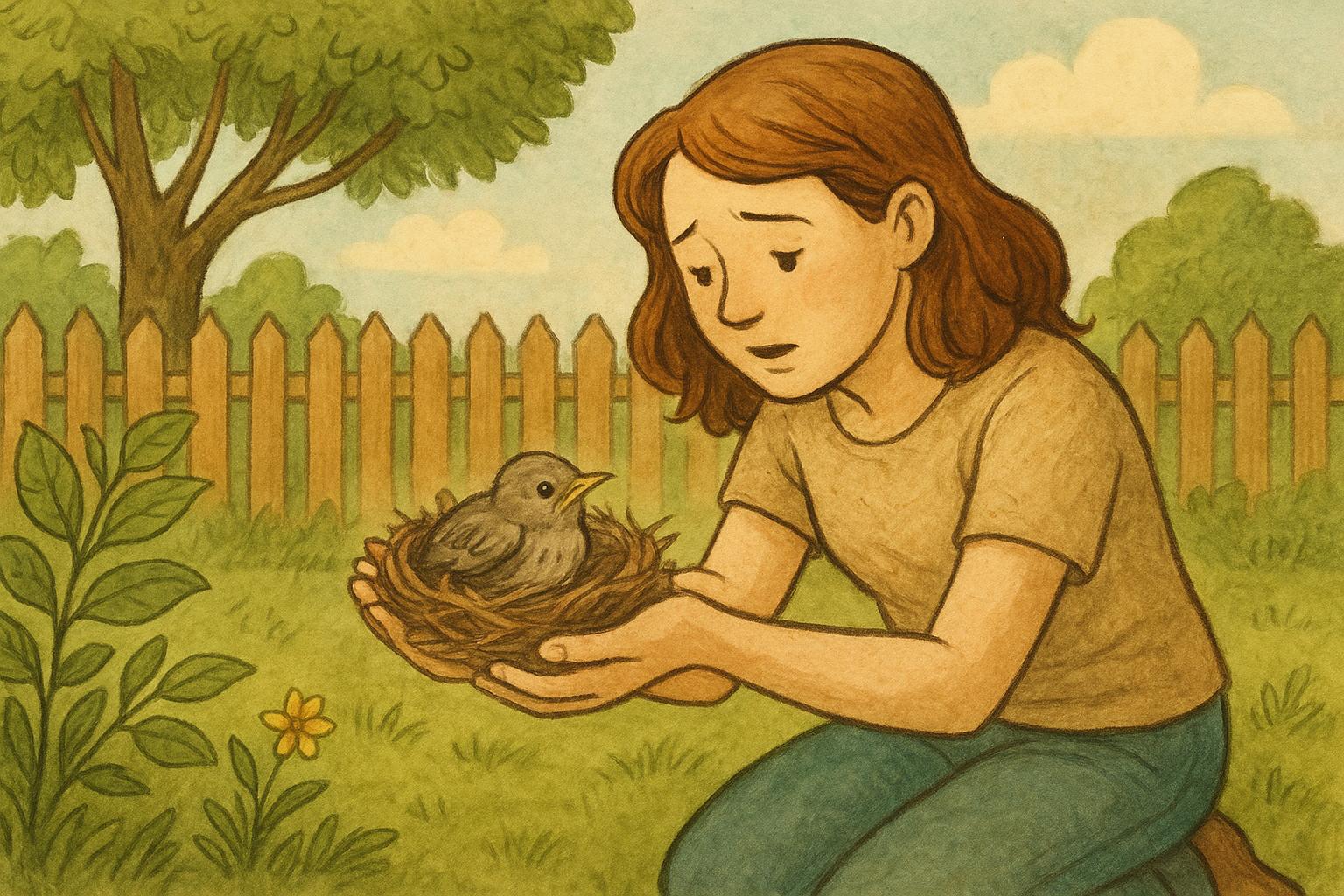
Be aware of local regulations regarding birdhouse placement and nest management. Many regions protect active nests—disturbing eggs or chicks can be illegal. Always avoid handling eggs or occupying boxes during nesting unless advised by a local wildlife rehabilitator. For monitoring, use binoculars and maintain a respectful distance.
#### Timing For Nest Checks
Check boxes only outside critical nesting windows and only for maintenance when unoccupied. Late winter or early spring are ideal for repairs and cleaning. Cleaning should involve removing old nesting material and disinfecting with a mild bleach solution (1 part bleach to 9 parts water), followed by thorough rinsing and drying before reinstallation.
#### Responsible Feeding And Habitat Support
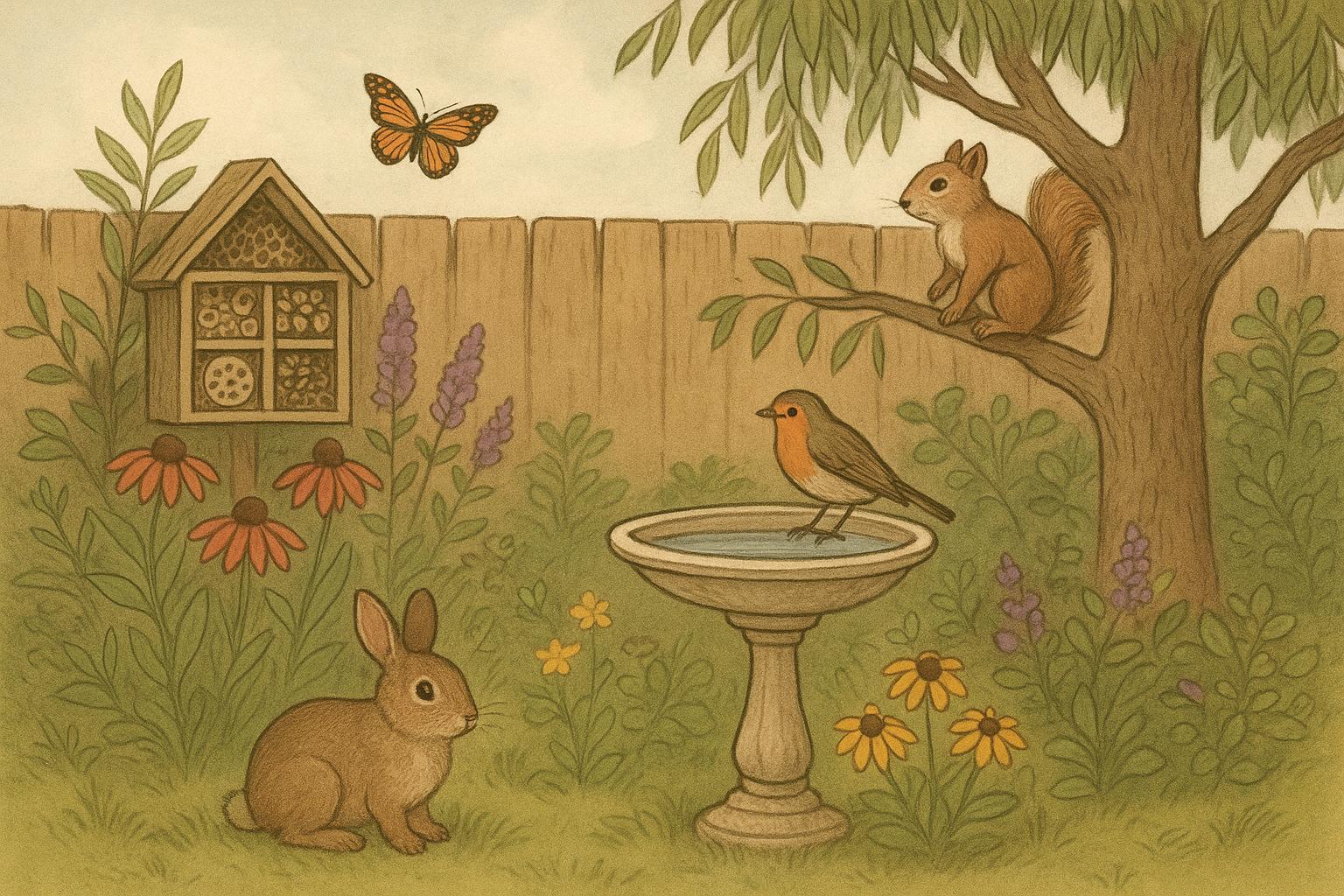
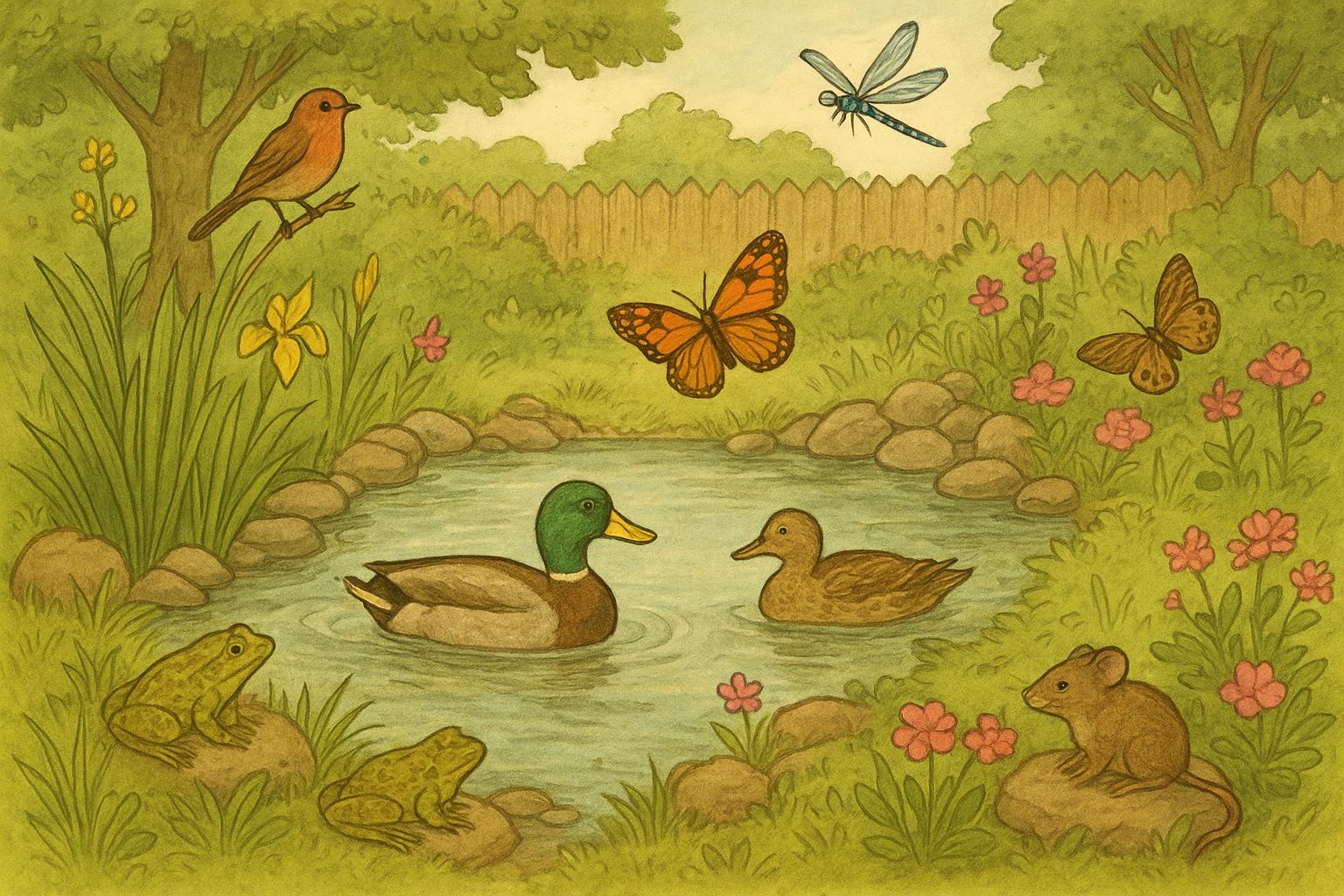
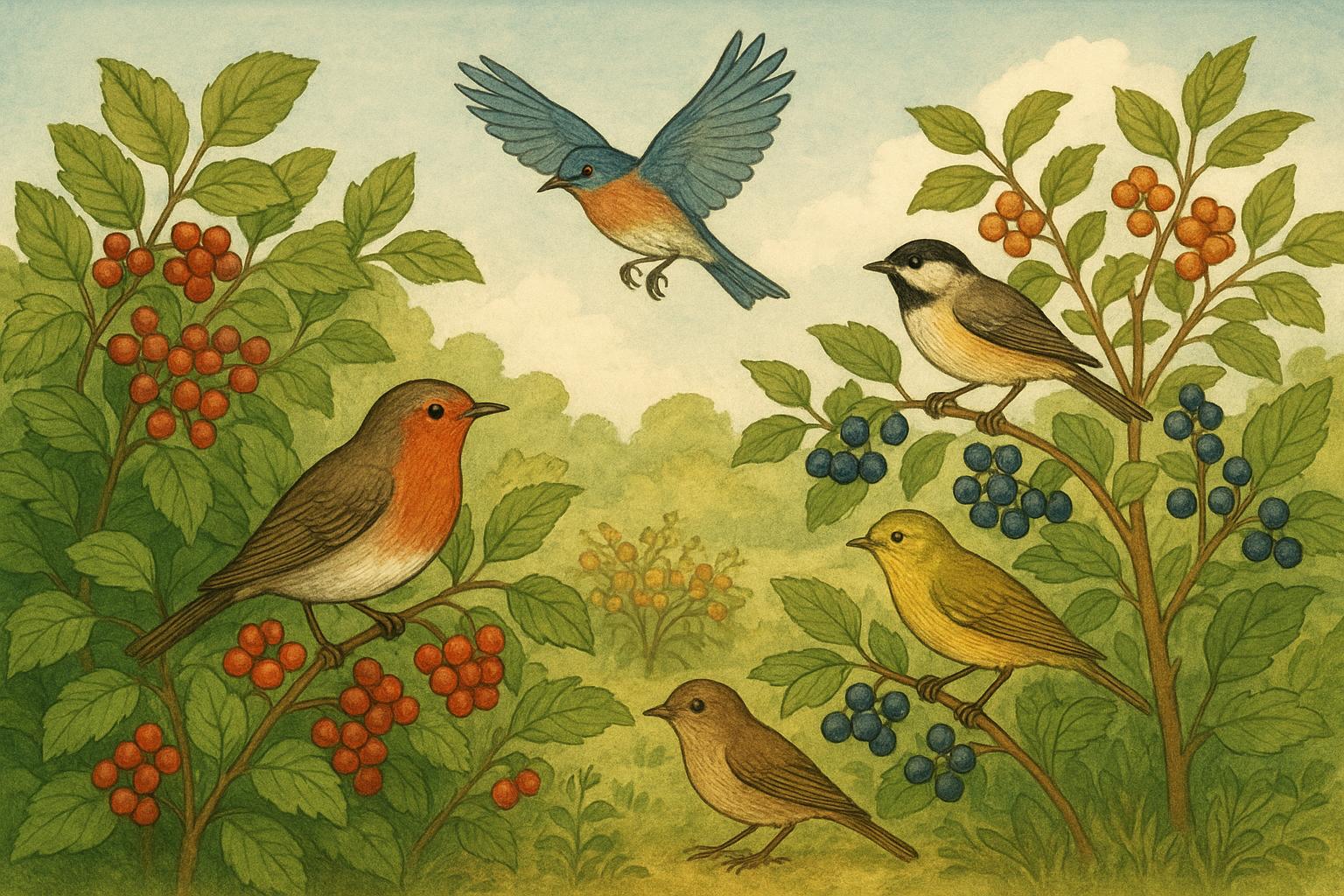
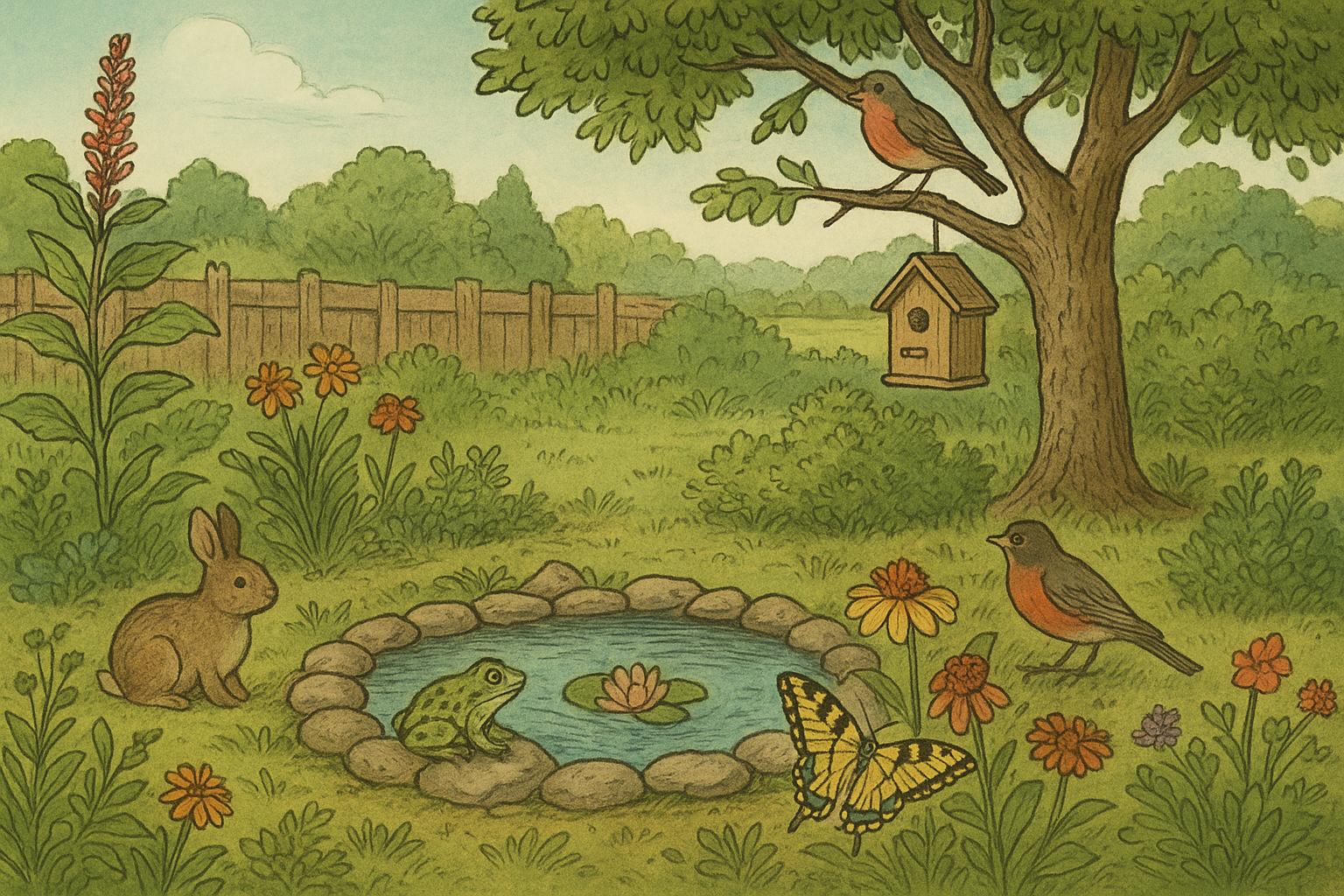
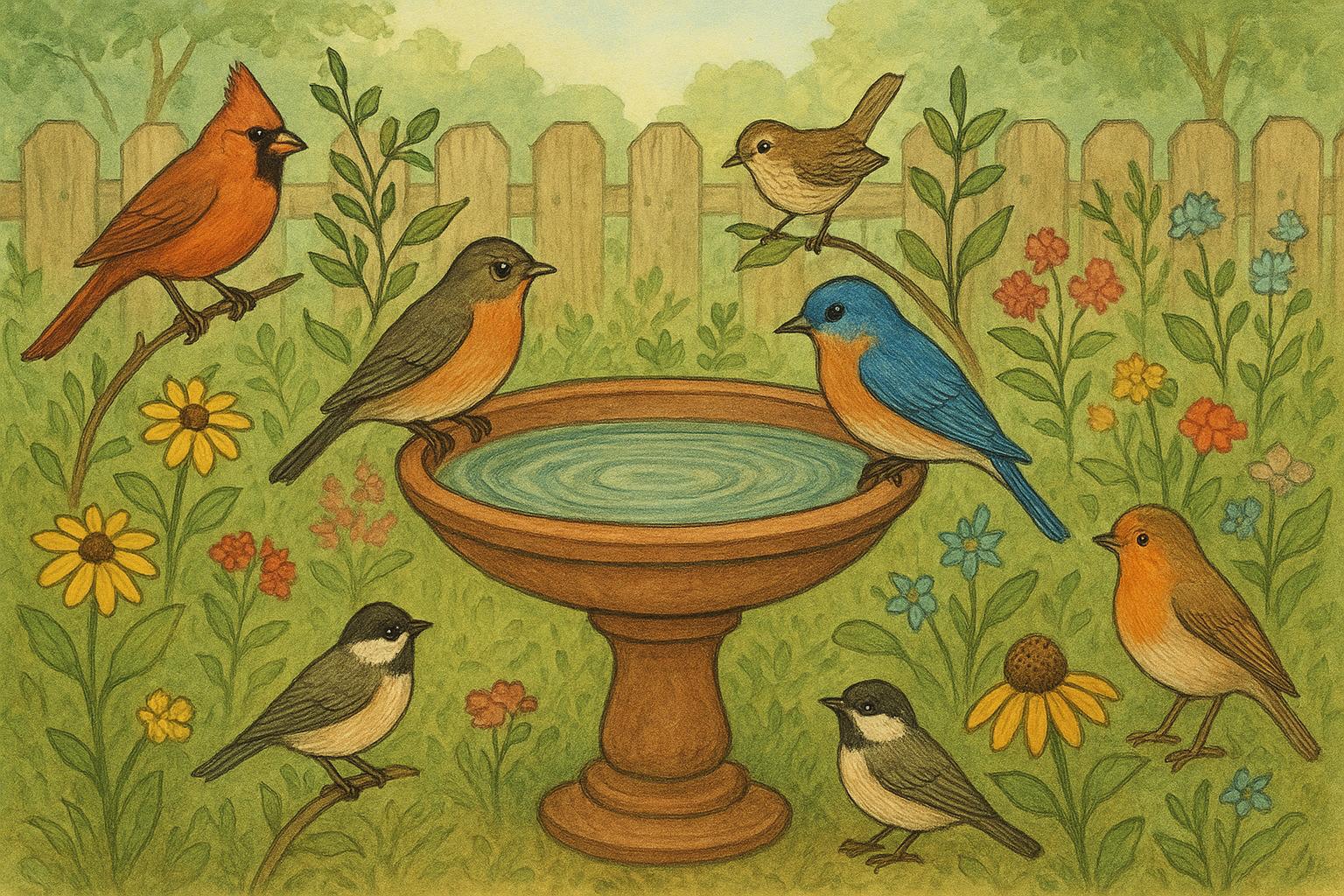
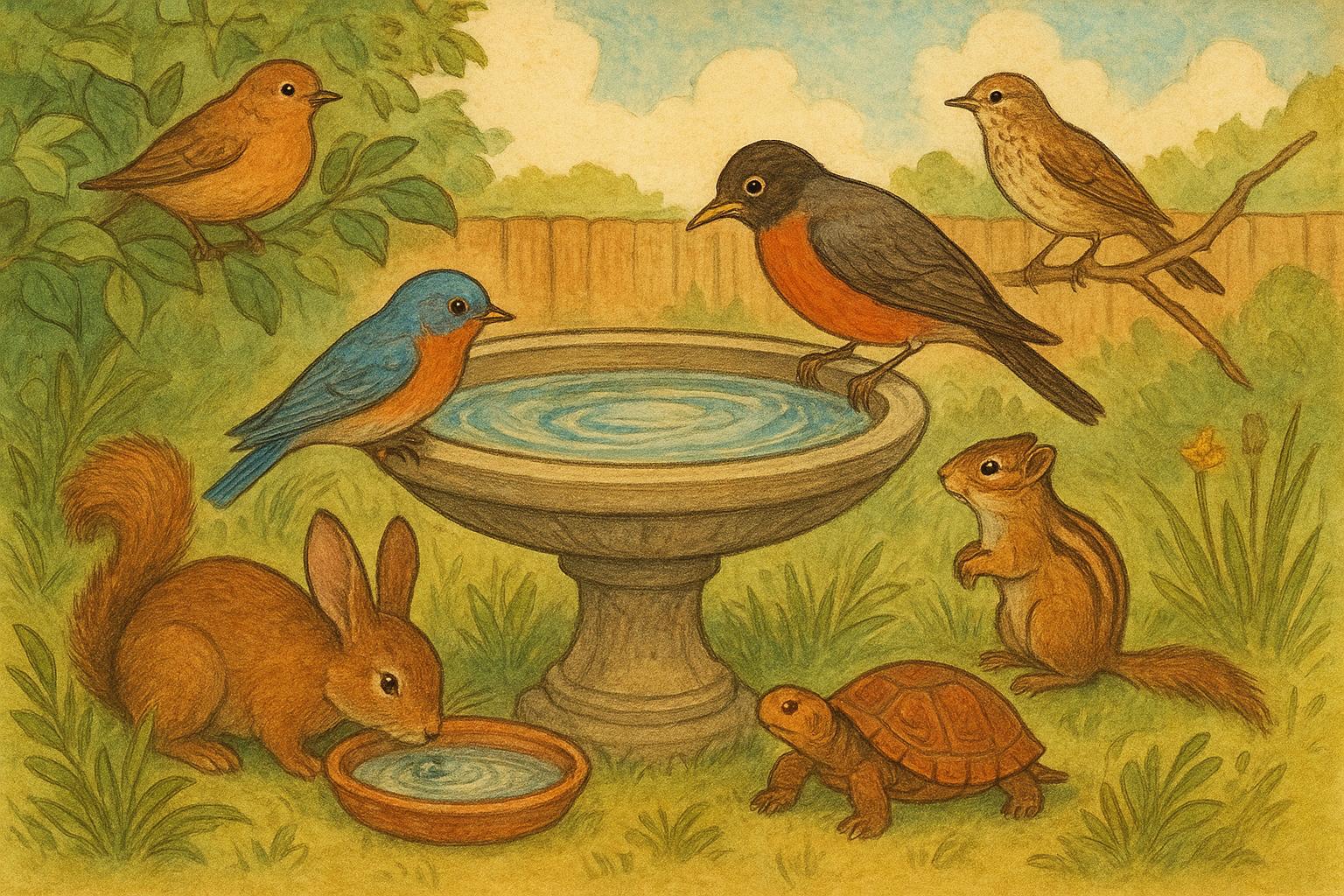
Complement careful birdhouse placement with year-round habitat support: native plants, clean water sources, and pesticide-free pest management. These efforts synergize with precise birdhouse placement to create a site dependable enough that birds will return season after season.
If you want, I can create a quick placement checklist tailored to your yard species and layout—provide your region and the predominant bird species you’d like to attract.

Leave a Reply