
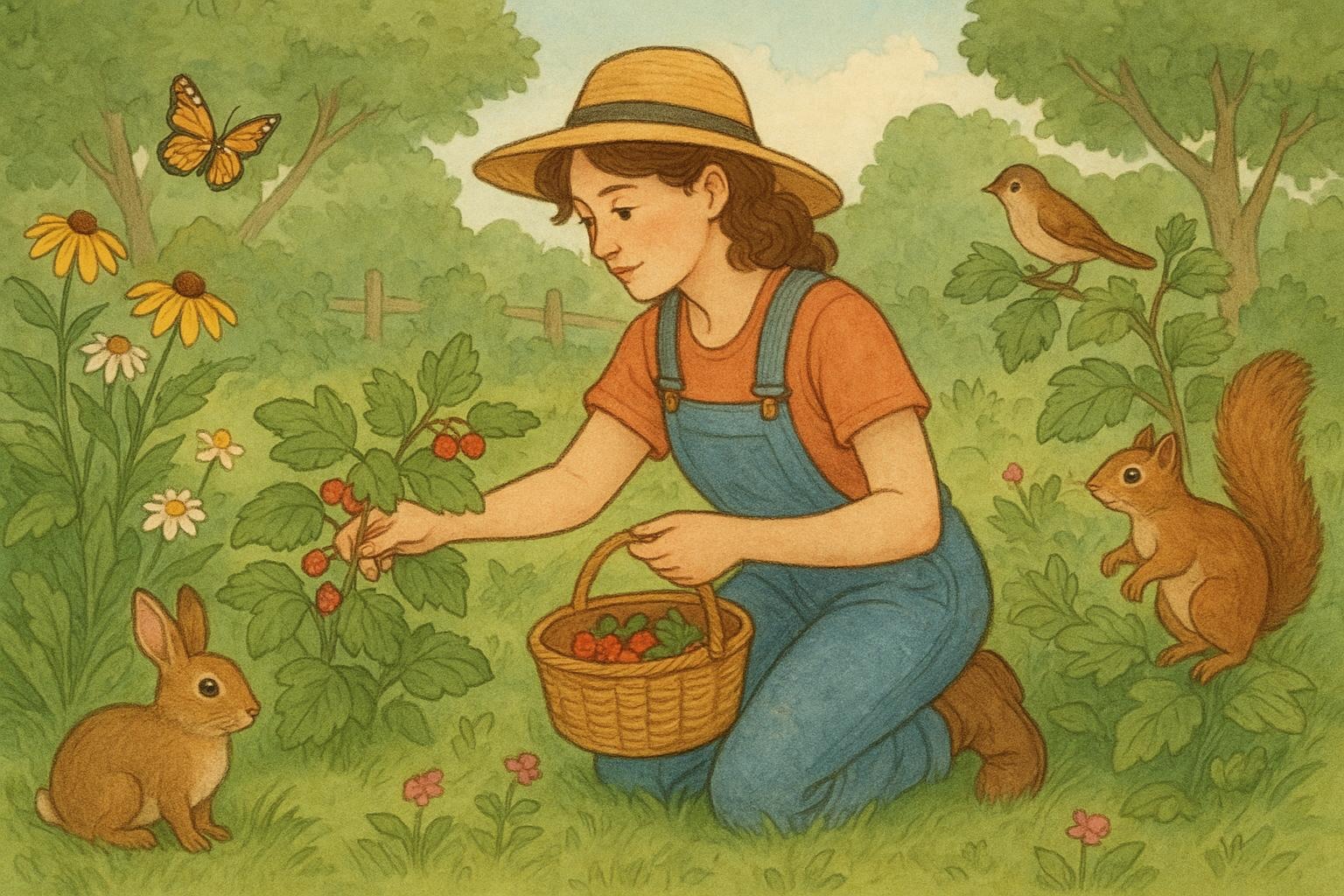
Summer in the backyard is an invitation: warm days, humming bees, and that irresistible urge to forage the little larder your garden has become. Garden foraging can be a delightful way to connect with nature, add fresh flavors to your meals, and observe wildlife close up. But it’s also easy to overstep boundaries — both for your safety and for the critters you’re sharing space with. Below are practical, friendly tips to keep summer garden foraging safe and sustainable.
## Garden Foraging Safety Basics
Garden foraging starts with respect: for plants, for animals, and for your own limits. Before you reach for a leaf or berry, pause and ensure you’re not removing something that a bird or pollinator relies on, and that you’re confident in your identification. A misidentified plant can ruin a snack and a bad plant can mean a trip to urgent care. Keep a field guide or app handy, and when in doubt, leave it be.
### Know Your Local Regulations And Risks
Some neighborhoods or municipalities have rules about foraging even on private property, especially if you share a community garden. Additionally, be aware of pesticide history. Plants treated with chemicals aren’t safe to eat. Ask your landscaper or check labels on products used in your yard. If you manage a shared space, get consensus before encouraging garden foraging activities.
### Know Your Plants And Pollinators
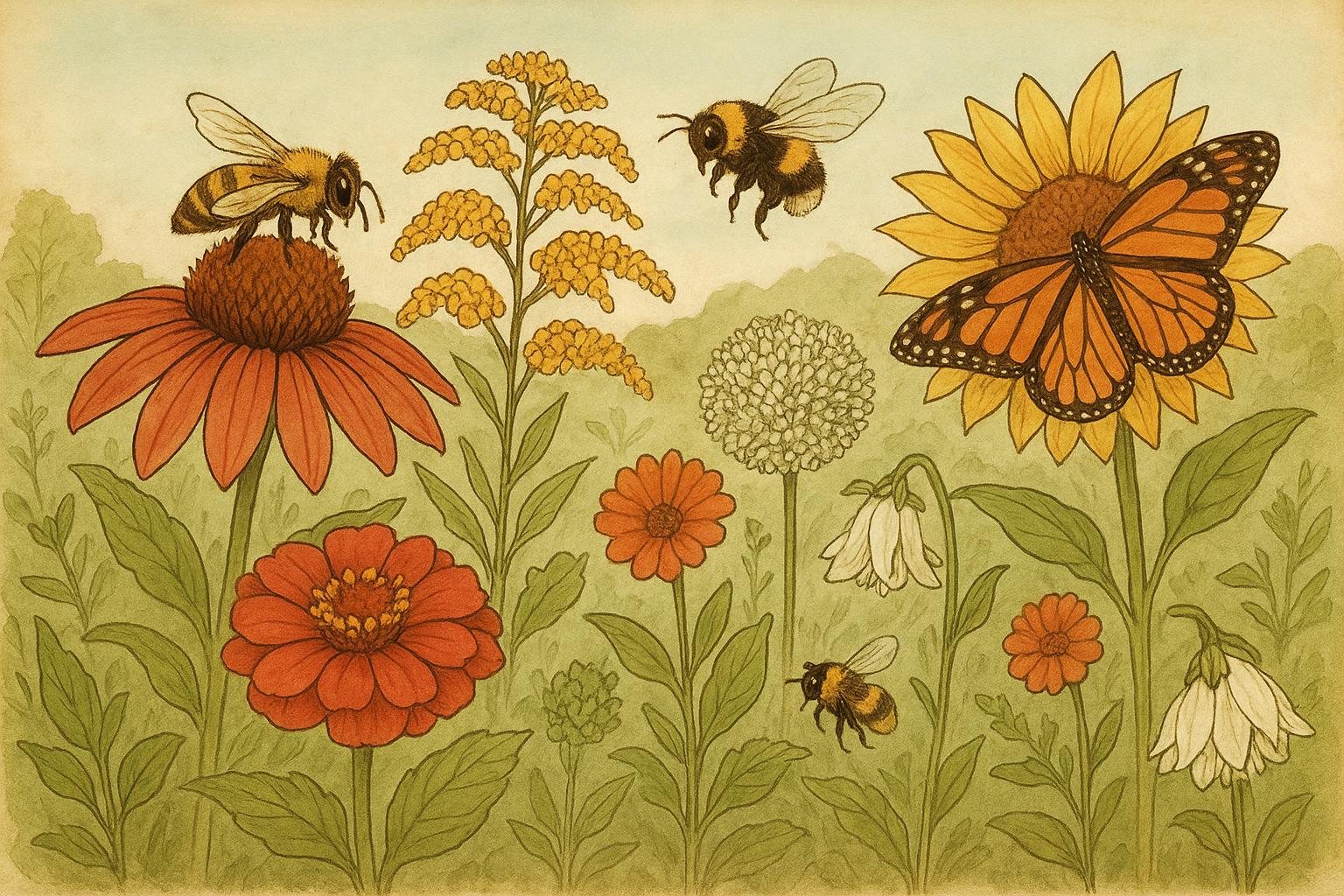
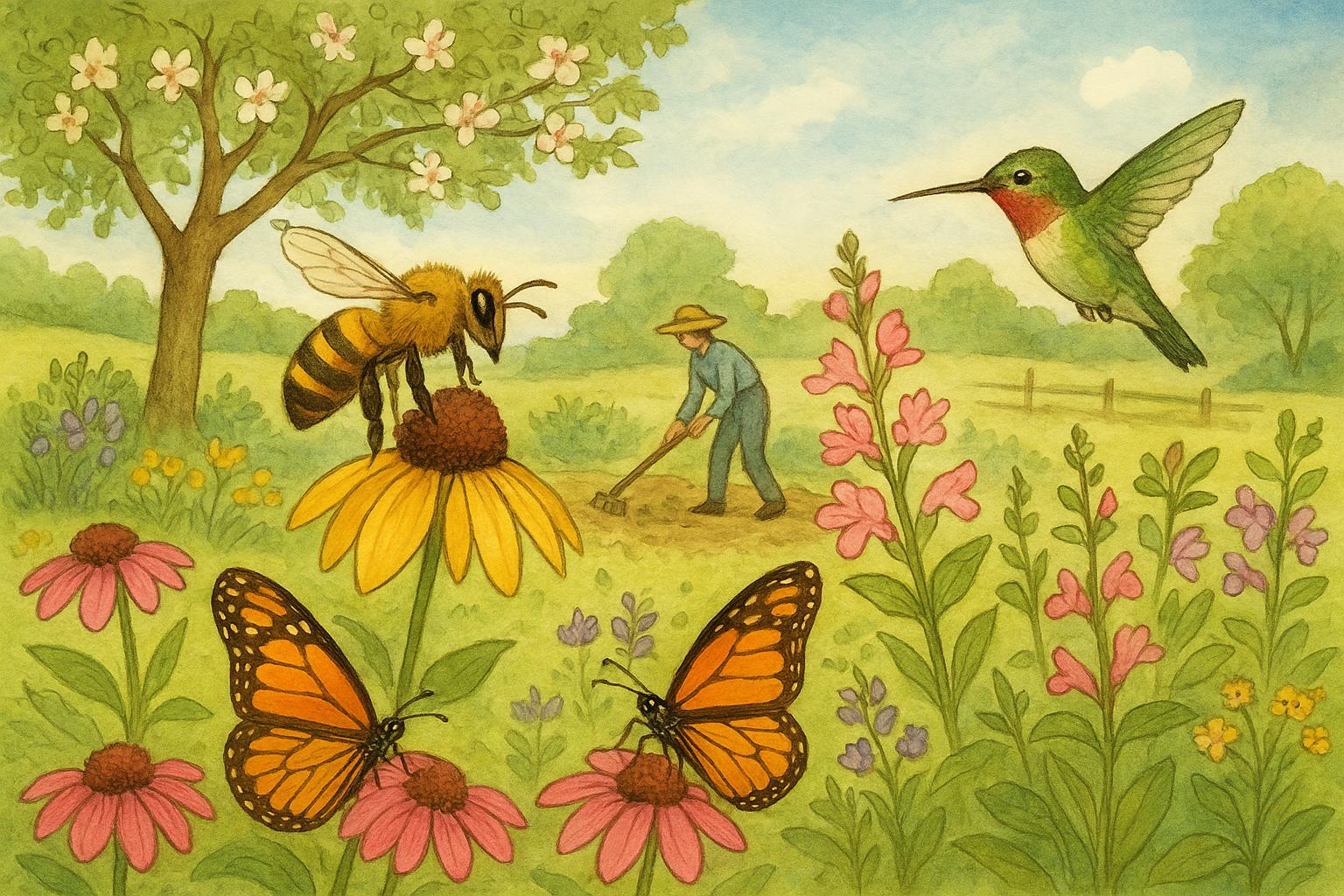
Understanding which plants attract bees, butterflies, and other beneficial insects helps you plan safe foraging. Avoid harvesting from dense flowering clusters where pollinators are actively feeding. Leave a portion of flowers unharvested to ensure pollinators still have nectar and pollen sources throughout the season.
### Recognize Safe Edibles Versus Lookalikes
Many edible plants have toxic twins. For example, young shoots of some edible plants resemble poisonous relatives. Focus on a short list of well-known, unmistakable edibles in your garden — herbs, strawberries, raspberries, cherry tomatoes, nasturtium flowers — and master those before expanding. Photographs from multiple angles and notes on habitat and leaf patterns will save you from culinary misadventure.
## Preparing Your Yard For Responsible Garden Foraging
A garden set up for safe foraging is a happier garden for everyone. Small, deliberate changes reduce conflicts and create dedicated spaces where people and wildlife can coexist.
### Create Distinct Foraging Zones
Designate a small area where you encourage harvesting: a “forage patch.” Plant durable, edible species there and label them so guests can confidently harvest. Keep pollinator-attracting ornamentals separate or clearly marked to prevent accidental overharvest. This also teaches kids what is okay to pick and what is not.
#### Selecting Plant Species For Your Forage Patch
Choose hardy, fast-regenerating plants: culinary herbs (basil, mint, chives), salad greens, strawberries, and bush-form raspberries. Native berry species, when appropriate, are excellent because local wildlife and people are adapted to them. Avoid introducing invasive edibles that could escape into surrounding habitats.
### Design Harvesting Etiquette
Set simple rules: take only what you’ll use, don’t strip entire plants, harvest from multiple plants rather than one, and leave seed heads for birds later in the season. Teach children gently: show them how to pinch stems or snip leaves without tearing the plant. This increases the plants’ ability to regrow and keeps your forage patch productive.
### Timing Matters
Harvest in the cooler parts of the day when pollinators are less active — early morning or late afternoon. Avoid harvesting food after a heavy pesticide application window, and wait until dew has dried so produce is cleaner and less prone to bruising.
## Minimizing Wildlife Disturbance While Garden Foraging
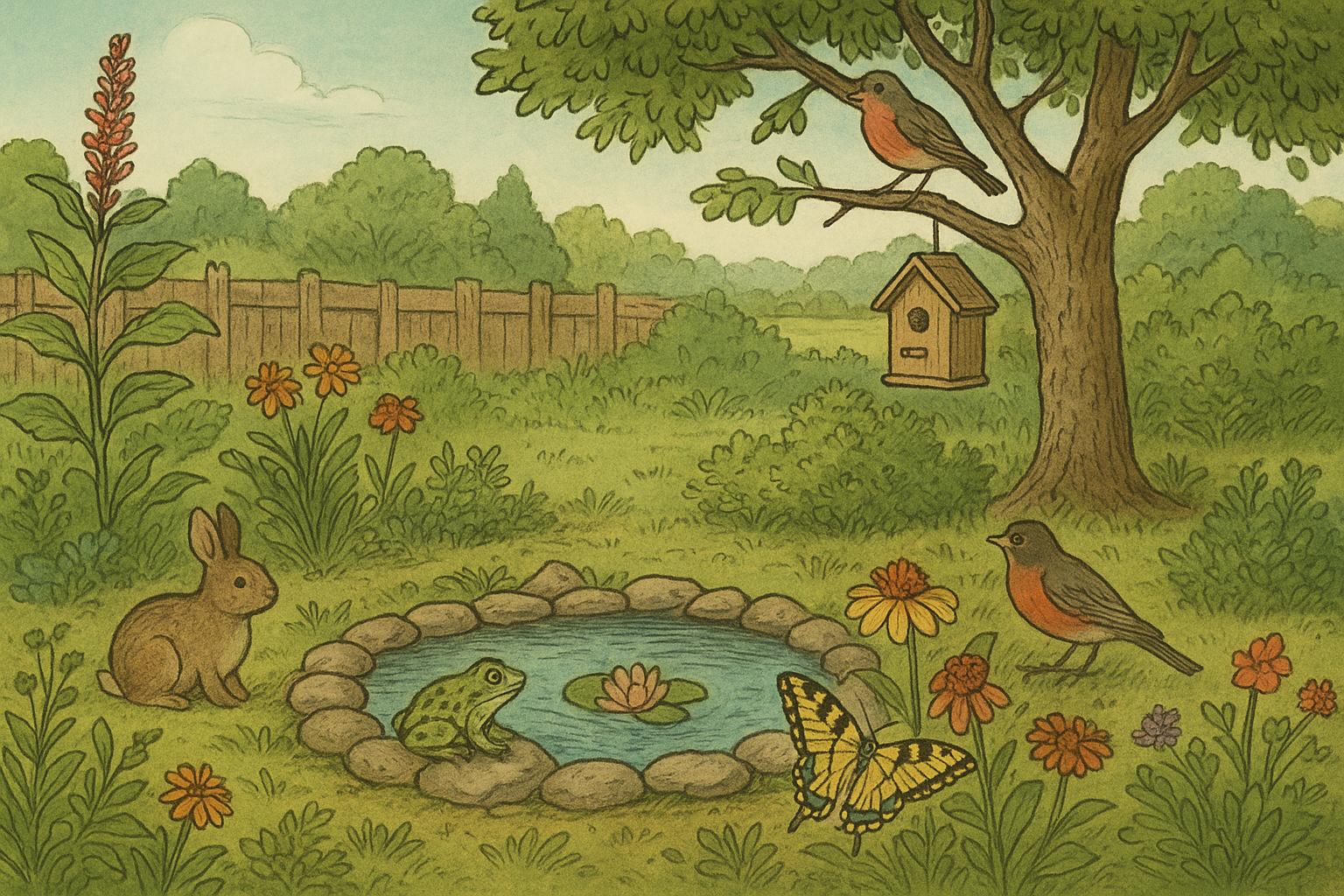
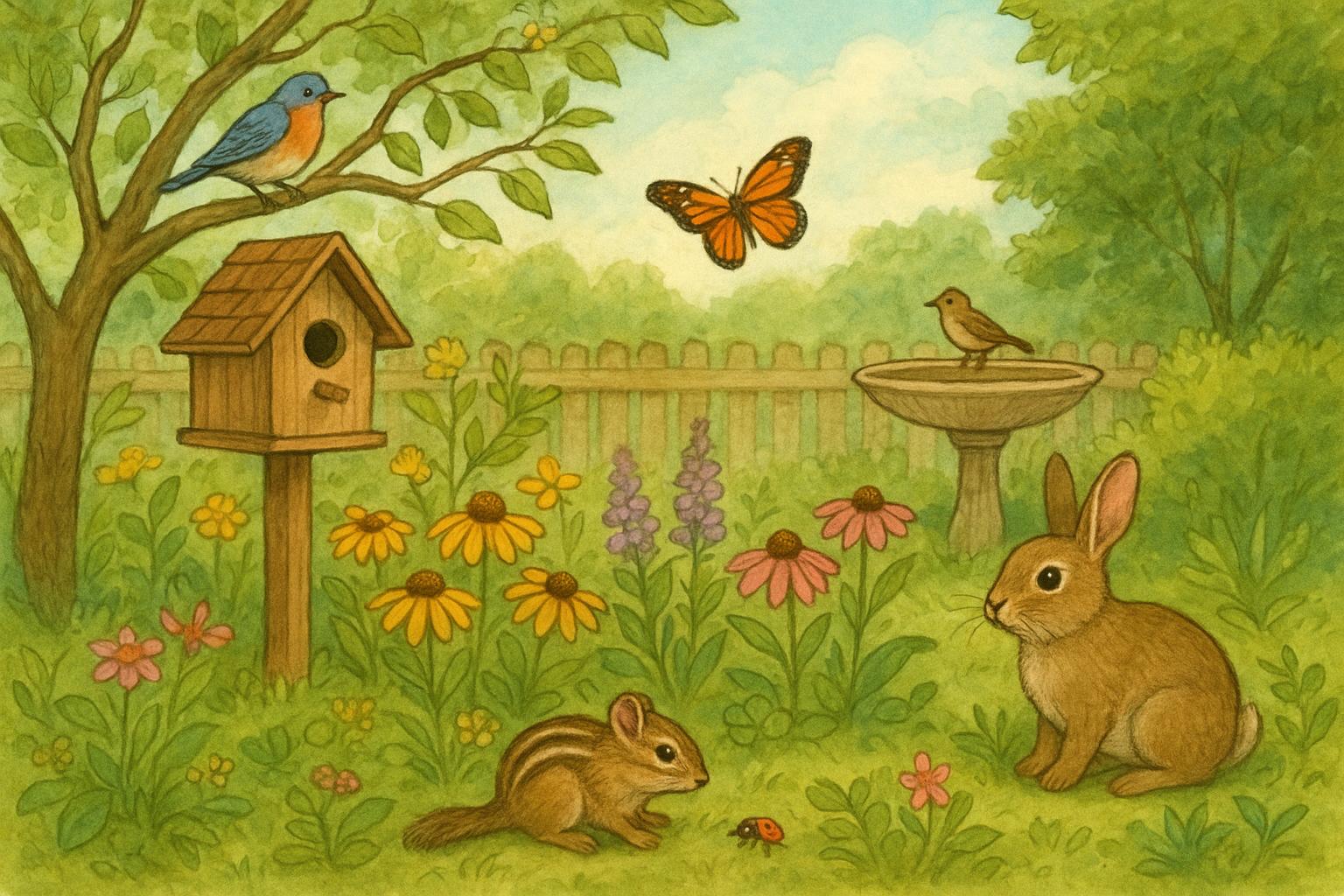
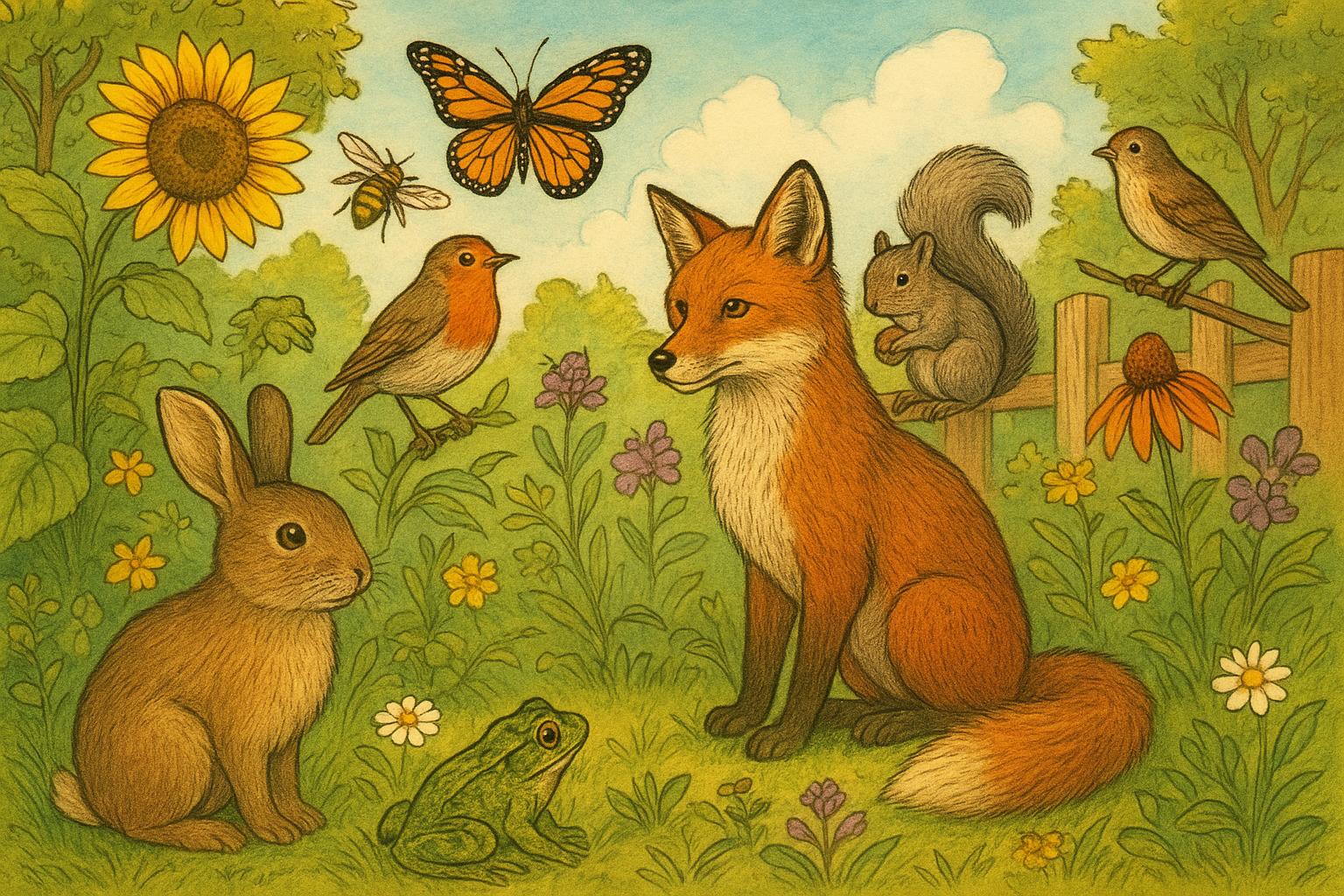
Part of the joy of garden foraging is watching fauna go about their business. Simple tactics keep you from stressing animals.
### Observe Before Approaching
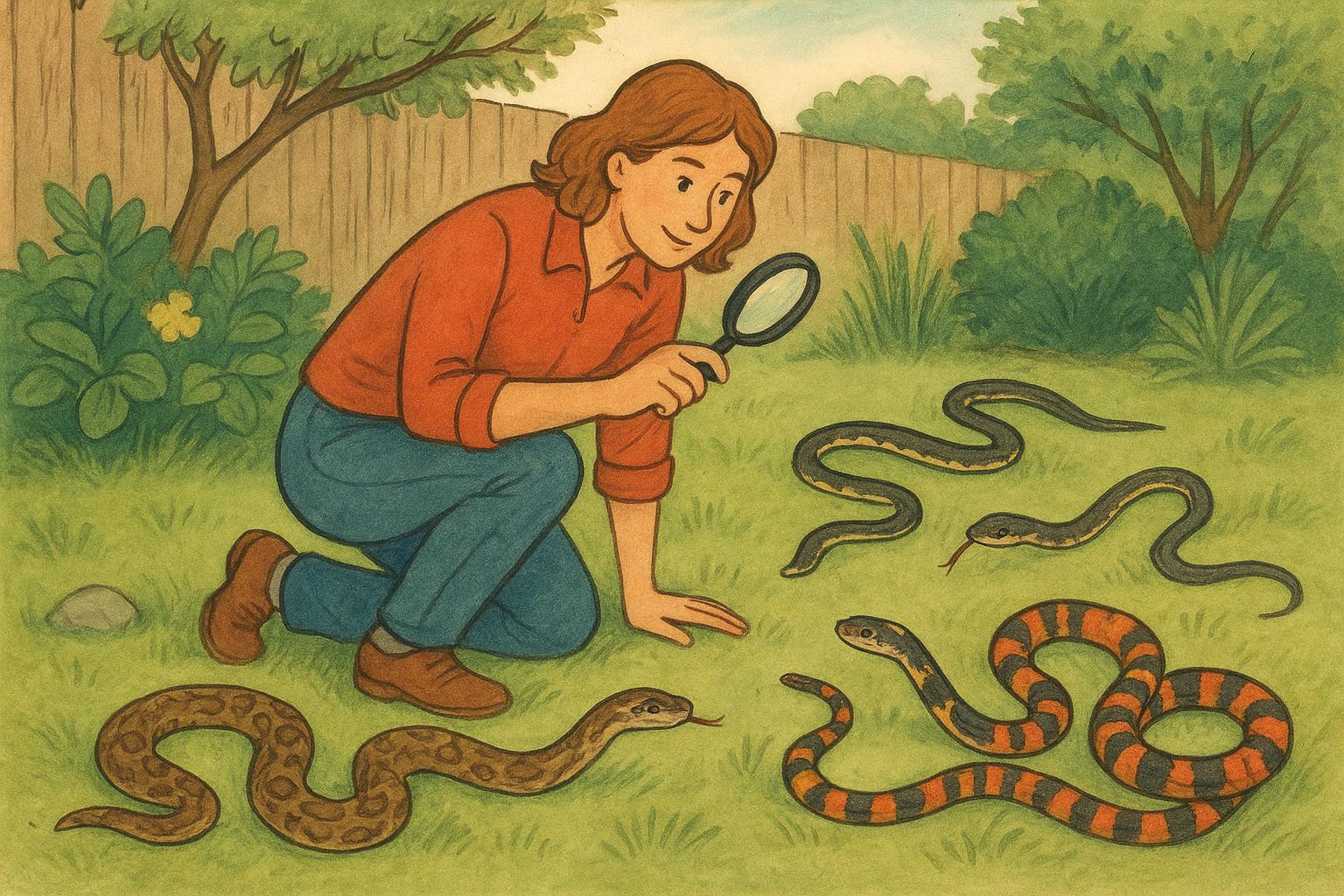
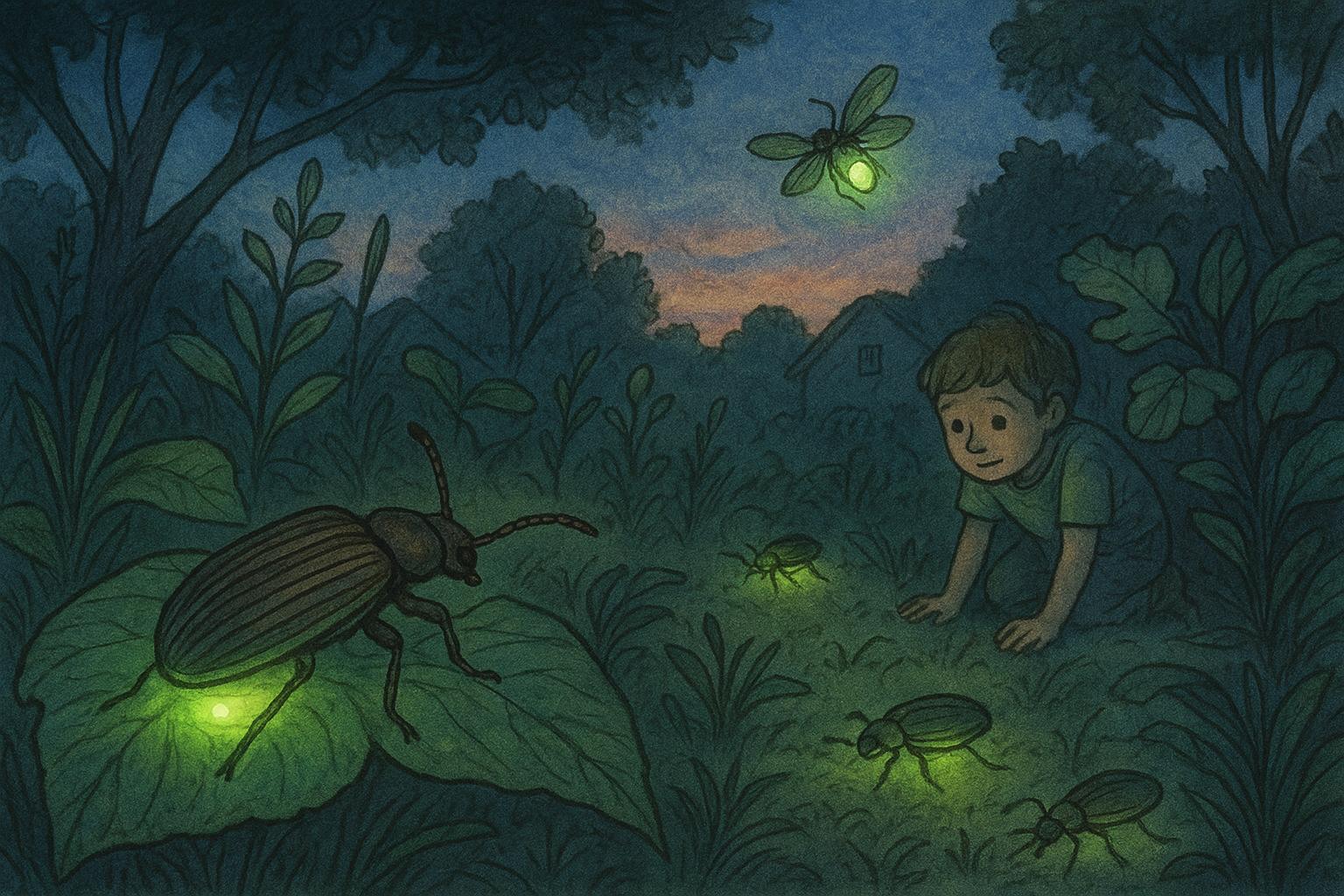
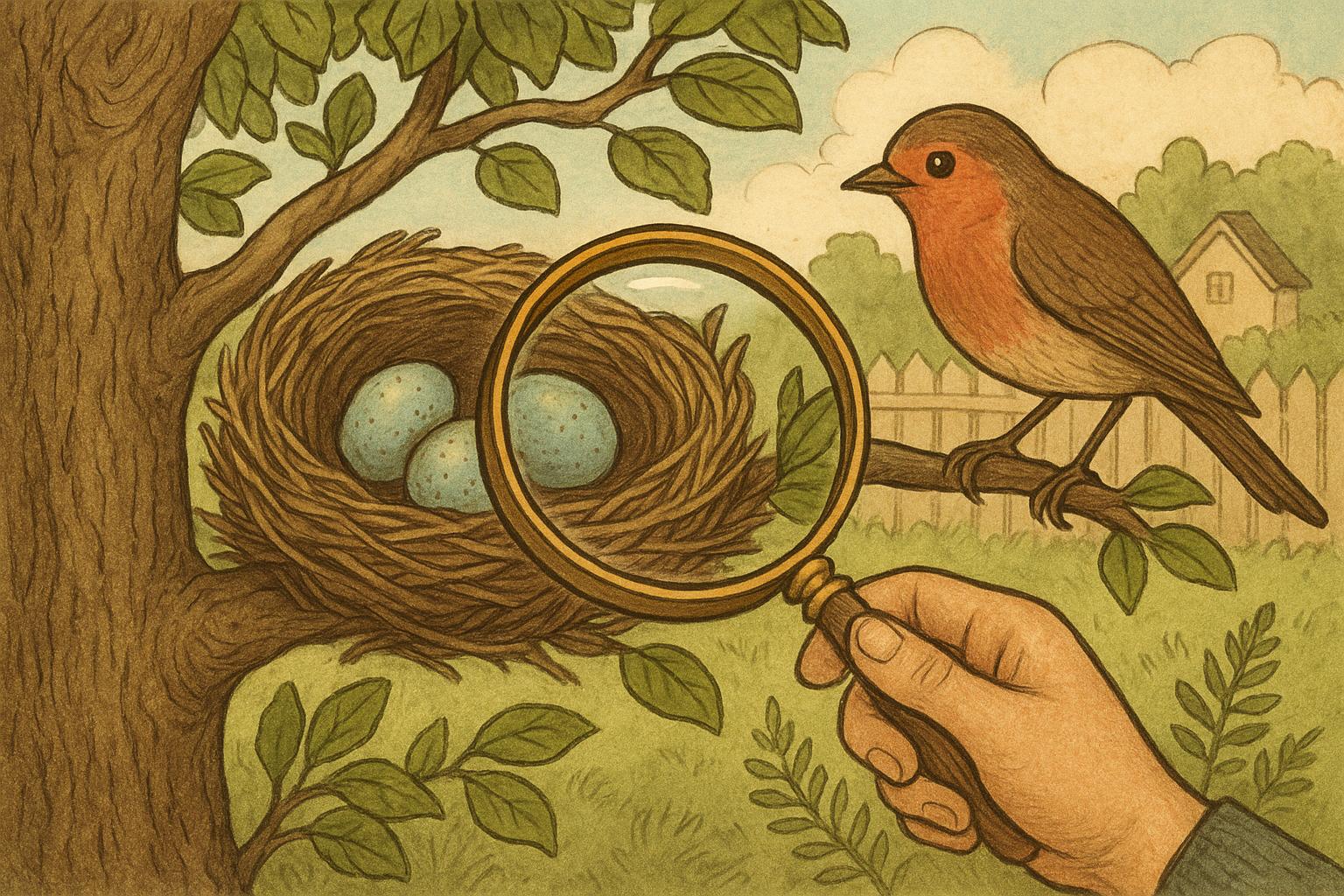
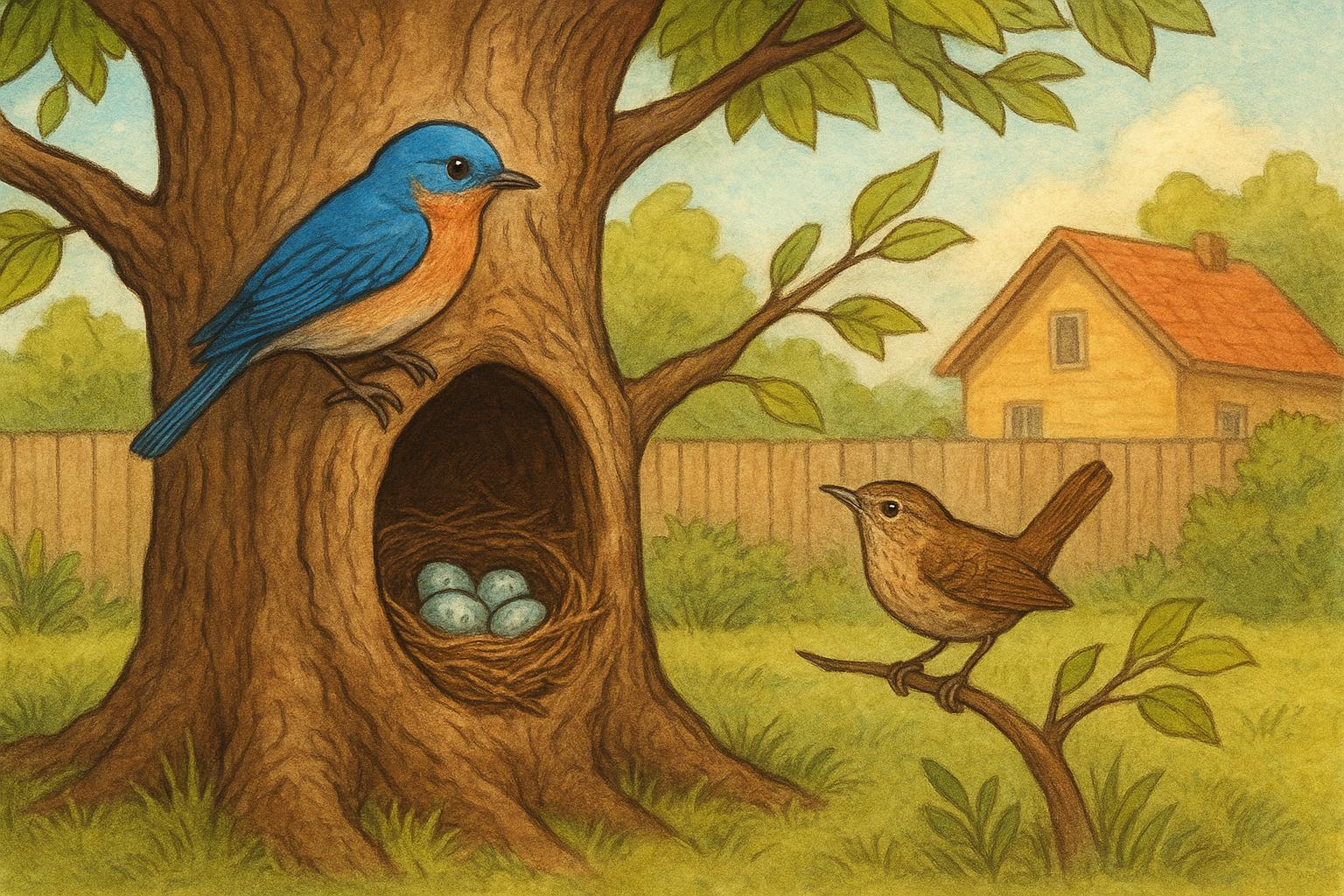
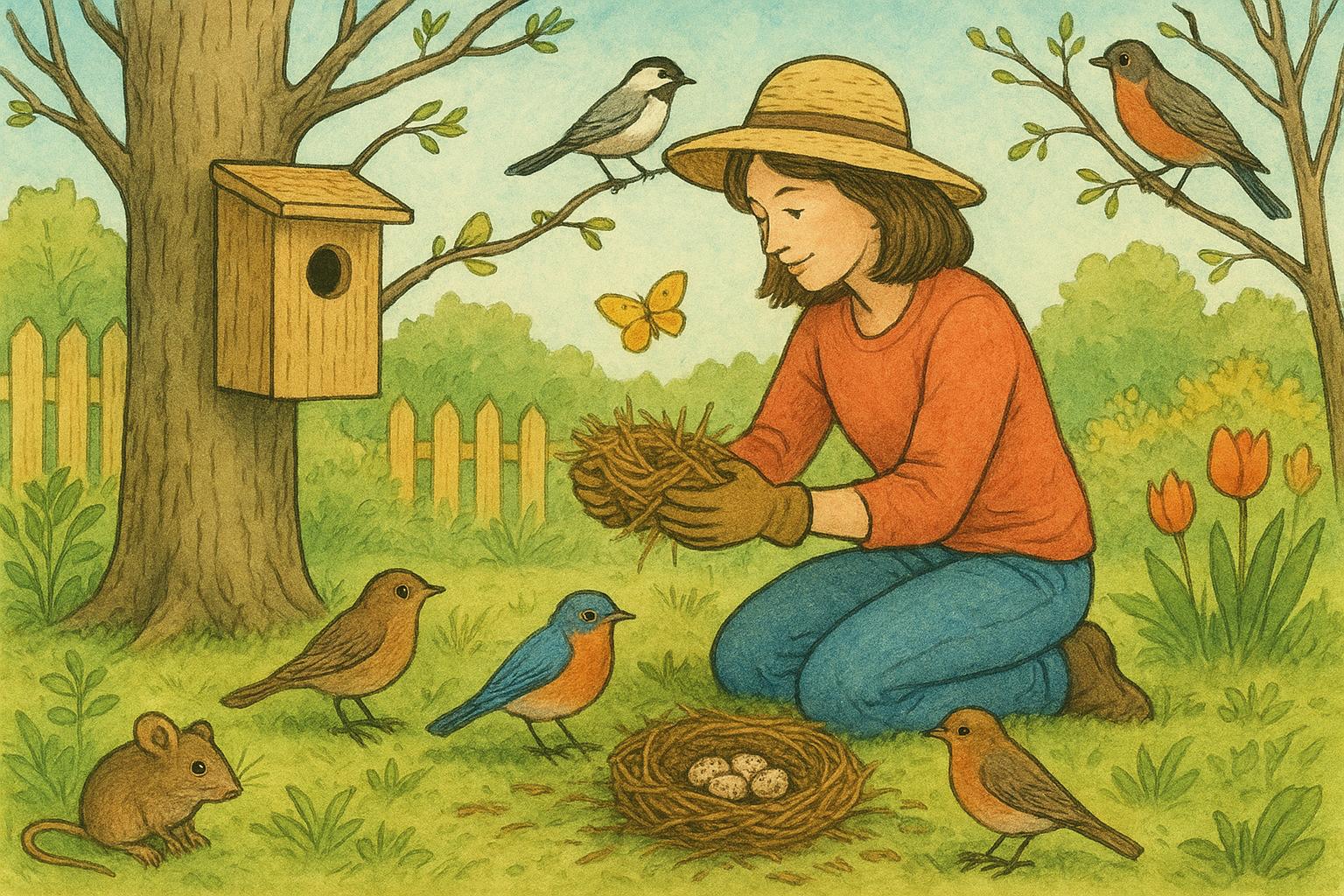
Stand quietly and watch. If birds scatter or small mammals flee, back off and return later. Close-up observation gives you a better sense of nesting or denning sites to avoid.
### Use Low-Impact Paths
Create narrow, mulched paths that guide foot traffic away from fragile beds and nesting sites. Trampling is a more common threat to wildlife than most people realize. Paths also teach guests where to walk during group foraging activities.
## Remedy 1: Homemade Deer-Deterrent Spray
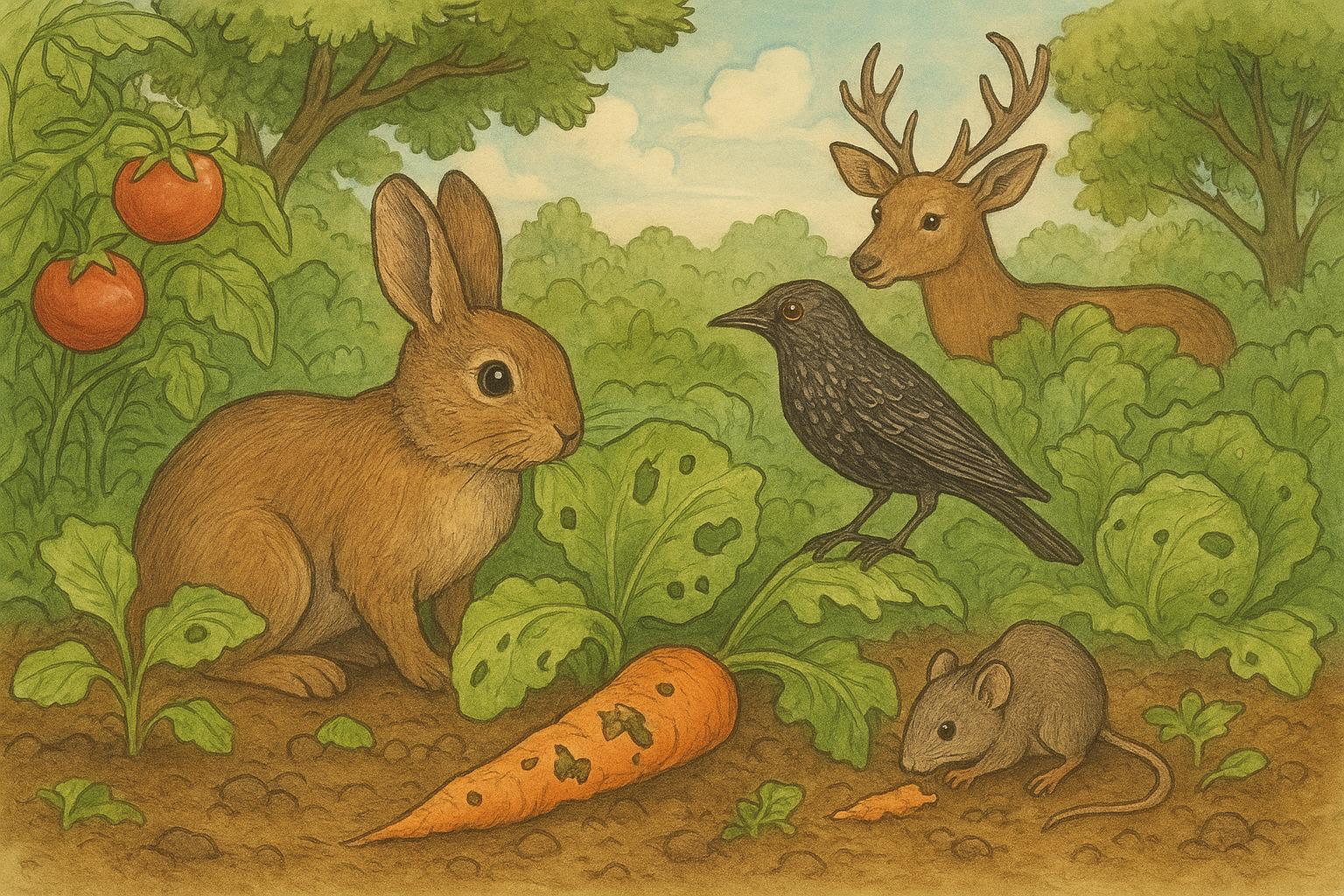
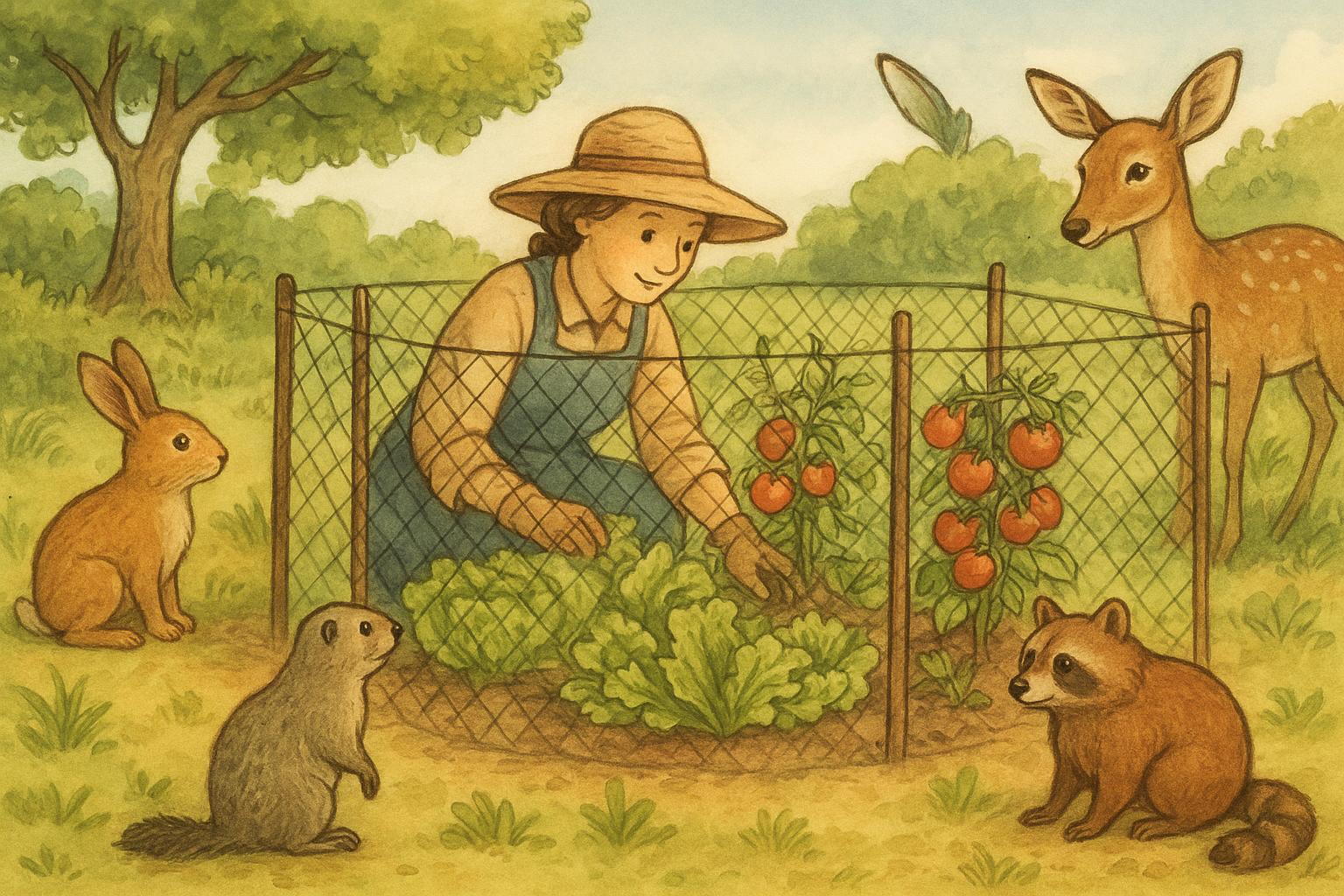
When deer treat your forage patch like an all-you-can-eat buffet, a humane deterrent can protect plants without harming wildlife. This is a practical, nonlethal remedy that can reduce daytime browsing and preserve harvests.
Ingredients/Required Materials:
– 1 gallon of water
– 1 cup of strong-smelling soap (unscented castile or liquid dish soap)
– 1 quart of whole milk or 1 tablespoon of dried garlic powder (alternative)
– 2 cups of human hair clippings or used coffee grounds (optional for added scent)
– A 1-gallon pump sprayer or several 32-ounce spray bottles
– Gloves for mixing
– Labels for bottles
Step-By-Step Creation And Application:
1. Prepare Work Area: Wear gloves and work outdoors or in a well-ventilated area. Clean and label your sprayer for safety.
2. Mix Base Solution: Pour 1 gallon of water into the sprayer container. Add 1 cup of liquid soap and gently stir or shake to combine. Soap helps the mixture adhere to plant surfaces.
3. Add Repellent Components: Add either 1 quart of whole milk or 1 tablespoon dried garlic powder to the mixture and stir. Milk quickly develops an odor deer dislike but can spoil; garlic powder is a longer-lasting dry alternative.
4. Optional Boosters: For stronger scent, add hair clippings or coffee grounds directly into mesh sachets tied onto branches rather than mixing them into the sprayer (to avoid clogging). If you choose to add directly, be prepared to clean the sprayer frequently.
5. Application: Spray the solution lightly on the perimeter foliage of your forage patch and on young, vulnerable shoots. Avoid saturating edible leaves you plan to consume immediately; wait at least 24 hours and rinse produce before eating.
6. Frequency: Reapply after rain or irrigation and every 7–10 days in dry conditions. Reapply more frequently during peak browsing seasons. Monitor local deer behavior and adjust timing accordingly.
7. Safety And Efficacy Notes: This method is nonlethal and typically deters deer temporarily. If deer pressure is intense, combine with physical barriers like low fencing or strategic plantings of less palatable species.
## Remedy 2: Bee-Friendly Foraging Tray For Safe Harvesting
When you harvest flowers or tiny fruits, you can accidentally crush tiny pollinators. This tray helps you harvest safely while providing a temporary safe perch for bees to move off plants before you pick.
Ingredients/Required Materials:
– A shallow wooden or plastic tray (12–18 inches wide)
– Fine mesh cloth or window screen (to line the tray)
– Two small sticks or dowels (to create a gentle ramp)
– Non-toxic vegetable oil or cooking spray (optional, to keep tray slightly tacky)
– Hand lens or small brush for inspections (optional)
Step-By-Step Creation And Application:
1. Tray Preparation: Line the tray with fine mesh to create a soft, grippy surface. Secure the mesh with staples or adhesive so there are no loose edges.
2. Create Ramp: Place two small sticks along one edge of the tray to form a gentle ramp from the plant to the tray. This gives pollinators an easy way to walk off the plant onto the tray if disturbed.
3. Optional Slight Tacky Surface: Lightly spray the mesh with a small amount of vegetable oil or cooking spray if you want an extra-grabby surface for pollen collection; use sparingly and avoid oily residue on edible parts.
4. Use During Harvest: Put the tray near the plant before you begin harvesting. Gently shake or tap stems; most bees will move onto the tray or adjacent foliage rather than the ground. Inspect the tray quickly and let any pollinators fly off before moving it away.
5. Cleaning And Maintenance: Wipe the tray after use to remove plant debris. Replace mesh annually or when it shows wear. Using this tray reduces accidental harm to small insects during typical garden foraging activities.
6. Safety And Efficacy Notes: This tool is a passive aid and not a replacement for careful observation. It reduces risk but does not eliminate it; always check flowers and fruits closely before picking.
## Practical Tips For Kitchen Handling After Garden Foraging
After harvest, handle produce properly to avoid foodborne illness and to keep your foraging experience a positive one. Rinse edible leaves and fruits in cool water, store herbs wrapped in a damp cloth in the refrigerator for freshness, and cook unfamiliar wild greens at least once before frequent consumption to detect any adverse reactions. If you experience gastrointestinal upset after eating something you foraged, save a sample (if possible) and seek medical advice.
## Teaching Kids And Guests The Joys Of Garden Foraging
Making foraging a shared, educational activity builds respect for nature. Keep it playful: create a scavenger card with pictures, teach the “two-finger snip” for harvesting herbs, and encourage everyone to taste small samples rather than vast quantities. Humor helps: tell them the garden’s not a salad bar with an all-you-can-eat sign. But also model restraint — take only what you’ll use, and always leave food for wildlife.
Enjoy your summer explorations — garden foraging is a lovely way to connect with the season and your backyard neighbors. With a little planning and a few simple remedies, you can harvest safely and keep the wildlife thriving.


Leave a Reply