
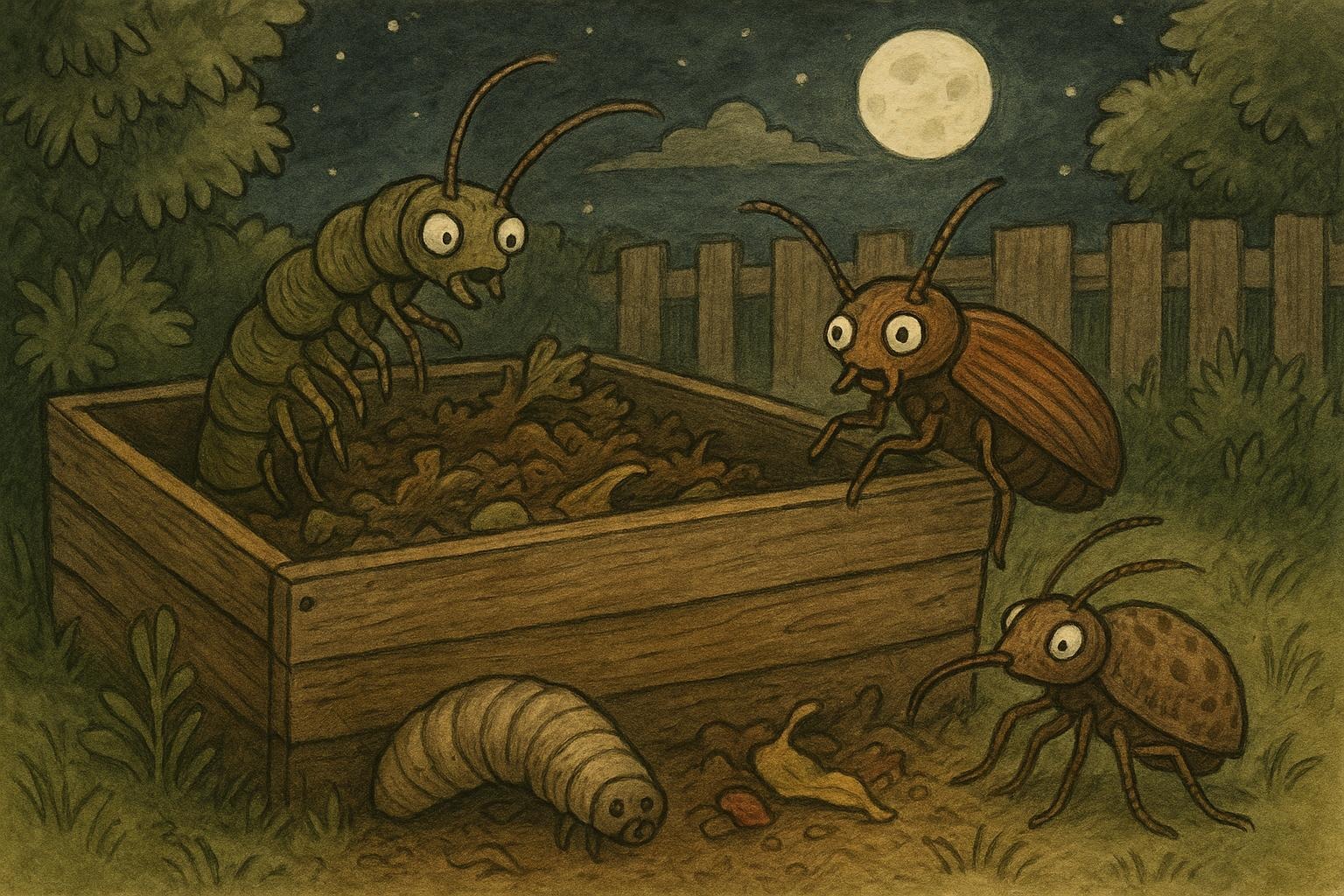
Late-night rustles, the stealthy theft of your banana peels, and an alarming maggot uprising — your compost pile can sometimes feel like a tiny soap opera. Spoiler: the actors are real and often yard-savvy. Let’s walk through who’s crashing the compost party, how to spot them, and — importantly — how to evict them without creating new problems.
## Meet The Usual Compost Pests
Compost can be irresistible real estate. A rich mix of food scraps, moisture, and shelter attracts a host of critters. When I say compost pests, I mean the animals and insects that turn your tidy recycling into a full-blown backyard invasion. Not every visitor is bad — earthworms and many insect larvae are compost champions — but a few guests will overstay their welcome.
### Rodents And Small Mammals
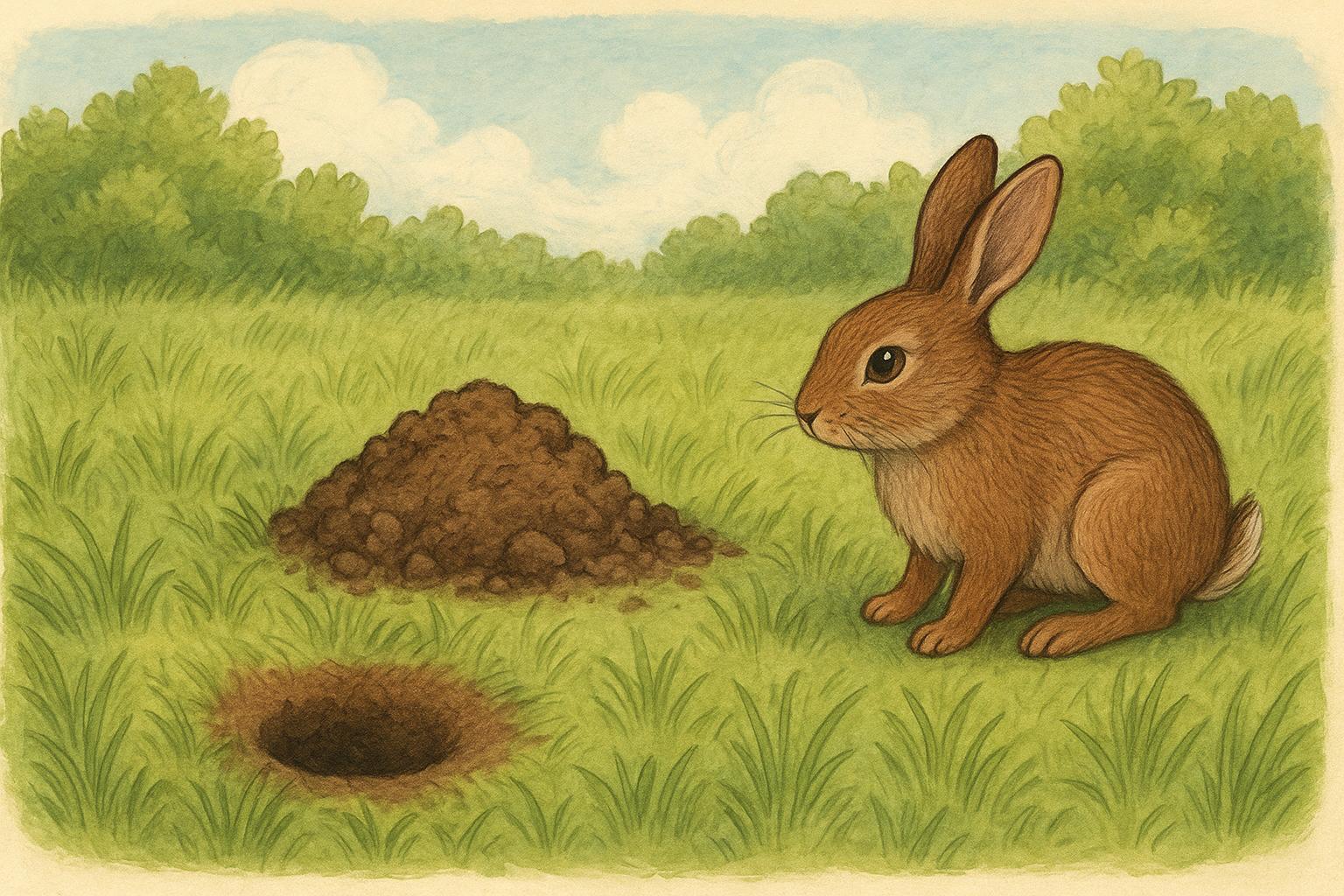
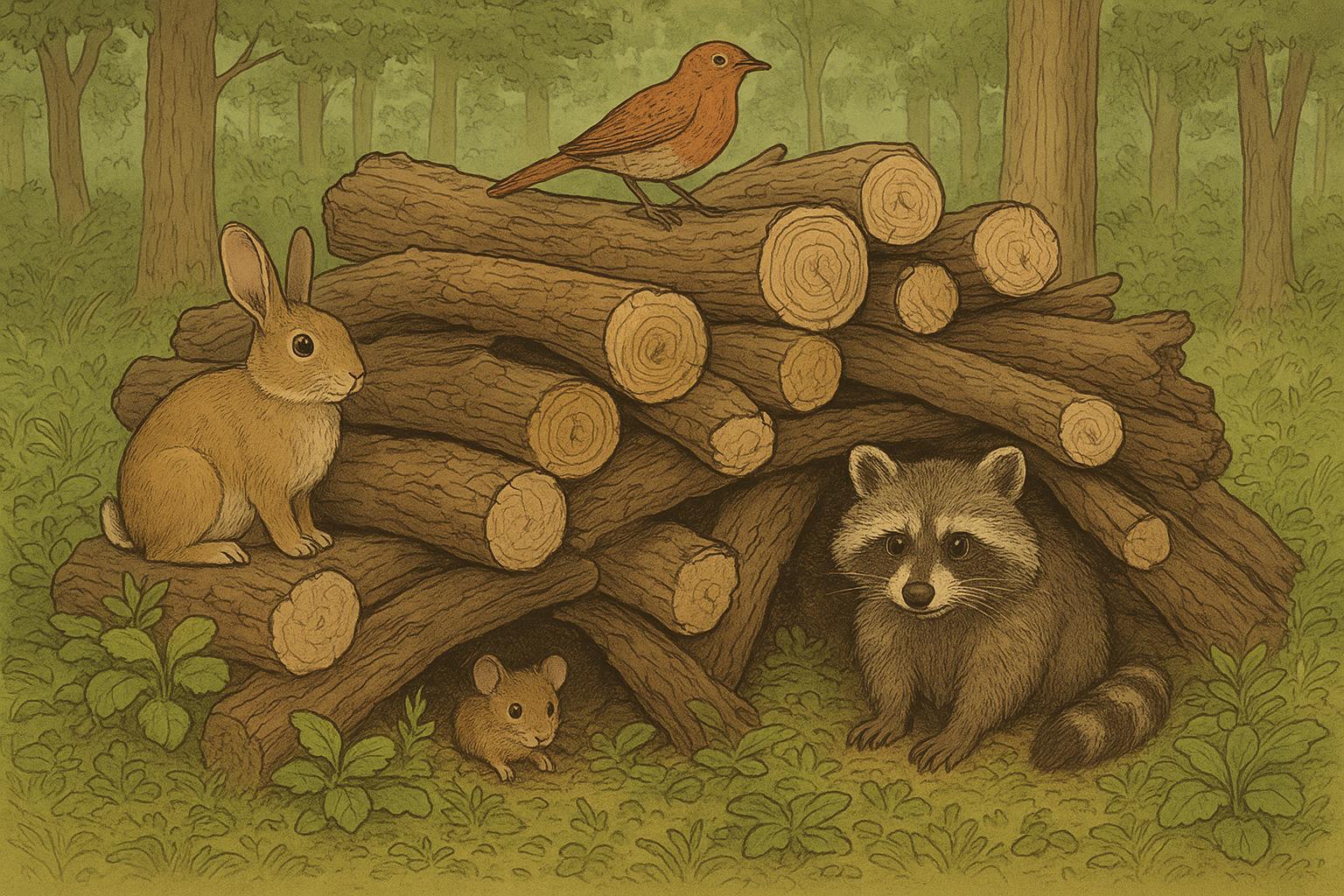
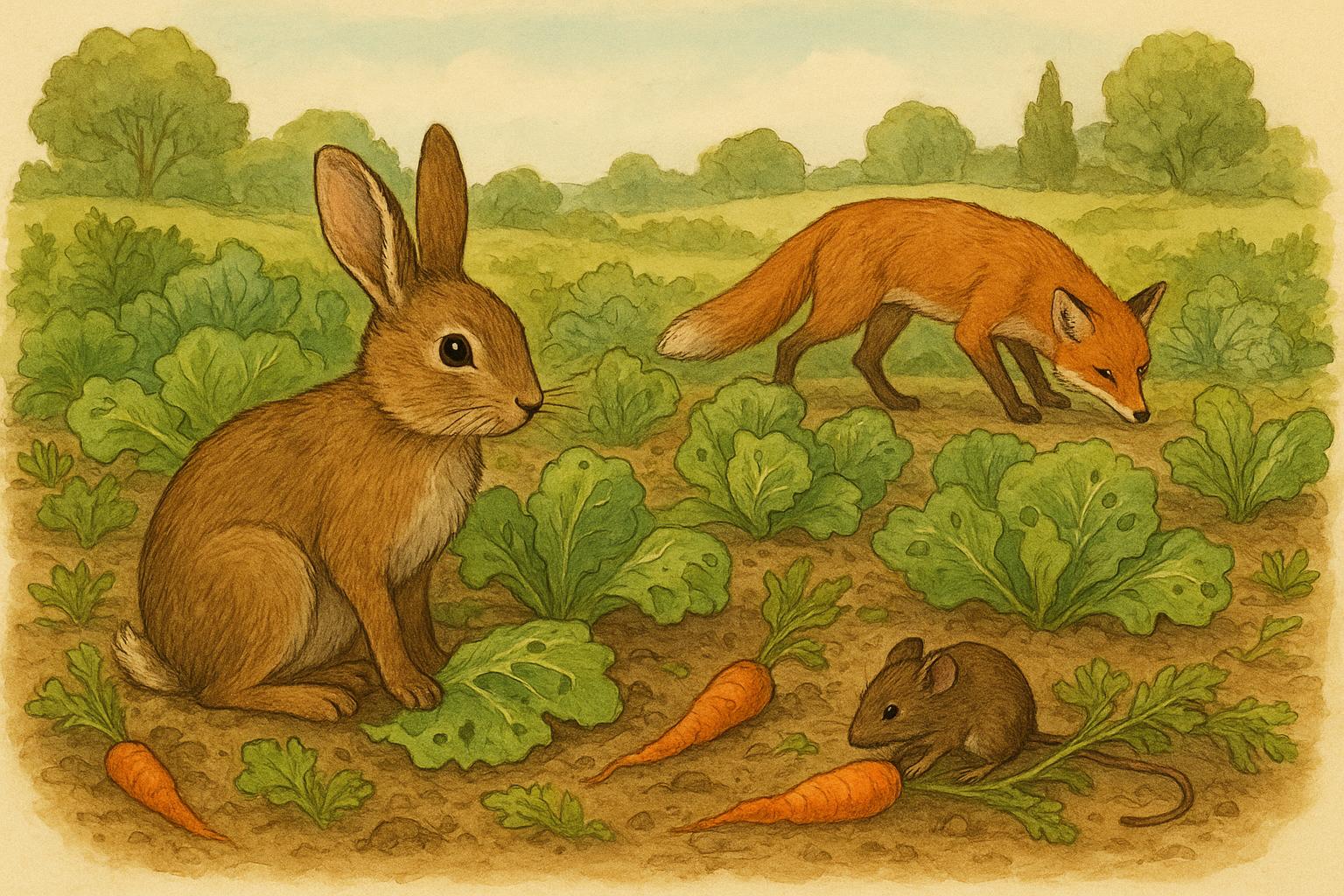
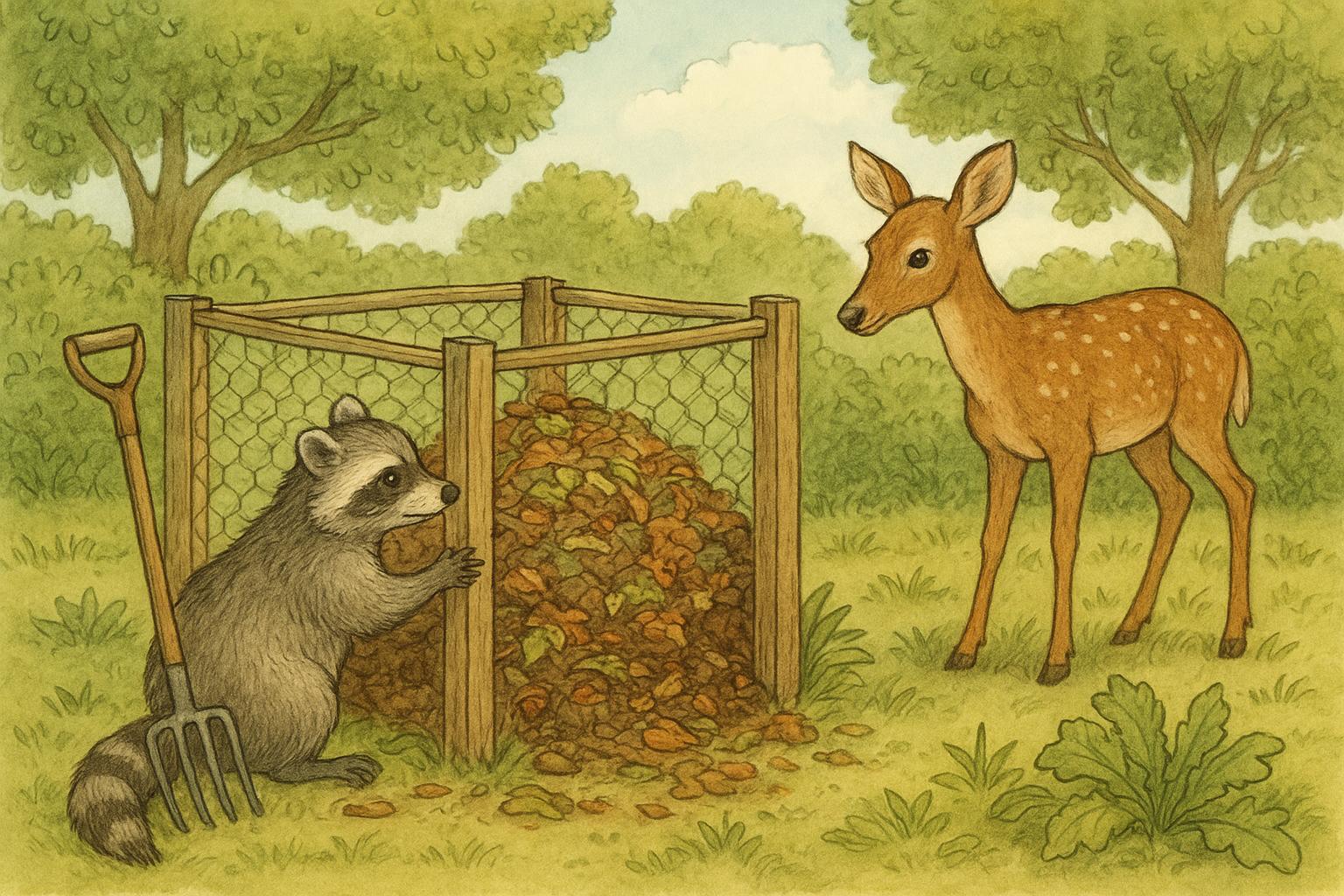
Mice, rats, and occasionally opossums or raccoons are some of the most dramatic compost pests. They’re drawn by easy calories and the cover a heap provides.
#### Signs Of Rodent Activity
Look for:
– Gnawed lids or edges of bins.
– Tiny droppings around the bin perimeter.
– Tunnels or burrows at the bin’s base.
– Missing food scraps overnight.
### Flies, Maggots, And Other Insects
Fruit flies, house flies, and the larvae (maggots) they leave behind are common annoyances. They thrive when wet, sweet food waste is exposed or buried superficially.
#### What Attracts Them
Overripe fruit, uncovered kitchen scraps, and wet conditions are an open invitation. Maggots love protein-rich items or overly moist conditions.
### Ants, Cockroaches, And Beetles
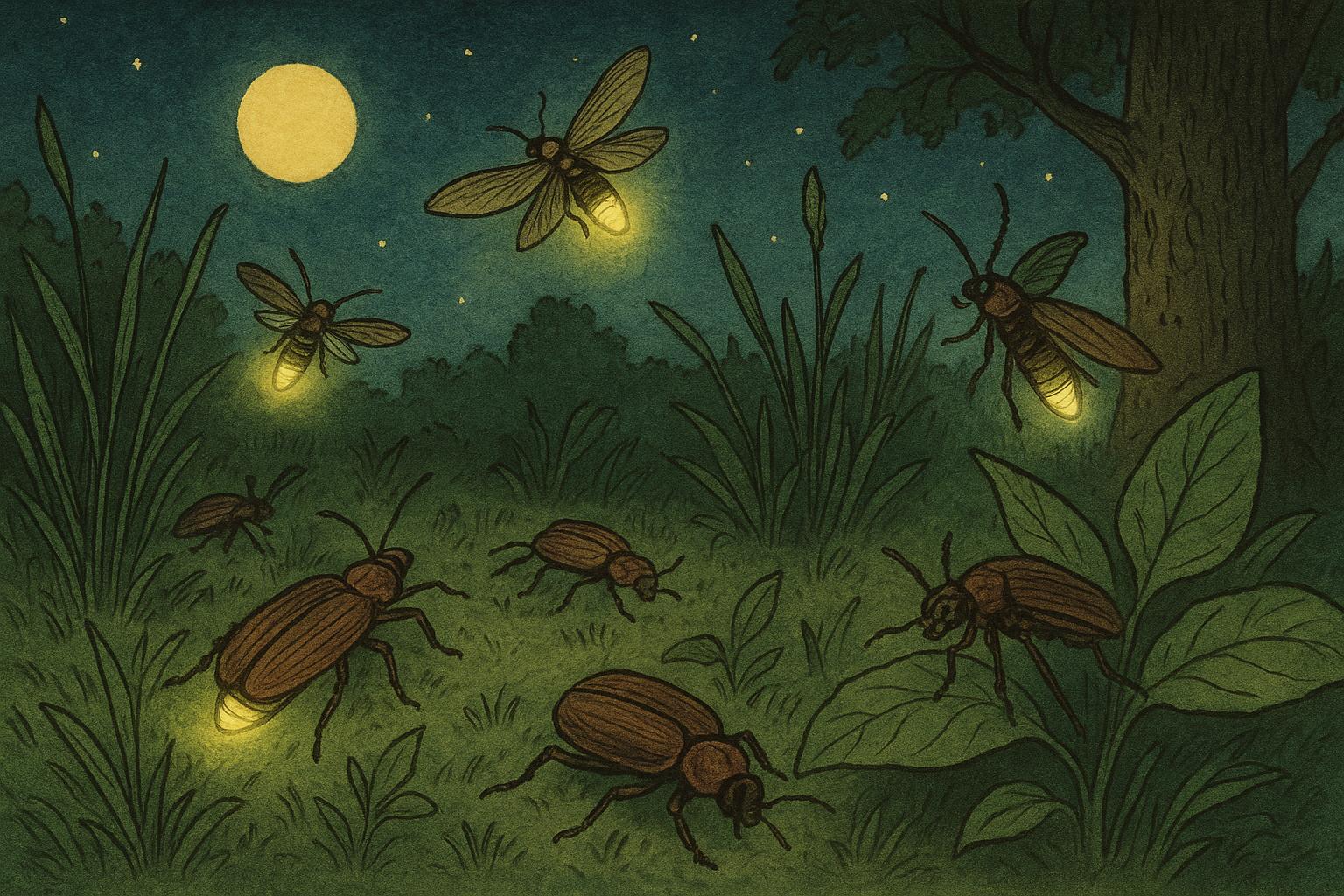
Ants forage for sugary items and will cascade into exposed scraps. Cockroaches can use compost piles as humidity refuges. Some beetles (like hide beetles) are common but typically not catastrophic.
#### When Insects Become Pests
A few insects are normal and even beneficial, but high populations that spill into the house or create unsanitary conditions mean you’ve got a pest problem.
## Why Proper Composting Helps Limit Compost Pests
Good composting practices make your pile less attractive. Aeration, layering browns (dry carbon materials like leaves and paper), and burying food scraps reduces odors and damp microenvironments that many pests seek. When you tame moisture and exposure, you take away the bait.
## Remedy 1: Secure And Manage Your Compost Bin (Most Effective First Step)
The most reliable approach is exclusion and sanitation. This remedy focuses on making your compost unattractive and inaccessible to pests.
Materials Required
– Sturdy, rodent-resistant compost bin (metal or heavy-duty plastic with tight-fitting lid)
– Hardware cloth (¼” galvanized mesh) for ventilation holes
– Bungee cords or locking clasps
– Carbon-rich materials (dry leaves, shredded paper, straw)
– Thermometer (compost thermometer recommended)
– Pitchfork or aerator
Step-by-Step Instructions (Formal)
1. Choose A Secure Container: Select a bin with tight-fitting lids and minimal gaps. Elevated or enclosed tumbler-style bins are excellent for deterring larger mammals.
2. Reinforce Ventilation Points: Replace or cover any large ventilation holes with ¼” galvanized hardware cloth. Secure cloth with galvanized staples or screws and washers to prevent chewing or loosening.
3. Practice Layering: Start and maintain your pile with alternating layers of greens (kitchen scraps, fresh grass clippings) and browns (dry leaves, shredded paper). Aim for roughly a 2:1 or 3:1 ratio of browns to greens by volume to reduce moisture and odors.
4. Bury Food Scraps: Always bury fresh food scraps at least 6–8 inches under finished compost or a layer of browns to minimize scent and fly attraction.
5. Control Moisture: Keep the pile as damp as a wrung-out sponge. Add dry browns if it becomes soggy or water if it’s dry. Excess moisture equals increased pest activity.
6. Monitor Temperature: Use a thermometer to keep the center of the pile between 120–160°F (49–71°C) for active decomposition; higher temps reduce fly and rodent appeal by breaking down materials faster and reducing odor.
7. Secure The Lid: Use bungee cords or locking clasps to keep lids fastened. If raccoons are a problem, consider weight plates or a heavyweight secure lid.
8. Maintain Location: Place the bin on a paved or gravel surface rather than bare soil to reduce burrowing access, and avoid dense shrubs that provide cover for nocturnal pests.
## Remedy 2: Homemade Fly And Ant Traps (Easy Low-Toxin Control)
When insect numbers spike, targeted traps can reduce adults and break breeding cycles. These are low-toxicity and suitable for neighborhood compost management.
Materials Required
– Wide-mouth jar or plastic cup
– Apple cider vinegar
– Dish soap (a few drops)
– Plastic wrap (optional) or a funnel cut from plastic bottle
– Small piece of banana or fruit (attractant for flies)
– Sugar water or sweet bait for ants if making ant-specific traps
Step-by-Step Instructions (Formal)
1. Prepare The Trap Vessel: Use a clean jar or cup and add ¼–½ cup of apple cider vinegar. For small jars, start with less. The vinegar mimics fermenting fruit that attracts flies.
2. Add A Drop Of Dish Soap: This reduces surface tension so flies sink and drown rather than resting on the liquid’s surface.
3. Add Bait: If desired, place a small piece of overripe banana in the jar to increase attraction.
4. Create An Entry (Optional): Cover the jar with plastic wrap punctured with small holes, or insert a funnel made by cutting a plastic bottle and inverting the top into the jar to create a one-way entry.
5. Position The Traps: Place traps near ventilation openings or where flies are concentrated, but not directly inside the compost where they may be disturbed by decomposition gases.
6. Check And Replace: Empty and replace traps every 2–3 days or when full. Dispose of contents into a sealed bag and into the garbage, not the compost pile.
For Ants: Use a small container with sugar water or a bit of syrup mixed with borax (use low concentrations; exercise caution around pets and children) placed on a flat surface near ant trails, not in the compost itself.
## Remedy 3: Humane Rodent Deterrence And Trapping
Rodents demand careful, formal handling. Exclusion is always preferred over poisons, which can harm wildlife and pets and contaminate compost.
Materials Required
– Snap traps (traditional) or live-catch traps (check local laws)
– Gloves (leather or nitrile)
– Bait (unsalted peanut butter or dried fruit)
– Heavy-duty trash bags for removal of contaminated compost
– Steel wool or hardware cloth for patching burrows or gaps
– Local pest control contact information (if infestation is large)
Step-by-Step Instructions (Formal)
1. Inspect And Secure: Conduct a thorough inspection around the bin for burrows, chew marks, and entry points. Patch holes with hardware cloth or steel wool stuffed into gaps and seal with exterior-grade caulk or metal flashing.
2. Choose Trap Type: Use snap traps for quick lethal control when necessary, placed perpendicular to rodent runways. Use live traps only if you can legally and humanely relocate captured animals; check local wildlife regulations.
3. Bait Traps: Apply a small dab of unsalted peanut butter or a piece of dried fruit to the bait pedal. Avoid handling bait with bare hands to reduce human scent transfer.
4. Place Traps Strategically: Set traps along walls or runways near the bin, behind or under the bin base — anywhere droppings or gnaw marks are concentrated.
5. Monitor Daily: Check traps daily and dispose of trapped animals according to local regulations. Use gloves when handling traps or carcasses and wash hands thoroughly afterward.
6. Remove Attractive Materials: Do not include cooked meats, dairy, or fatty scraps in compost. These items greatly increase rodent attraction. If contamination is severe, remove the top 6–12 inches of compost that is infested and discard into municipal waste in a sealed bag.
7. Consider Professional Help: For persistent rodent problems, contact a licensed pest professional experienced in humane exclusion and safe trapping.
## When To Call In Professional Help
If an infestation involves protected wildlife (certain bats, protected bird species), if rodents are pervasive and reproducing rapidly, or if you detect signs of disease risk (large numbers of droppings, dead animals), a trained pest control or wildlife removal specialist should be engaged. They can perform humane exclusion, sanitation, and safe removal practices beyond standard homeowner remediation.
## Small Habits That Make A Big Difference
A few consistent behaviors dramatically reduce the odds of a compost pest takeover:
– Bury new scraps.
– Keep lids fastened.
– Rotate or turn the pile weekly.
– Avoid high-risk foods (meat, dairy, oily foods).
– Harvest finished compost frequently.
Now you’ve got the backstage pass: know the usual culprits, recognize the signs, and apply targeted, practical remedies. Your compost will be cleaner, less attractive to freeloaders, and happier — and you can sleep through the night without auditioning for a wildlife documentary.











Leave a Reply