
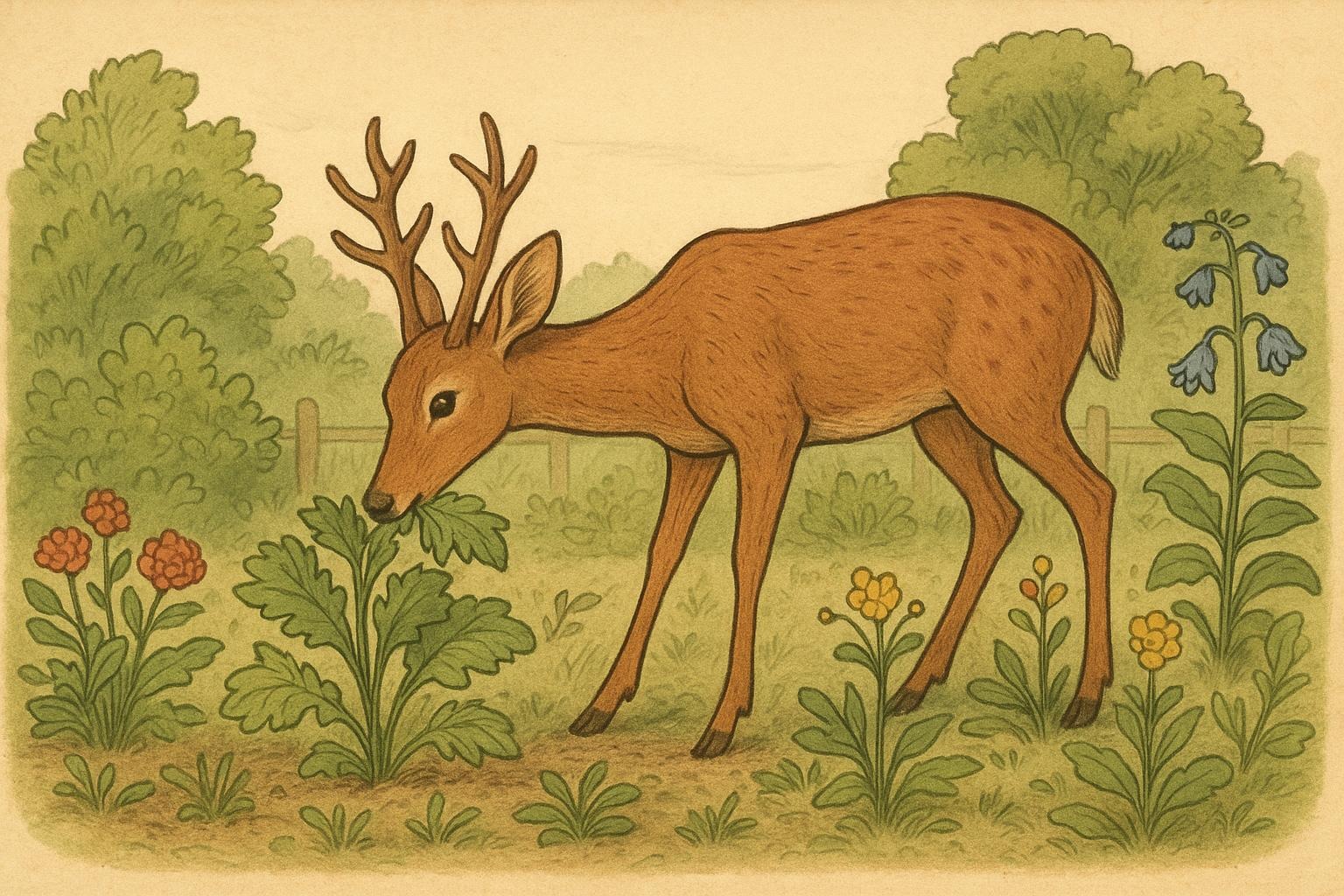
If your flower beds suddenly look like the buffet line at a very picky restaurant, you’re not alone. Deer eating plants is a common backyard dilemma that makes gardeners sigh, swear softly, and hedge toward either stronger fences or an entirely new career in cacti cultivation. This guide will explain why deer visit your garden, what they like to munch on, and—critically—how to stop them from treating your perennials like an all-you-can-eat salad bar.
## Deer Eating Plants: Why Gardens Suffer
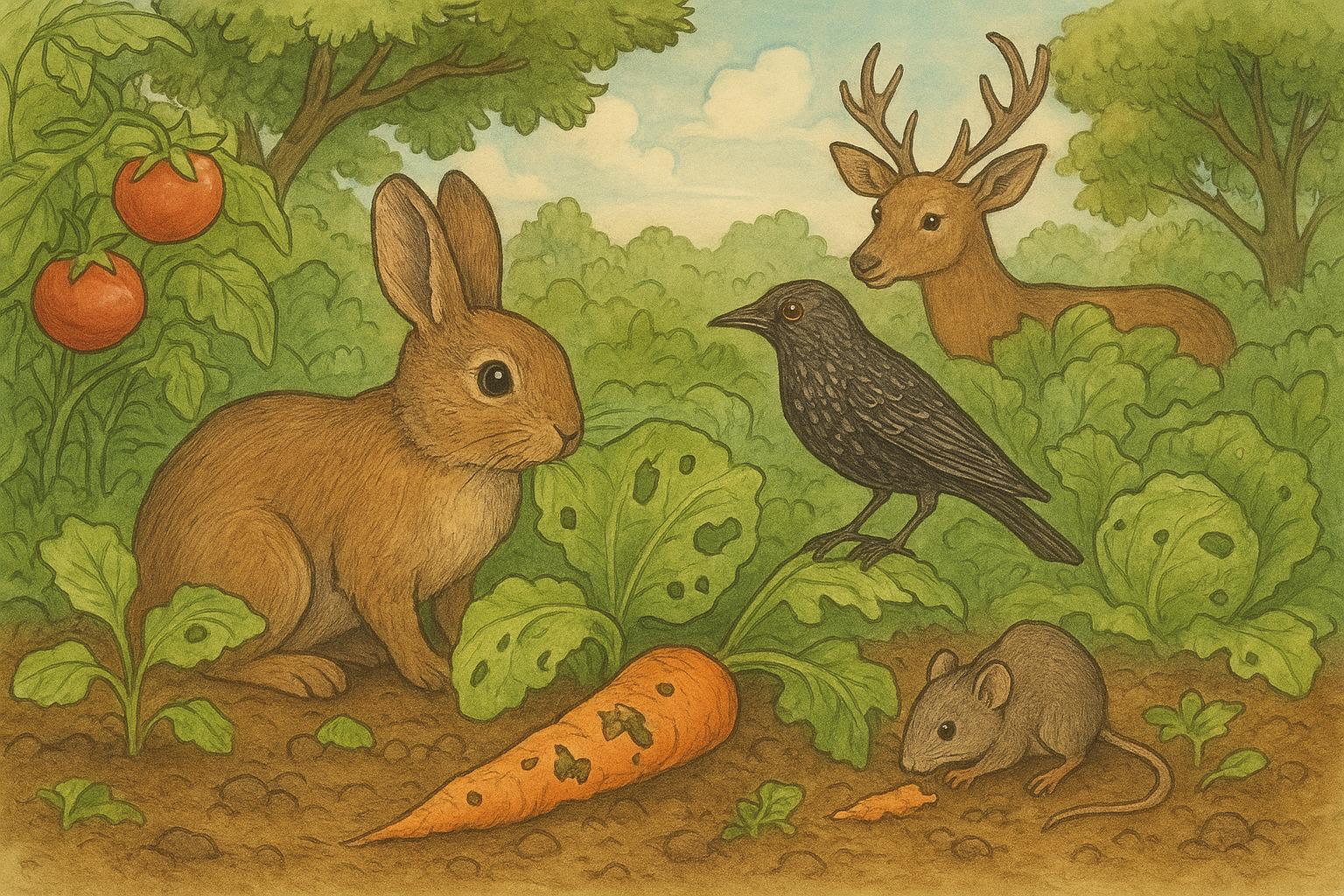
Understanding the problem makes a solution easier to choose. Deer are browsers, not grazers; they prefer leaves, buds, flowers, and tender shoots. When local populations grow or natural food sources dry up, your prize roses, hostas, and young trees become attractive. Deer eating plants often happens at dawn and dusk, but hungry deer will come through at night if your yard is inviting. Landscape features—like easy access through an unfenced opening, lush undergrowth, or even salt from de-icing products—can draw them in.
### Deer Behavior And Movement Patterns
Deer establish trails between shelter and food. If your property sits near woodlands or a hedgerow, expect regular visits. Female deer traveling with fawns are especially cautious but persistent. Bucks during rub and antler-growth seasons sometimes shift feeding behaviors, nibbling more aggressively on shrubs and young bark.
### Seasonal Preferences And Damage Types
In spring and early summer, deer eating plants focuses on tender new growth—hostas, tulip foliage, and garden seedlings. In fall, they seek high-energy foods: berries, late-blooming perennials, and fallen fruits. Winter can be the worst time; they will browse woody stems and strip bark if nothing else is available, which can kill young trees.
#### Signs You Have Deer, Not Rabbits Or Groundhogs
Look for these clues:
– Ragged top growth and torn stems at a height consistent with deer browsing (typically above ground level, up to 4–5 feet).
– Tracks: a two-toed print about 2–3 inches long.
– Droppings: small, oval pellets in clusters.
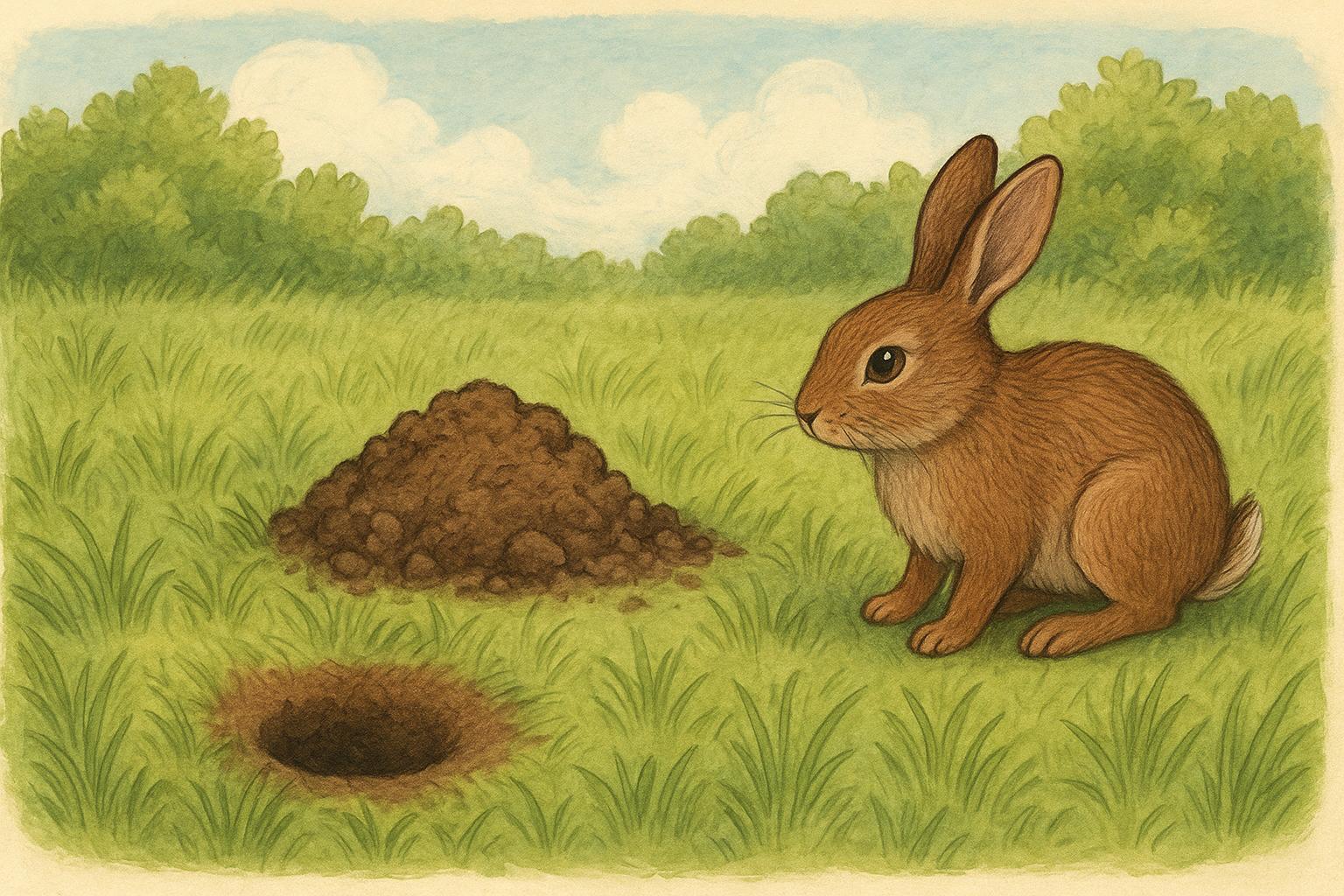
– Lack of gnaw marks on lower stems (that points more to rodents).
## 1. Physical Barriers: Fencing And Plant Protection
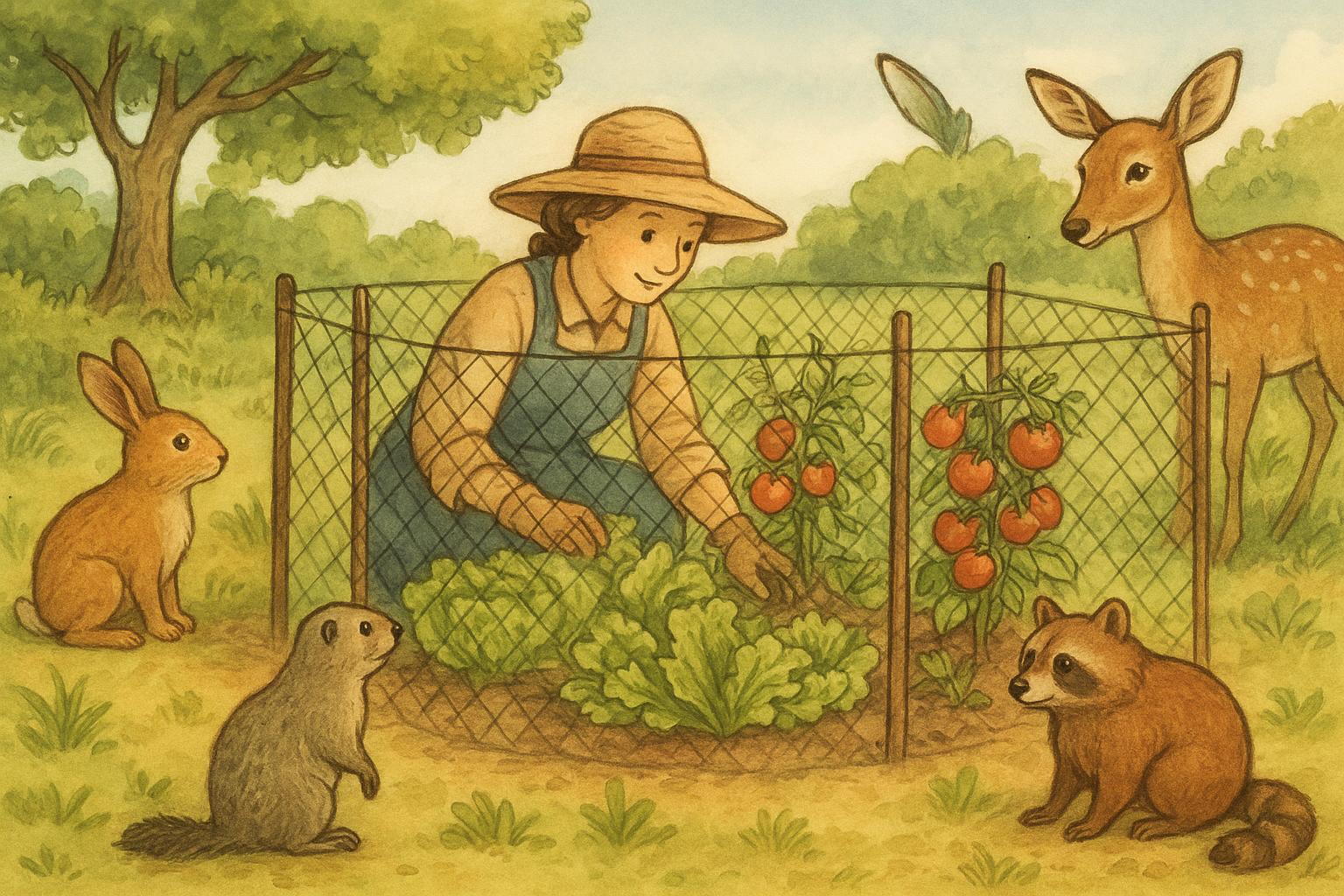
Formal and practical: limiting access is the most reliable method to prevent deer eating plants. A properly designed barrier interrupts deer movement and protects entire beds without chemical intervention.
Materials Required:
– Heavy-gauge woven wire or mesh fencing (at least 8–10 feet high if using vertical fencing; 4–6 feet with an outward-angled top)
– Fence posts (wood or metal) spaced per manufacturer guidelines (usually 6–10 feet apart)
– Zip ties, fence clips, or staples
– Optional: electric fence wire and energizer (local regulations permitting)
– Tree guards (plastic spiral or mesh tubes) for individual saplings
Step-by-Step Installation and Application:
1. Plan the perimeter: Walk the boundary, noting gates, slopes, and deer travel routes. If you can fence just a specific bed rather than the whole yard, you often save time and money.
2. Set posts: Dig post holes or drive metal posts according to your chosen system. Ensure a consistently level top edge or incorporate a gentle slope rises to match terrain.
3. Attach fencing: Unroll the wire against the posts, fastening with clips or staples. For taller fences, secure a top rail to prevent sagging.
4. Add deterrent features: If using a 4–6 foot fence, attach a 45-degree outward overhang or a single electrified wire at the top to discourage jumping. For complete exclusion, install an 8-foot or higher fence.
5. Protect individual trees: Place spiral tree guards or mesh tubes around saplings, ensuring they extend above the highest browsing height likely in your area (typically at least 4 feet).
Maintenance Notes:
– Regularly check for breaches and vegetation leaning on the fence.
– If you use electric fencing, test energizer performance seasonally and after storms.
## 2. Repellents: Homemade Spray (Recipe) And Store Options
When formal solutions are warranted, repellents are a useful part of an integrated approach. This section provides a reliable homemade recipe and formal application steps. Repellents rely on taste and smell aversion; they are most effective when applied thoroughly and re-applied after rain.
Ingredients/Materials (Homemade Repellent):
– 1 cup of strong-smelling liquid soap (dish soap works)
– 1 cup of human hair clippings or dog hair (optional, for added odor)
– 1 quart (4 cups) of water
– 1/2 cup of cooking oil (vegetable or canola)
– 1/4 cup of inexpensive red pepper sauce or 2 tablespoons of cayenne powder (wear gloves)
– A large bucket and mixing stick
– Spray bottle or garden pump sprayer (1–2 gallon capacity recommended for beds)
Step-by-Step Creation and Application:
1. Mix the base: In the bucket, combine water and liquid soap. Stir until soapy but not frothy.
2. Add oils and irritants: Stir in the cooking oil and red pepper sauce or cayenne powder. The oil helps the mixture adhere to foliage, and the pepper adds a deterrent bite.
3. Add hair if available: Human or pet hair increases the scent profile that deer find off-putting. Place hair in a mesh bag if you want to strain later.
4. Transfer: Pour the mixture into a sprayer, straining out hairs if needed to prevent clogging.
5. Application: Spray thoroughly on plant leaves, buds, and stems—especially the top and undersides. Apply at dusk, when deer begin feeding, or in early morning.
6. Reapply schedule: Reapply every 7–10 days, after heavy rain, and at new growth flushes. For highly palatable plants, treat more frequently.
Commercial Repellents:
– Consider protein-based or capsaicin-based commercial products for convenience and standardized strength. Follow label instructions for timing and reapplication. Use EPA-registered products where available.
Safety and Efficacy Notes:
– Avoid spraying edible herbs and vegetables with pepper-based repellents unless clearly labeled safe for food crops.
– Test homemade sprays on a small area first to ensure no phytotoxic reaction.
### 3. Plant Selection, Placement, And Deterrent Landscaping
Good design is a quiet, long-term defense. You can reduce deer eating plants by choosing less-palatable species and arranging your garden to make feeding inconvenient.
Less-Palatable Plant Choices (Examples):
– Lavender, Russian sage, and rosemary (woody herbs)
– Daffodils, alliums, and fritillaria (toxic or odorous bulbs)
– Boxwood, arborvitae, and thorny shrubs (structural deterrents)
– Ornamental grasses and sedges (texturally unappealing)
Placement And Garden Design Tips:
– Layer your beds: Put deer-resistant plants on the perimeter and more vulnerable species closer to the house, where deer feel less comfortable.
– Use mixed planting: Combining several deterrent plants with favorites reduces the reward per entry.
– Avoid attractants: Netting fruit trees only at harvest times and promptly picking fallen fruit reduces browsing interest.
#### Companion Measures That Help
– Motion-activated lights or sprinklers can scare deer temporarily.
– Install wind chimes or other subtle noise-makers near entry points.
– Keep shrubs trimmed to reduce hiding cover—deer prefer areas where they can feed without feeling exposed.
## 4. Behavioral And Community Strategies
Beyond fences and sprays, manage the environment and neighbor relations. Deer eating plants is often a neighborhood issue; one yard’s feeding ground can become another’s problem.
Materials/Actions:
– A neighborhood approach: Coordinate planting and control strategies with neighbors.
– Legal and ethical considerations: Check local ordinances before relocating or using lethal control; many areas have protections for deer.
Steps To Implement:
1. Talk to neighbors about planting deer-resistant buffers along shared boundaries.
2. Report concentrated deer damage to local wildlife agencies; they can advise on population control if necessary.
3. Use non-lethal harassment early in the season to alter deer patterns before they become entrenched.
Keep in mind that no single measure is fail-safe. The most successful programs combine exclusion (fence), aversion (repellents), and design (plant choices), applied consistently. You can reduce the heartbreak of seeing your favorite plants nibbled down—and still enjoy a relaxed, wildlife-friendly garden without turning it into Fort Knox.



Leave a Reply