
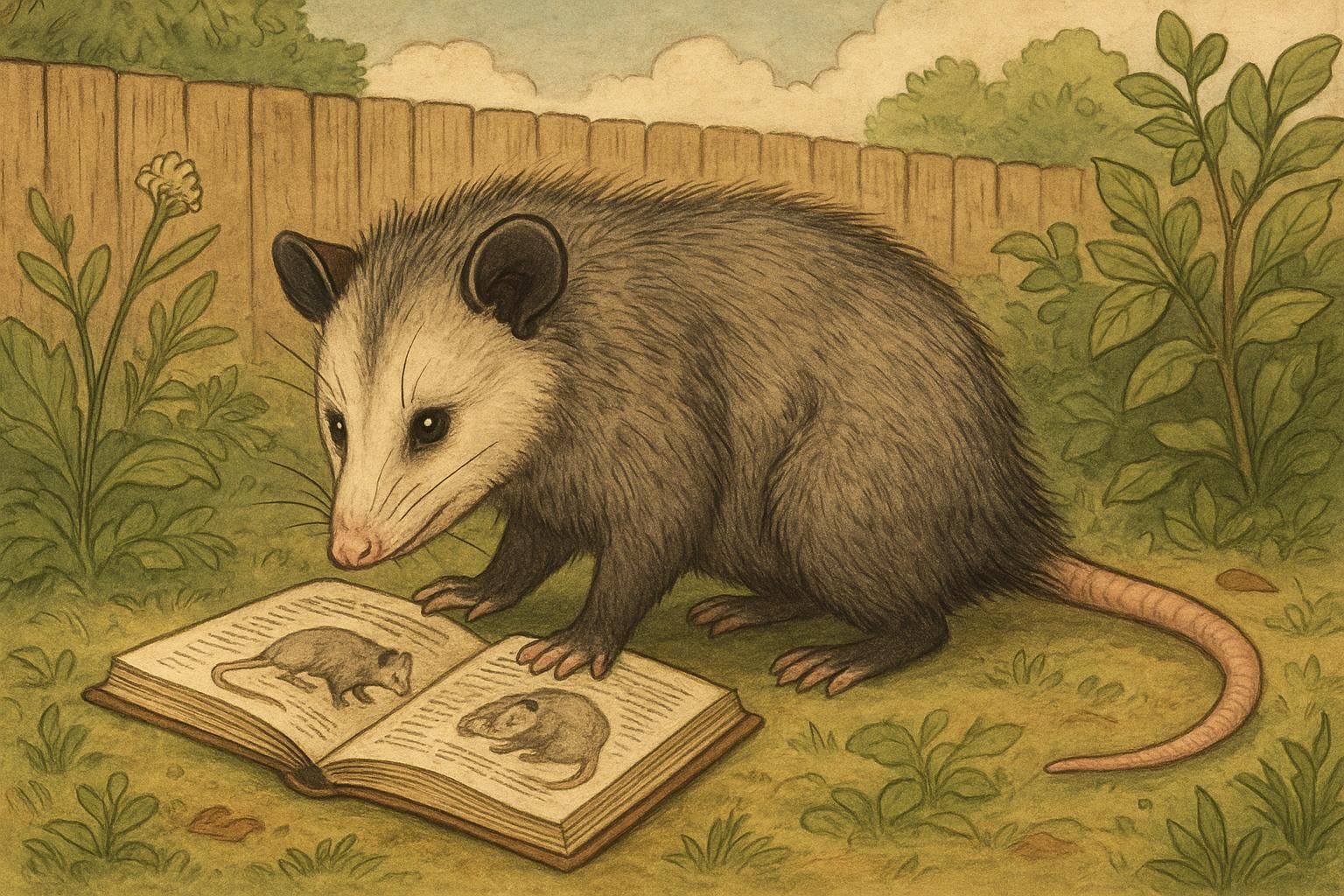
They shuffle like tiny, nocturnal bandits—white-faced, long-tailed silhouettes that turn your backyard into a midnight stage. If you’ve felt a chill when you heard unfamiliar rustling under the bird feeder, brace yourself: the truth about these marsupial invaders is wilder than the movies.
## Shocking Opossum Identification Secrets For Your Backyard
### The Grim, Glorious Truth Of Nighttime Visitors
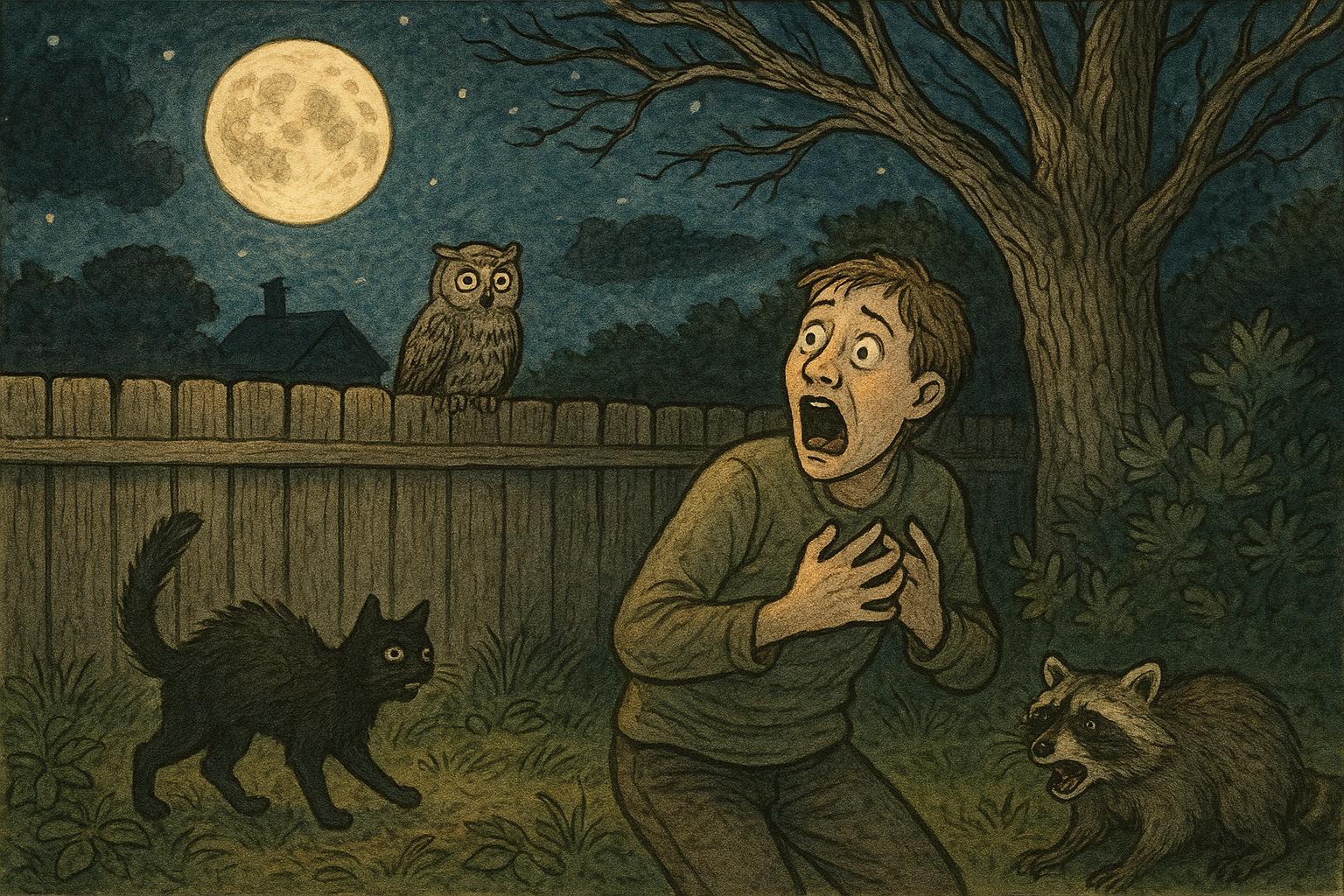
Opossums are the ultimate urban survivors, and opossum identification is the first step to understanding whether those midnight forays are harmless scavenging or a prelude to trouble. Spotting one in the moonlight can be startling: they look part-rat, part-dog, part-creature-from-a-myth—and that dramatic silhouette fuels urban legends. But beneath the theatrics lies a predictable animal with distinct features you can learn to recognize.
### Five Visual Shocks That Reveal An Opossum
#### Pale Masked Face That Freezes You
The face of an opossum is shockingly pale against its darker coat, with small, dark eyes that glint like beads. That ghostly contrast makes them look extra eerie at night.
#### Long, Hairless Tail That Looks Like A Rodent’s
Unlike raccoons, opossums have long, prehensile-looking tails that are sparsely hairy or hairless. It’s a telltale sign when you glimpse the tail draped over a fence or curled around a branch.
#### A Snout That Slices Through The Dark
Their pointed snout is longer and thinner than most backyard mammals. If you catch a profile, the elongated nose is unmistakable.
#### A Slow, Deliberate Shuffle
Opossums rarely sprint; they have a slow, calculated gait. That lumbering shuffle is a signature. If you watch quietly, you’ll see them forage methodically rather than dash in panic.
#### The “Playing Possum” Stunt
The most dramatic act: opossum feigning death. It’s not an act of aggression—it’s a survival mechanism. When truly frightened, some opossums collapse, lie motionless, foam at the mouth, and emit a foul odor. Many startled homeowners mistake it for an injury or a rabid animal. Knowing this behavior is crucial for correct opossum identification.
### Why People Get Opossum Identification Wrong
#### Confusing Raccoons, Foxes, And Opossums
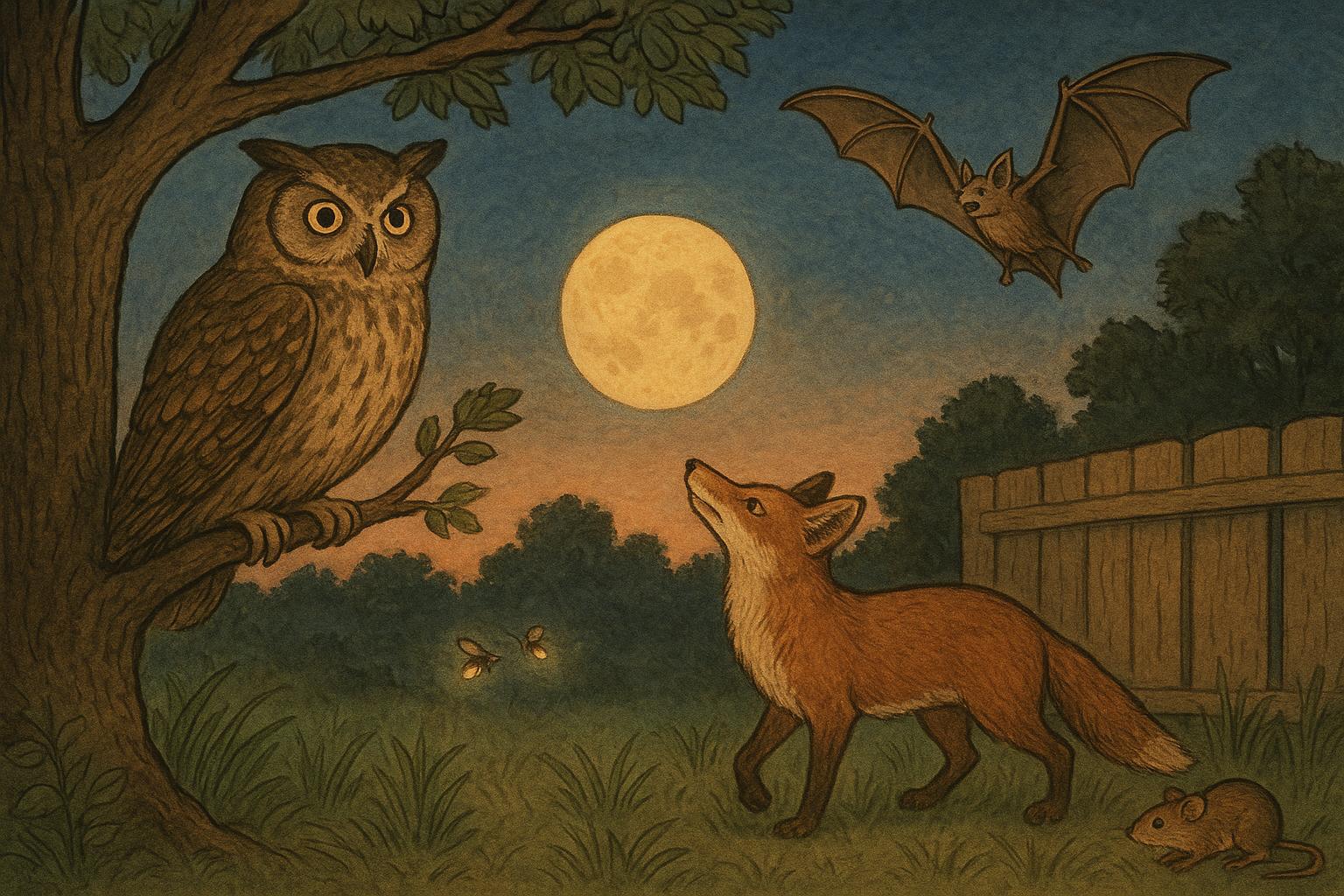
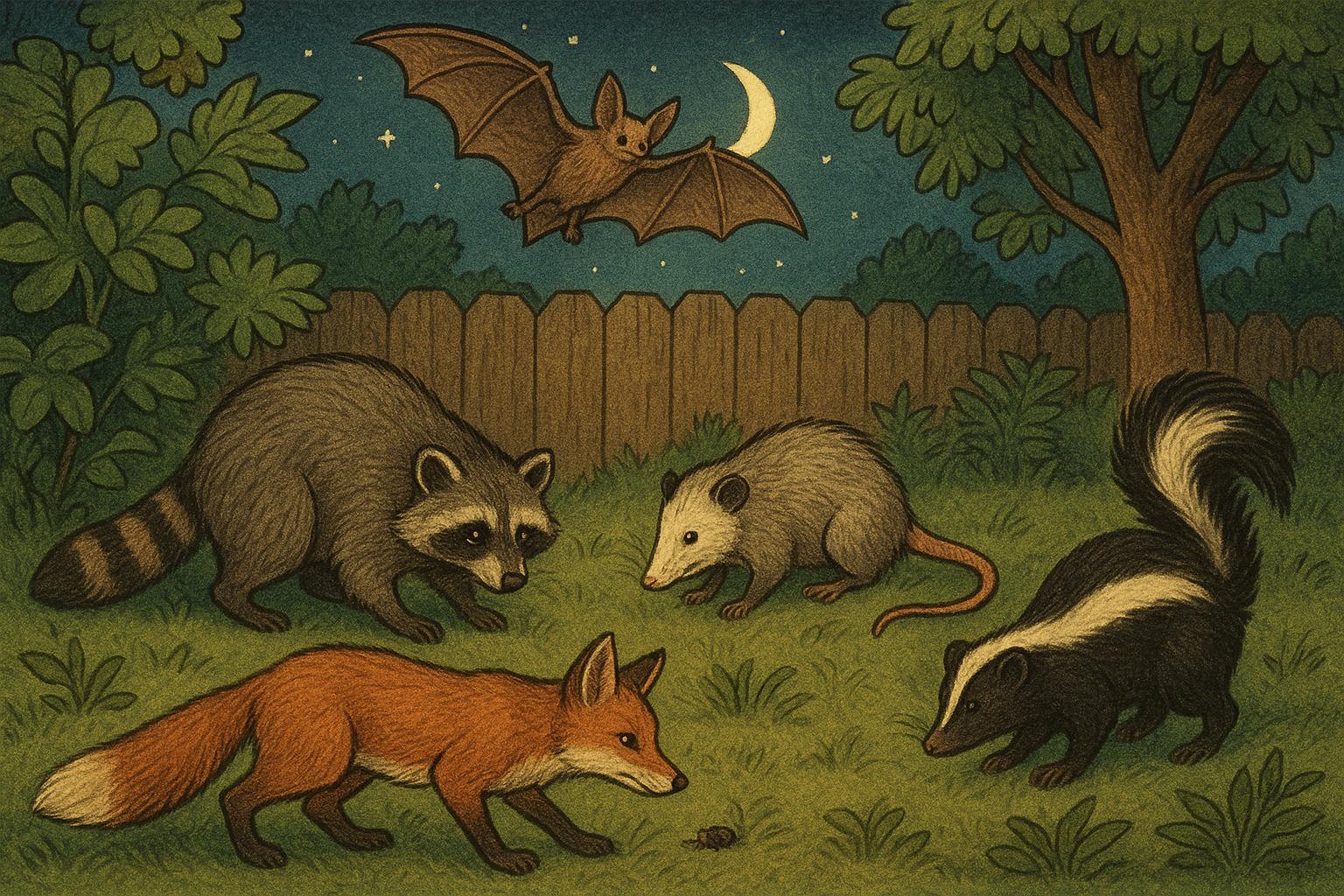
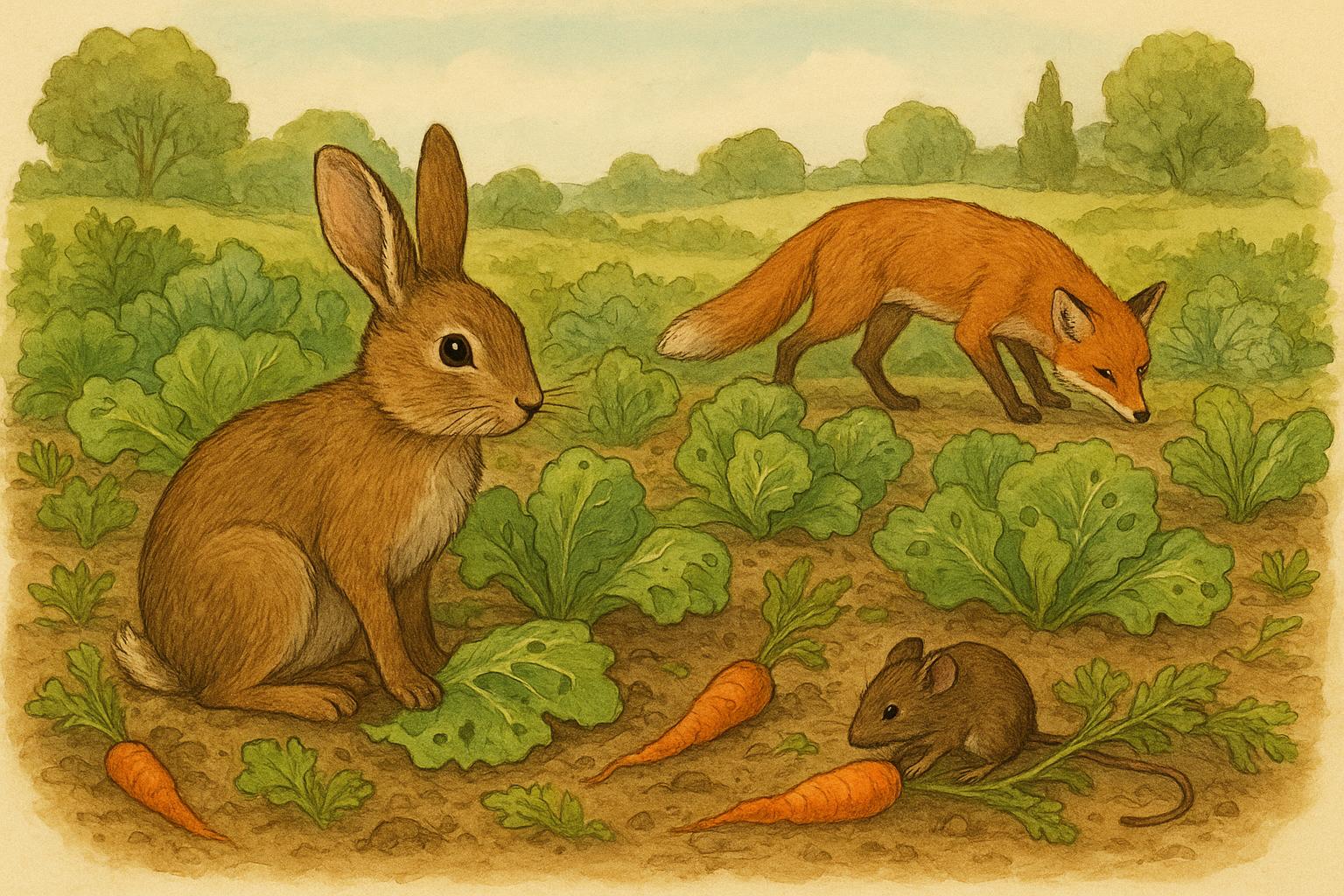
Urban night visitors often get misidentified. Raccoons have ringed tails and masked faces; foxes have bushy tails and pointed ears. Opossums lack the raccoon’s hand-like paws and the fox’s graceful silhouette. Opossum identification mistakes fuel myths and unnecessary panic.
#### Misreading “Playing Dead” As Rabies
Because the feigned-death state can include drooling and a stiff posture, people sometimes assume the animal has rabies. Trained wildlife professionals recognize the difference. Opossum identification includes understanding this unique behavior pattern.
### The Scent Clues That Sell It
Opossums have a musky, sometimes foul odor, especially when stressed. This smell can be a clue alongside visual features. If you’re tracking opossum sightings, note both what you see and what you smell.
## How To Document Opossum Sightings Without Panicking
### Quick Steps To Record A Backyard Intruder
If you spot an opossum in yard, avoid sudden movements. Record the time, location, and behavior. Use your phone to take a photo or short video if it’s safe. Clear documentation helps with local wildlife resources and keeps neighbors informed.
### When To Call Professionals
Only call animal control if the opossum is injured, trapped, or acting dangerously (rare). Most opossums pass through and pose little risk. For true emergencies, documented opossum sightings with photos speed up appropriate responses.
### Common Mistakes In Backyard Reporting
People often report an “aggressive beast” when they see a calm, foraging opossum. Over-reporting leads to unnecessary removal efforts. Good opossum identification reduces false alarms and keeps wildlife where it belongs.
## 1 Humane Remedy: Backyard Opossum Deterrent (Creation And Application)
Note: The following remedy is presented in a formal, instructive tone. It focuses on humane deterrence and habitat modification to discourage opossum activity while protecting the animal and your property.
#### Objective
Reduce the frequency of opossum in yard visits through non-lethal, environmentally safe modifications and a simple deterrent spray.
#### Materials Required
– Heavy-duty trash can lids and secure bungee cords or clips
– Wire mesh (1/2 inch) and galvanized staples for sealing openings under decks or sheds
– Motion-activated lights or sprinkler (optional)
– 1 gallon distilled water
– 2 cups white vinegar
– 1/2 cup lemon juice (fresh or bottled)
– 10–15 drops eucalyptus or peppermint essential oil
– Spray bottle (32 oz)
– Protective gloves and safety goggles
– Basic gardening tools (shovel, pruners)
#### Preparation Steps
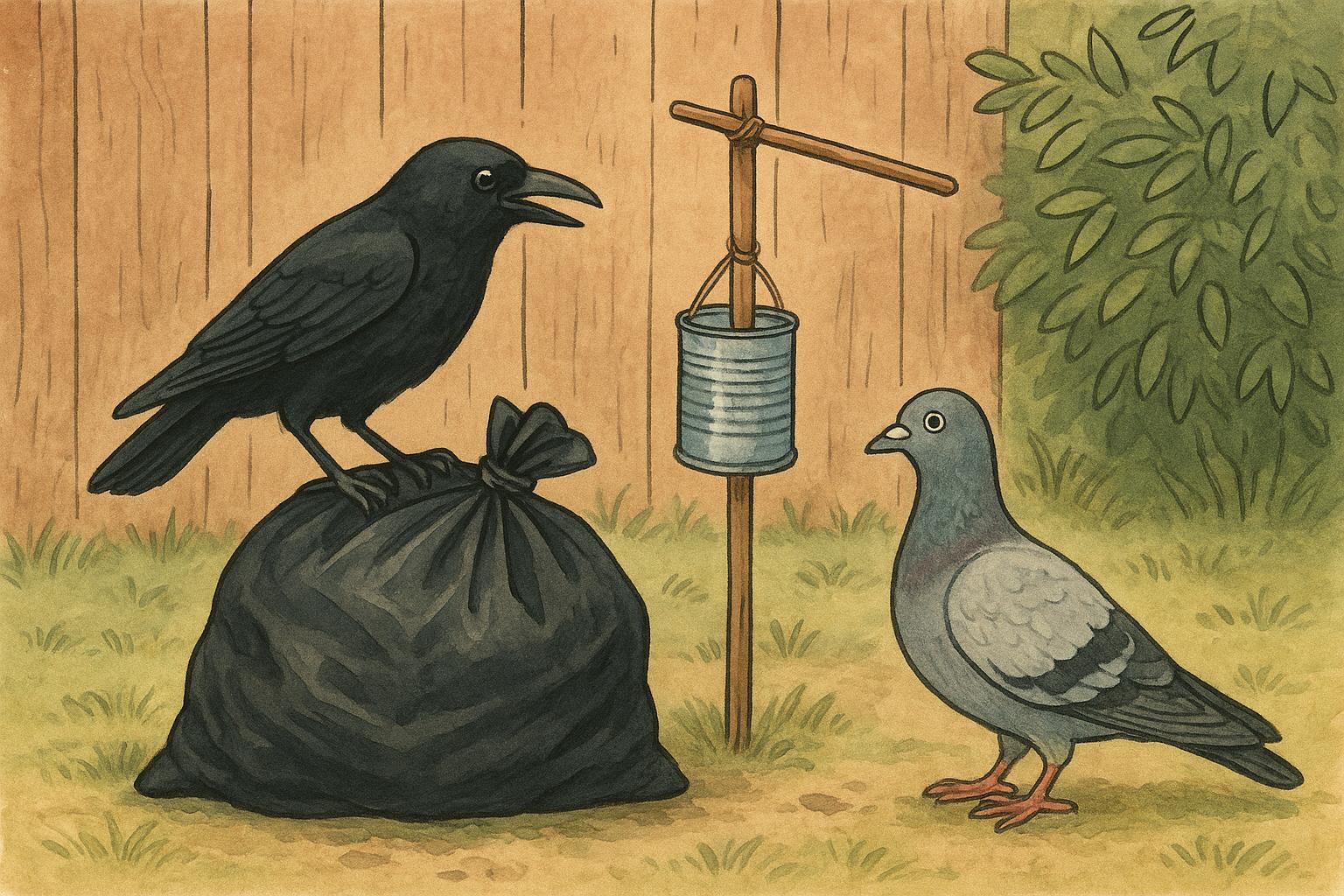
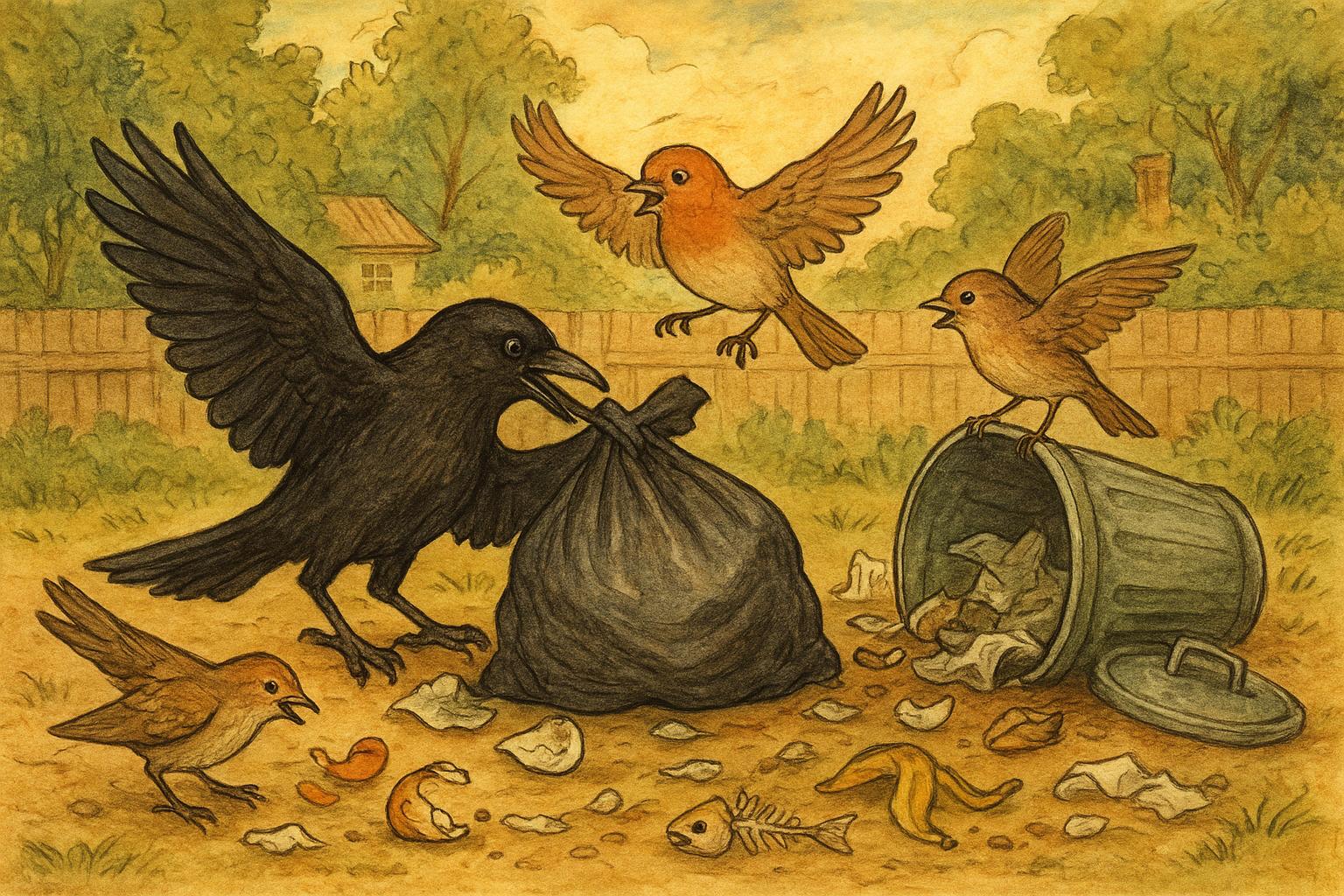
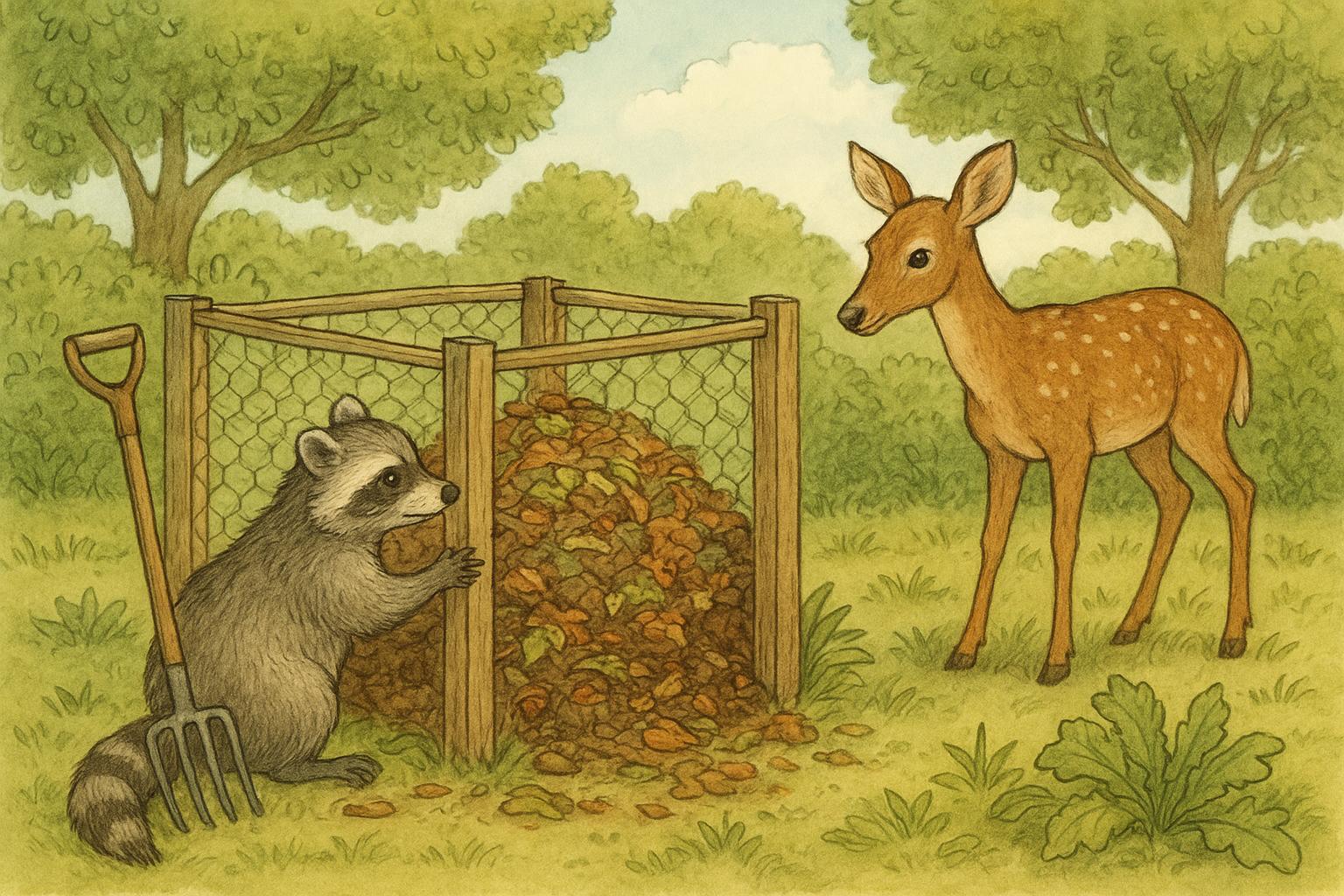
1. Secure Attractants: Store pet food indoors overnight and use sealed compost bins. Fit heavy-duty lids to garbage cans and fasten with bungee cords to prevent top access.
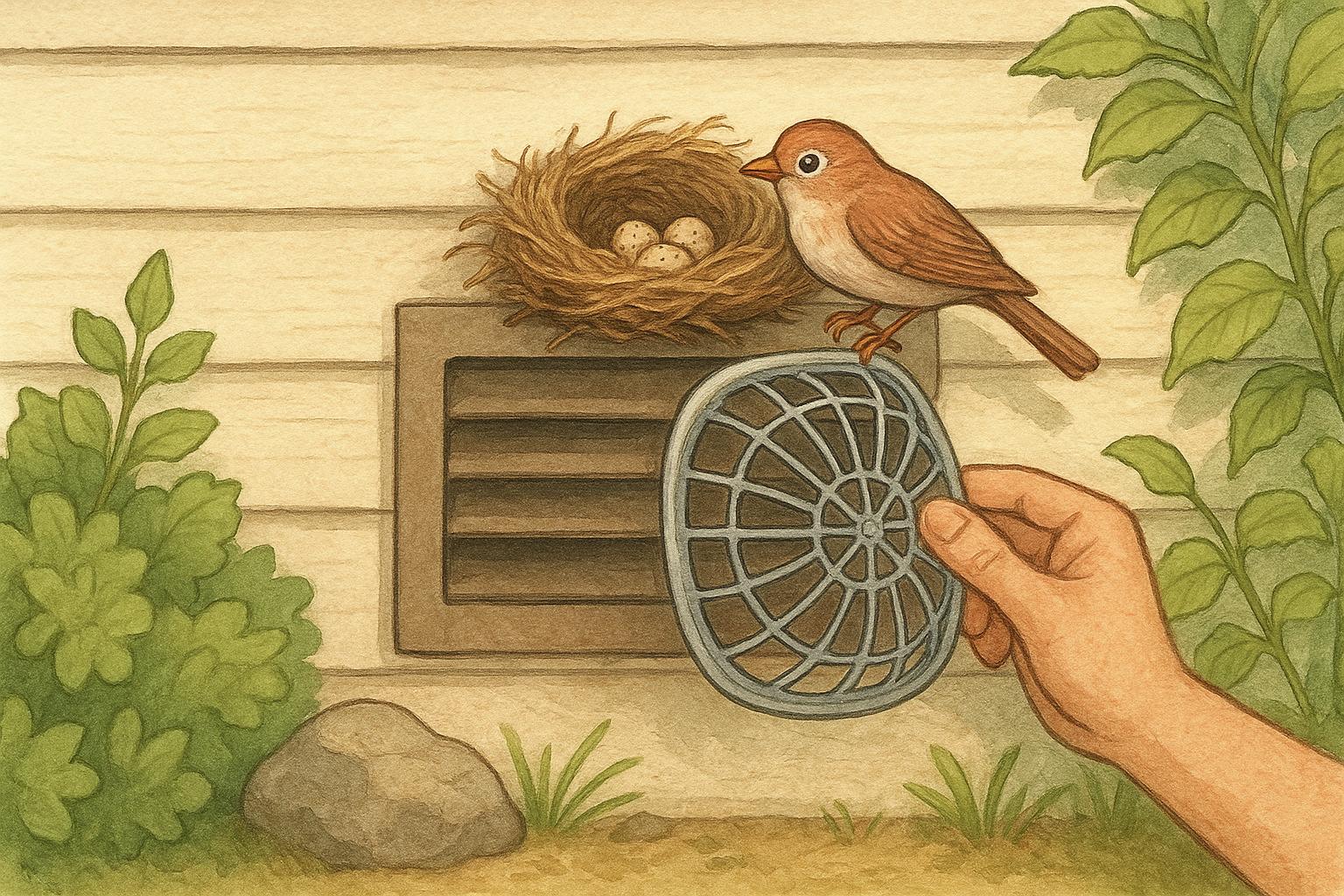
2. Seal Shelter: Inspect foundations, decks, and sheds for openings. Use wire mesh and galvanized staples to close gaps larger than 2 inches. For vents, install reinforced vent covers.
3. Trim Vegetation: Remove dense brush and trim low branches to reduce hiding spots. Keep ground cover sparse near foundations.
4. Assemble Deterrent Spray: Wear gloves and goggles. In a clean container, combine 1 gallon distilled water with 2 cups white vinegar and 1/2 cup lemon juice. Add 10–15 drops of eucalyptus or peppermint essential oil. Mix thoroughly and decant into a 32 oz spray bottle for immediate use; store the remainder in a sealed container away from heat.
#### Application Steps
1. Initial Perimeter Treatment: Spray a light mist of the solution around the perimeter of your yard, focusing on entry points, under decks, and near trash storage. Apply in early evening when opossums are first active.
2. Repeat Schedule: Reapply every 3–5 days or after heavy rain. Continue for 2–4 weeks as habitat modifications take effect.
3. Targeted Use: If visual evidence indicates a specific path the opossum uses, spray that corridor lightly each evening.
4. Combine With Habitat Change: The deterrent is most effective when combined with secured trash, sealed shelter sites, and trimmed vegetation.
5. Monitor: Log any subsequent opossum sightings. If you still observe frequent visits after 4 weeks, reassess for overlooked food sources or shelter and reinforce measures.
#### Safety And Effectiveness Notes
– The spray is non-toxic to mammals and pets if used as directed, but avoid direct application to animals. Essential oils can irritate some species; use low concentrations.
– This approach prioritizes exclusion and removal of attractants over repellents, which have limited long-term efficacy.
– Motion-activated lights or sprinklers provide an additional non-lethal deterrent if humane exclusion alone is insufficient.
### Legal And Ethical Considerations
Some regions protect wildlife; check local ordinances before trapping or relocating wildlife. Humane habitat modification combined with the described deterrent respects both legal and ethical standards.
### What To Expect After Implementing The Remedy
Proper exclusion and clean-up typically reduce opossum sightings within 1–3 weeks. Occasional transient individuals may still pass through, but sustained presence should decline as food and shelter are removed.
### Advanced Identification Tricks Professionals Use
#### Track Patterns And Droppings
Professionals examine tracks and scat. Opossum tracks show five toes on both front and hind feet; the hind tracks sometimes display an opposable-like thumb. Scat is tubular and may contain insect exoskeletons, fruit seeds, or fur.
#### Nesting Signs
Opossums do not burrow extensively; they often use existing cavities. Look for bedding material tucked into low cavities, a sign of repeated use rather than a single opportunistic visit.
#### Behavior Over Time
If an animal keeps returning, note timing and patterns. Opossum identification becomes clearer when you see repetition: same path, similar foraging times, and consistent dietary remains.
### How To Communicate With Neighbors About Opossum Sightings
When informing neighbors about opossum sightings, present clear photos and simple factual descriptions. Encourage shared actions: secure communal trash, remove pet food from common areas, and coordinate habitat changes. Collective action reduces chances of attracting persistent individuals.
### Final Notes On Risks And Rewards
Opossums can help rid your yard of ticks and rodents. While sensational and sometimes startling, proper opossum identification and humane management often reveal these creatures to be beneficial neighbors rather than menacing monsters.










Leave a Reply