

A moonlit shuffle behind the shed, overturned leaves like a small, noisy tide—raccoons are clever visitors who can turn a quiet yard into an obstacle course. With a little creativity and a stack of natural solutions, you can protect your property without harming wildlife. These raccoon prevention tips blend common-sense habitat reduction with DIY remedies that are gentle, effective, and home-friendly.
## Raccoon Prevention Tips: Natural Remedies For Your Home
### Understanding The Nighttime Forager
Raccoons are opportunistic and highly adaptable. They are attracted to easy food, secure shelter, and places to wash their finds. To succeed with raccoon prevention, you must address attractants, block access points, and introduce deterrents that make your yard less appealing. Effective raccoon prevention tips focus on making the landscape inconvenient and uninviting rather than creating hazards.
### Why Natural Remedies Are Useful
Natural remedies prioritize nonlethal methods, are often inexpensive, and reduce risks to pets and children. They can be combined: habitat modification plus sensory deterrents plus physical barriers form a layered defense. Below are practical, step-by-step remedies you can build and apply yourself. Each remedy lists required materials and precise steps so you can implement them consistently and confidently.
## 1. Natural Repellent Spray
### Ingredients Or Materials
– 2 cups water
– 1/4 cup white vinegar
– 10–15 drops peppermint essential oil
– 10 drops eucalyptus essential oil
– 1 tablespoon dish soap (biodegradable preferred)
– Spray bottle (1- to 2-liter capacity for repeat use)
#### Preparation And Application Steps
1. Sterilize the spray bottle by rinsing with hot water.
2. Combine water and vinegar in a measuring container, then pour into the bottle.
3. Add peppermint and eucalyptus oils, then the dish soap. Soap helps the oils emulsify and cling to surfaces.
4. Secure the spray top and gently invert the bottle several times to mix—do not shake vigorously.
5. Test a small area of wooden or painted surfaces first to ensure no staining.
6. Apply liberally around potential entry points: under decks, around shed doors, and near garbage storage. Reapply after rain and every 3–5 days during peak activity seasons.
7. Refresh the mixture weekly to maintain scent strength.
Use this repellent as part of a broader strategy. The scents are unpleasant to raccoons but unobtrusive to most humans. Avoid spraying edible plants.
## 2. Motion-Activated Light And Noise Deterrent
### Materials Needed
– Motion-activated LED floodlight
– Battery-powered motion sensor alarm or ultrasonic deterrent
– Sturdy mounting hardware
– Extension cord or solar option (if needed)
#### Installation And Use Steps
1. Identify high-traffic zones where raccoons approach: near compost bins, pet doors, or fruit trees.
2. Mount the motion-activated light 8–10 feet above ground facing the approach path. Ensure the motion sensor covers the zone without triggering constantly from branches.
3. Install the alarm or ultrasonic unit alongside the light. Test the noise level to ensure it does not exceed local noise ordinances or disturb neighbors.
4. Set devices to active at dusk and monitor for false triggers. Adjust sensitivity if domestic animals frequently trigger the device.
5. Maintain power sources seasonally; replace batteries or check solar panels to ensure consistent activation.
Motion, light, and unexpected sound break the nocturnal confidence raccoons rely on. For humane results, use moderate volume and brief noise bursts.
## 3. Humane Fencing And Garden Barriers
### Materials Required
– Heavy-gauge wire mesh (1/2-inch hardware cloth)
– Wooden stakes or metal T-posts
– Zip ties or galvanized screws
– Shovel or post-hole digger
#### Construction And Placement Steps
1. Choose a perimeter layout around vegetable beds or compost piles.
2. Dig a 6–8 inch trench line for the bottom of the mesh to sit into; raccoons will dig under flimsy barriers.
3. Unroll mesh and position along the trench; secure vertically with stakes or posts every 3–4 feet.
4. Bend the bottom 3–4 inches of mesh outward away from the garden to create a small L-flange buried under soil—this discourages digging.
5. Use zip ties or screws to fasten the mesh to posts at top and bottom.
6. For extra deterrence, install a short overhang of 6 inches that faces outward at the top of the fence; many raccoons will not scale awkward overhangs.
This physical approach is low-stress for animals and highly effective. Regularly inspect for gaps and repair promptly.
## 4. Trash Can Safety And Secure Composting
### Required Items
– Heavy-duty latching trash cans or bungee cords (weatherproof)
– Concrete block or weighted base (to prevent tipping)
– Secure compost bin with tight-fitting lid, tumbler, or wire enclosure
– Optional: cedar oil or citrus peels for odor masking
### Setup And Maintenance Steps
1. Replace lightweight bins with heavy-duty, latching trash cans. If replacement isn’t possible, use a metal bungee cord looped over the lid to secure it.
2. Anchor bins on a concrete slab or inside a fenced area to reduce tipping.
3. Only place trash out the morning of collection rather than the night before. This minimizes exposure time.
4. For composting, use enclosed tumblers or rodent-proof bins. Keep meat, dairy, and oily foods out of backyard compost—these attract raccoons.
5. Rinse food containers and wrap waste to reduce odor. Consider adding citrus peels or cedar oil to compost lids to help mask attractive scents.
6. Maintain regular cleaning of bins with diluted vinegar solution to reduce lingering smells.
Prioritizing trash can safety is among the most effective raccoon prevention tactics. Secure waste and compost removes the strongest incentive for raccoons to return.
## 5. Garden Management And Habitat Reduction
### Materials And Tools
– Pruning shears, rake, and hedge trimmer
– Netting or poultry wire for fruit trees
– Predator-scented deterrent options (coyote urine available commercially) — use with care
#### Steps To Implement
1. Harvest fruits and nuts promptly; fallen fruit is a powerful lure.
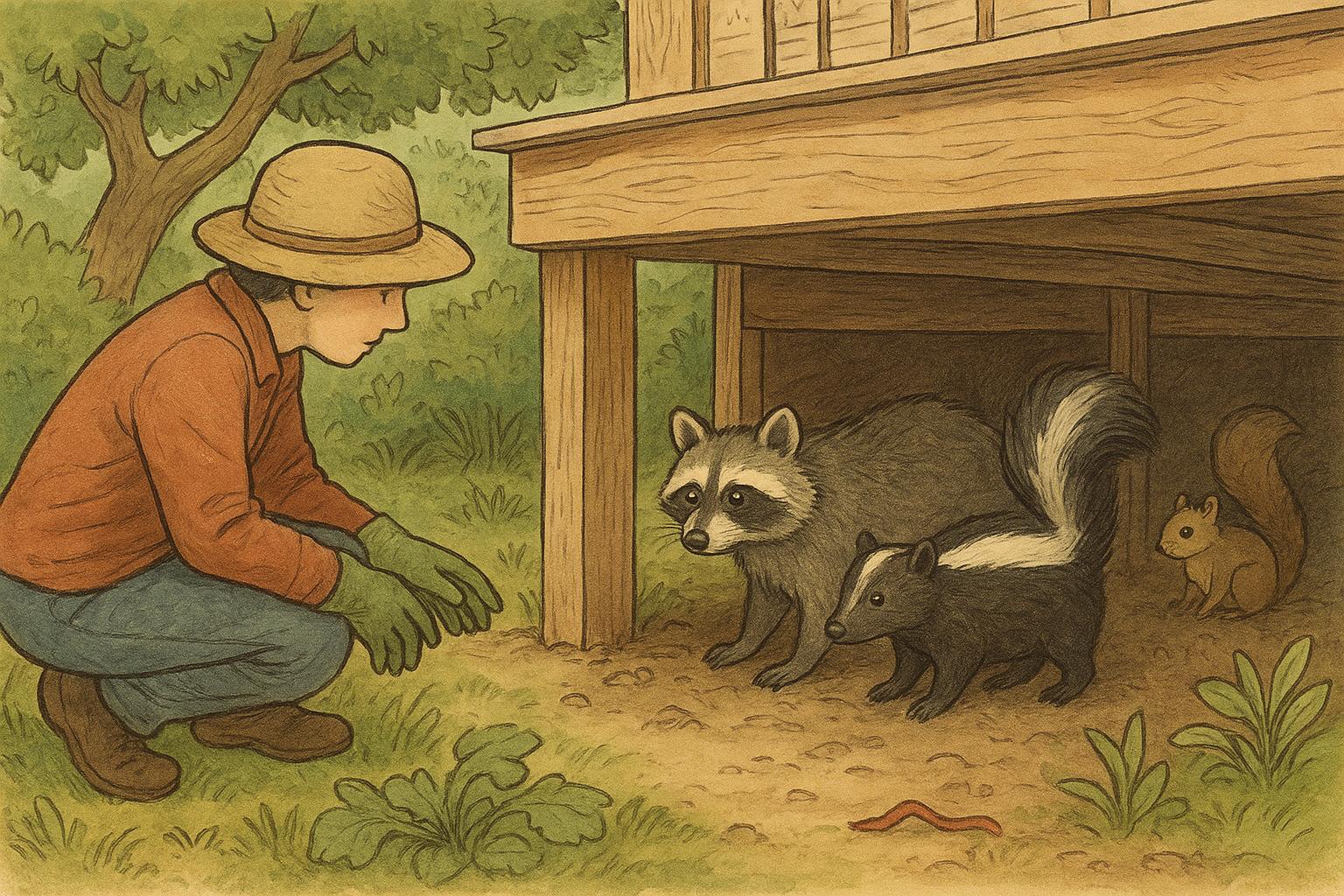
2. Remove woodpiles, dense brush, and access under decks where raccoons might den.
3. Trim tree branches that overhang roofs or fences to limit roof access.
4. Net vulnerable crops and secure bird feeders; if you must feed birds, use feeders designed to reduce spillage and clean up spilled seed daily.
5. Consider rotating decorative predator-scent stations (commercial products) along the property perimeter to add an olfactory cue of risk—use according to product safety instructions.
Reducing shelter and food sources changes the cost-benefit analysis for raccoons and supports long-term raccoon prevention.
### Integrating Multiple Remedies
Combine sensory deterrents (repellents, lights), physical barriers (fencing, secure bins), and habitat changes for best results. Monitor activity and adapt: if one method causes persistent nuisance, change patterns (different scents, moved lights) to prevent habituation. Keep records of when and where raccoons appear to target efforts efficiently.
## When To Call Professionals
### Signs You Need Expert Help
If you encounter aggressive behavior, a raccoon inside structures, or suspected rabies signs (unusual daytime activity, staggering), contact local animal control or a licensed wildlife removal professional. For structural repairs or extensive exclusion work, a professional exclusion contractor ensures humane and code-compliant solutions.
Throughout your efforts, prioritize humane, nonlethal interventions that protect your home and the animals. With patience and persistence, these raccoon prevention tips will reduce nighttime visits and restore peaceful evenings in your yard.















































Leave a Reply