
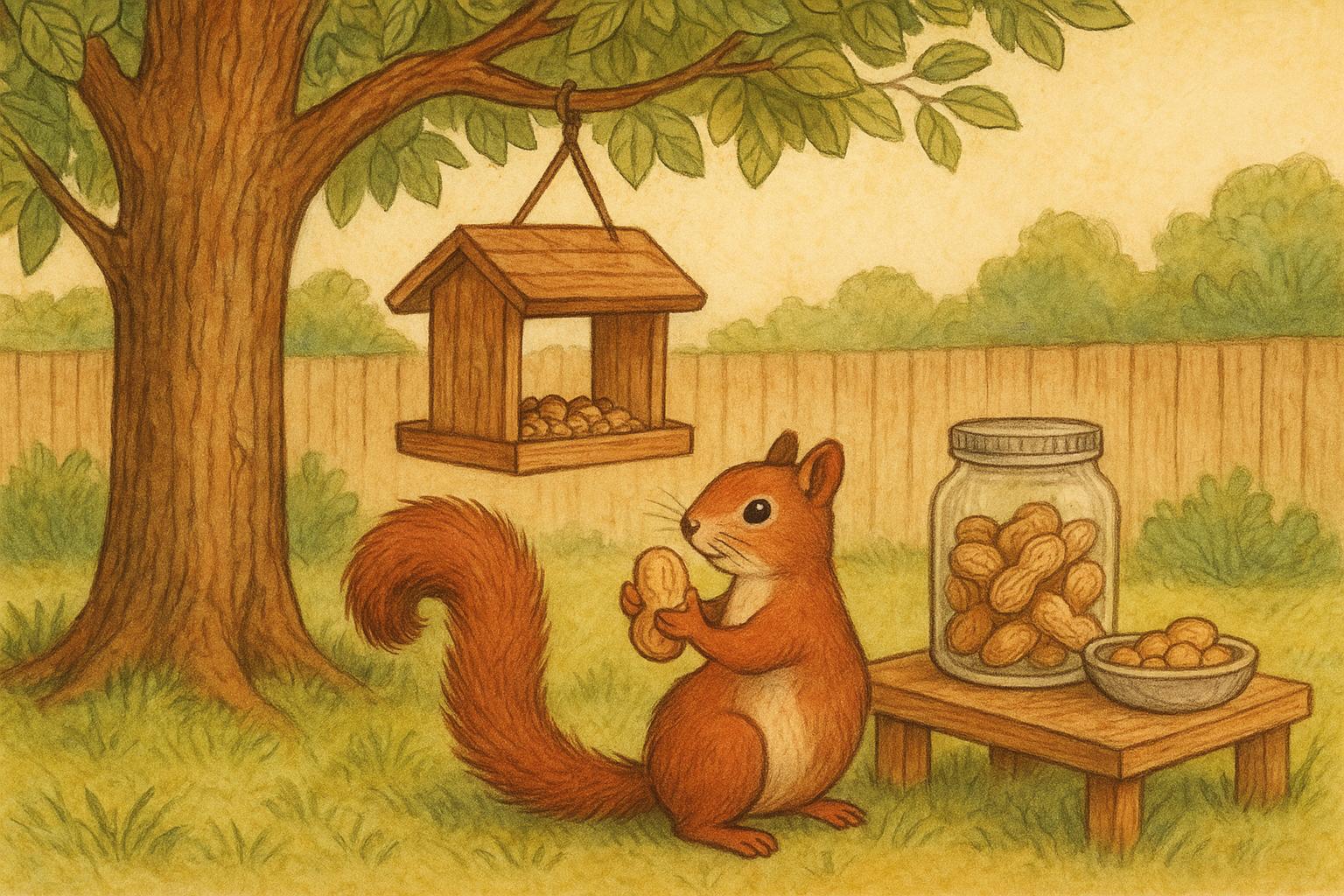
Squirrels bring motion, curiosity and garden personality to neighborhoods. With thoughtful planning and safe DIY remedies you can welcome these agile visitors without encouraging dependency or conflict. This guide explains practical, humane steps and three numbered DIY remedies you can build or set up at home to attract squirrels while protecting your plants, pets and property.
## 1. How To Attract Squirrels To Your Yard: DIY Feeding Station
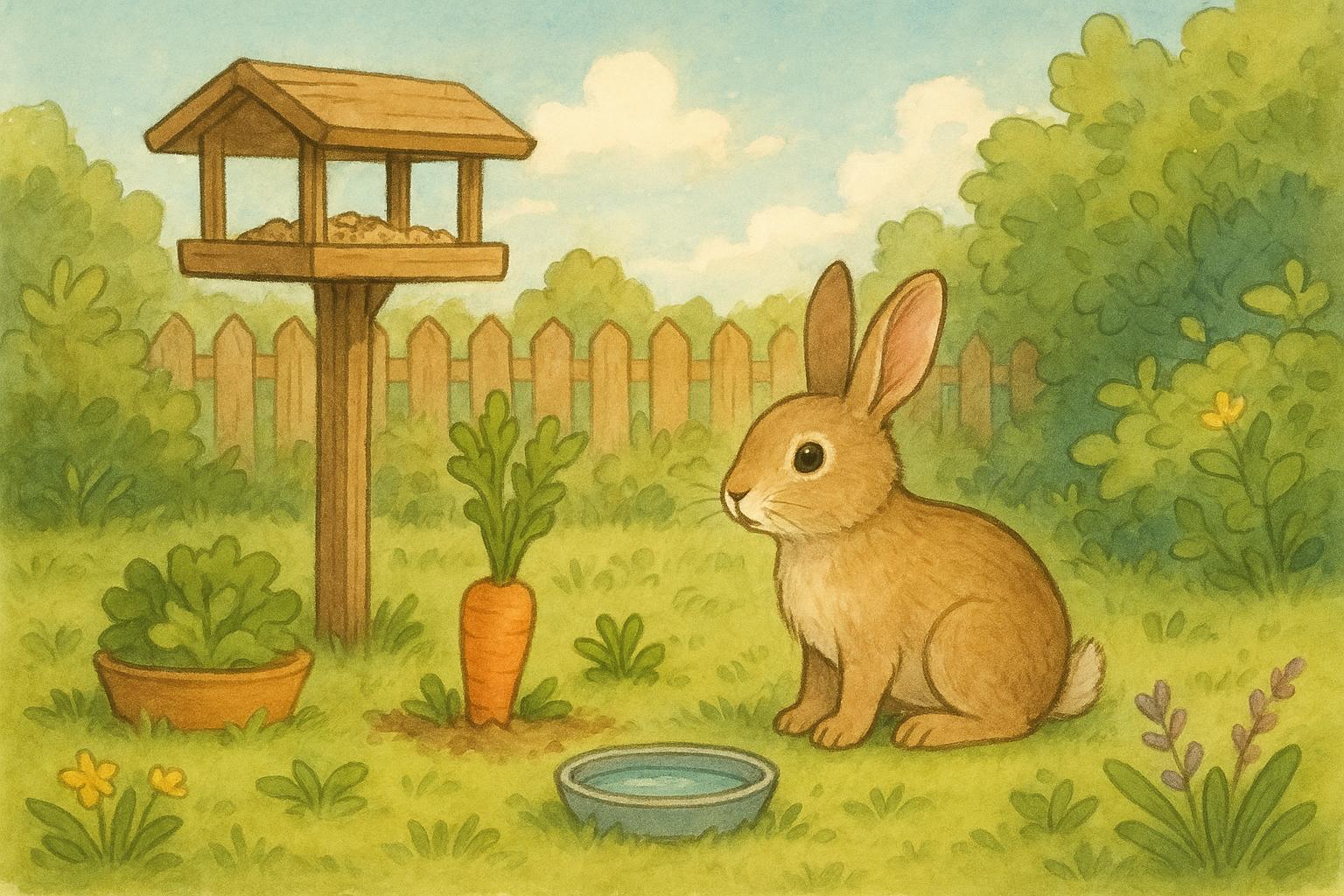
A dedicated feeding station is the clearest way to attract squirrels while reducing the temptation for them to raid bird feeders or vegetable beds. Designing a squirrel-specific station encourages natural foraging and gives you a close-up view of yard wildlife.
### Ingredients And Materials
– 1 wooden platform or small pallet (weatherproofed)
– 1 shallow metal or ceramic tray (for food)
– 4 wooden posts or stakes (for legs)
– Galvanized screws and weatherproof wood glue
– Optional: small roof (corrugated plastic or scrap wood)
– Squirrel-appropriate foods: unsalted nuts (peanuts in shell, walnuts), sunflower kernels, corn, unsweetened peanut butter (sparingly)
### Step-By-Step Construction And Use
1. Assemble the Platform: Attach the tray to the wooden platform using screws; ensure the tray sits flush to prevent spillage.
2. Attach Legs: Mount four wooden posts to raise the platform 2–3 feet above ground. This height reduces access by cats and some dogs while keeping the station visible.
3. Add Shelter: If adding a small roof, angle it to shed rain and provide shade. Secure with screws and seal edges with weatherproofing.
4. Positioning: Place the station near trees or shrubs but at least 10–15 feet from bird feeders and vegetable gardens to reduce spillover interest.
5. Food Rotation: Offer a mix of nuts and seeds, rotating foods every few days. Do not leave moldy or spoiled food. Limit quantity to avoid overfeeding.
6. Observation Schedule: Put food out in the morning and remove in late afternoon to encourage daytime foraging patterns.
## 2. DIY Squirrel Puzzle Feeders To Stimulate Natural Foraging
Squirrels are intelligent and enjoy problem-solving. Puzzle feeders supply enrichment that keeps them active without creating reliance on human handouts.
### Materials Required
– Sturdy hollow log or large PVC pipe (6–8 inches diameter)
– Drill with hole bits (1–2 inch holes)
– End caps for PVC or wooden plugs
– Rope or chain for hanging (optional)
– Small, firm food items (unshelled nuts, corn cobs, pinecones with seeds)
### Construction And Placement Steps
1. Prepare The Container: If using PVC, cut to 12–24 inches length and drill several holes sized to allow nuts but limit hand access. For logs, hollow out a central tube and drill holes.
2. Secure Ends: Attach end caps or plugs to prevent contents from spilling out too easily.
3. Fill With Food: Load the feeder with whole nuts or seed-filled pinecones that encourage extraction behavior.
4. Mount Or Hang: Place on a sturdy branch or install on a pole 4–6 feet high. Ensure it can swing slightly—movement increases challenge and interest.
5. Monitor And Adjust: Watch how yard squirrels interact; widen or narrow holes to calibrate difficulty.
## 3. Water Sources And Habitat Enhancements For Yard Squirrels
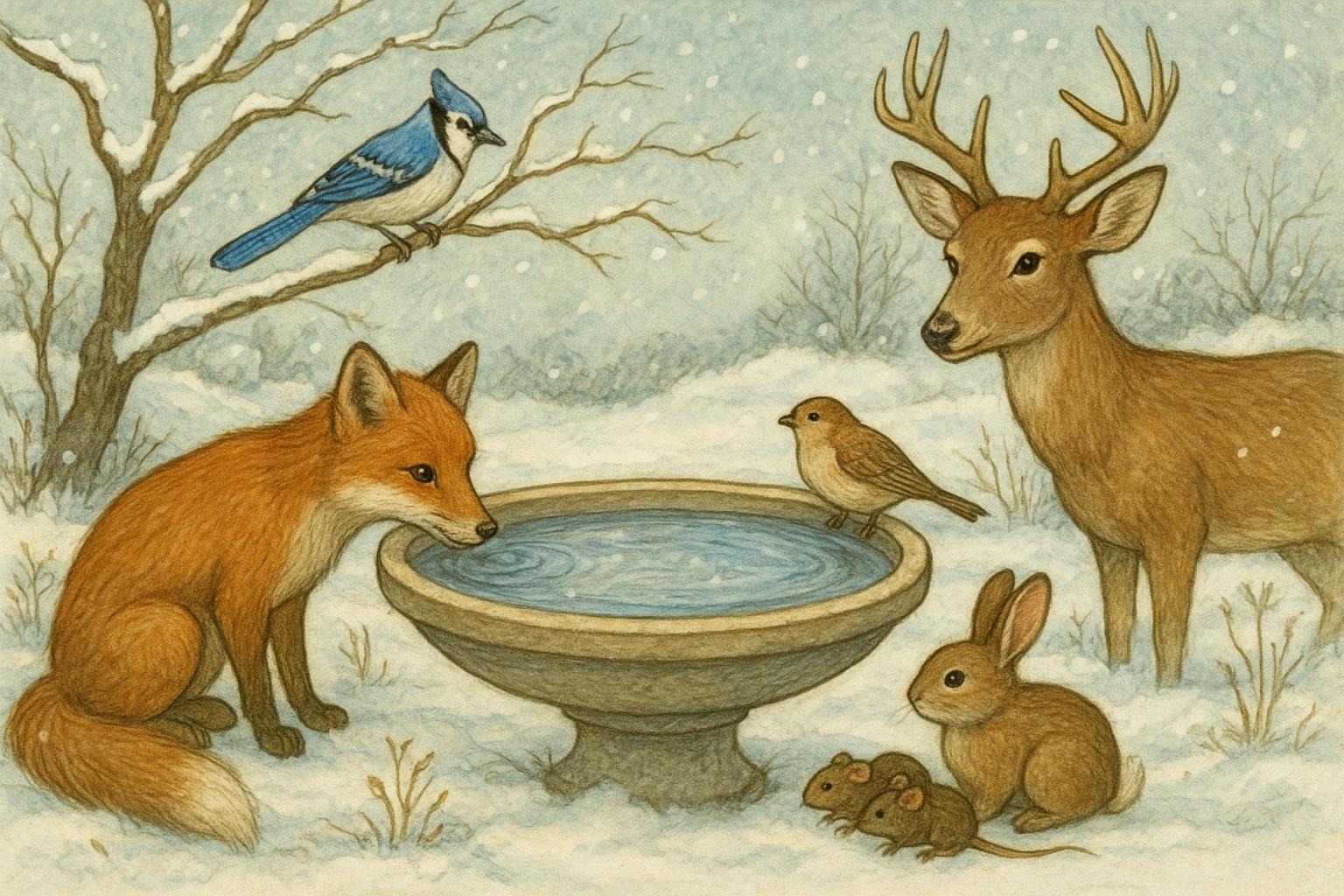
A reliable water source and habitat features will make your yard an attractive stop for squirrels looking to forage, nest or cool off.
### Materials For A Safe Water Station
– Shallow, wide water bowl or birdbath with a gentle slope
– Flat stones or bricks for perching
– Native shrub and tree saplings for cover (oak, maple, dogwood)
– Mulch to create foraging patches
### Installation And Maintenance Steps
1. Choose A Location: Place water shallow bowl near trees and cover but away from high-traffic human areas to reduce stress on wildlife.
2. Create Access: Set flat stones in and around the water source so squirrels can climb in and out safely.
3. Add Vegetation: Plant native shrubs and nut-producing trees to create long-term food and shelter. Even small-scale container plantings provide cover.
4. Maintain Cleanliness: Change water every 48 hours in warm weather and scrub the bowl weekly to prevent algae and mosquito larvae.
5. Foraging Zones: Scatter a small amount of nuts or seeds under leaf litter to encourage natural digging and caching behavior.
## Understanding Squirrel Behavior To Improve Success
Knowing why squirrels visit helps you shape environments that attract squirrels responsibly. Squirrels are attracted to three primary things: food, shelter and water. They prefer areas with overhead cover for quick escape routes and soft soil for burying food. To attract squirrels without creating nuisance problems, offer predictable, controlled food sources and enhance habitat rather than leaving abundant food everywhere.
### Tips For Coexistence
– Limit quantities: Small, scheduled portions encourage foraging without dependency.
– Protect Gardens: Use raised beds, wire mesh or scent repellents for specific plants rather than eliminating squirrel visits altogether.
– Avoid Salted Or Flavored Snacks: Human snack foods can harm squirrels; stick to unsalted, unseasoned nuts and natural seeds.
– Respect Local Wildlife Laws: In some areas feeding wild animals is restricted—check local regulations before putting out food.
## Safety Considerations And Responsible Feeding Practices
Attracting wildlife comes with responsibilities. Follow these formal, informative practices to minimize risk to animals and people.
### Recommended Safety Measures
– Sanitation: Regularly clean feeding stations and puzzle feeders to limit disease transmission.
– Predator Awareness: Avoid feeding near areas where domestic pets can ambush squirrels; place stations where squirrels have clear escape routes to trees.
– Seasonal Adjustments: Reduce or eliminate feeding during times when natural food is abundant; stop feeding when young are dispersing to encourage natural foraging skills.
– Noninvasive Materials: Use untreated, natural wood rather than chemically treated lumber for constructions that wildlife will touch or eat beneath.
## Practical Landscaping To Attract Squirrels And Keep Balance
Design choices influence whether yard squirrels become regular visitors. Choose plants and structures that provide year-round resources without promoting overpopulation or conflict.
### Plant And Landscape Suggestions
– Nut-Producing Trees: Plant native oaks, hickories or walnuts where feasible.
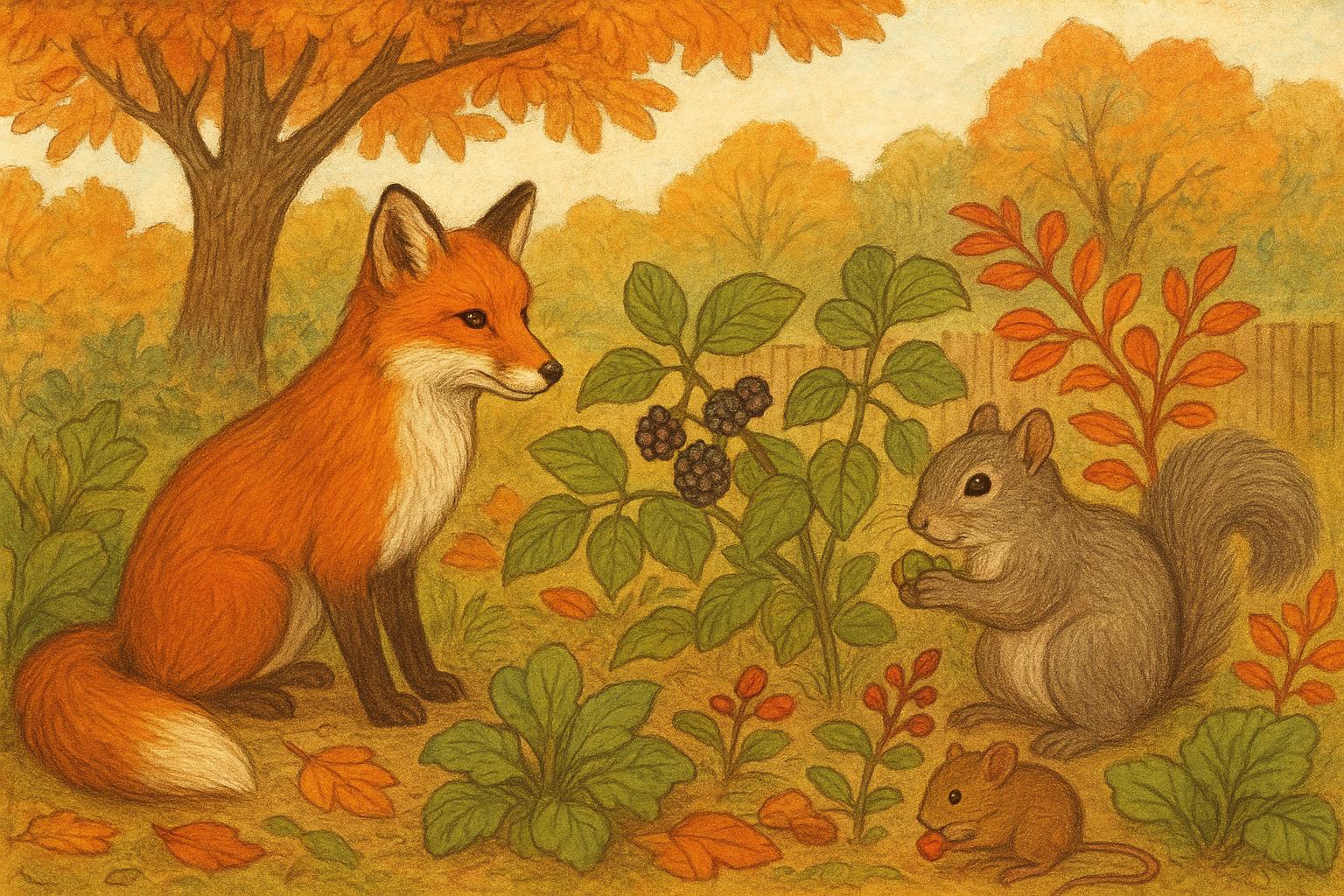
– Berry Bushes: Serviceberry, elderberry and other native shrubs offer seasonal fruit.
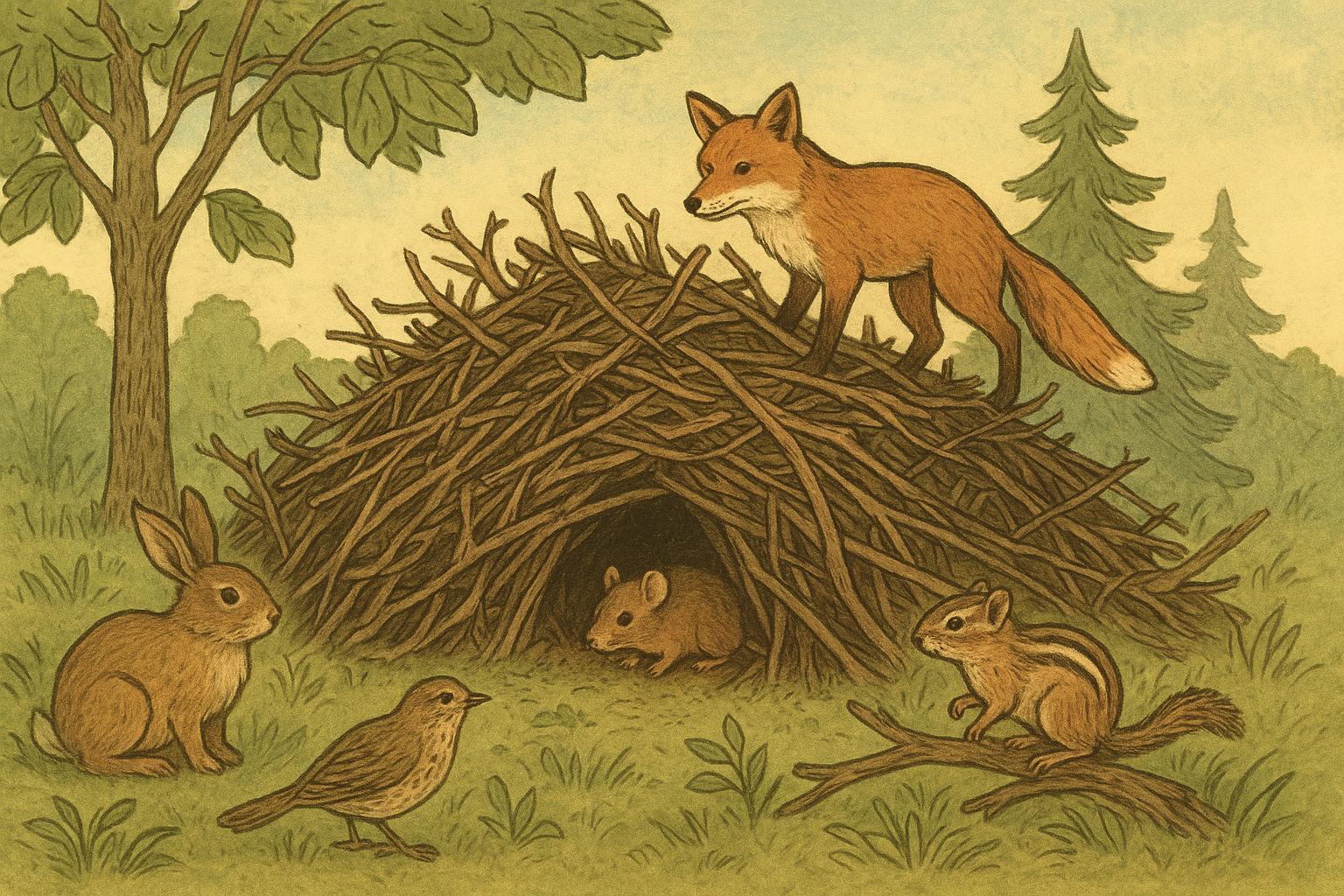
– Ground Cover: Leave leaf litter and brush piles to encourage insect life and foraging opportunities.
– Avoid Lures That Cause Problems: Do not plant invasive grasses or shrubs that encourage over-wintering populations in urban yards.
## Monitoring And Adapting Your Approach
Attracting squirrels is iterative. Monitor which methods draw attention and which cause unintended issues. Keep a journal of what foods or structures attract the most visits and adjust quantities, locations and types of enrichment accordingly. If yard squirrels become destructive, pause feeding and focus on habitat improvements like nesting boxes or tree plantings to provide alternative resources.
By combining safe DIY remedies with thoughtful habitat planning and formal management practices you can enjoy the company of squirrels without harm to them, your garden or neighboring wildlife.




Leave a Reply