
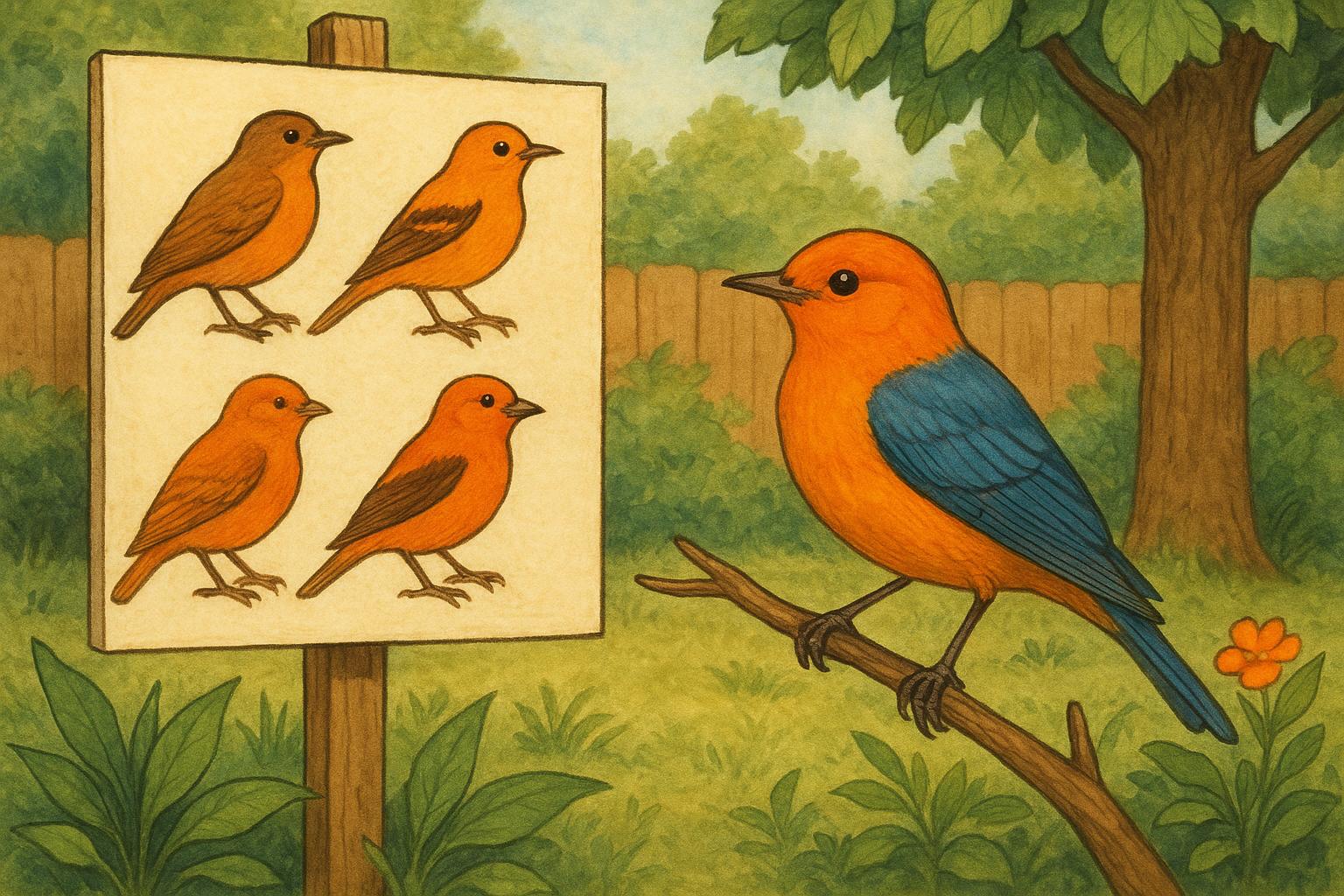
Orange plumage in small passerines and other backyard visitors often prompts questions regarding species, age, and health. The set of traits that define an orange-plumaged avian is more than simple color: structural features, patterning, behavior, habitat, and vocalizations all contribute to reliable identification. The following formal guide provides a methodical approach to orange bird identification for attentive observers, and it supplies two practical, carefully described remedies to encourage and support orange birds in suburban and rural yards.
## Orange Bird Identification: A Formal Color Guide For Backyards
Observers should approach orange bird identification systematically. Color alone is a preliminary indicator; it must be corroborated with bill shape, eye ring, wing bars, tail pattern, leg length, overall proportions, and expected seasonal presence. The phrase “orange bird identification” denotes the integrated practice of correlating chromatic information with morphological and ecological data to reach a confident determination.
### Key Visual Characteristics
Orange hue in plumage varies from bright tangerine to deep russet. Note the following attributes when evaluating an individual:
– Localized versus extensive coloration: Is the orange confined to the breast, belly, or throat, or does it cover the head, back, and wings?
– Contrast and pattern: Presence of black masks, wing bars, or white patches can be diagnostic (for example, a black throat with orange underparts suggests certain orioles).
– Structural features: Size relative to common yard species (sparrows, finches), bill morphology (conical seed-cracking bills versus slender insectivorous bills), and tail shape.
– Behavior and posture: Foraging style (gleaning, probing, hawking) and preferred foraging strata (canopy, midstory, ground).
– Vocalizations and calls: Distinctive songs and calls often provide decisive evidence when visual cues are ambiguous.
Accurate orange bird identification depends on synthesizing these elements.
### Common Species In North American Backyards
Several species are most commonly implicated when observers note orange plumage in residential settings. Representative examples include:
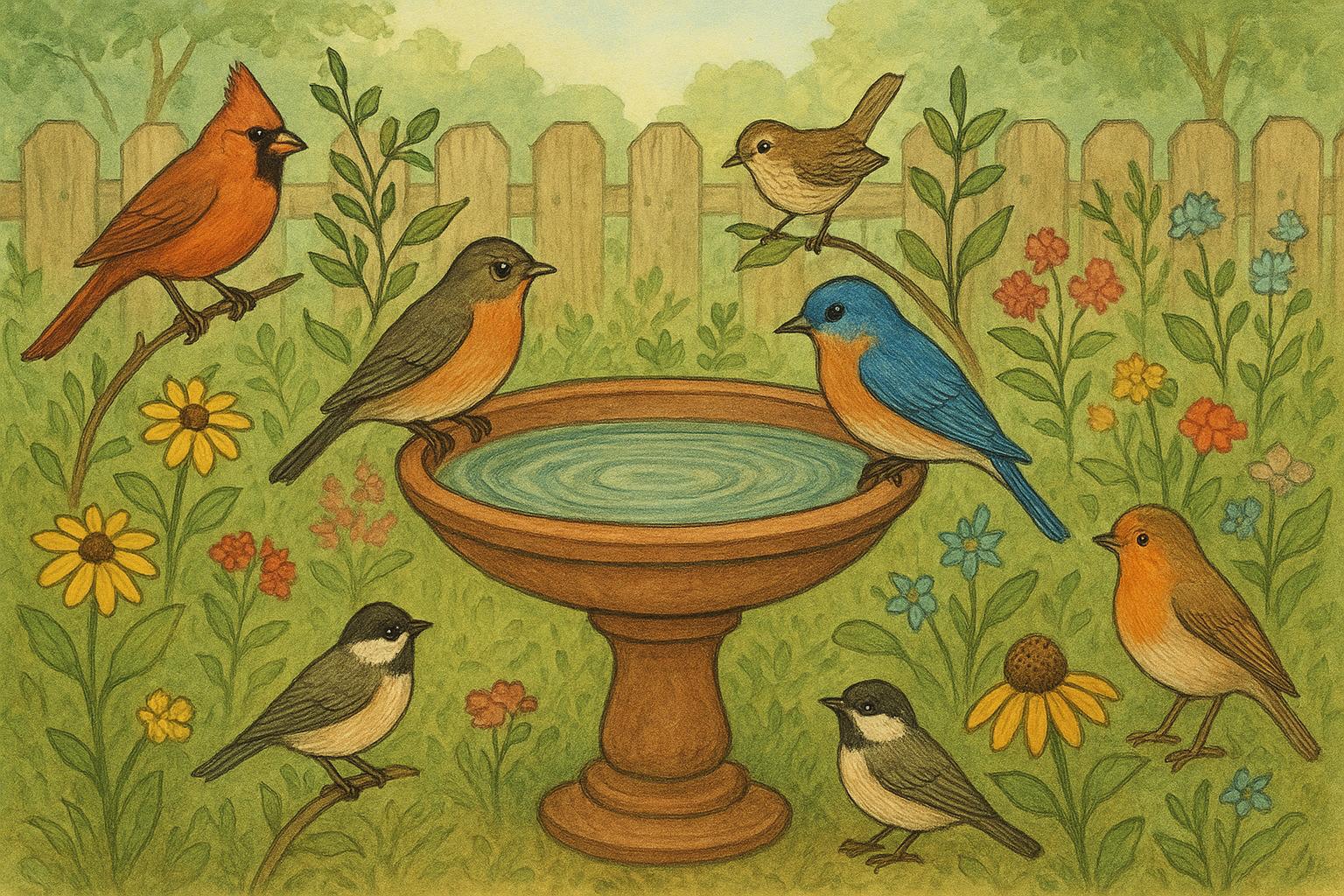
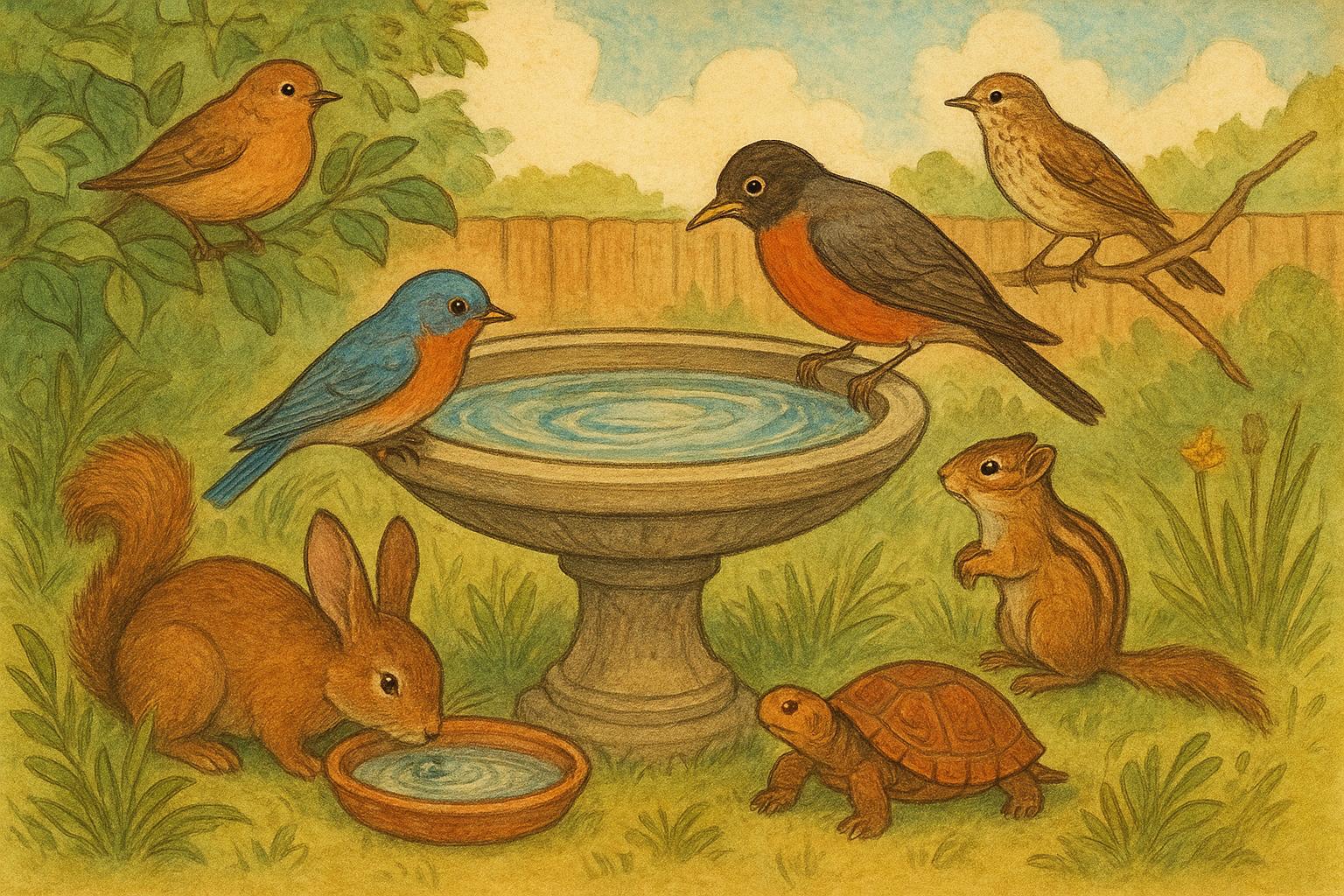
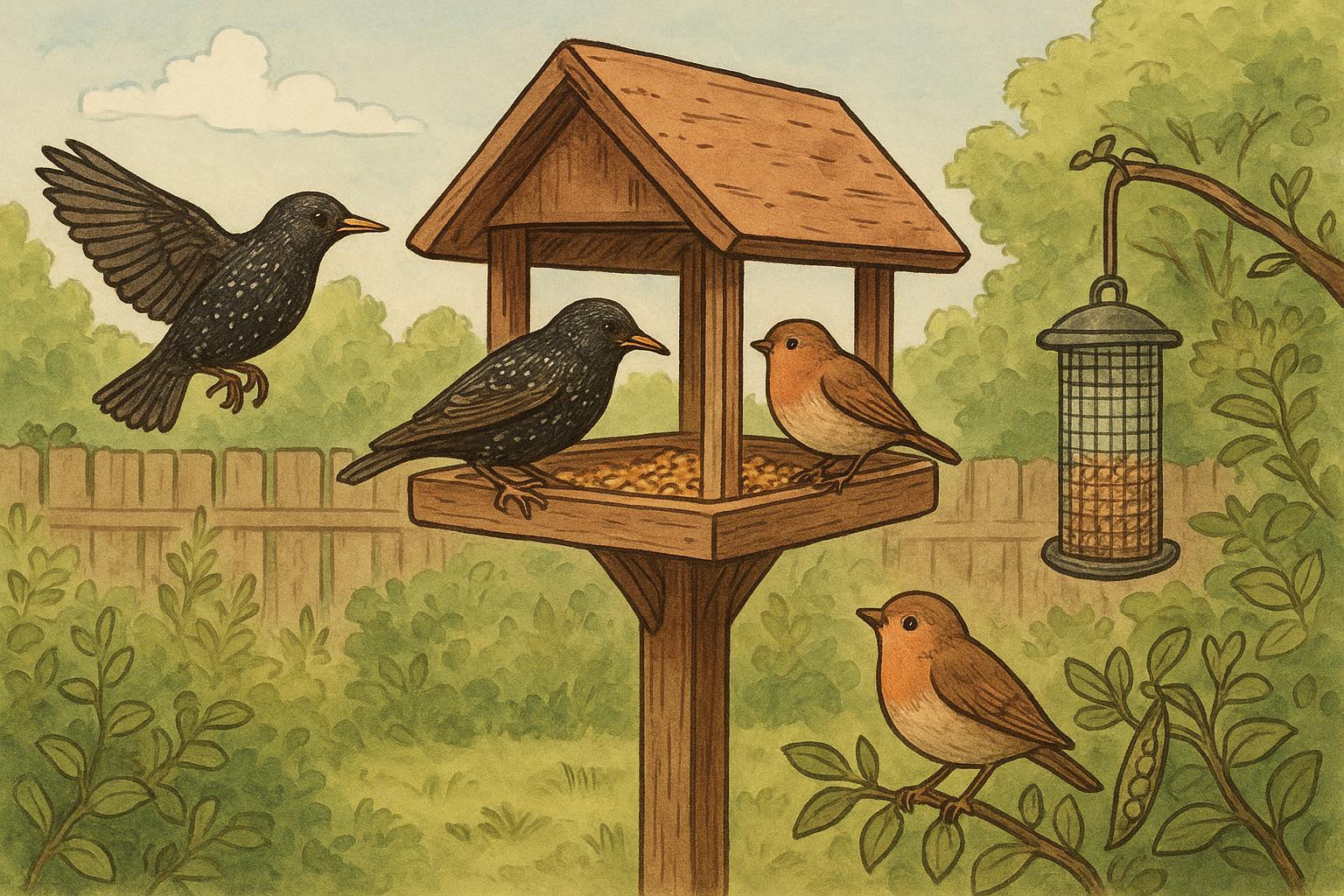
– American Robin (Turdus migratorius): Not strictly “orange” but notable for its orange-red breast and gray back; common on lawns and gardens.
– Baltimore Oriole (Icterus galbula): Adult males are vivid orange with black heads and backs, frequently visiting nectar feeders and grape jelly.
– Bullock’s Oriole (Icterus bullockii): Similar to Baltimore Oriole in the western range, with distinct wing patterning.
– Varied Thrush (Ixoreus naevius): In its range, a deep orange breast and flank with a bold black breast band; typically forest-edge species that may use large yards.
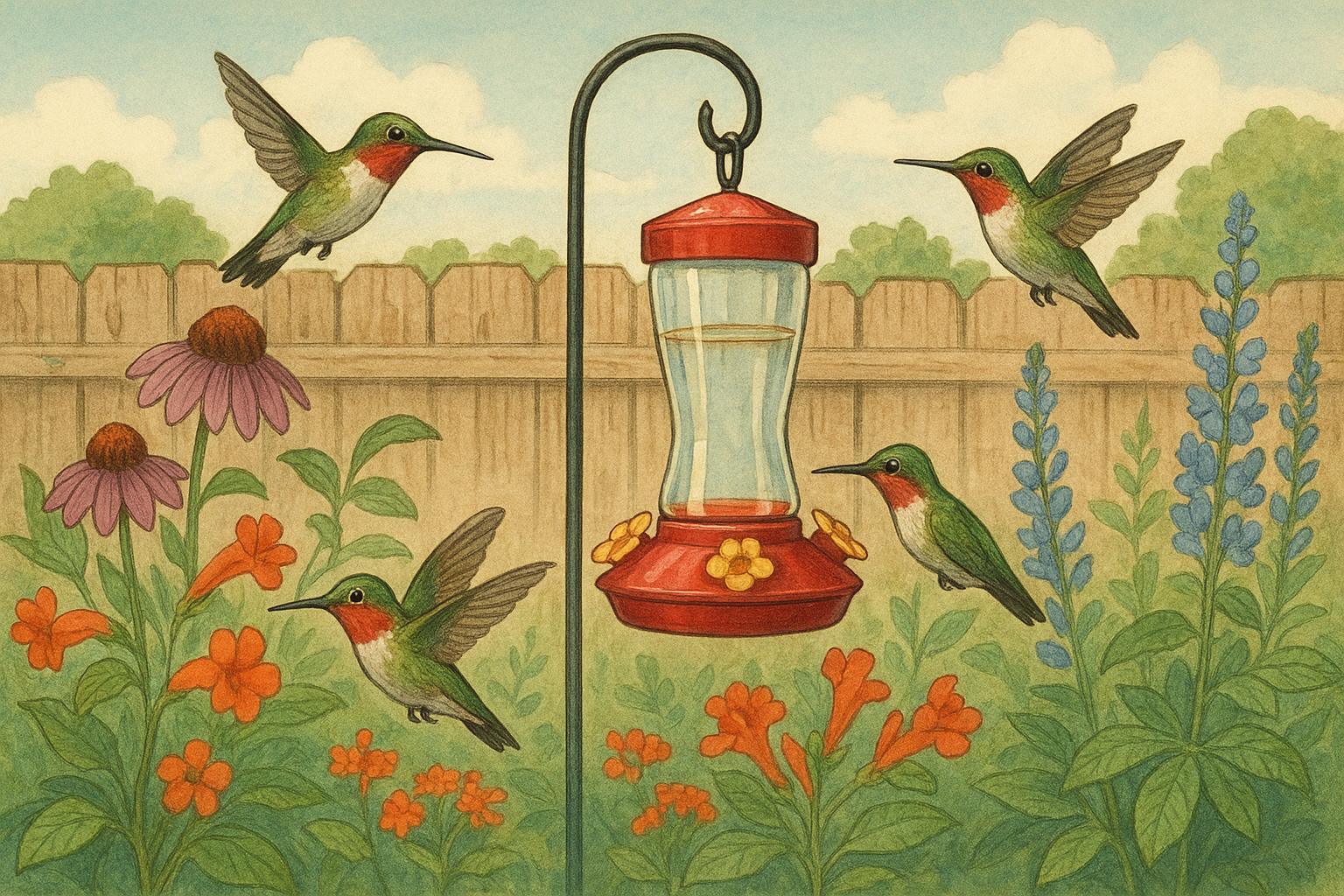
– Rufous/Allen’s Hummingbirds (Selasphorus species): Small hummingbirds with rufous (reddish-orange) coloring in males; recognized by flight and iridescence.
– House Finch (Haemorhous mexicanus): Males exhibit orange-reddish hues, often more rust than bright orange.
These species illustrate the diversity encompassed by the term “orange bird.” Range maps and seasonal occurrence records should be consulted for confirmation.
#### Identification Tips By Season
Plumage can change dramatically between juvenile and adult stages and across seasons. Juvenile birds often display muted or streaked plumage that may be misinterpreted as an age-related orange morph. Molt cycles and overwintering patterns must be considered: a transient migrant with orange flanks may not represent a local breeder.
### Distinguishing Orange From Rust Or Reddish Plumage
Observers must distinguish true orange from rust, chestnut, or red. True orange has a balanced mix of yellow and red wavelengths, while rust or chestnut leans toward brown and red, appearing darker and less saturated. Photographs taken in natural light and color-calibrated references assist in this assessment. Where possible, compare the subject to known species plates or peer-reviewed field guides.
## 1. Backyard Attractant Remedy For Orange Birds
This remedy is a structured, ethical protocol intended to attract and support orange-plumaged species commonly found in yards. It emphasizes hygiene, species-appropriate food sources, and seasonal considerations to reduce disease risk and support local populations.
Ingredients / Required Materials:
– Weatherproof tube and platform feeders appropriate for seeds and fruit.
– Fresh halved oranges and clean small shallow dishes for grape jelly.
– Black oil sunflower seed supply and nyjer seed for finches.
– Nectar feeder designed for orioles with perches and ant/moat protection.
– Hanging branch or shepherd’s hook supports, placed at appropriate heights (1–3 meters).
– Gloves, disinfectant solution (diluted household bleach 1:9 with water or avian-safe disinfectant), and scrub brushes for feeder maintenance.
– Field journal or digital recorder for noting visits and species.
Step-by-Step Creation And Application:
1. Site Selection: Choose feeder sites near shrub cover or trees to provide quick escape and perching locations, while maintaining a clear flight path for approaching birds. Avoid locations vulnerable to predator ambush (e.g., close to dense cat-accessible shrubs).
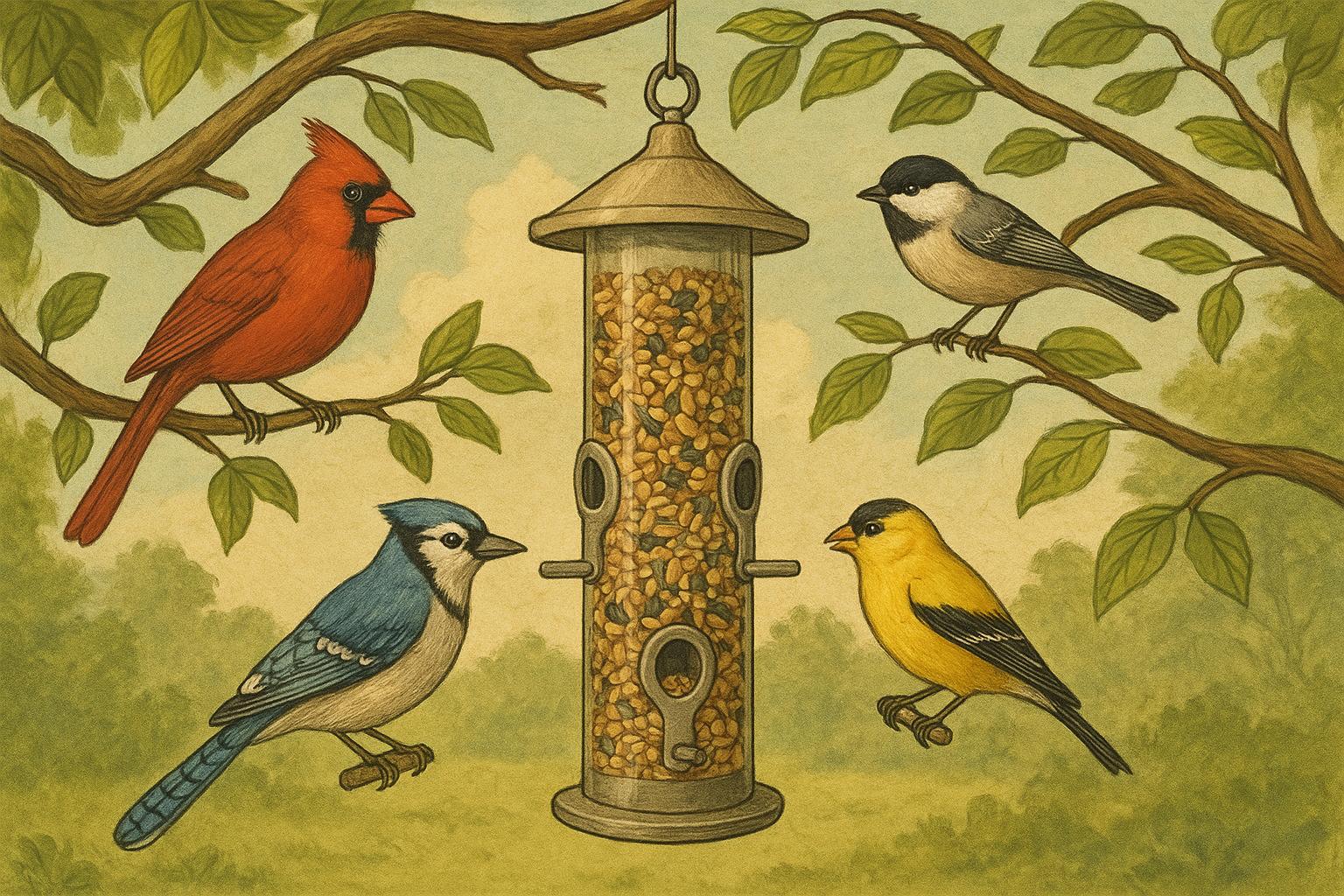
2. Feeder Assembly: Install a combination of platform feeders for fruit and jelly, tube feeders for seeds, and an oriole-specific nectar feeder. Ensure secure attachment to supports at heights suitable for target species.
3. Food Preparation: Offer fresh halved oranges placed on platform feeders or impaled on specialized orange feeders. Provide grape jelly in shallow clean dishes refreshed daily. Fill tube feeders with black oil sunflower seed; nyjer may attract finches which can act as sentinel species.
4. Maintenance Regimen: Clean feeders on a weekly basis, more frequently in warm weather. Use gloves and a disinfectant solution. Rinse thoroughly and allow to dry before refilling. Remove any moldy or fermenting fruit immediately.
5. Monitoring And Recordkeeping: Log species, visit frequencies, and any signs of illness (abnormal plumage, lethargy). Adjust offerings seasonally—greater fruit and jelly in spring and summer for orioles; increased seed availability in fall and winter for thrushes and finches.
6. Ethical Considerations: Do not attempt to capture or handle wild birds unless licensed and trained. Feeding should supplement natural resources, not replace habitat requirements.
This remedy supports orange birds by aligning food resources with species-specific preferences while minimizing disease transmission through routine cleaning.
## 2. Safe Habitat Enhancement Remedy For Sustained Orange Bird Presence
This second remedy focuses on long-term habitat improvements to provide nesting, foraging, and shelter resources for orange-plumaged species. It is intended to complement feeder-based attractants and to encourage natural behaviors.
Materials / Required Items:
– List of locally native trees and shrubs (consult state or provincial native plant guides).
– Nest-box kits appropriate for target species (dimensions and entrance hole sizes specified in local guidance).
– Mulch, leaf litter retention plan, and native groundcover plantings.
– Motion-activated exterior lighting adjustments to reduce nocturnal disturbance.
– Predator guards for nest boxes and elevated feeders.
Step-by-Step Creation And Application:
1. Planning: Conduct a site assessment to identify microhabitats, sunlight exposure, and existing vegetation. Select native species that provide fruit, nectar, and insects during critical breeding and migration seasons.
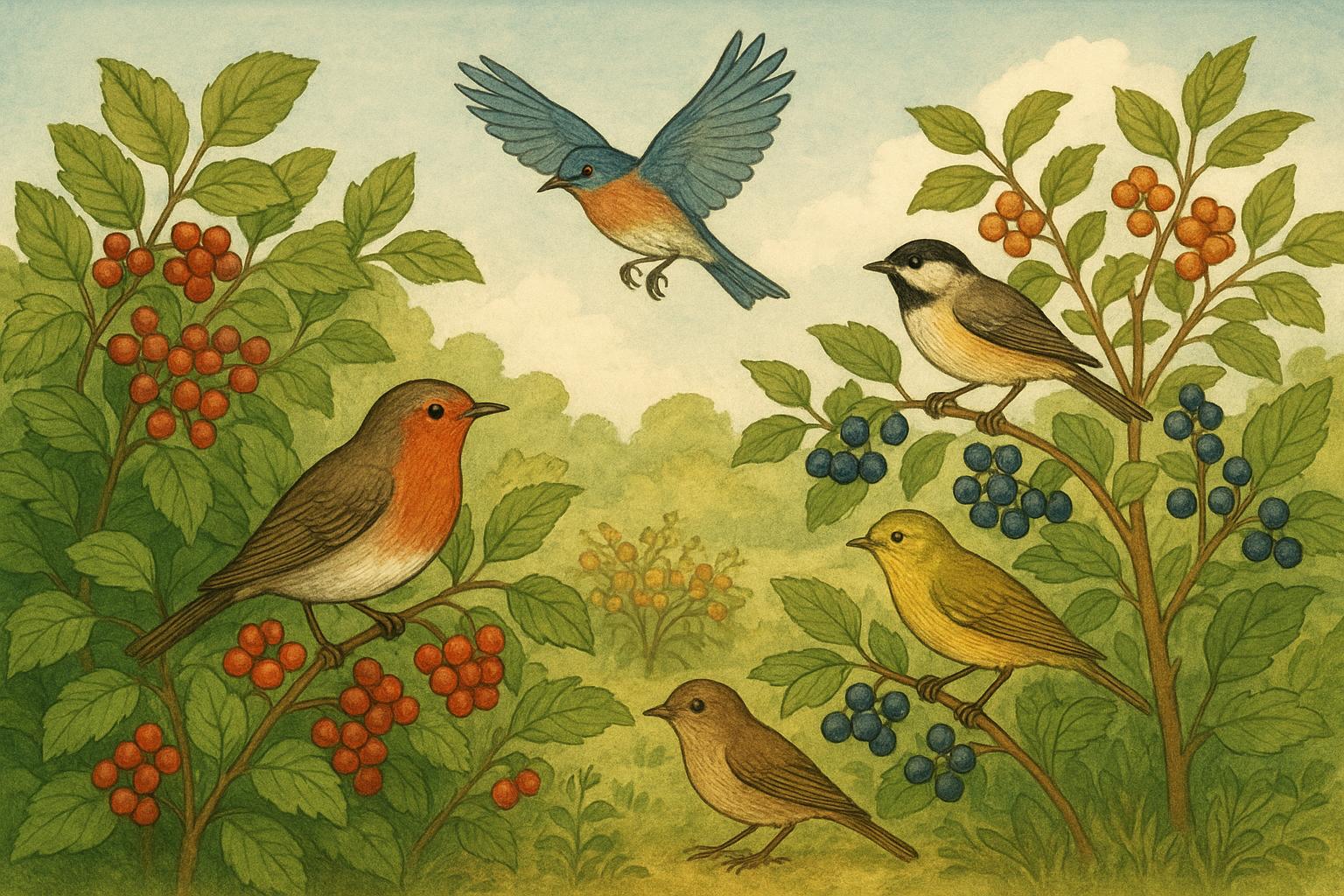
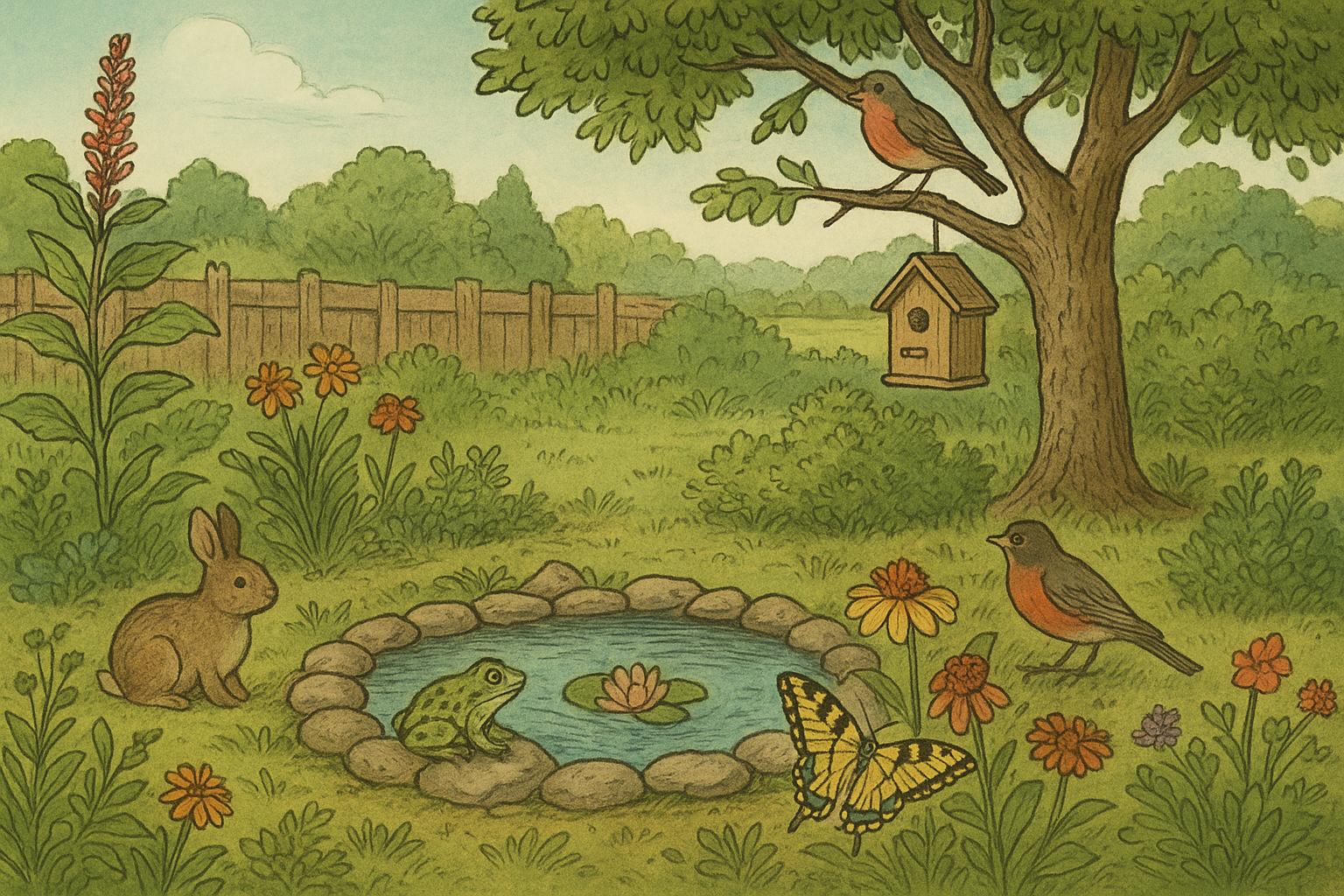
2. Planting: Install a mix of canopy trees, midstory shrubs, and understory plants. Examples include serviceberry, chokecherry, native dogwood, and elderberry where regionally appropriate. These plants yield fruits attractive to thrushes and orioles and support insect populations for nestlings.
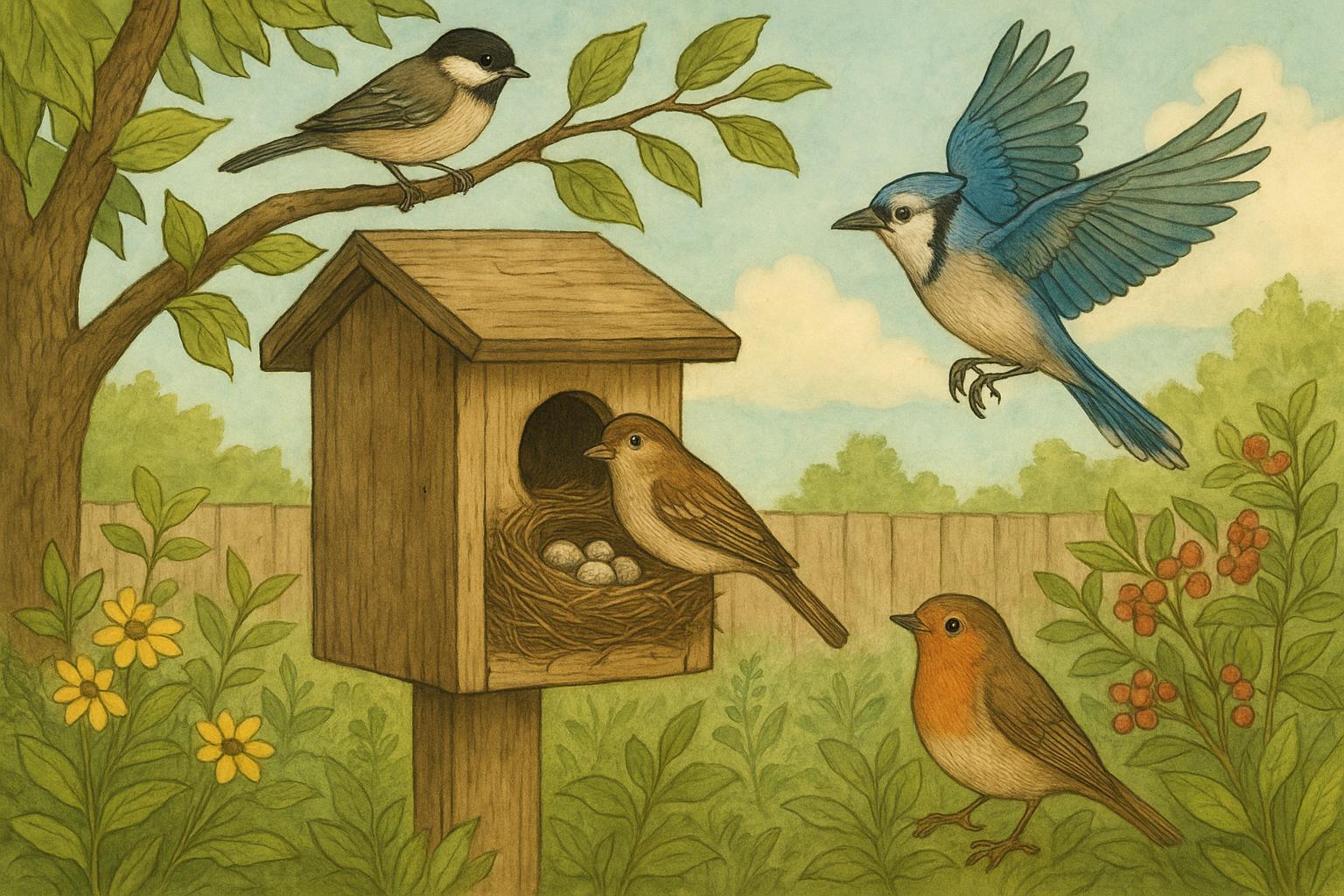
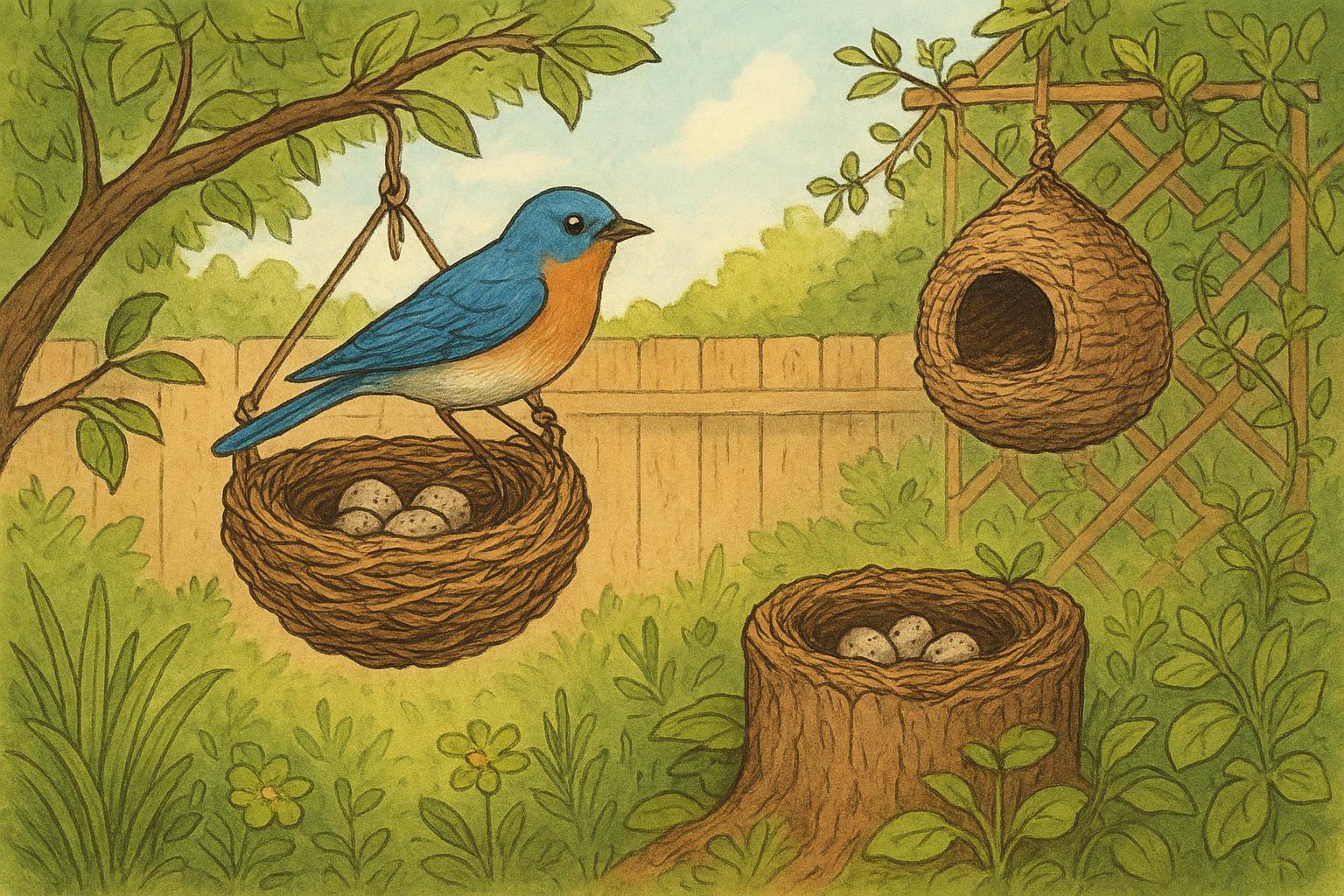
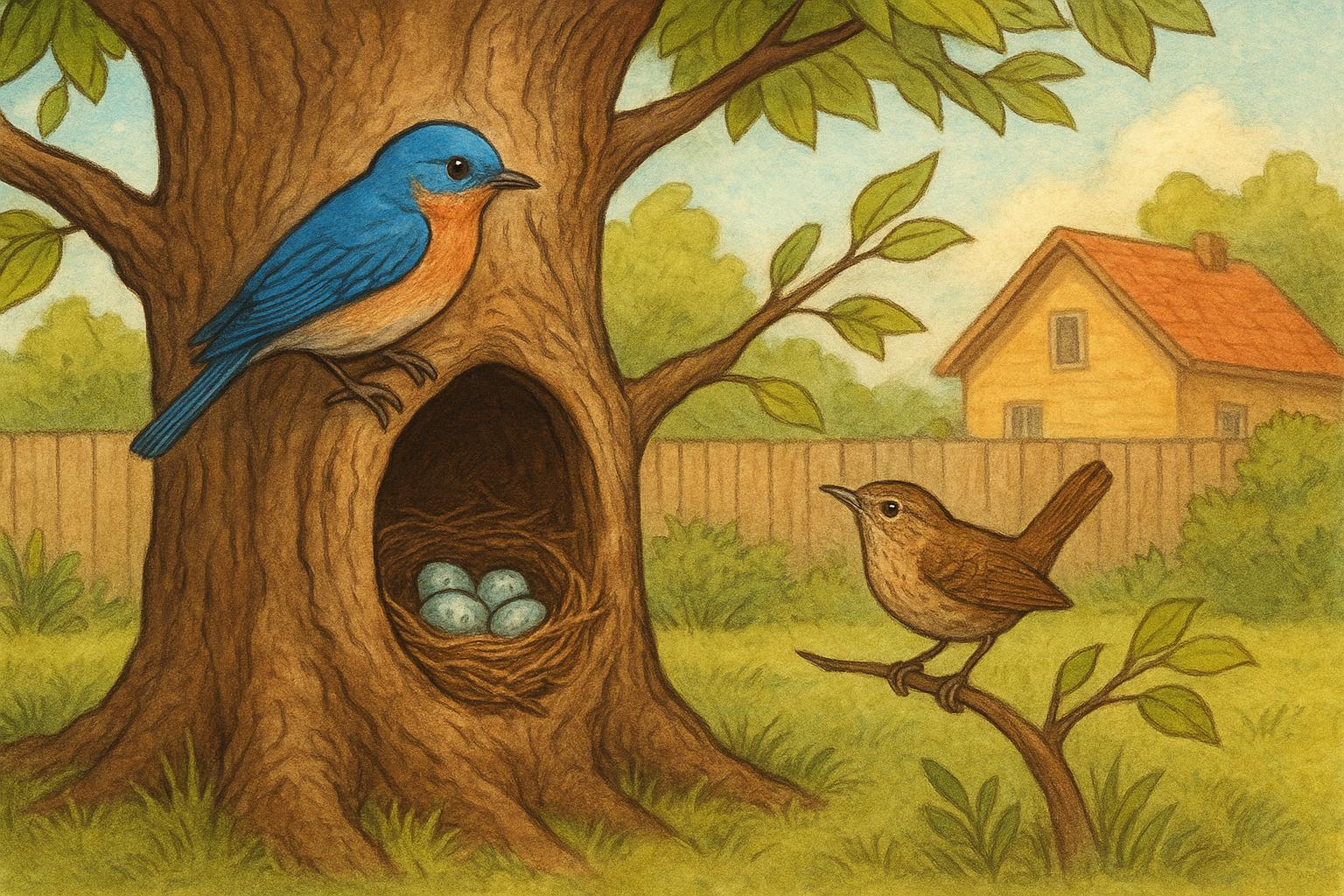
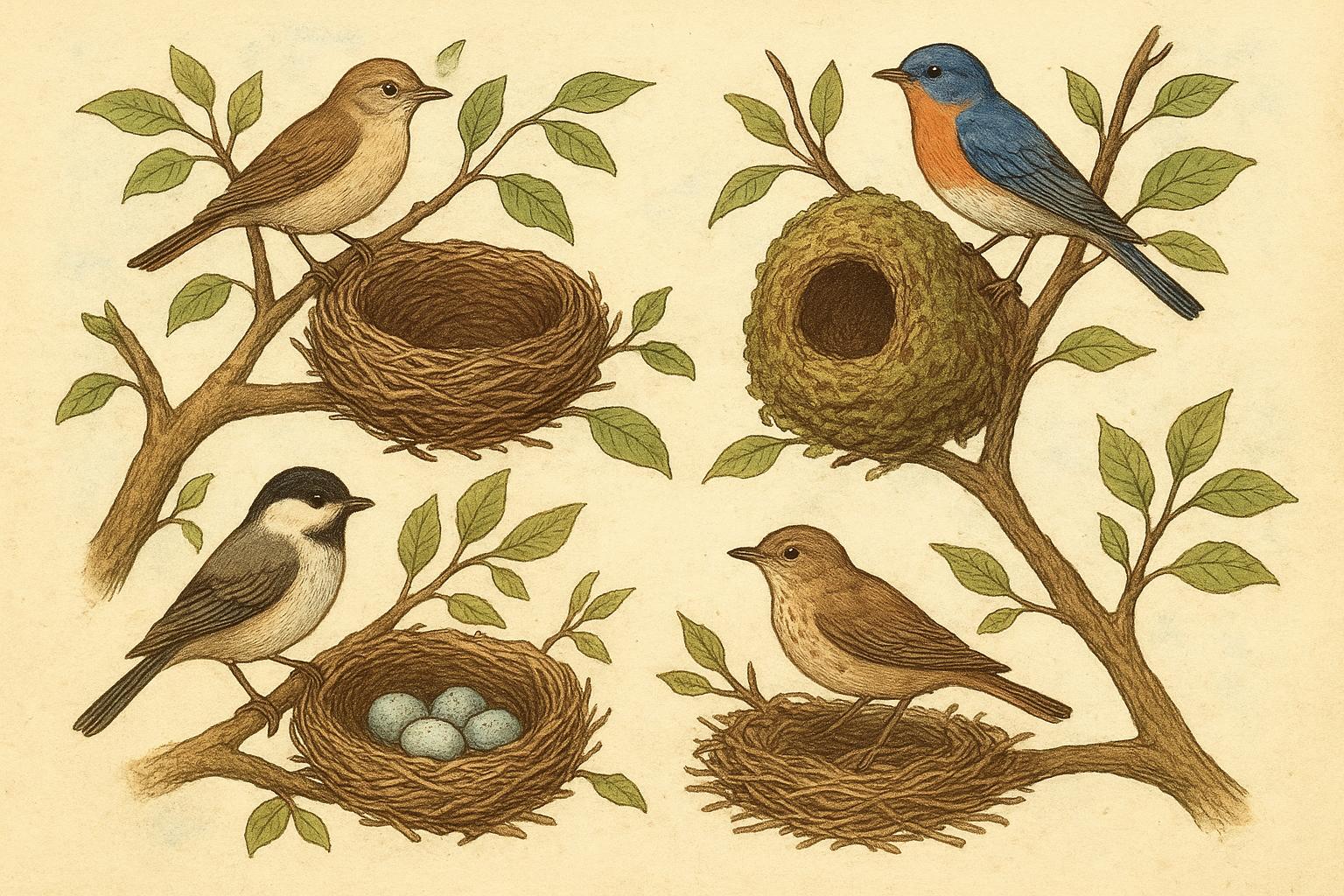
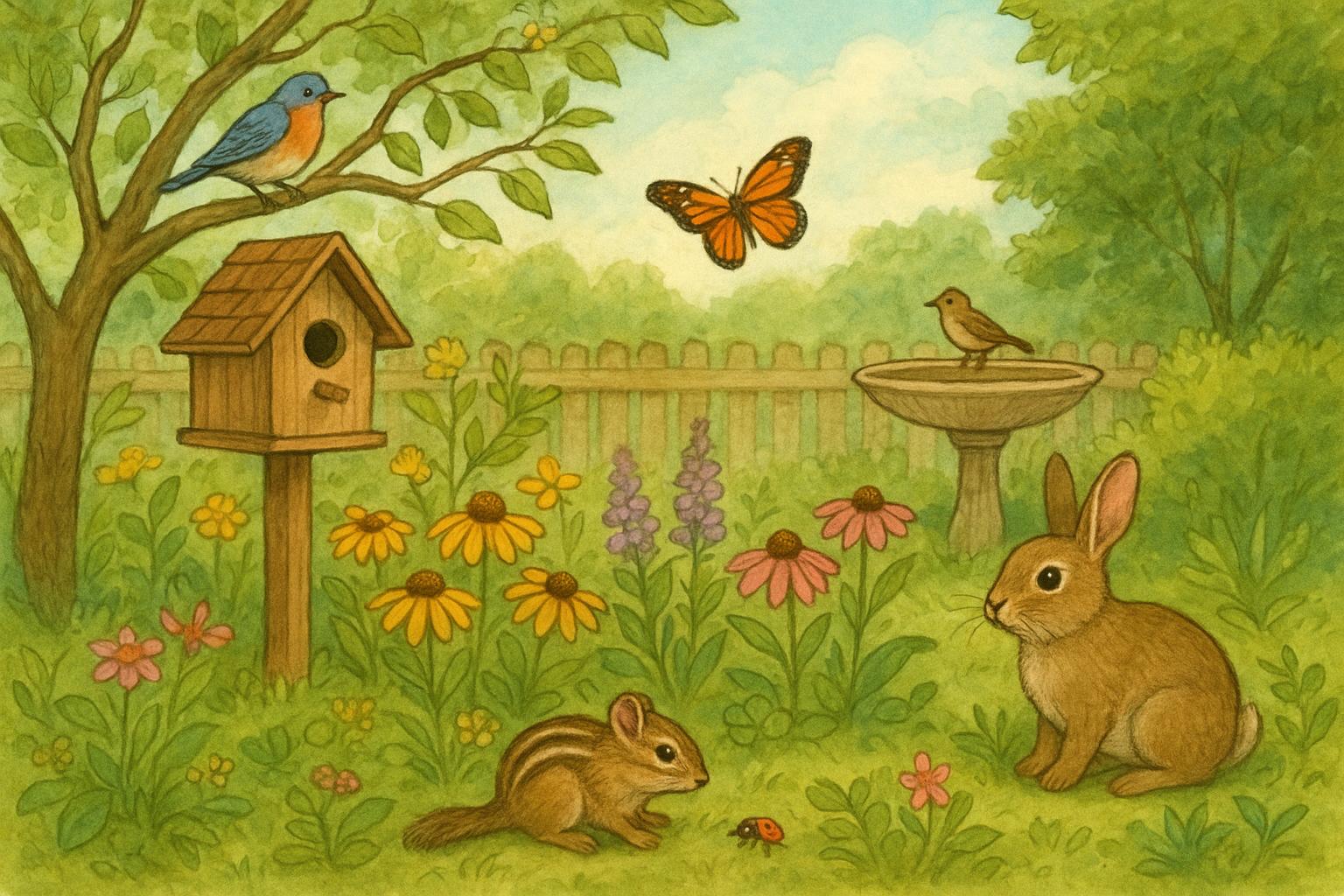
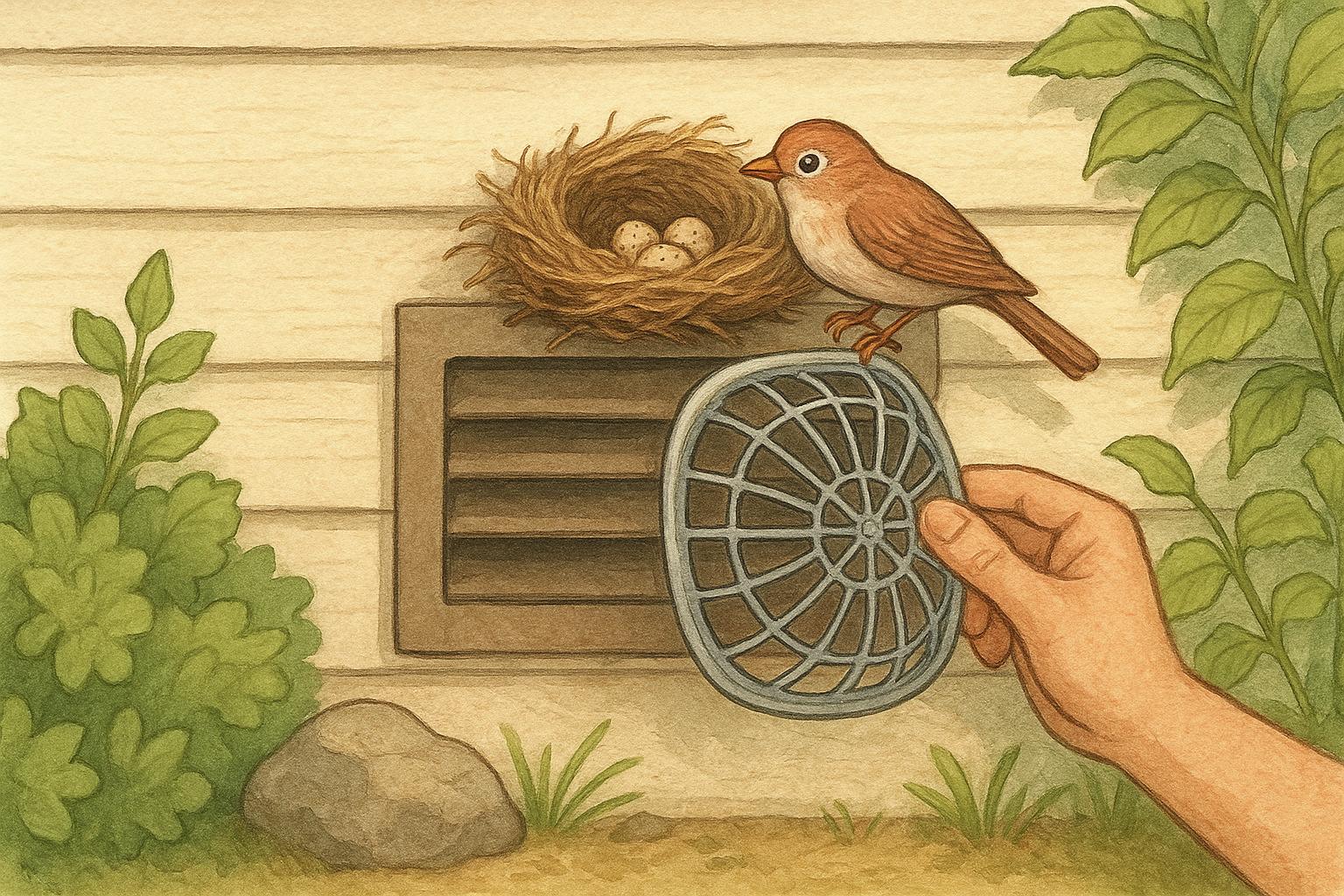
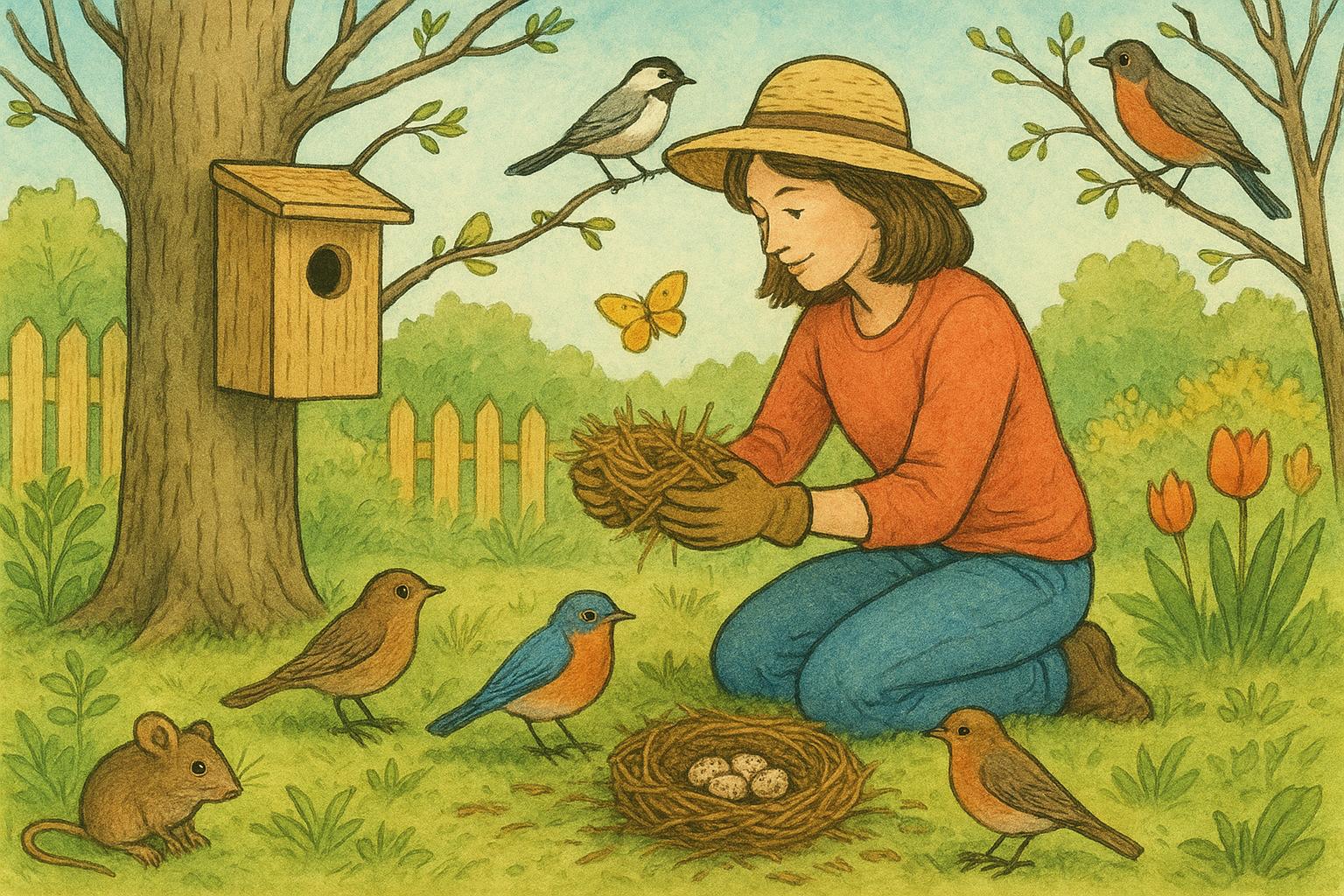
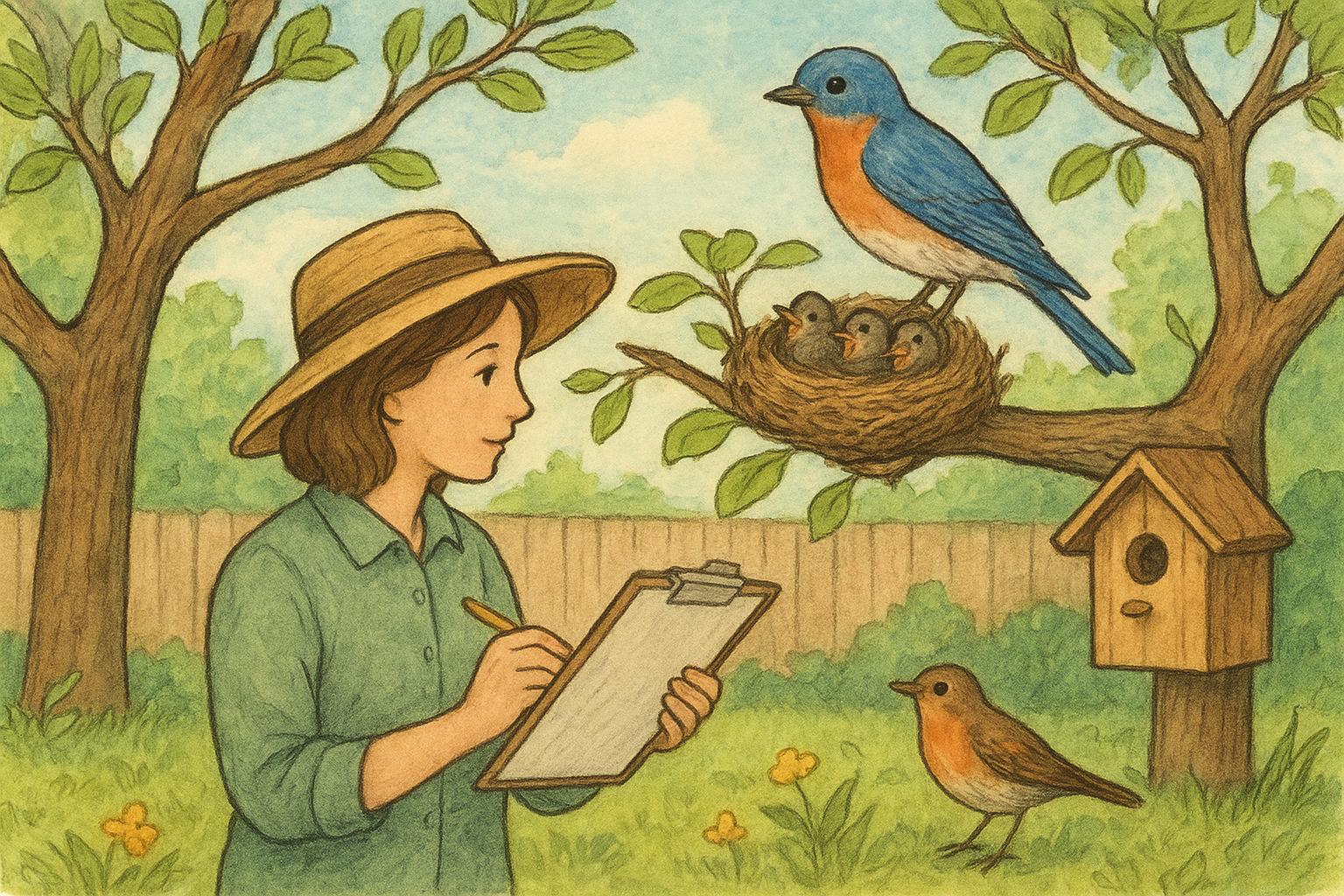
3. Nest-Box Installation: Erect nest boxes in locations that mimic natural cavities: appropriate height, orientation away from prevailing winds, and with predator guards. Follow species-specific recommendations regarding entrance hole diameter and box dimensions.
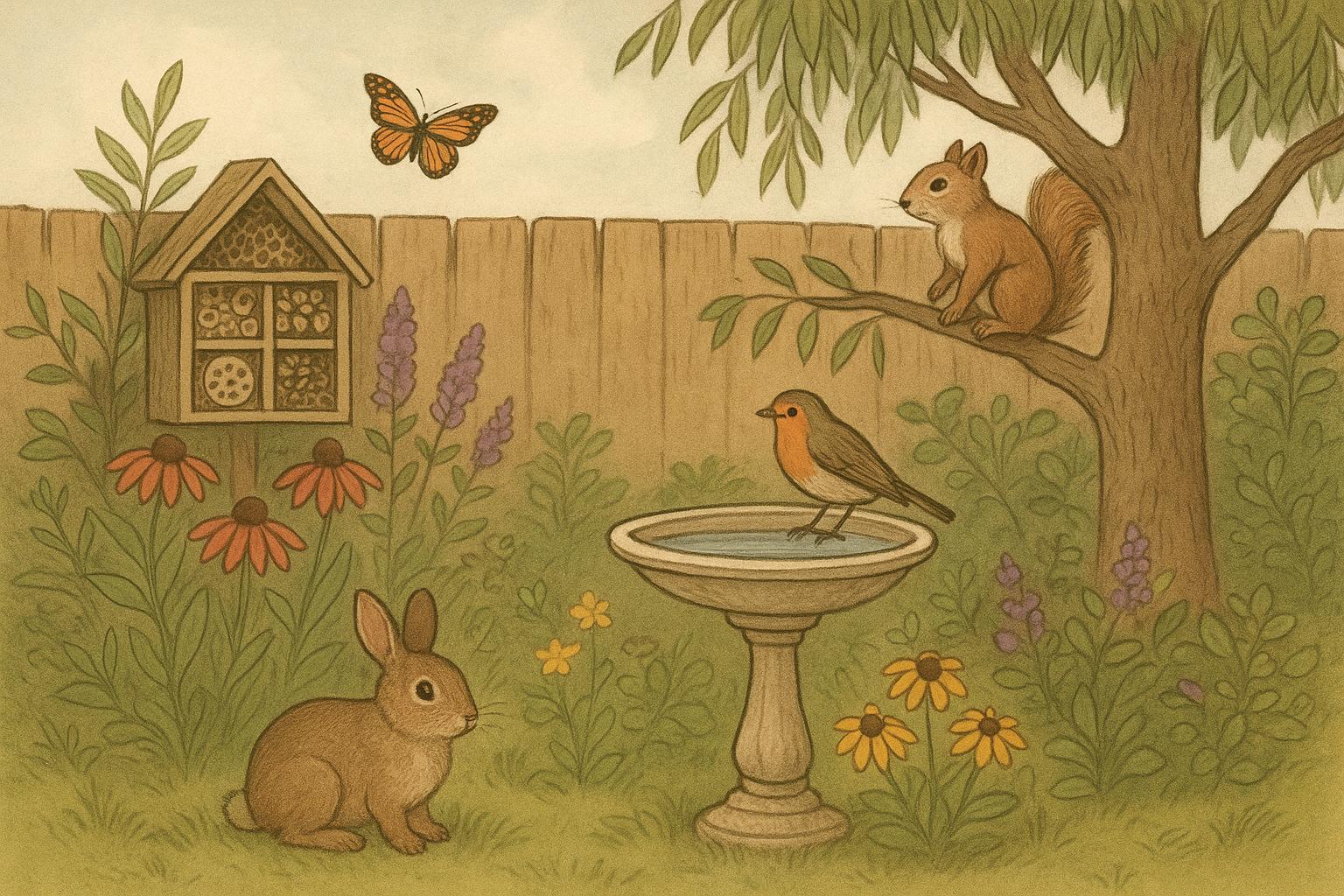
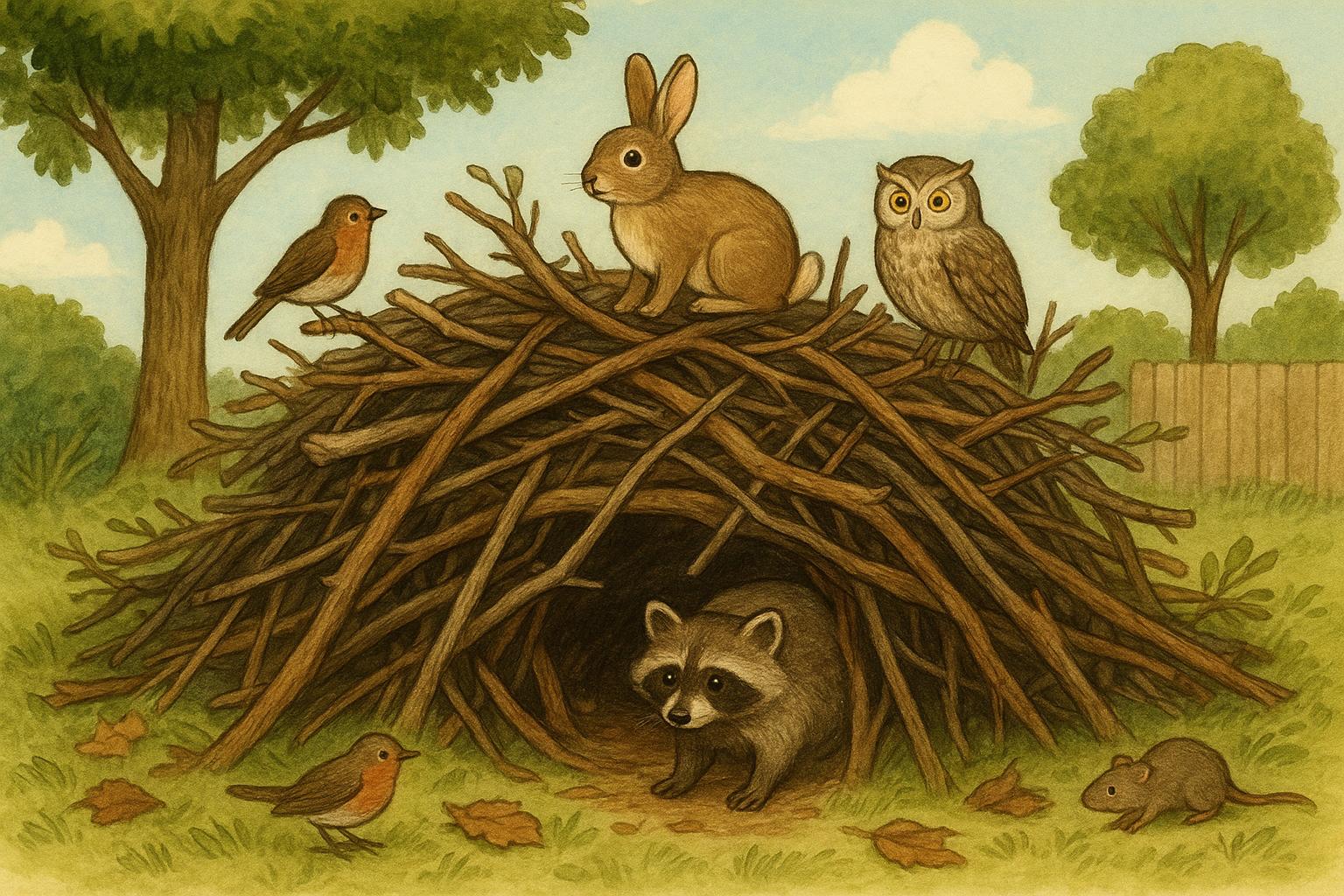
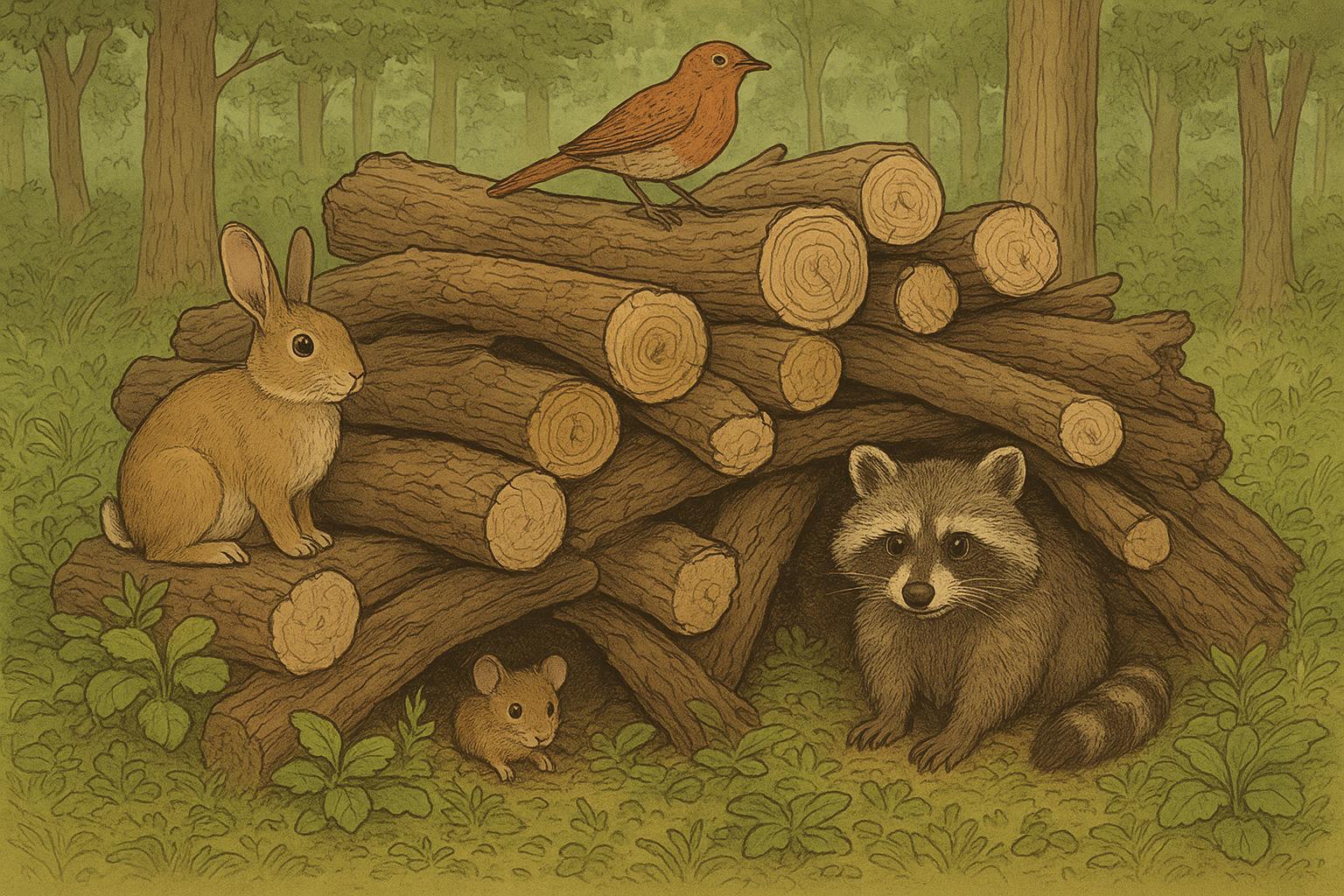
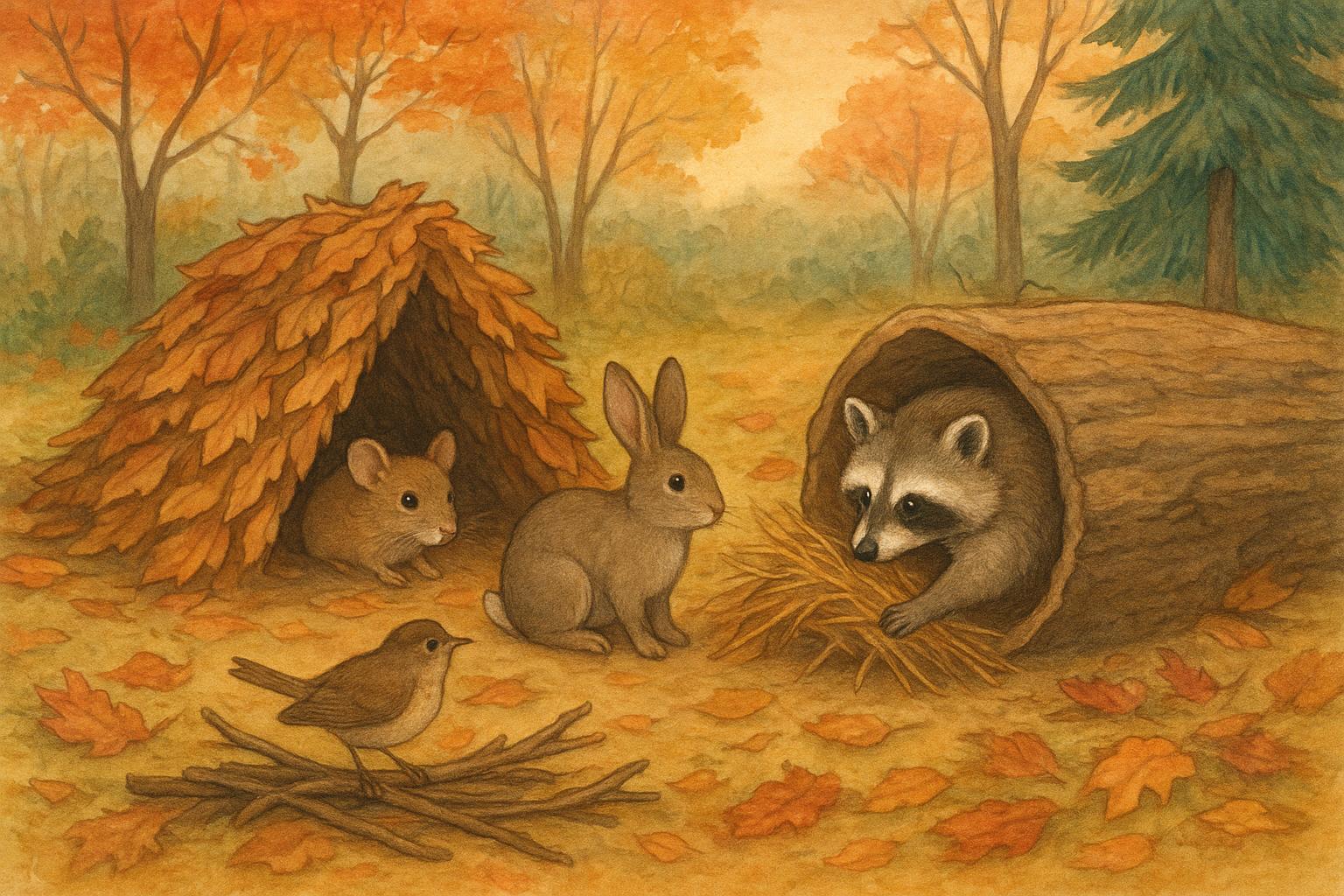
4. Ground Habitat: Retain patches of leaf litter and dead wood to sustain insects and ground-foraging species. Avoid excessive raking and maintain small brush piles in safe, out-of-sight areas to serve as cover.
5. Predator Management: Install baffles on poles and locate feeders and nest boxes away from easily climbed structures. Encourage responsible pet management—keep cats indoors during peak bird activity.
6. Long-Term Monitoring: Perform annual checks of plant health and nest-box occupancy. Replace failing plants with similar native species and document changes in orange bird visitation.
This methodical approach to habitat enhancement reduces reliance on supplemental feeding while establishing a stable resource base for orange birds.
### Monitoring And Ethical Considerations
All interventions should prioritize bird welfare and local regulations. Avoid offering inappropriate foodstuffs (e.g., bread, overripe fermented fruit) that can harm birds. Maintain records of interventions and observed outcomes to inform adaptive management. If disease is suspected among visiting birds, cease feeding and consult local wildlife health authorities.
### Photographic And Field-Record Best Practices
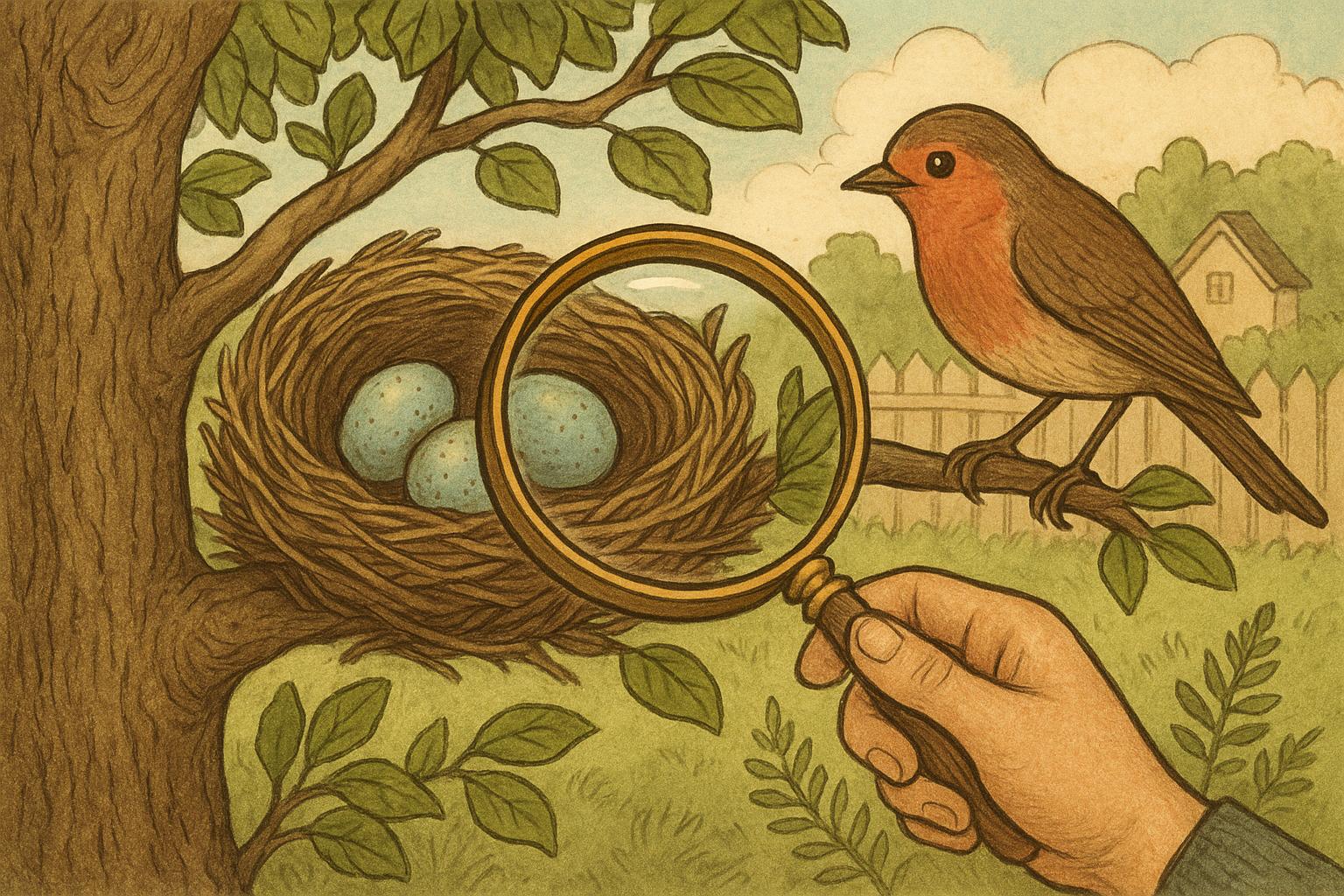
When documenting orange bird occurrences, use the following formal protocols to improve identification reliability: record date, time, precise location (GPS if available), weather conditions, behavior, and multiple photographs from different angles. Capture close-ups of bill, wing pattern, and tail. Include measurements where feasible (e.g., size relative to a common object) and avoid relying solely on coloration for final identification.

Leave a Reply