
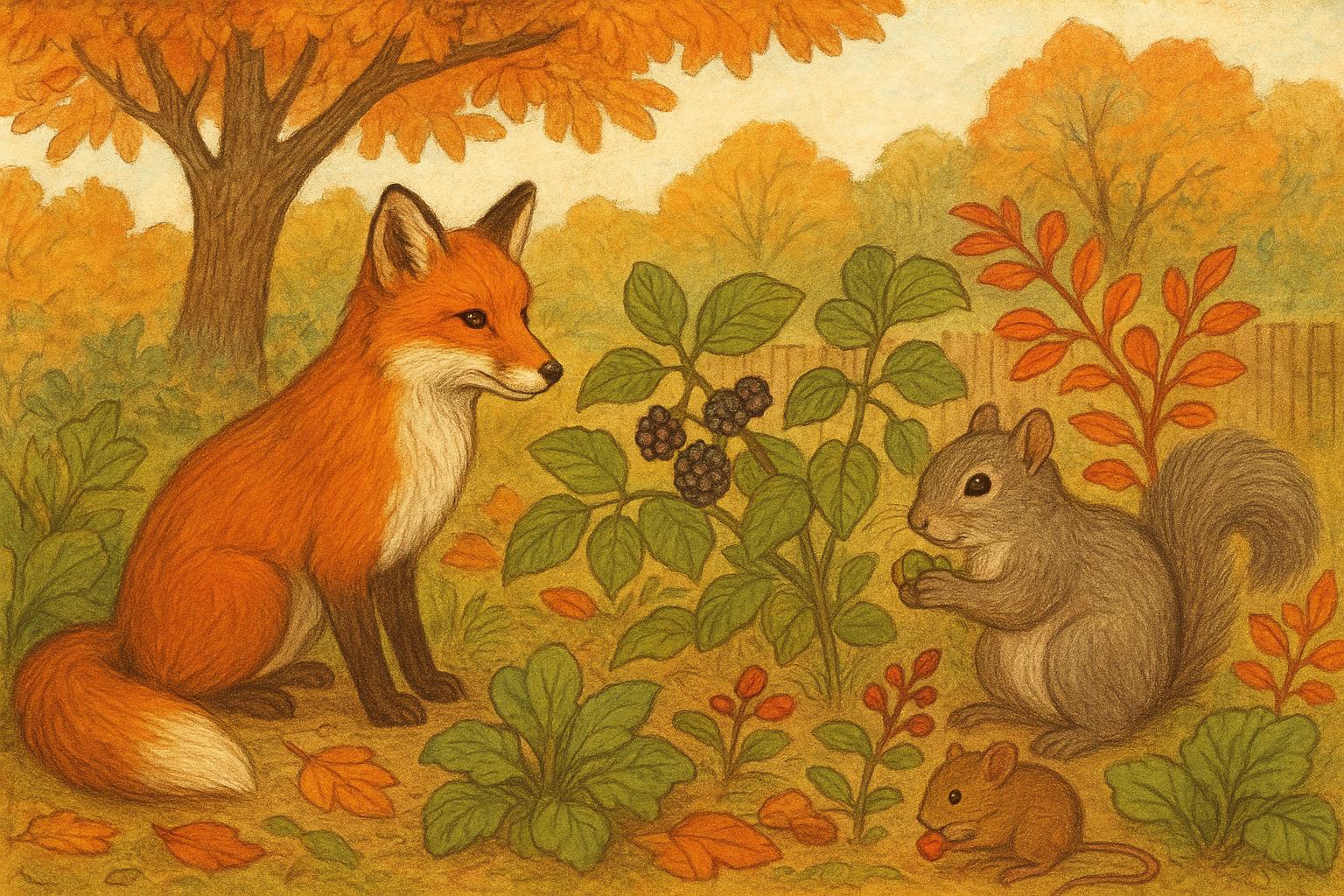
Autumn arrives with a palette of russet and gold, and a quieter symphony at ground level: migrating birds pause, resident mammals scour for stores, and insects fatten for winter. Thoughtful planting and small, habitat-minded projects can turn an ordinary yard into a resilient pantry. Below are practical choices and designs centered on fall edible plants for backyard wildlife, plus two formal, step-by-step DIY remedies to support animals as temperatures drop.
## Fall Edible Plants For Backyard Wildlife: Seasonal Choices
Planting with wildlife in mind means favoring natives and structure. The best fall edible plants for backyard wildlife combine late fruiting or seed production, dense cover, and low-maintenance habits. Favor perennials, shrubs, and trees that hold fruit or produce seed through autumn; these provide predictable calories for birds, bees, and small mammals.
Suggested species:
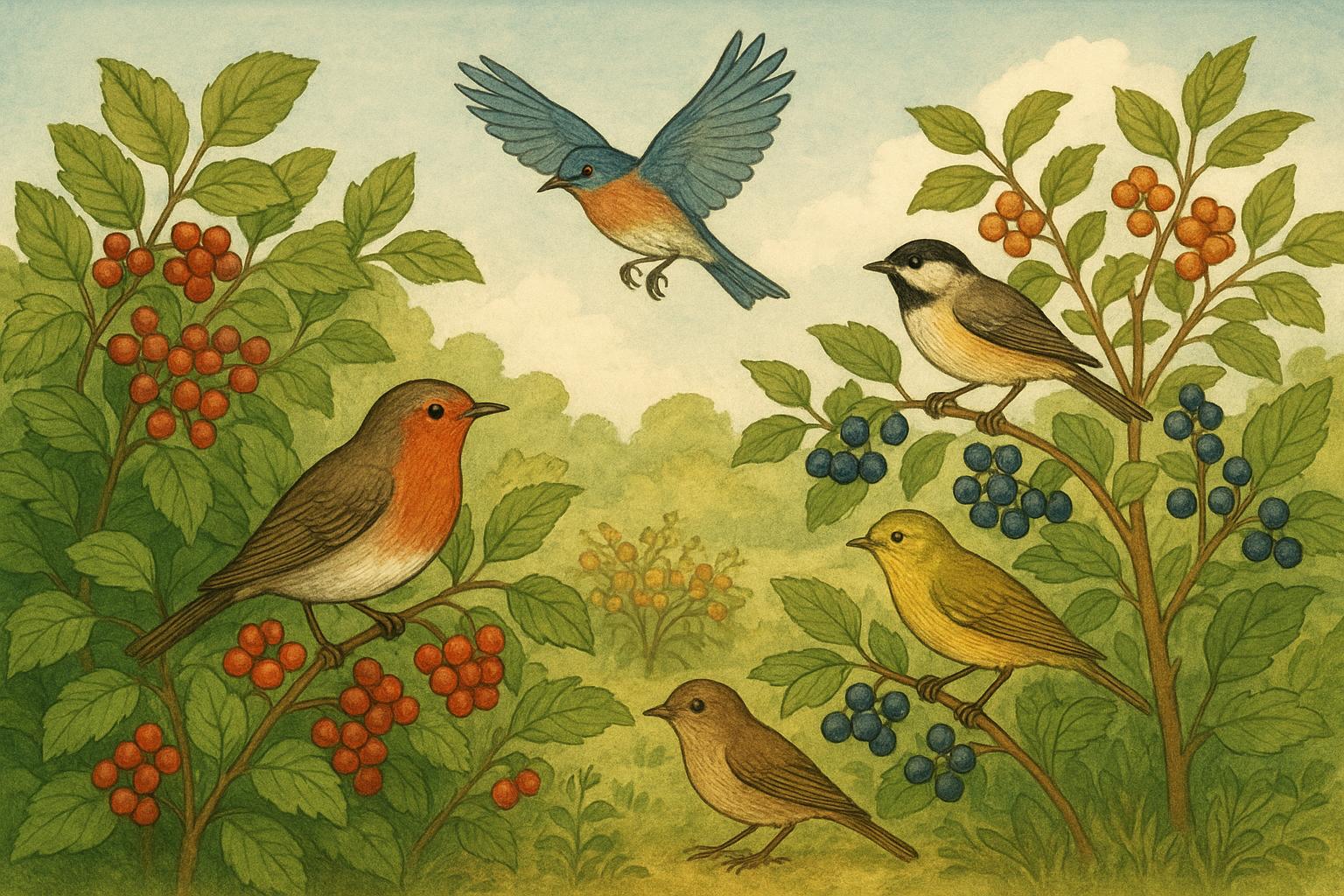
– Fruit And Berry Producers: Serviceberry (Amelanchier spp.), elderberry (Sambucus spp.), native crabapple (Malus spp.), and native raspberries. These offer sweet, calorie-dense fruit into fall and attract birds and mammals that disperse seeds.
– Nut And Mast Producers: Oaks (acorns), hickories, and hazelnuts provide mast for squirrels, deer, and many birds. Broad canopy trees that drop nuts or large seeds are cornerstone species in fall forage networks.
– Seed Producers And Grasses: Native grasses (panic grasses, millet blends, and switchgrass) and ruderal annuals (sunflowers, coneflower heads) give persistent seedheads into late season and support ground-feeding species.
– Late-Season Berries And Fruits: Sumac (Rhus spp.), hawthorn, and winterberry (Ilex verticillata) hold fruit into frost, extending food availability.
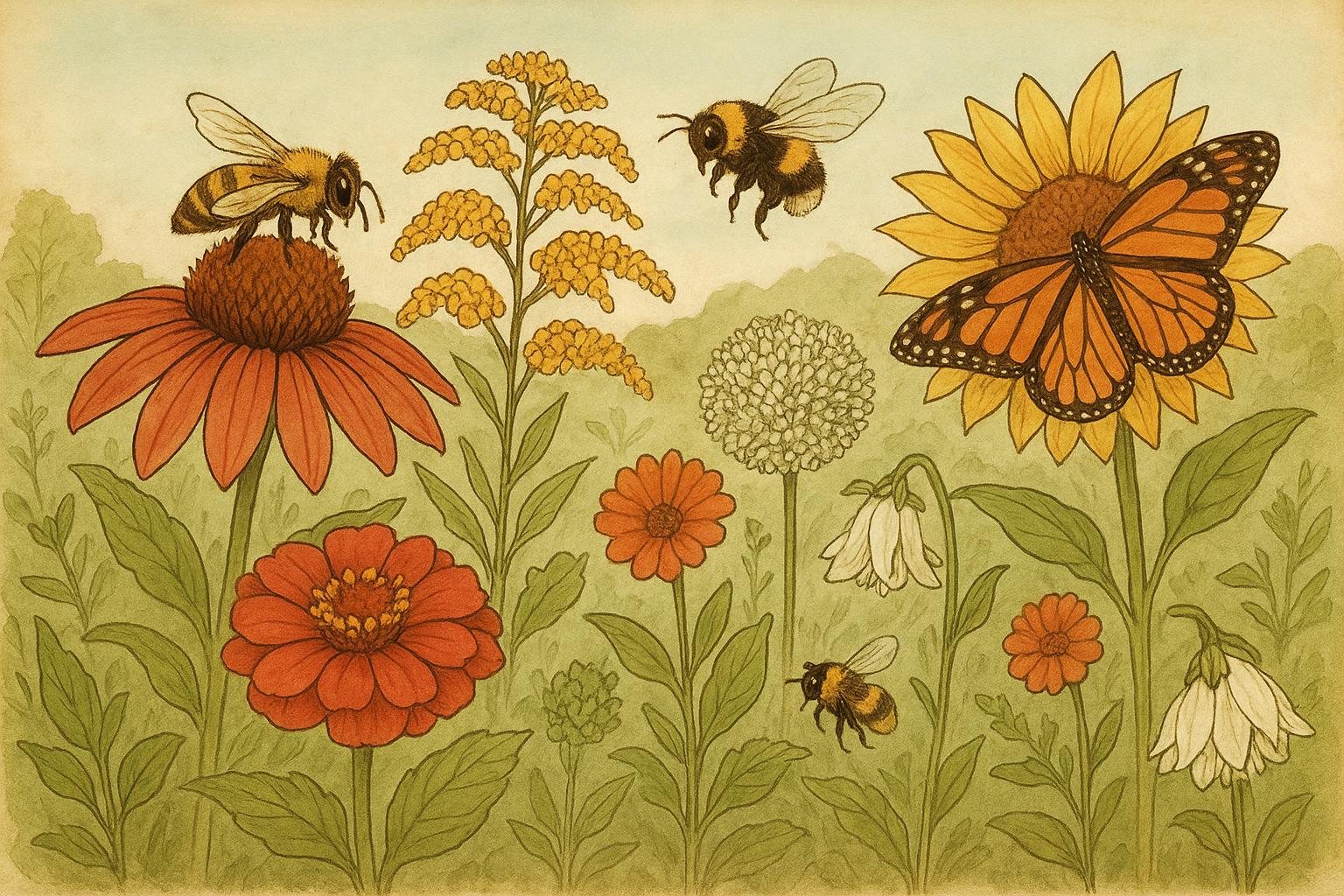
– Herbaceous And Pollinator Plants: Goldenrod and asters are both fall nectar sources and later provide seed for small finches; they also support late-season pollinators.
Selecting a mixture of these species ensures staggered availability: nectar and insects early in fall, fruit and seeds midseason, and hardened seeds and nuts late into the cold months. When planning, prioritize native species—they evolved with local wildlife and generally require less input.
## Designing A Wildlife-Friendly Fall Forage Patch
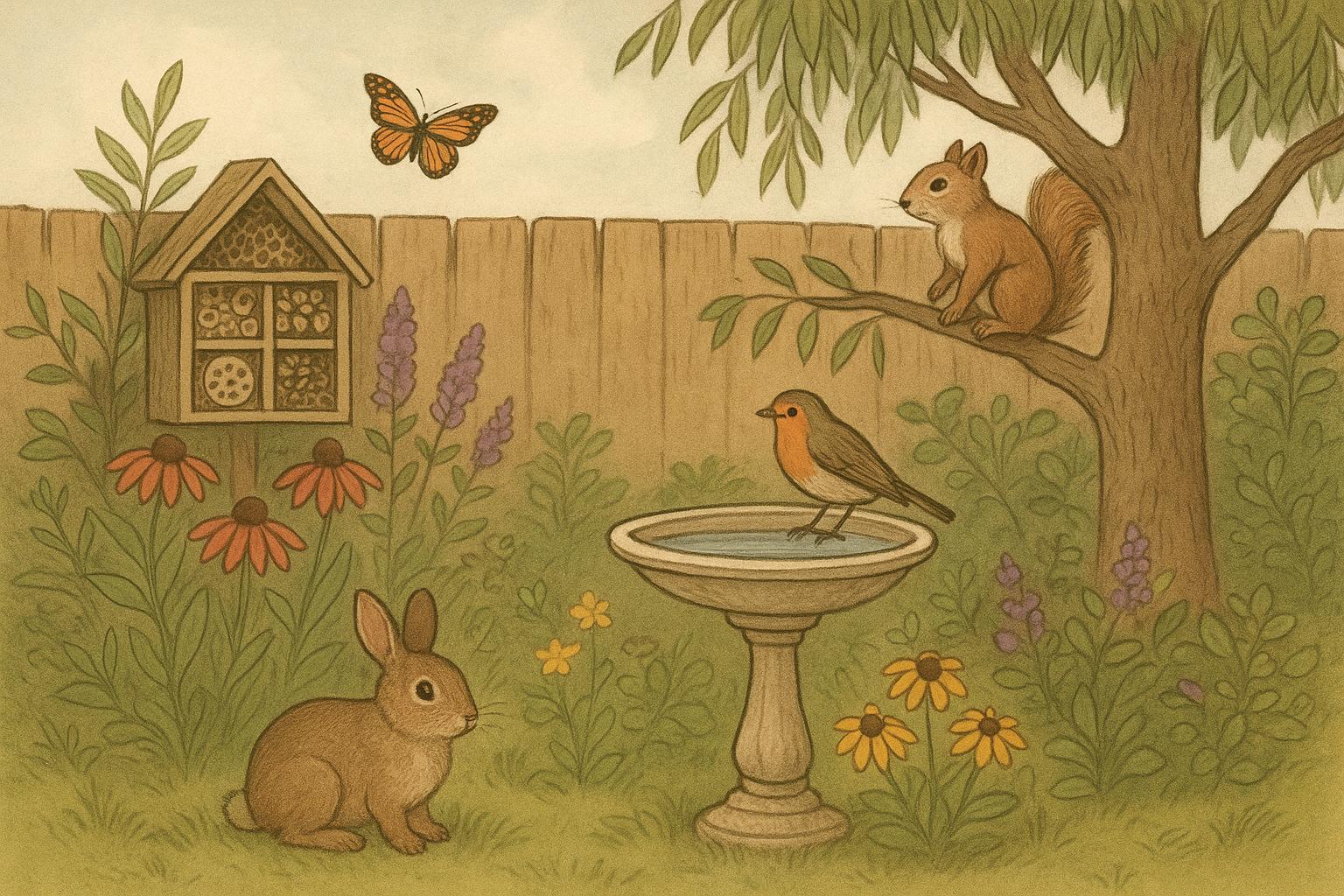
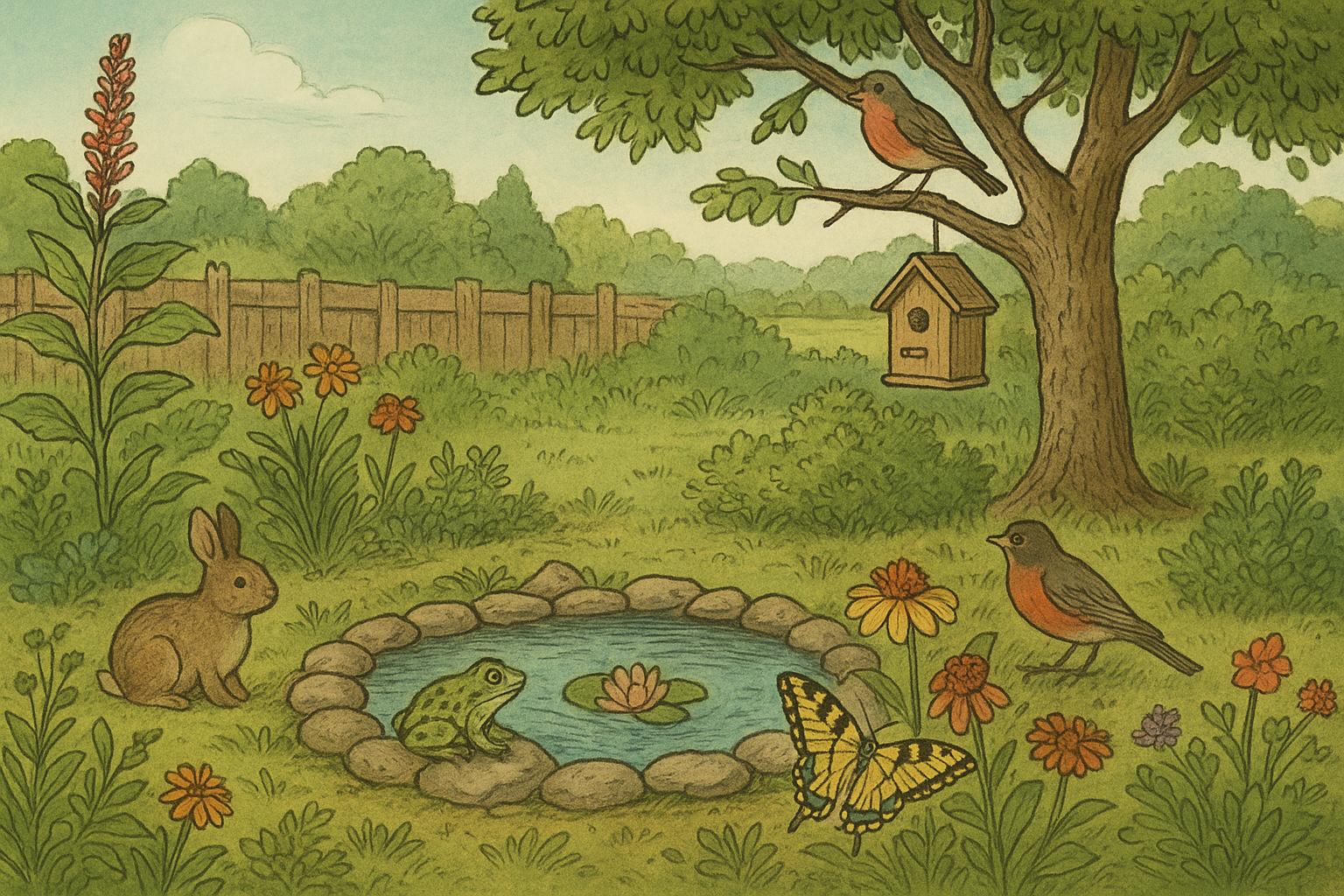
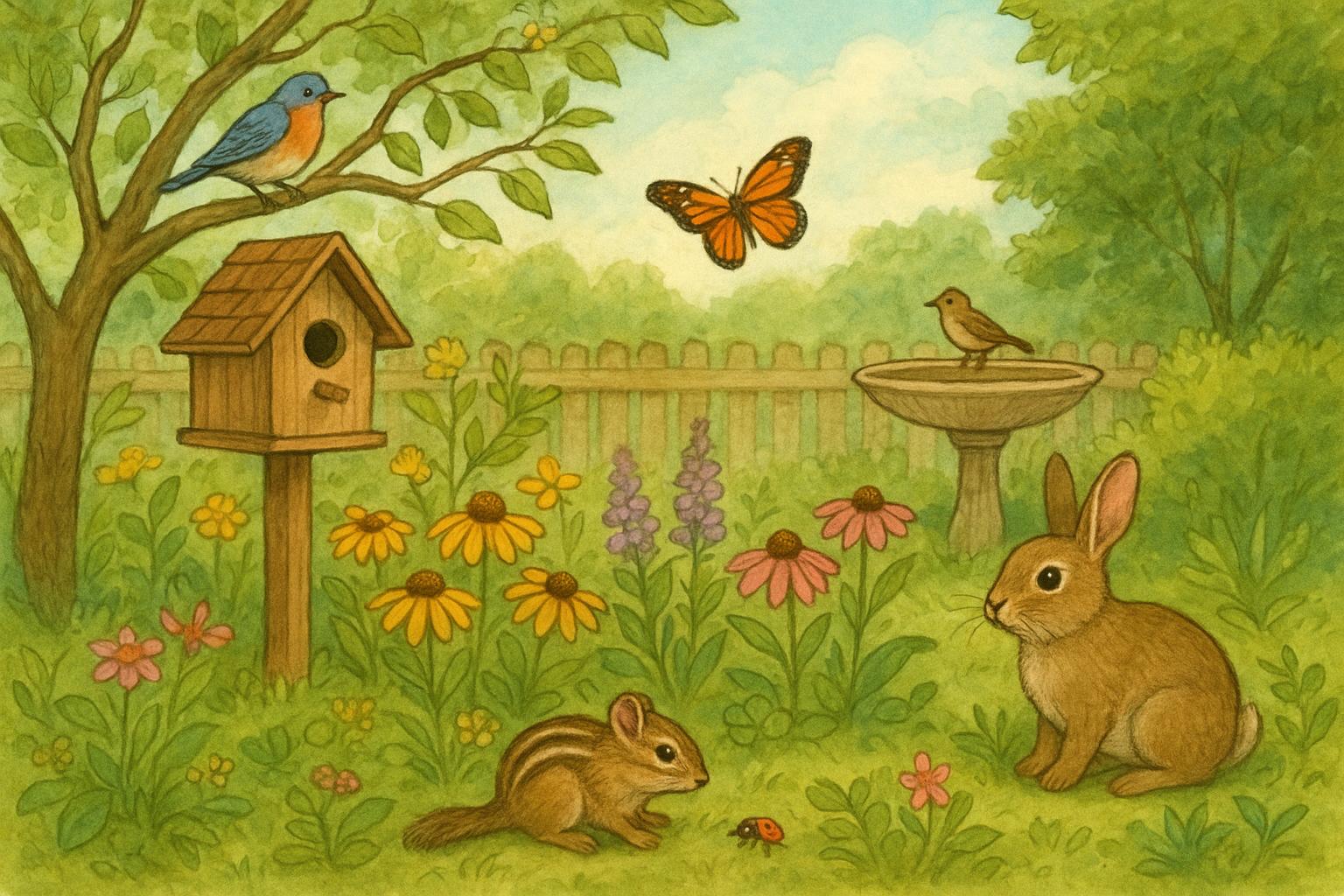
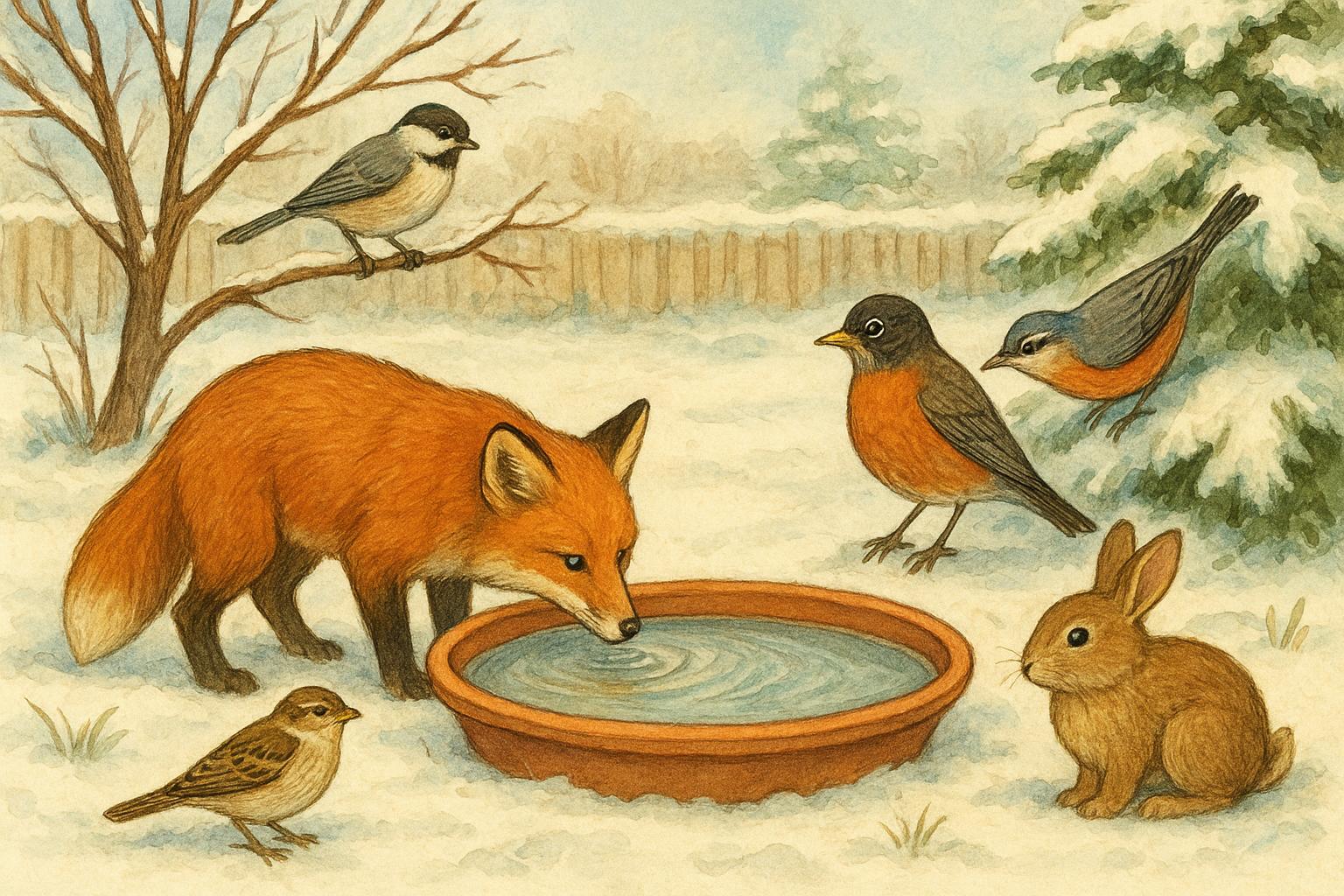
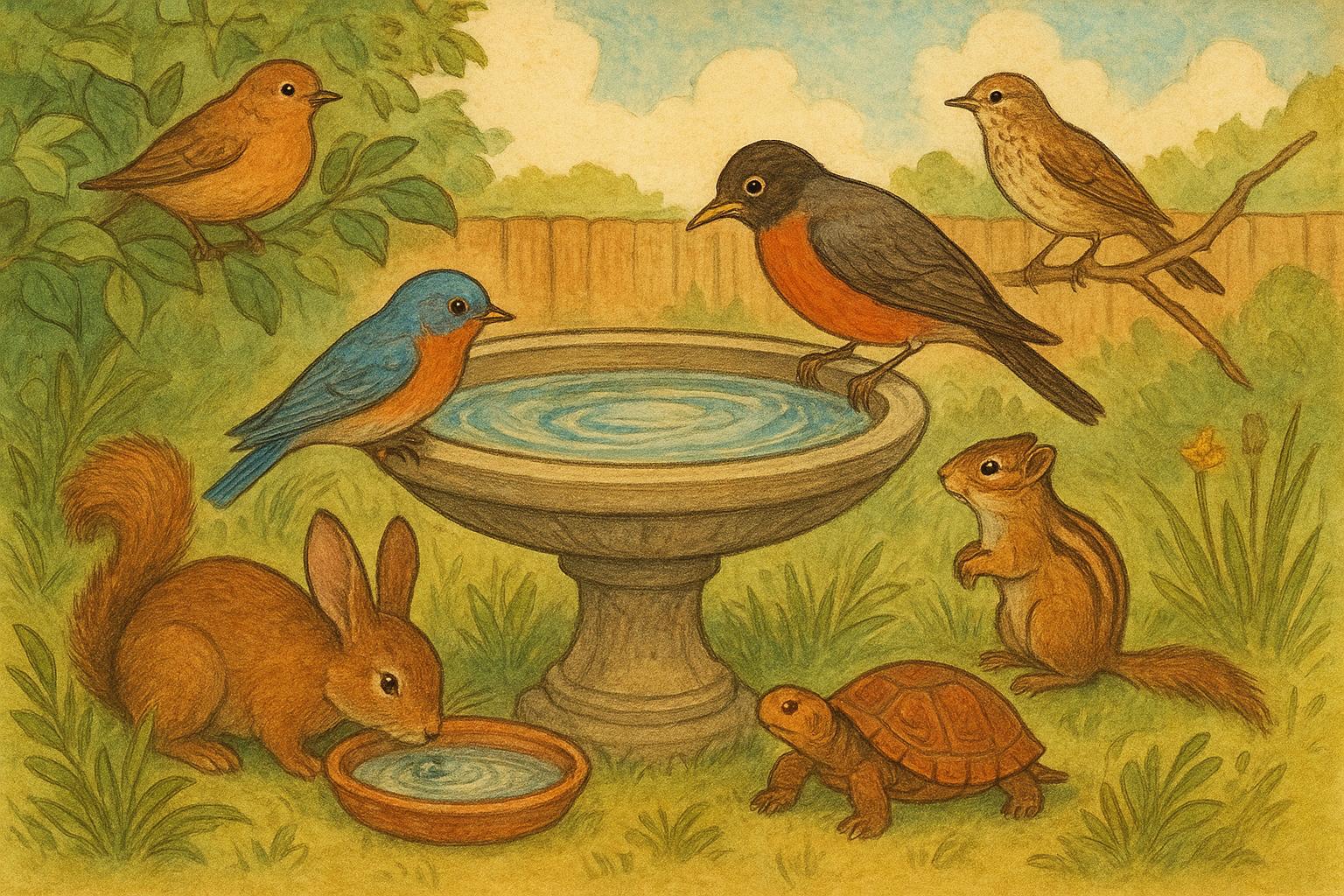
Good design is less about covering every square foot and more about layering resources. Aim for vertical complexity: canopy trees for mast, understory shrubs for berries and shelter, herbaceous borders for seeds and insects, and open patches for ground-foraging species. Locate water features nearby; a shallow dripper or basin with stones for perching will greatly increase site use.
Key placement principles:
– Edge Effect: Plant dense shrubs at the interface of lawn and woodland to create feeding corridors.
– Succession Staging: Mix early-bearing and late-bearing species so animals can rely on the patch across the whole season.
– Safety And Accessibility: Keep pesticide-free zones and avoid netting fruit that can entangle wildlife. Provide untrimmed stems and seed heads rather than tidying everything away in late fall.
## Habitat And Safety Considerations For Autumn Edibles
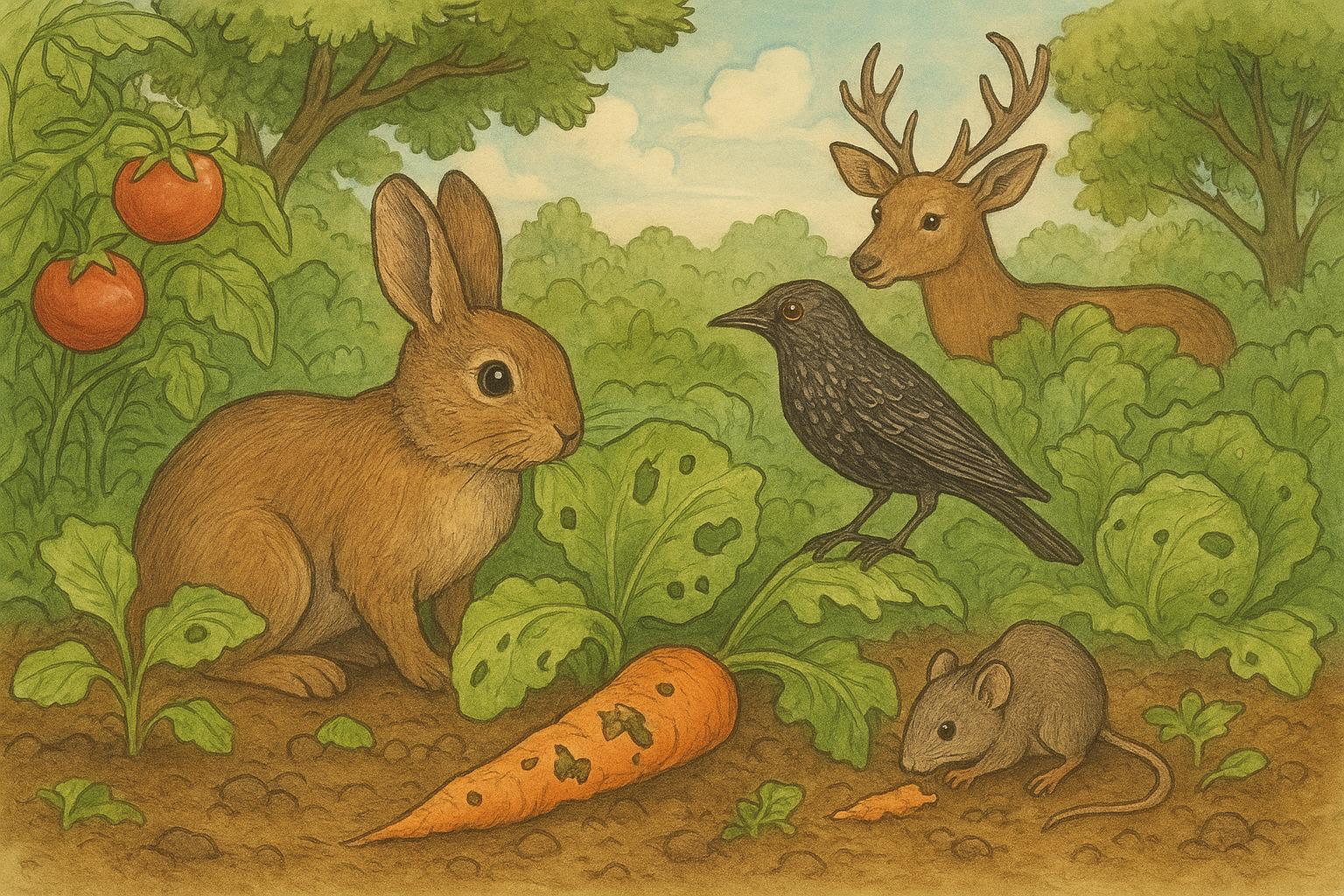
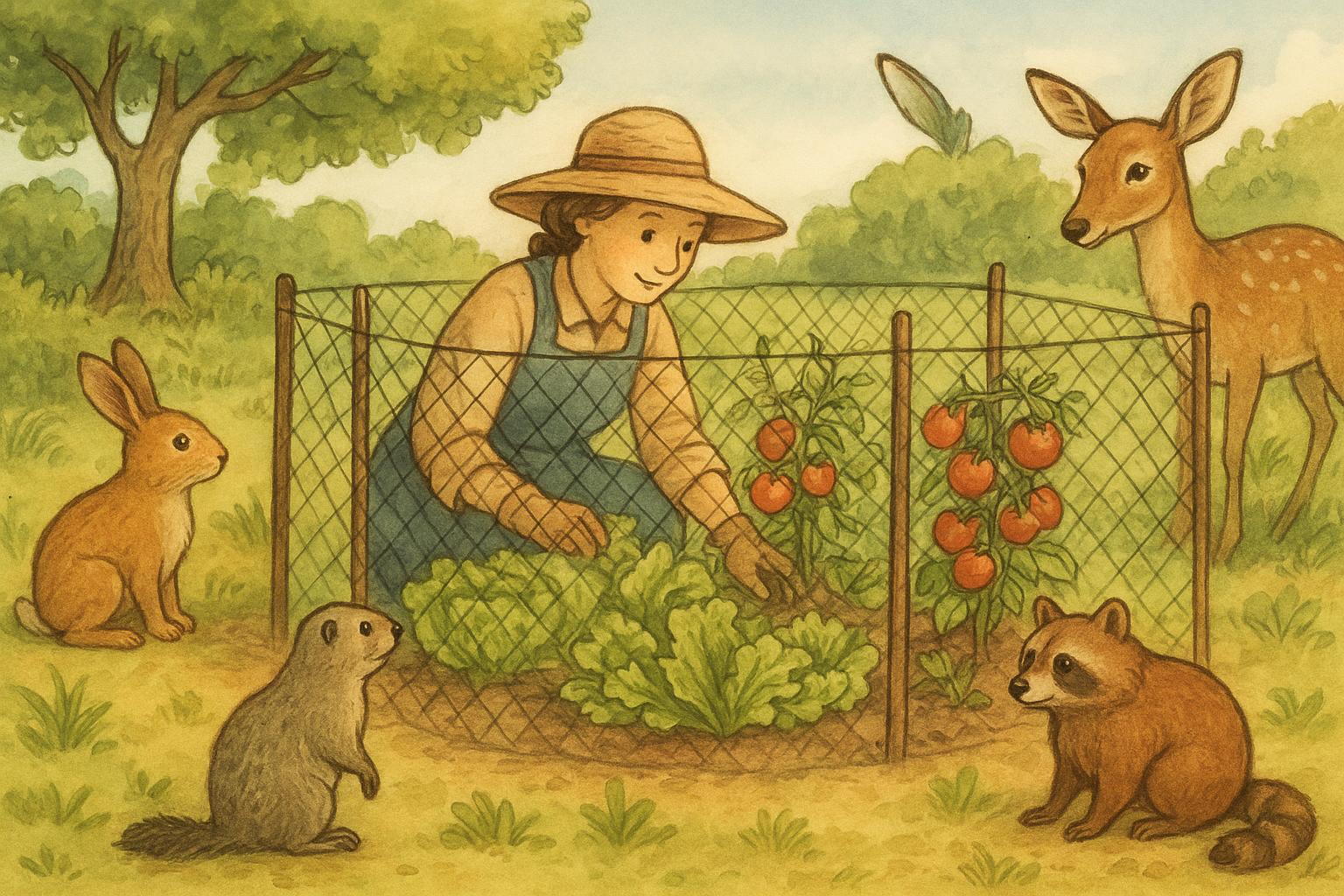
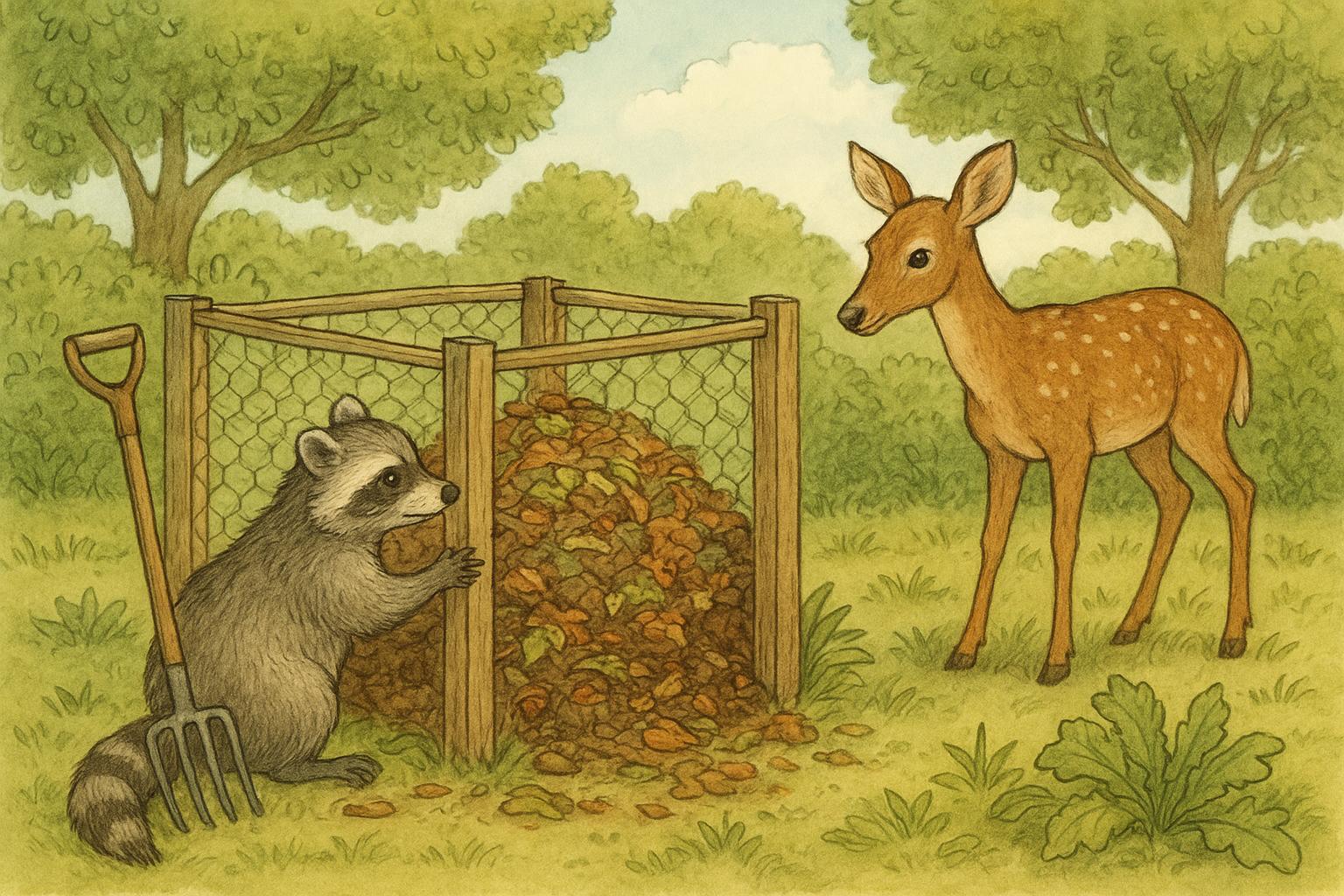
Fall can be a risky time: animals ramp up feeding and may interact with pets or human food sources. When cultivating fall edible plants for backyard wildlife, maintain safe distances between domestic animal areas and concentrated wildlife food sources. Avoid plants treated with systemic pesticides, and opt for wildlife-safe alternatives for pest control. If fruit is abundant near paved surfaces, be mindful of attracting larger mammals such as raccoons or deer; strategic fencing and distributed plantings can mitigate overconcentration.
### Timing And Maintenance For Fall Forage Success
Planting in late summer or early fall can give many shrubs and perennials enough time to settle before winter. Mulch lightly around new plantings to moderate soil temperature. Allow a percentage of the property to go “untidy” through winter: dried stems, seed heads, and leaf litter are valuable for shelter and foraging. Minimal late-season mowing preserves seeds and protects overwintering insects.
### Feeding Ethics And Foraging Balance
Feeding should supplement, not replace, natural resources. When adding food sources or making DIY remedies, provide natural materials and avoid high-salt, high-sugar human foods. Encourage native plants to build resilient, sustainable supply lines. This approach reduces dependency and supports broader ecological health.
## 1) DIY Fall Seed Cake For Birds (Remedy)
Ingredients/Materials:
– 4 cups mixed birdseed (including small millet, sunflower chips, and nyjer if available)
– 1 cup suet or rendered beef tallow (solid at room temperature) or unsalted lard for a vegetarian pet-free yard option use suet alternatives
– 1/2 cup peanut butter (unsalted, unsweetened) — avoid if neighborhood has many squirrels and pets sensitive to peanuts
– A handful (1/2 cup) of chopped dried fruit (unsulfured raisins, chopped cranberries)
– Molds: muffin tin or silicone molds
– Parchment paper or small biodegradable cups
– Spoon and mixing bowl
Creation And Application (Formal Procedure):
1. Sanitation And Safety: Work with clean implements and avoid cross-contamination with household food utensils. If your household includes pets with peanut allergies, select a peanut-free binder such as additional suet or a seed-based binder.
2. Melt Binder: In a double boiler over low heat, gently melt the suet/tallow until liquid. Maintain temperature below 120°C and avoid boiling; this preserves nutritional quality and prevents scorching.
3. Combine Dry Ingredients: In a mixing bowl, combine the mixed birdseed and chopped dried fruit. Stir to distribute evenly.
4. Integrate Binder: Remove melted binder from heat and stir in peanut butter until homogeneous. Pour the binder mixture into the dry ingredients and mix thoroughly. The resulting mixture should be tacky and able to hold shape when pressed.
5. Mold And Cool: Press the mixture firmly into prepared molds or cups, compacting to eliminate large air pockets. Smooth the surface. Refrigerate or place in a cool area until solidified (typically 1–2 hours).
6. Placement And Monitoring: Place seed cakes on platform feeders, tree forks, or natural branches away from domestic pet access points. Observe feeder usage for three days and relocate if non-target species (e.g., overwhelming squirrel presence) dominate. Replace when mold or degradation is visible; seed cakes are perishable when wet or warm—remove promptly after rain.
Application Notes: Seed cakes deliver concentrated calories useful in early winter months. Use sparingly to avoid conditioning animals to unnatural densities. Supplement with live, unprocessed fall edible plants for balanced nutrition.
## 2) DIY Shelter Bundle For Small Mammals And Pollinators (Remedy)
Ingredients/Materials:
– Bundle frame: a 12–18 inch length of untreated wooden dowel or recycled wire loop
– Native grass clippings and dried stems (goldenrod, native grass, coneflower stalks)
– Small twine or biodegradable jute
– Optional: hollow bamboo canes or cut reed stems for cavity-nesters
– Work gloves and pruning shears
Creation And Application (Formal Procedure):
1. Sourcing Materials Ethically: Collect dead stems and grass clippings from your property or from local conservation projects that permit material collection. Do not remove large volumes from natural habitats.
2. Prepare Frame: Form a circular frame using the dowel or wire loop; this will support the bundle. If using biodegradable jute, prepare a 12–18 inch length to tie off bundles.
3. Assemble Bundle: Layer stems radially around the frame, concentrating thicker stems toward the center to create an insulated core. Insert hollow bamboo or reed stems occasionally to provide nesting cavities for solitary bees and other beneficial insects.
4. Secure And Finish: Tie the bundle securely with twine, ensuring the outer stems are tight and will not unravel. Trim ends for uniformity if desired.
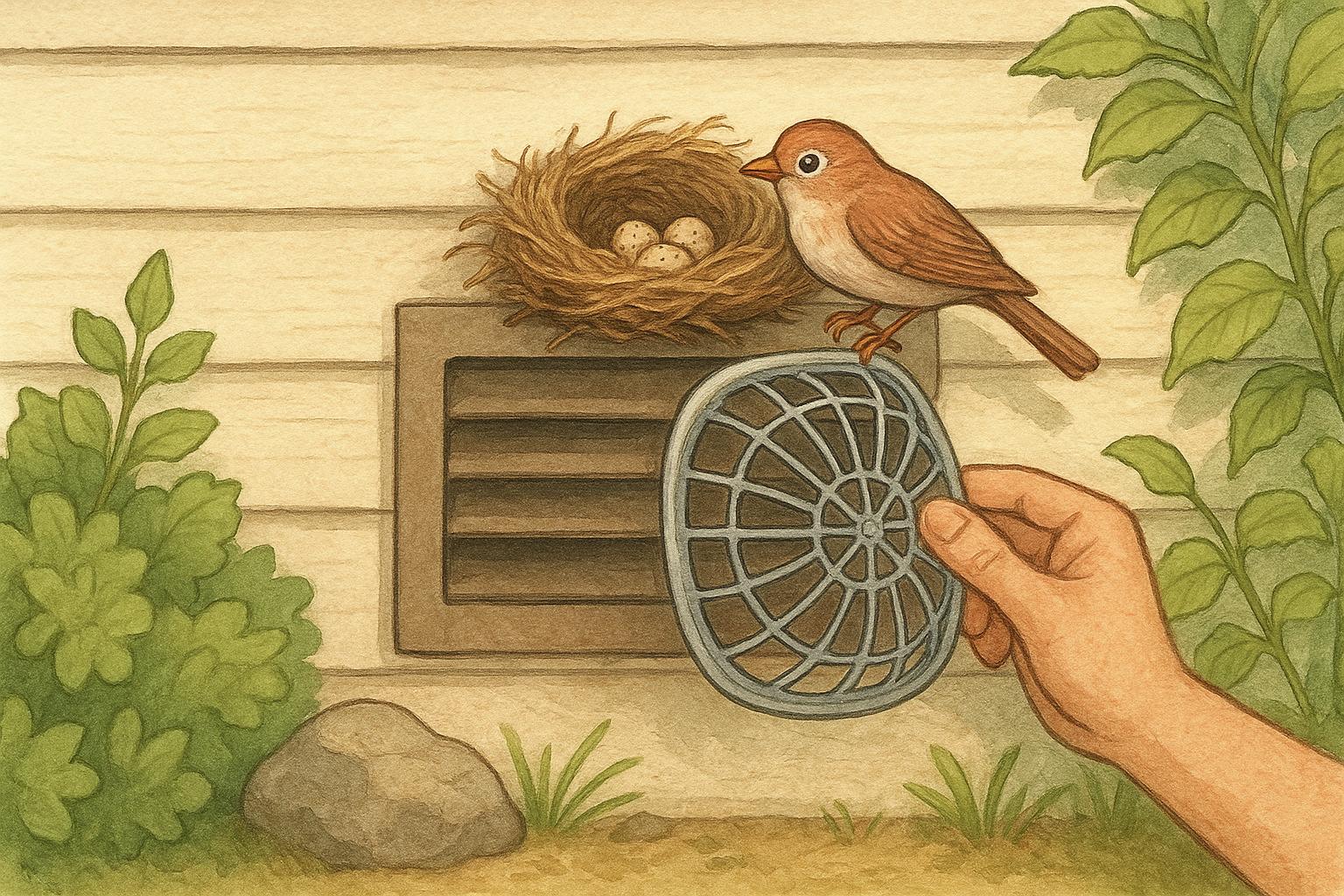
5. Placement: Suspend the bundle under eaves, on a north-facing fence, or within shrub cover at two to six feet above ground. Avoid direct sun and heavy rain exposure. Place away from high-traffic pet areas.
6. Monitoring And Replacement: Inspect bundles annually. Replace when moisture has led to decay or if infestation by undesirable pests (e.g., invasive beetles) is detected. Use older bundles as mulch in a separate garden area if intact.
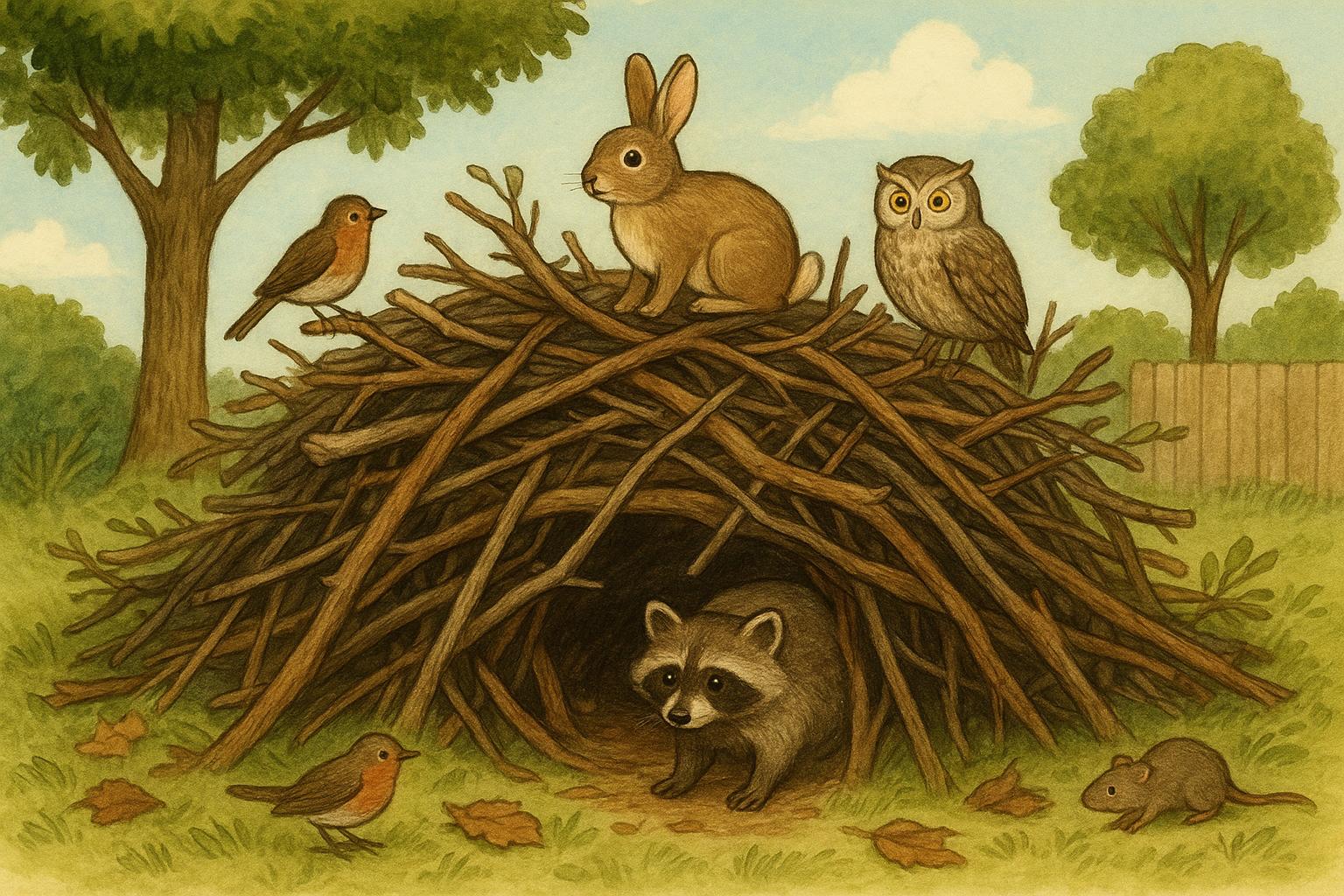
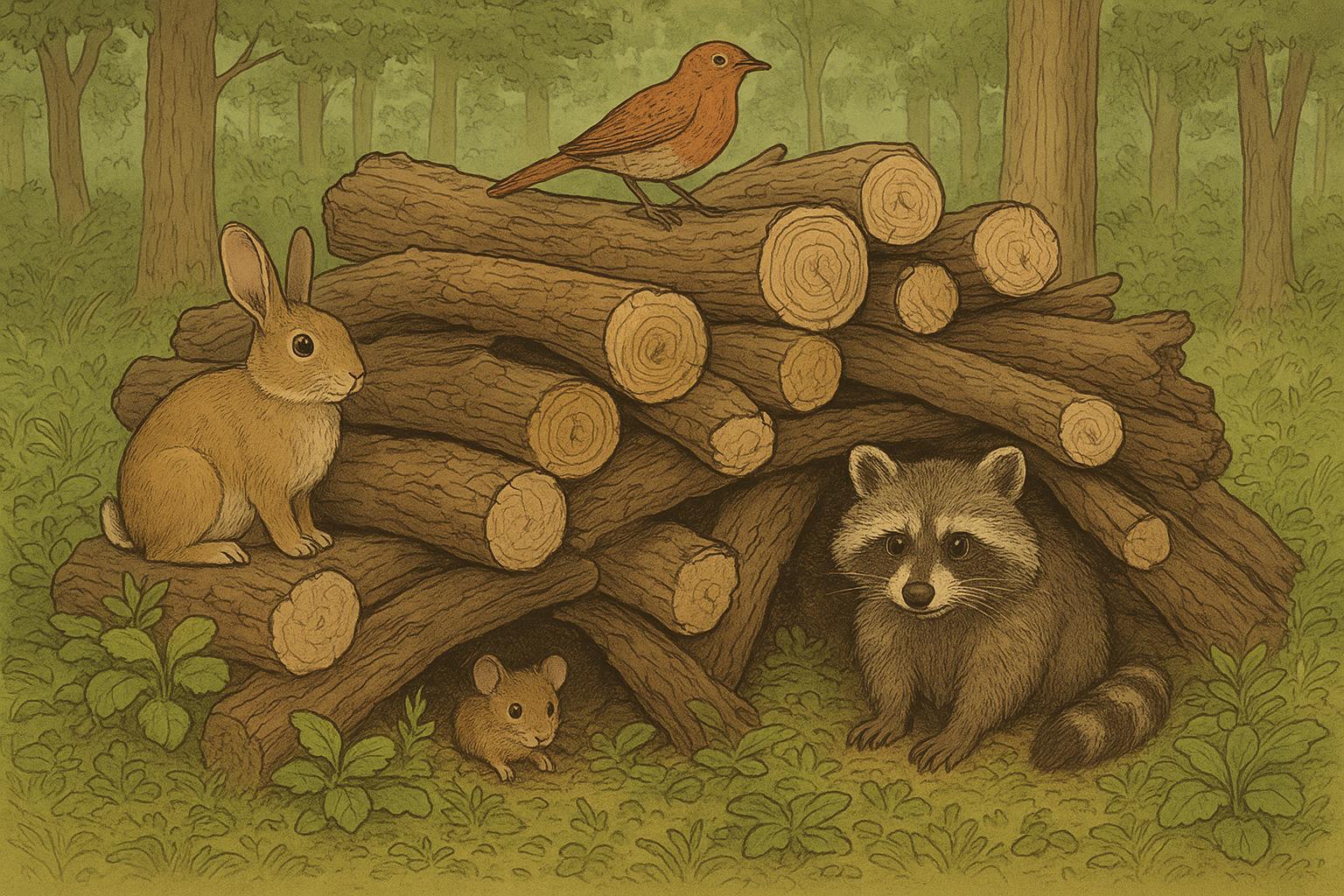
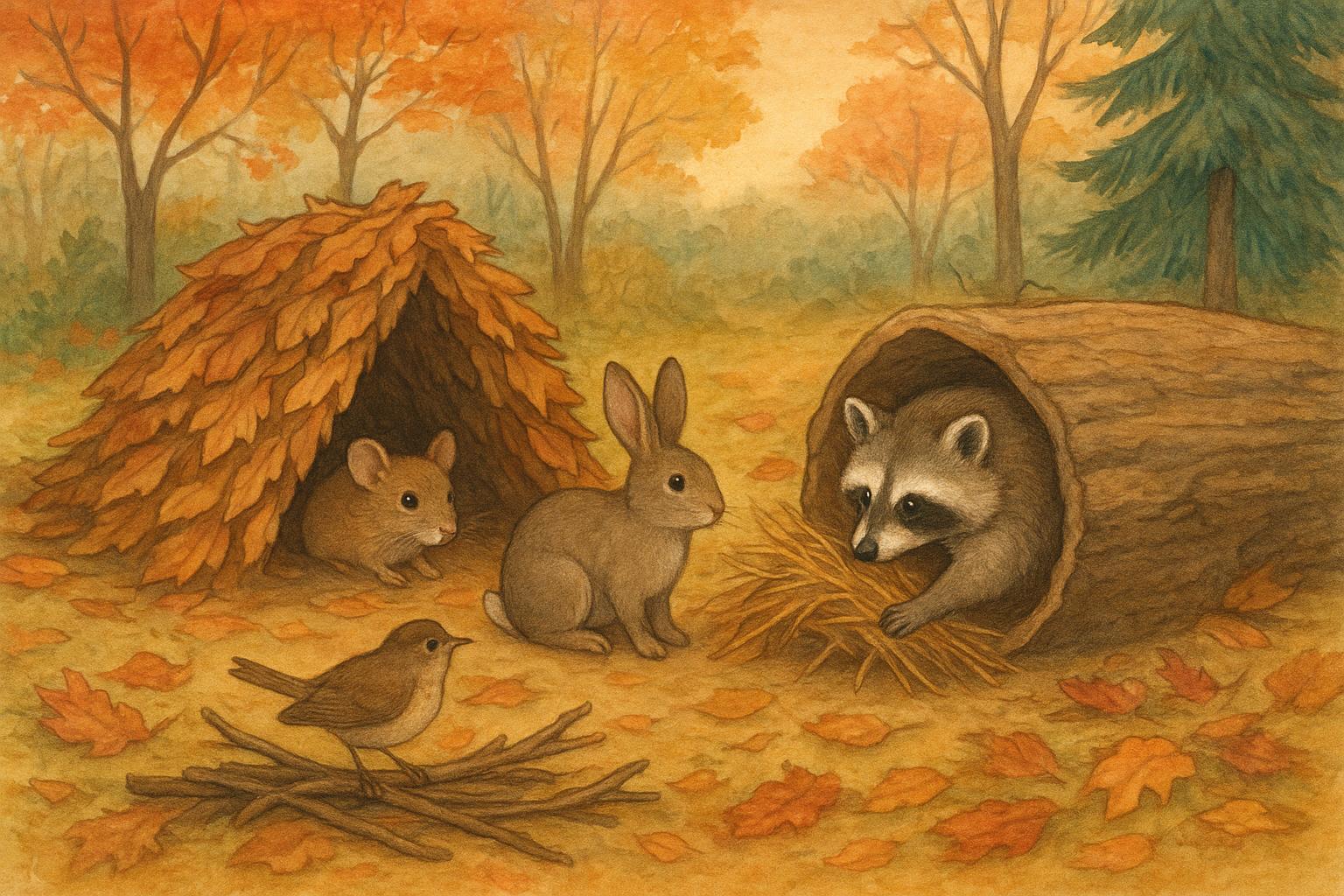
Application Notes: Shelters of dried stems and hollow canes provide thermal refuge and nesting substrate for small mammals, solitary bees, and beneficial arthropods during cold months. Bundles complement the resource base provided by fall edible plants for backyard wildlife by offering resting and breeding sites.
### Seasonal Care And Monitoring Protocols
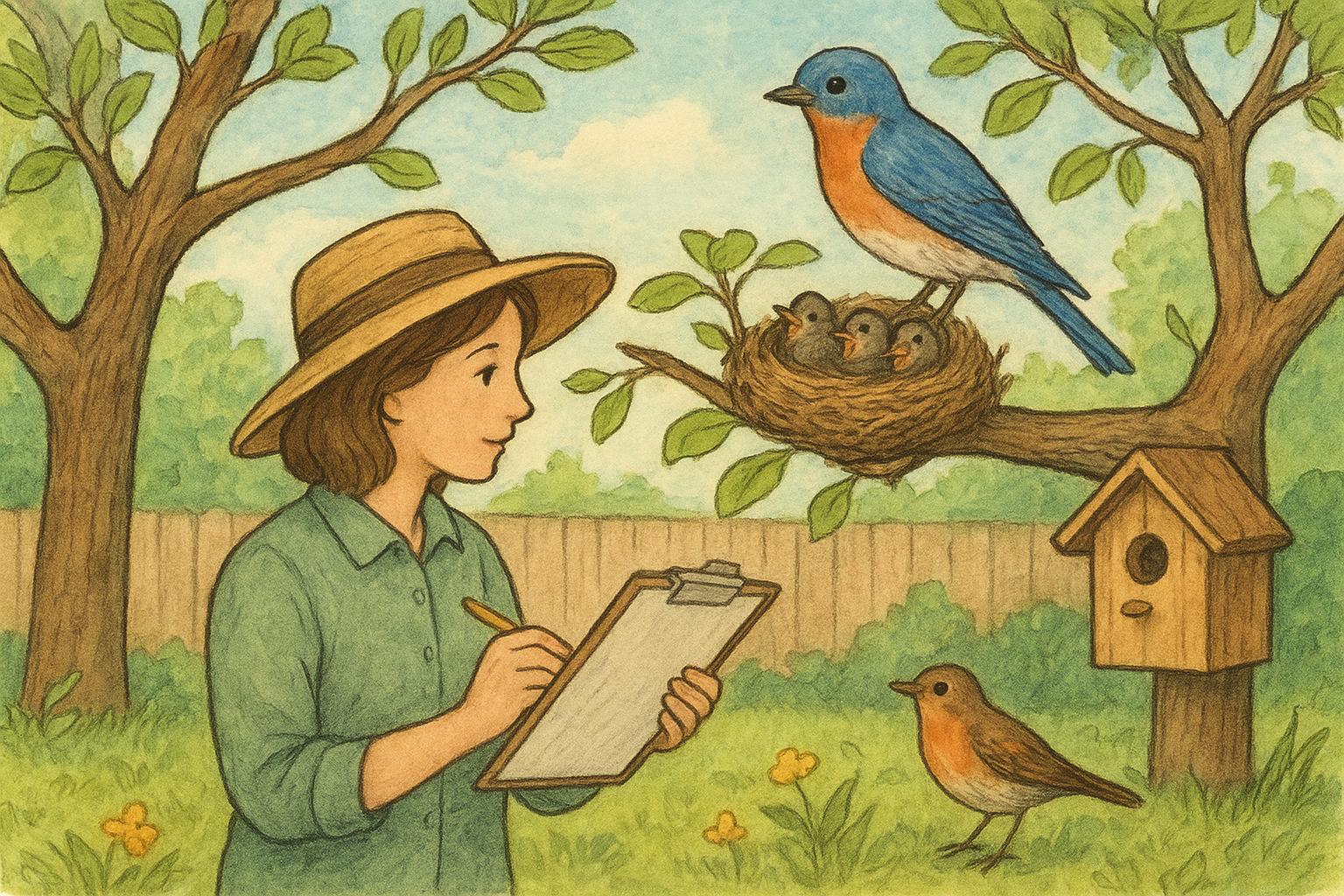
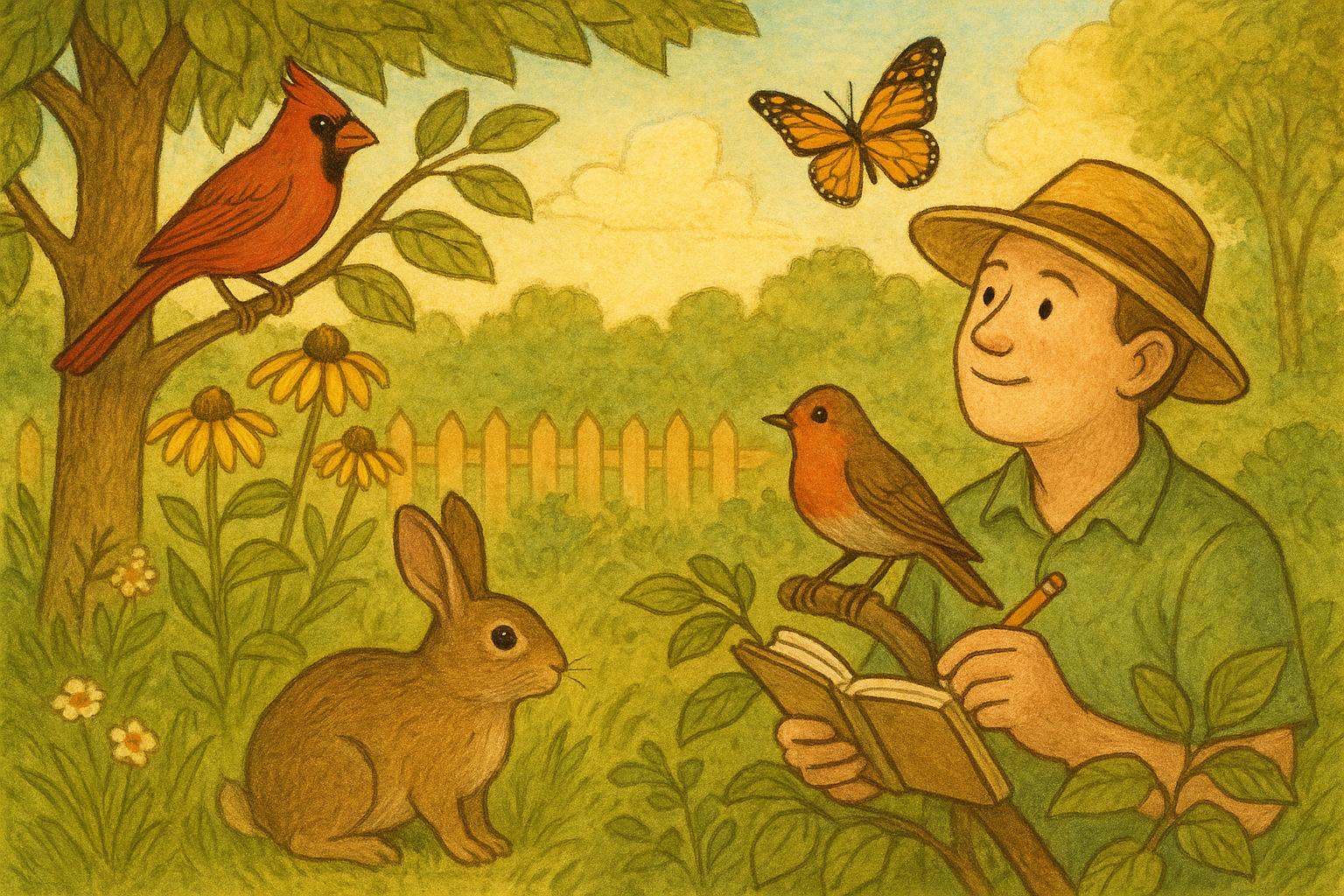
After installing plantings and remedies, monitor use patterns. Record which species visit and their temporal patterns. Reduce human disturbance during peak foraging use (early morning and dusk). If non-native or invasive species colonize your plantings, address them promptly to maintain ecological balance.
### Encouraging Natural Fall Forage Behavior
To encourage natural foraging rather than dependency, maintain a mosaic: permanent native plantings supplemented with intermittent DIY feed options. Remove artificial food items as winter resources become more abundant naturally or if they attract pests or create disease pressures. Practicing good hygiene—regularly cleaning feeders and removing spoiled food—reduces pathogen transmission.
## Species Spotlight: Who Benefits From Autumn Edibles
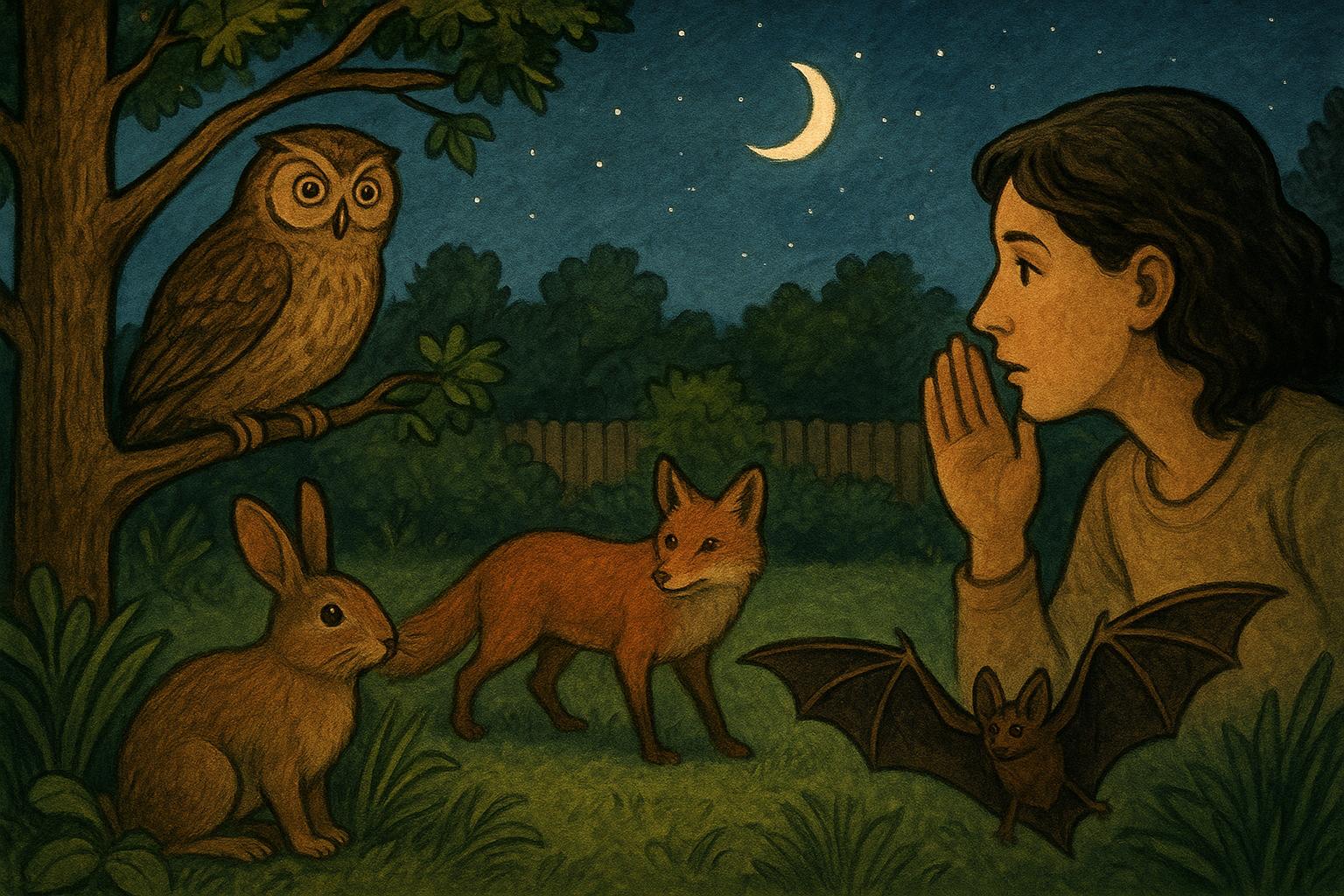
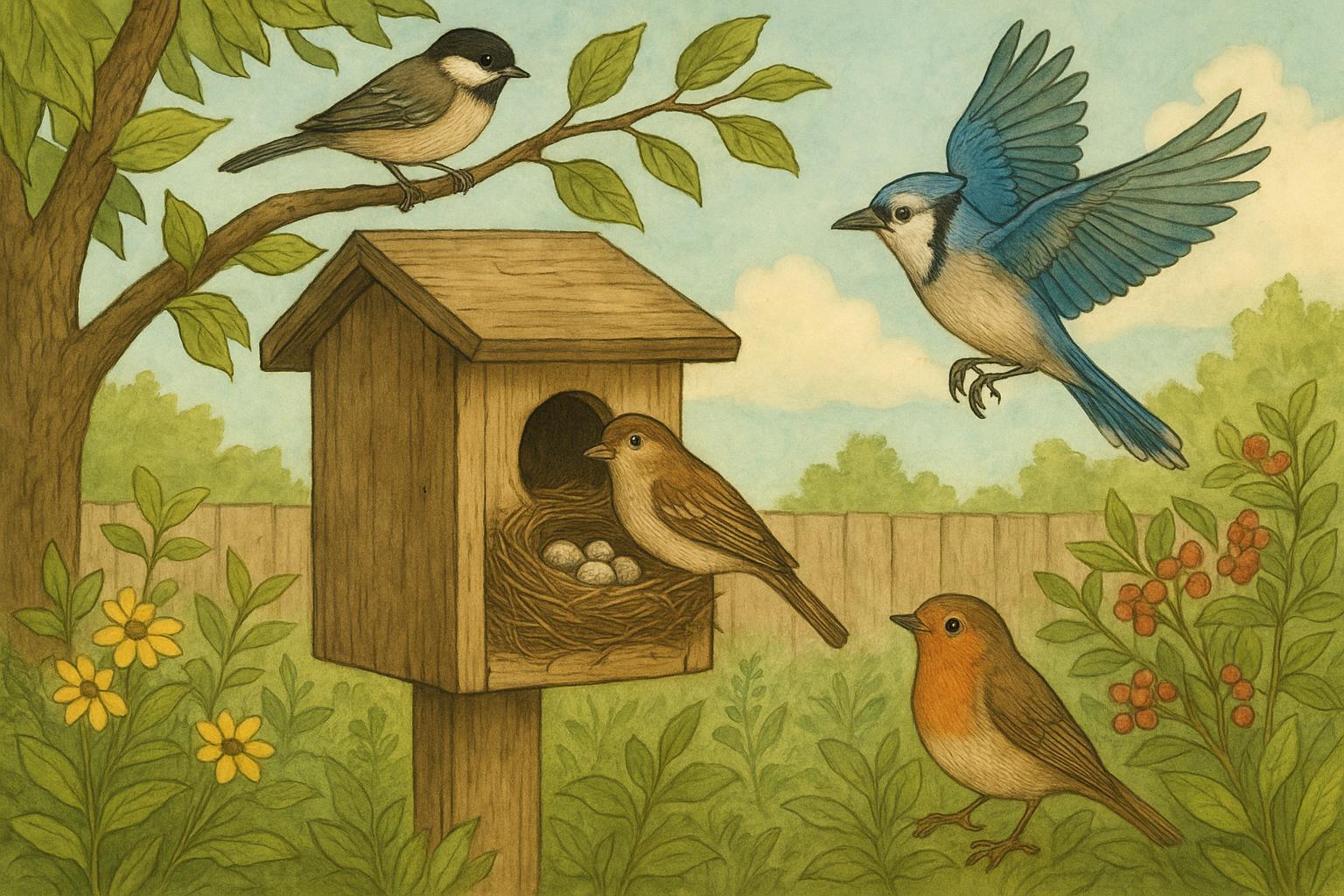
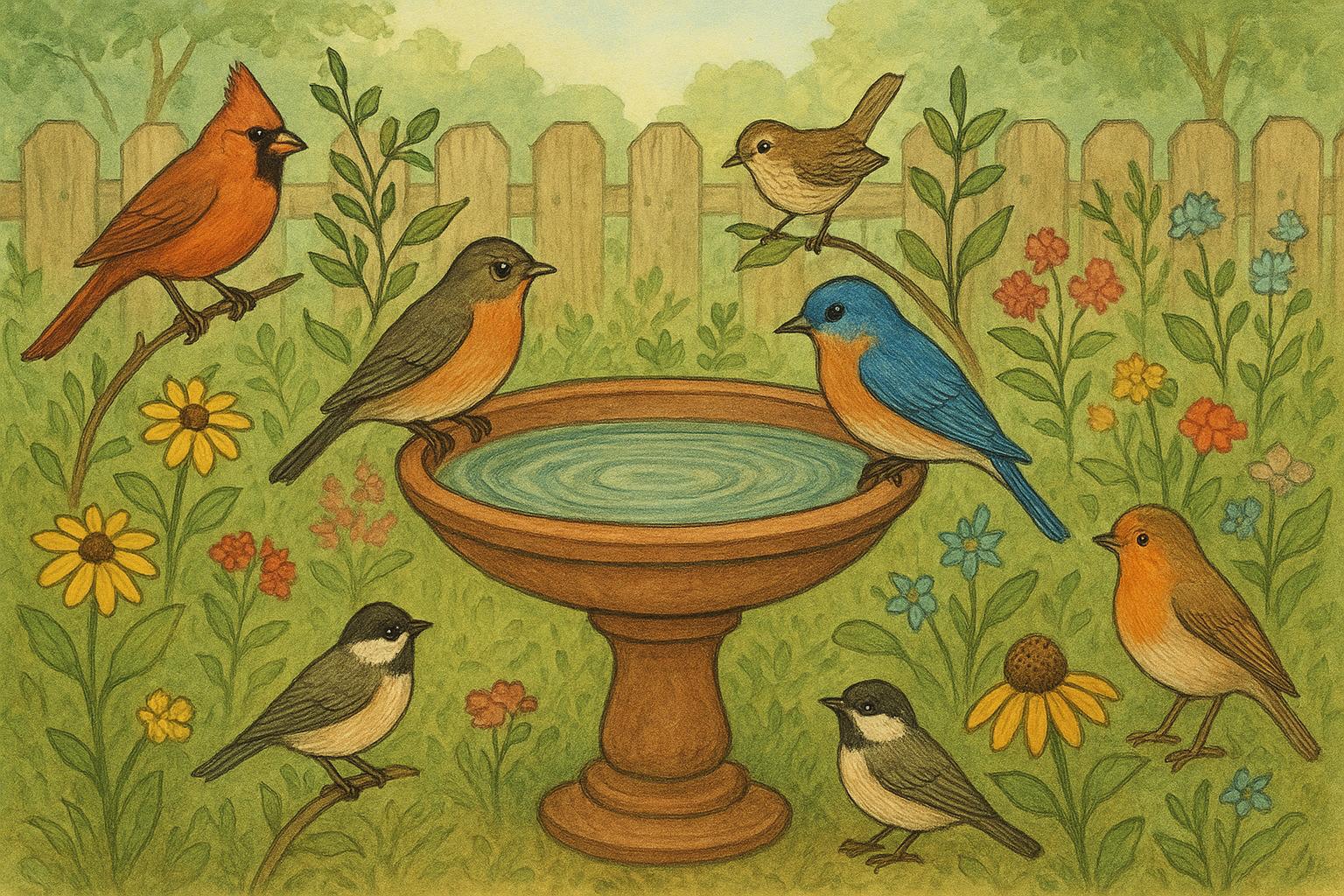
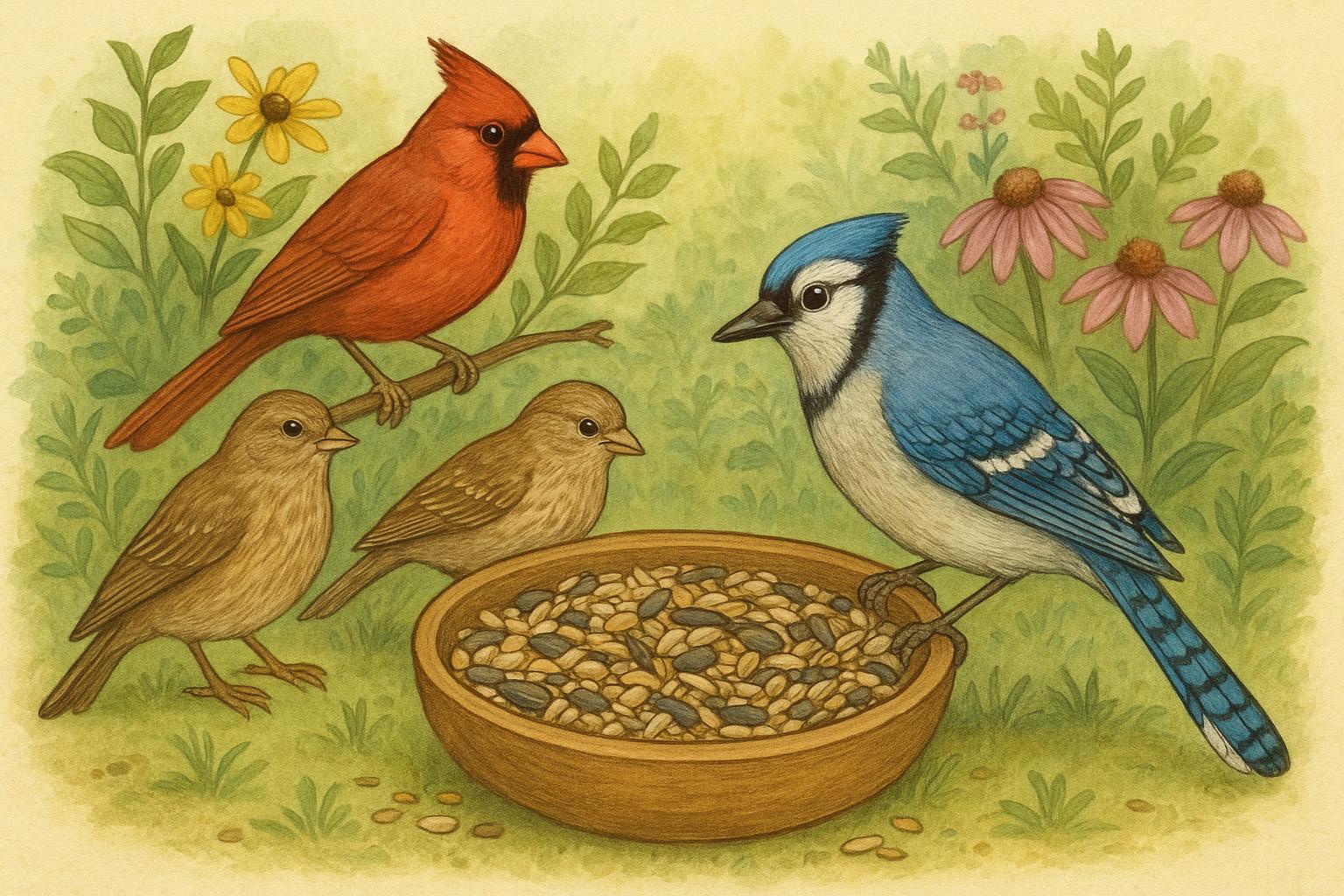
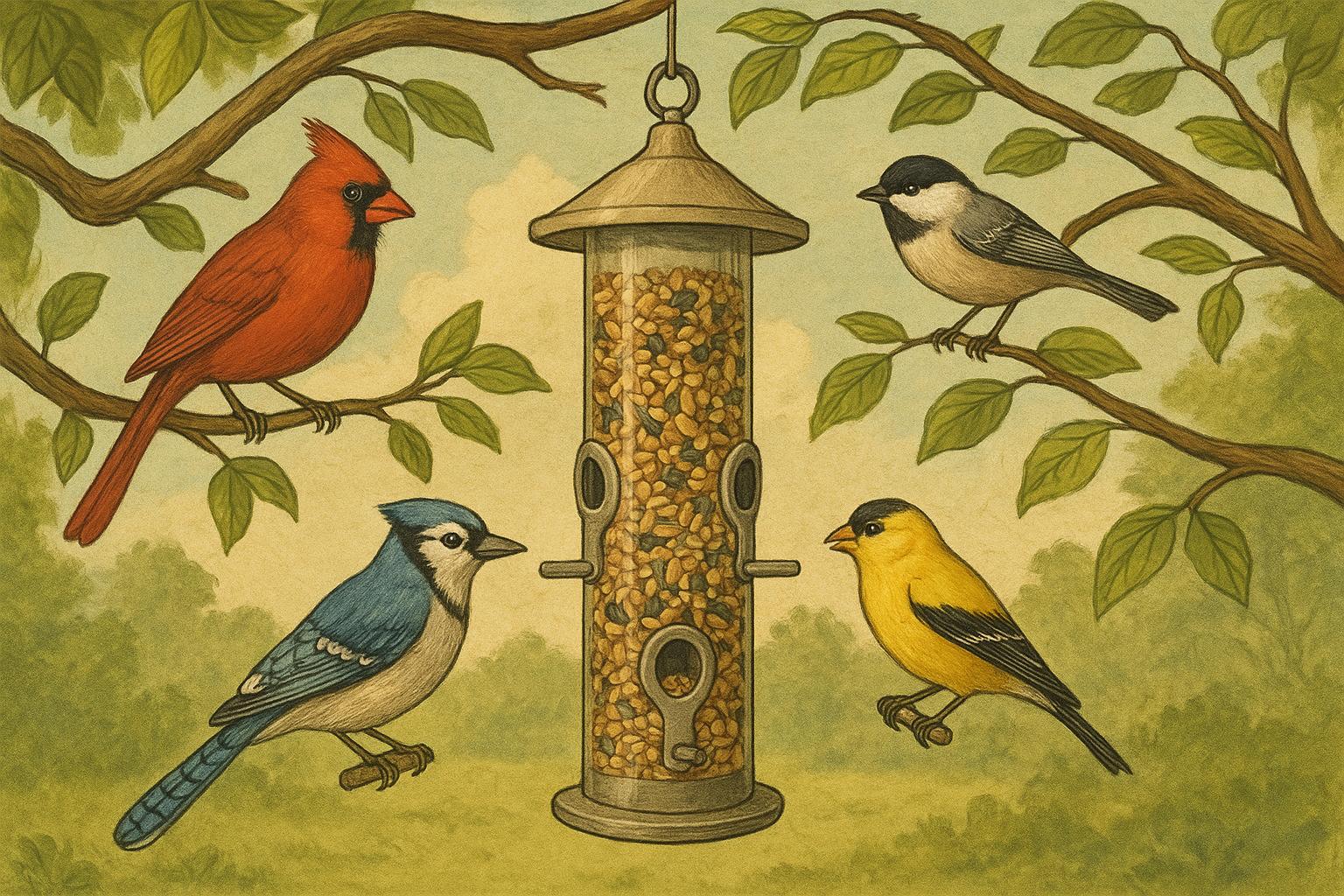
Birds: Finches, thrushes, waxwings, and many songbirds rely heavily on berries and seeds during migration and local movement. Fruit-bearing shrubs and seed heads provide critical stopover nutrients.
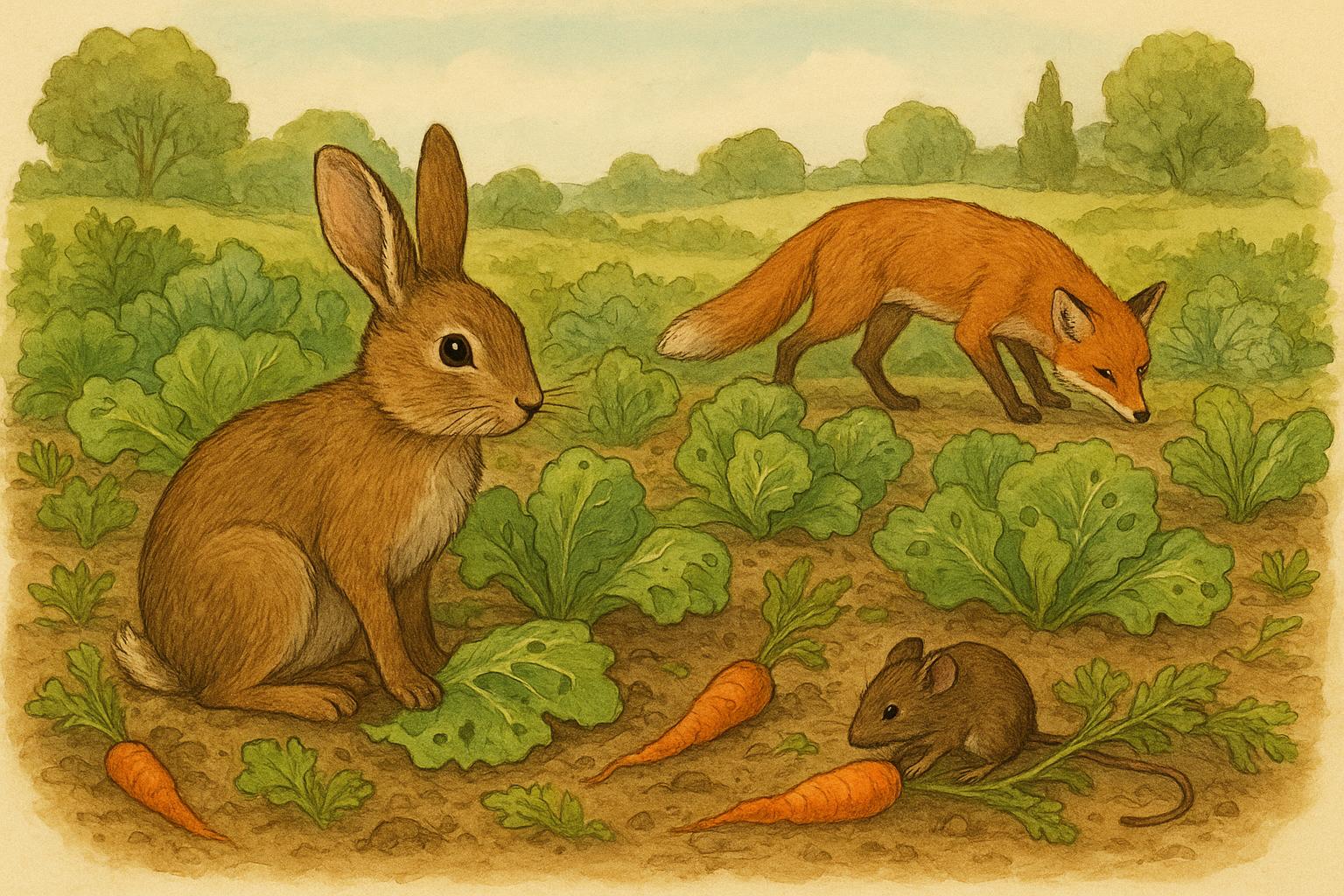
Mammals: Squirrels, chipmunks, deer, and small rodents utilize nuts and fruit; layered plantings with canopy mast and understory berry producers sustain diverse mammal guilds.
Invertebrates: While many insects decrease in visible activity, late-blooming asters and goldenrod support pollinators, and dried stems shelter overwintering bees and beneficial insects.
Planting with intent transforms yards into autumn sanctuaries. Thoughtful use of fall edible plants for backyard wildlife, combined with modest, well-designed remedies, supports animals through a season of transition while enriching the human experience of local nature.

Leave a Reply