
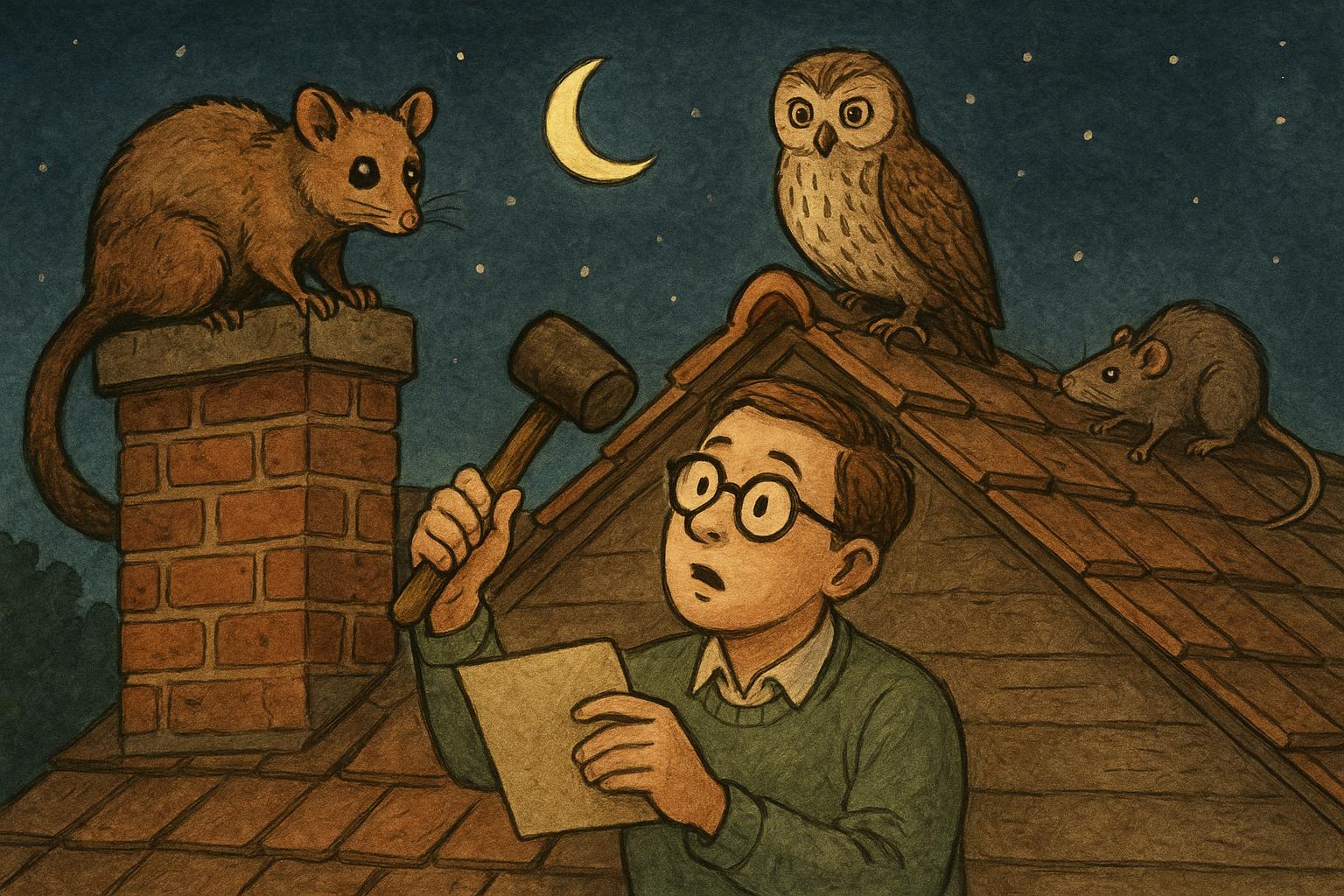
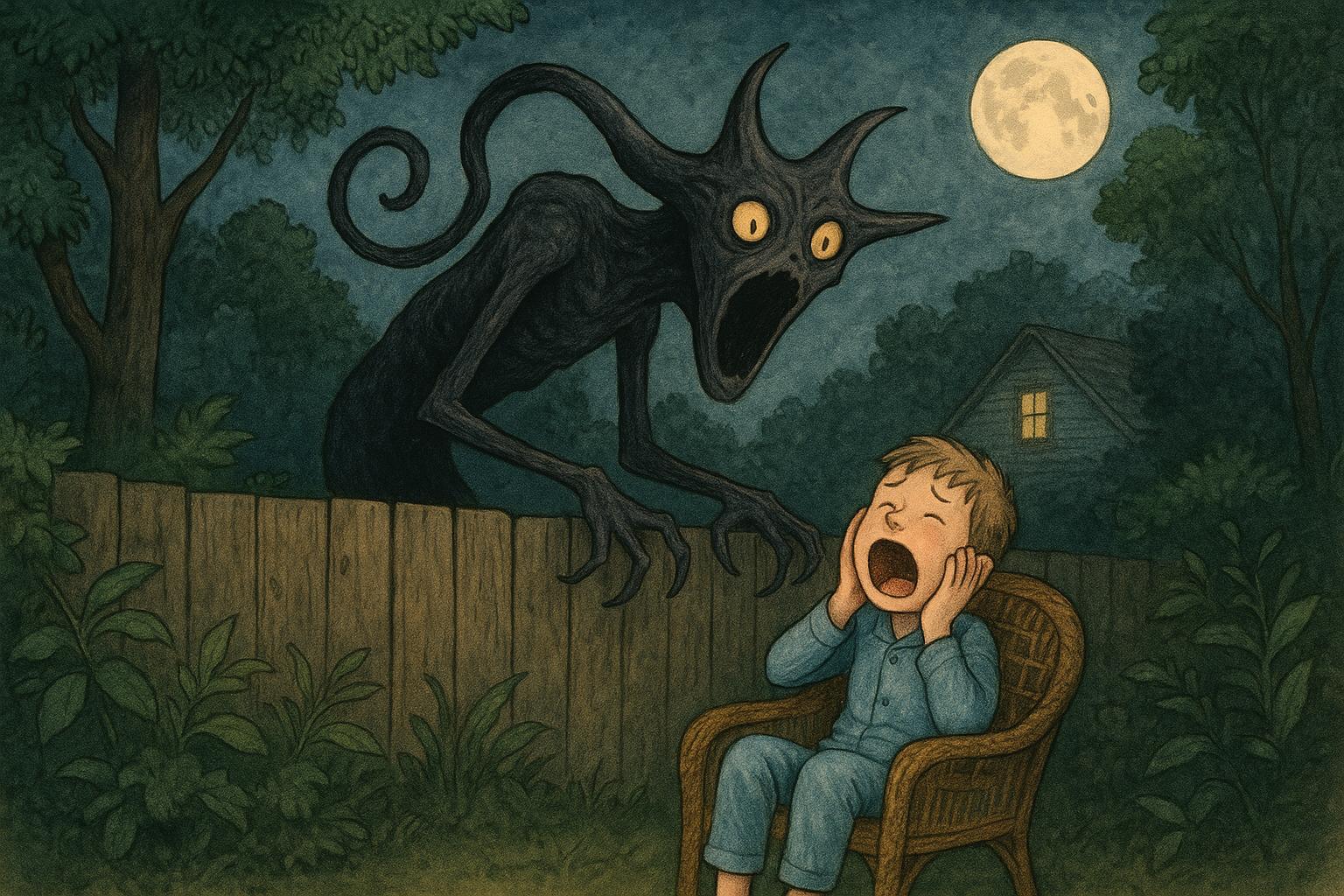
The soft percussion of tiny feet, the clatter of tails, the occasional metallic thump — rooftop symphonies at midnight can be strangely poetic until they interrupt sleep night after night. If you’re tired of waking to rooftop commotion and wondering how to restore calm without harming wildlife, these creative yet practical DIY approaches will help you diagnose and resolve rooftop noise at night while staying humane and effective.
## Rooftop Noise At Night: What Causes It And How To Diagnose It
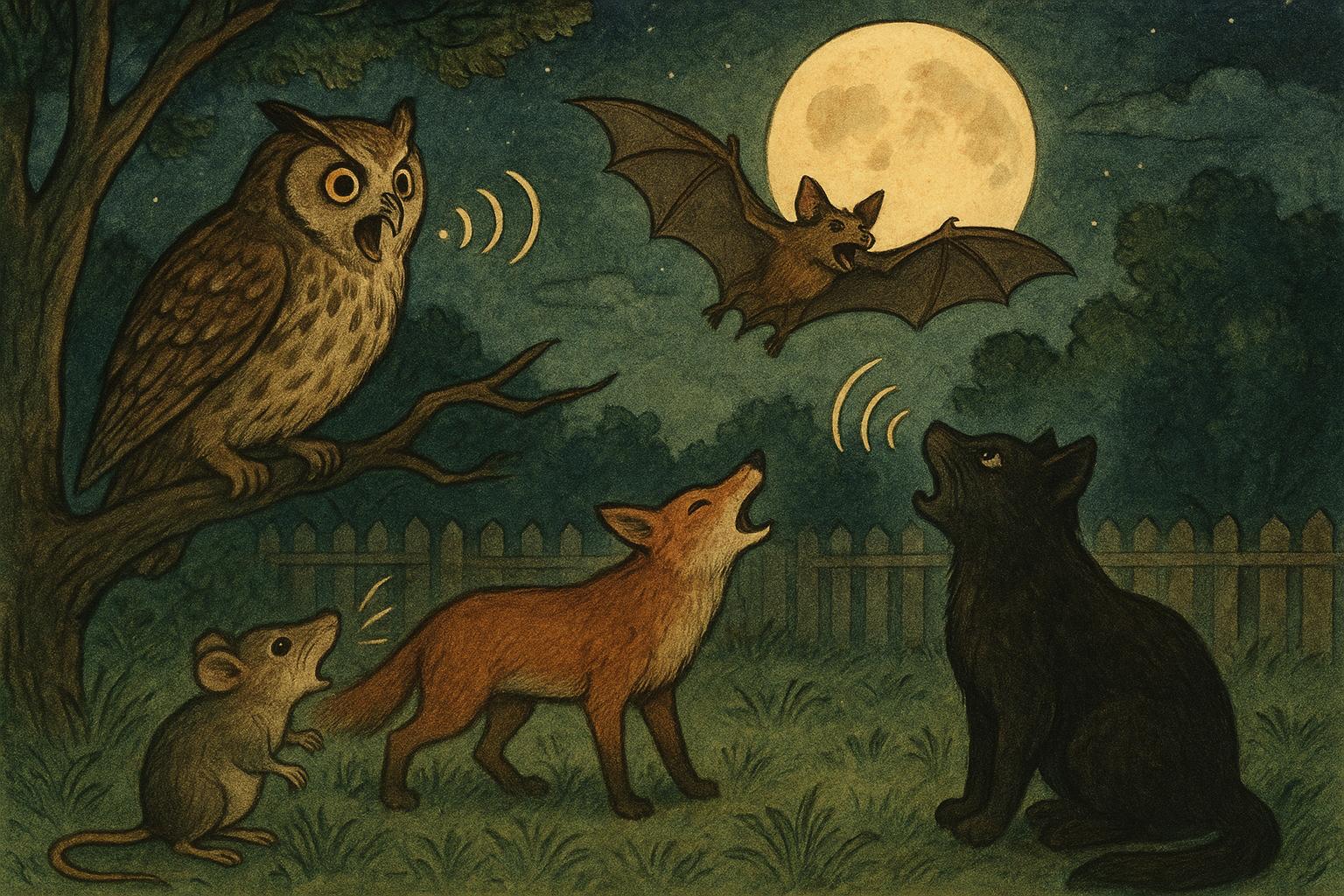
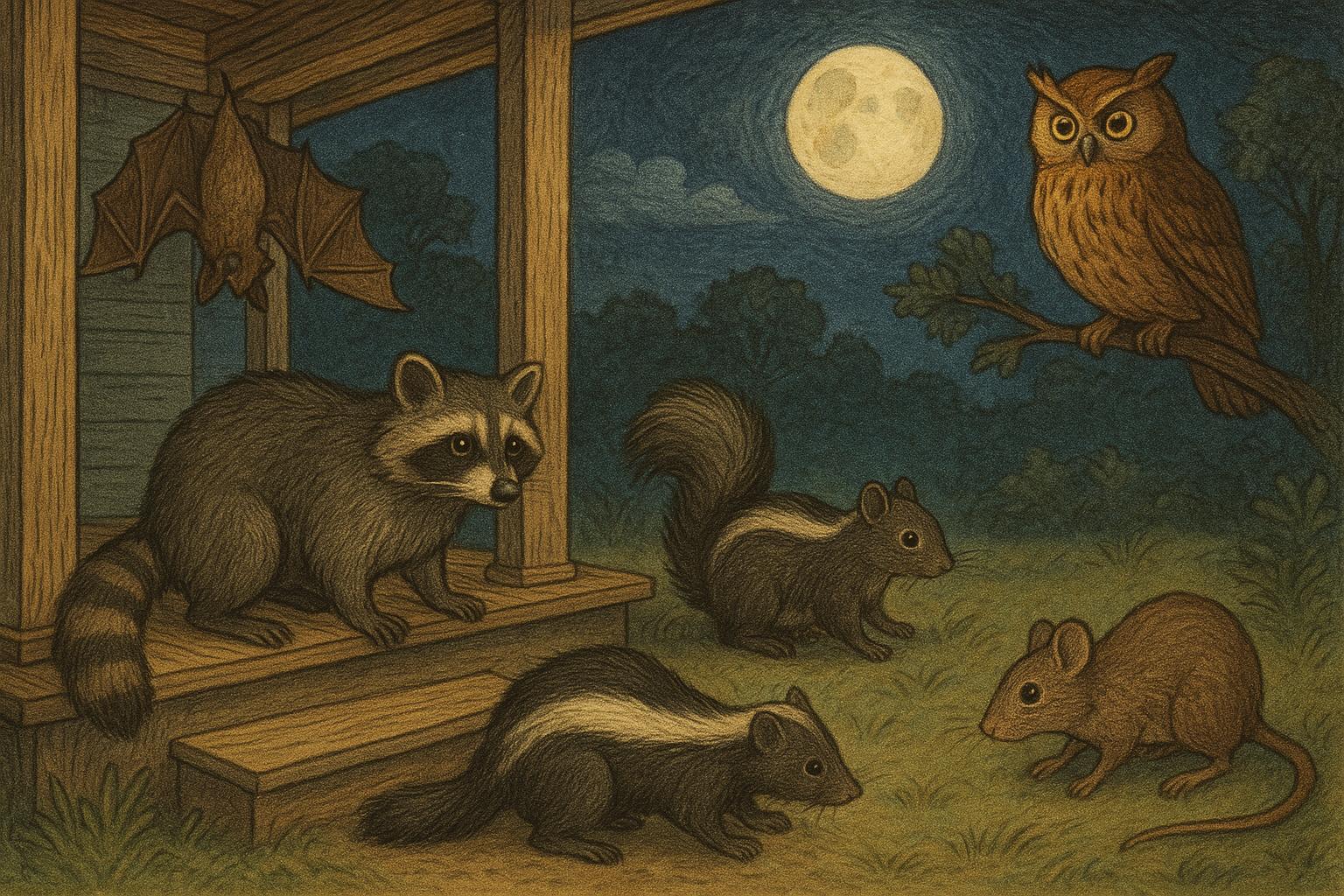
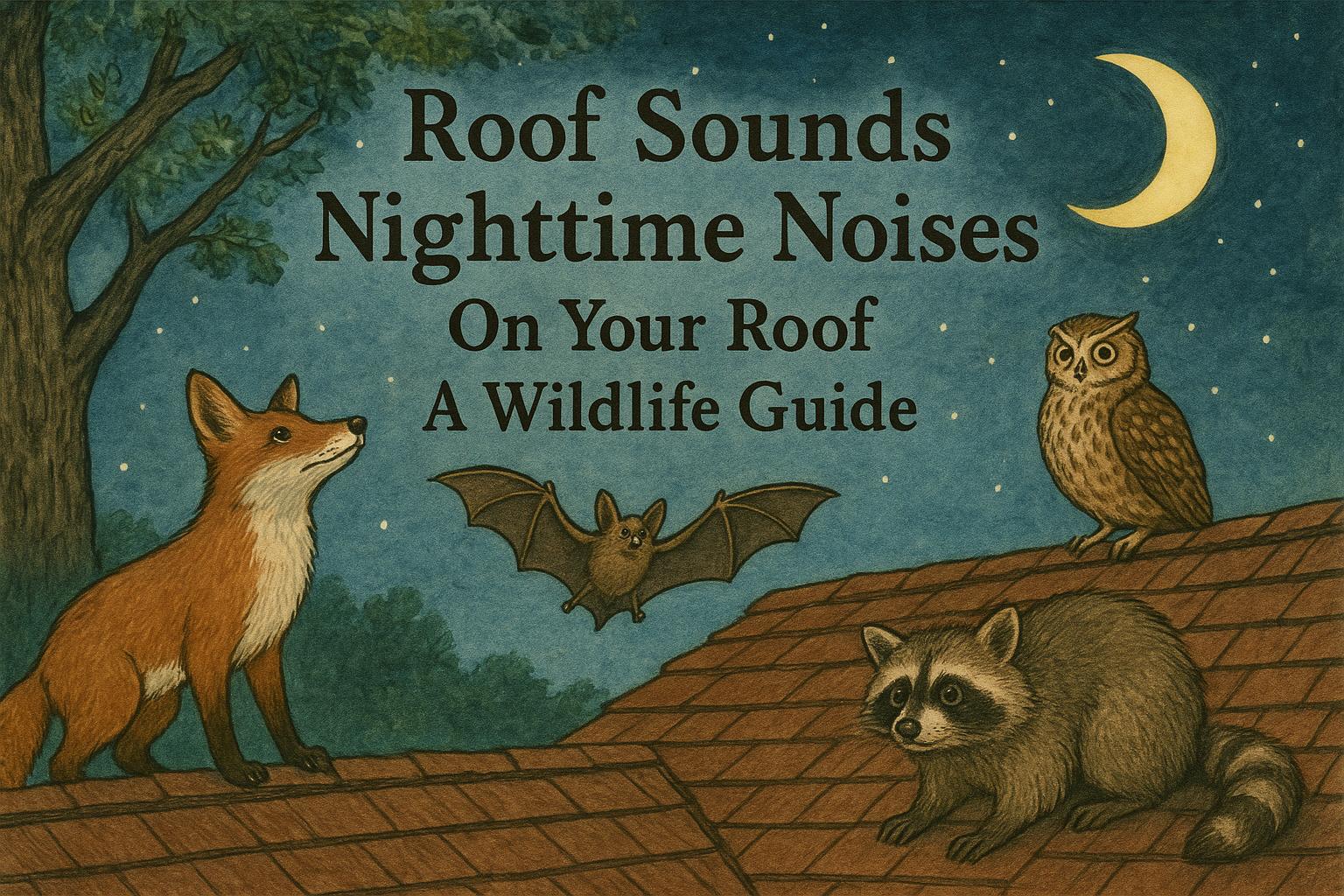
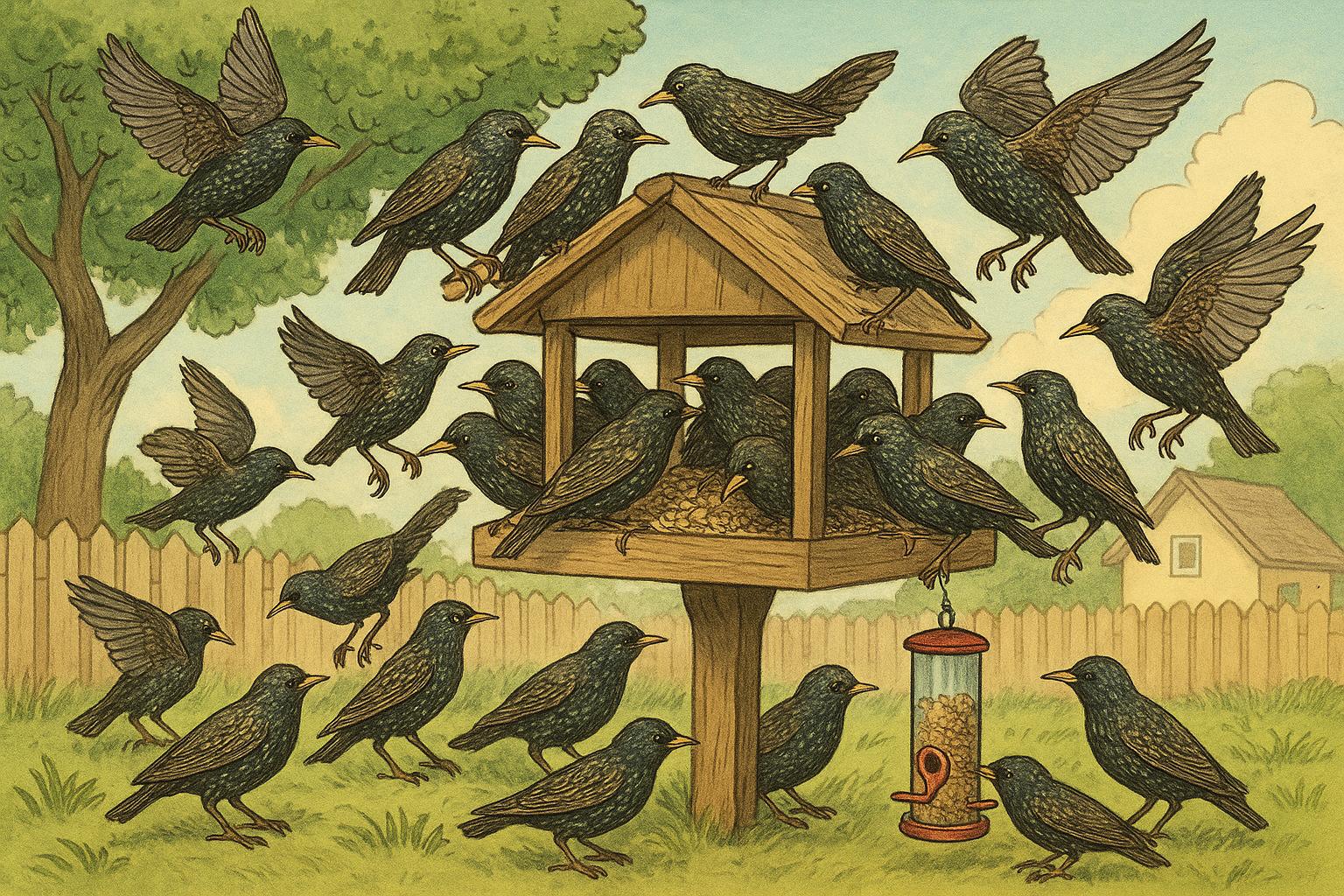
Nocturnal roof sounds aren’t random — they usually have identifiable sources. Knowing what animals make those noises and when they’re most active will guide the remedy you choose. Rooftop noise at night can come from raccoons, opossums, rats, squirrels, raccoon kits, starlings, and even nesting owls. Each species leaves clues in the pattern and pitch of the sounds and in physical signs left on shingles, gutters, and eaves.
### How To Identify Critters From Sound And Signs
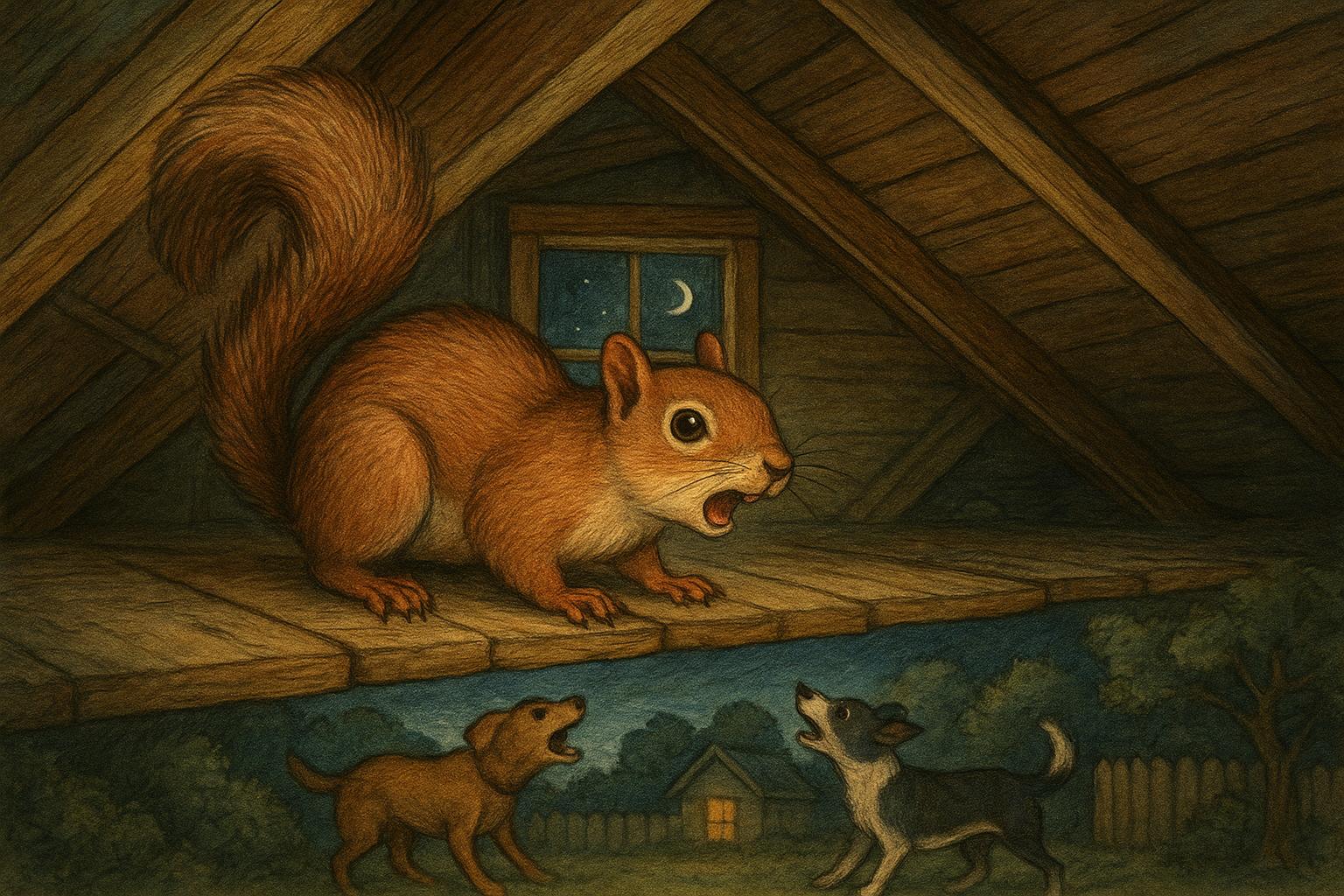
– Footstep rhythm: Quick, light pitter-patter often points to squirrels or rats; heavier, deliberate thumps could be raccoons or opossums.
– Time of activity: Raccoons and opossums peak after dusk; migratory birds or nesting colonies may create daytime and nighttime commotion.
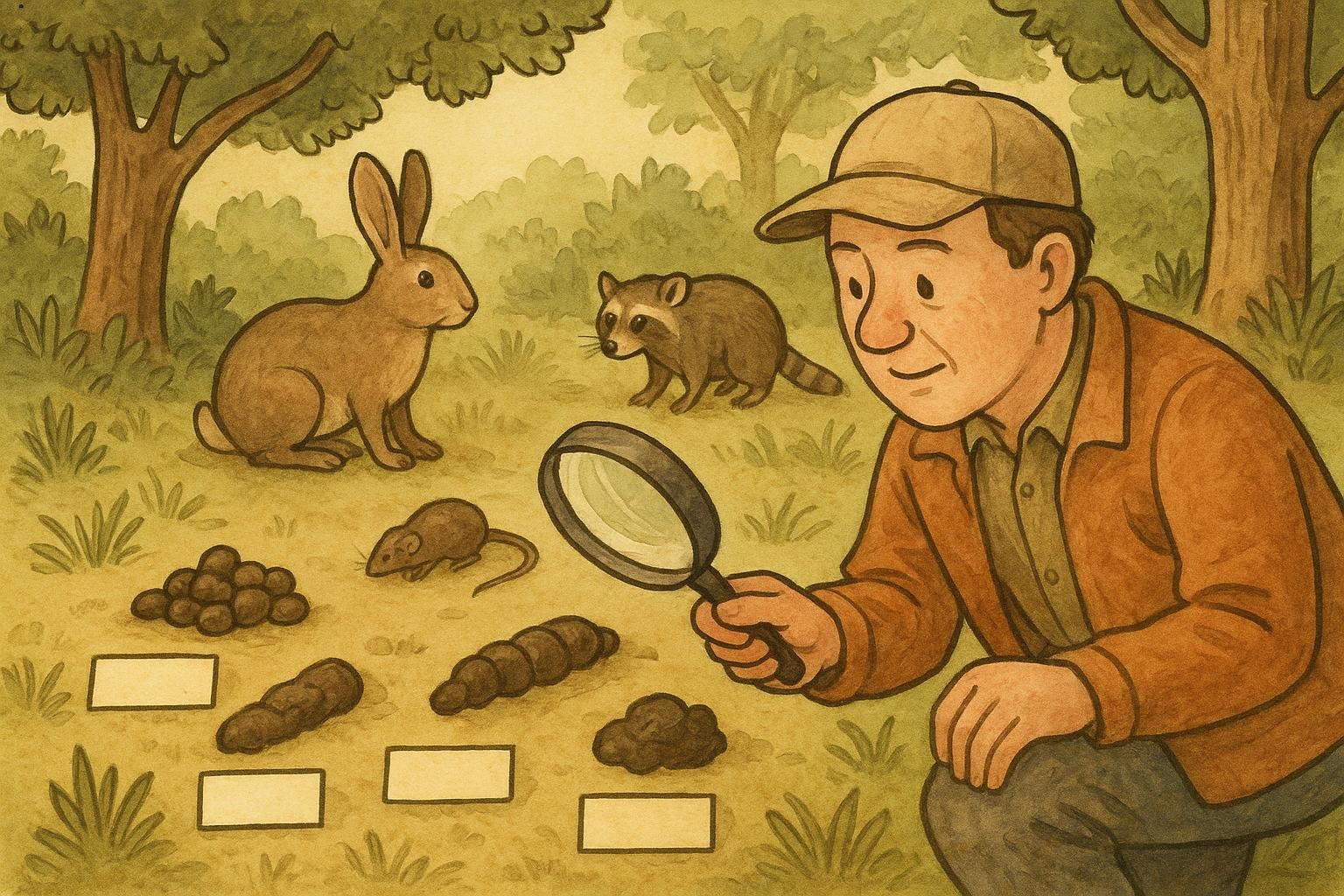
– Physical clues: Scattered droppings, torn roofing felt, displaced vents, or chewed soffit paint indicate persistent occupants.
Use binoculars from a distance or set up a night camera to observe behavior without confrontation. Recordings will help differentiate between “nocturnal rooftop” activity that’s transient (a passing raccoon) and ongoing infestation (a nest under the eaves).
#### Signs On Shingles, Gutters And Eaves To Watch For
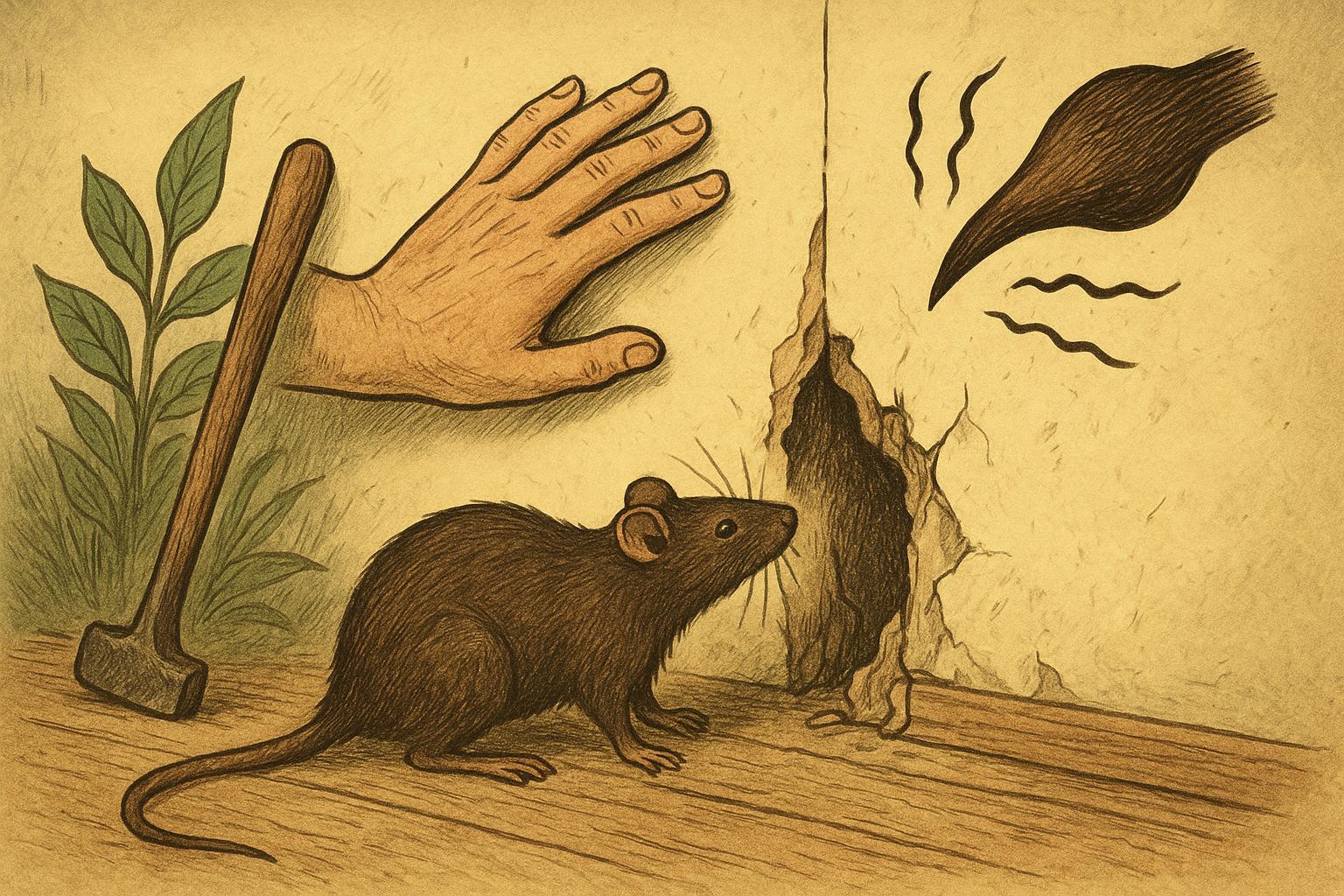
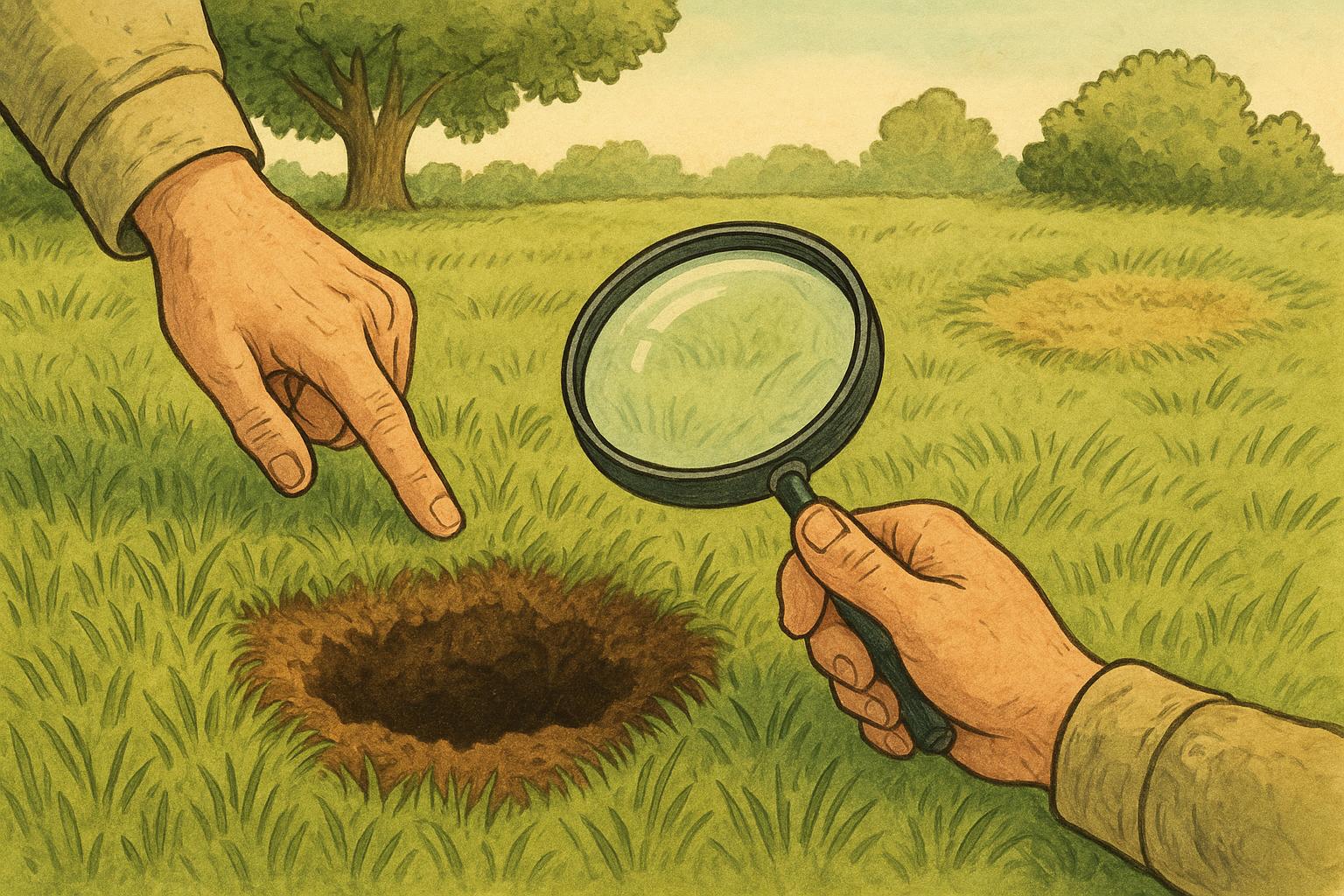
Look for tiny claw marks, displaced shingles, gaps at roofline seams, or heavy soiling under chimneys. Many creatures take advantage of existing weaknesses — identifying these lets you target fixes rather than guessing.
## Remedy 1: Seal And Reinforce Entry Points (Most Effective For Persistent Rooftop Noise At Night)
Materials Required:
– Sturdy ladder and partner for safety
– Flashlight or headlamp
– Exterior-grade caulk and caulk gun (silicone or polyurethane)
– Galvanized hardware cloth (1/4″ mesh) or sheet metal flashing
– Stainless steel screws and a drill
– Duct tape (temporary) and work gloves
Step-By-Step:
1. Safety Check: Work only in daylight with a spotter. Wear gloves and eye protection. Ensure ladder is stable and use fall prevention if available.
2. Inspect: Walk the roofline and attic interior. Use a flashlight to find gaps, holes, or torn soffits. Note locations.
3. Temporarily Close Active Gaps: If you discover open holes where animals are still present, avoid immediate permanent sealing that could trap young. Temporarily cover with duct tape or hardware cloth until you confirm no animals are inside (monitor for 48–72 hours).
4. Permanently Seal Small Gaps: Apply exterior caulk to seal hairline cracks, vent seams, and small gaps. Smooth and allow curing as manufacturer directs.
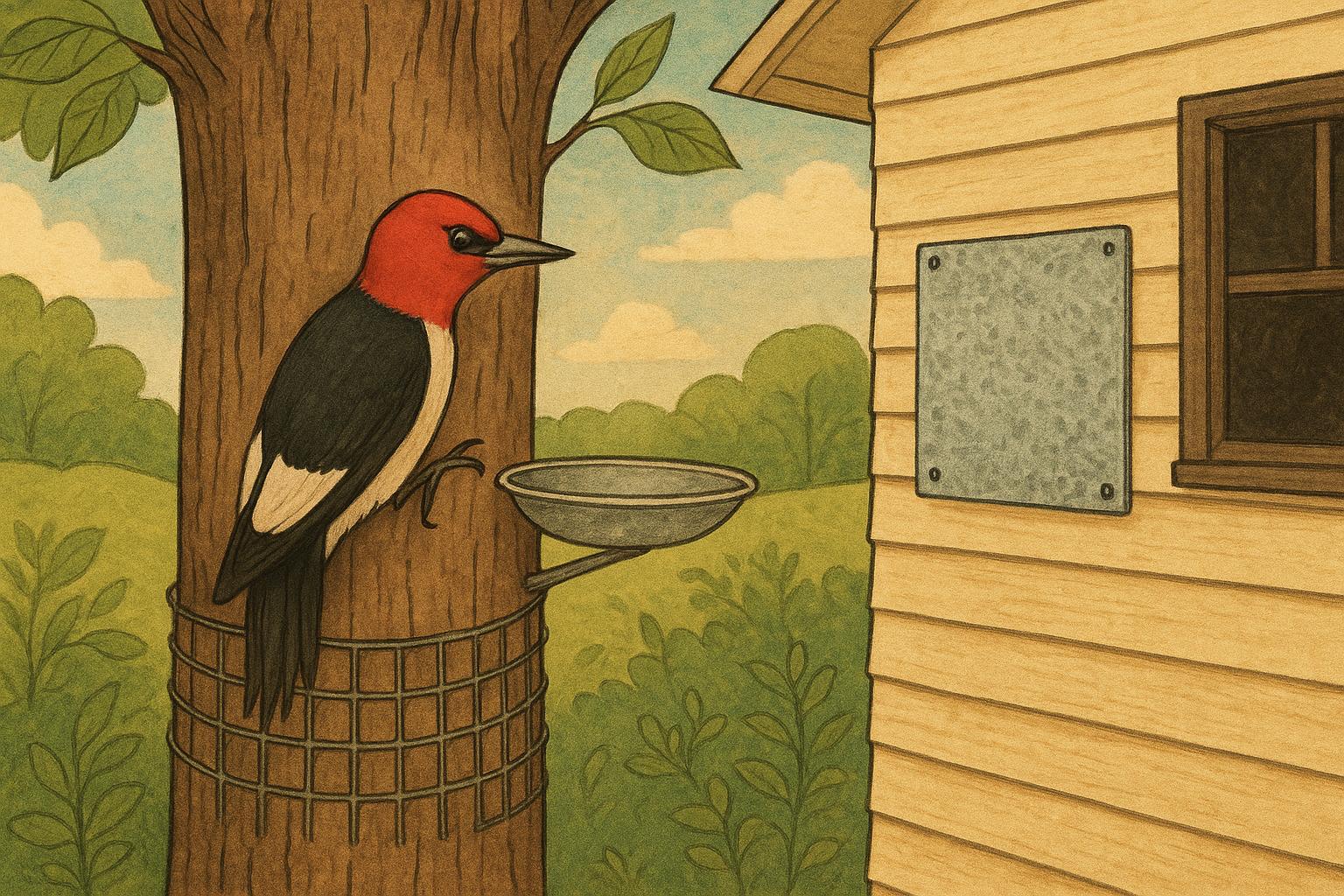
5. Reinforce Larger Openings: Secure hardware cloth with screws and washers to cover soffit vents, entry gaps, and under-eave cavities. For stubborn openings, install sheet metal flashing beneath shingles and under siding to create a predator-proof barrier.
6. Final Inspection: Retighten fasteners and ensure no sharp edges are exposed. Record the date and materials used for future maintenance.
Formal Note: Proper exclusion prevents further rooftop noise at night by removing access. Always confirm absence of dependent young before permanent sealing; if young are present, follow humane exclusion protocols or consult wildlife control.
## Remedy 2: Install Vibration Damping And Sound Absorbers For Light Clatter
Materials Required:
– Outdoor-grade rubber pads or neoprene strips
– Adhesive suitable for roofing materials (contact adhesive rated for outdoor use)
– Pieces of outdoor carpet or rubber roofing underlayment
– Silicone roof sealant
Step-By-Step:
1. Identify Noise Hotspots: Stand inside the attic or listen from a bedroom to pinpoint where the sound transmits most clearly.
2. Prepare Surfaces: Clean the underside of the affected roof boards or the top of gutters where vibrations transmit. Allow surfaces to dry.
3. Apply Rubber Pads: Cut neoprene strips to size and adhere to board joints, loose shingles, and metal flashing points. Use manufacturer-recommended adhesive and allow set time.
4. Lay Sound-Absorbing Material: Secure outdoor carpet remnants or roofing underlayment under areas where animals run (e.g., along ridge lines or near vent stacks) to muffle footsteps. Fasten with screws and rubber washers to prevent water infiltration.
5. Seal Edges: Use silicone sealant around any new materials to prevent lifting in wind or rain.
Formal Note: Vibration damping reduces the audible impact of nocturnal roof sounds without deterring animals, so combine this with exclusion methods for a lasting solution.
### When To Use Damping Versus Deterrence
Choose damping when animals are transient or when the structure amplifies normal, low-level activity. Use deterrents when animals repeatedly access the roof.
## Remedy 3: Create Humane Deterrents—Motion Light And Reflective Systems
Materials Required:
– Motion-activated LED floodlight (adjustable sensitivity)
– Reflective bird diverters or strips
– Motion-activated sprinkler (for yards and lower roofs)
– Weatherproof zip ties and mounting hardware
Step-By-Step:
1. Install Motion Lighting: Mount sensors to cover typical approach routes (driveway, gutter, tree limbs near the roof). Angle lights to avoid glare facing windows.
2. Add Reflective Strips: Secure reflective diverters to tree branches and low roof eaves to create unexpected flashes that discourage animals like raccoons and birds.
3. Use Targeted Sprinklers: Position motion-activated sprinklers to protect yard areas or lower roofline entries where feasible; these are effective for ground-based animals and discourage repeated foraging that leads to rooftop access.
4. Calibrate Sensitivity: Adjust so small wildlife triggers are recognized but avoids false activation by wind or leaves.
Formal Note: Motion-based deterrents are humane and reduce nocturnal rooftop visits; combine with sealing efforts to prevent animals from relocating to quieter entry points.
## Remedy 4: Build And Install A One-Way Exclusion (For Nesting Or Occupant Eviction)
Materials Required:
– One-way exclusion door or hardware cloth to fashion one-way barrier
– Heavy-duty zip ties or stainless steel screws
– Safety instruction guide for wildlife exclusion
– Camera or visual monitoring device
Step-By-Step:
1. Confirm Occupancy: Use a camera or observation to be sure animals are present and identify species and brood status.
2. Install One-Way Mechanism: Secure a mesh funnel or manufactured one-way door over the access point so animals can exit but not re-enter. Ensure the opening is wide enough for slow-moving adults but not for dependent young to get trapped outside prematurely.
3. Monitor Exit Activity: Observe for several nights to confirm the animals leave. Do not seal after the first night; wait until you are confident the site is vacated.
4. Seal Permanently: Once the structure is empty, remove the one-way device and permanently seal the entry with hardware cloth, flashing, or by repairing soffit boards.
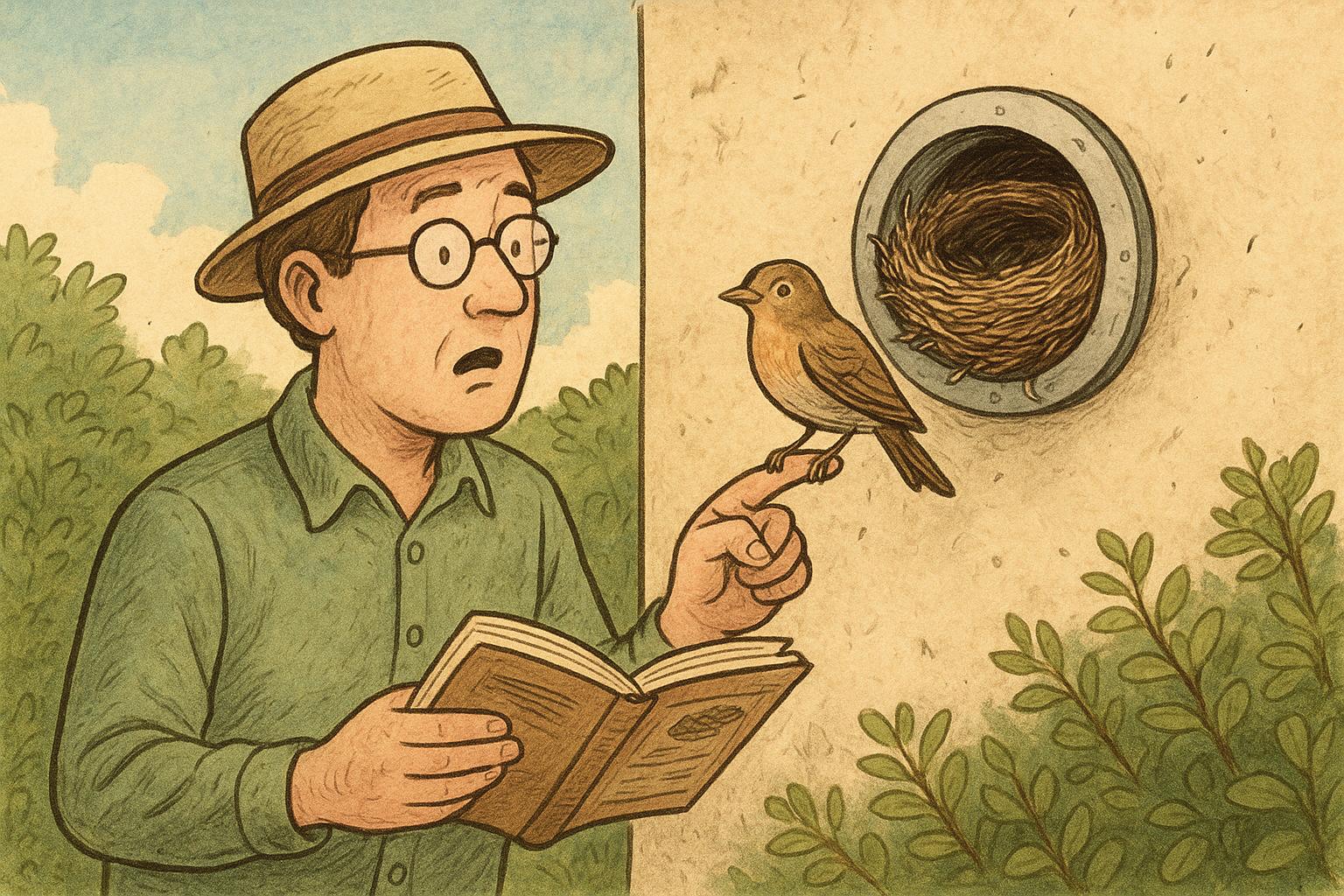
5. Follow Legal Requirements: Some regions protect migratory birds and certain mammals during nesting seasons; verify local laws before implementing exclusion.
Formal Note: One-way exclusion is effective for nocturnal rooftop residents but must be executed with attention to animal welfare and legal restrictions.
### Maintenance And Long-Term Prevention Strategies
– Trim tree limbs at least 6–8 feet from roofline to prevent access routes.
– Keep gutters clean to remove delicious nesting materials like leaves.
– Secure trash cans and pet food to deter foraging that attracts rooftop visitors.
– Inspect roof annually for wear, replacing worn shingles and repairing eaves.
– Maintain a wildlife log noting dates of activity, control measures used, and outcomes; this helps refine your approach and prevents repeated rooftop noise at night.
#### When To Call A Professional
If you encounter bite marks, aggressive animals, evidence of a large infestation, or suspect rabies or other zoonotic risks, contact licensed wildlife control. Professionals can handle removal, permits, and rehabilitation if needed.
Use these creative, humane, and practical remedies to turn your nightly rooftop orchestra into silence — or at least into a quieter, less sleep-disrupting score. Addressing root causes, applying targeted exclusion, and adding damping and deterrents will reduce nocturnal roof sounds and restore restful nights without harm.






















Leave a Reply