
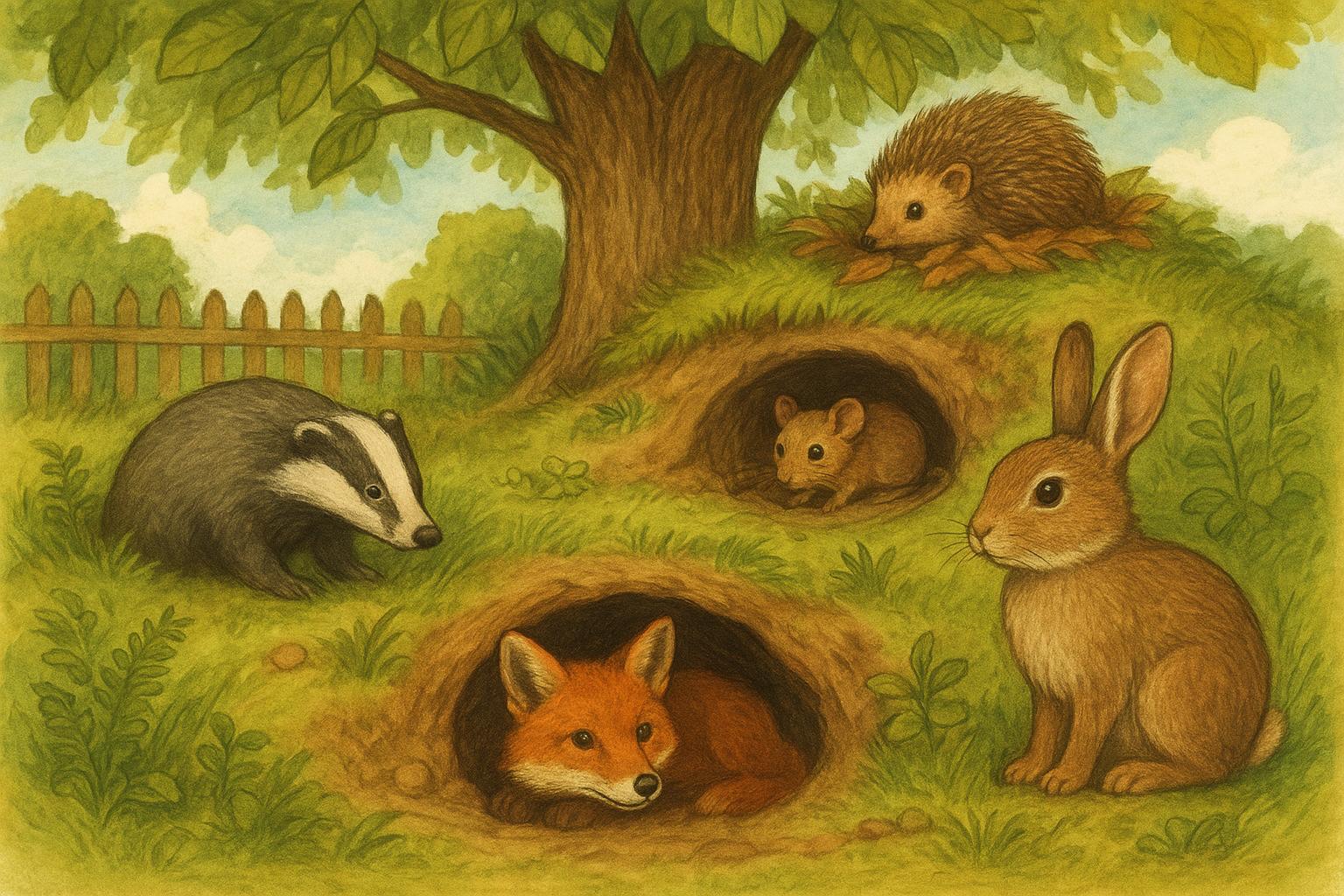
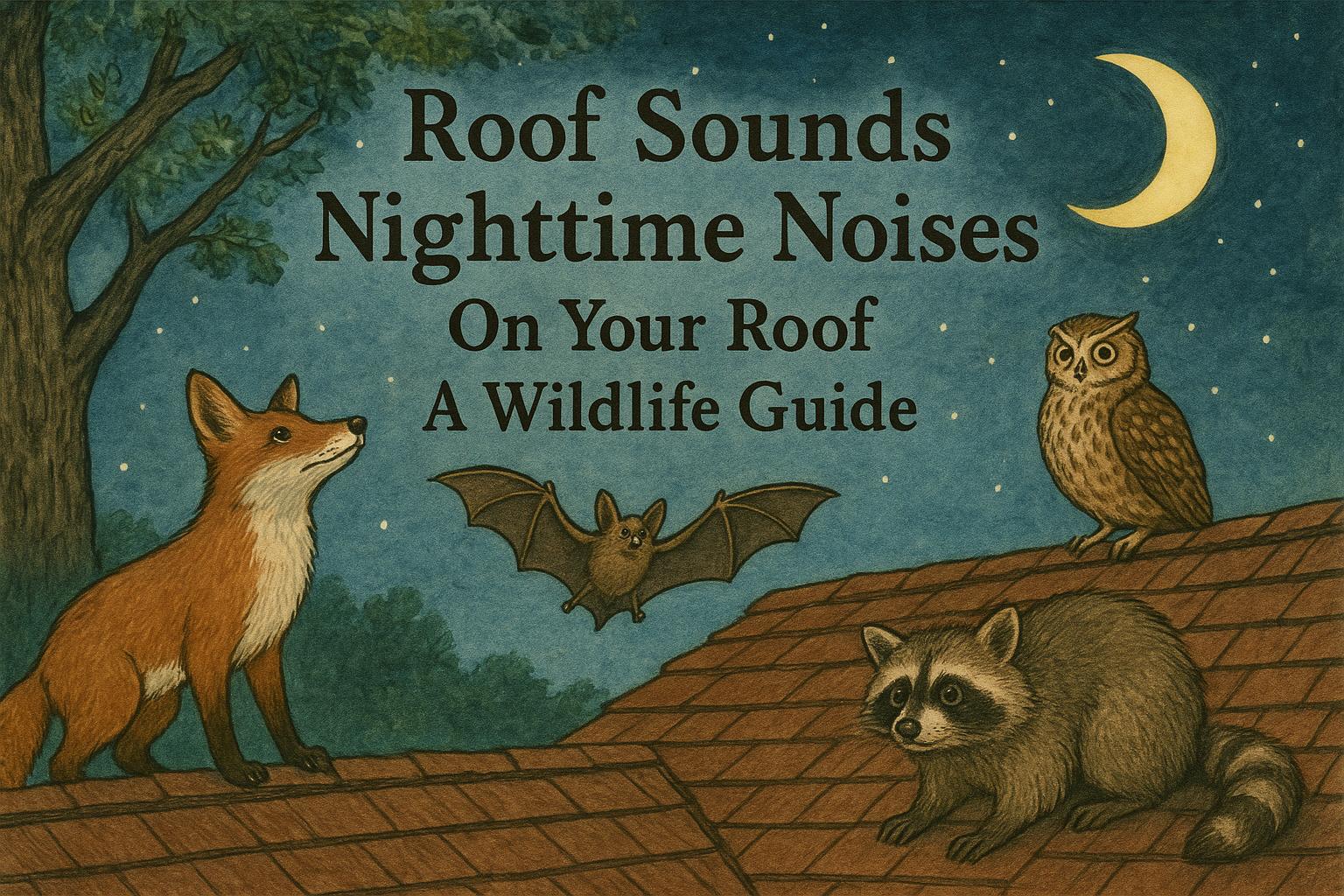
A warm hush falls over the garden at dusk: a rustle in the ivy, a rounded depression beneath a shrub, a little trail where the grass has been beaten down. These are the quiet stories your yard tells — stories of shelter, of feeding, of family life. Learn to read them and you’ll see how mammals reshape corners of your landscape into snug, living rooms of the wild.
## Den Signs: Reading The Cozy Clues
Wildlife researchers and backyard naturalists share one secret: the best way to understand who’s living near you is to follow the den signs. Look for flattened vegetation, worn paths leading to a concealed entrance, fresh scat, tufts of fur snagged on branches, and small piles of hair or nesting material. These clues are the language mammals use to mark comfort and safety.
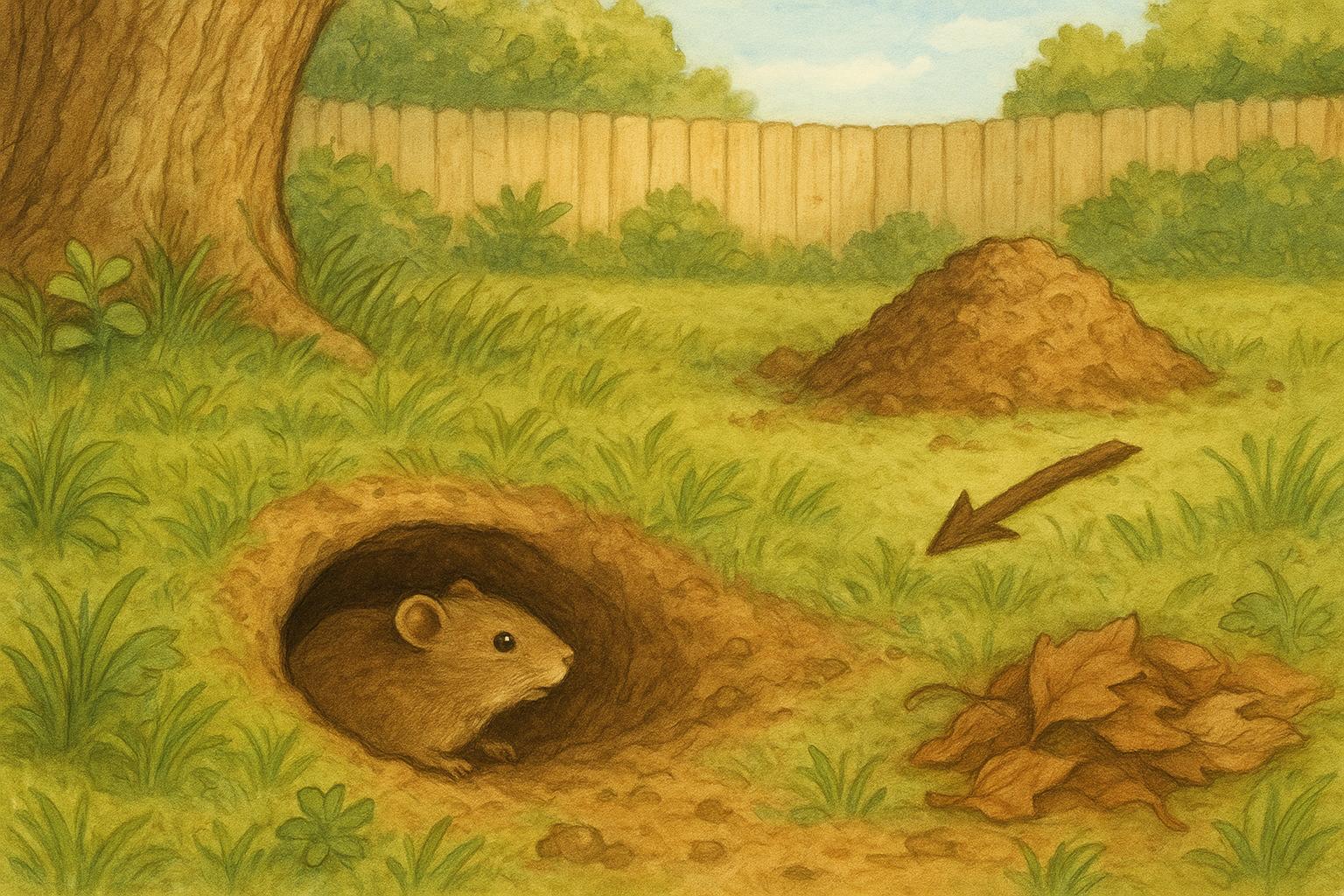
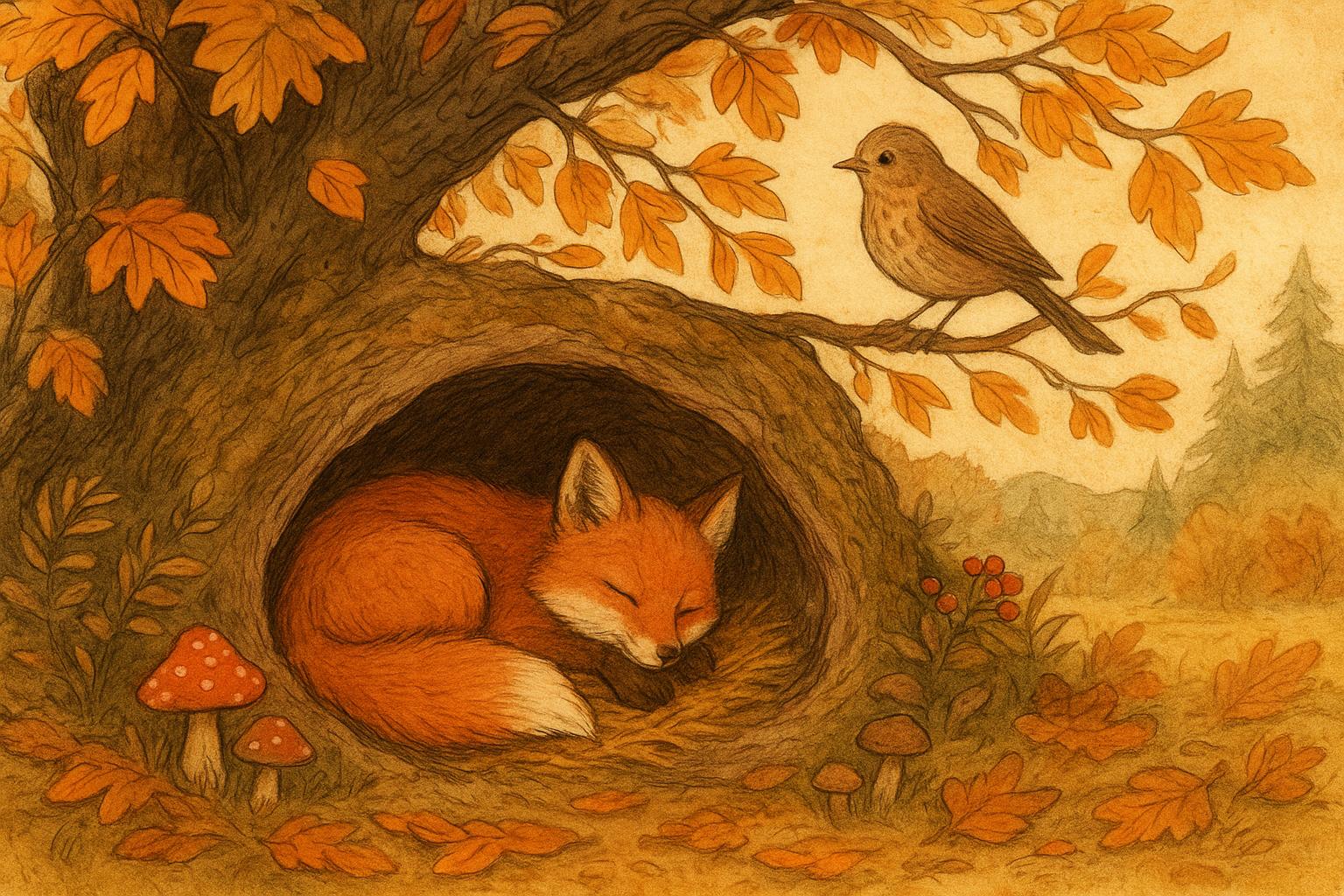
Many den signs are subtle. A mouse may line a tiny cavity with shredded paper and plant fibers; a fox will drag leaves and grass into an underground chamber; raccoons might hollow out a stump or take over an abandoned burrow. The size, location, and materials all hint at the species and whether the den is active or historical.
### What The Patterns Mean
Den signs vary with species behavior and season. In spring and summer you might notice an uptick in fresh nesting material as mothers prepare for offspring. In colder months, dens are chosen for insulation and predator protection. Repeated use creates packed paths — narrow, trodden lanes through the vegetation that often point to multiple entrances or exits. When you see several trodden routes converging at a shrub base, you’re likely looking at an active family den.
### Interpreting Size And Location
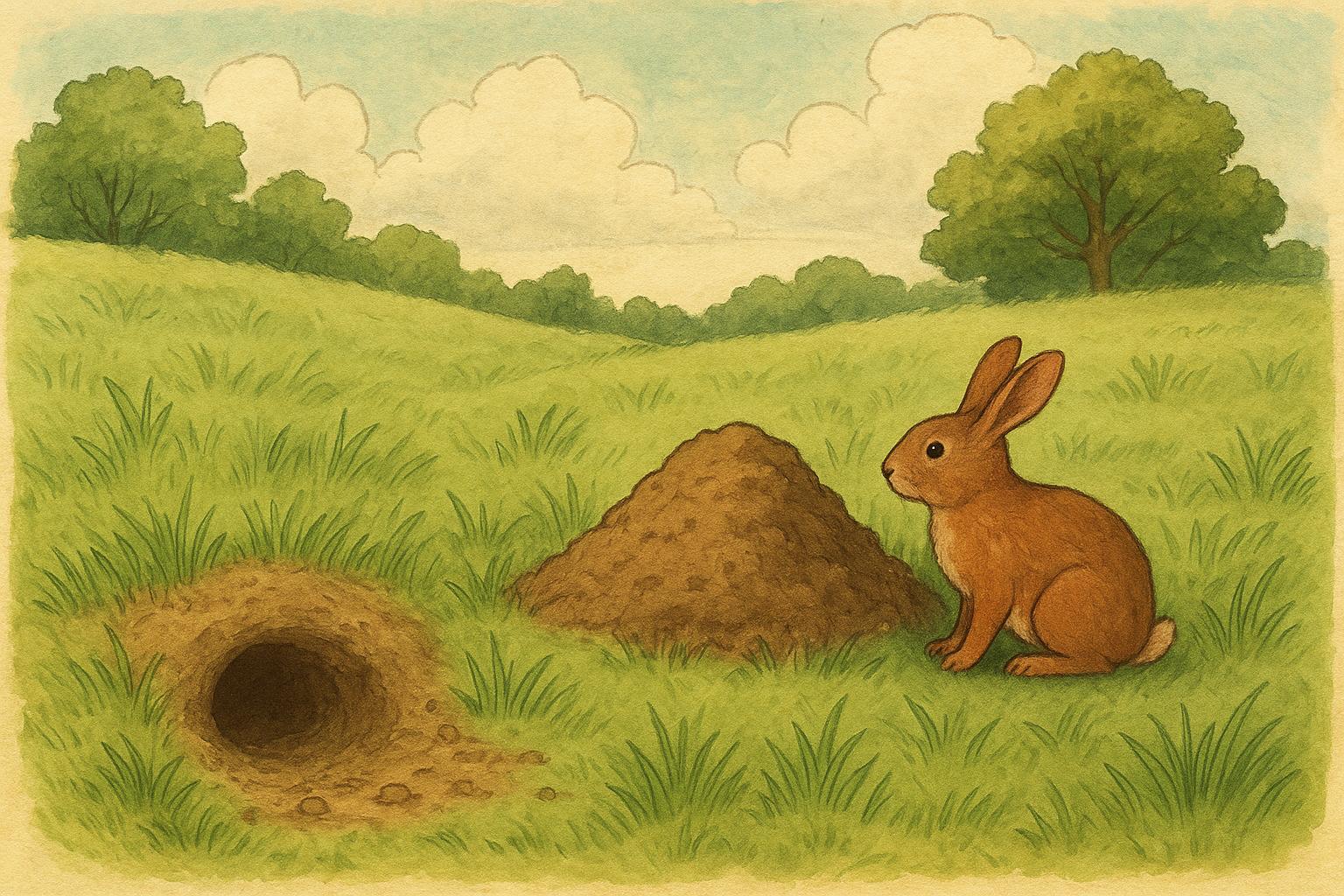
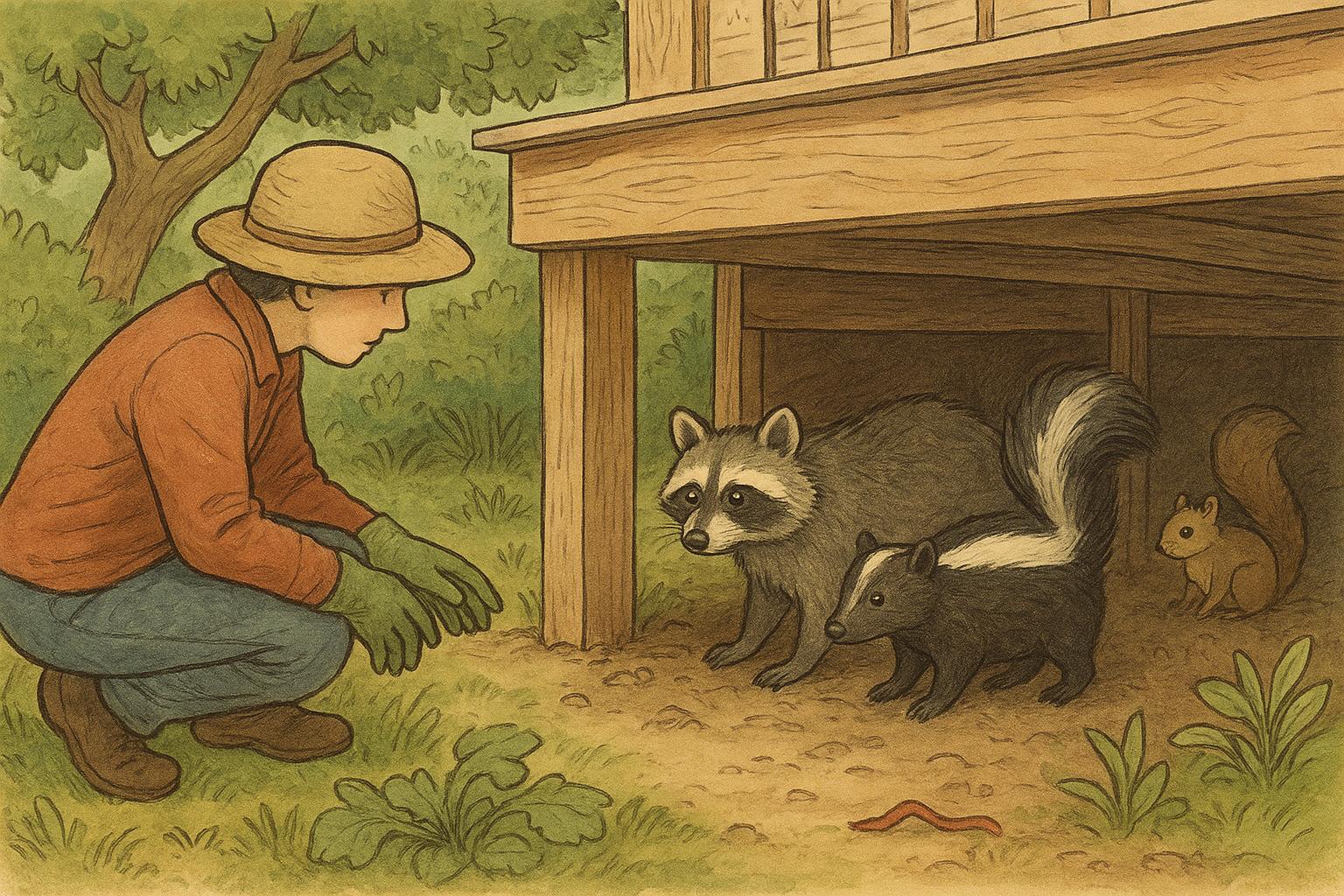
The scale of the den signs helps narrow suspects. Tiny openings and shredded nesting material suggest rodents or shrews; larger openings under porches or stoops suggest raccoons, skunks, or opossums. A yard den near woodpiles or thick brush is convenient and protected; an underground hole with loose soil may indicate foxes or groundhogs. Pay attention to the directionality of droppings and feeding remnants (chewed fruit, shells, or feathers) to determine recent activity.
## Common Mammal Den Signs To Look For
– Flattened bedding: circular depressions among tall grass or leaf litter used as resting spots.
– Entrance tracks: clear, compacted trails leading to a concealed opening.
– Scent markings: strong musky odors around entrances, especially from mustelids and foxes.
– Physical remains: fur, feathers, eggshells, or discarded food parts.
– Live indicators: sightings at dawn or dusk, hearing pups, or observing frequent comings and goings.
Reading combinations of these markers gives a clearer picture than any single sign. For example, fur in a burrow mouth plus packed earth suggests active occupancy, while old fur scattered over time with spider webs may indicate an abandoned den.
#### Seasonal Nuances In Den Use
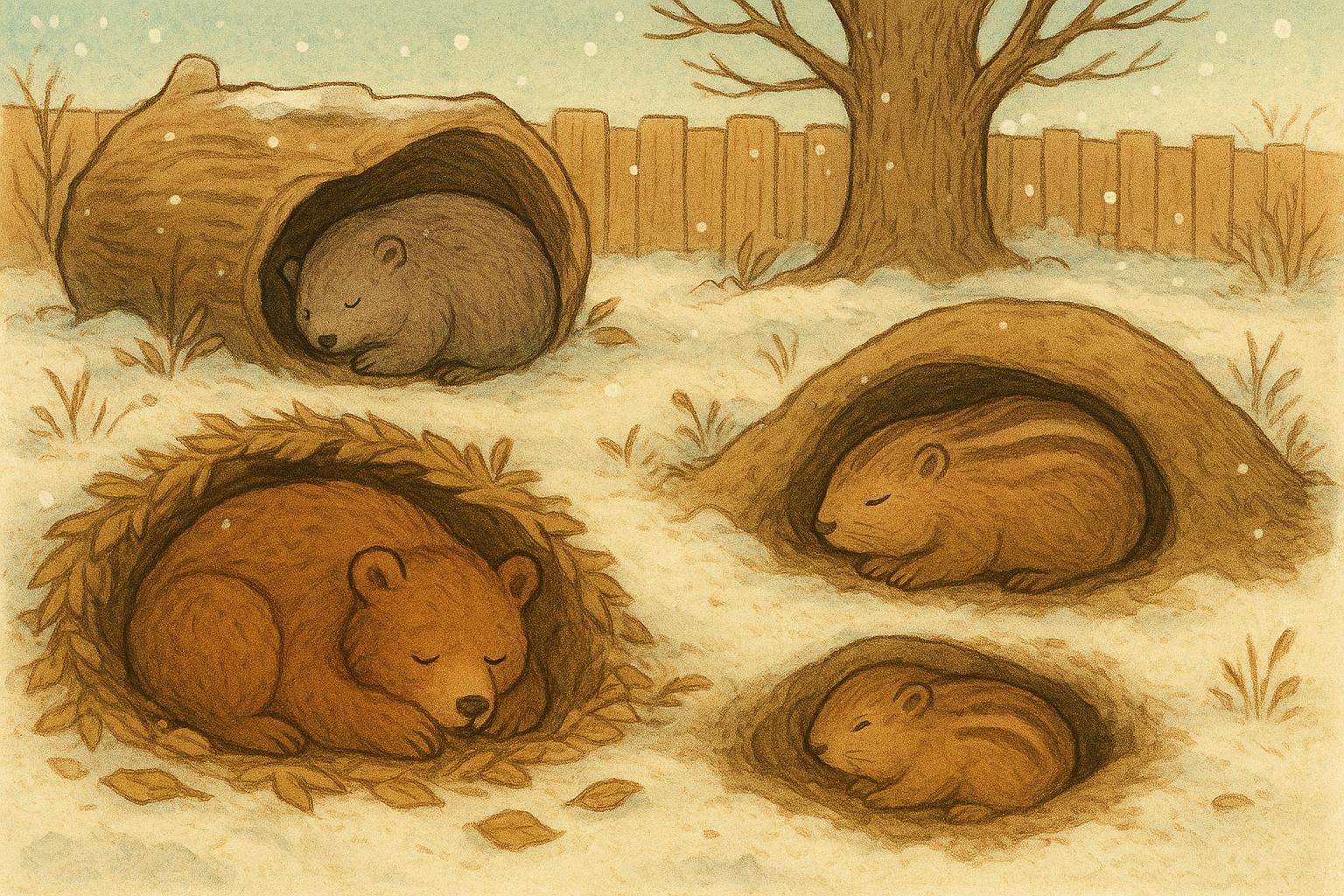
Dens are not static. Many mammals rotate sleeping sites and will create temporary nests (known as day beds) even if they have a larger den nearby. Females of many species create warmer, more insulated nests for young; thus den signs in late spring often differ from those in late fall. Monitoring changes over time can tell you whether a yard den is a long-term home or a stopover.
## Coexistence: When A Den Is Welcome And When It Isn’t
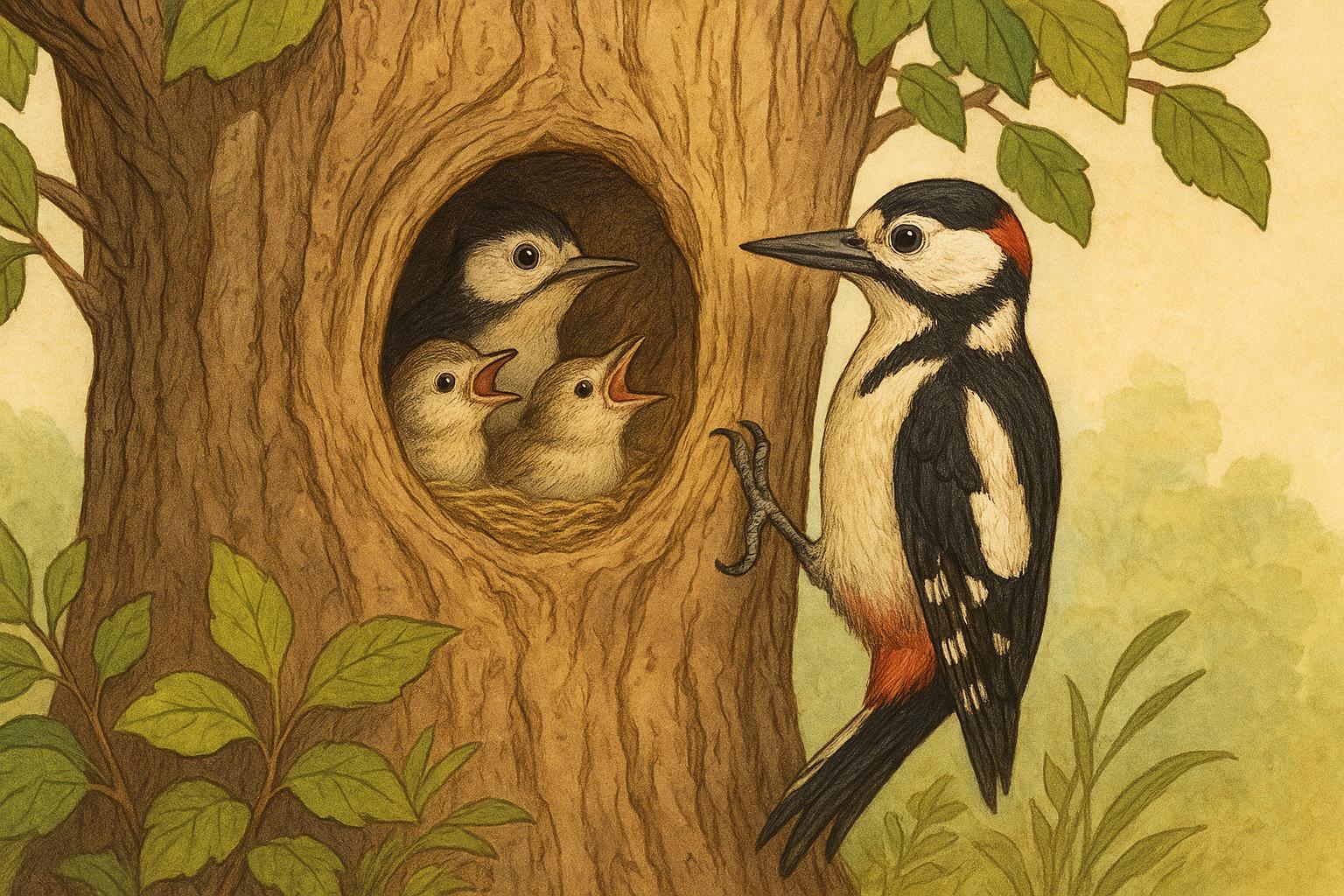
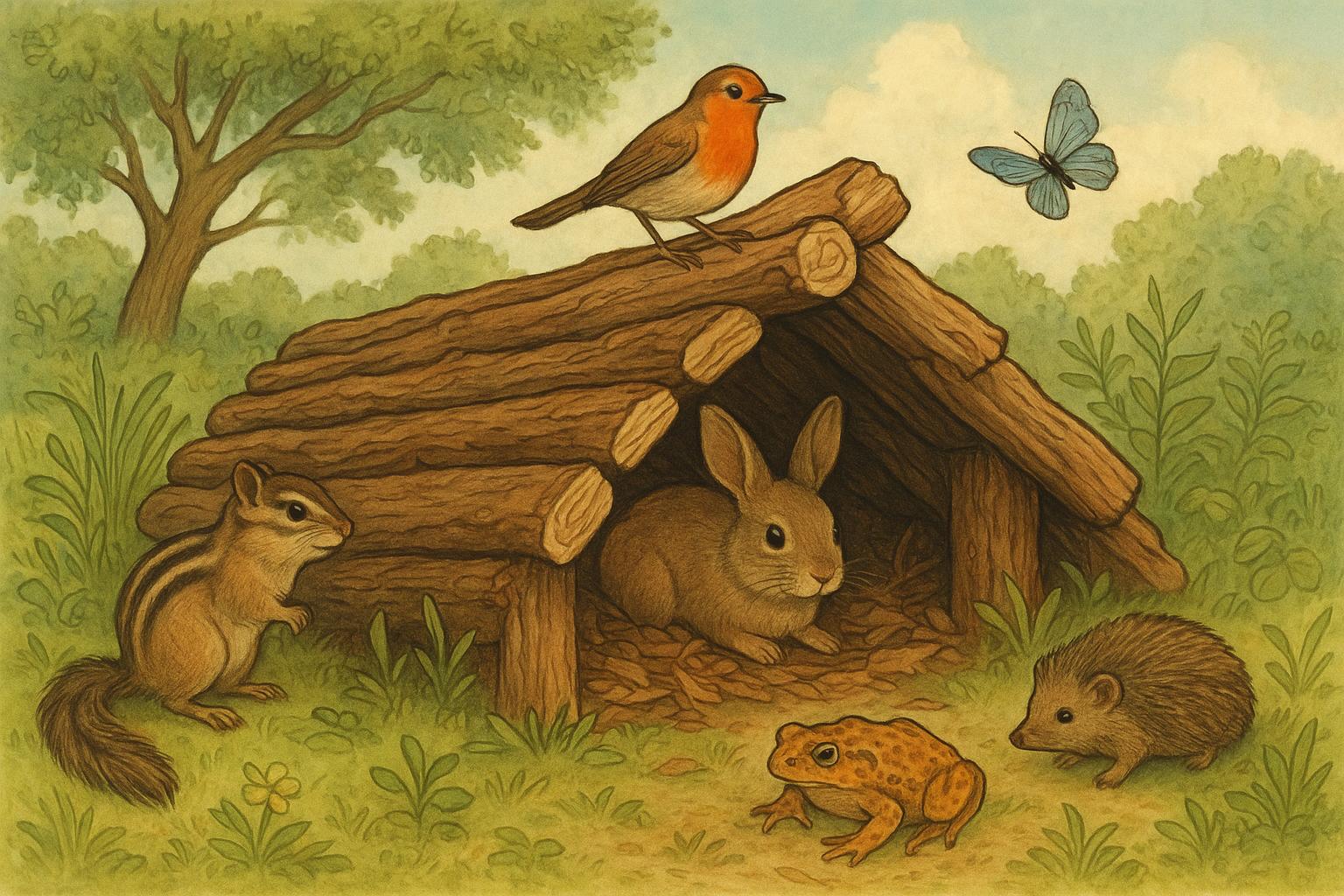
Some backyard dens are delightful: solitary rabbits, hedgehogs (in appropriate regions), and songbirds’ nesting spots add biodiversity and charm. Others, like dens for raccoons, skunks, or groundhogs, can pose challenges—property damage, garden raids, or risks to pets. Decide whether the den occupant is benign and whether you’re comfortable sharing space.
If you choose to keep the den occupant, enhance habitat safety by leaving natural cover, providing fresh water away from human activity, and avoiding disturbance during critical breeding periods. If the den is problematic, humane redirection is usually preferable to destructive removal.
### Legal And Safety Considerations
Many wildlife species are protected by local or national laws during breeding seasons. Before attempting to remove or disturb a den, check regulations and consider contacting local wildlife rehabilitators or animal control. Direct interference with active dens can result in orphaned young and legal consequences.
## Remedy 1: Create A Safe Micro-Den For Small Mammals (Formal Instructions)
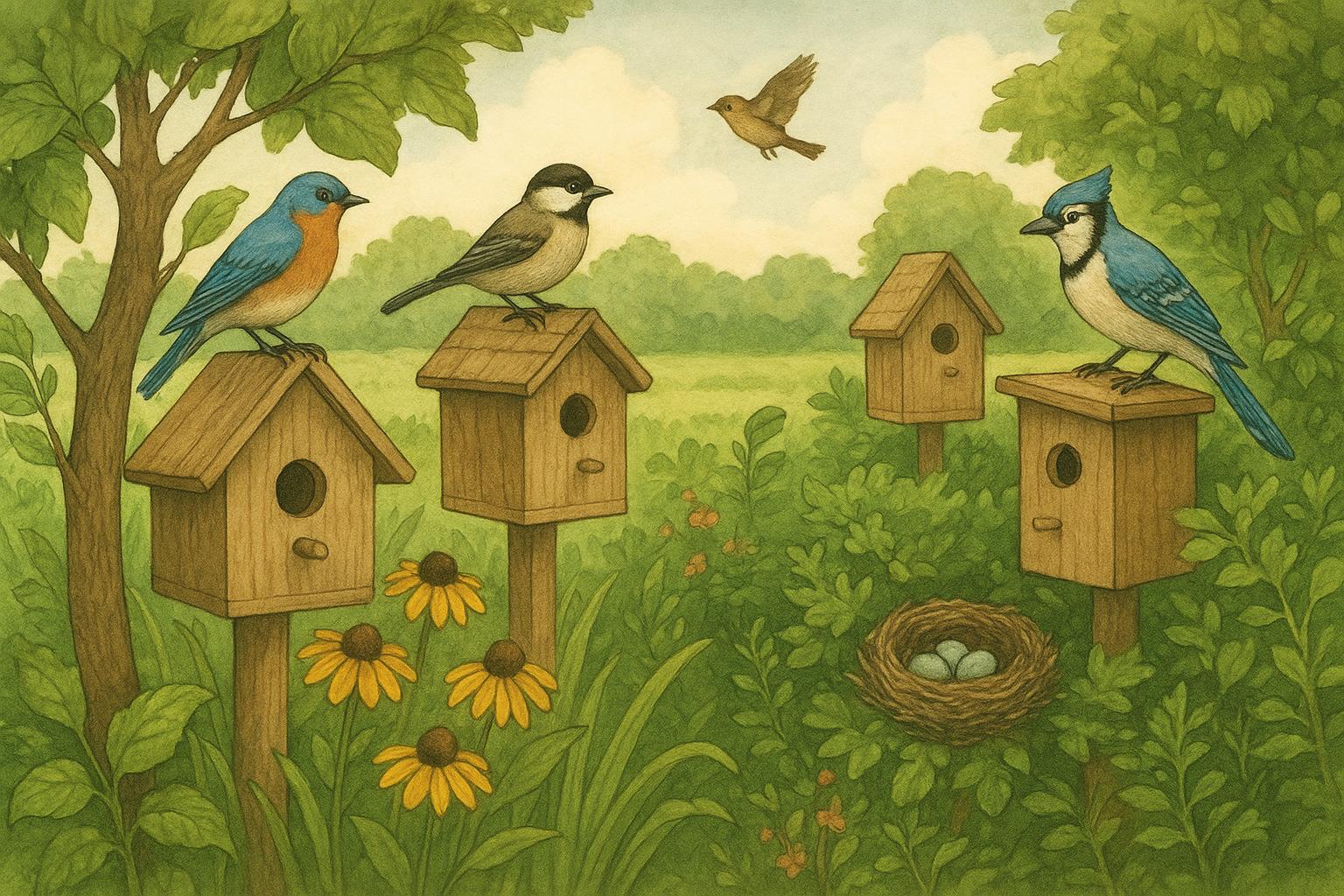
This remedy is for homeowners who want to offer an alternative shelter to encourage small mammals (like rabbits or hedgehogs where legal) to use a designated spot away from foundations or high-traffic areas. This reduces conflicts and concentrates den signs in a managed location.
Materials
1. Untreated wooden box or pallet wood (avoid treated lumber)
2. Natural bedding material: straw, dry leaves, shredded paper
3. Flat stones or bricks for anchoring
4. Mesh or hardware cloth (optional; for ventilation and predator protection)
5. Hand tools: hammer, nails/screws, saw (if building custom box)
Step-By-Step Creation And Application
1. Choose Location: Select a quiet, sheltered corner of your yard with nearby cover (shrubs or tall grasses) and good drainage. Avoid low spots that flood.
2. Construct Shelter: Use an untreated wooden box about 18–24 inches wide and 12–18 inches tall. Build a single entrance hole approximately 4–6 inches in diameter on one short side. If concerned about predators, attach hardware cloth over the entrance with a small gap beneath for easy access.
3. Insulate Interior: Fill the box with a generous amount of straw or dry leaves, topped with a layer of shredded paper. Do not use materials that retain moisture (like damp moss) or synthetic fibers that can entangle.
4. Anchor And Conceal: Place flat stones or bricks around the base to prevent shifting. Partially cover the top with a layer of soil and leaf litter, then tuck native plantings or a brush pile around the entrance to create a natural approach.
5. Monitor From Distance: Observe den signs without disturbing the box. If animals begin using it, avoid handling or opening during breeding season. Make small adjustments to bedding if it compacts or gets wet.
This formal approach reduces the likelihood that a more destructive or dangerous species will take residence in undesirable spots, while retaining wildlife-friendly practices.
## Remedy 2: Humane Deterrent And Redirection For Larger Den Occupants (Formal Instructions)
Use this method if den signs indicate larger mammals (raccoons, skunks, groundhogs) and you need to discourage them from occupied structures, crawl spaces, or foundations.
Materials
1. Bright LED motion-sensor lights
2. Commercial animal-safe repellent granules or squirrel/chipmunk repellents (species-specific)
3. Chicken wire or hardware cloth (1/4–1/2 inch)
4. Work gloves and a flashlight
5. Professional contact info for wildlife removal services
Step-By-Step Creation And Application
1. Assess Activity: Confirm activity level by checking den signs over several evenings. Do not seal a structure if young are present. If pups are present, contact a wildlife professional to schedule relocation outside the breeding season.
2. Increase Human Cues: Install motion-sensor lights around likely den entrances. Sudden light at night can make a den feel unsafe to nocturnal mammals and encourage relocation.
3. Apply Repellents Strategically: Sprinkle animal-safe repellent granules around perimeter areas where den signs are concentrated, following product directions for dosage and frequency. Avoid using toxic poisons.
4. Exclude Access Points: After confirming the den is unoccupied, seal access points with hardware cloth, secured tightly to prevent re-entry. For burrows, use fencing that extends into the ground at least 12 inches to prevent digging underneath.
5. Provide Alternatives: Offer a safe alternative shelter in a distant part of the yard (see Remedy 1) to encourage relocation. Monitor den signs for a change in traffic patterns and remove repellents once occupancy has shifted.
6. When To Call Professionals: If signs persist or you find an active den in structural areas, contact local wildlife control certified for humane removal. Keep pets and children away from den entrances during this process.
These formal steps prioritize safety, legal compliance, and humane outcomes while addressing nuisance den signs in a methodical way.
### Long-Term Yard Stewardship
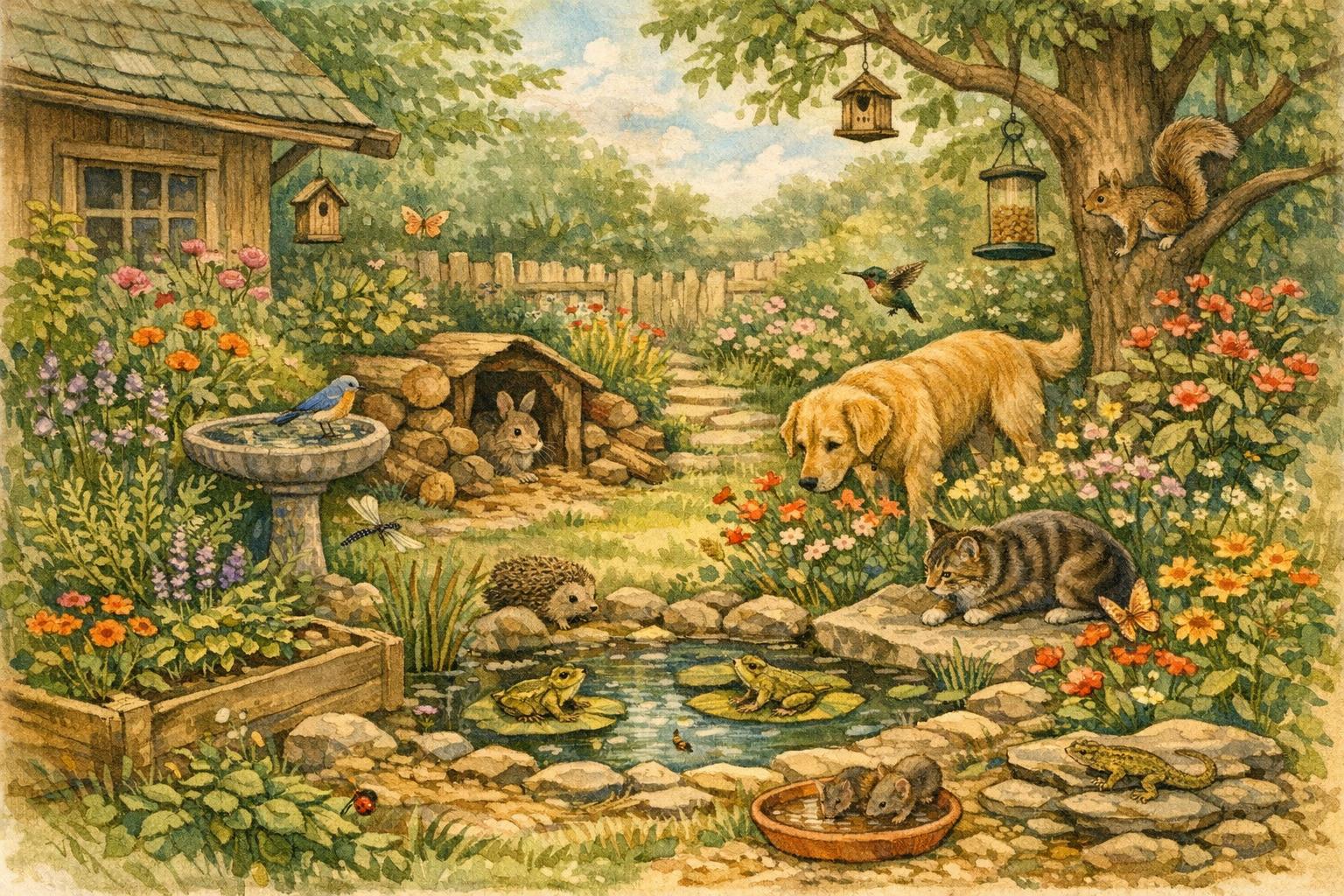
Managing den signs is part detective work, part stewardship. By creating intentional habitat features (brush piles placed where you want them, designated micro-dens, and native plantings), you can guide animals toward safe spaces and reduce unwanted encounters. Clean compost areas, secure pet food, and harvest fallen fruit to remove food attractants that create concentrated den sites near human habitation.
#### Noting Changes Over Time
Keep a simple log of den signs: dates you notice fresh bedding, tracks, or new entrances. Photos taken from the same vantage point are invaluable for spotting changes. This not only helps you understand animal behavior but also documents activity in case professional help is needed.
As you become fluent in reading den signs, your yard becomes a narrative—one that honors the small dramas of mammal life around you. With careful observation and humane remedies, you can foster a landscape that supports wildlife while protecting the comforts of your home and family.







































Leave a Reply