
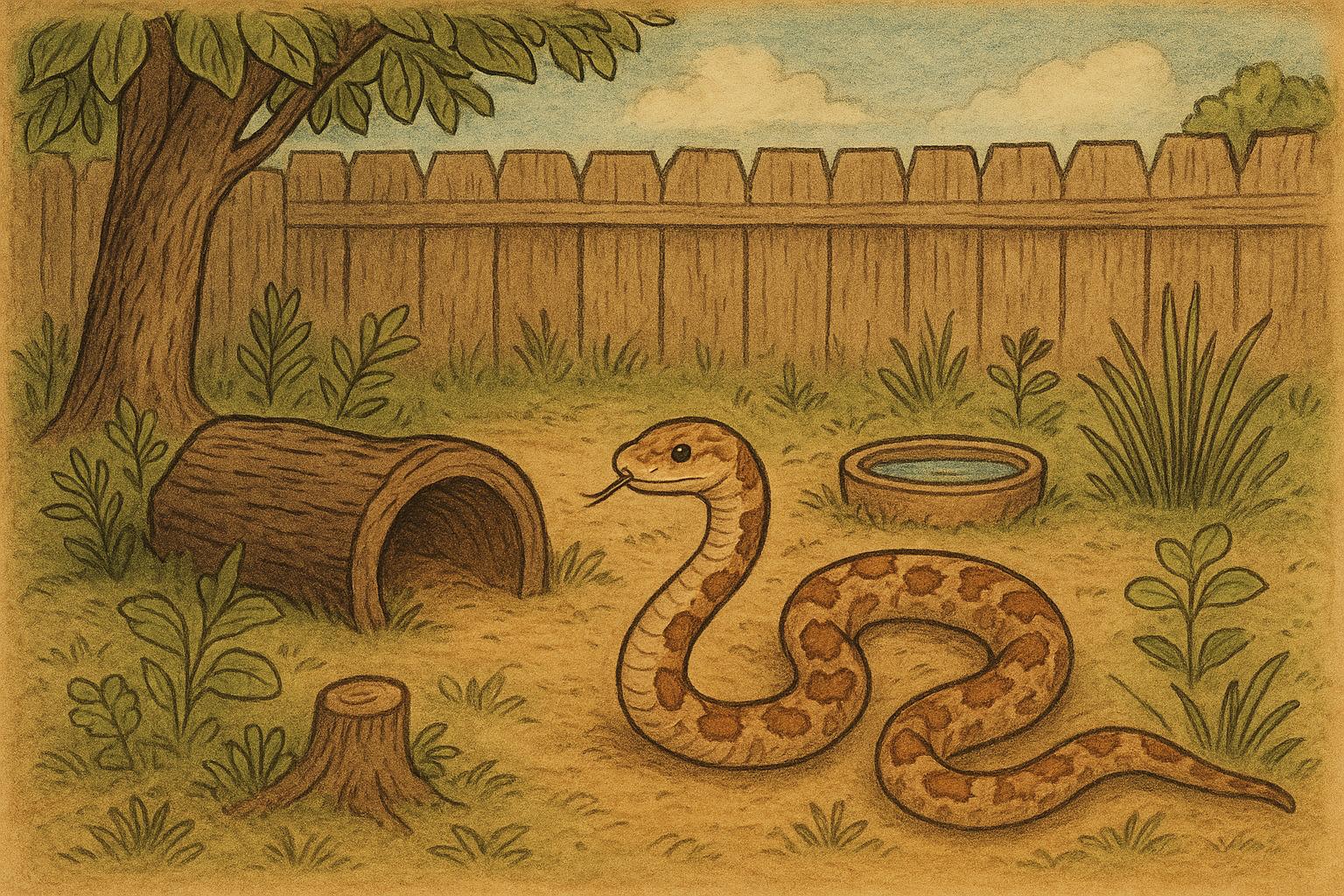
Many homeowners and pet owners notice small changes in their yards and wonder whether those changes encourage wildlife — including snakes. This guide takes a neutral, evidence-based look at how a snake habitat in the backyard forms, what it means for dogs, cats and other pets, and practical, pet-safe options for managing coexistence.
## Snake Habitat In The Backyard: A Neutral Guide For Pets
### Why Snakes Appear In Lawns And Garden Beds
Snakes are attracted to features that provide shelter, prey and thermal regulation. A snake habitat in the backyard commonly develops where there is tall grass, dense groundcover, stacked wood, rock piles, or unsealed gaps under sheds and decks. These elements create microhabitats that meet snakes’ basic needs without deliberate human encouragement.
Snakes also follow food. Rodents, frogs, insects and other small animals that live near compost, pet food stations or water sources can draw snakes into an area. For pet owners, understanding these attraction drivers helps guide practical, nonconfrontational responses.
### Common Backyard Species And Typical Behavior
Backyard snakes vary by region; many are nonvenomous and focus on small prey, while a minority may be venomous and more secretive. Regardless of species, most backyard snakes are shy and avoid human contact. Recognizing typical behaviors — basking on warm stones, hiding under debris, or moving along fence lines — reduces fear and allows more targeted management.
## Recognizing Snake Habitat In The Backyard
### Visual And Environmental Signs
Identifying a snake habitat in the backyard starts with observation. Look for:
– Rock and wood piles, loose siding, and compost heaps that provide cover.
– Overgrown vegetation and dense brush where snakes can hide and hunt.
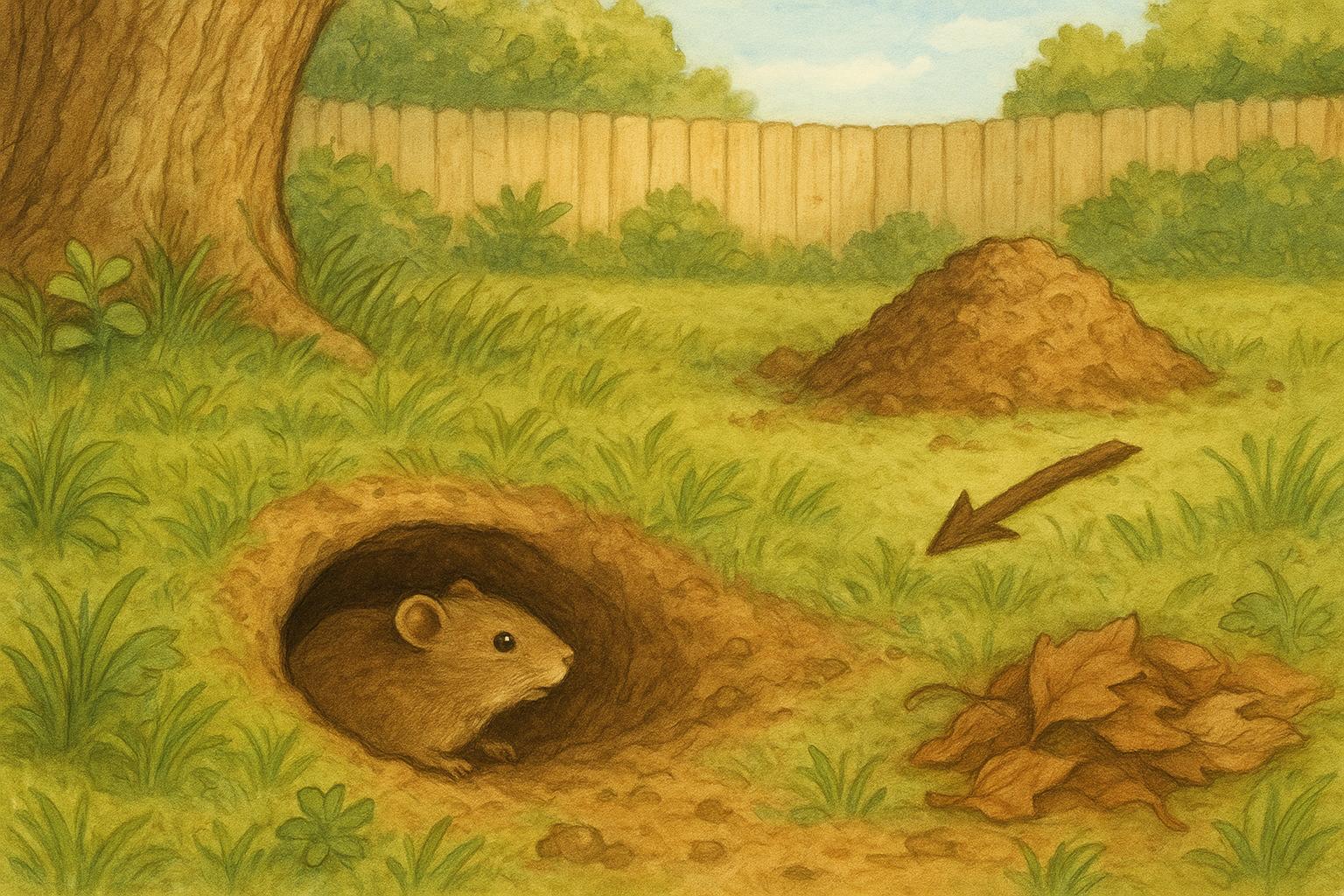
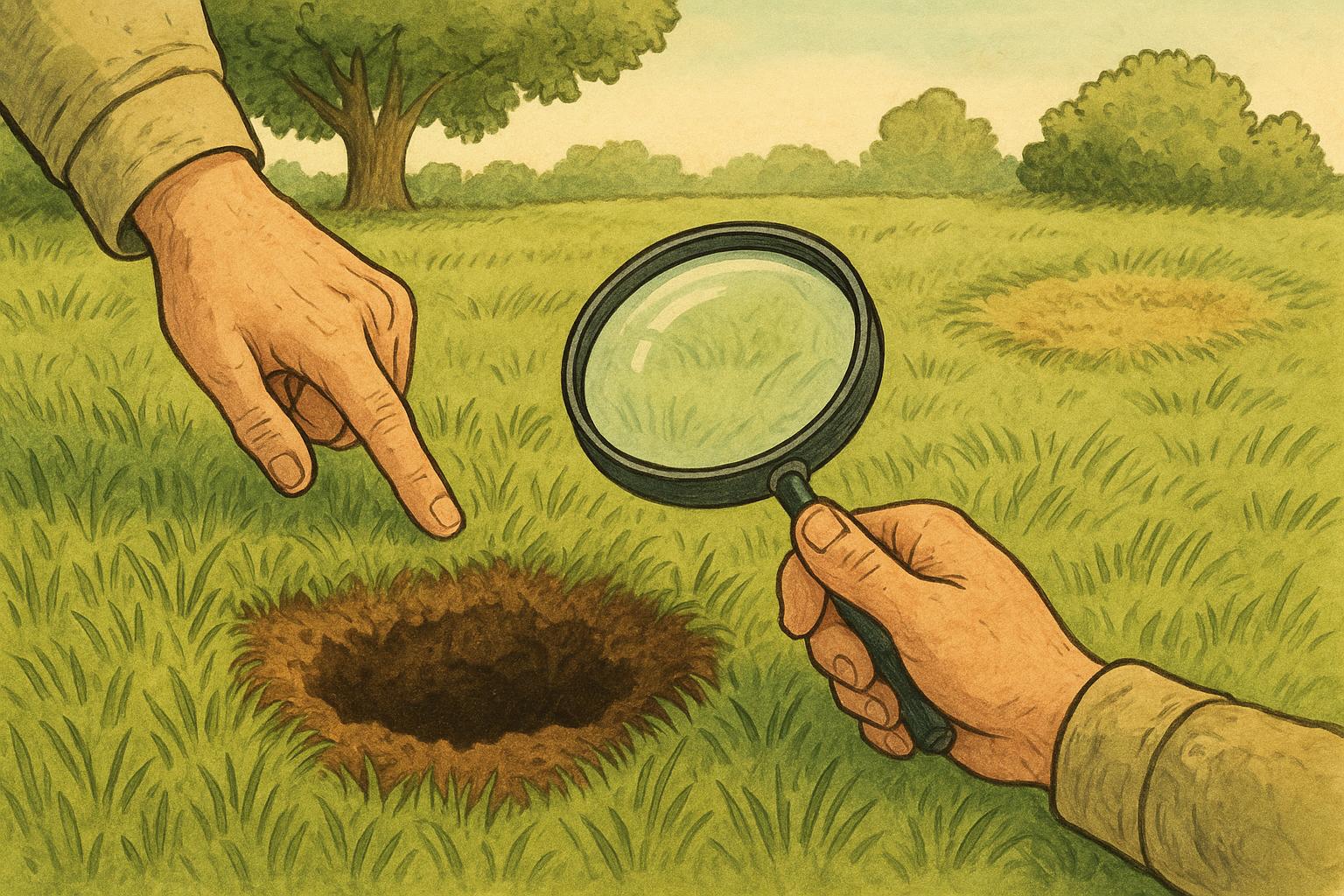
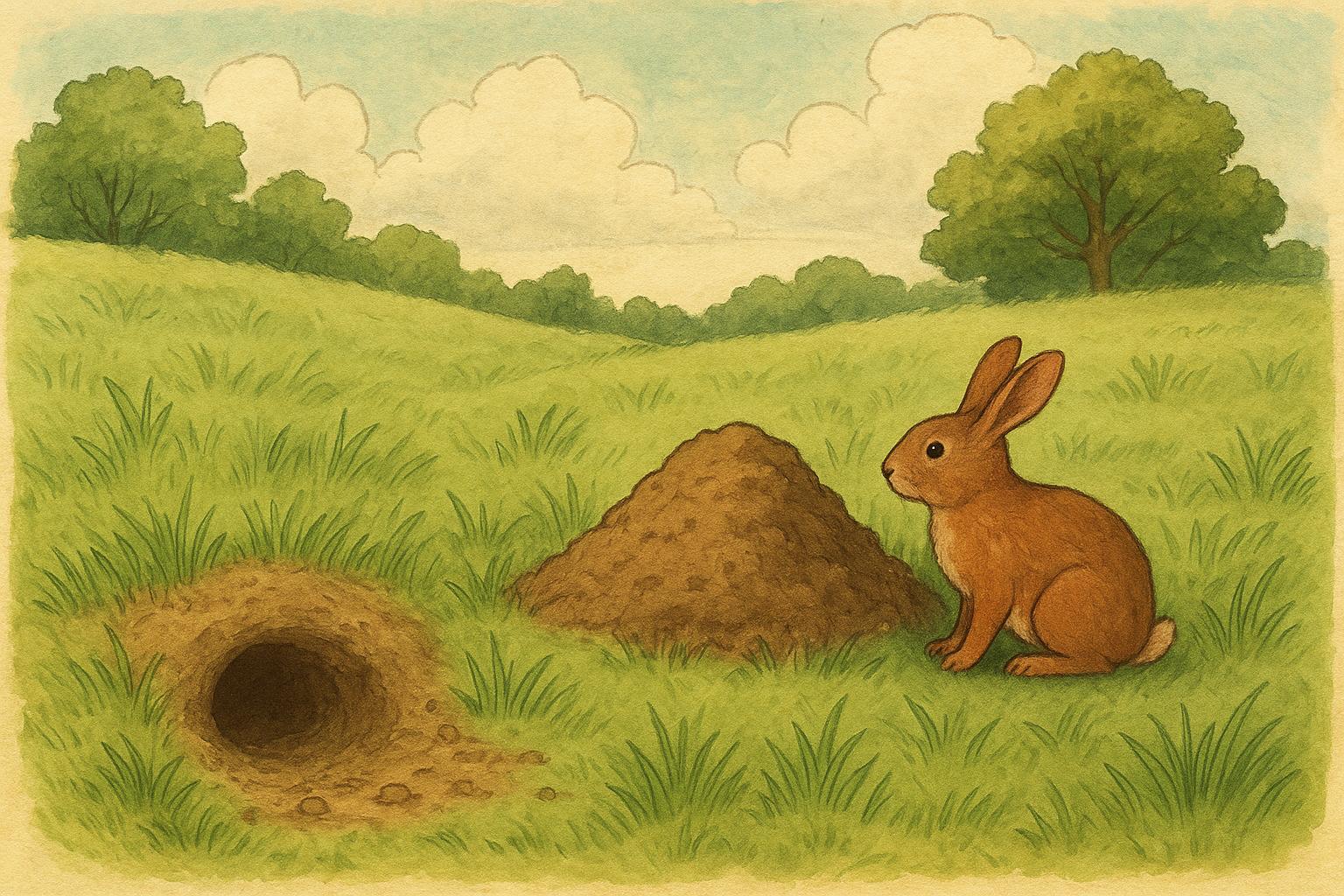
– Edible prey populations: runways, burrow entrances, or abundant amphibians.
– Warm, sun-exposed surfaces used for basking and cooler shaded retreats nearby.
### Structural Features That Support Snakes
Snakes use narrow crawl spaces and undisturbed vertical edges. Gaps beneath sheds, raised patios, and unsealed fencing create movement corridors. Moisture-retaining spots near irrigation systems or poorly draining areas supply hydration for prey species and indirectly for snakes.
## 1. Modify Habitat To Reduce Attraction (Remedy 1)
#### Required Materials
– Heavy-gauge landscape fabric
– Coarse gravel or decomposed granite
– Hardware cloth (1/4–1/2 inch mesh) or welded wire
– Exterior-grade sealant or expandable foam
– Pruning tools, rake, and gloves
– Wheelbarrow or tarp for debris removal
#### Step-By-Step Creation And Application
1. Survey and Plan: Walk the yard to catalog potential snake shelters and high-traffic pet areas. Mark locations of wood piles, rock stacks, unsealed structures, and dense vegetation.
2. Remove Or Reorganize Debris: Relocate wood and rock piles away from living areas and elevate them on racks when practical. Dispose of brush and unnecessary yard waste promptly to reduce hiding spots.
3. Clear Groundcover Near Structures: Trim tall grass and ground-hugging plants to create open sightlines. Maintain a low vegetation buffer (2–3 feet) around patios, play areas and pet doors.
4. Install Barrier Zones: Lay heavy-gauge landscape fabric beneath a 6–12 inch layer of coarse gravel or decomposed granite around building perimeters to remove ground-level cover and discourage burrowing prey.
5. Seal Entry Points: Use hardware cloth to cover crawlspace vents and gaps. Apply exterior sealant or expandable foam to small openings under sheds, decks and between foundation gaps, ensuring pets still have sufficient ventilation and drainage.
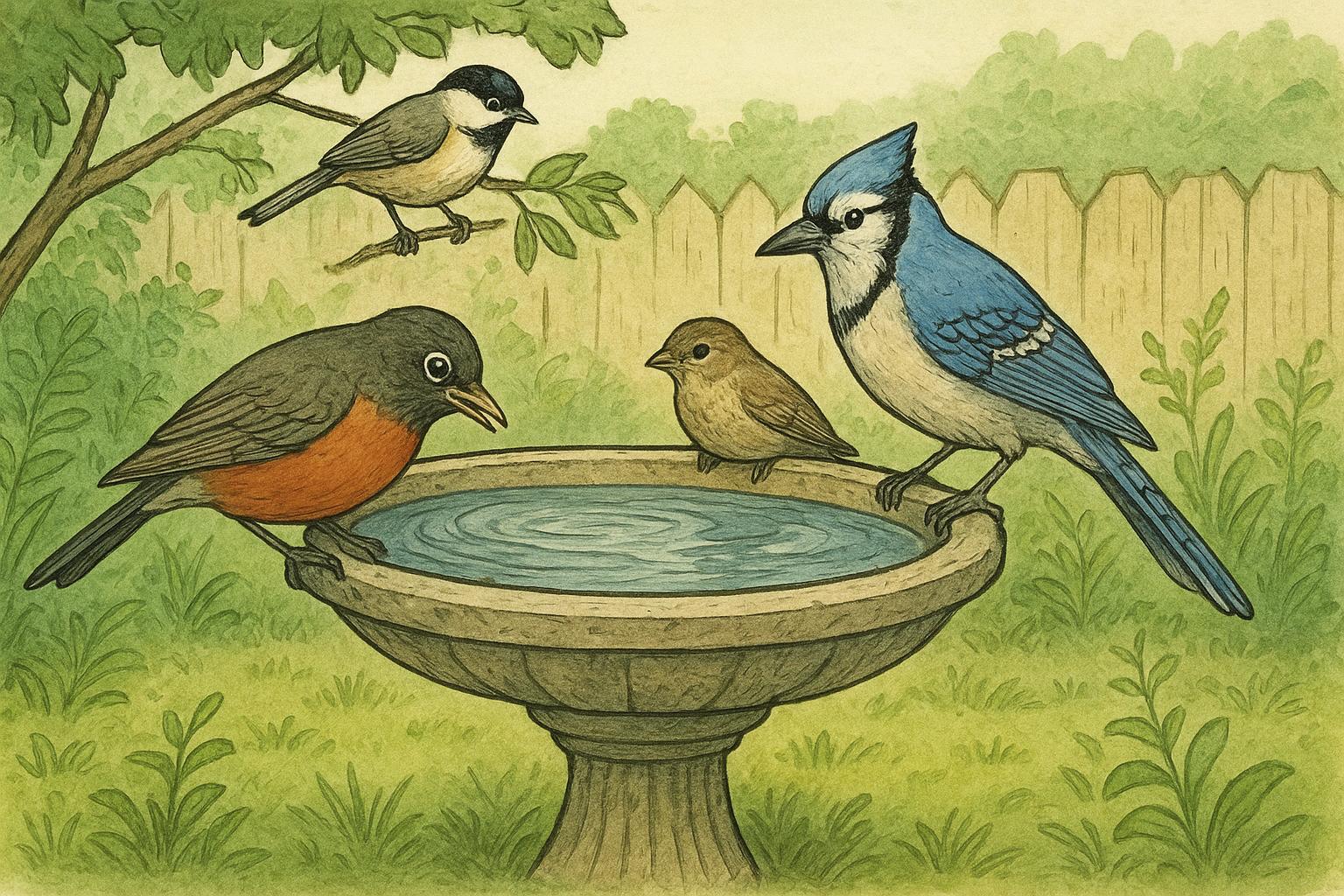
6. Adjust Water Sources: Fix leaking hoses, remove standing water where possible, and position birdbaths or pet water bowls away from fence lines to minimize attraction.
7. Maintain Regularly: Inspect barrier zones and seals each season. Keep vegetation trimmed, and rotate stored materials so piles do not become permanent shelters.
This remedy is intended to make the property less hospitable to both snakes and the prey species that attract them while keeping pet access and safety in mind. Work with local wildlife or extension services if you suspect protected or venomous species are present.
## 2. Install Pet-Safe Snake Deterrents And Pet First-Response Kit (Remedy 2)
### Materials For Pet-Safe Deterrents
– Perimeter fencing materials: hardware cloth, galvanized staples, 1/4–1/2 inch mesh
– Solar or motion-activated lighting
– Natural repellents (commercially formulated, pet-safe), used per product label
– Outdoor thermoplastic pavers or gravel for sun-baked borders
– Pet first-response kit items (listed below)
### Pet First-Response Kit: Ingredients And Supplies
– Clean towels or blankets
– Muzzle or soft restraint (for dogs)
– Contact information for local emergency veterinarian and animal poison control
– Emergency carrier or sturdy crate for transporting small pets
– Pair of clean disposable gloves
– Small flashlight and mobile phone charger
### Step-By-Step Installation And Emergency Application
1. Fence Installation: Install a short perimeter barrier using hardware cloth buried 6–12 inches into the ground with an outward-facing skirt to prevent burrowing underneath. For areas accessible to small pets, ensure mesh spacing prevents entrapment and that the top is smooth to avoid injury.
2. Remove Ambush Points: Place sun-baked borders of gravel or pavers along fence lines to reduce shaded edges favored by snakes. Add low, motion-sensitive lighting near pet runs to decrease night-time ambush opportunities while minimizing light pollution.
3. Use Deterrents Carefully: If choosing commercial deterrents, verify pet safety and follow label directions. Avoid home-made chemical mixtures that can be toxic to pets or wildlife.
4. Prepare The Pet First-Response Kit: Store the kit in an accessible area. Keep the veterinarian and poison control numbers in a durable, visible spot inside the kit and on your phone.
5. If A Pet Encounters A Snake: Remain calm and move the pet to a safe, separate area. Do not attempt to capture or kill the snake; this increases the risk of bites. Use the towel or blanket to restrain an injured animal gently and safely. Contact your veterinarian immediately for guidance; apply minimal handling en route to reduce stress.
6. After An Incident: Photograph the snake only from a safe distance if possible (do not pursue it). Provide the vet with descriptions or images to assist with treatment decisions. Disinfect any contaminated bedding or areas following professional advice.
When deploying deterrents and first-response protocols, prioritize humane and non-lethal options. Formal pest control should be considered when venomous species are common and under the advice of licensed professionals.
### Snake Care Considerations For Pet Owners
If you keep snakes as pets, you may approach a snake habitat in the backyard differently. Proper snake care for captive reptiles includes secure enclosures, regular health checks, and preventing escape. Outdoor habitats should not be used to house pet snakes unless designed and supervised by experienced keepers and permitted by local regulations. For general pet safety, consider these points:
– Keep pet food inside and clean outdoor bowls to avoid attracting prey species.
– Supervise pets outdoors during dawn and dusk when snakes are often active.
– Teach family members to recognize common regional snake species and to avoid handling unknown snakes.
## Practical Coexistence Strategies For Pets And Wildlife
Acceptance and prevention can coexist. Creating a yard that is less attractive to snakes often benefits other aspects of pet safety and neighborhood biodiversity. Low-maintenance changes, consistent upkeep and a calm response plan for encounters reduce risk while respecting local ecosystems. Use the steps above to modify a snake habitat in the backyard responsibly, and maintain readiness with a pet-first aid approach that emphasizes veterinary care and humane deterrence.

































Leave a Reply