
## Skunk Identification Basics
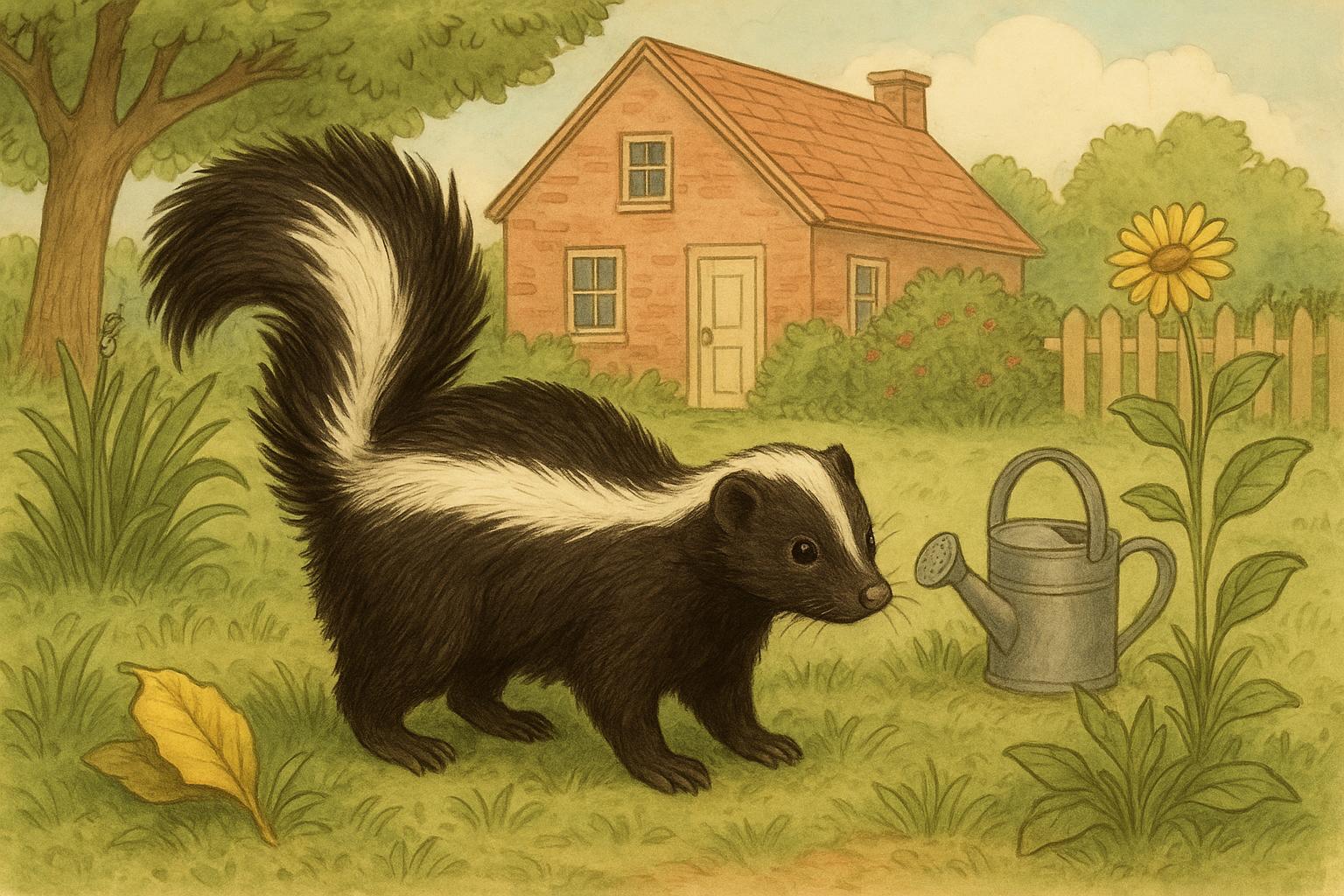
Accurate skunk identification matters for homeowner safety and effective response. Skunk identification begins by observing size, coloration, and behavior from a safe distance. Most common in North America are striped skunks (Mephitis mephitis) — roughly the size of a domestic cat, with bold white dorsal stripes that can vary from a single central stripe to two parallel lines. Other species, like spotted skunks, are smaller and more agile, and their markings differ, but all are capable of defensive spraying.
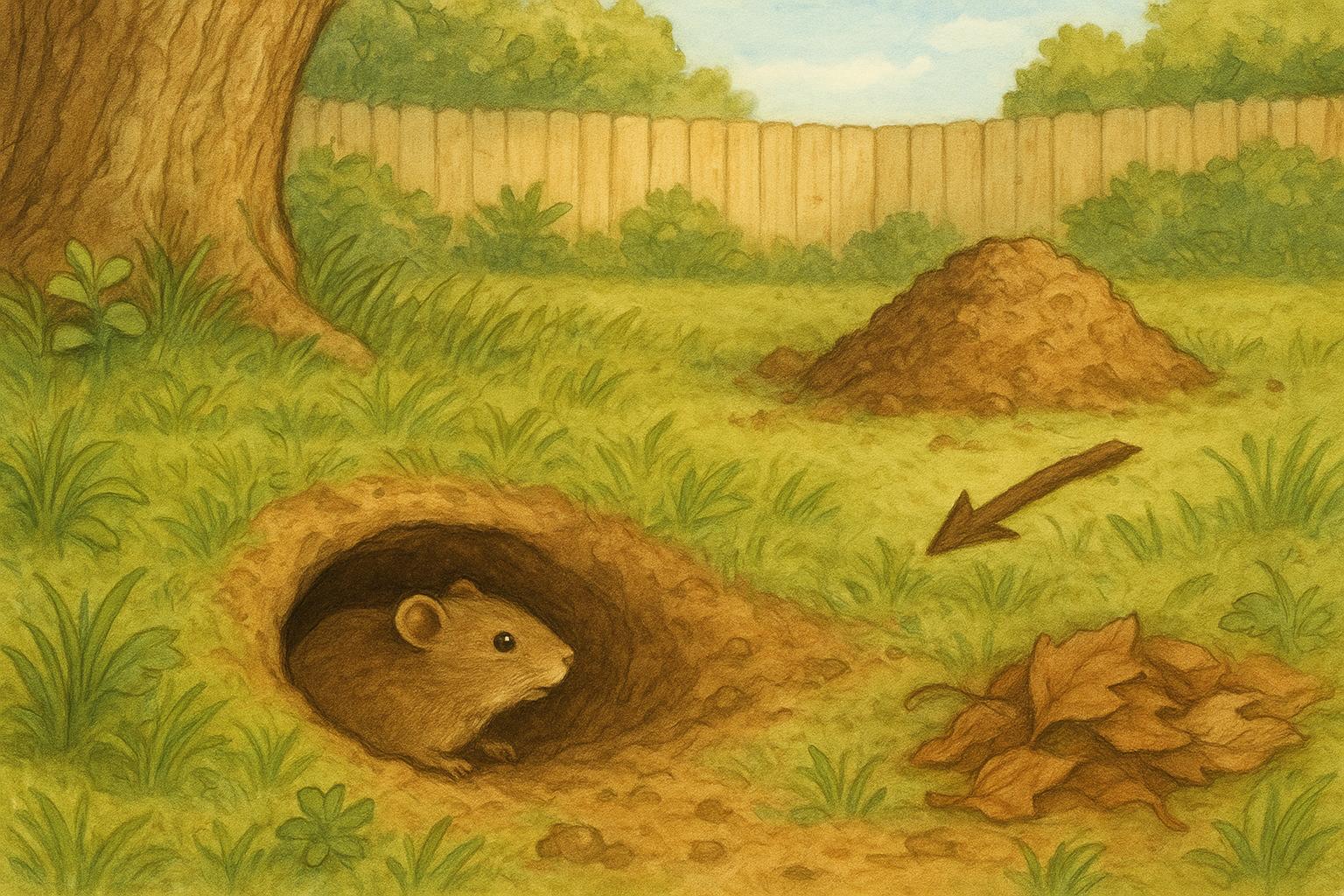
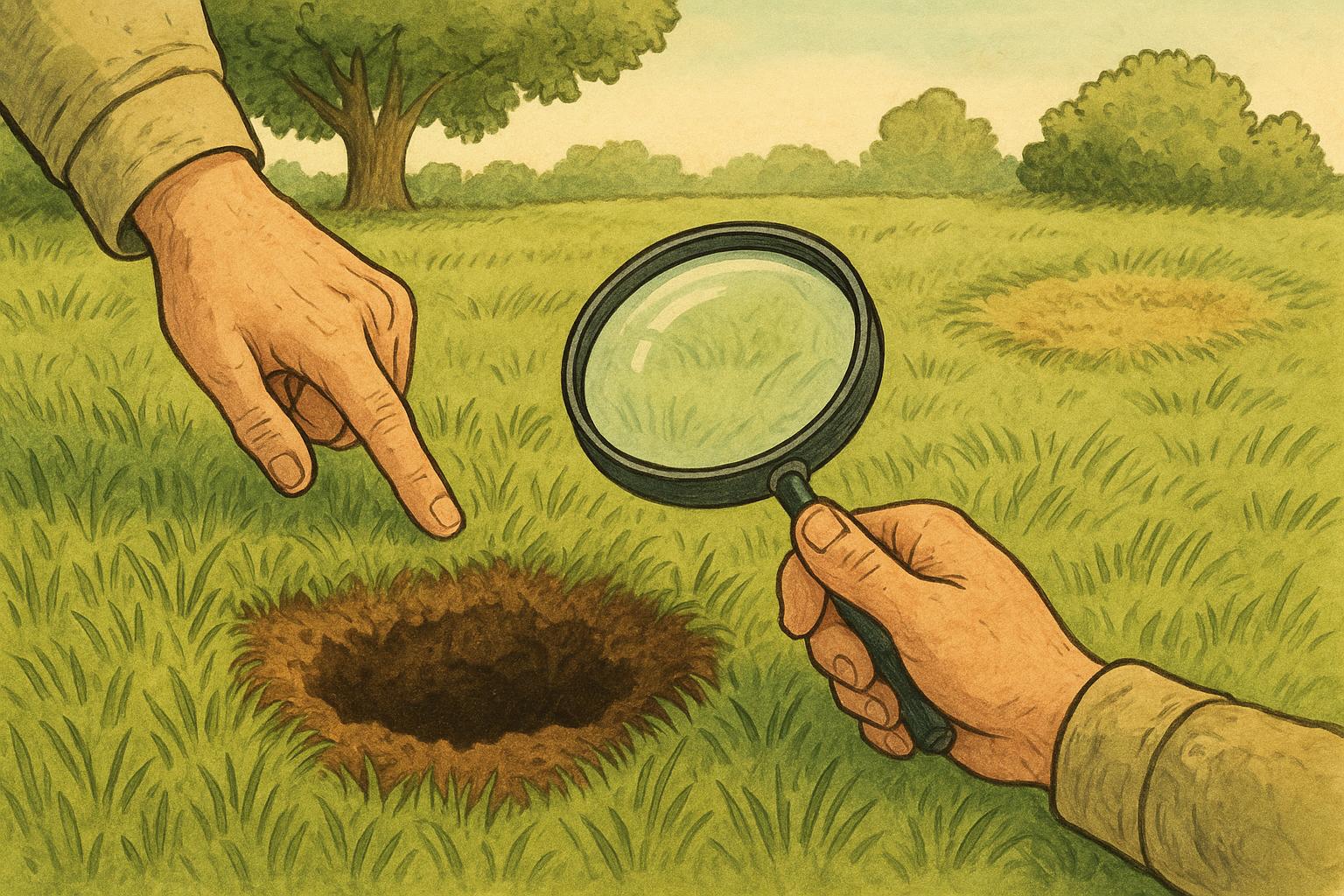
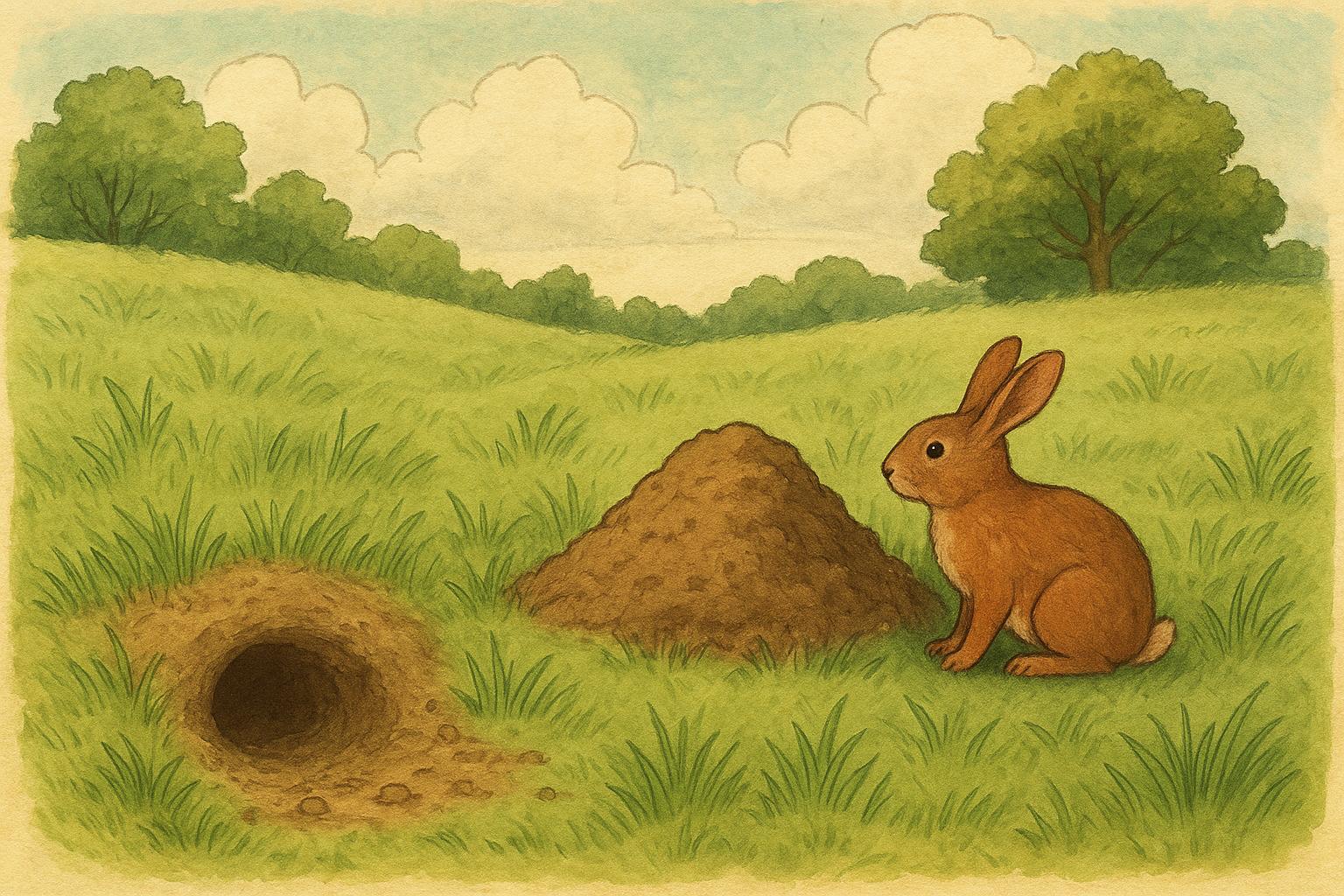
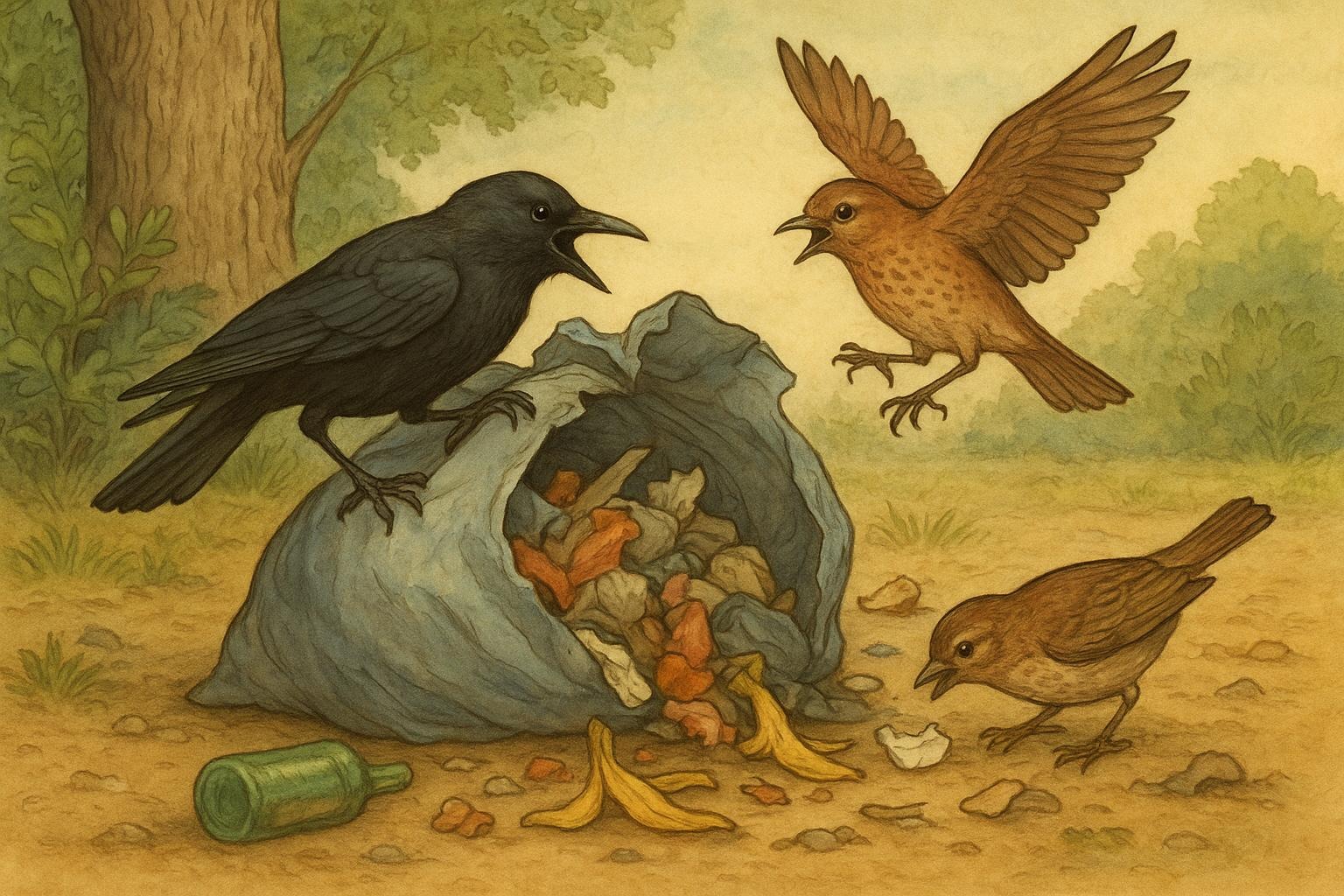
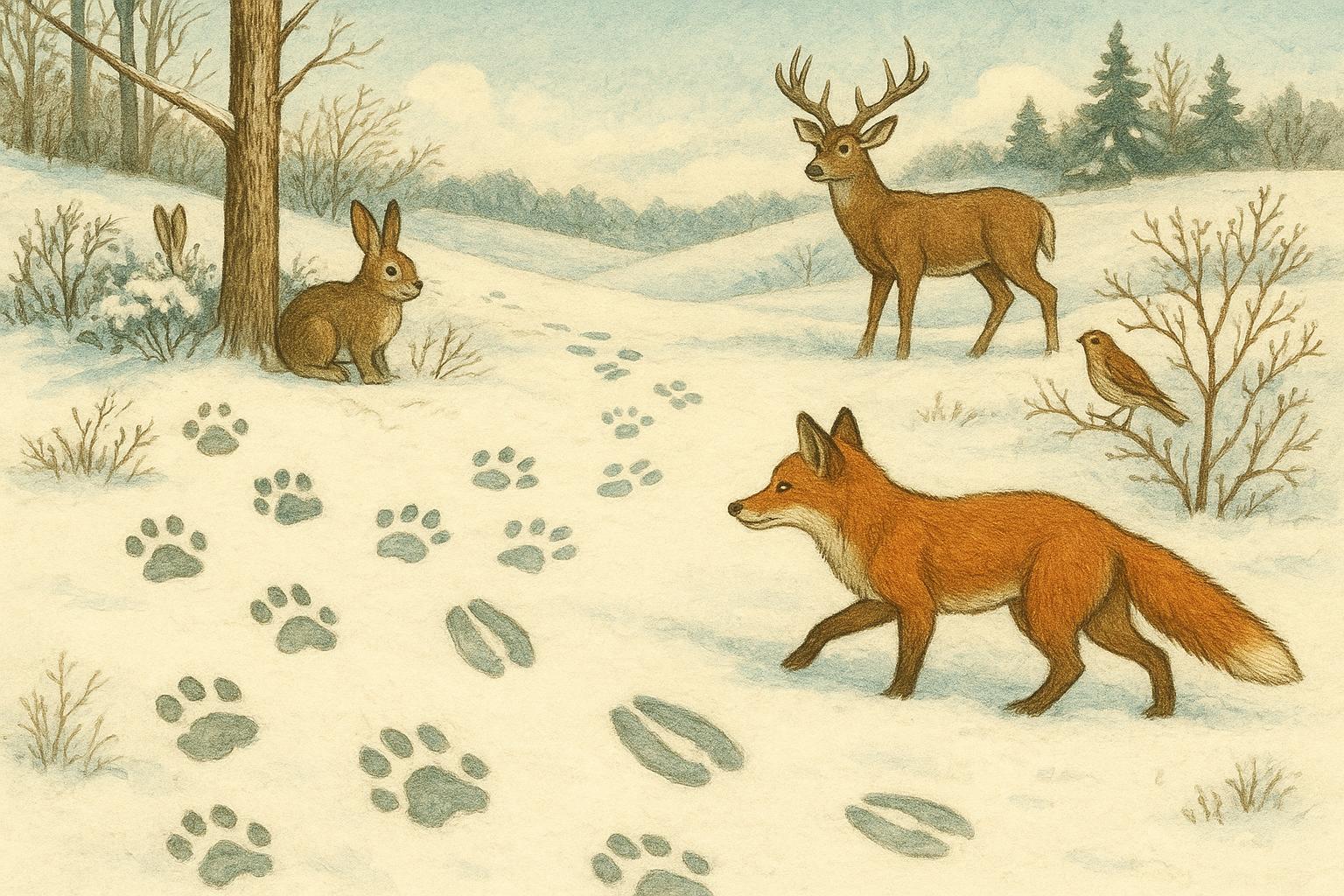
Signs around the yard that aid skunk identification include overturned garbage, shallow foraging holes in lawns, visible tracks (paw prints with five toes), and droppings that may contain insect parts and seeds. Skunk identification is also guided by nocturnal activity: skunks are primarily nocturnal and often forage at night, which explains encounters at dusk or in early morning.
### Recognizing Common Species
Different species require slightly different responses. Striped skunks are stout and slow-moving; spotted skunks may climb and access attics or crawl spaces. Proper skunk identification helps determine whether an animal can access certain structures, and whether capture or removal would be best handled by wildlife control professionals.
#### Tracks And Droppings
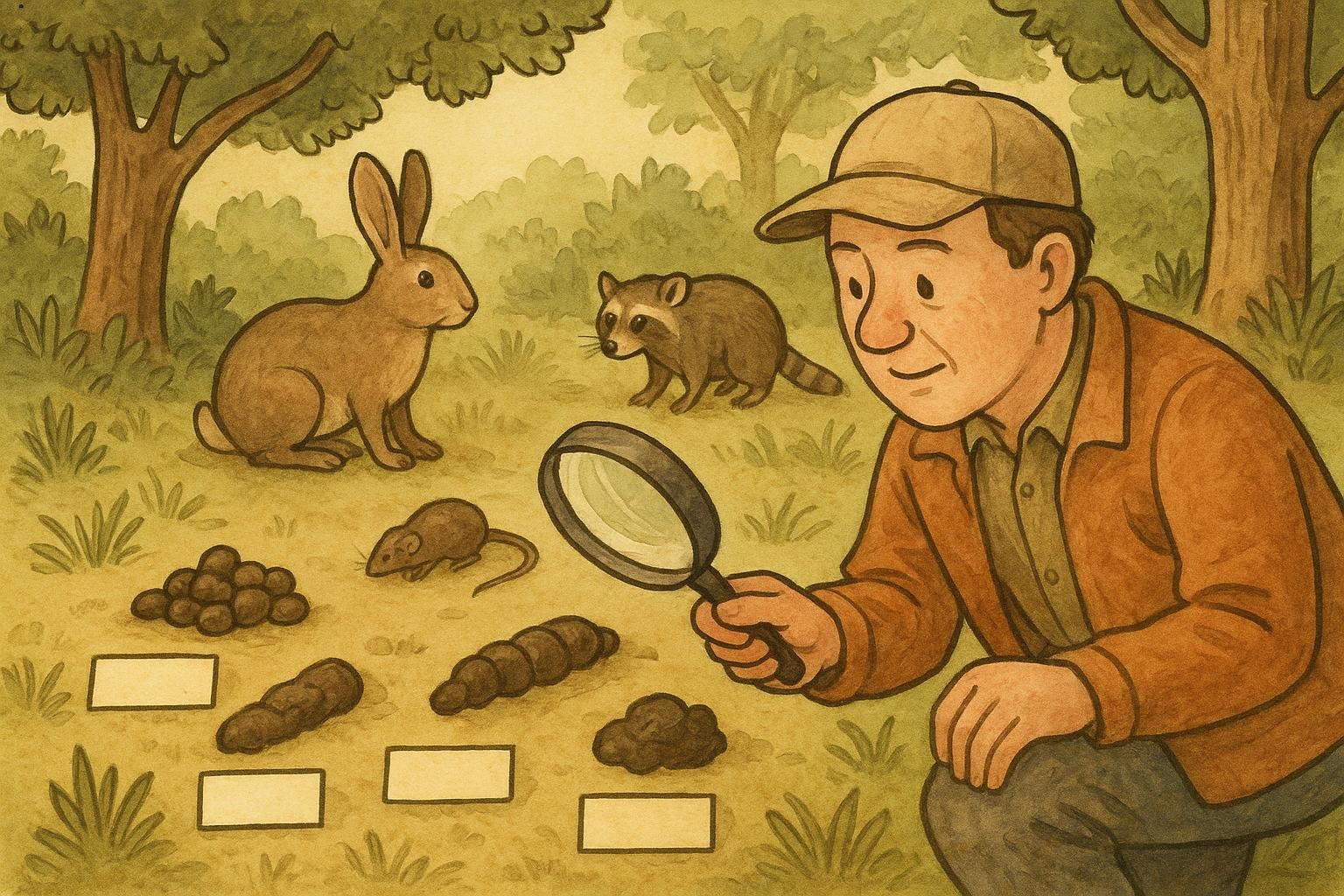
Tracks often show five toes and a paw length similar to a small dog or large cat. Droppings are typically segmented and can help confirm recent presence. Note that the strong skunk odor can linger and serve as the most obvious sign of an encounter.
## When To Call Professionals
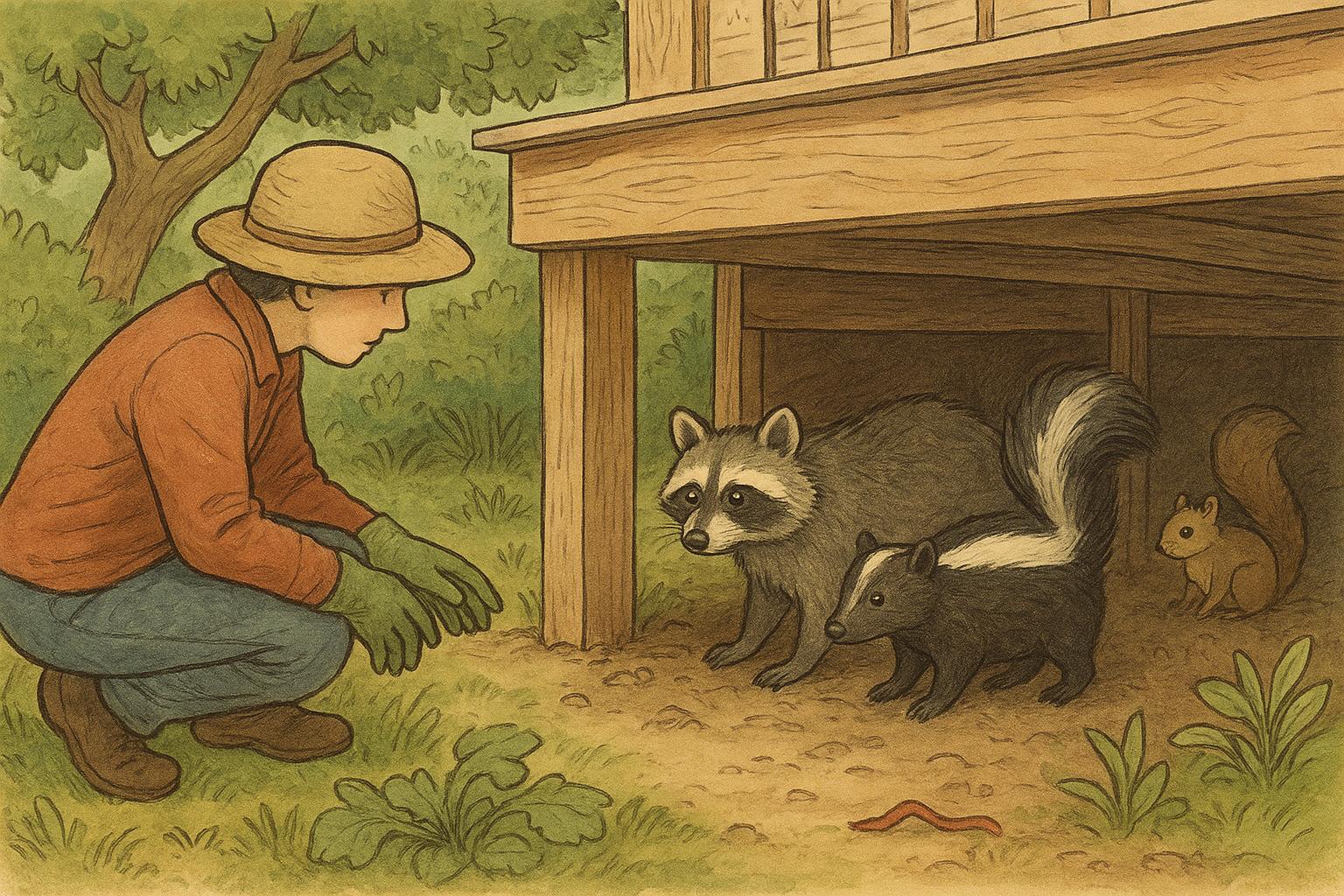
If an animal appears sick, aggressive, or is reachable and displaying unusual daytime behavior, contact local animal control or wildlife rehabilitators. Skunk identification alone does not determine rabies risk, but compromised or unusually tame animals may be ill. For trapped or denning skunks under porches, in chimneys, or inside structures, professional removal reduces risk to people and pets.
### Safety Precautions While Waiting
Avoid cornering or provoking a skunk. Keep children and pets indoors until the animal has left the immediate area. If a skunk sprays inside a structure or on a pet, follow safe handling recommendations and consider professional assistance for thorough decontamination.
## Remedy 1: Home Deodorizing Wash For Pets
Ingredients / Required Materials:
– 1 quart (approx. 950 mL) 3% hydrogen peroxide (fresh)
– 1/4 cup (approx. 60 g) baking soda (sodium bicarbonate)
– 1 teaspoon (approx. 5 mL) liquid dish soap (non-ammonia, ph-neutral)
– Protective gloves
– Towels and water for rinsing
This remedy is a proven, formal approach designed to neutralize thiols responsible for skunk odor on fur. The following procedure outlines precise creation and application.
1. Preparation: Wear protective gloves. Work in a well-ventilated area and ensure the hydrogen peroxide is fresh; potassium compounds degrade over time and lose efficacy.
2. Mixing: In an open container, dissolve the baking soda in the hydrogen peroxide, then add the liquid dish soap. Stir gently to combine. Do not store the mixture; it is reactive and must be used immediately.
3. Application: With the pet restrained safely, apply the solution to the affected fur, avoiding the eyes, mouth, and any open wounds. Work through the coat thoroughly, rubbing to reach the skin where necessary.
4. Dwell Time: Allow the mixture to sit for five to ten minutes; monitor closely to prevent skin irritation. Do not exceed 15 minutes.
5. Rinse: Rinse thoroughly with clean water. Shampoo the pet with a mild pet shampoo if needed and towel-dry.
6. Repeat If Necessary: If skunk odor persists, the procedure may be repeated once after full drying and inspection by a veterinarian if irritation occurs.
Note: This is one of several recommended skunk remedies for animals. Do not use vinegar alone as the sole treatment for heavy skunk odor on fur; the peroxide/baking soda/soap mixture oxidizes thiols and is more effective. Avoid using commercial “pet odor” products until the bulk of the skunk odor is neutralized.
## Remedy 2: Property Deodorization And Cleanup
Materials Needed:
– Protective gloves, eyewear, and mask
– Enzyme-based cleaners (commercially available) for organic odors
– Hydrogen peroxide (3%), baking soda, and liquid dish soap (for small, localized areas)
– Garden hose and soft brushes
– Plastic sheeting and trash bags
– Absorbent material (cat litter or sawdust) for fresh drips
For decontamination of outdoor surfaces, fabrics, and structures, the following formal method is recommended. Different substrates require different approaches; test any cleaner on an inconspicuous area first.
1. Initial Assessment: Identify all affected areas by air and visible residue. For lawns and vegetation, allow natural ventilation; thiols dissipate over time with sunlight and rain.
2. Containment: Use plastic sheeting to isolate heavily sprayed items such as patio furniture. For fresh drips on hard surfaces, apply absorbent material, then sweep into a bag and seal.
3. Hard Surfaces: For concrete, brick, vinyl, and vehicle exteriors, rinse thoroughly with water. For persistent skunk odor, prepare a fresh, small-batch cleaning solution: combine one quart 3% hydrogen peroxide, 1/4 cup baking soda, and one teaspoon liquid dish soap. Apply, scrub with a soft brush, allow 5–10 minutes, then rinse completely. Note: Avoid prolonged contact with colored fabrics or painted surfaces; test first.
4. Fabrics And Upholstery: Remove and launder removable covers using an oxygen-based cleaner and long wash cycles. For non-removable upholstery, apply an enzyme cleaner per manufacturer instructions, then ventilate and repeat as necessary. Professional cleaning may be required for delicate or antique items.
5. Vehicles: If a vehicle is hit by skunk spray, do not use ammonia-based cleaners or air fresheners that mask the smell. Start with thorough rinsing; for persistent odor, seek professional auto-detailing services to avoid paint damage.
6. Disposal: Seal any contaminated materials in plastic bags and dispose of according to local waste guidelines. Clean and ventilate tools and protective gear.
Do not mix hydrogen peroxide with bleach or ammonia. The combination can produce hazardous gases. Employ enzyme cleaners as a complementary skunk remedy, particularly for organic fabrics and porous materials.
### Addressing Lawn And Garden Areas
Skunk odor in lawns generally dissipates with rainfall and UV exposure. If the odor is localized, rinse the area with garden hose water and allow air circulation. Avoid heavy chemical treatments on living plants; focus on removing attractants such as pet food, fallen fruit, and accessible compost.
## Remedy 3: Preventive Measures And Humane Deterrents
Materials / Tools:
– Secure, heavy-lidded trash containers or animal-proof bins
– Motion-activated lights or sprinklers
– Hardware cloth, wire mesh, and caulking for structural gaps
– Ammonia-soaked rags (for deterrence only, handled safely)
– Commercially available non-lethal repellents (EPA-registered where applicable)
Prevention is a core component of responsible skunk control and should be implemented formally to reduce encounters and the need for later skunk remedies.
1. Remove Attractants: Store trash in sealed containers, bring pet food indoors at night, and secure compost bins. Eliminate easy food sources such as fallen fruit and open grills.
2. Exclude Access: Seal openings under porches, decks, and sheds with hardware cloth and inspect for gaps that allow entry. Use wire mesh to close crawlspaces while maintaining ventilation.
3. Light And Motion Deterrents: Install motion-activated lighting or sprinklers to discourage nocturnal visitation. These humane measures are effective without causing harm.
4. Scent Deterrents: Strategically placed ammonia-soaked rags can act as a temporary deterrent because the scent mimics predator urine. Handle ammonia with gloves and keep rags in sealed containers when not in use to avoid household contamination.
5. Landscaping Adjustments: Remove dense brush piles and stack wood away from the house to eliminate potential denning sites.
6. Pet Vaccination And Supervision: Maintain rabies vaccinations for pets and supervise outdoor access at dawn and dusk when skunks are most active.
Regularly reviewing these steps reduces the likelihood of a skunk entering domestic spaces and minimizes future applications of skunk remedies.
### When Prevention Fails
If a skunk repeatedly returns, document timing and behaviors and consult a local wildlife professional for humane relocation options. Continued presence despite deterrents may indicate a nearby den with kits, in which case seasonal considerations affect the appropriate action.
## Legal And Safety Considerations For Homeowners
Different jurisdictions regulate the relocation and handling of wildlife. Before attempting to trap or relocate skunks, confirm local laws and obtain permits if required. If a skunk has sprayed humans or pets and there is concern about potential disease exposure, seek medical or veterinary attention promptly. Proper skunk identification and adherence to the remedies above will guide homeowners toward safe, humane, and effective outcomes while minimizing the stubborn persistence of skunk odor and reducing reliance on harsh chemicals.



















Leave a Reply