
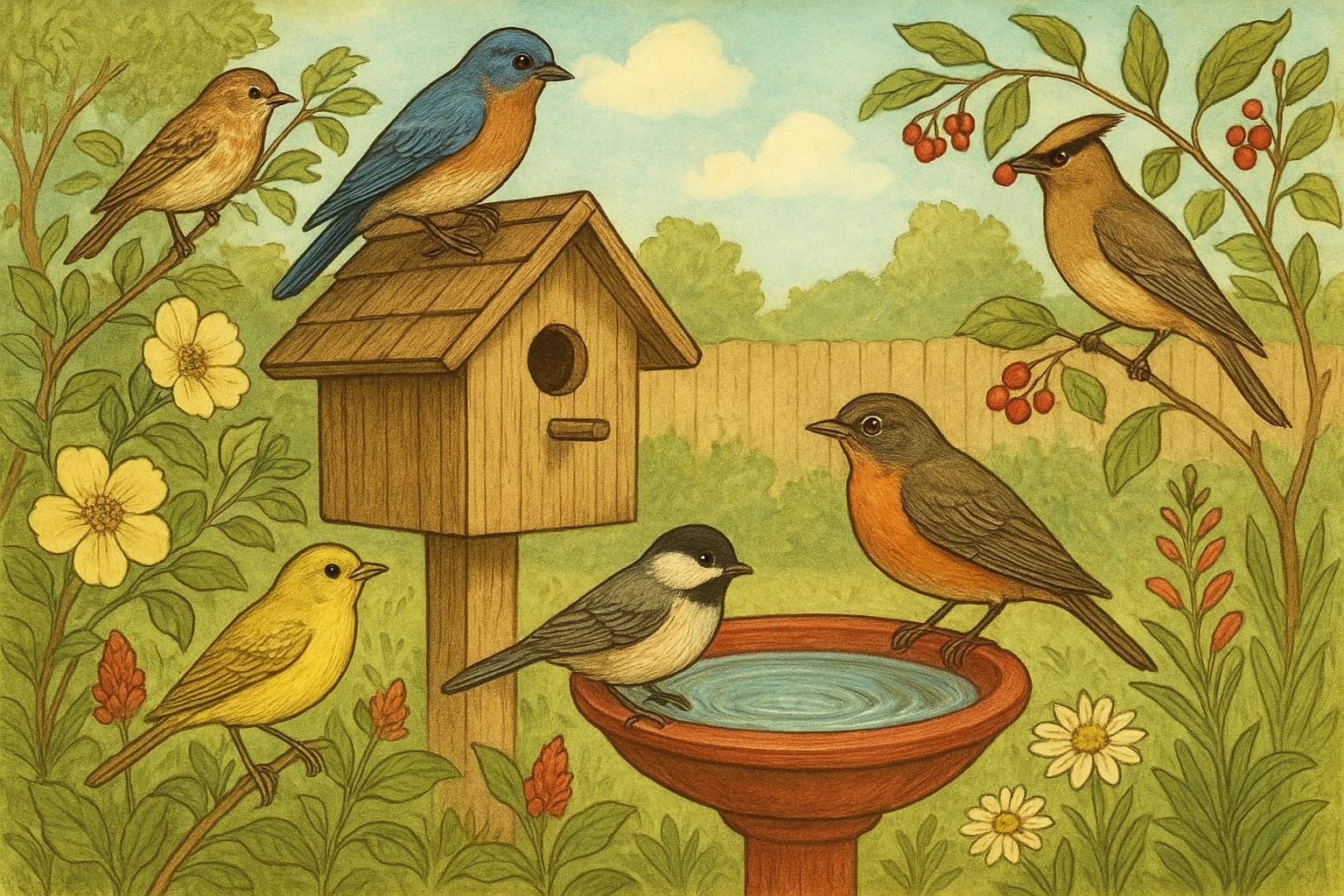
Creating a welcoming outdoor space for small, melodic visitors is within reach for most homeowners. By prioritizing native plants, clean water, safe nesting spots and responsible feeding, you can set the stage for consistent bird activity. Below you will find practical design guidance and three formal, do-it-yourself remedies—complete with materials lists and step-by-step instructions—to attract songbirds to your yard naturally at home.
## How To Attract Songbirds To Your Yard Naturally
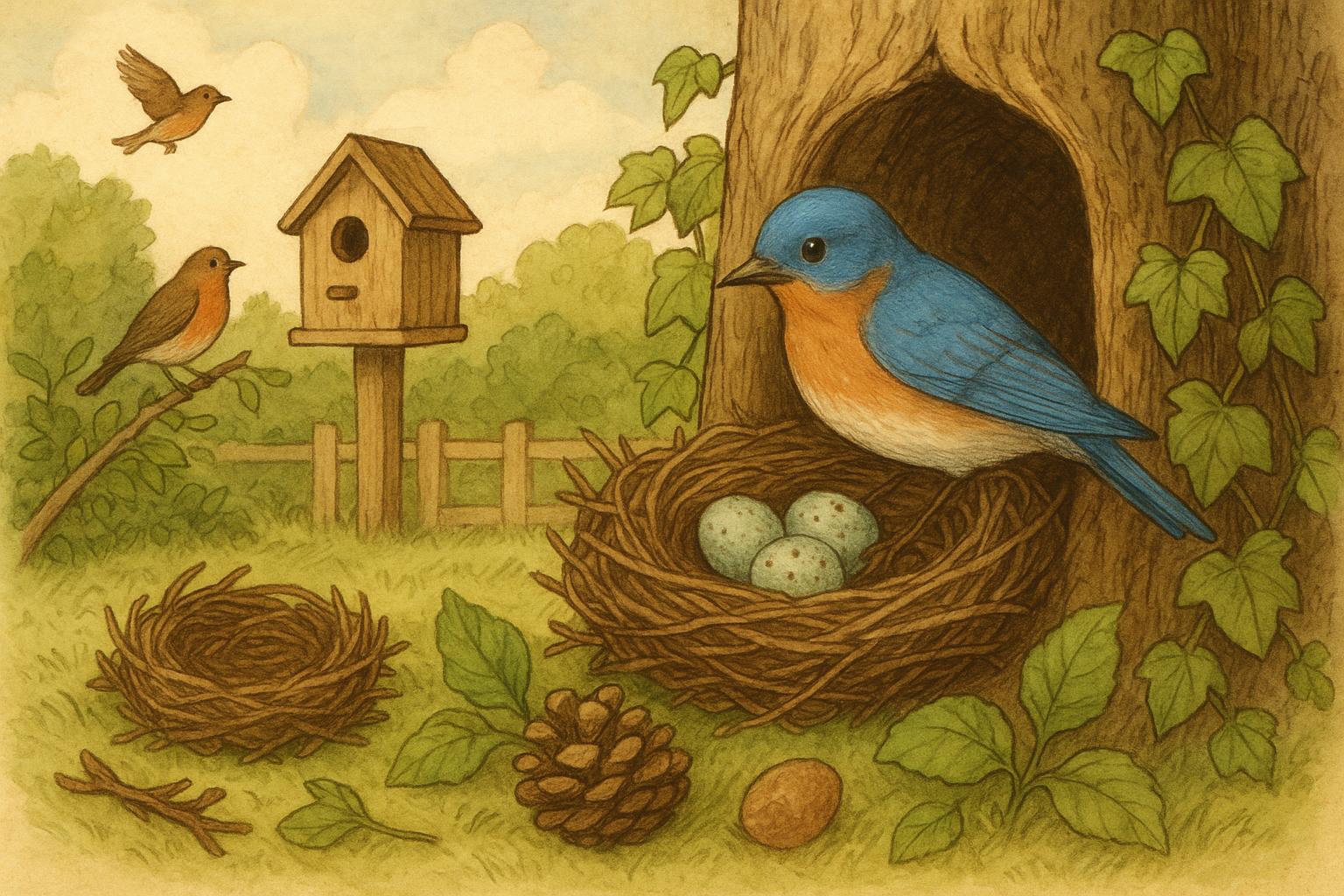
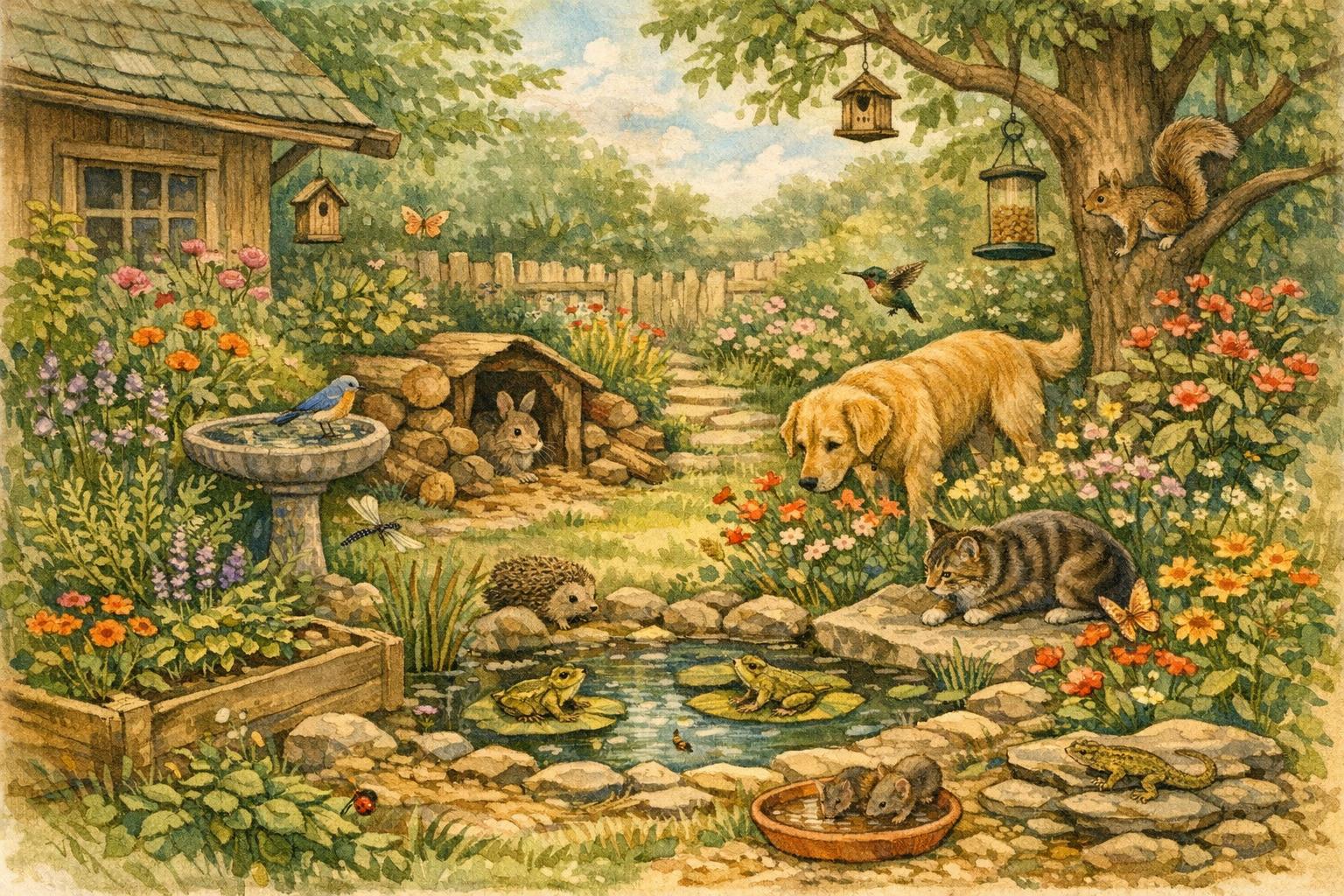
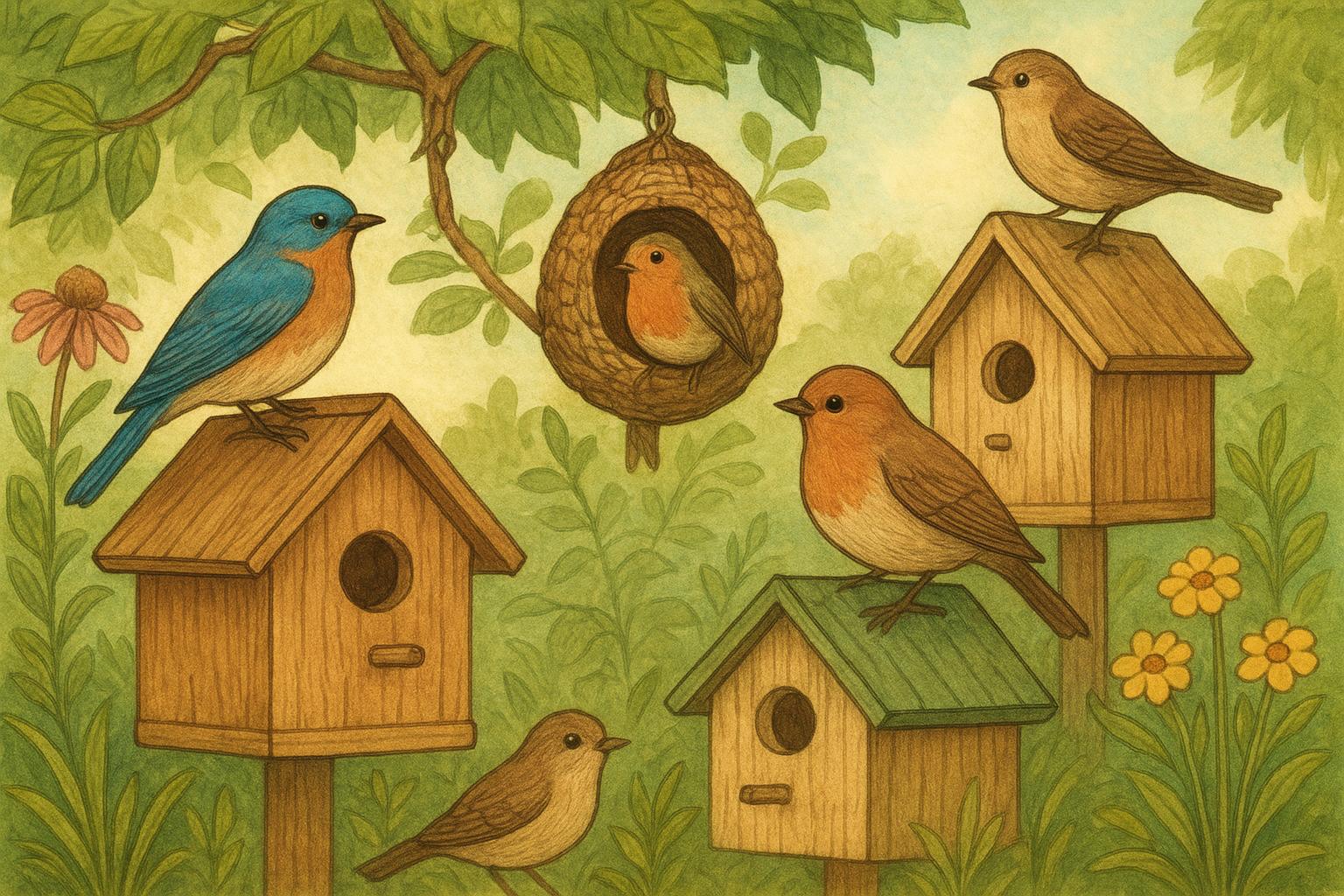
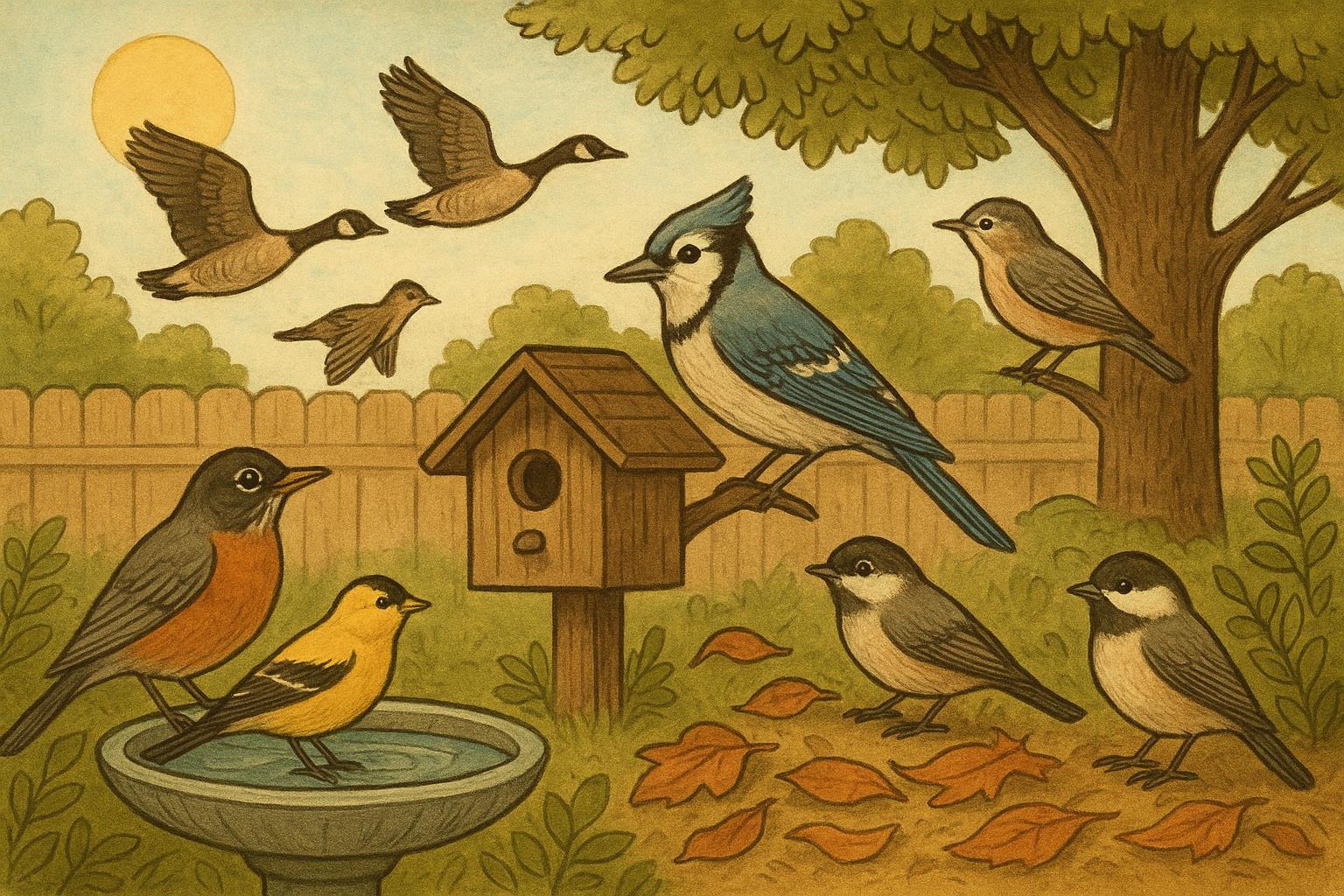
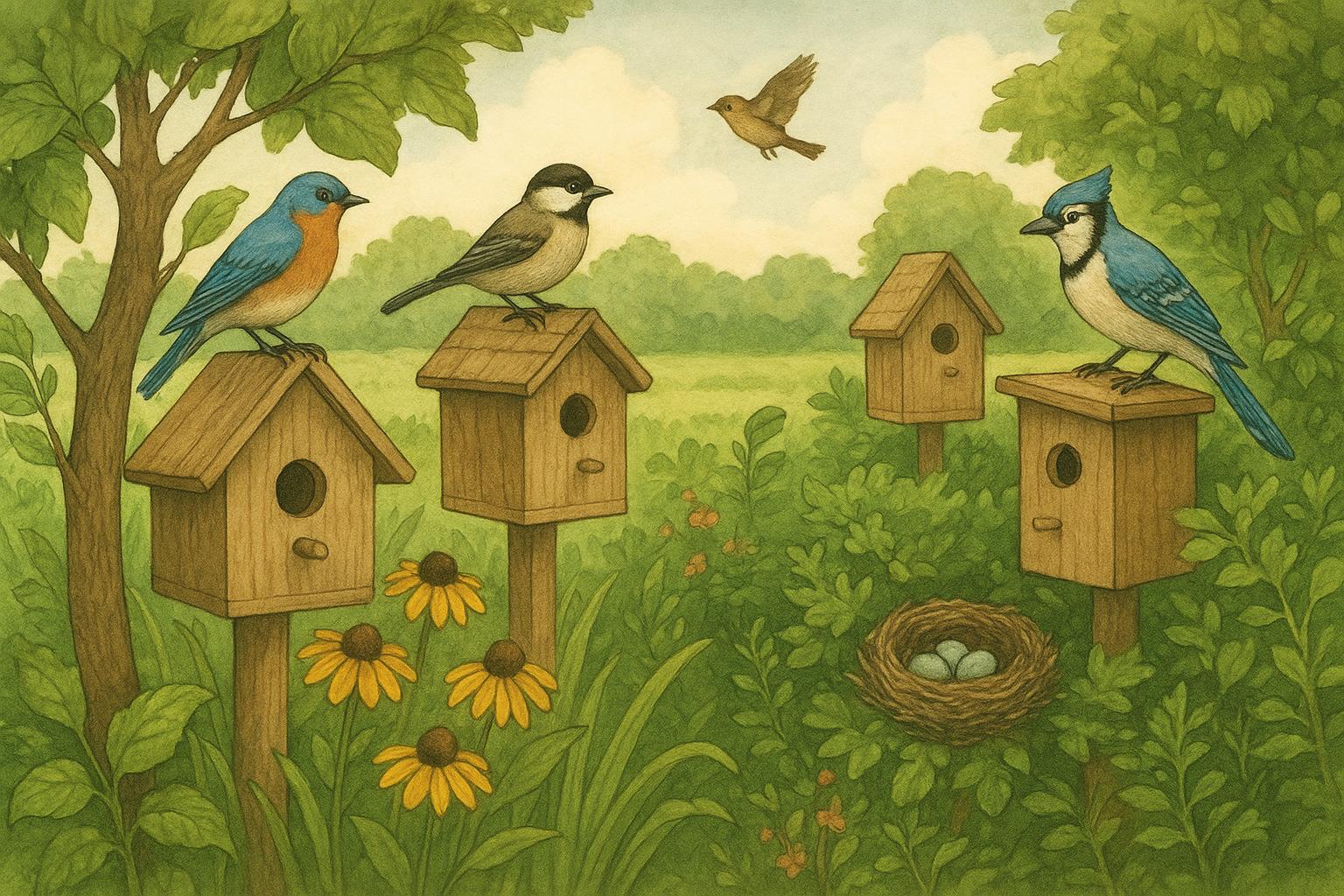
Songbirds look for four basic requirements: food, water, shelter and safe nesting locations. When these elements are present in a layered backyard landscape—trees, shrubs, groundcover and open perches—you create a resilient bird habitat that supports insects, seeds and protective cover. Thoughtful placement of features and restraint with chemicals further increases success when you try to attract songbirds to your yard.
### Design Principles For A Healthy Bird-Friendly Space
A few core design principles produce the best results. Prioritize native plants because they support more local insects and seeds than exotic ornamentals. Provide dense shrubs or thickets for cover and low branches for perching. Leave seed heads and leaf litter where practical; they feed insects and seeds that sustain adult and fledgling songbirds. Reduce open turf where possible and replace it with native plantings to expand usable bird habitat.
### Water And Cleanliness
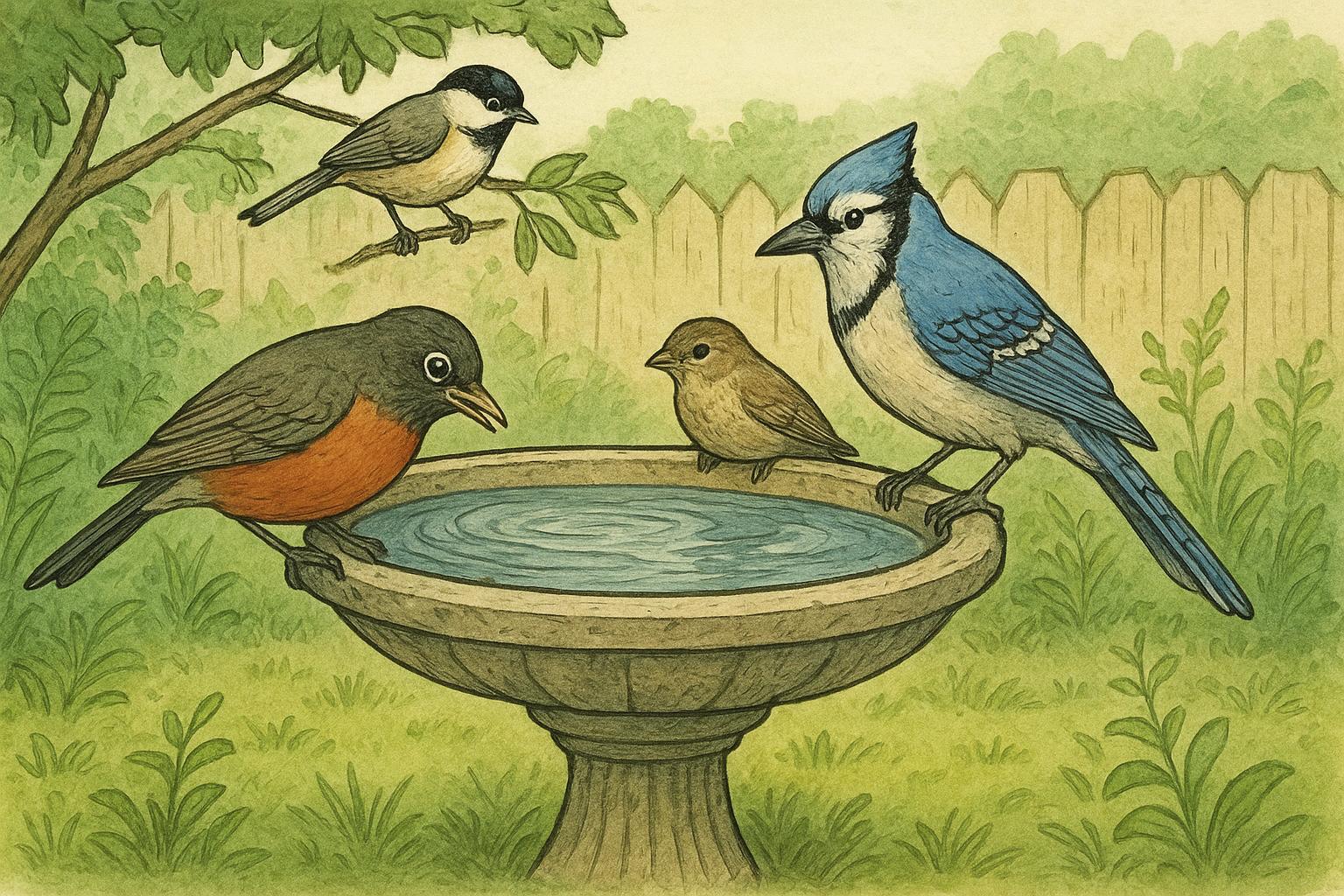
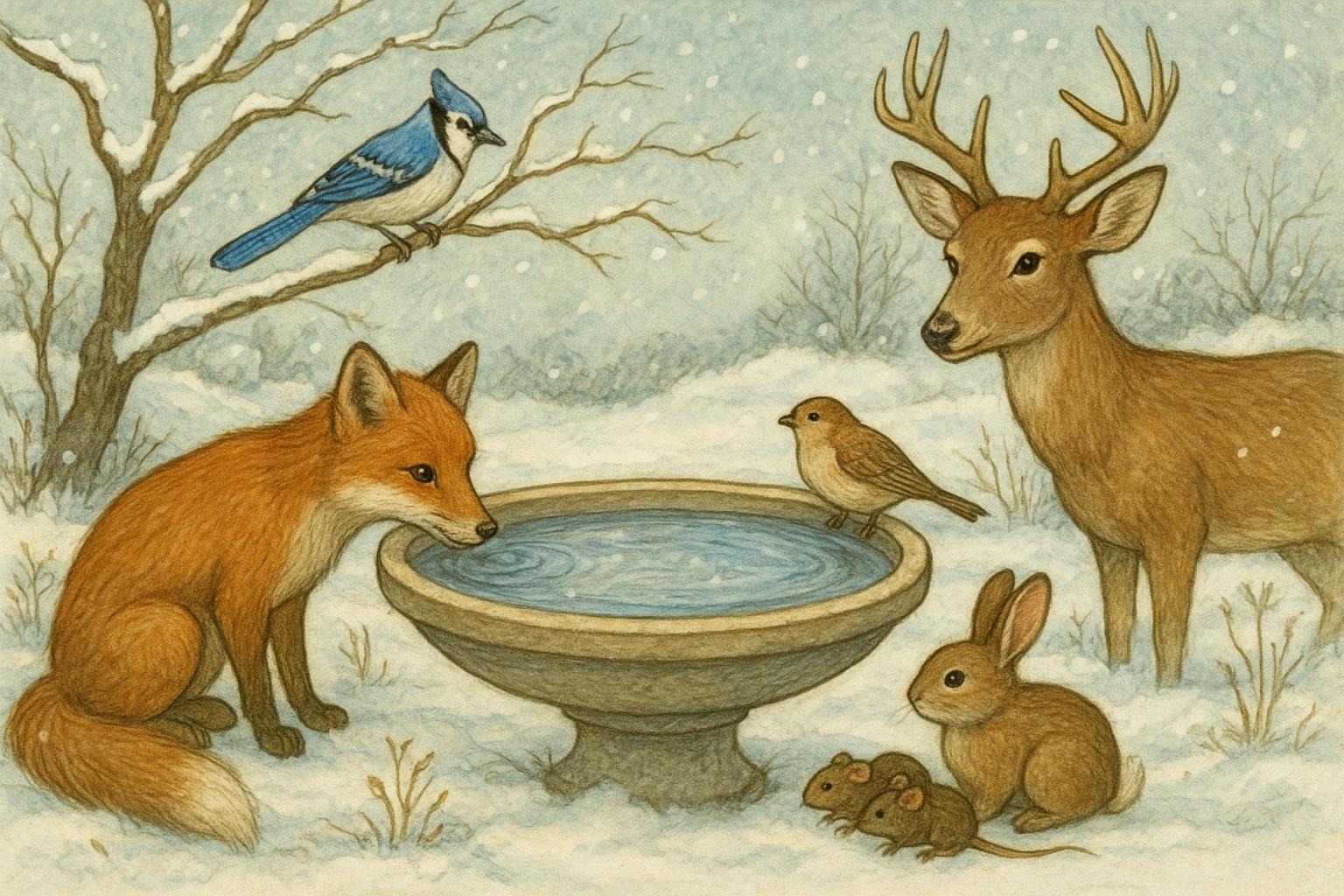
Consistent access to fresh water is a huge draw. Even shallow puddles or dripping water can outcompete distant natural sources. Keep baths and drippers clean: change water regularly, scrub algae, and place baths near low cover so birds can drink with a quick escape route. Avoid deep basins—most songbirds prefer water depths of 1–2 inches with gradual entry.
## Remedy 1: Native Planting To Attract Songbirds To Your Yard
Establishing native plants is the most durable, low-maintenance approach to encourage regular visits by songbirds.
### Ingredients Or Materials
– Selection of native trees, shrubs and perennials (see list below)
– Compost or well-rotted mulch
– Mulch for moisture retention (shredded bark or leaf mulch)
– Hand trowel or shovel, gloves
– Water source (hose or watering can)
#### Best Native Plants For Seeds And Shelter
– Native coneflowers, asters, goldenrods (seed producers)
– Serviceberry, elderberry, dogwood (fruit-bearing shrubs)
– Native grasses (seed and cover)
– Native oak or birch (if space allows; insect support)
### Steps For Planting And Establishing
1. Site Assessment: Observe sun exposure, soil type and moisture for a week to match plants to conditions. Map locations for canopy trees, mid-level shrubs and ground-layer perennials to create vertical structure.
2. Soil Preparation: Remove non-native turf patches as needed. Work a 2–3 inch layer of compost into existing soil to improve structure and nutrients. Avoid heavy fertilizers that favor rapid, non-native growth.
3. Planting: Plant trees and large shrubs first, spacing to allow mature form. Place shrubs in clusters rather than singletons; groups provide safer cover and are more attractive to nesting birds.
4. Mulch And Watering: Apply a 2–3 inch mulch layer, keeping mulch away from stems. Water deeply at planting then taper as plants establish—deep, infrequent watering encourages root depth.
5. Maintenance: Leave seed heads through late winter where possible, prune selectively outside nesting season, and monitor for invasive plants. Over time, this native planting will provide year-round food and shelter that reliably attract birds.
## Remedy 2: Install Water Features To Attract Songbirds To Your Yard
Adding a well-placed water source can dramatically increase the frequency of bird visits.
### Materials
– Sturdy bird bath or shallow basin (1–2 inches deep)
– Small solar pump or dripper kit (optional for moving water)
– Coarse sand or small pebbles for gradual entry
– Leveling materials (pavers or a stable pedestal)
### Construction And Placement Steps
1. Location: Site the bath within 10–15 feet of shrub cover so birds have a nearby refuge. Avoid direct full-sun placement that heats water rapidly.
2. Installation: Position the bath on a stable pedestal or low wall. Add pebbles or sand to create shallow pockets at the edge for young birds.
3. Add Motion: Install a small solar fountain or dripper to create sound and movement; dripping water attracts birds faster than still water.
4. Cleaning Plan: Empty and scrub the bath weekly during warm weather. Replace water daily in high-use seasons to prevent mosquito breeding and algae buildup.
5. Winter Care: In freezing climates, use a thermostatically controlled heater for a portion of the winter, or provide shallow basins when thaw times permit. Water in cold months is especially valuable and helps maintain seasonal visits.
## Remedy 3: Feeders, Homemade Suet And Nectar To Attract Songbirds To Your Yard
Supplemental feeding, combined with habitat, can increase diversity and hold birds through lean periods. Formal preparation and safe presentation are essential.
### Materials For Feeders And Recipes
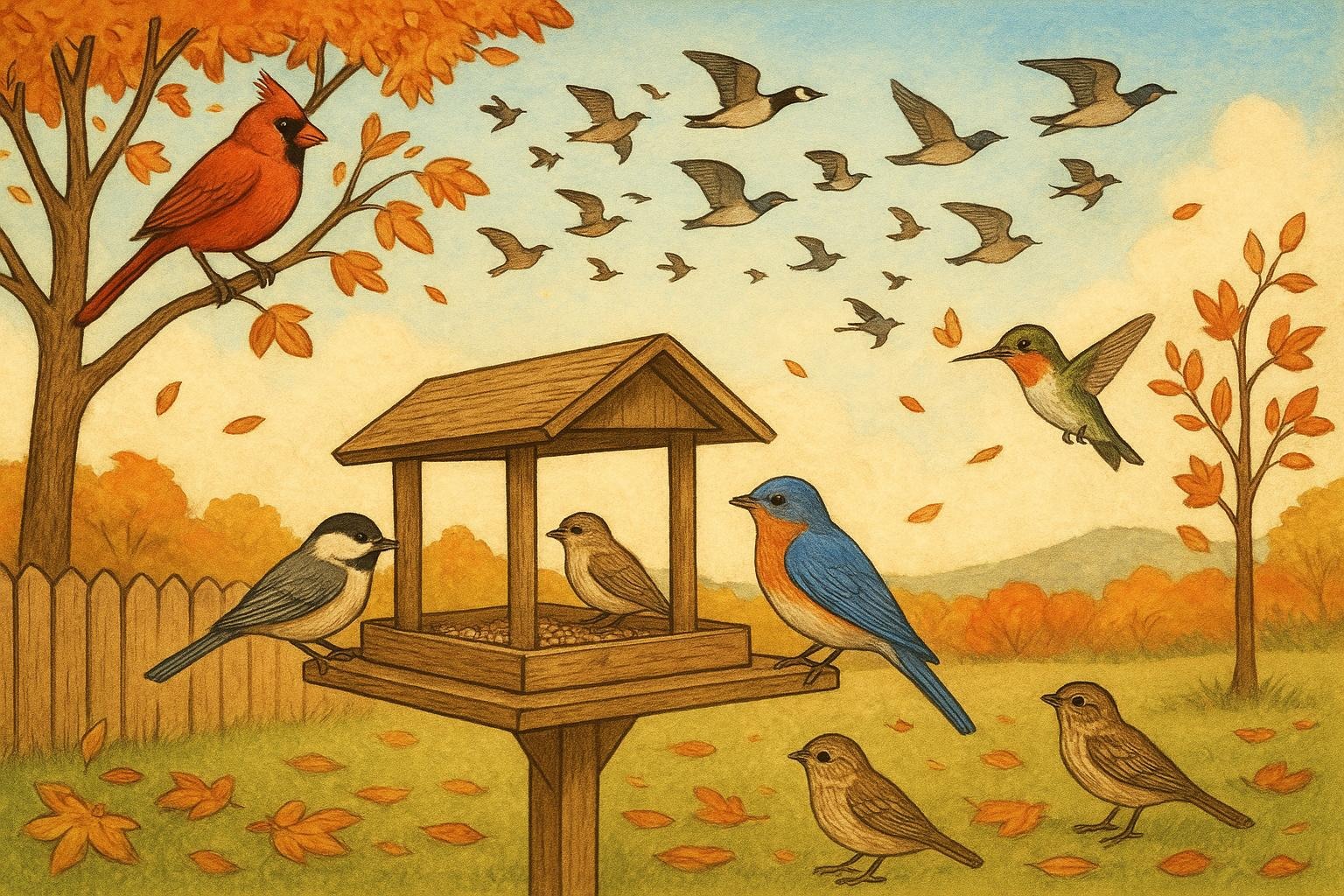
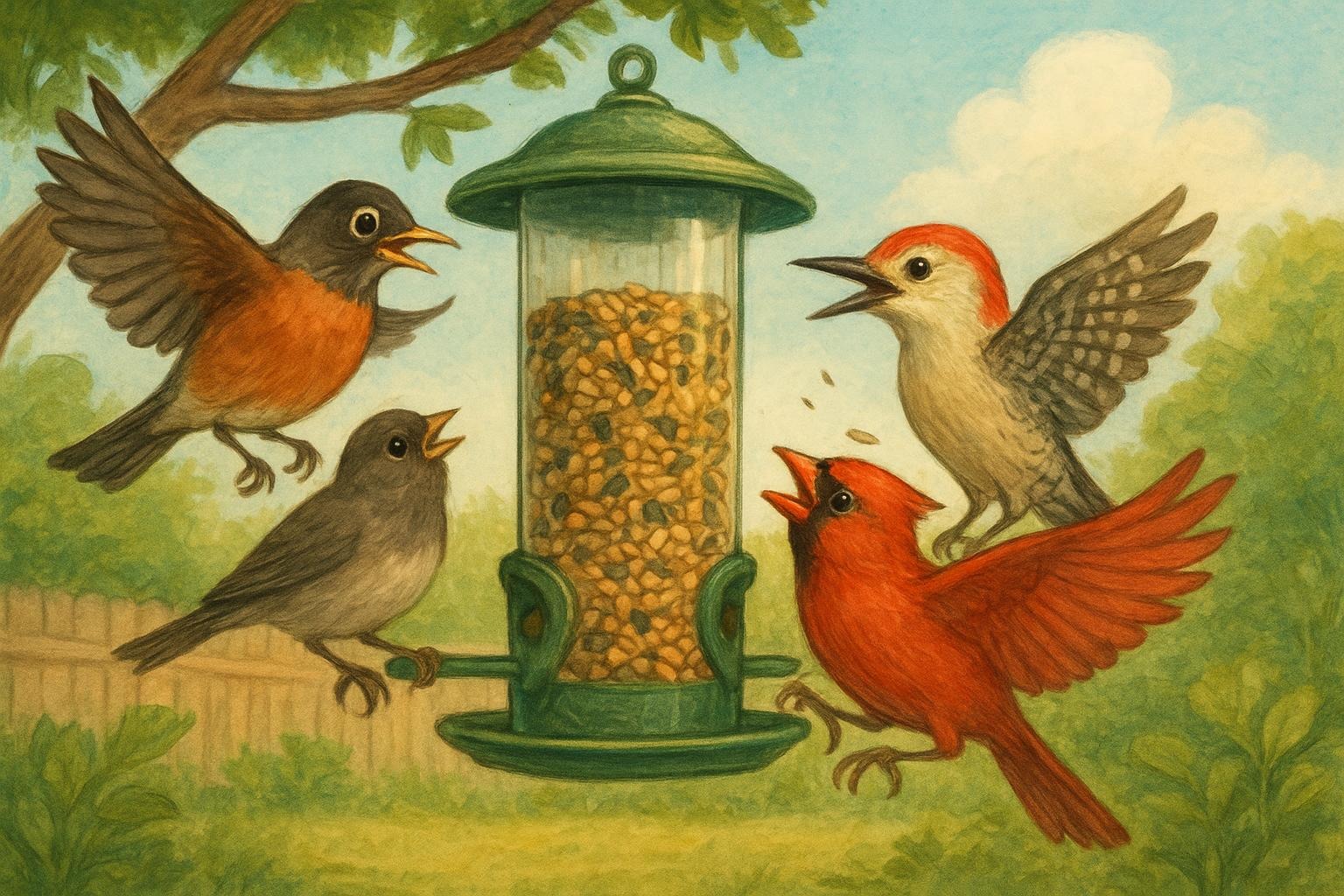
– Tube feeders (nyjer and small seeds), hopper feeders (mixed seeds), suet cage
– Ingredients For Suet Cakes:
– 2 cups rendered beef suet or unsalted lard
– 2 cups mixed seeds (sunflower chips, millet, cracked corn)
– 1 cup rolled oats
– Optional: chopped peanuts, dried fruit (no added sugar)
– Ingredients For Hummingbird Nectar:
– 1 cup white granulated sugar
– 4 cups water
### Suet Cake And Nectar Preparation Steps
1. Suet Cakes:
a. Melt lard or suet gently in a double boiler until liquid.
b. Stir in seeds, oats and any optional add-ins until evenly mixed.
c. Pour into molds (paper cups or small loaf pans) and cool until solid.
d. Store refrigerated and place into a suet cage when weather is cool; remove suet during hot weather to prevent rancidity.
2. Nectar:
a. Boil the water briefly to remove chlorine; remove from heat and dissolve sugar completely.
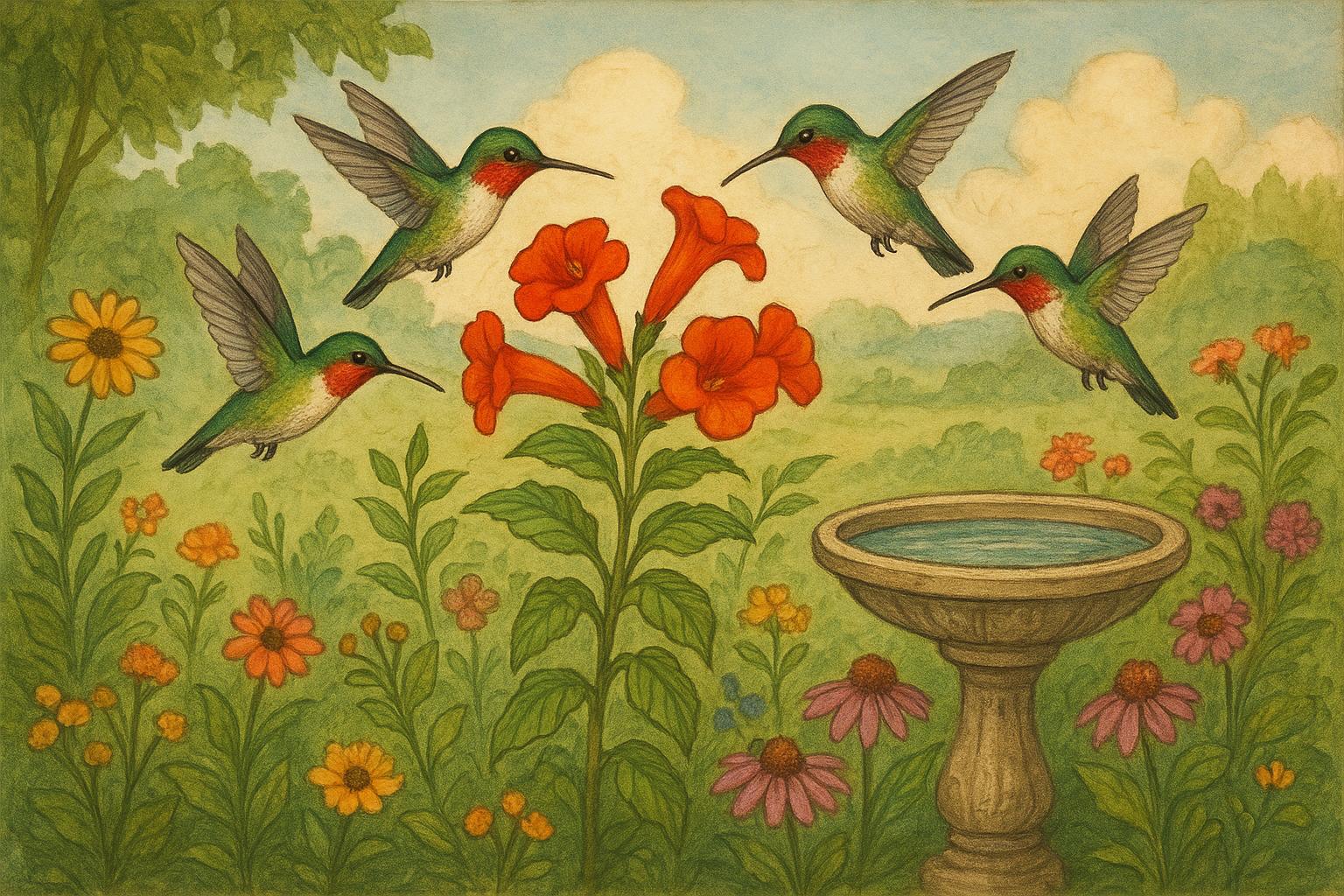
b. Cool to room temperature and fill hummingbird feeders. Do not add red dye.
c. Change nectar every 3–4 days in warm weather and once per week in cool weather to prevent fermentation.
3. Feeder Tips:
– Place feeders near trees or shrubs but not so close that predators can ambush easily.
– Rotate feeder types seasonally: high-energy suet in winter, seed mixes in fall and spring.
– Keep feeding surfaces and perches sanitized; wash feeders monthly with a mild bleach solution (1 part bleach to 9 parts water), rinse thoroughly.
### Placement And Maintenance For Maximum Effect
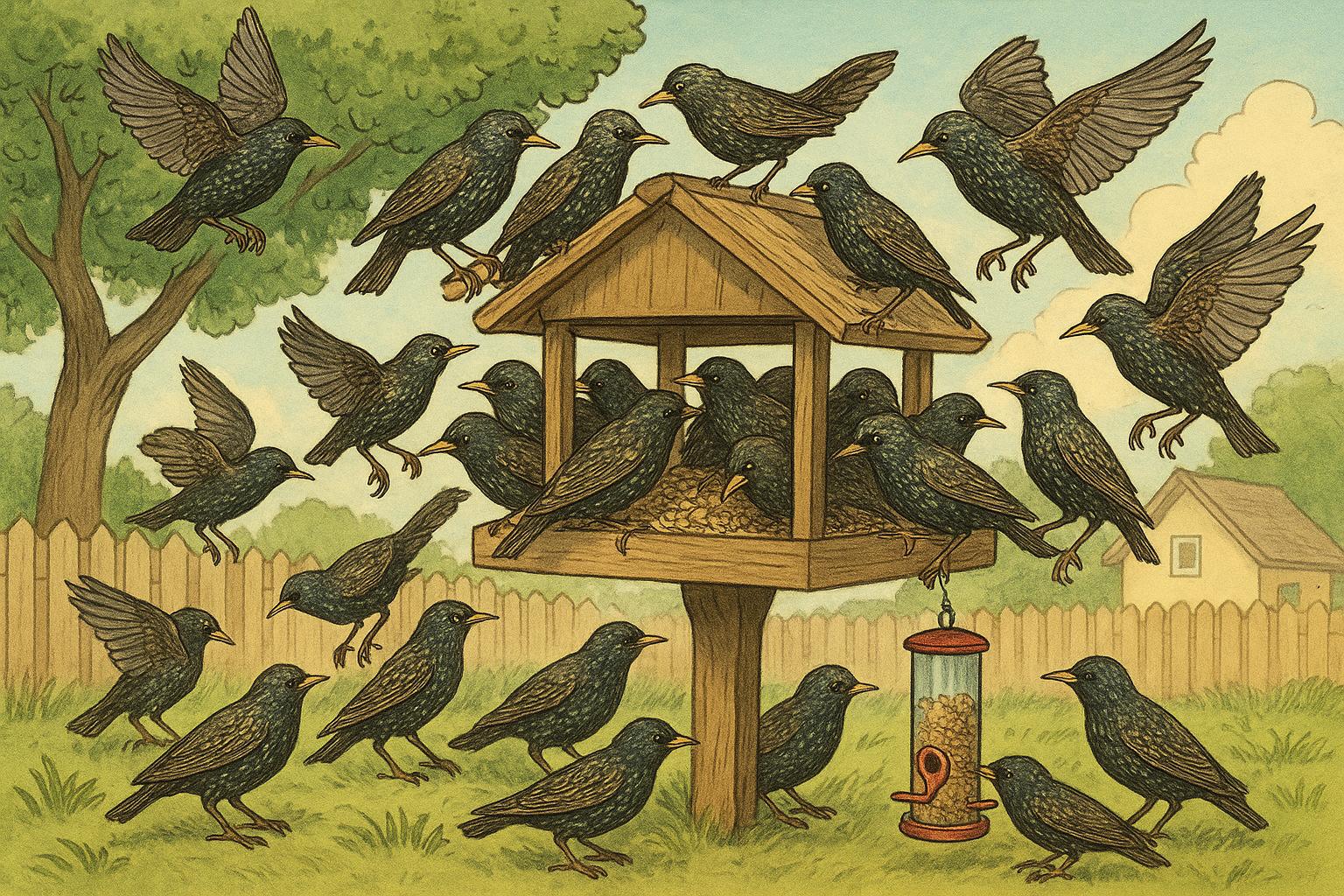
A carefully arranged combination of feeders, water and plantings increases the likelihood that local song species will discover and remain in your yard. Use multiple small feeders rather than one large concentration to reduce competition and waste. Periodically move feeders a short distance if pests or aggressive species dominate.
### Reduce Pesticide Use And Encourage Natural Food Sources
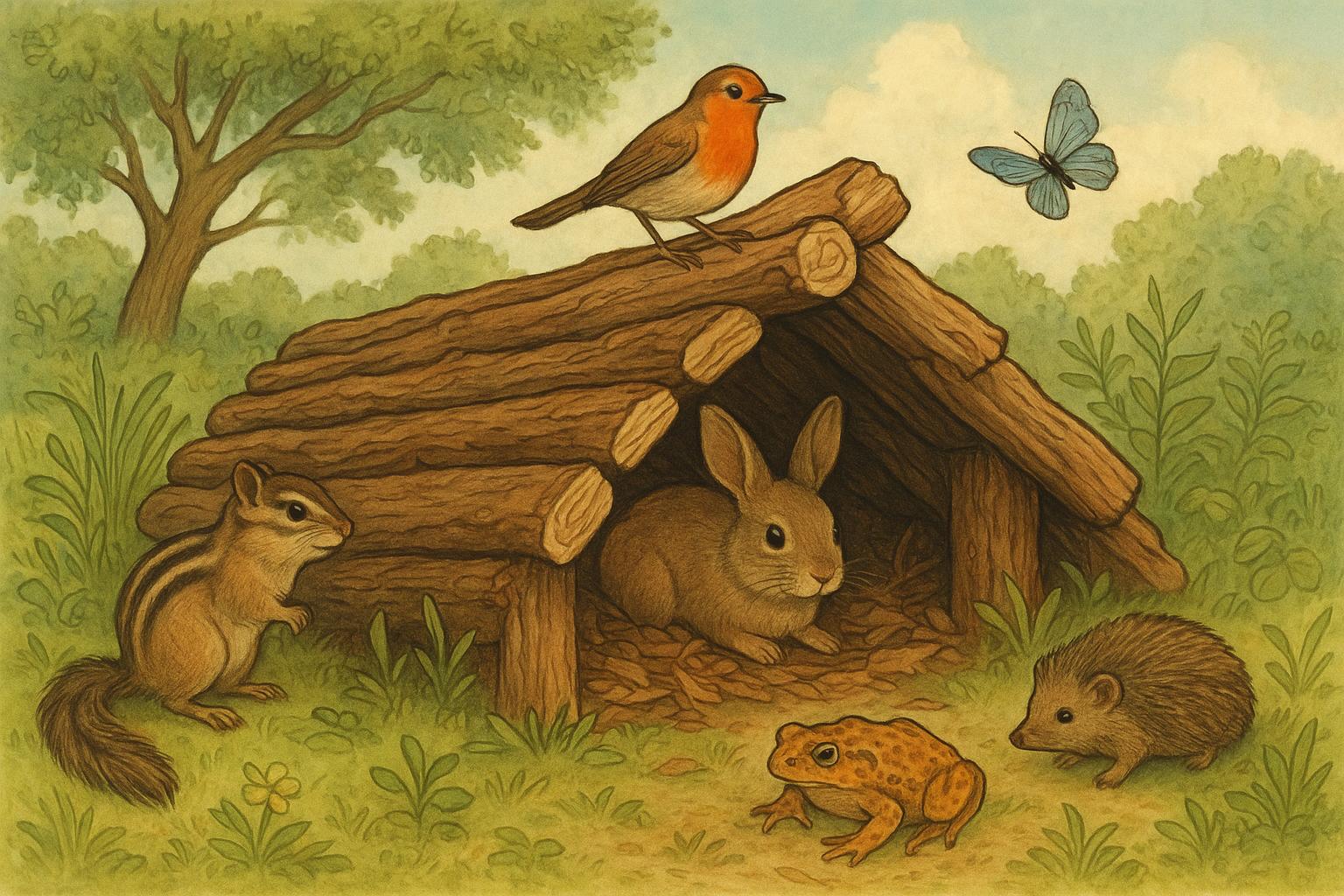
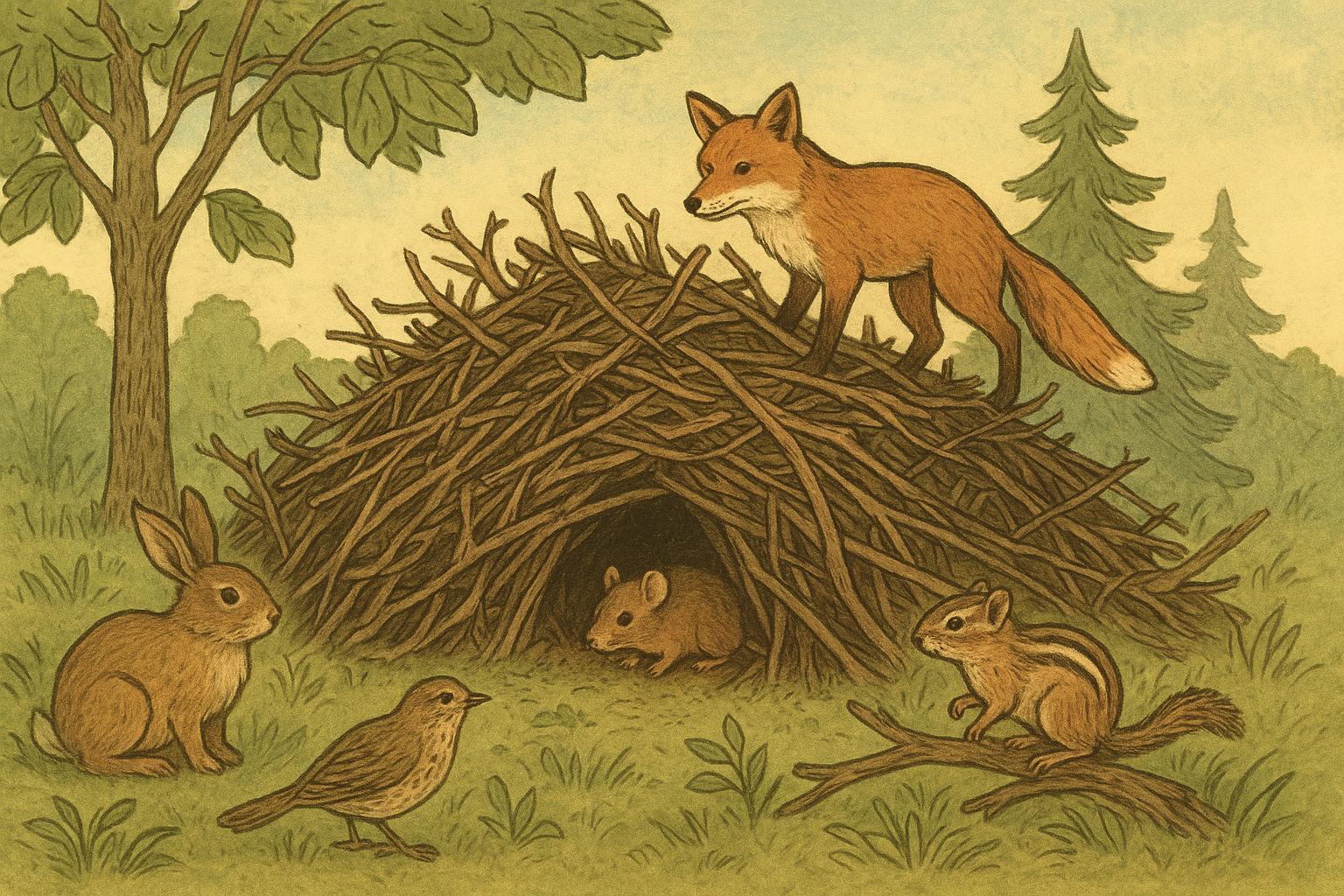
Limiting pesticide and herbicide use enhances insect populations and native plants—critical components of a healthy bird habitat. Encourage beneficial insects with flowering natives and provide small brush piles for overwintering invertebrates that feed juvenile birds.
### Predators, Cats And Safety
Outdoor cats are a leading threat to urban and suburban birds. To reduce predation risk, place feeders at least 10–12 feet from perches where cats can hide, and keep cats indoors where possible. Provide escape routes—dense shrubs or thorny bushes—so birds can reach cover quickly. Thoughtful placement of elements will help you attract songbirds to your yard while keeping them safer.
### Monitoring And Citizen Science
Track your progress by keeping a simple checklist of observed species and dates. Participating in local bird counts or submitting sightings to citizen-science platforms helps you learn which species you attract and which additional measures may be effective. Monitoring also reinforces seasonal patterns so you can time plantings and feeding appropriately.
## Get Started Today: Simple First Steps To Attract Songbirds To Your Yard
Begin with one manageable project this season: plant a cluster of native shrubs, install a shallow bird bath with a dripper, or make a batch of suet cakes. Small, repeated actions compound—within a year you’ll notice more song activity, and within a few seasons a richer bird habitat will develop that attracts songbirds to your yard on a regular basis.




Leave a Reply