
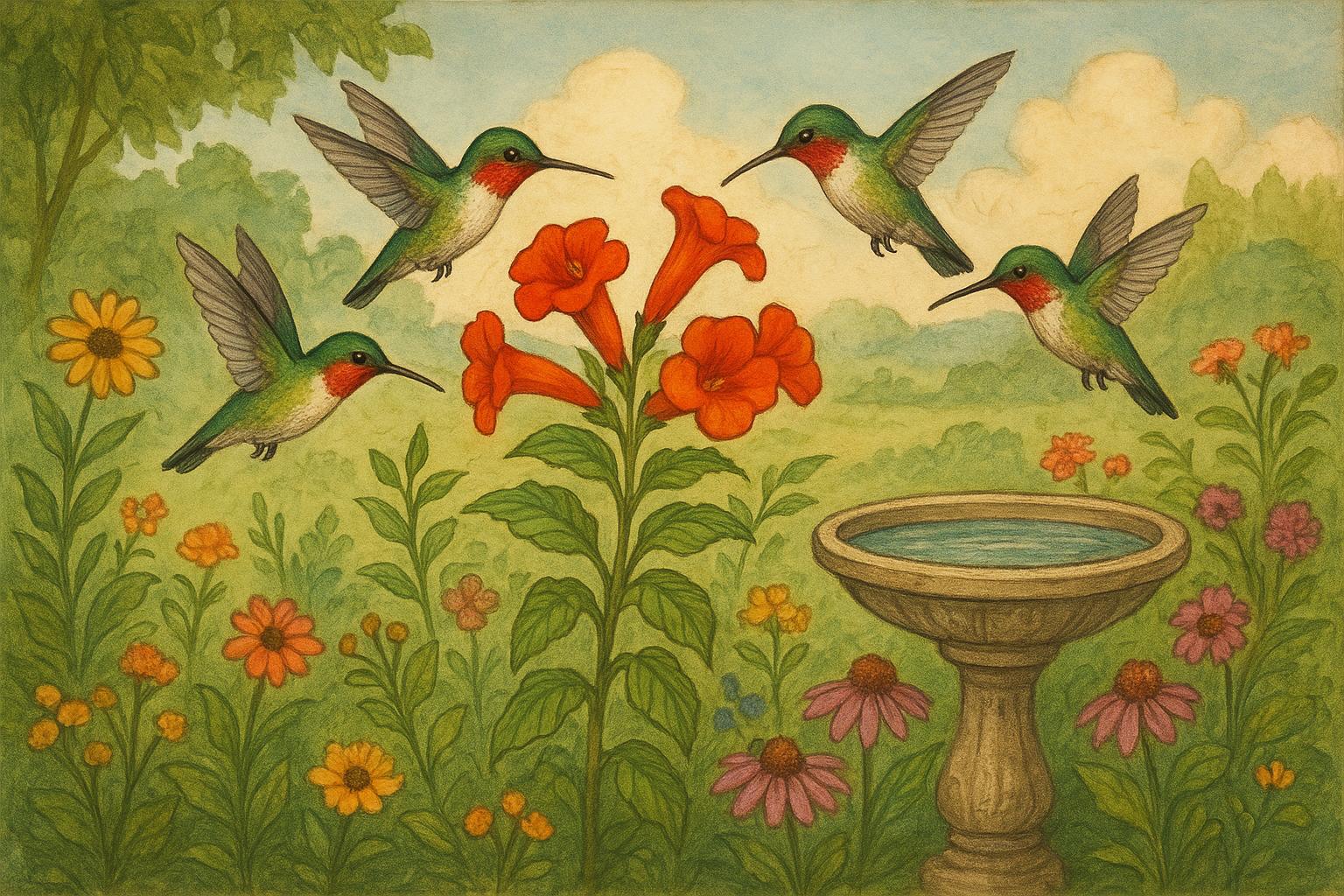
The air around your garden can literally hum with magic — flashes of iridescent green and ruby-throated fire zipping from bloom to bloom. Learning how to attract hummingbirds to your yard is not just gardening; it’s summoning living jewels into your space. These tiny aerial acrobats are picky, passionate, and dramatic — and with the right combination of color, nectar, water, and shelter you can create a hummingbird magnet that will leave neighbors speechless.
## How To Attract Hummingbirds To Your Yard: 4 Remedies That Work
If you’re desperate to attract hummingbirds and want measurable results fast, follow these four proven remedies. Each remedy includes materials and precise steps so you can implement them confidently and scientifically. These tactics will transform any ordinary yard into a hummingbird paradise and show you exactly how to attract hummingbirds to your yard.
### 1. Plant A Palette Of Nectar Plants
Hummingbirds are floral connoisseurs. The easiest, most natural way to attract hummingbirds is to fill your garden with nectar plants that produce tubular, colorful blooms.
#### Materials And Plant List
– Native tubular-flowered plants (choose 6–8 varieties ideally)
– Bee balm (Monarda)
– Salvia species
– Trumpet vine (Campsis)
– Cardinal flower (Lobelia cardinalis)
– Penstemon
– Fuchsia (for shade)
– Good quality compost or well-draining potting soil
– Mulch (organic)
– Native plant guide for your region (local extension service)
#### Steps To Create A Nectar-Rich Bed
1. Select a sunny to partly sunny site; most nectar plants need at least 4–6 hours of sun.
2. Prepare the soil by loosening to 8–12 inches and mixing in compost (25% by volume).
3. Arrange plants by height and bloom time to ensure continuous flowering: place tall plants at the back, mid-height in the middle, and low spreaders at the front.
4. Group the same species in clusters of three or more — grouped blooms are easier for hummingbirds to spot and use energy efficiently.
5. Mulch to conserve moisture and reduce competition from weeds. Water regularly until plants are established.
6. Deadhead spent flowers and prune according to species to encourage rebloom and maintain nectar availability.
Planting these nectar plants not only creates food sources but also visual cues. Bright reds, oranges, and deep magentas read like neon signs to hummingbirds, which is why strategic color placement is important when you design beds to attract hummingbirds.
### 2. Build And Maintain Clean Feeders (Remedy 2)
Feeders are headline-grabbing tools in the quest to attract hummingbirds, but they must be used correctly to be safe and effective. Follow this formal, exact recipe and maintenance schedule to avoid harming birds.
#### Required Materials
– Hummingbird feeder(s) with red accents (avoid feeders with excessive plastic parts)
– Granulated white cane sugar (no substitutes)
– Tap or filtered water
– Measuring cup and pot for boiling
– Soft bottle brush for cleaning
– White vinegar or mild bleach solution (1 part bleach to 9 parts water for periodic sanitizing)
#### Nectar Recipe And Feeder Steps
1. Mix nectar at the proper ratio: 1 part white granulated sugar to 4 parts water (for example, 1 cup sugar to 4 cups water). Do not use honey, artificial sweeteners, or red dye.
2. Bring water to a boil, remove from heat, add sugar and stir until fully dissolved. Boiling sanitizes and helps dissolve the sugar; allow to cool before filling feeders.
3. Fill feeders and hang in a shaded area to slow fermentation. Position feeders near flowers and perches but away from direct midday sun.
4. Clean feeders thoroughly at least once a week; in hot weather clean every 2–3 days. Use hot water and a brush; sanitize weekly with the diluted bleach solution or white vinegar if mold appears.
5. Replace nectar regularly. Discard any cloudy or fermented nectar immediately.
Proper feeder hygiene and the correct nectar ratio are critical to keep hummingbirds healthy. These feeders complement nectar plants and can be especially effective during migration or in early spring when flowers are scarce.
### 3. Install Water Features For Attraction And Drinking
Hummingbirds require more than nectar — they need water for drinking and bathing. Moving water catches their attention like nothing else.
#### Materials
– Small dripper, mister, or shallow birdbath with a dripper
– Solar pump (optional)
– Rocks or twigs for perches near the water
#### Steps To Add Water That Works
1. Choose a location visible from feeders and plants but sheltered from high winds.
2. Install a mister or dripper that produces fine droplets; hummingbirds are attracted to the motion and will bathe in drips.
3. Keep water clean and replenish frequently to prevent stagnation. Clean basin weekly.
4. Add small perches nearby — thin branches or wires encourage birds to rest and preen between sips and feedings.
A properly placed and maintained water feature will dramatically increase your odds to attract hummingbirds. The combination of nectar plants, feeders, and moving water reads as a sanctuary to passing birds.
### 4. Create Safe Habitat And Avoid Hazards
The final key to maintaining a hummingbird population is safety. Predators, pesticides, and poor landscaping can negate your hard work.
#### Habitat Materials
– Native shrubs and small trees for shelter
– Thin branches as perches
– Netting-free fruit/veggie garden practices
– Organic pest control supplies (insecticidal soap, neem oil, manual removal tools)
#### Steps To Make Your Yard Safe
1. Provide dense shrubs or small evergreens for roosting and overnight shelter, placed near feeding areas but with escape routes.
2. Install multiple perches at varied heights; hummingbirds patrol and stake territories from favored vantage points.
3. Avoid insecticides and herbicides; these chemicals reduce insect prey and can poison birds. Use physical or organic controls instead.
4. Keep cats indoors or supervise outdoor cats; predation by domestic cats is a leading cause of songbird mortality.
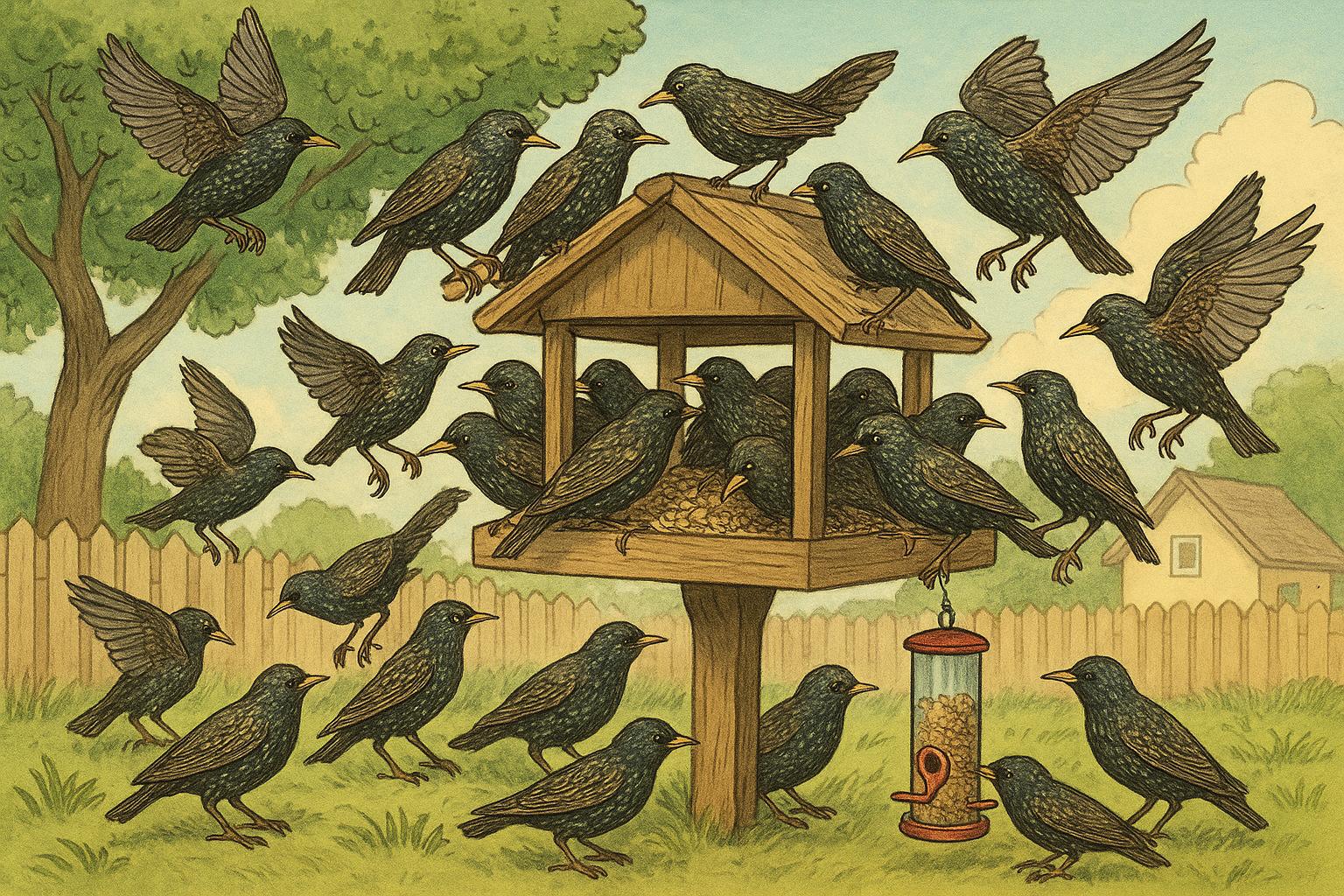
5. Monitor for aggressive competitors (e.g., European starlings) at feeders and adjust feeder placement to favor hummingbird access.
These habitat practices ensure that your efforts to attract hummingbirds are not undermined by threats. Hummingbirds need safe corridors, insect prey, and quiet nesting areas to thrive year after year.
### Bonus Tips To Supercharge Your Success
– Plant staggered bloomers so there’s always something flowering from early spring through late fall.
– Use red strategically — small red flags, flowers, or feeder accents will prompt investigation.
– Learn local hummingbird species’ migration timing to peak your efforts at critical moments.
– Keep a simple log of sightings and feeder maintenance dates to track success and problem-solve quickly.
If you follow these remedies, you’ll answer the question of how to attract hummingbirds to your yard with science-backed, repeatable methods that produce dramatic results. Remember: the combination of nectar plants, clean feeders, moving water, and safe habitat is the formula that turns a garden into a hummingbird magnet.


Leave a Reply