
A pond at dusk can feel like a tiny universe in motion: flashing emerald eyes, the soft plip of eggs, and the slick, graceful swirl of tadpoles that promise future springtime choruses. Caring for amphibians invites a mixture of wonder and responsibility. Whether you’re stewarding a garden pond, rescuing a stranded clutch, or raising tadpoles for classroom observation, understanding the stages and providing safe, practical care makes all the difference to those delicate, permeable lives.
## Understanding The Frog Life Cycle: A Gentle Overview
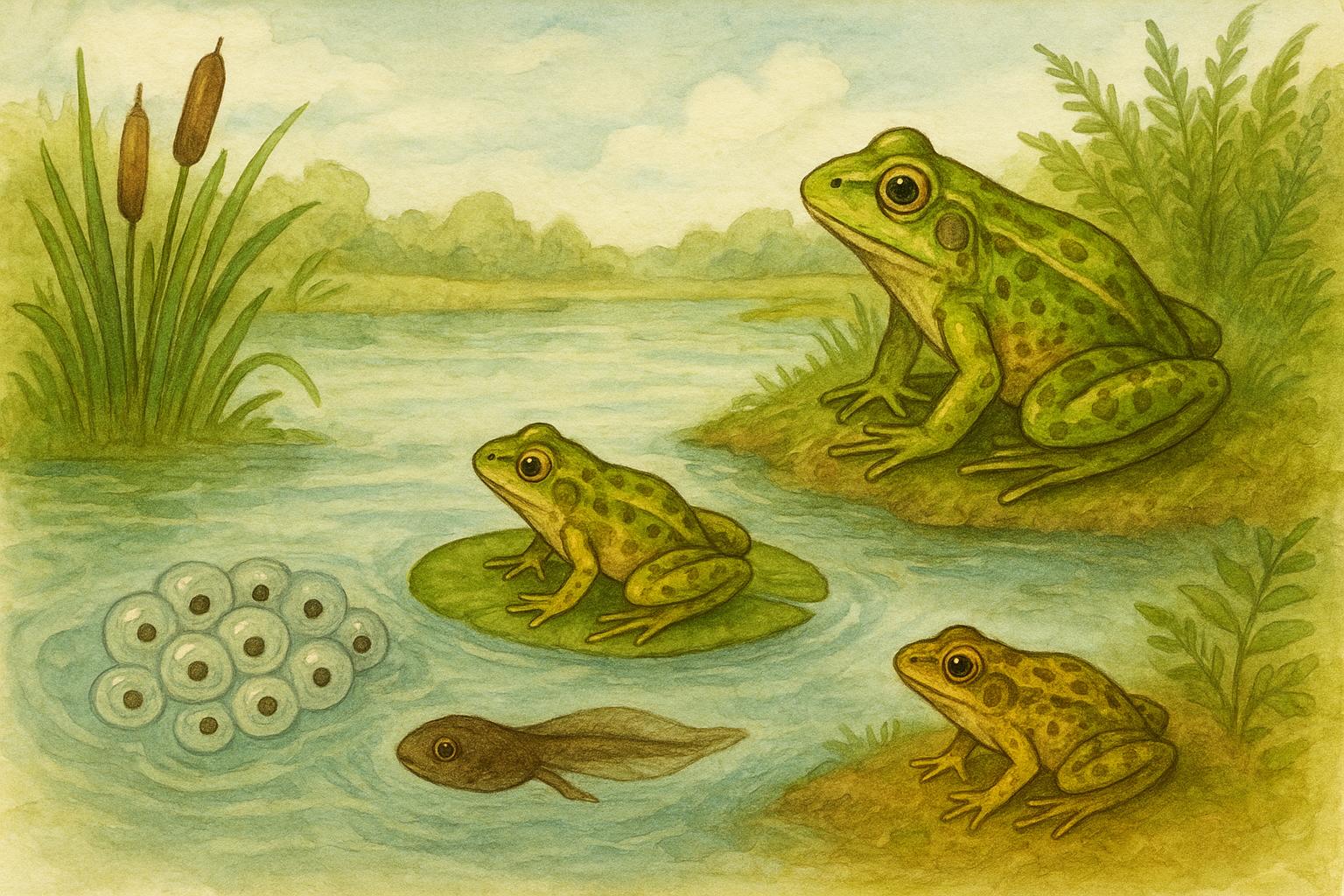
The frog life cycle is one of nature’s most dramatic transformations. From gelatinous egg masses to aquatic tadpoles, through the enchanting phase of limb development, and finally to terrestrial adults, each stage has specific environmental needs. Observing the frog life cycle helps caretakers anticipate changes and intervene appropriately when a habitat or health problem threatens survival.
In the egg stage, embryos develop inside clutches attached to plants or floating freely. Once hatched, tadpoles begin the journey of tadpole metamorphosis: they breathe through gills, feed primarily on algae and detritus, and grow rapidly. During frog metamorphosis, hind limbs appear, front limbs emerge, lungs develop, and the tail resorbs. The newly formed froglet then adapts to land and a carnivorous diet, completing the cycle when it reaches sexual maturity and reproduces.
### Egg Stage And Safe Habitat Setup
Eggs are vulnerable to temperature fluctuations, desiccation, and predation. When creating or maintaining a safe habitat:
– Keep water cool and shaded; full sun can overheat shallow clutches.
– Use dechlorinated water; municipal chlorine and chloramine are harmful to embryos and tadpoles.
– Provide aquatic plants like Elodea or hornwort for eggs to attach to and for tadpoles to graze around.
– Avoid adding fish to the same enclosure; many fish species will eat eggs and young tadpoles.
If you find eggs in the wild and plan to protect them temporarily, mimic the natural site: similar water temperature, gentle flow (if any), and plenty of plant shelter. Transport eggs as little as possible and only move them within the same watershed to prevent disease spread.
### Tadpole Care During Tadpole Metamorphosis
Tadpole metamorphosis is a sensitive phase. Feeding, water quality, and space requirements change quickly as limbs form and respiratory structures shift. When providing care, be precise and consistent.
Feeding: Offer a varied plant-based diet early—blanched lettuce, spirulina flakes, and algae wafers. As legs develop and the mouth morphology shifts, gradually introduce higher-protein items such as small live insects (daphnia, brine shrimp) or specially formulated amphibian diets.
Environment: Maintain stable water parameters (see the Water Quality section). Provide shallow basking areas that are easy to access as front limbs appear. Avoid handling except when absolutely necessary; amphibian skin absorbs chemicals quickly and is easily damaged.
Sanitation: Perform partial water changes rather than full cleanouts to preserve beneficial microbial communities while removing excess waste. Use a gentle siphon to avoid stressing tadpoles. Disinfect nets and tools between uses to reduce the risk of pathogen transmission.
## Practical DIY Tips For Supporting Frog Metamorphosis
Supporting frog metamorphosis in a home or classroom setting requires both simplicity and rigor. Below are formal, practical guidelines to maintain a healthy progression from tadpole to froglet.
1. Habitat design: Create a tank or pond that mimics natural microhabitats—deep ends (10–20 cm) for juvenile swimming, shallow slopes for emerging froglets, and floating or emergent vegetation for hiding and grazing.
2. Temperature control: Most temperate species do well between 18–24°C (64–75°F). Tropical species require higher stable temperatures per their native range. Sudden shifts slow development or cause stress during metamorphosis.
3. Filtration and oxygenation: Use low-flow sponge filters or gentle hang-on-back filters to maintain water clarity without creating strong currents that inhibit feeding.
4. Feeding schedule: Younger tadpoles feed daily; during metamorphosis, reduce frequency slightly while ensuring protein sources become available as mouths transform.
5. Observation logs: Record development milestones (hind limb appearance, forelimb emergence, tail resorption) and water tests to detect patterns that correlate with health outcomes.
When you implement these measures, do so with care: abrupt environmental changes can disrupt endocrine signals that regulate frog metamorphosis and lead to developmental abnormalities.
### Creating A Transition Zone For Emerging Froglets
Froglets need a smooth, non-abrasive path from water to land. Build a transition zone using the following components:
– A gradual ramp made from smooth stone or terracotta that extends from submerged to fully dry.
– Patches of damp sphagnum moss or leaf litter to help newly terrestrial skin avoid desiccation.
– Hiding spots under bark, rocks, or dense vegetation to reduce stress and predation risk.
Ensure the transition area is free from sharp edges and treated woods or paints that can leach toxins. For classroom setups, secure the ramp to prevent collapse and allow easy cleaning around the access points.
### Health Monitoring And Common Problems
Formal monitoring helps catch problems early. Check daily for feeding response, mobility, skin lesions, and abnormal behavior. Key issues to watch for:
– Fungal infections: Soft, whitish patches often indicate fungus. Isolate affected individuals and consult an experienced amphibian vet; certain antifungal baths are used under veterinary guidance.
– Limb deformities: These can result from pollutants, parasites, or developmental stress. Document and photograph abnormalities; contact a specialist for advice.
– Sudden lethargy or gasping: May indicate poor water quality (elevated ammonia or low oxygen) or temperature shock; test water immediately and perform partial changes to stabilize conditions.
– Failure to transition: Prolonged aquatic behavior during expected metamorphosis windows may signal endocrine-disrupting contaminants or nutritional deficits; review water sources and diet.
Avoid broad-spectrum antibiotics or treatments unless prescribed by a veterinarian with amphibian experience. Many topical and oral medications designed for mammals are harmful to amphibians.
#### Feeding Protocols For Different Stages
– Early Tadpoles: Herbivorous or omnivorous species feed on biofilm and algae. Offer boiled spinach, commercially available algae wafers, and blanched vegetables.
– Mid-Stage Tadpoles: Introduce supplemental protein (small invertebrates) as hind limbs develop; ensure prey is appropriately sized.
– Froglets and Adults: Transition to a carnivorous diet—small crickets, fruit flies, and other live prey dusted with calcium and vitamin supplements as recommended.
Feed in the morning and monitor leftovers to prevent water fouling. Remove uneaten food promptly.
#### Water Quality Parameters
Maintain precise parameters to support healthy development:
– Temperature: 18–24°C (64–75°F) for many temperate species; verify species-specific needs.
– pH: Neutral to slightly acidic (6.5–7.5) is generally safe; avoid rapid pH swings.
– Ammonia: Undetectable; even small amounts stress larvae.
– Nitrite: Undetectable.
– Nitrate: Keep below 20 ppm with regular water changes.
– Hardness: Moderate hardness is acceptable; very soft or very hard water can affect development.
Test kits should be used weekly during heavy bio-load periods (tadpole stages) and after any changes to the system. When performing water changes, match temperature and pH to avoid shocking the animals.
## Ethical And Legal Considerations For Keeping Amphibians
Collecting wild amphibians is regulated in many areas. Before removing eggs, tadpoles, or adult frogs from the wild, check local wildlife laws and obtain any required permits. Translocating wild animals between watersheds increases the risk of spreading pathogens such as the chytrid fungus (Batrachochytrium dendrobatidis) and ranavirus, which have decimated amphibian populations globally.
If you find an injured or orphaned animal, contact a licensed wildlife rehabilitator or a herpetological society for guidance. If professional help is unavailable and you must provide immediate care, follow the formal sanitation, habitat, and feeding protocols described above and minimize handling. Record the location and habitat details—this information aids eventual release decisions if permitted.
### Responsible Release Practices
Releasing captive-raised amphibians into the wild requires caution. Only return individuals to the exact watershed of origin and after ensuring they are free from visible disease. Consult local conservation authorities to verify whether release is advised. In some cases, captive rearing is best kept as educational observation with permanent captive housing to prevent ecosystem disruption.
Wildlife permitting and biosecurity constraints are part of ethical stewardship of amphibian life. Keeping thorough records of your care regimen, water tests, and any treatments administered helps professionals assess risks during transfer or release.
## Resources And Care Checklists
Maintain a simple checklist for day-to-day care:
– Daily: Visual health and feeding checks.
– Weekly: Water parameter testing and partial water changes.
– Biweekly: Tank cleaning of substrate (gently) and plant maintenance.
– Milestone Records: Note dates of limb appearance, first lung breaths (surfacing behavior), and full tail resorption.
For additional reading and specific species guidance, consult local herpetological societies, university extension services, or vetted amphibian husbandry manuals that provide species-level temperature and diet charts. These resources complement hands-on observation and support safer, more informed management of the frog life cycle in home and classroom settings.





























Leave a Reply