
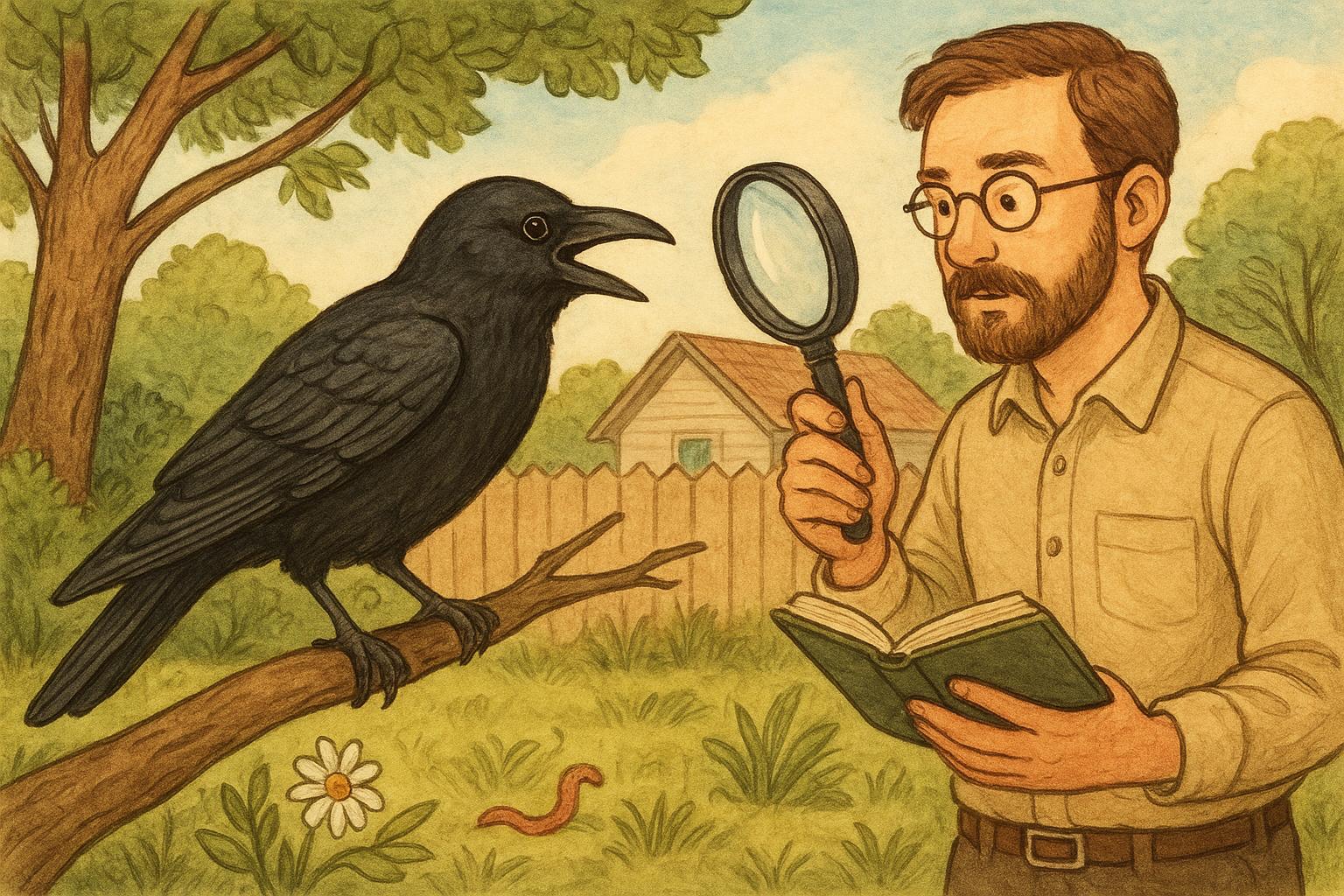
## Crow Biology In The Backyard: Secrets Revealed
The backyard is no longer just a battlefield between lawn enthusiasts and rebellious weeds — it’s a stage for theatrical avian intelligence. The moment a glossy-black silhouette cocks its head from a telephone wire or lands atop the fence, you’re not watching a simple bird; you’re witnessing a mastermind at work. This exploration of crow biology in the backyard peels back the feathers to reveal shocking behavior, startling adaptability, and the little-known clues that reveal crow health in the wild right at your back door.
### The Bold Physiology That Makes Crows Survive
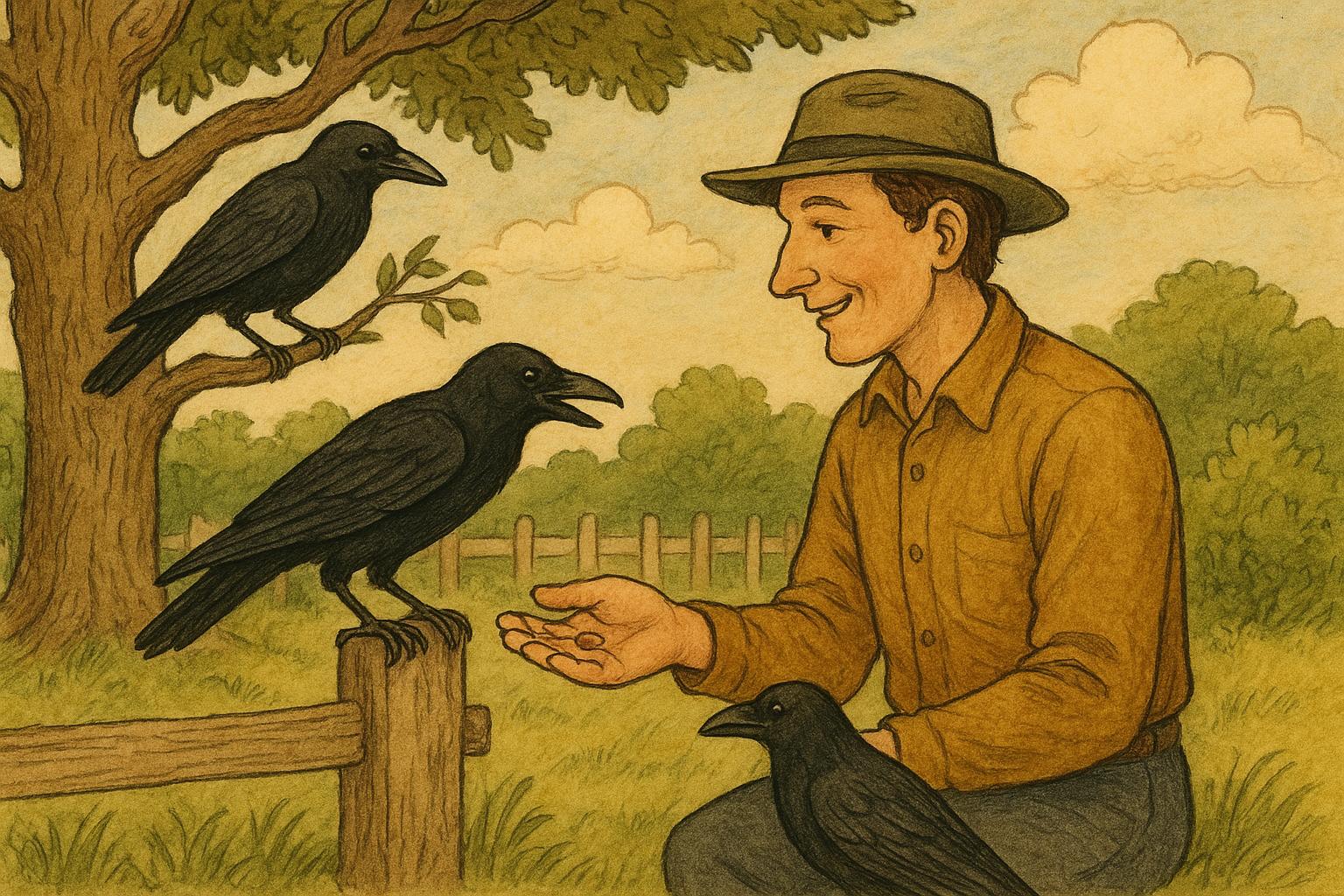
Crows are built for survival. Their robust beaks, nimble feet, and surprisingly large brains enable problem solving that defies expectations. The skull houses an unusually high ratio of brain mass relative to body size, especially in regions linked to social learning and memory. This combination of anatomy and behavior is a central theme of crow biology, giving them the capacity to remember human faces, cache food across seasons, and even use tools to extract hidden meals.
The eyes of a crow are forward-facing enough to give them excellent depth perception, while their keen ears detect the faint rustle of a worm beneath leaf litter. Their digestive system is adaptable, allowing a broad omnivorous diet — a factor that contributes to their success in urban and suburban backyards. Observing these anatomical and physiological traits up close in your yard helps decode how crow populations persist and what factors influence crow health locally.
### Social Networks And Communication: A Drama In Your Trees
Crows operate in fiercely complex social networks. Calls, postures, and coordinated group behaviors are part of an intricate language system that can resemble gossip or strategy sessions. Families may mob predators, coordinate on food finds, or perform what looks eerily like mourning rituals. These behaviors aren’t just fascinating theater; they are practical signals about environmental pressures and the overall well-being of the local crow community.
Each alarm call, each grouping at dusk, and each sudden exodus from a yard is a data point in the broader study of crow biology in the backyard. Researchers and citizen scientists alike can learn a surprising amount about flock stability, territory pressure, and disease outbreaks by paying attention to these social cues.
### The Dark Side: Disease, Toxins, And Threats To Crow Health
Crows are resilient, but resilience has limits. Pathogens such as West Nile virus, lead poisoning from ingestion of contaminated materials, and secondary poisoning from pesticides can sweep through a flock with rapid, devastating effect. Symptoms can be subtle at first: lethargy, disheveled feathers, lack of coordination. Later stages include neurological signs and behavioral changes that dramatically alter social dynamics.
Understanding the signs of compromised crow health is essential for any backyard naturalist. Observing feeding behavior—do crows avoid a once-popular food source?—or noting decline in flock size across weeks can be early warning signs. Because crows forage widely, their presence and condition are often a mirror for broader environmental hazards in the neighborhood.
#### Signs Of Distress You Can Spot From Your Window
– Unsteady perched posture or difficulty flying short distances.
– Fluffed, dirty, or clumped feathers persisting despite sunshine or preening.
– Isolation from the typical family group or persistent calling for long periods.
– Visible wounds or unexplained lethargy during daylight activity peaks.
If you spot any of these, document the observation (date, time, behavior) and consider contacting a licensed wildlife rehabilitator. Accurate reporting helps professionals assess patterns affecting crow health on a population level.
### How To Support Crow Health In The Backyard (Remedy 1)
When an individual crow appears injured or sick in your yard, your actions can be pivotal. Follow this formal, careful protocol designed for safety and effectiveness. Remember: wild crows are protected in many regions; always contact a wildlife rehabilitation professional when possible before intervening.
Ingredients / Required Materials:
1. Thick work gloves (leather or nitrile).
2. Large cardboard box with lid, or pet carrier with secure latch.
3. Soft towels or shredded newspaper.
4. A shallow container for water and a small dish for soft food.
5. Disposable syringe (without needle) for controlled water administration.
6. Phone with local wildlife rehabilitator contact info pre-saved.
Step-by-Step Creation And Application:
1. Assess From A Distance: Observe the crow for 10–15 minutes without approaching. Note breathing, movement, and whether other crows attempt to assist. If the bird is actively fleeing or flying, do not attempt capture.
2. Prepare The Transport Container: Line the bottom of the box or carrier with towels to create a dark, cushioned environment. Dark and quiet reduces stress.
3. Approach Slowly And Calmly: Wearing gloves, approach the bird quietly. Move deliberately to avoid triggering more panic. If the crow is alert and mobile, wait for professional help.
4. Capture With Minimal Struggle: Gently place the open box over the bird, then slide a flat piece of cardboard underneath to trap it without squeezing. If using a towel, drape it over the bird to restrain wings before placing into the carrier.
5. Provide Immediate Comfort: Place the water dish accessible but stable. Do not force-feed. If the crow is conscious but dehydrated, a few drops of water with the syringe placed at the side of the beak can be given slowly. Never attempt complex feeding; risk of aspiration is high.
6. Transport Promptly: Keep the environment quiet and transport directly to a licensed wildlife rehabilitator. Provide the observer notes: time found, location, behavior, and any visible wounds.
7. Follow-Up: Professionals may ask you to monitor the area for other affected birds or to provide additional observations on local hazards (e.g., recent pesticide use).
This remedy prioritizes safety, legal compliance, and the biological reality that improper handling often does more harm than good.
### Remedy 2: Backyard Nutrition Station For Stronger Flocks
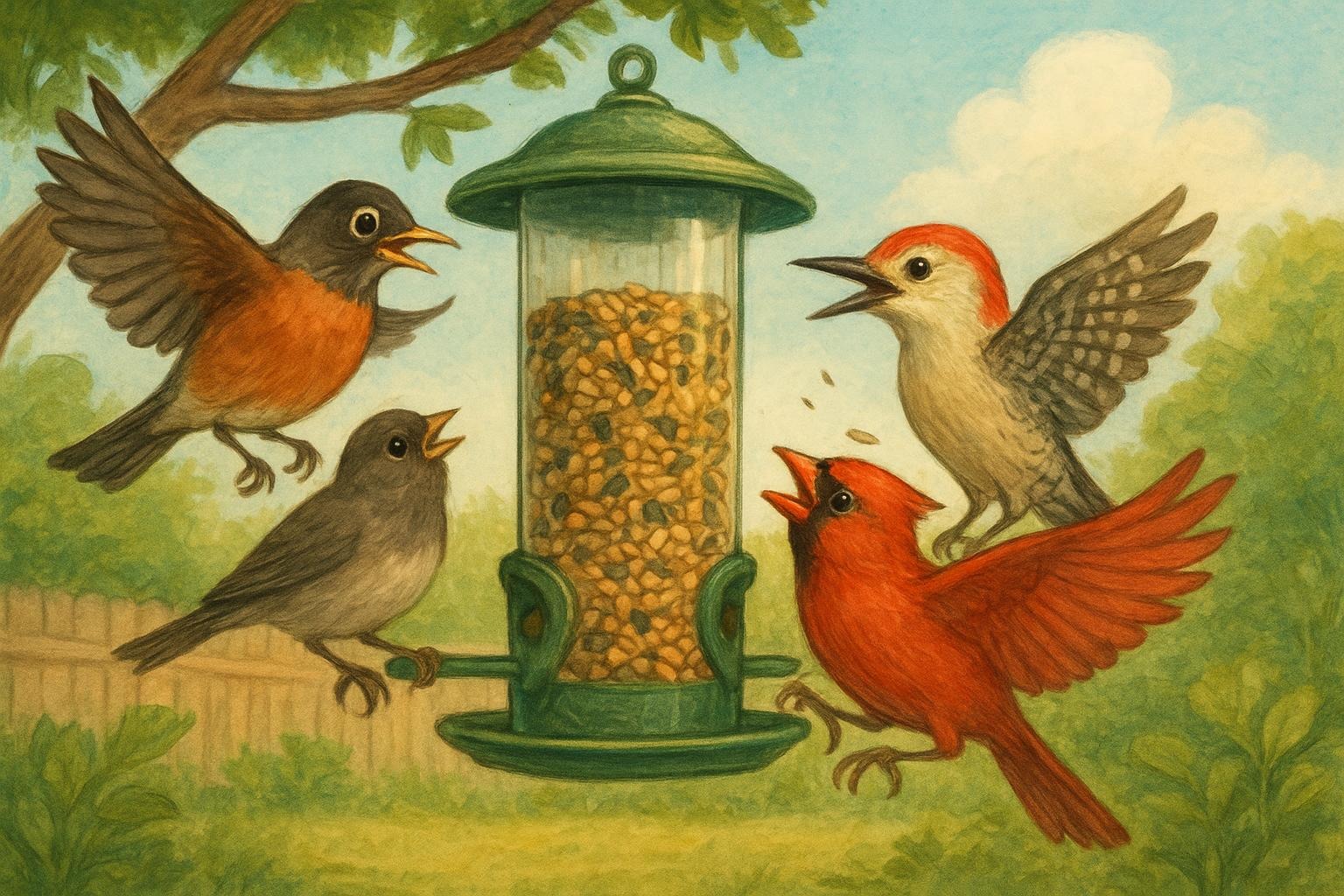
A healthier local crow population starts with sensible provisioning that respects natural diets and ecological balance. This second, formal remedy outlines how to build a simple nutrition station to bolster crow health without creating dependency.
Ingredients / Required Materials:
1. Sturdy elevated platform (weatherproof wood or metal).
2. Small sheltered roof or overturned plastic bin to protect from rain.
3. Metal dish or shallow tray for food.
4. Variety of appropriate foods: unsalted peanuts (shelled), chopped lean meat scraps (cooked, no seasoning), cooked eggs, insect meal, and fruit pieces (apple, pear).
5. Bin or container for fresh water.
6. Notebook or smartphone for observations.
Step-by-Step Creation And Application:
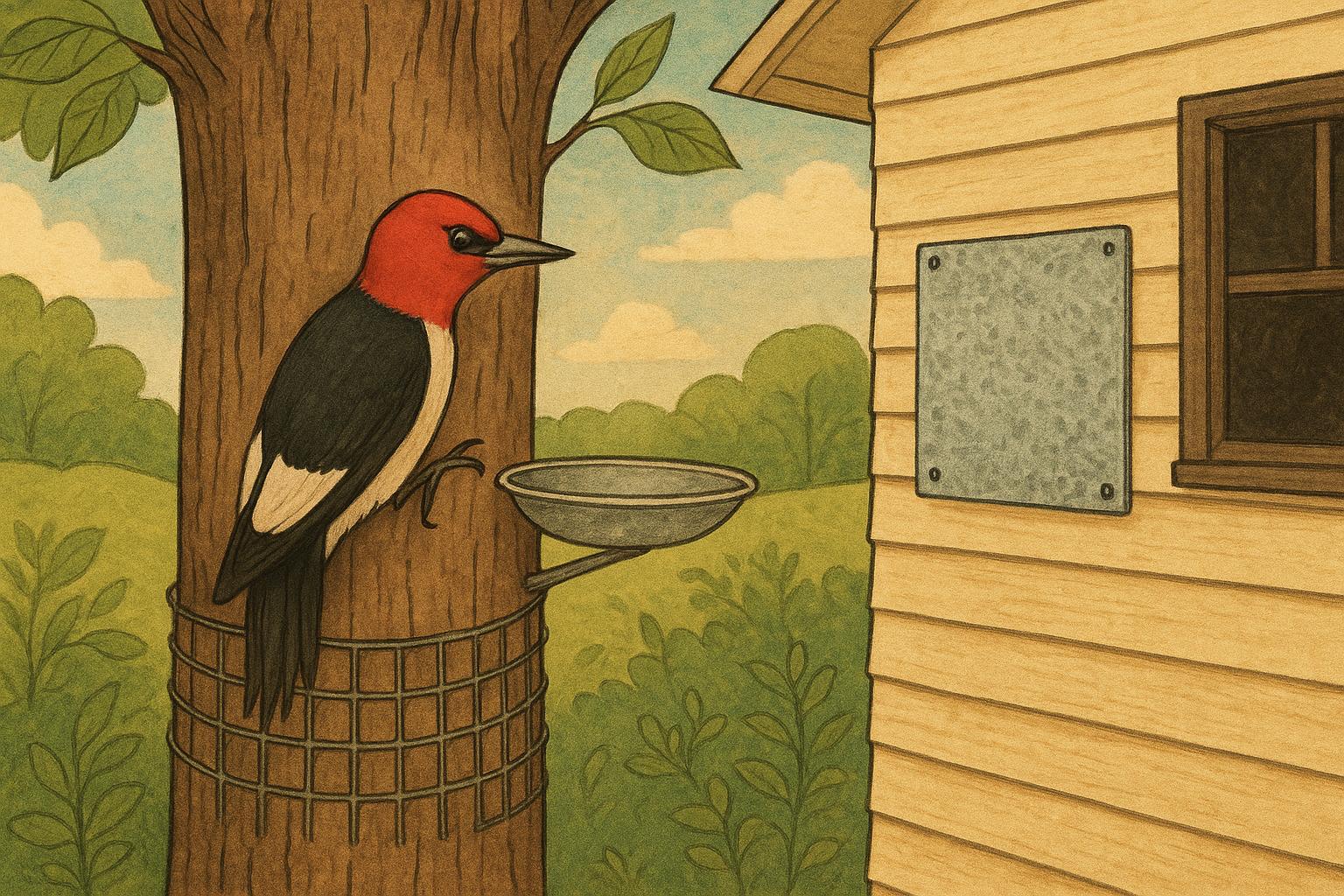
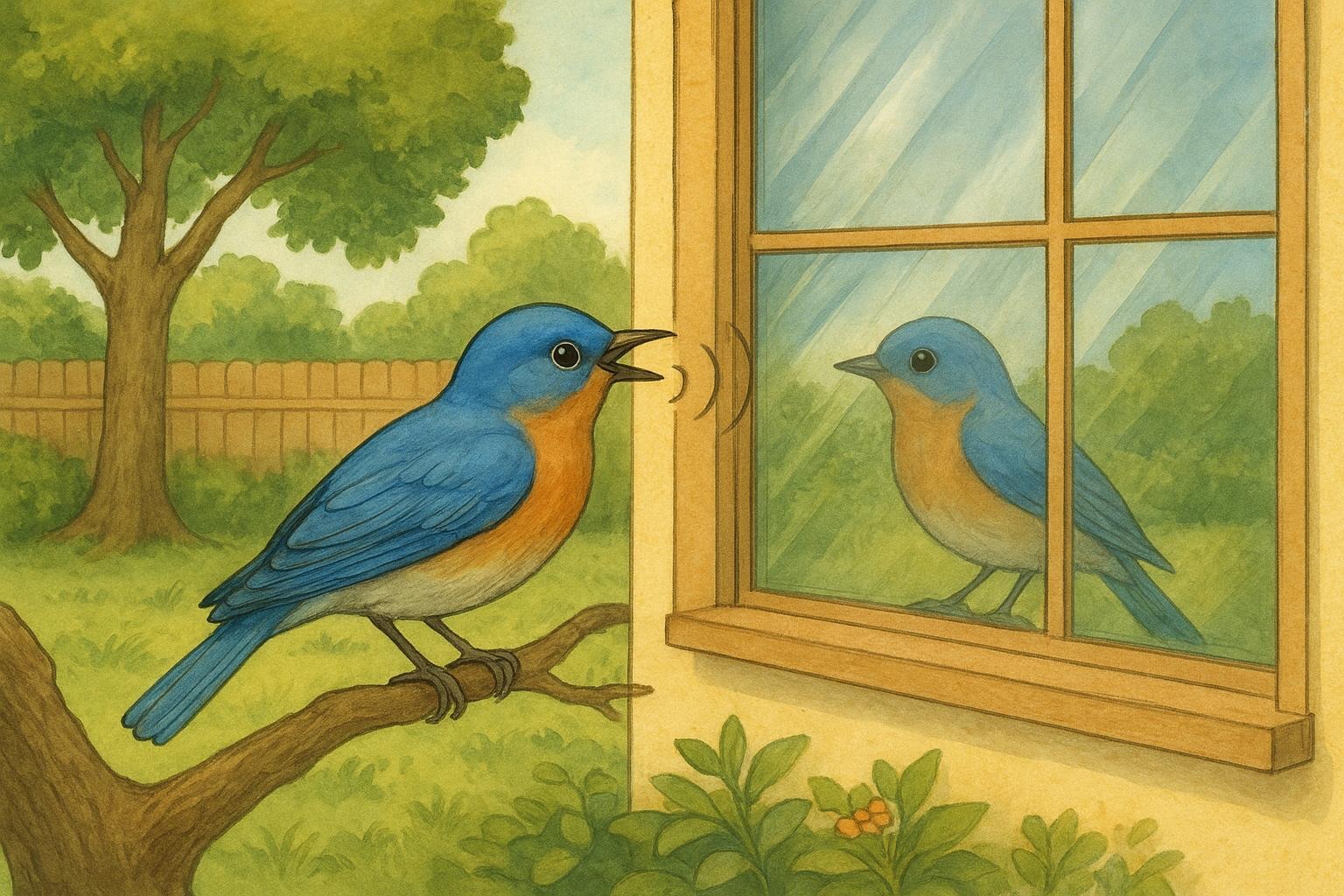
1. Choose Location: Place the platform high enough to deter ground predators, with clear sightlines so crows can watch for danger. Avoid locations close to windows to prevent collisions.
2. Assemble The Station: Secure the platform and shelter so it won’t tip in wind. Affix the metal dish and water container so they cannot be knocked over easily.
3. Offer Appropriate Foods Sparingly: Provide a small, varied selection once per day at roughly the same time to allow crows to learn the routine without becoming dependent. Rotate foods to mimic natural seasonal variety.
4. Maintain Cleanliness: Remove uneaten perishable items within 2–3 hours to prevent disease vectors. Clean dishes and platform weekly with hot water; avoid harsh detergents that could leave residues.
5. Record Observations: Note the number of visitors, feeding behavior, and any signs of illness. These notes contribute to a backyard health profile for the local crow population.
6. Adjust As Needed: If you observe aggression spikes, over-crowding, or increased predator attention, reduce provisioning frequency and consult local avian experts.
This structured approach supports local crow biology in the backyard while emphasizing health-promoting practices and minimizing ecological disruption.
### Monitoring Crow Biology With Citizen Science
You don’t need a degree to contribute meaningful data. Simple, systematic observation—when combined with proper reporting—can alert researchers to emerging threats and help track recovery after interventions. Use a notebook or an app to log sightings, behaviors, vocalizations, and numbers. Report dead or unusually behaving birds to local wildlife authorities since clusters of sick or dead crows can signal environmental toxins or contagious disease affecting wider ecosystems.
### When To Call Professionals And Legal Considerations
If you discover multiple sick or dead crows, or a single bird displaying severe neurological symptoms, contact wildlife officials immediately. Handling wildlife may be regulated; in many regions, capturing or rehabilitating native birds without a permit is illegal. Professionals have the training and facilities to diagnose and treat avian illnesses, and they play a critical role in managing outbreaks that threaten crow health and human communities alike.
#### Ethical Boundaries And Responsible Curiosity
Sensational revelations about intelligence and behavior must be balanced with respect for life and legal obligations. Enjoy the drama of crow biology in the backyard, but remember: your interventions should promote welfare, not spectacle. Observing, documenting, and supporting through informed, measured actions helps ensure these clever birds remain an enduring and fascinating part of your neighborhood wildlife tableau.


Leave a Reply