
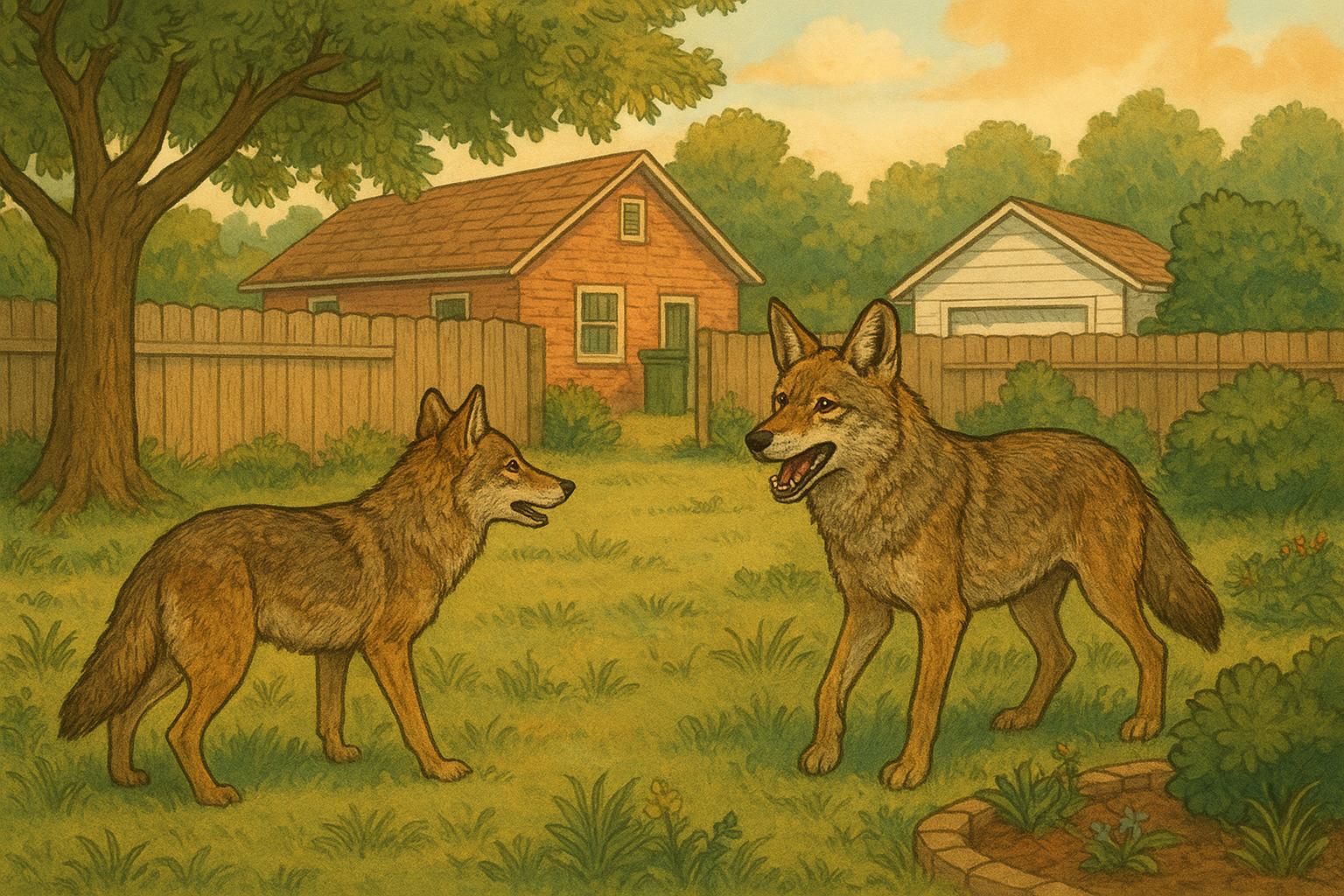
A twitch at the fence. A chorus of high, eerie yips that ripples through the cul-de-sacs at 2 a.m. The suburban night has a new heartbeat: the low-slung, intelligent silhouette that slips between hydrangeas and trash cans. These backyard predators are not myth—each rustle can be a confession of territory, hunger, or bold curiosity. Welcome to the secret theater where predators and people improvise survival—where backyard canid encounters reveal the surprising rules of the suburban wild.
## Backyard Canid Encounters: Coyotes Unleash Suburban Secrets
The phrase “backyard canid encounters” hums like a neon sign through neighborhoods across North America. Once relegated to canyons and prairie fringes, coyotes and their close relatives now orchestrate midnight patrols on streets lined with picket fences. This isn’t a gradual takeover so much as a stealthy truce: humans build food and shelter, and canids learn to exploit it. The result is a string of startling encounters that feel cinematic—pets stared down on porches, silhouettes crossing lawns, and the inexplicable feeling that you are being watched.
### Night Stalkers And Garden Ghosts
When coyotes slip between hedges, the image that comes to mind is a ghost—silent, watchful, and impossibly sure-footed. The drama is irresistible: suburbanite vs. wild. But beneath the theatricality is ecological adaptation. These animals have learned to hunt and scavenge in fragmented habitats, exploiting human-made resources. Backyard canid encounters often begin innocently: a cat allowed to roam, a half-empty compost bin, a dog fed outdoors. Each small oversight writes a new line in the coyote’s survival manual.
#### Tracks, Scat, And Silent Stares
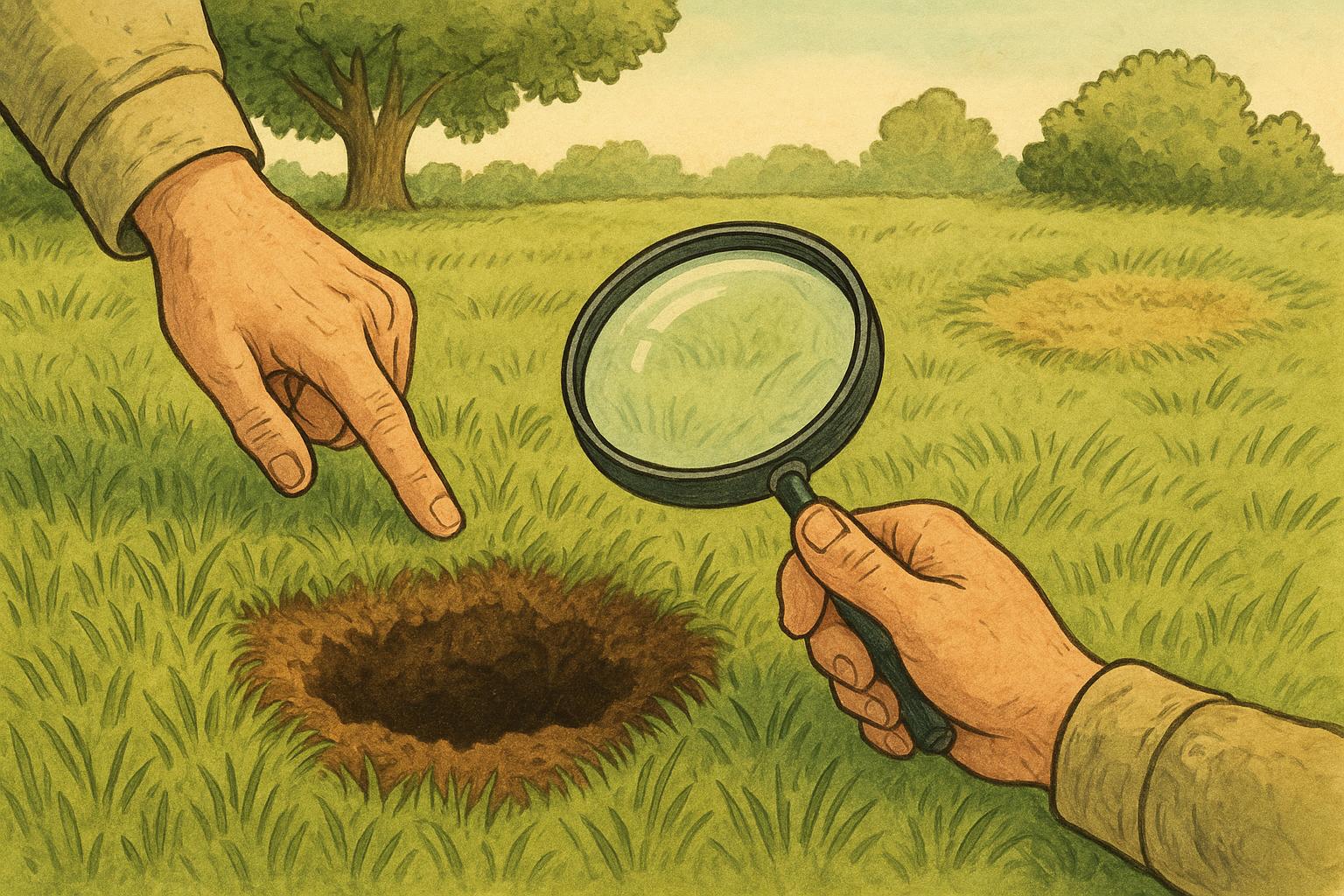
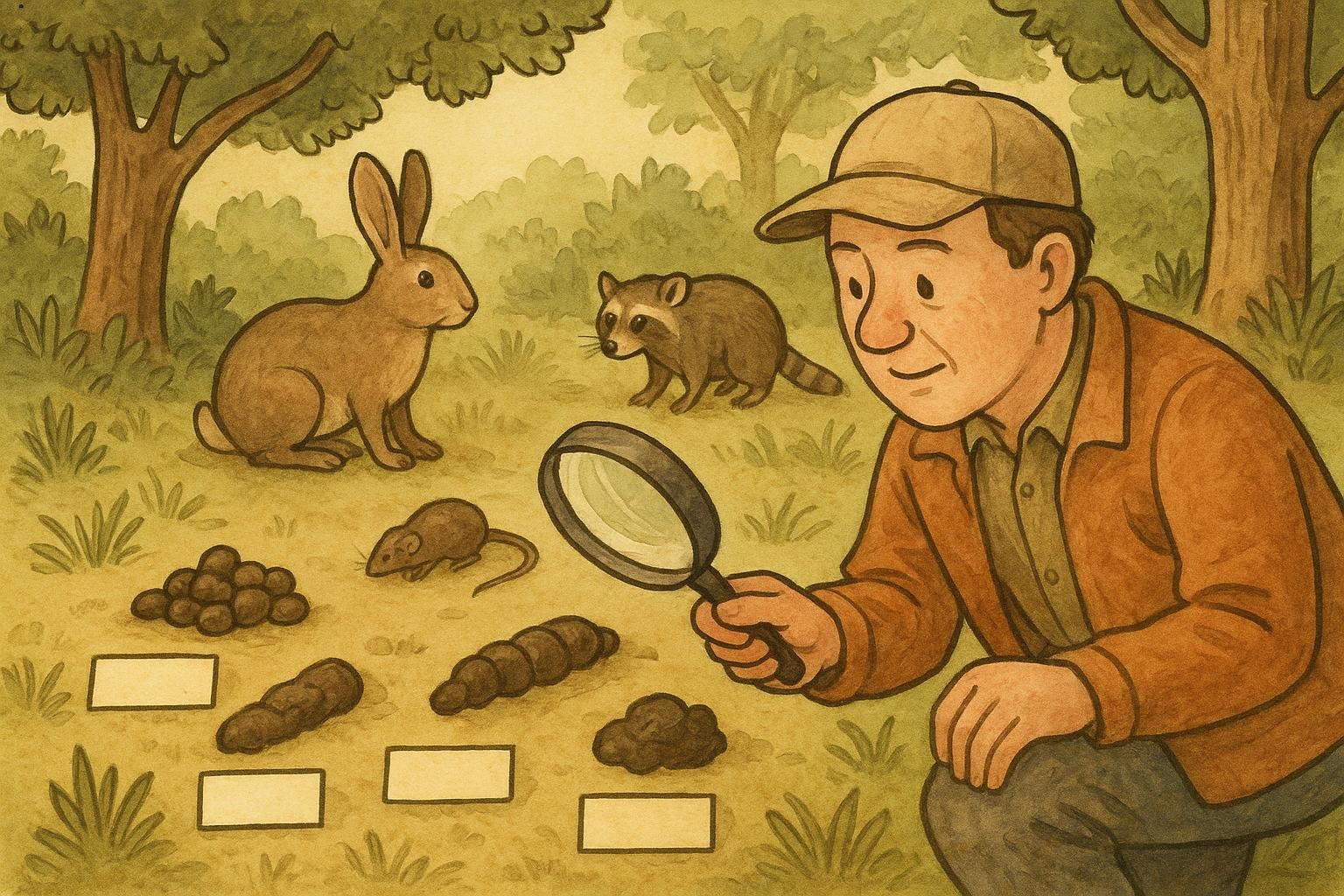
Evidence of a visit can be almost forensic. Tracks at the edge of a lawn, scat containing hair and small bones, or unusual paw-smudges on a shed—these are the breadcrumbs of canid presence. Observing without panic is crucial. Photograph tracks, note time of activity, and record pet interactions. These data points help wildlife professionals determine whether you’re dealing with curious, nocturnal visitors or a habituated animal that associates humans with food.
### How Urban Canids Adapt
Urban canids are not wild anarchists; they are problem solvers. They adapt to light pollution, traffic, and human schedules. They may shift hunting to late night or dawn, exploit green corridors like utility easements, and take advantage of pet food and unsecured trash. The result: increased sightings and bolder behavior. In neighborhoods where feeding wildlife is common—intentionally or inadvertently—encounters escalate. Recognizing this pattern is the first step to restoring boundaries between human spaces and animal behavior.
#### The New Rules Of The Suburban Wild
The game has rules, and they are shifting. Do not feed wildlife. Secure attractants. Walk dogs on leash at night. Remove outdoor cat access when coyotes are active. These rules strip the drama from the encounter and reframe it as a preventable, manageable interaction. Sensational stories sell, but practical actions save pets and reduce stress for families and animals alike.
## Signs You Are Experiencing Backyard Canid Encounters
Recognizing consistent signs of canid presence is essential for both safety and remediation. A single silhouette racing across a yard can be startling; repeated behavior indicates a pattern that needs attention.
### Vocalizations And Behavior
Coyotes communicate with yips, howls, and barks that can be hauntingly melodic. Lone howls often mark territory; group yips can signal a hunt or reunion. Aggressive behavior—stalking pets, entering homes or garages, or showing no fear of humans—indicates habituation. At the opposite extreme, coyotes may flee at human presence, which is a sign of natural wariness that should be preserved.
#### What To Do Immediately
If you witness a bold coyote:
– Do not run or turn away; stand tall, make loud noise, wave your arms, and throw non-harmful objects if needed to scare it off.
– Keep children and pets close and under direct supervision.
– Report repeat incidents to local animal control or wildlife officials with times, photos, and descriptions.
## 2 Remedies To Reduce Backyard Canid Encounters
When sensational encounters become routine, it’s time for structured, evidence-based interventions. The remedies below are practical, humane, and effective when implemented consistently. In this section I shift to formal guidance so homeowners can act with clarity and confidence.
### 1. Motion-Activated Lighting And Audio Deterrent
Purpose: Create an environment that disrupts nocturnal comfort for coyotes without harming them.
Materials:
– Motion-activated exterior lights (LED floodlights recommended)
– Motion-activated ultrasonic or recorded sound deterrent device
– Sturdy outdoor mounts and weatherproofing supplies
– Batteries or outdoor-rated electrical wiring as required
Step-by-Step Creation and Application:
1. Site Assessment: Identify likely approach routes (fence gaps, hedgerows, low-traffic corridors). Mark three to five strategic locations for devices.
2. Install Lighting: Mount motion-activated lights 6–8 feet high, angled to illuminate the yard without creating glare for neighbors. Ensure lights activate at a distance matching typical coyote approach lines (10–20 feet).
3. Place Audio Devices: Install motion-triggered audio deterrents in covered locations to avoid weather damage. Use devices that emit sudden, unpredictable sounds rather than constant noise. Ultrasonic devices can supplement but should not be solely relied upon.
4. Test and Calibrate: Walk the perimeter at night to test activation ranges. Adjust sensitivity to reduce false triggers from trees or stray cats.
5. Monitor Efficacy: Keep a log of sightings before and after installation. Replace batteries and periodically reposition devices to avoid habituation.
Notes: Combine lighting and audio for higher deterrence. Do not use devices that injure animals. These systems are deterrents, not permanent exclusions; follow with physical barriers for lasting results.
### 2. Secure Perimeter And Habitat Modification
Purpose: Remove attractants and create physical barriers to reduce access and perceived safety for suburban canids.
Materials:
– Heavy-gauge wire mesh or welded-wire fencing (minimum 4-6 feet high)
– Fence extensions or coyote rollers for top-of-fence protection
– Soil, gravel, or concrete for burying mesh to prevent digging
– Secure lidded trash containers and compost bins
– Pet feeding containers and storage solutions
Step-by-Step Creation and Application:
1. Remove Attractants: Store pet food indoors. Use wildlife-proof trash containers and ensure compost is secured or removed if it contains meat or dairy. Do not leave fallen fruit or bird seed accessible.
2. Install Or Upgrade Fencing: Use welded-wire fencing with small grid sizes (1–2 inches) to prevent squeezing through. For areas with digging, bury mesh at least 12–18 inches or extend fence outward buried into soil.
3. Add Top-of-Fence Defenses: Install coyote rollers or angled extensions to prevent animals from gaining purchase. Rollers are smooth cylinders that spin when animals attempt to climb, causing them to fall back rather than land on top.
4. Create Unattractive Landscaping: Keep shrubs and groundcover trimmed near the house to eliminate hiding spots. Use gravel or rock borders that are less comfortable for animals to traverse than mulch or dense plantings.
5. Enforce Pet Management: Keep cats indoors during peak coyote activity (dusk to dawn). Walk dogs on leash and immediately retrieve toys or food left outside.
Notes: Combine physical barriers with human behavioral changes for maximal effect. Habitat modification reduces the long-term attractiveness of a property and decreases the likelihood of habituation.
### Additional Formal Considerations
– Monitoring: Use trail cameras to document patterns. This helps tailor interventions and provides evidence for wildlife authorities.
– Community Action: If multiple properties experience issues, coordinate a neighborhood response. Shared policies on trash, feeding, and pet management create consistent behavioral cues for urban canids.
– Safety First: For aggressive or rabid animals, do not attempt to handle or trap. Contact wildlife professionals immediately.
## Legal And Community Considerations
Urban wildlife is managed differently across jurisdictions. Some areas have protections or specific protocols for coyotes and other canids. Urban canids may be part of permitted control programs in extreme cases, but many municipalities emphasize non-lethal management and public education.
#### When To Contact Wildlife Authorities
Contact local animal control or wildlife agencies if:
– A coyote attacks or kills a pet.
– A coyote displays no fear of humans, approaches people aggressively, or enters occupied buildings.
– There is evidence of disease or abnormal behavior (staggering, vocalizing during daylight in unusual patterns).
Provide date, time, location, photos or video, and descriptions of behavior to assist in an appropriate response.
The suburban wild is a crucible where adaptation happens fast. Backyard canid encounters are vivid, sometimes frightening, and ultimately a call to rethink how we share space. With thoughtful deterrents, community coordination, and respect for animal behavior, neighborhoods can keep the drama—and the danger—on the stage rather than in front of the house.















































Leave a Reply