
Backyards often host a surprising variety of wildlife, and among the most intriguing are amphibians. Whether you hear a chorus of frogs after a rain or spot a solitary toad under a garden pot, understanding which species live nearby and how to keep them safe benefits both the animals and your yard’s ecology. This article explains common species, basic amphibian care principles, how to create a friendly amphibian habitat, and safe, evidence-informed home remedies for minor problems.
## Amphibian Species In Backyard: Which Toads And Frogs You May See
Many homeowners ask which amphibian species in backyard environments are most likely to appear. Common groups include true frogs, tree frogs, toads (family Bufonidae), and several salamander species. Distribution depends on region, season, and available water. Typical backyard visitors:
– Spring peepers and chorus frogs in temperate gardens.
– American toads and Fowler’s toads in yards with leaf litter and shaded areas.
– Tree frogs near shrubs and small trees.
– Small newts and salamanders beneath damp logs or rocks.
### Recognizing Species By Signs And Calls
Frog and toad calls are the easiest clues to presence. A high, piercing peep suggests tree frogs, whereas low, trilling calls point to larger true frogs. Visual cues—size, skin texture (bumpy vs. smooth), and eye shape—help differentiate species. Note the environment: species that require permanent water will be found near ponds, while toads often roam farther from water and shelter under garden debris.
## Creating A Safe Amphibian Habitat In Your Garden
A healthy amphibian habitat is essential for supporting local populations and mitigating risks from pesticides, pets, and lawn equipment. Simple, natural design choices greatly improve habitat value.
### Water Features And Shelter
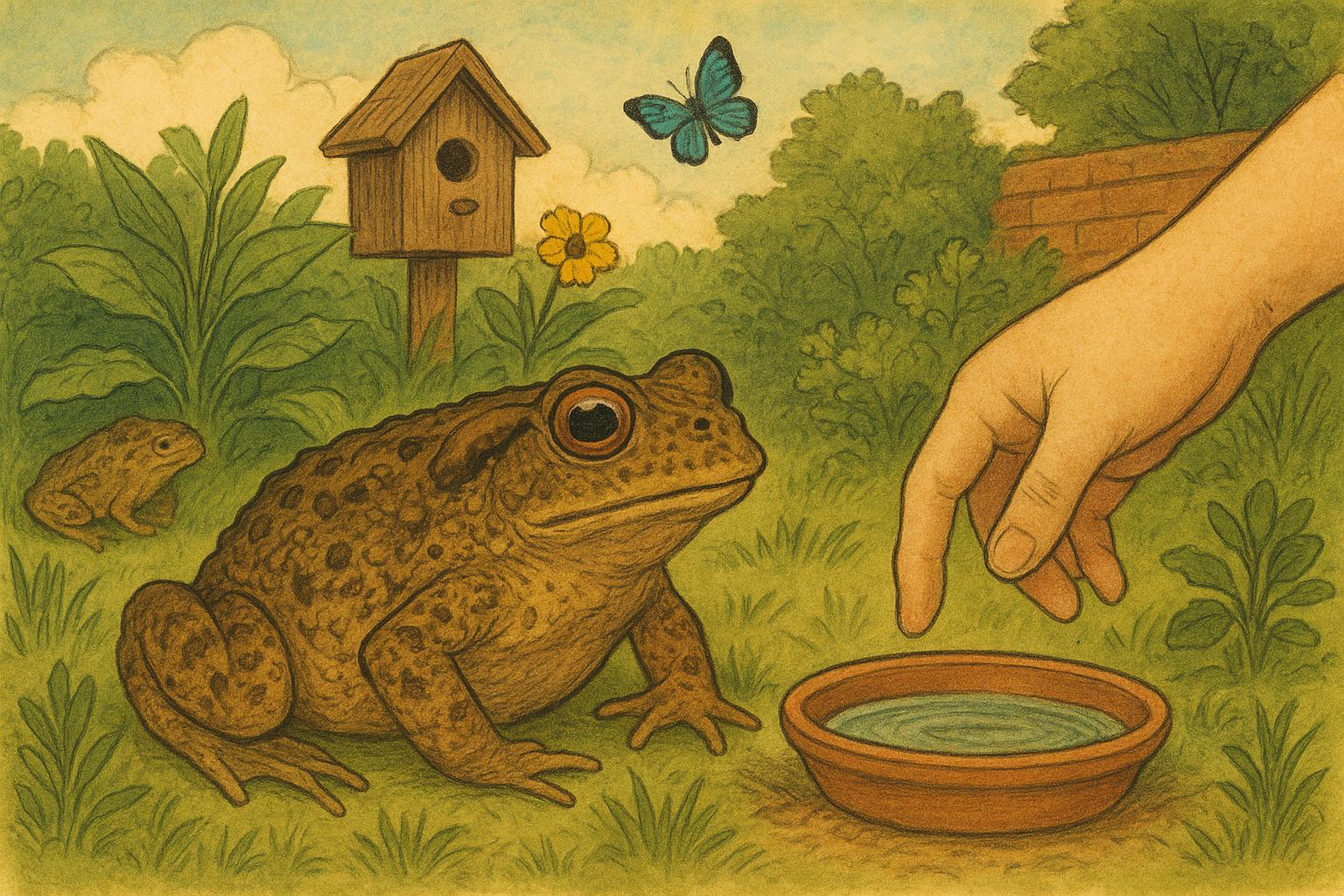
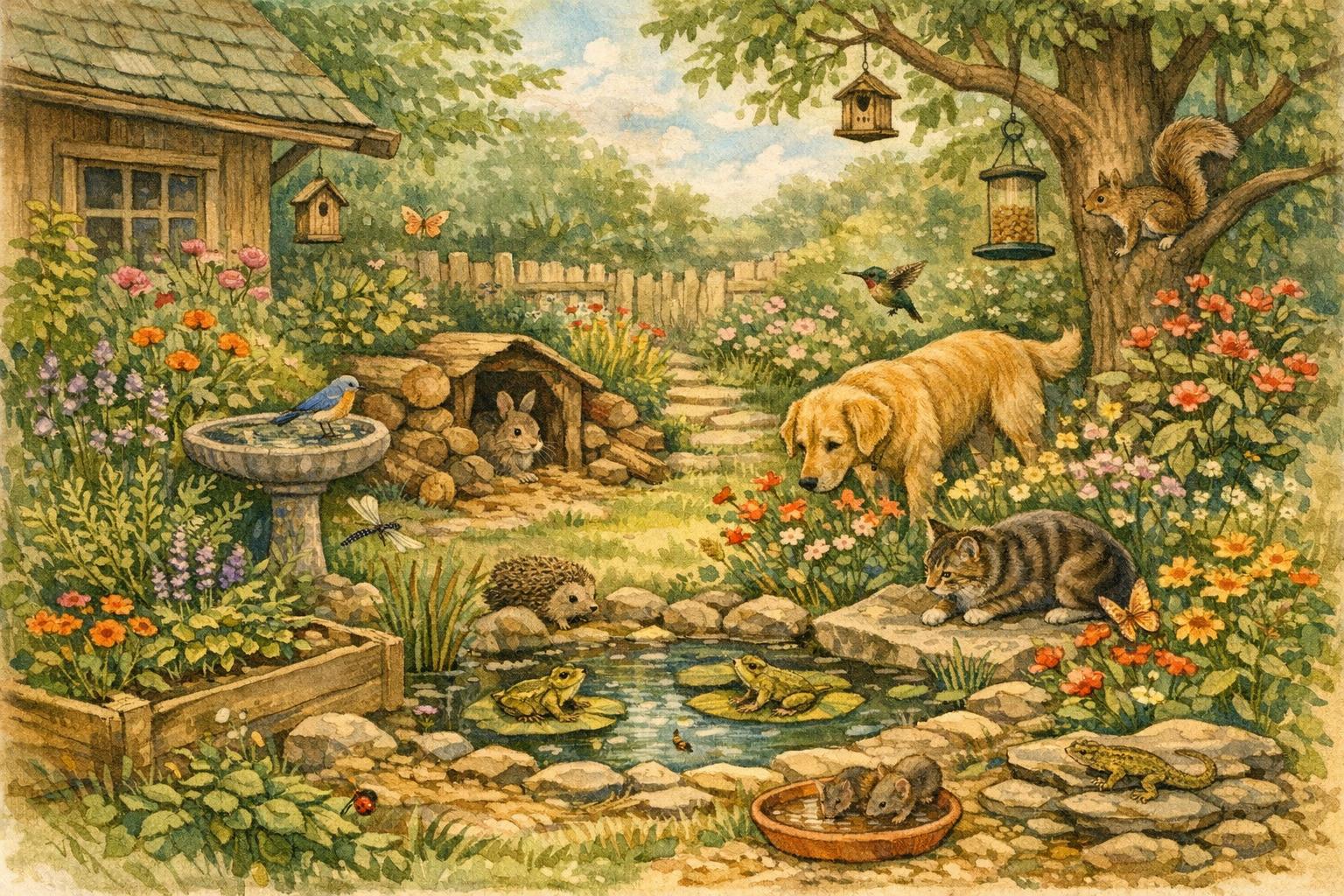
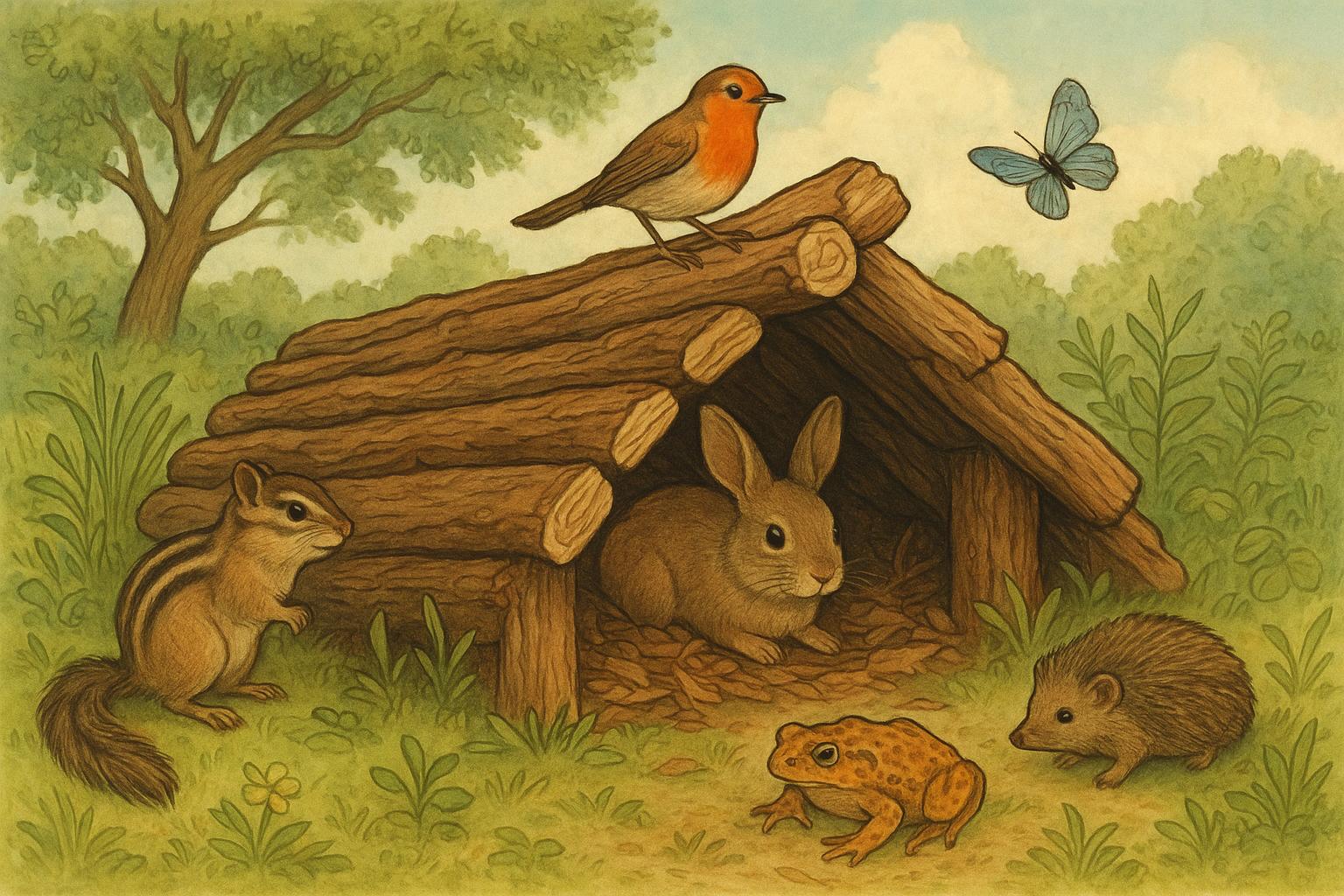
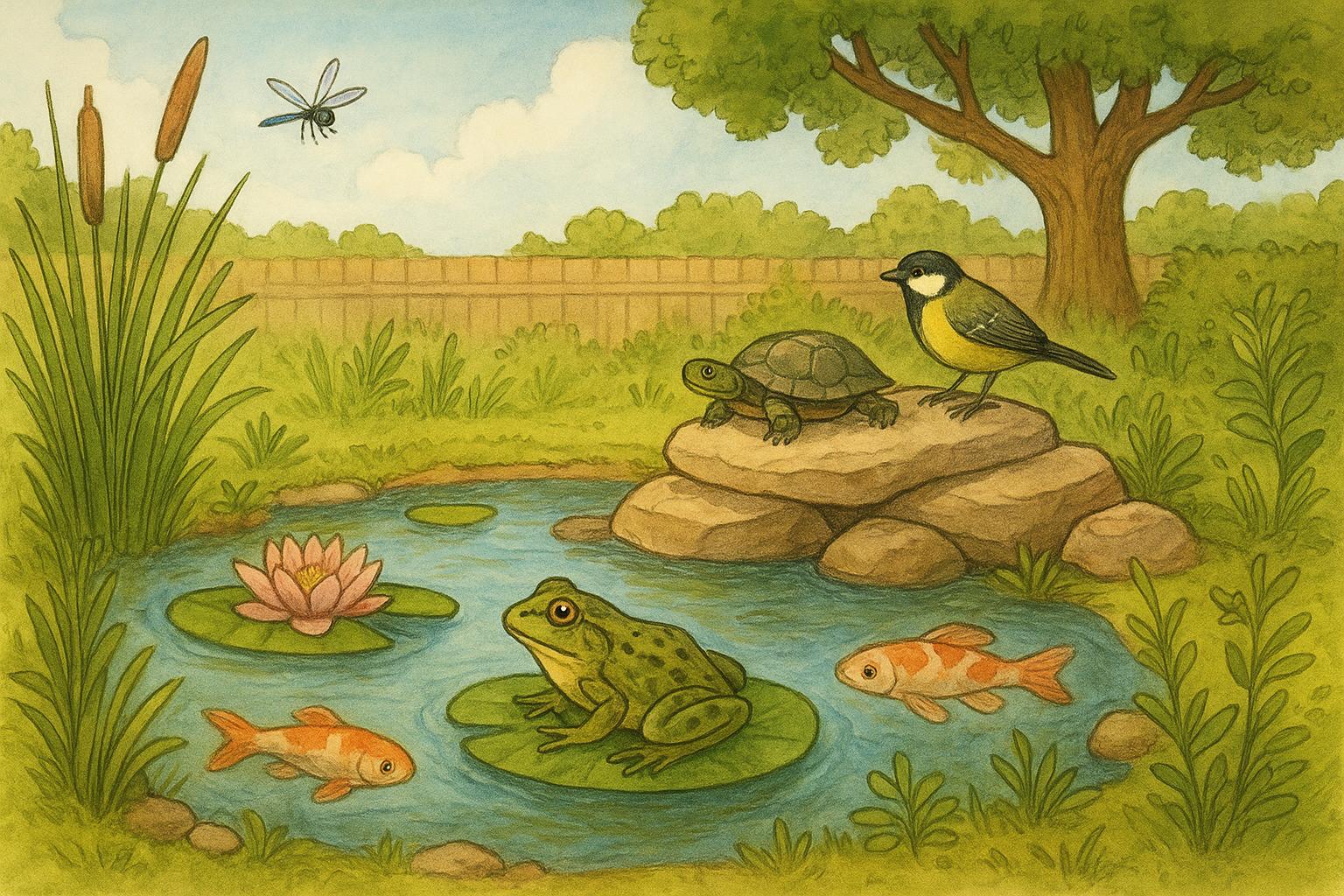
Provide shallow, pesticide-free water features with gently sloped edges so amphibians can enter and exit easily. A small pond, water-filled saucer, or a damp hollow in a log can suffice. Add submerged rocks or ledges to create microhabitats. Shelter is equally important: maintain leaf litter, stacked logs, rock piles, and patches of native vegetation. Avoid sealing the soil surface with hardscapes that prevent burrowing and reduce insect prey availability.
### Avoiding Chemical Hazards
Many amphibians have permeable skin, making them especially sensitive to pollutants. Do not use insecticides, herbicides, or chemical fertilizers near amphibian habitat. If you must manage pests, opt for manual removal, biological controls, or targeted, low-toxicity options approved for use around wetlands. Keep pet waste out of ponds and reduce runoff from treated lawn areas.
#### Thermal And Moisture Gradients
Ensure a variety of microclimates: sunny spots for thermoregulation and cool, moist refuges for hydration. Amphibians regulate body temperature behaviorally; providing both shaded and sunlit areas supports natural activity patterns and breeding readiness.
## Amphibian Care Basics For Gardeners And Pet Owners
Good amphibian care in a backyard context focuses on habitat, nutrition through natural prey, and minimizing stressors from pets and humans.
### Feeding And Natural Prey
Amphibians primarily consume live invertebrates. A garden that encourages insects—avoiding broad-spectrum insecticides and planting diverse native flora—sustains food availability. Do not deliberately feed amphibians human food or processed items. In captive or rescue situations, offer appropriately sized live prey such as crickets or small worms, and ensure any captive feeding follows species-specific nutritional recommendations.
### Handling And Hygiene
Limit handling to essential situations, such as relocation from immediate danger. When handling is necessary, wet your hands with dechlorinated water or wear nitrile gloves to protect the animal’s sensitive skin. Amphibians can carry pathogens like Batrachochytrium dendrobatidis (chytrid) and ranavirus; practice strict hygiene—disinfect tools and footwear between habitats and avoid translocating animals between sites.
#### Interaction With Pets
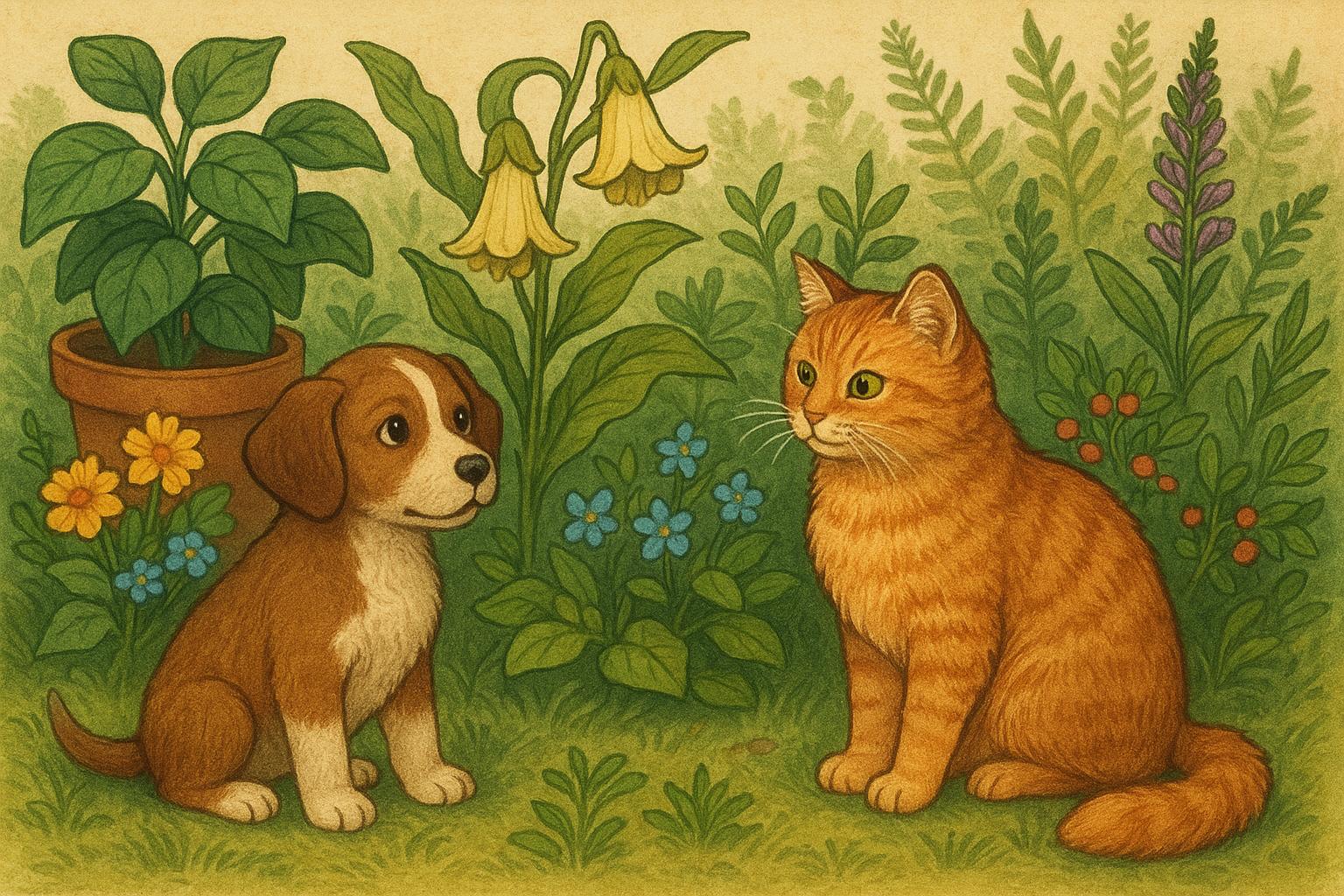
Cats and dogs can stress or injure amphibians. Supervise pets, especially at night when amphibians are active. Teach dogs to avoid ponds and remove standing water containers after rain. If a dog bites a toad, seek veterinary care for the pet (some toads secrete toxins) and check the amphibian for injuries if possible.
## Recognizing Illness And Safe Home Remedies
When amphibians show signs of poor health—lethargy, skin lesions, abnormal posture—prompt assessment is necessary. In many cases, environmental management is the first remedy. When providing remedies, I present formal, evidence-aligned steps for basic care. For serious illness, contact a wildlife rehabilitator or veterinarian experienced with amphibians.
### Environmental Corrections (First-Line Measures)
1. Isolate environmental stressors: stop any chemical applications nearby and reduce noise and pet disturbance.
2. Improve enclosure or microhabitat conditions: increase humidity with gentle misting of dechlorinated water, add moist shelter (damp moss or leaf litter), and ensure proper temperatures for the species.
3. Provide clean, untreated water: do not use chlorinated tap water unless dechlorinated; a simple dechlorinating agent or standing water for 24 hours can reduce chlorine levels.
### Basic Topical Care For Minor Skin Abrasions (Formal Guidance)
– Prepare a sterile environment and wear gloves to reduce pathogen transmission.
– Gently rinse the affected area with sterile, dechlorinated water to remove debris.
– For superficial abrasions, keep the amphibian moist and in a quiet, humid enclosure with clean substrate. Do not use antiseptics intended for mammals unless directed by a vet, as many are toxic to amphibians.
– If bacterial infection is suspected (increasing redness, deterioration), arrange professional care. Do not apply human antibiotics without veterinary approval.
### Addressing Dehydration
Amphibians may dehydrate due to heat or lack of humidity. Provide shallow containers of dechlorinated water for soaking. For systemic dehydration, professional fluid therapy is required; do not attempt subcutaneous fluids at home without training.
#### Handling Suspected Fungal Infections
Fungal diseases like chytridiomycosis require specialized diagnosis and treatment. Limit further spread by isolating the individual, disinfecting equipment, and contacting a specialist. Avoid home bleach treatments on live animals—they can be fatal.
## Safe Relocation And Rescue Practices
If an amphibian is in imminent danger (on a road, trapped), relocate it carefully to suitable nearby habitat. Follow these guidelines: handle minimally with wet hands or gloves, move only short distances to avoid displacing animals from their home range, and release them in shaded, moist areas with cover. Do not translocate to distant sites to prevent disease spread and genetic disruption.
### Transport Basics
Transport in breathable containers lined with damp, clean substrate. Keep temperatures stable and avoid direct sunlight. If transferring to a rehabilitator, provide details about location, habitat, and observed symptoms to aid diagnosis.
## Gardening Practices That Encourage Amphibian Presence
Design choices that benefit amphibians often improve overall backyard biodiversity. Plant native shrubs and grasses, retain woody debris, and create small, pesticide-free ponds. Minimize night lighting near ponds; artificial light can disrupt breeding and predator-prey interactions.
### Seasonal Considerations
Spring and early summer are critical for breeding. Avoid major landscaping projects during these times and postpone draining or cleaning ponds until after the breeding season unless necessary for amphibian welfare. Fall is a good time to add cover objects and restore leaf litter for overwintering amphibians.
## Community Measures And Legal Considerations
Many amphibian species are protected by local regulations. Before collecting, moving, or keeping wild amphibians, check regional wildlife laws. Engage neighborhood groups to promote amphibian-friendly practices; a coordinated reduction of pesticides and creation of connected habitat patches supports larger populations.
### Reporting And Professional Support
If you observe mass die-offs, abnormal behavior across multiple animals, or species of conservation concern, report findings to local wildlife authorities or conservation organizations. Rapid reporting helps detect emerging threats and disease outbreaks.
Continue implementing habitat improvements and monitoring your yard for changes in amphibian activity, always prioritizing low-intervention, natural solutions and professional assistance when needed.





Leave a Reply