
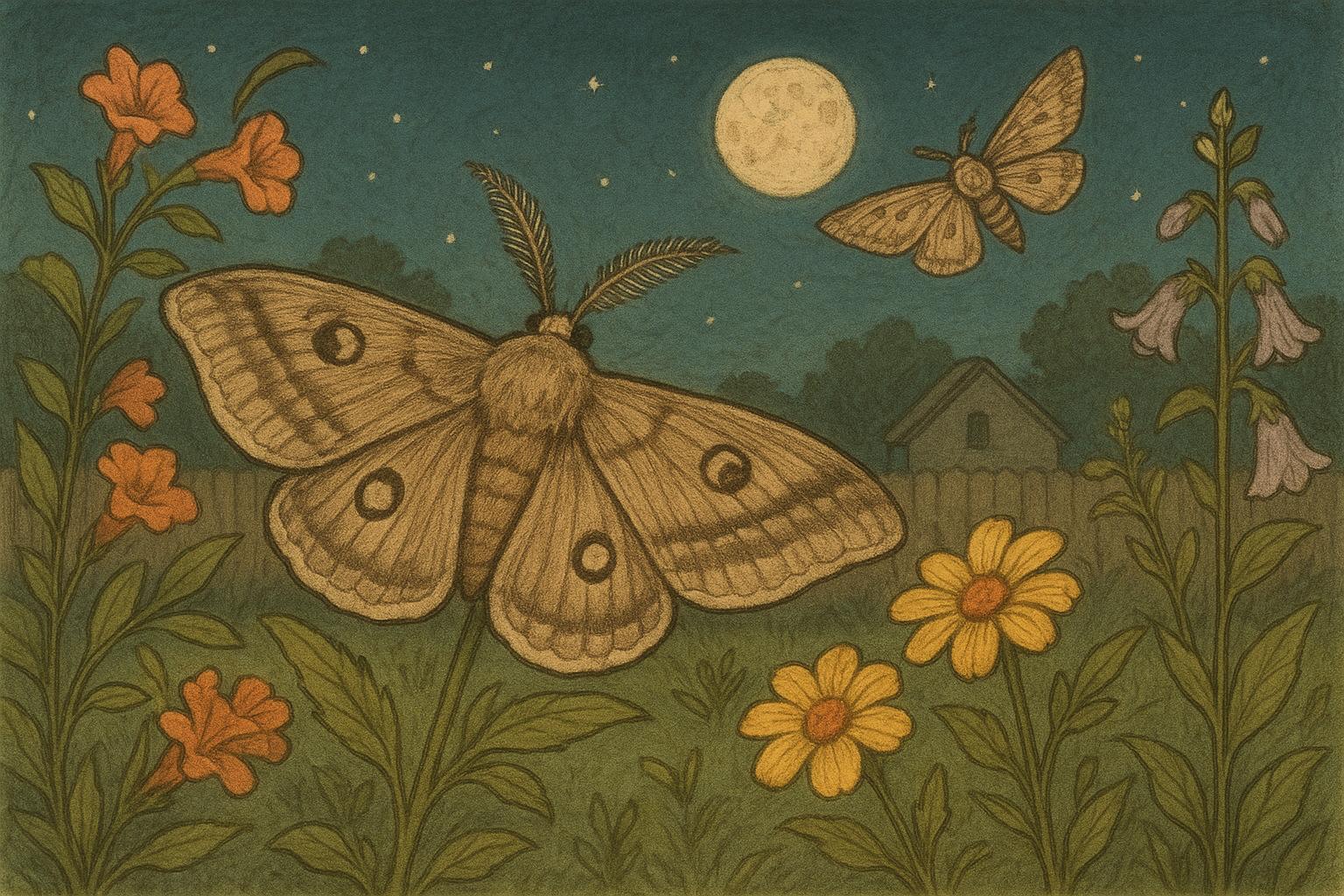
Moths are not just the pale shapes that flutter at porch lights. If you watch long enough, you’ll see purposeful visitors: probing, hovering, and carrying pollen in ways bees do not. Those behaviors tell us a lot about local ecology — and your garden.
## Common Backyard Moths You Might See
Most yards host a handful of species that show up reliably. Knowing just a few makes it easier to read the night. Sphinx or hawk moths (Sphingidae) are the obvious ones: big bodies, narrow wings, and a habit of hovering like tiny helicopters while they sip from deep-throated flowers. Luna and polyphemus moths (Saturniidae) are less frequent but impressive when they appear; they don’t feed as adults often, but their caterpillars eat local trees and shrubs. Then you have the smaller, duller noctuids and geometrids — easily overlooked but abundant and important as pollinators, especially of low, open flowers.
I say “common backyard moths” because these are the species you’ll see in yard surveys and photos: not the museum rarities, just what’s persistent. The exact mix depends on region and habitat — suburban oak patches favor polyphemus, while yards with lots of evening-blooming vines attract more hawk moths. Even so, a typical urban lot will have representatives from at least three families on most nights.
### How Their Shapes Match The Flowers
A quick rule of thumb: long proboscis, deep flowers. Hawk moths have the reach for tubular blossoms like honeysuckle and moonflower. Shorter-tongued moths visit flatter, shallow flowers like asters and verbena. This mechanical matching matters for pollination: a plant evolves a shape and scent that suits the insects available. Observing which moth lands on which plant tells you about those local evolutionary relationships.
### A Note On Identification
You don’t need a microscope. Watch behavior, silhouette, and flight. Hawk moths hover and dart; geometer moths make a fluttering, angled flight and often rest with wings flat. Color helps but isn’t decisive at night — use photos taken with a long-exposure or a soft light. Sometimes a caterpillar is the easier way to identify the species; many adult moths are plain, while caterpillars advertise host plants in clear ways.
## Why Backyard Moths Matter For Gardens
Moths extend the pollination window. Many flowers open at dusk or release their scent after dark specifically to attract these visitors. If your garden has evening-blooming plants — petunias, nicotiana, four o’clocks — moths can be the primary pollinators. That’s not just romantic. It’s practical: fruit set for some species increases when moths do the work, and seeds from night-pollinated flowers often show different patterns of gene flow because the moths can travel further than small bees.
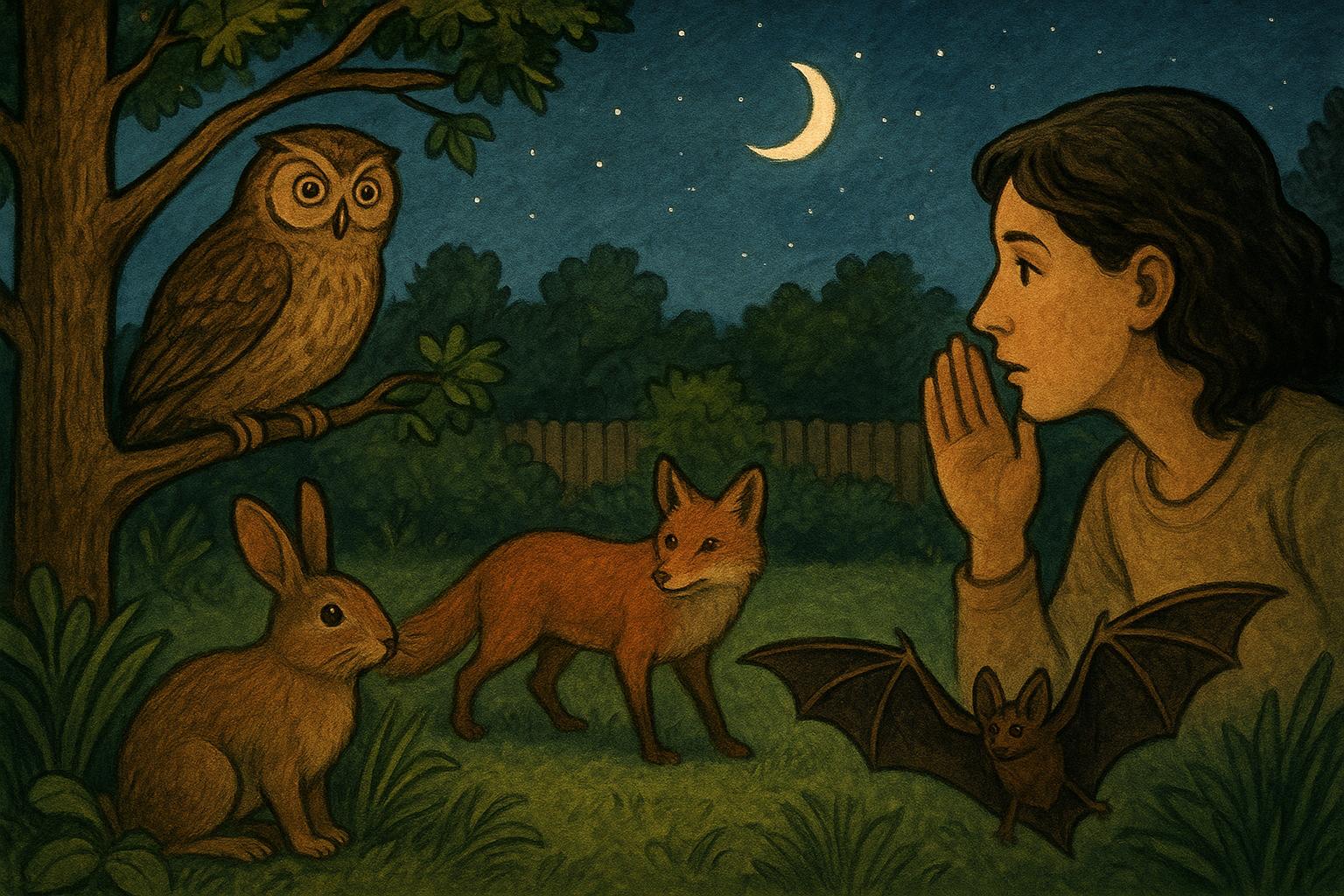
Backyard moths also connect food webs. Caterpillars are a top protein source for fledgling birds and small mammals. Adult moths feed bats and nocturnal spiders. A yard that supports robust moth populations is supporting more than pollination — it’s sustaining predators and parasites that keep pests in check.
### The Difference From Bees
Moths tend to transfer pollen differently. Bees collect deliberately and groom some pollen off for their nests. Moths, especially the hoverers, brush pollen against stigma patches as they press their heads and proboscises into flowers. That often results in broader pollen dispersal because moths are less focused on a single flower species than a bee collecting pollen for a brood. The end result is different genetic mixing in plant populations.
#### Timing And Weather Effects
Moth activity is sensitive to wind and temperature. Calm, warm evenings after a sunny day are best. Heavy rain suppresses flight for most species. If you’re monitoring pollination, keep a simple log of temperature, wind, and cloud cover — you’ll see clear patterns over the season.
## How Night Pollination Works
Night pollination is driven primarily by scent and visual contrast. Many night-blooming flowers are pale or white, making them visible under moonlight and starlight. Scent is the big attractor: plants such as evening primrose and jasmine ramp up volatile emissions at dusk. Moths have olfactory receptors tuned to these compounds and can trace them from significant distances.
A moth’s proboscis is often the story’s technical hero. Some sphinx moths have proboscises longer than their bodies and can reach nectar in very deep corolla tubes. That narrows which moths can access which flowers and explains the tight pairing of some plants and pollinators. On a practical level, watch where the insect’s head and tongue go — you’ll learn which flowers are relying on which visitors.
### Observing Night Moths Without Disturbing Them
If you want to watch night moths, don’t blast your yard with bright white LEDs. They disorient and sometimes trap insects around the light. Instead, use a dim amber or shielded light, or place a pale sheet with a low-wattage UV bulb at a distance from core garden beds. Offer nectar sources like open bowls of diluted sugar water or a clump of overripe fruit; many species will feed there without getting harmed. Photograph with a soft fill flash or long-exposure to avoid startling the insect.
## How To Make Your Yard More Moth-Friendly
Start with plants. Evening-blooming and fragrant species are obvious choices: Nicotiana alata (flowering tobacco), Oenothera biennis (evening primrose), Mirabilis jalapa (four o’clock), petunias, and moonflower vine are all reliable. Native shrubs and trees matter for larvae; caterpillars of giant silk moths and many noctuids feed on specific trees like birch, oak, willow, and hickory. Leave a small patch of native grasses or unmanicured perennials for egg-laying and shelter.
Cut back on pesticides. Many insecticides are broad-spectrum and kill moths at multiple life stages. If you must treat, pick targeted options and treat at times when non-targets are least active. Also consider light management: a few shielded, warm-tone lights cut down on the chaotic attraction that pulls in insects from far away and exhausts them around fixtures.
### Plant Choices For Different Moth Types
#### For Sphinx/Hawk Moths
Tubular, heavily scented flowers: honeysuckle, moonflower, nicotiana, trumpet vine. These give nectar deep in a tube where their long tongues shine.
#### For Noctuids And Geometrids
Open, shallow flowers that form accessible nectar pads: asters, phlox, verbena. Planting a diversity of these keeps smaller pollinators fed.
#### For Silk Moths And Native Specialists
Provide larval host trees: oaks and willows for many caterpillars; birch and hickory for specific saturniids. Even a single mature tree supports dozens of moth life cycles.
## Observational Techniques And Citizen Science
You don’t need expensive gear. A notebook, phone camera, and a soft light let you document most visits. Note date, time, plant species, and behavior (hovering, probing, perched). Join platforms like iNaturalist or community initiatives like National Moth Week; regional naturalist groups often have species lists and local tips that cut through generic field-guide advice.
One practical method is a simple sugar bait: mix overripe mashed fruit with a little beer and molasses, paint it on tree trunks at dusk, and check after an hour. Many noctuids and tiger moths will land and feed. Take photos and release them unharmed. Be mindful: too much sugar in a concentrated spot can attract ants and other predators, and not every environment needs baiting to get good observations.
### Recording Behavior Over Time
A few hours once a week across the season beats an intense single-night survey. You’ll catch early- versus late-season species, see how rains and temperature shifts alter activity, and notice which plants consistently receive visits. If you’re serious, coordinate observations with local weather records and share them — patterns emerge quickly in community datasets.
A quick aside: older label sheets sometimes have species names mispelled, which is why keeping photos is so useful — you can verify identifications when names are corrected in databases.
## Dealing With Light Pollution And Predators
Light pollution changes moth behavior and can reduce pollination in some urban areas. If your neighborhood allows, advocate for shielded streetlighting and lower color temperatures. In the yard, avoid upward-facing lights and aim fixtures downward. That small change reduces moth mortality and the disruption of night-time navigation.
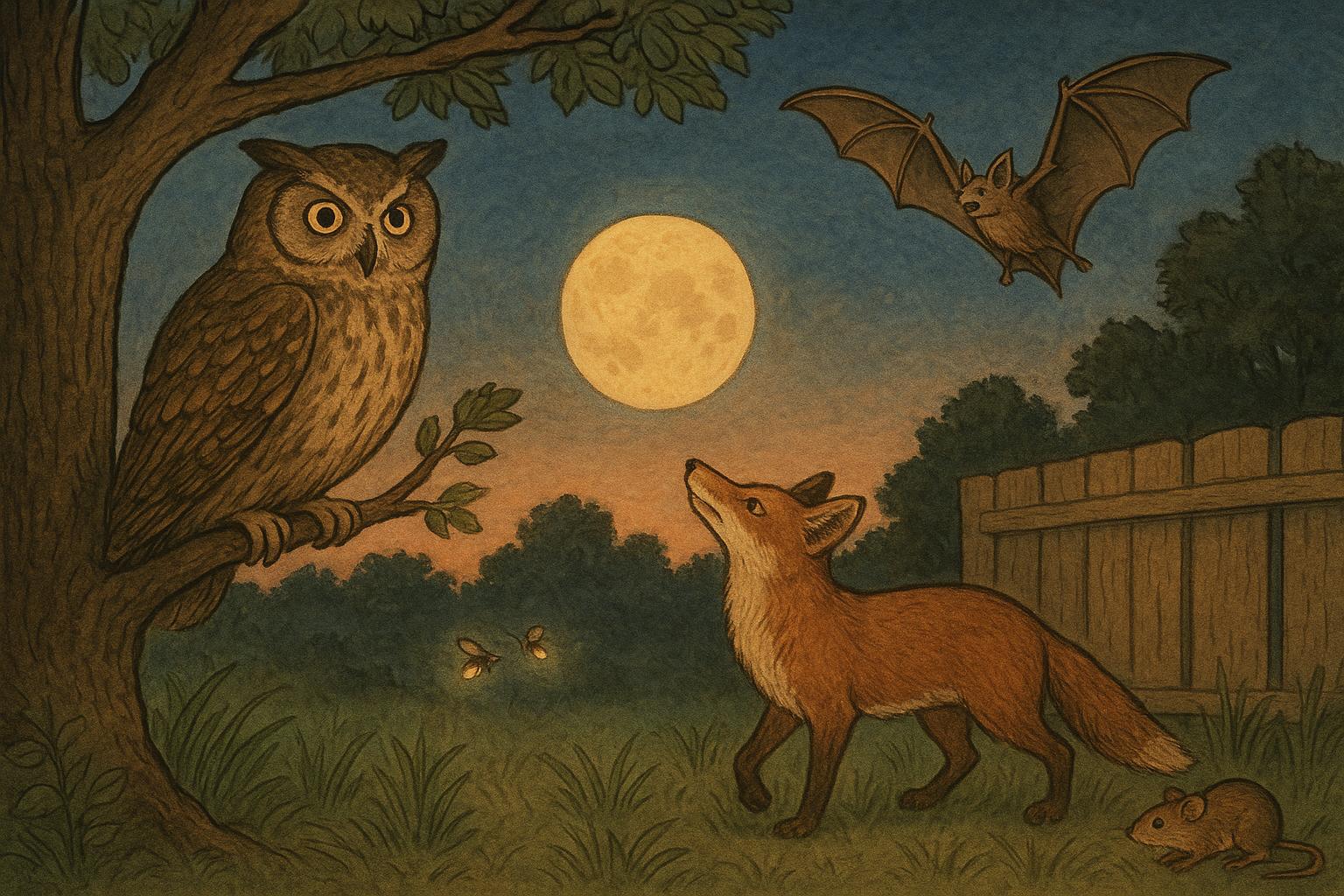
Predators like bats and night birds follow moths. That’s normal. A yard that supports moths will also support those predators, which is a desirable ecological balance. If you notice less moth activity than expected, check for heavy artificial lighting nearby or recent pesticide use in surrounding properties.
## Practical Notes For Gardeners New To Night Pollination
Start with one or two night-blooming plants and a sheltered spot free of direct bright light. Watch for the first visitors on warm, calm evenings. Try different scents — nicotiana’s clove-like perfume attracts different groups than the honeyed smell of moonflower. Keep a simple list of what visits which plant. Over two seasons you’ll develop a feel for the local nocturnal network, and your yard’s role in it will become clear without any complicated equipment.


Leave a Reply