
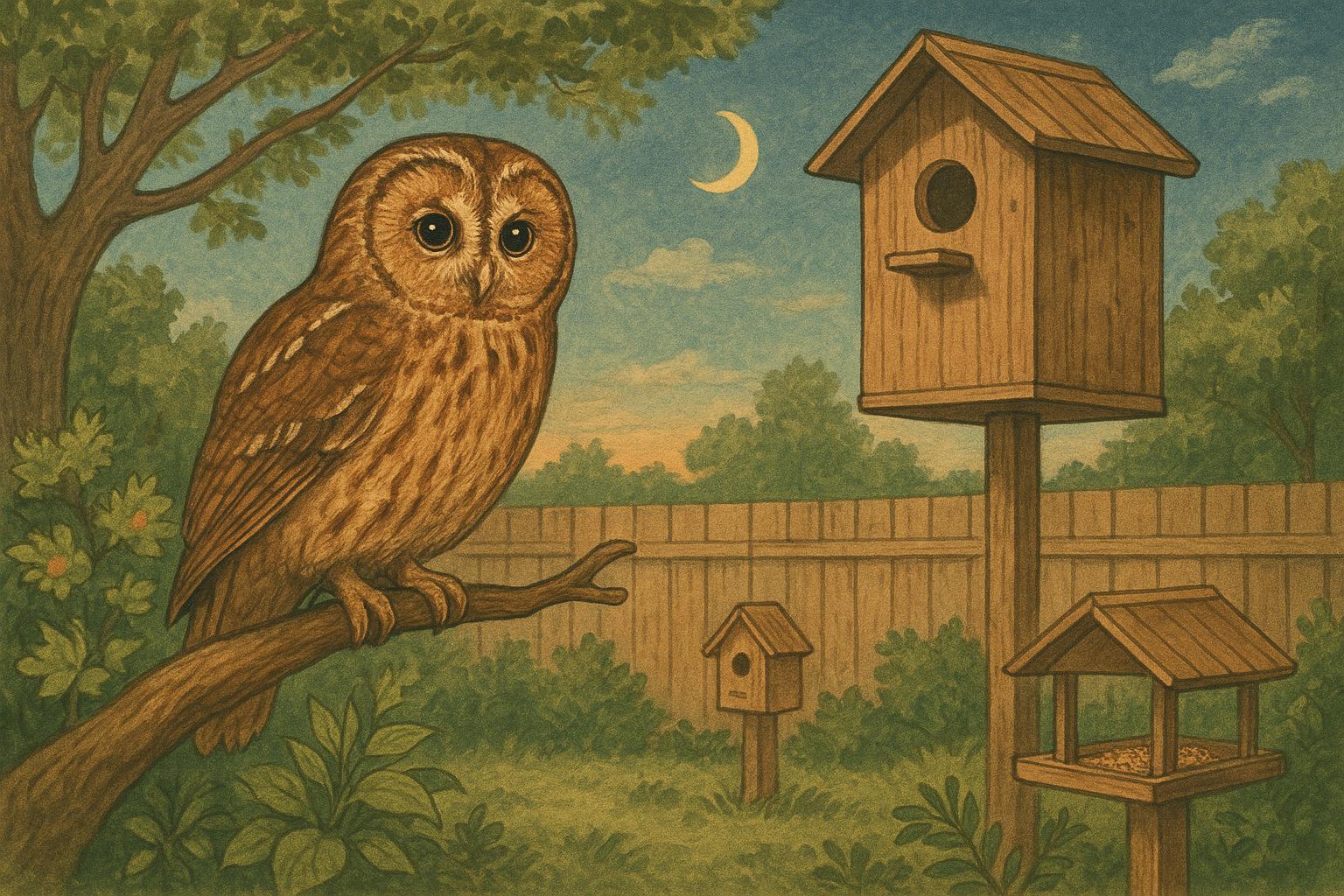
## Backyard Owl Habitat: Creating A Safe Space
Providing a backyard owl habitat can turn a typical yard into a nocturnal wildlife refuge that supports local raptors and benefits the broader ecosystem. Homeowners who encourage owls help control rodents, increase biodiversity, and often enjoy the unique sounds and behaviors of these secretive birds. To establish a successful backyard owl habitat you must balance habitat features, legal considerations, and humane practices that prioritize owl safety.
## Why Owls Use Urban And Suburban Yards
Owls are attracted to yards that offer reliable food sources, safe perches, and secure nesting opportunities. Many species adapt well to edges where open hunting grounds meet stands of trees or shrubs. Creating a backyard owl habitat is less about forcing owls to move in and more about removing barriers—providing shelter, nesting possibilities, and safe hunting areas while minimizing threats like rodenticides and collisions.
## Site Selection And Legal Considerations
Selecting the right location for an owl feature means observing existing patterns: where do small mammals frequent, where are mature trees or clearings, and how does light and noise behave at night? Before installing nest boxes or modifying habitat, check local wildlife regulations. In many regions owls are protected; permits may be required for relocation or certain manipulations. Work with local wildlife rehabilitators or birding groups for species-specific guidance to ensure your backyard owl habitat remains both effective and legal.
### 1. Build A Nest Box For Owls
Creating artificial owl nesting sites is one of the most effective interventions for encouraging owl occupancy, especially in areas lacking natural cavities. This remedy is commonly used for species like barn owls and screech owls. Below is a formal, practical plan for constructing and installing an owl box.
Required Materials:
– Exterior-grade plywood (3/4″ thick) or cedar boards
– Galvanized hardware screws (1 1/2″ to 2″)
– Waterproof exterior wood glue (optional)
– Non-toxic exterior paint or stain (earth tones)
– Hinges and latch for a clean-out panel
– Roofing material (corrugated metal or asphalt shingles)
– Mounting hardware (pole bracket, lag bolts, or tree straps)
– Optional: 1/2″ hardware cloth for predator guard
Step-by-Step Construction and Installation:
1. Design Choice: Select a box design suitable for the target species. For barn owls, a tall rectangular box with a recessed entrance is typical. For screech owls, a smaller cavity-type box with a discrete entrance hole is preferred. Consult species-specific dimensions from reputable wildlife sources.
2. Cut Panels: Using your design, cut back, front, two sides, floor, and roof panels from plywood. Typical barn owl box dimensions: interior floor 14″ x 18″, height 24″–36″; entrance 8″ x 6″ vertical slit placed high on the front panel. Screech owl boxes: floor 10″ x 10″, height 12″–16″, circular entrance 3″–3.5″ diameter.
3. Assemble Box: Pre-drill screw holes to prevent splitting. Apply exterior glue to joints, align panels, and drive galvanized screws at regular intervals. Include a 90° overhang roof to shed rainwater.
4. Ventilation And Drainage: Drill small drainage holes in the floor corners and ventilation slits near the top of the side panels to prevent moisture buildup.
5. Clean-Out Access: Fit a hinged panel on one side or the front bottom to allow annual inspection and cleaning outside of the nesting season.
6. Finishing: Apply a single coat of non-toxic exterior paint or stain in a muted color to camouflage the box. Do not paint the interior. Attach roofing material securely.
7. Predator Guard: Optional metal collar or hardware cloth around the entrance can deter raccoons and larger predators.
8. Mounting: Install the box on a pole or sturdy tree 10–20 feet high depending on species and local predator presence. Face the entrance away from prevailing winds and toward an open hunting area. Use tree straps that allow trunk growth or mount on a pole with a predator baffle.
9. Post-Installation Monitoring: Check monthly from a distance for signs of activity. Avoid disturbing the box during the breeding season. Record occupancy and consult local birding records to contribute data.
When constructing and installing, maintain formal safety standards: wear protective gear while cutting materials and follow local building codes if anchoring to structures.
## Habitat Elements That Support Hunting And Shelter
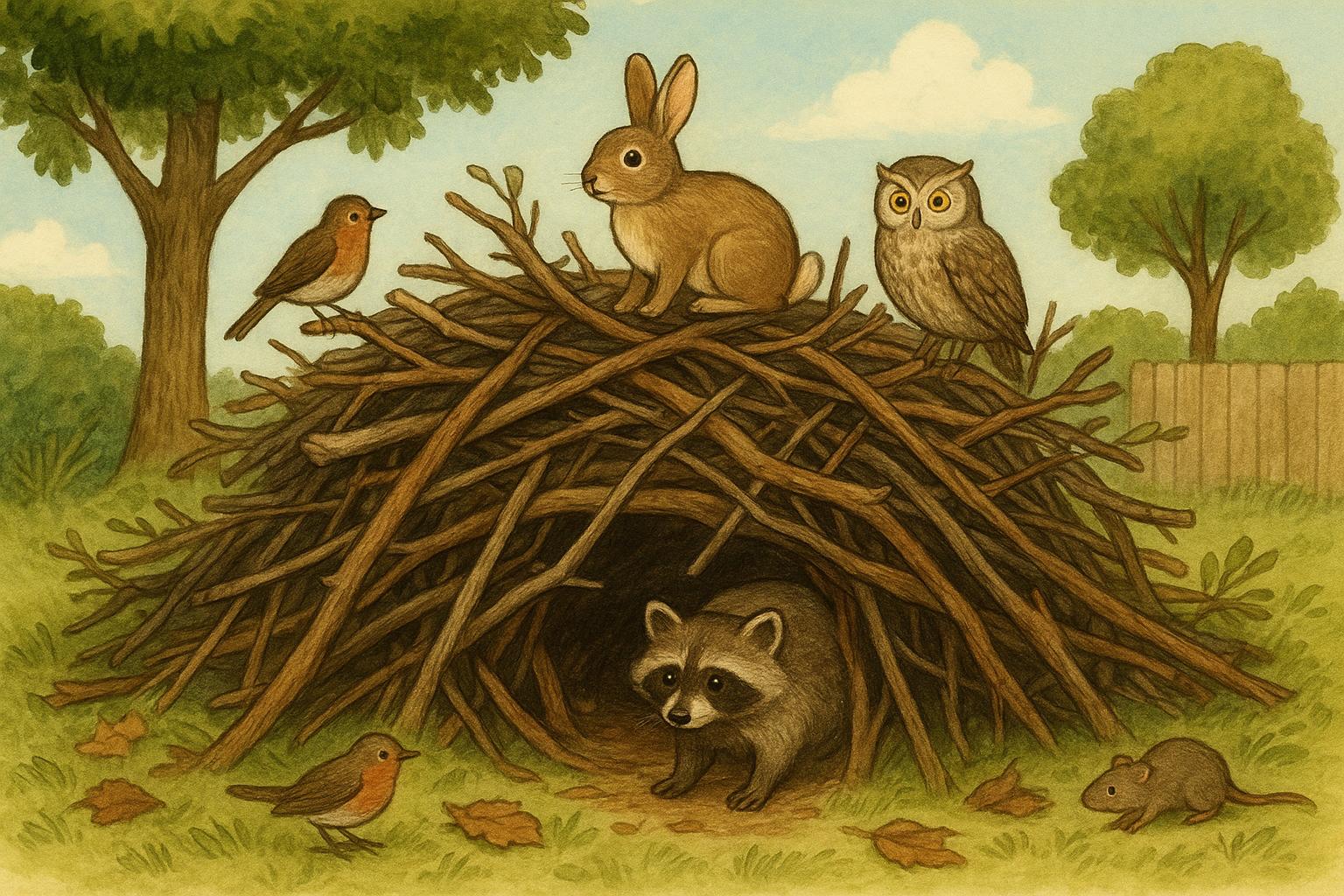
An effective backyard owl habitat includes layered vegetation and microhabitats that sustain prey populations while allowing owls to hunt efficiently. Create short-to-medium grass patches and leave insect- and rodent-friendly areas such as brush piles. Maintain perches—dead snags or poles—where owls can scan for prey. Reduce bright nighttime lighting near hunting zones; owls rely on low light to locate small mammals. Avoid using rodenticides and sticky traps; poisoned prey will harm owls and other predators.
### 2. Create Foraging And Shelter Habitat
This second remedy addresses landscape modifications to maximize foraging success and night-time safety. Follow the formal guidance below to implement effective changes.
Materials And Supplies:
– Native grass and wildflower seed mixes
– Native shrubs and small trees (species list from local extension)
– Mulch, logs, and stones for brush piles
– Bird-safe fencing materials (if necessary)
– Motion-activated low-glare lighting (if required for safety)
Step-by-Step Creation And Application:
1. Assess Current Vegetation: Map existing lawn, trees, and potential clearings. Identify spots that receive minimal nighttime light and are adjacent to cover.
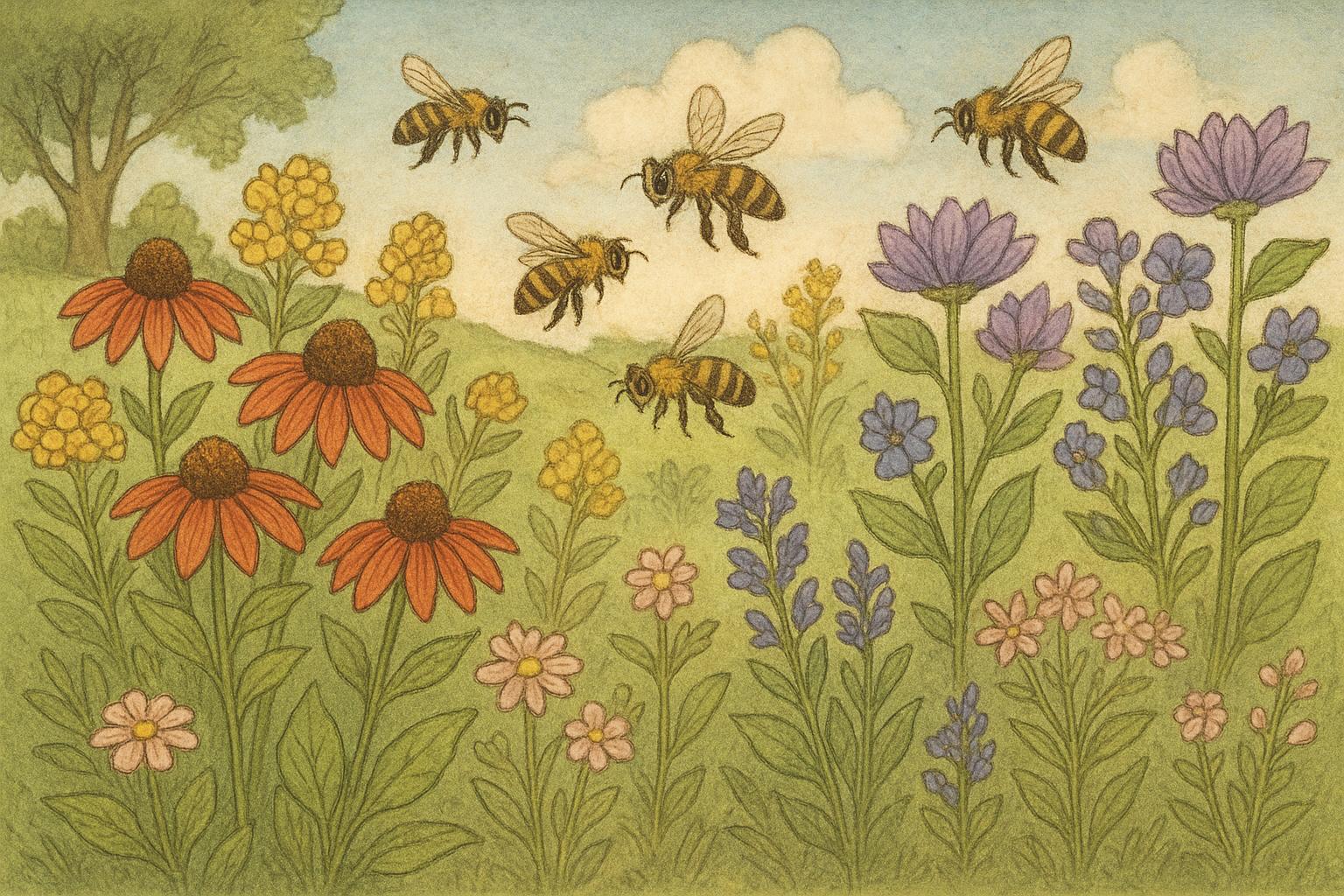
2. Establish Hunting Zones: Convert selected lawn edges to rough grassland using native grass and wildflower seed mixes that attract rodents and insects. Mow selectively, maintaining patchy cover rather than uniform turf.
3. Provide Perches: Leave one or two tall perches such as trimmed deadwood or install slender utility poles 6–10 feet above surrounding vegetation. Perches should allow a clear view of hunting areas without obstruction.
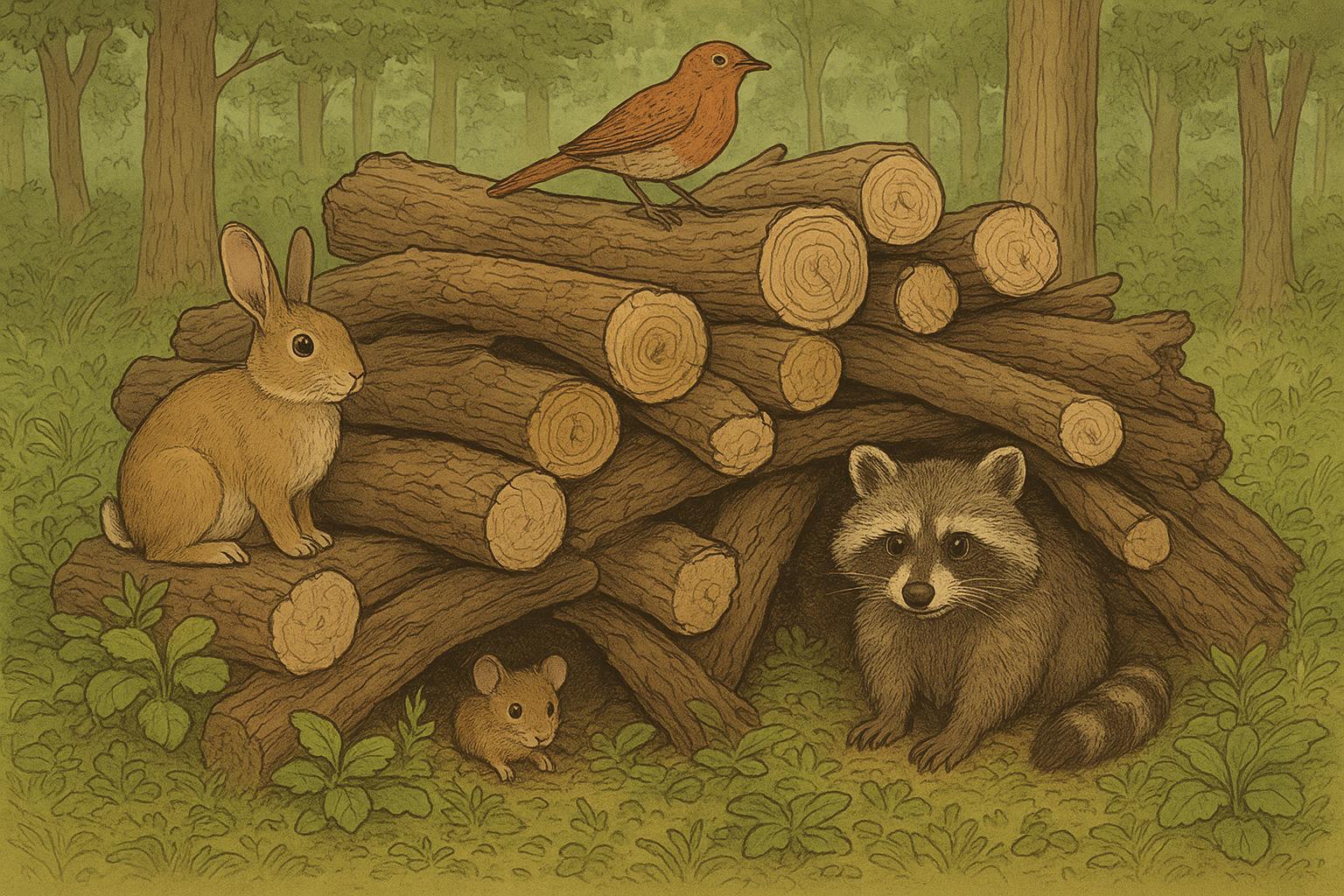
4. Create Brush And Log Piles: Stack logs and branches in discrete sections to support invertebrates and small mammals. Place piles away from human traffic and property foundations to minimize pest-human conflicts.
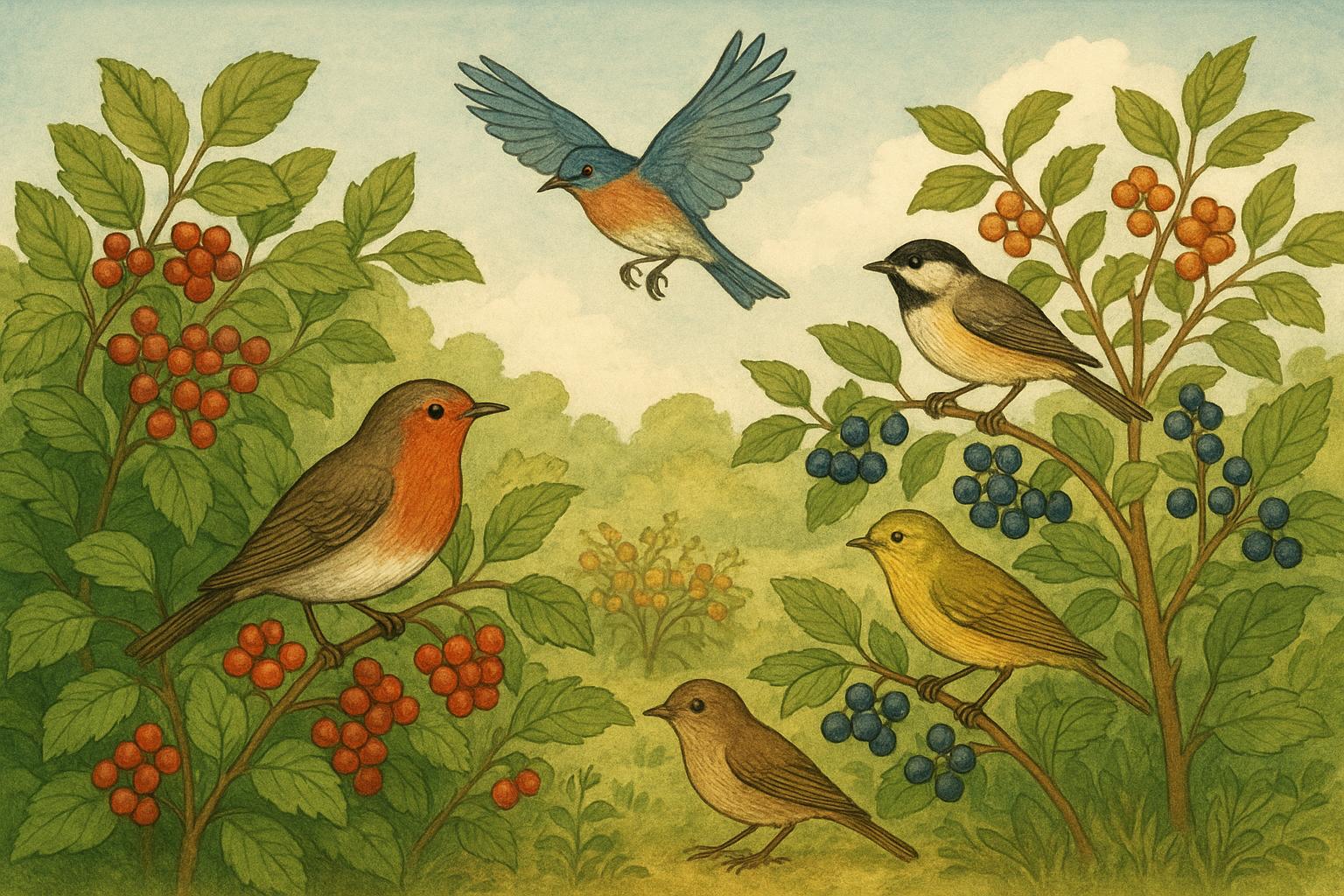
5. Plant Native Shrubs: Plant dense native shrubs to offer roosting and daytime shelter. Choose species that provide seasonal cover but avoid dense thickets that encourage unwanted pests near structures.
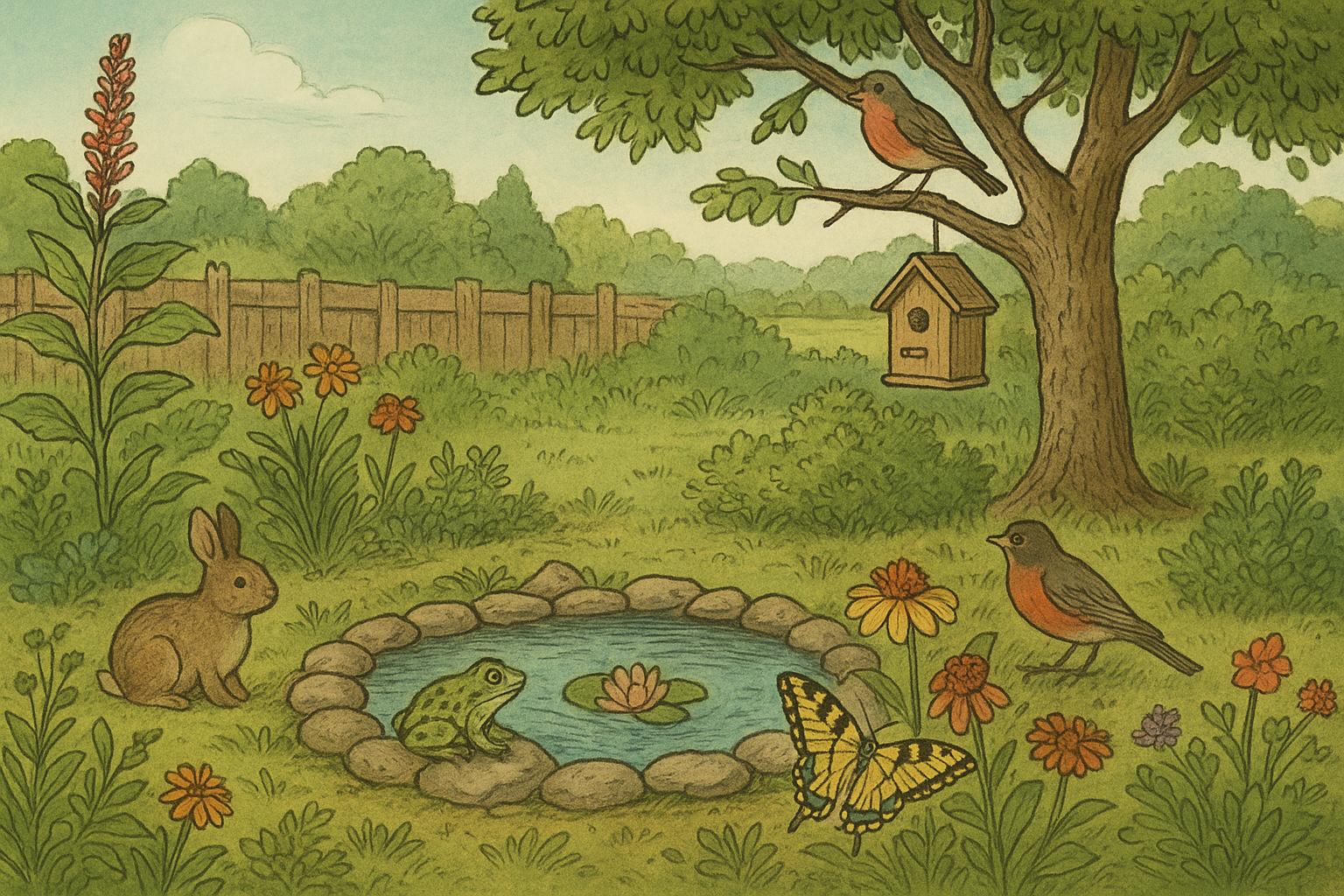
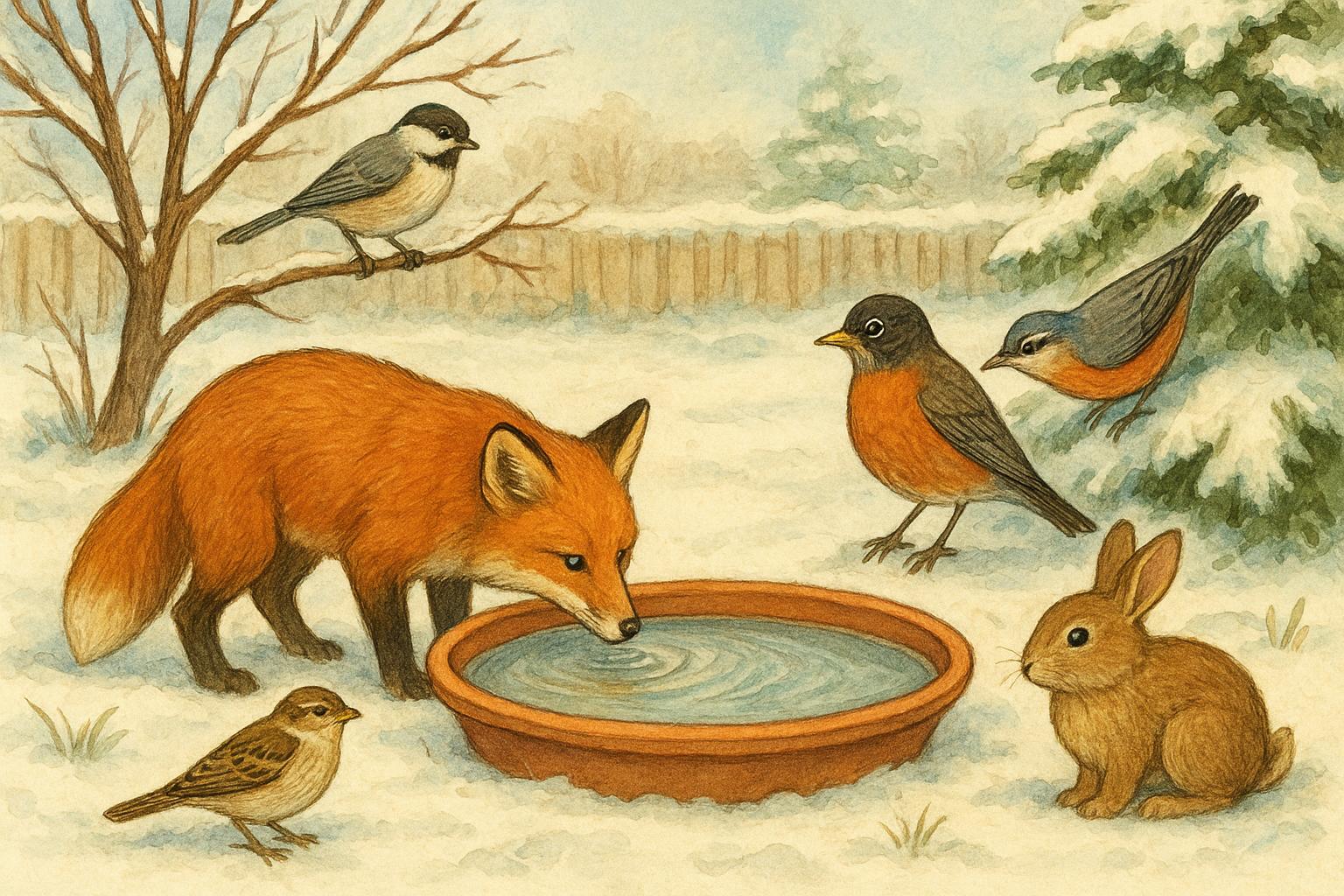
6. Water Sources: If feasible, install a small shallow water source or maintain existing puddle areas. Avoid steep-sided reservoirs; shallow basins are safer for wildlife.
7. Lighting And Safety: Replace bright floodlights near hunting zones with motion-activated, low-glare fixtures oriented downward. Remove reflective windows or apply safe window treatments to reduce collision risk.
8. Avoid Chemicals: Implement integrated pest management. Use snap traps in enclosed tamper-proof boxes or live traps handled by professionals. Never use second-generation anticoagulant rodenticides.
9. Monitor And Adjust: Over 1–3 seasons observe prey abundance and owl activity; adapt mowing regimes and plantings to support stable prey populations without encouraging pests near human living spaces.
#### Managing Human-Owl Interactions
Educate household members and neighbors about nocturnal behavior and the importance of passive observation. Discourage feeding or handling wild owls. If an owl appears injured or entangled, contact a licensed wildlife rehabilitator; do not attempt medical treatment yourself.
## Monitoring, Data, And Community Involvement
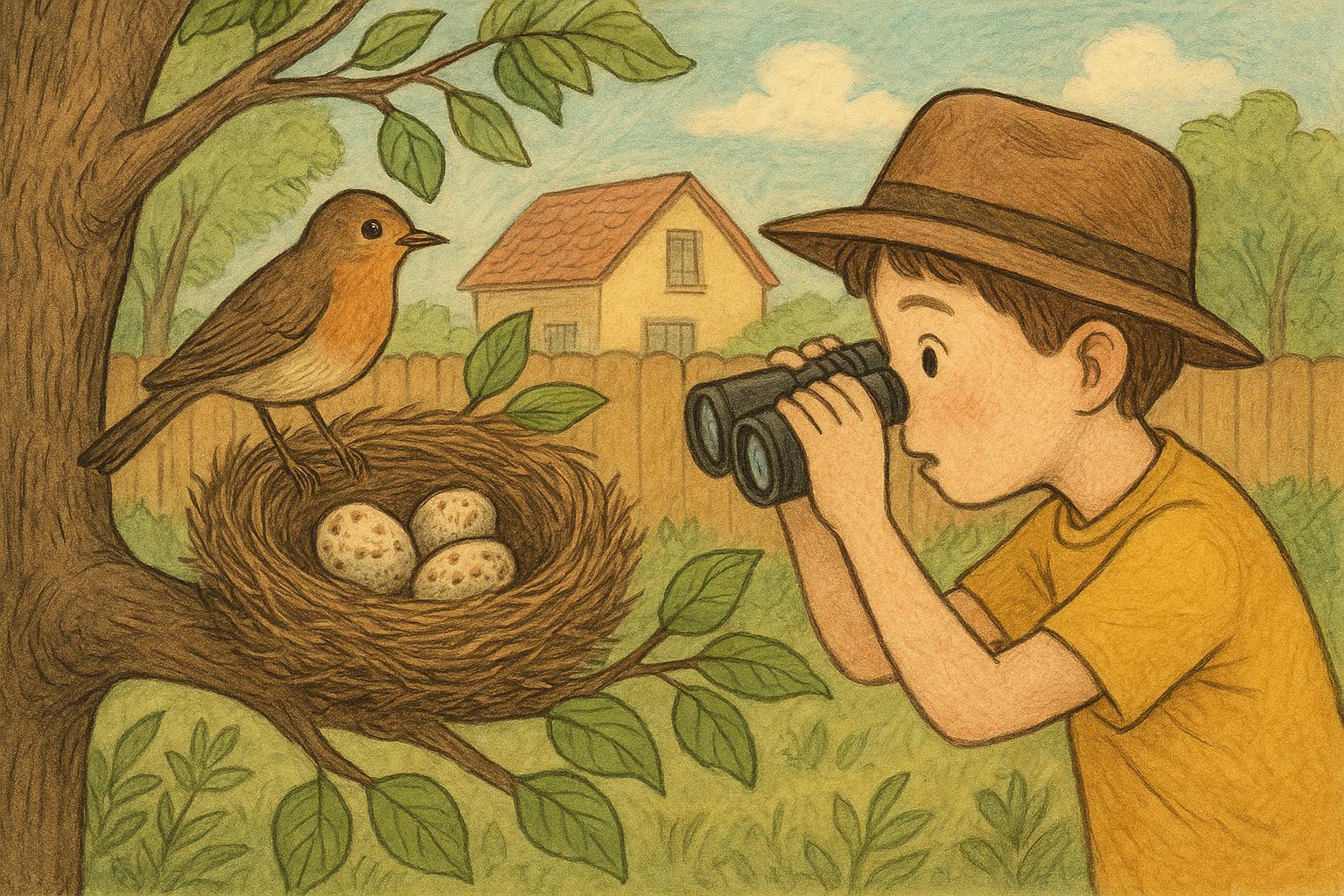
Documenting occupancy and behavior is valuable. Use non-invasive methods—spotlight counts are discouraged; instead, keep a backyard log of calls at dawn and dusk, install motion-activated cameras focused on nest boxes, or participate in citizen science projects. Community involvement can amplify success: shared knowledge about safe pesticide-free practices and coordinated tree retention increases usable habitat across neighborhoods, strengthening regional owl populations.
#### Troubleshooting Common Issues
If nest boxes remain unused, check for reasons: incorrect box dimensions, improper orientation, excessive human disturbance, or predator pressure. Adjust box height or location, improve nearby foraging habitat, and confirm legal compliance. If owls bring small prey onto property and concerns arise, explain their ecological role and maintain safe boundaries to allow natural hunting behavior.
## Long-Term Maintenance And Ethical Considerations
Maintaining a backyard owl habitat requires annual checks of nest boxes outside the breeding season, seasonal adjustments to mowing and brush management, and continued avoidance of toxic pest control methods. Ethically, prioritize wild behaviors: provide structural support and safety, but avoid habituation through feeding or intrusive monitoring. A responsibly managed backyard owl habitat contributes to conservation while offering a subtle, natural spectacle for bird owners and neighbors alike.
(Note: If you encounter an injured or orphaned owl, contact a licensed wildlife rehabilitator immediately; handling and medical care must be performed by professionals to meet welfare and legal standards.)
Leave a Reply