
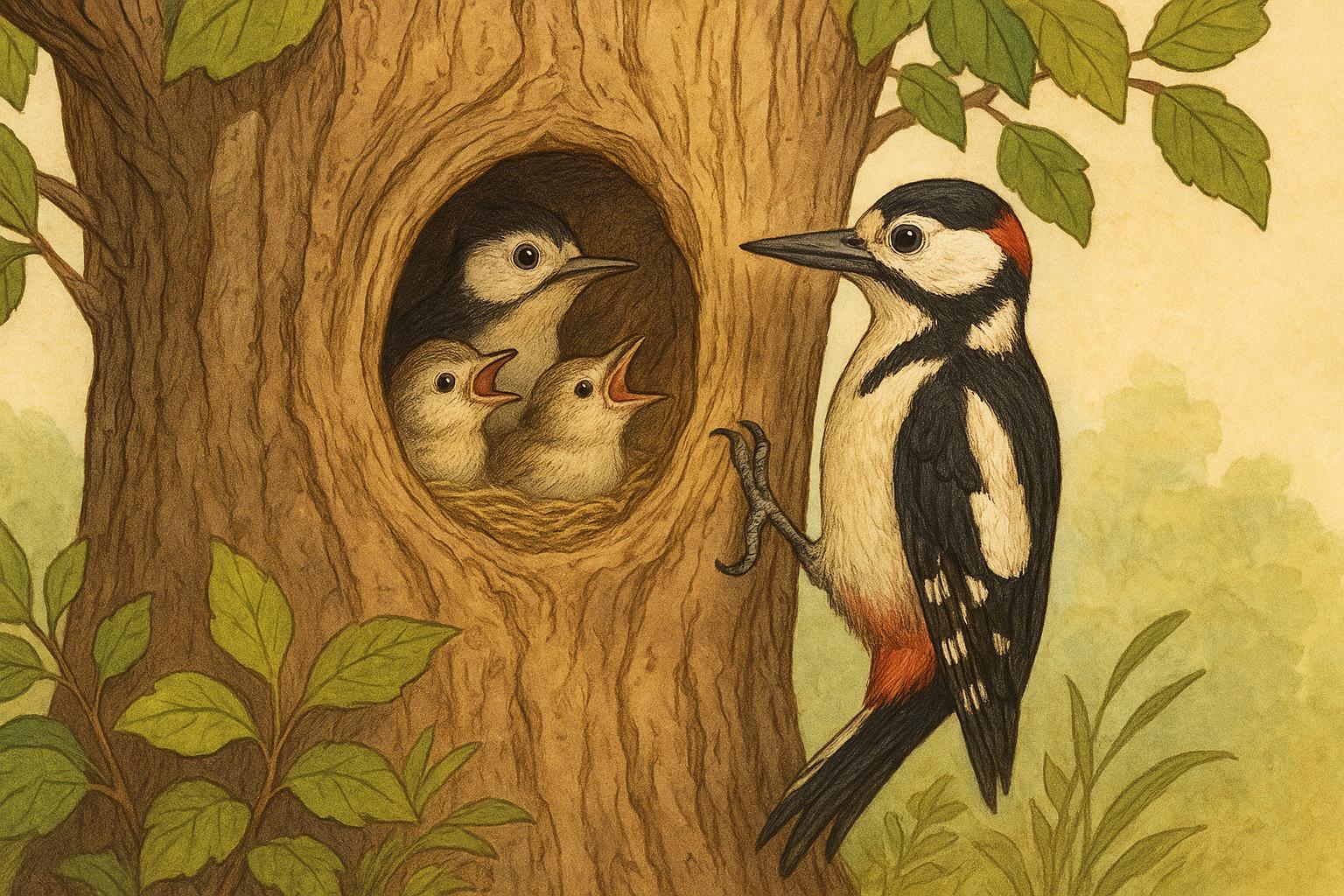
## Woodpecker Nesting Tips: Practical Considerations For Backyards
Woodpecker nesting tips are essential for homeowners seeking to encourage or manage these distinctive birds in a residential landscape. This section outlines principal considerations for applying woodpecker nesting tips effectively, balancing avian welfare with property protection. Observing local species, seasonal timing, and the legal protections that apply to wild birds is the foundation of any responsible backyard plan.
### Understanding Woodpecker Behavior
Woodpeckers are cavity-nesting birds that excavate holes for shelter and reproduction. Many species prefer dead or dying trees for excavating nests because the softer wood is easier to bore. Knowledge of species-specific behavior—such as migratory patterns, territoriality, and foraging habits—allows an informed approach to woodpecker nesting and coexistence.
#### Species And Seasonal Patterns
Different species show distinct preferences. For example, large woodpeckers select sizable trunks and higher cavities, while smaller species may accept manufactured nest boxes. Seasonal timing is also crucial: nest-site selection and excavation primarily occur in late winter to early spring. Planning any interventions outside of the active breeding season minimizes disturbance.
### Habitat Requirements For Nesting
Appropriate habitat consists of available perches, foraging sites with insect-rich bark, and suitable nesting substrates. Deadwood, snags, and broken limbs are often preferred. Providing alternative resources, such as nest boxes or preserved snags, can reduce damage to valuable ornamental trees while supporting local populations. These principles should inform any practical application of woodpecker nesting tips.
## Legal And Ethical Considerations For Backyard Care
All actions that affect nesting birds must comply with regional wildlife regulations. In many jurisdictions, active nests and the birds that occupy them are legally protected. Prior to implementing actions related to woodpecker nesting tips, consult local wildlife agencies to ensure compliance. The ethical imperative is to prevent harm while maintaining a safe environment for both birds and people.
### Permits And Protections
Some measures—such as removing active nests or taking down occupied structures—may be illegal without permits. When in doubt, retain a wildlife professional or contact a conservation authority. Transparent documentation of the presence of active nests can expedite lawful resolutions.
#### Minimizing Disturbance
Avoid loud work, pruning, or structural modifications near nest sites from early spring through late summer. If tree maintenance is necessary, schedule it during winter months when nesting activity is minimal. This practical approach aligns with recommended woodpecker nesting tips for minimizing disturbance.
## Remedy 1: Constructing A Nest Box For Woodpeckers
Providing alternative nesting opportunities is one of the most constructive applications of woodpecker nesting tips. A well-designed nest box can encourage woodpeckers to occupy a benign location, reducing pressure on valuable trees and timber structures.
### Required Materials
– Untreated exterior-grade lumber (pine or cedar), 1″ to 1.25″ thick
– Galvanized or stainless steel screws
– Waterproof exterior wood glue (optional)
– Hinges and latch for a clean-out panel
– Non-toxic exterior wood finish or left untreated per species preference
– Mounting hardware (lag screws, metal bracket, or pole mount)
– Drill and appropriately sized drill bit for entrance hole
– Measuring tape and saw
### Construction And Installation Steps
1. Select Dimensions: For small to medium woodpecker species, construct a box approx. 12–18 inches deep, 7–8 inches wide, and 7–8 inches tall. Larger species require proportionally larger dimensions.
2. Cut Panels: Cut back, front, two sides, top, and bottom panels from the lumber. Ensure tight-fitting joints to maintain insulation and weather resistance.
3. Entrance Hole: Drill an entrance hole 1.25–2.5 inches in diameter according to target species. Place the hole 8–12 inches from the box floor to allow chick space.
4. Assembly: Use exterior screws (and glue if desired) to assemble the box. Include a hinged side or top for seasonal cleaning; a secure latch prevents predators from accessing the cavity.
5. Interior Texture: Lightly roughen the interior front wall below the entrance with saw cuts to allow young birds to climb out.
6. Mounting Height and Position: Mount the box 10–30 feet above ground on a tree or pole, facing away from prevailing winds and direct afternoon sun. Use a metal bracket or lag screws that minimize tree damage.
7. Monitoring And Maintenance: Inspect boxes annually outside the breeding season. Remove old nest material and repair weather damage. Document occupancy to contribute to local bird records.
When executing this remedy, adhere to local guidance regarding placement and timing. Proper implementation of these woodpecker nesting tips promotes occupation of nest boxes and reduces excavation in live trees.
## Remedy 2: Non-Harmful Deterrents To Prevent Property Damage
When woodpeckers cause unacceptable damage to buildings or ornamental trees, non-lethal deterrents provide practical solutions consistent with woodpecker nesting tips. The objective is to discourage persistence without harming birds or disrupting nesting in legal ways.
### Required Materials
– Exterior-grade netting or hardware cloth
– Softwood blocking boards or plywood (for temporary covering)
– Bird-safe visual deterrents (reflective tape, wind-activated panels)
– Sound deterrent devices (limited use; avoid during nesting season)
– Ladder and basic hand tools
– Protective gloves and safety equipment
### Creation And Application Steps
1. Assessment: Identify the specific area of damage and determine whether an active nest is present. Do not install deterrents if a nest is active; wait until fledging is complete.
2. Netting Installation: Use bird-safe netting to cover vulnerable siding or sections of tree trunk. Ensure netting is taut and secured so birds cannot become entangled.
3. Temporary Covering: Install plywood panels over small, repeatedly targeted areas as a short-term barrier until more permanent repairs are made.
4. Visual Deterrents: Affix reflective tape or wind-activated panels near affected areas. Change positions periodically to prevent habituation.
5. Sound Deterrence: Use sound devices sparingly and only where legal and appropriate. Avoid continuous noise during nesting season to prevent undue stress.
6. Habitat Modifications: Reduce attractants such as exposed insect infestations by scheduling professional tree care. Consider leaving designated snags or installing nest boxes to direct woodpecker activity away from structures.
7. Monitor Effectiveness: Regularly inspect deterrents and adjust as required. Remove deterrents outside of problem periods to avoid long-term exclusion of wildlife.
Implement these steps in a manner consistent with ethical guidelines and local regulations. Properly applied, these measures are an integral part of comprehensive woodpecker nesting tips for balancing avian presence with property integrity.
## Resources For Continued Learning And Implementation
For the practitioner seeking a thorough approach to woodpecker nesting tips, consult regional birding organizations, extension services, and wildlife rehabilitation centers. They provide species-specific guidance, legal updates, and recommendations for nest box specifications compatible with local fauna. Maintaining a relationship with local experts ensures that backyard practices remain responsible and effective.
### Adapting Practices To Local Conditions
Local climate, species composition, and landscape structure will influence which of the woodpecker nesting tips are most applicable. Document observations—dates of excavation, species present, and outcomes of interventions—to refine your approach. This empirical record improves future decisions and contributes to broader conservation knowledge.
#### Working With Professionals
When damage is extensive, or when legal complications arise, seek the services of certified arborists and wildlife specialists. Their technical expertise complements the homeowner’s efforts and ensures compliance with protective statutes referenced in this woodpecker guide.












Leave a Reply